雪茄捲製技術的演變與未來展望
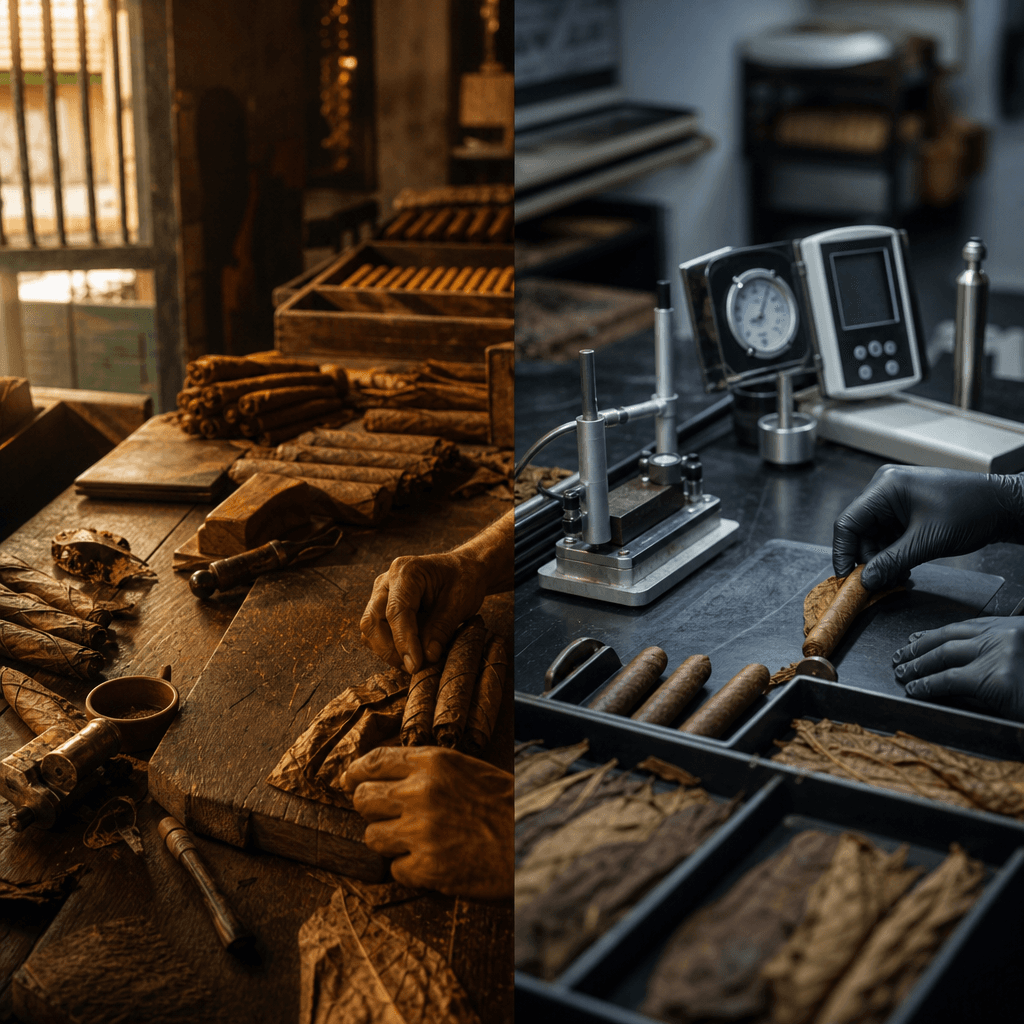
雪茄捲製是一門結合傳統技藝與現代科技的藝術,從古巴到尼加拉瓜的演變中,捲製技術持續精進。古巴的捲製工藝強調葉片的排列與燃燒的平衡,而多明尼加則以穩定性與細膩度見長。現代工廠利用抽吸機與濕度控制技術,確保每支雪茄的品質與穩定性。隨著市場對高階雪茄需求的增加,未來的雪茄不僅需稀有,更需結合手工的靈魂與可驗證的穩定度,以滿足老手對風味與結構的高要求。
- 雪茄捲製技術結合了葉片、濕度與張力,影響燃燒與風味的穩定性。
- 古巴雪茄的優勢在於產區的連續性,影響香氣與風味的變化。
- 現代科技使得傳統經驗變為可追蹤的數據,提升了雪茄的品質管理。
The Evolution and Future Prospects of Cigar Rolling Techniques
From the old factories of Havana to the modern workshops of Estelí, Nicaragua, cigar rolling has never been merely a display of craftsmanship but a precise system involving leaves, humidity, tension, combustion, and time. True connoisseurs often question not "is it good to smoke," but why the same brand and size can exhibit different rhythms due to vintage, region, and rolling details.
As an editor of the "Cigar Bible," what I find most interesting about the evolution of cigar rolling techniques is that tradition has not been replaced by technology; rather, it has been illuminated by it. The key to future high-end cigars will not only be rarity but the ability to combine the soul of craftsmanship with verifiable stability.
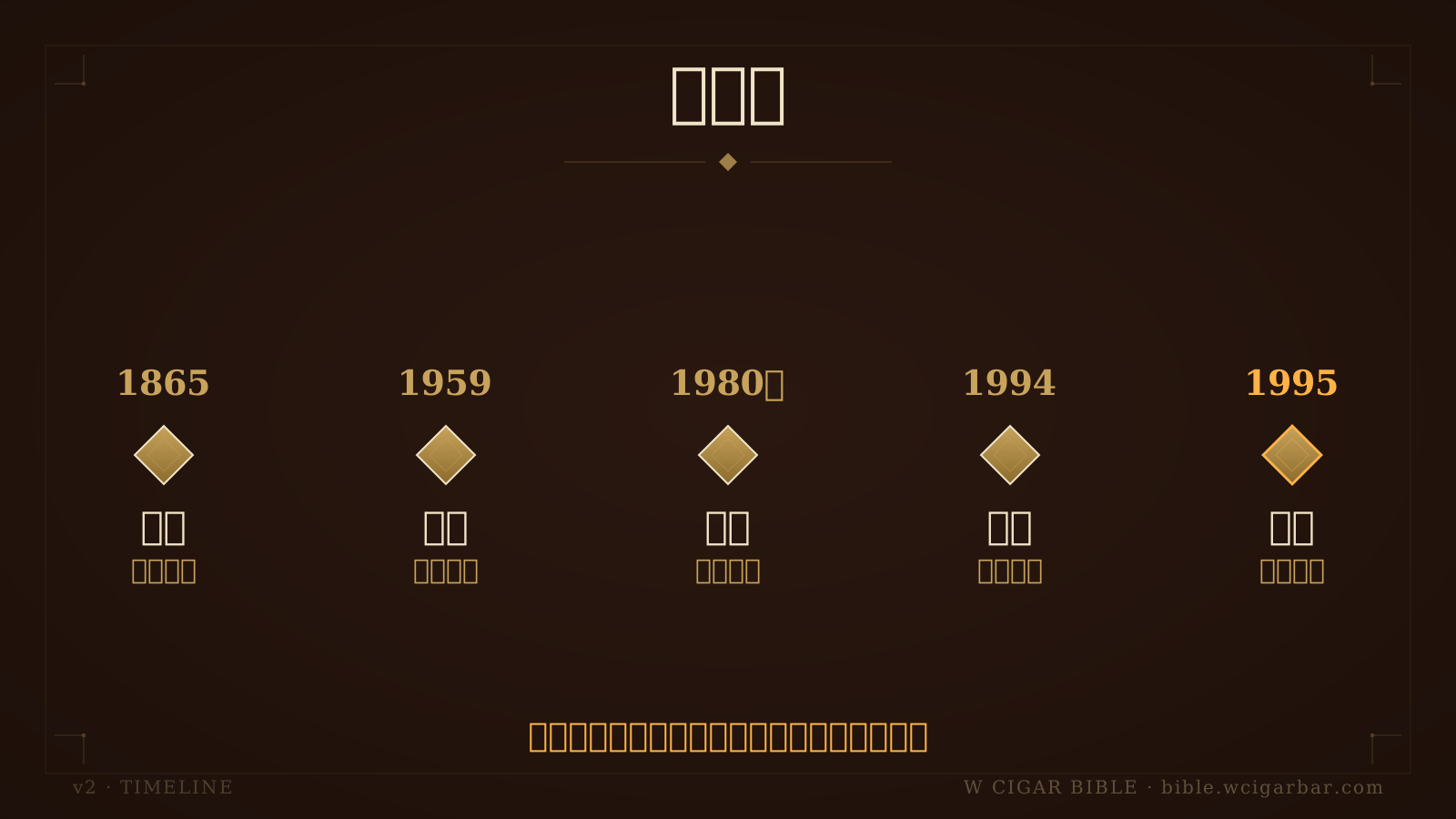
時間線呈現工坊制度技法擴散與新產區系統化
From Torcedor to Workshop System: The Core of Hand-Rolling Remains Unchanged
The classic procedures of Cuban cigars were gradually established in the latter half of the 19th century. Around 1865, the torcedor in Havana factories was not just a worker but the final gatekeeper of brand quality. Brands like Partagás, H. Upmann, and Romeo y Julieta still reflect the shadows of the workshop system in their filler arrangement, wrapper stretching, and cap finishing. The essence of truly high-end hand-rolling is not "entirely by hand," but ensuring that each application of force maintains balance in combustion and flavor.
Traditional rolling generally involves grading, de-stemming, fermentation, aging, blending, bunching, wrapping, pressing, trimming, and quality control. For example, with the common Cuban robusto size of 124 mm and 50 ring gauge, if the filler is packed too tightly, the front end will be stuffy with high draw resistance; if packed too loosely, the middle and back end will heat up too quickly, and spiciness will emerge prematurely. These issues cannot be masked by a pretty appearance; seasoned smokers can tell with a single cut and draw.
I often remind regular customers to observe "rebound" and "ventilation." A well-made cigar has elasticity when gently pressed with the fingertips, neither a hard stick nor a sponge. While Cuban factories traditionally relied heavily on the touch of masters, they now incorporate draw resistance tests and humidity records, but the judgment logic remains unchanged: the burn must be straight, smoke volume stable, and flavor development layered, not just relying on concentration.

三張卡整理手感穩定與產區策略的核心結論
The Turning Point of the 20th Century: Revolution, Nationalization, and Technical Outflow
The 1959 Cuban Revolution and the nationalization of the 1960s are among the most significant watersheds in the history of cigar craftsmanship. Many Cuban families and masters left the island for the Dominican Republic, Honduras, Nicaragua, and Florida, USA. This was not just a transfer of brand stories but a diffusion of technical language. Brands like Arturo Fuente, Padrón, and Davidoff absorbed Cuban techniques in different eras and developed independent styles by combining them with new regional soils and management methods.
Take Davidoff, for example. After ending its relationship with Cuba in the late 1980s, the brand shifted to Dominican production and established stricter leaf classification and quality control systems in the 1990s. It proved one thing: Cuba is not the only place capable of producing delicate cigars, but Cuban craftsmanship indeed provides the foundational grammar. The evolution of cigars in the latter half of the 20th century is essentially a reorganization of "Cuban techniques" and "New World management."
Padrón took a different path. The 1964 Anniversary Series, launched in 1994, emphasized the strength of Nicaraguan tobacco, fermentation depth, and the stable combustion of box-pressed cigars. Such cigars made connoisseurs realize that rolling techniques are not just about replicating Havana but adapting the filler ratio, pressing time, and humidity curve according to leaf structure. As the character of raw materials changes, so must the craftsmanship be redesigned.

矩陣比較古巴多明尼加與尼加拉瓜的捲製邏輯
Regional Differences: Rolling Logic of Cuba, Dominican Republic, and Nicaragua
The advantage of Cuban cigars lies in the terroir's unity. The soil, climate, and traditional grading of Vuelta Abajo allow leaves from the same region to form continuity in aroma, minerality, and mid-section changes. Cuban rolling often pursues flavor flow: herbal and woody in the front, transitioning to creamy, coffee, or floral in the mid-section, gradually deepening in the end. This rhythm requires precise filler arrangement, with the proportions of ligero, seco, and volado not just based on strength.
Dominican craftsmanship excels in delicacy and stability. Fuente Fuente OpusX, launched in 1995, broke the stereotype that "Dominican cannot produce strong wrappers." Its success relied not only on premium wrappers but on a comprehensive system from shade-grown cultivation, fermentation control to rolling tension. The representative technique of the Dominican Republic is not making cigars heavier but making complexity cleaner.
Nicaragua is known for volcanic soil, richness, and multi-region blends. Estelí provides strength, Jalapa sweetness, and Condega aroma balance. Brands like AJ Fernandez, My Father, and Oliva often use leaves from different farms to build a more robust mid-section. This requires special control of ventilation and combustion temperature during rolling; otherwise, rich cigars can easily become coarse. For connoisseurs, regional differences are not labels but starting points for blending and rolling strategies.
Technical Details Comparison: From Bunching to Box-Pressed
The method of bunching cigars is central to affecting combustion. The common entubado involves rolling each filler leaf into a tube before combining, providing even ventilation but labor-intensive; booking stacks like book pages, efficient but if pressure is uneven, can lead to uneven burning. High-end Cuban lines often favor precise hand feel, while New World brands adjust methods based on size, production volume, and flavor goals. The same tobacco leaf, rolled differently, will have different burning speeds, smoke volumes, and aroma releases.
Box-pressed technology is another example frequently discussed by modern connoisseurs. Some versions of Padrón 1926 Series, Oliva Serie V Melanio, and Rocky Patel The Edge use pressing to make the cigar's taste more concentrated and grip more stable. Proper pressing can concentrate mid-section sweetness and smoke density; excessive pressing may tighten draw resistance. This is not a gimmick but a collaboration of mechanics, humidity, and time.
| Technical Item | Common Representatives | Advantages | Risks |
|---|---|---|---|
| Entubado Bunching | High-end Cuban hand-rolled lines | Good ventilation, clear layers | High labor, significant master differences |
| Booking Stacking | Mass stable production lines | High efficiency, consistent appearance | Prone to local uneven burning |
| Box-pressed | Padrón, Oliva | Concentrated taste, slow burn | Excessive pressure can tighten draw resistance |
| Triple cap | Common in Cuban tradition | Beautiful finish, stable structure | Requires high proficiency |
- Experienced smokers can first check if the foot leaf distribution is even.
- Then gently press the entire length to feel for hard spots or voids.
- Observe the first 2 cm burn line after lighting, often revealing structural stability.

三張卡指出手工判斷同盒差異與方壓保存誤解
Modern Quality Control: Draw Machines, Humidity Data, and Hand Feel
In the past, masters relied on touch to judge draw resistance; now, many factories use draw test machines. Common practice is to test ventilation values before or after wrapping, eliminating semi-finished products with too high or too low draw resistance. This equipment is especially prevalent in large factories in the Dominican Republic and Nicaragua, not to industrialize cigars but to avoid too many differences in a box. For connoisseurs, stability itself is part of the premium feel.
Humidity management is equally important. During fermentation and aging, temperature and moisture content affect ammonia removal, sugar conversion, and leaf flexibility. If the wrapper's moisture content is too low, it cracks easily during application; too high can cause mold spots or slow burning. Many factories control storage rooms at about 65% to 72% relative humidity, adjusting based on leaf thickness. The greatest value of modern technology is turning past "only perceptible" experiences into traceable data.
However, data cannot entirely replace humans. Since 2020, some brands have started using barcodes to track batches, farms, and rolling teams, but the final gate remains the master's eyes, hands, and nose. Cigars are not electronic components; natural leaves vary each season. A good factory uses instruments to capture the baseline, then lets humans judge if the flavor has vitality; the difference lies in knowing that standardization is not about erasing personality but protecting it.
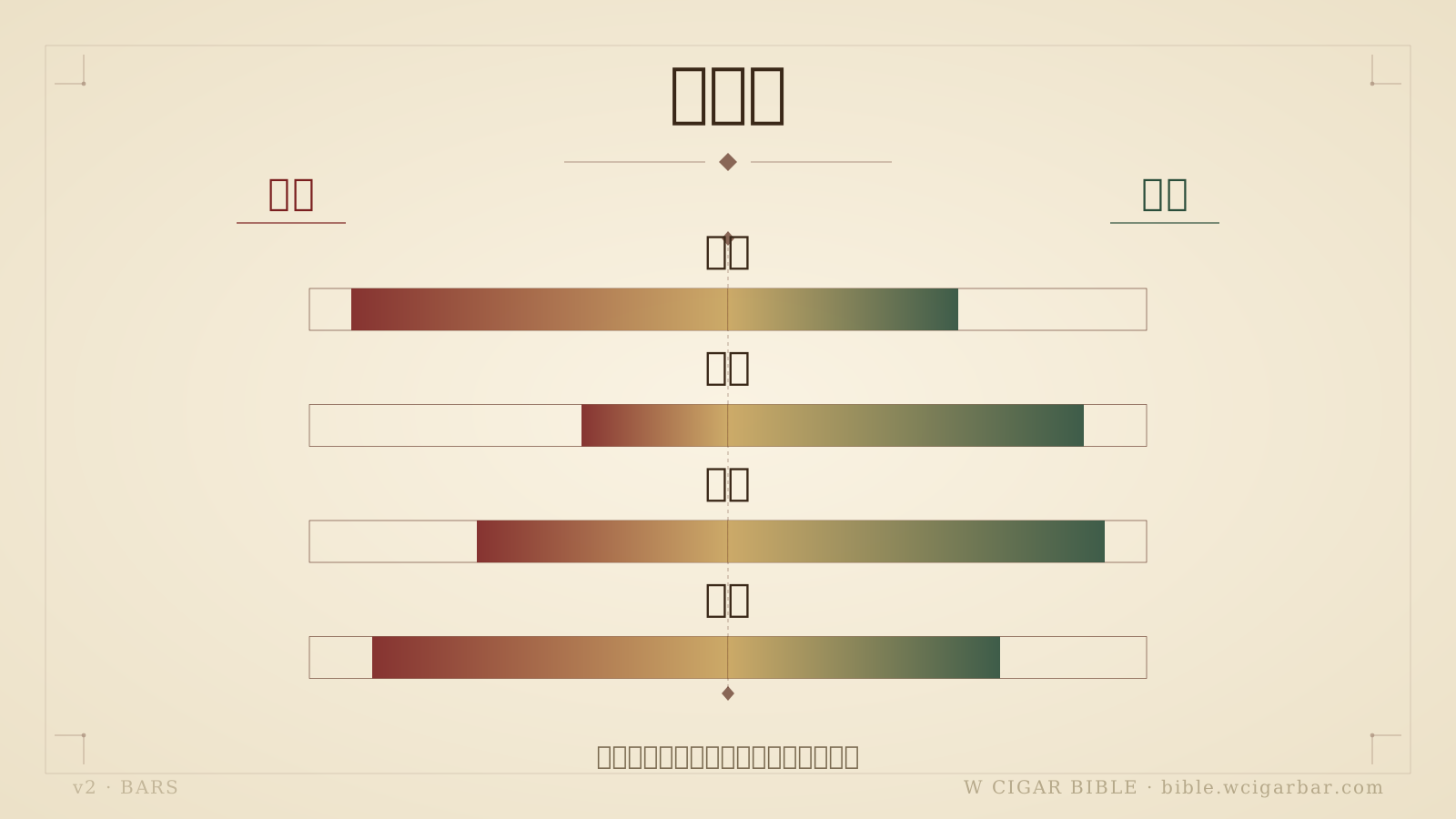
長條圖對比傳統手感與現代數據管理的強弱取向
Evolution of Flavor Design: Size, Leaves, and Rhythm Control
Old-school cigars often use corona, lonsdale, and churchill to showcase delicate changes, as smaller ring gauges make the wrapper and binder's influence more pronounced. In the past two decades, 60 ring gauge and even larger gordo have become popular, changing rolling logic. Larger ring gauges can accommodate more filler leaves, offering a full-bodied taste, but if the blend is not precise, it can become monotonously heavy. A larger size does not mean more layers; the real challenge is maintaining rhythm in a larger cross-section.
Take the Cohiba Siglo VI with its 150 mm length and 52 ring gauge as an example. When it was launched in 2002, it was considered an important representative of modern Cuban sizes. It is not merely an enlargement but a new balance between aroma, smoke volume, and burning time. In contrast, many New World 6×60 cigars emphasize sweetness, woodiness, and spice, requiring the ligero not to concentrate on one side during rolling; otherwise, the mid-section can burn unevenly or heat up suddenly.
Flavor design also involves leaf positioning. Ligero is located at the top of the plant, with ample sunlight and strong power; seco has good aroma; volado is good for burning. Excellent rolling is not about stuffing all good leaves but like tuning: which leaf is placed in the center, which on the outer side, and which for ignition propulsion all affect the final result. If connoisseurs can deduce the blend and rolling method from burning speed, they enter a deeper level of appreciation.

快問快答整理手工優劣同盒差異與標準化問題
Future Prospects: Beyond AI, Focus on Traceability and New Material Frontiers
For the future of cigar craftsmanship, I value three things: traceability, micro-batches, and environmental control. Traceability is not a marketing slogan but knowing where a cigar comes from, which farm, which harvest year, which fermentation pile, and which team of masters. The wine industry has long been like this, and cigars will gradually follow. Especially after 2015, more brands emphasize farm-to-cigar, providing connoisseurs with a basis for comparing different vintages and batches.
Micro-batches will become a focus in the high-end market, but they also carry risks. Small production can amplify the personality of specific leaves, such as the prominent sweetness in some Nicaraguan crops in 2018 and 2019, which brands can showcase in small batches; but if relying solely on rare packaging without solid rolling, connoisseurs will quickly be disappointed. As for collection and the secondary market, rare versions may indeed be discussed, but collection appreciation does not guarantee appreciation, still depending on source preservation and market.
Environmental control includes storage, transportation, and terminal preservation. More common in the future may be humidity monitoring within packaging, batch QR records, and more precise box arrangements. Future high-end cigars will not depart from craftsmanship but will make craftsmanship more transparent, verifiable, and comparable over the long term. But I also believe that ultimately it must return to the moment of combustion: whether the smoke is clean, whether the rhythm is elegant, is the answer to all technology.
Frequently Asked Questions
Is hand-rolling necessarily better than machine-made?
It should not be judged solely by the term "handmade." High-end long-filler hand-rolled cigars usually have more refined layers and structure, but if the rolling is unstable, they may lose to strictly managed mid-range products. The key is whether leaf quality, bunching technique, humidity, and quality control form a complete system.
Why are there still differences in the same box of cigars?
Natural tobacco leaves are not standard components; even in the same box and batch, leaf thickness, oil content, and the rolling master's touch can still cause differences. Differences within an acceptable range are the charm of cigars; frequent blockages, hollowness, or uneven burning are quality control issues.
Are box-pressed cigars suitable for long-term storage?
Yes, but pay attention to humidity and stacking pressure. Box-pressed cigars may soften at the edges in overly humid environments, and burning may slow. Generally, maintain 65% to 69% relative humidity, avoiding long-term compression by heavy objects.
How do connoisseurs judge rolling quality?
Observe three points: whether the elasticity is even before lighting, whether the front section burns stably after lighting, and whether smoke volume is continuous during drawing. If significant hollowness or uneven burning appears within the first 3 cm, it usually indicates issues with filler arrangement or humidity.
Will cigars be fully standardized in the future?
No, and they shouldn't be. Standardization should address defects, not flatten personality. The ideal future is for each cigar to retain regional, vintage, and master touch while reducing blockages, cracks, and batch inconsistencies.
Is there a hierarchy between regions?
There is no absolute hierarchy, only style and craftsmanship maturity. Cuba emphasizes rhythm and aroma lines, the Dominican Republic emphasizes delicacy and stability, and Nicaragua emphasizes strength and sweetness. The fun for connoisseurs is in understanding their respective rolling logic.
I have always believed that the most fascinating aspect of cigars is that they are both ancient and modern. Picking up a cigar may seem like just leaves and time, but behind it lies a complete chain of agriculture, fermentation, blending, rolling, and preservation. Future technology will be more precise, but what truly remains is that balance that makes one willing to slow down after lighting.
—Cigar Prince Wilson Tsai
Smoking is harmful to health. Under 20 years old is not allowed to smoke. Quitline: 0800-636363. This article is for reference by adults over 20 years old for cigar culture, preservation, and regulatory knowledge, not a tobacco advertisement, promotion, or purchase suggestion.
Like this article?Share with friends
Share this W Cigar Bible piece with friends who want to learn cigar culture, storage, and tasting.
想把這篇 化為實踐
雪茄聖經是知識;雪茄文化要在空間裡發生

W Cigar Bar 大安總店資訊
台北大安區 · 雪茄聖經總編輯 Wilson Tsai 主理的雪茄文化空間

33 座 24 小時恆溫恆濕醇化室
W Cigar Bar 提供的會員醇化空間 · 場地資訊請洽編輯部

雪茄剪 / 打火機 / 雪茄盒 / Boveda
W Cigar 配件官網 · 專營雪茄配件正品

加 LINE 好友 · 文化諮詢
文化空間資訊 · 紳士沙龍 · 私人包場
本網站內容僅供雪茄文化、歷史、收藏與品吸知識研究參考。菸品有害健康、未滿法定年齡者請勿吸菸。實際規範請依所在地法律為準。
吸菸有害健康・戒菸專線 0800-636363・本站僅供 20 歲以上成年人閱覽。
讀到這裡,你不只是路過的人
留下 Email,加入 W 雪茄聖經內圈——總編輯 Wilson Tsai 親選的學院深文與國際新訊,先你一步送到信箱。
· 教育用途非銷售 · 隨時一鍵退訂 · Email 絕不對外公開 · 由勝茄股份有限公司營運
同分類延伸閱讀

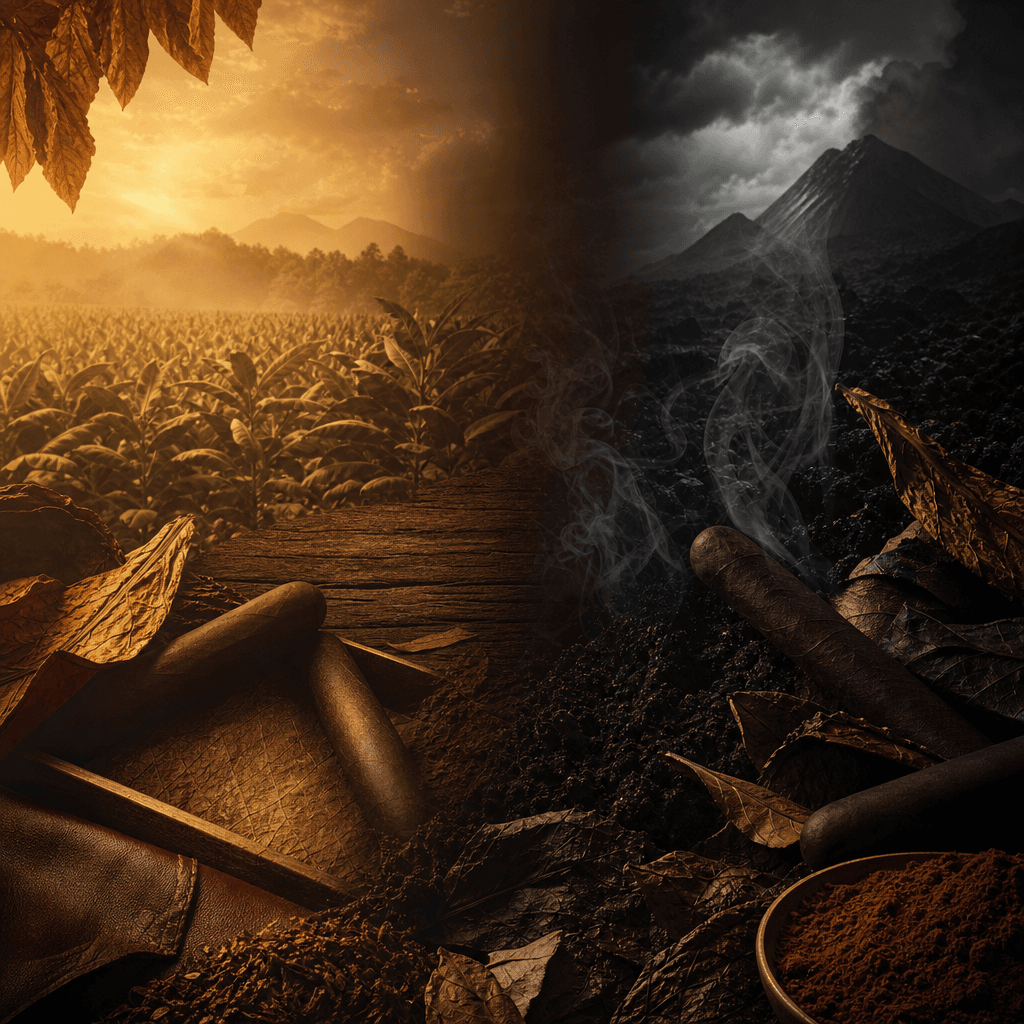

資料來源:W Cigar Bible 編輯部整理 · 雪茄王子 Wilson Tsai 親自審稿
本文僅供雪茄文化、歷史、收藏與品鑑知識研究,不作為菸品促銷、銷售或購買建議。吸菸有害健康,未滿二十歲不得吸菸。