雪茄的香氣與味道層次:品味的藝術探討

雪茄的魅力在於其層次分明的風味體驗,從點燃前的香氣到燃燒過程中的變化,讓品味者逐步探索。對於初學者而言,學會觀察雪茄的不同階段至關重要,包括前段的第一印象、中段的核心風味及尾段的濃郁餘韻。透過冷聞與冷吸,能夠判斷雪茄的香氣基礎,並進一步記錄每次品評的細節,建立個人的味覺資料庫。正確的保存條件及品味節奏也會影響雪茄的表現,讓每一次的品味都充滿驚喜與啟發。
- 雪茄的品味從點燃前開始,冷聞與冷吸能幫助判斷香氣的骨架。
- 茄衣、茄套與茄芯的不同部位共同影響雪茄的味道層次與燃燒特性。
- 進階品評需建立可重複的流程,記錄每次品味的變化與強度,提升品味能力。
The Aroma and Flavor Layers of Cigars: An Exploration of the Art of Tasting
The charm of cigars lies not in a sudden burst of extravagant vocabulary in a single puff, but in how it gradually presents notes of wood, spice, cream, leather, nuts, coffee, and minerals from before lighting, through the first, middle, and final thirds. Once beginners master the basics of tasting and exhaling, the next step is to deconstruct "good smoke" into observable, recordable, and comparable layers.
As an editor of the "Cigar Bible," I often remind beginners: cigar flavors are not a test, nor are they about memorizing standard answers. What you need to train is sensory order—knowing when to smell, when to inhale, when to slow down, and how to use a consistent method to build your own taste database.
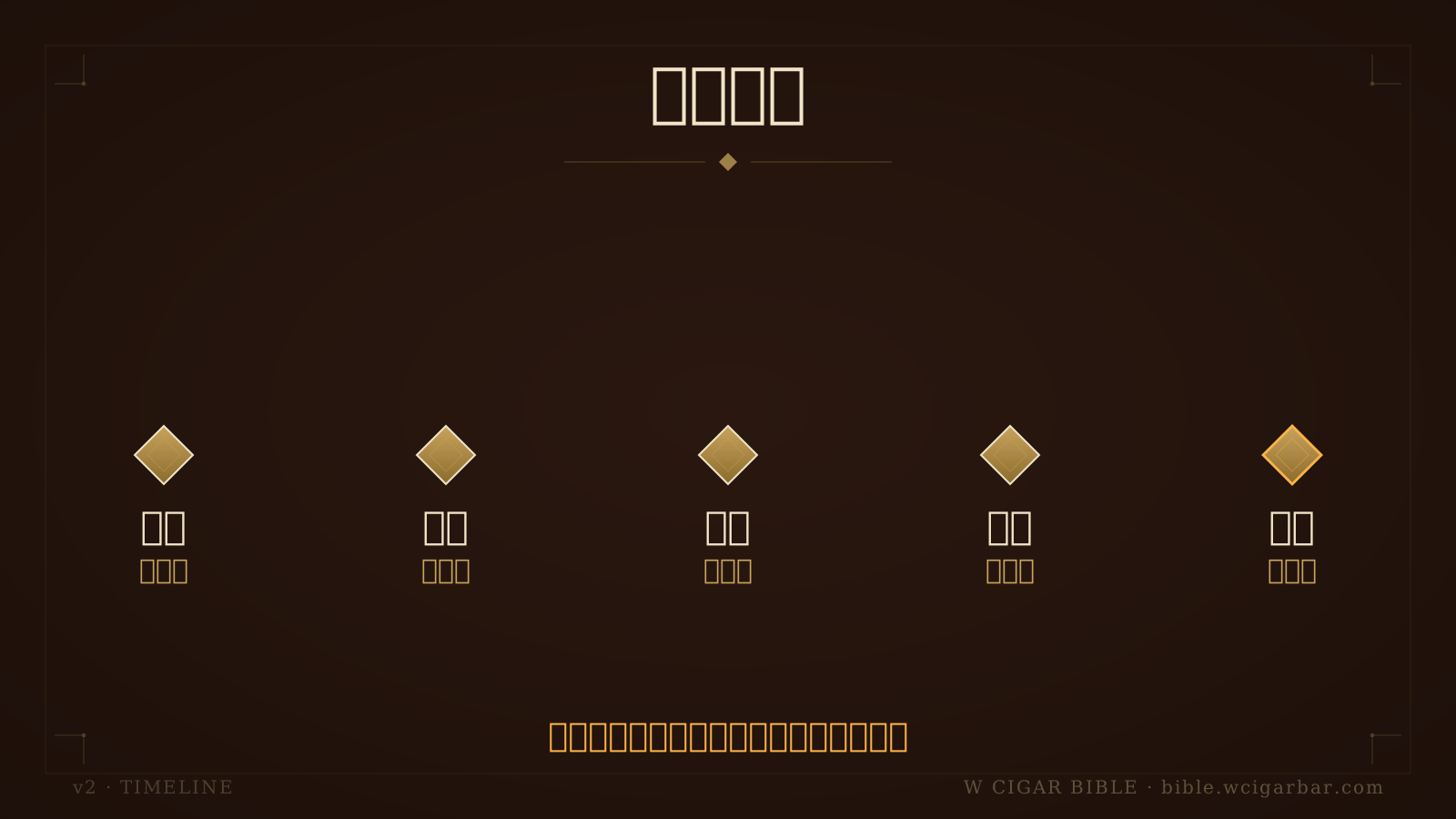
時間線呈現從冷聞冷吸到前中尾段紀錄流程
Aroma Map: Understanding a Cigar from Before Lighting
True tasting begins before the flame touches the cigar. Take a well-preserved Hoyo de Monterrey Epicure No.2, first smell the wrapper, which often has cedar, hay, a hint of honey, and nut skin; then smell the foot, where the aroma is more concentrated, possibly revealing cocoa powder, white pepper, or roasted grains. These clues in the early stage often hint at the main theme after lighting.
Cold smell and cold draw before lighting are the cleanest moments to judge the aroma framework of a cigar. During a cold draw, you don't need to inhale forcefully; just let the air pass through the smoke channel lightly. If you detect grass, ammonia, or pungent sourness, it may relate to humidity, transportation status, or aging time; if there are dried fruits, woody notes, and sweet aromas, it usually indicates a more stable structure.
Take the 2019 boxed Partagás Serie D No.4 as an example, the early stage often features black pepper, roasted wood, and coffee bittersweet; while the 2021 Romeo y Julieta Wide Churchills is more likely to present floral, creamy, and tea notes. Brand, year, size, and storage conditions collectively determine the performance, and cannot be simply described as "strong" or "mild."
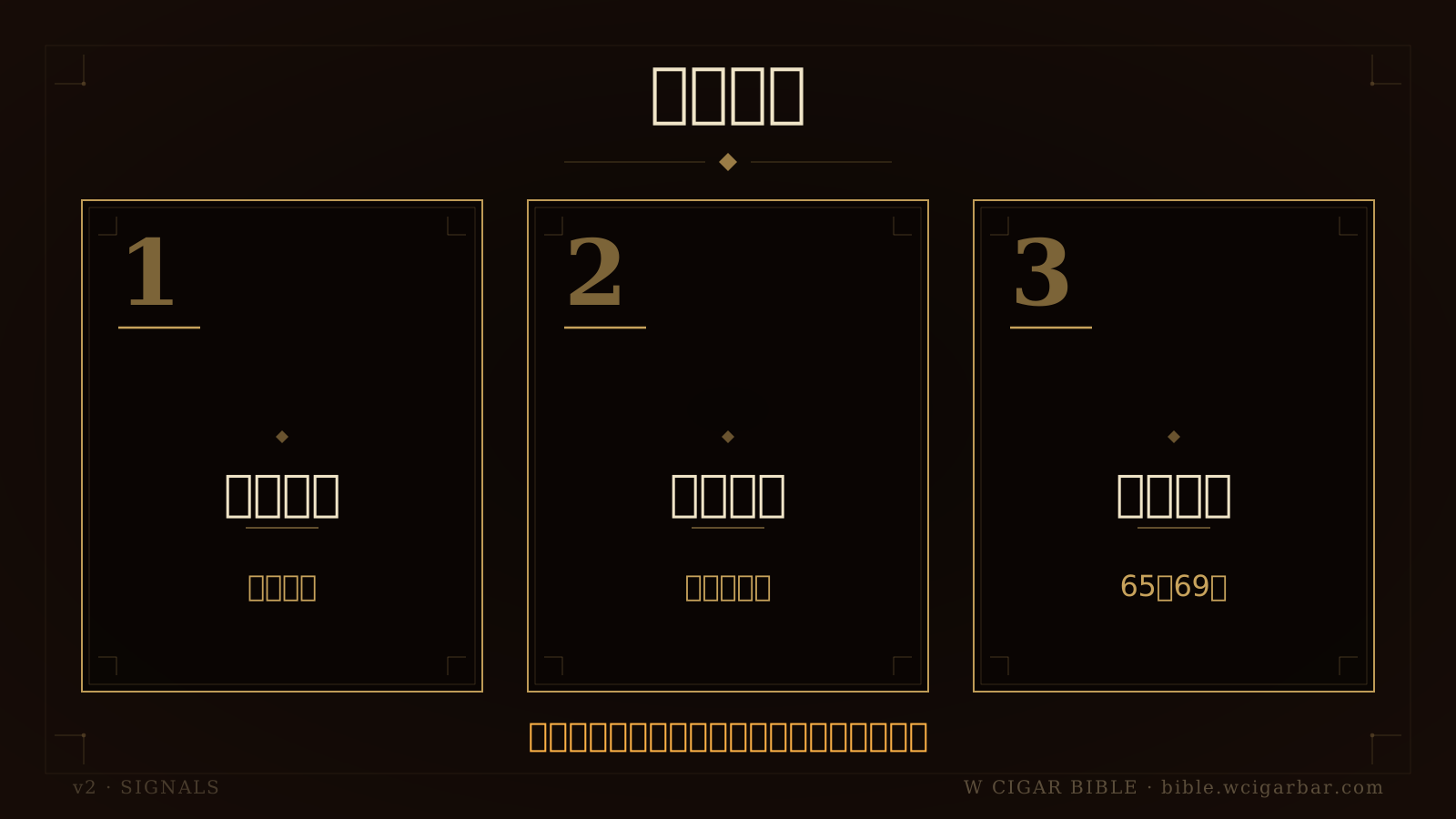
三張重點卡說明冷聞三段觀察與穩定保存
Source of Flavor Layers: How Wrapper, Binder, and Filler Work Together
A cigar is not rolled from a single leaf but is composed of the wrapper, binder, and filler. The wrapper affects the first impression and texture, with a beautiful and oily Colorado wrapper often bringing out sweet wood, cocoa, and mild spices; a darker Maduro wrapper may bring molasses, coffee, concentrated cocoa, and ripe fruit notes, but a dark color does not necessarily mean higher strength.
The flavor layers of a cigar come from the balance of burning speed, oils, and fermentation levels of different leaf parts. The ligero leaves in the filler usually have stronger power and burn slower, providing spiciness and thickness; seco often brings aroma, while volado helps with burning. A good blend does not pile up strength but allows each layer to have a sequence.
For example, the classic torpedo size of Montecristo No.2 is often used to understand the structure: the early stage opens with wood, cream, and peanut skin, the middle stage transitions to coffee and toasted bread, and the final stage may present leather and pepper. In contrast, the larger ring gauge and length of Cohiba Siglo VI, if well-preserved, will have wider aroma transitions, with grassy sweetness, honey, cedar, and spices more distinctly separated.
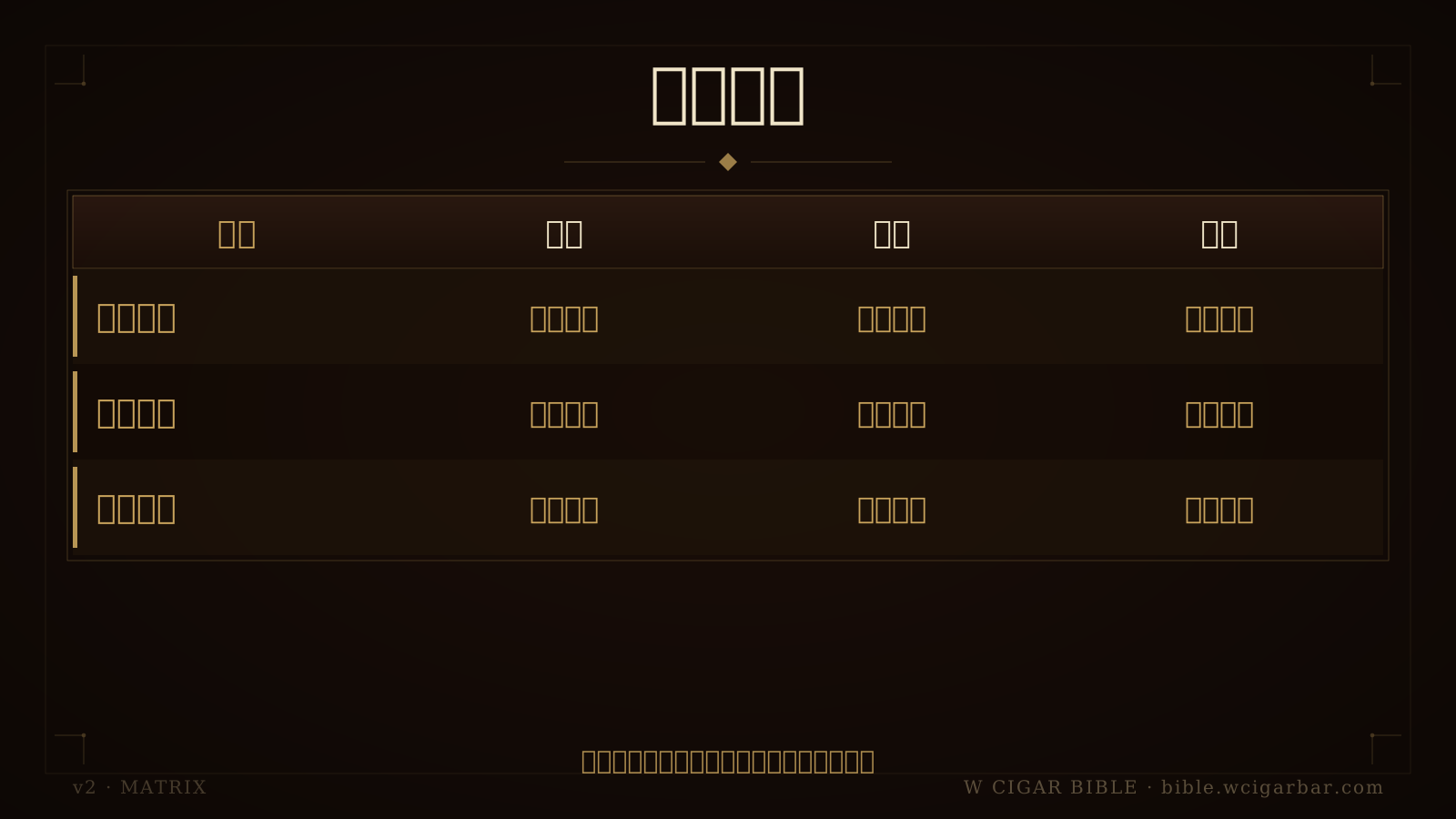
比較矩陣列出茄衣茄套茄芯的作用與風味
Three-Stage Tasting: The First, Middle, and Final Stages Are Not Fixed Scripts
I am accustomed to observing a cigar in three stages: the first stage is about the first third, the middle stage is about the middle third, and the final stage is the last third. This is not a rigid rule but helps you identify changes. The first stage usually most easily shows the influence of the wrapper and lighting state; the middle stage enters the core of the blend; the final stage, due to the rise of tar, temperature, and smoke concentration, will have more concentrated flavors.
Judging layers is not about how many adjectives there are, but whether the flavors have direction, transitions, and aftertaste. For example, the 2020 Bolívar Belicosos Finos may have soil, wood, and black pepper in the early stage, transition to strong coffee, cocoa, and cinnamon in the middle stage, and the final stage is heavier, with leather and mineral notes. If you smoke too fast, these transitions will be masked by high temperatures.
Pacing is crucial. A Robusto size with about a 50 ring gauge and 124 mm length usually takes 45 to 70 minutes to complete; a Churchill size with about a 47 ring gauge and 178 mm length often requires more than 90 minutes. One puff every 45 to 60 seconds is a speed easier for beginners to grasp. When the smoke is too hot, bitterness, spiciness, and burnt flavors will be amplified, and the true aroma will be suppressed.
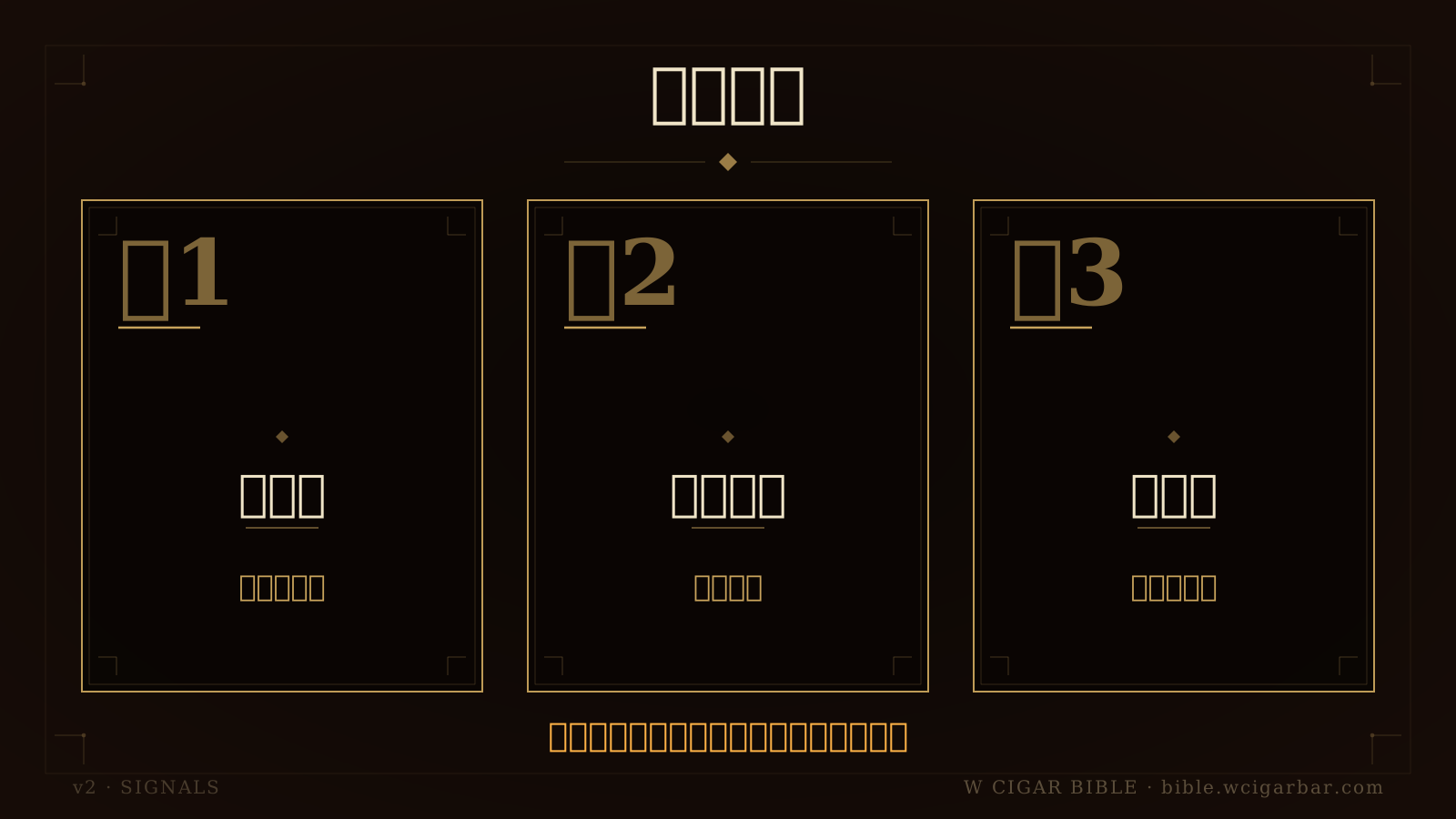
三張錯誤卡提醒抽太快追強度與背詞問題
Humidity, Temperature, and Aging: Why the Same Cigar Performs Differently
Storage conditions will directly change aroma performance. Generally, 18 to 21°C and relative humidity of 65% to 69% is a range commonly used by many players; if it is above 72% for a long time, burning may become sluggish, smoke channel resistance increases, and the flavor may be sour or have a damp woodiness; if below 60%, it is easy to dry out, heat up quickly, and the aroma appears sharp and brief.
The stability of flavor layers is premised on stable storage, not expensive brand names. I have seen the same box of 2018 H. Upmann Magnum 46 show significant differences in two environments: one group maintained about 68% humidity long-term, and after three years had cream, nuts, and a hint of tea; another group experienced summer high-temperature fluctuations, with coarser spiciness and premature bitterness in the final stage.
Aging is not magic, but the result of the interaction of time, humidity, temperature, and original quality. Generally, Cuban cigars may gradually integrate 2 to 5 years after boxing, with some large sizes or rich blends that can be stored longer, but some cigars are more vibrant when young. When discussing collectible value, my attitude is very conservative: it does not guarantee appreciation and still depends on source storage and market. Proper storage must be done first before talking about taste.
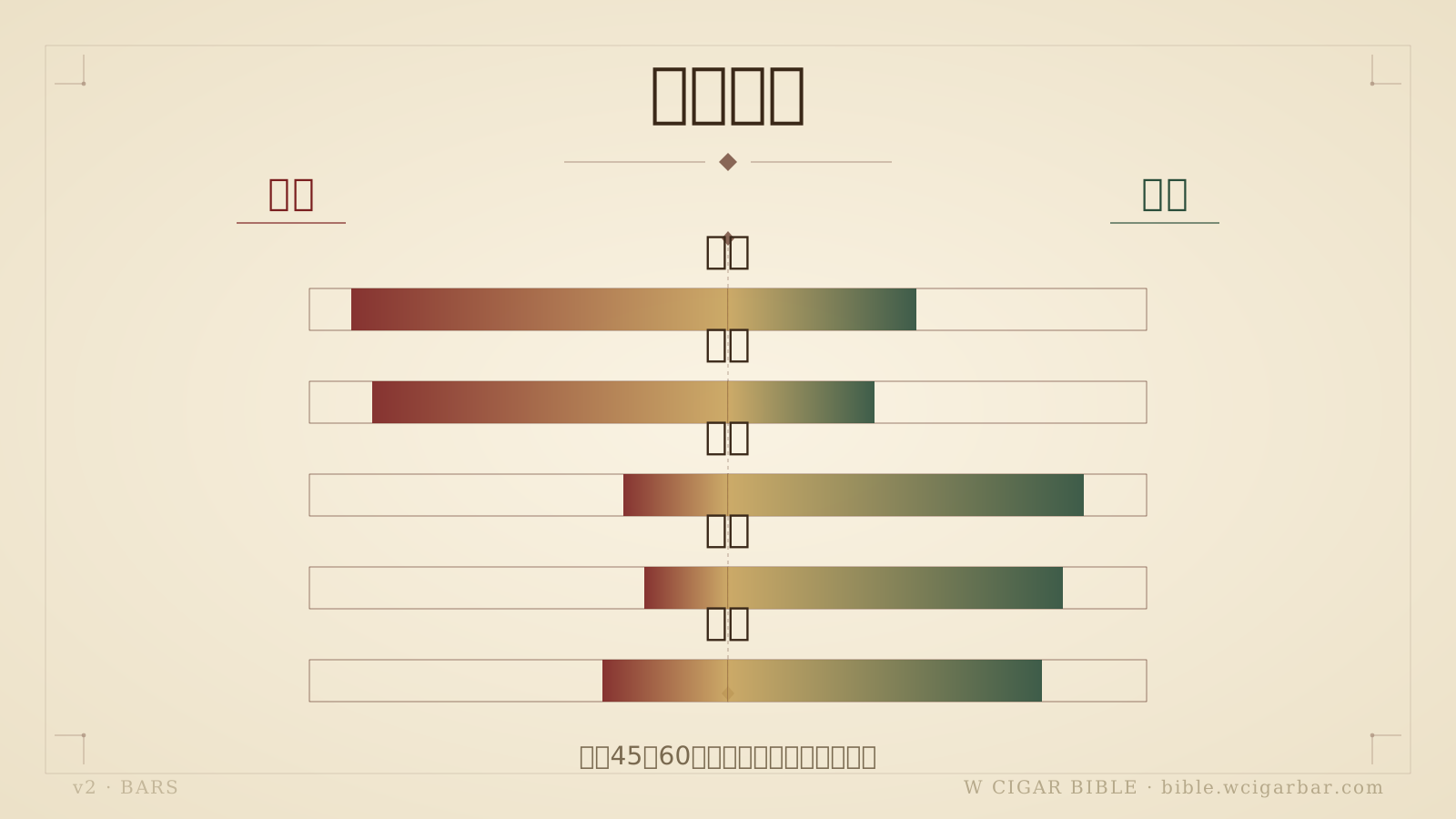
橫條圖比較快抽與慢品在溫度細節餘韻差異
Advanced Tasting Process: Use a Table to Build Your Sensory Record
The most common mistake beginners make is drawing quick conclusions while chatting and drinking spirits. Advanced tasting requires establishing a repeatable process: first record the brand, size, box code or year, and storage humidity; then observe appearance, cold smell, and cold draw; after lighting, record the main flavors and strength every 10 to 15 minutes. This way, when you look back six months later, you will know where you have truly improved.
| Stage | Observation Focus | Usable Vocabulary | Common Misjudgments |
|---|---|---|---|
| Before Lighting | Wrapper, foot, cold draw | Cedar, hay, honey, cocoa | Mistaking dampness for mature aroma |
| First Stage | First impression, burn line | Cream, white pepper, nuts | Smoking too fast causing spiciness |
| Middle Stage | Main structure, sweet-bitter balance | Coffee, toast, leather | Interference from drink flavors |
| Final Stage | Concentration, aftertaste, temperature | Mineral, dark chocolate, spices | Forcing extension after overheating |
The core of advanced tasting is to make each observation comparable, not just leaving a vague impression. For example, when comparing the 2022 Trinidad Vigía and the 2017 Trinidad Fundadores, you will find the former is shorter with a larger ring gauge, releasing sweet and creamy notes faster; the latter is slender, with slower changes, and floral, tea, and woody lines are easier to track.
- Pair with only one type of drink each time, such as room temperature water, black coffee, or light tea.
- Avoid strong-flavored foods in the first 15 minutes.
- Record strength using a scale of 1 to 5, without pursuing fancy words.
- If the burn is uneven, first observe the cause, then make small corrections to the burn line.
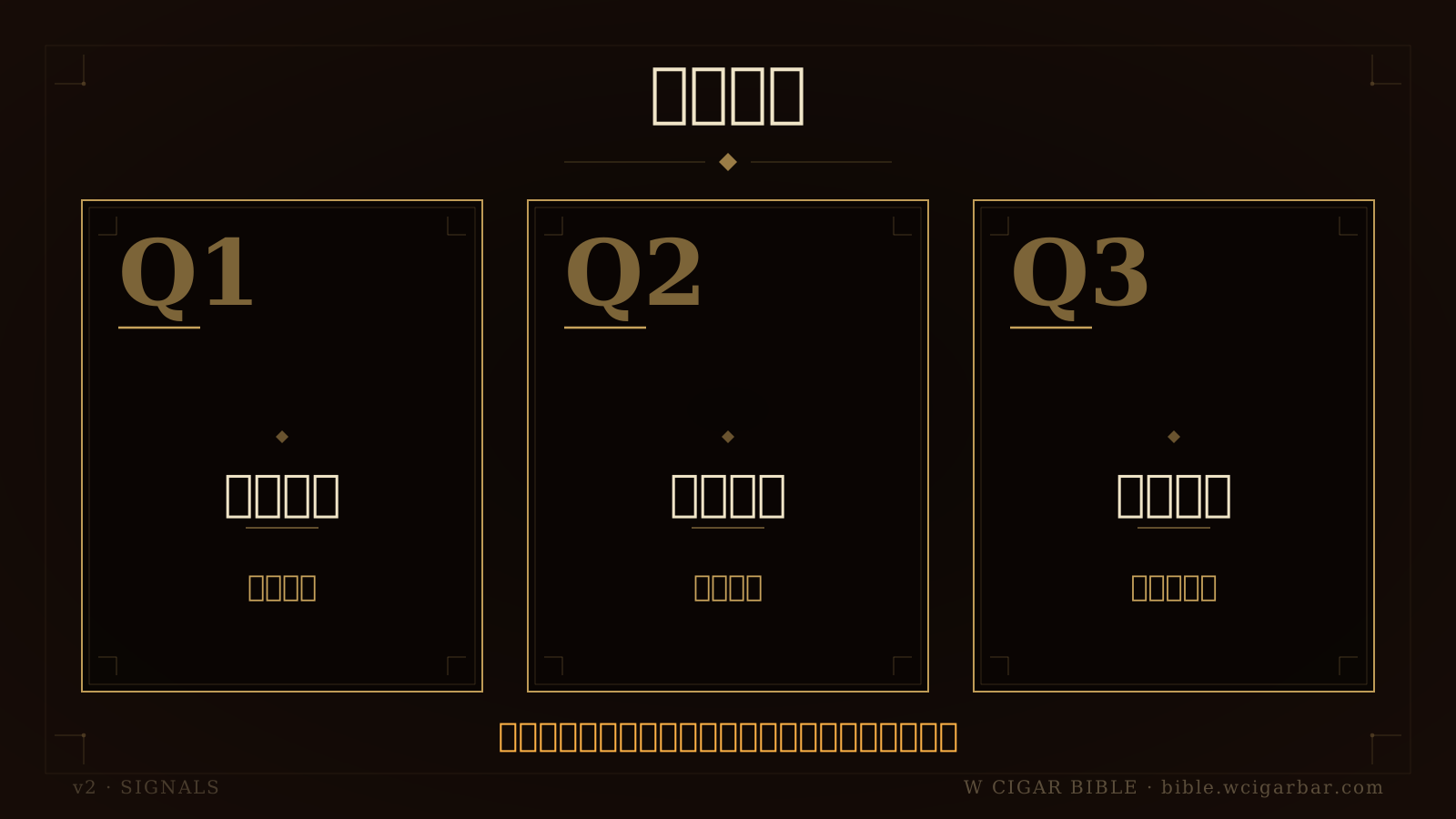
三張問答卡整理辣味濃郁品牌與尾段變苦問題
Drinks, Occasions, and Etiquette: Keeping Taste Unaffected by External Forces
When pairing drinks, the focus is not on luxury but on avoiding overpowering the cigar. Light-roast oolong, unsweetened black coffee, sparkling water, and low-sugar rum can help cleanse the palate. If paired with high-peat whiskey or high-sugar cocktails, beginners can easily mistake the smokiness, syrup, and vanilla of the drink for the cigar's own layers.
True cigar etiquette is about respecting others, respecting the occasion, and respecting the time in your hands. Do not cut too deeply; for torpedo shapes like Montecristo No.2, start with a small cut and adjust according to draw resistance; when lighting, let the flame toast the foot, do not insert the flame directly into the tobacco. Do not deliberately show off the ash; let it fall naturally at 2 to 3 cm.
In social settings, do not rush to comment on others' choices, nor assume your taste descriptions are the standard answer. Some may find cream and hay in a Davidoff Signature 2000, while others notice wood and white pepper more; both can be valid. The grace of an advanced smoker is being able to articulate their own experiences while understanding that others may have different sensory paths.
Frequently Asked Questions
Why do I only taste spiciness and not wood, nuts, or coffee?
It is mostly related to speed, humidity, or state. If you take a puff every 20 seconds, the smoke temperature rises, and spiciness will overshadow the details. Change to one puff every 45 to 60 seconds and ensure storage at about 65% to 69% humidity, then reobserve the first and middle stages.
Is it suitable for beginners to start with strong brands?
It is possible, but not recommended to only pursue strength. Brands like H. Upmann, Hoyo de Monterrey, and some sizes of Romeo y Julieta are easier to train for wood, cream, floral, and tea notes. Learn to recognize balance first, then challenge heavy strength for more stable progress.
Are there really big differences between different years of the same brand?
There will be differences. For example, Partagás Serie D No.4 boxed in 2018, 2020, and 2022 may differ in spiciness, sweetness, and integration. Year, batch, transportation, and storage all affect the result, so records are more reliable than memory.
Does a cigar becoming bitter at the end mean poor quality?
Not necessarily. The final stage has higher temperatures and accumulated tar, so bitterness naturally increases. If the middle stage performed well, the bitterness in the final stage may just be due to too fast a pace or smoking too short. When the aroma turns to burnt bitterness, scorching, and tongue irritation, it is time to gracefully end.
Do I need to memorize many flavor words to understand cigars?
No need. Start with six major categories: wood, spice, nuts, coffee cocoa, leather soil, floral fruit sweetness. Flavor words are tools, not for showing off; being able to consistently distinguish changes is the true ability to taste.
The art of cigars is not about making every puff sound earth-shattering, but about quietly recognizing the order left by time. Over the years, I have increasingly believed that those who understand cigars not only understand brands and years but also understand restraint, patience, and courtesy. May each time you light up, you hear more of the aroma's details than the last.
—Cigar Prince Wilson Tsai
Smoking is harmful to health. Under 20 years old is prohibited from smoking. Quitline: 0800-636363. This article is intended for adults over 20 years old as a reference for cigar culture, storage, and regulations, not as a tobacco advertisement, promotion, or purchase suggestion.
Like this article?Share with friends
Share this W Cigar Bible piece with friends who want to learn cigar culture, storage, and tasting.
想把這篇 化為實踐
雪茄聖經是知識;雪茄文化要在空間裡發生
W Cigar Bar 大安總店資訊
台北大安區 · 雪茄聖經總編輯 Wilson Tsai 主理的雪茄文化空間
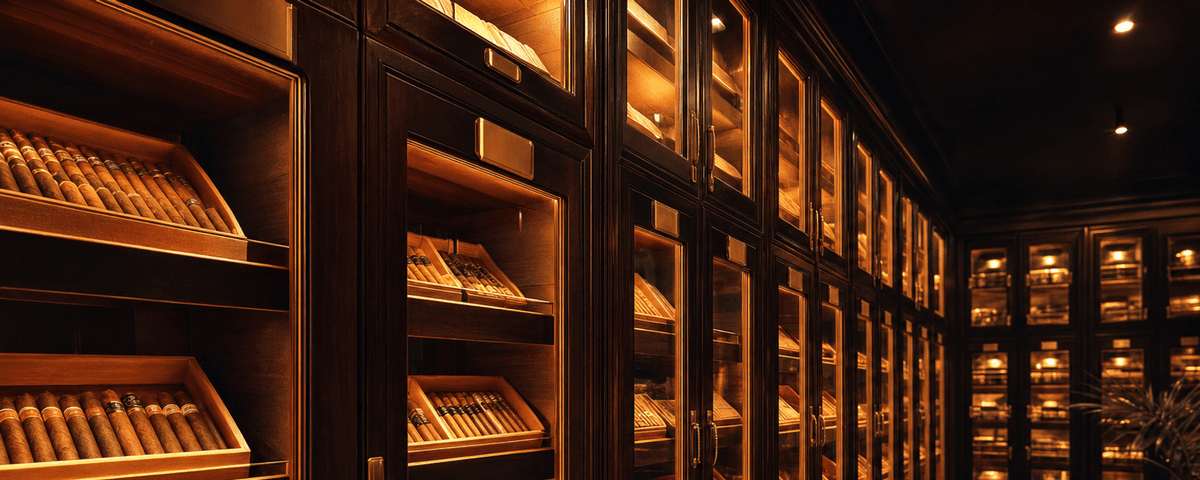
33 座 24 小時恆溫恆濕醇化室
W Cigar Bar 提供的會員醇化空間 · 場地資訊請洽編輯部
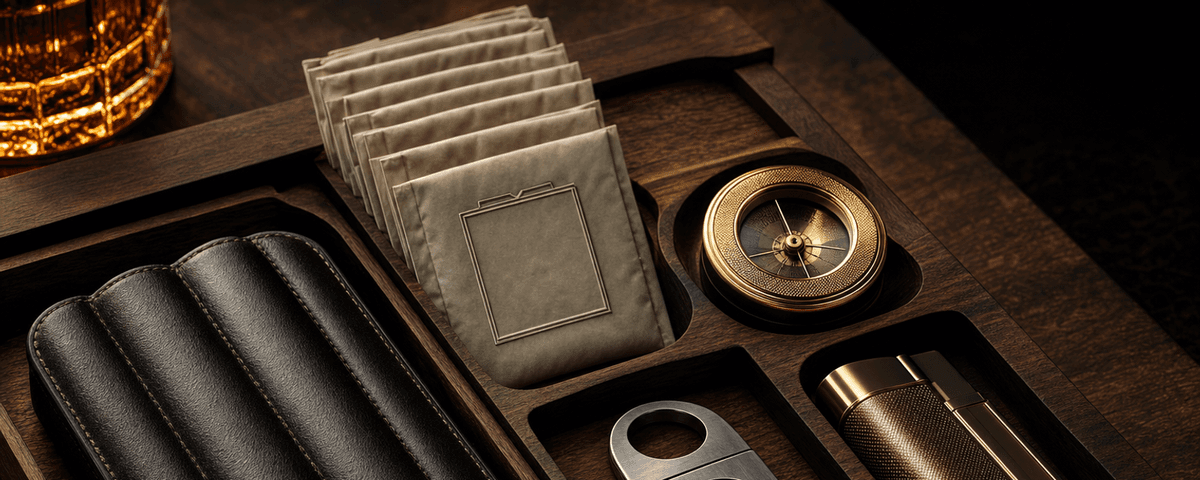
雪茄剪 / 打火機 / 雪茄盒 / Boveda
W Cigar 配件官網 · 專營雪茄配件正品
加 LINE 好友 · 文化諮詢
文化空間資訊 · 紳士沙龍 · 私人包場
本網站內容僅供雪茄文化、歷史、收藏與品吸知識研究參考。菸品有害健康、未滿法定年齡者請勿吸菸。實際規範請依所在地法律為準。
吸菸有害健康・戒菸專線 0800-636363・本站僅供 20 歲以上成年人閱覽。
讀到這裡,你不只是路過的人
留下 Email,加入 W 雪茄聖經內圈——總編輯 Wilson Tsai 親選的學院深文與國際新訊,先你一步送到信箱。
· 教育用途非銷售 · 隨時一鍵退訂 · Email 絕不對外公開 · 由勝茄股份有限公司營運
同分類延伸閱讀
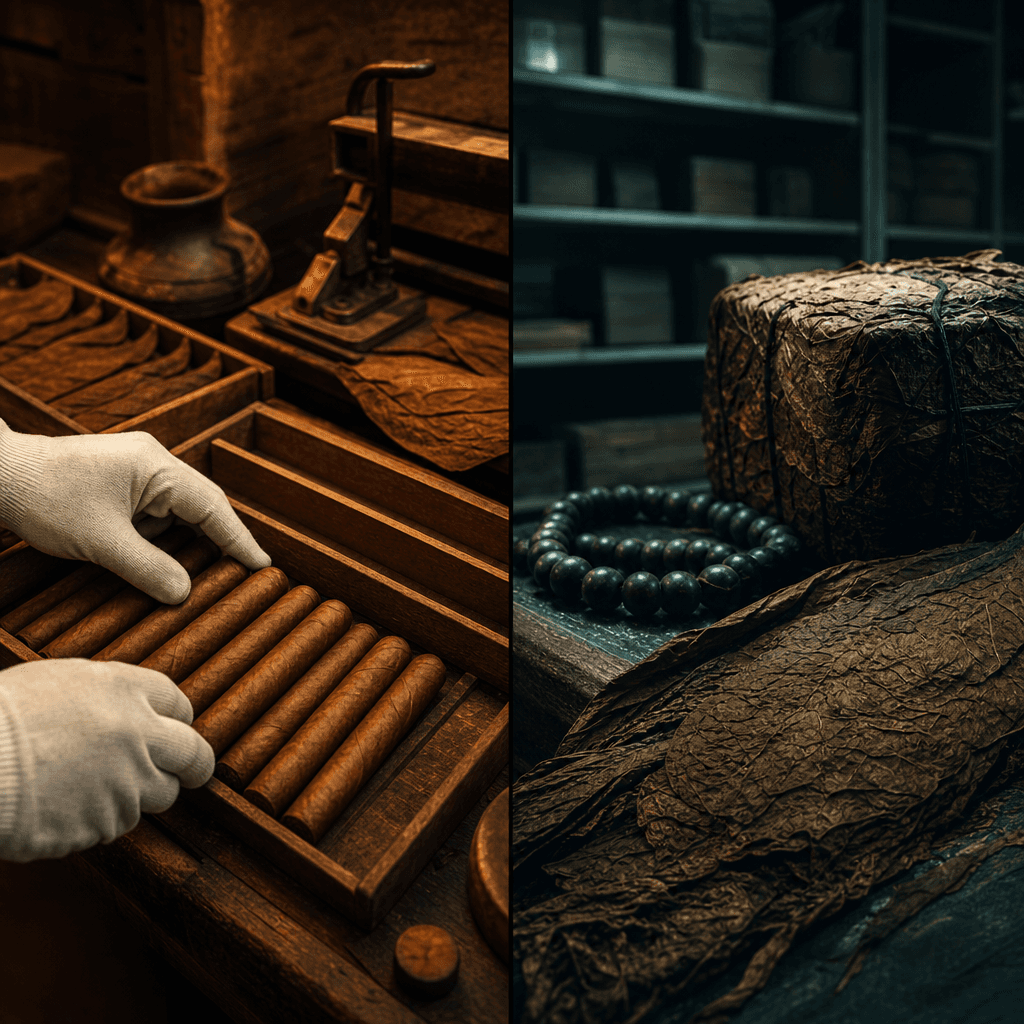
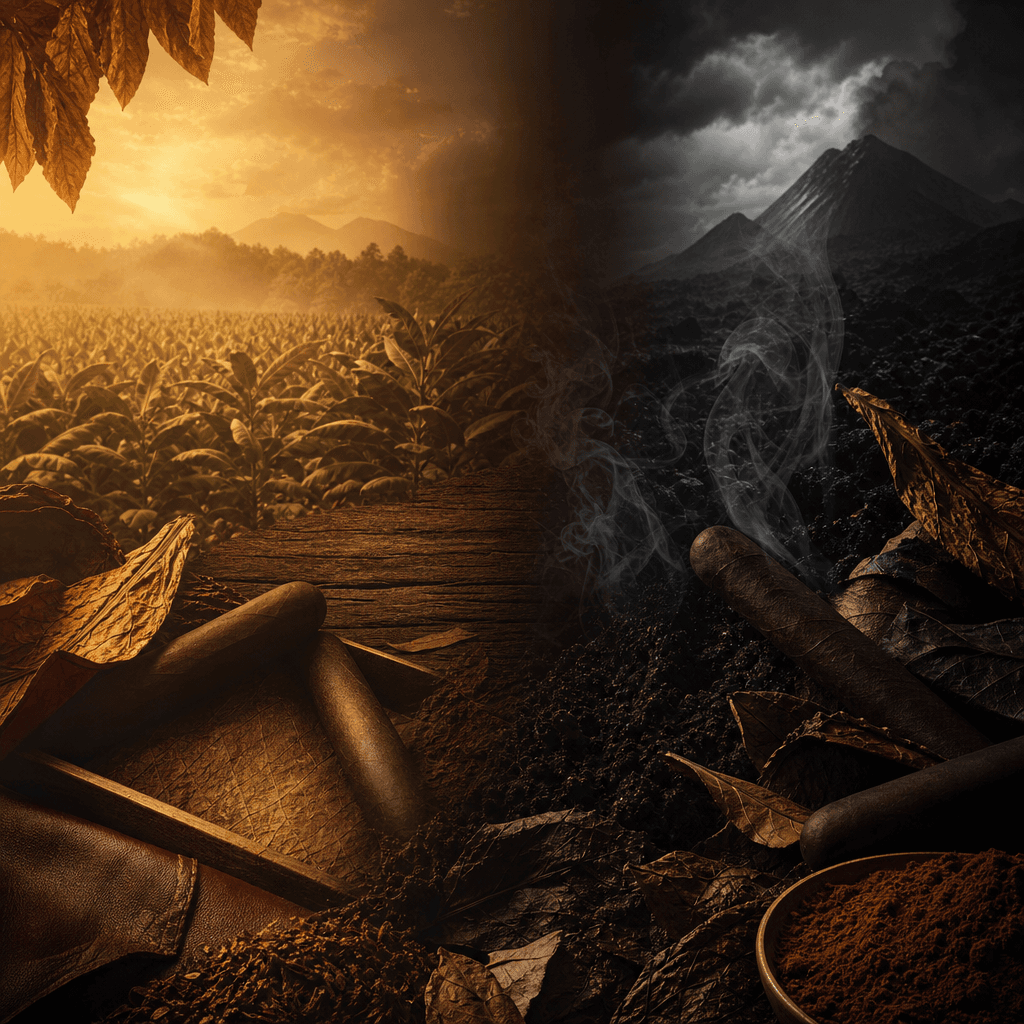
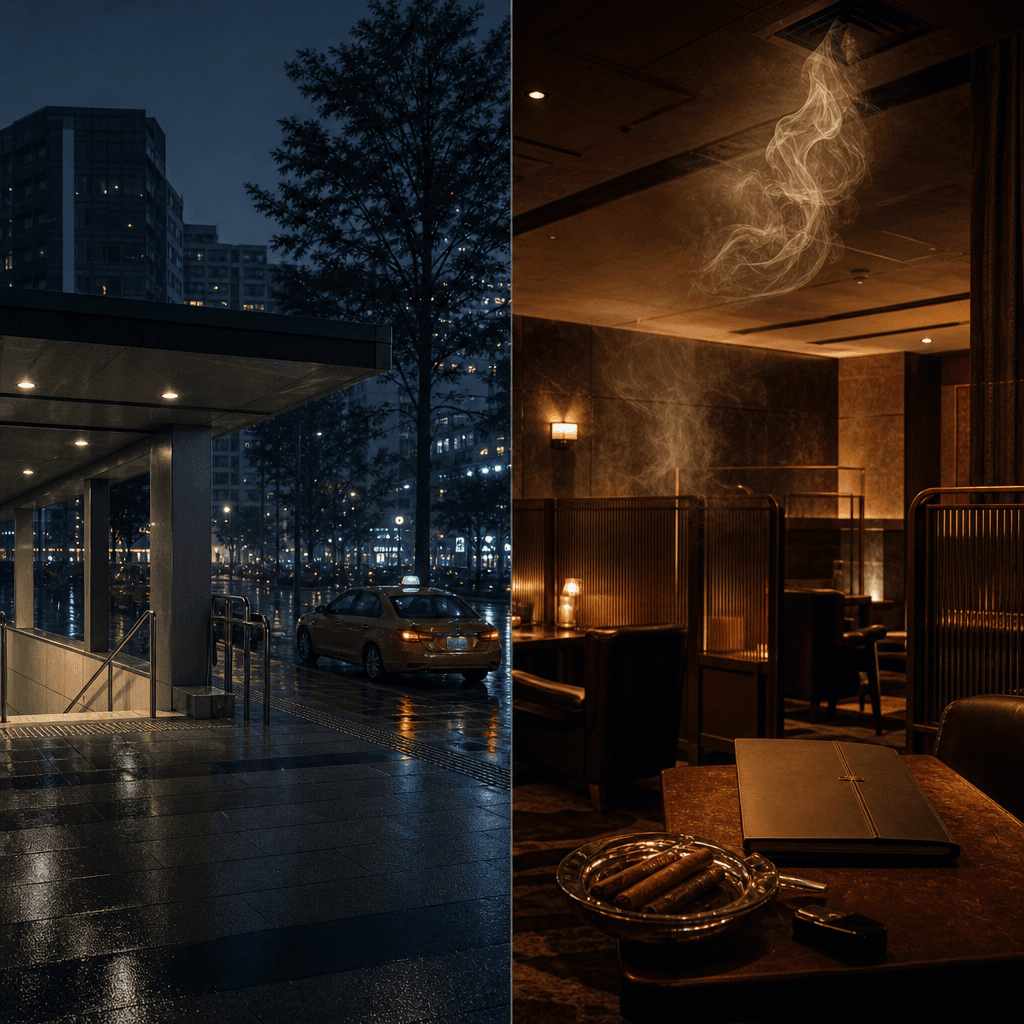
資料來源:W Cigar Bible 編輯部整理 · 雪茄王子 Wilson Tsai 親自審稿
本文僅供雪茄文化、歷史、收藏與品鑑知識研究,不作為菸品促銷、銷售或購買建議。吸菸有害健康,未滿二十歲不得吸菸。