雪茄的回味與後調:如何欣賞與分析每一口的層次

雪茄的魅力在於其層次分明的味道體驗,從入口的木質、皮革到吐出後的回味與後調。回味是吐煙後留在口腔的味道,而後調則是時間延續後浮現的風味變化。初學者應學會分辨這兩者,並透過觀察入口、吐出、回味和後調四個時間點來分析雪茄的細緻度。此外,鼻腔感受在理解後調中扮演重要角色,建議慢吐以捕捉更多香氣。透過建立回味筆記,能有效提升對雪茄的理解與品味。
- 回味是吐出後立即留下的味道,而後調則是隨時間浮現的尾韻變化。
- 分析雪茄時可將一口分為入口、吐出、回味、後調四段,幫助理解層次。
- 鼻腔感受與慢吐是理解後調的關鍵,能捕捉到更細緻的香氣線索。
The Aftertaste and Finish of Cigars: How to Appreciate and Analyze the Layers of Each Puff
The allure of cigars lies not only in the initial burst of wood, leather, cocoa, or spices; what truly makes one ponder is often the aftertaste left in the mouth, nasal cavity, and throat after exhaling the smoke, as well as the finish that slowly emerges several seconds later.
As an editor of the "Cigar Bible," I often remind newcomers: being able to distinguish a "good smoke" is just the first step. The real journey into the world of layers begins when you can articulate how a cigar transitions from the initial flavor to the middle and how it finishes.
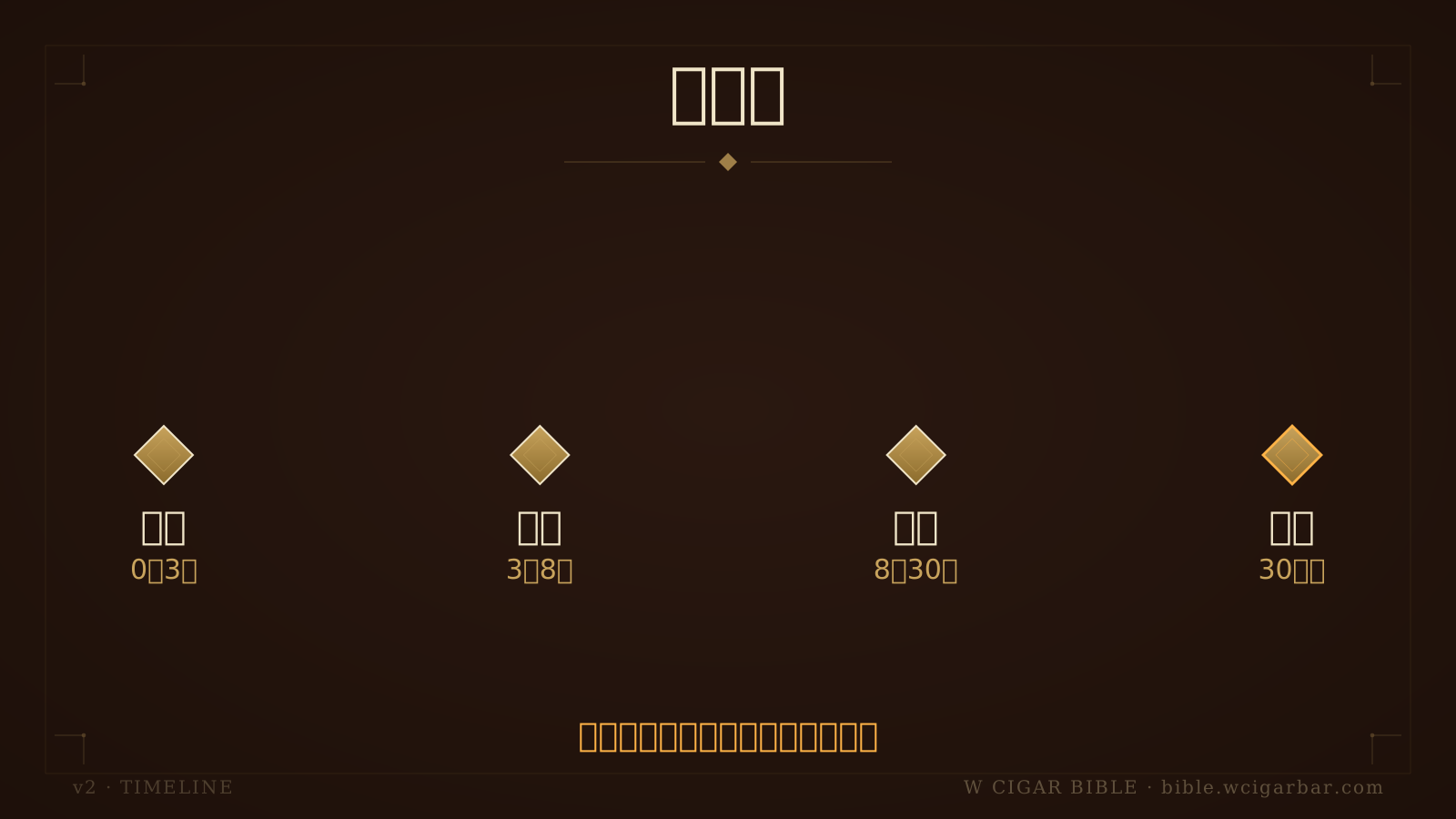
時間軸顯示入口吐出回味後調四步驟
Aftertaste and Finish Are Not the Same
Many people confuse aftertaste with finish, but there is a clear distinction between the two. Aftertaste is the flavor that remains in the mouth and nasal cavity after exhaling the smoke, such as roasted nuts, cedar, coffee bitterness, or a slight saltiness. Finish, on the other hand, is more like the tail-end changes that appear over time, possibly 10 seconds, 30 seconds, or even a minute later, revealing notes of honey, leather, black pepper, or a mineral sensation.
Take the Cohiba Siglo VI as an example. When it was launched in 2002, it was renowned for its clear herbal, creamy, and citrus notes. If stored under stable conditions, after 5 to 8 years of aging, the grassy notes at the beginning may become more rounded, and the creamy sweetness in the aftertaste will become more pronounced; the finish often carries delicate woody notes and a faint floral aroma, a complexity formed by time and the leaf blend.
Aftertaste is "what is left immediately after exhaling," while finish is "what emerges over time." When practicing, don't rush to conclusions. Pause for 20 to 40 seconds after each puff to separate the first impression from subsequent changes.
Beginners often overlook "cleanliness." Some cigars have intense flavors but quickly become muddled, charred, or bitter; some have moderate strength but clear aftertaste and long finish. Judging the delicacy of a cigar involves not only its intensity but also whether it finishes cleanly and whether the flavors exit in an orderly manner.
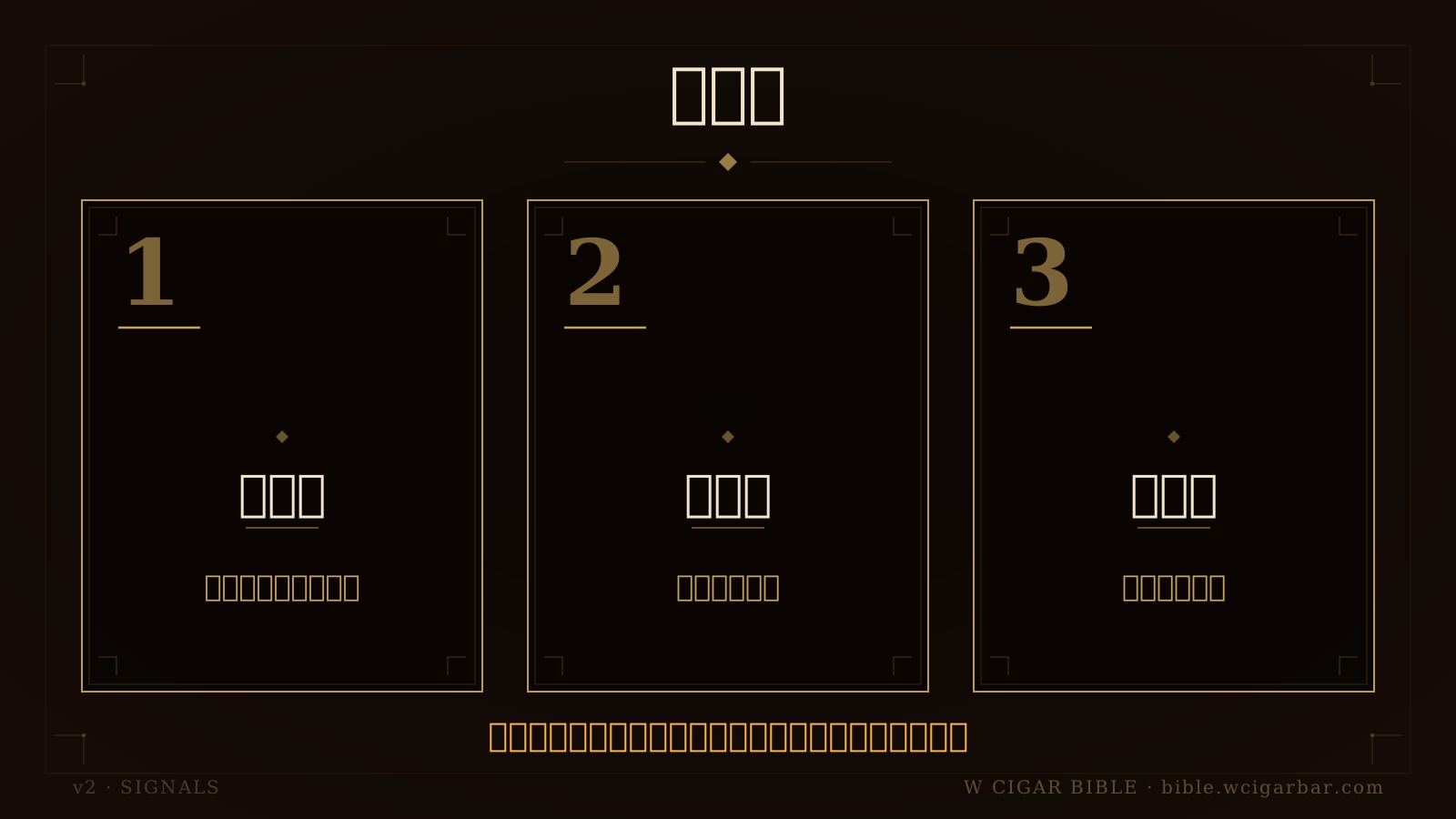
三張卡列出回味後調與乾淨度重點
Deconstructing Each Puff with a Timeline
When analyzing a cigar, I divide a puff into four time points: entry from 0 to 3 seconds, exhale from 3 to 8 seconds, aftertaste from 8 to 30 seconds, and finish after 30 seconds. This method is well-suited for beginners because it breaks down the abstract "layered" concept into observable steps, rather than relying on vague impressions.
For example, the Partagás Serie D No.4, a Robusto measuring about 124mm with a ring gauge of 50, is a classic Cuban familiar to many. The entry often features earthy, peppery, and woody notes; after exhaling, the sides of the mouth may retain roasted coffee and leather; after 20 seconds, if the burn is good, a drier cocoa bitterness may appear in the finish, rather than just spiciness.
A single puff can be divided into four segments for observation: entry, exhale, aftertaste, and finish. When you can articulate "what is present at the 15-second mark" rather than just saying "the first puff was fragrant," your taste memory becomes more precise.
I recommend beginners record only three time points for each cigar: the first 2 cm, the middle, and the last third. Write down three words for each time point, such as "cedar, cream, white pepper." After finishing a cigar, you will have about 9 to 12 key terms, which is more useful than writing a lengthy description.
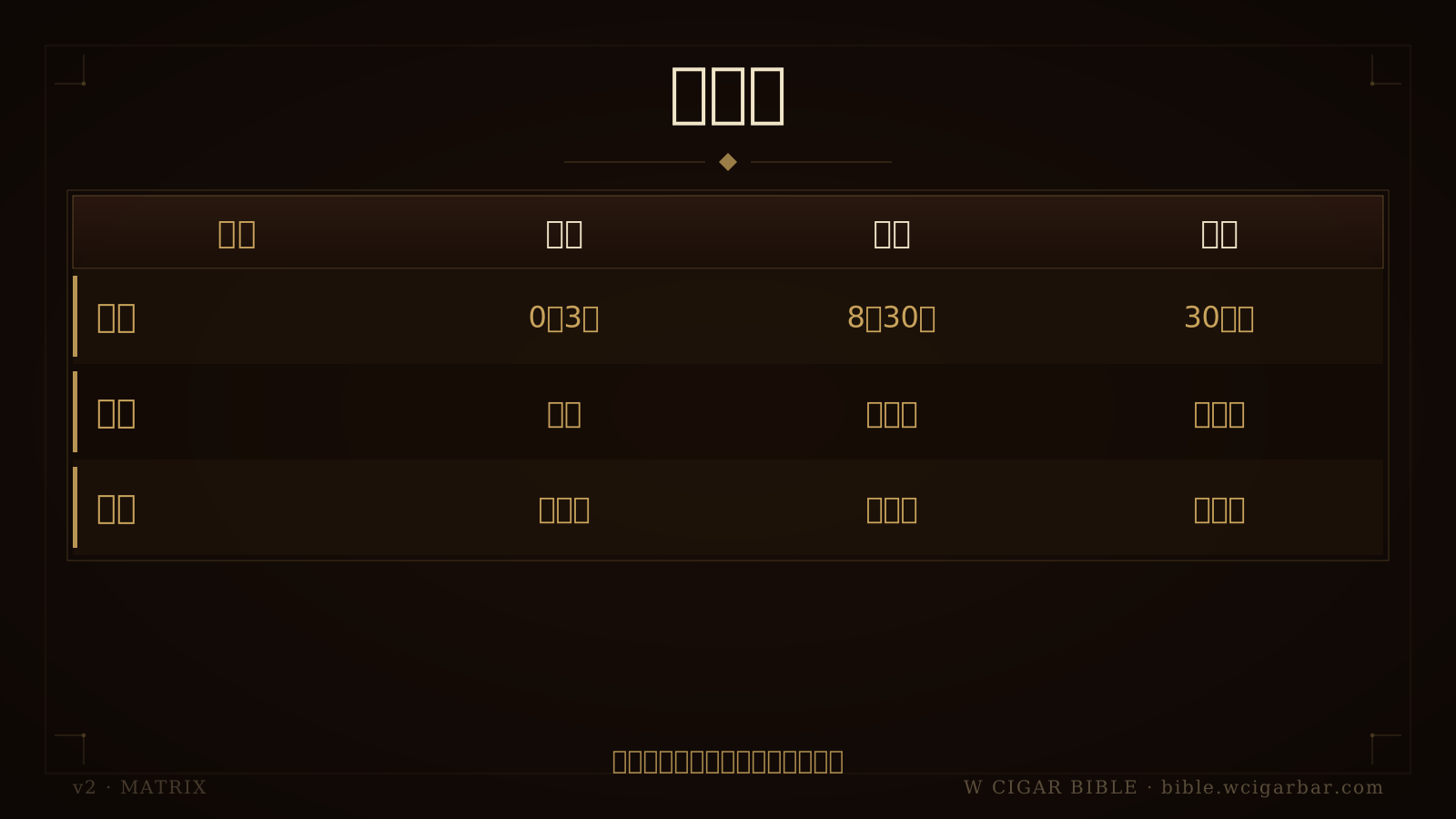
矩陣比較入口回味後調的時間位置線索
Nasal Sensation and Slow Exhaling Are Key to Understanding Finish
The finish of a cigar is not only present on the tongue; the nasal cavity plays a significant role. Human taste primarily distinguishes sweet, sour, bitter, salty, and umami, but when aroma molecules enter the nasal cavity, they allow us to perceive wood, floral, nutty, cocoa, leather, and spice. This is why the same cigar may taste bitter to one person, while another can describe multiple layers of aroma.
When practicing, there is no need to forcefully send a large amount of smoke through the nasal cavity. Beginners can use the "small amount slow exhale" method: hold the smoke for 2 to 3 seconds, exhale about 80% through the mouth, and let the last 20% naturally pass through the nasal cavity. If you feel a stinging sensation, it means the amount is too much or the pace is too fast, and you should reduce the proportion and let the cigar rest for 45 to 60 seconds before the next puff.
The nasal cavity is not for showing off but for capturing the finest aroma clues in the finish. Especially for milder cigars like Hoyo de Monterrey Epicure No.2, if you only use your tongue, you may find it mild; but through a small amount of nasal sensation, you can often discover layers of cream, honey, and light wood.
I also recommend pairing with room temperature water rather than starting with strong spirits. High alcohol content can numb the taste buds, leading beginners to mistake stimulation for richness. For training, the first cigar can be paired only with water; the second time, compare with unsweetened coffee or light tea to observe whether the aftertaste is amplified, obscured, or becomes cleaner.
Creating Your Own Aftertaste Notes
Many people buy exquisite notebooks but end up writing only "good smoke, smooth, strong." Such records are almost useless after three months. A truly useful cigar note should help you recall the state at the time: humidity, burn, draw rhythm, flavors in the beginning, middle, and end, and how long the aftertaste lingers.
Below is a simplified table I often use, suitable for beginners to build a database from the first to the 30th cigar. You don't need to write poetically all at once; just consistently use the same set of fields, and after six months, you'll see whether you prefer Robusto, Corona Gorda, or Churchill; you'll also see whether you like sweetness, woodiness, or prefer earthiness and spice.
| Field | Suggested Record | Example |
|---|---|---|
| Cigar Details | Brand, size, year or box code | Montecristo No.2, 2021 box |
| Environment | Temperature, humidity, paired beverage | 24°C, 65%RH, room temperature water |
| Aftertaste Length | 10 seconds, 30 seconds, over 60 seconds | 30 seconds still has cocoa bitterness |
| Finish Keywords | 2 to 4 descriptors | Cedar, coffee, leather |
| Condition Comments | Burn and draw | Slightly uneven burn, normal draw |
Notes are not for writing beautiful sentences but for making the next judgment more accurate. When you accumulate records of more than 20 cigars, you'll find that your understanding of "richness" begins to change: some are just intensely spicy, while others have truly high flavor density and clear aftertaste.
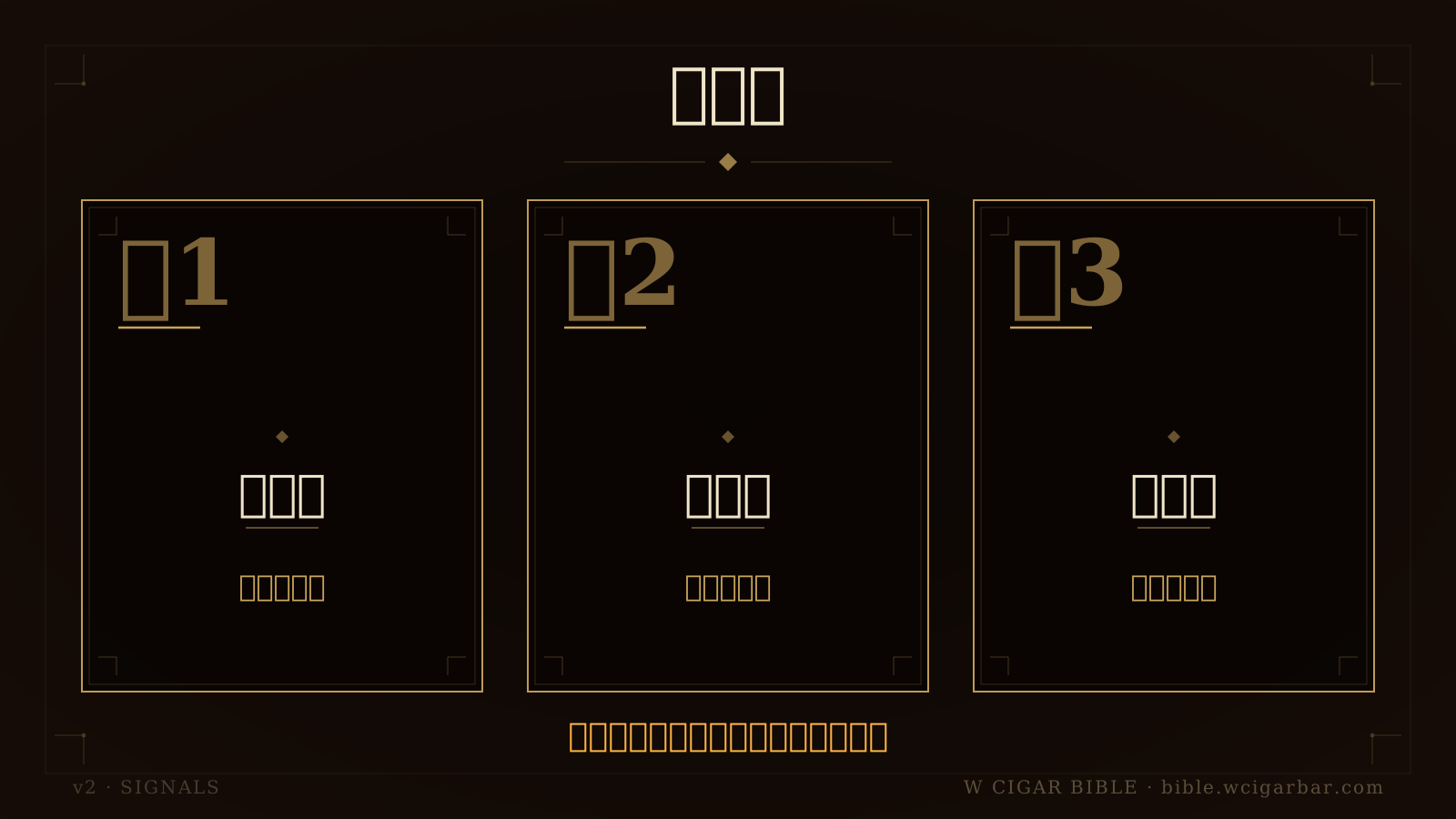
三張卡提醒抽太急只看長與硬抽底
How Layers Evolve from Brand Cases
Different brands have very different aftertaste characteristics. The Pirámide size of Montecristo No.2, about 156mm with a ring gauge of 52, commonly exhibits cocoa, coffee, wood, and cream notes; if in good condition, its finish transitions from bittersweet to a clean roasted sensation. If stored too moist, it may become dull in the middle and end, shortening the aftertaste and even producing a cardboard taste.
Romeo y Julieta Churchill is another case. This cigar, about 178mm in length with a ring gauge of 47, has a historical connection with Winston Churchill's image. Its charm usually doesn't explode at the beginning but unfolds slowly with floral, tea, and woody notes after the middle. For beginners, such cigars are suitable for practicing "waiting for the finish."
Brand personality affects the direction of the finish, but storage, humidity, and burn condition determine whether it can be expressed. The same cigar at 62%RH and 72%RH may taste completely different; the former is crisper, while the latter may be softer but also more prone to dullness, bitterness, and unstable burn.
When discussing non-Cuban styles, Padrón 1964 Anniversary Series often features cocoa, coffee, brown sugar, and pepper, with a more direct and substantial finish; Arturo Fuente Don Carlos may lean more towards wood, sweet spices, and roasted nuts. Comparing different regions side by side helps you understand that "layers" can be not only Cuban-style delicacy but also Nicaraguan-style fullness.
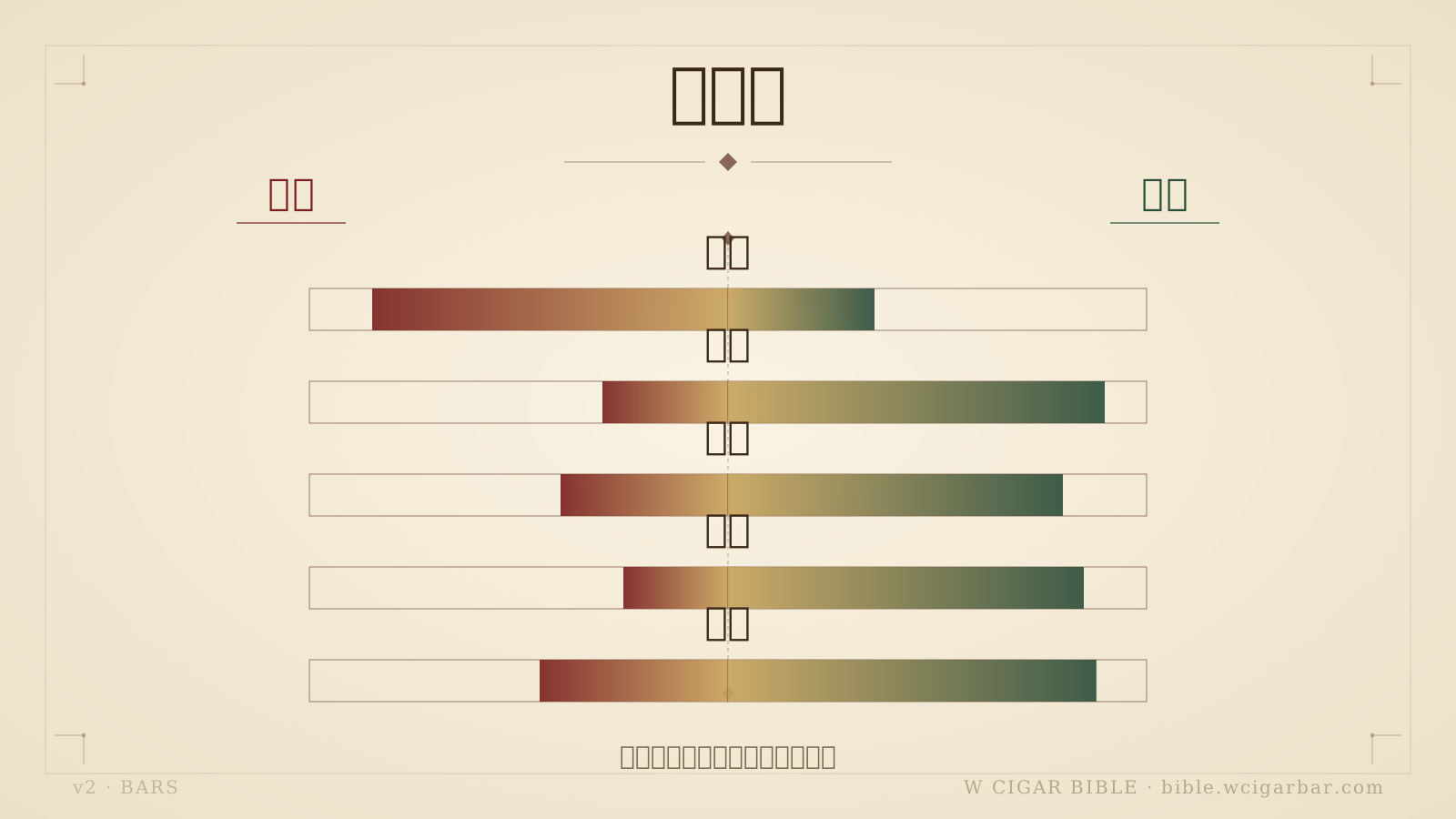
長條圖對比憑感判斷與分段觀察差異
Rhythm, Temperature, and Ash Line Affect Aftertaste
The same cigar, smoked too quickly versus smoked steadily, will have a very different aftertaste. Generally, I recommend one puff every 45 to 75 seconds, adjusted according to size; Robusto can be slightly faster, while Churchill or Double Corona should be slower. If you take a puff every 20 seconds, the burning temperature rises, and charred bitterness will overshadow the original nutty, creamy, and woody notes.
The ash line is also a clue. A stable ash usually indicates more coordinated humidity, filler structure, and burn rhythm, but a long ash is not necessarily more premium. Beginners can let the ash stay at about 2 to 3 cm before gently tapping it off to avoid awkward sudden drops. If the uneven burn is less than 5mm, you can first rotate the cigar and slow down the rhythm; if it continues to expand, then make corrections.
When the aftertaste turns bitter, first check the rhythm and temperature, don't immediately blame the cigar itself. Many mid-to-late-stage spiciness and charred flavors actually come from smoking too quickly, saliva entering the head, or the flame repeatedly directly burning the wrapper, not the original blend.
I often use a simple test: if after slowing down for 2 minutes, the next puff's cocoa, wood, or sweetness reappears, the problem is mostly temperature; if it remains dull and bitter, and the draw becomes tight, it may be due to high humidity or poor filler condition. This judgment ability is more practical than memorizing brand ratings.
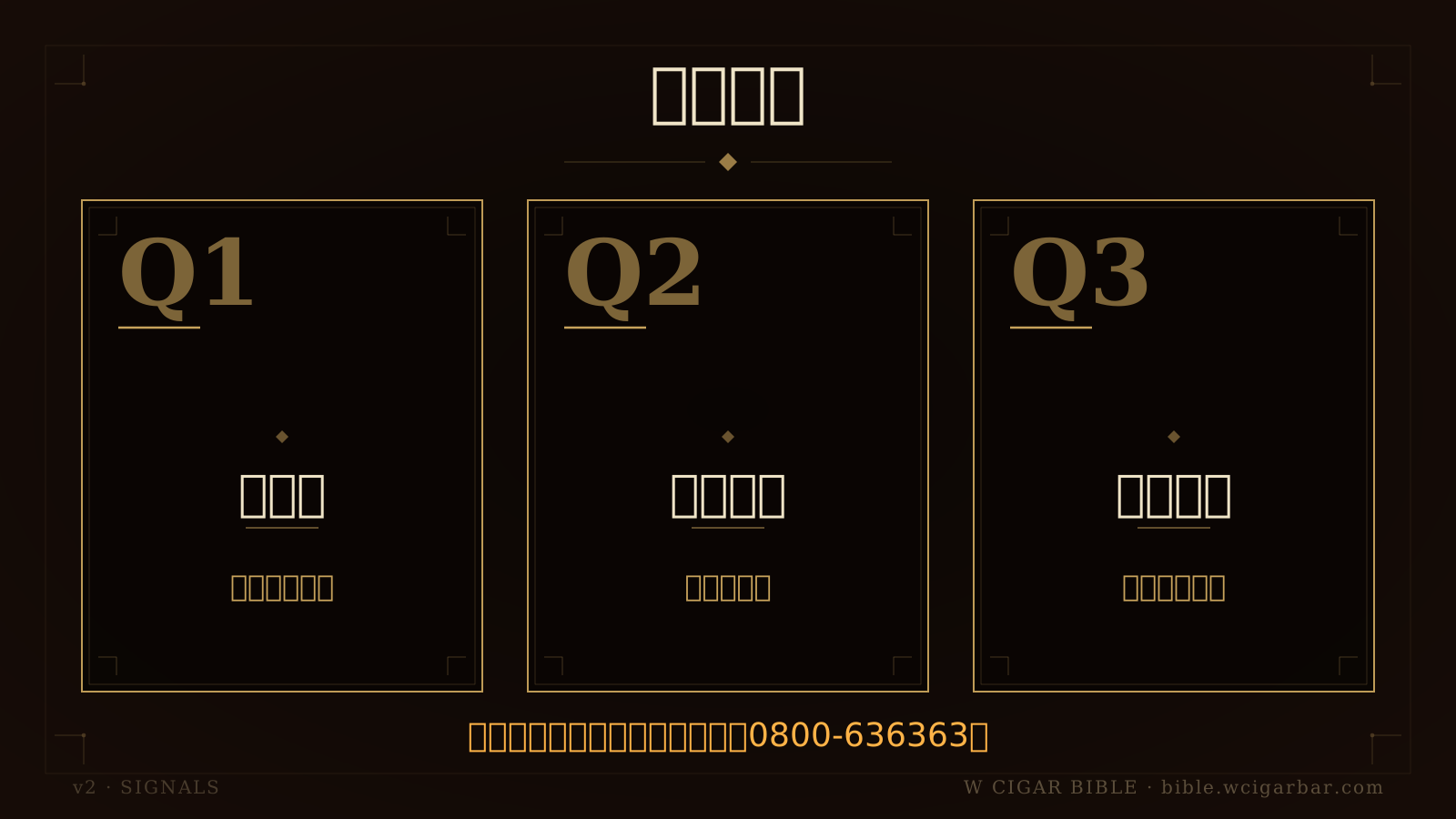
三張問答卡說明苦味尾韻與尺寸建議
Etiquette and Environment: Giving Space for the Finish to Be Heard
Appreciating the finish requires quiet and restraint. If the environment has strong perfumes, greasy foods, or intense scented candles, the tail notes of the cigar will be disturbed. Especially details like floral, honey, and light tea notes can easily be overshadowed by external odors. If you want to seriously analyze a 2019 box code Trinidad Vigía, you should avoid starting right after eating spicy hot pot.
In terms of etiquette, respect those around you. Do not exhale smoke directly at others, do not point with a cigar during conversation, and do not frequently tap ash causing a messy table. If the cigar goes out, first clear the cold ash, then evenly heat the foot with a flame; do not rush to puff heavily, as the first puff usually only has charred taste, and the finish will be ruined.
A good environment and etiquette will make the taste quieter and make each finish easier to identify. Beginners often think the technique is all in the mouth, but half is in the rhythm, and half is in the surrounding conditions.
Beverage pairing should also be gradual. Room temperature water is the most neutral; unsweetened latte will amplify cream and cocoa; oolong tea may bring out woodiness and roast; single malt whisky depends on alcohol content and cask type. If you start with a 58% ABV cask-strength whisky, the cigar's finish is likely to be overpowered by the alcohol, making it difficult to judge its own layers.
Common Questions
The core of understanding aftertaste and finish is breaking down "do I like it" into describable, comparable, and repeatedly observable details. Here are some common questions I encounter when teaching beginners.
Why do I only taste bitterness and can't sense cocoa or wood?
First, check the rhythm. If you take a puff every 20 to 30 seconds, the burning temperature is too high, and bitterness will be amplified. It may also be due to high humidity; I suggest starting with 65% to 69% RH for observation.
Does a longer aftertaste mean a better cigar?
Not necessarily. A long aftertaste that is chaotic, charred, or throat-irritating is not as good as a medium aftertaste that is clean and layered. The key is whether the tail notes are clear and varied, not just how long they last.
What size is suitable for beginners to practice with?
Robusto is very suitable, taking about 50 to 70 minutes to complete, with obvious changes but not too long. Montecristo Open Master and Hoyo Epicure No.2 are easy-to-observe sizes.
How long does a cigar need to age to have a noticeable finish?
Different brands vary greatly. Generally, 2 to 3 years may reduce harshness, and over 5 years often results in a more rounded aftertaste, but it doesn't mean every cigar is better; it still depends on the source, storage, and original condition.
Is there investment potential in collecting?
Some limited editions or discontinued items may be sought after in the market, but collecting for investment does not guarantee appreciation; it still depends on source preservation and market conditions. If you focus only on investment and neglect preservation, the risk is high.
Is it normal for a cigar to become spicy towards the end?
Accumulated tar in the mid-to-late stages and increased temperature will increase spiciness. You can slow down the rhythm, and if the last 3 to 4 cm has lost balance, you can gracefully end it without forcing yourself to smoke to the end.
I have always believed that the sophistication of cigars does not lie in piling up adjectives but in honestly facing the changes in each puff. If you can distinguish entry, aftertaste, and finish, you can gradually establish your own taste coordinates. Brand, year, and ratings are just references; what truly matters is whether you are willing to slow down for 30 seconds and let a cigar fully tell its story. May you, after each quiet exhale, better discern the details and enjoy the restraint.
—Cigar Prince Wilson Tsai
Smoking is harmful to health. Smoking is prohibited for those under twenty. Quitline: 0800-636363. This article is for reference on cigar culture, preservation, and regulations for adults over twenty years old only, not a tobacco advertisement, promotion, or purchase suggestion.
Like this article?Share with friends
Share this W Cigar Bible piece with friends who want to learn cigar culture, storage, and tasting.
想把這篇 化為實踐
雪茄聖經是知識;雪茄文化要在空間裡發生

W Cigar Bar 大安總店資訊
台北大安區 · 雪茄聖經總編輯 Wilson Tsai 主理的雪茄文化空間
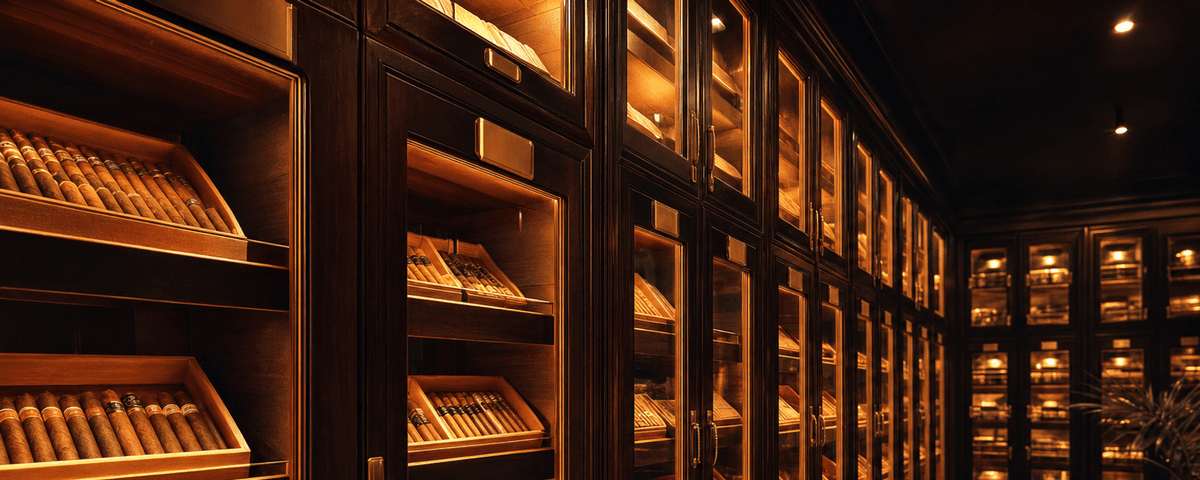
33 座 24 小時恆溫恆濕醇化室
W Cigar Bar 提供的會員醇化空間 · 場地資訊請洽編輯部
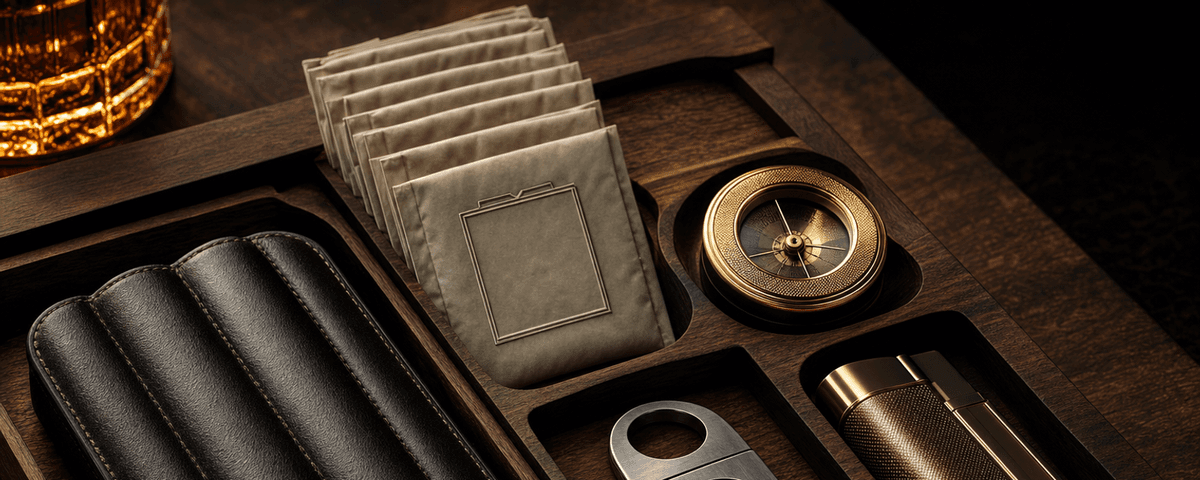
雪茄剪 / 打火機 / 雪茄盒 / Boveda
W Cigar 配件官網 · 專營雪茄配件正品
加 LINE 好友 · 文化諮詢
文化空間資訊 · 紳士沙龍 · 私人包場
本網站內容僅供雪茄文化、歷史、收藏與品吸知識研究參考。菸品有害健康、未滿法定年齡者請勿吸菸。實際規範請依所在地法律為準。
吸菸有害健康・戒菸專線 0800-636363・本站僅供 20 歲以上成年人閱覽。
讀到這裡,你不只是路過的人
留下 Email,加入 W 雪茄聖經內圈——總編輯 Wilson Tsai 親選的學院深文與國際新訊,先你一步送到信箱。
· 教育用途非銷售 · 隨時一鍵退訂 · Email 絕不對外公開 · 由勝茄股份有限公司營運
同分類延伸閱讀

資料來源:W Cigar Bible 編輯部整理 · 雪茄王子 Wilson Tsai 親自審稿
本文僅供雪茄文化、歷史、收藏與品鑑知識研究,不作為菸品促銷、銷售或購買建議。吸菸有害健康,未滿二十歲不得吸菸。