雪茄的選葉藝術:如何判斷葉片的優劣與特性
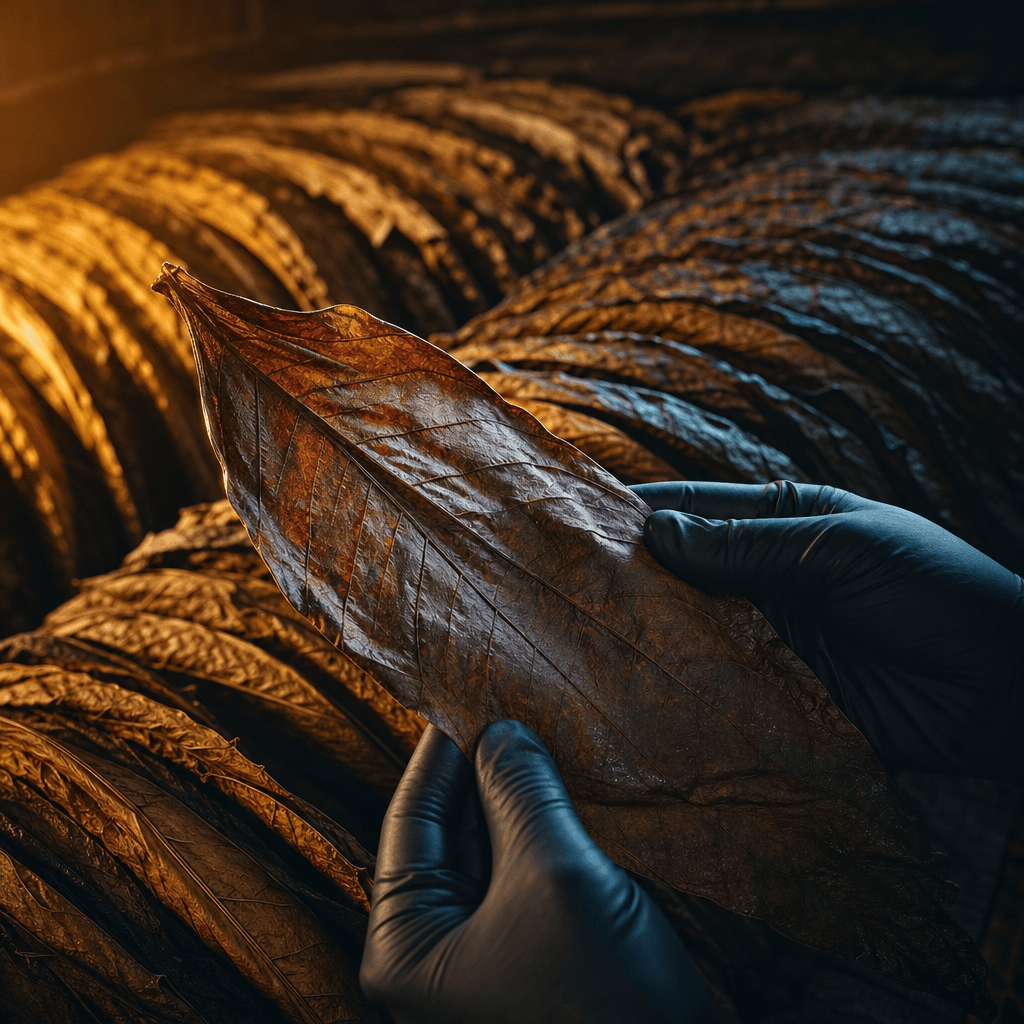
雪茄的選葉藝術結合了農業、時間和調配美學,影響著每支雪茄的層次與口感。不同產區的煙葉特性各異,如古巴的礦物與蜂蜜、尼加拉瓜的胡椒與可可,這些都需透過葉片的油脂、彈性和氣味來判斷。選葉時,應關注葉片的角色與結構,而非單純強度。透過觀察外觀、觸感及氣味,建立個人的味覺地圖,能更精確地選擇適合自己的雪茄,實現香氣與口感的完美平衡。
- 雪茄葉片的品質取決於其位置、日照及發酵程度,需了解各層葉的角色與特性。
- 選擇雪茄時,應注意葉片的油脂、色階及葉脈,這些影響燃燒及口感的因素。
- 氣味的層次可反映煙葉的熟成度,應尋找乾淨且有層次的香氣,而非單一濃烈的味道。
The Art of Leaf Selection in Cigars: How to Judge the Quality and Characteristics of Leaves
As the editor of "Cigar Bible," I am often asked by veterans: Why does a certain vintage of the same brand and size have more complexity, while another batch seems flat? The answer often lies not in the band but in the leaves themselves: which layer they come from, which field, and how long they have been fermented and aged.
The selection of cigar leaves is the intersection of agriculture, time, and blending aesthetics. Advanced judgment involves more than just the appearance of the wrapper; it requires assessing the oil, elasticity, veins, aroma, burn, and flavor structure to infer the maturity and processing level of the tobacco leaves.
五步流程呈現分層外觀觸感聞香與試燃
Understanding Leaf Characteristics from Plant Position
Cigar tobacco leaves are not a single material but a division of labor from different parts of the entire tobacco plant. In regions like Cuba's Vuelta Abajo, Nicaragua's Estelí, and Honduras' Jamastran, harvesting is usually done in batches from bottom to top, with common layers including Volado, Seco, Viso, Ligero, and even higher Medio Tiempo. The higher the position, the stronger the sunlight, the thicker the leaves, and the higher the nicotine and oil content.
Before judging the quality of a leaf, you must first determine what role it is supposed to play. Volado should not be expected to have the strength of Ligero; its value lies in stable burning. Seco often carries aroma and detail; Viso provides sweetness, woodiness, and mid-range thickness; Ligero supports the strength of the final third. Since the official launch of the Cohiba Behike series in 2010, the often-discussed Medio Tiempo uses rare high-position leaves to bring out deeper concentration and lasting aftertaste.
When selecting leaves, I recommend separating "strong" from "good." The Nicaraguan leaves of Padron 1964 Anniversary often feature cocoa, coffee, and pepper, but their excellence lies not just in concentration, but in how concentration, burn, and sweetness form an order. Conversely, a cigar relying solely on Ligero may be shocking in the first 2 centimeters but can become bitter, spicy, and dry past halfway, indicating a blending imbalance.
三張卡整理葉位質感與聞香判讀重點
Appearance: Interpreting Oil, Color Gradation, and Veins
The appearance of the wrapper is the first clue but not the entirety of leaf selection. High-quality wrappers often exhibit uniform color gradation, natural gloss, and delicate leaf surfaces, with oil resembling a thin layer of silk rather than being wet and sticky. In the case of Colorado Maduro and Maduro, darker colors do not necessarily indicate greater maturity; they may result from longer fermentation, different leaf types, shading conditions, or processing methods.
A good wrapper should have a sense of life, not look like painted leather. When observing, slowly rotate the cigar under a 45-degree light source to see if the color is consistent from head to foot and if the veins are smooth. Well-preserved Cuban Montecristo No.2 and Partagás Serie D No.4 often show medium oil sheen and fine texture, while some Ecuadorian Habano wrappers present a more uniform, clean tea-brown color.
Veins should be judged by "proportion" rather than being completely absent. Overly thick main veins may cause uneven burn lines and affect the delicacy of flavor; however, natural leaves cannot be as smooth as paper. If the wrapper has large green spots, it may indicate insufficient chlorophyll conversion during drying; if gray-white mold spots with fuzz appear, they must be distinguished from normal oil spots. Oil spots are usually crystalline and can be wiped away, while mold spots often have a musty smell and irregular spread.
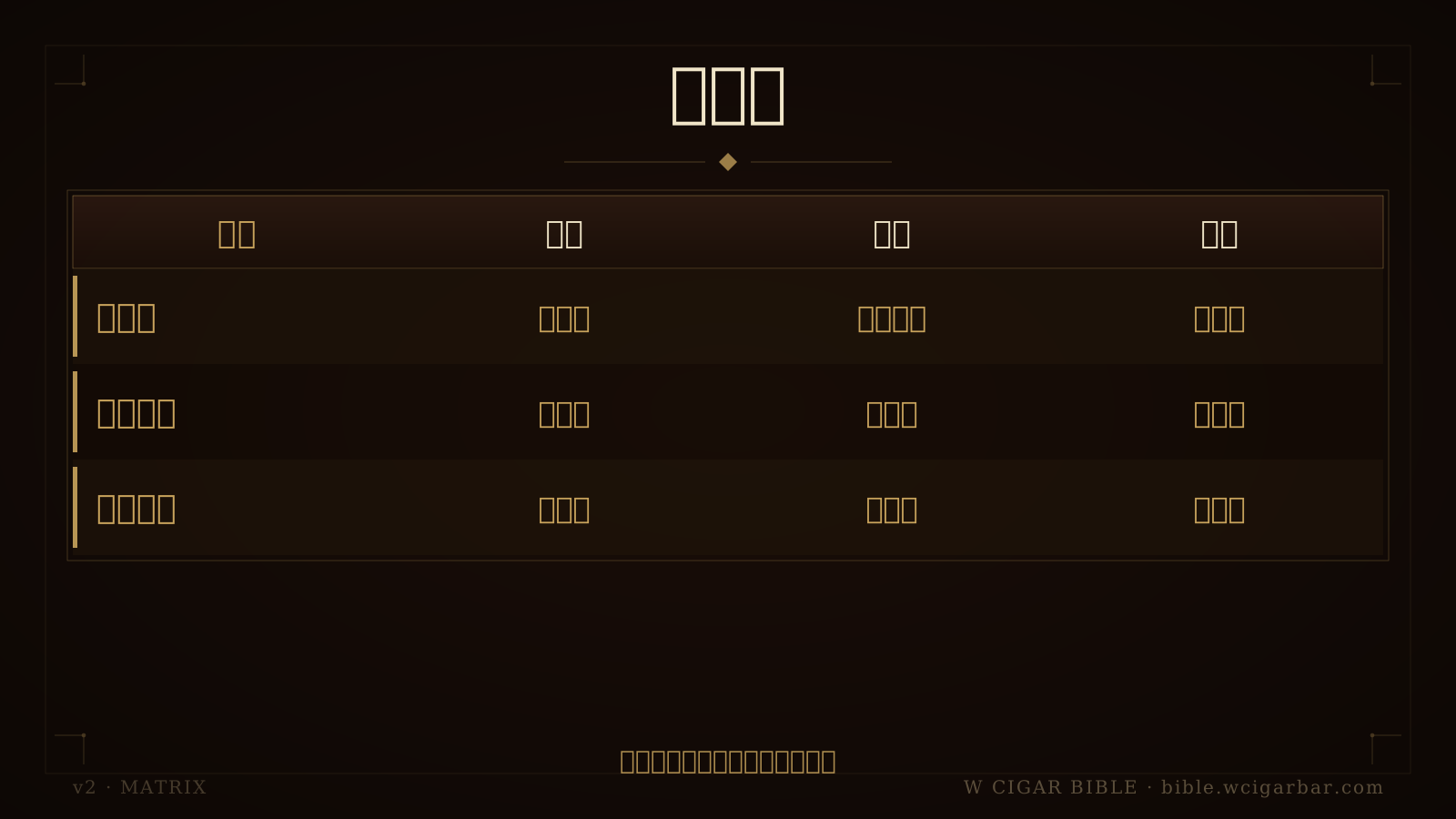
矩陣比較下層中層高層煙葉的功能差異
Touch: Elasticity, Filling, and Moisture State
Judging a cigar by touch does not involve squeezing hard but gently pressing the cap, center, and foot with the fingertips. The ideal state resembles matured leather, with resilience and support, not collapsing under pressure or being as hard as wood. If the center is noticeably hollow, it may overheat when burning; if one section is particularly tight, it may cause excessive draw resistance and interrupted burning.
The most important aspect of touch is consistency from head to foot. I usually pay special attention to the middle section of Robusto Extra or Toro with a ring gauge above 52, as uneven filling in large ring gauges may result in smoothness in the front section and uneven burning in the second section. Conversely, Corona and Lonsdale with ring gauges of 42 to 46 are more sensitive to rolling precision, and any local tightness will be magnified.
Moisture state also affects touch. For long-term storage, a relative humidity of 65% to 69% and a temperature of about 18 to 21°C are recommended. If the wrapper feels brittle and the foot cracks, it is likely too dry. If the surface is sticky and the aroma is dull, it may be too moist. Cigars like H. Upmann Magnum 46, which emphasize detail and creaminess, often appear dull when too moist; Partagás series tend to turn sharp and spicy when too dry.
Aroma: Judging Maturity from Dry Smell to Pre-Burn
The aroma before lighting is an important entry point for judging the processing level of the leaves. The dry smell of the wrapper can reveal clues like cedar, hay, leather, cocoa, nuts, honey, and earth; the aroma of the foot is closer to the core of the filler leaves, often revealing pepper, coffee, brown sugar, or fermentation scent. If a pungent ammonia smell appears, it indicates insufficient fermentation or aging time, which may not be unsuitable for storage, but the current state is usually not rounded.
The aroma of mature tobacco leaves should be clean and layered, not just intense. For example, Oliva Serie V Melanio often features cocoa, roasted coffee, and a faint sweetness; Arturo Fuente OpusX, when in good condition, often has spice, wood, and tropical dried fruit notes at the foot. If a cigar only smells of a single spiciness and irritates the nasal cavity, the subsequent flavor is likely to lack transitions.
I categorize aroma into three layers: the first layer is volatile aromas like floral and herbal; the second layer is fermentation aromas like bread, wine, and brown sugar; the third layer is the base, like earth, leather, and wood. Between 2014 and 2016, many well-preserved Cuban box cigars often exhibited honey, cedar, and mineral notes after 5 to 8 years; however, if the source and storage are unclear, the vintage number itself is meaningless.
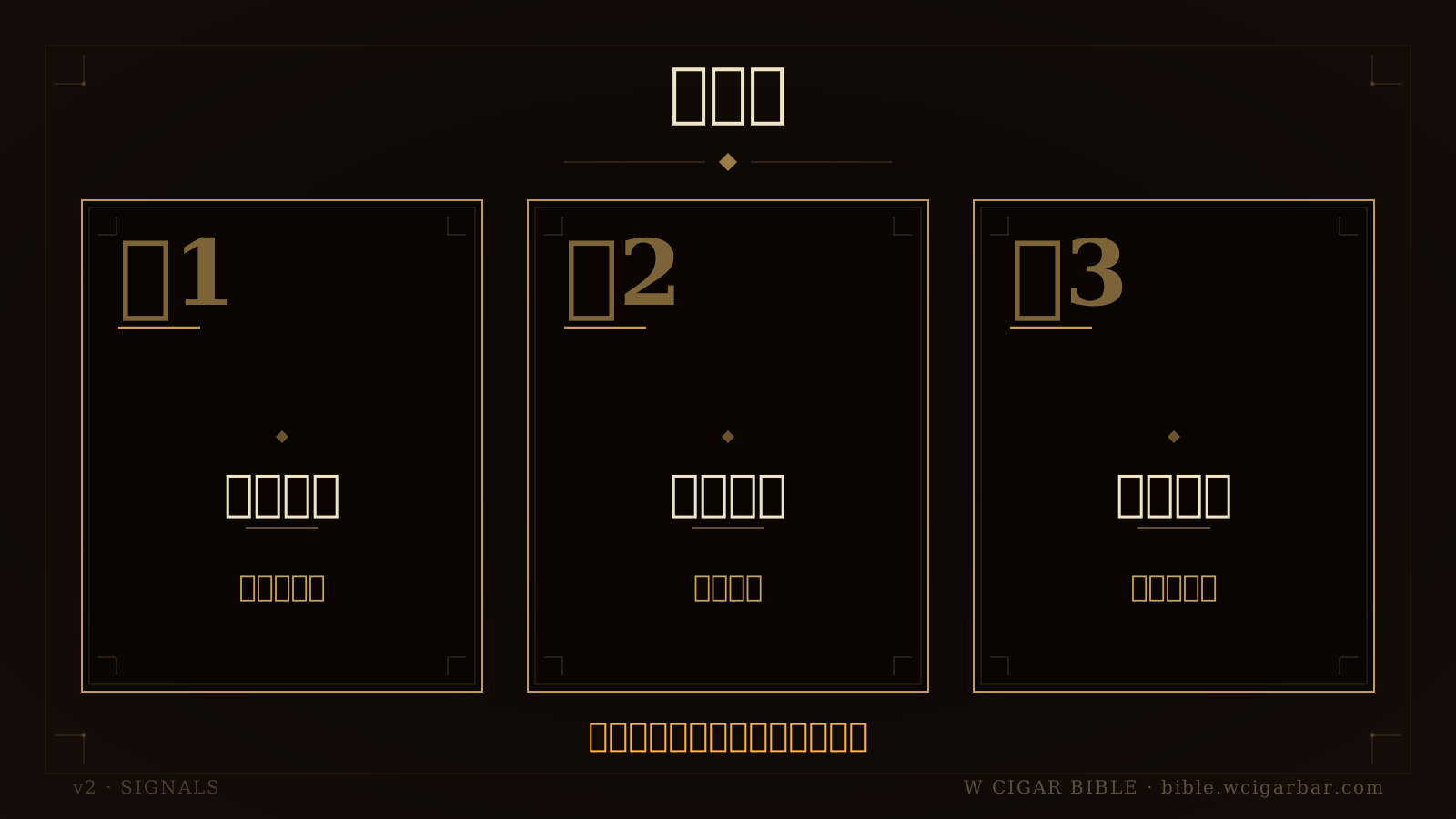
三張卡列出深色斑點與強度的判讀誤區
Region, Variety, and Fermentation: Building a Flavor Map with Tables
Leaves from different regions are not simply divided into Cuban elegance, Nicaraguan richness, and Dominican smoothness. A more accurate approach is to consider soil, sunlight, seeds, fermentation, and blending together. Nicaraguan Estelí leaves often feature black pepper and a robust mouthfeel; Jalapa has more sweetness and aroma; Condega often provides balance and herbal tones. Dominican Piloto Cubano can bring leather and spice, while Olor Dominicano is more rounded.
| Leaf/Region Clues | Common Characteristics | Leaf Selection Focus | Brand Examples |
|---|---|---|---|
| Cuba Vuelta Abajo | Mineral, honey, cedar, leather | Fine veins, clean aroma | Cohiba, H. Upmann |
| Nicaragua Estelí | Pepper, cocoa, high concentration | Avoid excessive spiciness and dryness | Padron, Oliva |
| Nicaragua Jalapa | Sweetness, red earth, floral | Observe oil and sweetness durability | My Father, AJ Fernandez |
| Dominican Republic | Cream, nuts, spice | Look for delicacy and aftertaste | Arturo Fuente, Davidoff |
| Cameroon Wrapper | Cinnamon, wood, dry sweetness | Leaf surface is fragile, requires stable storage | Fuente Hemingway |
Region is a direction, not a verdict; true quality is determined by the farm, vintage, and processing details. The same Habano seed grown in Ecuador's shaded environment and Nicaragua's strong sunlight environment will have completely different oil, thickness, and spice. After 2008, the non-Cuban premium cigar market matured rapidly, with many brands blending multi-country leaves, making single-region judgment insufficiently accurate.
When selecting leaves, you can build your own flavor map: record brand, size, ring gauge, vintage, storage humidity, and changes in the first third, middle, and final third. After continuously recording 30 cigars, you will find that your preference is not for a specific country but for a certain structure: for example, whether the mid-range sweetness is sufficient, whether the final third is clean, and whether the pepper stays on the tongue rather than scratching the throat.
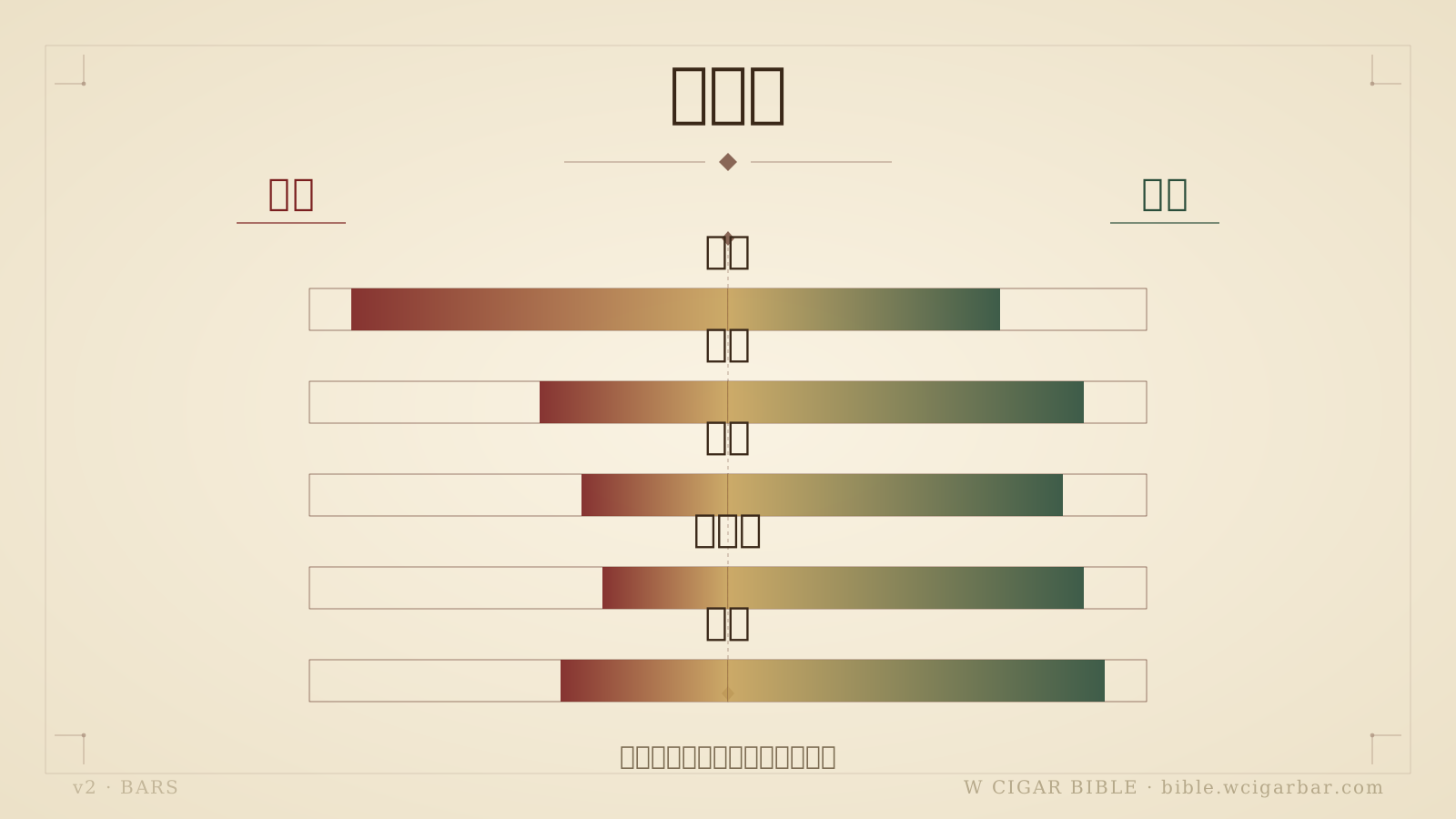
橫條圖對比追強與求衡在五個軸向差異
Choosing Leaves According to Personal Taste: From Strength to Structure
Many veterans start by asking "Is it strong?" when choosing cigars. But a truly mature leaf selection logic should ask: What kind of opening, middle, and finish do I want? If you like clear woodiness, cream, and nuts, pay attention to Dominican fillers, Connecticut or Ecuadorian Connecticut wrappers; if you prefer coffee, dark chocolate, and black pepper, look at formulas with a higher proportion of Nicaraguan Ligero.
Choosing the right tobacco leaves is not about pursuing the heaviest, but finding the balance of body feel, aroma, and aftertaste. For example, Davidoff Grand Cru is suitable for those who prefer detail and a clean finish; Padron 1926 Serie is more suitable for those who like rich sweet-bitter, coffee, and cocoa. If Cohiba Siglo VI is mature, it often forms subtle fluctuations between herbal, honey, cream, and wood.
In practice, I suggest using three indicators to filter:
- Aroma type: floral, herbal, nutty, cocoa, leather, earth.
- Flavor weight: light to medium, medium to rich, rich and high in oil.
- Finish type: sweet, clean, spicy, heavy, mineral.
When you know you prefer "medium concentration, high sweetness, and a non-bitter finish," leaf selection becomes more accurate. Don't just look at the wrapper color, and don't just look at brand reputation. Many Maduro wrappers appear dark but may be sweet and soft upon entry; some Claro or Colorado, due to a heavier filler leaf ratio, may exceed expectations in overall strength.
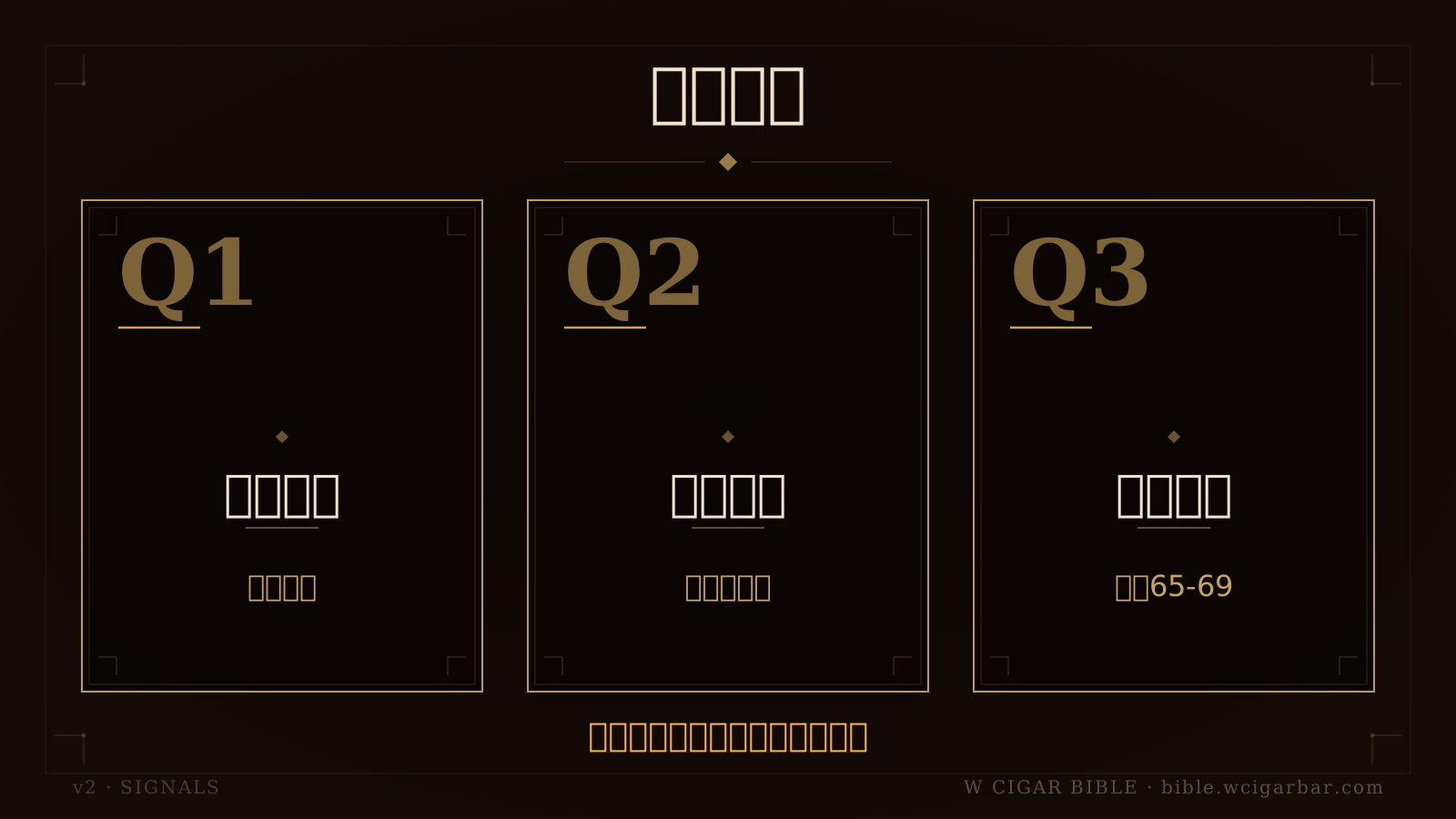
三張問答卡說明深色茄衣斑點與濕度
Aging and Batch: How Vintages Change Leaf Performance
Cigars are not wine, but time does change the state of the leaves. If freshly manufactured cigars are fully fermented, they may already be palatable; but if there is a noticeable ammonia smell and sharp spiciness, stable storage for 6 to 18 months often makes them rounder. Cuban box cigars are often observed by players at 3, 5, and 10-year intervals, while non-Cuban high-end series often undergo longer processing before leaving the factory.
The value of aging lies in integrating sharpness, not turning mediocre leaves into legends. For example, the 2011 Cohiba 1966 Limited Edition had rich cream and herbal bases early on, and after years of good preservation, the sweetness, woodiness, and spice became more integrated; but if originally stored too moist or from an unknown source, even many years may leave only a dull taste and flat flavor.
Batch differences are equally important. The same Partagás Serie P No.2, in 2017 and 2020 box versions, may differ in leaf maturity, rolling tightness, and aroma performance. Non-Cuban brands are the same; for example, Liga Privada No.9 uses multi-country dark leaves, and if the wrapper supply conditions change in a certain year, the burn and sweet-bitter ratio will be adjusted.
When discussing collectible value, rare vintages, limited editions, and complete preservation do affect market discussions but do not guarantee appreciation; it still depends on source preservation and market. For me, the most reliable use of vintage is not to project price but to help you understand: when these leaves were harvested, how they were fermented, and how long it took to reach the best state.
Common Questions
Does a darker wrapper mean better leaves?
Not necessarily. Dark color may come from Maduro processing, leaf type, sunlight, or longer fermentation, but quality still depends on oil, aroma, burn, and flavor. A dark wrapper is just a style clue, not a quality guarantee. Some Claro wrappers are extremely delicate, while some Maduro may be too moist, dull, and imbalanced in sweet-bitter.
Are small spots on the leaf surface a defect?
It depends on the nature of the spots. Small color differences and natural patterns do not necessarily affect quality; however, excessive green spots may indicate insufficient chlorophyll conversion, and black wet spots require attention to storage issues. If they are white crystalline points, without fuzz, and can be wiped away, they are mostly oil crystals; if there is a moldy smell and fuzzy spread, they should be handled with caution.
How can aroma be used to judge if tobacco leaves are mature?
First smell the wrapper, then the foot. Mature leaves usually have hay, cedar, nut, cocoa, leather, or light sweet fermentation aromas; immature leaves often have pungent ammonia or green grass smells. Clean and layered aroma is usually more trustworthy than mere intensity.
Does ring gauge affect leaf selection judgment?
Yes. Larger ring gauges can accommodate more different filler leaves, potentially offering broader layers, but also require more even filling; smaller ring gauges highlight the wrapper and rolling precision more. Lonsdale and Corona often magnify details, while Toro and Robusto Extra more easily present thickness and mid-range sweetness.
How should veterans establish their own leaf selection standards?
I recommend accumulating notes, not just recording brands but also size, box code or vintage, storage humidity, opening aroma, mid-range changes, and final third cleanliness. After continuously recording 30 to 50 cigars, you will see the leaf combinations you prefer, rather than being led by a single rating.
Does storage humidity distort leaf judgment?
Yes, and it has a significant impact. Over-moisture can dull aroma, slow burn, and increase bitterness; over-dryness can make flavor sharp, crack the wrapper, and burn too fast. Most cigars can start with a relative humidity of 65% to 69% as a baseline, then adjust based on brand, wrapper thickness, and personal taste.
I have always believed that leaf selection is a meticulous craft that requires patience. The truly fascinating aspect of veterans is not being able to recite how many limited editions there are, but being able to read the land, vintage, and craftsmanship from the oil sheen, elasticity, and aroma of a single leaf. When you start looking at cigars this way, every observation before lighting will have more depth than simply chasing fame.
—Cigar Prince Wilson Tsai
Smoking is harmful to health. No smoking under the age of twenty. Quitline: 0800-636363. This article is for reference by adults over the age of twenty for cigar culture, preservation, and regulatory knowledge only, not as tobacco advertising, promotion, or purchase advice.
Like this article?Share with friends
Share this W Cigar Bible piece with friends who want to learn cigar culture, storage, and tasting.
想把這篇 化為實踐
雪茄聖經是知識;雪茄文化要在空間裡發生
W Cigar Bar 大安總店資訊
台北大安區 · 雪茄聖經總編輯 Wilson Tsai 主理的雪茄文化空間
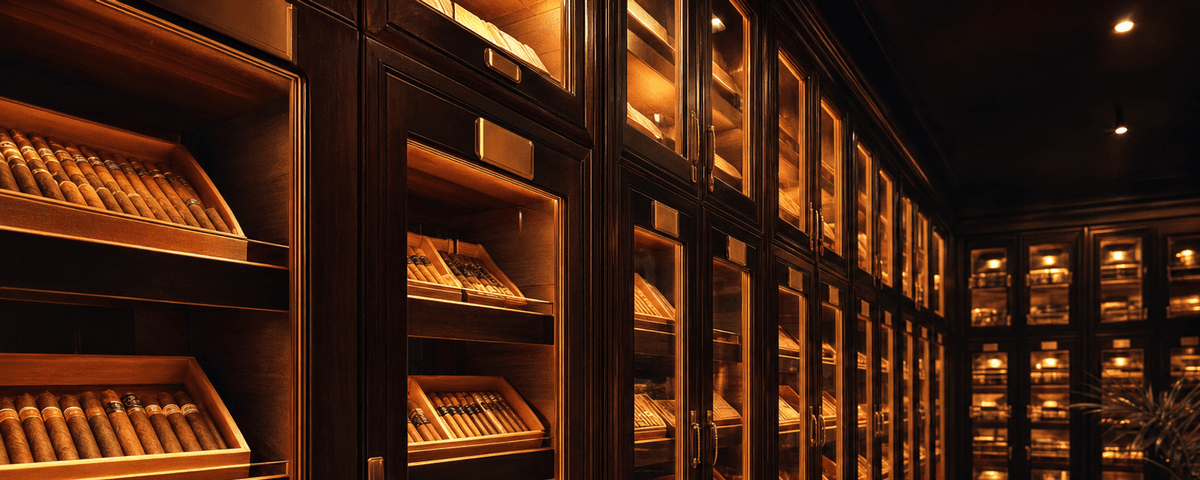
33 座 24 小時恆溫恆濕醇化室
W Cigar Bar 提供的會員醇化空間 · 場地資訊請洽編輯部
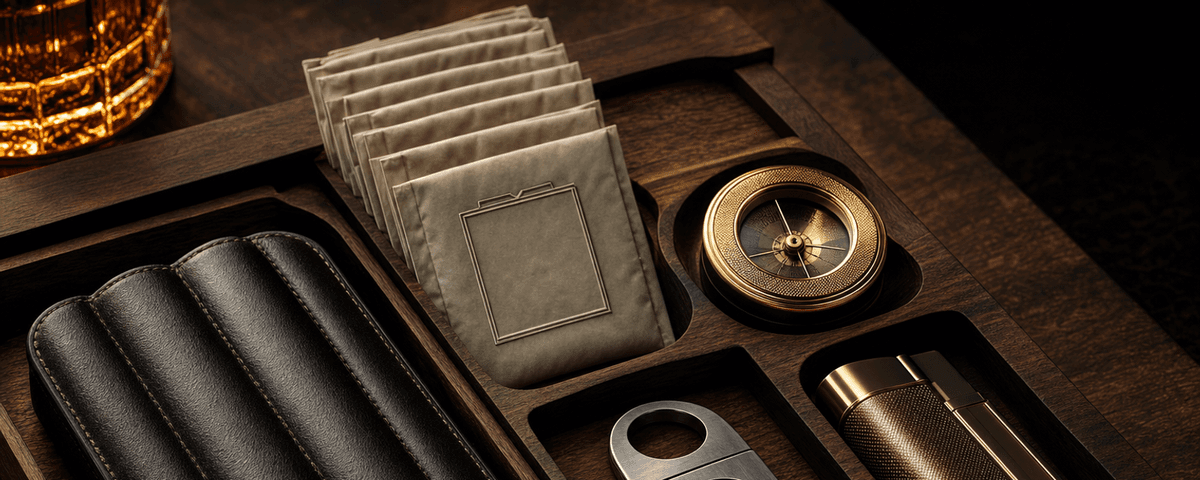
雪茄剪 / 打火機 / 雪茄盒 / Boveda
W Cigar 配件官網 · 專營雪茄配件正品
加 LINE 好友 · 文化諮詢
文化空間資訊 · 紳士沙龍 · 私人包場
本網站內容僅供雪茄文化、歷史、收藏與品吸知識研究參考。菸品有害健康、未滿法定年齡者請勿吸菸。實際規範請依所在地法律為準。
吸菸有害健康・戒菸專線 0800-636363・本站僅供 20 歲以上成年人閱覽。
讀到這裡,你不只是路過的人
留下 Email,加入 W 雪茄聖經內圈——總編輯 Wilson Tsai 親選的學院深文與國際新訊,先你一步送到信箱。
· 教育用途非銷售 · 隨時一鍵退訂 · Email 絕不對外公開 · 由勝茄股份有限公司營運
同分類延伸閱讀
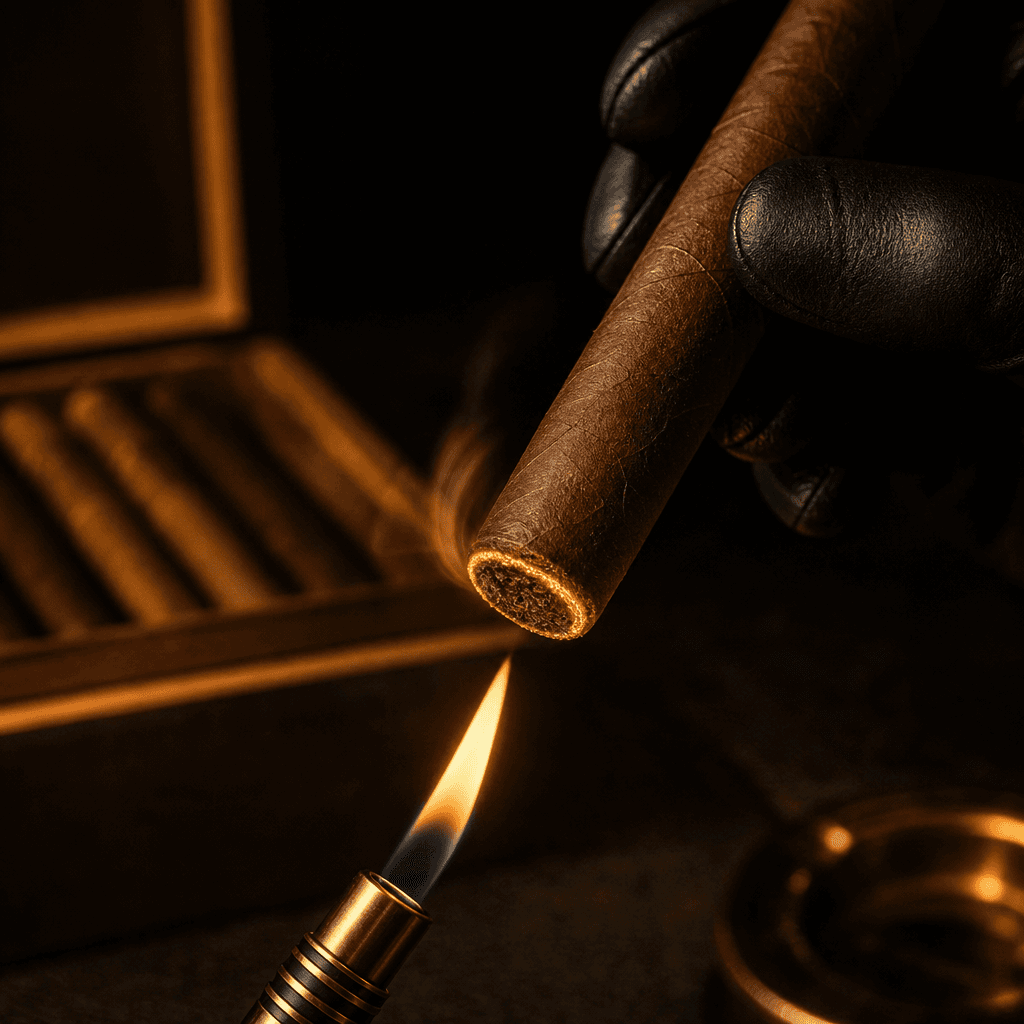

資料來源:W Cigar Bible 編輯部整理 · 雪茄王子 Wilson Tsai 親自審稿
本文僅供雪茄文化、歷史、收藏與品鑑知識研究,不作為菸品促銷、銷售或購買建議。吸菸有害健康,未滿二十歲不得吸菸。