雪茄的文化與社交禮儀

雪茄不僅是煙草,更是一種社交文化的象徵。從古巴的名牌到英國的紳士俱樂部,雪茄的歷史與社交互動密不可分。它要求時間、空間與克制,讓對話變得更深入。懂得雪茄禮儀的人,能在不同文化中自如應對,尊重他人的選擇與感受。無論是在商務場合還是朋友聚會,選擇合適的雪茄尺寸與話題,能讓交流更為順暢。最重要的是,雪茄的享受在於分享與理解,而非單純的炫耀。
- 雪茄的文化地位源於其對時間、空間與克制的要求,這是成熟社交的核心。
- 參與聚會時,準時是基本禮儀,提前抵達可避免干擾對話節奏。
- 不同文化對雪茄的理解各異,但皆重視交談而非炫耀,這是社交的共通點。
The Culture and Social Etiquette of Cigars
Cigars are not about making smoke more complex, but about slowing down time. Beginners already know not to inhale and to exhale slowly. The next step is to learn how to interact with people with the right attitude in different cultures and occasions.
As the editor of "Cigar Bible," I often say: The flavor of a cigar is only half complete; the other half lies in people, places, rhythm, and moderation. Understanding etiquette is not about pretentiousness but about making both yourself and others more comfortable.
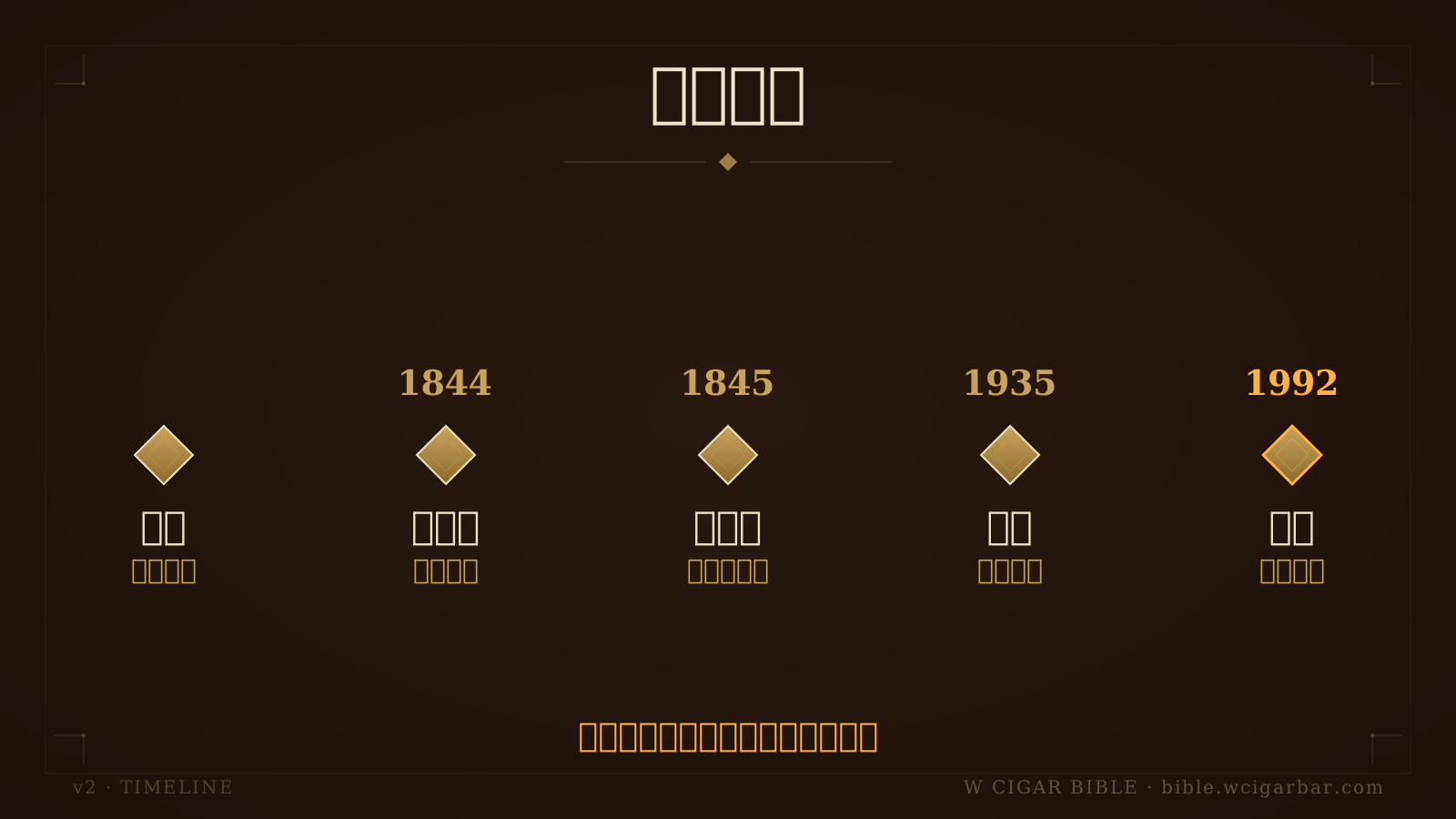
時間軸呈現雪茄從歐洲到哈瓦那與現代復興
Why Cigars Became a Social Language: From Havana to London Clubs
After the 16th century, tobacco entered Europe from the Americas. By the 19th century, Havana, Cuba, had become a significant symbol of high-end handmade cigars. H.Upmann was founded in 1844, and Partagás dates back to 1845. These brands not only represent flavor but also connect the lifestyles of businessmen, diplomats, writers, and travelers. Thus, cigars were never just a consumer product but a "social symbol that can be understood."
In the UK, 19th-century gentlemen's clubs often had separate smoking rooms where men would move after dinner to discuss politics, finance, and overseas news. In the US, cigars were also common in early 20th-century Wall Street and hotel bars. The cultural status of cigars comes from their demand for time, space, and restraint, which are the core of mature social interactions. A Robusto often requires 45 to 60 minutes, while a Churchill can last over 90 minutes, naturally extending conversations and excluding impatience.
Beginners most easily misunderstand that having a famous brand equals understanding the culture. In fact, what truly leaves a good impression is whether you know when to light up, when to remain silent, and when to let the host take the lead in conversation. Whether in a 1950s Cuban lounge, the 1990s New York cigar boom, or today's private gatherings in Asia, the scenes may differ, but good manners remain the same: don't steal the spotlight, don't disturb others, and don't impose your preferences as the standard. Those who understand cigars don't flaunt their knowledge but act with moderation.
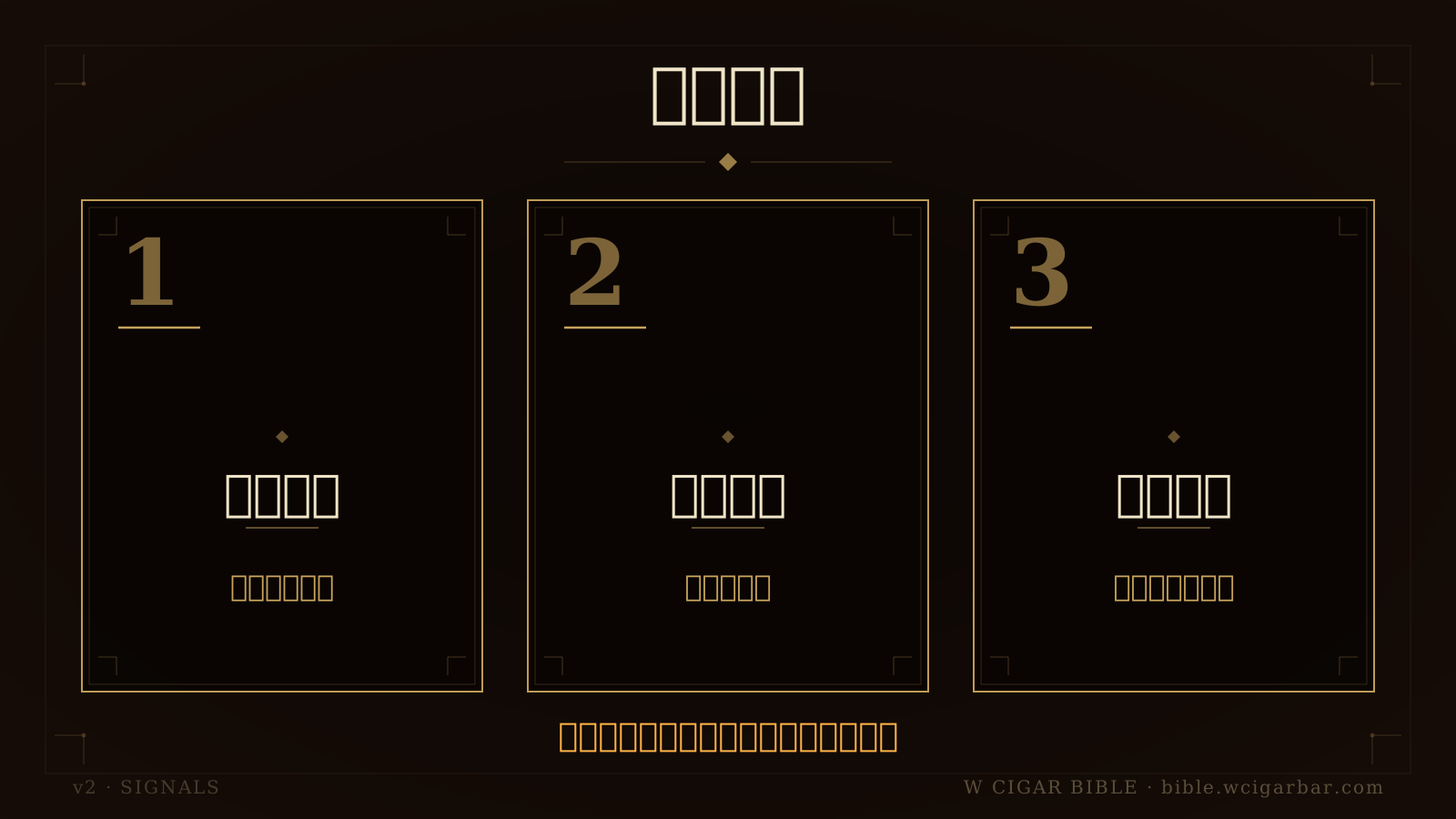
三張卡片列出顧旁人放慢節奏與保有分寸
The Status of Cigars in Different Cultures: Cuba, Spain, the US, and Asia
In Cuban culture, cigars are inseparable from the land, workshops, and family heritage. For example, Cohiba became a representative brand for special supply in 1966 before entering the international market. Montecristo was introduced in 1935, its name derived from "The Count of Monte Cristo," often read by workshop readers. These stories remind us that cigars are not cold specifications but cultural objects formed by agriculture, craftsmanship, and storytelling.
Spanish and Latin cultures place more emphasis on the post-dinner rhythm. Dinner might start at 9 PM, followed by coffee, spirits, and a shorter cigar like a Petit Corona to continue the conversation. In the US, a noticeable cigar revival occurred in the 1990s. After "Cigar Aficionado" was founded in 1992, celebrities, athletes, and entrepreneurs brought cigars back into the public eye. Different cultures have different understandings of cigars, but the common point is to place them in the realm of "conversation" rather than "showing off".
The Asian market has grown rapidly in the past 20 years, with Hong Kong, Singapore, Tokyo, and Taipei all having cigar spaces that emphasize storage conditions and service details. Asian social habits are more reserved, placing more importance on not disturbing others, respecting seating arrangements, and not overly commenting on others' choices. For example, after a business dinner in Taipei, some might choose a Davidoff Signature No.2, while others might opt for a Partagás Serie D No.4. The mature approach is not to compare superiority but to understand the desired intensity and time each person wants that evening. This respect is the starting point of cultural literacy.

矩陣比較朋友商務與新手場合的語氣話題安排
Invitations to Cigar Gatherings: Clarify Time, Place, and Participants
When inviting to a cigar gathering, the most important thing is not to expand the list but to let participants know what kind of situation they will be entering. You should clearly state the date, start time, estimated end time, venue regulations, whether there is an outdoor or ventilated area, and whether participants need to bring their own cigars. For small gatherings of up to six people, it's usually easiest to maintain the quality of conversation; if more than 12 people, consider seating, ashtrays, fire sources, and movement arrangements.
Invitation text can be concise and measured, for example: "This Saturday after dinner, around 9:00 PM, we will have a small gathering in a legally smoking private space, with a relaxed pace, lasting about 90 minutes. If convenient, you can bring a cigar you like; if you're not familiar with sizes, that's okay, as our focus is on relaxed communication." A proper invitation is about providing clear information, not pressuring the other party to attend. Especially, do not make non-smokers feel they must comply, as this is basic respect.
The host should also consider the occasion's positioning: is it a chat with friends, a birthday celebration, a business continuation, or a collection exchange? Different positioning requires different tones. A gathering with friends can be relaxed, while a business occasion should avoid overly personal topics. If involving high-aged or limited edition cigars, such as the 2014 Habanos Edición Limitada or the 2019 Regional Edition, discussing origin and preservation is sufficient without making price the main focus. When discussing collection value, it's also important to add: it doesn't guarantee appreciation, as it still depends on origin, preservation, and market. This statement can prevent unnecessary misunderstandings and keep discussions rational.
Basic Etiquette for Attending Gatherings: What to Bring, What to Say, When to Light Up
As an invitee, punctuality is the first etiquette. Cigars are not like cocktails that you can join at any time; if everyone has already been smoking for 20 minutes, entering loudly will disrupt the conversation rhythm. It's recommended to arrive 5 to 10 minutes early, ask the host about seating arrangements, and then take out your cigar. If you want to share a treasured cigar, you can first privately ask the host if it's appropriate, avoiding turning the occasion into a competition of rarity.
When bringing items, the safest option is to bring your own cigar, lighter, and cutter, but be aware of fire source regulations when flying or crossing borders. If unsure about the evening's style, choose a medium-sized and medium-strength cigar, such as a Romeo y Julieta Short Churchill, Hoyo de Monterrey Epicure No.2, or Davidoff Grand Cru No.2. The core of participating in a cigar gathering is to be well-prepared without turning preparation into a performance.
Speaking also requires moderation. You can describe flavors: "The front has woody, creamy, and light pepper notes," but don't negate others' perceptions: "How can you find it sweet?" Flavor memory is greatly influenced by diet, oral condition, and humidity. Before lighting up, usually wait for the host or main guest to signal; in formal occasions, do not light up while others are still dining. If the ashtray is full, you can help replace it, but don't tap the cigar with your fingers to make noise. These small actions often show more upbringing than how many brands and years you can recite.
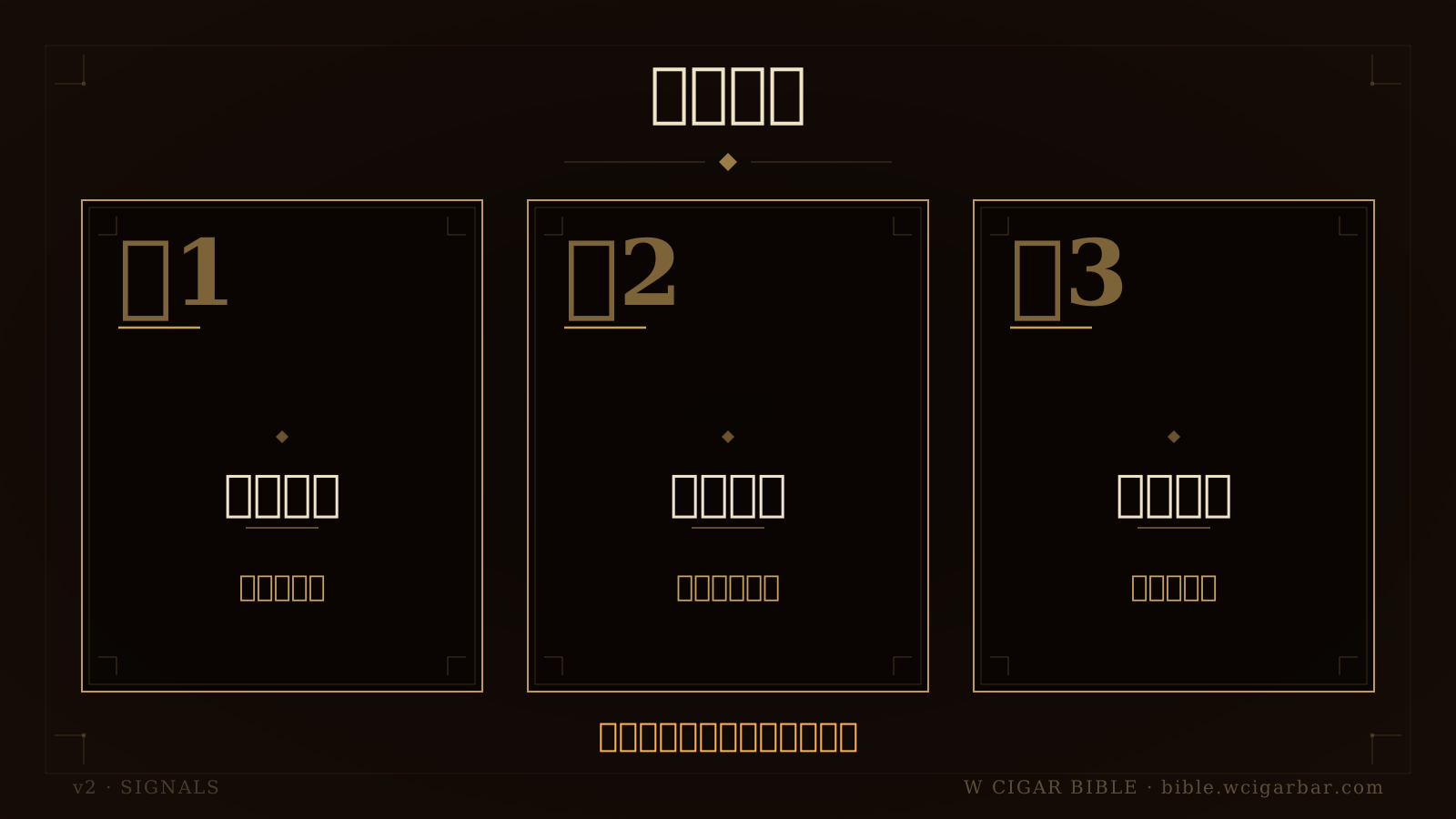
三張卡片提醒名牌優先追求長灰與裝懂風味
Lighting, Holding, and Extinguishing: Maturity Seen in Details
When cutting a cigar, the goal is to create a smooth airflow, not to cut as much as possible. For Parejo straight cigars, usually cutting about 1 to 2 millimeters off the cap is enough; for Torpedo or Pirámide tapered sizes, small cuts can be made gradually, adjusting after checking the draw. If using a double-bladed cutter, the blade should be clean and sharp; if the cigar is too moist, the cut may fray, which is usually related to storage conditions.
When lighting, avoid letting the flame burn the wrapper directly for a long time. You can first toast the foot with a torch or long match, letting the edges glow evenly, then lightly puff and rotate. Many beginners are eager to take big puffs, resulting in an overheated front, amplifying bitterness and ammonia flavors. Cigars are not something to conquer with force, but to let unfold naturally with a steady rhythm. It is generally recommended to take a puff every 45 to 75 seconds, adjusting according to size, burning condition, and conversation rhythm.
When holding, there's no need to exaggerate like in movies. Support naturally with your thumb, index, and middle fingers, avoiding waving it in front of others' faces. Let the ash fall gently on the ashtray edge when it's about 1 to 2 centimeters long, without frequent tapping. A good long ash looks nice, but if it's about to fall on clothes or the table, it loses courtesy. When extinguishing, don't crush it like a cigarette; just place the cigar on the ashtray and let it go out naturally. If the flavor becomes heavy in the last third, stopping is also a mature choice, without forcing to "finish."
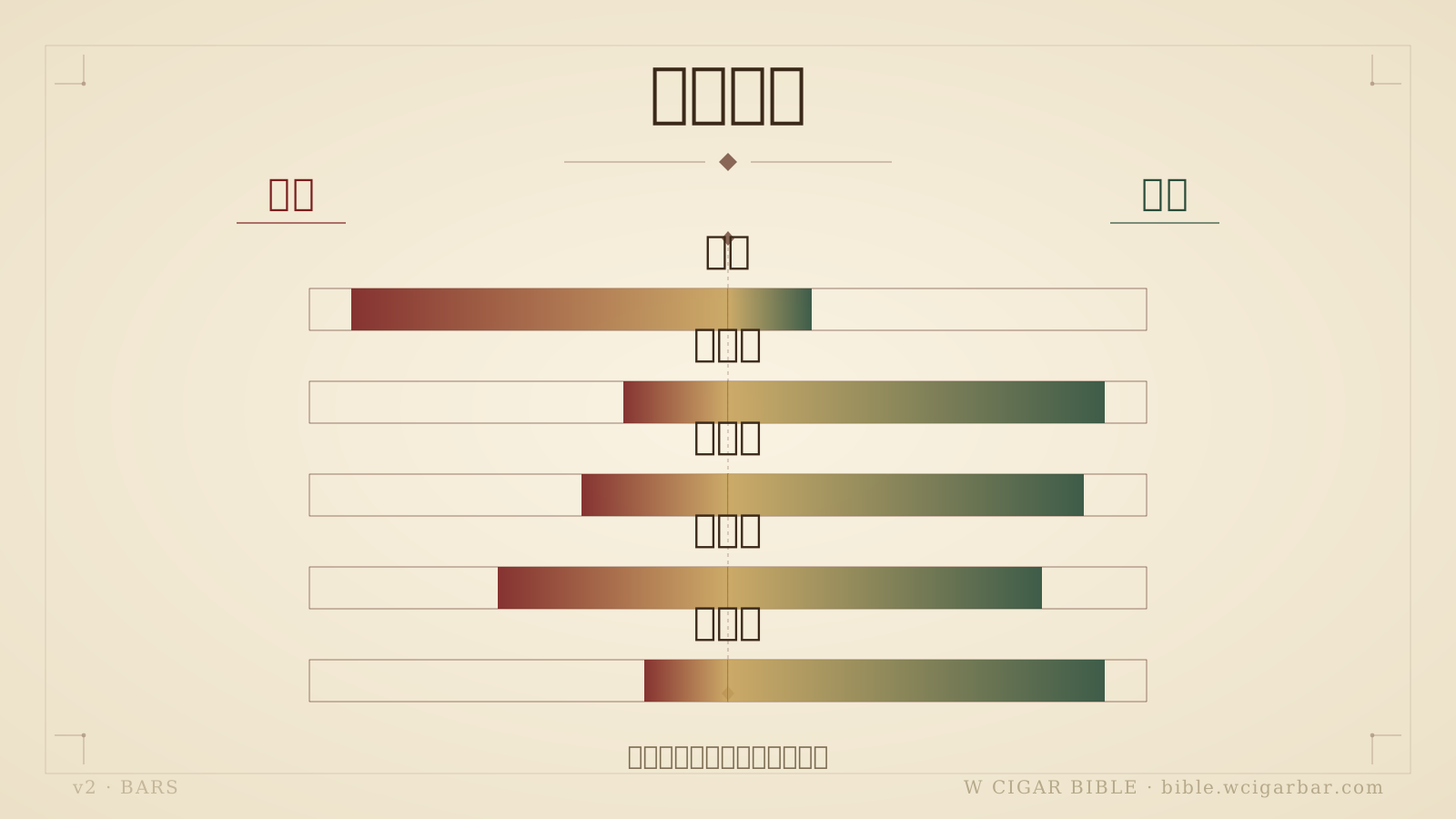
長條圖比較炫示取向與分寸取向的社交表現
Occasion Pairing and Conversation Rhythm: The Measure from Business to Friend Gatherings
The most charming aspect of cigar socializing is that it allows people from different backgrounds to exchange views in the same rhythm. But different occasions require different approaches. After a business meal, it's not advisable to choose overly long or strong sizes, as the conversation may become burdensome; for birthdays or anniversaries, choose brands with stories; for friend gatherings, arrange comparisons of different regions, such as one each from Cuba, Nicaragua, and the Dominican Republic, discussing differences rather than ranking.
| Occasion | Suggested Size and Time | Suitable Topics | Should Avoid |
|---|---|---|---|
| After Business Meal | Robusto, 45-60 minutes | Travel, industry trends, common interests | Price boasting, prying into personal matters |
| Birthday Celebration | Churchill or Toro, 75-100 minutes | Memories, blessings, vintage stories | Making the main character wait too long |
| Small Friend Gathering | Petit Corona to Robusto, 30-60 minutes | Flavor, preservation, region | Mocking novice choices |
| Collection Exchange | Limited or aged, 60-90 minutes | Origin, aging, storage conditions | Implying guaranteed profit |
A good occasion is not established by the most expensive cigar but by everyone being able to participate comfortably. For example, a friend brings a Bolivar Belicosos Finos purchased around 2008, while another only brings a regular Perdomo 10th Anniversary; both deserve to be treated well. If the host steers the topic to "your cigar isn't rare enough," the atmosphere will quickly deteriorate.
The conversation rhythm can follow a three-stage approach: the first 10 minutes discussing recent events, the middle part delving into travel, food and wine, culture, or work observations, and the final part naturally wrapping up. Don't bombard with questions right after lighting the cigar, as the other person needs to adjust the burn; also, don't suddenly introduce heavy controversies in the final stage. Social experts know how to let topics disperse like smoke, rather than compressing every sentence into a conclusion.
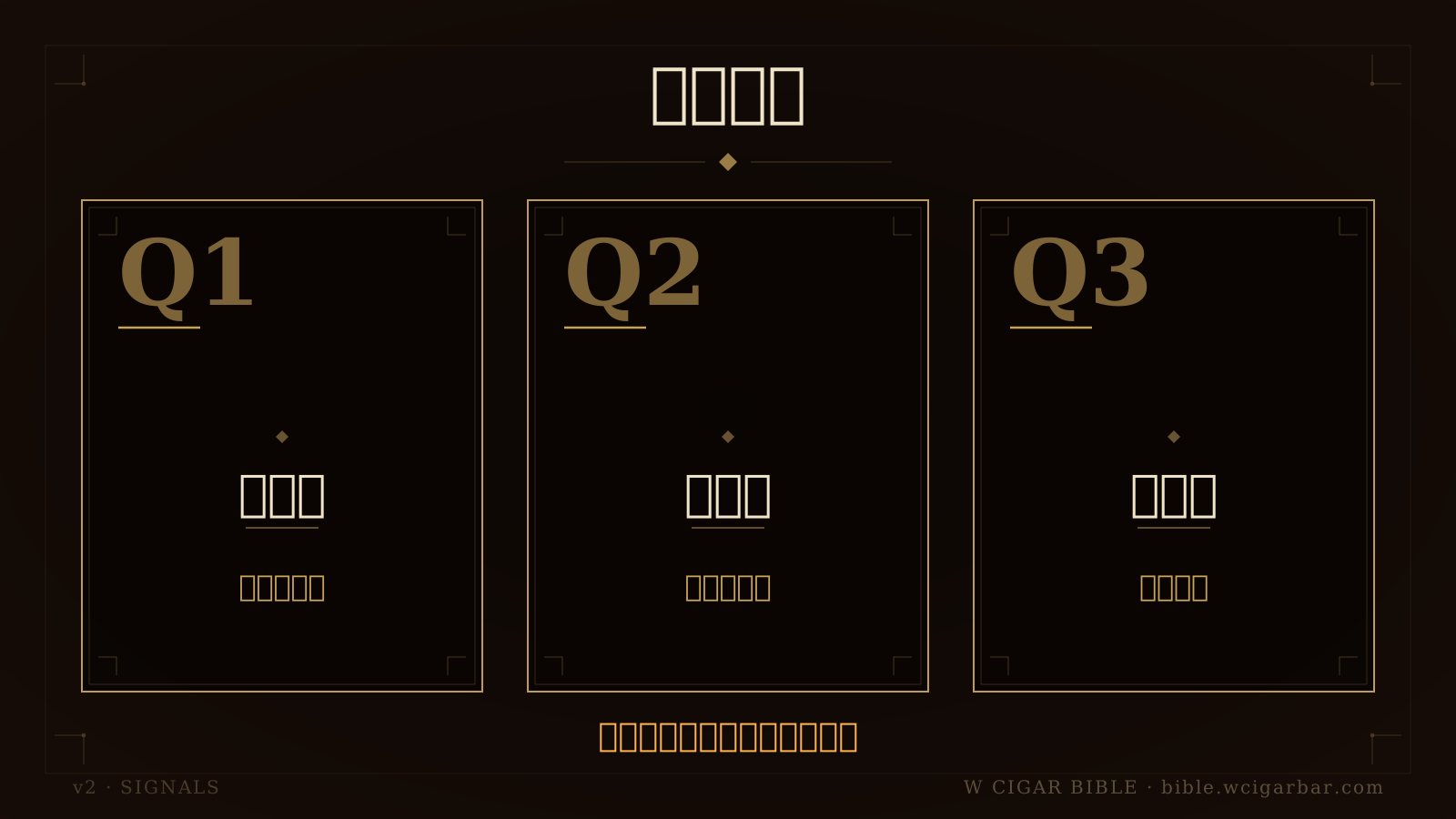
三張問答卡列出帶哪支可否求助與抽不完做法
The Host's Arrangement Skills: Storage, Air, Ashtrays, and Departure
If you are the host, the first thing is to ensure the venue is legal and does not affect non-participants. Ventilation, seating distance, and air flow direction are more important than decor. For a gathering of six people, prepare at least three ashtrays to avoid people reaching across the table; have 2 to 3 backup fire sources, at least two cutters, and keep them clean. Water is also essential, as it protects taste and rhythm when cigars and alcohol are consumed simultaneously.
Regarding storage, cigars are commonly recommended to be kept at a relative humidity of 65% to 70% and a temperature of about 18 to 21°C, but brand, origin, and personal preference can vary. Too moist can cause tight draw and uneven burn; too dry can be spicy and prone to cracking. If sharing your collection, it's best to check the wrapper, foot, and aroma first. The true elegance of a host is having comfort and safety arranged before guests even speak.
Departure is equally important. A cigar gathering doesn't have to drag on until late at night; setting a 90-minute or 2-hour limit makes everyone cherish the time more. If someone feels uncomfortable, the host should provide a space to leave without probing for reasons. When discussing collection prices, remind again: collection appreciation does not guarantee appreciation, as it still depends on origin, preservation, and market. This is not to dampen spirits but to protect friendships. A good host leaves people remembering the evening's composure, not who brought the most expensive cigar.
Frequently Asked Questions
What kind of cigar should I bring to my first cigar gathering?
It's recommended to choose a medium-strength, not overly long size, such as Robusto, Petit Corona, or Short Robusto. Brands like Hoyo de Monterrey, Romeo y Julieta, Davidoff, and Oliva offer approachable series. The goal of attending for the first time is not to impress everyone but to be stable, comfortable, and not burdensome.
Can I ask someone to cut or light my cigar for me?
Yes, but politely ask and respect the other person's tool usage habits. When using someone else's cutter, first confirm the blade direction and operation method, and don't cut while talking. If someone assists with lighting, still control the rotation and puffing rhythm yourself, rather than handing over the entire cigar like a ceremonial performance.
How can I participate in the conversation if I don't understand flavors?
Start with simple vocabulary: woody, coffee, nutty, creamy, peppery, leathery, sweet, salty. You can also say "I'm still finding the words." Honesty is more welcome than pretending to know, as cigar socializing values sharing, not testing.
What should I do if ash falls on the table or my clothes?
Apologize first, then quietly handle it. Don't loudly blame the cigar's structure or make the scene awkward. Next time, gently place the ash on the ashtray edge when it's about 1 to 2 centimeters long, avoiding chasing overly long ash. Long ash, if affecting others, is not elegant.
Can I discuss prices and collections during gatherings?
Yes, but it depends on the occasion and audience. Friends exchanging information on origin, vintage, preservation, and market changes is normal; in business settings, avoid making price a pressure point. When discussing collection appreciation, always remember: it doesn't guarantee appreciation, as it still depends on origin, preservation, and market.
If I don't want to finish my cigar, can I stop directly?
Yes. The flavor often becomes stronger in the last third of a cigar, and if you feel the burden increasing, let it naturally extinguish in the ashtray. Don't crush it forcefully, and don't apologize excessively. Knowing when to stop is respect for your body, taste, and the occasion.
I have always believed that the most precious aspect of cigar culture is not rare labels but the willingness of people to slow down that period of time. A good cigar gathering should make beginners not nervous, veterans not arrogant, and let knowledge become a bridge, not a barrier. When you can consider others before lighting up, reserve others' feelings when discussing flavors, and maintain rationality in collection topics, you have already stepped into true cigar etiquette. Flavors may change over time, but moderation leaves a lasting impression.
—Cigar Prince Wilson Tsai
Smoking is harmful to health. Under 20 years old is prohibited from smoking. Quitline: 0800-636363. This article is for reference by adults over 20 years old on cigar culture, preservation, and regulations, not a tobacco advertisement, promotion, or purchase suggestion.
Like this article?Share with friends
Share this W Cigar Bible piece with friends who want to learn cigar culture, storage, and tasting.
想把這篇 化為實踐
雪茄聖經是知識;雪茄文化要在空間裡發生

W Cigar Bar 大安總店資訊
台北大安區 · 雪茄聖經總編輯 Wilson Tsai 主理的雪茄文化空間

33 座 24 小時恆溫恆濕醇化室
W Cigar Bar 提供的會員醇化空間 · 場地資訊請洽編輯部
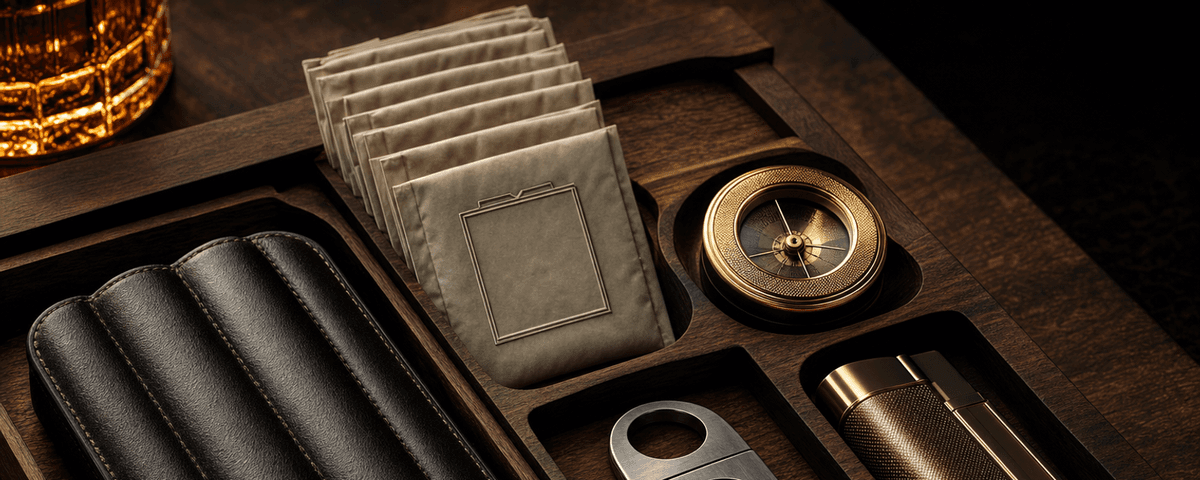
雪茄剪 / 打火機 / 雪茄盒 / Boveda
W Cigar 配件官網 · 專營雪茄配件正品
加 LINE 好友 · 文化諮詢
文化空間資訊 · 紳士沙龍 · 私人包場
本網站內容僅供雪茄文化、歷史、收藏與品吸知識研究參考。菸品有害健康、未滿法定年齡者請勿吸菸。實際規範請依所在地法律為準。
吸菸有害健康・戒菸專線 0800-636363・本站僅供 20 歲以上成年人閱覽。
讀到這裡,你不只是路過的人
留下 Email,加入 W 雪茄聖經內圈——總編輯 Wilson Tsai 親選的學院深文與國際新訊,先你一步送到信箱。
· 教育用途非銷售 · 隨時一鍵退訂 · Email 絕不對外公開 · 由勝茄股份有限公司營運
同分類延伸閱讀

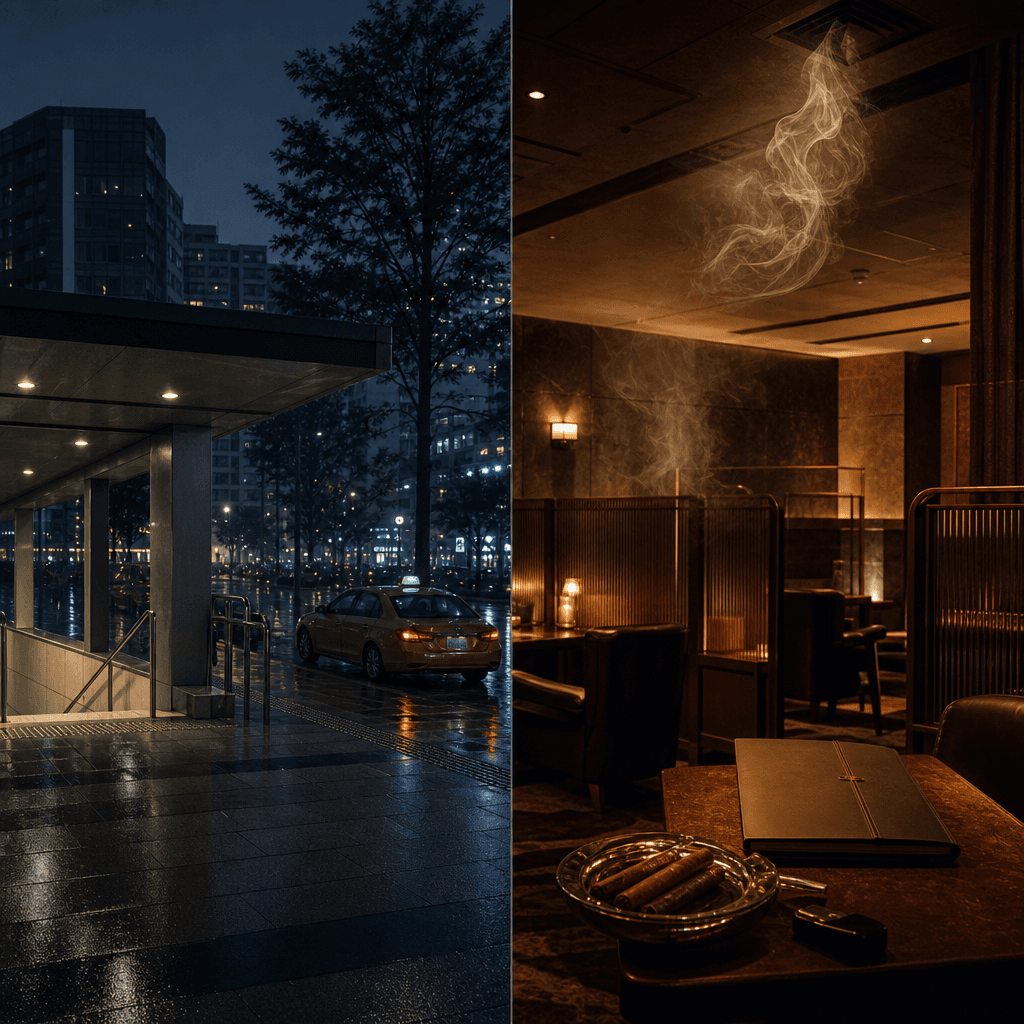

資料來源:W Cigar Bible 編輯部整理 · 雪茄王子 Wilson Tsai 親自審稿
本文僅供雪茄文化、歷史、收藏與品鑑知識研究,不作為菸品促銷、銷售或購買建議。吸菸有害健康,未滿二十歲不得吸菸。