雪茄與氣候變遷:產區應對策略與未來展望
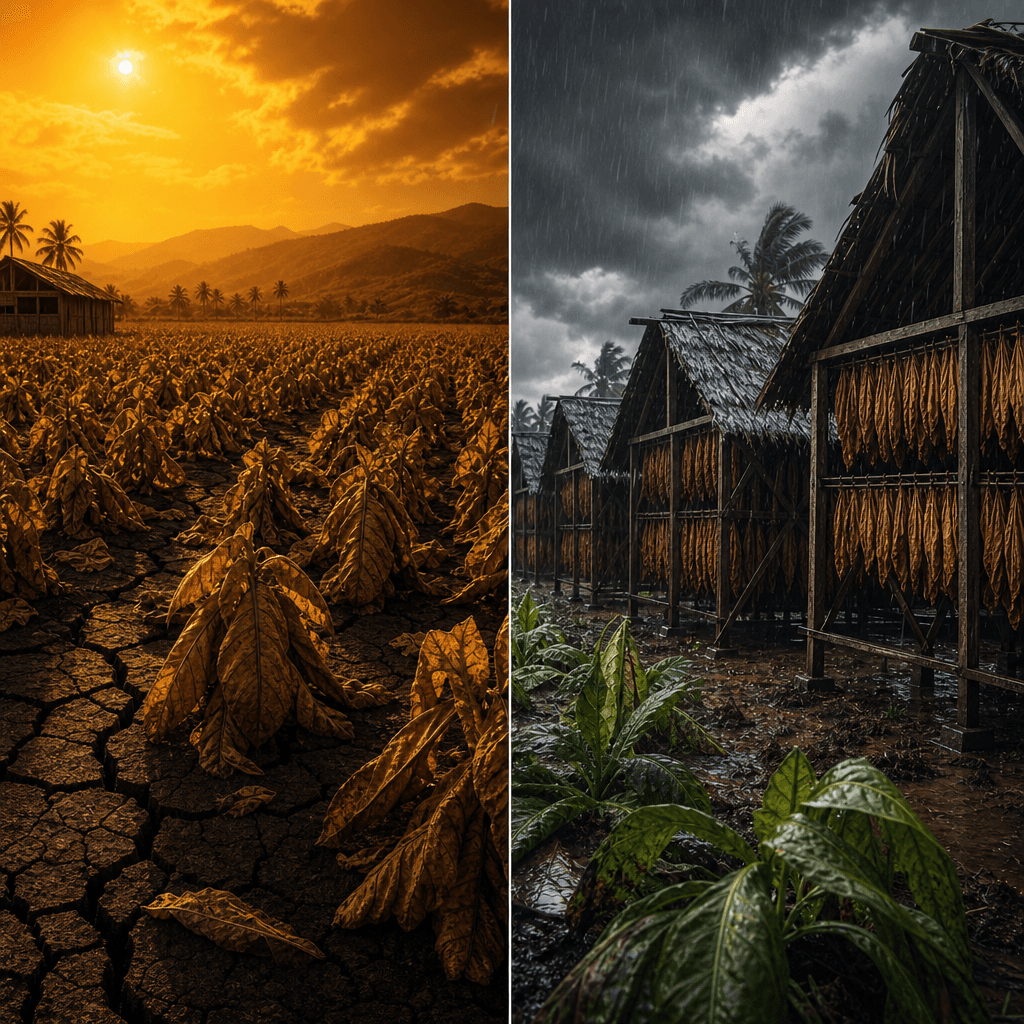
氣候變遷對雪茄品質的影響日益顯著,從降雨模式到氣溫變化,這些因素都直接影響雪茄的風味與穩定性。隨著農務環境的變化,品牌必須調整種植與調配策略,以應對不穩定的氣候條件。古巴的雪茄產區面臨重建挑戰,而多明尼加和尼加拉瓜則透過多元化農場來分散風險。茄衣的供應也愈加依賴多樣化來源,未來的高端雪茄將更像精品葡萄酒,強調生產者的管理能力與風味整合。
- 氣候變遷影響雪茄風味,品牌需調整農業策略以維持風格穩定性。
- 多明尼加與尼加拉瓜品牌透過跨產區調配,增強對氣候變遷的韌性。
- 茄衣供應未來將依賴多樣化來源,品牌必須建立可互補的茄衣組合。
Cigars and Climate Change: Strategies for Production Areas and Future Prospects
Climate change in the context of cigars is not just about "this year being hotter." For seasoned enthusiasts, the real questions are: how do shifts in rainy seasons, hurricane frequency, rising night temperatures, soil salinity, and pests alter the oiliness of wrappers, burn lines, aging potential, and the consistency of familiar brands?
As the editor of the "Cigar Bible," I've observed changes in production areas, factories, and retail over the past few years. My deepest insight is that climate is no longer just a background factor in agriculture but a core variable in the cigar quality chain. Here, I will use examples from Cuba, the Dominican Republic, Nicaragua, Ecuador, and Connecticut in the USA to dissect the key trends for the next decade.

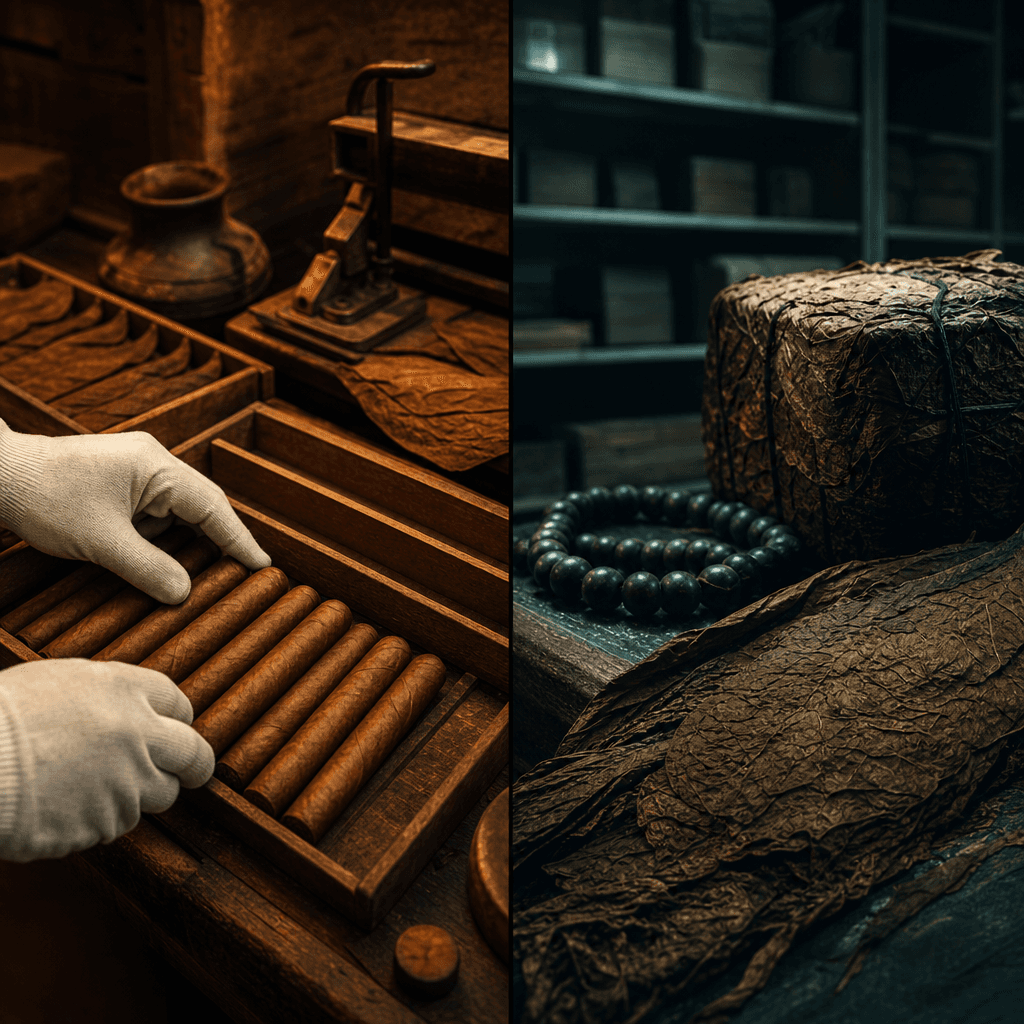
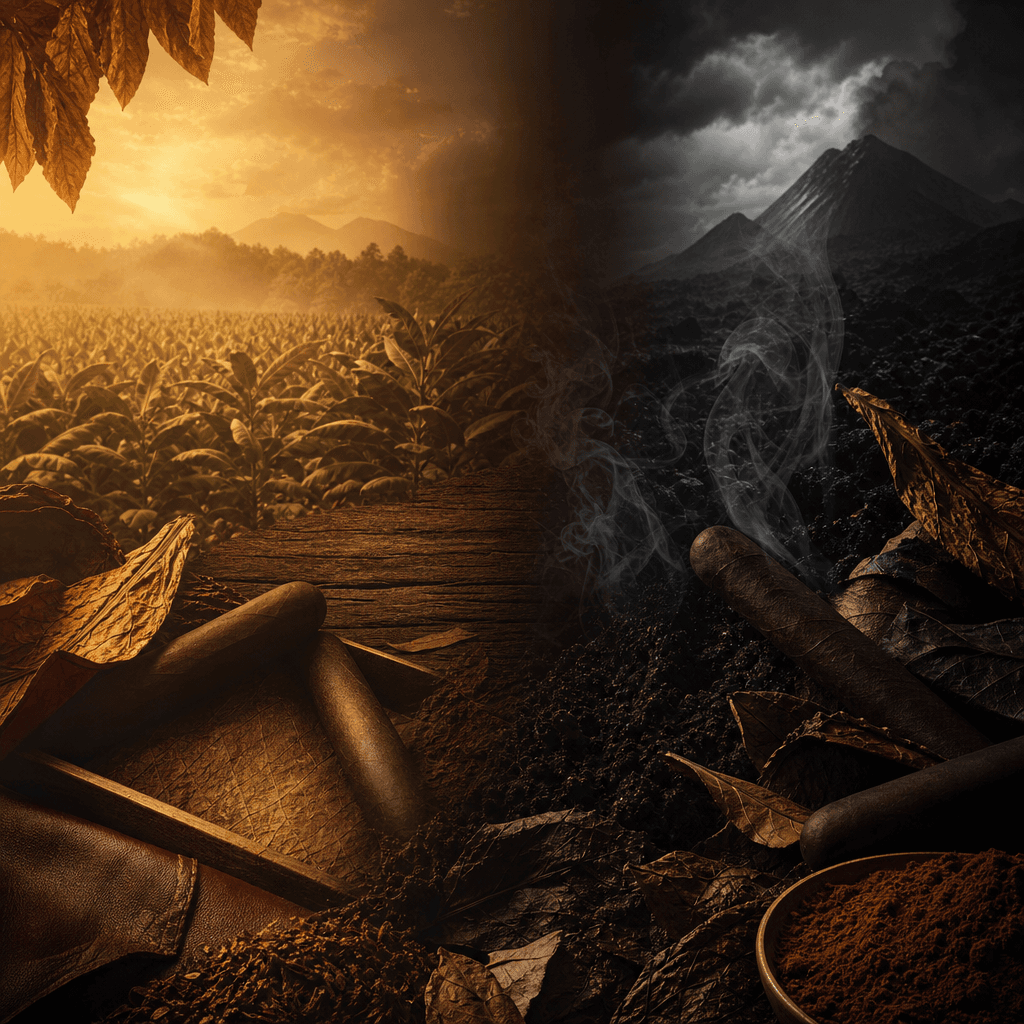
時間線呈現雨溫變化到調配穩定的影響鏈
How Climate Change Rewrites the Underlying Logic of Cigar Flavors
Cigar flavors result from a continuous reaction involving soil, seeds, climate, cultivation, fermentation, and aging. In the past, discussions about terroir often assumed a "fixed regional style" as a premise. However, since 2010, many production areas have faced more unstable rainfall and temperatures. High daytime temperatures accelerate plant growth, and if nighttime temperatures don't drop, the rhythm of sugar and oil accumulation in the leaves changes, ultimately affecting sweetness, spiciness, and burn performance.
For wrappers, excessive rainfall can dilute soil nutrients and may result in thinner leaf tissues; prolonged droughts can lead to smaller leaves with thicker veins, affecting appearance and elasticity. Climate change doesn't just affect the quality of a single year but increases the difficulty for brands to maintain a "consistent style." This is why seasoned enthusiasts have noticed that the same cigar may vary more in sweetness, woodiness, minerality, or spicy finish across different batches in recent years.
The impact on the factory side is equally evident. If soil moisture is unstable, subsequent drying, fermentation, and grading require more precise judgment. High-end Cuban cigars are often expected to have delicate floral notes and layered transitions, while Nicaraguan brands like Padrón, Oliva, and My Father are expected to have stable intensity and structure. The future success of cigars will increasingly depend on a brand's ability to transform agricultural risks into blending capabilities.

三張卡片說明氣候如何影響雪茄品質鏈
Cuba: Hurricanes, Tobacco Barns, and the Pressure to Rebuild Vuelta Abajo
Cuba's most representative cigar production area remains Pinar del Río, especially Vuelta Abajo, long considered the core of premium tobacco leaves. Hurricane Ian in 2022 severely damaged western Cuba, with reports indicating that over ten thousand tobacco drying barns were damaged in the area. Farmers in Pinar del Río need to quickly rebuild wooden structures, palm leaf roofs, and storage facilities. For cigars, tobacco barns are not secondary; they determine the drying speed, color stability, and initial aroma formation of the tobacco leaves.
Cuba's challenge is that brands under Habanos, such as Cohiba, Montecristo, Partagás, and Hoyo de Monterrey, require a large amount of tobacco leaves of different grades to support blending. If hurricanes cause reduced yields in certain farms, short-term adjustments can be made through inventory and grading, but long-term effects will impact the supply of specific sizes, limited editions, and high-specification wrappers. Cuba's climate risks are reflected not only in production but also in the reduced selectivity of premium tobacco leaves.
In recent years, Cuba has also tried to strengthen barn repairs, field drainage, and planting schedule arrangements. Experienced farmers may sow earlier or later based on the rainy season to avoid seedlings encountering heavy rain during high-risk periods. Some farms also focus more on nursery management to reduce the spread of diseases. For collectors, certain years may be discussed in the market due to disasters and tight supply, but collection appreciation does not guarantee value increase; it still depends on source preservation and market conditions. What truly matters is the agricultural conditions behind each year and the subsequent aging state.

矩陣比較古巴多尼與厄瓜的風險和穩定手段
Dominican Republic and Nicaragua: From Single Production Areas to Risk Diversification
The Dominican Republic and Nicaragua have significantly risen in the high-end cigar world over the past two decades. One reason is that brands are more adept at cross-farm, cross-altitude, and cross-soil blending. The Cibao Valley, Santiago area, and Bonao in the Dominican Republic offer milder, creamy, woody, and spicy notes. Arturo Fuente's promotion of Chateau de la Fuente and OpusX wrapper cultivation since around 1995 is a typical example of using technology to challenge climate limitations.
Nicaragua has production areas like Estelí, Jalapa, Condega, and Ometepe, where volcanic soil brings rich minerality and robust structure. Padrón's long-term control in Estelí, Oliva's use of Jalapa and Estelí tobacco leaves, and Joya de Nicaragua as an established factory since 1968 all demonstrate Nicaragua's ability to create stable profiles using multiple production areas. In the face of climate change, brands with multiple agricultural sources are usually more resilient than those relying on a single micro-production area.
However, resilience does not mean no risks. In Nicaragua, abnormal rainy seasons, alternating intense sunlight and sudden rainfall can easily bring fungal pressure and uneven leaves. The Dominican Republic faces challenges with hurricane paths, excessive humidity, and fermentation warehouse stability. Seasoned enthusiasts should not only look at the country name but also whether the brand has long-term farms, fixed fermentation standards, and batch management capabilities. Future premium cigars will be more like fine wines: the production area is important, but the producer is even more crucial.

三張卡片列出氣候變遷下常見判斷誤解
Wrappers Are Most Sensitive: Ecuadorian Shade, Connecticut Shade, and Future Alternatives
Wrappers are the part of cigars most easily amplified by climate. They need to be beautiful, elastic, oily, aromatic, and have stable burn characteristics. Ecuador, with its Andean cloud cover providing natural shade, is long suitable for growing Connecticut, Habano, and Sumatra-type wrappers. Compared to artificial shading, its foggy environment allows leaves to grow thinner and more supple, making it a choice for many brands in mid-to-high-end cigars.
The Shade tobacco from the Connecticut River Valley in the USA is another classic. Traditional Connecticut shade-grown wrappers require large nets, stable humidity, and high-cost labor. However, recent extreme rainfall, heatwaves, and labor costs have increased planting pressure. Brands like Foundation, Dunbarton, and Davidoff use wrappers from various regions in different product lines, reflecting that the high-end market no longer relies solely on a single source. The future of wrapper supply is not about replacing one with another but about brands needing to establish more complementary wrapper combinations.
Seasoned enthusiasts should pay attention to three changes: first, dark color does not equal high intensity; the Maduro color caused by climate may not directly correlate with fermentation depth. Second, burn line fluctuations may result from leaf moisture and thickness differences, not just storage issues. Third, some wrappers become more supple after aging, but if the raw material structure is insufficient, time cannot create layers out of thin air. For the future market, Ecuadorian Habano, Mexican San Andrés, and Brazilian Mata Fina will play more important roles in blending.
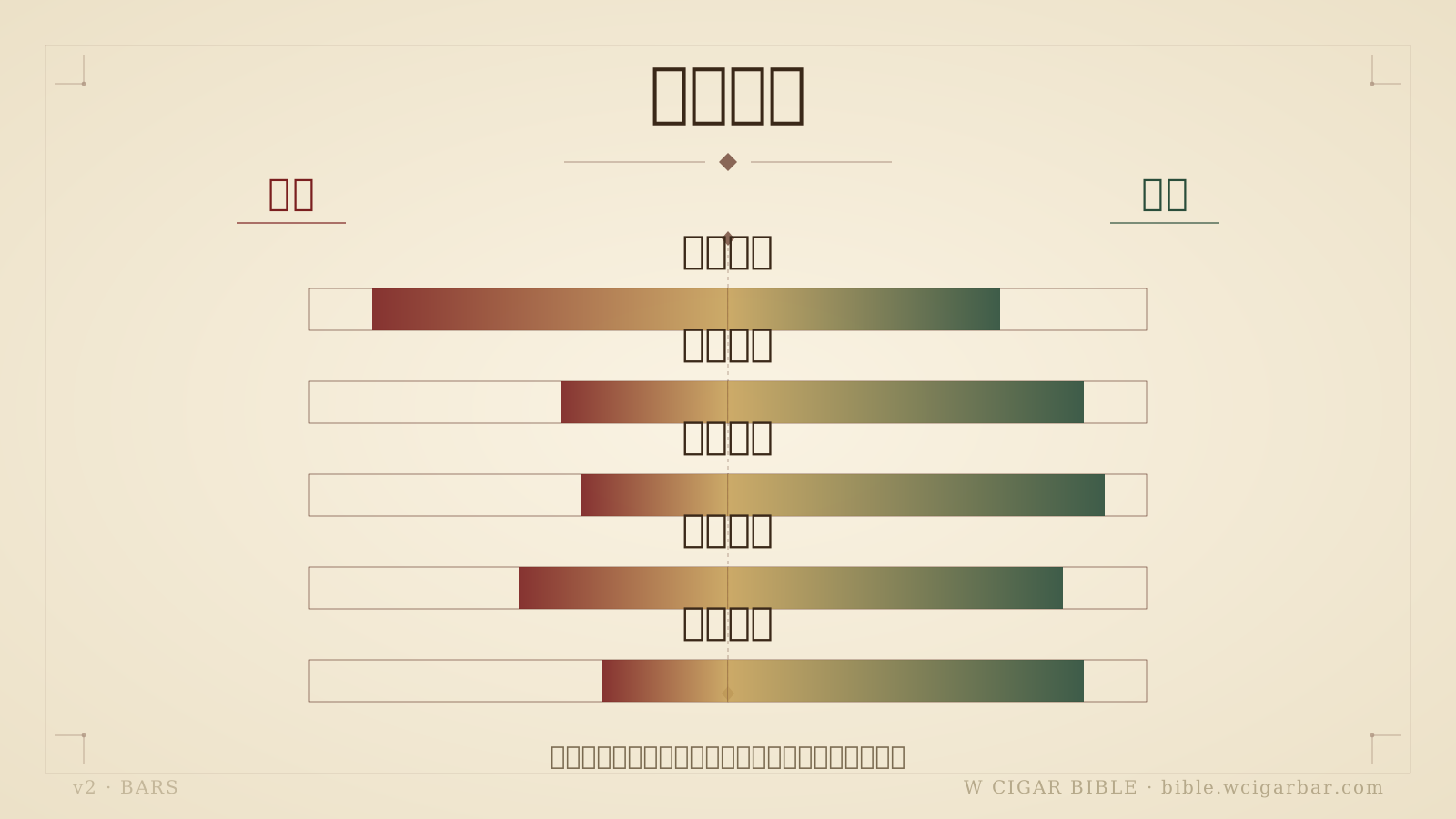
長條圖比較單源與多源在五個面向的差異
From Fields to Factories: A Technical Checklist for Coping with Climate
In the face of climate change, truly mature cigar brands don't just rely on slogans but incorporate risk management into every aspect. In the field, adjustments are needed for sowing periods, nursery density, irrigation, and drainage. After harvesting, drying speed must be controlled. During fermentation, monitoring pile temperature and turning rhythm is essential. For example, in pilón fermentation, many factories control the core temperature between approximately 43°C and 48°C. Too high a temperature can harm aroma, while too low makes it difficult to remove off-flavors.
| Stage | Climate Challenge | Common Response | Impact on Flavor |
|---|---|---|---|
| Nursery | Heavy rain, disease | Improve drainage, adjust sowing period | Reduce greenness and unevenness |
| Field | Drought, heatwave | Drip irrigation, cover crops, shade nets | Preserve oil and elasticity |
| Drying | Unstable humidity | Improve ventilation, hang leaves in batches | More uniform color |
| Fermentation | Pile temperature fluctuations | Sensors, smaller batches | Reduce pungent ammonia smell |
| Aging | Storage pressure | Constant temperature and humidity, batch tracking | More stable flavor integration |
The essence of climate response is to break down "natural fluctuations" into details that can be monitored, adjusted, and recorded. This is why large factories and boutique small factories each have their advantages: large factories have the funds to invest in storage and equipment, while small factories may be more flexible in small batch management.
For players, brand management capabilities can be inferred from actual performance. If the same series shows significant batch differences within three years, with frequent fluctuations in burn, humidity, and off-flavors, it indicates possible insufficient backend control. Conversely, series like Padrón 1964 Anniversary, Davidoff Aniversario, and Fuente Don Carlos, which maintain consistent profiles over the long term, usually have stable raw material inventories and strict classification behind them. Brands that can stand firm in the high-end market in the future must understand agriculture, storage, and blending.

快問快答卡片整理批次保存與茄衣觀察重點
Sustainability Is Not a Slogan: Soil, Water Resources, and Consumer Responsibility
When discussing sustainability in the cigar industry, it's not just about whether the packaging is environmentally friendly. The real core is whether the soil can continuously produce high-quality tobacco leaves. Long-term monoculture depletes nutrients and may increase pests. Therefore, more and more farms are introducing crop rotation, cover crops, composting, and organic matter supplementation. Some farms in the Dominican Republic use legumes to improve nitrogen cycling, while Nicaragua's volcanic soil, though fertile, also needs to avoid erosion and over-cultivation.
Water resources are another key issue. During droughts, excessive groundwater extraction may save yields in the short term but could lead to water table decline and salinization risks in the long term. Drip irrigation, soil moisture monitoring, and rainwater harvesting will become standard equipment for high-end farms around 2030. Sustainability doesn't mean reducing flavor; it means ensuring good flavor still exists ten or twenty years later. For premium cigars, soil health is a brand asset.
Consumers also have a responsibility. Seasoned enthusiasts can prioritize products with transparent sourcing, clear batches, and reliable storage conditions. When discussing collections, remember that collection appreciation does not guarantee value increase; it still depends on source preservation and market conditions. PCC's authorized dealer system, official brand information, and stable storage records are important clues for judging sources. Future cigar culture should not only chase rarity but also understand whether the rarity comes from genuine quality, climate impact, or simply market narratives.
Frequently Asked Questions
Will climate change make Cuban cigars worse?
It shouldn't be simplified to good or bad. Cuba still has a deep agricultural tradition and brand assets, but hurricanes, barn damage, and changes in rainy seasons will increase batch management difficulty. In the future, evaluating Cuban cigars will require more attention to year, source, and preservation than in the past.
Why has the batch variation of the same cigar increased in recent years?
It may result from adjustments in tobacco sources, wrapper substitutions, fermentation batches, or storage humidity differences. Climate is just one factor, but it amplifies other issues. Seasoned enthusiasts can record box codes, purchase years, storage humidity, and actual burn conditions.
Will Nicaragua benefit from climate change?
It's not appropriate to say it will simply benefit. Nicaragua has the advantage of multiple production areas and volcanic soil, but it also faces drought, heavy rain, and pest risks. The richness of Estelí, the sweetness of Jalapa, and the balance of Condega all require stable agricultural support.
Which wrappers are worth paying attention to in the future?
Ecuadorian Habano, Ecuadorian Connecticut, Mexican San Andrés, and Brazilian Mata Fina will remain important. They offer different sweetness, spice, cocoa, and soil tones and can help brands maintain blending flexibility amid climate fluctuations.
How should players adjust their storage strategies?
Home storage should still prioritize stability, with a common safe range of about 65% to 69% relative humidity and 18°C to 21°C. If cigars come from high-humidity production areas or new batches, allow for longer resting time to achieve more balanced humidity.
Will climate change make high-end cigars rarer?
Certain sizes, years, and special wrappers may be more affected, but rarity does not equal higher quality. Judging high-end cigars still requires looking at burn, aroma, structure, balance, and aging potential, not just market buzz.
Climate change forces the cigar world to be humble again: no matter how great a brand is, it cannot detach from the land and weather. My view is simple: in the future, seasoned enthusiasts must learn to read years, read production areas, and read a brand's agricultural capabilities. Cigars are not static luxury items but a craft that lives in soil, water, wind, and time.
—Cigar Prince Wilson Tsai
Smoking is harmful to health. Under 20 years old, smoking is prohibited. Quitline: 0800-636363. This article is for reference only for adults over 20 years old regarding cigar culture, preservation, and regulations. It is not a tobacco advertisement, promotion, or purchase suggestion.
Like this article?Share with friends
Share this W Cigar Bible piece with friends who want to learn cigar culture, storage, and tasting.
想把這篇 化為實踐
雪茄聖經是知識;雪茄文化要在空間裡發生

W Cigar Bar 大安總店資訊
台北大安區 · 雪茄聖經總編輯 Wilson Tsai 主理的雪茄文化空間
33 座 24 小時恆溫恆濕醇化室
W Cigar Bar 提供的會員醇化空間 · 場地資訊請洽編輯部
雪茄剪 / 打火機 / 雪茄盒 / Boveda
W Cigar 配件官網 · 專營雪茄配件正品

加 LINE 好友 · 文化諮詢
文化空間資訊 · 紳士沙龍 · 私人包場
本網站內容僅供雪茄文化、歷史、收藏與品吸知識研究參考。菸品有害健康、未滿法定年齡者請勿吸菸。實際規範請依所在地法律為準。
吸菸有害健康・戒菸專線 0800-636363・本站僅供 20 歲以上成年人閱覽。
讀到這裡,你不只是路過的人
留下 Email,加入 W 雪茄聖經內圈——總編輯 Wilson Tsai 親選的學院深文與國際新訊,先你一步送到信箱。
· 教育用途非銷售 · 隨時一鍵退訂 · Email 絕不對外公開 · 由勝茄股份有限公司營運
同分類延伸閱讀
資料來源:W Cigar Bible 編輯部整理 · 雪茄王子 Wilson Tsai 親自審稿
本文僅供雪茄文化、歷史、收藏與品鑑知識研究,不作為菸品促銷、銷售或購買建議。吸菸有害健康,未滿二十歲不得吸菸。