雪茄與音樂的奇妙聯繫:從旋律到風味的品味之旅
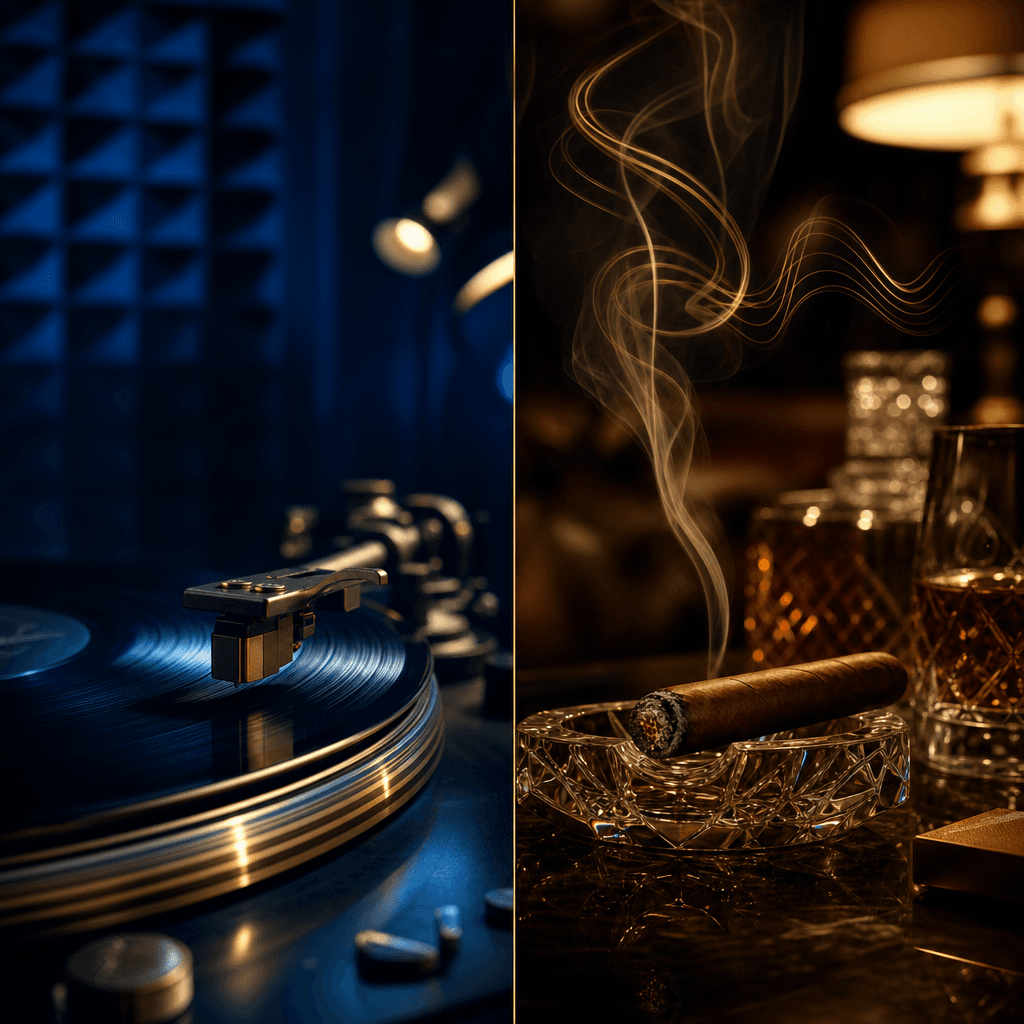
雪茄與音樂的結合,能提升品味的專注力與風味辨識。音樂不僅是背景,更是引導品味的節奏提示器。研究顯示,聲音的頻率會影響我們對雪茄風味的感知,選擇合適的音樂能讓香氣與口感更為明顯。入門者應注意音量控制,避免過大聲干擾品味過程。透過爵士、古典等音樂風格,搭配不同強度的雪茄,能有效提升品味體驗,讓每一口都充滿層次與細膩感。
- 音樂能影響雪茄的風味辨識,選擇合適旋律可提升品味體驗。
- 慢速抽吸是雪茄的基本禮儀,音樂可作為節拍器幫助建立節奏。
- 搭配音樂風格需考慮雪茄強度,這樣能更準確地放大風味。
The Fascinating Connection Between Cigars and Music: A Journey from Melody to Flavor
Cigars and music may seem like one revolves between the tongue and nasal cavity, while the other flows between the eardrum and memory, but they both train the same thing: focus. When a cigar enters its second third and the temperature stabilizes, if the background melody is chosen appropriately, the notes of wood, cocoa, cream, pepper, and floral scents become easier to discern.
As the editor of "Cigar Bible," I often regard music as the most underrated tool in the cigar classroom. It's not decoration but a rhythm prompter: reminding you to slow down, leave space, observe, and help beginners transition from "having a taste" to "articulating the taste."
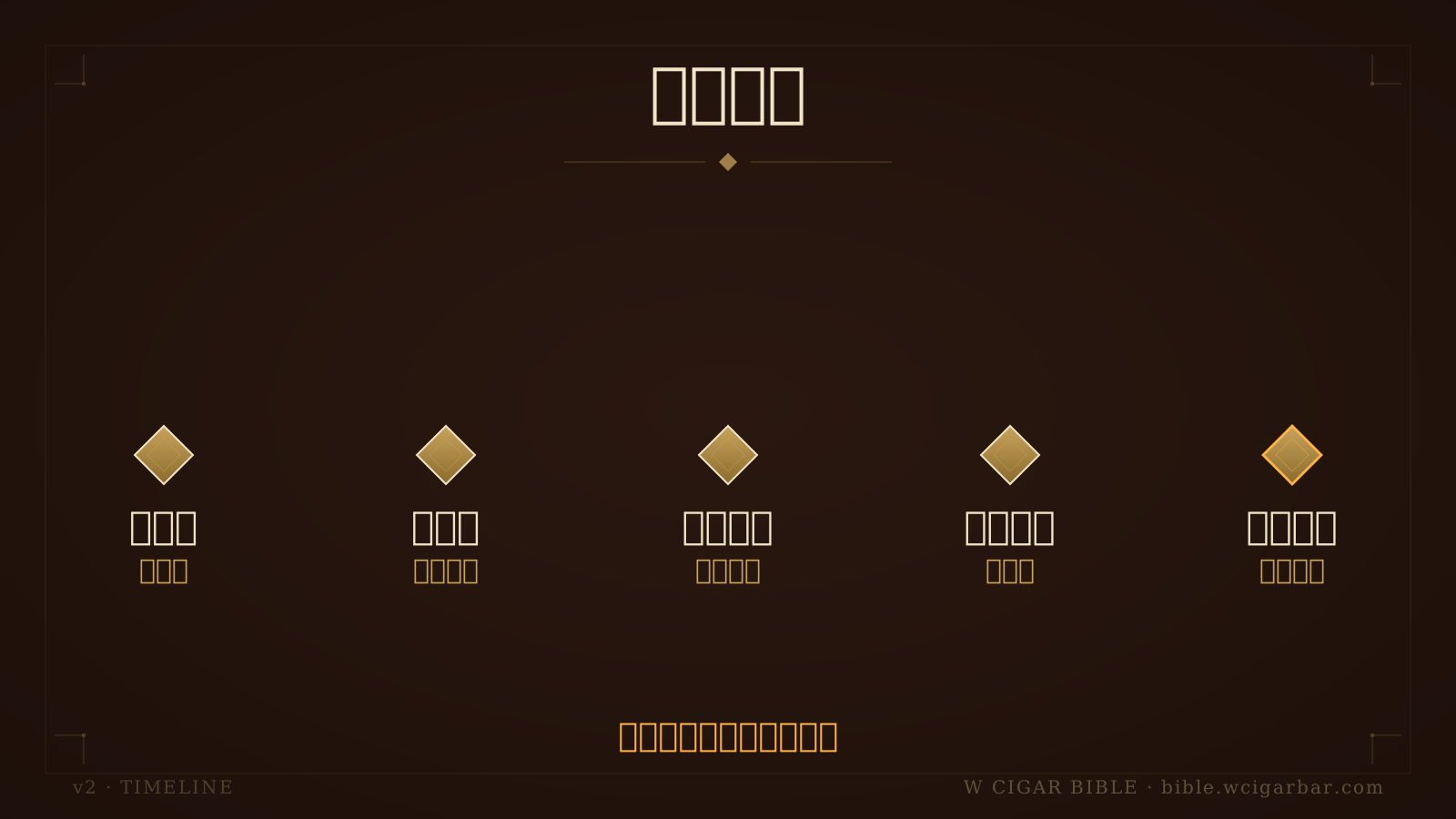
流程圖顯示從判斷強度到後段放慢的步驟
Why Music Changes the Perception of Cigar Flavors
We often think that cigar flavors only come from tobacco leaves, regions, fermentation, and aging time, but during actual tasting, the brain incorporates sound, light, spatial temperature, and emotions into its judgment. After 2010, Charles Spence, an experimental psychologist at Oxford University, repeatedly proposed the concept of "cross-modal perception": high-frequency sounds tend to evoke acidity, brightness, and floral scents; low-frequency sounds are more likely to be associated with bitterness, thickness, and woodiness. This logic is very practical when applied to cigars.
Music won't change the cigar itself, but it will alter the order and sensitivity of your flavor recognition. For example, the same H. Upmann Magnum 46, when enjoyed with Miles Davis's 1959 "Kind of Blue" track "So What," the cream, nuts, and hay notes are noticed earlier; if switched to a rock live recording with dense drum beats, the pepper and burning temperature become the focus.
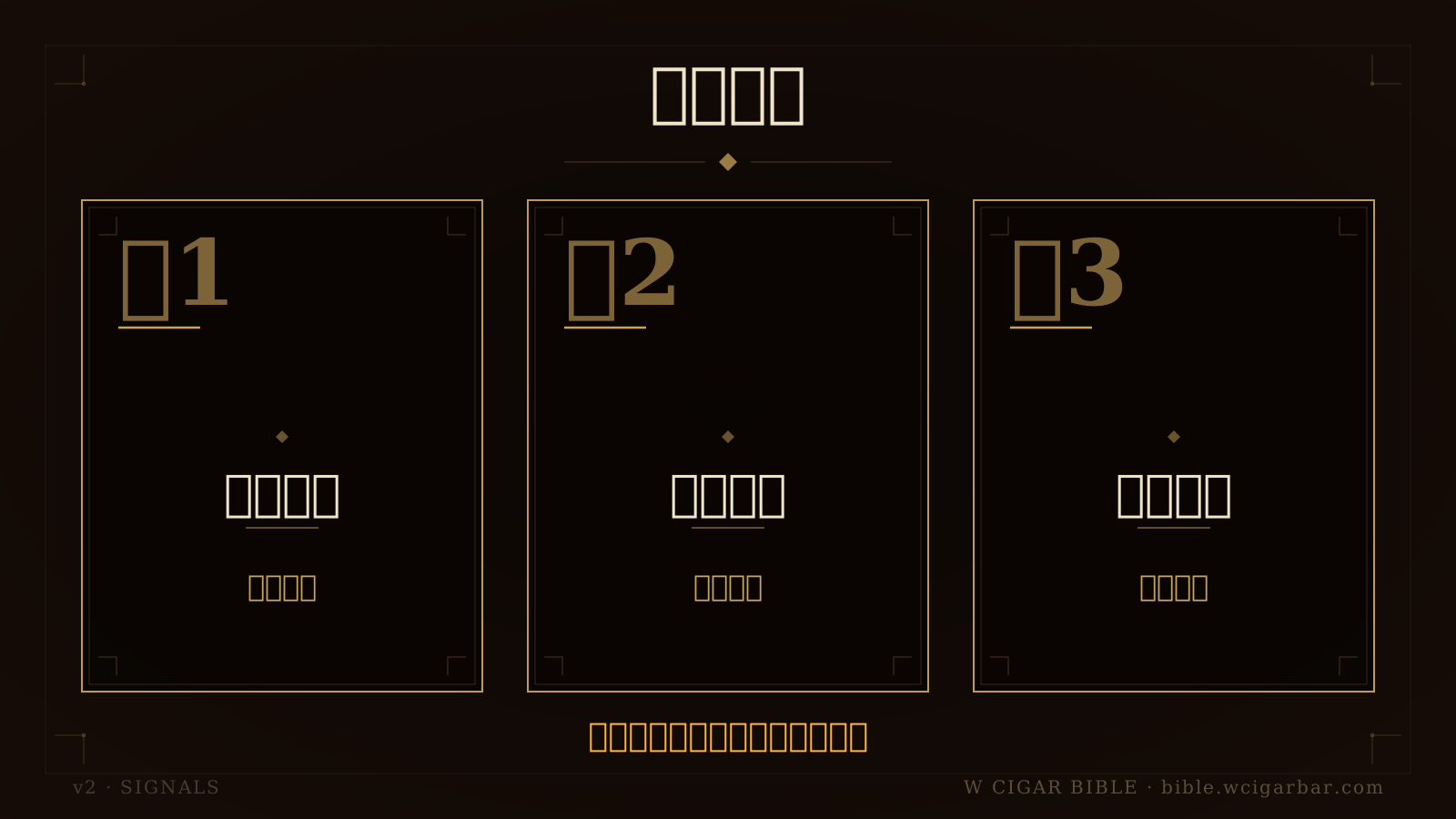
Beginners often make the mistake of playing music too loudly, shifting attention from the mouth and nasal cavity to the speakers. It's recommended to keep the volume below normal conversation levels, around 55 to 65 decibels; if using headphones, avoid too strong a sense of enclosure. Cigars need airflow, and so does the mood; music should be like lighting, not the protagonist, but a background that makes the protagonist clearer.
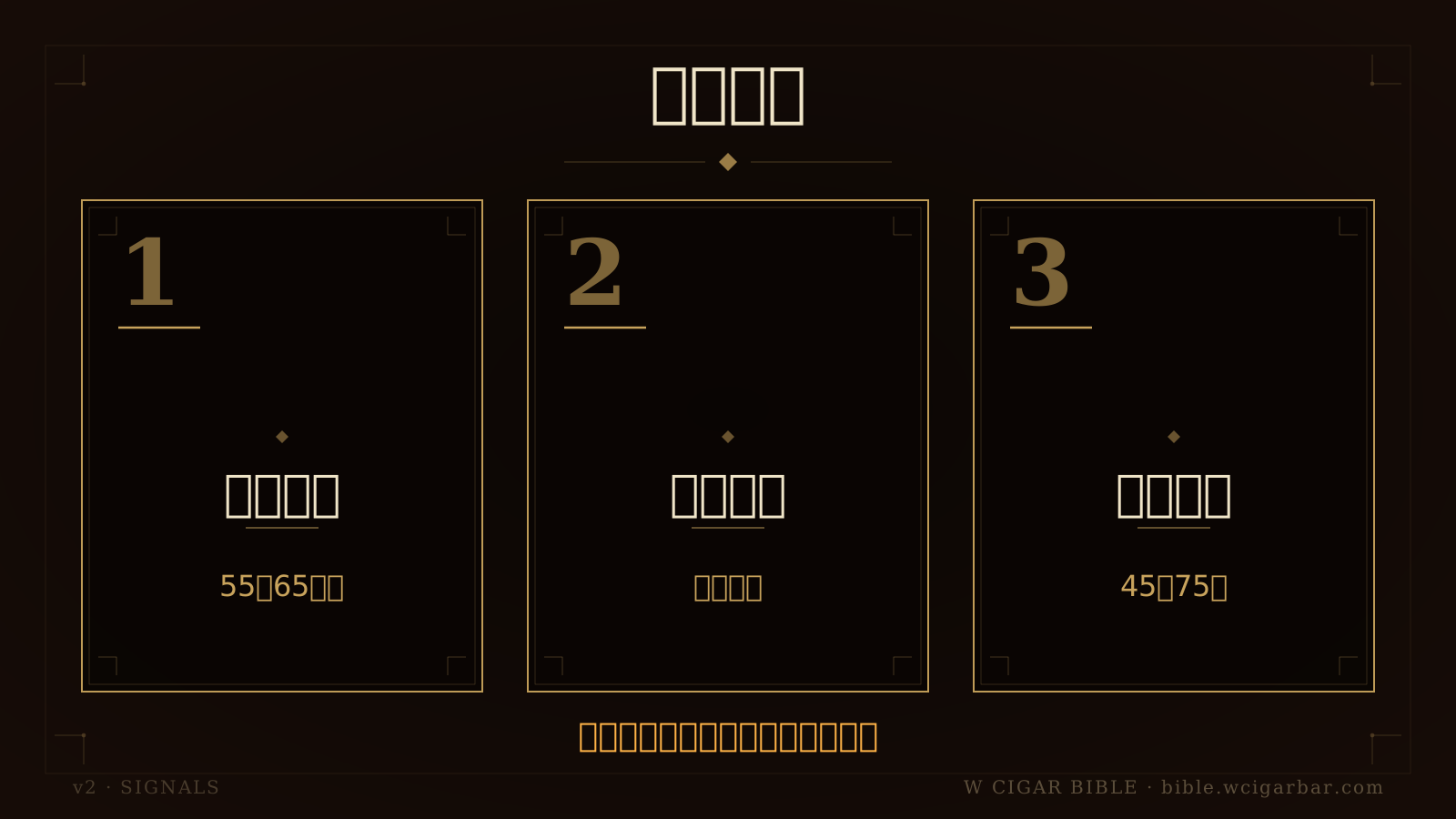
三張卡呈現低音量、先判強度與慢抽節奏
Learning to Puff from Rhythm: Slow is the First Etiquette
One of the biggest differences between cigars and cigarettes is rhythm. Cigars are not about rapid consecutive puffs for stimulation but maintaining a stable burn line at a pace of every 45 to 75 seconds. Too fast, the cigar's temperature rises, amplifying ammonia, bitterness, and spiciness; too slow, the burn line can skew or even extinguish. Music here can serve as a metronome, especially suitable for beginners who understand basic puffing and want to refine their technique.
Choosing a piece of medium-slow music often helps establish an elegant rhythm better than staring at a stopwatch. For instance, Bill Evans's 1961 "Sunday at the Village Vanguard" track "My Man’s Gone Now" has many pauses, reminding you not to puff continuously. Paired with a classic long-sized Romeo y Julieta Churchill, about 47 ring gauge, 178 mm, the complete time can reach 80 to 100 minutes; if the rhythm is disrupted, it easily heats up in the later stages.
Practically, I suggest beginners establish rhythm in three steps:
- In the first 15 minutes, only record the aroma without rushing to conclusions.
- From the second third, observe if wood, leather, or cocoa becomes more apparent when the music's bass appears.
- If spiciness increases in the last third, reduce puffing frequency rather than speeding up to finish.
This is also part of cigar etiquette. Slow is not procrastination; slow is respecting the time accumulated by the maker from planting, fermenting, rolling to aging.
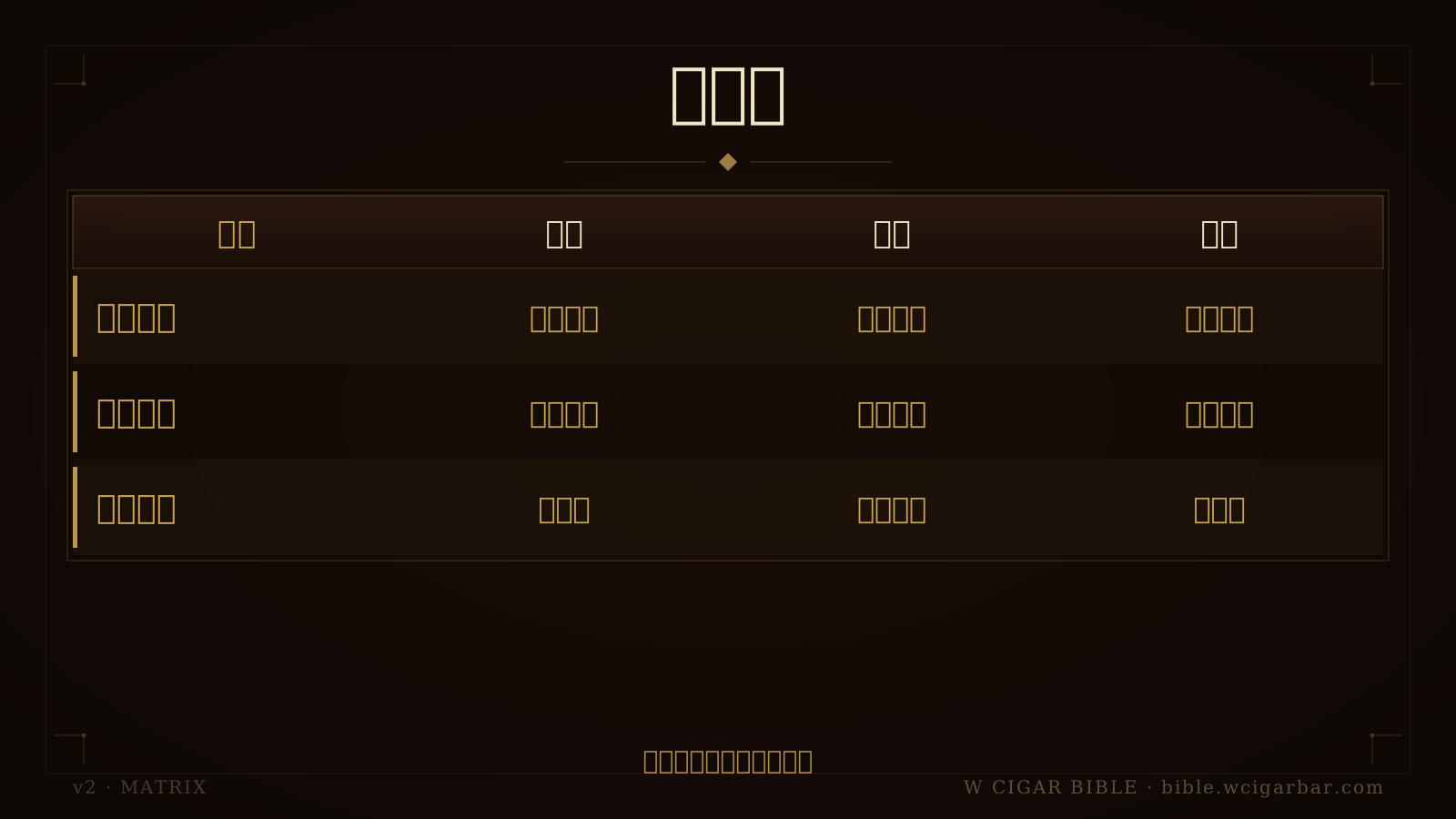
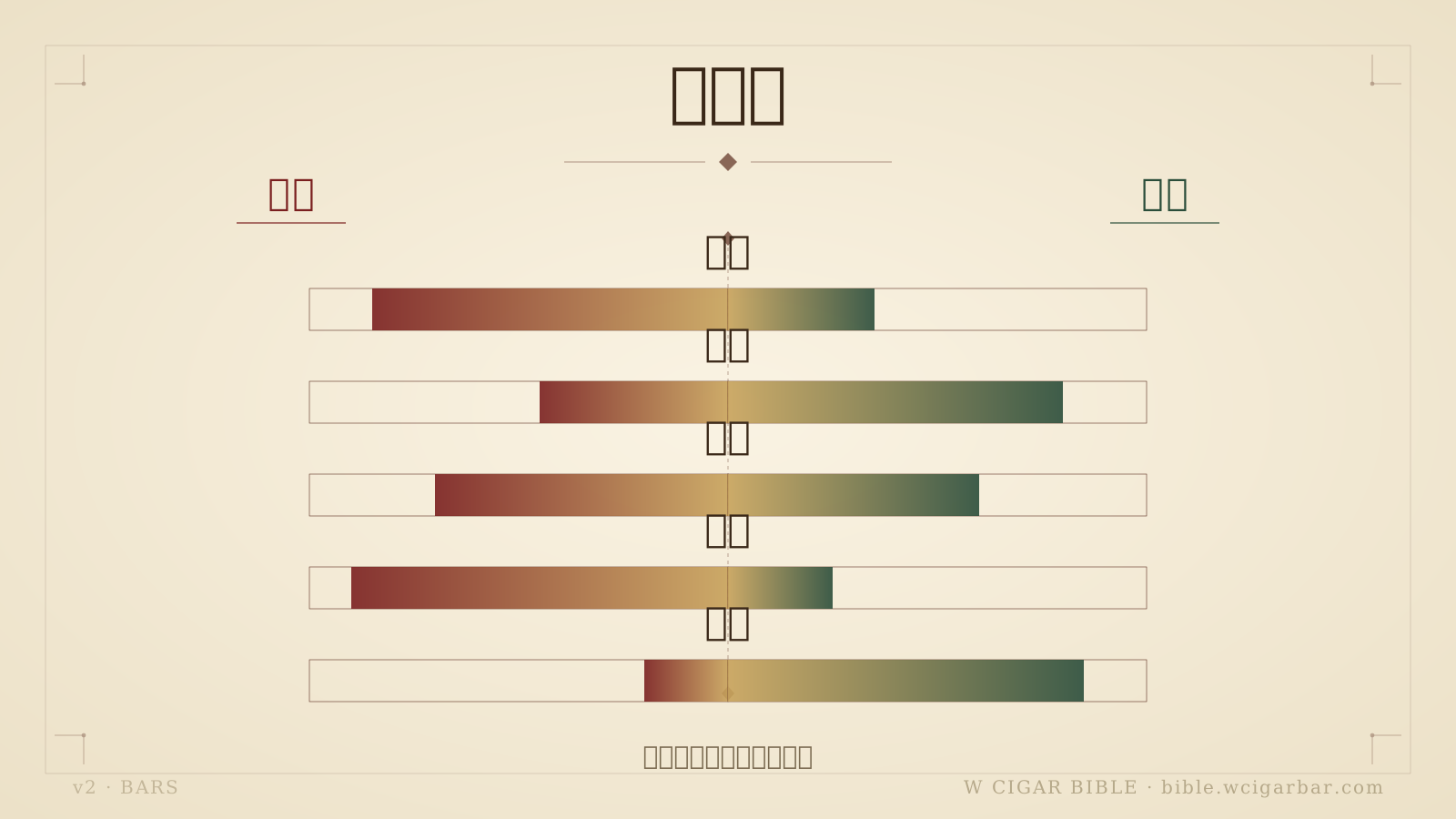
矩陣比較爵士、鋼琴與藍調的雪茄風味方向
Quick Reference Chart for Pairing Different Music Styles with Cigars
Pairing is not a formula but a roadmap to lower the entry threshold. If you can distinguish sweet, bitter, spicy, woody, creamy, and nutty, you can start using music as a "flavor magnifier." I usually divide cigars into light, medium, and rich directions, then correspond with the speed, arrangement, and bass proportion of the music. This is more accurate than simply asking "which one is best for jazz."
First determine the cigar's strength, then choose the music style; the success rate will be much higher than random pairing based on mood. The following table uses common brands and classic recording years as examples, aiming to establish sensory references rather than rigidly define pairings.
| Music Style | Representative Recording Year and Work | Suitable Cigar Direction | Reference Brands and Models | Flavor Connection |
|---|---|---|---|---|
| Cool Jazz | 1959 "Kind of Blue" | Medium, Delicate | H. Upmann Magnum 46, Montecristo No.4 | Cream, Nuts, Hay |
| Classical Piano | 1955 Glenn Gould "Goldberg Variations" | Light, Clean | Davidoff Signature No.2, Trinidad Reyes | Floral, Woody, Tea |
| Blues | 1969 B.B. King "Live & Well" | Medium to Thick | Romeo y Julieta Wide Churchill | Sweet Wood, Coffee, Ripe Fruit |
| Latin Jazz | 1997 "Buena Vista Social Club" | Bright, Spicy | Partagás Serie D No.4 | Pepper, Leather, Toasted |
| Rock | 1970 Santana "Abraxas" | Rich, Thick | Padrón 1964 Anniversary | Cocoa, Coffee, Black Pepper |
Beyond the table, pay attention to the duration. Robusto is commonly about 50 ring gauge, 124 mm, around 45 to 60 minutes; Churchill is over 90 minutes; Corona Gorda is mostly 60 to 75 minutes. If the music album is only 38 minutes but paired with a long-sized cigar, the mood can easily be disrupted in the later stages due to a song change.
Jazz: The Sound Best Suited for Practicing "Layers"
Jazz is often paired with cigars not just because of its gentlemanly feel, but because its improvisation and segment changes resemble the three-stage development of cigars. The first stage is like theme presentation, letting you grasp the basic flavor profile; the second stage is like musicians taking turns soloing, with sweet, wood, leather, and nuts appearing one by one; the final stage tests balance, if the rhythm is unstable, it becomes too hot, too bitter.
To train cigar layering, jazz is one of the best introductory music. I consider Miles Davis's 1959 "Kind of Blue" a safe starting point, especially suitable for pairing with Montecristo No.2. This torpedo-shaped cigar is about 52 ring gauge, 156 mm, with common notes of coffee, cocoa, and wood in the early stages, gradually transitioning to cream and roasted nuts in the middle; the space between trumpet and piano makes these details easier to hear and articulate.
If you want something bluer and deeper, switch to John Coltrane's 1957 "Blue Train." Its saxophone lines are more direct, and the drum set pushes stronger, suitable for Partagás Serie E No.2, a medium-high strength cigar. Be careful, when the music heats up, people tend to speed up puffing. If you find the pepper suddenly spikes, it may not be the cigar worsening, but your rhythm being carried away by the drums.
Beginners can prepare a simple note: write "main flavor, secondary flavor, texture, aftertaste" every 15 minutes. Practice with jazz three to five times, and you'll find you no longer just say "smooth" or "strong," but can articulate "the woodiness dried in the second stage, with a black coffee finish."
三張錯誤卡提醒音量、抽吸與耳機使用分寸
Classical, Piano, and Vocals: Making Delicate Cigars Clearer
Classical and piano music are best suited for light to medium strength cigars. The reason is simple: the arrangement is cleaner, frequency distribution is clear, and it doesn't use excessive bass to steal olfactory attention. Especially solo piano, string quartets, and female jazz vocals can bring out the tea, floral, herbal, and subtle honey notes in cigars. For beginners, this pairing is also less likely to skew taste perception.
The more delicate the cigar, the cleaner the musical space it needs. For example, Davidoff Signature No.2, about 152 mm in length, 38 ring gauge, burns at a more elegant pace, with common notes of white pepper, dry wood, cream, and light tea. Paired with Glenn Gould's 1955 recording of "Goldberg Variations," the piano's clear granularity makes it easier to distinguish the difference between "subtle" and "empty": good subtlety is not flavorless, but flavors with boundaries and order.
When it comes to vocals, choose language and emotion carefully. Ella Fitzgerald's 1956 "Ella and Louis" is suitable for shorter, friendly-flavored cigars like Romeo y Julieta No.2 or Trinidad Reyes. If the voice is too sad or dramatic, it may lead you to misjudge the cigar's finish as bitter; overly sweet pop arrangements may also amplify the sweetness in the mouth, skewing balance assessment.
I often suggest beginners do a small exercise in classical pairing: listen to piano for the first 20 minutes of the same cigar, switch to strings for the next 20 minutes, and maintain silence for the last 20 minutes. You'll find that after the music disappears, the aftertaste becomes clearer, which is a very effective method for training sensory memory.
橫條比較小編制與重低頻在花茶木質與留白的差異
Latin, Rock, and Electronic: Passion is Fine, But Control the Burn Line
Latin music and cigars have a natural affinity, but it's also the easiest to lose control. Like "Chan Chan" from the 1997 "Buena Vista Social Club," the guitar and percussion are bright and warm, pairing well with Partagás Serie D No.4, creating a vivid picture: leather, pepper, toasted bread, and a hint of saltiness echo each other. This Robusto is about 50 ring gauge, 124 mm, with a comfortable time of around 50 minutes.
Passionate music styles are suitable for the middle to later stages, but not for keeping the entire cigar at high speed. If you choose Santana's 1970 "Abraxas," paired with Padrón 1964 Anniversary Maduro, the rich cocoa, concentrated coffee, and black pepper will have great tension; but each puff interval should be extended to over 60 seconds, otherwise, the later stages can overheat. The distorted guitar in rock can stimulate emotions, and when emotions rise, hands unconsciously bring the cigar to the mouth.
Electronic music is not impossible to pair, just avoid overly dense bass. Kraftwerk's 1978 "The Man-Machine" with its structured, cold beats is suitable for pairing with cleaner medium cigars, like Hoyo de Monterrey Epicure No.2. Its woodiness, creaminess, and subtle sweetness become very clear in the mechanical rhythm.
In a group setting, Latin and rock can enliven the atmosphere, but etiquette requires attention to volume, ventilation, and others' feelings. Cigars are not tools to overpower conversation, and music is not a sound wall to occupy space. Truly tasteful people know when to let the melody take a step back.
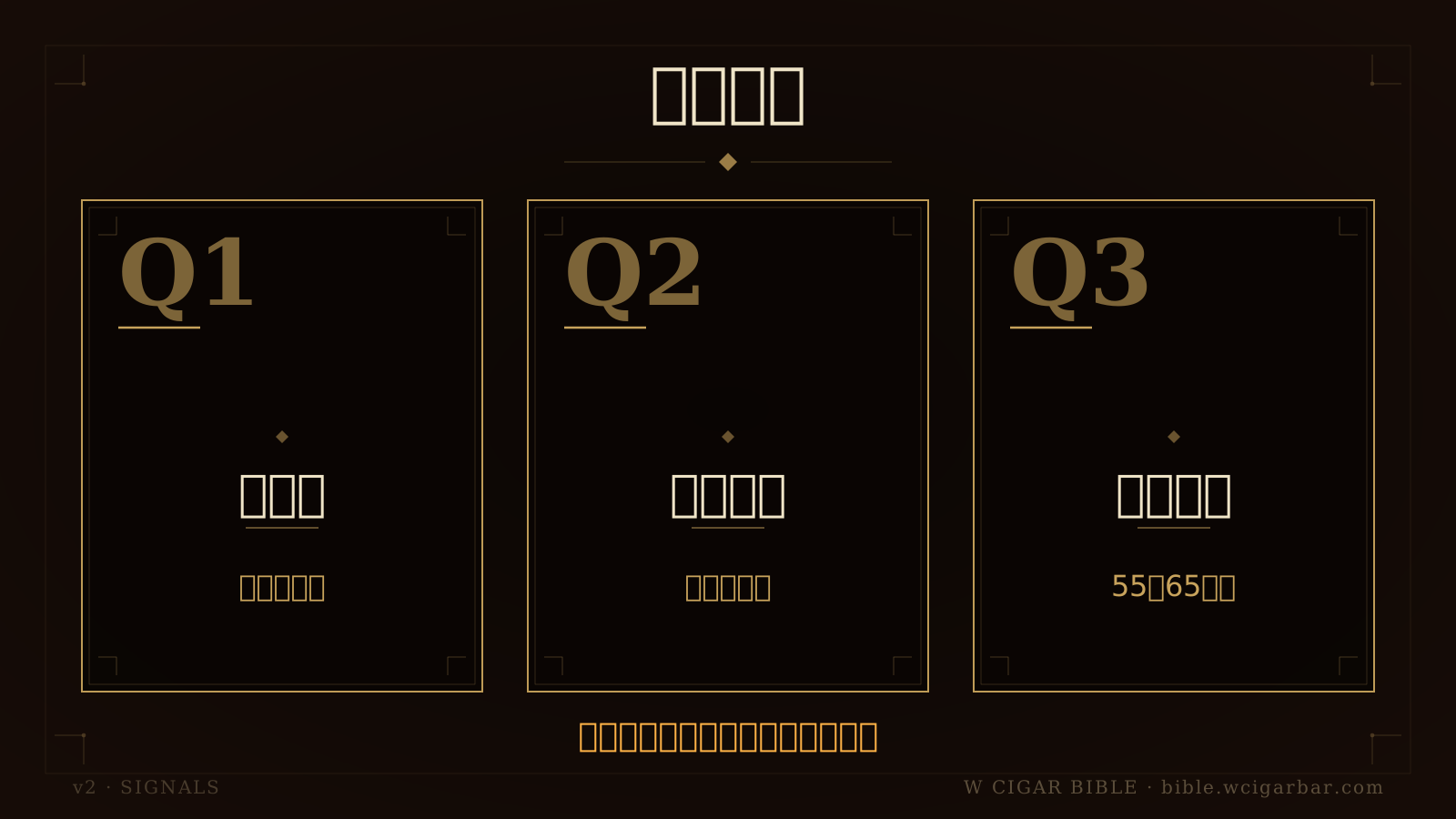
三張問答卡整理入門音樂、耳機與音量建議
Establishing Your 90-Minute Cigar Music Process
A good process can save beginners from many unnecessary detours. I recommend starting with cigars that last 60 to 90 minutes, such as Corona Gorda, Robusto Extra, or shorter versions of Churchill. Environmentally, humidity is commonly referenced at 65% to 69% relative humidity, with a temperature of about 18 to 21°C; if storage conditions are unstable, even the best music can't save burning issues.
The music process should synchronize with the cigar's three stages: stabilize in the beginning, expand in the middle, and conclude in the end. The first 20 minutes are suitable for piano, Cool Jazz, or light vocals, to lay the flavor foundation; the middle 30 to 40 minutes can incorporate jazz quintets, blues, or Latin, to observe flavor changes; the last 20 minutes return to low volume, slow rhythm, to avoid the burn line heating up due to heightened emotions.
I would arrange a roughly 75-minute playlist like this:
- 0–20 minutes: Bill Evans or Glenn Gould, record the initial aroma.
- 20–55 minutes: Miles Davis, B.B. King, or Buena Vista Social Club, observe main flavor transitions.
- 55–75 minutes: Chet Baker or a quiet environment, focus on aftertaste and burn status.
If you have a habit of collecting cigars, also keep music notes with storage notes, such as purchase year, box code, humidity record, box opening date, and tasting experience. Collection appreciation does not guarantee value increase, still depending on source storage and market. For true cigar lovers, the most precious is not the price curve, but remembering how a cigar and a song met on a certain night.
Frequently Asked Questions
Is there a safest entry choice for pairing cigars with music?
The safest starting point is medium-slow jazz with medium-strength cigars. For example, Miles Davis's "Kind of Blue" paired with classic sizes from H. Upmann, Montecristo, or Romeo y Julieta, usually won't be too noisy, too sweet, or too stimulating. First, lower the volume so you can clearly hear breathing and conversation, making flavor judgment more stable.
Can you enjoy cigars with music using headphones?
Yes, but I don't recommend using headphones with too strong noise cancellation. Cigars require you to observe burning sounds, environmental wind direction, and your puffing rhythm; completely isolating the outside world can make one lose a sense of etiquette. If using headphones, keep the volume at a non-pressuring level and remain attentive to those around you.
Will the flavor of the same cigar really differ with different music?
The cigar itself won't change, but your attention will. High-frequency piano may make it easier to catch floral and tea notes, while low-frequency blues may highlight coffee, cocoa, and woodiness. It's recommended to record three times with the same model, comparing quiet, jazz, and Latin scenarios to see the differences.
How loud should the music volume be?
Use 55 to 65 decibels as a reference, which is the level where you can chat without raising your voice. If the music makes you forget the burn line and rhythm, it's too loud. The core of cigars is observation and leaving space; music should assist focus, not become a performance.
What music is unsuitable for pairing with delicate cigars?
Overly compressed pop music, bass-heavy electronic dance music, and fast-paced metal music may make delicate cigars seem thin. It's not that these music styles are bad, but they easily steal sensory focus. If the cigar itself is subtle, it's recommended to first choose piano, strings, or small ensemble jazz.
How to balance music and cigar etiquette at a group gathering?
First, confirm venue regulations, ventilation conditions, and attendees' feelings, then decide on volume and style. Group settings are suitable for choosing recognizable but not noisy music, such as blues, Bossa Nova, or light jazz. True mature cigar etiquette is making everyone feel comfortable, not letting any preference overpower others.
The most charming part of the encounter between music and cigars is not in showing off, but in memory. A certain melody will take you back to the second stage of a cigar; a certain cocoa and woodiness will remind you of the bass line of an old record. My advice is simple: don't rush to pursue the most expensive pairing, first learn to lower the volume, slow the rhythm, and write down the experience. When you can articulate why this song makes the aftertaste longer, you've truly entered the world of taste.
—Cigar Prince Wilson Tsai
Smoking is harmful to health. Under 20 years old is not allowed to smoke. Quit smoking hotline: 0800-636363. This article is for reference by adults over 20 years old for cigar culture, storage, and regulatory knowledge, not tobacco advertising, promotion, or purchase advice.
Like this article?Share with friends
Share this W Cigar Bible piece with friends who want to learn cigar culture, storage, and tasting.
想把這篇 化為實踐
雪茄聖經是知識;雪茄文化要在空間裡發生

W Cigar Bar 大安總店資訊
台北大安區 · 雪茄聖經總編輯 Wilson Tsai 主理的雪茄文化空間
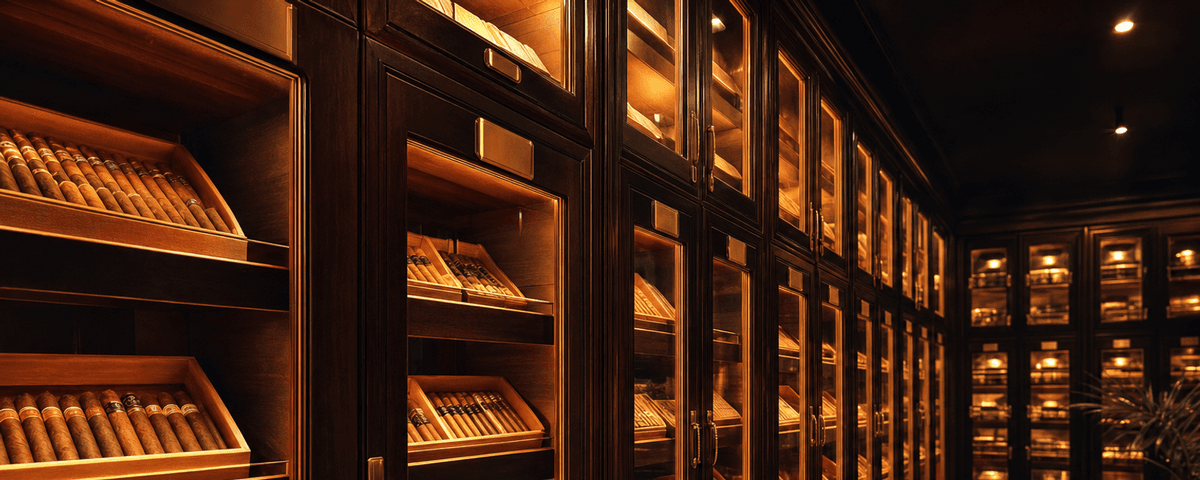
33 座 24 小時恆溫恆濕醇化室
W Cigar Bar 提供的會員醇化空間 · 場地資訊請洽編輯部
雪茄剪 / 打火機 / 雪茄盒 / Boveda
W Cigar 配件官網 · 專營雪茄配件正品
加 LINE 好友 · 文化諮詢
文化空間資訊 · 紳士沙龍 · 私人包場
本網站內容僅供雪茄文化、歷史、收藏與品吸知識研究參考。菸品有害健康、未滿法定年齡者請勿吸菸。實際規範請依所在地法律為準。
吸菸有害健康・戒菸專線 0800-636363・本站僅供 20 歲以上成年人閱覽。
讀到這裡,你不只是路過的人
留下 Email,加入 W 雪茄聖經內圈——總編輯 Wilson Tsai 親選的學院深文與國際新訊,先你一步送到信箱。
· 教育用途非銷售 · 隨時一鍵退訂 · Email 絕不對外公開 · 由勝茄股份有限公司營運
同分類延伸閱讀


資料來源:W Cigar Bible 編輯部整理 · 雪茄王子 Wilson Tsai 親自審稿
本文僅供雪茄文化、歷史、收藏與品鑑知識研究,不作為菸品促銷、銷售或購買建議。吸菸有害健康,未滿二十歲不得吸菸。