The Diversity of Cigar Brands and Flavors: A Cross-Cultural Experience
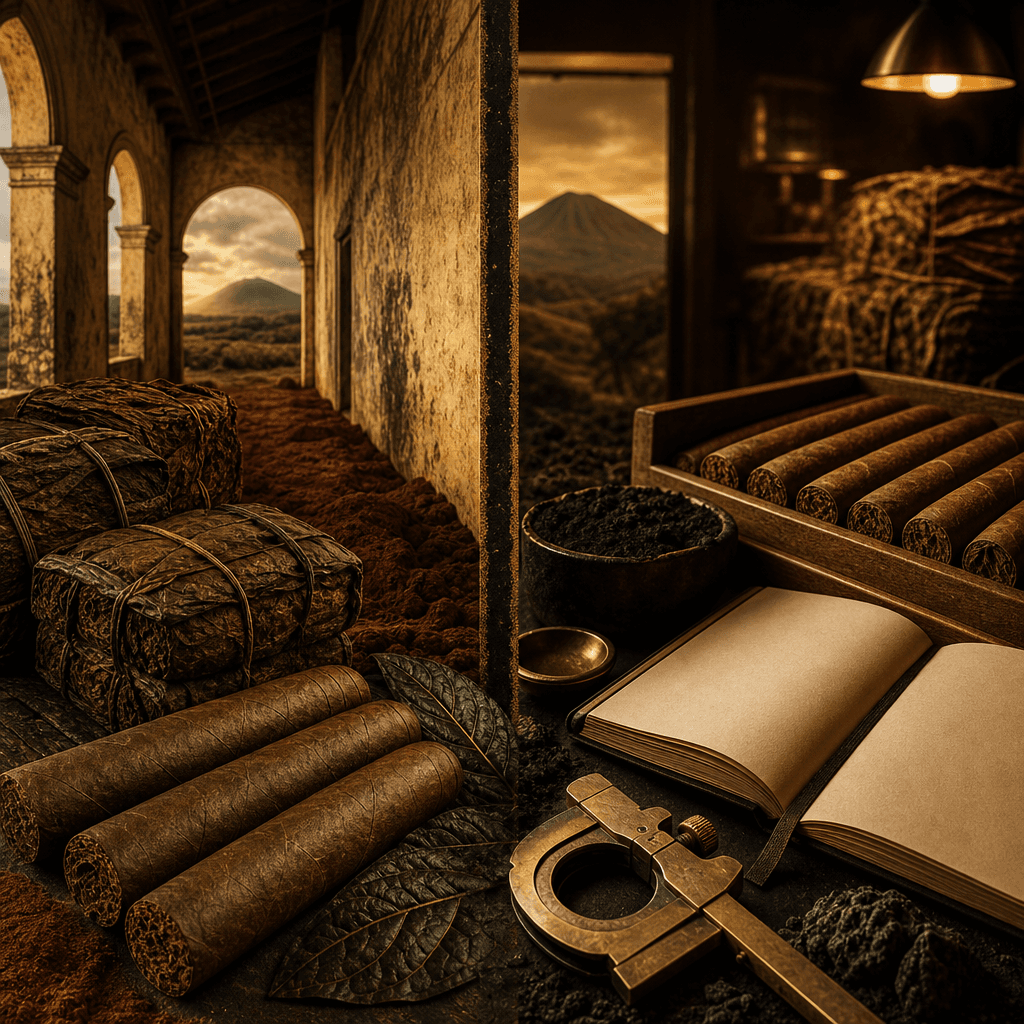
雪茄的魅力不僅在於其獨特的香氣,更在於每個品牌背後的文化與歷史。老手在選擇雪茄時,應超越單純的風味描述,深入探討品牌的產地、工藝與市場定位。古巴雪茄以其克制與礦物感著稱,多明尼加則展現平衡與優雅,而尼加拉瓜則以力量與深度著稱。包葉的選擇也對風味有重要影響,厄瓜多爾與墨西哥的包葉各具特色,能顯著改變雪茄的口感。了解這些文化與技術背景,將有助於老手在品味雪茄時做出更精確的判斷。
- 雪茄品牌的風味源自於菸葉來源、發酵策略及創辦人的想像,非單一標籤可形容。
- 古巴雪茄的風味受殖民歷史與國營體系影響,特徵常呈現青草、蜂蜜與礦物感。
- 多明尼加與尼加拉瓜的風格邏輯不同,多明尼加強調平衡與優雅,尼加拉瓜則展現力量與深度。
The allure of cigars lies not only in the aroma they emit when lit but also in the land, history, immigration, craftsmanship, and market choices behind each brand. Once seasoned smokers move past the "which one is good to smoke" stage, the truly intriguing question becomes: why do some brands, despite sharing notes of cocoa, leather, and pepper, resemble jazz, while others echo the grandeur of a Baroque cathedral?
As the editor of the "Cigar Bible," I often view cigars as a cross-cultural language: the restraint of Cuba, the elegance of the Dominican Republic, the strength of Nicaragua, and the earthy notes of Honduras cannot be fully captured by a single flavor descriptor. This article discusses brands as well as regions; it touches on the palate and market positioning.
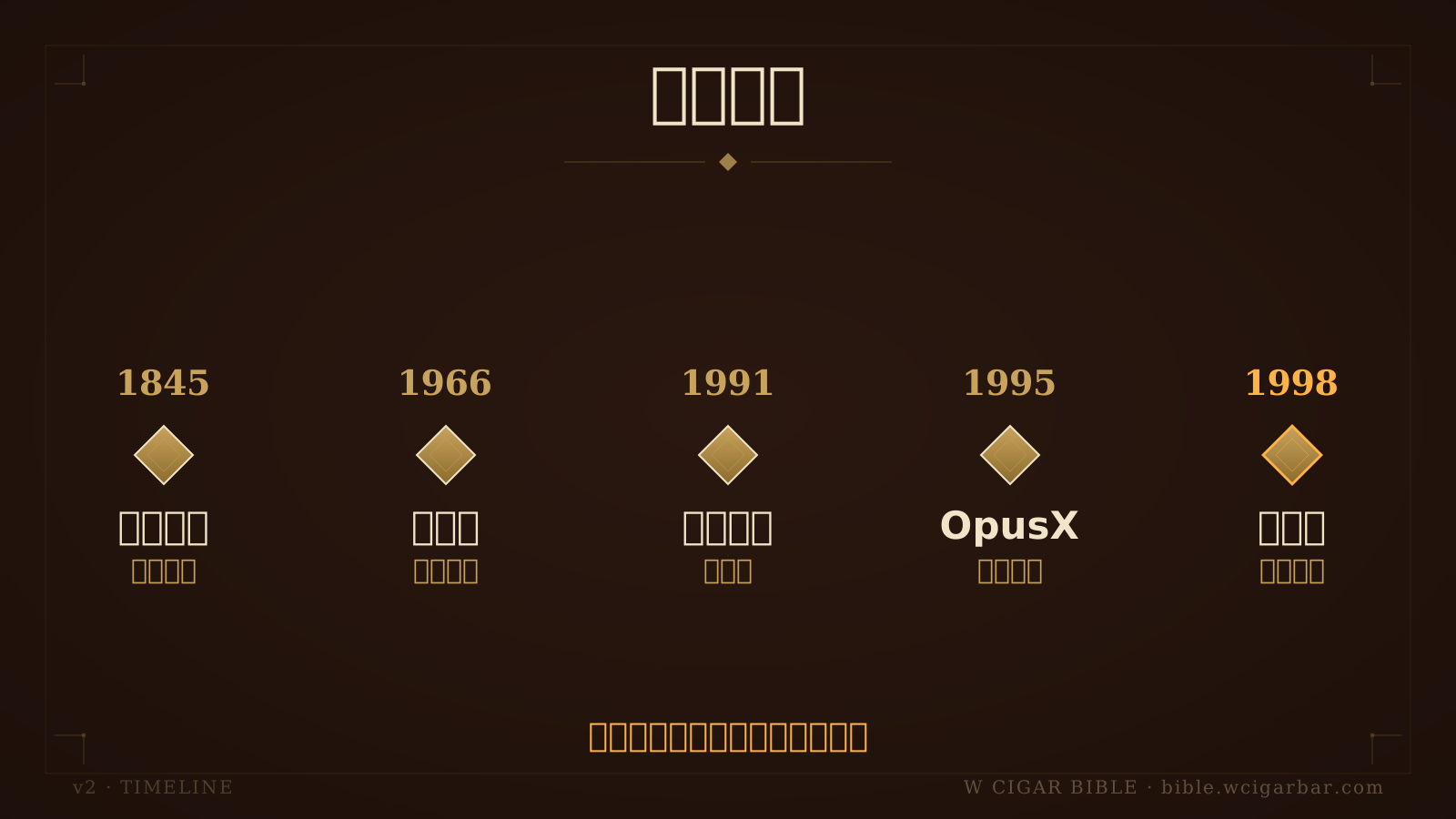
年表列出帕塔加斯、科伊巴、大衛杜夫等品牌節點
Brand Flavor Is Not a Label, But a Cultural Choice
Many seasoned smokers claim a preference for Cohiba, Partagás, Padrón, or Arturo Fuente, but if brand preference stops at "strong, smooth, sweet, spicy," one might easily miss deeper messages. The flavor of a brand is not accidental; it comes from the source of the tobacco leaves, fermentation strategies, rolling sizes, market positioning, and the founder's vision of what a cigar should be.
Take Padrón, for example. The 1964 Anniversary series commemorates the family's entrepreneurial anniversary, often featuring roasted cocoa, coffee, black pepper, and a dense smoke body. In contrast, since Davidoff fully transitioned to Dominican production in 1991, the brand language emphasizes cleanliness, balance, creamy texture, and elegant lines. Both are high-end brands, one sculpting strength, the other weaving details into silk.
Brands also express their character through size. A Robusto, approximately 50 ring gauge and 124 mm in length, often brings the core flavors forward quickly; a Churchill, about 47 ring gauge and 178 mm, requires more time to unfold its layers. If seasoned smokers only compare brands without considering size, conclusions can often be skewed. Brand flavor must be read in conjunction with size, vintage, and region for a true judgment.
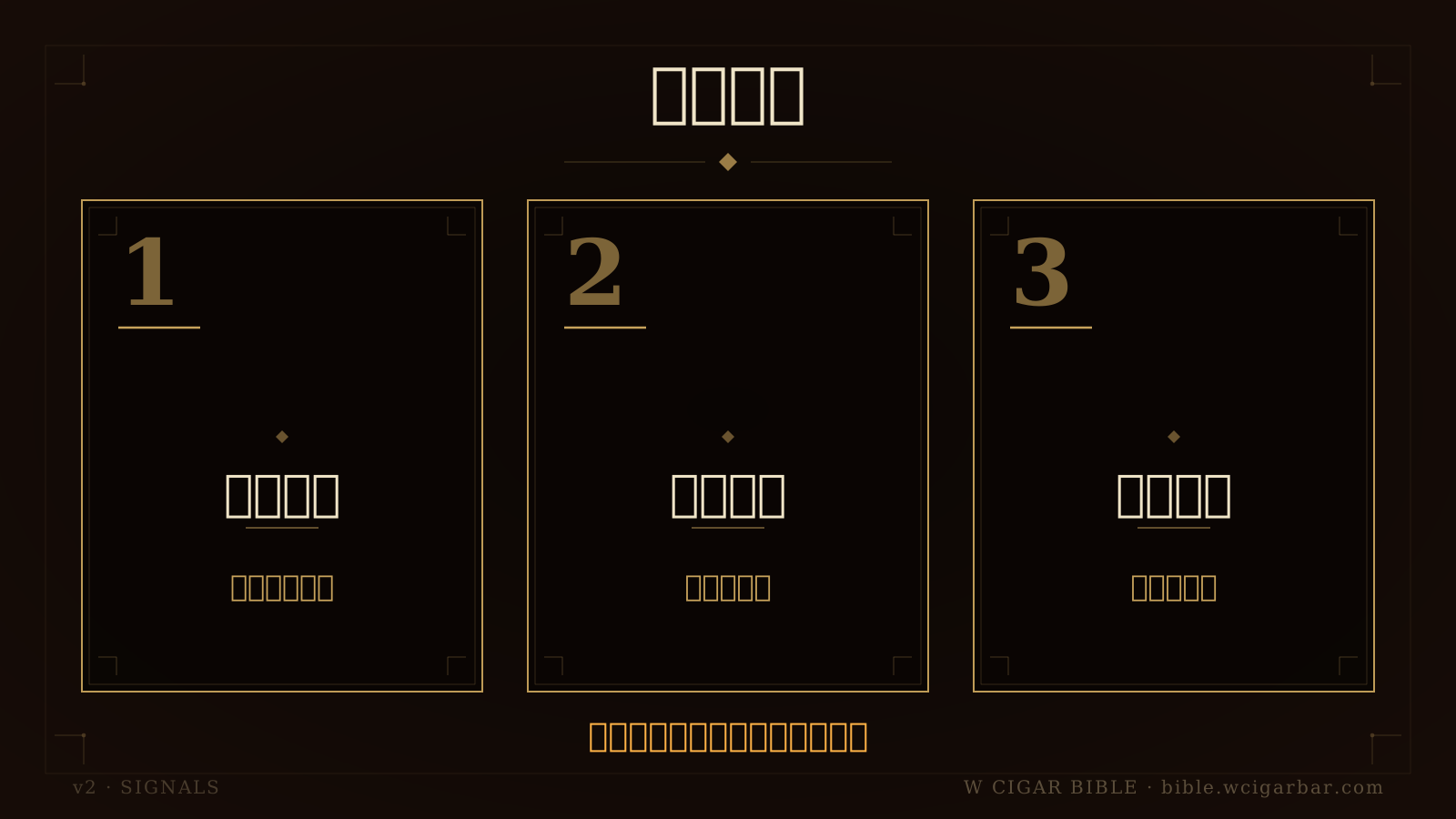
三張重點卡說明風味來源、產區語法與尺寸影響
Cuba: Restraint, Mineral Notes, and the Flavor Syntax Under State Control
The cultural backdrop of Cuban cigars is shaped by colonial history, state allocation, factory grading, and the reputation of the land. Vuelta Abajo has long been considered a core region, with the red soil, humidity, and sunlight of Pinar del Río often imparting notes of grass, honey, cedar, leather, minerals, and a faint saltiness to the tobacco leaves. These characteristics may not be intense but have a certain "blank space."
Cohiba was born in 1966, initially used for diplomatic occasions, later becoming a symbol of luxury. Trinidad also had a background as a diplomatic gift before entering the commercial market in 1998. Partagás dates back to 1845, with brand language leaning more towards pepper, earth, leather, and a robust smoke body. The brilliance of Cuban brands often lies not in explosiveness but in the mid-section transitions and the finish's lingering taste.
However, seasoned smokers also know that the differences in Cuban cigars often come from vintage, batch, and preservation. Some batches in the early 2000s experienced fluctuations in stability due to changes in demand and production capacity. In recent years, box codes, factory codes, and storage conditions have become focal points of discussion. My advice is: do not treat "Cuba" as a single flavor, but as a syntax imbued with history, scarcity, and uncertainty.
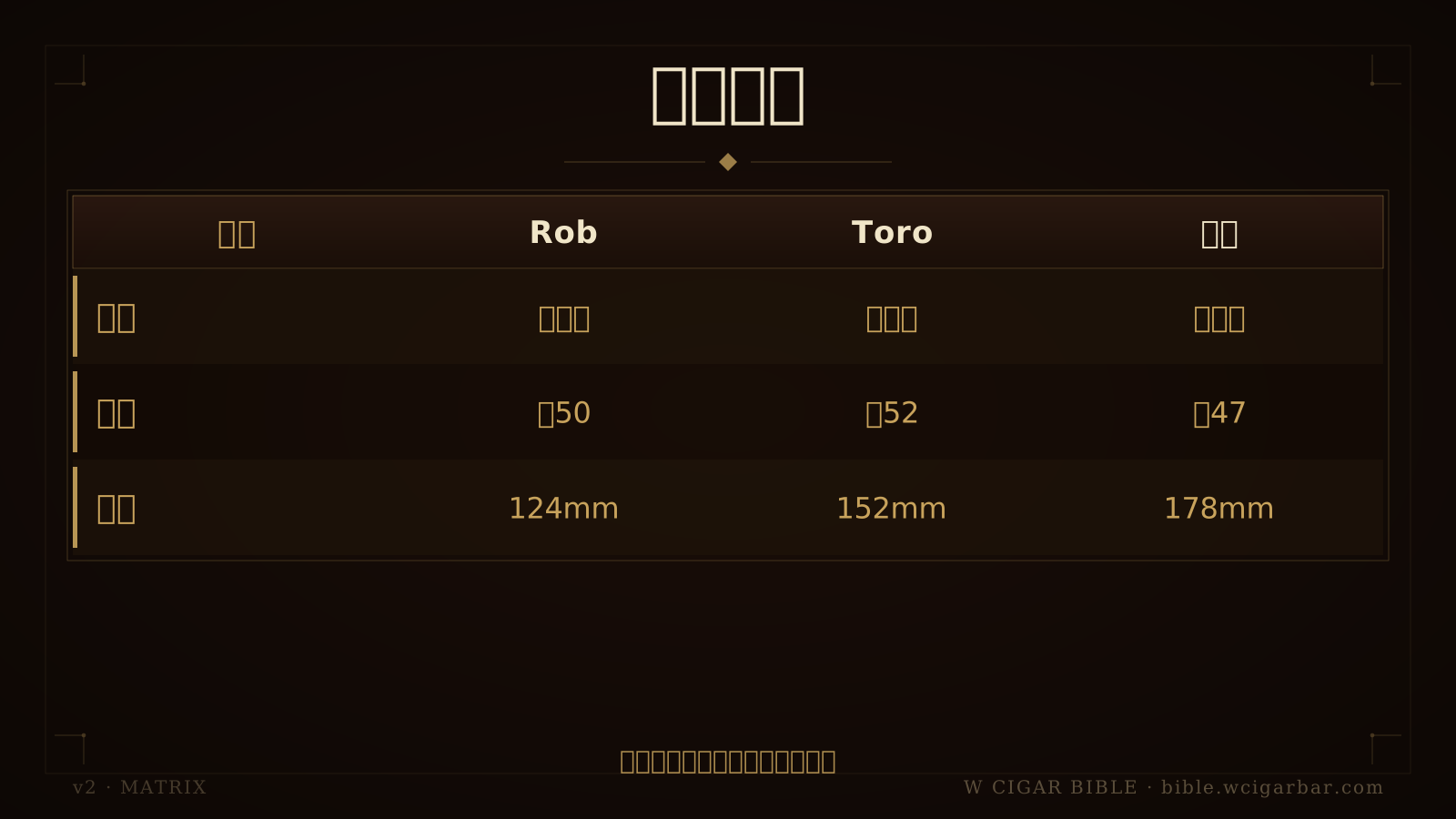
矩陣比較 Robusto、Toro、丘吉爾的展開、環徑與長度
Dominican Republic and Nicaragua: Precision and Strength in the New World
The Dominican Republic and Nicaragua are often discussed together, but their stylistic logic is very different. The Dominican Republic is known for balance, vanilla, cream, hay, and nutty notes, especially brands like Arturo Fuente, Davidoff, and La Flor Dominicana, each pushing elegance, sweetness, and strength in different directions. When Fuente Fuente OpusX was launched in 1995, it proved that the Dominican Republic could also produce high-end cigars with both strength and depth.
Nicaragua, on the other hand, is significantly influenced by volcanic soil and regional differences. Estelí often carries black pepper and strength, Jalapa is sweeter, and Condega has herbal and earthy aromas. Brands like Padrón, Oliva, My Father, and AJ Fernandez have pushed Nicaraguan styles onto the international market. The Dominican Republic is like tuning harmonies, while Nicaragua is like deepening the drumbeat.
| Country/Region | Common Flavor Clues | Representative Brand Examples | Key Points for Seasoned Smokers |
|---|---|---|---|
| Dominican Republic | Cream, nuts, hay, vanilla | Davidoff, Arturo Fuente | Balance and clean finish |
| Nicaragua Estelí | Black pepper, cocoa, concentrated coffee | Padrón, My Father | Strength and burning rhythm |
| Nicaragua Jalapa | Sweet wood, red pepper, mild spices | Oliva, AJ Fernandez | Whether sweetness is overshadowed by spiciness |
For horizontal comparisons, I would choose the same size Toro or Robusto, stored at 65% to 69% relative humidity for at least 60 days before evaluation. This reduces misjudgments caused by transportation conditions and reveals the brand's true blending intentions, rather than being led by the strength of the first puff.
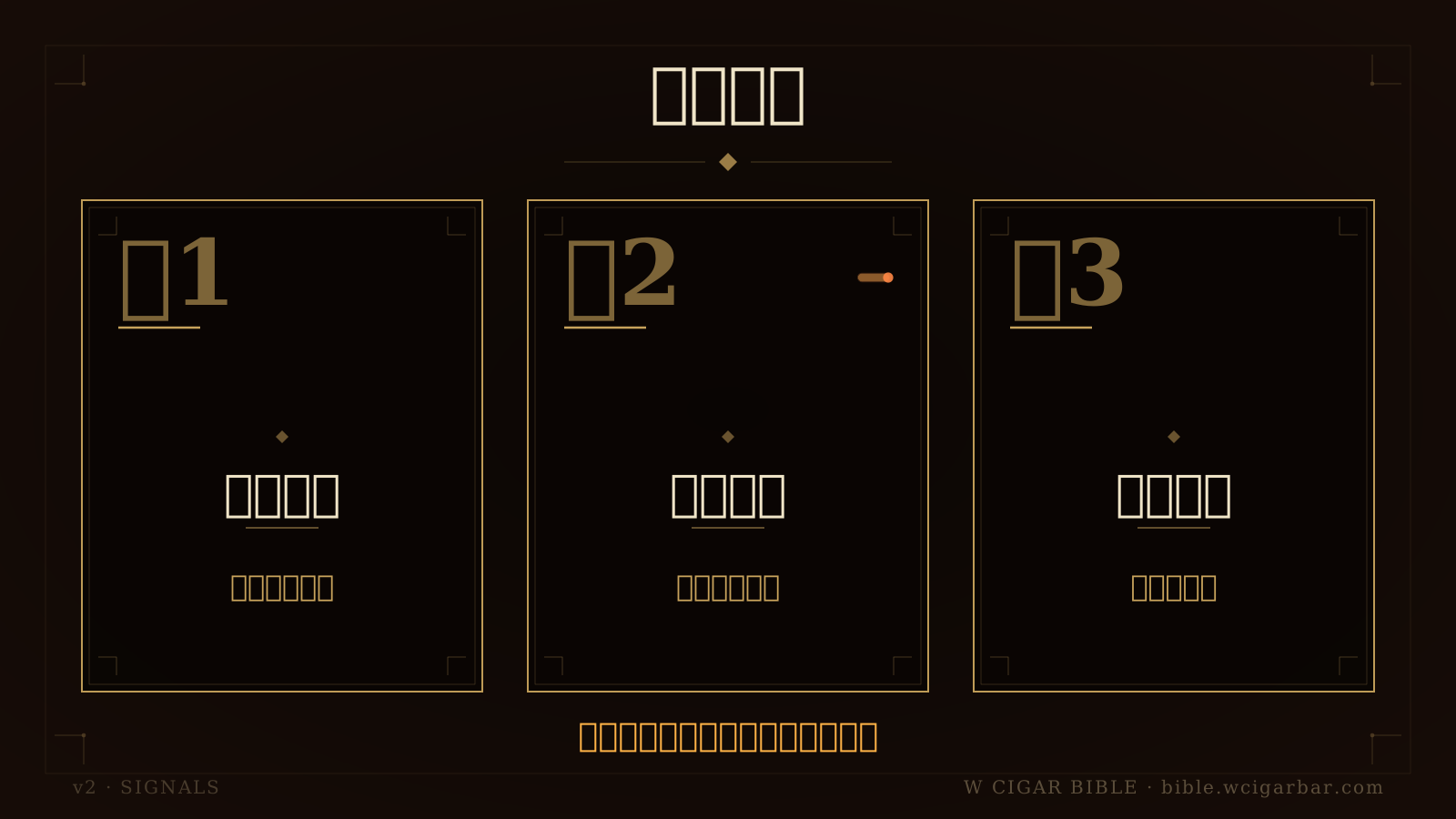
三張錯誤卡提醒別只看環標、產地或濃度
Wrapper Culture: The Cross-National Role of Ecuador, Mexico, and Connecticut
Many discuss the country of origin but overlook that the wrapper is actually a key to cross-cultural flavor. Ecuador, with its cloud cover and gentle sunlight, is suitable for growing Connecticut Shade, Habano, Sumatra, and other wrappers, often providing delicate oils, mild spices, and good burn. This is why many New World brands prefer using Ecuadorian wrappers.
Mexican San Andrés Maduro is completely different, often carrying notes of brown sugar, earth, cocoa, coffee grounds, and dark sweetness. When wrapped around Nicaraguan fillers, it makes the strength more rounded; if paired with Dominican fillers, it may present a contrast of sweetness and cream. Connecticut Shade is known for its smoothness, hay, almond, and light creaminess, often used for entry-level styles, but high-end versions are not simple.
The wrapper is not just the cigar's coat but the first to contact the flame and the first to convey flavor signals to the tongue. For seasoned smokers looking to advance, I recommend recording different wrapper versions of the same brand. For example, the difference between Maduro and Natural in the same Robusto is often greater than imagined. Many so-called "brand changes" are actually the wrapper pushing the same filler onto different stages.
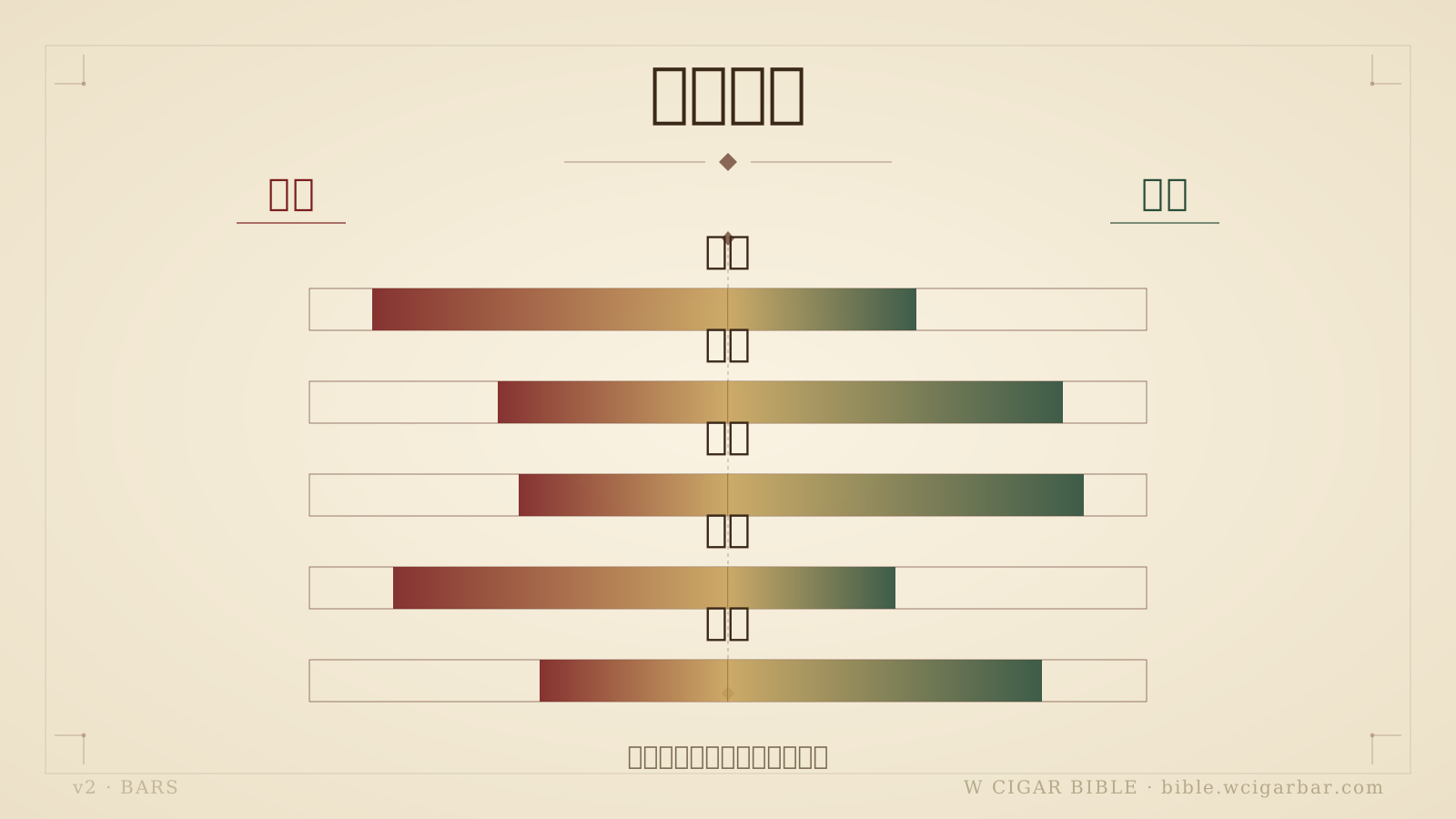
長條圖比較古巴與新世界風格的五項取向
Market Positioning: Regular Editions, Limited Editions, and the Narrative of Collecting
The cigar market sells not only flavors but also time, scarcity, and stories. Regular editions provide brand stability, such as Montecristo No.2, Partagás Serie D No.4, Padrón 1964 Anniversary Maduro; limited or commemorative editions emphasize vintage, special sizes, special tobacco leaves, or packaging narratives. Seasoned smokers need to understand: some high prices are craftsmanship, some high prices are market sentiment.
Take Cohiba Behike, officially launched in 2010, as an example. Due to the Medio Tiempo tobacco leaves and brand positioning, it has long been a market focus. However, storage conditions, source transparency, box codes, and market fluctuations all affect actual value. Collectible value can be discussed, but it does not guarantee appreciation; it still depends on source preservation and the market.
When I evaluate collections or long-term aging, I usually look at four things:
- Whether the source is clear, whether the outer box, seal, and box code are reasonable.
- Whether the preservation is stable, with a temperature of about 18 to 21°C and humidity of about 65% to 69%.
- Whether the brand has long-term demand rather than short-term topics.
- Whether I truly understand the brand's flavor rather than just looking at price curves.
For seasoned smokers, the best use of market positioning is not to chase but to identify. When you know how a brand establishes price, reputation, and scarcity, you can better allocate resources to targets that truly match your taste and collection logic.
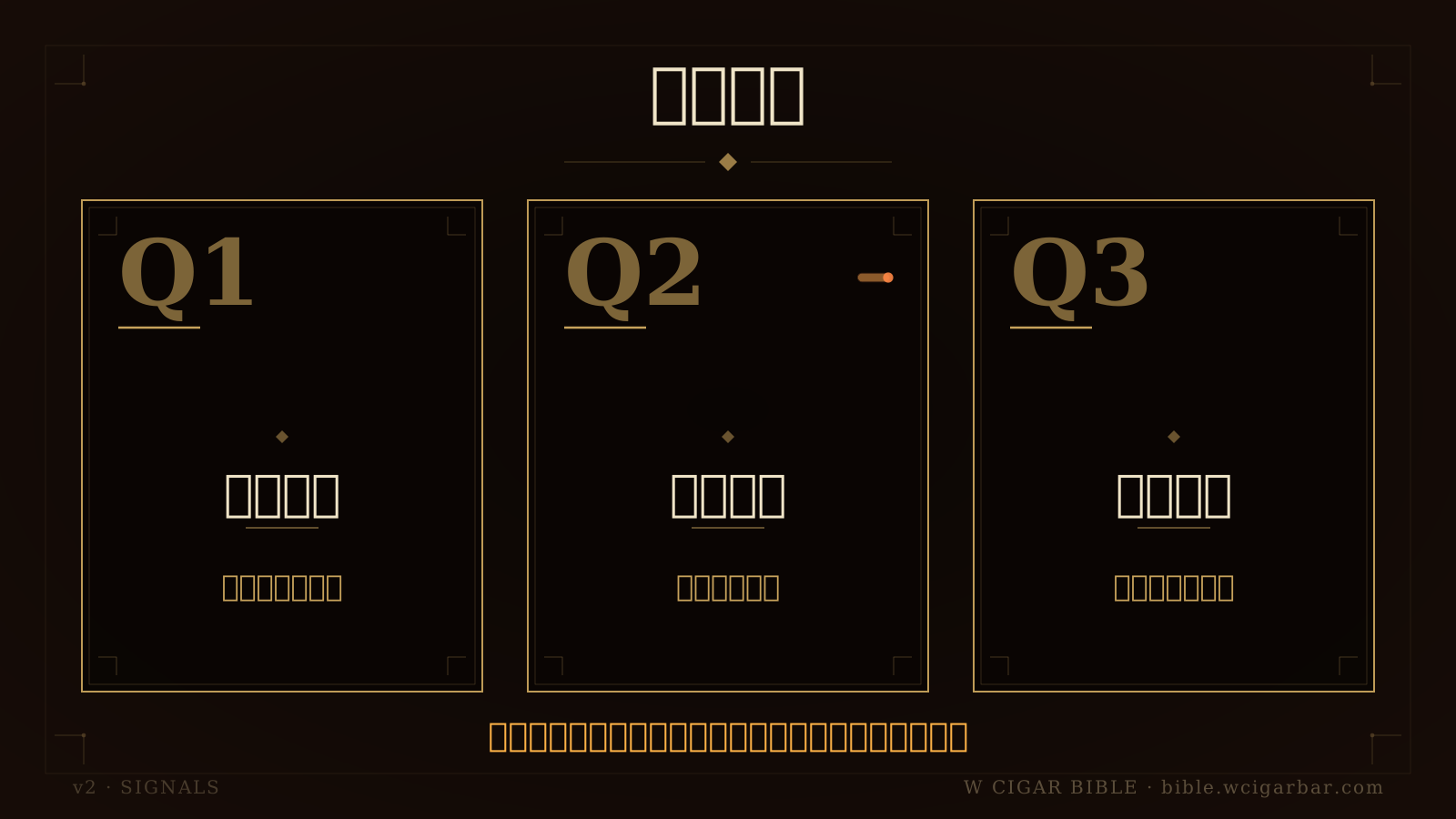
快問快答整理年份差異、古巴複雜度與醇化時間
Advanced Comparison Method: Turning Flavor from Impression to Data
The biggest enemy of seasoned smokers is not a lack of taste but memory that tends to beautify. Today, a cigar might seem to have black cherry, but three months later, you might only remember "great." Therefore, I suggest turning evaluation methods into data, at least recording brand, size, box code or vintage, storage humidity, lighting time, burn correction times, three-stage flavor, and final strength.
I often use three comparison methods. The first is horizontal comparison: comparing different brands but similar sizes on the same day, such as Robusto versus Robusto. The second is vertical comparison: the same brand with different vintages or batches. The third is regional comparison: fixing the wrapper type and observing differences in filler origin. By controlling comparison conditions, flavor judgment will shift from emotion to skill.
In practice, you can follow these steps:
- Record the cold aroma before lighting: cedar, hay, cocoa, dried fruit, or ammonia.
- In the first third, only observe the opening, without rushing to conclusions.
- In the middle section, record sweetness, spiciness, oils, and smoke body changes.
- In the final section, determine whether there is bitterness, overheating, or still layers.
- Write a summary 10 minutes after completion to avoid being misled by nicotine strength.
I also recommend pairing only with water or unsweetened sparkling water each time. Whiskey, coffee, and rum are certainly interesting but will rewrite sweetness and bitterness. Establish the cigar's own flavor profile first, then discuss pairing, and the judgment will be much more accurate.
Common Questions
Why is there a big difference between different vintages of the same brand?
Because tobacco leaves are agricultural products, rainfall, fermentation, storage, and rolling teams all affect the outcome. For Cuban brands, the same product may show differences in sweetness, draw, and burn between different box codes. A seasoned smoker should evaluate a cigar by looking at the brand, vintage, batch, and preservation, not just the band.
Is Cuba necessarily more complex than the New World?
Not necessarily. Cuba often has mineral, herbal, leather, and blank space notes, while the New World can show complexity in precise blending, strength control, and wrapper variation. Padrón 1926, Fuente OpusX, and Davidoff Nicaragua all prove that non-Cuban regions can also have depth.
Does higher strength mean higher quality?
Strength is just intensity, not equivalent to complexity. A high-quality cigar should have consistency in burn, draw, aroma transitions, and finish. If it only has spiciness, bitterness, and punch without sweetness and structure, it is just strong, not necessarily refined.
How long does aging need to be meaningful?
Generally, stable storage for 6 to 12 months can reduce the agitation caused by transportation; 3 to 5 years may allow tannins, ammonia, and spiciness to integrate more. However, not all cigars are suitable for long aging; some refreshing types are more vibrant when young.
How to build your own brand map?
First, choose three fixed sizes, such as Robusto, Toro, and Churchill; then select 3 to 5 from each of Cuba, the Dominican Republic, and Nicaragua to take notes. After systematically comparing over 30 cigars, you will see your true preference for sweetness, smoke body, woodiness, and spiciness ratios.
The cross-cultural joy of cigars is that it is never just a roll of tobacco leaves. It involves the hands of farmers, the ears of blenders, the ambition of brands, and the tides of the market. I like seasoned smokers to retain their preferences but not be bound by them; each new comparison is an exercise in making the palate freer.
—Cigar Prince Wilson Tsai
Smoking is harmful to health. Under 20 years old is not allowed to smoke. Quitline: 0800-636363. This article is for reference by adults over 20 years old for cigar culture, preservation, and regulatory knowledge, not a tobacco advertisement, promotion, or purchase suggestion.
Like this article?Share with friends
Share this W Cigar Bible piece with friends who want to learn cigar culture, storage, and tasting.
想把這篇 化為實踐
雪茄聖經是知識;雪茄文化要在空間裡發生

W Cigar Bar 大安總店資訊
台北大安區 · 雪茄聖經總編輯 Wilson Tsai 主理的雪茄文化空間
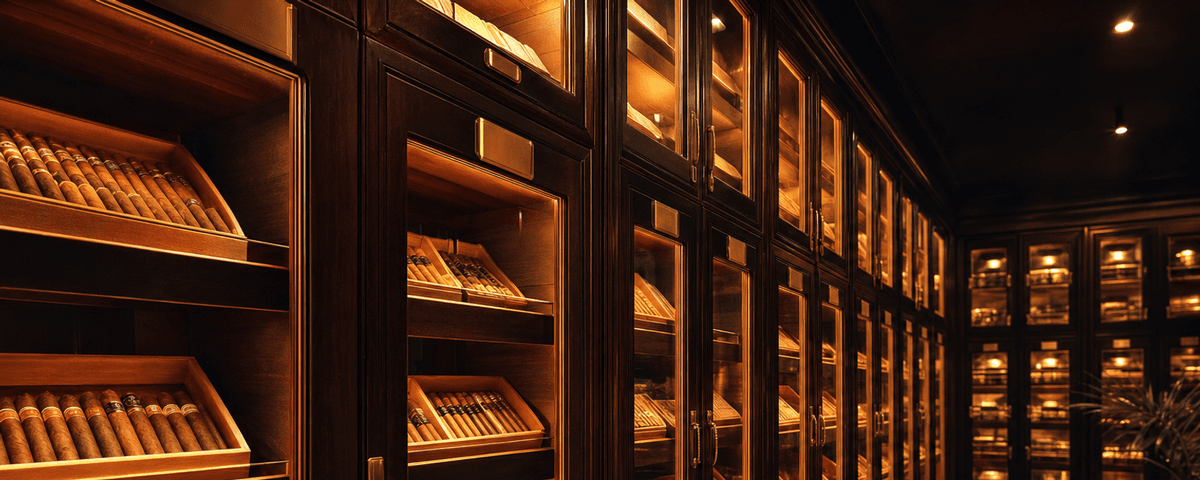
33 座 24 小時恆溫恆濕醇化室
W Cigar Bar 提供的會員醇化空間 · 場地資訊請洽編輯部
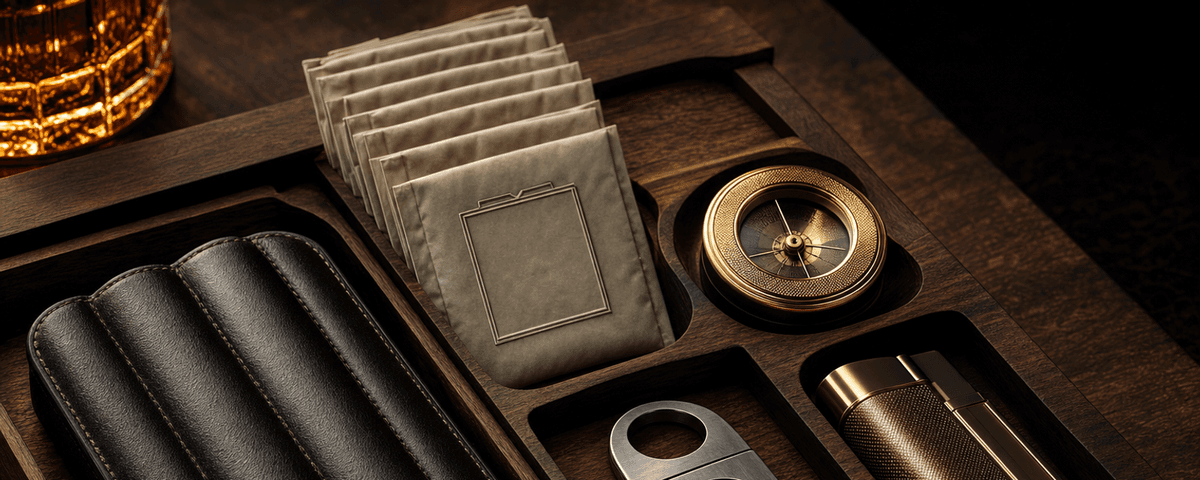
雪茄剪 / 打火機 / 雪茄盒 / Boveda
W Cigar 配件官網 · 專營雪茄配件正品
加 LINE 好友 · 文化諮詢
文化空間資訊 · 紳士沙龍 · 私人包場
本網站內容僅供雪茄文化、歷史、收藏與品吸知識研究參考。菸品有害健康、未滿法定年齡者請勿吸菸。實際規範請依所在地法律為準。
吸菸有害健康・戒菸專線 0800-636363・本站僅供 20 歲以上成年人閱覽。
讀到這裡,你不只是路過的人
留下 Email,加入 W 雪茄聖經內圈——總編輯 Wilson Tsai 親選的學院深文與國際新訊,先你一步送到信箱。
· 教育用途非銷售 · 隨時一鍵退訂 · Email 絕不對外公開 · 由勝茄股份有限公司營運
同分類延伸閱讀
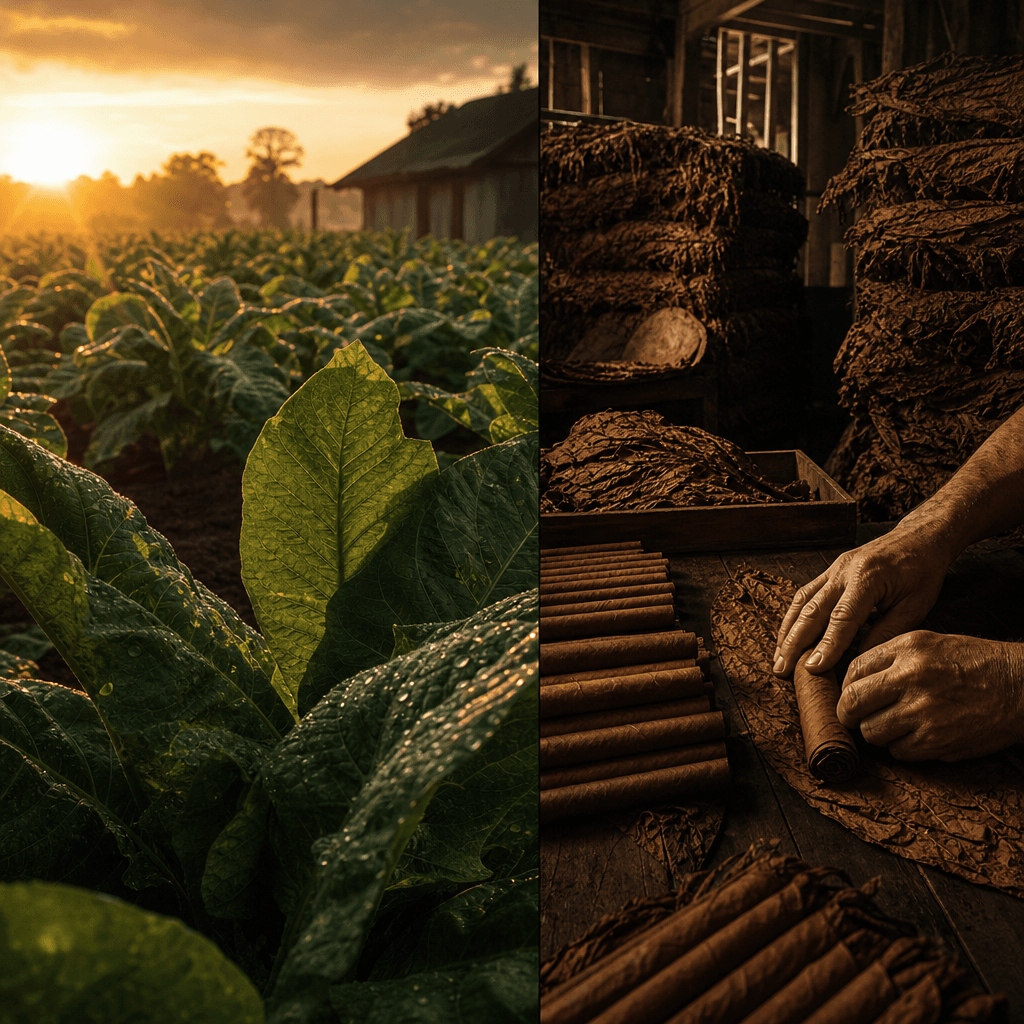
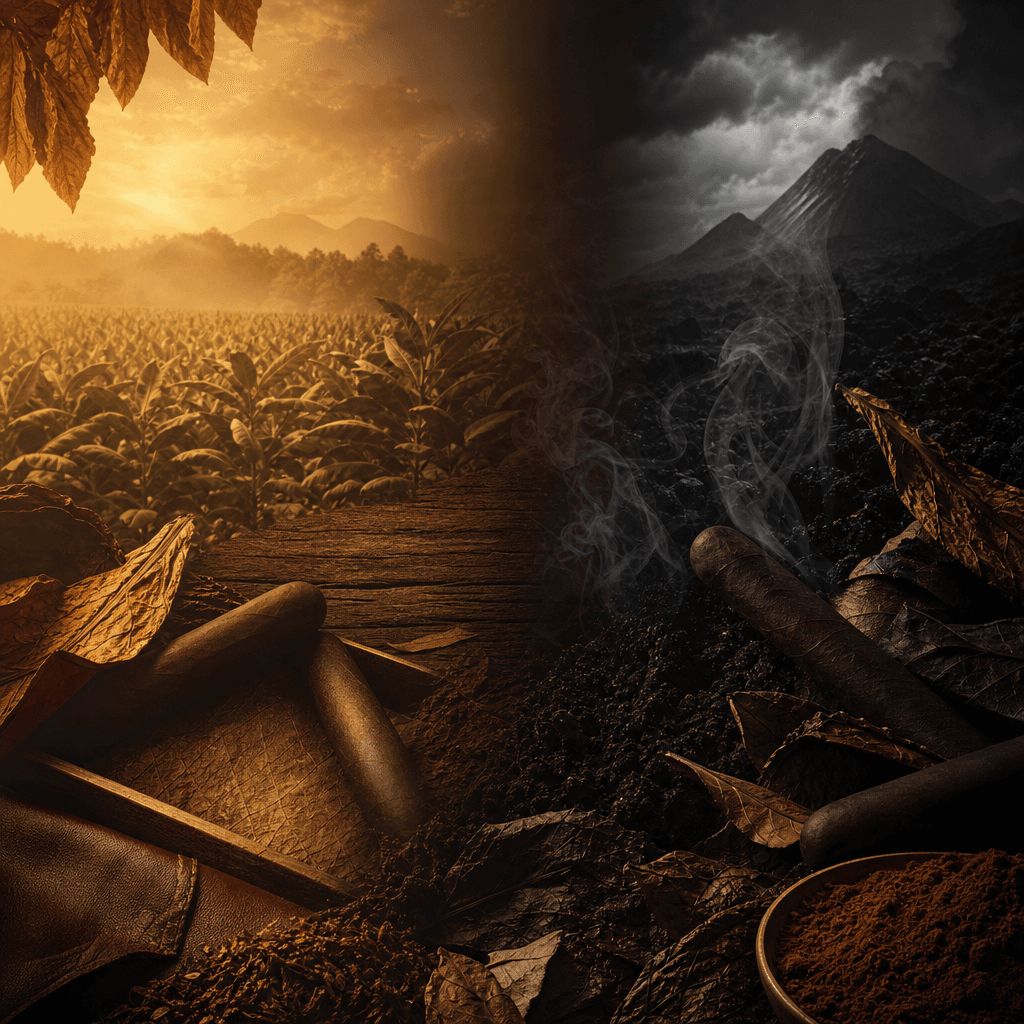

資料來源:W Cigar Bible 編輯部整理 · 雪茄王子 Wilson Tsai 親自審稿
本文僅供雪茄文化、歷史、收藏與品鑑知識研究,不作為菸品促銷、銷售或購買建議。吸菸有害健康,未滿二十歲不得吸菸。