雪茄的香氣與味道分析:細膩的風味譜系
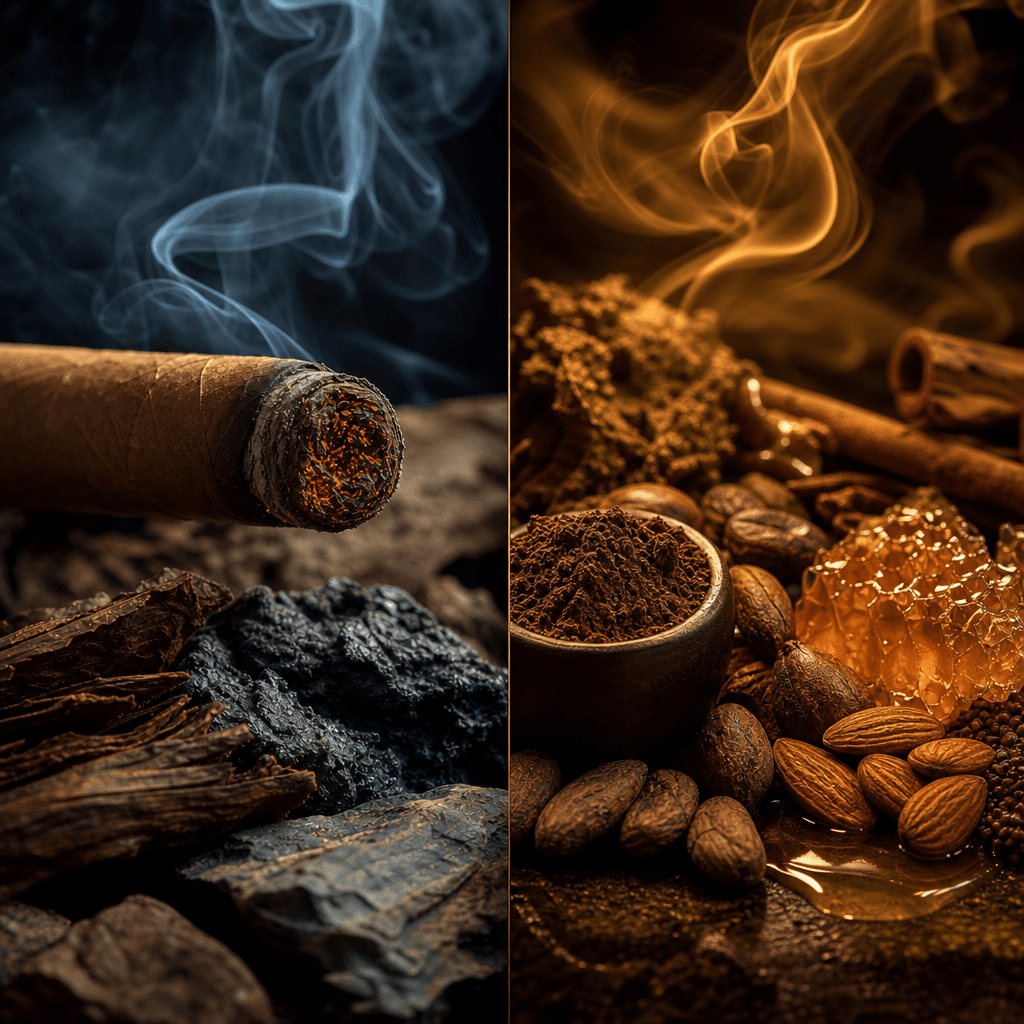
雪茄的香氣複雜多變,隨著燃燒過程中,木質、堅果、可可等風味交替出現。對於新手來說,建立自己的風味語言至關重要。將風味分為木質、堅果、甜感等六大類,並用筆記記錄每支雪茄的品牌、尺寸及三段風味,有助於提升品味技巧。此外,雪茄的香氣來源於菸葉內部化合物的變化,了解產地特色及氣候對風味的影響,能幫助品評者更準確地判斷雪茄的品質。透過固定的品評流程,能夠減少情緒影響,讓每次的品味經驗更具參考價值。
- 雪茄的香氣來自菸葉內部化合物的變化,了解這些化學物質能幫助品味。
- 建立自己的風味分類架構,能更準確表達雪茄的香氣與味道。
- 固定的品評流程能減少情緒影響,讓每次品味的感受更具可比性。
Analysis of Cigar Aroma and Flavor: A Delicate Flavor Spectrum
The aroma of cigars cannot be summarized with just "strong" or "smooth." As the burn line progresses, wood, nuts, cocoa, spices, leather, floral, and mineral notes alternate like a symphony. The truly interesting part is learning to deconstruct these sensations and reassemble them into your own flavor map.
I often remind newcomers: cigars are not a test, there are no standard answers, but there are methods. Once you understand the relationship between origin, fermentation, aging, burning, and oral sensations, you'll find that the same cigar can seem like two different characters at the first centimeter and the last three centimeters.
流程圖呈現菸葉從採收到燃燒形成香氣
From "Nice Aroma" to "Flavor Spectrum": First, Establish Your Own Language
The most common bottleneck for beginners is being able to smell and taste but not articulate. My suggestion is to first categorize cigar flavors into six main categories: wood, nuts, sweetness, spices, soil minerals, and animal leather. Take Montecristo No.2 as an example; many people detect cedar and cream in the early stages, coffee and cocoa in the middle, and pepper and leather in the final stages. This isn't about memorization but using categorization to help the brain create indexes.
The first step in cigar flavor analysis is not to pursue fancy adjectives but to place sensations into a stable classification framework. For example, "sweet" can be further divided into honey, caramel, brown sugar, and raisins; "wood" could be cedar, oak, sandalwood, or a damp wooden box. When you can say "like 70% dark chocolate with roasted almonds," it's closer to the real experience than just saying "very aromatic."
I recommend preparing a small notebook and noting five things for each cigar: brand, size, box code or year, humidity, and the three-stage flavor. For instance, Cohiba Siglo VI, officially launched in 2002, often has notes of grass, honey, cream, and a hint of beans when well-preserved; if the humidity is too high, these details can be muffled, leaving only heavy smoke. The more precise the language, the faster the experience accumulates.
三張卡整理雪茄風味分析的分類三段與狀態
The Chemistry Behind Aroma: Why Cocoa, Nuts, and Pepper Appear
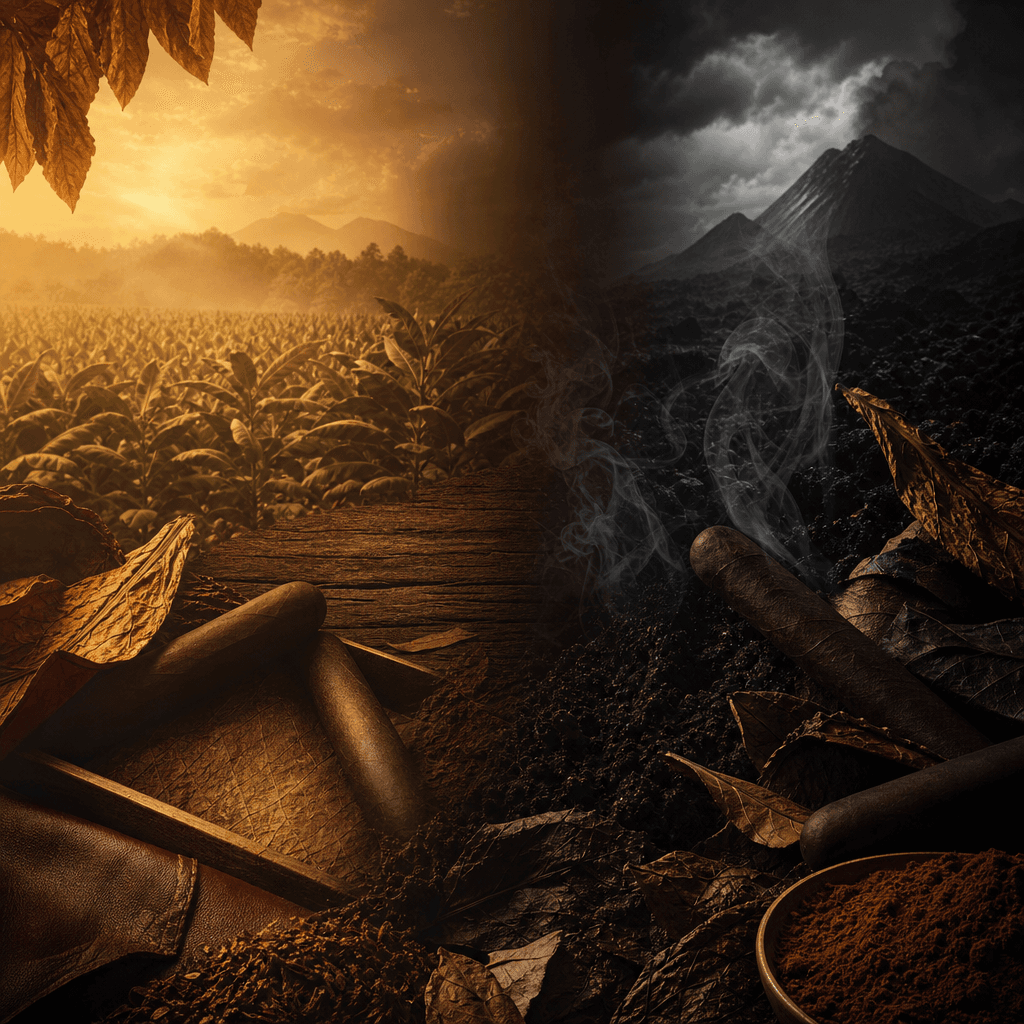
The aroma of cigars comes from the changes in the internal compounds of tobacco leaves during fermentation, aging, and burning. After harvesting, drying, and fermenting, proteins, sugars, polyphenols, and organic acids gradually transform; during burning, pyrazines, aldehydes, phenols, lactones, and terpenes are produced. Pyrazines often bring roasted nuts, coffee, and cocoa notes; phenols may present smoky, leathery, and woody characteristics.
The "roasted almonds" or "black pepper" you taste are mostly not because anything was added to the cigar but because the chemical substances in the tobacco form similar olfactory signals during burning. For example, Nicaraguan Estelí tobacco is often considered strong, partly due to soil minerals, sunlight, leaf position, and fermentation control; high-leaf-position ligero leaves burn slower, with more noticeable nicotine and oiliness.
Ammonia is an important clue for judging condition. If a cigar has a pungent ammonia smell at the start and causes mouth numbness, it may indicate that fermentation or subsequent aging is still unstable, or it hasn't recovered after transportation and storage. Conversely, a well-preserved 2017 H. Upmann Magnum 46 often exhibits tea, cream, toasted bread, and delicate wood notes, with lower irritation and clearer layers.
表格比較古巴多明尼加尼加拉瓜的風味線索
Terroir Characteristics: The Common Language of Soil, Climate, and Tobacco Varieties
Discussing flavor cannot be limited to brands; terroir is the underlying logic. Cuba's Pinar del Río, specifically Vuelta Abajo, has long been regarded as a core area for premium tobacco, often exhibiting delicate wood, honey, herbal, coffee, and mild mineral notes. The Cibao Valley in the Dominican Republic often offers creamy, nutty, floral, and smoother oral lines, suitable for beginners observing delicate sweetness.
Terroir is not an absolute answer, but it provides the first layer of coordinates for interpreting cigar flavors. Nicaraguan Estelí often has rich pepper, dark roasted coffee, and earthy notes; Jalapa tends to showcase sweetness and aroma, while Ometepe, due to volcanic soil, brings unique mineral and herbal aromas. Honduras' Jamastran often features woody, spicy, and more robust smoke bodies.
The wrapper also significantly affects the first impression. Cameroon wrappers often carry cinnamon, roasted nuts, and light sweetness; Connecticut Shade is usually milder, with cream, hay, and almonds; Maduro wrappers, due to longer processing, often show dark chocolate, coffee, molasses, and rich sweetness. For instance, the Arturo Fuente Hemingway series, using Cameroon wrappers, is very representative of spice and nut notes in the early stages.
Three-Stage Tasting: What to Observe in the Early, Middle, and Final Stages
I usually divide a cigar into three stages for observation. The early stage is about the first third after lighting, focusing on the first impression: whether the burn is clean, whether the aroma is open, and whether the irritation is obvious. For robusto sizes like Partagás Serie D No.4, the early stage often has wood, soil, and pepper, and if stored well, the smoke will be thick but not coarse.
The middle stage is the most worth recording because the temperature stabilizes, and the burn enters balance, making sweetness, oils, spices, and aftertaste most likely to manifest. To truly judge the quality of a cigar, don't just look at the first puff but see if the middle stage has layers, transitions, and a clean aftertaste. For example, Ramón Allones Specially Selected, when in good condition, often shows brown sugar, nuts, ripe fruit, and a hint of leather in the middle stage.
The final stage should focus on strength and off-flavor control. As the burn approaches the end, tar, temperature, and moisture accumulate, and spiciness may increase; at this point, there's no need to force it to a very short length. If a cigar still retains cocoa, coffee, wood, and sweetness in the last three centimeters, rather than just bitterness and spiciness, it usually indicates a good selection of tobacco and rolling. In terms of etiquette, let it naturally extinguish when you feel it's enough.
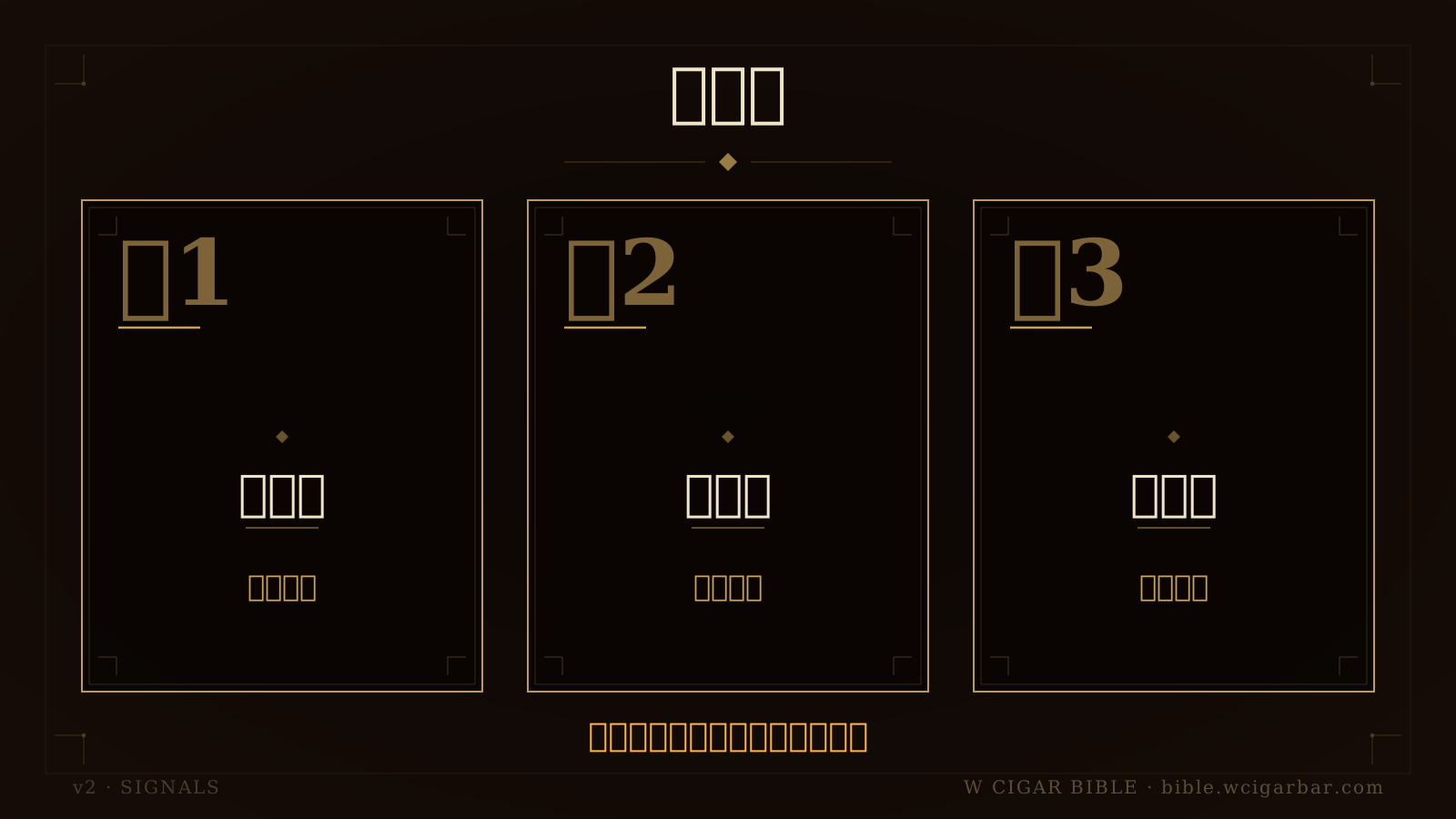
三張卡列出抽太快太濕與吸入肺部等誤解
Establishing a Tasting Process: Use a Table to Stabilize the Senses
Many people think tasting cigars relies on talent, but it actually relies on process. I always start by examining the appearance: wrapper oiliness, leaf veins, rolling density, and cap closure; then smell the unlit aroma, noting hay, grains, wooden box, or cocoa. After cutting, you can do a cold draw to observe airflow and unlit flavors, such as raisins, tea leaves, nuts, or a slight saltiness.
A fixed process can reduce misjudgment caused by emotions and environment, allowing each experience to be compared. Here is a simplified table I often use, suitable for beginners to continuously record 20 cigars and then compare:
| Stage | Observation Focus | Common Descriptions | Examples |
|---|---|---|---|
| Appearance | Oiliness, color, rolling | Colorado, Maduro, fine veins | Hoyo de Monterrey often has a soft color |
| Cold Draw | Airflow, unlit aroma | Hay, honey, wood shavings | Cohiba often has grass and bean aromas |
| Early Stage | First impression | Cedar, cream, pepper | Montecristo No.4 has clear wood notes |
| Middle Stage | Layers and transitions | Coffee, cocoa, nuts | RASS has obvious sweetness and ripe fruit notes |
| Final Stage | Strength and aftertaste | Leather, black pepper, bittersweet | Bolivar often has a solid aftertaste |
When recording, don't write too many fancy words at once. You can use a scale of 1 to 5 to mark intensity, sweetness, spiciness, oils, and aftertaste, then add a sentence of thoughts. For example, "2020 box, 65% humidity, cedar in the early stage, coffee in the middle stage, pepper rising in the final stage." Concise but continuous, after three months, you'll see your preference curve.
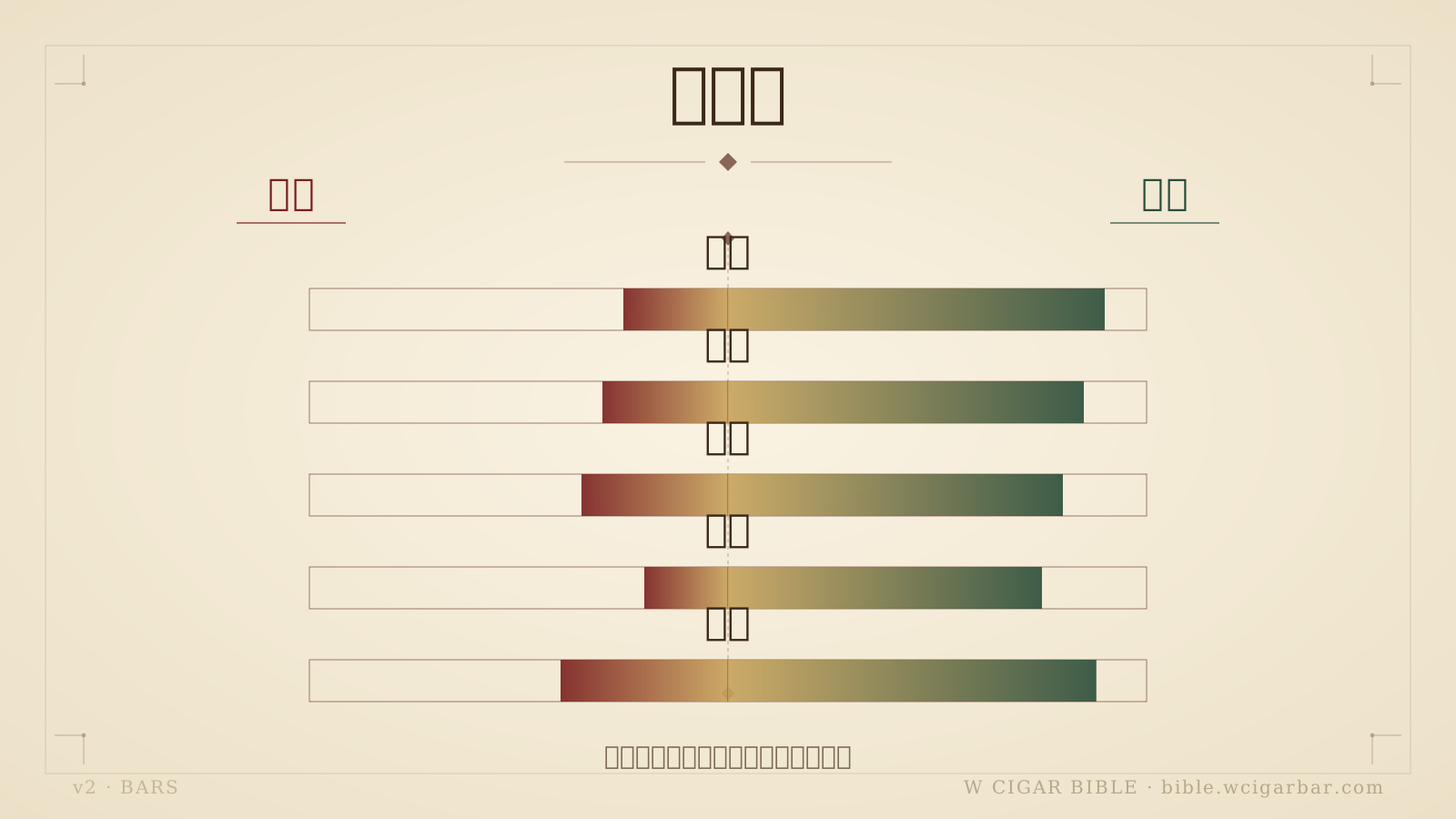
長條圖對比直覺品味與譜系分析的差異
Humidity, Aging, and Burning: Flavor Quality Often Lies in the Details
The same cigar can seem like two different works at different humidity levels. Generally, long-term storage can refer to a relative humidity of 65% to 69%, with a temperature of about 18 to 21°C; if the humidity is above 72%, the burn is easily stifled, the smoke is heavy, sweetness is unclear, and even sourness can appear. If too dry, it will burn too fast, the aroma will be flat, and spiciness and bitterness will be amplified.
Preservation is not just putting cigars in a box but maintaining stability with humidity, temperature, and air exchange. I've seen a box of 2014 Trinidad Fundadores, with a clear source and careful preservation, exhibiting complete floral, cream, wood, and honey notes after ten years; I've also seen the same model with a beautiful appearance but long-term high humidity, leaving only stifled sourness and bitterness when lit, the difference is very obvious.
Aging can reduce irritation and blend aromas, but it doesn't mean every cigar gets better with age. Smaller sizes and lighter cigars may reach a beautiful balance in 3 to 5 years, while strong and robust styles may be suitable for longer. When discussing collection value, I always remind: collecting for appreciation doesn't guarantee appreciation, it still depends on source preservation and market. For tasters, enjoying in the best condition is often more important than just looking at the year.
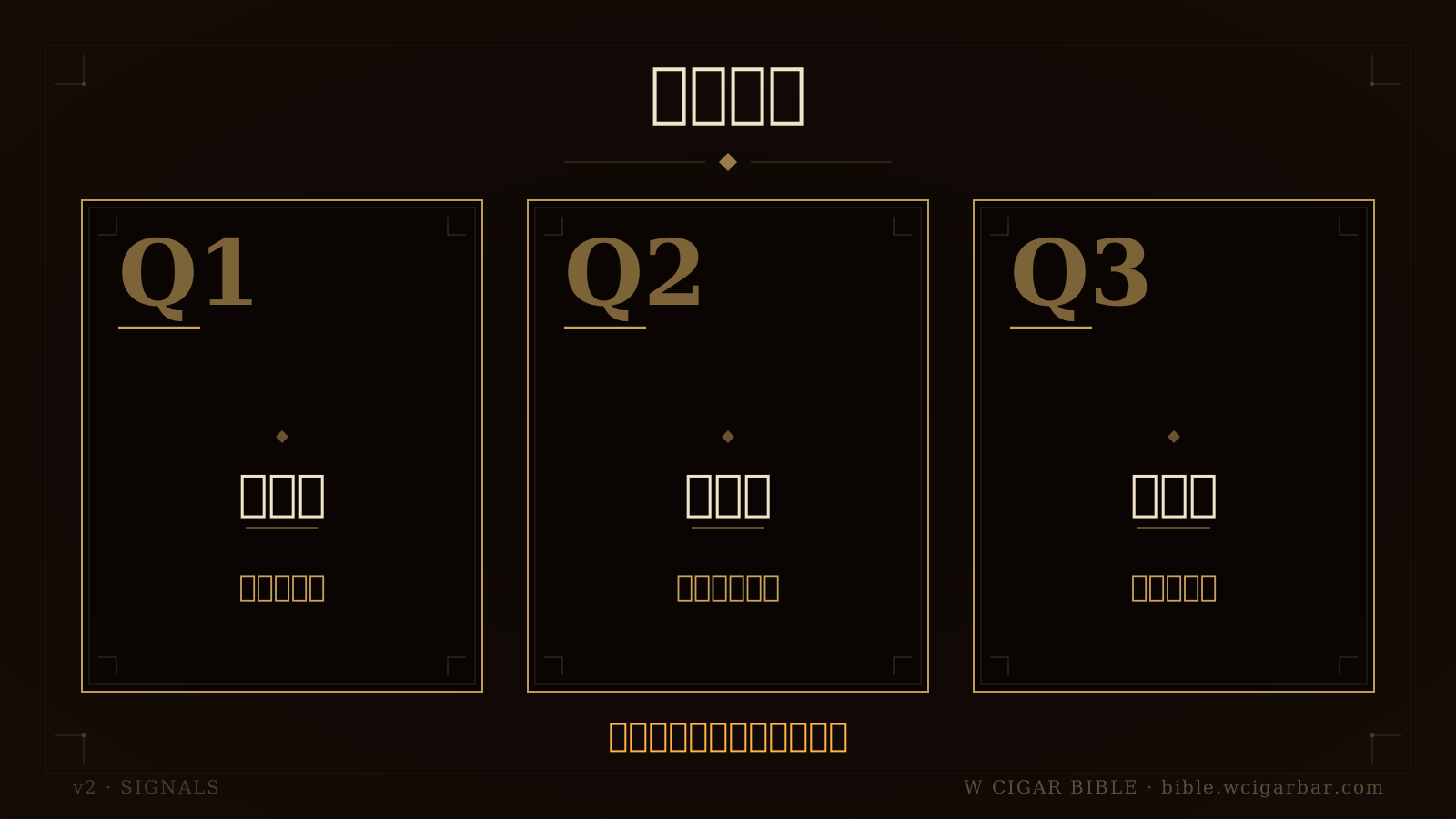
三張問答卡回答苦味甜感與是否吸入肺部
Pairing, Etiquette, and Sensory Calibration: Making Aroma Visible
Water is the most honest pairing. If you are practicing distinguishing cigar flavors, I recommend starting with room temperature water or unsweetened sparkling water to avoid high-sugar drinks interfering with the palate. Coffee suits cocoa, nut, and woody cigars; rum can bring out molasses and spices; whiskey, if too barrel-heavy, may overshadow delicate floral notes. For a milder Hoyo Epicure No.2, pairing with a heavy peaty whiskey can easily lose focus.
The purpose of pairing is not to let the drink overpower the cigar but to amplify each other's strengths. Beginners can start with three combinations: Connecticut Shade with American coffee; medium-strength Cuban robusto with unsweetened latte; Maduro wrapper with aged rum. Change only one variable at a time to know if it's the cigar or the drink that changes.
Etiquette also affects the experience. When lighting, don't insert the flame directly into the foot, first evenly toast with the outer flame; draw at a pace of about every 45 to 60 seconds, too fast will increase temperature, leading to bitterness and spiciness. Ash can be kept about 1 to 2 centimeters before gently placing it, don't tap hard. When with others, also pay attention to smoke direction, conversation distance, and environmental perception, these details are part of gentlemanly taste.
Common Questions
Why do I only taste bitterness?
It's mostly related to three things: drawing too fast, the cigar being too moist, or taste classification not yet established. First, slow down the pace to 45 to 60 seconds per draw, pair with room temperature water, and start with wood, coffee, and nuts. Bitterness is not a failure signal but a reminder to check burning temperature and preservation status.
Is the sweetness in cigars sugar?
Not entirely. Tobacco itself has sugars and fermentation by-products, but the honey, caramel, and brown sugar you perceive are often a combination of aroma and oral texture creating an association. Maduro wrappers are more likely to have molasses and dark chocolate notes, but if burned too hot, they can quickly turn bitter.
Should beginners start with strong cigars?
It's not recommended to pursue strength at the start. You can first choose ring gauges of 40 to 52, medium strength, and stable burning sizes, such as robusto or corona gorda. First, learn to distinguish the early, middle, and final stages, then gradually approach works with higher ligero proportions and more noticeable nicotine sensations.
Is older box code better?
The year is just one condition, source, preservation, humidity, and transportation are all important. Poorly preserved old cigars may have lost aroma, with obvious mold or sour notes; well-preserved young cigars are cleaner. The same goes for collection, collecting for appreciation doesn't guarantee appreciation, it still depends on source preservation and market.
Should smoke be inhaled into the lungs?
Cigars are mainly for oral and posterior nasal sensations, not inhaled into the lungs. Beginners can practice letting the smoke linger in the mouth for 2 to 3 seconds, slowly exhaling, and doing a small amount of retrohaling for olfactory sensation. If you feel dizzy or uncomfortable, you should stop and replenish water and sugar.
Why does the same cigar taste different each time?
Cigars are agricultural products, the same brand and size will still be affected by year, batch, leaf position, preservation, and burning state. Even within the same box of 25, there may be slight differences. This is precisely the charm of cigars: they are not industrial perfumes but changes left by land, time, and craftsmanship.
As the editor of "Cigar Bible," what fascinates me most is not making cigars mysterious but making complexity understandable. Aroma and flavor analysis is ultimately not about flaunting vocabulary but about clearly knowing: what I like, why I like it, and in what state it is most beautiful. When you can quietly distinguish the wood, sweetness, and sense of time in a puff of smoke, cigars are not just a hobby but a mature sensory cultivation.
—Cigar Prince Wilson Tsai
Smoking is harmful to health. Under 20 years old is prohibited from smoking. Quitline: 0800-636363. This article is for reference by adults over 20 years old for cigar culture, preservation, and regulations knowledge, not a tobacco advertisement, promotion, or purchase suggestion.
Like this article?Share with friends
Share this W Cigar Bible piece with friends who want to learn cigar culture, storage, and tasting.
想把這篇 化為實踐
雪茄聖經是知識;雪茄文化要在空間裡發生
W Cigar Bar 大安總店資訊
台北大安區 · 雪茄聖經總編輯 Wilson Tsai 主理的雪茄文化空間
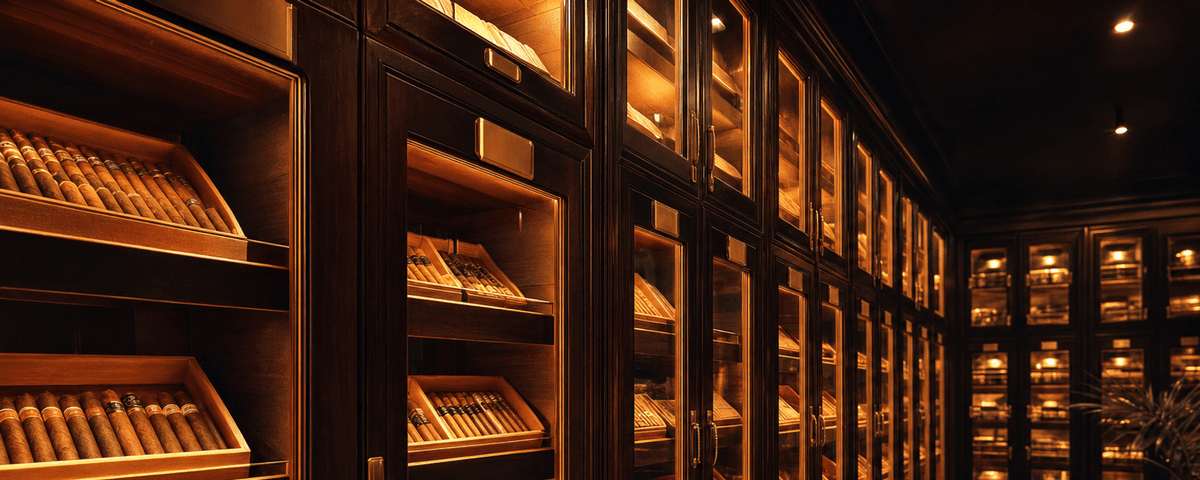
33 座 24 小時恆溫恆濕醇化室
W Cigar Bar 提供的會員醇化空間 · 場地資訊請洽編輯部
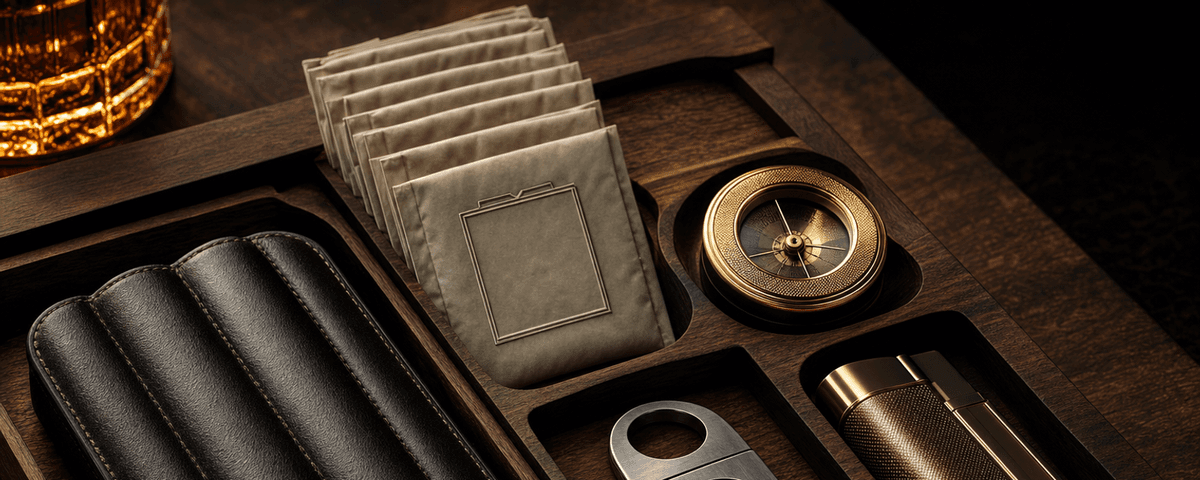
雪茄剪 / 打火機 / 雪茄盒 / Boveda
W Cigar 配件官網 · 專營雪茄配件正品
加 LINE 好友 · 文化諮詢
文化空間資訊 · 紳士沙龍 · 私人包場
本網站內容僅供雪茄文化、歷史、收藏與品吸知識研究參考。菸品有害健康、未滿法定年齡者請勿吸菸。實際規範請依所在地法律為準。
吸菸有害健康・戒菸專線 0800-636363・本站僅供 20 歲以上成年人閱覽。
讀到這裡,你不只是路過的人
留下 Email,加入 W 雪茄聖經內圈——總編輯 Wilson Tsai 親選的學院深文與國際新訊,先你一步送到信箱。
· 教育用途非銷售 · 隨時一鍵退訂 · Email 絕不對外公開 · 由勝茄股份有限公司營運
同分類延伸閱讀
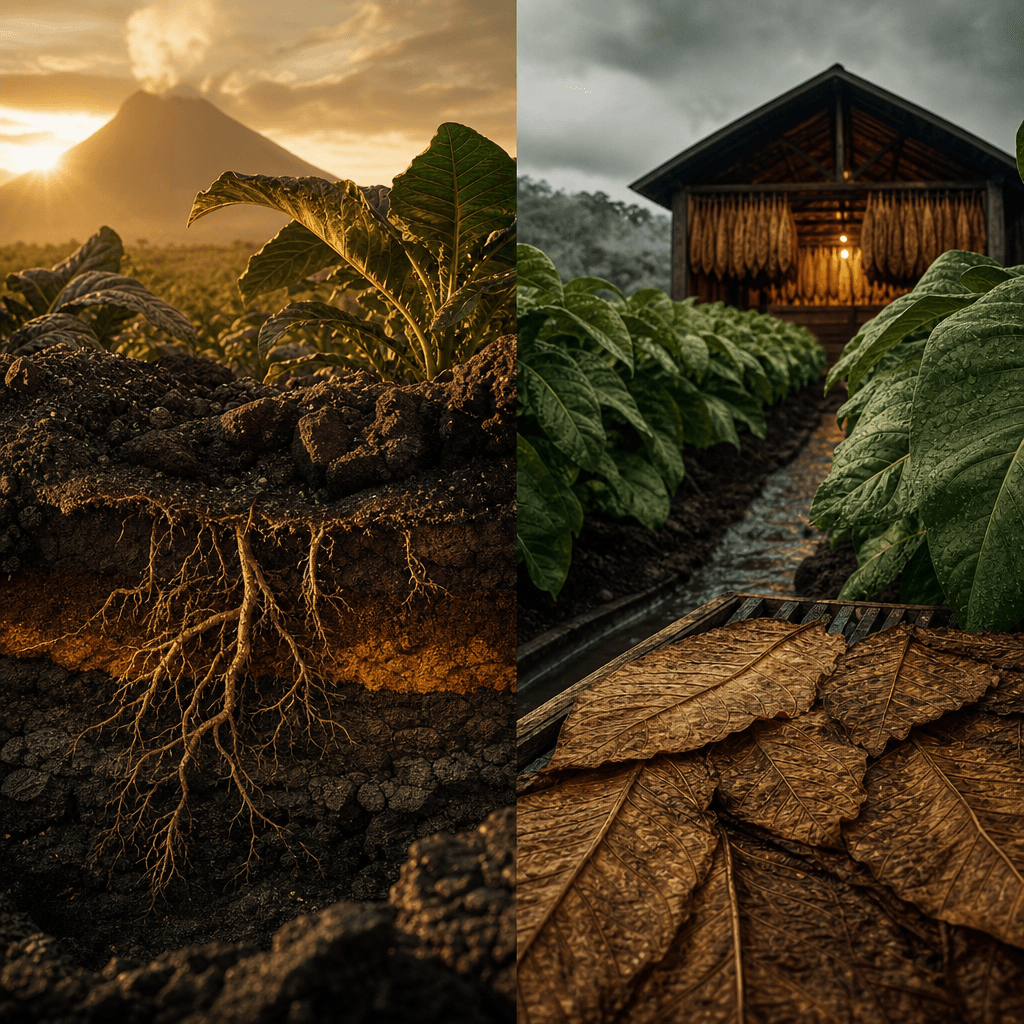
資料來源:W Cigar Bible 編輯部整理 · 雪茄王子 Wilson Tsai 親自審稿
本文僅供雪茄文化、歷史、收藏與品鑑知識研究,不作為菸品促銷、銷售或購買建議。吸菸有害健康,未滿二十歲不得吸菸。