雪茄與精神分析:香煙背後的心靈探險

雪茄不僅是燃燒與享受的過程,更是探索自我與心理狀態的工具。透過品牌、尺寸與濃度的選擇,雪茄成為個人慾望與控制感的交匯點。儀式性的剪、點、等步驟,讓抽雪茄的過程充滿延遲滿足的心理技術,轉化焦慮為可操作的步驟。名人如Churchill與Twain的雪茄形象,展現了權力與幽默的多重象徵。深入理解雪茄的心理意義,能幫助老手更好地調整心境,享受每一刻的獨特體驗。
- 雪茄的選擇與抽吸節奏反映了個人的自我調節能力,成為情緒管理的工具。
- 儀式感在雪茄抽吸過程中轉化焦慮為可操作的步驟,增強耐心與控制感。
- 不同雪茄在心理上象徵著權威、安撫或反叛,使用者的選擇反映其內心需求與身份認同。
Cigars and Psychoanalysis: The Mental Exploration Behind Cigarettes
Smoking a cigar is never just about lighting, burning, and exhaling. For seasoned enthusiasts, brand preferences, size choices, concentration tolerance, and time arrangements often become a private language. The intriguing part of psychoanalysis is that it asks: Why this cigar? Why tonight? Why does it carry weight during anxiety, creation, or silence?
As the editor of the "Cigar Bible," I often feel that cigars are like a slow-motion mirror. They magnify one's desires, sense of control, memories, identity, and ways of enjoyment layer by layer. This article does not discuss surface rituals but places Freud, Churchill, Mark Twain, and modern collection psychology on the same table to dissect the mental exploration behind cigars.
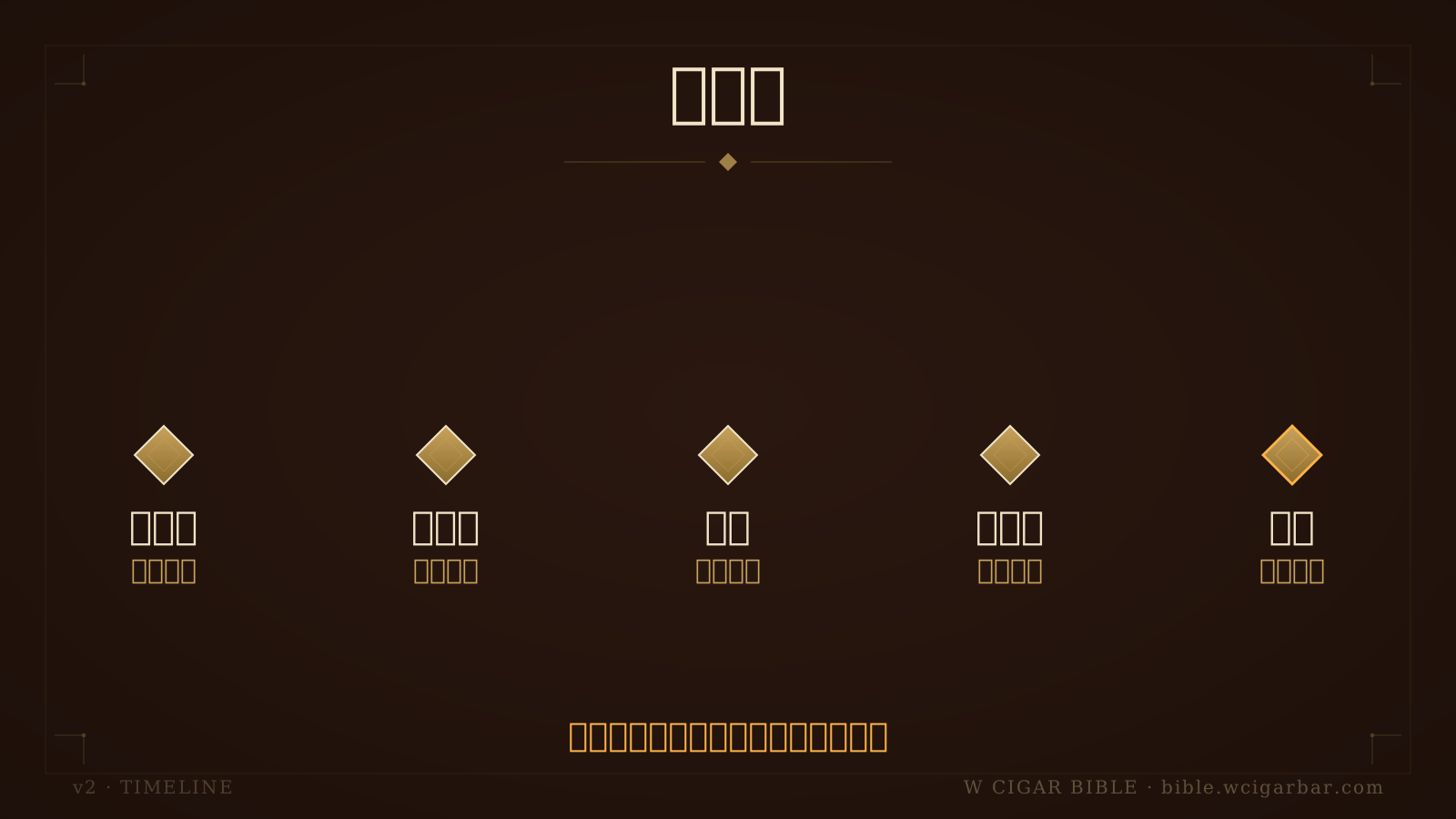
時間線呈現選尺寸剪帽冷聞點燃與放下
Cigars Are Not a Single Symbol: From Oral Stage to Self-Control
In psychoanalysis, cigars are often dismissed with the phrase "sometimes a cigar is just a cigar." However, this phrase, often attributed to Freud, lacks a reliable original source. Freud himself smoked cigars for many years, reportedly up to 20 a day at his peak, and found it difficult to quit even after being diagnosed with jaw cancer in 1923. This is not gossip but a reminder that symbols have power because they soothe both the body and organize the psyche.
In psychoanalysis, cigars are not a single symbol but a crossroads of desire, control, and identity. The oral stage theory views sucking, biting, holding, and exhaling as extensions of early soothing modes. However, seasoned enthusiasts understand that the slow burn of a cigar also brings self-restraint. Unlike cigarettes, you cannot inhale quickly; instead, you must wait, observe the burn line, and adjust the rhythm.
Take Montecristo No.2, Partagás Serie D No.4, and H. Upmann Magnum 46 as examples. These are all classic sizes but require different psychological states. The torpedo head of No.2 gives a sense of "precise entry"; the robusto rhythm of D4 is direct, often used by seasoned enthusiasts to switch contexts after work; Magnum 46 is more like an extended conversation, suitable for turning attention inward. True advancement is not interpreting cigars as fixed sexual symbols but seeing how they become tools for self-regulation.
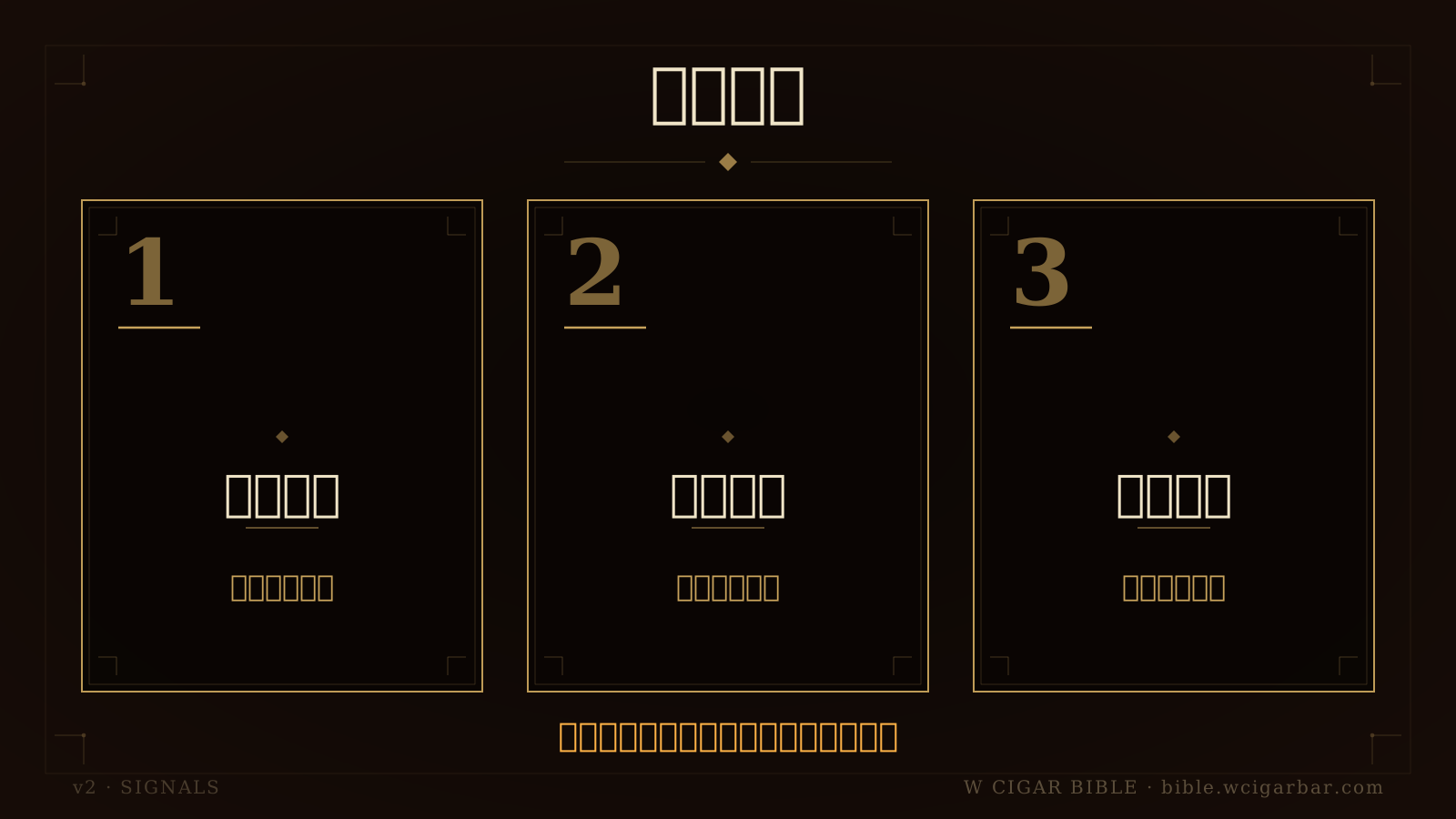
三張卡列出非單象徵儀式緩衝與自我觀察
The Psychological Technique of Ritual: Cutting, Lighting, Waiting, All Are Delayed Gratification
The charm of cigar rituals lies not in complexity but in turning "wanting" into "waiting." From choosing a 50 or 52 ring gauge, checking the oiliness of the wrapper, pressing for elasticity, cutting the cap, cold smelling, to slowly and evenly lighting, each step stretches the impulse. Psychology calls this process delayed gratification, and psychoanalysis further suggests that people pursue not only pleasure but also forms that can withstand pleasure.
| Ritual Action | Psychological Function | Details for Seasoned Enthusiasts to Observe |
|---|---|---|
| Choosing Size | Setting Time Boundaries | 30-minute robusto or 90-minute double corona |
| Cutting | Establishing a Sense of Control | Different resistance from flat cut, V cut, punch |
| Lighting | Entering a Focused State | Flame distance, rotation speed, even burn |
| Mid-section Rest | Enduring Blankness | Not rushing to relight, observing ash column and temperature |
| Finishing | Accepting Finiteness | Not craving the last puff to avoid bitterness dominating the memory |
Take Hoyo de Monterrey Double Corona as an example, with a length of about 194mm and a ring gauge of 49, the complete time often reaches 90 to 110 minutes. This size is not just "smoking more," but requires a person to reserve complete space for themselves. In contrast, Romeo y Julieta Short Churchill, about 124mm with a ring gauge of 50, has a more compact rhythm, like compressing the ritual into a controllable psychological transition.
The core of ritual is not flaunting tools but transforming anxiety into operable steps. If seasoned enthusiasts can record each cut, humidity, burning time, and mood, they will find that the same cigar at 65% and 69% relative humidity not only brings flavor differences but also differences in draw resistance, patience, and emotional response.
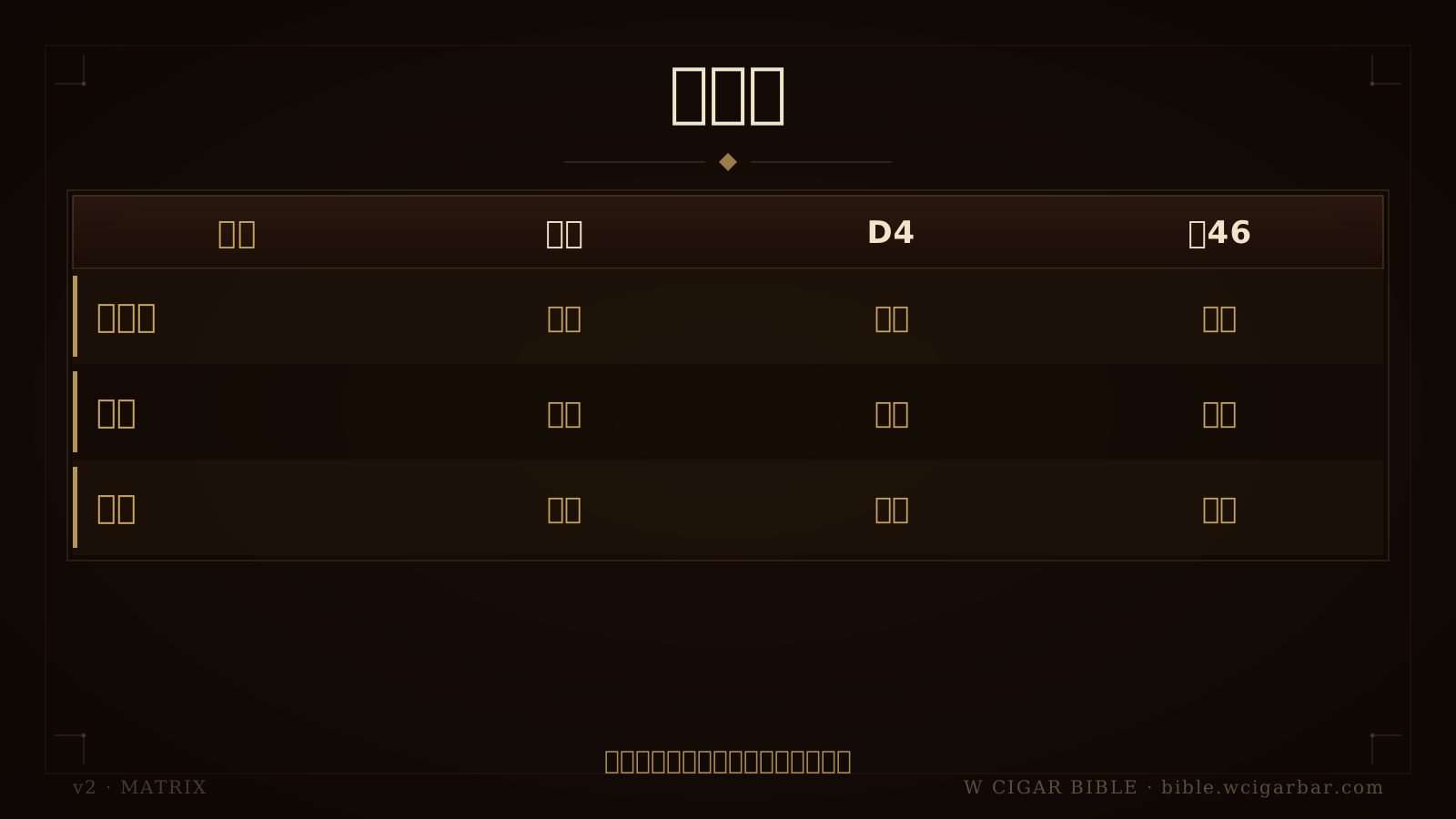
矩陣比較諾二D4與麥四六的節奏心境差異
Creativity and Smoke: How Attention is Slowly Guided
Many creators rely on fixed rituals to enter a state. Mark Twain was famous for his heavy cigar use, and biographical materials often mention that he almost regarded cigars as part of his writing routine. Sigmund Freud also couldn't do without cigars while working in his study. The point is not to imitate them but to understand that creativity requires a state between relaxation and concentration, which the slow rhythm of cigars can provide.
In neuropsychology, creativity often requires "drifting attention": consciousness is neither completely tense nor completely scattered. When seasoned enthusiasts handle cigars with fine lines like Trinidad Fundadores or Davidoff Aniversario No.3, they naturally slow down their speaking speed and pay attention to how wood, hay, cream, nuts, and light spices change segment by segment. This observation is not passive enjoyment but a trained distraction.
If cigars aid creativity, it usually comes from rhythm management rather than mystical inspiration. For example, when making brand notes, I divide a cigar into front, middle, and back sections, writing only 3 to 5 keywords for each: burn line, taste, emotion, association, ending. This brief limitation can make the text more precise, not overwhelmed by adjectives.
But be wary of romanticizing. If creative anxiety overly relies on external objects, rituals will become shackles rather than gateways. My suggestion is to place cigars "after completing a segment of work" rather than "before starting work," making it a moment to integrate materials. Mature enjoyment is not letting cigars create for you but letting you hear your thoughts after slowing down.
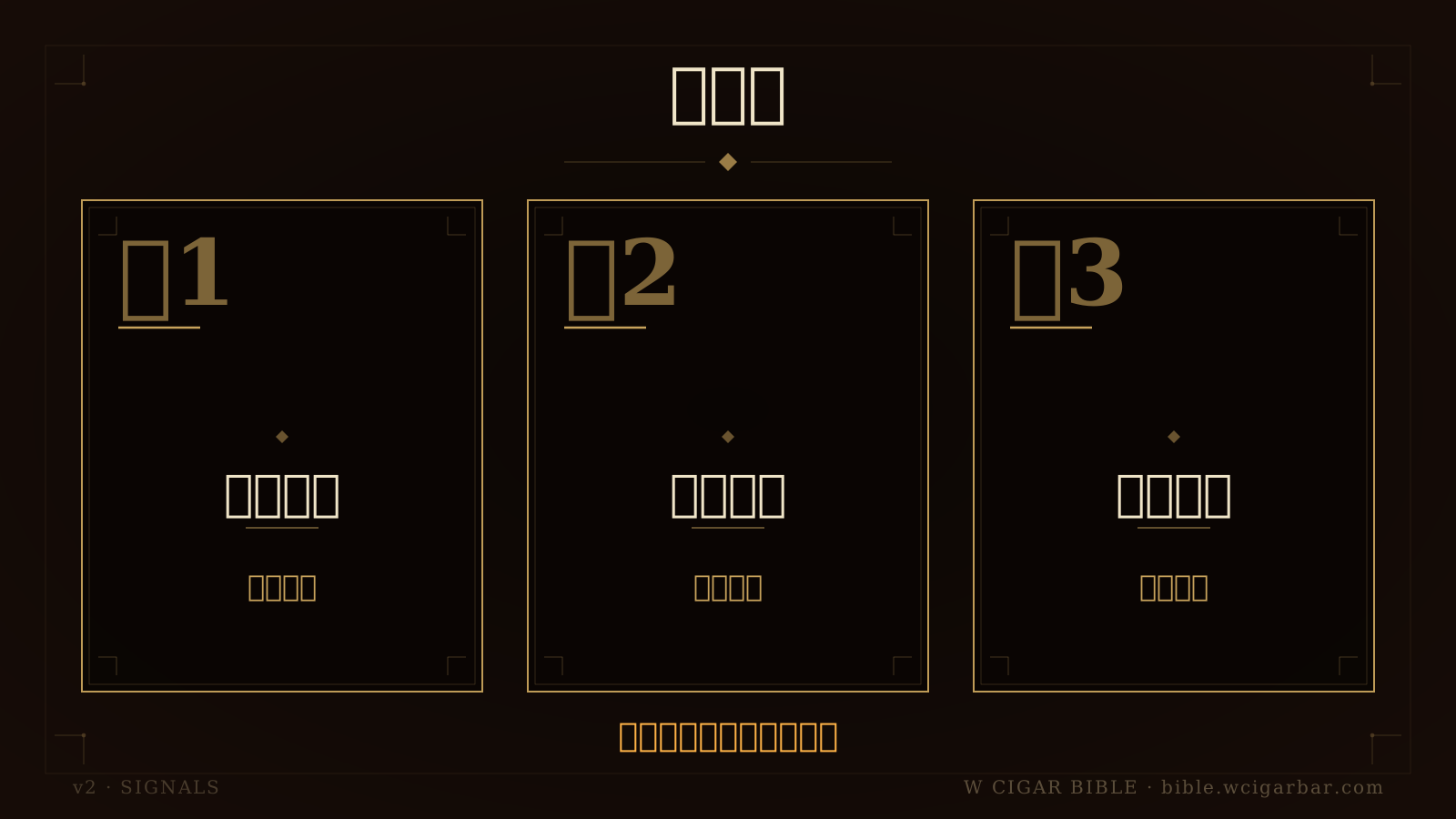
三張卡提醒硬套符號名言照收與急修斜燒
Anxiety, Control, and Burn Line: The Psychological Signals Seasoned Enthusiasts Most Easily Overlook
Anxiety often disguises itself as taste. Some constantly adjust hygrometers, some check the burn line every 30 seconds, and some immediately relight at the slightest uneven burn, as if an imperfect burn line means the whole night is out of control. Seasoned enthusiasts are especially prone to this micro-control because the more knowledge they have, the more they can nitpick. Psychoanalysis would ask: Are you taking care of the cigar, or are you patching up internal unease?
Take high-profile works like Padrón 1964 Anniversary Series, Arturo Fuente OpusX, Cohiba Behike 52 as examples. Psychological pressure often comes not only from flavor but also from "am I treating it correctly." After the official launch of the Behike series in 2010, BHK 52, 54, 56 formed a strong symbol in the global seasoned enthusiast circle: it is not just a cigar but represents scarcity, judgment, and social narrative. Thus, each lighting might be hijacked by expectations.
The burn line is a great psychological lie detector: how you face unevenness often reflects how you face small losses of control in life. In fact, slight uneven burns may result from leaf structure, humidity, wind direction, holding angle, and do not need immediate correction every time. Over-correcting can increase temperature, amplifying bitterness in the later stages.
I would suggest seasoned enthusiasts adopt a "90-second rule": when noticing a burn line deviation, first rotate the cigar, letting the slow-burning end face down, and wait about 90 seconds before deciding whether to relight. This small technique is both burn management and anxiety management. Advanced skills are not just about smoking cigars beautifully but being able to tolerate them not progressing as you expect.
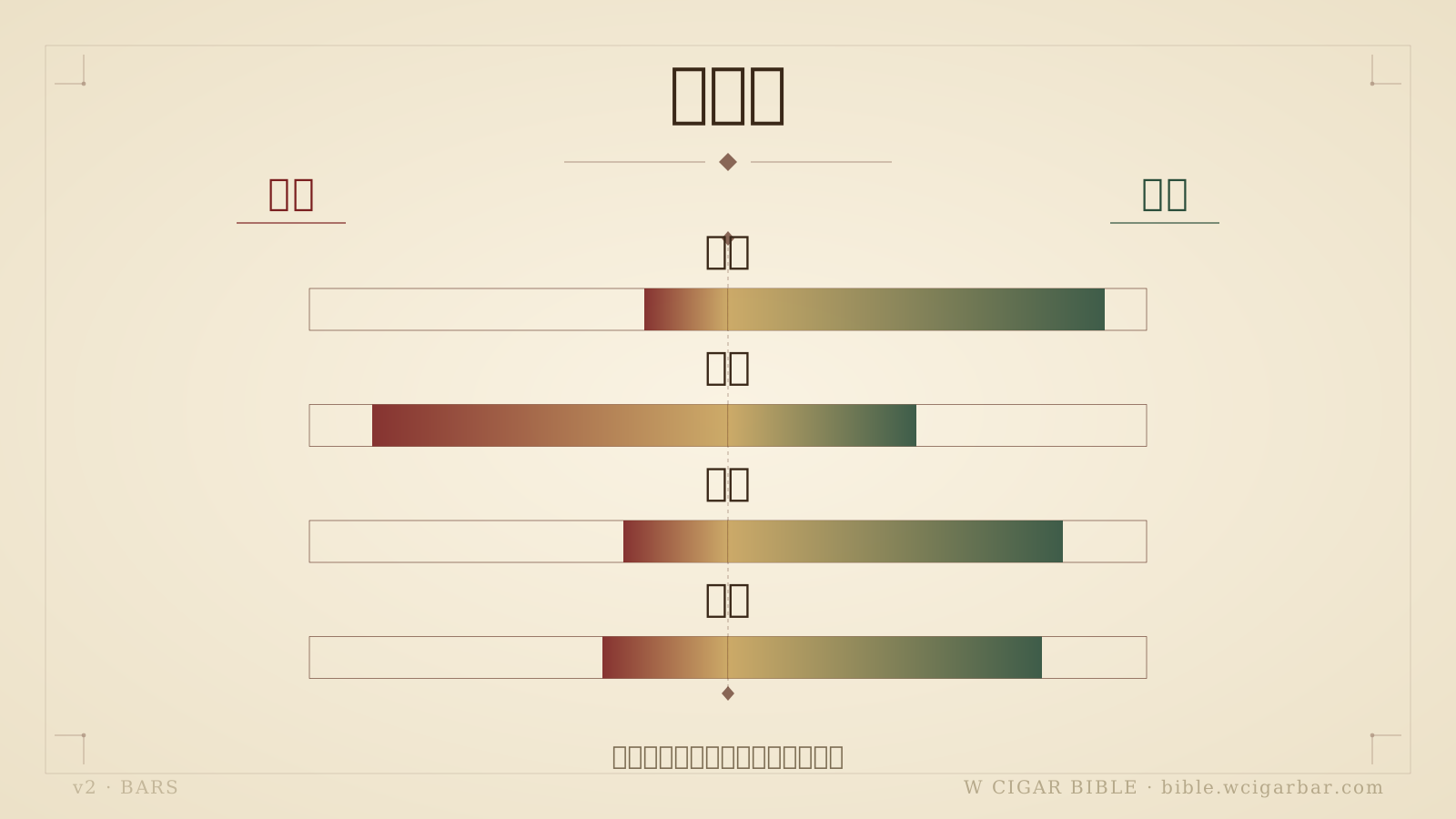
長條圖對比急促與慢觀在等待介入記錄上的差異
The Cigar Psychology of Famous Figures: Power, Humor, and Defense Mechanisms
Winston Churchill and cigars are almost inseparable. During World War II, his image holding large cigars was constantly magnified by photography, cartoons, and news, eventually becoming a visual symbol of political will. The naming of the Romeo y Julieta Churchill size also brought cigars from a private hobby into public mythology. For psychoanalysis, this is a form of "externalization of self-image": people use objects to let others see how they want to be understood.
Mark Twain represents another psychological model. His cigar image carries humor, rebellion, and self-mockery, not as power-oriented as Churchill, but more akin to a jest at social discipline. Freud is different again; his cigars were a long-term companion between the study, writing, patient narratives, and his own pain. All three smoked cigars, but their psychological functions were entirely different.
The same cigar, in different personality structures, may symbolize authority, comfort, rebellion, or contemplation. This is why seasoned enthusiasts should not only ask "what does this brand represent" but "why am I choosing it at this moment." For example, choosing Bolivar Belicosos Finos might mean seeking intensity and close combat; choosing Quai d’Orsay No.50 might mean looking for clarity, French style, and low pressure.
In organizing "Cigar Bible" data and as a PCC special distributor contacting the market, the most common phenomenon is not simply chasing fame but people building narratives for themselves. Some use Partagás to represent perseverance, some use Cohiba to mark milestones, and some use H. Upmann Sir Winston to commemorate their father. Character stories remind us that the symbolic meaning of cigars always comes from how users project their life experiences into them.
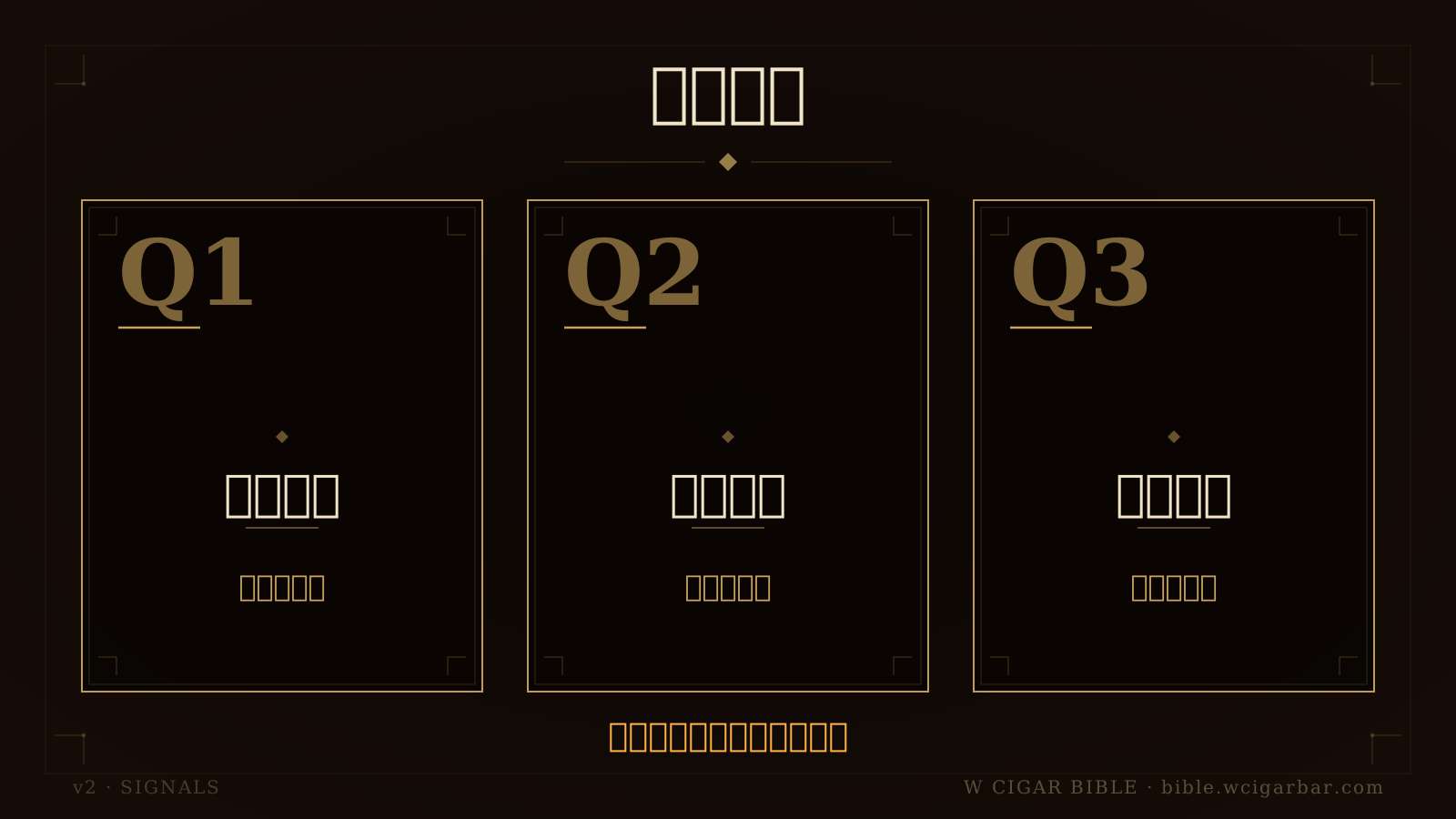
三張問答卡整理名言來源焦慮選擇與自我觀察
The Boundaries of Enjoyment: Collection, Scarcity, and Psychological Projection
After entering deep waters, seasoned enthusiasts often shift from single stick experiences to box sets, vintages, batches, and origins. The Cohiba 40 Aniversario from 2006, the H. Upmann Noellas ceramic jar from 2015, the Quai d’Orsay series reshaping in 2017, and the post-2020 changes in high-end Cuban cigar price structures all make "ownership" itself a psychological event. Scarcity affects not only price but also the intensity of desire.
Collection psychology has three layers: the first is preserving flavor, expecting more harmony after aging; the second is preserving memories, such as a birthday, wedding, or career transition; the third is preserving identity, meaning "I know how to wait and recognize." But the third layer is the most dangerous because it easily ties self-worth to inventory in the cabinet. As for collection appreciation, it does not guarantee appreciation, still depending on source preservation and market.
The most mature state of collection is letting cigars serve your time perspective, not letting scarcity dictate your self-esteem. Practically, I divide collections into three categories: daily open boxes, those that can be aged for three to five years, and those with commemorative significance that are not in a hurry to use. This prevents every box from becoming a psychological burden and avoids never finding the right moment.
- Daily Type: Like Ramon Allones Specially Selected, Partagás Serie D No.4, focusing on stability and familiarity.
- Aging Type: Like H. Upmann Sir Winston, Punch Punch, observing changes over 3, 5, 8 years.
- Commemorative Type: Like specific year limited editions or boxes corresponding to family events, focusing on stories rather than display.
Enjoyment without boundaries turns from freedom to anxiety; clear boundaries provide true aftertaste.
Frequently Asked Questions
1. Did Freud really say "sometimes a cigar is just a cigar"?
Currently, there is no reliable original document proving this phrase came from Freud himself; it is more like a humorous retort to over-interpretation in psychoanalysis. However, the phrase still holds value: it reminds us not to force every object into a single symbol. Good psychoanalysis does not mystify cigars but maintains flexibility between symbolism and reality.
2. Why do I particularly want to smoke familiar brands when anxious?
Familiar brands provide predictability. Names like Montecristo, Partagás, and Romeo y Julieta, which have long appeared in seasoned enthusiasts' memories, become psychological safety cues. When the external world is chaotic, people tend to choose familiar scents, sizes, and burning rhythms as a form of self-soothing, not just a flavor preference.
3. Can cigars aid creativity?
They do not automatically bring inspiration but may help switch rhythms. If you treat a robusto's 45 to 60 minutes as a container for sorting thoughts, it might indeed stabilize attention. The key is not to make it a prerequisite for creation; otherwise, the ritual becomes dependence.
4. How can seasoned enthusiasts avoid over-controlling burning details?
First, distinguish between "needs handling" and "just looks displeasing." Slight uneven burns can be waited on for 60 to 90 seconds to see if they self-correct; if they continue to expand, then lightly touch up the slow-burning area with a flame. Advancement is not zero defects but knowing when not to intervene.
5. What is the most common psychological mistake when collecting cigars?
The most common is equating scarcity with self-worth or imagining every box as a future legend. Collection can have commemorative, research, and aging purposes but should not become a source of stress. Remember: collection appreciation does not guarantee appreciation, still depending on source preservation and market.
6. How to use a cigar for self-observation?
You can simply record four items: mood before lighting, feelings in the front, middle, and back sections, moments most wanting to speed up or correct, and emotions left after finishing. After continuously recording 10 cigars, you will see your pattern: whether you pursue intensity, fear blankness, or need a period of uninterrupted time.
I always believe that the deepest charm of cigars is not in the smoke but in their honesty. How you choose, wait, correct, and let go often reveals more about your character than the brand itself. For seasoned enthusiasts, true advancement is not knowing more lists but being able to see your desires, anxieties, and restraint within the time of a cigar. When you no longer rush to prove anything, the aroma becomes quieter and deeper.
—Cigar Prince Wilson Tsai
Smoking is harmful to health. Under 20 years old is not allowed to smoke. Quit smoking hotline: 0800-636363. This article is for reference by adults over 20 years old regarding cigar culture, preservation, and regulations, not an advertisement, promotion, or purchase suggestion.
Like this article?Share with friends
Share this W Cigar Bible piece with friends who want to learn cigar culture, storage, and tasting.
想把這篇 化為實踐
雪茄聖經是知識;雪茄文化要在空間裡發生

W Cigar Bar 大安總店資訊
台北大安區 · 雪茄聖經總編輯 Wilson Tsai 主理的雪茄文化空間
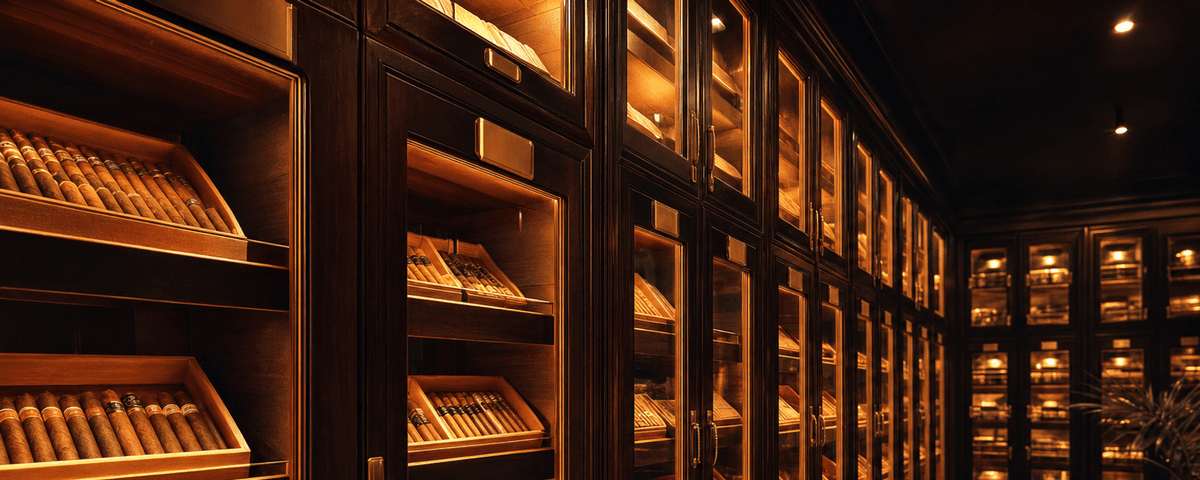
33 座 24 小時恆溫恆濕醇化室
W Cigar Bar 提供的會員醇化空間 · 場地資訊請洽編輯部

雪茄剪 / 打火機 / 雪茄盒 / Boveda
W Cigar 配件官網 · 專營雪茄配件正品
加 LINE 好友 · 文化諮詢
文化空間資訊 · 紳士沙龍 · 私人包場
本網站內容僅供雪茄文化、歷史、收藏與品吸知識研究參考。菸品有害健康、未滿法定年齡者請勿吸菸。實際規範請依所在地法律為準。
吸菸有害健康・戒菸專線 0800-636363・本站僅供 20 歲以上成年人閱覽。
讀到這裡,你不只是路過的人
留下 Email,加入 W 雪茄聖經內圈——總編輯 Wilson Tsai 親選的學院深文與國際新訊,先你一步送到信箱。
· 教育用途非銷售 · 隨時一鍵退訂 · Email 絕不對外公開 · 由勝茄股份有限公司營運
同分類延伸閱讀

資料來源:W Cigar Bible 編輯部整理 · 雪茄王子 Wilson Tsai 親自審稿
本文僅供雪茄文化、歷史、收藏與品鑑知識研究,不作為菸品促銷、銷售或購買建議。吸菸有害健康,未滿二十歲不得吸菸。