雪茄的年分與陳年價值:如何判斷雪茄的價值升降
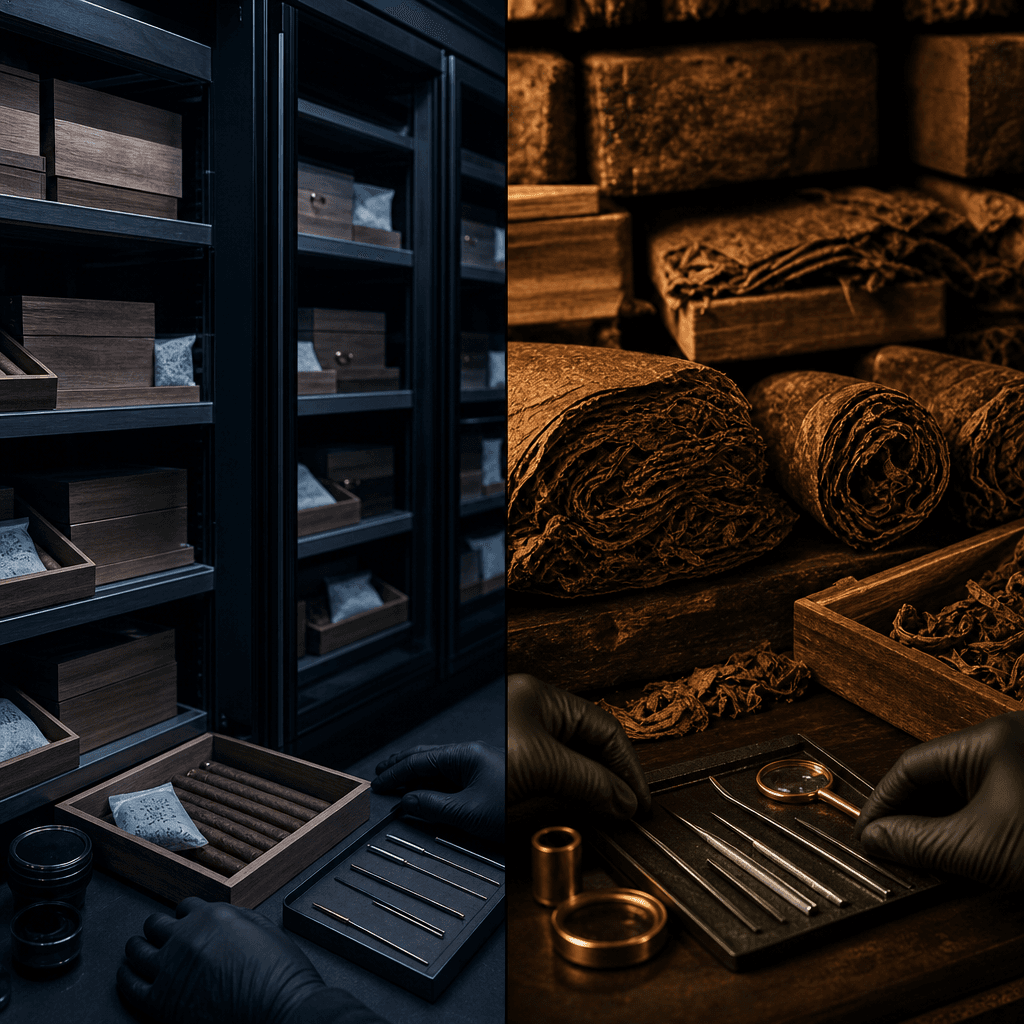
雪茄的年份不僅僅是盒底的數字,而是多重因素的綜合體。真正的收藏者應關注裝盒年、煙葉來源年與發行年之間的差異,並考量保存條件、品牌故事及市場供需。醇化過程會影響風味,適當的保存能提升雪茄的價值。市場價值則來自品牌聲望、稀缺性及完整的保存紀錄。收藏雪茄時,需重視盒碼、來源及保存狀態,避免僅憑年份做出判斷。選擇保存良好的雪茄,才能真正體現其收藏價值。
- 雪茄的年分需分清裝盒年、煙葉來源年與系列發行年,這對價值判斷至關重要。
- 醇化過程中,雪茄的風味會變得更協調,並非單純增強強度。
- 雪茄的市場價值由品牌聲望、產量、年份故事及保存狀態等多重因素共同決定。
The Vintage and Aging Value of Cigars: How to Assess the Rise and Fall of Cigar Value
Discussing the "vintage" of cigars cannot be limited to a few letters on the bottom of the box. What seasoned collectors truly care about is: What does that year represent? Is it the boxing time, the tobacco vintage, the release background, or market scarcity? The same cigar, when placed under different storage conditions and market cycles, will have its value assessed differently.
I often remind collectors that discussing the appreciation of a collection does not guarantee appreciation; it still depends on the source, preservation, and market. The vintage is just a starting point, not the answer. The real task is to place the flavor curve, box condition, source, circulation, and brand narrative on the same table for judgment.
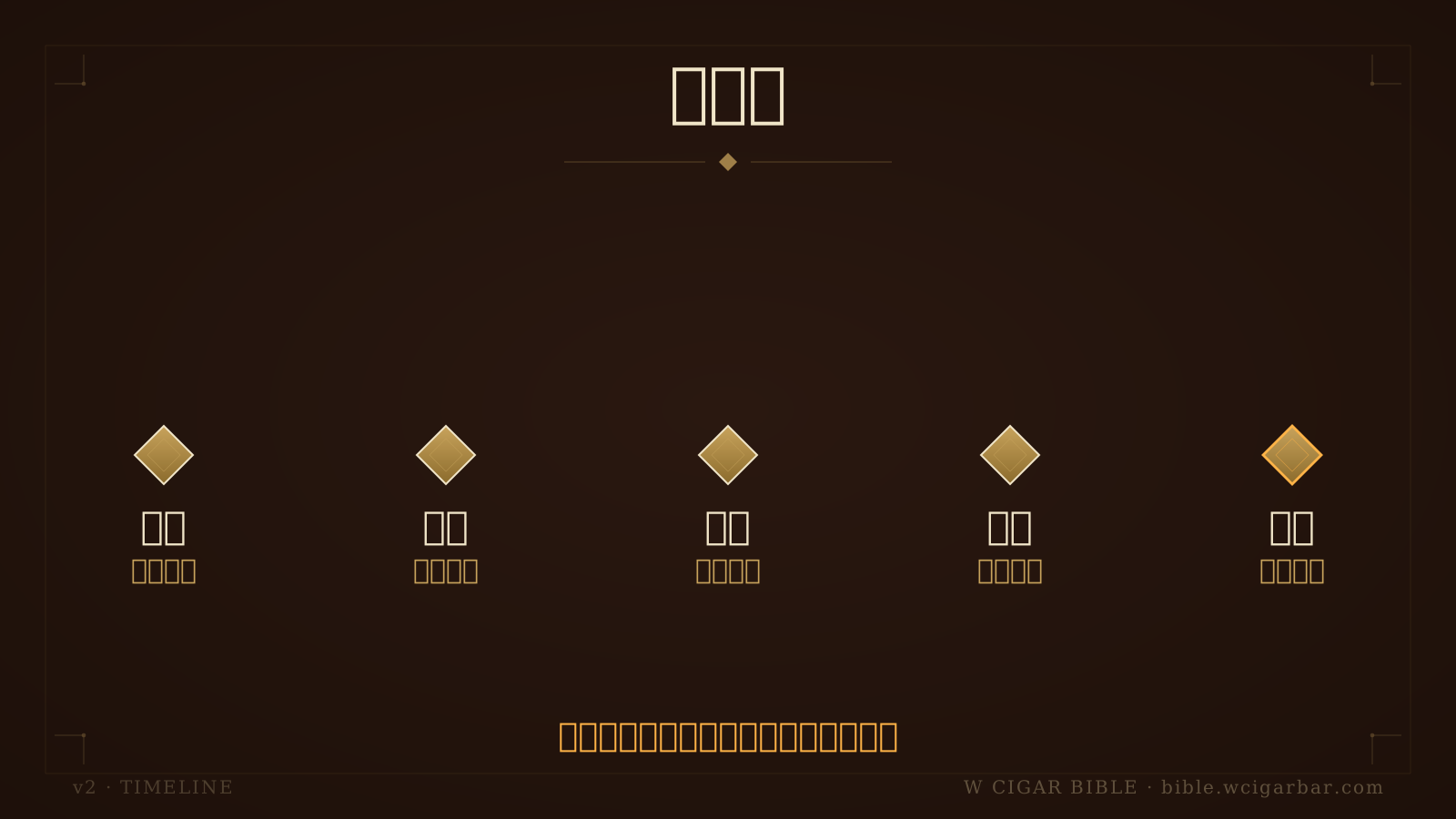
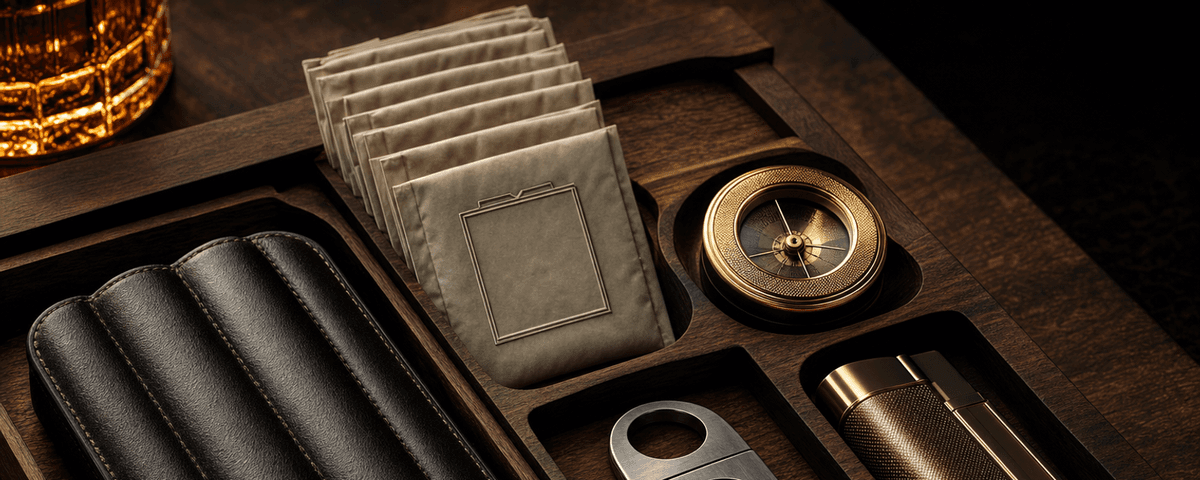
時間軸列出從分年到決定保存的五步
Vintage is Not Just a Number: Separate Boxing Year, Tobacco Year, and Release Year
Most Cuban cigar boxes have factory codes and date codes on the bottom, such as June 2019 or October 2021, indicating the time the cigars were graded, rolled, boxed, and entered the market. However, this does not equate to the tobacco harvest year. Cuban tobacco typically undergoes fermentation, grading, and storage, and it may take 2 to 5 years from the field to boxing. Premium lines or limited editions may use tobacco aged for even longer.
Non-Cuban brands often write the year more directly, such as Padrón 1964 Anniversary, Arturo Fuente Don Carlos, OpusX 20th Anniversary. Sometimes the year is a brand commemoration or series positioning, and it may not mean all the tobacco in the box comes from that year. The first step in assessing vintage value is to distinguish "boxing year," "tobacco source year," and "series release year."
Take Cohiba Behike 52 as an example. After its official launch in 2010, early batches were pursued by the market due to supply volume, topicality, and brand prestige. However, if one only sees "2010" and assumes it is necessarily better, they may overlook preservation and authenticity risks. Conversely, some well-preserved standard line Cohiba Robustos from 2014 to 2016 sometimes have more stable flavors than early Behikes that have been dampened or cracked.
Seasoned collectors view vintage not as a myth but as an index. You should ask: What was the production volume that year? Did the brand undergo revisions? Did the band change? Was there a large stockpile in the market? Did it experience high temperatures during transport? The vintage itself does not create value; the density of information behind the vintage creates judgment value.
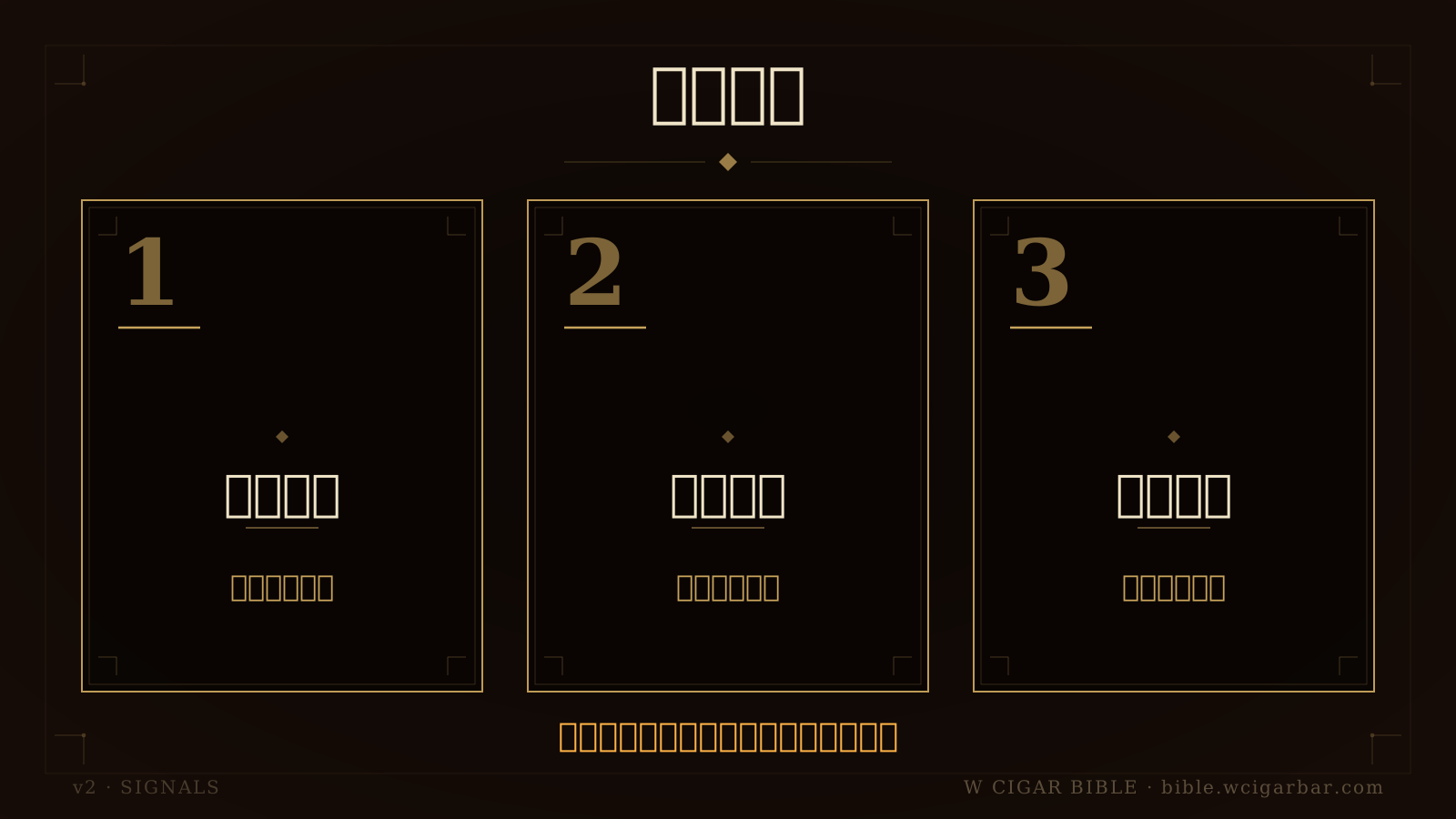
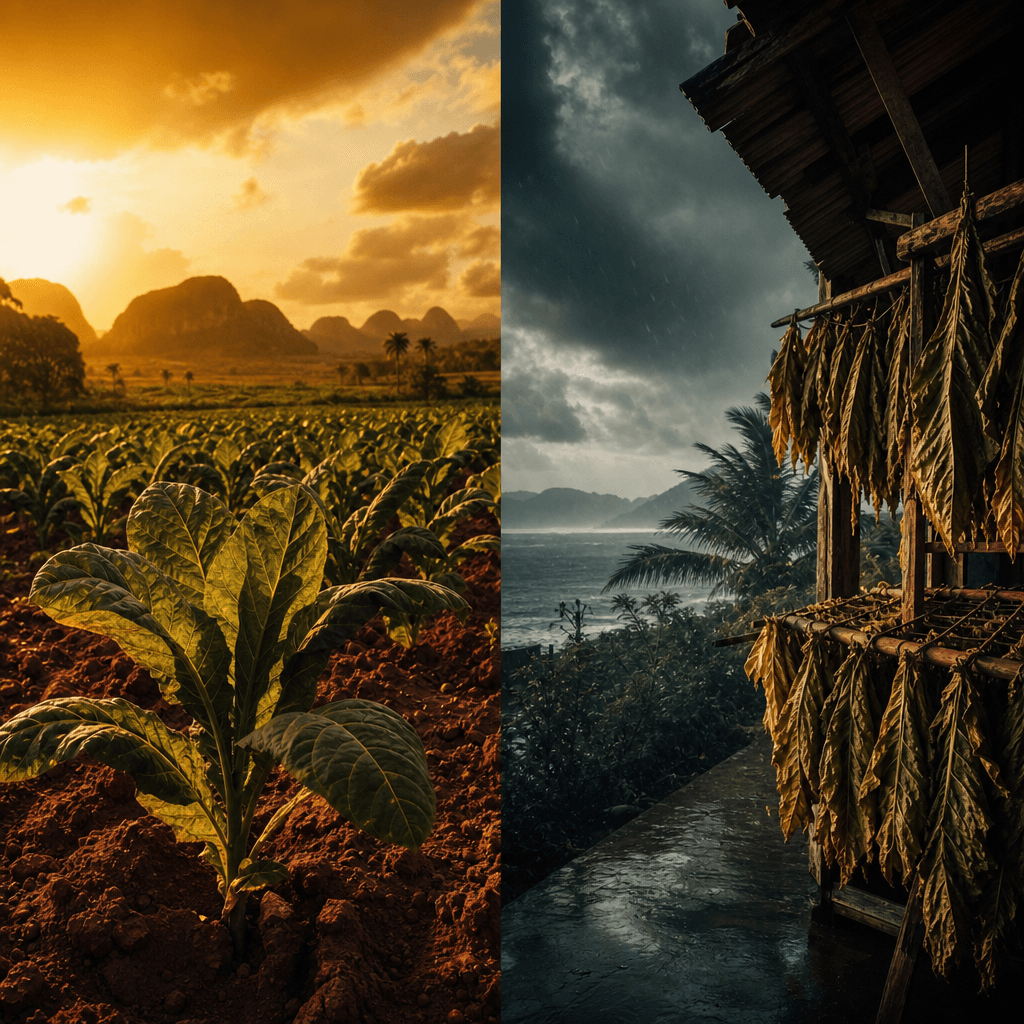
三張卡片整理年分保存與來源判讀重點
How Aging Changes Flavor: Differences at 3, 5, and 10 Years
New cigars often have a brighter, more stimulating sensation, especially Nicaraguan rich types and young Cuban concentrated styles, where the front end may have pepper, ammonia, and herbal green notes. Generally, 6 to 18 months after boxing is the stabilization period. If stored at 65% to 69% relative humidity and around 18 to 21°C, the burn and aroma will slowly integrate, and the harshness will decrease.
Around 3 years, many H. Upmann Magnum 46, Partagás Serie D No.4, Montecristo No.2 will exhibit more rounded wood, cream, nut, or leather notes. After 5 years, the changes become more evident: Cohiba Siglo VI's grass and honey may become more delicate, and Ramon Allones Specially Selected's dried fruit, cocoa, and mature wood aromas are more likely to emerge. The core of aging is not to make cigars stronger but to make the structure more harmonious.
Over 10 years enters another realm. Well-preserved cigars boxed in 2008, 2010, 2012 may have old wooden box, tea, mushroom, aged leather, and mellow sweetness notes. However, if the original body is insufficient, aging only makes it fade, or even lose its backbone. Not all cigars are suitable for long aging; those with too small a ring gauge, lighter fill, or already mild styles may only become gentle and lack complexity after 10 years.
I use the "flavor curve" to determine whether to continue aging: If a cigar still has a solid middle section, stable burn, and lingering finish in the 2nd to 3rd year, it is worth aging beyond 5 years. If it already seems flat, thin, and short in aroma by the 3rd year, there is no need to believe it will turn around in 7 more years. Good wine ages well, and so do good cigars, but the premise is that the foundation must be strong.
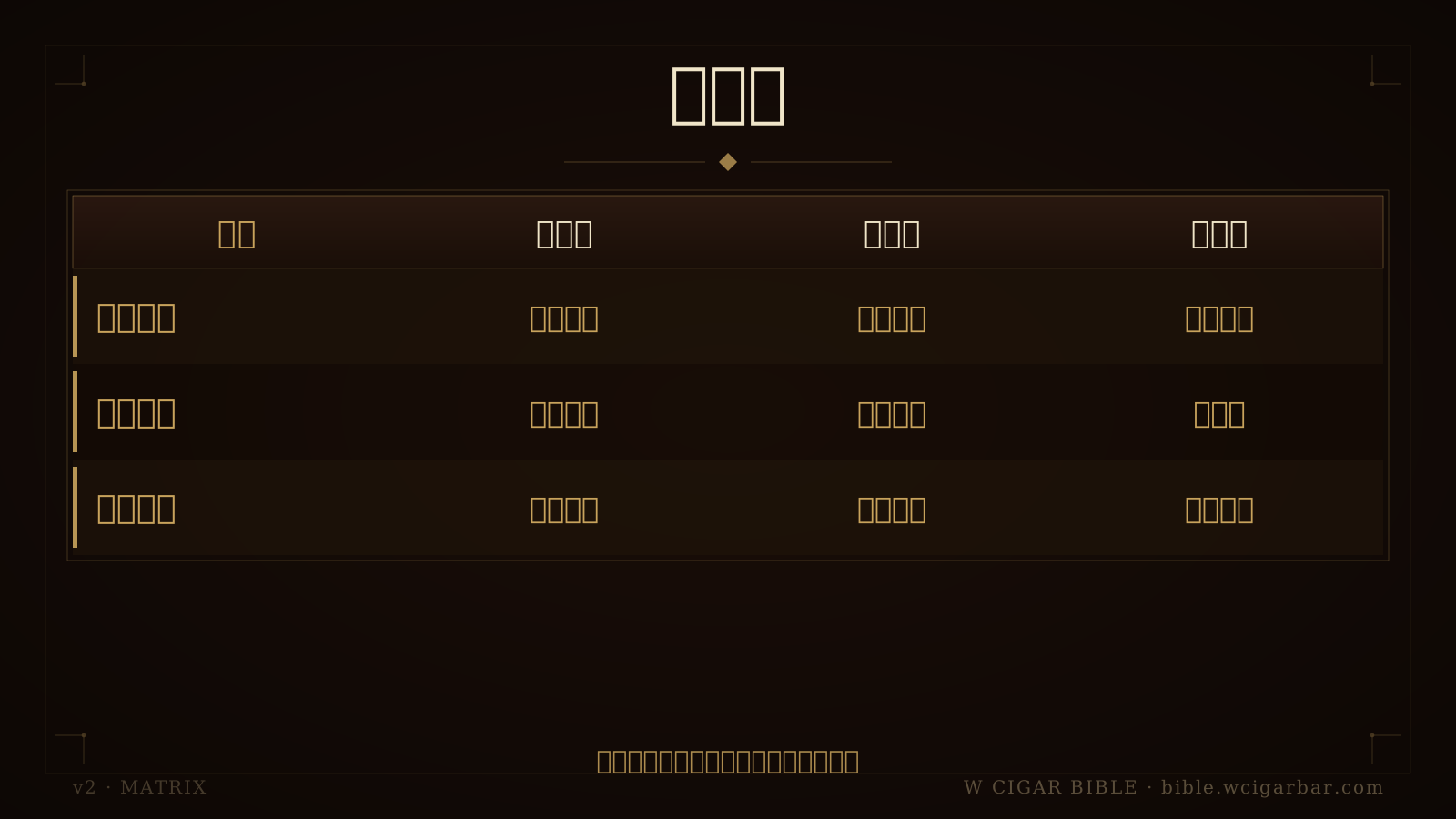
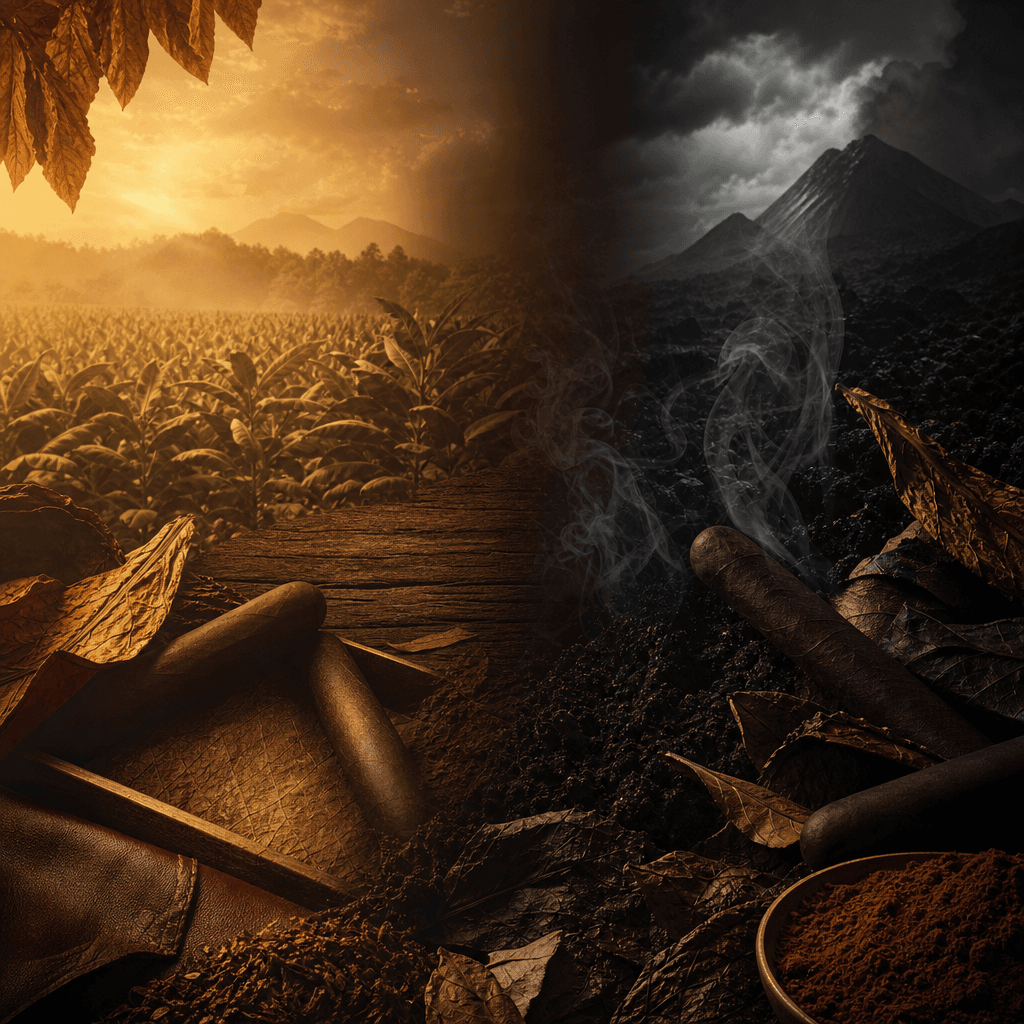
矩陣比較裝盒年葉源年與發行年的差異
Where Market Value Comes From: Scarcity, Prestige, Story, and Verifiability
The rise and fall of cigar prices are not solely determined by how good they are to smoke but by the accumulation of market consensus. Brands like Cohiba, Trinidad, Partagás, Hoyo de Monterrey, Davidoff, Fuente, Padrón all have their collector bases. When brand prestige, supply restrictions, special vintages, and complete box conditions appear simultaneously, prices may find support.
I usually break down the value source into four layers: The first is brand height, the second is production and circulation volume, the third is vintage and story, and the fourth is preservation and verifiability. Around 2017, Trinidad's attention in Asian collector circles increased, and Fundadores, La Trova, Topes were tracked due to clear brand lines and limited supply. However, if the same brand has poor box conditions and unclear sources, the price will be discounted.
| Evaluation Item | High-Score Features | Deduction Features |
|---|---|---|
| Brand Prestige | Cohiba, Trinidad, Fuente OpusX with stable collectors | Niche but lacks story support |
| Vintage Background | Early batches, commemorative editions, pre-discontinuation | Only vintage but no market consensus |
| Preservation Status | Complete original box, stable humidity, no mold spots | Damp, cracked, insect-eaten, label damaged |
| Traceable Source | Clear receipts, box codes, channels | Unknown origin, abnormal price |
| Circulation Volume | Rare in the market with stable demand | Large stock released |
The key to value rise and fall is not a single condition but multiple conditions being met simultaneously. A box of 2011 Cohiba Esplendidos, if the seal, band, box code, and humidity records are complete, has a market trust level far higher than a box with only the "old vintage" claim but cannot be traced. Seasoned collectors want to buy a chain of evidence, not a legend.
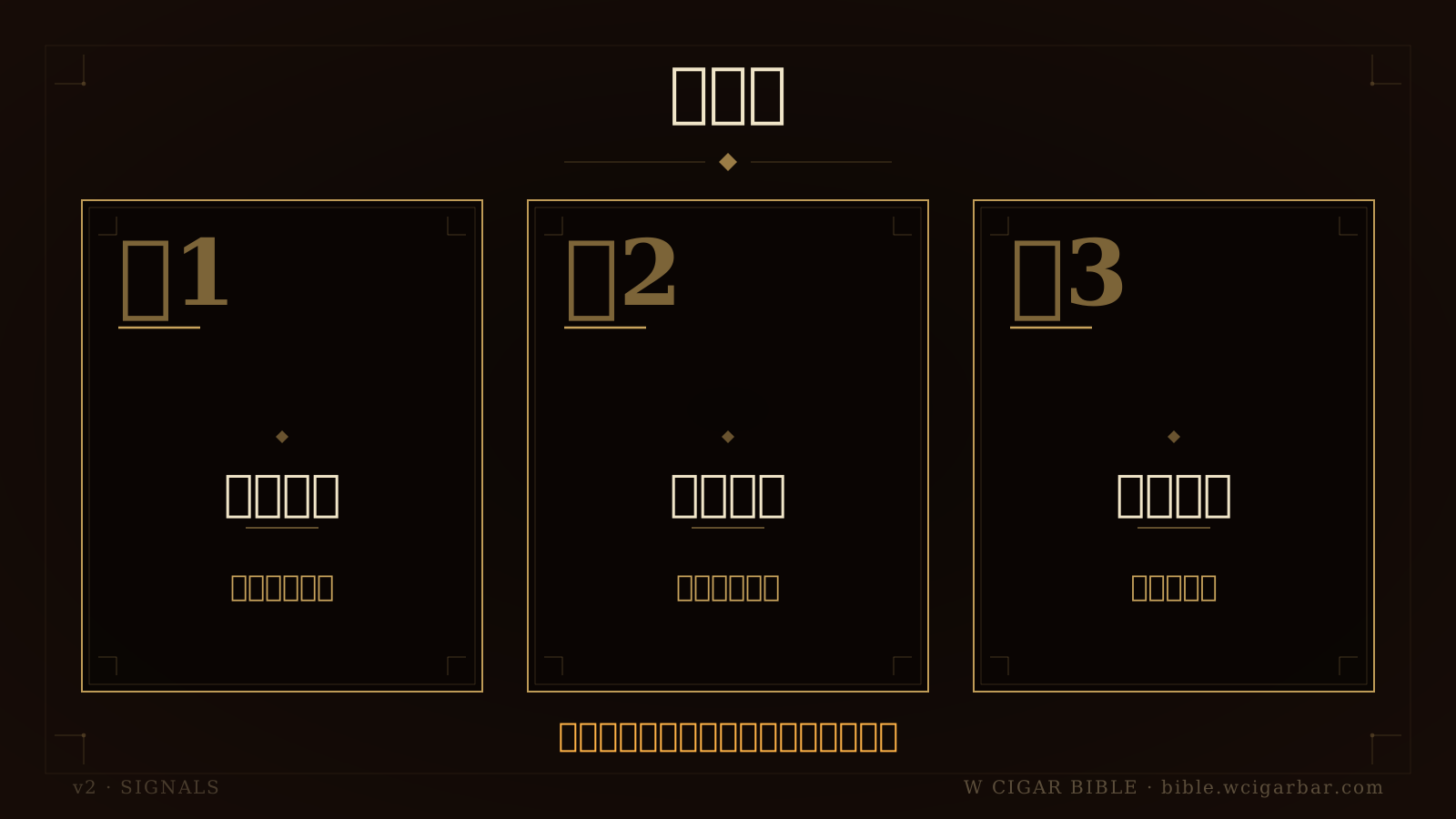
三張提醒卡列出老年份雪茄常見誤解
Box Codes, Sources, and Preservation: More Ruthless Basics Than Vintage
The date code on the bottom of Cuban cigar boxes is an important clue for determining boxing time. Anti-counterfeiting labels, bands, seals, and box printing have changed over different eras. After 2009, Cuban anti-counterfeiting labels added a barcode system, and after 2014, some brand bands were updated more significantly. If a box claims to be from 2006 but has a newer label design, it must be re-examined.
The source is equally important. In the PCC authorized dealer system, I have encountered many collector cases. Collections that can truly maintain value over the long term are often not the "oldest," but those with the most complete sources, box conditions, and preservation records. Cigars stored at over 72% humidity for a long time may become too damp, burn poorly, or develop mold spots. If below 60% for too long, the wrapper may crack, aroma may be lost, and oiliness may decrease.
When assessing an old box of cigars, I look at five things in sequence:
- Whether the box bottom code is reasonable, and whether the month and year match the brand's release history
- Whether the band, seal, and anti-counterfeiting label match the era
- Whether the cigar wrapper is oily, elastic, and undamaged
- Whether the box's aroma is clean, without mold, sour, or wooden box odors
- Whether the source can be clearly explained, and whether there are preservation records or purchase documents
Poorly preserved old cigars are just old; well-preserved old cigars may have collectible value. Many people overly worship vintage but overlook that a box of cigars may have experienced moving, power outages, summer heat, and humidity out of control over 10 years. Vintage adds to the story, but preservation keeps the content.
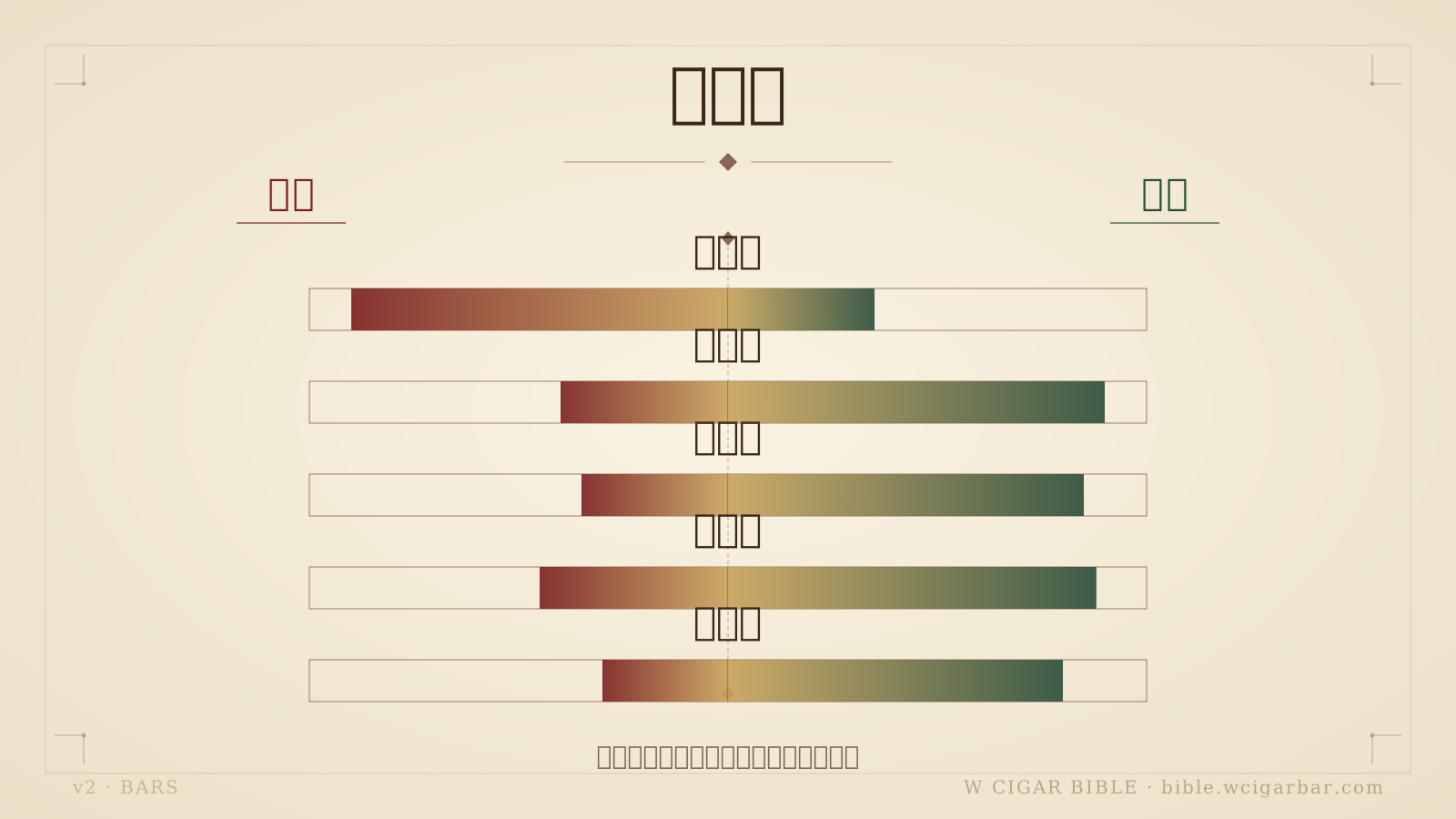
橫條圖比較新手與老手判斷年份方式
Brand Cases: Which Cigars Often Show Value Support
Cohiba remains one of the strongest value cores in the Cuban cigar market, especially Behike 52, 54, 56, Siglo VI, Robusto, Esplendidos. After Behike's official launch in 2010, due to the Medio Tiempo tobacco narrative, production limitations, and high-end positioning, it has been tracked by collectors for a long time. However, Behike is also a high-risk item for authenticity, and the more beautiful the vintage, the more details need to be checked.
Trinidad's changes are worth studying. In the past, it was more low-key than Cohiba, and Fundadores was long seen as a choice for connoisseurs. After the brand's 50th anniversary in 2019, Topes, Media Luna, La Trova gained more discussion, and demand in the Asian market increased. Well-preserved Trinidads from 2016 to 2020 often have better market liquidity than many niche limited editions.
On the non-Cuban side, Fuente OpusX, Añejo, Don Carlos Edición de Aniversario, Padrón 1926, 1964, Davidoff Year of the series also have stable collector groups. Especially Fuente OpusX, after its debut in 1995, established a landmark position for high-end rich Dominican cigars. Padrón is known for consistency and Nicaraguan tobacco aging.
Brand cases tell us: Long-term value usually comes from stable prestige, not short-term topics. Limited editions can increase attention, but if the brand foundation is insufficient, flavor evaluations are divided, and circulation transparency is low, prices may fall back after the heat subsides. What is truly worth watching long-term is whether the brand has secondary market demand, whether veteran players are willing to take over, and whether well-preserved items are rare.
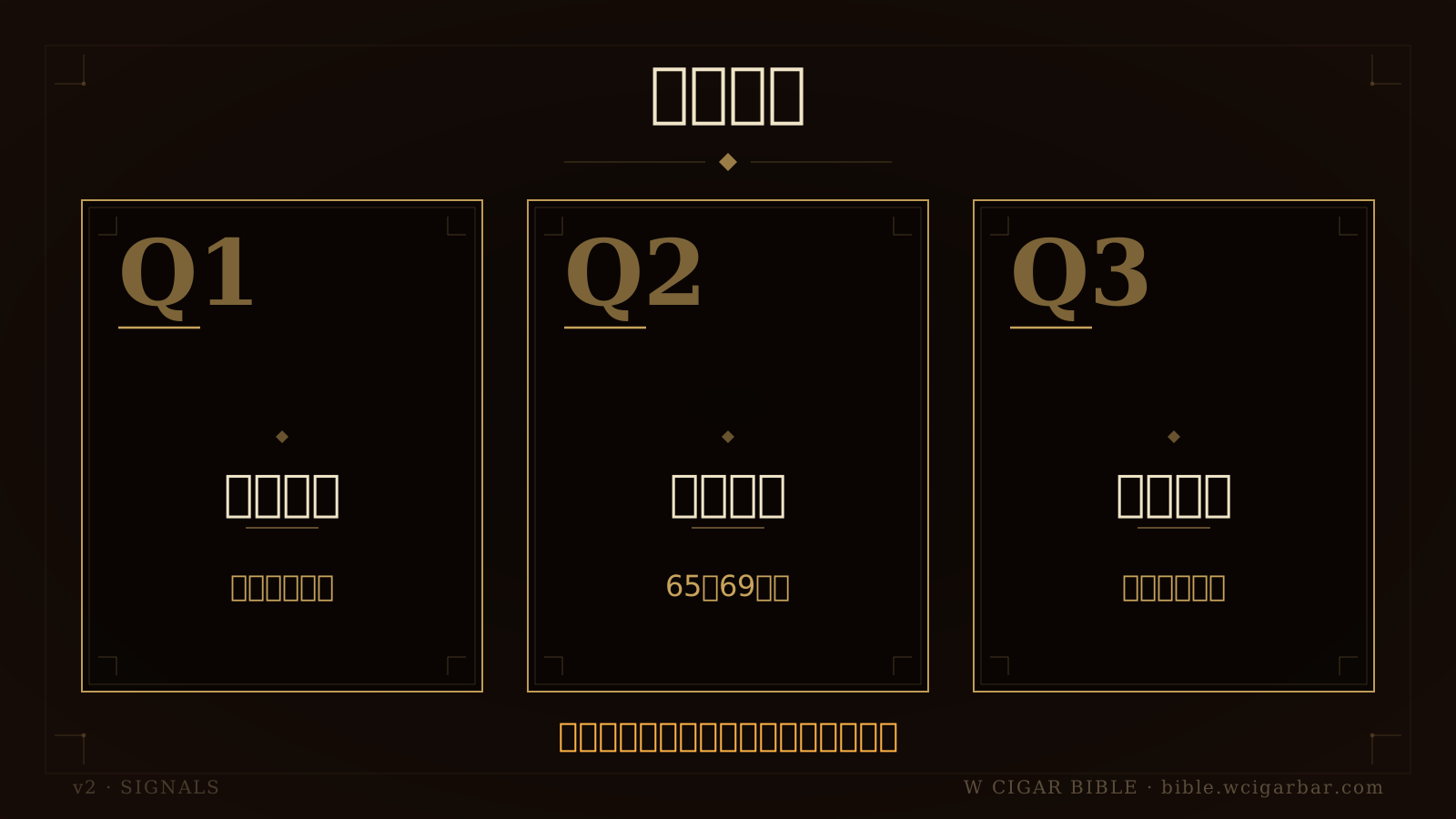
三張問答卡回答老年份保存與開盒疑問
Veteran Configuration Strategy: Enjoyable, Storable, and Sellable
If cigars are viewed as collectible assets, I do not recommend betting entirely on a single brand or vintage. A more stable approach is to divide the cellar into three layers: daily aging, core collection, and opportunity items. Daily aging can choose Partagás, H. Upmann, Romeo y Julieta, Padrón 1964, etc., to gradually enjoy after 2 to 5 years. Core collections should be placed on Cohiba, Trinidad, Fuente OpusX, and special Davidoff series.
In terms of proportion, I often advise seasoned collectors: 50% should be placed in good cigars that can be steadily consumed, 30% in core brand items, and 20% in special vintages, discontinued items, regional editions, or limited editions. The benefit of this is that even if market prices fluctuate, you still have stock to enjoy and will not turn the entire humidor into a source of pressure.
Strategically, pay attention to several nodes: brand revisions, discontinuation news, anniversary commemorations, tax changes, supply chain tightening, exchange rate fluctuations. From 2020 to 2022, global logistics and supply were affected, and high-end cigar prices rose significantly. However, after the market overheats, some non-core items may also correct. Cigar collecting requires an exit mindset: It's not just about buying in, but also knowing who will take over and when there will be liquidity.
The most practical method is to conduct an inventory check every six months, recording box codes, purchase time, storage humidity, appearance status, and actual tasting notes. If a cigar shows significant improvement after 3 years of aging, keep some for continued observation. If the flavor weakens, do not miss the best state because of "aging longer." Collecting appreciation does not guarantee appreciation; it still depends on source preservation and market.
Frequently Asked Questions
Are cigars more valuable the older they are?
Not necessarily. Old vintages with poor preservation, unclear sources, or weak market demand have limited value. Vintage can only increase discussion space, not replace preservation and authenticity. A well-conditioned 2018 core item may be more attractive than a damp 2008 niche item.
Which cigars are suitable for aging over 10 years?
Cigars with solid structure, full fill, and deep aroma are more suitable, such as Cohiba Siglo VI, Partagás Lusitanias, H. Upmann Sir Winston, Fuente OpusX, Padrón 1926. Small ring gauge, mild, or inherently short aroma items may not be suitable for long-term storage.
What should the humidity be set at?
For long-term storage, I prefer 65% to 69% relative humidity, with a temperature of about 18 to 21°C. In hotter environments, high humidity can lead to mold spots and burning issues. If too dry, the wrapper may crack, and oils and aroma may decrease. Stability is more important than extreme precision.
Does opening the box affect value?
Yes. Complete unopened original boxes usually have higher market trust, but opening the box allows for status confirmation. For truly knowledgeable collectors, an opened but clearly stated, complete, and well-preserved box may still be more reassuring than a sealed box with unknown contents.
Do regional and limited editions have more potential?
They have potential, but it cannot be generalized. Cuban Edición Limitada, Edición Regional, or brand anniversary editions often attract attention due to their stories. However, if flavor evaluations are ordinary and circulation is not low, subsequent support will weaken. It depends on the brand, vintage, production, and market acceptance.
How to avoid buying poorly conditioned old boxes?
First, look at the source, then the box code and appearance, and finally the aroma and feel. If the price is significantly lower than the market, the seller cannot explain the preservation history, and the box label details do not match the era, be cautious. The beauty of old boxes lies in time, but the risk is also hidden in time.
The charm of cigar vintage is not in boasting but in preserving the memory of time, origin, craftsmanship, and market. As the editor of "Cigar Bible," I have seen many surprises in old boxes and many disappointments misled by vintage. Truly mature collectors respect flavor and evidence; they expect value but do not blindly trust price. Take good care of cigars, and time will be on your side.
—Cigar Prince Wilson Tsai
Smoking is harmful to health. Under 20 years old is not allowed to smoke. Quit smoking hotline: 0800-636363. This article is for reference only for adults over 20 years old regarding cigar culture, preservation, and regulations, and is not an advertisement, promotion, or purchase suggestion for tobacco products.
Like this article?Share with friends
Share this W Cigar Bible piece with friends who want to learn cigar culture, storage, and tasting.
想把這篇 化為實踐
雪茄聖經是知識;雪茄文化要在空間裡發生

W Cigar Bar 大安總店資訊
台北大安區 · 雪茄聖經總編輯 Wilson Tsai 主理的雪茄文化空間
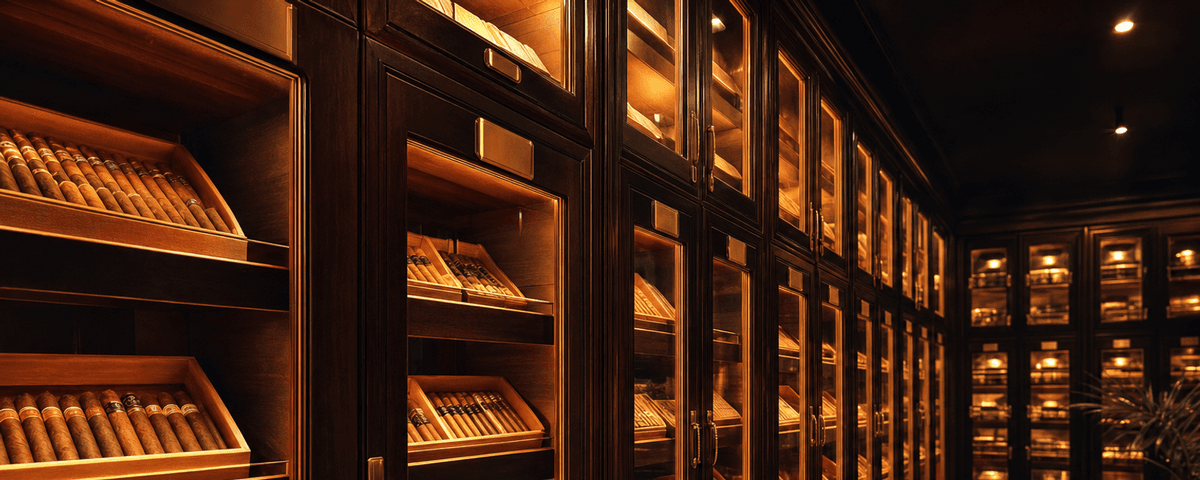
33 座 24 小時恆溫恆濕醇化室
W Cigar Bar 提供的會員醇化空間 · 場地資訊請洽編輯部
雪茄剪 / 打火機 / 雪茄盒 / Boveda
W Cigar 配件官網 · 專營雪茄配件正品
加 LINE 好友 · 文化諮詢
文化空間資訊 · 紳士沙龍 · 私人包場
本網站內容僅供雪茄文化、歷史、收藏與品吸知識研究參考。菸品有害健康、未滿法定年齡者請勿吸菸。實際規範請依所在地法律為準。
吸菸有害健康・戒菸專線 0800-636363・本站僅供 20 歲以上成年人閱覽。
讀到這裡,你不只是路過的人
留下 Email,加入 W 雪茄聖經內圈——總編輯 Wilson Tsai 親選的學院深文與國際新訊,先你一步送到信箱。
· 教育用途非銷售 · 隨時一鍵退訂 · Email 絕不對外公開 · 由勝茄股份有限公司營運
同分類延伸閱讀

資料來源:W Cigar Bible 編輯部整理 · 雪茄王子 Wilson Tsai 親自審稿
本文僅供雪茄文化、歷史、收藏與品鑑知識研究,不作為菸品促銷、銷售或購買建議。吸菸有害健康,未滿二十歲不得吸菸。