雪茄的醇化與陳年:如何影響口感和香氣的變化
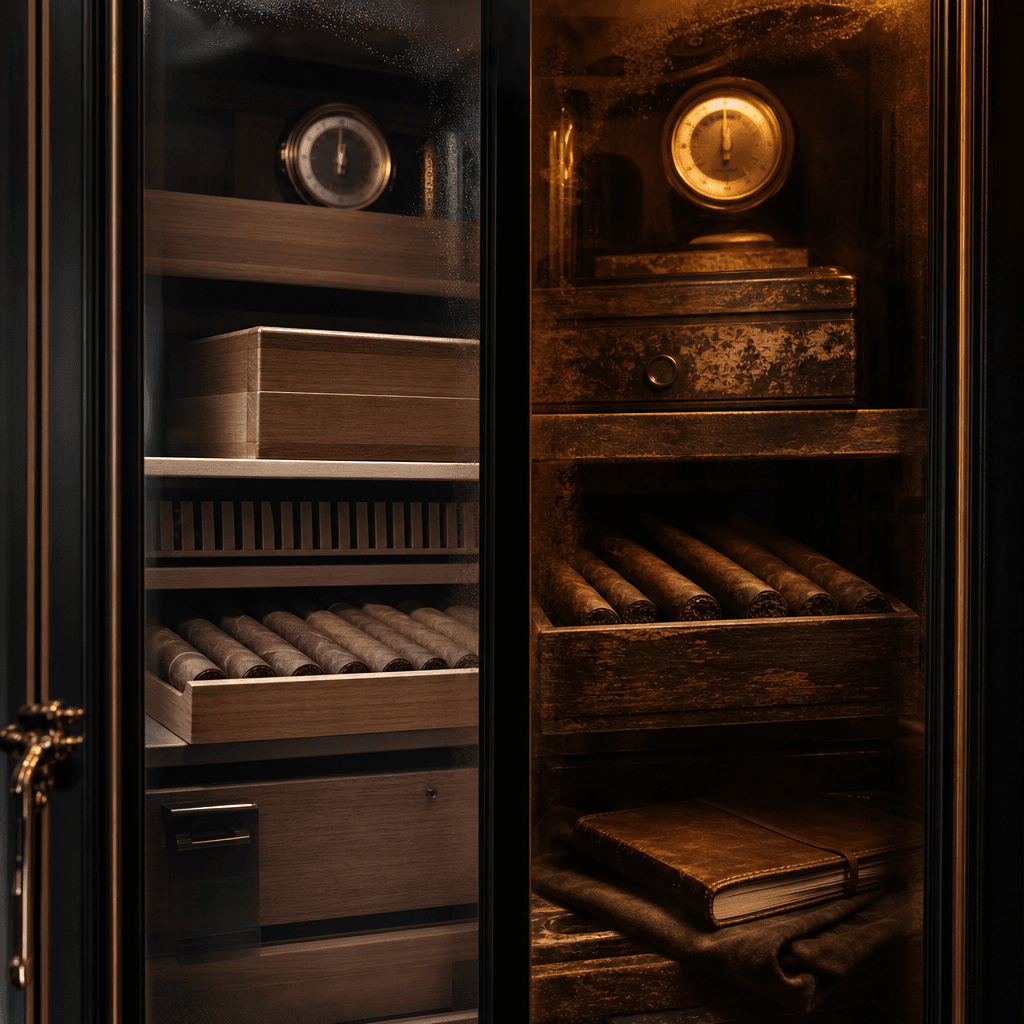
雪茄的醇化與陳年是一個複雜的過程,並非僅僅等待年份增長。真正的關鍵在於風味的轉變,包括辛辣、木質和甜感的變化。醇化的時間軸可分為活潑期、整合期和陳年觀察期,每個階段的風味特徵各異。化學變化如水分、油脂和香氣分子的重組,會影響雪茄的口感和香氣。不同品牌和尺寸的雪茄對陳年的耐受性也有所不同,結構較紮實的雪茄通常更適合長期保存。穩定的溫濕度環境是成功醇化的關鍵,避免劇烈波動。最後,透過詳細的紀錄,老手能
- 醇化的核心在於讓菸葉中的風味逐漸整合,而非單純追求年份數字。
- 新雪茄的嗆辣感來自氨與未穩定成分,醇化可降低刺激感並增加香氣層次。
- 保存雪茄時,穩定的環境比完美的濕度數字更為重要,避免劇烈波動。
Aging and Maturation of Cigars: How They Affect Flavor and Aroma Changes
Cigar aging and maturation is never as simple as putting a box in the cabinet and waiting for the years to pass. True enthusiasts pursue "flavor turning points": when the spiciness fades, when the woody notes deepen, when the sweetness emerges, and whether a cigar has surpassed its peak.
As an editor of the "Cigar Bible," the most common question I receive is not which year is the most expensive, but which state is most worth opening a box. In this article, I will discuss how aging changes flavor and aroma, from chemistry, temperature and humidity, brand cases to recording methods.
時間軸呈現雪茄從活潑整合到成熟與衰退觀察
The Timeline of Aging and Maturation: It's Not Just About Time
Cigars continue to change slowly after leaving the factory because the moisture, oils, nitrogen compounds, sugars, and volatile aromatic substances in the tobacco leaves are not yet fully stable. Take Cuban cigars as an example; the Partagás Serie D No.4 from around 2018 often has black pepper, leather, and a noticeable ammonia scent when young. By 2022 to 2024, the sharpness decreases, and the woody, cocoa, and dried fruit notes become clearer.
The core of aging is not to pursue the number of years but to gradually integrate the sharp and scattered flavors in the tobacco leaves. Generally, I divide the time into three stages: 0 to 2 years after production is the active period, 3 to 7 years is the integration period, and beyond 8 years is the true aging observation period. Of course, this is not an absolute formula; it also depends on the strength of the tobacco leaves, size, storage environment, and box condition.
For example, if a Cohiba Siglo VI from 2014 is stored stably, it often develops layers of honey, cream, hay, and cedar after 10 years; however, some cigars with lighter structures may lose aroma if stored too long. Enthusiasts must learn to judge the boundary between "maturity" and "decline," or else the year becomes a superstition.
三張卡片說明醇化重點包含轉折環境與盒況紀錄
Chemical Changes: Reorganization of Ammonia, Sugars, Oils, and Aroma Molecules
The harshness and nasal irritation often found in new cigars are mostly related to residual ammonia, alkaline substances, and unstable volatile components. Although the tobacco leaves undergo high-temperature stacking during fermentation, the wrapper, binder, and filler still need to reach a balance within the same cigar after rolling. This process is slow, usually measured in months or years, not weeks.
During aging, moisture redistributes among the tobacco leaf fibers, the oxidation rate of oils slows down, and some sharp aromatic substances gradually volatilize or transform. The residual reactions of sugars and amino acids make roasted, nutty, caramel, coffee, and cocoa notes more noticeable. The characteristic of a mature cigar is reduced sharpness but increased aroma width and aftertaste length.
I once compared Montecristo No.2 boxes from 2016 and 2021. The former had distinct coffee, earth, almond, and dried orange peel in the middle section; the latter leaned more towards black pepper, wet wood, and mineral notes. It's not about which is better or worse, but about different chemical states. If enthusiasts can break down flavors into sour, sweet, bitter, spicy, salty, fatty, and aftertaste, they can more accurately grasp the changes.

矩陣比較大中短尺寸在結構峰值與風險上的差異
Brand and Size Cases: Which Cigars Are More Suitable for Aging
Not all cigars are suitable for long-term aging. Usually, models with solid filler structure, higher concentration, rich oils, and larger sizes have better endurance. For example, Trinidad Fundadores, Cohiba Behike 52, Partagás Lusitanias, and H. Upmann Sir Winston are often observed for changes over 8 to 15 years by enthusiasts.
Conversely, cigars with small ring gauges, short sizes, or those that follow a light floral route may peak earlier. If Hoyo de Monterrey Epicure No.2 is well-preserved, it often has charming cream, woody, and light honey notes in 5 to 8 years; however, if stored for over 12 years, some boxes may show loose aroma and hollow final sections. Whether a cigar is suitable for aging depends on its structure, oils, and fermentation depth, not just brand reputation.
Non-Cuban cigars also have distinct cases. After 3 to 5 years, Padrón 1964 Anniversary becomes rounder with chocolate, coffee, and nut notes; if Arturo Fuente Don Carlos is controlled at 65% to 67% RH, the spice and woody notes become more elegant; Davidoff Nicaragua often transitions from spicy to creamy and toasted grain within 2 to 4 years. The more familiar you are with a brand's young state, the better you can judge its aging potential.
三張錯誤提醒卡指出久放升濕與白點判斷問題
Temperature and Humidity Settings: Stability Is More Important Than Perfect Numbers
The biggest fear in cigar storage is drastic fluctuations. Many people are fixated on whether to use 65% or 69% RH, but the key is to avoid daily fluctuations of more than 5%. In my experience, long-term storage of Cuban cigars generally falls between 65% to 67% RH and 18°C to 21°C; for oilier, more robust non-Cuban cigars, 66% to 69% RH can also be adjusted as needed.
Aging requires a stable microenvironment, not frequent number adjustments. High temperatures accelerate oil oxidation and pest risks, while high humidity may cause dull aroma and hinder combustion; low humidity may speed up combustion but cause the wrapper to crack and the taste to dry out. Here is my commonly used storage judgment table:
| Storage Goal | Recommended Relative Humidity | Recommended Temperature | Suitable Scenario | Flavor Tendency |
|---|---|---|---|---|
| Short-term 1 to 3 months | 67% to 69% | 18°C to 22°C | Preparing to open soon | More open aroma, stable combustion |
| Mid-term 1 to 5 years | 65% to 67% | 18°C to 21°C | Most box collections | Clear structure, reduced sharpness |
| Long-term over 5 years | 63% to 66% | 16°C to 20°C | High-value or vintage boxes | Slower changes, finer flavors |
| Travel 1 to 2 weeks | 65% to 69% | Avoid high temperatures | Protecting single cigars | Focus on stability |
For long-term observation, I prefer slightly lower humidity and a slow pace rather than high humidity for quick maturation. Especially for certain Cuban boxes from 2008, 2011, and 2014, if stored above 70% RH for a long time, they often have dull, sour, and skewed combustion issues. True good storage allows cigars time to become complex, not forcing them to change quickly.
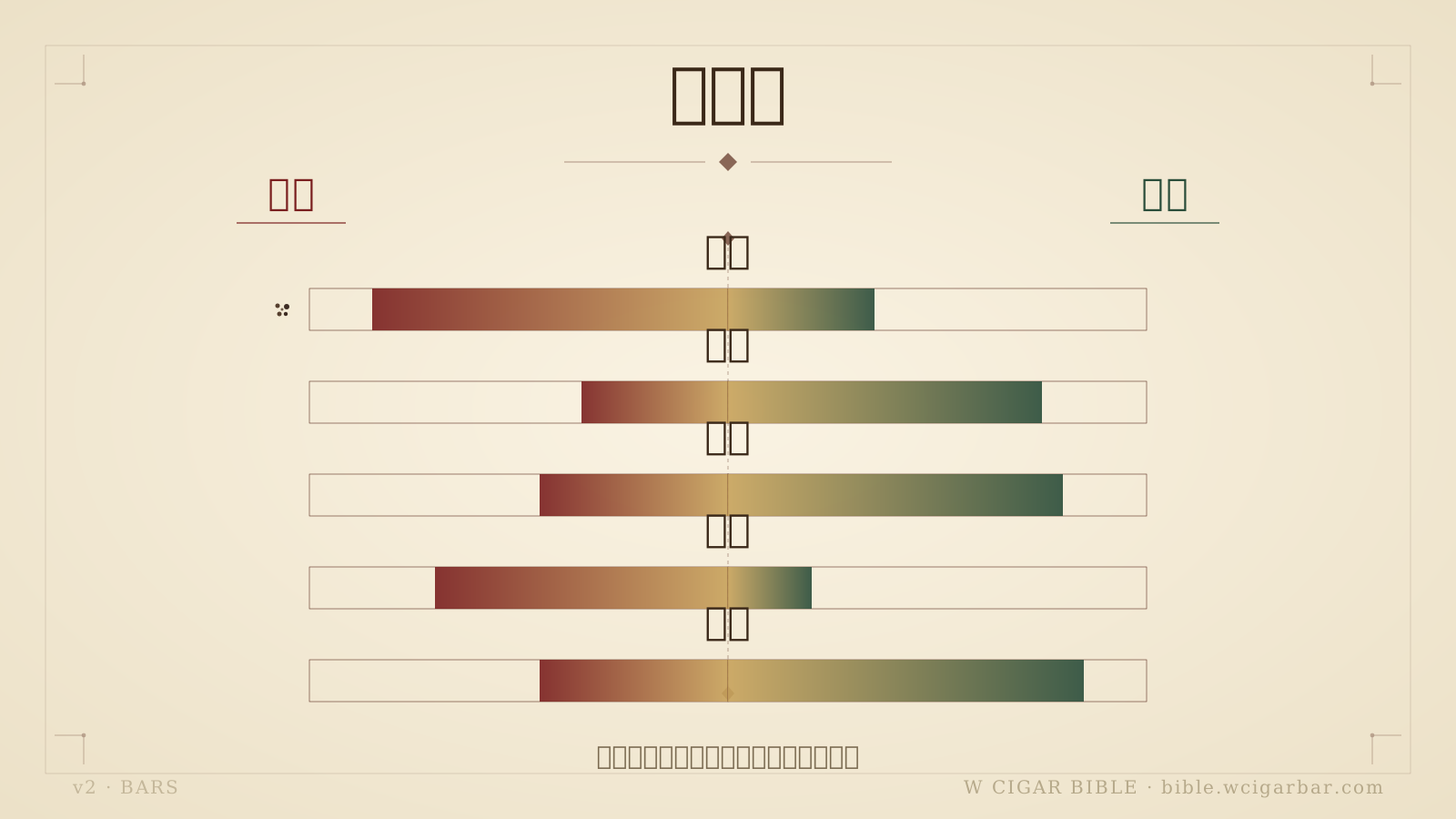
橫條圖比較年輕與成熟雪茄在辛辣甜感等軸向
Box, Single, and Isolation: Management Methods Determine Results
The results of box aging and single cigar storage are noticeably different. A whole box of cigars involves the original wooden box, paper, ribbon, cedar sheets, and the microclimate inside the box, allowing for more complete aroma exchange; single cigars placed in a large humidor are easily affected by the scents of other brands and find it harder to retain the collective characteristics of the same box. If enthusiasts pursue vintage performance, whole box storage is usually more reliable.
Do not mix all cigars together, especially high-concentration and delicate floral cigars. For example, rich types like Liga Privada and Padrón 1926, if stored long-term with H. Upmann and Por Larrañaga without separation, may overpower the latter's delicate sweet aroma. Cuban and non-Cuban cigars can also be managed in layers or separate cabinets to avoid mutual aroma constraints.
I adopt three isolation strategies:
- Store whole boxes of the same brand and year as much as possible in their original boxes, with sealed bags on the outside to reduce fluctuations.
- Classify single samples with cedar dividers, marking brand, size, box code, or purchase year.
- Isolate new cigars for 30 to 60 days to observe humidity, wormholes, mold spots, and odors.
When dealing with cigars over 10 years old, move them slowly. Do not throw them directly from a 63% RH environment into 70% RH, as the wrapper may expand and crack. If adjusting the state, I usually change only 1% to 2% RH every 2 to 3 weeks, allowing the leaves to slowly absorb and release moisture. Old cigars are not fragile; they require respect for their rhythm.
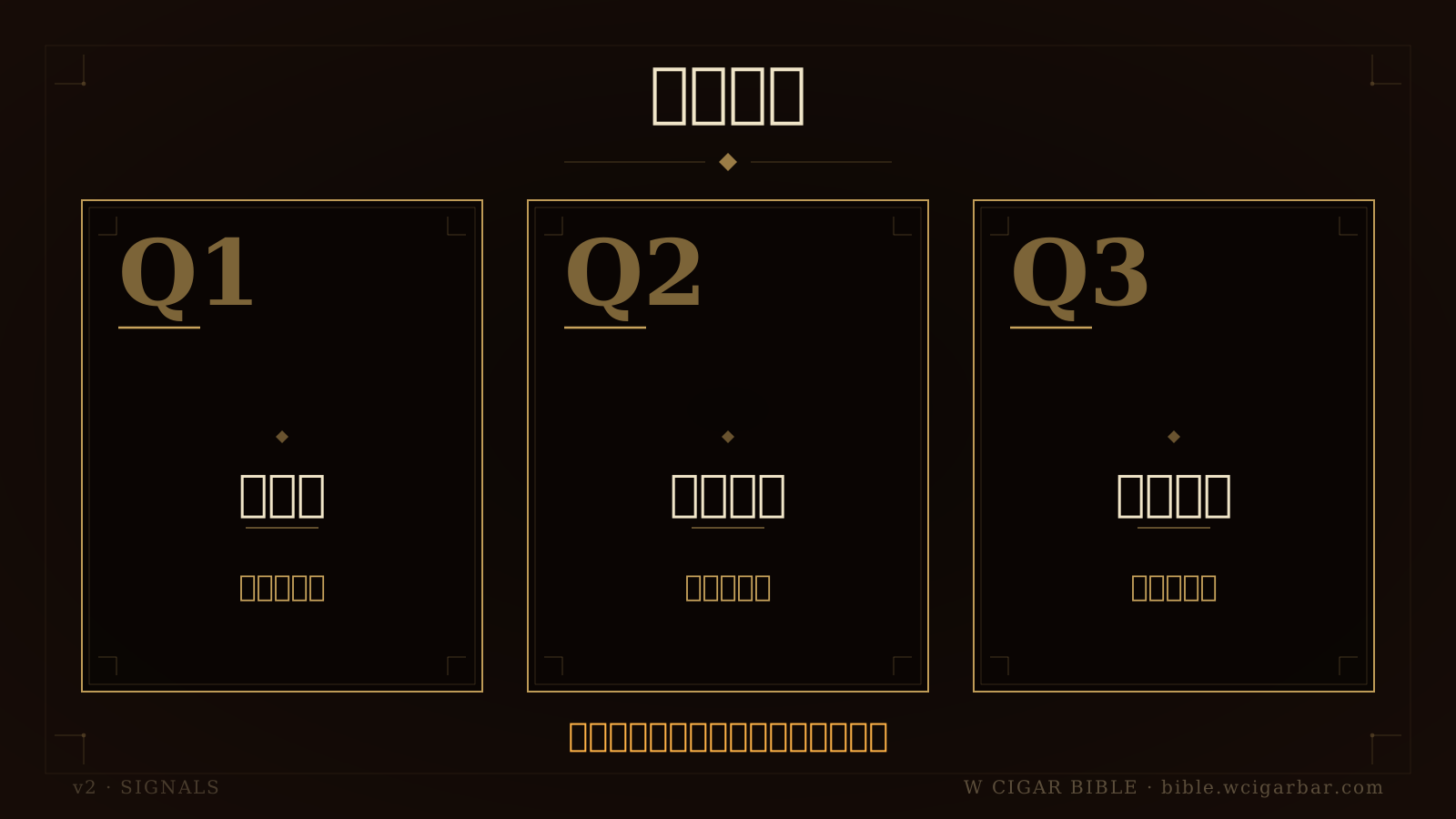
快問快答卡片整理年分白點與開盒後保存重點
Flavor Recording and Box Opening Timing: Use Data Instead of Intuition
The most common mistake enthusiasts make is judging a box of cigars' trajectory based on impressions. Today, you might find the 2017 Romeo y Julieta Churchill very sweet, and six months later, you might feel the woody notes have become heavier. Without records, it's hard to tell if the cigar has changed, the environment has changed, or your taste state has changed. I recommend noting the date, humidity, temperature, burn, draw resistance, and three-stage flavors each time you taste.
For the same box of cigars, it's best to open one every 12 to 18 months for tracking, rather than making a conclusion based on a single impression. For example, a box of 25 Punch Punch can be observed by taking one at the 3rd, 5th, 7th, and 10th years. If by the 7th year, it already shows aroma development, long aftertaste, and less sharpness, there's no need to wait until the 15th year.
When recording, I use a 100-point system, but the score is not the focus; the change curve is. It can be broken down into: whether there are herbal and sweet notes in the front section, whether there are nutty, leathery, and coffee notes in the middle section, and whether the final section is astringent or bitter. If two consecutive records show thinning aroma, hot burn, and hollow final sections, it indicates that it may have passed its peak.
Collectors sometimes also care about secondary market performance, such as the rarity of the 2003 Cohiba Reserva or the 2007 Trinidad Robusto Extra. However, collection appreciation does not guarantee appreciation; it still depends on source preservation and market. Experiencing the flavor peak is closer to the essence of cigars than just focusing on price curves.
Frequently Asked Questions
How many years does it take for a cigar to reach a good state?
Most quality cigars enter a more stable phase 3 to 5 years after production, and beyond 8 years, they need to be viewed from an aging perspective. Larger sizes of Cohiba, Trinidad, and Partagás often have longer potential; however, short sizes or light cigars may already be very good in 2 to 4 years. Don't just ask about the year; ask whether its aroma, burn, and structure are balanced now.
Are the white spots on the cigar surface oil blooms or mold?
Oil blooms are usually delicate, crystalline, can be gently wiped off, and have no odor; mold often appears as fuzz, may penetrate the wrapper or foot, and is accompanied by a damp, strange smell. If it appears deep in the foot, I handle it more cautiously. The risk of mold increases significantly when stored above 70% RH with insufficient ventilation.
Do old cigars need increased humidity to awaken?
Rapid increase is not recommended. If a 15-year-old cigar has long been at 63% RH, suddenly moving to 70% RH can cause the wrapper to crack, and the burn may become dull. A safer method is to increase by 1% RH every 2 to 3 weeks, observing for 1 to 2 months before deciding whether to adjust further.
Are glass tube cigars suitable for long-term storage?
Glass tubes can reduce environmental fluctuations but may also trap odors or excess moisture inside. For Tubos cigars from the 2000s, I regularly check the internal state and do not completely ignore them for long periods. When stored long-term, slightly unscrew or periodically ventilate, but avoid frequent large fluctuations.
Can cigars continue to age after opening the box?
Yes, but the microenvironment changes after opening, and aroma loss will be faster than unopened boxes. If a large number remains, keep the original box and cedar sheets, and place them in a stable cabinet; if only a few singles remain, it's best to mark the box opening date and gradually observe within 1 to 3 years. Opening the box is not the end, but it means the storage strategy needs to be reset.
The most fascinating aspect of cigar aging is that it never fully obeys the year table. My habit is to respect the source, respect the storage, and also respect each box's own pace. As someone who has long been in contact with cigars of different vintages within the PCC authorized dealer system, I believe more in records and patience: true maturity is not about age, but about being just right.
—Cigar Prince Wilson Tsai
Smoking is hazardous to health. Smoking is prohibited for those under twenty. Quitline: 0800-636363. This article is intended for adults over twenty as a reference for cigar culture, storage, and regulations, not as an advertisement, promotion, or purchase suggestion.
Like this article?Share with friends
Share this W Cigar Bible piece with friends who want to learn cigar culture, storage, and tasting.
想把這篇 化為實踐
雪茄聖經是知識;雪茄文化要在空間裡發生

W Cigar Bar 大安總店資訊
台北大安區 · 雪茄聖經總編輯 Wilson Tsai 主理的雪茄文化空間
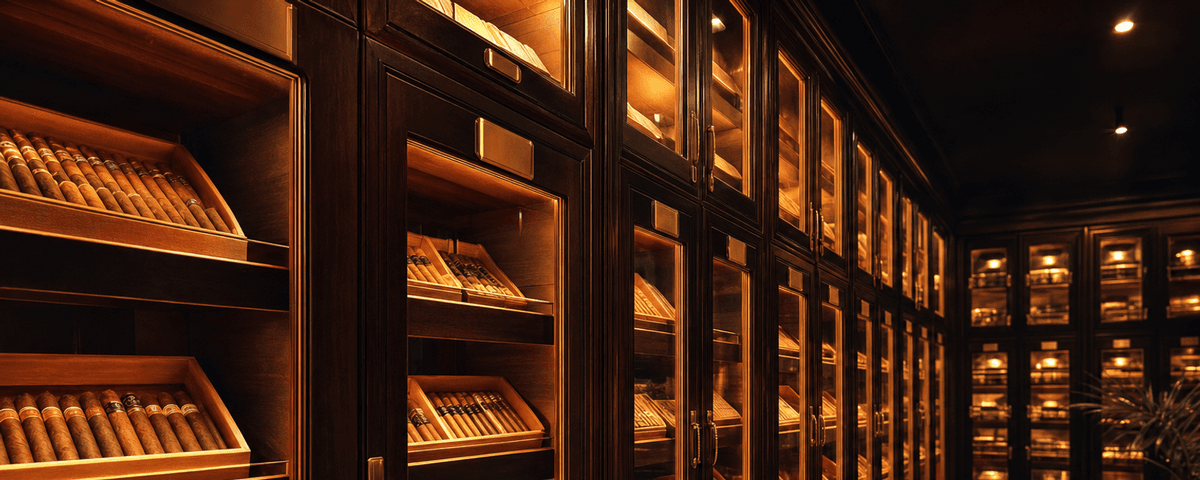
33 座 24 小時恆溫恆濕醇化室
W Cigar Bar 提供的會員醇化空間 · 場地資訊請洽編輯部
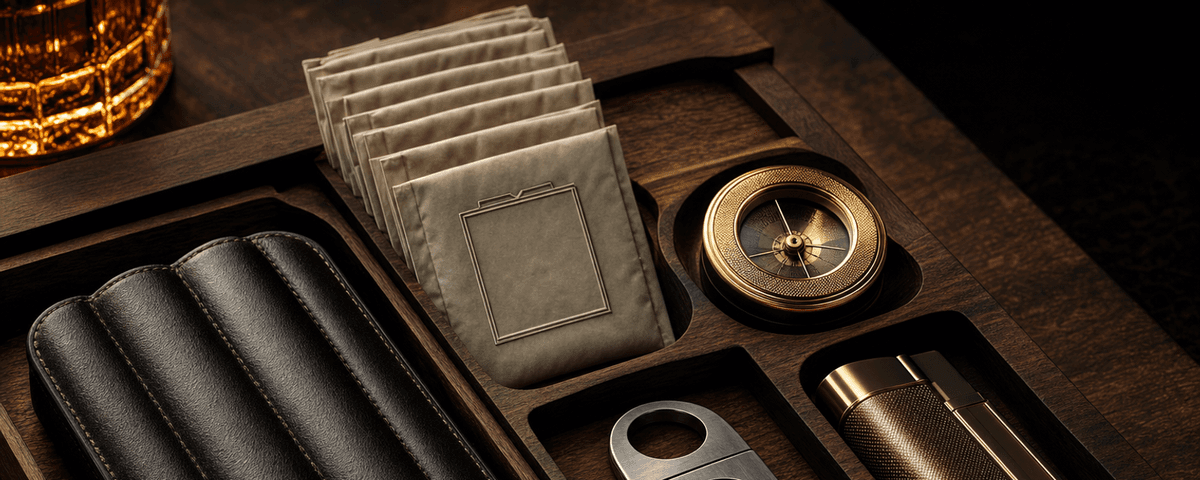
雪茄剪 / 打火機 / 雪茄盒 / Boveda
W Cigar 配件官網 · 專營雪茄配件正品
加 LINE 好友 · 文化諮詢
文化空間資訊 · 紳士沙龍 · 私人包場
本網站內容僅供雪茄文化、歷史、收藏與品吸知識研究參考。菸品有害健康、未滿法定年齡者請勿吸菸。實際規範請依所在地法律為準。
吸菸有害健康・戒菸專線 0800-636363・本站僅供 20 歲以上成年人閱覽。
讀到這裡,你不只是路過的人
留下 Email,加入 W 雪茄聖經內圈——總編輯 Wilson Tsai 親選的學院深文與國際新訊,先你一步送到信箱。
· 教育用途非銷售 · 隨時一鍵退訂 · Email 絕不對外公開 · 由勝茄股份有限公司營運
同分類延伸閱讀

資料來源:W Cigar Bible 編輯部整理 · 雪茄王子 Wilson Tsai 親自審稿
本文僅供雪茄文化、歷史、收藏與品鑑知識研究,不作為菸品促銷、銷售或購買建議。吸菸有害健康,未滿二十歲不得吸菸。