智利紅酒 Carmenère 失而復得的品種:青椒與黑莓的雙面性,搭配 Oliva Serie V Melanio

Carmenère 從波爾多古老品種到智利紅酒代表,關鍵在根瘤蚜疫後的歷史斷裂,以及 1994 年被驗明身份的轉折。本文以 Maipo Valley、Colchagua 的風土與吡嗪化學為主軸,解析青椒草本、黑莓熟果如何與 Oliva Serie V Melanio 的雪松、可可、咖啡奶油產生精準呼應。
- Carmenère 的青椒感來自吡嗪,需與成熟黑莓果調一起理解。
- Maipo Valley 偏結構清晰,Colchagua 常見熟果與香料厚度。
- Oliva Serie V Melanio 的可可雪松,能放大卡門內爾雙面性。
The Rediscovered Variety of Chilean Wine Carmenère: The Duality of Green Pepper and Blackberry, Paired with Oliva Serie V Melanio
The encounter between Carmenère and Oliva Serie V Melanio is one of the best pairings for beginners in Chilean wine to practice "flavor deconstruction." As an editor of the "Cigar Bible," I often say that a good pairing is not just about putting two delicious things together, but about whether they share a common language on the palate, in the nasal cavity, and in the aftertaste. The green pepper herbal notes, blackberry jam, and tight yet soft tannins of Carmenère perfectly match the cedar, cocoa, and coffee cream of this Nicaraguan Figurado cigar. In this article, I will not talk about lively topics but will break down the molecular clues in the glass and the smoke one by one.
Oliva Serie V Melanio (Nicaragua, Figurado, 52 × 165mm) itself has cocoa, cedar, coffee cream, mild spice, and a medium-strong cigar body, and it is not a cigar that wins by thickness alone. Its charm lies in the clean woodiness in the front, the creamy texture in the middle, and the gradually unfolding spice in the back, leaving room for interaction with the wine. Carmenère is not simply a fruity wine; its soul swings between green pepper pyrazines and mature black fruits. When these two sit at the same table, what is truly worth observing is: how the herbs converge with the wood, how the blackberry presses into the cocoa, and how the sweetness of Nicaraguan Jalapa echoes the ripe fruits of Chile.

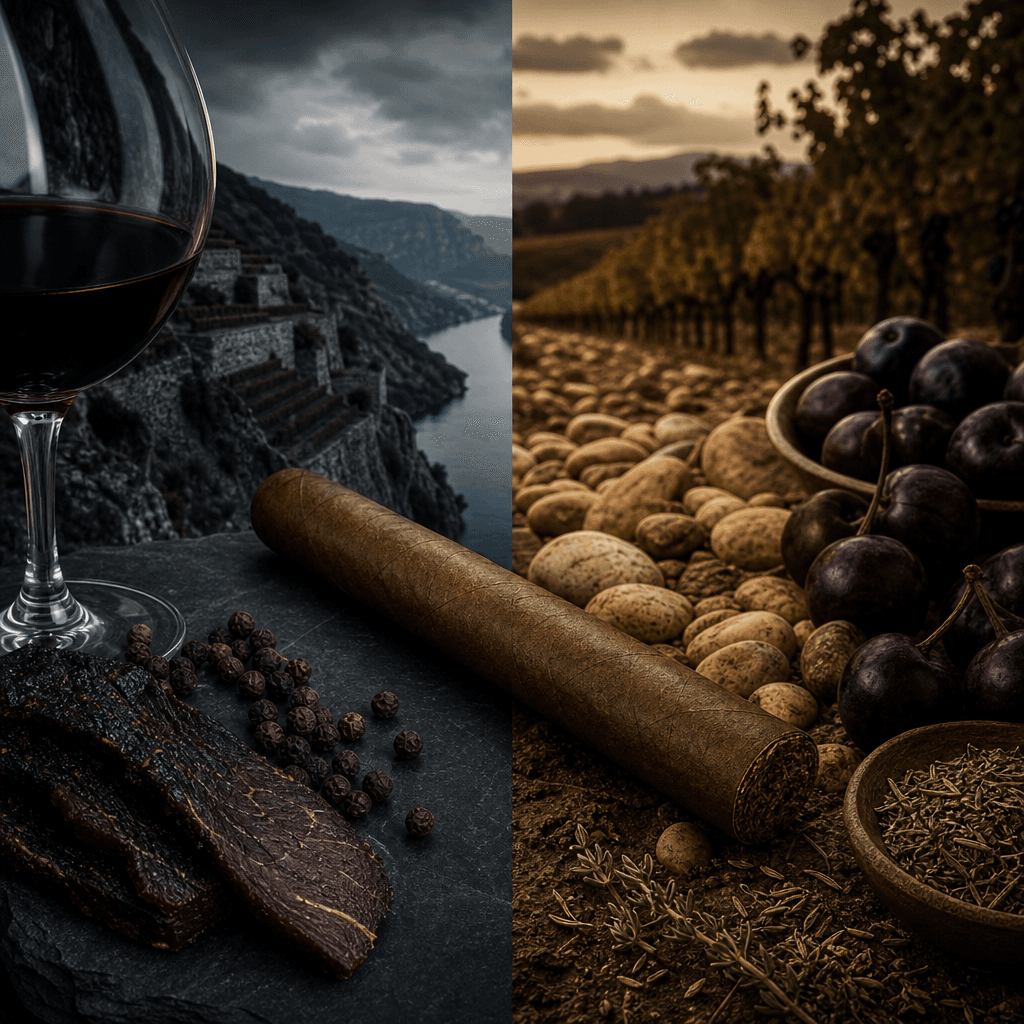
時間軸呈現卡門內爾由法國入智到重新正名
The Rediscovery of Carmenère: From Bordeaux to the Identity of Chilean Wine
Carmenère was originally an ancient red grape variety from Bordeaux, often thought to be related to the deep red hue of the French word "carmin." After the phylloxera epidemic devastated European vineyards in the 19th century, many varieties were reordered during replanting. Carmenère, due to its late ripening and unstable fruit set, gradually retreated to the margins in Bordeaux. The key for Chile was that a batch of vines had been introduced from France in the mid-19th century, earlier than the widespread destruction by the European epidemic. Therefore, this variety retained another lifeline in the South American wine landscape.
For a long time, many Carmenère in Chile were mistaken for Merlot. The reason is not hard to understand: the leaf shapes and cluster characteristics of the two are easily confused in the field, and if Carmenère is harvested later, the wine's deep color and soft fruitiness do indeed remind one of some mature Merlot. It wasn't until 1994 that French ampelographer Jean-Michel Boursiquot pointed out the anomalies of these "Merlot" in Chilean vineyards, and subsequent DNA and varietal identification confirmed Carmenère's identity. This is not just a varietal story but a turning point in the self-naming of Chilean wine.
The charm of Carmenère comes from its once-misread identity, yet it grows a clearer personality in Chilean terroir than in Bordeaux. If Cabernet Sauvignon often expresses blackcurrant and structure in Chile, Carmenère places herbs, blackberries, cocoa powder, and smooth tannins on the same table. This contradiction of being both ripe and green is the entry point for pairing with Oliva Serie V Melanio. If the cigar end is only spicy, it will overpower it; but Melanio's cedar and creamy texture can turn Carmenère's historical character into perceivable layers.

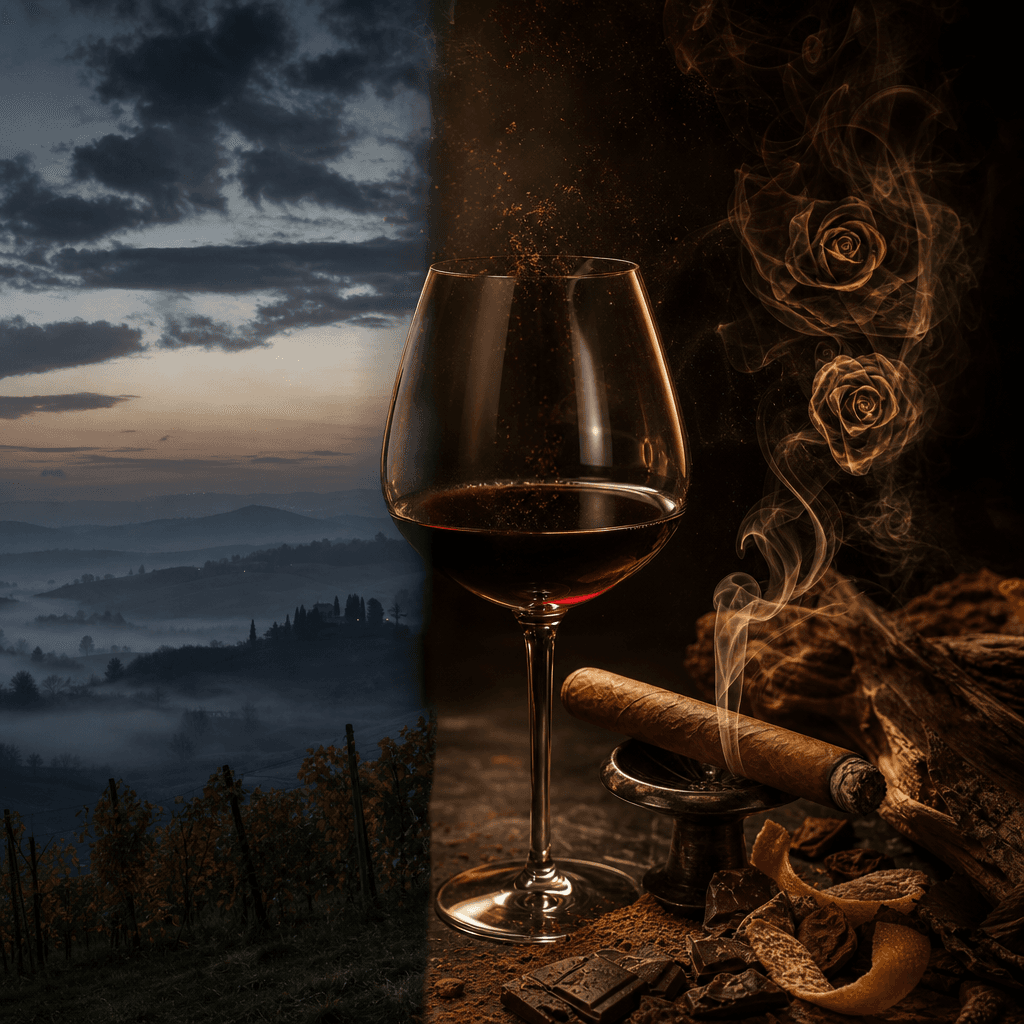
三張卡列出青椒雪松、黑莓可可與夜溫骨架
Maipo Valley and Colchagua: How the Andes Night Temperature Shapes Carmenère
When discussing Chilean wine, one cannot skip the Andes. Chilean vineyards are often influenced by the diurnal temperature variation, with enough sunlight during the day to promote sugar and phenolic maturity, and cool nights slowing respiration, preserving acidity and aromatic finesse. For a late-ripening variety like Carmenère, cool night temperatures are crucial because they allow the fruit to accumulate blackberry, black plum, and jammy notes without completely losing the herbal lines. In other words, the Andes are not just a backdrop but a tuner of the structure in the glass.
Maipo Valley is often regarded as one of Chile's important classic regions, close to the capital Santiago, with alluvial soils at the foothills of the Andes and good drainage, making it easy for red wines to present a clear framework. Maipo's Carmenère is often not the most opulent expression but has a more defined tannin profile, a core of black fruit, and a hint of dried herb. When paired with Oliva Serie V Melanio, Maipo's lines can correspond to the gradually opening woodiness and mild spice of the Figurado's front. This pairing is like drawing pencil lines first, then slowly adding cocoa color.
Colchagua, on the other hand, often gives the impression of more mature, warmer South American red wines. Especially in warmer areas, Carmenère easily exhibits blackberry jam, ripe plums, sweet spices, and cocoa powder aromas. If vineyard management is proper, the maturity will not become heavy but can form a rounded connection with Melanio's coffee cream. At this time, the green pepper note is not a sharp raw taste but like roasted sweet pepper or dried herbs, providing a refreshing closure behind the cedar.
| Regional Clues | Common Expressions of Carmenère | Key Points of Pairing with Melanio |
|---|---|---|
| Maipo Valley | Black fruit, dried herbs, clear structure | Cedar woodiness is more upright, spice is cleaner |
| Colchagua | Blackberry jam, ripe plums, sweet spices | Cocoa and coffee cream are thicker |
| Andes Foothills | Cool night temperatures, acidity retained | The finish is not easily flattened by the cigar body |
| More Mature Harvest Style | Green pepper turns to roasted pepper, fruitiness is stronger | Blackberry sweetness echoes Jalapa sweetness |
Maipo Valley gives Carmenère its framework, Colchagua gives it its flesh, and the Andes night temperatures are responsible for preserving that thin herbal nerve. Choosing which style is not about which is better but about which side of Melanio you want to illuminate. If you want to see the sharp complementarity of cedar and green pepper, Maipo's expression will be clearer. If you want to see the simultaneous deepening of blackberry and cocoa cream, Colchagua's maturity will be more direct.

矩陣比較邁坡、空加瓜與梅拉尼奧的搭配表情
Green Pepper Pyrazines and Blackberry Jam: The Dual Structure of Carmenère
The most memorable flavors of Carmenère are green pepper, green peppercorn, tomato leaf, and dried herbs. These are often related to methoxypyrazines, specifically IBMP, which is often used to explain the green pepper aroma. Pyrazines are not a flaw in themselves; the issue is concentration and balance: too high, and it will taste like unripe vegetables; just right, and it can provide a refreshing, three-dimensional, and biting green frame. This frame is the key to distinguishing Carmenère from simply ripe fruit red wines.
On the other side are blackberry, black cherry, ripe plum, blueberry jam, and cocoa powder. These sensations are related to fruit maturity, fermentation extraction, and the way of aging in oak barrels. The skin pigments of Carmenère are deep, and if over-extracted, the tannins will appear thick and dry; if handled properly, it can wrap dark fruits and a soft mouthfeel together. It is not like Pinot Noir, which relies on transparency, nor like Syrah, which focuses on peppery meatiness, but establishes its identity by placing "a slice of green pepper next to dark fruit jam."
The duality of Carmenère is not a contradiction but the tension maintained between pyrazine herbs and mature black fruits in the same glass. This is also its advantage when paired with cigars because cigar smoke inherently has multiple facets of wood, earth, baking, and spice. If the red wine is only sweet, it is easily dried out by the smoke; if only herbal, it may make the mouth feel sharp. The simultaneous presence of green pepper and blackberry in Carmenère allows Oliva Serie V Melanio to have two paths: one leading to cedar, the other to cocoa.
For beginners, I suggest first smelling the wine alone, then taking a small sip and holding it in the center of the tongue. You will first feel the black fruit, then catch green pepper or tomato leaf in the back of the nasal cavity, and finally, the tannins will stick to the gums like fine powder. Returning to the cigar, Melanio's woodiness will clean up the herbs, and the coffee cream will press the jam into a darker layer. This kind of front-to-back comparison is more effective than directly looking for "similarity."
Oliva Serie V Melanio: Figurado Lines and Nicaraguan Sweetness
Oliva Serie V Melanio (Nicaragua, Figurado, 52 × 165mm) has a very clear structure. The head and tail closure of the Figurado will make the smoke flow more concentrated in the front, often feeling cedar, mild spice, and roasted cocoa at the start. As the burning surface expands, the smoke becomes wider, and the texture of coffee cream and cocoa powder gradually emerges. The medium-strong cigar body is not just about strength; it also means it has enough density to catch the tannins and fruitiness of the red wine.
Nicaraguan cigars are often discussed for their volcanic soil, sunlight, and the combination of leaves from different regions. The leaves from the Jalapa area often carry a more delicate sweetness and gentle aroma, contrasting with the concentration and spice commonly seen in Estelí. When I observe Melanio next to Carmenère, the most noticeable thing is not the spiciness but that kind of sweet and smooth woodiness under the cocoa shell. It is not a sugary feeling but a roundness composed of roasted nuts, light cream, and coffee lipids.
Melanio suits Carmenère because it has enough cigar body but does not rudely overshadow the green pepper herbs and blackberry fruitiness. Many medium-strong cigars tend to push the tannins to bitterness in front of red wine or make the wine's acidity appear abrupt. Melanio's cocoa and coffee cream provide a buffer, and the cedar provides direction, giving the herbal notes of the wine a place to land. This pairing is not weight against weight but structure against structure.
When actually smoking, I pay special attention to whether the cedar in the front is clean. If the woodiness in the front is too sharp, Carmenère's green pepper will be magnified into a raw green taste; if the woodiness is clean, the green pepper will become a converging line like dried herbs. After the middle section, cocoa and coffee cream are more prominent, and at this time, the blackberry jam will become deeper, even with a hint of dark chocolate shell. When mild spice appears in the back, the acidity and herbs in the wine can straighten the mouth again.

三張卡說明梅洛混淆、青椒味與醒酒判斷誤解
Token × Token: The Encounter of Green Pepper, Cedar, Blackberry, and Cocoa
I often say that to speak accurately about pairing, you need to use token against token. The first group is "green pepper herbal tone × cedar woodiness complementary convergence." Carmenère's pyrazines bring green pepper, green peppercorn, and tomato leaf, while Melanio's cedar provides dry, fibrous, slightly resinous woodiness. When the two meet, the green flavor no longer floats but is absorbed into dry herbs by the woodiness, and the tannins appear more direct.
The second group is "blackberry sweetness × cocoa cream deepening together." If Carmenère's blackberry jam is drunk alone, it may appear overly sweet and ripe; when it encounters Melanio's cocoa powder and coffee cream, the fruit sweetness will sink towards dark chocolate, mocha, and dried plum. This is not about increasing sweetness but turning the bright side of the fruit aroma into a dark side. The tongue will feel a shift from a juice-like forward rush to a thickness like cocoa butter wrapping blackberry skin.
The third group is "Nicaraguan Jalapa sweetness × Chilean ripe fruit." Jalapa sweetness often carries softer wood sweetness, roasted grains, and a faint shadow of floral honey, while Chilean Carmenère's ripe fruit is blackberry, plum, and blueberry jam. When the two overlap, the fruit maturity of the wine is confirmed, and the sweetness of the cigar is not isolated in the smoke. This pairing can especially make the Carmenère style of Colchagua appear full but still retain the herbal edge.
| Flavor Token | Source | Changes After Encounter |
|---|---|---|
| Green Pepper Herbal | Carmenère Pyrazines | Pulled into dry herbs and convergence by cedar |
| Cedar Woodiness | Melanio Front | Gives the green sense in the wine more structure |
| Blackberry Jam | Mature Carmenère | Forms a dark chocolate dried fruit sensation with cocoa |
| Cocoa Cream | Melanio Middle | Buffers tannins, increases mouth roundness |
| Jalapa Sweetness | Nicaraguan Leaf Quality | Echoes Chilean ripe fruit, extends the finish |
The core of this pairing is not similarity but herbs responsible for pulling lines, fruit sweetness responsible for filling flesh, and cocoa cream responsible for stitching. If you just say "red wine and cigar pair well," it means you haven't really said what happened. The real change lies in the dry resonance of pyrazines and woodiness and the synchronous texture of fruit aroma and cocoa butter. When you can break these tokens apart, you can also deduce for yourself when switching to other South American red wines or other Nicaraguan cigars.
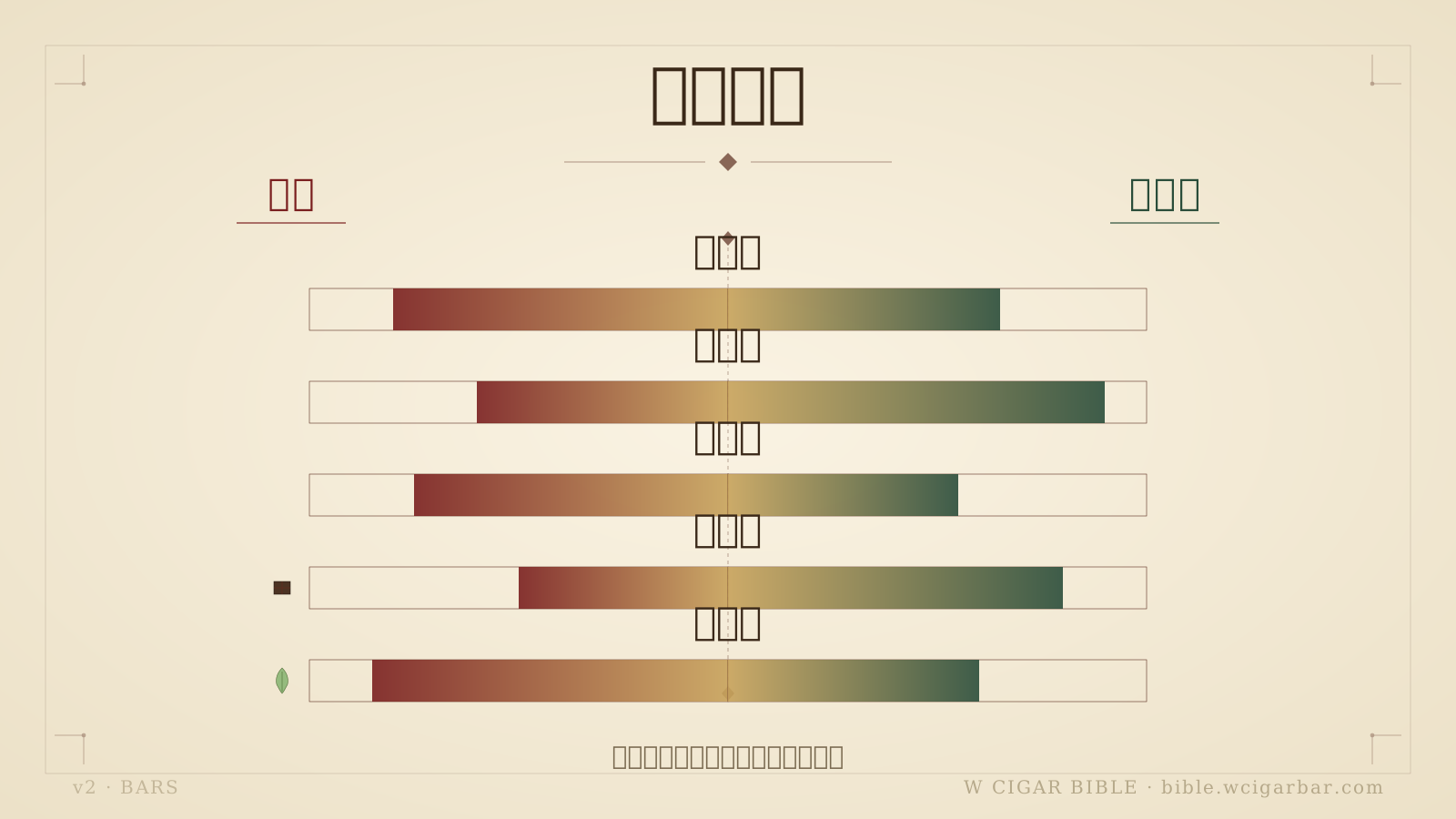
長條圖以五個軸比較邁坡與空加瓜搭配取向
Practical Tasting Rhythm: Temperature, Glass Type, Decanting, and Smoking Diameter
The drinking temperature of Carmenère should not be too high, or the alcohol sensation will easily overshadow the details of green pepper and blackberry. In the common indoor environment in Taiwan, slightly cooling it before pouring into the glass is usually more likely to reveal the structure than placing it directly on a warm table. The glass type does not need to be overly exaggerated; a medium-sized Bordeaux glass will do, with the focus on allowing herbs, black fruits, and barrel-aged aromas to unfold. If the wine has a noticeable oak aroma, letting it contact the air for a while will make the woodiness and fruitiness easier to integrate.
The purpose of decanting is not to make the wine stronger but to loosen closed aromas and make the tannins appear less rigid. Young Carmenère often has obvious black fruit and green pepper, which may stand on opposite sides when first opened; after air contact, blackberry, cocoa, sweet spices, and dried herbs will slowly converge. At this time, lighting Melanio, the front cedar can catch the already relaxed herbs instead of magnifying the green flavor. If the wine is already in a smooth state, there is no need to wait excessively.
The rhythm on the cigar end is equally important. After the Figurado opens, the smoke volume will change with the burning surface, and there is no need to rush for a large puff of smoke in the front; just let the cedar and mild spice establish the outline first. When Melanio enters the middle section, and the coffee cream and cocoa become prominent, then let Carmenère's blackberry sensation join in, which will be clearer than letting the two collide fiercely from the start. This is not a speed issue but a sequence issue.
The best rhythm for this pairing is to first let Carmenère open its herbs and black fruits, then let Melanio move from cedar to cocoa cream. During tasting, you can adopt a cycle of "one sip of wine, two or three puffs, then back to the wine," but there is no need to fix the frequency into a ritual. The focus is to observe whether the green pepper in the wine becomes cleaner and whether the blackberry becomes deeper each time you return to the glass. If the answer is yes, this pairing has already started to work.

三張問答卡回答混淆原因、青椒味與產區選擇
The Dining Table Bridge in the Context of South American Wine: From Fat to Spice
Looking at Carmenère in the context of South American wine, you will find it very suitable for handling grilled meats, stews, smoked spices, and sweet pepper dishes. This is not just because the wine body is sufficient but because the green pepper pyrazines can produce homologous echoes with vegetables, herbs, and roasted peppers. If there is fatty beef or slow-cooked meat sauce on the table, the tannins will be buffered by protein and fat, and the blackberry sensation will be softer. Then, with Melanio's cocoa and cedar, the mouth layers will extend from the food to the wine and cigar.
However, Carmenère may not be suitable for overly sweet sauces. Too much sugar will make the green pepper sensation appear abrupt and may make the cigar's back spice become dry and bitter. The ideal direction is roasting marks, herbs, black pepper, smoked paprika, rosemary, or cumin. These spices can turn Carmenère's herbs into a culinary sensation and give Melanio's mild spice a dialogue partner.
If pairing with Maipo Valley style, you can choose cleaner structure, not overly sweet grilled meats or roasted mushrooms. Maipo's tannin lines will make the cedar more distinct, and the earthy aroma of mushrooms can fill in the bass between the wine and cigar. If pairing with Colchagua style, you can lean towards roasted sweet peppers, stewed beef, and dark sauces with a hint of cocoa powder. The mature black fruits and coffee cream will form a thicker bridge here.
The principle of dining table bridging is to soften tannins with fat, connect cedar with roasting marks, and organize green pepper herbs with spices. For beginners, there is no need to pursue complex dishes; just avoid overly sweet, sour, or spicy directions to maintain the clarity of the pairing. Carmenère and Melanio already have enough content; the food only needs to be a bridge, not to steal the spotlight. This is also why I like this pairing: it teaches you how to let the flavors of the three parties yield to each other.
Frequently Asked Questions
Why are Carmenère and Merlot often confused?
The two have long coexisted in Chilean vineyards, and their appearance and the soft fruit sensation after ripening easily lead to misjudgment. The varietal identification in 1994 allowed Carmenère to be renamed, giving Chilean wine a distinct identity. Understanding this history is essential to realizing that Carmenère is not a substitute for Merlot but a variety with its own herbal and black fruit syntax.
Does the green pepper flavor of Carmenère mean it is unripe?
Not necessarily. The green pepper sensation is related to pyrazine compounds, and when the concentration is too high, it can appear harsh, but when moderate, it can provide a refreshing frame. A good Carmenère will balance green pepper, blackberry, cocoa powder, and tannins, rather than leaving only a vegetable aroma.
Which is more suitable for Oliva Serie V Melanio, Maipo Valley or Colchagua?
If you want to highlight cedar, dried herbs, and structure, Maipo Valley will be very clear. If you want to amplify blackberry jam, cocoa, and coffee cream, Colchagua is usually more direct. Both can pair, just illuminating different aspects of Melanio.
Why do blackberry sweetness and cocoa cream go well together?
Blackberry aroma provides the sweet and sour framework of dark fruits, while cocoa cream provides a lipid-like roundness and baked dark tone. When combined, the fruit flavor is not just sweet but deepens towards dark chocolate, mocha, and dried fruit. This can make the medium-strong cigar body appear more layered.
Does tasting require a long time to decant?
Not necessarily; it depends on the youthfulness of the wine, oak expression, and the tension when first opened. If the aroma is closed and the tannins are rigid, let it contact the air more; if the black fruit and herbs are already clear, there is no need to deliberately extend. Observation is more important than formula.
Is this pairing suitable for those just starting to study red wine and cigars?
It is suitable for those who already have basic tasting abilities and want to learn systematic deconstruction. Carmenère's green pepper and blackberry are easy to identify, and Melanio's cedar, cocoa, and coffee cream are also quite clear. Putting the two together allows practice from single flavor to structural understanding.
The allure of Carmenère lies not in its rediscovered legendary status but in its ability to put green pepper pyrazines and ripe black fruits into the same glass, teaching people to face contradictions. Oliva Serie V Melanio uses cedar, cocoa, and coffee cream to organize this contradiction into readable layers. As an editor of the "Cigar Bible," I regard this pairing as an advanced entry lesson: not seeking noise, but seeking reasons for every sip.
Further Reading|Complete Guide to Wine Regions: Old World and New World Flavor Maps, and Pairing Overview with Cigars|Complete Analysis of Napa Valley Wines: California Cabernet's Blackcurrant and Toasted Oak, Paired with Padrón 1964 Anniversary|Argentinian Malbec High-Altitude Violets: Mendoza Sunshine Jam Sensation, Paired with My Father Le Bijou 1922's Pepper Power
—Cigar Prince Wilson Tsai
Smoking is harmful to health. Smoking is prohibited for those under twenty. Quitline: 0800-636363. This article is intended for adults over the age of twenty as a reference for cigar culture, preservation, and regulations, not as an advertisement, promotion, or purchase suggestion for tobacco products.
Drunk driving is prohibited. Excessive drinking is harmful to health. Drinking is prohibited for those under eighteen. This article is also not an advertisement, promotion, or purchase suggestion for alcoholic beverages. Please drink responsibly.
Like this article?Share with friends
Share this W Cigar Bible piece with friends who want to learn cigar culture, storage, and tasting.
想把這篇 化為實踐
雪茄聖經是知識;雪茄文化要在空間裡發生

W Cigar Bar 大安總店資訊
台北大安區 · 雪茄聖經總編輯 Wilson Tsai 主理的雪茄文化空間
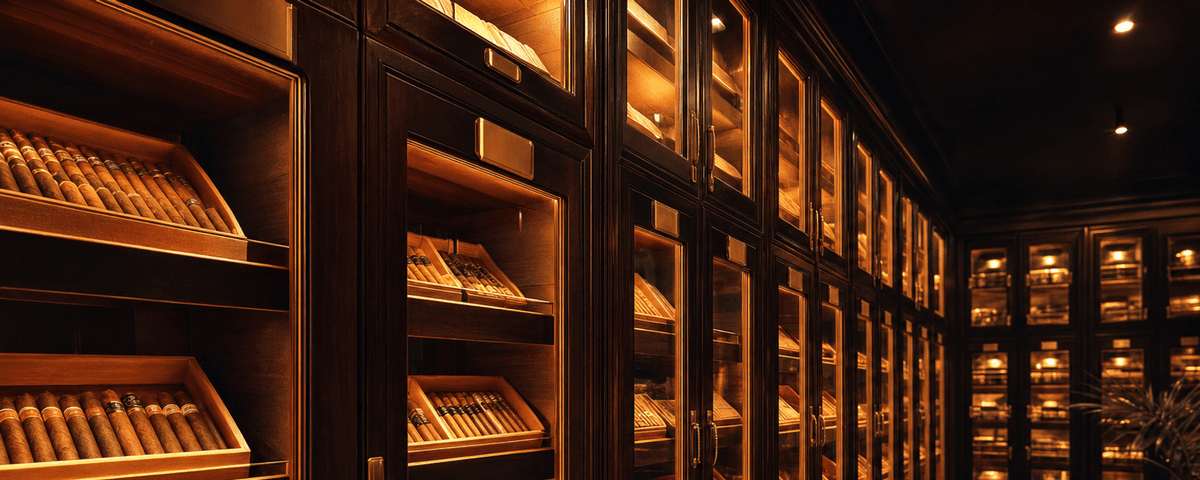
33 座 24 小時恆溫恆濕醇化室
W Cigar Bar 提供的會員醇化空間 · 場地資訊請洽編輯部
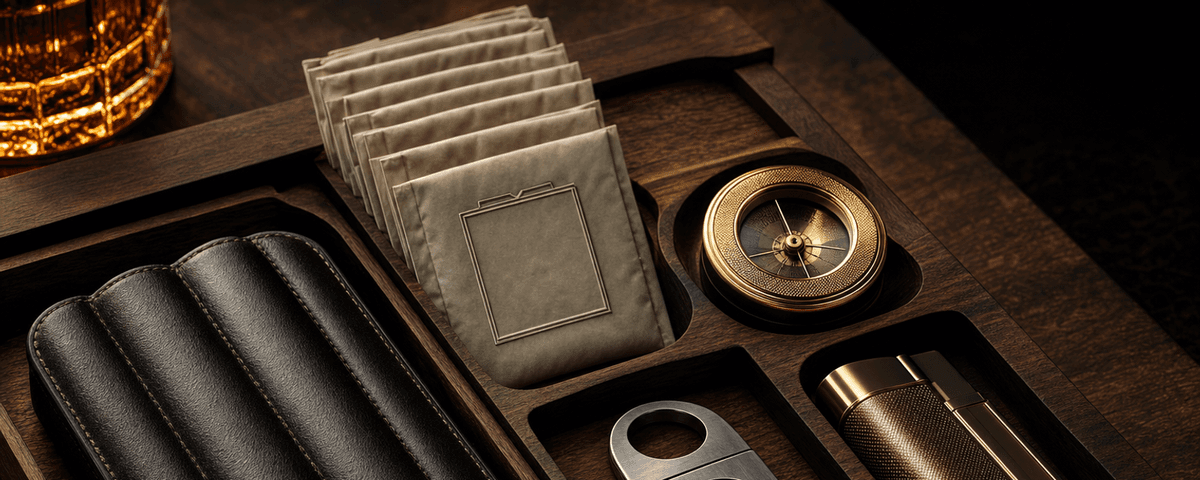
雪茄剪 / 打火機 / 雪茄盒 / Boveda
W Cigar 配件官網 · 專營雪茄配件正品
加 LINE 好友 · 文化諮詢
文化空間資訊 · 紳士沙龍 · 私人包場
本網站內容僅供雪茄文化、歷史、收藏與品吸知識研究參考。菸品有害健康、未滿法定年齡者請勿吸菸。實際規範請依所在地法律為準。
吸菸有害健康・戒菸專線 0800-636363・本站僅供 20 歲以上成年人閱覽。
讀到這裡,你不只是路過的人
留下 Email,加入 W 雪茄聖經內圈——總編輯 Wilson Tsai 親選的學院深文與國際新訊,先你一步送到信箱。
· 教育用途非銷售 · 隨時一鍵退訂 · Email 絕不對外公開 · 由勝茄股份有限公司營運
同分類延伸閱讀
資料來源:W Cigar Bible 編輯部整理 · 雪茄王子 Wilson Tsai 親自審稿
本文僅供雪茄文化、歷史、收藏與品鑑知識研究,不作為菸品促銷、銷售或購買建議。吸菸有害健康,未滿二十歲不得吸菸。