波爾多紅酒左岸完整解析:1855 分級與五大莊園的單寧結構,搭配 Cohiba Robustos 的雪松對話

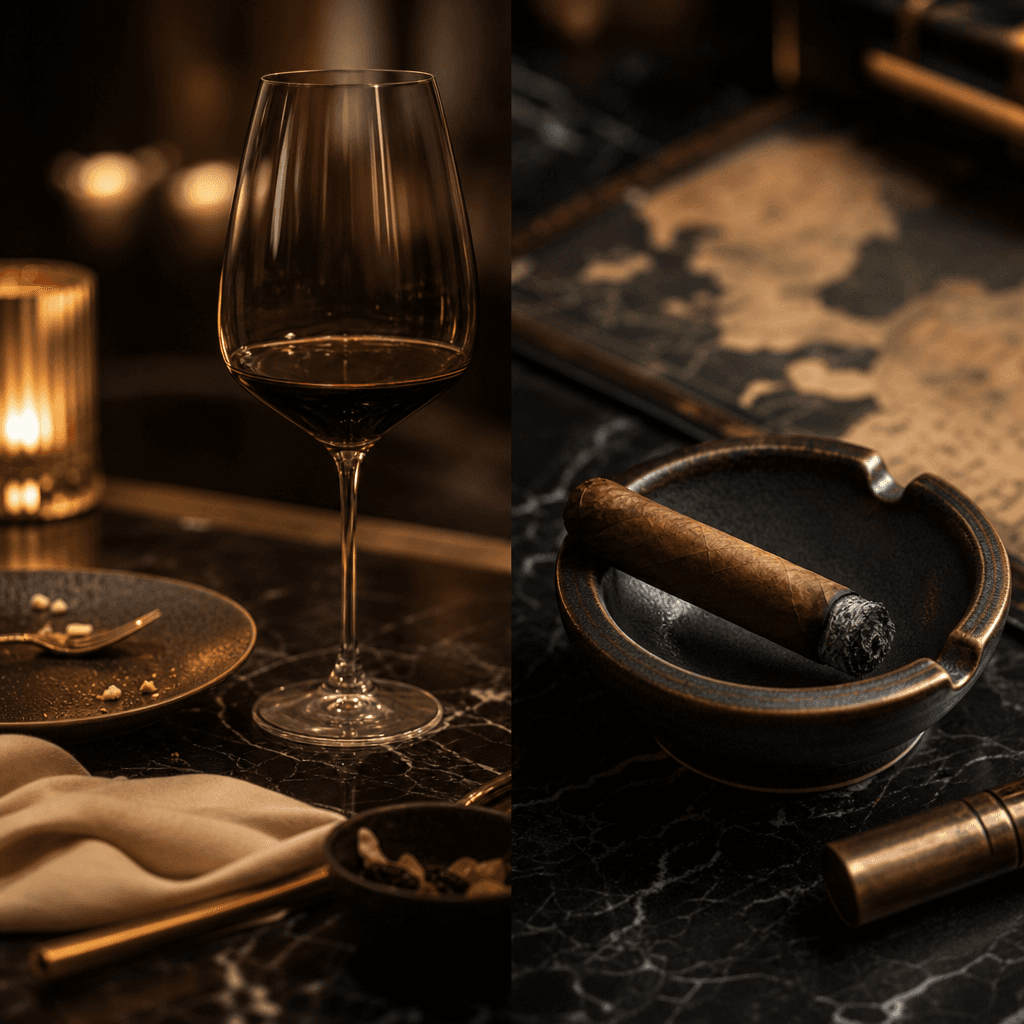
波爾多左岸以梅多克礫石地、Cabernet Sauvignon 主導混釀與 1855分級奠定結構美學;五大莊園各自呈現黑醋栗、雪松、石墨與菸草盒層次。本文以 Cohiba Robustos 為對話核心,解析左岸單寧、酸度與雪茄奶油、雪松、烤杏仁之間的具體風味化學互動。
- 波爾多左岸的礫石地與 Cabernet Sauvignon,決定黑醋栗、石墨、雪松與單寧骨架。
- 1855分級與五大莊園不只是名單,而是產區聲望、風土與熟成能力的歷史切面。
- Cohiba Robustos 的奶油與雪松,能讓左岸單寧更圓,也讓黑醋栗酸度托起堅果甜感。
Bordeaux Left Bank Complete Analysis: 1855 Classification and the Tannin Structure of the Five Great Estates, Paired with the Cedar Dialogue of Cohiba Robustos
The encounter between Bordeaux red wine and Cohiba Robustos is truly fascinating not because of the generic answer "wine with cigars," but because of how the tannins of Cabernet Sauvignon from Bordeaux's Left Bank meet the cream, cedar, and roasted almonds of Cohiba. As an editor of the "Cigar Bible," I often say that seasoned drinkers of the Left Bank don't just chase vintage fame but understand gravel terroir, blending ratios, barrel aging rhythms, and tannin transitions after opening.
In this article, I will first clarify the Bordeaux Left Bank itself: why the gravel terroir of Médoc is important, how the 1855 classification was formed, and the structural language of each of the five great estates. Then, I will delve into Cohiba Robustos (Cuba, Robusto, 50 ring gauge × 124mm): cream, cedar, roasted almonds, honey herbs, medium to medium-strong body, about 50-60 minutes, and how the aroma molecules interact when meeting a mature Left Bank red wine.
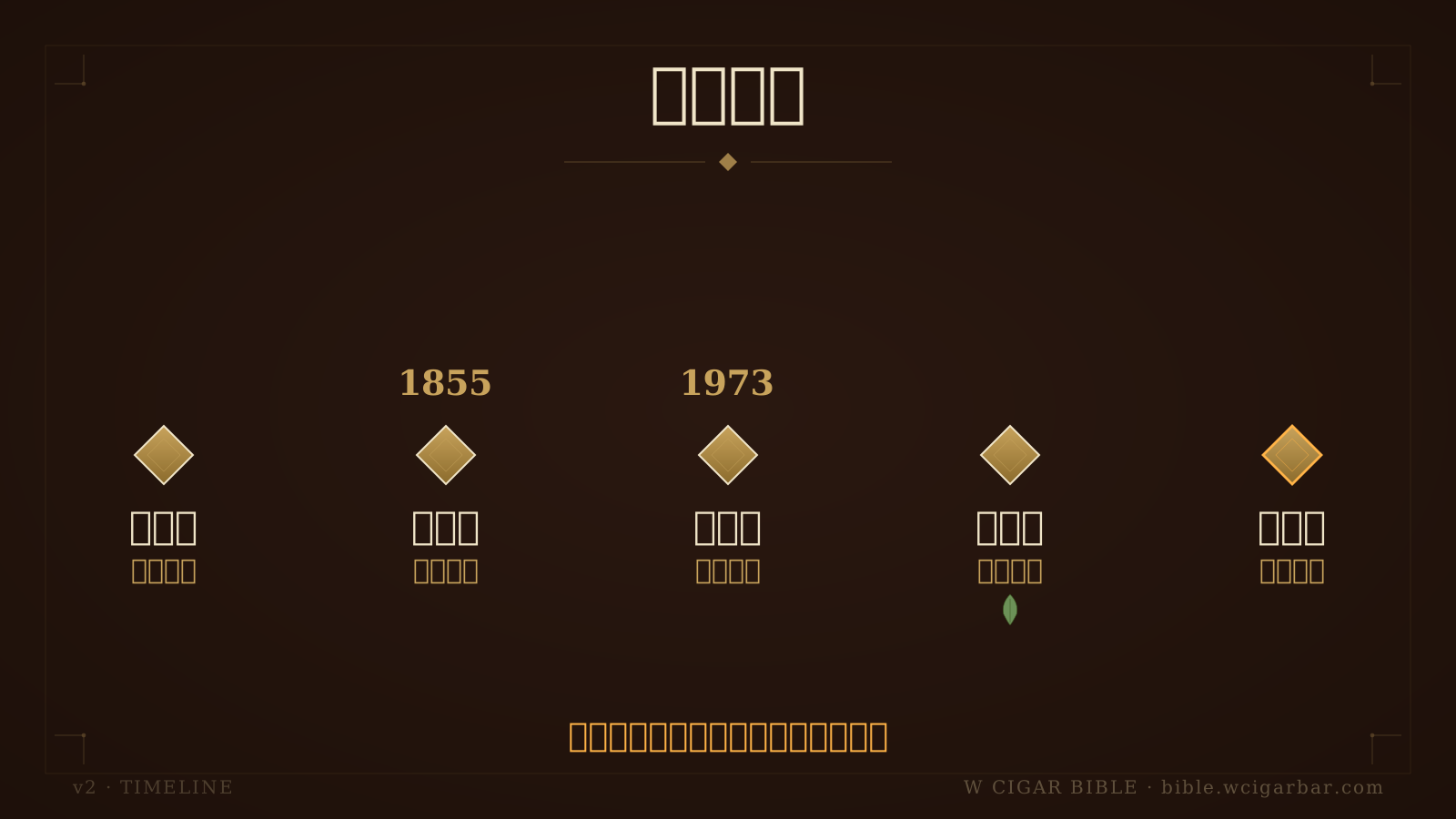
時間軸呈現礫石地、1855分級、1973木桐升級與杯中判讀
Bordeaux Left Bank: The Framework of Médoc Gravel Terroir and Cabernet Sauvignon
The Bordeaux Left Bank refers to the region west of the Garonne and Gironde estuary, with a core that includes Médoc, Haut-Médoc, and village-level names like Saint-Estèphe, Pauillac, Saint-Julien, and Margaux. The key here is not the romantic place names but the gravel layers left by glaciers and rivers over time. Gravel drains quickly and retains heat, allowing grape roots to seek water deep below and enabling Cabernet Sauvignon to reach maturity in the cool maritime climate.
Cabernet Sauvignon is usually the mainstay of blends on the Bordeaux Left Bank, paired with Merlot, Cabernet Franc, Petit Verdot, and occasionally a small amount of Malbec. Cabernet brings blackcurrant, blackberry, graphite, cedar, and firm tannins; Merlot adds mid-palate fruitiness; Cabernet Franc provides herbal and violet edges; Petit Verdot deepens color and adds spice like ink. The structural core of the Bordeaux Left Bank is the gravel terroir that allows Cabernet Sauvignon to develop clear acidity, tannins, and black fruit depth.
The reason why the famous estates of Médoc can maintain their form after long aging is highly related to the quality of tannins. Unripe Cabernet can show green pepper and rough bitterness; well-matured Cabernet can turn the green pyrazine notes into blackcurrant leaves, pencil shavings, and dried herbs. As the wine enters the 10-20 year aging curve, the fruit aroma may not be louder but will transition from fresh blackcurrant to blackcurrant jam, cedar box, tobacco box, leather, and dried spices.
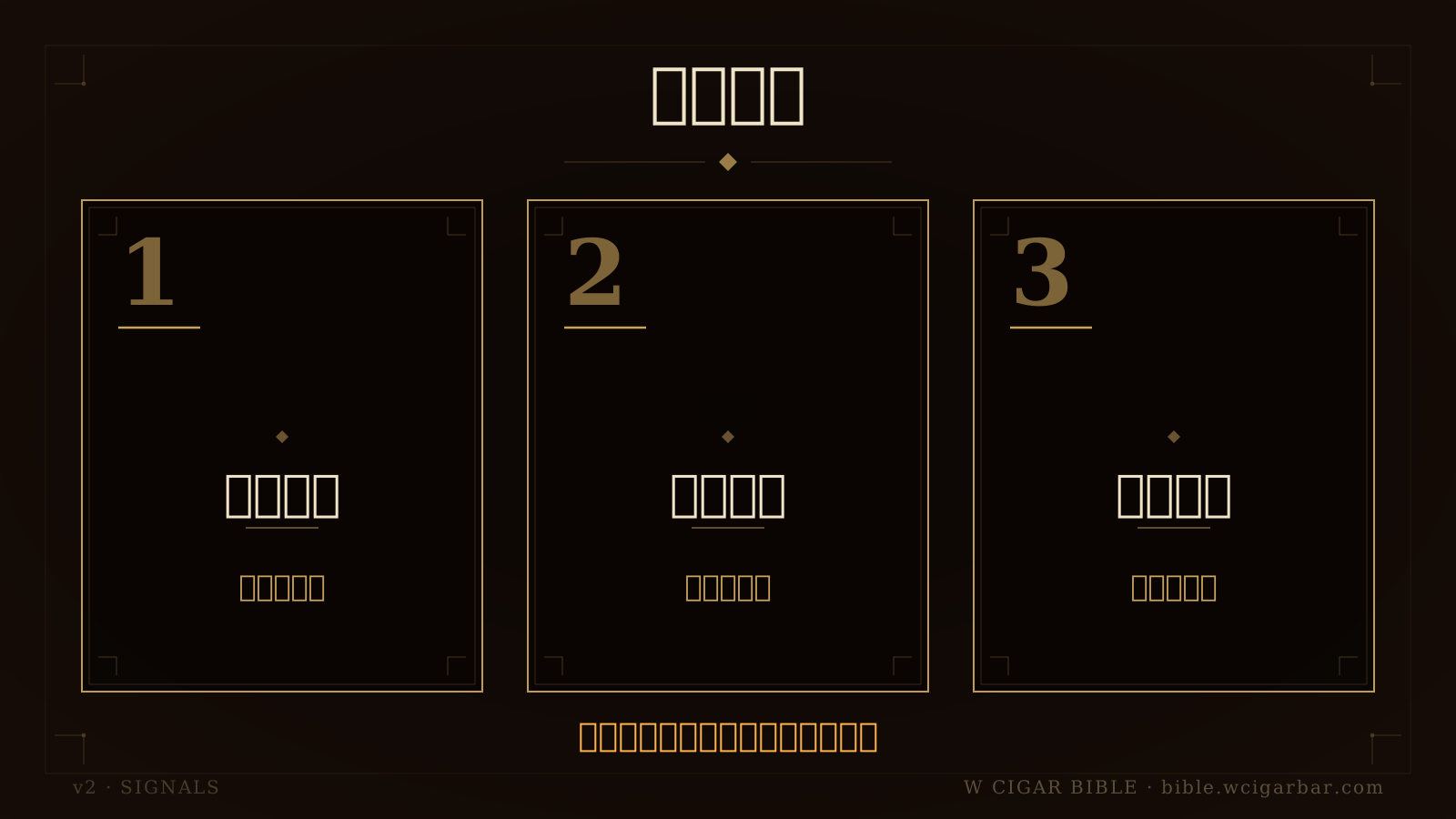
三張卡列出成熟左岸、中段搭配與木質平衡重點
1855 Classification: From the Paris Exposition to Left Bank Order
The 1855 classification originated from Napoleon III's request for the Paris Exposition, asking the Bordeaux Chamber of Commerce to compile a ranking of wine estates. The classification was mainly based on long-term trading reputation, wine stability, and market evaluation, forming a structure from first to fifth growths. This list was concentrated in Médoc, with the only exception being Château Haut-Brion in Graves, included due to its reputation that transcended geographical boundaries.
For seasoned drinkers, the 1855 classification should not be seen as mere class worship but as a snapshot of 19th-century Bordeaux commercial history. It reflects the comprehensive position of each estate in winemaking, land, export networks, and reputation at the time but does not mean every vintage will speak the same way. The iron and thickness of Saint-Estèphe, the blackcurrant and cedar of Pauillac, the balanced lines of Saint-Julien, and the floral and delicate nature of Margaux still require interpretation based on village and vintage.
The most dramatic change in the 1855 classification was Château Mouton Rothschild's official promotion from second to first growth in 1973. Baron Philippe de Rothschild had long advocated for the reevaluation of the estate's status since the 1920s, leaving behind the famous French phrase: "Premier ne puis, second ne daigne, Mouton suis." After the upgrade, it was changed to "Premier je suis, second je fus, Mouton ne change." The value of the 1855 classification lies in providing historical coordinates, not replacing your interpretation of vintage, village, and wine structure.
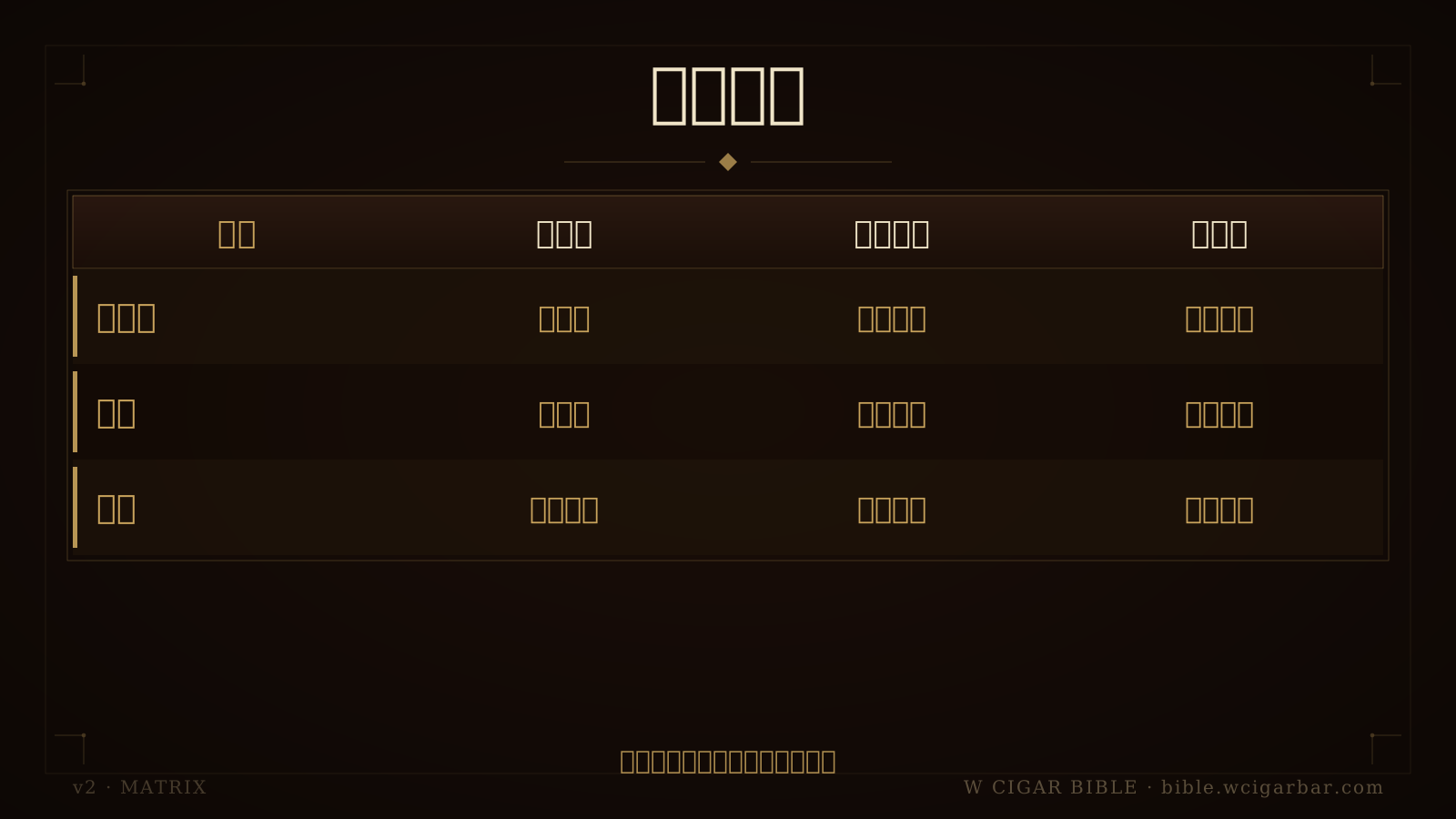
矩陣比較左岸酒、羅布斯圖雪茄與相遇時的香氣結構節奏
The Five Great Estates: Structural Differences of Lafite, Latour, Margaux, Haut-Brion, and Mouton
Château Lafite Rothschild is often described as the most slender first growth in Pauillac, with blackcurrant, pencil shavings, cedar, and tobacco box sensations unfolding in a fine manner. Its tannins do not win by robustness but are like delicate textures, appearing restrained when young and revealing tea leaves, cedar drawers, and mineral cool tones when matured. When paired with Cohiba Robustos, the high-resolution wood lines of the Lafite type will resonate with the cigar's cedar without flattening the creaminess.
Château Latour, also located in Pauillac, is more like a deep well with an iron backbone, often showing blackcurrant, black plum, graphite, cedar, smoked meat, and strong tannins. Latour often appears tight when young, and decanting for 1-2 hours only loosens the surface, not fully opening all layers. When conversing with Cohiba Robustos, it will push the roasted almonds in the cigar's mid-to-late stages towards deep-roasted nuts and make the herbal finish cleaner.
Château Margaux is known for its refined aroma and silky tannins, often featuring violet, blackcurrant, red and black berries, sandalwood, cedar, and gentle spices. Château Haut-Brion from Graves often presents smoky stone, charcoal, cedar, black fruit, and earthy notes; Château Mouton Rothschild has richer black fruit, coffee, roasted spices, and a tradition of artistic labels. The differences among the five great estates are not about who is louder but about the shape of tannins, aromatic density, and wood expression being distinct.
The Taste Structure of Bordeaux Red Wine: Blackcurrant, Cedar, Graphite, and Tobacco Box
The mature flavor of Bordeaux Left Bank red wine often starts with blackcurrant but quickly enters non-fruit layers. Blackcurrant comes from the varietal core of Cabernet Sauvignon, forming a dark fruit impression with anthocyanins, phenolics, and acidity. The graphite and pencil shavings sensation is a cold tone contour formed in the olfactory sense through the intertwining of mineral associations, wood volatiles, and trace reductive aromas.
Cedar, tobacco box, and dried spices are related to oak barrel aging, bottle maturation, and phenolic polymerization. French oak brings delicate vanillin, eugenol, oak lactones, and roasted wood sensations; over time, the direct vanilla sweetness of new barrels sinks into the wine body, turning into cedar cabinets, old book pages, pencil shavings, and dry leaves. This is why the Left Bank on the 10-20 year aging curve is often more suitable for dialogue with cigar wood than younger wines.
Tannins are the backbone of Left Bank red wine and the most crucial variable when pairing with cigars. Young Left Bank tannins are more granular, easily elevating the bitterness in cigar smoke; after maturation, tannins polymerize, and the astringency turns from sharp angles to fine sand, creating space to envelop the creaminess of Cohiba. A Left Bank red wine suitable for Cohiba Robustos should have blackcurrant acidity, cedar woodiness, and tannins that have begun to round, not just heaviness and alcoholic heat.
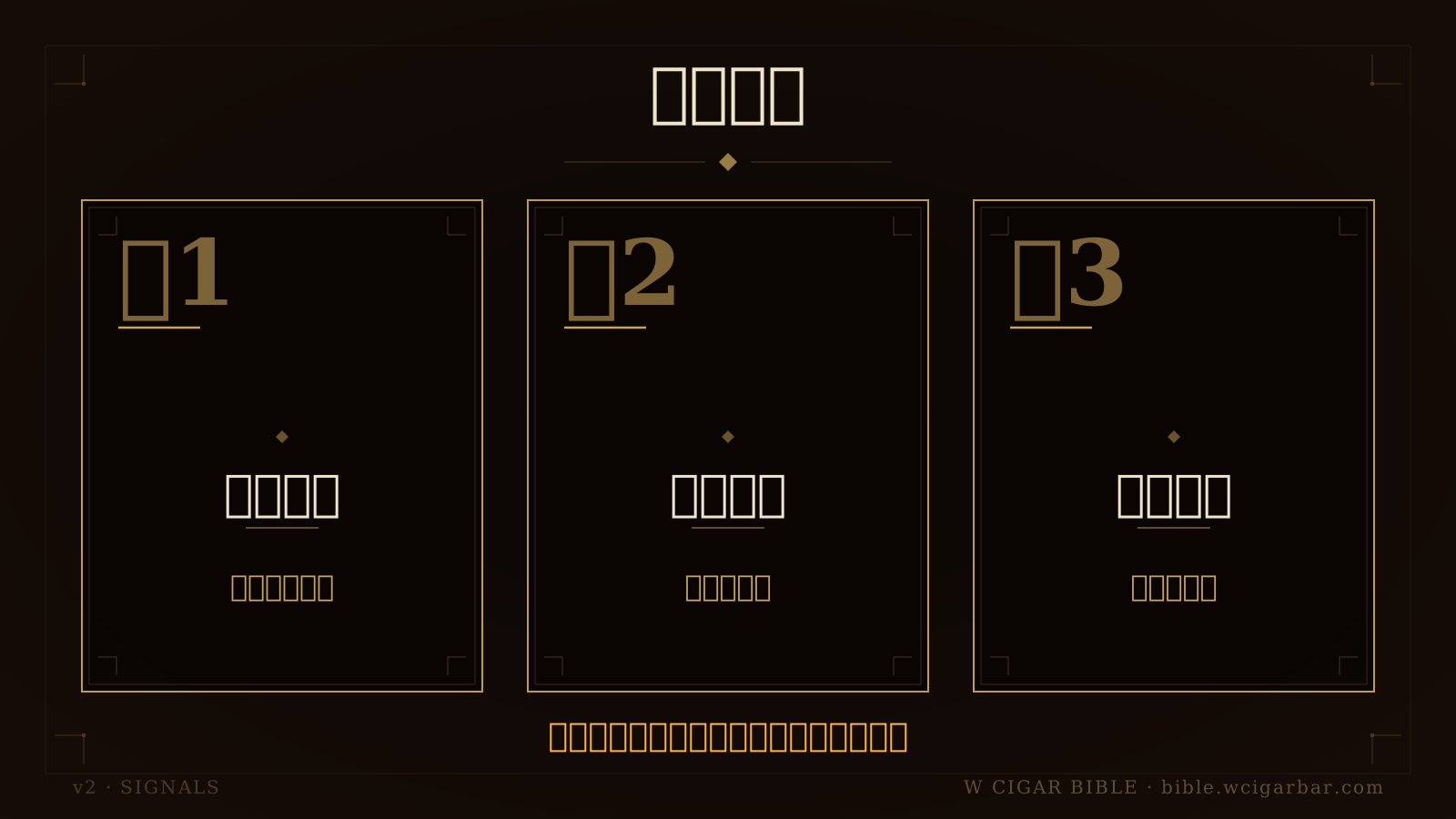
三張錯誤卡提醒不要只看名莊、年輕硬搭或木味過重
Cohiba Robustos: The Rhythm of Cream, Cedar, Roasted Almonds, and Honey Herbs
Cohiba Robustos (Cuba, Robusto, 50 ring gauge × 124mm) is an important coordinate for many seasoned enthusiasts to understand the core style of Cohiba. It is not the longest narrative, but about 50-60 minutes is enough to present a three-stage transition: the front stage begins with cream and cedar, the middle stage reveals roasted almonds, honey herbs, and slightly sweet malt, and the later stage has more distinct wood, spice, and smoky undertones. The medium to medium-strong body allows it to catch the Bordeaux Left Bank without being completely covered by tannins.
The uniqueness of Cohiba is often discussed in terms of Cuban tobacco leaf processing and fermentation depth. During fermentation, proteins, polysaccharides, phenolics, and nitrogen-containing compounds gradually transform, reducing the sharp green sensation and forming complex aromas of cream, nuts, wood, and herbs. Well-matured Robustos have finer smoke when burning, more continuous creaminess, and more controllable friction with wine tannins.
I often say that the charm of Cohiba Robustos is that it can provide warm cream and clear cedar without losing the Cuban herbal profile. When encountering graphite and cedar in Left Bank red wine, it will not be immediately overwhelmed by the wine but will instead extend the wood lines. Cohiba Robustos does not use concentration to clash with the Bordeaux Left Bank but uses cream, cedar, and nut sweetness to catch the tannin framework of Cabernet.
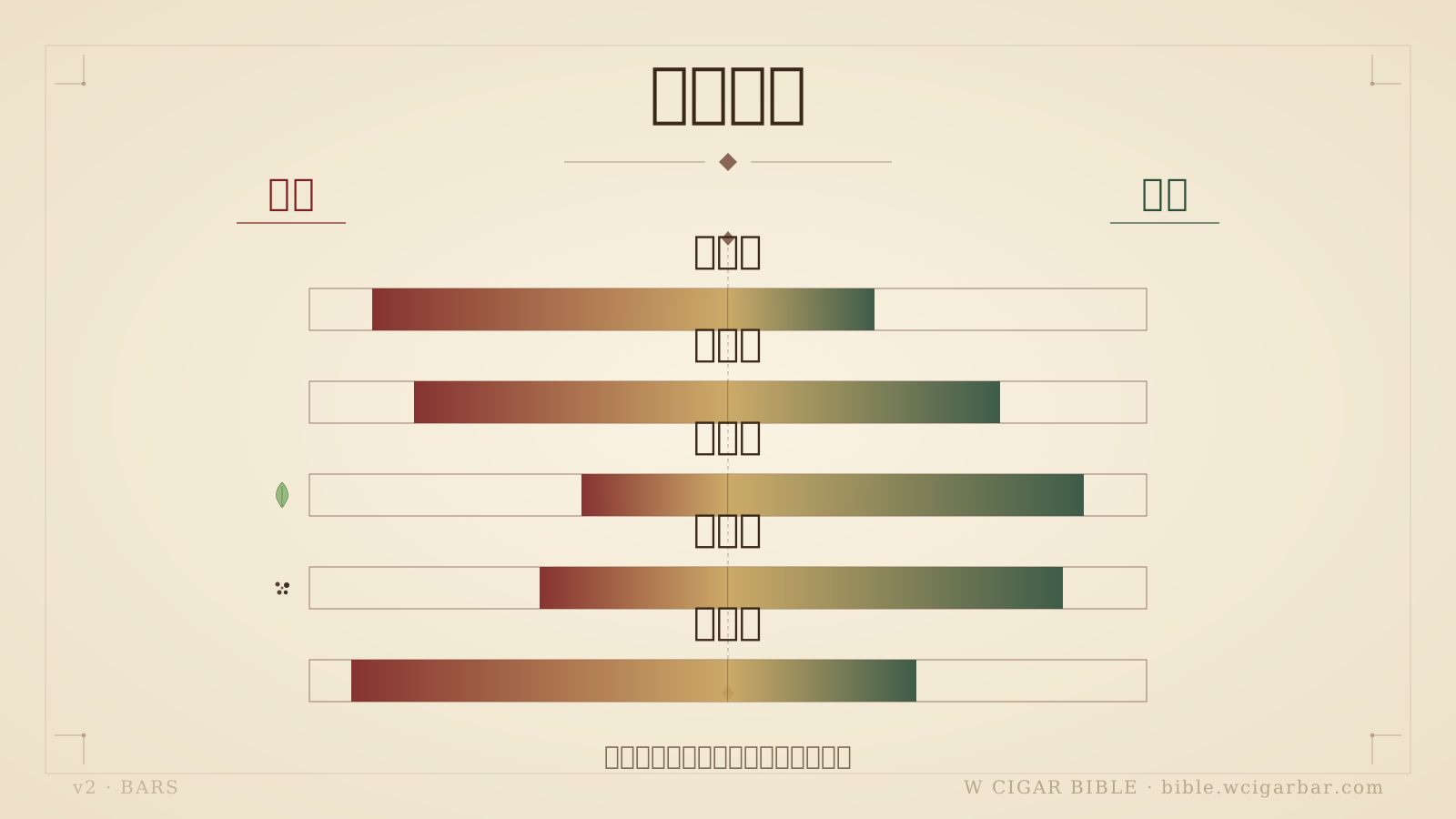
長條圖對比年輕與成熟左岸在單寧與雪松融合上的差異
Bordeaux Left Bank × Cohiba Robustos: Flavor Chemistry of Token to Token
The first key group is "Left Bank Cedar Pencil Shavings × Cohiba Cedar Wood Resonance." The cedar, pencil shavings, and graphite in Left Bank red wine come from the varietal characteristics of Cabernet, French oak barrel aging, and aromatic recombination after bottle maturation; Cohiba's cedar comes from the wood fibers of tobacco leaves, phenolic changes after fermentation, and wood smoke during burning. When both appear simultaneously, the olfactory sense will stack the cold pencil shavings of the wine with the warm wood aroma of the cigar, forming a "one cold, one warm" wood depth.
The second group is "Cabernet Tannin Astringency × Cigar Cream Oil Envelopment." Wine tannins combine with salivary proteins in the mouth, causing dryness and astringency; Cohiba's creaminess comes from the oily texture, nut aroma, and sweet herbs in the smoke, which can buffer the sharpness of tannins in sensory perception. When the wine has been decanted for 1-2 hours and the tannins have turned from sharp angles to fine particles, the cigar cream will envelop the astringency like a thin film, making the next sip of blackcurrant acidity brighter.
The third group is "Blackcurrant Acidity × Roasted Almond Sweetness Three-Dimensionalization." Blackcurrant acidity is not simply sour but carries the tension of dark fruit with skin, seeds, and anthocyanins; the roasted almonds in Cohiba's middle stage have Maillard reaction-style nut sweetness, slight caramel, and wood aroma. The acidity lifts the nut sweetness, and the roasted almonds smooth the sharp edges of the blackcurrant, so the fruit aroma does not appear thin, and the nuts do not appear greasy. A truly successful pairing reduces the shortcomings of acidity, tannins, oils, and wood while amplifying each other's layers.
| Flavor Token | Bordeaux Left Bank Source | Cohiba Robustos Correspondence | Sensory Result |
|---|---|---|---|
| Cedar/Pencil Shavings | Cabernet, French Oak, Maturation Aroma | Cedar Wood Smoke | Wood Resonance, Cold and Warm Layers Extended |
| Tannin Astringency | Grape Skin Seeds and Barrel Phenolics | Cream Oil, Nut Sweetness | Astringency Enveloped, Mouth More Rounded |
| Blackcurrant Acidity | Cabernet Sauvignon Fruit Acidity and Black Fruit Aroma | Roasted Almonds, Honey Herbs | Acidity Brightens Sweetness, Nuts More Three-Dimensional |
| Graphite/Smoky | Gravel Association, Maturation Reductive Aroma | Mid-to-Late Smoky Wood | Dark Base Deepened, Finish More Dry |
| Tobacco Box | Bottle Maturation and Wood Aroma | Cuban Herbs and Tobacco Sweetness | Aroma Mutual Confirmation, Maturity Enhanced |
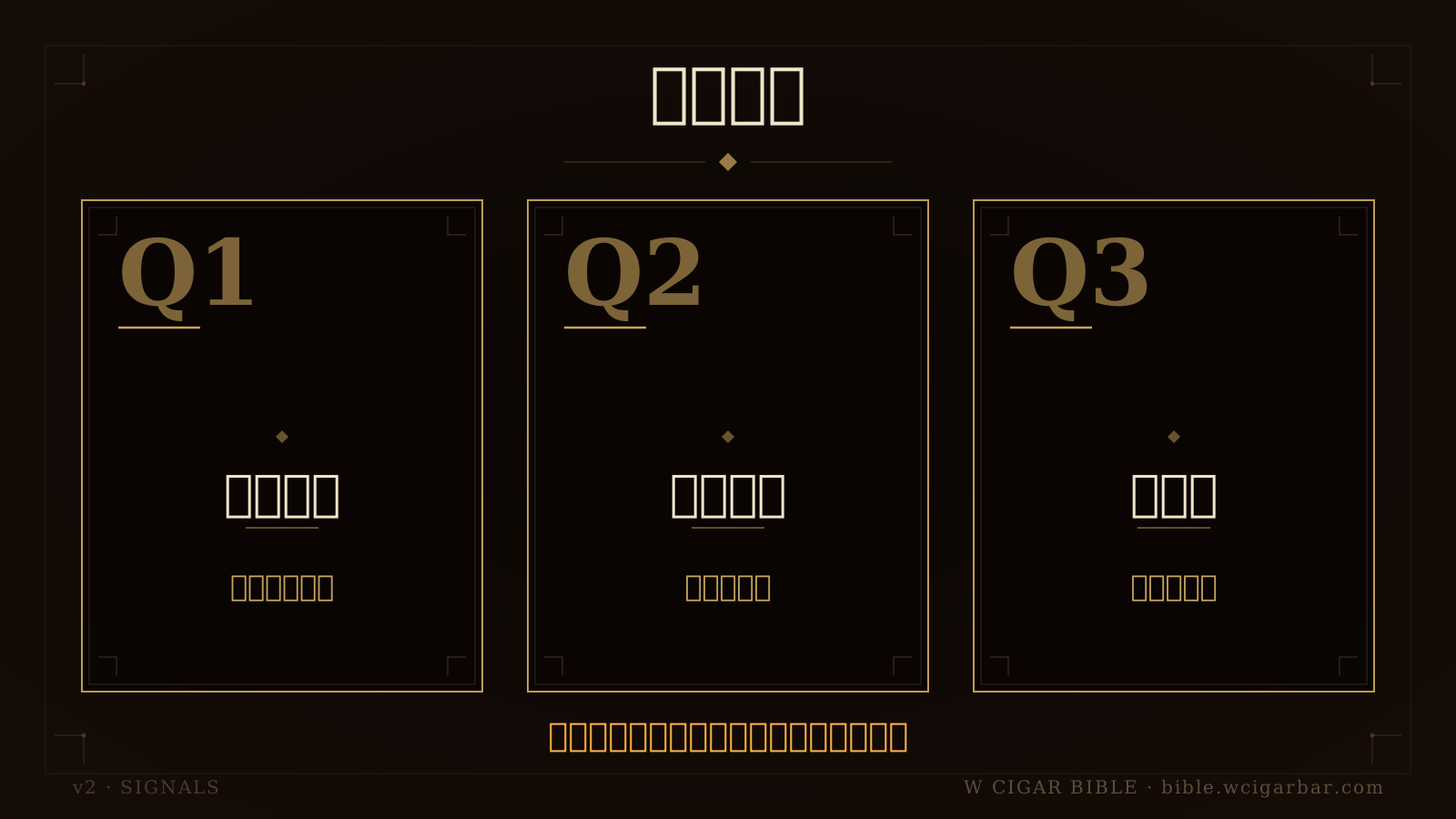
三張問答卡回答是否要五大莊、年輕酒與醒酒時間
Practical Tasting Rhythm: Decanting, Temperature, and 50-60 Minutes of Counterpoint
For a bottle of 10-20 year well-preserved Left Bank red wine, I would first observe the vintage, cork condition, and sediment amount before deciding whether to use a decanter. Generally, decanting for 1-2 hours can allow Cabernet tannins to stretch, reductive aromas to dissipate, and cedar, blackcurrant, and graphite to become clearer. Even if decanted, young Left Bank wines may still have hard tannins; overly mature wines should avoid excessive air exposure to prevent rapid fruit aroma decline.
Temperature is also crucial; Left Bank red wine should not be too warm, around 16-18°C to better retain blackcurrant acidity and graphite cool tones. If the wine temperature is too high, the alcoholic heat will be magnified, and when combined with the cigar's late-stage spice, it may appear coarse. Cohiba Robustos lasts about 50-60 minutes, and it is recommended to let the wine unfold first before entering the cigar's front stage, so the cream and cedar can catch the already awakened wine rather than encountering a tightly closed tannin wall.
In terms of rhythm, I would divide the pairing into three stages. The first 15 minutes establish a balance between the wine's blackcurrant and Cohiba's cream; the middle 20-40 minutes allow roasted almonds, honey herbs, and Left Bank cedar pencil shavings to meet; the later stage observes whether the wine's graphite, tobacco box, and cigar spice remain clear. This pairing fears haste because both Left Bank tannins and Cohiba oils need time to rearrange in the mouth.
Frequently Asked Questions
Does Bordeaux Left Bank have to choose the five great estates to pair with Cohiba Robustos?
Not necessarily. The five great estates provide high-resolution examples for understanding Left Bank structure, but there are many wines in Pauillac, Saint-Julien, Margaux, or Saint-Estèphe that can present blackcurrant, cedar, and graphite. The key is whether the tannins have begun to round, the acidity is clear, and the wood is not overly dominant.
Can young Cabernet Sauvignon Left Bank red wine be paired?
Yes, but it is more challenging. Young wine tannins often have sharp angles, and when combined with the cigar's late-stage spice, the mouth can have a noticeable buildup of dryness. If you really want to try, decanting for 1-2 hours is a basic observation point, and focus the pairing on Cohiba's front and middle-stage cream and roasted almonds.
Why does blackcurrant acidity make roasted almond sweetness more pronounced?
Acidity can open up the sweetness profile in the mouth, making roasted almonds not just charred but with a more three-dimensional nut sweetness. This effect is similar to using acidity to brighten oils in cooking but occurs here between the fruit acidity of Cabernet and the nut smoke of Cohiba. Blackcurrant acidity is not a supporting role; it is the scaffold that allows Cohiba's mid-stage sweetness to stand up.
How important is the 1855 classification for pairing judgment?
It is important but not the only answer. The 1855 classification can help you understand the history of the estate, village location, and style context, but it cannot replace the maturity of the vintage, storage condition, and current bottle performance. When pairing with Cohiba Robustos, the current state of tannins in the glass is more direct than the list position.
Which part of Cohiba Robustos is most suitable for Left Bank red wine?
The middle stage is usually the most exciting. At this point, cream, cedar, roasted almonds, and honey herbs coexist, enough to carry the blackcurrant acidity and tannins of the Left Bank. The front stage is softer, suitable for observing the wine's fruit aroma; the later stage has more spice, depending on whether the wine's maturation depth can keep up.
How long should Left Bank red wine be decanted?
Most structurally complete and still vibrant Left Bank red wines can use 1-2 hours of decanting as a baseline. Young wines can extend the observation but do not need to push with time; mature wines should be more cautious to avoid rapid aroma loss. The most reliable method is to smell and taste in small sips at intervals to confirm whether the tannins have transitioned from tight to delicate.
The pairing of Bordeaux Left Bank and Cohiba Robustos truly tests patience and discernment. When the blackcurrant, cedar, and graphite of the Médoc gravel terroir meet the cream, roasted almonds, and honey herbs of the Cuban Robusto, you read not just wine and smoke but two sets of terroir languages translating each other in the mouth.
Further Reading|Complete Guide to Wine Regions: Flavor Maps of Old and New World Wines, and Pairing Overview with Cigars|Everyday Red Wine Beginner's Guide: How to Choose Affordable Style Table Wines, Paired with H. Upmann Half Corona for the Last Half Hour of Dinner|Burgundy Pinot Noir Flavor Guide: The Delicate Layers of Red Fruit and Forest Floor, Paired with Hoyo de Monterrey Epicure No.2
—Cigar Prince Wilson Tsai
Smoking is harmful to health. No smoking under the age of twenty. Quitline: 0800-636363. This article is for reference only for adults over the age of twenty regarding cigar culture, preservation, and regulations, not a tobacco advertisement, promotion, or purchase suggestion.
No drunk driving. Excessive drinking is harmful to health. No drinking under the age of eighteen. This article is also not an alcohol advertisement, promotion, or purchase suggestion, please drink responsibly.
Like this article?Share with friends
Share this W Cigar Bible piece with friends who want to learn cigar culture, storage, and tasting.
想把這篇 化為實踐
雪茄聖經是知識;雪茄文化要在空間裡發生
W Cigar Bar 大安總店資訊
台北大安區 · 雪茄聖經總編輯 Wilson Tsai 主理的雪茄文化空間
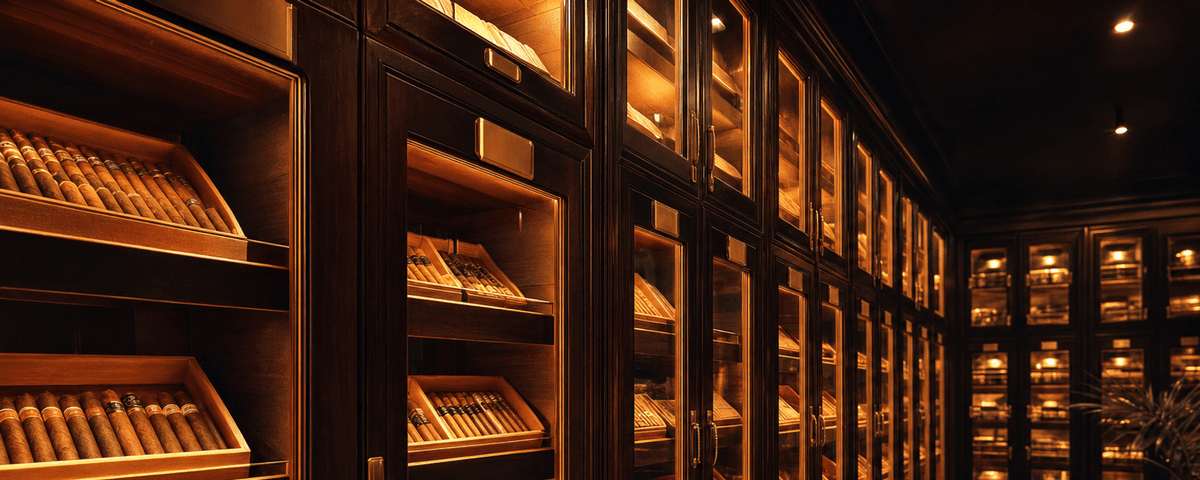
33 座 24 小時恆溫恆濕醇化室
W Cigar Bar 提供的會員醇化空間 · 場地資訊請洽編輯部
雪茄剪 / 打火機 / 雪茄盒 / Boveda
W Cigar 配件官網 · 專營雪茄配件正品
加 LINE 好友 · 文化諮詢
文化空間資訊 · 紳士沙龍 · 私人包場
本網站內容僅供雪茄文化、歷史、收藏與品吸知識研究參考。菸品有害健康、未滿法定年齡者請勿吸菸。實際規範請依所在地法律為準。
吸菸有害健康・戒菸專線 0800-636363・本站僅供 20 歲以上成年人閱覽。
讀到這裡,你不只是路過的人
留下 Email,加入 W 雪茄聖經內圈——總編輯 Wilson Tsai 親選的學院深文與國際新訊,先你一步送到信箱。
· 教育用途非銷售 · 隨時一鍵退訂 · Email 絕不對外公開 · 由勝茄股份有限公司營運
同分類延伸閱讀
資料來源:W Cigar Bible 編輯部整理 · 雪茄王子 Wilson Tsai 親自審稿
本文僅供雪茄文化、歷史、收藏與品鑑知識研究,不作為菸品促銷、銷售或購買建議。吸菸有害健康,未滿二十歲不得吸菸。