雪茄選擇與配置的藝術:打造個性化品味經驗
選擇雪茄不僅是追求名牌,更是了解自身的味覺偏好。初學者應從濃度、厚度和香氣方向三軸出發,記錄不同雪茄的評分,找出真正喜愛的風格。尺寸的選擇應根據可用時間而非面子,短小尺寸適合快速享用,而長尺寸則適合悠閒品味。場合也影響雪茄的選擇,白天可選柔和型,晚餐後則可轉向濃郁型。搭配飲品和食物時,應避免一方壓倒另一方,讓味覺相互輝映。最後,適當的保存和醒置是享受雪茄的關鍵。
- 選擇雪茄時,應先了解自己的味覺偏好,而非單純依賴品牌名氣。
- 雪茄尺寸影響燃燒時間與口感,應根據可用時間選擇合適尺寸。
- 搭配雪茄的飲品與食物時,需避免一方壓過另一方,保持平衡。
The Art of Cigar Selection and Pairing: Crafting a Personalized Tasting Experience
Cigar selection is not about listing brand names but about placing your palate, time, occasion, and storage ability on the same map. As the editor of the "Cigar Bible," I often remind beginners: tasting is just the starting point; the real fun lies in understanding pairing.
The same Robusto can feel completely different after dinner, during a business conversation, or when alone on a weekend. If you can master the strength, size, origin, vintage, and pairing, you can turn each smoking session into a structured personal experience.
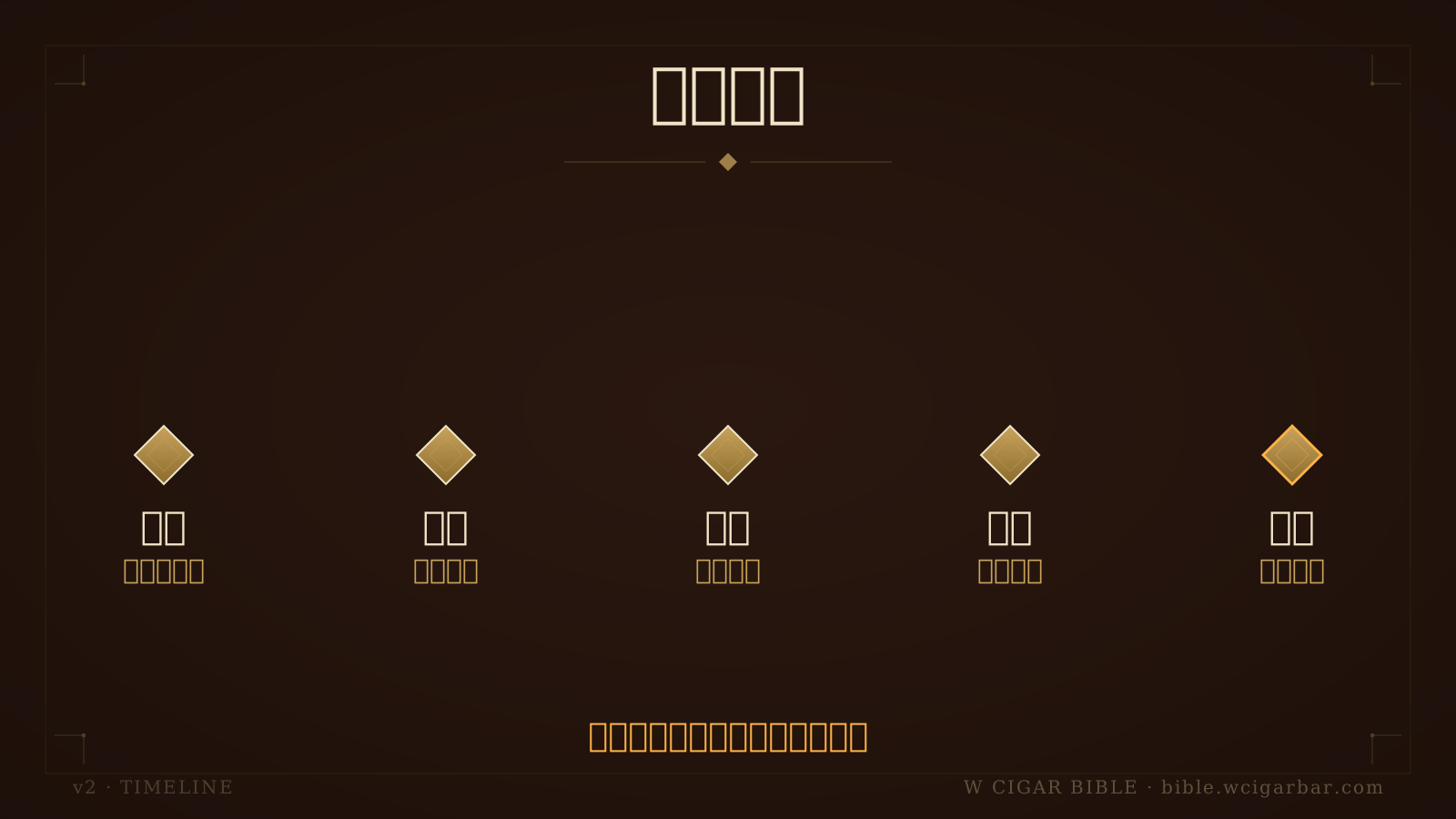
流程圖呈現記錄、分軸、估時、選型與回存步驟
First, Establish Your "Flavor Coordinates," Don't Just Ask Which Is the Most Famous
Many start with Cohiba, Montecristo, or Davidoff, which is not wrong, but if you choose cigars only by reputation, it's easy to mistake "others' classics" for "your preferences." I suggest breaking down flavors into three axes: strength, thickness, and aroma direction. Strength refers to nicotine and stimulation, thickness is the weight of the smoke in the mouth, and aroma can be divided into woody, creamy, leathery, cocoa, pepper, nutty, and floral.
The first step in choosing a cigar is knowing what you like, not what the market is talking about. For example, the standard Mareva size of Montecristo No.4 often carries roasted, coffee, and woody notes; Hoyo de Monterrey Epicure No.2 is often described as mild, creamy, and cedar. Both are classics, but the former is like dark roast coffee, while the latter is like an afternoon hazelnut latte, with completely different moods.
I suggest beginners record 12 cigars consecutively, rating each on a 10-point scale for "strength, sweetness, spiciness, aftertaste, and burn stability." In 2023, I guided a friend through this exercise; he initially thought he preferred the intense Nicaraguan style, but the highest-rated among the 12 were Trinidad Reyes and H. Upmann Magnum 46, because he actually valued delicate aromas over impact.
Size Is Not a Matter of Face, But a Choice of Time and Rhythm
Cigar size is often misunderstood as the bigger, the higher the grade. In fact, Vitola is a rhythm design: length affects burn time, and ring gauge affects tobacco ratio and mouthfeel thickness. For common Cuban sizes, Mareva is about 42 ring gauge, 129mm; Robusto is about 50 ring gauge, 124mm; Churchill is about 47 ring gauge, 178mm; different sizes of the same brand have different formula proportions, and the taste is not simply scaled up or down.
First decide how much quiet time you have, then decide the size, which is more practical than looking at the price first. If you only have 35 minutes, choosing Partagás Shorts or Trinidad Reyes is smarter than forcing a Churchill; if you have a 90-minute post-dinner period, longer sizes like Romeo y Julieta Churchill or H. Upmann Sir Winston have room to unfold mid-to-late layers.
| Size Type | Common Time | Representative Example | Suitable Scenario |
|---|---|---|---|
| Petit Corona / Mareva | 35-50 minutes | Montecristo No.4 | Daily, short gatherings |
| Robusto | 45-65 minutes | Cohiba Robustos, Epicure No.2 | After meals, weekends |
| Corona Gorda | 55-75 minutes | H. Upmann Magnum 46 | Deep conversation, solitude |
| Churchill | 75-100 minutes | Romeo y Julieta Churchill | Long talks, formal dinners |
| Double Corona | Over 100 minutes | Hoyo Double Coronas | Complete holiday sessions |
When configuring my humidor, I usually don't let Robustos exceed 40% of the total. Because life doesn't always have an hour, if there are only large sizes in the box, it's easy to miss good conditions due to lack of time. In a configuration of 10 cigars, placing 3 short sizes, 4 medium sizes, and 3 long sizes usually has higher practicality than a single popular style.
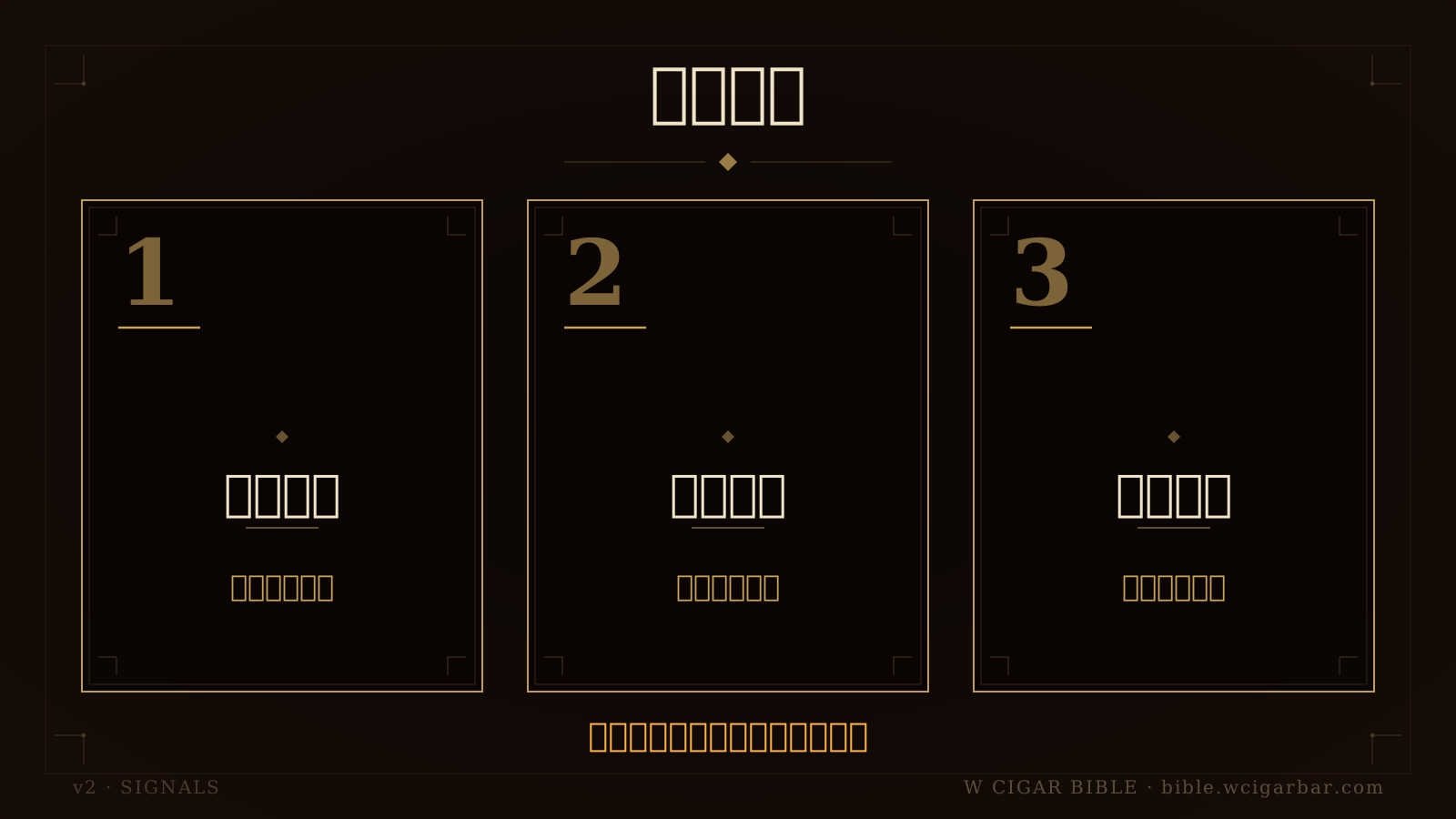
三張卡列出味覺座標、時間定尺與場合配置
Occasion Configuration: Daytime, Post-Meal, Conversation, and Solitude Each Have Their Logic
Occasions change flavor sensitivity. In the afternoon on an empty stomach, a strong Ligero ratio may feel oppressive; after dinner, fats and proteins reduce spiciness, making heavier cigars more balanced. In business conversations, I usually avoid choosing models that require high maintenance in burning, as frequent relighting interrupts rhythm and easily diverts attention from the conversation.
Cigars are not only paired with flavors but also with the social rhythm of the occasion. During the day, you can choose milder lines like Hoyo de Monterrey Epicure Especial or Por Larrañaga Petit Coronas; after dinner, you can turn to Partagás Serie D No.4, Bolívar Royal Coronas, or Padrón 1964 Anniversary. The former keeps you awake, while the latter carries the thickness of food.
In a formal dinner in 2022, I replaced the originally prepared Double Corona with a Corona Gorda because the conversation was intense that night, with 6 guests at the table, and no one could focus for 100 minutes. I later chose H. Upmann Magnum 46, completed in about 65 minutes, with woody, nutty, and slightly sweet aftertaste not overpowering the wine, but rather enhancing the conversation. This is the value of configuration thinking.
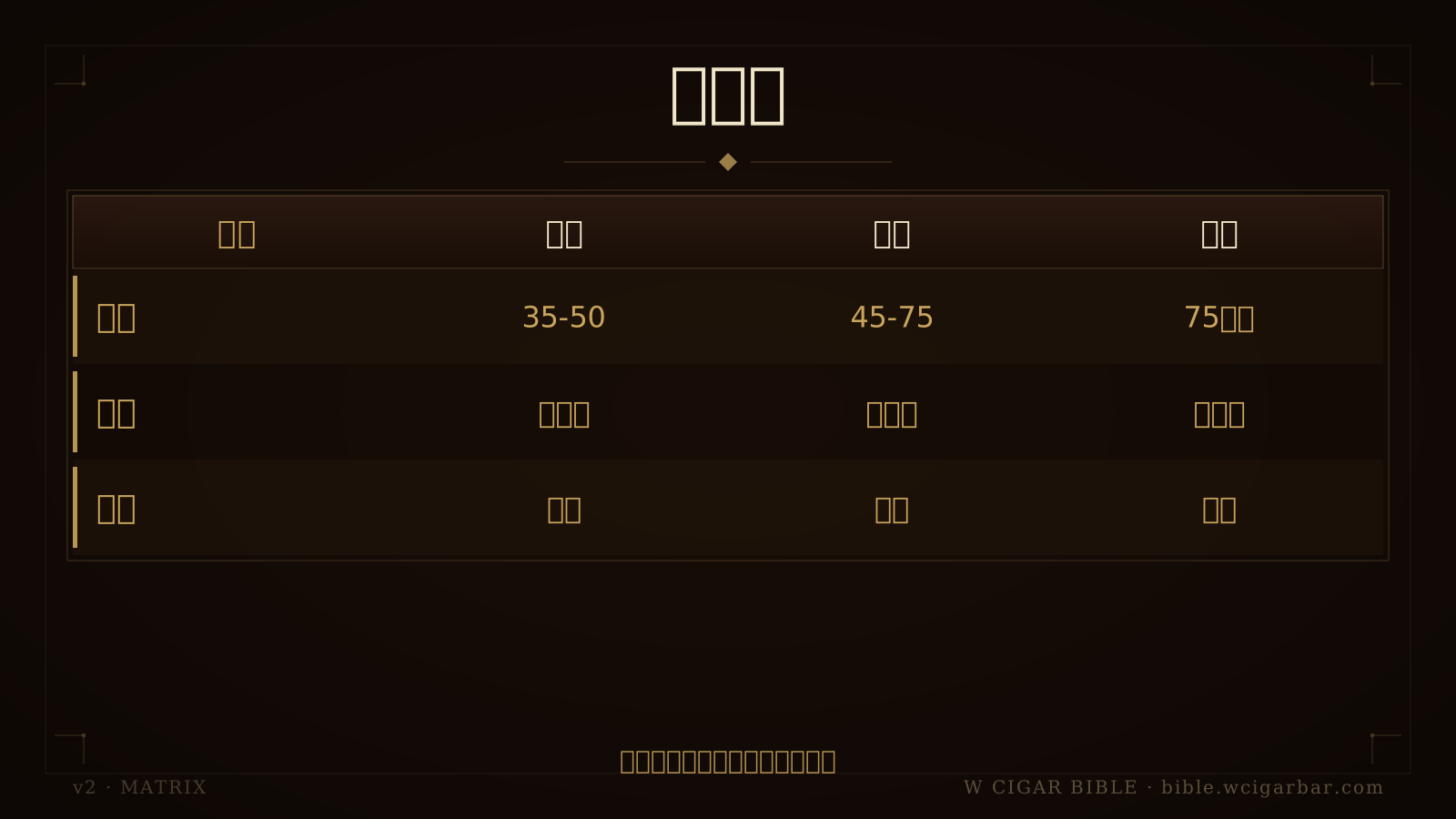
矩陣比較短時、中時與長時雪茄的時間尺寸情境
Origin and Tobacco Characteristics: Cuba, Nicaragua, and the Dominican Republic Each Have Their Personality
Origin is not the absolute answer but can provide direction. Cuban cigars are often loved for their earthy, cedar, coffee, mineral notes, and mid-range changes; the Dominican Republic is often creamy, grassy, floral, and smooth; Nicaragua is known for black pepper, cocoa, dark sweetness, and strength. Honduras often carries woody, leathery, and dry spice, suitable for those who like drier profiles.
Understanding origin is to narrow down choices; the real judgment still needs to return to brand, vintage, and storage condition. For example, Davidoff Grand Cru leans towards elegance and delicacy, Arturo Fuente Hemingway has sweet woody and rounded mouthfeel, Oliva Serie V is valued for its fuller Nicaraguan style. They are not the same "non-Cuban" taste and cannot be roughly classified.
Vintage also affects perception. Some Cuban cigars boxed before 2019, stored at a good 65-68% relative humidity, often feel rounder than when first acquired; but due to logistics and market fluctuations from 2021-2023, some batches require longer stabilization periods. As a PCC authorized dealer, I value source and storage records because differences in storage under the same label can make aromas feel like two different cigars.
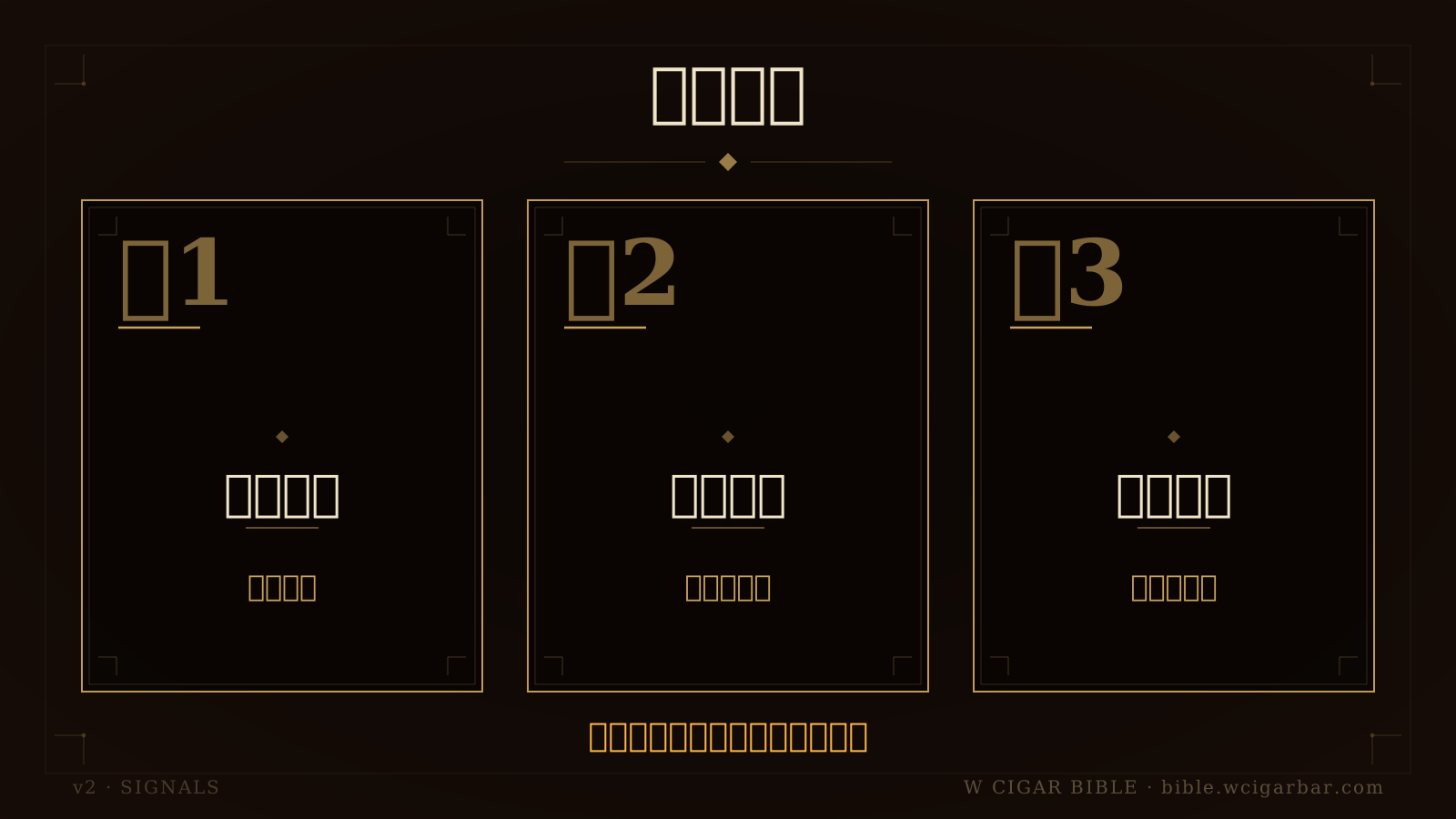
三張卡提醒只看名氣、尺寸迷思與猛吸補火的問題
Pairing Is Not a Show of Skill: Drinks, Food, and Cigars Should Leave Space for Each Other
The core of cigar pairing is not to bring all the whiskey, rum, and coffee to the table but to avoid one overpowering the other. High-alcohol peat whiskey may overshadow a mild Hoyo; high-sugar cocktails may make the original delicate herbal and floral notes disappear. At the beginner stage, I recommend starting with water, black coffee, and unsweetened tea, then gradually adding alcohol.
Good pairing will amplify the advantages of a cigar, while bad pairing will only push the taste into a noise. Montecristo No.2 can pair with medium roast coffee, extending cocoa and roasted notes; Partagás Serie P No.2 can pair with more full-bodied rum, carrying leather and spice; Davidoff Signature No.2 is suitable for refreshing tea, avoiding overly sweet drinks that overshadow cream and floral.
Food pairing also requires order. If you just finished spicy hot pot or heavy garlic barbecue, the tongue will be covered with grease and stimulation, and taking a delicate size at this time is often a pity. My approach is: choose medium to high strength after heavy meals; choose medium or mild after light dinners; if choosing a cigar after dessert, avoid high sugar content, otherwise, the bitterness in the tail section will become apparent. The art of pairing is actually controlling interference.
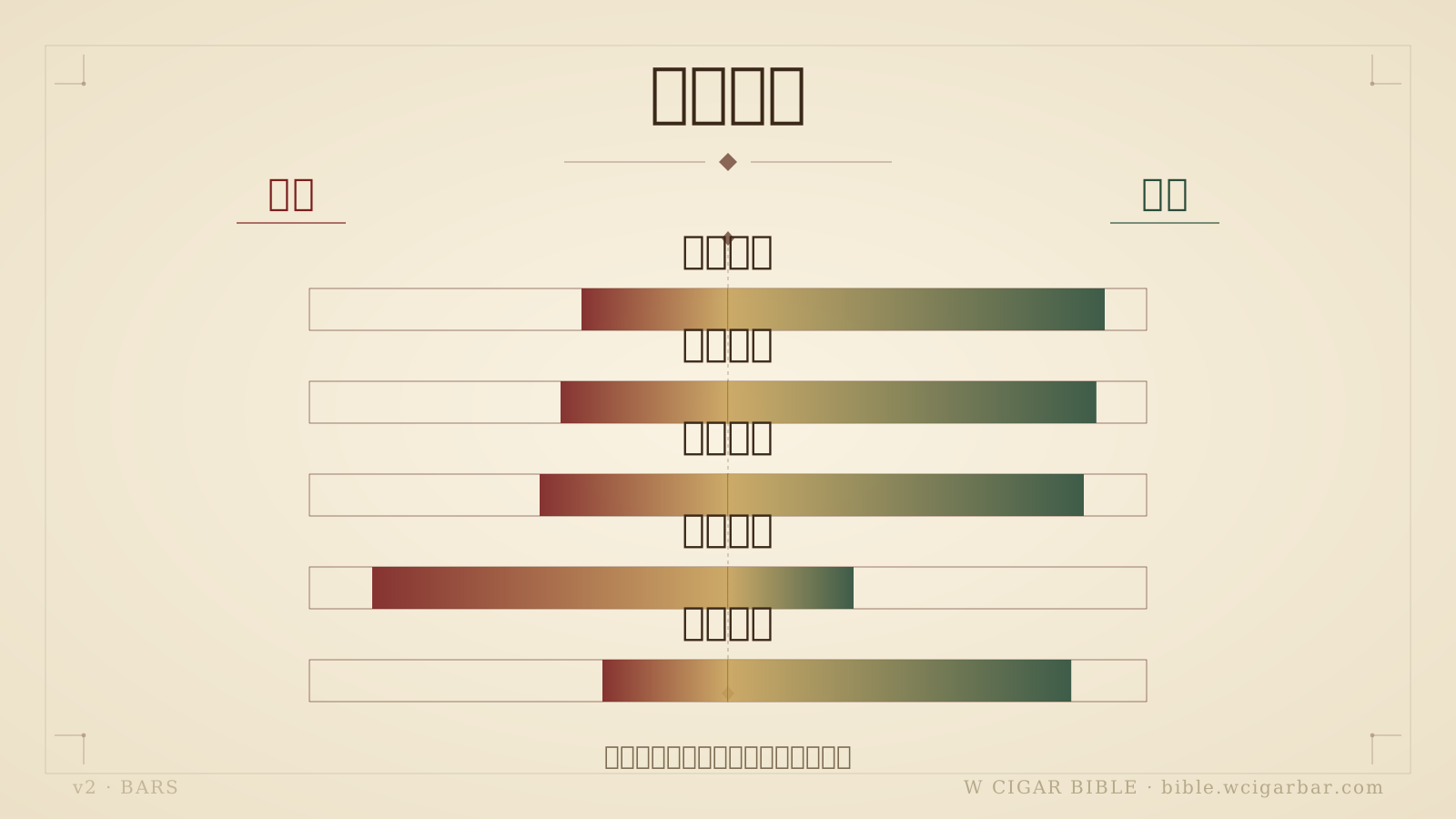
長條圖比較排行取向與自配取向在五個軸向的差異
Storage and Resting: The Same Cigar Can Differ with Just a 3% Humidity Variation
Many beginners think that buying a good cigar is the end, but storage is just the beginning. Generally, I prefer an environment of 18-21°C, with relative humidity of 65-69%; if it stays above 72% for a long time, burning tends to be stuffy, and smoke carries acidity; if below 62%, the wrapper may crack, and the aroma appears sharp. Different humidors and humidification systems have errors, so at least place a reliable hygrometer.
Storage is not putting cigars in a box but continuously managing temperature, humidity, and stabilization time. Newly acquired cigars I usually let rest for at least 30-60 days; if the condition fluctuates after long-distance transport, the time should be extended. Aging is not magic; poor storage will only magnify flaws; stable storage gives a chance for ammonia to decrease, aromas to blend, and burning to be more even.
Resting before smoking is also important. If the cigar feels damp, I place it in a room temperature environment for 30-90 minutes to slightly balance surface moisture; but this is not a fixed formula, small ring gauges and thin wrappers need more caution. Every 2-3 months, I organize the humidor, swapping the positions of the upper and lower layers, which can also reduce local humidity differences. The real good taste often accumulates from managing details.
Use the "Cigar Wardrobe" Concept for Configuration, Not Blindly Stockpiling
I like to think of the humidor as a wardrobe: having formal suits, but also casual shirts; having evening jackets, but also weekend loafers. If you only have a capacity of 20 cigars, you don't need to pursue putting one of each popular brand, but should layer according to use. My basic ratio is: 30% mild daily, 40% medium post-meal, 20% high strength or special occasions, 10% long-term aging.
The key to personalized configuration is to give each cigar in the box a clear role, rather than letting them all wait for some imagined important day. For example, a configuration of 20 cigars can include 4 Hoyo or Por Larrañaga for daytime, 6 Montecristo, H. Upmann as stable mainstays, 4 Partagás or Bolívar for post-meal, 3 Padrón, Oliva, or Fuente for style contrast, and reserve 3 older Cuban cigars to observe changes.
When it comes to collecting, please remain calm. Since the release of Cohiba Behike in 2006 and the official series in 2010, market discussion has remained high for years; but collection appreciation does not guarantee value increase, still depending on source storage and market. For beginners, establishing a configuration that can be smoked, compared, and learned from is more educationally valuable than concentrating the budget on a box of high-priced rare items.
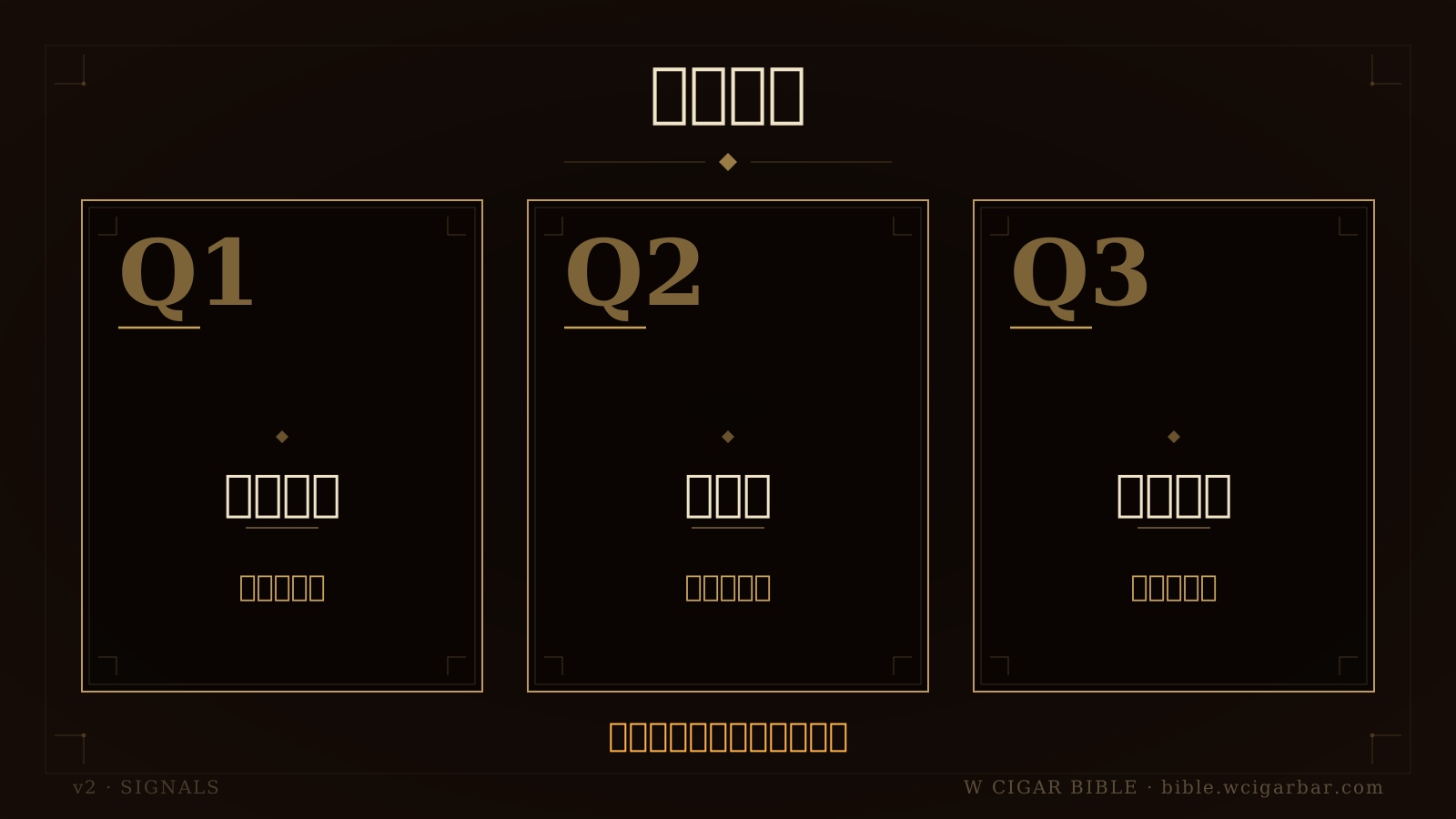
快問快答列出產區、存放時間與搭配飲品三題
Etiquette and Technique: Cutting, Lighting, Puffing, and Placing Are All Part of Taste
Taste is not only in selection but also in action. When cutting, don't cut too deep in one go; Parejo straight cigars usually cut open the cap's front end, about 1-2mm to start; Torpedo can first cut a small opening, and if the draw is too tight, adjust slightly. When lighting, avoid letting the flame directly scorch the foot; you can first toast the edge by rotating, then establish an even burn line with short puffs.
Truly elegant cigar etiquette is making yourself comfortable and not putting pressure on others. Ash doesn't need to be tapped off frequently; let it naturally form about 1.5-2.5cm before gently placing it; if the burn line is skewed, first adjust the angle to let the slower side heat, and only lightly correct if necessary. Don't puff a cigar like a cigarette with continuous quick draws; it's recommended to take a puff every 45-75 seconds to keep the burn cool, making bitterness less likely to rise.
In social settings, respecting space is more important than discussing knowledge. Don't force others to accept your brand judgment, and don't rush to comment when someone else's cigar isn't burning smoothly. If you want to exchange insights, you can say, "I feel this one has roasted nuts in the mid-section" rather than "You should drink such and such." The most charming aspect of cigar culture is slow, steady, and leaving room; technique serves grace, not the other way around to show off technique.
Frequently Asked Questions
Should Beginners Choose Cuban or Non-Cuban First?
Both are worth learning, but don't rank them by origin. The most effective way for beginners is to prepare mild, medium, and strong styles simultaneously for comparison. For example, choosing one each from Hoyo, Montecristo, and Oliva Serie V makes the differences very clear.
How Long Should a Cigar Be Aged Before It's Better?
There's no fixed answer. Generally, newly acquired cigars can first stabilize for 30-60 days; if the box has been stored for 3-5 years and well-preserved, the taste is usually rounder. The key is stable humidity, not just looking at the year number.
Why Do the Same Brand and Model Taste Different?
Crops naturally have vintage differences; rolling batches, transport, and storage also affect them. The same cigar from 2020 and 2023 may have noticeable differences in spiciness, sweetness, and burn.
Is Pairing Cigars with Alcohol Always More Sophisticated?
Not necessarily. Water, tea, and coffee often better reveal the original flavor. High alcohol content, if used improperly, can tire the tongue. The goal of pairing is not to appear grand but to make the aroma clearer.
What to Do If a Cigar Doesn't Draw Well or Keeps Going Out?
First, assess humidity and draw resistance. If it's too damp, burning will be stuffy; if the cut is too small, adjust slightly. Don't rush to puff hard; high temperatures produce bitterness. It's better to slow down and reorganize the burn line.
Which Is More Suitable for Learning: Small or Large Ring Gauge?
Small ring gauges more easily reveal filler flavor and burning technique, while large ring gauges have thick smoke and high tolerance. It's recommended to keep both: Mareva for judgment practice, Robusto for stable rhythm practice.
The art of cigar selection ultimately returns to a very simple matter: whether you honestly face your senses. Don't be led by price, rumors, or rarity; treat each smoking session as a record and each configuration as a correction. When your humidor starts reflecting your life rhythm rather than someone else's rankings, you've truly entered the world of cigars.
—Cigar Prince Wilson Tsai
Smoking is harmful to health. Under 20 years old is not allowed to smoke. Quitline: 0800-636363. This article is for reference by adults over 20 years old regarding cigar culture, storage, and regulations, not tobacco advertising, promotion, or purchase advice.
Like this article?Share with friends
Share this W Cigar Bible piece with friends who want to learn cigar culture, storage, and tasting.
想把這篇 化為實踐
雪茄聖經是知識;雪茄文化要在空間裡發生
W Cigar Bar 大安總店資訊
台北大安區 · 雪茄聖經總編輯 Wilson Tsai 主理的雪茄文化空間
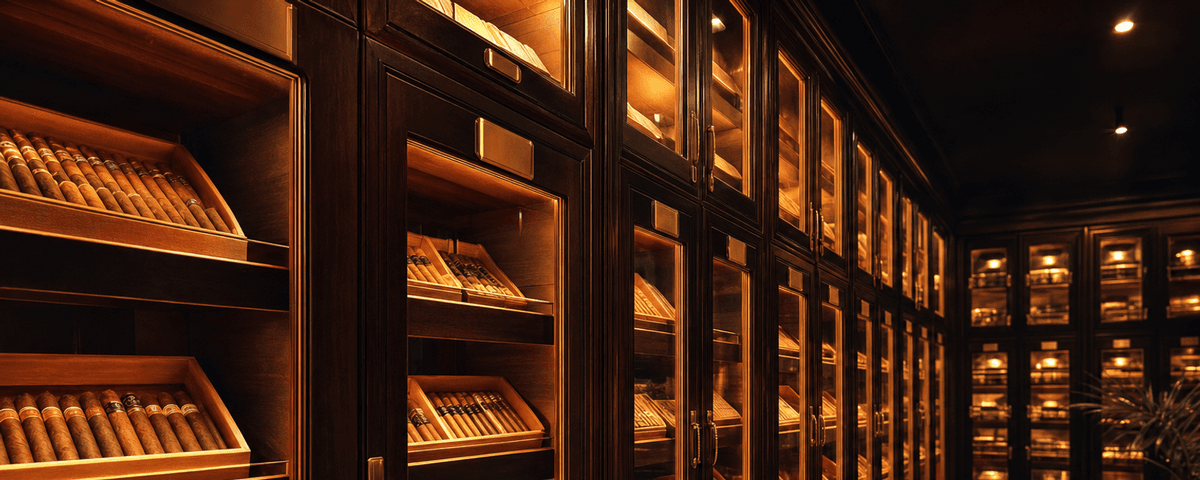
33 座 24 小時恆溫恆濕醇化室
W Cigar Bar 提供的會員醇化空間 · 場地資訊請洽編輯部
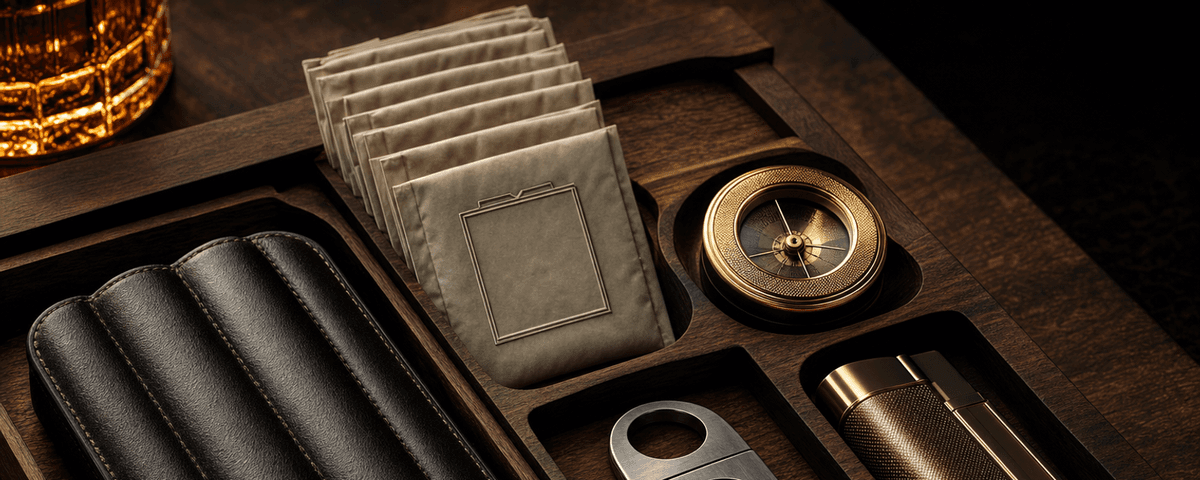
雪茄剪 / 打火機 / 雪茄盒 / Boveda
W Cigar 配件官網 · 專營雪茄配件正品
加 LINE 好友 · 文化諮詢
文化空間資訊 · 紳士沙龍 · 私人包場
本網站內容僅供雪茄文化、歷史、收藏與品吸知識研究參考。菸品有害健康、未滿法定年齡者請勿吸菸。實際規範請依所在地法律為準。
吸菸有害健康・戒菸專線 0800-636363・本站僅供 20 歲以上成年人閱覽。
讀到這裡,你不只是路過的人
留下 Email,加入 W 雪茄聖經內圈——總編輯 Wilson Tsai 親選的學院深文與國際新訊,先你一步送到信箱。
· 教育用途非銷售 · 隨時一鍵退訂 · Email 絕不對外公開 · 由勝茄股份有限公司營運
同分類延伸閱讀

資料來源:W Cigar Bible 編輯部整理 · 雪茄王子 Wilson Tsai 親自審稿
本文僅供雪茄文化、歷史、收藏與品鑑知識研究,不作為菸品促銷、銷售或購買建議。吸菸有害健康,未滿二十歲不得吸菸。