雪茄的醇化影響:時間與環境的交互作用
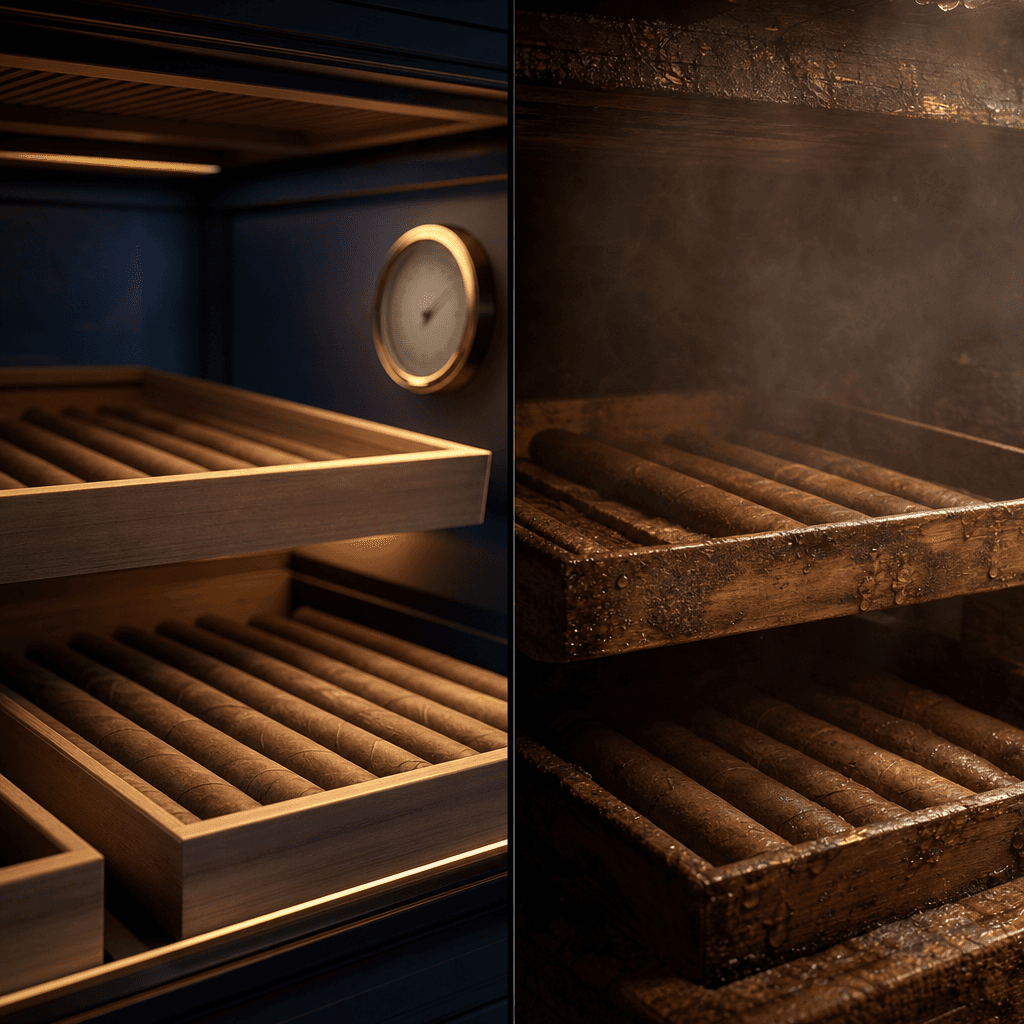
雪茄醇化是一個複雜的過程,並非僅僅依賴時間。影響醇化的因素包括溫度、濕度、空氣交換及雪茄的原始配方。適當的環境能促進風味的重新排列,讓雪茄的特性在不同階段逐漸展現。溫度過高可能加速化學反應,導致香氣提前散失,而濕度則影響抽吸的質地和燃燒表現。每個品牌和年份的雪茄都有其獨特的醇化需求,建立詳細的醇化紀錄能幫助雪茄愛好者追蹤和理解其風味變化,從而提升品吸體驗。
- 醇化過程中,溫度與濕度的穩定性對雪茄風味至關重要,過高或過低都會影響品質。
- 雪茄的醇化分為三個階段,前期調整水分,中期風味融合,後期進入細節期。
- 記錄雪茄的環境數據與感官筆記,有助於建立品牌曲線,提升醇化管理的準確性。
The Impact of Aging on Cigars: The Interaction of Time and Environment
As the editor of "Cigar Bible," I am often asked the same question by seasoned cigar enthusiasts: Why does the same box of cigars become smooth for some after three years, while for others, it turns out like over-steeped tea? The answer lies not just in the word "time," but in how time is shaped by temperature, humidity, air exchange, and the original blend.
Aging cigars is not mysticism, nor is it simply throwing the box into a cabinet and expecting it to improve. It's more like a slow chemical and sensory management: you can't control the past of each tobacco leaf, but you can decide its direction for the next five or ten years.
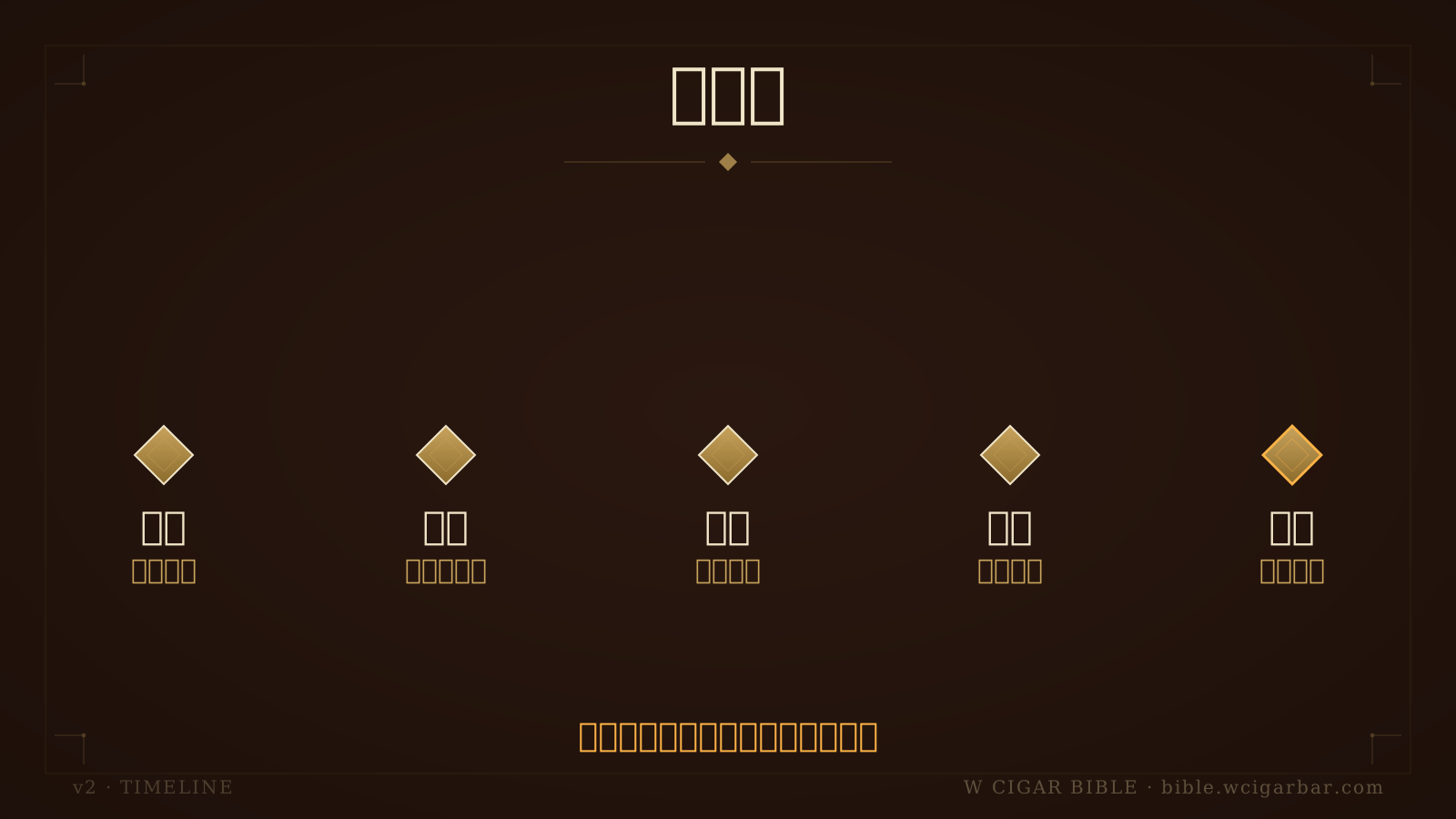
時間線呈現雪茄入櫃到開盒評估的醇化流程
Aging is Not Waiting, But a Reorganization of Flavor Structure
After a cigar is rolled, it still contains moisture, volatile ammonia, vegetal greenness, sugars, and oils interacting slowly. Take the 2019 Partagás Serie D No.4 as an example. A new box often exhibits black pepper, roasted wood, and more direct strength; if stored at 18-20°C and 65-68% RH until 2022, the spiciness decreases, and coffee, leather, and cocoa notes become more prominent. The core of aging is not to weaken the strength but to redistribute the edges and layers.
I divide aging into three stages: the first 6-12 months is the period for adjusting moisture and irritation; the 2-5 years is the flavor integration period; beyond 5 years, it enters a deeper detail period. Different brands vary greatly; Bolívar Royal Corona often requires more time for soil and mineral notes to unfold, while Hoyo de Monterrey Epicure No.2 may exhibit a balance of cream, cedar, and floral notes within 2-4 years.
But time also takes away certain things. Ramon Allones Specially Selected, when aged well, can have more pronounced dried fruit, nut, and leather notes; if the environment is too dry, the sweetness collapses, and the draw becomes thin and sharp. Aging does not equal maturity; maturity must retain oils, elasticity, and aromatic continuity. Therefore, seasoned enthusiasts should not only ask "how long to age," but "in what environment and from what state to start aging."
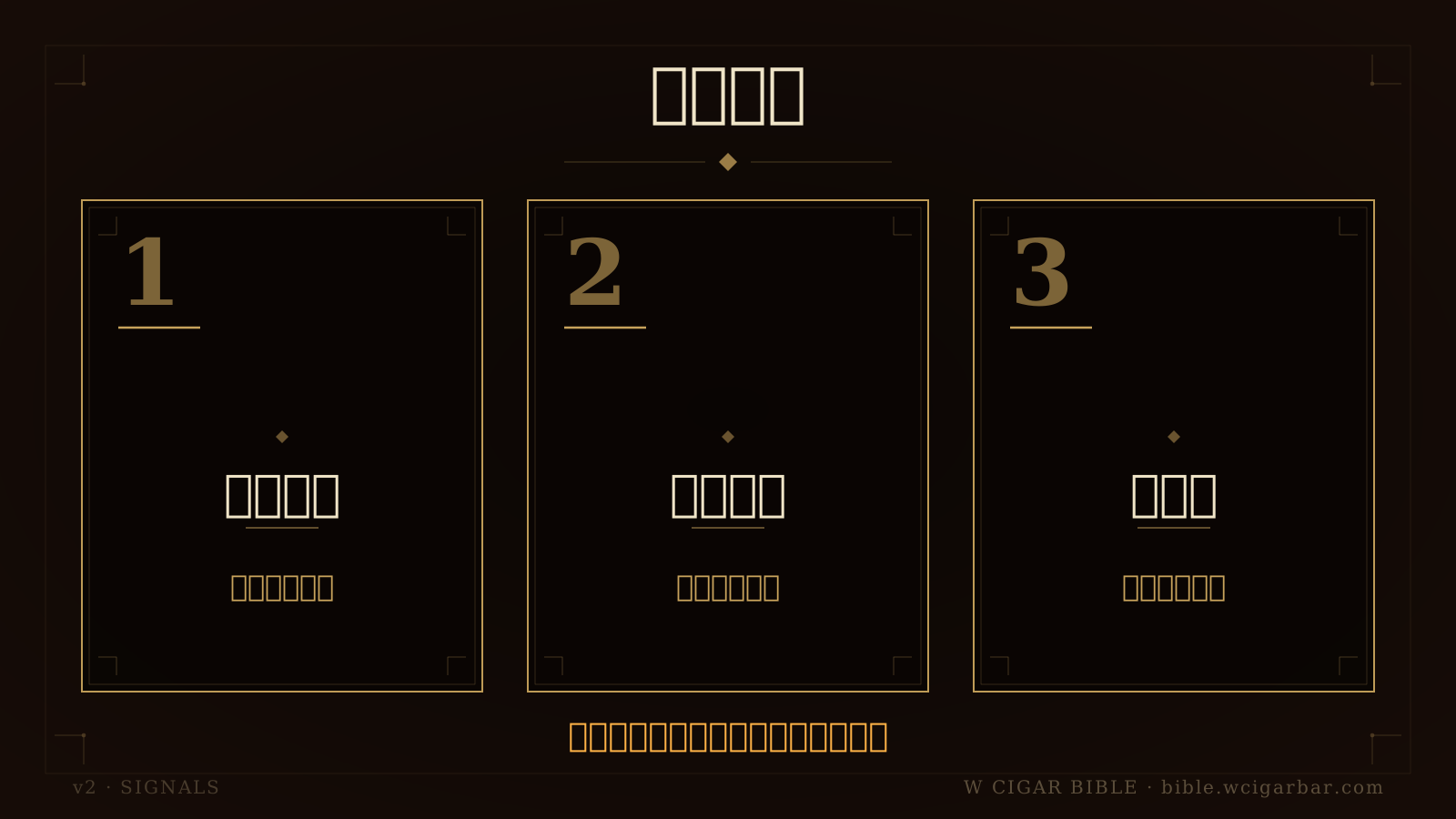
三張卡說明醇化由時間溫濕與空氣共同影響
Temperature: The Accelerator of Aging Speed and the Switch of Risk
Temperature is the most underestimated variable in aging. Generally, 18-20°C is the long-term range I most often recommend; if consistently above 23°C, chemical reactions accelerate, making cigars appear to mellow faster, but aromas may also dissipate prematurely. Many Asian collectors used non-temperature-controlled wooden cabinets from 2008-2010, with indoor summer temperatures often reaching 28°C. After three years, the surface still looked beautiful, but inside, there was a stuffy sweetness, dull acidity, and unstable burn.
Temperature also affects pest risks. Tobacco beetle eggs are more likely to hatch in higher temperatures, especially when consistently near or above 25°C. Older Cuban cigars require extra caution. My approach is to isolate and observe newly acquired boxes for 2-4 weeks if the source and shipping conditions are unclear before placing them in the main cabinet; for boxes from the 1990s or early 2000s, I pay extra attention to powder in box corners, wrapper pinholes, and unusual debris.
Higher temperatures do not mean better aging, only faster reactions and quicker mistakes. For example, Cohiba Siglo VI, introduced in 2003, often exhibits honey, grass, cream, and cedar notes after 5-8 years; but if stored in high-temperature and high-humidity environments, even after just two years, it may become muddled. True aging requires stable slowness, not rushing to ripen.
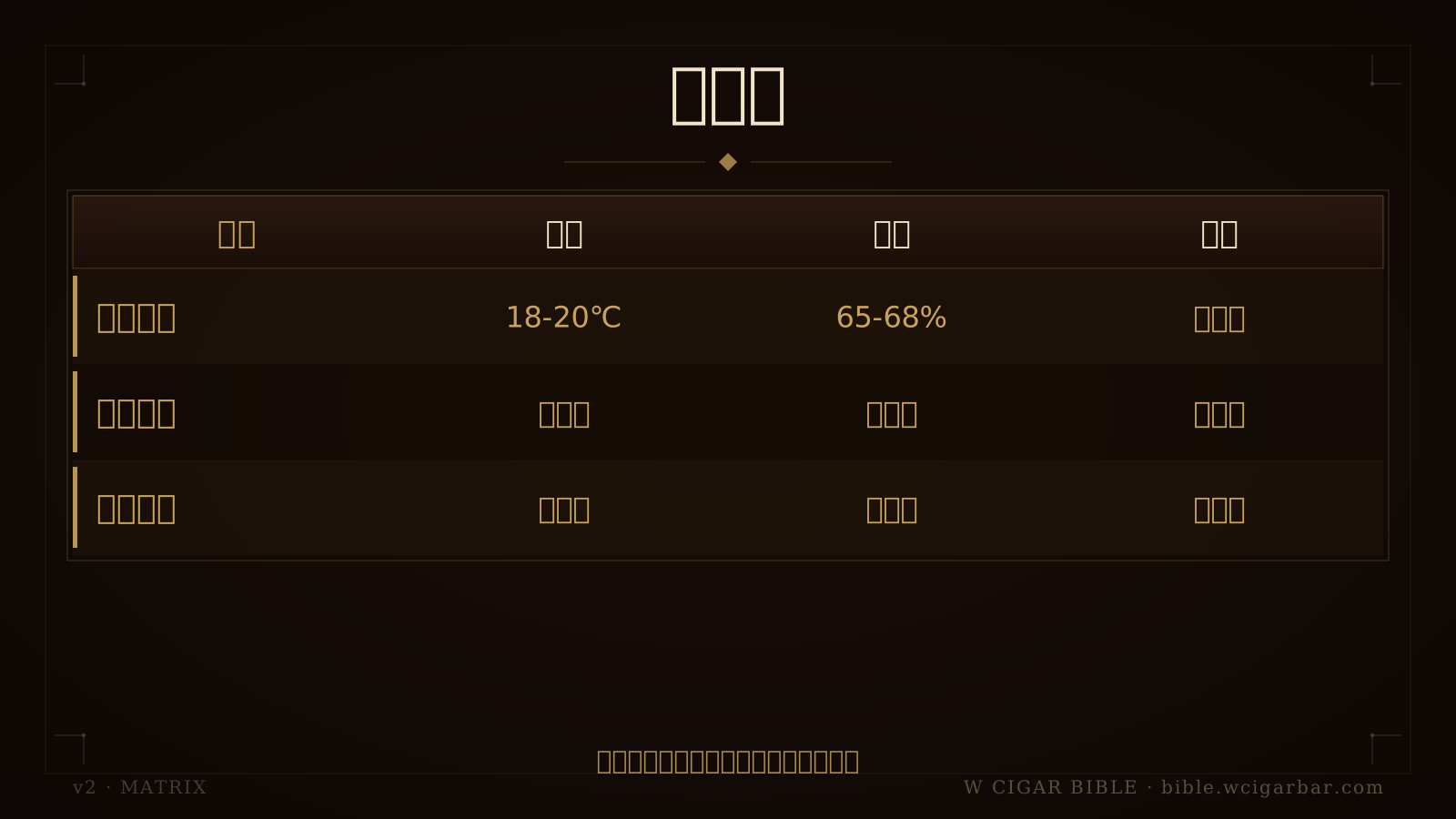
矩陣比較溫度濕度空氣交換對醇化狀態的影響
Humidity: Determines Texture, Burn, and Aroma Release
Relative humidity is not just a number to prevent cracking; it directly affects draw resistance, burn rate, and aroma release. For long-term aging, I prefer 65-68% RH; for cigars ready to smoke, it can be slightly lowered to 62-65% depending on the environment. For example, Montecristo No.2, if maintained at 70-72% RH long-term, may retain a soft feel but is prone to slow burn and thick smoke with muted aromas.
Different ring gauges also react differently. Shorter formats like Robusto and Petit Corona respond quickly to humidity changes; larger sizes like Churchill, Double Corona, or Behike 56 balance internal and external moisture more slowly. I once compared two boxes of 2016 H. Upmann Magnum 46, one long-term at 65% RH and the other near 70% RH; the former had clear aroma lines with clean wood and tea notes, while the latter was softer in the front but slower burning in the middle and back.
The key to humidity management is not pursuing high levels but achieving internal and external consistency and long-term stability. If a cigar is already too moist, do not suddenly lower it to an extremely dry environment, as the wrapper will shrink quickly while the filler remains moist, causing burn cracks. A better approach is to adjust 1-2% RH every 2-3 weeks, allowing the entire cigar to adapt slowly. This is the biggest distinction between seasoned and novice enthusiasts in storage details.
Air Exchange, Box Storage, and Cabinet Position: Details Can Change the Answer in Ten Years
Cigars need stability, but that does not mean being completely sealed to suffocation. Spanish cedar boxes have natural humidity regulation and aroma buffering functions; storing cigars in boxes allows the same box to form a micro-ecosystem. If a 2007 Trinidad Fundadores is well-preserved, it often exhibits delicate floral, creamy, and subtle spice notes after more than a decade; if scattered and mixed with strong brands, the delicacy may be disturbed by environmental odors.
Cabinet position is also important. Areas near humidification sources usually have the most humidity fluctuations; places near glass doors or outer walls are more affected by room temperature. I usually check electronic hygrometers on different shelves every 2-3 months, not only looking at average values but also the highest and lowest differences. If the top shelf of the same cabinet is 68% and the bottom is 63%, over time, the texture of the same box of cigars may split.
True long-term aging is about allowing a box of cigars to progress in a quiet, slow, and traceable environment. I do not recommend frequently opening boxes to play with them, especially boxes with more than ten years of age, as the wrapper's oils and aromas are more sensitive. Necessary inspections are fine, but each box opening should have a purpose: checking for mold spots, smelling for odors, feeling for elasticity, and checking for pests, not just to satisfy anxiety.
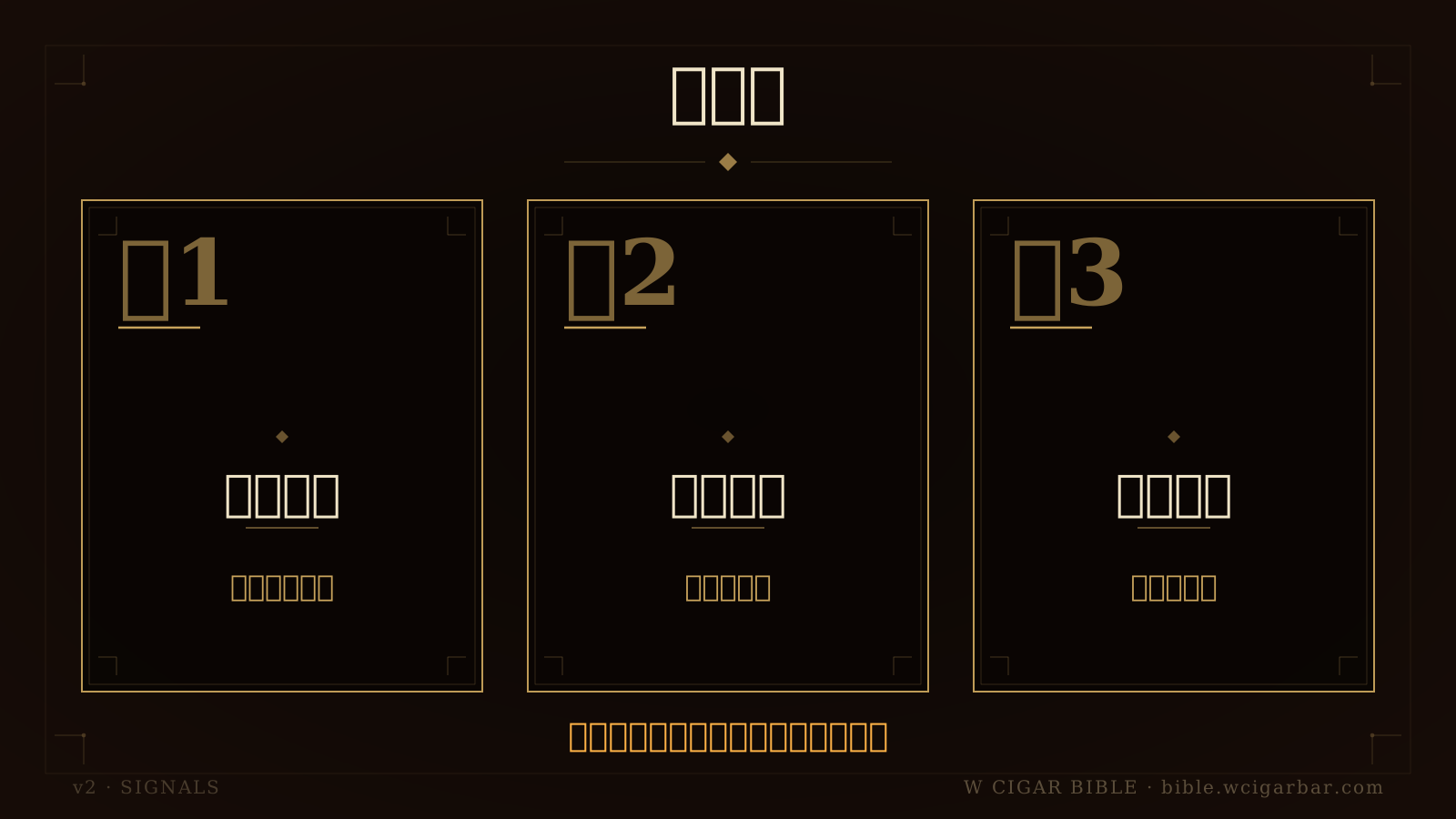
三張卡列出越久越好追高濕與急判斷等誤解
Different Brands and Vintages: Why the Same Five Years Can Yield Completely Different Results
Brand formulas determine aging potential. Brands with more strength and concentration, like Partagás, Bolívar, and Ramon Allones, often open up deeper leather, dried fruit, coffee, and soil notes after 5-10 years; while Hoyo de Monterrey, Por Larrañaga, or Quai d’Orsay are known for their elegance, creaminess, floral, and woody balance, if aged too long and poorly preserved, they may lose their brightness.
Vintages also affect judgment. Many Cuban cigars from 2014-2016 showed relatively approachable performance when young; some boxes from 2001-2003 required longer rest to shed roughness. Non-Cuban cigars are the same, such as Padrón 1964 Anniversary and Arturo Fuente Don Carlos, which have high fermentation maturity and may not significantly decrease in strength after long-term aging, but rather round out cocoa, nut, and sweet spice notes.
The same five years could be just entering the golden period for a robust cigar, while it might be nearing the peak for a delicate cigar. Seasoned enthusiasts should establish their own brand curves rather than copying others' vintage answers. Here is the observation framework I often use:
- For robust brands: First observe if the spiciness has turned into dark sweetness.
- For delicate brands: Pay attention to whether floral and creamy notes are still clear.
- For large ring gauge cigars: Allow more time to achieve internal and external balance.
- For limited or special editions: Do not just look at fame; consider the original leaf thickness and fermentation depth.
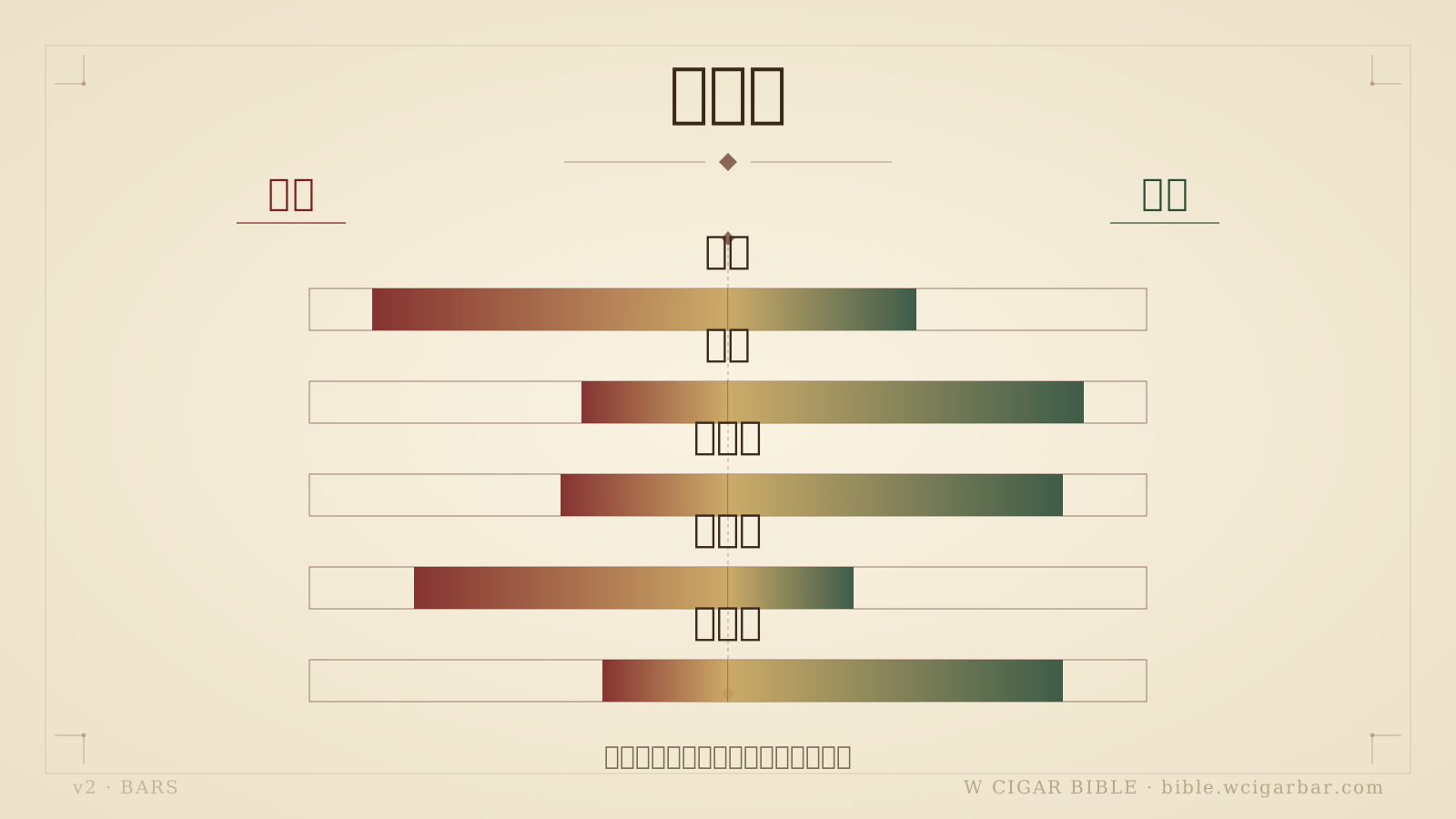
橫條圖比較催熟與慢養在速度穩定風險的差異
Establishing Aging Records: Using Data to Protect Your Taste Memory
Human taste memory is unreliable, especially when spanning three, five, or ten years. Whether that cigar was spicy, green, or just you having a bad day often gets mixed up. Since 2012, I have consistently recorded box numbers, acquisition months, environmental data, and each smoking experience, finding this much more accurate than relying on impressions alone, and it helps avoid mistaking coincidence for regularity.
Records do not need to be complex but should be consistent. I recommend including at least: brand specification, box code or vintage, acquisition status, storage temperature and humidity, box opening date, burn performance, flavor in the front, middle, and back, and remaining quantity. If you have a box of 25 Romeo y Julieta Churchill, and you smoke one in the 1st, 3rd, 5th, and 8th years and record it, you can see how it transitions from cedar and floral to leather, tea, and honey sweetness.
Without records, aging is just a legend; with records, taste becomes an experience that can be corrected. Below is a simplified version I recommend seasoned enthusiasts adopt:
| Record Item | Suggested Content | Key Points for Interpretation |
|---|---|---|
| Acquisition Data | Year, box code, source, condition upon acquisition | Confirm starting quality |
| Environmental Data | Temperature, humidity, location, fluctuation range | Determine reasons for changes |
| Sensory Notes | Front, middle, back, smoke volume, burn, aftertaste | Establish brand curves |
| Box Opening Rhythm | Year, cigar number, remaining quantity | Avoid premature consumption |
| Abnormal Records | Mold, cracks, insect holes, odors | Correct management early |
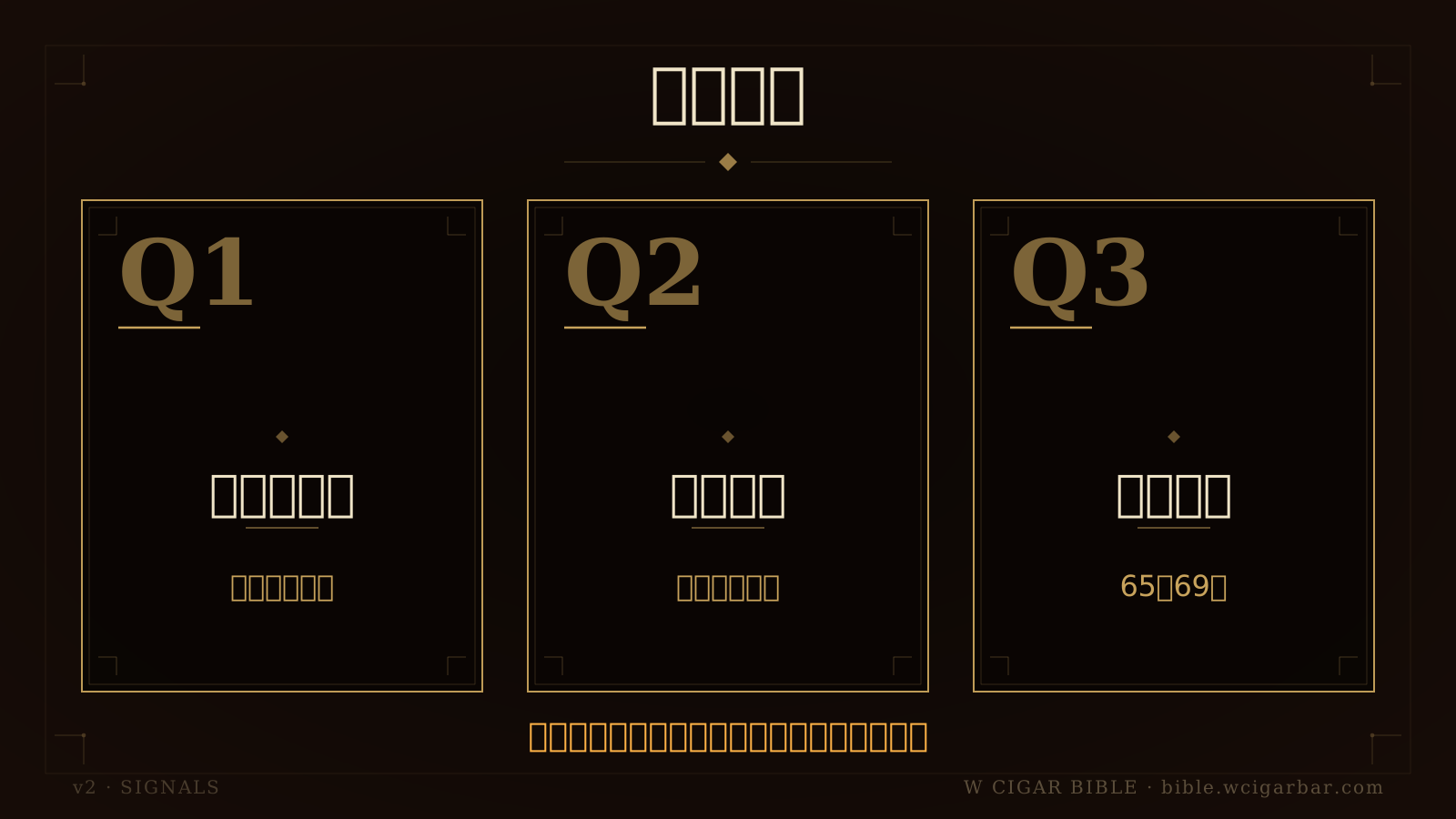
快問快答整理久放白晶與濕度選擇三個問題
Practical Strategies: From Three-Box Configuration to Ten-Year Planning
If you already have brand preferences, I suggest not just buying single sticks for dispersed storage but observing aging with a "three-box strategy": one box short-term, one box medium-term, and one box long-term. For example, with Cohiba Robustos, observe the changes in grass, cream, and honey in the first box within 1-3 years; the second box until 5-7 years to see if the aroma deepens; the third box only considers over 10 years to confirm the true peak window.
In practice, the number of cigars also affects management. For small collections of fewer than 20 cigars, the focus is on stable equipment and avoiding frequent opening and closing; for collections of 100-300 cigars, start zone management, separating young, old boxes, strong, and delicate brands; for over 500 cigars, more rigorous temperature control, backup hygrometers, and regular calibration are needed. I recommend calibrating hygrometers every 6-12 months using salt tests or standard calibration packs.
The essence of aging planning is to reverse from "when you want to enjoy" back to "how to preserve today." If you hope to open a 2020 H. Upmann Sir Winston in 2030, you should not frequently open the box in 2026, causing fluctuations. When discussing collection value, it must be rational: it does not guarantee appreciation and still depends on source preservation and market. For me, cigars truly worth long-term storage must first be able to reward the wait in flavor.
Frequently Asked Questions
Does aging cigars longer always make them better?
No. Cigars have peak periods and decline periods. If delicate brands are poorly preserved, they may only have wood and hay notes left after 10 years; robust brands can withstand time better but may become dull if too moist. Time is just one condition, not a quality guarantee. The key to judgment remains the original leaf material, rolling state, storage environment, and box opening rhythm.
How to distinguish between white crystals and mold spots?
White crystals are usually fine powder, evenly distributed, and can be brushed off easily, often related to oil exudation; mold spots may have fuzz, appear blue-green or gray, and are accompanied by a musty smell. If mold spots are found, isolate the box and check adjacent cigars. Do not rely solely on photos for judgment; smell and touch are equally important.
How long should newly purchased cigars be stored before smoking?
If shipping is stable and the condition is good, allow at least 4-8 weeks for moisture to rebalance; if cross-country transport or extreme climate, 3 months is more prudent. Young Cuban cigars with ammonia notes often show significant improvement after 6-12 months. Rushing to judge a cigar often only judges travel fatigue, not its true nature.
Should I choose 65% RH or 69% RH?
It depends on your environment and taste preference. 65% RH usually results in clear burn and cleaner aroma lines; 69% RH feels softer, with thicker smoke, but if the temperature is high, the risk of stuffiness increases. I personally maintain long-term aging at 65-68% RH, adjusting slightly before smoking based on the format.
Is box storage always better than single-stick storage?
In the long term, box storage better maintains the microenvironment of the same batch of cigars and facilitates tracking vintage and condition. Single-stick storage is convenient for comparison but is more susceptible to other odors, humidity changes, and frequent handling. For plans over 10 years, I prioritize preserving the original box integrity, then sparingly separating for staged observation.
Is it normal for old cigars to taste bland?
Partially normal, partially not. Aging reduces spiciness but should not make aromas completely disappear. If only cardboard, dry wood, and short aftertaste remain, it may be due to overly dry storage or past peak; if there is still tea, honey, leather, and a long aftertaste in the blandness, that is the subtlety after maturity, not decline.
My view on aging is simple: cigars are not improved by time alone but by the right time and environment together. What seasoned enthusiasts truly pursue is not aging every box to the oldest but meeting it when it is most expressive. May every box opening not be a gamble but an echo of years of records and patience.
—Cigar Prince Wilson Tsai
Smoking is harmful to health. Under 20 years old, smoking is prohibited. Quitline: 0800-636363. This article is for reference by adults over 20 years old for cigar culture, storage, and regulation knowledge, not a tobacco advertisement, promotion, or purchase suggestion.
Like this article?Share with friends
Share this W Cigar Bible piece with friends who want to learn cigar culture, storage, and tasting.
想把這篇 化為實踐
雪茄聖經是知識;雪茄文化要在空間裡發生

W Cigar Bar 大安總店資訊
台北大安區 · 雪茄聖經總編輯 Wilson Tsai 主理的雪茄文化空間
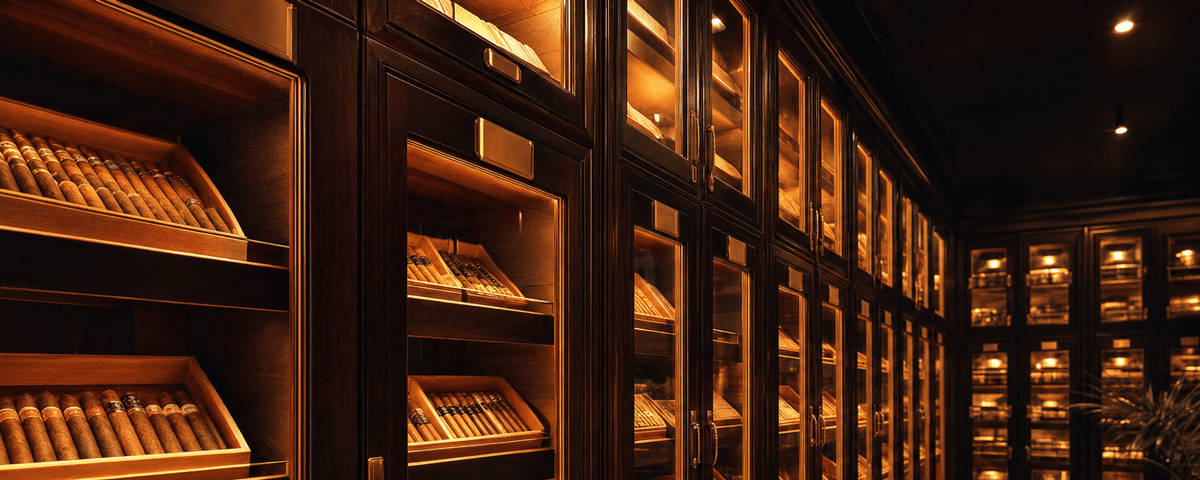
33 座 24 小時恆溫恆濕醇化室
W Cigar Bar 提供的會員醇化空間 · 場地資訊請洽編輯部
雪茄剪 / 打火機 / 雪茄盒 / Boveda
W Cigar 配件官網 · 專營雪茄配件正品
加 LINE 好友 · 文化諮詢
文化空間資訊 · 紳士沙龍 · 私人包場
本網站內容僅供雪茄文化、歷史、收藏與品吸知識研究參考。菸品有害健康、未滿法定年齡者請勿吸菸。實際規範請依所在地法律為準。
吸菸有害健康・戒菸專線 0800-636363・本站僅供 20 歲以上成年人閱覽。
讀到這裡,你不只是路過的人
留下 Email,加入 W 雪茄聖經內圈——總編輯 Wilson Tsai 親選的學院深文與國際新訊,先你一步送到信箱。
· 教育用途非銷售 · 隨時一鍵退訂 · Email 絕不對外公開 · 由勝茄股份有限公司營運
同分類延伸閱讀

資料來源:W Cigar Bible 編輯部整理 · 雪茄王子 Wilson Tsai 親自審稿
本文僅供雪茄文化、歷史、收藏與品鑑知識研究,不作為菸品促銷、銷售或購買建議。吸菸有害健康,未滿二十歲不得吸菸。