雪茄的獨特風味成分及其化學變化
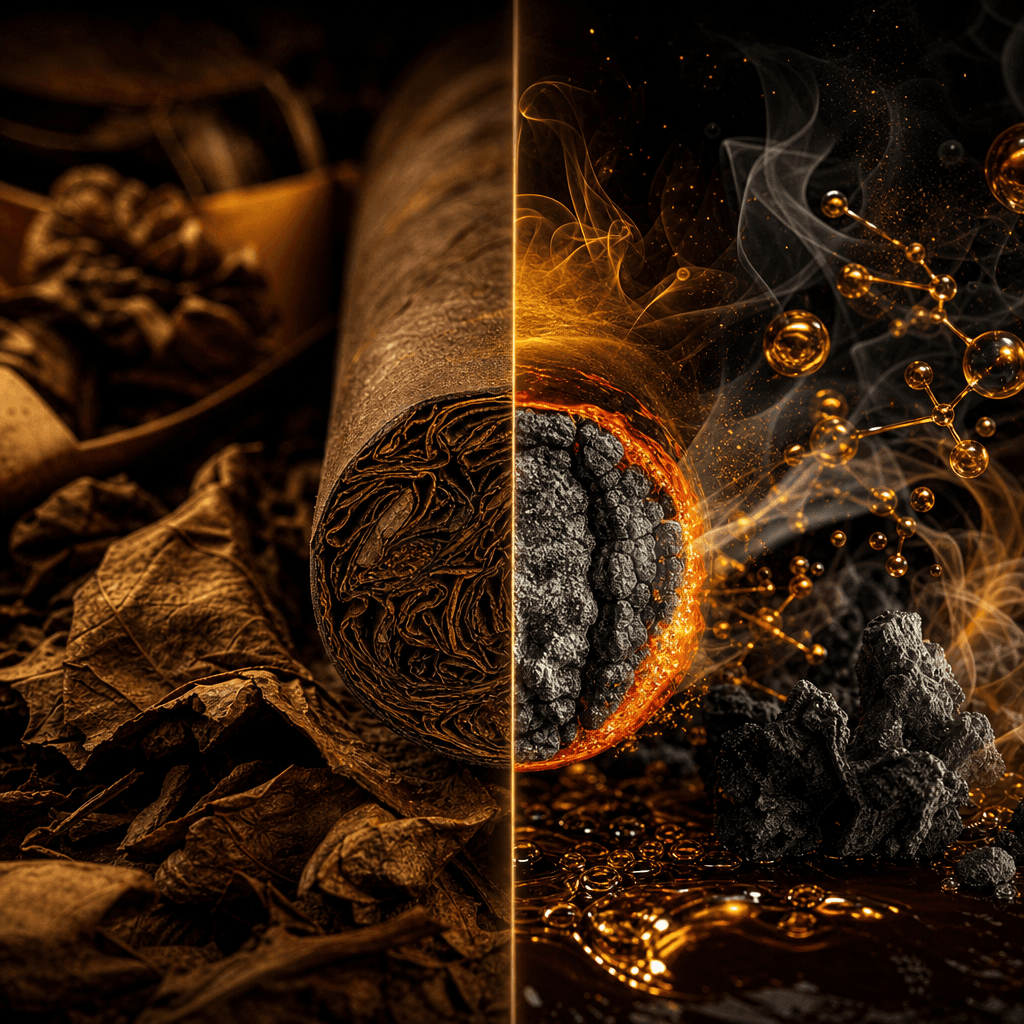
雪茄的風味不僅僅是靜止的形容詞,而是隨著菸葉的種植、發酵和燃燒過程中不斷變化的化學反應。從田間的土壤成分到發酵過程中的溫度變化,這些因素都會影響雪茄的香氣和口感。老手在品評時,需關注香氣前驅物的成熟度與燃燒條件,而非單純的濃度或尼古丁含量。透過觀察不同階段的風味變化,可以更深入理解雪茄的複雜性,並提升品味體驗。
- 雪茄的風味隨著化學成分和溫度變化而重組,前段、中段、尾段的風味差異由燃燒過程主導。
- 香氣前驅物在菸葉種植和發酵過程中形成,影響燃燒速度和煙氣特性,成熟度是關鍵。
- 雪茄的甜感來源於還原糖和胺基酸的反應,燃燒條件的改變會影響香氣的展現。
Unique Flavor Components of Cigars and Their Chemical Changes
When experienced cigar aficionados discuss cigars, simply using adjectives like "woody, leathery, cocoa, peppery" can quickly lead to a bottleneck. The truly interesting aspect is that these flavors do not exist statically; they are constantly being reorganized through the processes of tobacco cultivation, fermentation, aging, pyrolysis, and redox reactions after ignition.
I often view a cigar as a small reactor: the wrapper, binder, and filler each carry sugars, amino acids, resins, phenols, alkaloids, and minerals. As the burn line progresses, the distinct changes in the front, middle, and end segments are primarily driven by chemical components and temperature gradients.
流程圖顯示田間晾乾發酵醇化到燃燒
From Field to Fermentation: How Aroma Precursors Are Established
The aromatic foundation of a cigar is first formed in the field. The soil minerals, sunlight, and drainage of regions like Cuba's Vuelta Abajo, Nicaragua's Estelí, and the Dominican Republic's Cibao affect the potassium, calcium, magnesium, and nitrogen content in the tobacco leaves. These elements are not flavor descriptors, but they do alter burn rate, ash whiteness, alkalinity, and smoke thickness. Comparing Partagás Serie D No.4 and Padrón 1964 Anniversary Maduro, the former often exhibits dry wood, earth, and spice, while the latter tends to present cocoa, coffee, and molasses, due to differences in raw material origin and processing methods.
The drying and fermentation after harvest are crucial for precursor transformation. During fermentation, the internal temperature of the tobacco piles often varies between 38°C and 50°C, leading to the breakdown of chlorophyll, protein degradation, and starch conversion, gradually reducing harsh green notes. If fermentation is insufficient, ammonia, grassy notes, and pungency will be prominent in the early stages; if excessive, sweetness and aromatic oils may be consumed, resulting in flat smoke. Experienced aficionados should judge not by "intensity" but by whether aroma precursors have been maturely preserved.
For instance, the medio tiempo leaf position in the Cohiba Behike series, first released in 2010, is often discussed because its sun exposure and leaf thickness concentrate oils, nicotine, and polyphenols. It is not a mysterious spice but a density brought about by leaf position, maturation management, and blending ratios. The starting point of flavor depth is often not at the moment of burning but mostly completed in the leaf before ignition.
三張卡列出成分重組前驅成熟與控溫
Sugars, Amino Acids, and Maillard Reaction: Sources of Nutty, Bready, and Caramel Notes
The sweetness in cigars does not equate to syrupy sweetness but rather comes from a composite impression of reducing sugars, alcohols, aldehydes, ketones, and roasting reactions. After drying and fermentation, residual sugars and amino acids undergo heat-induced reactions similar to Maillard reactions and caramelization at the burning front, forming molecules like furans, pyrazines, and aldehydes. These substances are key sources of roasted bread, almonds, hazelnuts, coffee beans, and caramel edge notes.
Take Montecristo No.2 as an example; when in good condition, it often has creamy wood, roasted nuts, and light cocoa; if humidity is too high, the burning temperature is lowered, and the reaction is incomplete, these aromas turn into stuffy sweetness, wet cardboard, or dull acidity. Conversely, if too dry, the burn is too fast, sugars quickly decompose, and sweetness turns bitter before unfolding. The sweetness level of the same cigar often changes not due to formula changes but due to changes in burning conditions.
Practically, I observe the reaction in the first 2 cm: if the initial stage has stable roasted grains, cream, and light sweet wood, it indicates reasonable burning temperature and moisture; if only tongue burn and charred wood are present, refrain from hastily judging the brand. Try slowing down, taking a puff every 45 to 60 seconds, keeping the burning end orange-red rather than bright white-hot. Maillard aromas fear impatience; slowing down allows sweetness, nuts, and bread crust to emerge.

矩陣比較糖胺鹼性與酚木的風味差異
Alkaloids, pH, and Spiciness: Strength Is More Than Just Nicotine
When discussing strength, many people think directly of nicotine, but oral sensations are more complex. Alkaloids in tobacco, including nicotine, nornicotine, and anatabine, along with smoke pH, free state ratio, and burning temperature, influence the sensations of "impact, sting, dizziness, fullness." Generally, when smoke is alkaline, the free nicotine ratio increases, making entry more penetrating; when acidic, stimulation is relatively restrained, but sharpness or greenness may emerge.
Nicaraguan Estelí leaves often give a black pepper, earthy, and powerful sensation, while Dominican Piloto Cubano can bring dried fruit, wood, and gentle spice. Fuente Fuente OpusX, when in good condition, offers spiciness not as simple heat but as a blend of white pepper, cedar, dried fruit, and oiliness; if storage is imbalanced, spiciness turns into throat scratchiness. Strength is a symphony of chemistry and structure, not a solo competition of nicotine numbers.
Experienced aficionados can distinguish spicy sources from three positions: tongue tip sting is often related to high temperature, dryness, or free alkali stimulation; tongue side sourness and spiciness may relate to incomplete fermentation or excessive humidity; nasal pepper aroma is usually brought by volatile terpenes, phenols, and pyrazines. If a cigar becomes rounder in spiciness after the middle segment, it indicates a balance of tar, moisture, and temperature; if it becomes sharper, it is often due to a too-fast smoking pace or an uneven burn line.
Phenols, Lignin, and Smoky Notes: Where Do Cedar, Leather, and Earth Come From
The woody, leathery, smoky, and earthy notes in cigars are closely related to the pyrolysis of lignin, cellulose, and hemicellulose. When the burning zone temperature is about 600°C to 900°C, the adjacent pyrolysis zone is about 200°C to 500°C, and the fiber structure generates phenols, guaiacol, eugenol, aldehydes, and organic acids. Guaiacol often evokes smoked wood, roasted barrels; eugenol may bring sweet spices, cloves, and warm spiciness.
Romeo y Julieta Churchill is often described as having floral, cedar, leather, and light sweetness; Bolívar Belicosos Finos more commonly exhibits rich earth, deep wood, and leather thickness. The difference comes not only from brand style but also from leaf thickness, fermentation intensity, and burning heat distribution. The so-called leather flavor is not because there is leather in the cigar, but because phenols, aldehydes, and nitrogen-containing heterocyclic molecules form associations in the olfactory sense.
When evaluating, pay attention to the boundary between "dry wood" and "charred wood." Dry wood resembles pencil shavings, cedar boxes, old bookcases, usually accompanied by clear sweetness; charred wood resembles over-roasted charcoal, suppressing floral and nutty notes. If charred wood appears early in the end segment, consider correcting two things: first, reduce frequency; second, keep the ash column about 2 to 3 cm to avoid instant temperature rise at the burning end. Ash is not just aesthetic; it is also a buffer layer for stable burning and aroma protection.
三張卡提醒油光醇化與快抽的誤解
Oils, Terpenes, and Floral-Fruity Notes: Why Good Cigars Have a Three-Dimensional Nasal Aroma
The "nasal aroma" pursued by many experienced aficionados is highly related to volatile aromatic substances. The oils and resins on the surface of tobacco leaves may contain terpenes, sesquiterpenes, carotenoid degradation products, and aromatic alcohols. These molecules, being relatively small or medium in molecular weight, easily enter the smoke upon heating, bringing layers of citrus peel, dried flowers, honey, herbal, dried fruit, and vanilla. The grassy cream, honey, and light floral aroma of Cohiba Siglo VI in ideal condition is a familiar example for many.
Carotenoid degradation can generate substances like β-ionone, which may present violet, dried fruit, or sweet woody notes in olfaction. This is why some well-aged cigars, after the sharp green notes decrease, instead reveal soft floral and fruity notes. For example, H. Upmann Magnum 46, when the year and storage conditions are good, often shows tea and light honey beyond wood and coffee; if too wet, these high-pitched aromas will be suppressed. Floral and fruity notes fear heavy moisture; humidity management is more important than strong inhalation.
I recommend experienced aficionados practice retronasal, where smoke is not directly inhaled but allowed to linger in the mouth before gently exhaling a small portion through the nasal cavity. The retronasal sense is better at identifying terpenes and floral-fruity molecules than the tongue, but the amount should be small, especially for high-strength cigars. If the nasal cavity only feels burning, it is usually not because the cigar lacks aroma, but because the temperature is too high, the pace is too fast, or accumulated substances in the end segment have overshadowed aromatic molecules.
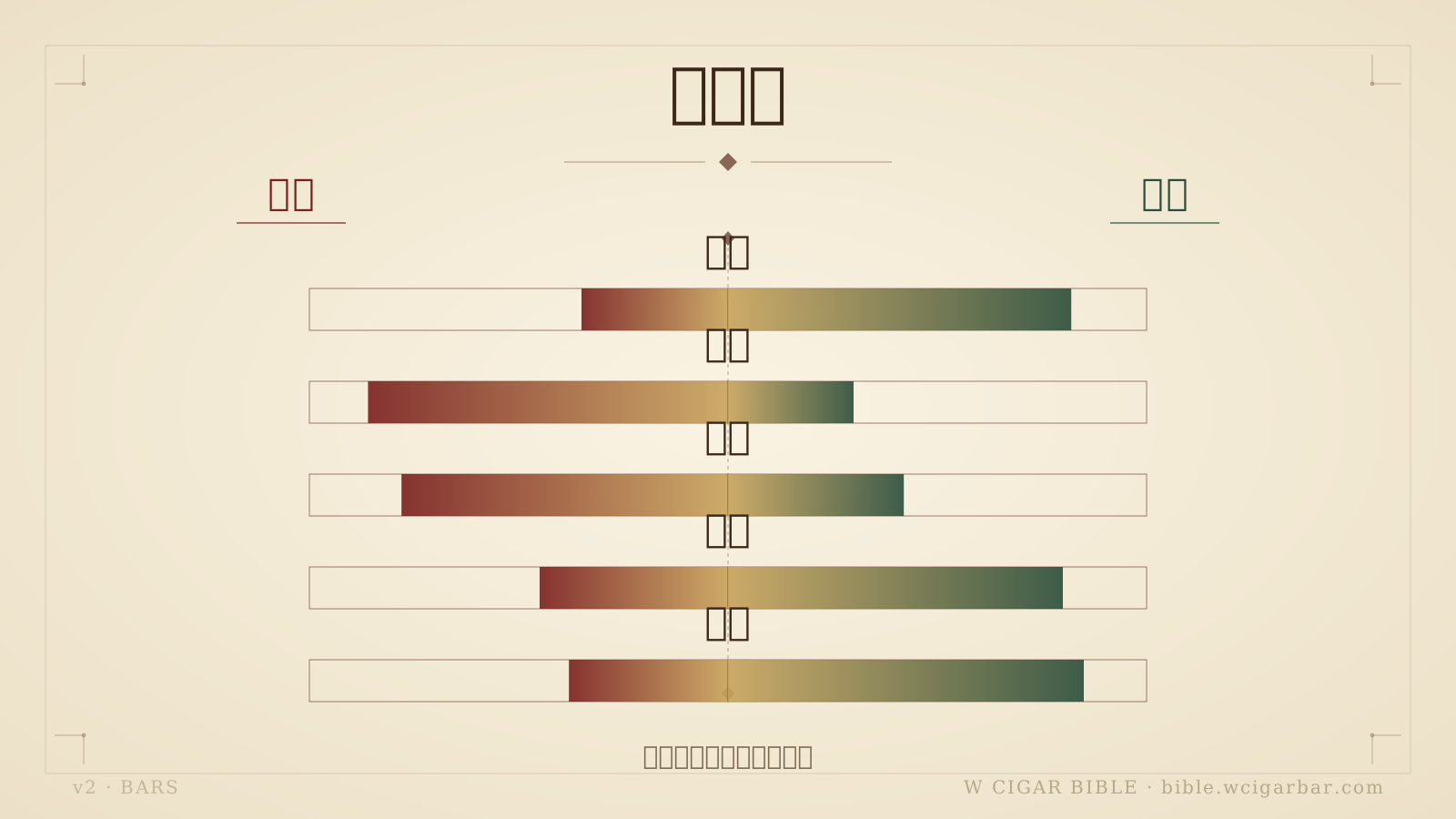
長條圖比較急抽與控溫在甜香苦辣層次差異
Three-Stage Changes in the Burning Process: Why the Same Cigar Can Change Tone
The changes in the front, middle, and end segments of a cigar result from the advancing burn end, with the smoke path through the unburned leaf bundle becoming shorter, and the accumulation patterns of tar, moisture, heat, and volatiles differing. The front segment is often more open, with sweet wood, floral, and herbal notes more likely to appear; the middle segment has stable temperature, with nutty, coffee, leather, and spice notes becoming thicker; the end segment, due to concentrated heat and increased condensates, has bitterness, spiciness, saltiness, and charred notes more easily amplified.
| Stage | Common Chemical Dominants | Typical Flavors | Practical Observations |
|---|---|---|---|
| Front 0-30% | Light volatiles, initial pyrolysis | Cedar, floral, light sweet, herbal | Check if ignition is even, if there is ammonia sensation |
| Middle 30-70% | Maillard products, phenols, oil volatilization | Nuts, coffee, leather, spices | Determine brand main tone and balance |
| End 70-100% | Tar concentration, alkalinity rise, high-temperature pyrolysis | Dark wood, bitter cocoa, pepper, saltiness | Slow down pace, end early if necessary |
For Partagás Serie P No.2, the front often opens with wood and spice, the middle transitions to coffee, leather, and substantial earth, and if the end is well-controlled, it will have dark chocolate and pepper; if the pace is too dense, it quickly turns bitter and charred. The three-stage change is not mysticism but a continuous result of smoke path, condensates, and temperature gradient.
Practically, I take notes every 1/3 rather than rushing to conclusions with every puff. The recording format can be simplified to "main aroma, mouthfeel, aftertaste, burn, defects." If three cigars from the same box show similar transitions in the middle segment, it is more likely a brand or batch characteristic; if only one is abnormal, suspect storage, humidity, or ignition operation first.
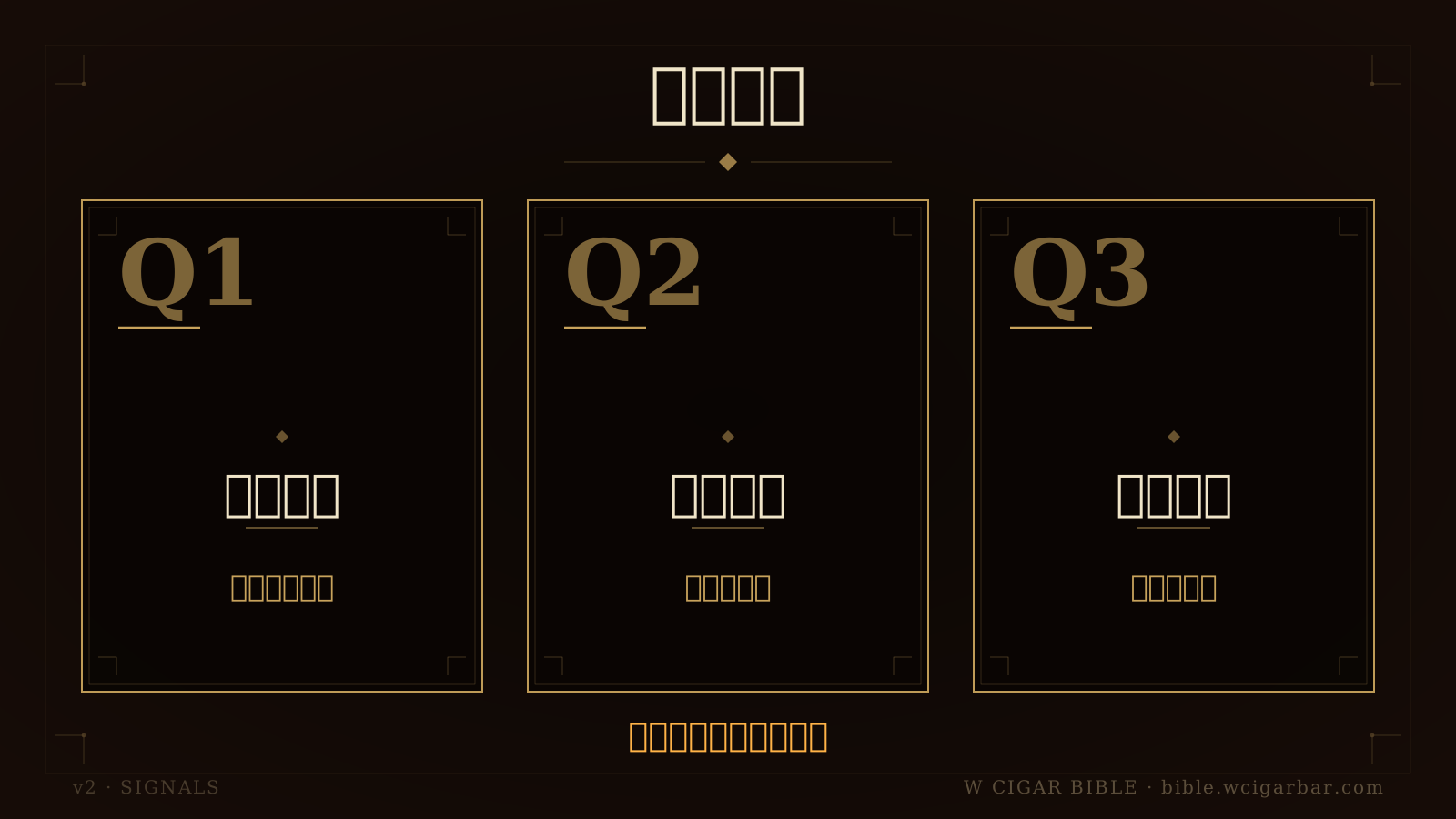
三張問答卡整理年份氨味與尾段苦味
Practical Methods for Experienced Aficionados: Enhancing Flavor Resolution by Controlling Variables
The core of advanced evaluation is not the more flowery the adjectives, the better, but controlling variables. It is recommended to maintain relative humidity at 65% to 69%, temperature around 18°C to 21°C; if the environment is too hot, volatilization speed increases, and pest risks rise, if too humid, burning is stifled, and ammonia and dull acidity are amplified. Avoid environmental scents like perfume, essential oils, and strong coffee fumes, or the nasal cavity will be occupied by external odors.
- Smell before lighting: distinguish barn, cedar, cocoa, ammonia, or mold.
- Cold draw: check resistance, sweetness, spice, and herbal clues.
- First 2 cm: judge if burning is clean, if pace needs adjustment.
- Middle segment: record main tone, not bound by front segment impressions.
- End segment: observe if bitterness and spiciness rise reasonably, rather than enduring to the end.
Brand cases can use the contrast method. For example, do not compare Cohiba Robusto and La Flor Dominicana Double Ligero consecutively on the same day, as the strength difference will overshadow the former; instead, use the same time over two days, similar post-meal state, same drinking water conditions. Evaluation should be like an experiment; the fewer variables, the more reliable the flavor judgment.
Pairing with drinks also requires restraint. Plain water is the most neutral, unsweetened sparkling water can cleanse oral oils; black coffee will amplify roasted and bitter notes, rum may enhance sweet aromas but also obscure details. If the goal is to study chemical flavors, I would rather pair only with water in the first round. Understand the cigar itself first, then let the pairing join the conversation; this is the boundary between an experienced aficionado and a player.
Common Questions
Why does the same cigar have significant differences in different years?
Cigars are agricultural products, and the rainfall, soil moisture, and fermentation batches for the same brand in 2018, 2020, and 2023 may differ. Coupled with aging and transportation storage conditions, flavors can vary significantly. Experienced aficionados should record box codes, years, purchase sources, and storage environments rather than drawing conclusions from a single experience.
Does the presence of ammonia in a cigar indicate poor quality?
Not necessarily. Ammonia is often related to late-stage fermentation residue, insufficient aging time, or overly humid storage. If it appears lightly before lighting or in the early stages and then dissipates, it may not be a severe issue; if it is pungent throughout, causing throat discomfort and suppressing sweetness, it usually indicates suboptimal condition. Ammonia is a warning of maturity and moisture management, not to be romanticized.
Why does the end segment often become bitter?
In the end segment, the smoke path shortens, and tar, alkaline substances, and high-temperature pyrolysis products become more concentrated, making bitterness, spiciness, and saltiness more likely to rise. If puffed every 20 seconds, the burning end temperature is too high, and bitterness will appear faster. Extend to about 60 seconds, and pay more attention to pace in the remaining third.
Is the oil sheen on the surface of a cigar a guarantee of flavor?
An oil sheen usually indicates good wrapper preservation and leaf oil content, but it is not an absolute guarantee. Over-humidity can make the surface appear shiny but burn poorly; too dry, and oils evaporate, thinning the aroma. Observe elasticity, aroma, burn line, and smoke texture simultaneously, not just the appearance.
Is longer aging always better?
Not necessarily. Aging for 5 years, 10 years, or longer may reduce harshness and blend aromas but may also cause floral and fruity high notes and strength to decline. Some rich Nicaraguan cigars become rounder after several years; some originally bright Cuban sizes lose vitality if aged too long. When discussing collection appreciation, it does not guarantee appreciation; it still depends on source preservation and market.
After writing about cigars for so many years, I increasingly believe that a true aficionado is not one who chases the rarest names but one who can read the land, fermentation, aging, and fire in a puff of smoke. Flavor is not about memorizing answers but about training the senses and respecting variables. Understanding chemistry does not make romance disappear; on the contrary, it makes each evaluation more accurate and respectful.
—Cigar Prince Wilson Tsai
Smoking is harmful to health. Underage smoking is prohibited. Quitline: 0800-636363. This article is for reference by adults over the age of twenty for cigar culture, storage, and regulation knowledge only, not as tobacco advertising, promotion, or purchase advice.
Like this article?Share with friends
Share this W Cigar Bible piece with friends who want to learn cigar culture, storage, and tasting.
想把這篇 化為實踐
雪茄聖經是知識;雪茄文化要在空間裡發生
W Cigar Bar 大安總店資訊
台北大安區 · 雪茄聖經總編輯 Wilson Tsai 主理的雪茄文化空間
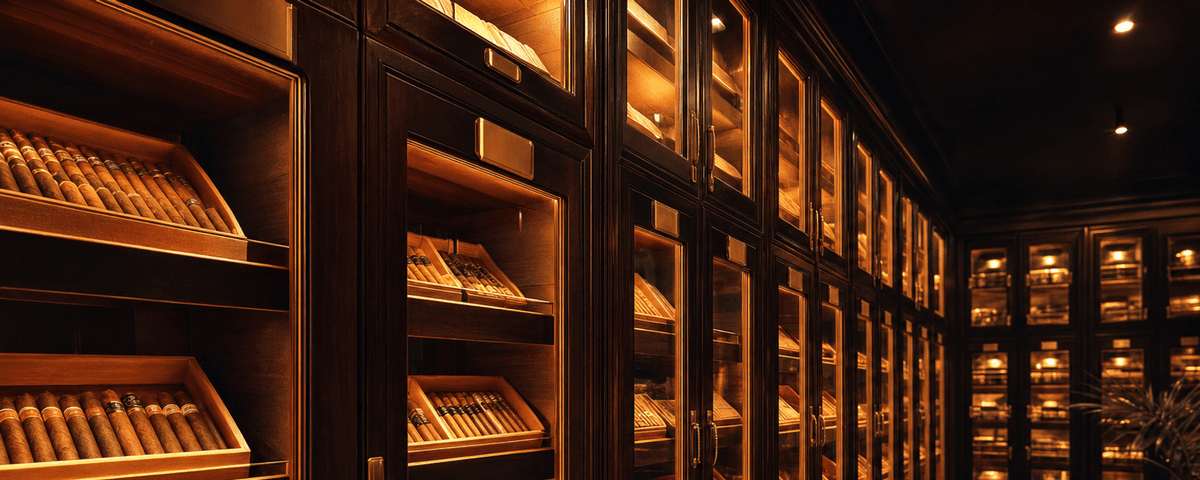
33 座 24 小時恆溫恆濕醇化室
W Cigar Bar 提供的會員醇化空間 · 場地資訊請洽編輯部
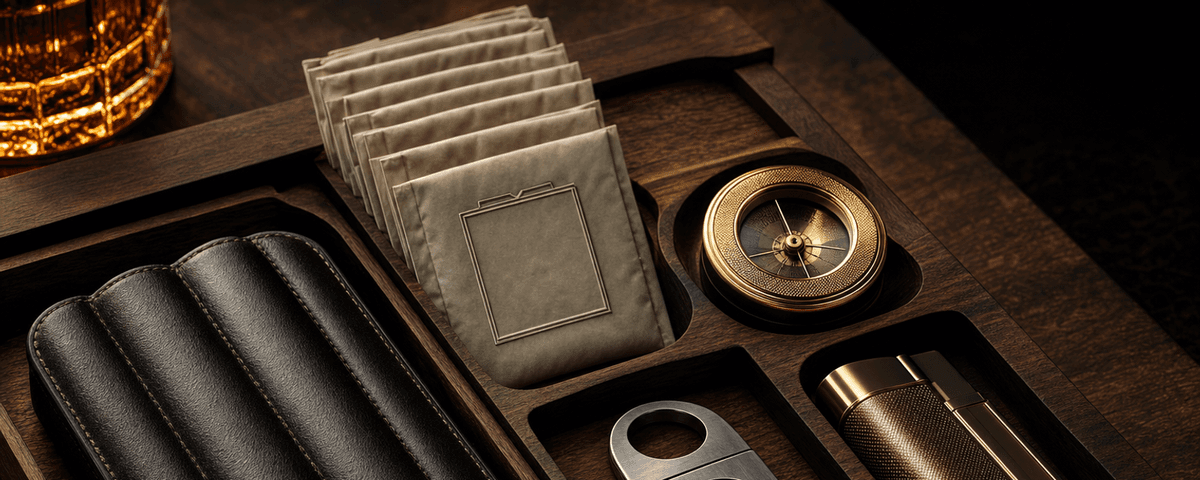
雪茄剪 / 打火機 / 雪茄盒 / Boveda
W Cigar 配件官網 · 專營雪茄配件正品
加 LINE 好友 · 文化諮詢
文化空間資訊 · 紳士沙龍 · 私人包場
本網站內容僅供雪茄文化、歷史、收藏與品吸知識研究參考。菸品有害健康、未滿法定年齡者請勿吸菸。實際規範請依所在地法律為準。
吸菸有害健康・戒菸專線 0800-636363・本站僅供 20 歲以上成年人閱覽。
讀到這裡,你不只是路過的人
留下 Email,加入 W 雪茄聖經內圈——總編輯 Wilson Tsai 親選的學院深文與國際新訊,先你一步送到信箱。
· 教育用途非銷售 · 隨時一鍵退訂 · Email 絕不對外公開 · 由勝茄股份有限公司營運
同分類延伸閱讀
資料來源:W Cigar Bible 編輯部整理 · 雪茄王子 Wilson Tsai 親自審稿
本文僅供雪茄文化、歷史、收藏與品鑑知識研究,不作為菸品促銷、銷售或購買建議。吸菸有害健康,未滿二十歲不得吸菸。