雪茄中的風味來源與化學變化:專業解析
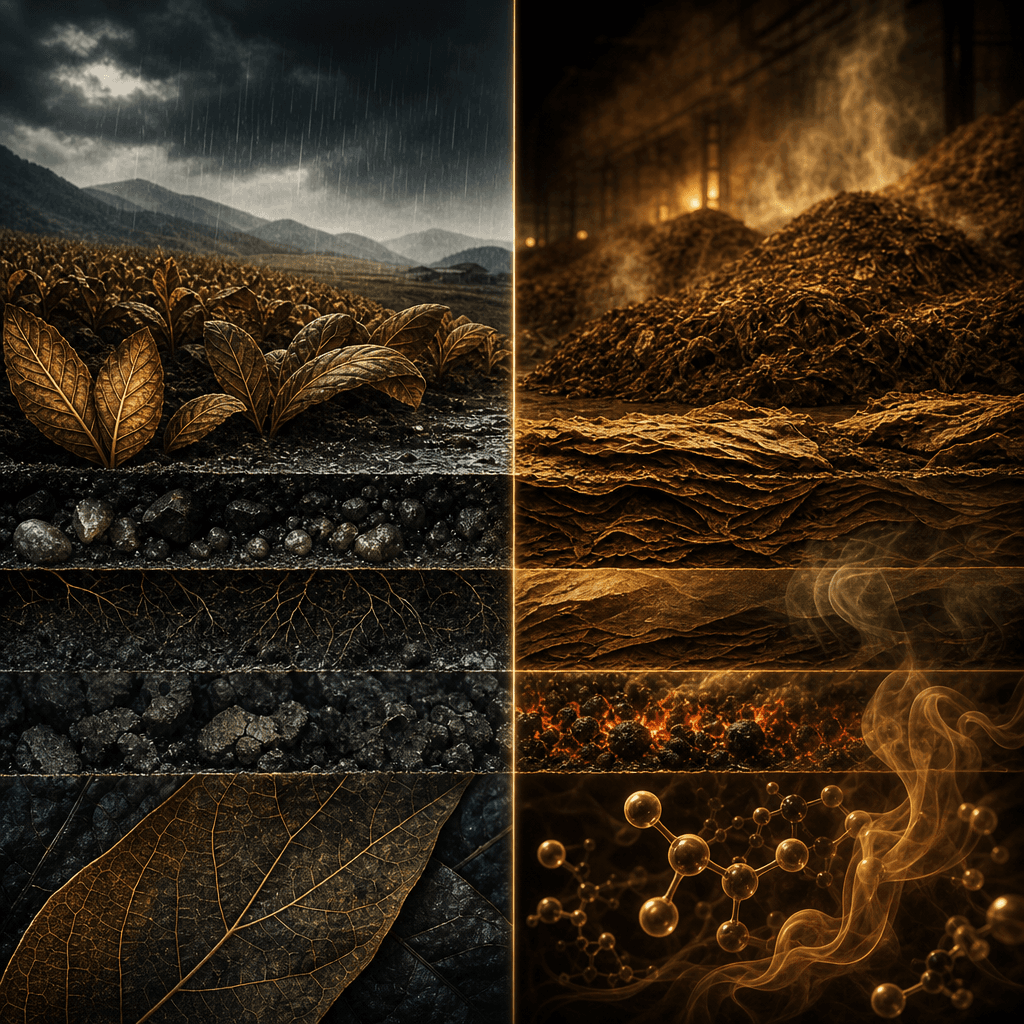
雪茄的風味源自於農業、微生物、酵素及燃燒化學的複雜交互作用。不同產地的土壤、氣候及年份對雪茄的風味有著深遠影響,例如古巴和尼加拉瓜的土壤特性導致香氣的差異。雪茄葉片的不同部位,如ligero、seco和volado,則決定了其香氣及燃燒特性。此外,發酵過程中,蛋白質的轉化和糖類的變化也影響最終風味。了解這些因素不僅能提升品味體驗,還能幫助雪茄愛好者更深入地探索每一支雪茄的獨特性。
- 雪茄風味受土壤結構影響,養分吸收改變香氣骨架,非單一味道來源。
- 氣候與年份影響菸葉糖分與香氣,記錄盒碼與燃燒狀態有助於理解差異。
- 不同葉位的菸草風味差異顯著,配方需在力量與香氣間取得平衡。
The Origins of Flavors and Chemical Changes in Cigars: A Professional Analysis
Cigar flavors are not mysticism but traces left by a series of agricultural, microbial, enzymatic, and combustion chemistry interactions. Veterans often say, "This one has a mineral feel, cocoa, leather, cream, pepper," which actually traces back to the origin and processing of the leaves.
As the editor of "Cigar Bible," what I care about most is not describing the flavors beautifully, but asking: Why do the same brand and size, different years, and different box conditions show such obvious differences? This article dissects from the root.
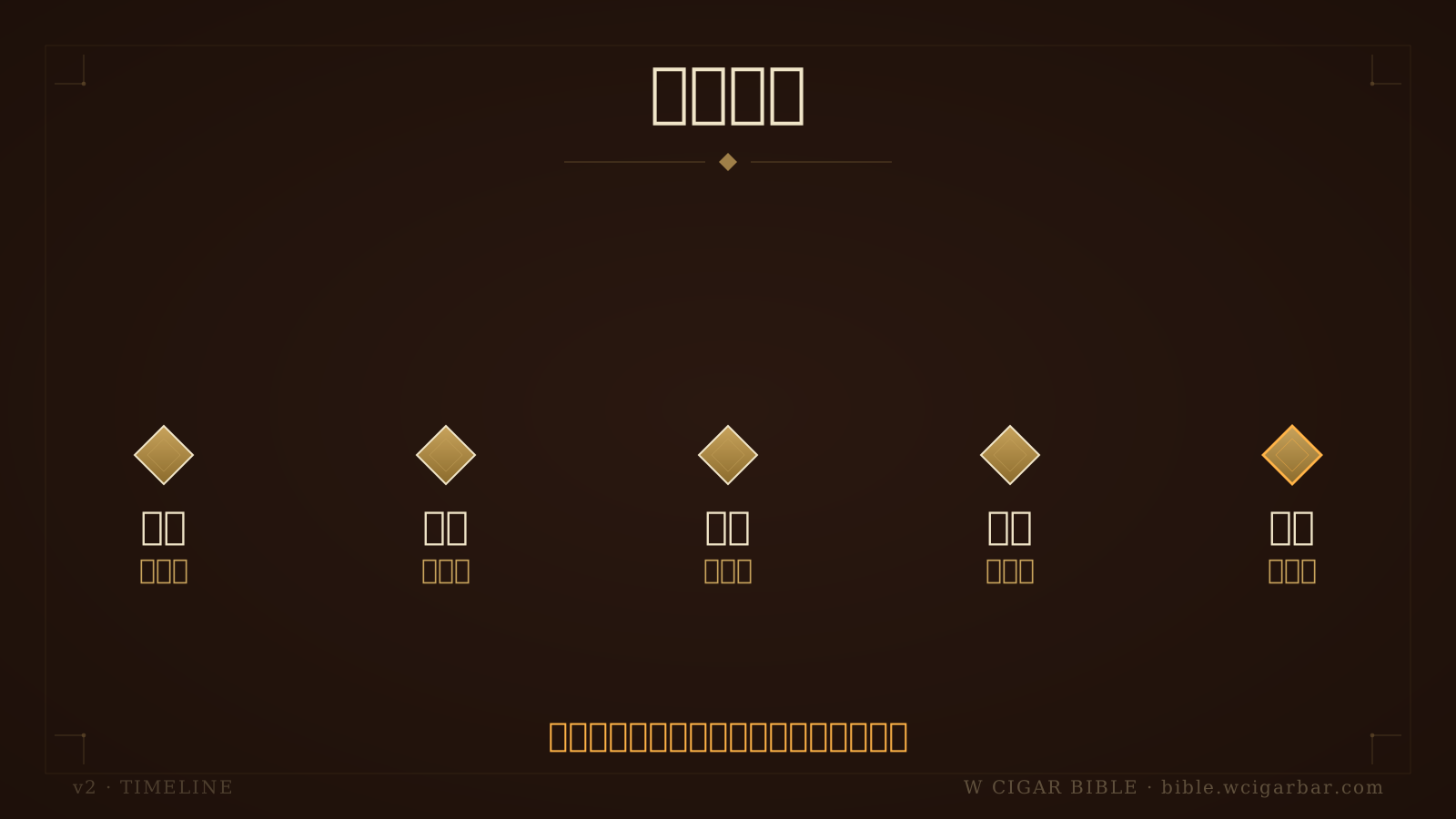
流程圖依序呈現土壤氣候葉位發酵燃燒五步
Soil: How Minerals, Drainage, and Leaf Thickness Determine the Base Tone
Cuba's Vuelta Abajo, Nicaragua's Estelí, Jalapa, and Honduras's Jamastrán are often compared by veterans, not just because of their fame, but due to significant differences in soil structure. Vuelta Abajo has reddish-brown loam soil, good drainage, and stable proportions of lime and trace elements; Estelí's volcanic soil often brings higher mineral content and robust spiciness. Soil doesn't directly make cigars "taste like dirt," but through nutrient absorption, leaf thickness, and nitrogen content, it changes the aromatic framework during combustion.
Take the Nicaraguan brand Padrón 1964 Anniversary series as an example; many veterans feel black cocoa, coffee, black pepper, and heavy woodiness, related to the high sunlight, volcanic soil, and stronger plants common in the Estelí region. Conversely, Cuba's H. Upmann Sir Winston, in a mature box, often shows honey, toasted bread, cedar, and light floral notes, usually more delicate than Estelí.
Soil also affects leaf ash and combustion. Potassium helps even burning, while nitrogen is related to nicotine, protein, and pyrazine aroma precursors; if nitrogen is too high, it may appear harsh, bitter, and ammonia-like when young. This is why some cigars with the same 52 ring gauge burn smoothly, while others easily have a burnt bitter aftertaste. The land provides flavor direction, not a single answer.
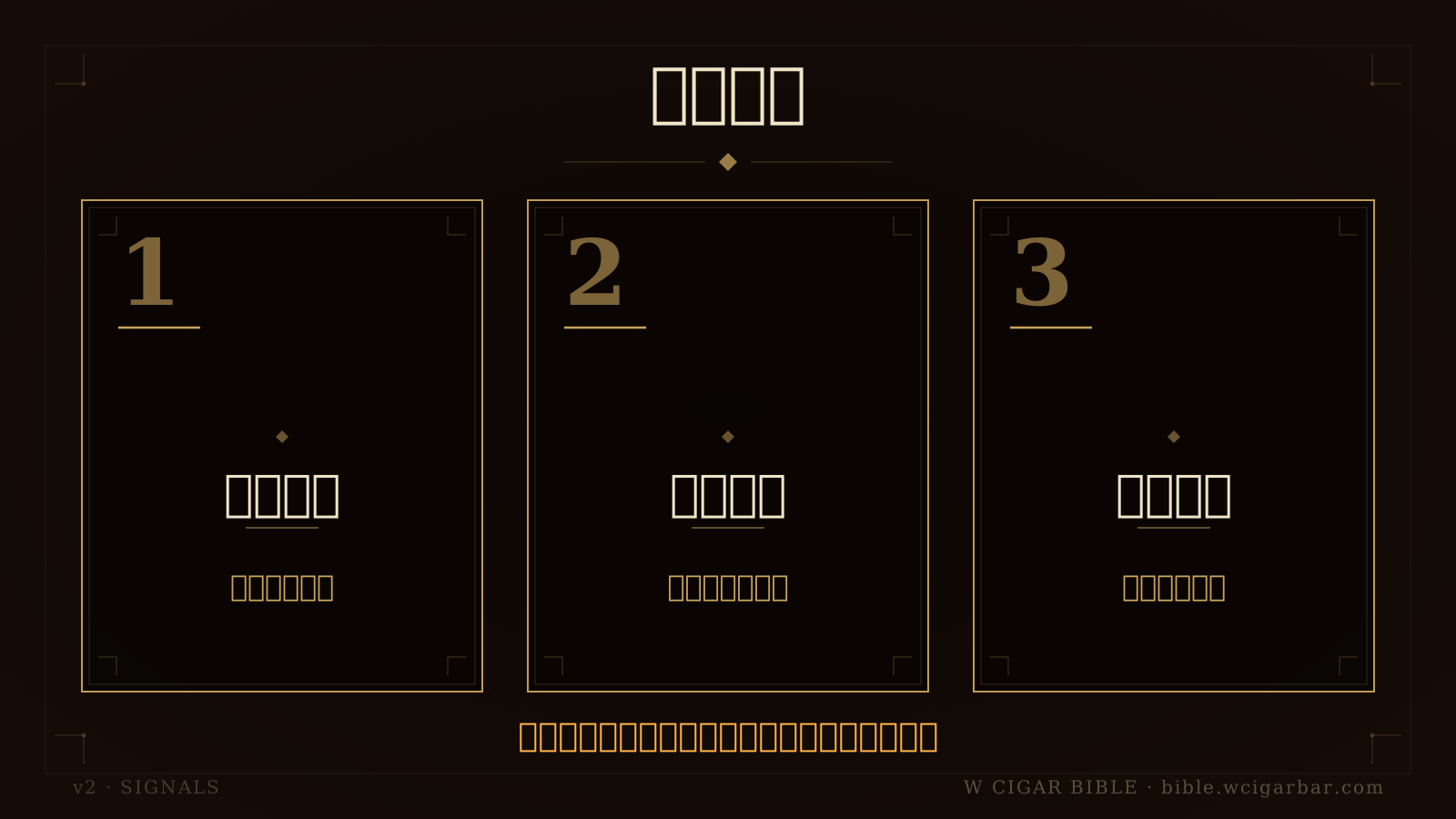
三張重點卡列出土地年份工藝與風味關係
Climate and Vintage: How Rainfall, Sunlight, and Hurricanes Affect Sugar and Spiciness
Cigar crops are very vintage-dependent. Tobacco needs enough sunlight during the growth period to accumulate carbohydrates and moderate moisture to allow leaves to spread; but if rainfall is too high, leaves may become thin, sugars diluted, and aroma depth insufficient during subsequent fermentation. Hurricane Mitch in 1998 severely damaged agriculture in many Central American countries, affecting many tobacco fields in Honduras and Nicaragua, which is reflected in the stability of certain batches on the market years later.
In Cuba, hurricanes Gustav and Ike in 2008 destroyed a large number of tobacco warehouses and infrastructure in Pinar del Río. It wasn't just the crops in the fields that were damaged; leaves that had been harvested and were in storage also faced preservation risks. Veterans looking back at some Cuban boxes around 2010 often discuss differences in draw, combustion, and aroma concentration, which may not be simply "the brand changed," but also related to climate impact in previous years.
The core of vintage differences is not about whether a year is absolutely good or bad, but how that season's moisture, sunlight, and disasters changed sugars, oils, proteins, and leaf structure. For example, in rainy years, leaves may be softer but with lower aroma density; in dry, high-sunlight years, sugars and oils may be more concentrated, but if irrigation and shading management are insufficient, rough spiciness may also appear. For veterans, recording box codes, combustion status, and taste is more valuable than just remembering the brand.
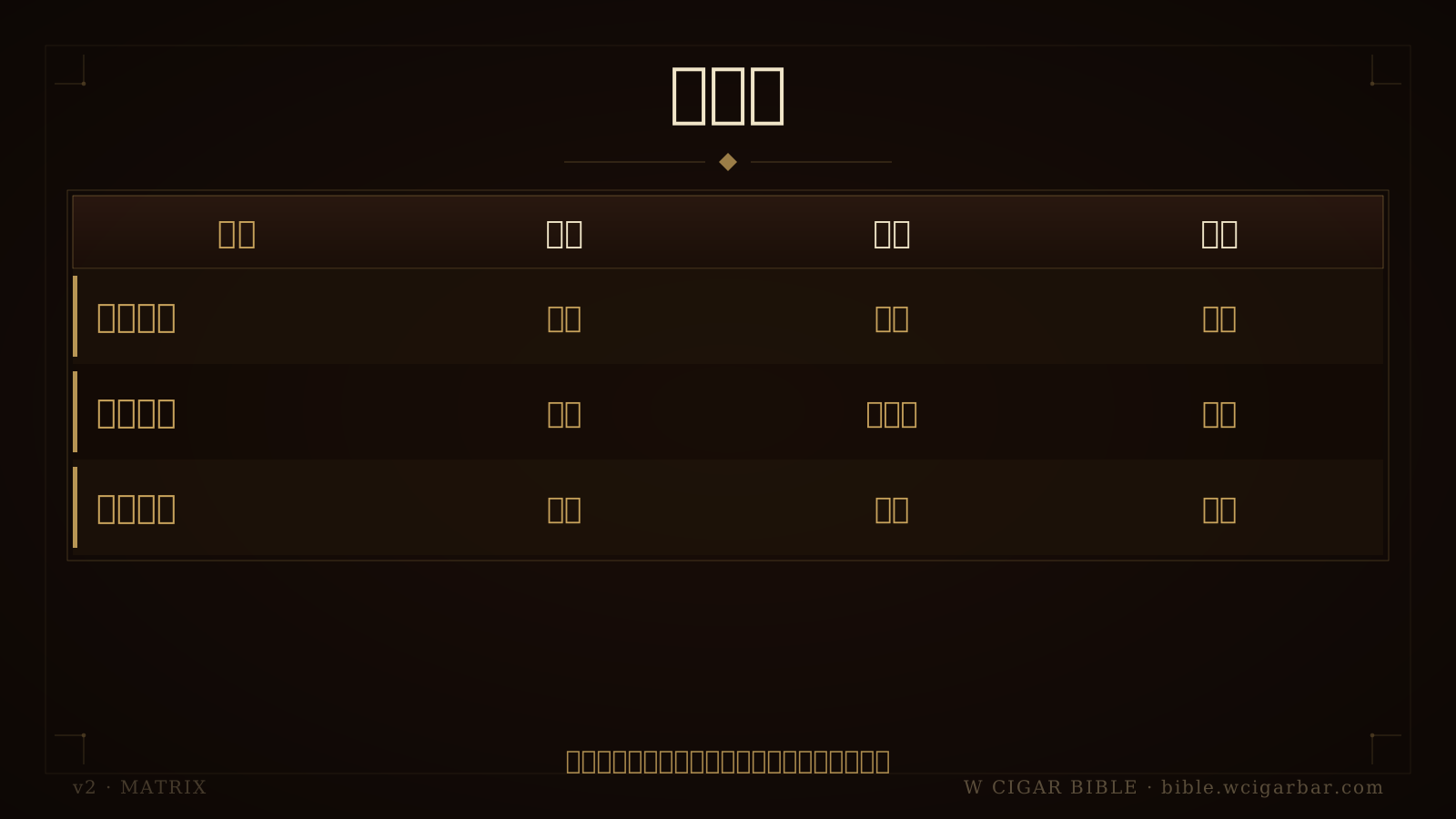
比較矩陣呈現土壤年份葉位對風味的不同影響
Leaf Position and Parts: The Chemical Personality of Ligero, Seco, and Volado
The flavor differences between different leaf positions on a tobacco plant are significant. The top ligero is close to sunlight, with thick leaves, higher oil and nicotine, slow burning, often bringing spiciness, strength, and end thickness; the middle seco has more delicate aromas, often responsible for floral, woody, grain, and herbal notes; the bottom volado is thinner, burns well, and is often used to maintain stable combustion. A cigar's formula is not just piling good leaves together but engineering a balance between strength, aroma, and combustion.
For a robusto size like Partagás Serie D No.4, if the ligero proportion is high, the front and middle sections will have obvious pepper, strong coffee, and peat notes, but the burning speed is slower, and if the humidity is high, it is easy to become stuffy. Montecristo No.2 is often expected to have cocoa, nuts, toasted bread, and medium strength; if the seco aroma performs well, the pyramid shape can concentrate the smoke, making the layers clearer.
The leaf's position also relates to the ratio of the main vein to leaf meat. The main vein is rich in structural fibers and moisture, and poor handling can lead to green notes; leaf meat contains more aroma precursors, oils, and pigments. During rolling, the master adjusts the long filler arrangement according to size: larger ring gauges like 54 or 56 can accommodate more leaf position combinations; thinner ones like lancero magnify the personality of any leaf, thus testing the precision of the formula more.
Fermentation: From Ammonia, Proteins to Cocoa and Leather Feel
After tobacco leaves are harvested, they first undergo curing, where moisture decreases, chlorophyll breaks down, and the color changes from green to yellow-brown; then they enter pile fermentation. In traditional pilón fermentation, the temperature of the leaf pile often fluctuates between about 38°C to 50°C, adjusting the turning based on leaf thickness, moisture content, and target flavor. If the temperature is too low, ammonia and green notes are not easily dissipated; too high, and delicate aromas may be lost, even resulting in a burnt stuffy feel.
During fermentation, proteins break down into amino acids, and some sugars and amino acids participate in Maillard reactions during subsequent drying, aging, and combustion, forming associations with nuts, cocoa, toasted bread, and coffee. The balance of nicotine and organic acids also changes the mouthfeel: moderate acidity appears lively, too high is sharp; too strong alkalinity may irritate the throat. True clean maturity comes from the decline of ammonia, the refinement of stimulation, and the preservation of aroma precursors, not just putting the leaves for a long time.
Different brands have different handling strategies. Arturo Fuente OpusX is famous for its high-quality Dominican wrapper, with recognizable spiciness, sweet wood, roasted nuts, and creaminess; after Davidoff Nicaragua was launched in 2013, many players noticed that Nicaraguan leaves, after fine fermentation, could also present clean sweetness and spice layers. Fermentation is the key translation process that turns agricultural raw materials into readable flavors.
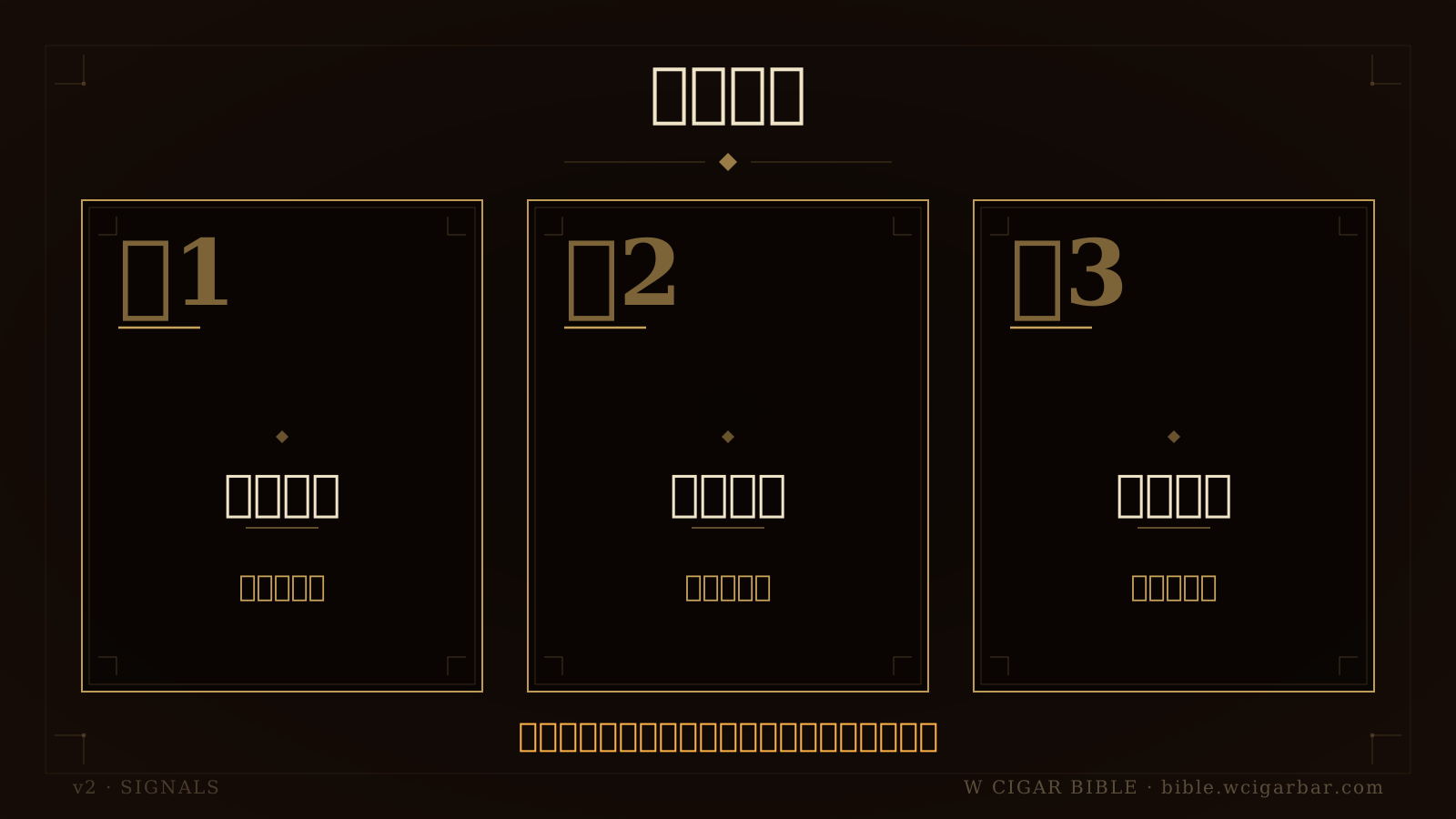
三張誤解卡提醒深色強度老茄與單支判斷限制
Wrapper, Binder, and Filler: Flavor Weights of Different Structures
Many people say the wrapper determines most of the flavor, but this needs correction. The wrapper touches the tongue and the burning edge, indeed providing direct aroma, sweetness, and texture; but the filler proportion is far higher than the wrapper, and the real strength, volume, and end direction are mostly determined by the filler and binder. The wrapper is like the timbre, the filler like harmony and bass; without any layer, a complete flavor cannot be formed.
Connecticut Shade often has cream, hay, almond, and light sweetness; Ecuador Habano may have spice, wood, and black tea; San Andrés Maduro often carries dark chocolate, earthiness, molasses, and coffee. Observing non-Cuban cases like A.J. Fernandez New World, Foundation The Wise Man Maduro, Oliva Serie V Melanio Maduro, a dark wrapper doesn't necessarily mean stronger, but often implies longer processing time and more caramelization, cocoa-like associations.
| Structure | Main Function | Common Flavor Contribution | Technical Risk |
|---|---|---|---|
| Wrapper | Appearance, direct aroma, texture | Sweetness, spice, oil, wood | Too thick may burn unevenly, too thin may crack |
| Binder | Fixing structure, coordinating combustion | Herbal, nutty, dry wood | Uneven moisture can cause tunneling |
| Filler | Strength, body, finish | Pepper, cocoa, coffee, floral | Imbalanced ratio may be stuffy, bitter, or hollow |
Veterans comparing cigars of the same size can deliberately observe the difference between "wrapper-led front" and "filler-expanded middle and end." For example, lancero, due to the high wrapper ratio, often has sharper aroma lines; gordo, due to the high filler ratio, may have thicker strength and sweetness, but also tests combustion temperature control more.
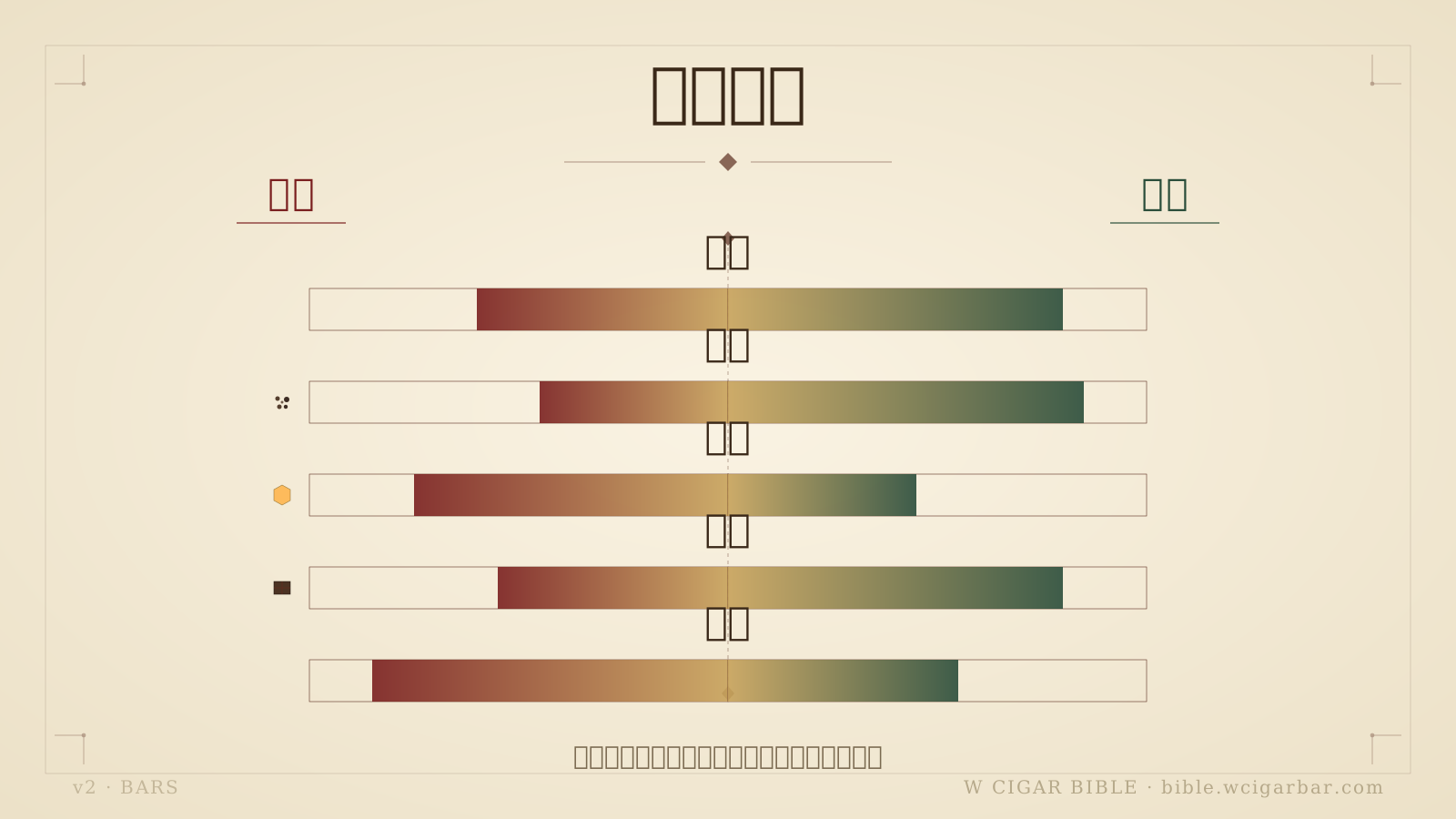
長條比較古巴與尼國在礦物胡椒蜂蜜可可線條差異
Combustion Chemistry: Temperature, Speed, and the Sweet-Bitter Balance in Your Mouth
Once a cigar is lit, the flavor is not fixed but changes with combustion temperature. The center of the combustion cone can reach several hundred degrees, while the lower temperature zone on the periphery is responsible for pyrolysis and volatilizing aromas. If the smoking rhythm is too fast, the combustion temperature rises, sugars and oils break down more quickly, leading to bitterness, spiciness, and astringency beyond caramel and coffee; if the rhythm is too slow, it may extinguish, and relighting brings a charcoal taste.
I often suggest veterans make a simple record: compare the same robusto with a rhythm of 45 seconds, 60 seconds, and 90 seconds. In most cases, one puff every 60 to 90 seconds allows for more stable temperature, more complete sweetness, and woodiness; if continuously fast burning, the third third often becomes significantly bitter. Many people think they don't like a certain cigar, but actually, they don't like the bitter version produced after overheating.
There are several methods to control combustion:
- Only toast the foot when lighting, don't rush to draw the flame into the cigar.
- If one side burns fast, first rotate the cigar, letting the slower side face down for heat.
- If ammonia or tongue spiciness appears in the middle, slow down the rhythm, don't rush to relight.
- If the temperature rises in the last third, pause appropriately, don't pursue burning to the very short.
A large ring gauge Churchill size like Cohiba Siglo VI, if in good condition, often displays cream, grass, honey, cedar, and light coffee; but if smoked too quickly, it quickly compresses the delicate sweetness into spiciness. Chemical reactions give you possibilities, rhythm determines which version you read.
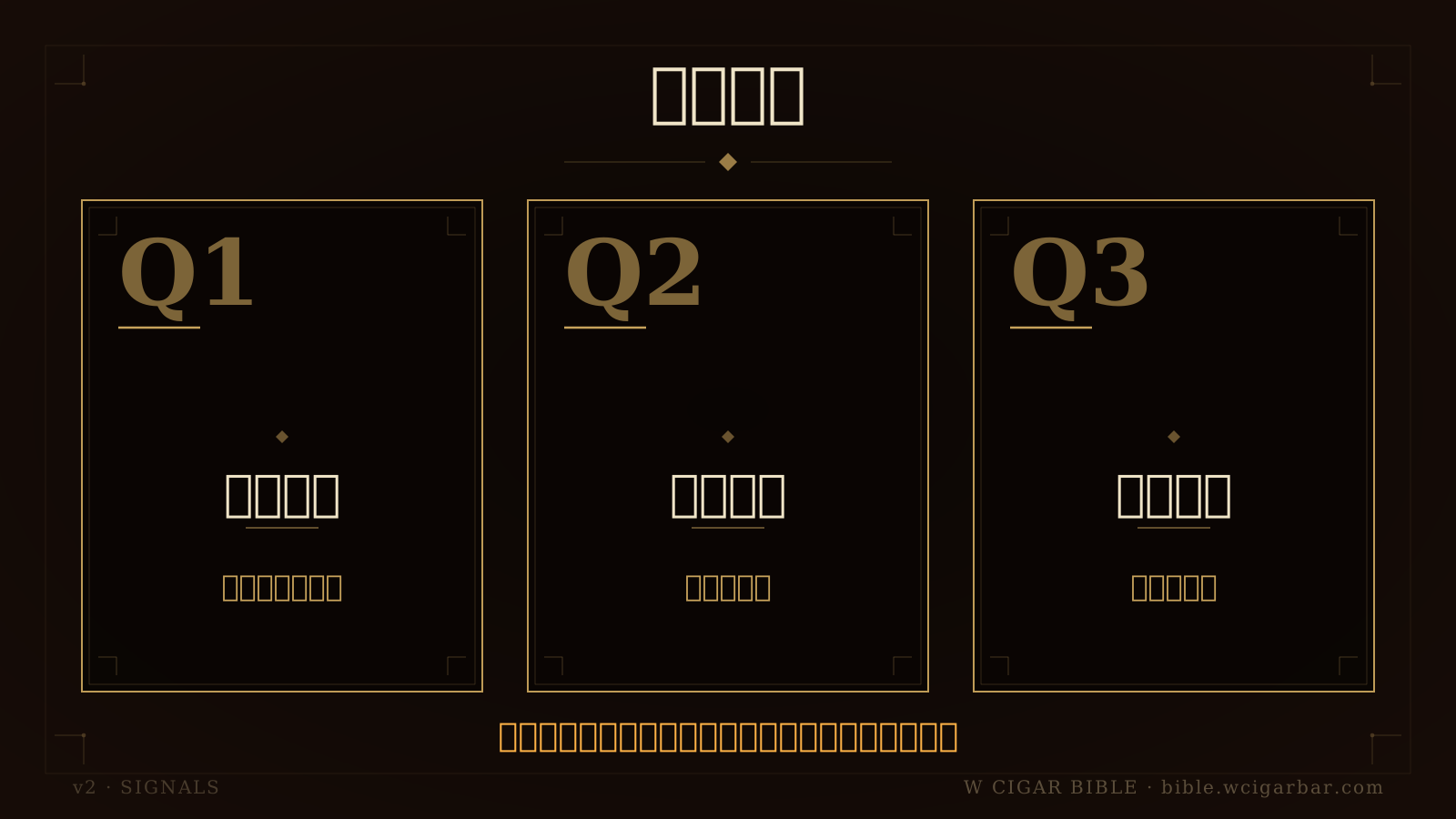
快問快答卡整理同款差異深色強度與氨味來源
Aging and Storage: How Humidity Rewrites Aroma Details
Aging is not about making all cigars better by keeping them old, but allowing moisture, volatile compounds, ammonia, phenols, and oils to slowly integrate in a relatively stable environment. Common storage ranges are 65% to 70% relative humidity, 18°C to 21°C; but different people have different preferences, with many Cuban cigar veterans preferring 65% to 67% for clearer combustion and cleaner wood lines.
For examples like Hoyo de Monterrey Epicure No.2 or H. Upmann Magnum 46 around the 2017 box code, if stored stably, they often transition from grass, cedar to honey, toasted grain, dried flowers, and nuts after a few years; but if long-term above 72% and temperature is high, stuffiness, acidity, poor combustion, and even mold risks may appear. The essence of aging is reducing rough edges and increasing integration, not creating flavors that didn't originally exist.
From a collection perspective, rationality is also necessary. Some limited editions, discontinued or representative boxes may indeed be sought after in the market, such as Cohiba Behike, which has been a long-term topic since its launch in 2010; but collection value does not guarantee appreciation, still depending on source preservation and market. If the source is unclear, box condition unstable, and temperature and humidity records missing, even the rarest will greatly reduce credibility.
Common Questions
Why do two boxes of the same brand and size taste very different?
The reason may come from vintage, box code, storage, transportation, and individual differences. Cuban handmade cigars are especially obvious due to the high proportion of natural agricultural products and manual production. If you want to compare, it's best to record box codes, opening dates, humidity, smoking rhythm, and combustion issues, not just draw conclusions from a single stick.
Is a dark Maduro necessarily stronger?
Not necessarily. Maduro represents deeper processing and color, often with dark chocolate, coffee, molasses feel, but strength still depends on leaf position and formula. San Andrés Maduro can be sweet and thick or medium; if the filler ligero is less, it may not be stronger than a Habano wrapper.
Why do some cigars have an ammonia smell?
Mostly related to insufficient fermentation, inadequate aging time, or stuffy storage. Ammonia smell often appears in nasal sting, tongue tip sharpness, and coarse aftertaste. You can first adjust storage humidity and give time to observe, but if the raw material handling is unbalanced, time can only improve part of it.
Is the sweetness in cigars real sugar?
Partly from residual sugars in the tobacco leaves and pyrolysis products, but more from aroma associations, such as vanilla, honey, caramel, toasted bread. The mouth truly feels "sweet" often when acidity and bitterness are reduced, smoke becomes round, and aroma molecules create a sweet impression in the brain.
Are old cigars always better than new ones?
Not necessarily. Cigars with good structure and sufficient raw materials may become more rounded after aging; but originally hollow, poorly stored, or overly dry-wet cycled cigars will not automatically become exciting with time. The charm of old cigars lies in detail and integration, not in the year itself.
What is the best advanced practice comparison method?
Choose different brands from the same region or different sizes from the same brand. For example, comparing Montecristo No.2 and Montecristo No.4 can observe how size affects combustion and concentration; comparing Padrón, Oliva, My Father can understand how different Nicaraguan formulas shape pepper, cocoa, and sweetness.
The depth of flavor has never been about stacking adjectives, but being able to trace a puff back to the land, vintage, leaf position, fermentation, and storage. What truly fascinates veterans is the willingness to admit that each one has variables and the willingness to correct judgments with records and patience. What fascinates me about cigars is not fixed answers, but that each time lighting up is like rereading a piece of land's resume.
—Cigar Prince Wilson Tsai
Smoking is harmful to health. Under 20 is not allowed to smoke. Quitline: 0800-636363. This article is for reference by adults over 20 years old for cigar culture, preservation, and regulatory knowledge, not a tobacco advertisement, promotion, or purchase suggestion.
Like this article?Share with friends
Share this W Cigar Bible piece with friends who want to learn cigar culture, storage, and tasting.
想把這篇 化為實踐
雪茄聖經是知識;雪茄文化要在空間裡發生
W Cigar Bar 大安總店資訊
台北大安區 · 雪茄聖經總編輯 Wilson Tsai 主理的雪茄文化空間
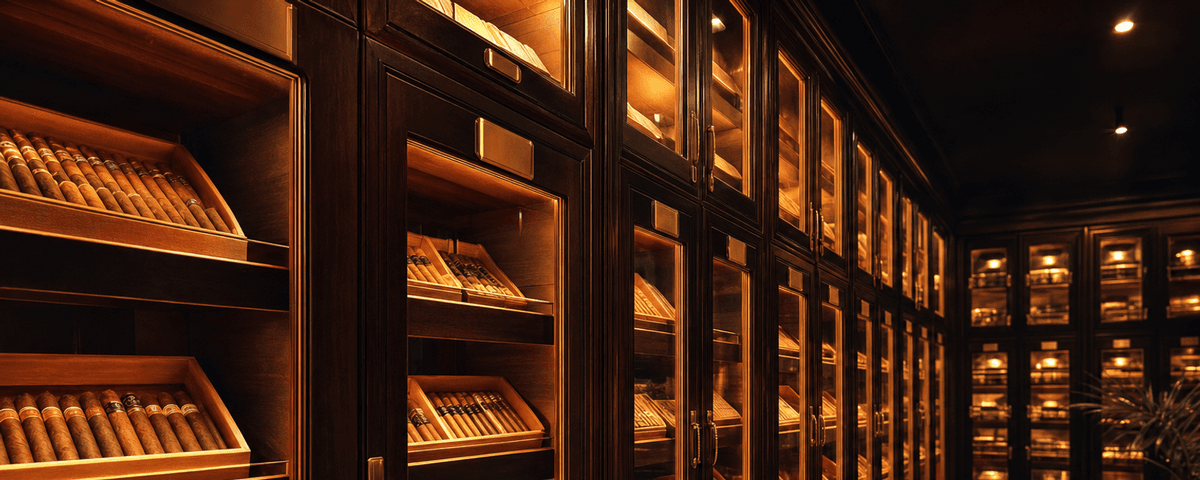
33 座 24 小時恆溫恆濕醇化室
W Cigar Bar 提供的會員醇化空間 · 場地資訊請洽編輯部
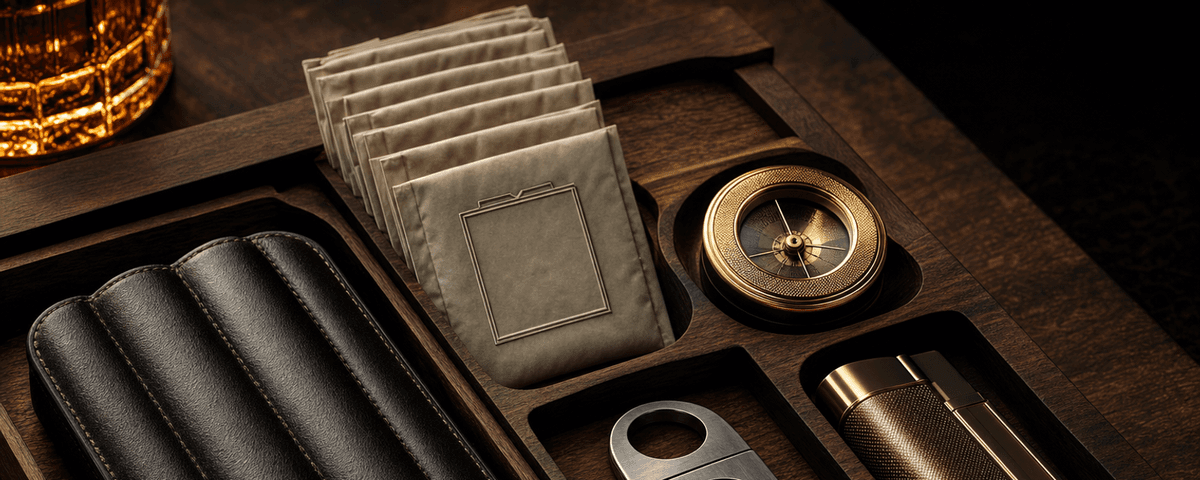
雪茄剪 / 打火機 / 雪茄盒 / Boveda
W Cigar 配件官網 · 專營雪茄配件正品
加 LINE 好友 · 文化諮詢
文化空間資訊 · 紳士沙龍 · 私人包場
本網站內容僅供雪茄文化、歷史、收藏與品吸知識研究參考。菸品有害健康、未滿法定年齡者請勿吸菸。實際規範請依所在地法律為準。
吸菸有害健康・戒菸專線 0800-636363・本站僅供 20 歲以上成年人閱覽。
讀到這裡,你不只是路過的人
留下 Email,加入 W 雪茄聖經內圈——總編輯 Wilson Tsai 親選的學院深文與國際新訊,先你一步送到信箱。
· 教育用途非銷售 · 隨時一鍵退訂 · Email 絕不對外公開 · 由勝茄股份有限公司營運
同分類延伸閱讀

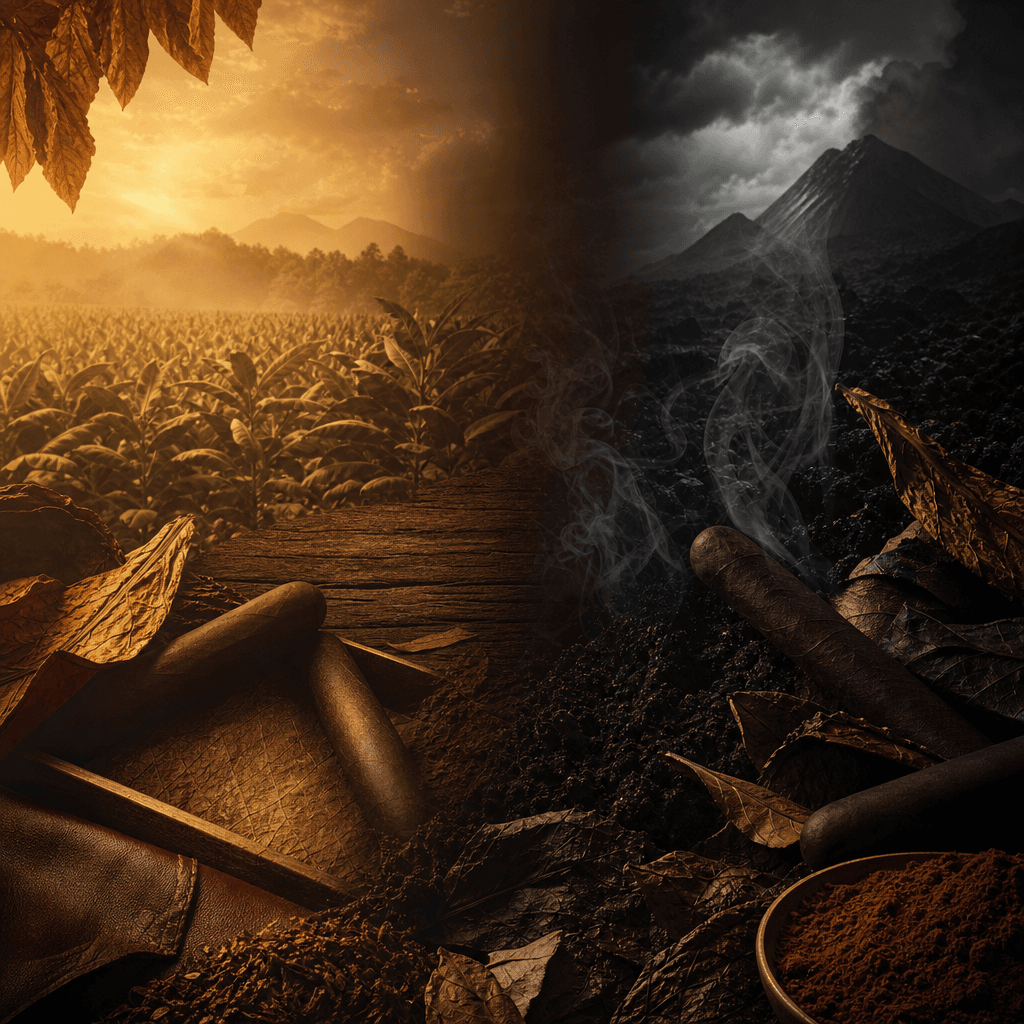
資料來源:W Cigar Bible 編輯部整理 · 雪茄王子 Wilson Tsai 親自審稿
本文僅供雪茄文化、歷史、收藏與品鑑知識研究,不作為菸品促銷、銷售或購買建議。吸菸有害健康,未滿二十歲不得吸菸。