探索雪茄的品牌技術:工藝與創新的交匯
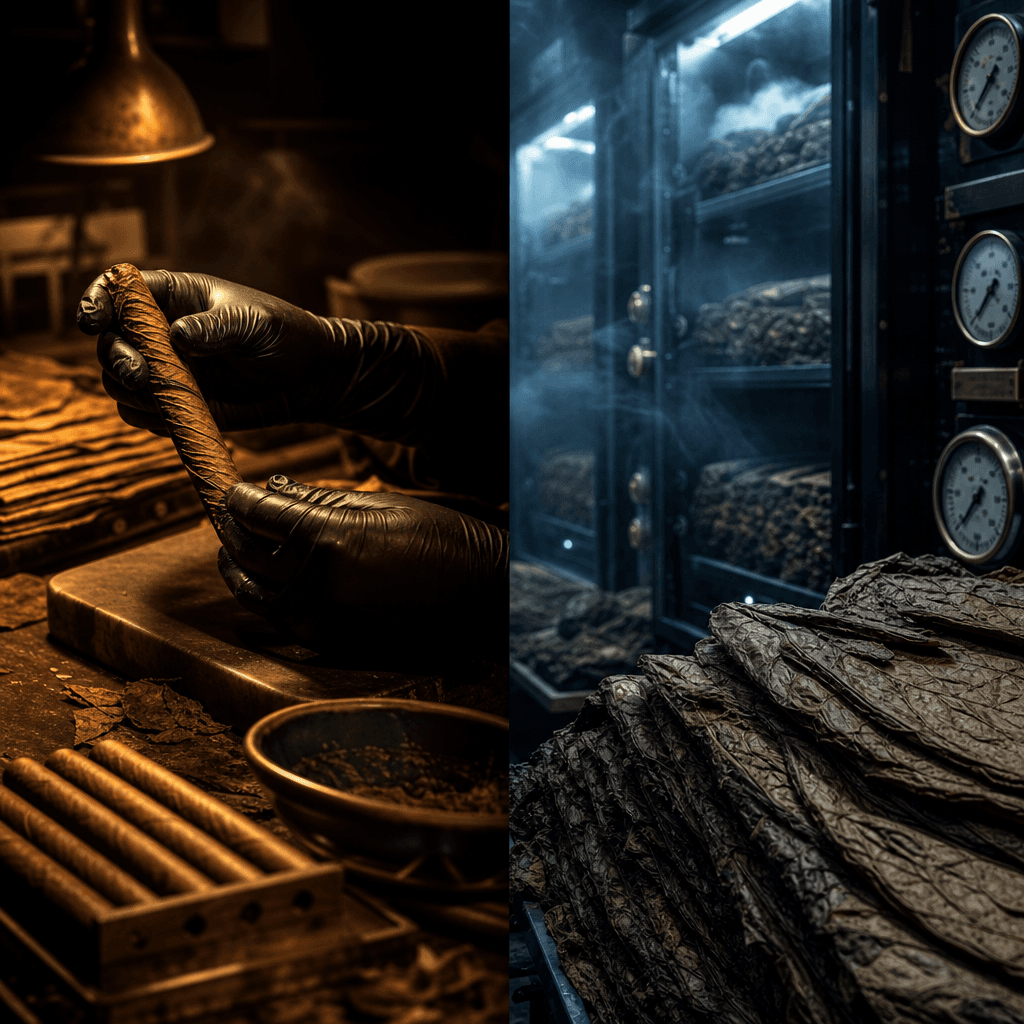
老手在品評雪茄時,應超越表面風味,深入了解品牌的工藝系統,包括農業、發酵、醇化及捲製技術。捲製不僅影響外觀,還決定氣流與燃燒特性;如Padrón的方壓結構使其風味獨特。醇化階段則是品牌風格的隱形骨架,影響雪茄的力量與甜感平衡。老手可透過冷吸阻力、燃燒均勻性及灰柱層次來評估品質。現代品牌重視品質控制,結合傳統工藝與現代技術,確保每支雪茄的穩定性與風味表現。
- 雪茄的捲製技術影響氣流、燃速與風味釋放,老手可用冷吸阻力、燃燒線均勻度與灰柱層次判斷。
- 醇化過程中,發酵與醇化的控制對雪茄的風味至關重要,老手可留意刺鼻氨味與辛辣感。
- 不同尺寸的雪茄因茄衣與茄芯比例變化,會影響風味表現,老手應記錄品牌、尺寸與燃燒時間。
Exploring Cigar Brand Techniques: The Intersection of Craftsmanship and Innovation
I often feel that experienced cigar enthusiasts should not stop at "this one is strong, that one is sweet." The truly interesting part is how brands integrate agriculture, fermentation, aging, rolling, and flavor design into a system; even with the same Nicaraguan, Honduran, Dominican, or Cuban leaves, different brands can produce completely different results.
As the editor of "Cigar Bible," I am most concerned not with myths but with traceable craftsmanship clues: the year of release, the leaf material ratio used, how rolling resistance is controlled, the length of aging, and whether the brand can consistently replicate flavors. These details are the gateway for advanced interpretation of a cigar by seasoned enthusiasts.
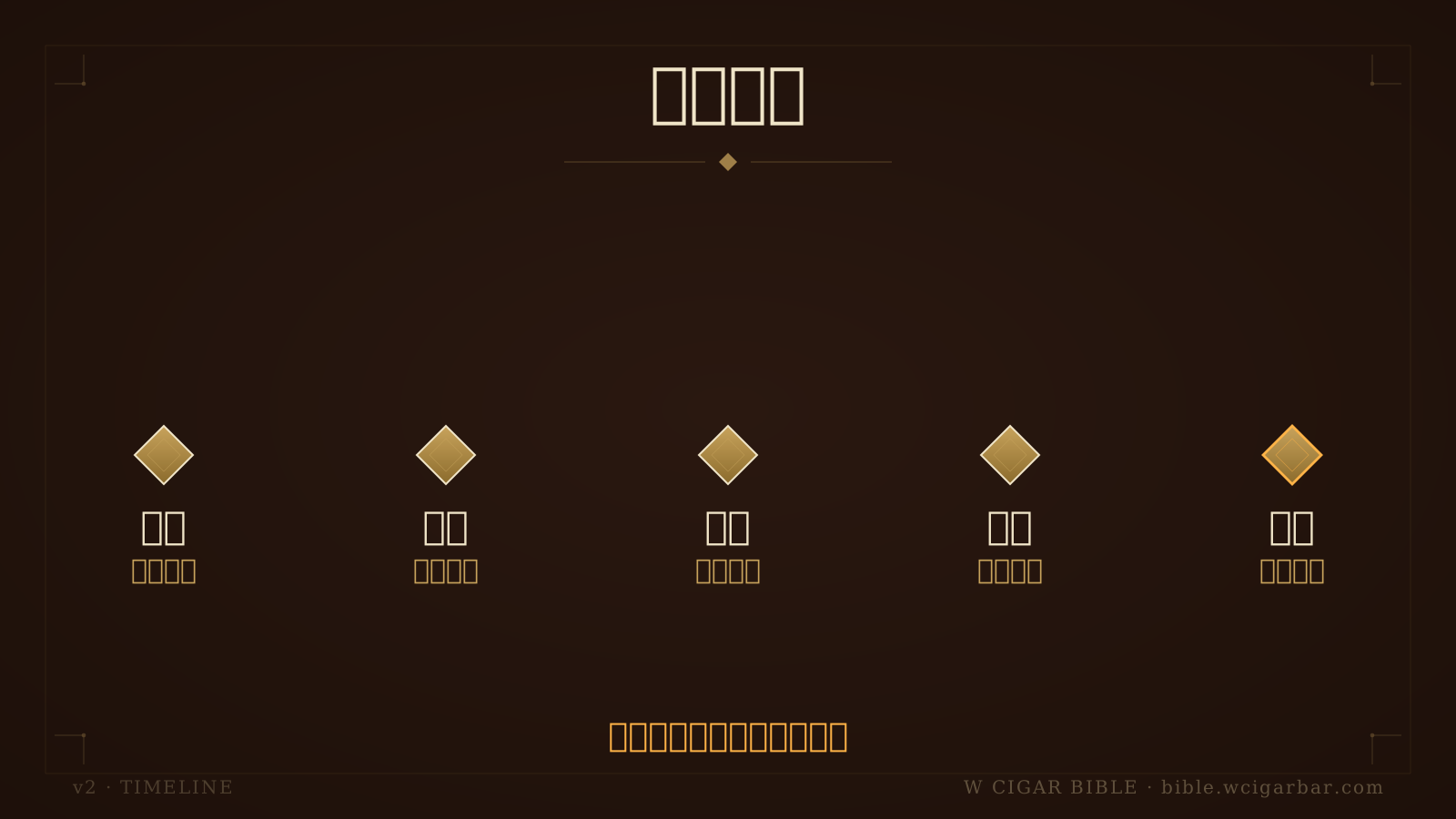
流程圖呈現採葉發酵醇化捲製到檢測五步
Rolling Techniques: From the Art of Touch to Quantifiable Structure
The most fascinating aspect of traditional handmade cigars is the coexistence of manual shaping and the physics of burning. The entubado tubular leaf-filling method commonly seen in traditional Cuban workshops rolls long filler leaves into small tubes before forming the cigar core. Dominican and Nicaraguan workshops often mix the accordion folding method with the book bunch leaf arrangement. Rolling is not just about appearance; it's the first engineering step that determines airflow, burn rate, and flavor release rhythm.
Take the Padrón 1964 Anniversary Series as an example. The brand has long maintained a box-pressed structure, creating a distinctive identity by forming a balance between burn area, draw resistance, and rich cocoa notes. Arturo Fuente's OpusX is famous for its Dominican puro, where even slight deviations in rolling density can upset the balance of spice and sweetness. Therefore, high-end lines have a meticulous division of labor between the bunchero and torcedor, with the former handling the core structure and the latter completing the wrapper and shape.
Seasoned enthusiasts can observe rolling quality through three indicators: first, whether the cold draw resistance is stable, neither too loose nor too tight; second, whether the burn line remains even in the first half; third, whether the ash column has appropriate layering rather than crumbling. If there is a significant variation between boxes of the same brand and size, the issue often lies not in the blend but in rolling consistency. The higher the brand level, the less it relies on individual surprises and more on batch stability to prove craftsmanship depth.
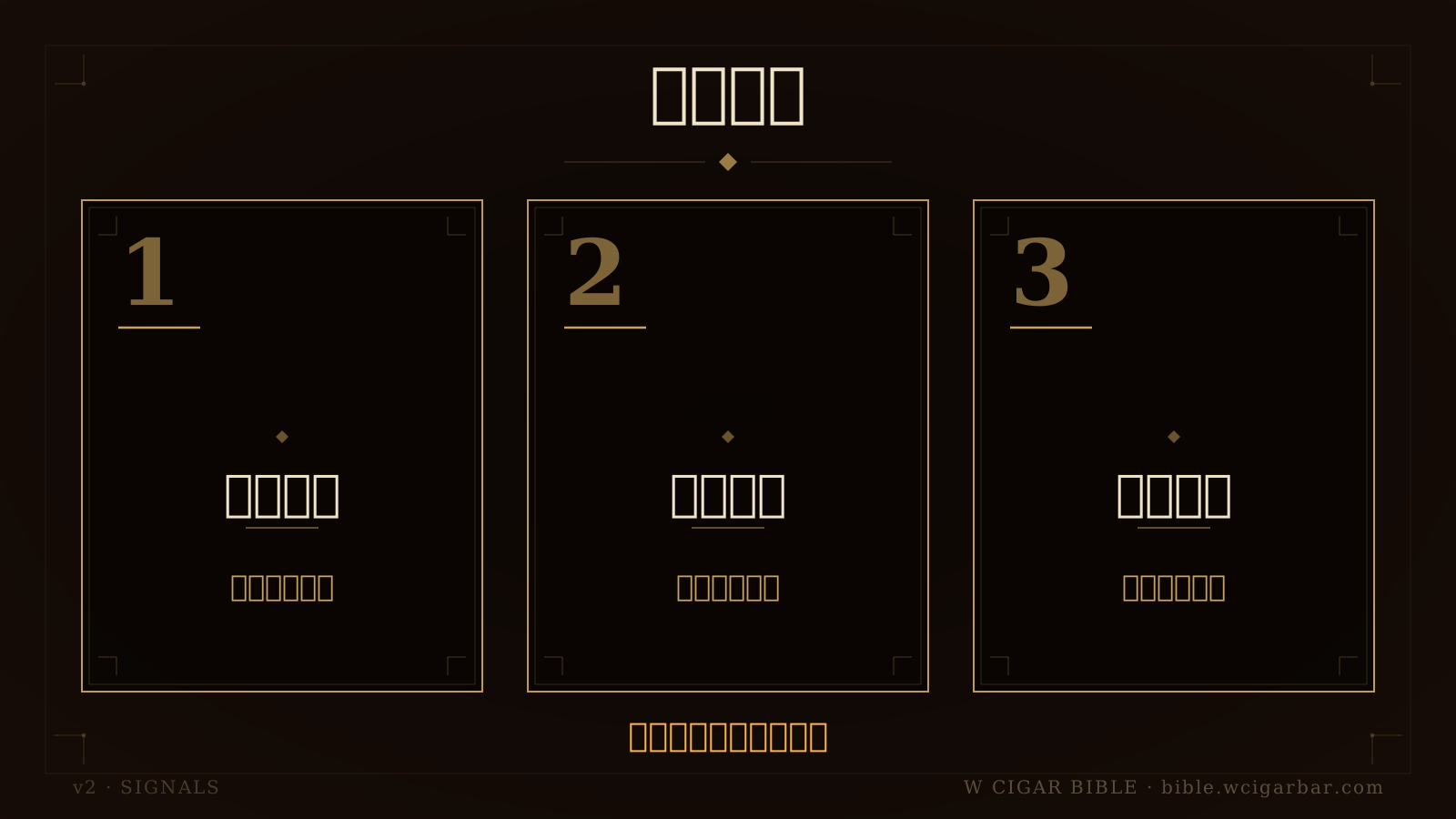
三張卡列出捲製醇化與調配的判讀重點
Aging and Fermentation: The Invisible Framework of Brand Style
Tobacco leaves cannot be turned into good cigars immediately after harvest; they must undergo fermentation and aging. The fermentation stage often uses a pilón leaf pile, where temperatures can rise to 40 to 50 degrees Celsius, and the workshop will turn the pile to avoid ammonia residue or overheating damage. Dominican brands like Davidoff emphasize cleanliness, delicacy, and layering, which is backed by strict control over fermentation rhythm and leaf moisture.
Different brands have varying settings for aging time. Padrón has publicly emphasized that some tobacco leaves undergo years of aging to establish the coffee, cocoa, and molasses notes in its Maduro line. Plasencia's Alma del Campo and Alma Fuerte series narrate the aging differences of leaves from different Nicaraguan regions. When Cohiba Behike was officially launched in 2010, it gained attention for using medio tiempo top leaves, but without mature processing, the strength can appear coarse.
Experienced enthusiasts can assess aging by noting three things: first, whether there is a pungent ammonia smell before lighting; second, whether the initial stage is overly spicy and dry; third, whether the mid-to-late stages exhibit bitter char rather than woody bitterness. The purpose of aging is not to make the cigar devoid of character but to allow strength, sweetness, and aroma to interlock. Collectible cigars may attract market attention due to their vintage, but this does not guarantee appreciation; it still depends on source preservation and market conditions.

矩陣比較小冠羅布與托羅在比例空間和重點上的差異
Flavor Blending: How Brands Turn Leaves into Signatures
A cigar usually consists of a wrapper, binder, and filler, with the filler possibly containing ligero, seco, viso, and other parts. Ligero is located at the upper part of the plant, receiving more sunlight, with higher nicotine and oil content; seco is more aromatic; viso is often used to balance the burn. Truly mature blending is not about piling high-intensity leaves but arranging the order of flavor appearance.
Take Oliva Serie V as an example. Released in 2007, it centers on Nicaraguan ligero, presenting black pepper, coffee, and solid sweetness. However, it is not simply heavy but uses the milder sweetness of the Jalapa region to buffer the strength of Estelí. My Father Le Bijou 1922 features the Pepin Garcia family's signature peppery opening, transitioning to leather, cocoa, and earthy notes in the later stages, a typical case of Nicaraguan style blending.
Cuban brands follow a different logic. Partagás is often considered to have a stronger earthy, leathery, and spicy character; H. Upmann leans towards nutty, creamy, and woody notes; Romeo y Julieta often lies between floral, sweet wood, and gentle spices. These differences are not just brand stories but are formed by long-term leaf sources, workshop habits, and size designs. If enthusiasts want to train their palate, it's best to compare brands in the same size rather than mixing Robusto and Churchill for judgment.
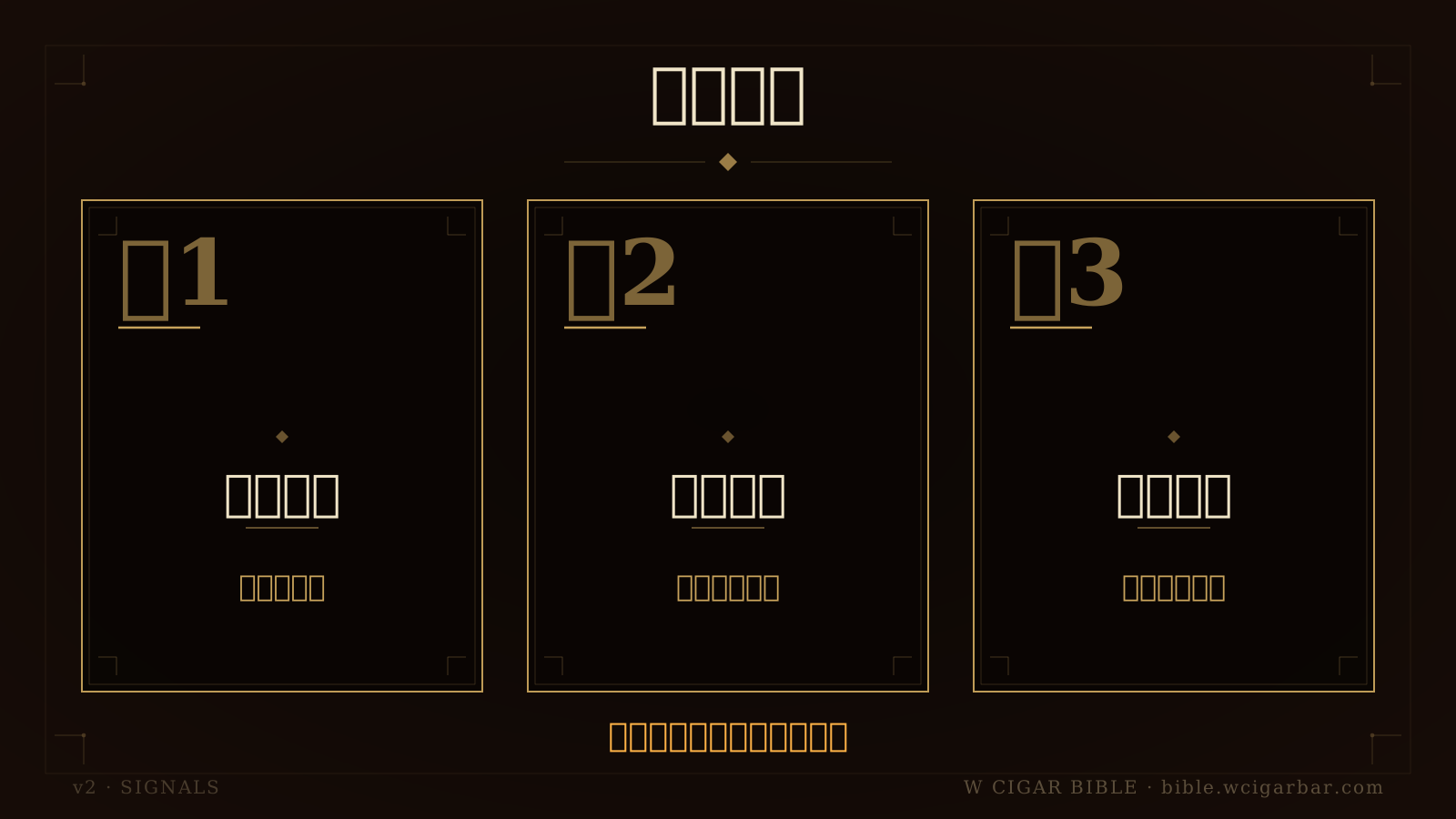
三張誤區卡提醒醇化環徑與包裝不宜單獨判斷
Wrapper, Size, and Ring Gauge: Why the Same Blend Tastes Different
Many seasoned enthusiasts have encountered significant flavor differences in different sizes of the same brand. The reason lies not only in burn time but also in the change in wrapper and filler ratio. A Corona with a ring gauge of 42 has a relatively high wrapper influence, while a Robusto Extra or Toro with a ring gauge of 54 has a higher filler ratio, making the ligero and viso in the blend more pronounced. Size is not just a packaging option but part of the flavor engineering.
For a Pirámide size like Montecristo No.2, the tapered head concentrates the initial entry, and the burn area gradually expands, often transitioning flavors from woody and creamy to broader nutty and spicy notes. In contrast, the box-pressed large ring gauge of Padrón 1926 No.9 emphasizes concentration, richness, and stable burning. Davidoff Signature No.2, a Panetela, showcases a different logic: the slender size makes delicate herbal, floral, and creamy notes easier to capture.
The type of wrapper can also change the outcome. Connecticut Shade often brings creamy, hay, and almond notes; Ecuador Habano may have red pepper, woody, and sweet spice; San Andrés Maduro is often seen with cocoa, coffee, and damp earth. As enthusiasts advance, they might record "brand, size, wrapper, burn time, first third changes." A Maduro version of the same blend not only deepens the color but may also rearrange sweetness, bitterness, and oiliness.
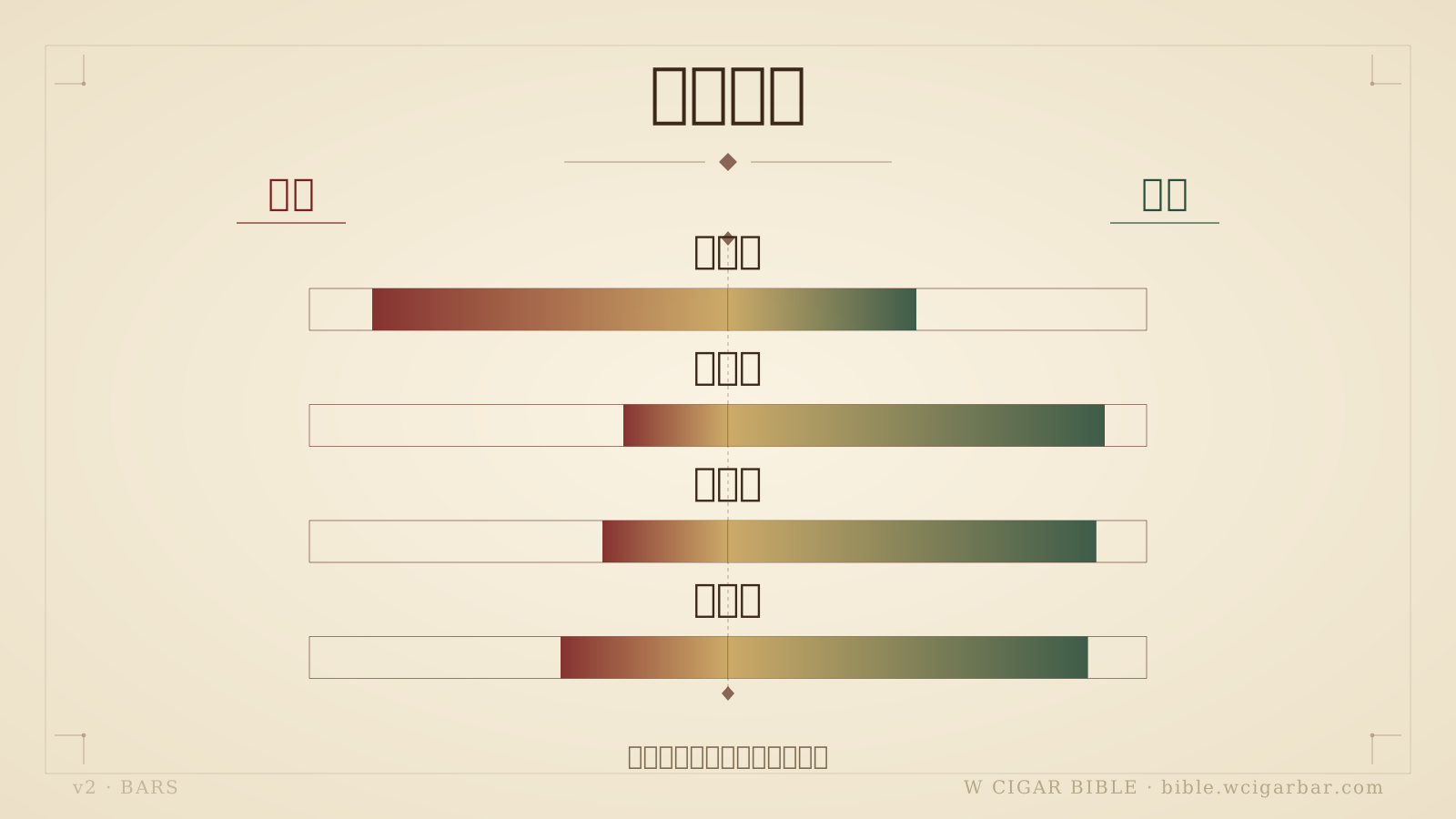
長條圖比較表層判讀與技術判讀在四項軸線的差異
Quality Control and Innovation: Modern Brands Rely on More Than Just Artisan Feel
Today's high-end cigar brands increasingly emphasize quality control. Traditionally, artisans judged humidity and density by touch; modern workshops incorporate draw test machines, humidity monitoring, batch coding, and cold storage pest control processes. In large Nicaraguan and Dominican factories, cigars are often tested for draw resistance after rolling, and if the resistance falls outside the brand's settings, they are returned for adjustment. Innovation is not about deviating from craftsmanship but turning good touch into a replicable standard.
The table below summarizes some common techniques and their impact on quality and flavor, which seasoned enthusiasts can use as a reference when evaluating brands:
| Technique or Process | Common Brand/Region Examples | Impact on Quality and Flavor |
|---|---|---|
| Draw Resistance Testing | Davidoff, Dominican Workshops | Reduces the likelihood of being too tight or too loose, enhancing burn consistency |
| Pilón Temperature Monitoring | Plasencia, Nicaraguan Workshops | Reduces ammonia and green notes, retains sweetness |
| Box Pressing | Padrón, Some Nicaraguan Brands | Changes grip and burn rate, making flavors more concentrated |
| Long-term Leaf Aging | Padrón, Arturo Fuente | Softens spiciness, making cocoa, leather, and wood more harmonious |
| Batch Tracking | Common in High-end Limited Lines | Helps compare vintage, region, and stability |
But more technology is not always better. If a brand overly relies on packaging narratives without stable burning, clear layering, and clean aftertaste, then more data is just a facade. Conversely, some traditional workshops, although not flashy in equipment, can still maintain excellent standards through experience. Enthusiasts should look at both "whether the craftsmanship can be explained" and "whether the oral result is valid," both are indispensable.
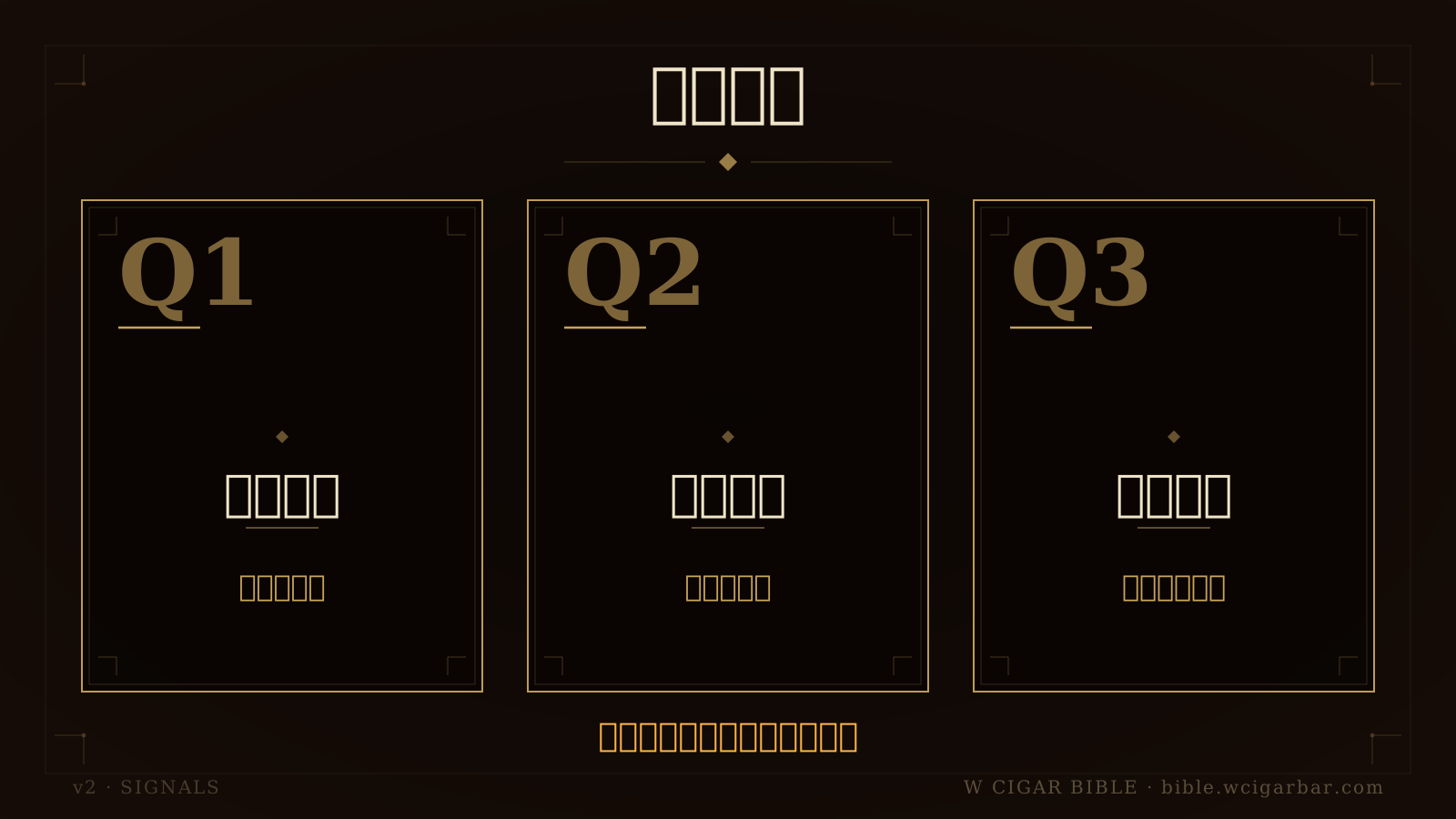
快問快答列出同盒差異醇化時間與好壞指標
Brand Case Analysis: The Technical Logic of Six Style Systems
Padrón's core lies in Nicaraguan leaves, long-term aging, and box-pressed structure. The difference between the 1964 Anniversary and 1926 Serie is not just in commemorative years but in the stratification of strength, sweetness, and refinement; the Natural version often has woody, coffee, and pepper notes, while the Maduro version deepens cocoa, molasses, and damp earth. Padrón's brilliance lies in making richness orderly, not heavy.
Arturo Fuente OpusX's historical significance lies in proving that the Dominican Republic can also produce top-strength wrappers. Since its launch in the 1990s, it has changed many people's impression that Dominican cigars can only be mild and delicate. Davidoff takes another path: the Signature, Grand Cru, and Winston Churchill series do not win by explosiveness but by establishing brand recognition through fermentation cleanliness, wrapper delicacy, and blending balance.
In terms of Cuban brands, Cohiba's positioning comes from strict leaf selection and additional fermentation traditions, with Behike 52, 54, 56 becoming market focal points after 2010; however, the more attention a cigar receives, the more it needs to consider source, preservation, and condition. Partagás Serie D No.4 is a classic case in the Robusto size, concentrating earth, spice, leather, and wood, showcasing the brand's framework. These brands have no absolute superiority, only different technical languages; understanding the language is key to understanding cigars.
Frequently Asked Questions
Why do cigars from the same box still vary in performance?
Handmade cigars are ultimately not industrial sticks, even with the same batch of leaves, the same workshop, and the same size, there will be slight differences due to leaf thickness, moisture content, and rolling density. Experienced enthusiasts do not seek every stick to be identical but for the brand to control differences within a reasonable range. If most in a box burn unevenly or have unbalanced resistance, it's time to check preservation and batch status.
Is longer aging always better?
Not necessarily. Aging can soften spiciness and integrate aromas, but too long or improper storage can cause aromas to collapse, especially for originally delicate Connecticut Shade styles, which may lose fresh herbal and creamy notes. Rich Nicaraguan or some Cuban cigars have more room for long-term change, but it still depends on humidity, temperature, and original structure.
Does a larger ring gauge always mean more complexity?
A larger ring gauge can accommodate more filler combinations, theoretically offering more blending space, but it doesn't necessarily mean more complexity. A smaller ring gauge, due to a higher wrapper ratio, can clearly present wrapper aroma and brand details. To understand a brand, I usually recommend observing Corona, Robusto, and Toro sizes simultaneously rather than just chasing trendy ring gauges.
How should the technical value of limited edition cigars be viewed?
First, see if they truly use special leaves, specific vintage harvests, or different aging processes, rather than just changing boxes and labels. Some limited lines indeed have research value, such as specific estate leaves, commemorative vintages, or experimental wrappers; however, collection appreciation does not guarantee appreciation, still depending on source preservation and market. Technical content and market heat should be judged separately.
How can seasoned enthusiasts build their brand technical notes?
You can consistently record five items: brand and series, size and ring gauge, wrapper information, burn time, and three-stage flavor changes. Add preservation conditions, such as actual states of 18 to 21 degrees Celsius and relative humidity of 65% to 69%. After continuously recording 30 sticks, you'll see that your preference is not for brand names but for a certain craftsmanship logic.
What is the most important technical indicator for judging a cigar's quality?
I look at four things: whether the draw is smooth, whether the burn is stable, whether the flavor has progression, and whether the tail end is clean. No matter how charming the initial stage is, if the middle stage collapses or the tail end is bitter and coarse, it indicates that the blend or aging may not be complete. Truly good cigars usually aren't the loudest at the first puff but can maintain rhythm over 60 to 120 minutes.
In the end, I always believe that the depth of cigars lies not in price, nor in legend, but in whether the brand can integrate land, time, and human craftsmanship into perceivable flavors. As seasoned enthusiasts progress, they increasingly focus on "why": why this size is more concentrated, why this batch of leaves is sweeter, why there are differences in the same brand across different years. Understanding craftsmanship prevents being led by labels; understanding innovation allows seeing the true value of tradition.
—Cigar Prince Wilson Tsai
Smoking is harmful to health. Smoking is prohibited for those under twenty. Quitline: 0800-636363. This article is intended as a reference for cigar culture, preservation, and regulatory knowledge for adults over twenty years old, not as tobacco advertising, promotion, or purchase advice.
Like this article?Share with friends
Share this W Cigar Bible piece with friends who want to learn cigar culture, storage, and tasting.
想把這篇 化為實踐
雪茄聖經是知識;雪茄文化要在空間裡發生
W Cigar Bar 大安總店資訊
台北大安區 · 雪茄聖經總編輯 Wilson Tsai 主理的雪茄文化空間
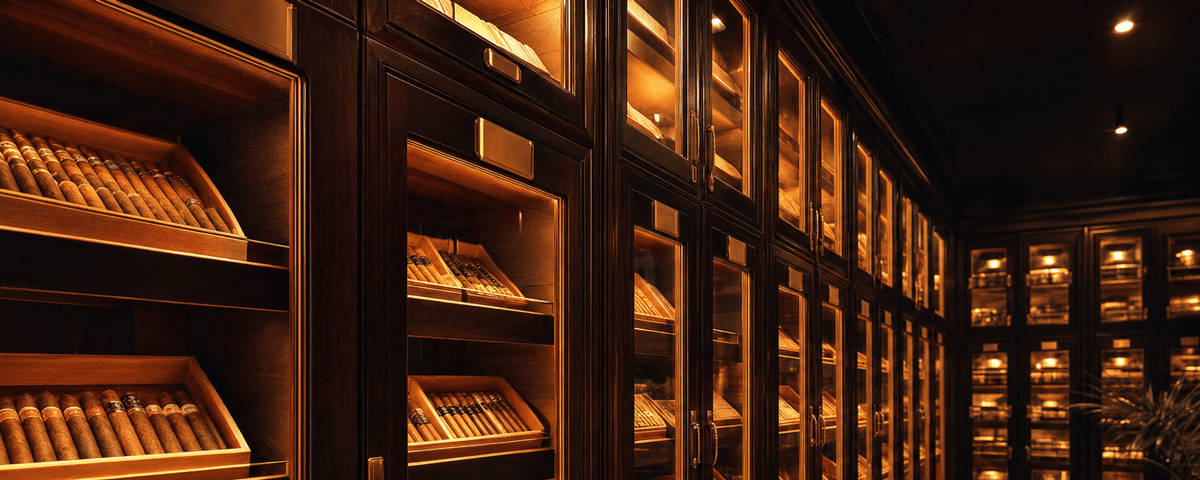
33 座 24 小時恆溫恆濕醇化室
W Cigar Bar 提供的會員醇化空間 · 場地資訊請洽編輯部
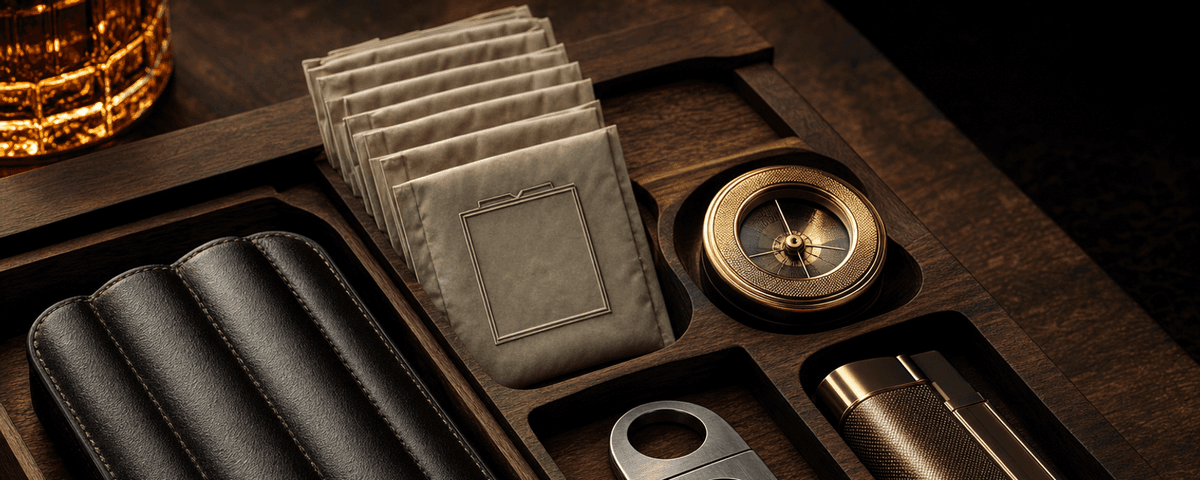
雪茄剪 / 打火機 / 雪茄盒 / Boveda
W Cigar 配件官網 · 專營雪茄配件正品
加 LINE 好友 · 文化諮詢
文化空間資訊 · 紳士沙龍 · 私人包場
本網站內容僅供雪茄文化、歷史、收藏與品吸知識研究參考。菸品有害健康、未滿法定年齡者請勿吸菸。實際規範請依所在地法律為準。
吸菸有害健康・戒菸專線 0800-636363・本站僅供 20 歲以上成年人閱覽。
讀到這裡,你不只是路過的人
留下 Email,加入 W 雪茄聖經內圈——總編輯 Wilson Tsai 親選的學院深文與國際新訊,先你一步送到信箱。
· 教育用途非銷售 · 隨時一鍵退訂 · Email 絕不對外公開 · 由勝茄股份有限公司營運
同分類延伸閱讀
資料來源:W Cigar Bible 編輯部整理 · 雪茄王子 Wilson Tsai 親自審稿
本文僅供雪茄文化、歷史、收藏與品鑑知識研究,不作為菸品促銷、銷售或購買建議。吸菸有害健康,未滿二十歲不得吸菸。