探索雪茄的樹種多樣性:不同木材對風味的影響
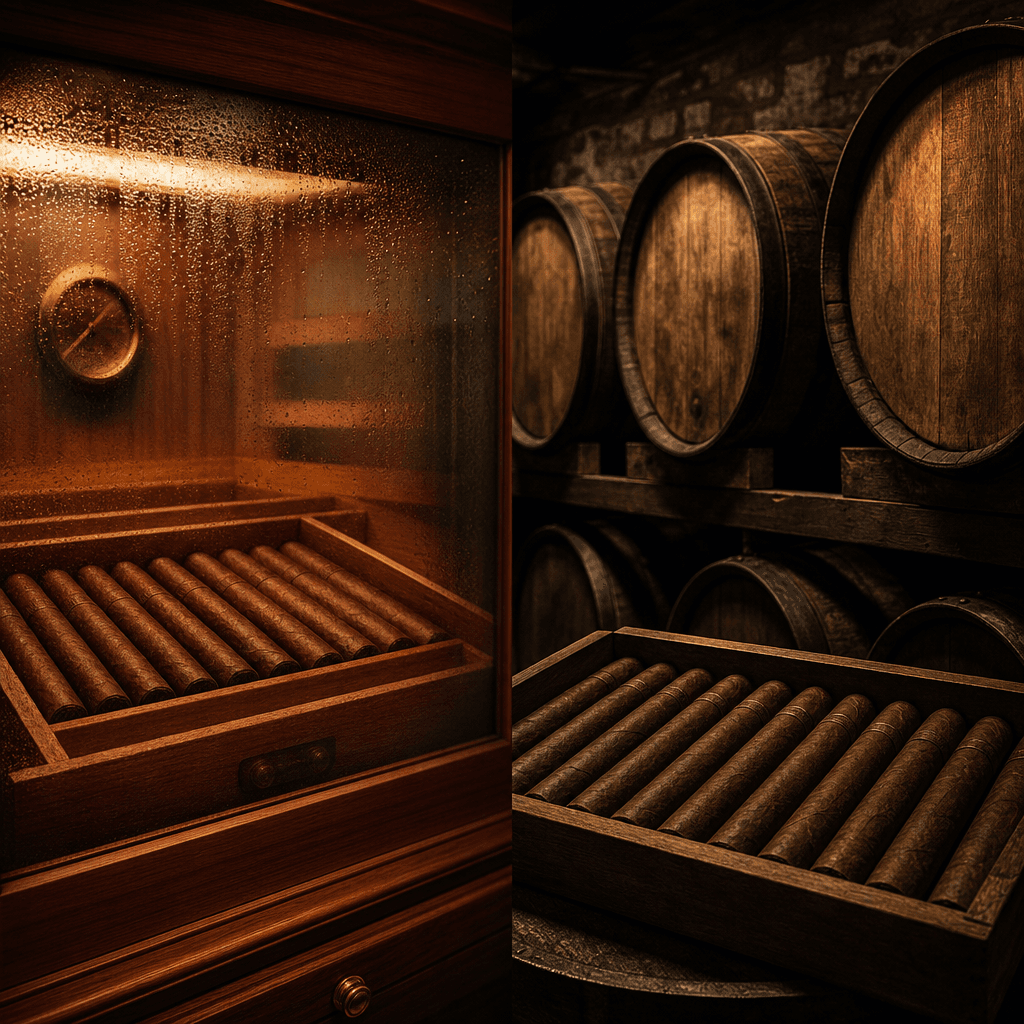
雪茄的風味不僅來自菸葉,還受到木材的影響。西班牙雪松是最常見的雪茄包裝材料,因其穩定的濕度和低調的氣味,能有效提升雪茄的表現。相比之下,橡木則能帶來豐富的香氣,但過強的木味可能掩蓋菸葉的本質。選擇合適的木材和控制濕度對於雪茄的醇化至關重要,老手應重視木材的類型、位置及其對風味的影響,確保每支雪茄都能展現最佳狀態。
- 雪茄的木材影響風味,主要透過濕度與香氣揮發速度,而非直接添加木味。
- 西班牙雪松因其穩定的吸放濕性和溫和氣味,成為雪茄包裝的經典選擇。
- 橡木的風味雖然深厚,但過強的存在感可能會壓過雪茄本身的產區特徵。
Exploring the Diversity of Cigar Wood Types: The Impact of Different Woods on Flavor
As the editor of "Cigar Bible," I am often asked by seasoned cigar enthusiasts a seemingly niche but crucial question: Are the woods used in cigar boxes, humidors, dividers, and barrels merely containers, or are they part of the flavor profile? My answer is: for connoisseurs, they are certainly not just the background.
The protagonist of a cigar is always the tobacco leaf. From Cuba's Vuelta Abajo to the Dominican Republic, Nicaragua's Estelí, and Honduras' Jamastrán, the soil and fermentation of each region determine the framework. However, wood subtly rewrites the aroma profile during aging, humidification, and burning rhythm. Understanding wood is truly understanding the second language of a cigar.
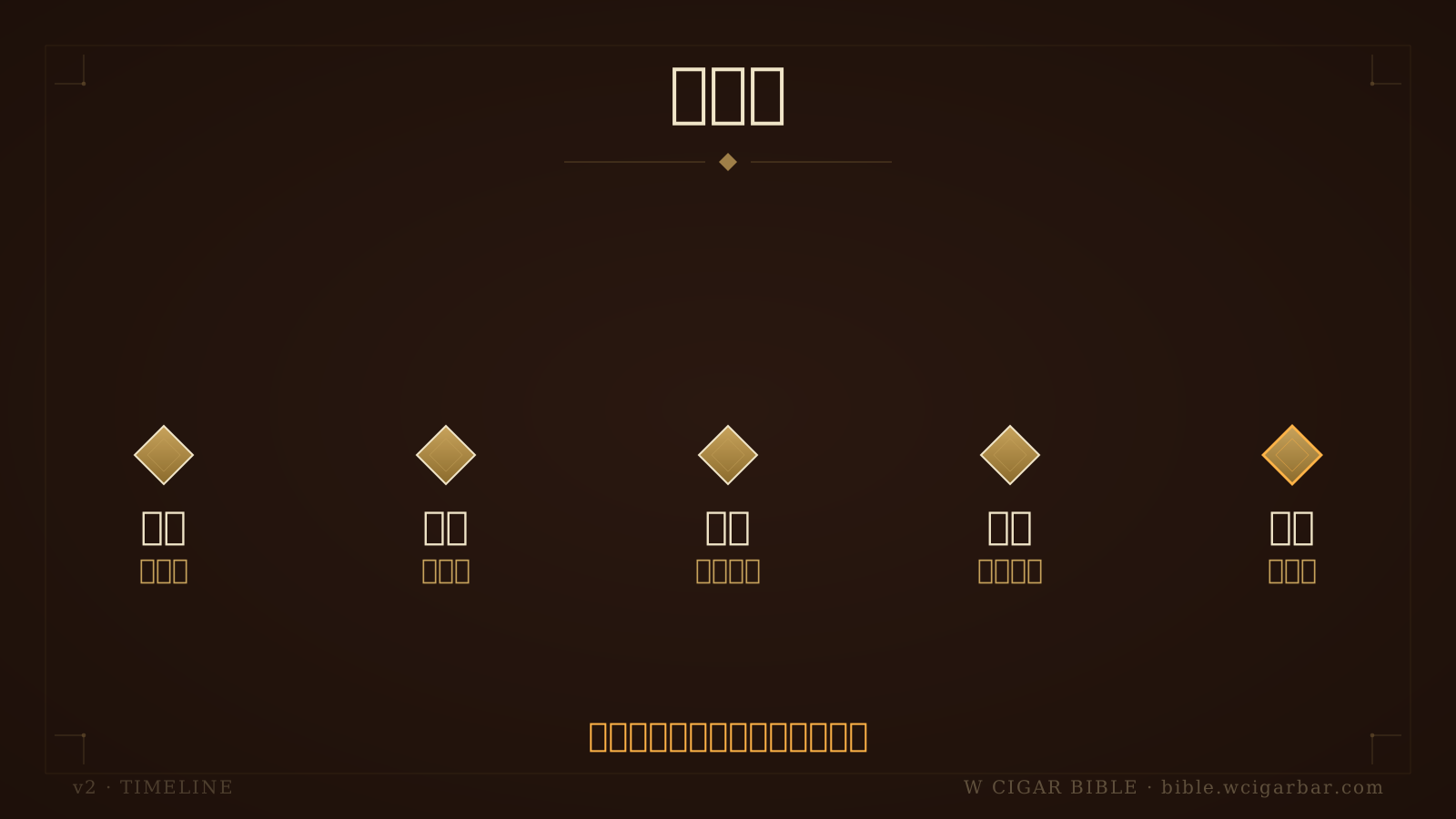
流程圖呈現選木養濕入盒追蹤與判讀
Wood is Not a Spice, But a "Tuning Fork" for the Aging Environment
Many seasoned enthusiasts, when they first start researching wood, think of it as directly coloring and flavoring like a whiskey barrel. But cigars are different. The tobacco leaves have already been fermented, rolled, and graded. Wood mainly affects a cigar's performance after 6 months, 2 years, or 5 years through moisture absorption and release, volatile aromatic compounds, trace tannins, and air exchange. Wood influences cigars not by forcibly inserting wood flavors, but by altering the humidity curve, aroma volatilization speed, and burning stability.
Take the discussion around the Cohiba Behike 56 after its 2010 release as an example. With the same 56 ring gauge and 166mm size, if stored long-term in a clean-smelling Spanish cedar environment, leather, cream, hay, and a faint sweet wood aroma will integrate better. If stored in a cabinet with strong miscellaneous wood and glue smells, the front section often exhibits sharp wood shavings, even masking the original thickness of the Medio Tiempo tobacco leaf.
When organizing samples of the 1990s Partagás Serie D No.4 and the 2017 Montecristo Línea 1935, what I valued most was not the appearance of the box but whether the aroma was clean upon opening. Mature cigars should have notes of grains, dried fruits, leather, spices, and soft wood, not wet cardboard, paint, mold, or pungent wood glue. The first step for connoisseurs in judging wood is not to smell "if it is fragrant," but to confirm whether it interferes with the original flavor of the tobacco leaf.

三張卡整理木材影響雪茄的核心判斷
Spanish Cedar: The Most Important Wood Language in the Cigar World
The most common wood for cigar boxes and humidors is "Spanish cedar," scientifically known as Cedrela odorata. Strictly speaking, it is not a true cedar but a member of the Meliaceae family. It is widely used in cigar packaging in Cuba, the Dominican Republic, Honduras, and Nicaragua for practical reasons: moderate density, stable moisture absorption and release, mild aroma, and some insect-repelling effects. Spanish cedar becomes a classic not because it has the strongest flavor, but because it best knows how to step back behind the tobacco leaf.
From a burning perspective, Spanish cedar contributes to maintaining a stable moisture content. When cigars are kept at a relative humidity of about 65% to 69%, the burn line is easier to maintain balance. In overly humid environments, burning becomes sluggish, and tar notes increase. In overly dry conditions, the ash becomes loose, and the spiciness sharpens. This is why many 25-count wooden boxes use thin cedar sheets for layering, not as decoration, but to allow more even humidity exchange within the box.
Brand examples are clear. The Davidoff Winston Churchill series often features clean, precise wooden box aromas, complementing the creamy, white pepper, and hay notes of Dominican tobacco, with the wood providing only a gentle background. In contrast, the rich spice and sweetness of Arturo Fuente OpusX, if stored in a strongly scented new cedar cabinet, may appear luxurious in the short term but can easily blend into a heavy sweet wood tone after 18 to 24 months, compressing the details.

矩陣比較西雪松橡木與雜木的差異
Oak and Barrels: Enticing Complexity, Yet Most Prone to Overuse
Oak is not as common as Spanish cedar in the cigar world, but its influence is stronger, especially in barrel aging, special series packaging, or projects related to whiskey, rum, and cognac flavor associations. American white oak often carries vanilla, coconut, and toasted sugar notes, while French oak leans towards delicate tannins, spices, and nuts. The charm of oak lies in its depth, but the risk is that it has too much presence, easily causing cigars to lose their regional identity.
Take the Camacho American Barrel-Aged as an example. The brand openly emphasizes the use of bourbon barrels to treat Corojo tobacco leaves, with flavors reminiscent of vanilla, caramel, roasted wood, and spices, which is very appealing to enthusiasts who enjoy bold lines. However, when compared to the Padrón 1964 Anniversary Maduro, the latter's cocoa, coffee, earth, and Nicaraguan sweetness come more from the tobacco itself, with barrel treatment acting like an amplifier for a band.
Oak also affects burning judgment. Cigars treated with barrels or heavy wood aromas often appear smooth and sweet in the front section, but if humidity control is poor in the middle and back sections, wood tannins and tar notes will rise simultaneously, making the tail dry. My approach is to keep such cigars at a relative humidity of 65% to 67%, slightly lower than usual, for cleaner burning and to avoid turning wood sweetness into stuffy sweetness. This is not an absolute rule, but it is valuable for reference with robust cigars above a 50 ring gauge.

三張卡列出保濕櫃與木香常見誤解
Mahogany, Walnut, and Miscellaneous Woods: Beautiful Does Not Mean Suitable for Cigars
High-end humidors often use mahogany, walnut, cherry wood, or oak veneers for their appearance, looking stable and beautiful. However, the lining material is key. Mahogany has high density and beautiful grain, suitable for exteriors and furniture structures, but not necessarily as the inner layer directly contacting cigars. Walnut has a distinct nutty and woody aroma, and if the volatile substances of new materials are not fully stable, they can significantly interfere with delicate cigars. Humidification equipment can pursue aesthetics, but the internal materials contacting cigars must prioritize neutral aroma and stable moisture absorption and release.
I once saw a European-made desktop humidor with a very beautiful walnut exterior but mixed with strongly aromatic red cedar inside. The owner placed an H. Upmann Magnum 46 from around 2014 inside, and three months later, upon opening, the original notes of toasted bread, nuts, and honey were overshadowed by a layer of pungent wood aroma. This was not a cigar quality issue but a misplacement of wood choice.
Miscellaneous wood issues are more common in low-cost, large-capacity cabinets. Pine, cedar, or inadequately dried plywood may carry resin, adhesives, and wet wood odors. These aromas can adhere to the cigar wrapper, especially affecting more delicate wrappers like Connecticut Shade and Ecuadorian Connecticut. For Maduro or Oscuro, with higher richness, it may seem less obvious in the short term, but in the long term, it will still muddy the cocoa, black coffee, and sweet aromas.
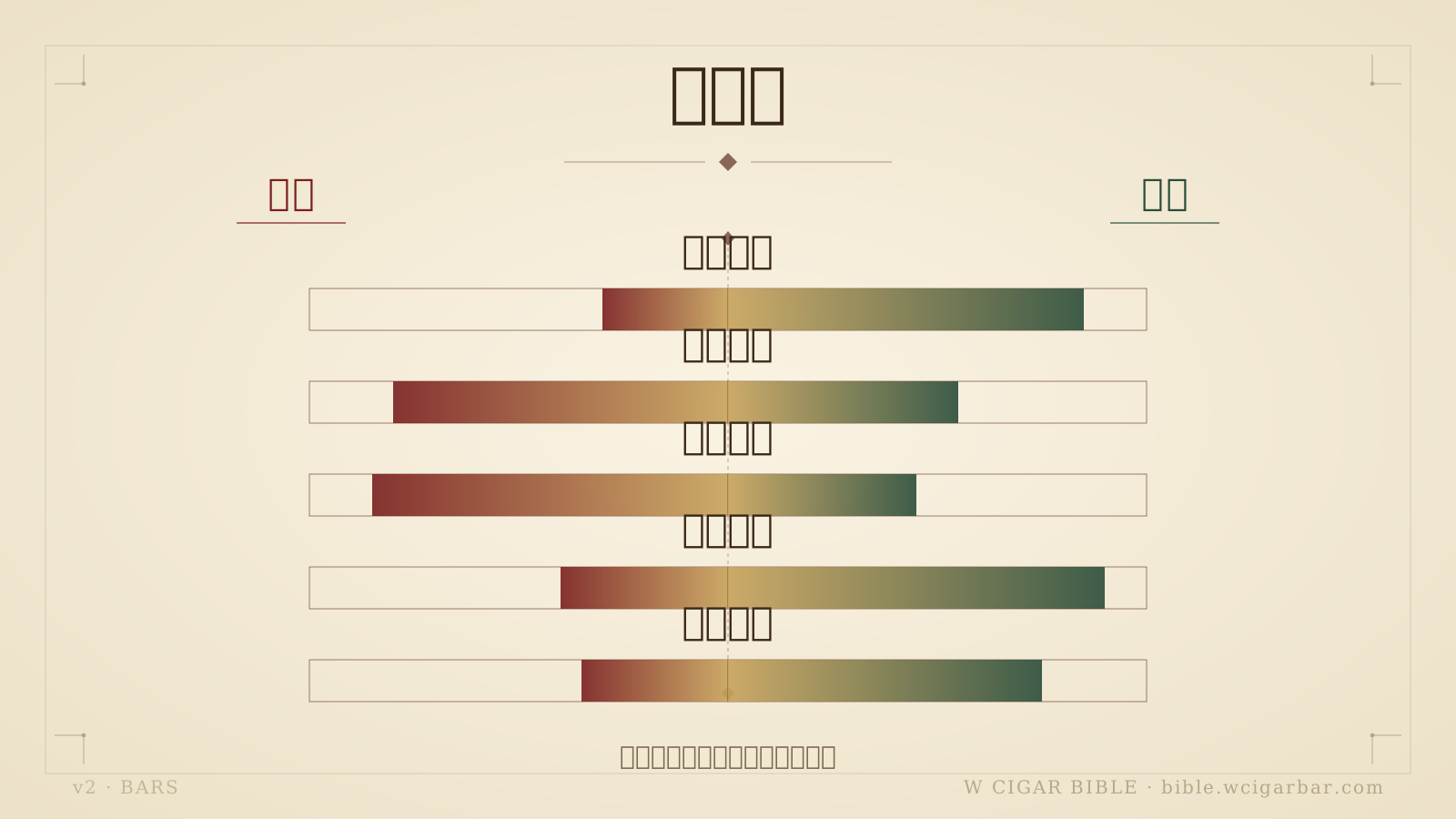
長條圖比較木材退後與強木介入取向
Wooden Boxes, Dividers, Humidors: Practical Comparisons of Different Woods
Connoisseurs don't just ask "which wood is best," but also "where to place it, how long it contacts, and what style of cigar it suits." The same Spanish cedar, when made into a 25-count original box, humidor lining, or single cedar sleeve, has different effects. The larger the contact area and the longer the time, the more pronounced the wood's influence. Wood selection should not only consider the name but also the location, moisture content, aroma intensity, and cigar style.
| Wood or Form | Common Uses | Flavor Influence | Risk | Suitable Scenarios |
|---|---|---|---|---|
| Spanish Cedar | Cigar boxes, dividers, linings | Sweet wood, hay, light spice | Overly fragrant new material, resin spots | Most Cuban and Dominican cigars |
| American White Oak | Barrels, display boxes | Vanilla, caramel, roasted wood | Heavy tannins, overpowering tobacco | Rich Nicaraguan or special series |
| French Oak | Barrel material, limited packaging | Fine spices, nuts, astringency | Excessive tail astringency | Medium to high concentration, clear structure |
| Mahogany | Exterior, furniture cabinets | Subtle woodiness | Unstable for lining use | Exterior structure, not suitable for direct large contact |
| Walnut | Exterior decoration, display cabinets | Nutty wood aroma | Obvious new material aroma | Exterior decoration, internal use of neutral material |
In practice, I break down wood management into three steps:
- New humidors should be seasoned empty for 7 to 14 days to ensure no glue or paint smell.
- Original box cigars can retain the wooden box for aging, while loose cigars should be partitioned with clean dividers.
- Record humidity, aroma, and burning conditions every 30 days, not just relying on electronic hygrometer readings.
For many large ring gauge cigars after 2020, 60 ring gauge products are more prone to stuffiness. If placed in a new cedar cabinet with over 70% humidity, burning is slow, smoke volume is large but layers are blurred. Adjusting to 65% to 67% and reducing direct contact with new wood dividers often allows spices, coffee, and sweetness to separate again.

三張問答卡回答雪松橡木與木頭味問題
Burning, Humidity, and Wood Aroma: Connoisseurs Must Make Cross-Judgments
Many people blame uneven burning, extinguishing, and bitterness on rolling craftsmanship, but wood and humidity are often the behind-the-scenes reasons. If a cigar is left too long in a wood box with strong moisture absorption, the moisture content of the outer layer and core leaves may be out of sync. When lit, the outer layer burns first, and the interior lags, causing the burn line to shift. Conversely, if the wood is too dry and absorbs the surface moisture of the cigar, the front section may be very sharp, with white but loose ash. Burning issues should be checked for tobacco, humidity, and wood simultaneously; focusing only on the burn line can easily lead to misjudgment.
I suggest connoisseurs conduct small-scale comparisons with the same cigar. For example, select 3 cigars from the same box of Romeo y Julieta Short Churchill, placing them in the original box, a clean Spanish cedar cabinet, and a sealed humidor without wood aroma for 60 days. Control the humidity at 67%, then compare the cold aroma, the first 2 cm before lighting, the middle section, and the tail section. You will find that wood differences are not dramatic fragrance changes but subtle variations in burning speed, sweetness position, and spice peak.
Another often overlooked point is using wooden strips for lighting. Traditional cedar strips provide a sense of ritual and avoid the butane smell of lighters, but cedar strips must be clean, mold-free, and glue-free. If using unknown source strips for lighting, it can bring off-flavors to the cigar foot. This is especially noticeable with small ring gauges like Lancero and Corona, as the small diameter and concentrated heat amplify any off-flavors in the front section.
Common Questions
Does a stronger Spanish cedar aroma mean a better humidor?
Not necessarily. A faint sweet wood aroma in a new cabinet is normal, but if it is pungent, like resin or perfume, be cautious. The standard for good wood is stability and cleanliness, not stronger aroma equals higher quality. I would season the cabinet empty for at least 7 days, then place a small number of cigars to observe for 2 to 4 weeks.
Are cigars treated with oak barrels suitable for long-term aging?
They can be, but it depends on the style. Cigars with strong barrel notes may become rounder after 3 to 5 years, but they may also lose regional details. If the tobacco structure is sufficient, such as rich Nicaraguan profiles, they have higher tolerance. If delicate, oak traces may become overly prominent.
Is original box storage always better than loose storage?
Original boxes can retain the brand's designed wood environment and microclimate, provided the internal aroma is clean and humidity is stable. Loose storage allows for partitioned management, avoiding strong wood aromas from interfering with each other. The focus for connoisseurs is not to blindly trust original boxes but to establish traceable and comparable storage conditions.
Is a wood aroma in cigars a good or bad thing?
It depends. Soft sweet wood, sandalwood, and hay woodiness are usually layers, while pungent wood shavings, wet board, glue, or moldy wood are defects. For example, the Cuban Hoyo de Monterrey Epicure No.2 should lean towards cream, floral, and light wood, not dominated by coarse wood aroma.
Can essential oils or aromatic woods be used to improve humidor aroma?
Not recommended. Cigar wrappers are very prone to absorbing external aromas, and essential oils, aromatic woods, and coffee beans can leave irreversible traces. If there is an odor in the cabinet, the correct approach is ventilation, activated carbon adsorption, and re-seasoning, not covering with stronger aromas.
Does collecting cigars become more valuable due to wooden boxes or special woods?
Complete wooden boxes, clear provenance, and good preservation do enhance collection integrity. Certain vintages and limited packaging also attract market attention. However, collection appreciation does not guarantee value increase; it still depends on provenance, preservation, and market. Beautiful wood is just one condition, not a guarantee of value.
Wood is the quietest yet most patient role in the cigar world. It should not steal the stage from the tobacco leaf but help the flavor become more stable, deeper, and more time-conscious. For me, a truly mature connoisseur not only remembers the brand, vintage, and region but can also smell if a humidor is clean and judge whether wood aroma is a layer or interference. When you start to understand wood, cigars are no longer just individual performances but a comprehensive set of time, air, and preservation skills.
—Cigar Prince Wilson Tsai
Smoking is harmful to health. Under 20 years old is not allowed to smoke. Quitline: 0800-636363. This article is for reference by adults over 20 years old for cigar culture, preservation, and regulatory knowledge, not a tobacco advertisement, promotion, or purchase suggestion.
Like this article?Share with friends
Share this W Cigar Bible piece with friends who want to learn cigar culture, storage, and tasting.
想把這篇 化為實踐
雪茄聖經是知識;雪茄文化要在空間裡發生

W Cigar Bar 大安總店資訊
台北大安區 · 雪茄聖經總編輯 Wilson Tsai 主理的雪茄文化空間
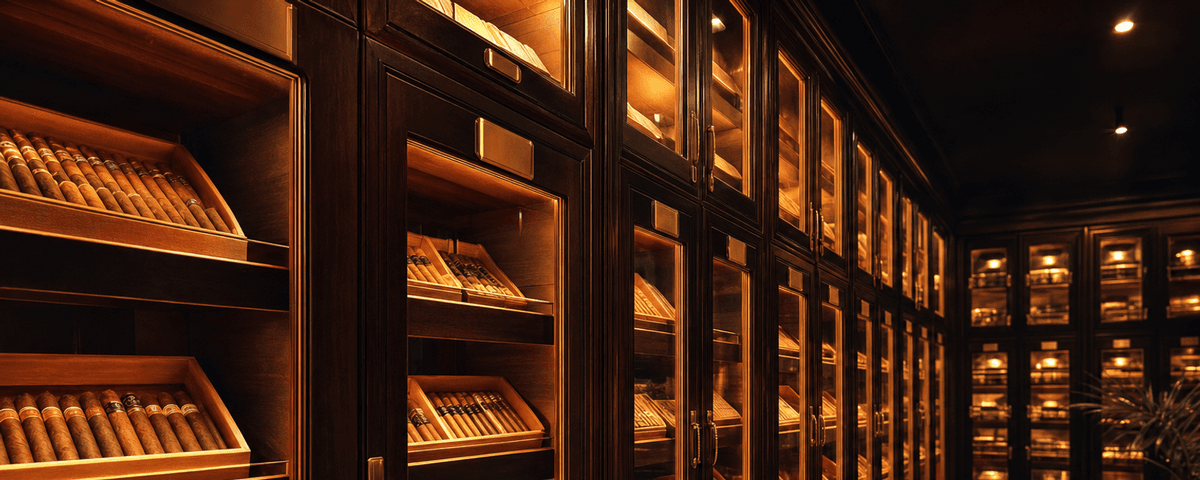
33 座 24 小時恆溫恆濕醇化室
W Cigar Bar 提供的會員醇化空間 · 場地資訊請洽編輯部
雪茄剪 / 打火機 / 雪茄盒 / Boveda
W Cigar 配件官網 · 專營雪茄配件正品
加 LINE 好友 · 文化諮詢
文化空間資訊 · 紳士沙龍 · 私人包場
本網站內容僅供雪茄文化、歷史、收藏與品吸知識研究參考。菸品有害健康、未滿法定年齡者請勿吸菸。實際規範請依所在地法律為準。
吸菸有害健康・戒菸專線 0800-636363・本站僅供 20 歲以上成年人閱覽。
讀到這裡,你不只是路過的人
留下 Email,加入 W 雪茄聖經內圈——總編輯 Wilson Tsai 親選的學院深文與國際新訊,先你一步送到信箱。
· 教育用途非銷售 · 隨時一鍵退訂 · Email 絕不對外公開 · 由勝茄股份有限公司營運
同分類延伸閱讀

資料來源:W Cigar Bible 編輯部整理 · 雪茄王子 Wilson Tsai 親自審稿
本文僅供雪茄文化、歷史、收藏與品鑑知識研究,不作為菸品促銷、銷售或購買建議。吸菸有害健康,未滿二十歲不得吸菸。