雪茄的高端品牌故事:從工藝到珍稀性
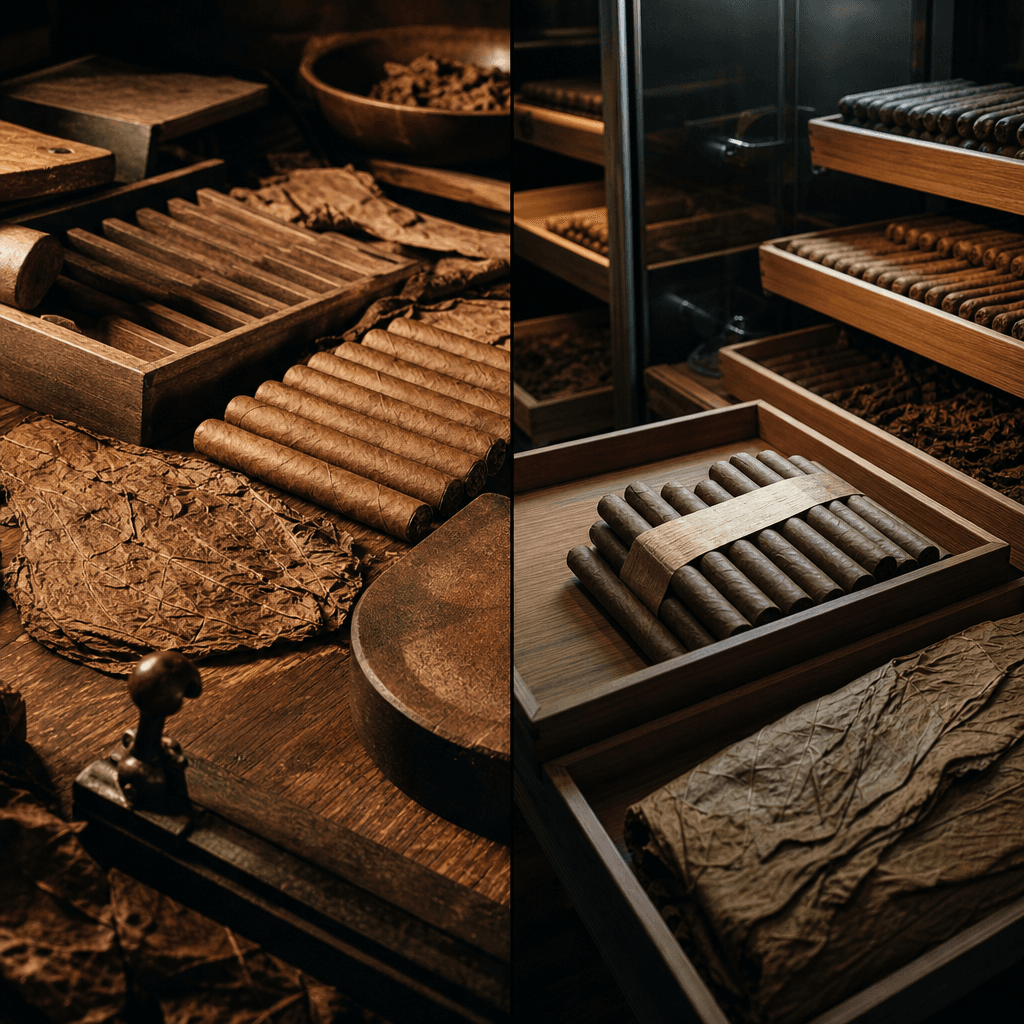
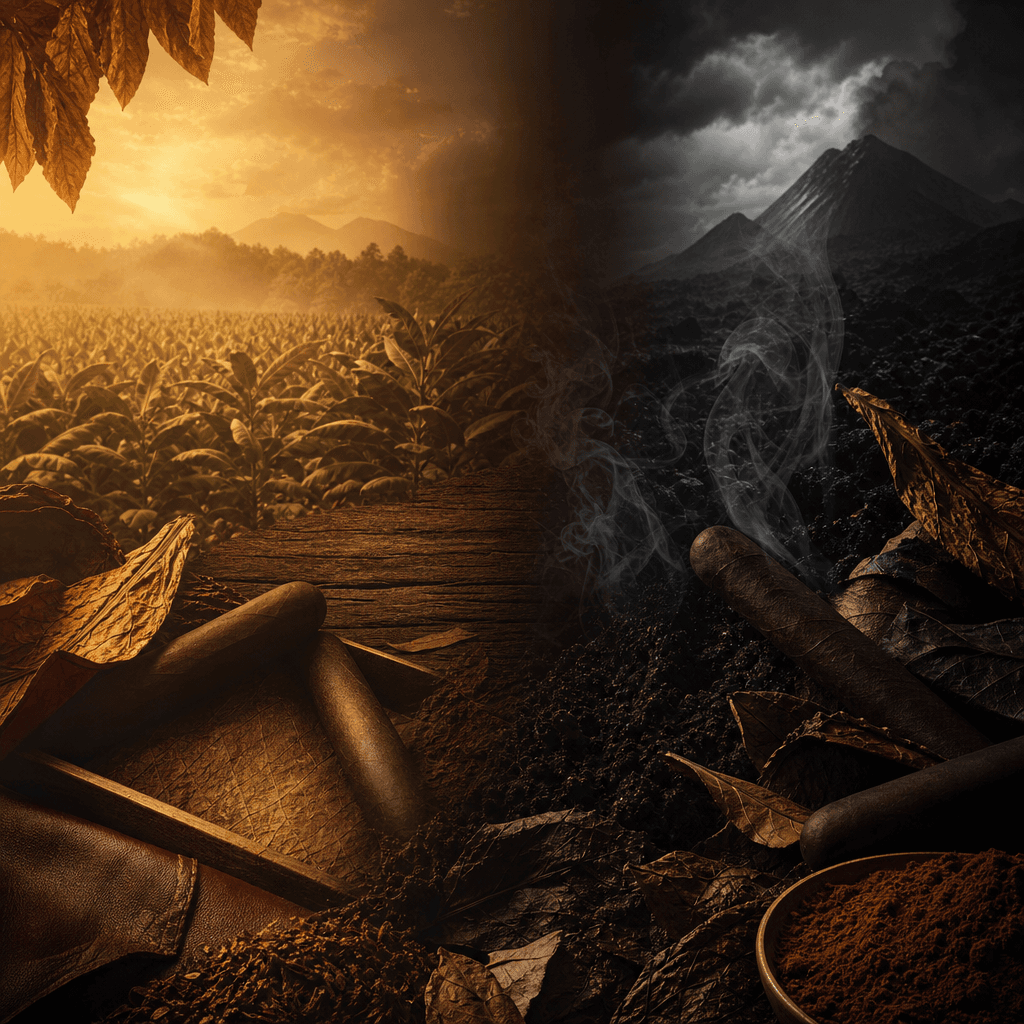
高端雪茄的魅力不僅在於價格或稀缺性,而是品牌如何將歷史、工藝與文化融入每一支雪茄中。真正的高端品牌,如Cohiba與Davidoff,透過穩定的葉源與獨特的工序,展現出可辨識的風格與深厚的品牌故事。這篇文章深入探討高端雪茄的價值來源,從工藝控制到珍稀性的形成,分析如何透過市場定位與收藏策略,讓老手能夠更全面地理解高端雪茄的精髓。高端雪茄不僅是品味的象徵,更是文化與歷史的結晶。
The Story of High-End Cigar Brands: From Craftsmanship to Rarity
The allure of high-end cigars lies not just in their price tags, box emblems, or market scarcity, but in how brands compress land, craftsmanship, politics, commerce, and time into a readable work. Experienced enthusiasts often don't just look at whether a brand is "expensive" but why it deserves to be compared on the same table.
As the editor of "Cigar Bible," I am more concerned with whether a brand can justify itself: Is its leaf source stable? Does its process have distinctiveness? Is the limited edition truly logical? In this article, I want to deconstruct the true value sources of high-end cigar brands, from craftsmanship to rarity.
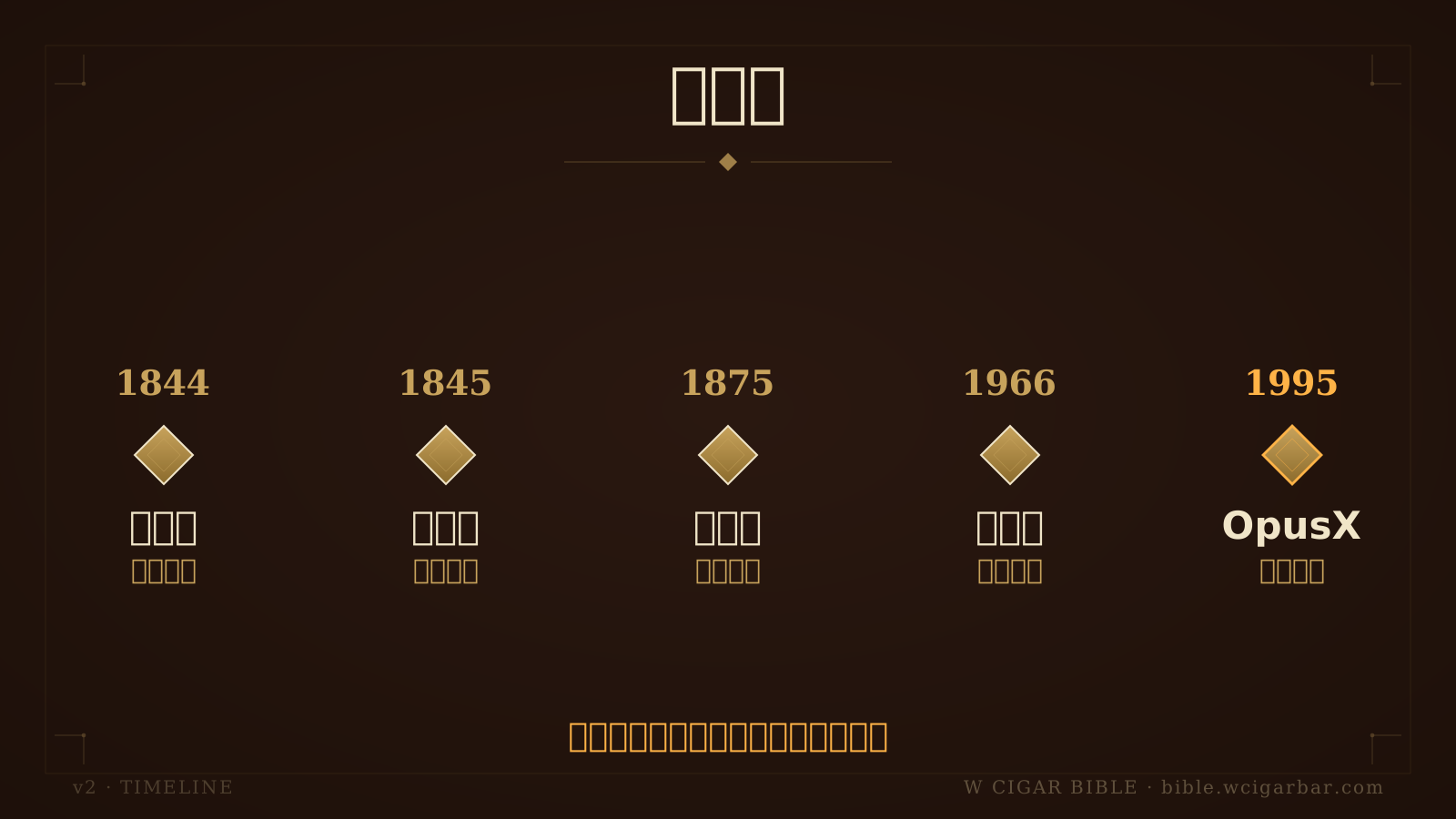
時間軸列出高端雪茄品牌形成的重要年份節點
High-End Brands Are Not Price Tags: How History Becomes a Language of Taste
A truly high-end brand must transform history into a recognizable style, not just print the year on the box. For example, Partagás was founded in 1845, Romeo y Julieta appeared in 1875, and H. Upmann dates back to 1844; these years are not decorations but represent the long-term accumulation of size design, leaf blend ratios, and consumer memory.
Take the H. Upmann Magnum 46 as an example, with a 46 ring gauge and 143 mm length, it forms a clear positioning in the medium to medium-full spectrum of Cuba; while the Partagás Serie D No.4 with a 50 ring gauge and 124 mm combines richness, woodiness, spiciness, and a short rhythm. The brilliance of high-end brands often lies in this "years of little change but constant fine-tuning" balance.
If enthusiasts only chase new boxes, limited editions, and trends, they can easily overlook the brand's archetype. My suggestion is to first establish three reference points: regular lines, commemorative lines, and special sizes. When you can articulate the structural differences between Cohiba Siglo VI, Montecristo No.2, and Partagás Lusitanias, you truly enter the deep waters of brand stories.
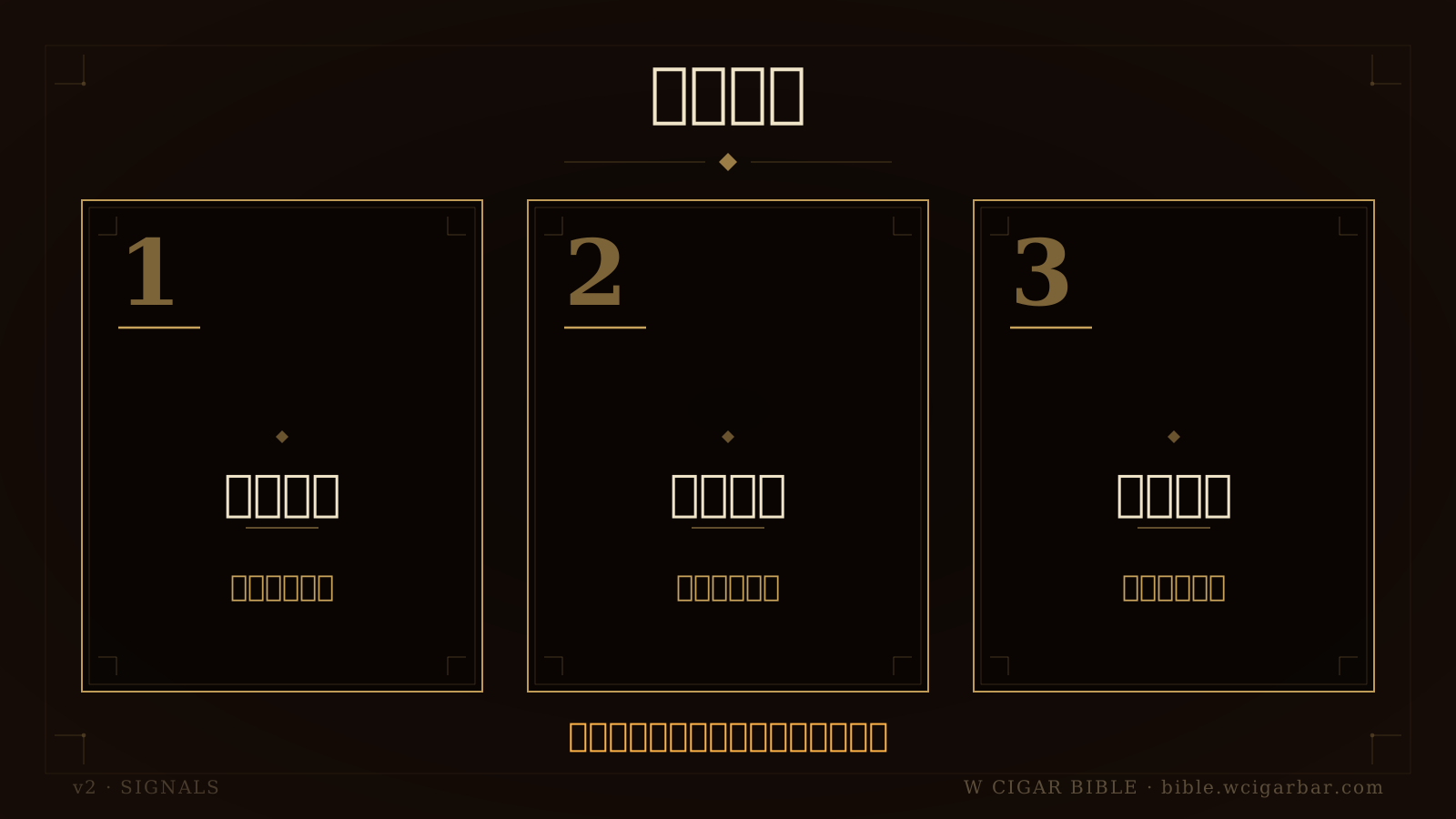
三張卡說明高端品牌來自歷史工藝與珍稀邏輯
Cuban Benchmarks: Cohiba, Trinidad, and National Narratives
Cohiba is the most frequently discussed "high-end" Cuban brand. Around 1966, it gradually took shape from private diplomatic use and officially entered the international market in 1982. Its core feature lies in some tobacco leaves undergoing additional barrel fermentation, creating a smoother layer of grass, cream, honey, coffee, and delicate spiciness; this is not simply about strength but about refinement.
Cohiba's high-end status comes from the combined brand energy of national narrative, process differences, and global quotas. The Behike BHK 52, 54, 56 launched in 2010 further pushed the rarity of "medio tiempo" leaves to the forefront. These leaves do not appear consistently on every plant, so Behike has long been regarded as a market thermometer for high-end Cuban cigars.
Trinidad's story is different. It was also originally related to diplomatic gifts and was more fully introduced to the public in 1998. The Trinidad Fundadores, with a length of 192 mm and a ring gauge of 40, is slender and elegant, requiring high tension and burning stability in rolling. It doesn't overwhelm with momentum but proves with lines, aroma, and aftertaste that high-end can be both luxurious and restrained.
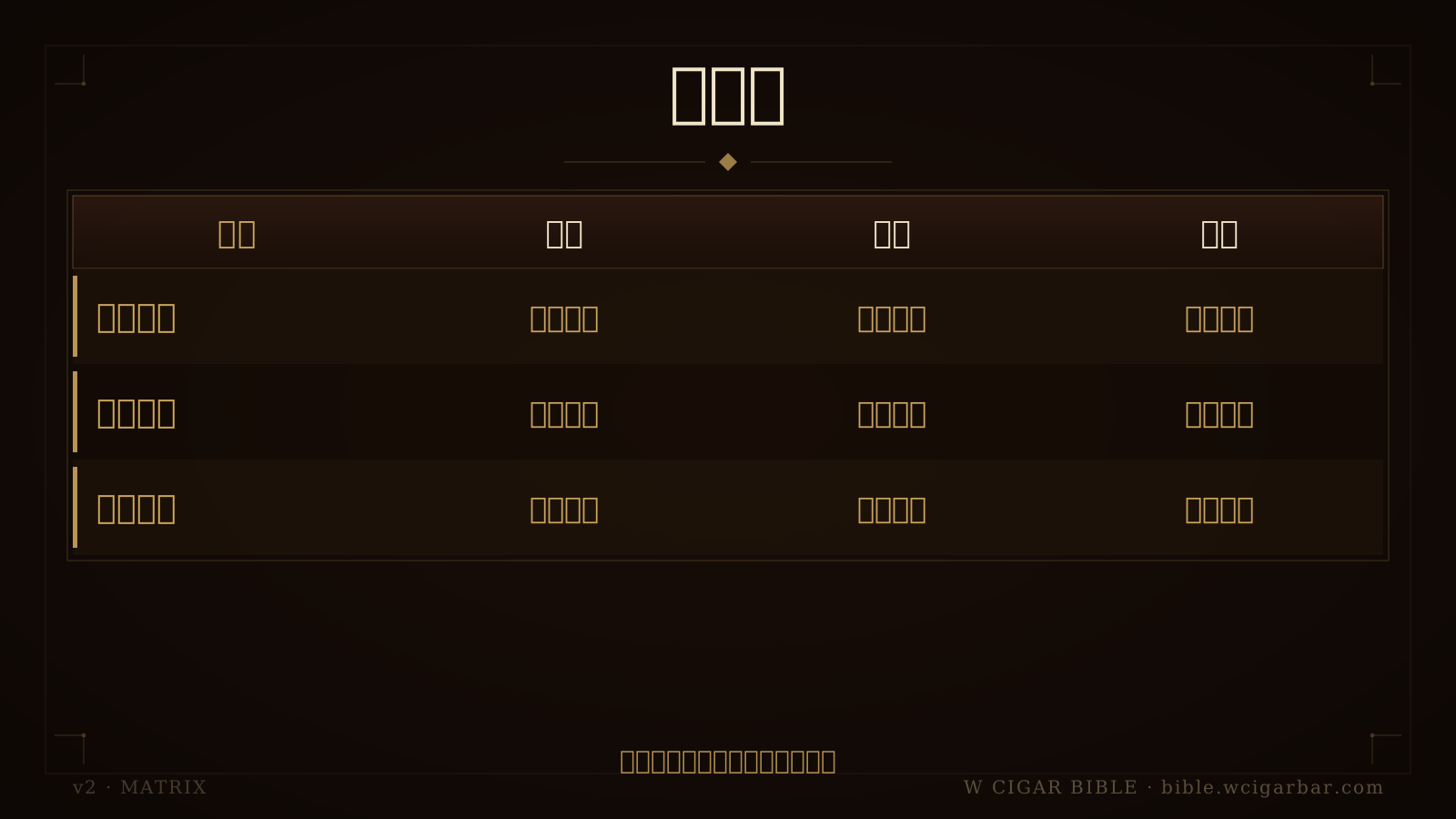
矩陣比較古巴多國與狀態三種評估面向
Dominican Republic and Nicaragua: Another High-End Grammar
If Cuban high-end brands often rely on regional myths and historical halos, brands from the Dominican Republic and Nicaragua emphasize controllable agriculture, family management, and cross-regional blending. After Davidoff fully shifted to Dominican production in the 1990s, it established a brand language of white pepper, cream, hay, nuts, and clean burning, which is a very commercial and precise high-end model.
Arturo Fuente is another classic case. When Fuente Fuente OpusX was launched in 1995, its importance lay in proving that the Dominican Republic could also grow top-quality wrapper leaves. The Chateau de la Fuente estate became part of the brand's myth, and OpusX's rich spiciness, sweet woodiness, and thick oiliness remain a benchmark in the non-Cuban high-end market.
The core of non-Cuban high-end brands is not to imitate Cuba but to establish another set of authority through agricultural control and family narrative. Padrón 1964 Anniversary, 1926 Serie, and the 80 Years Maduro launched in 2006, with the deep cocoa, coffee, black pepper, and stable box variance of Nicaraguan tobacco, let enthusiasts understand that high-end can also be built on consistency.
From Field to Rolling: Craftsmanship Control of High-End Cigars
The cost of high-end cigars is first hidden in field management. Shade cloth, soil drainage, leaf position grading, and harvest batches all affect the final performance. For wrapper leaves, the appearance must be oily, delicate, without obvious coarse veins, and able to withstand the stretch during rolling; the rejection rate of a top-quality wrapper is often much higher than novices imagine.
Next is fermentation and aging. During tobacco leaf fermentation, if the temperature is too high, aroma will be lost, if too low, off-flavors are hard to remove; skilled factories adjust the turning rhythm according to leaf thickness, moisture content, and use. After completion, they still need grading, destemming, and re-aging before entering blending. High-end brands fear "single-point beauty," the real difficulty is box consistency.
The high-end of craftsmanship is not to make every step mysterious, but to make each cigar repeatedly approach the same standard. The touch of the rolling master is especially important; too tight filling affects draw resistance, too loose results in fast burning and loose aroma. Enthusiasts evaluating craftsmanship should observe the burn line, ash structure, draw resistance, and mid-section stability, which are more honest than fancy packaging.
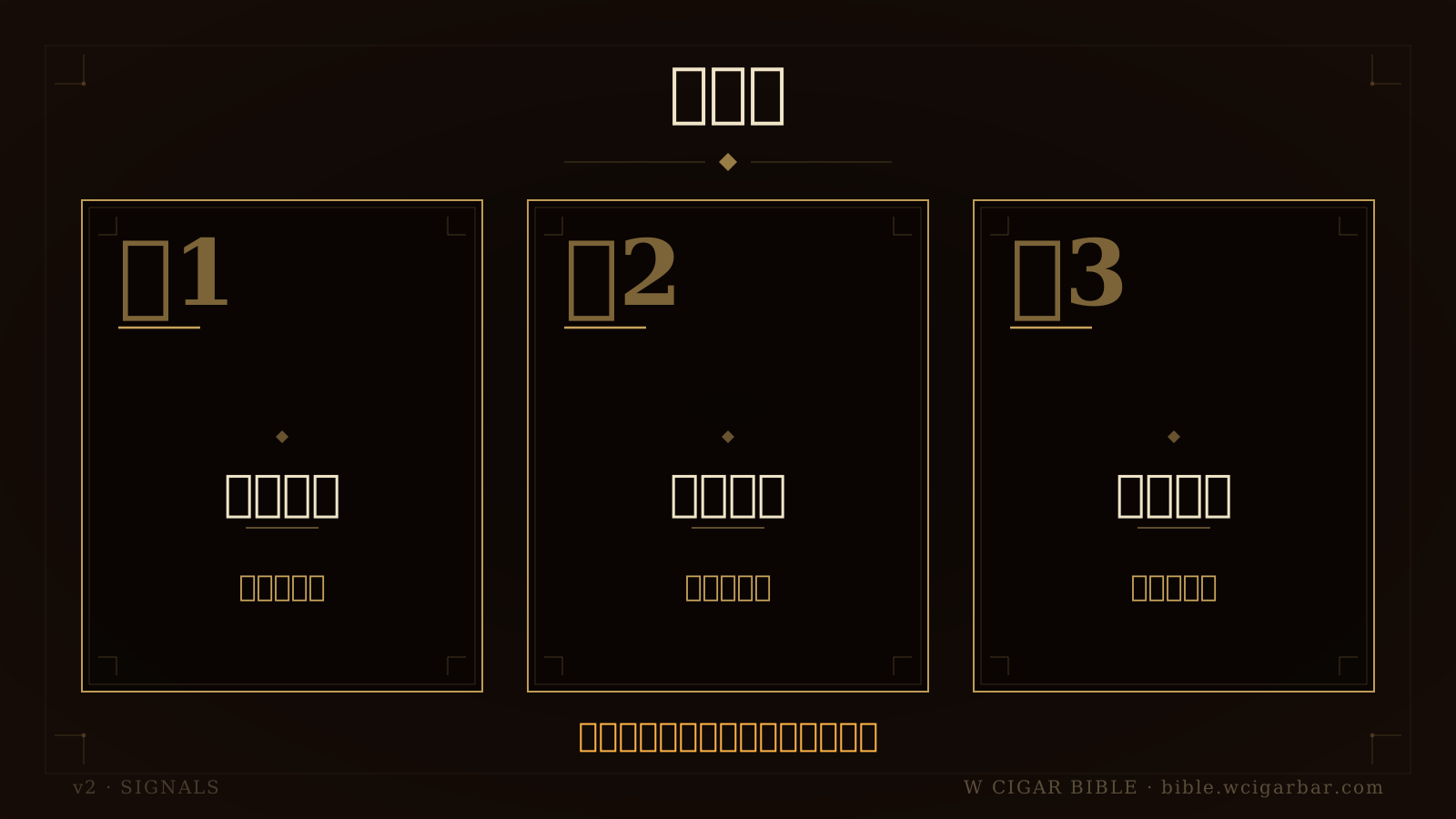
三張卡提醒只看名氣限量與年份的常見誤解
The Formula of Rarity: Limited Editions, Years, Sizes, and Preservation
Rarity is not a single condition but is formed by issuance volume, size, leaf source, year, preservation, and market memory. Since 2000, Habanos has launched the Edición Limitada series, using darker wrappers and specific year tobacco leaves, gradually making "limited" a market language. But if limited editions lack taste recognition, over time, only the box label will remain.
| Type | Representative Case | Source of Rarity | Enthusiast Observation Focus |
|---|---|---|---|
| Anniversary | Padrón 1926 Serie | Family year and leaf selection | Box variance, matured sweetness |
| Special Leaf Source | Cohiba Behike | Scarcity of medio tiempo | Aroma delicacy, condition |
| Special Size | Trinidad Fundadores | High difficulty of slender specs | Draw resistance, burn stability |
| Limited Edition | Edición Limitada | Year of issue and quota | Preservation, batch reputation |
The rarity of high-end cigars only has meaning when the preservation condition is good; without humidity, temperature, and source, rarity is just a story. For example, maintaining a relative humidity of about 65% to 70% and a temperature of 18 to 21 degrees Celsius is usually more conducive to stable aging; but different cigars and different box conditions still need individual judgment.
When I look at rarity, I divide it into "production-side rarity" and "market-side rarity." The former is leaf source, size, process limitations; the latter is quota, regional demand, and collector reluctance to sell. When the two overlap, true high-end tension may form. If it's just short-term heat without brand depth support, it often cools down quickly.
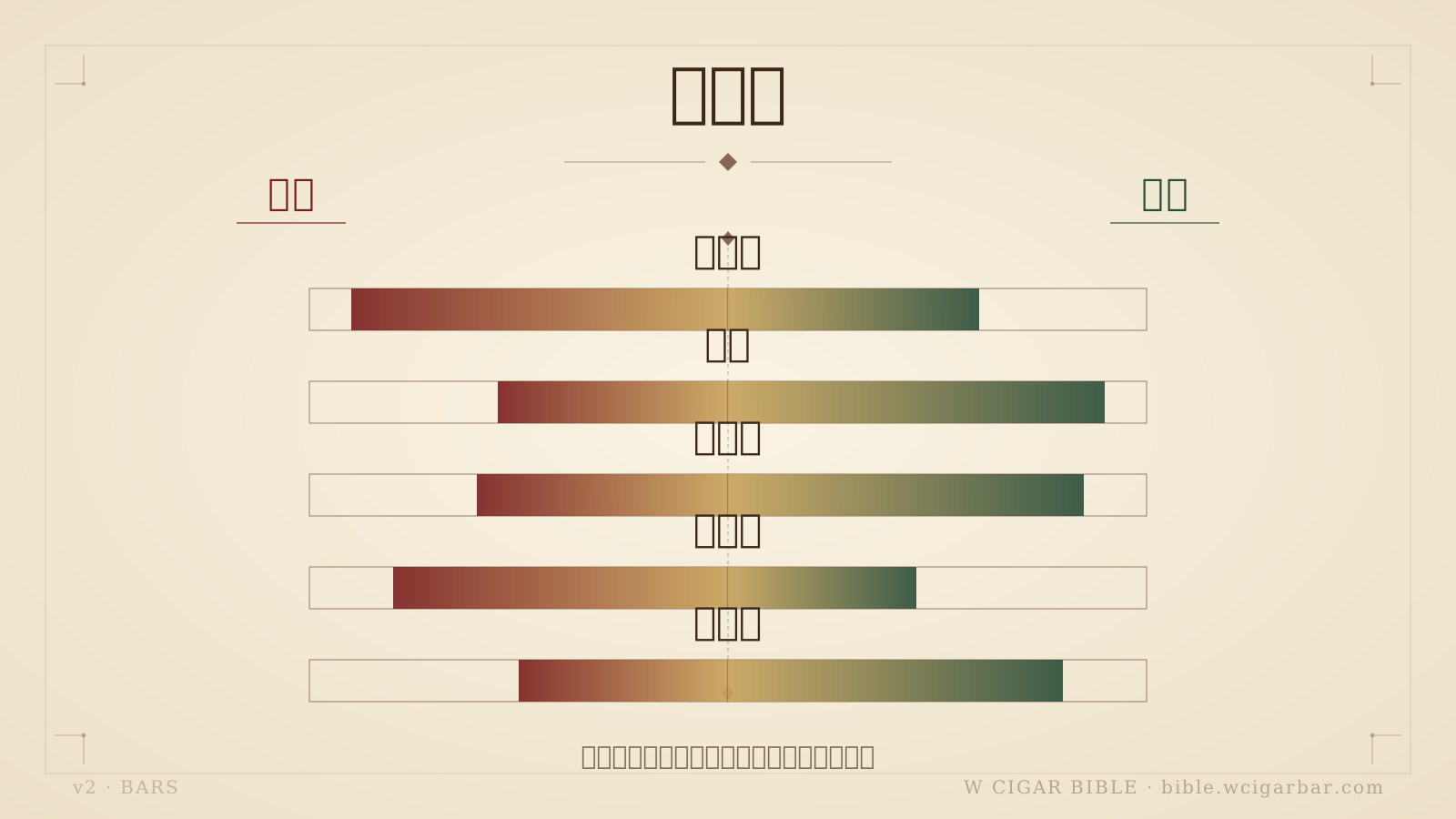
長條圖比較古巴與多國高端品牌的不同取向
Market Positioning and Collection: Quotas, Box Condition, and Source
The market positioning of high-end brands usually relies on more than just pricing. Cohiba, Davidoff, Fuente, and Padrón all manage "availability" in different ways: some rely on global quotas, some maintain topics with annual batches, and some support high-end series through stable regular lines. Enthusiasts should look at how brands control expectations, not just secondary market prices.
Source and box condition are the baseline for collection judgment. Original box seals, box codes, preservation records, wrapper oiliness, foot condition, and whether there are signs of moisture swelling or drying cracks are more important than word of mouth. Especially for high-priced brands, the more popular they are, the more calmly they need to be checked; I would rather pass on a cigar with a compelling story but unclear condition than use imagination to fill in the risks.
Collection price difference does not guarantee appreciation, it still depends on source preservation and market. For example, some 1990s Cuban boxes, early OpusX, or specific year Padróns are indeed sought after when in good condition; but if preservation is unbalanced, box condition is damaged, or source is unclear, even the strongest brand will depreciate. Collection is not betting on legends but managing evidence.

三張問答卡整理高端品牌限量與盒齡判斷
Advanced Enthusiast Interpretation Methods: Not Led by Fame
After advancing, enthusiasts most easily fall into the trap of "deciding expectations solely by brand." Cohiba won't be perfect every time, Davidoff isn't suitable for every series with a strong palate, and OpusX's strength and spiciness may seem tight due to the preservation stage. The higher the end, the more you need to separate brand, size, year, and condition.
I suggest establishing your own record sheet, not complex, but with fixed fields. Each time, note the brand, model, box code or year, preservation conditions, pre-light aroma, changes in the first, middle, and last sections, burn and draw resistance. After continuously recording more than 20 cigars, you will slowly discover that what you truly prefer is not "big names," but a certain structure: such as creaminess, woodiness, cocoa, pepper, or floral notes.
- First establish a brand baseline with regular lines
- Then compare the differences in commemorative or limited lines
- Observe the rhythm changes of different ring gauges of the same brand
- Include preservation status in the rating, not just aroma
- Avoid negating the entire brand with a single experience
Truly mature interpretation is using fame as a clue, not as an answer. When you can articulate why a cigar is balanced, why it is unbalanced, and why it is worth long-term tracking, high-end brand stories become more than just consumer symbols; they become your taste map.
Frequently Asked Questions
The most important aspect to examine in high-end cigars is not the price, but whether they can stand on history, craftsmanship, condition, and style simultaneously. Here are some of the most common questions I get from enthusiasts, representing the basic concepts that must be clarified in advanced collection and appreciation.
Are high-end brands always better than regular brands?
Not necessarily. High-end brands usually have stricter leaf selection, processes, and packaging, but "better" still depends on personal taste, preservation condition, and current stage. A regular line in good condition is often more convincing than a high-end line with unbalanced preservation.
Are limited edition cigars more worth collecting?
Limited edition is just one condition, not the answer. It depends on brand credibility, year of issue, size, actual reputation, and preservation record. Limited editions without taste recognition may only have label value in the long run.
How should Cuban and non-Cuban high-end brands be compared?
Don't force the same standard. Cuban cigars often have mineral, woody, leathery, floral, and delicate transitions; non-Cuban high-end cigars often have more stable burning, richer sweetness, and clearer strength design. The key is to understand each grammar.
Is older box age always better?
Not necessarily. Aging requires a good environment to support it; too high humidity can stifle, too low can scatter. Old boxes in good preservation will show roundness and integration; if the condition is poor, the year will only amplify the flaws.
How can enthusiasts avoid being influenced by market heat?
Establish your own reference system. Consistently compare regular lines, commemorative lines, and different sizes, and record conditions. Market heat can be a reference but cannot replace judgment; true high-end value ultimately returns to the performance of the cigar itself.
I have always believed that high-end cigars are not for flaunting rarity, but for understanding how time, land, and craftsmanship achieve each other. If a brand story lacks craftsmanship support, it is just a beautiful legend; if craftsmanship lacks inheritance, it is difficult to form a classic. May every enthusiast see deeper contexts and details beyond fame.
—Cigar Prince Wilson Tsai
Smoking is harmful to health. Under 20 years old is not allowed to smoke. Quit smoking hotline: 0800-636363. This article is for reference by adults over 20 years old for cigar culture, preservation, and regulatory knowledge, not a tobacco advertisement, promotion, or purchase suggestion.
Like this article?Share with friends
Share this W Cigar Bible piece with friends who want to learn cigar culture, storage, and tasting.
想把這篇 化為實踐
雪茄聖經是知識;雪茄文化要在空間裡發生

W Cigar Bar 大安總店資訊
台北大安區 · 雪茄聖經總編輯 Wilson Tsai 主理的雪茄文化空間
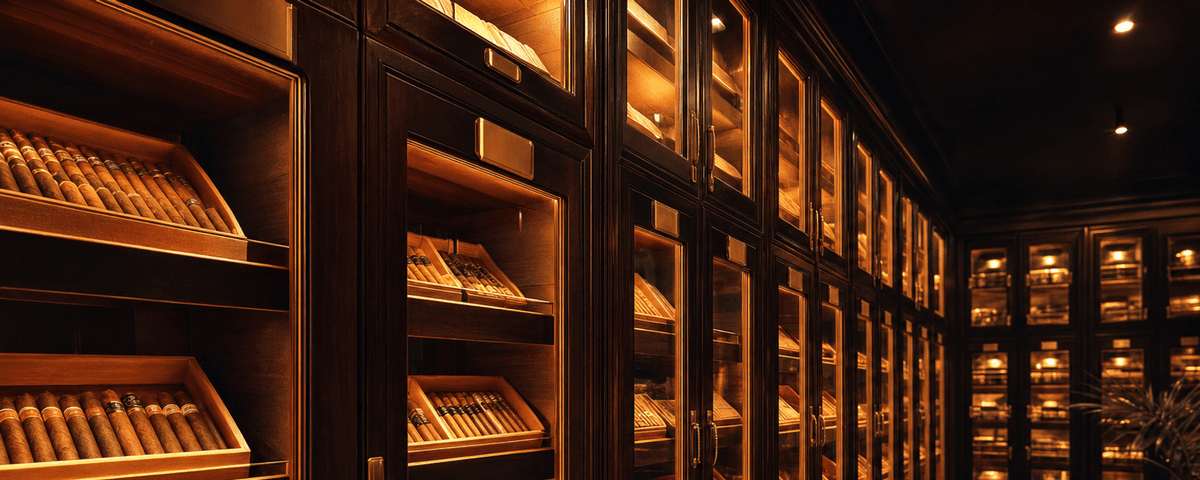
33 座 24 小時恆溫恆濕醇化室
W Cigar Bar 提供的會員醇化空間 · 場地資訊請洽編輯部
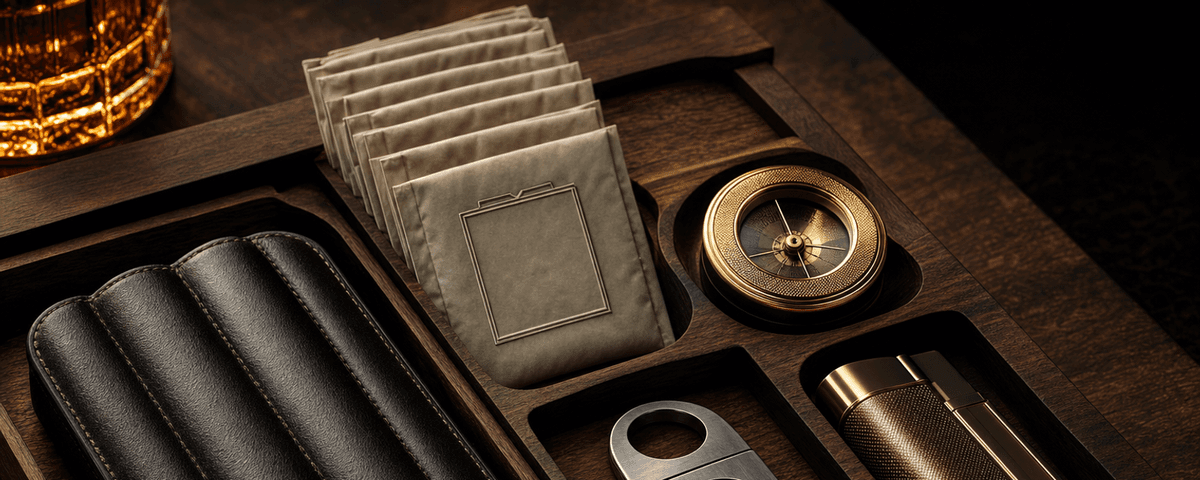
雪茄剪 / 打火機 / 雪茄盒 / Boveda
W Cigar 配件官網 · 專營雪茄配件正品

加 LINE 好友 · 文化諮詢
文化空間資訊 · 紳士沙龍 · 私人包場
本網站內容僅供雪茄文化、歷史、收藏與品吸知識研究參考。菸品有害健康、未滿法定年齡者請勿吸菸。實際規範請依所在地法律為準。
吸菸有害健康・戒菸專線 0800-636363・本站僅供 20 歲以上成年人閱覽。
讀到這裡,你不只是路過的人
留下 Email,加入 W 雪茄聖經內圈——總編輯 Wilson Tsai 親選的學院深文與國際新訊,先你一步送到信箱。
· 教育用途非銷售 · 隨時一鍵退訂 · Email 絕不對外公開 · 由勝茄股份有限公司營運
同分類延伸閱讀


資料來源:W Cigar Bible 編輯部整理 · 雪茄王子 Wilson Tsai 親自審稿
本文僅供雪茄文化、歷史、收藏與品鑑知識研究,不作為菸品促銷、銷售或購買建議。吸菸有害健康,未滿二十歲不得吸菸。