雪茄的年份標籤及其歷史意義

雪茄盒上的年份標籤不僅是數字,它蘊含著豐富的產區背景和品牌故事。年份可以指菸葉收成、盒裝時間或系列推出,了解這些差異對雪茄愛好者至關重要。古巴雪茄的盒底日期碼和非古巴品牌的年份標示各有其獨特意義,影響著雪茄的風味和收藏價值。Edición Limitada系列更是將年份與品牌形象緊密結合,展現市場口味的變遷。正確解讀年份標籤,能幫助玩家更深入地理解雪茄的品質與歷史。
- 雪茄年份標籤可分為菸葉收成年、盒裝年月、系列發行年及紀念年份,需辨識其意義。
- 古巴雪茄盒底日期碼反映工廠流通與品質管理,特定年份碼會成為老客的「暗語」。
- Edición Limitada 系列不僅標示上市年份,還展現品牌形象的再詮釋,反映市場口味的轉向。
The Year Labels on Cigars and Their Historical Significance
The year on a cigar box is never just a number. For seasoned enthusiasts, it acts like a key: unlocking the climate of the region, factory conditions, tobacco blend, brand strategy, and even consumer culture of a certain era.
As the editor of the "Cigar Bible," when I look at a year label, my first question isn't "Is it old?" but rather: Does this year refer to the tobacco harvest, the boxing date, the series launch, or a historical note deliberately left by the brand? Understanding these differences is crucial to avoid being misled by the year.
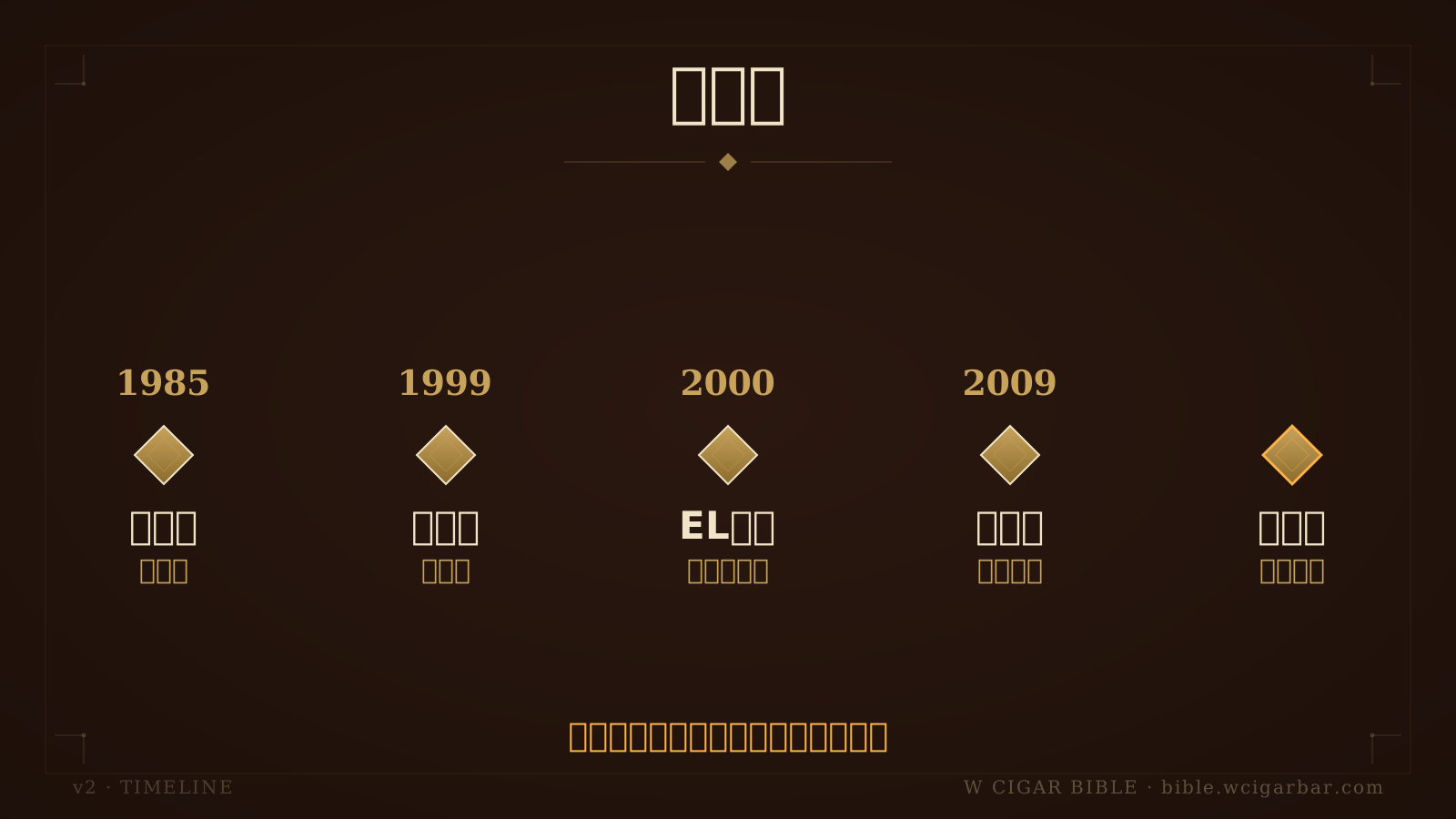
時間軸列出古巴盒碼與年份制度節點
Year Labels Are Not One Language, But Four
The years on cigars can generally be divided into four categories: tobacco harvest year, boxing date, series release year, and commemorative year. Cuban cigars often feature a date code on the bottom of the box, such as "DIC 20," representing December 2020 boxing; however, this doesn't mean all the tobacco inside was harvested in 2020. Most long filler leaves have already undergone fermentation, classification, and a certain period of storage before production, so the boxing year is just one stop in the journey.
Non-Cuban brands often include the year in the series name, such as Davidoff 2000, Padron 1926 Serie, Arturo Fuente Don Carlos Eye of the Shark, etc.; some are size or series codes, while others commemorate family, factory, or brand events. Seasoned enthusiasts don't just look at the number; they first determine what kind of time it refers to. The same "2010" could mean harvest, boxing, launch, or simply a tribute to a piece of brand history.
The most confusing phrase is "the older, the better." Cigars are not a replica of wine; tobacco blend, humidity, box ventilation, and original condition all influence the outcome. A Partagás Serie D No.4 boxed in 2008, if stored poorly, may not surpass a well-preserved 2019 box. The value of a year label lies in providing clues for interpretation, not in stamping a seal of quality.
The History of Cuban Box Codes: From Factory Marks to Collectible Syntax
The date code on the bottom of Cuban cigar boxes is one of the most studied year-related pieces of information by seasoned enthusiasts. After 1985, recognizable month and year systems gradually appeared on box bottoms; starting in 1999, Habanos S.A. adopted a clearer three-letter factory code plus month and year code, such as "TUA MAR 01." After 2009, guarantee seals added barcodes and serial numbers, making source tracking more precise and allowing box codes and seals to jointly serve as judgment data.
Month abbreviations usually use Spanish: ENE, FEB, MAR, ABR, MAY, JUN, JUL, AGO, SEP, OCT, NOV, DIC. These codes may seem like administrative information, but they also reflect factory circulation and quality management. Certain factory codes from specific years, due to market reputation, production status, or outstanding performance of a particular product, form "secret codes" among seasoned customers.
For example, Cohiba Siglo VI was launched in 2003, and early box codes are often seen as samples for observing the series before maturity; while some Cuban cigars like Robusto and Lonsdale types between 2006 and 2008 are often compared by seasoned players for draw resistance, burn, and aroma concentration. Box codes are not oracles, but they give a box of cigars a traceable time coordinate.
It should also be noted that collectible appreciation does not guarantee value increase; it still depends on source preservation and market. Beautiful box codes and rare years only add storytelling and recognition; if humidity has been high for a long time, or if seals, box nails, and printing details are unreasonable, the year may instead become a risk amplifier. Those who truly understand years will look at box codes, seals, appearance, aroma, and source together.
三張重點卡說明年份需先判讀意義
Edición Limitada: Years Become a Brand Stage
Cuba's Edición Limitada, often abbreviated as EL, is one of the systems that best showcases year culture. Since 2000, Habanos has launched limited year series with specific brands and sizes, using wrapper, binder, and filler leaves aged for at least two years. This makes the year not only represent time but also official selection, marketing rhythm, and the aesthetic of the market that year.
Classic examples include the 2004 Cohiba Sublimes EL, 2006 Montecristo Robusto EL, 2010 Partagás Serie D Especial EL, 2012 Cohiba 1966 EL, and 2014 Cohiba Robustos Supremos EL. These cigars not only have unique sizes but also reflect preferences for concentration, sweetness, woodiness, and mouthfeel thickness of that year.
The year label of EL has a dual meaning: on one hand, it is the year of release; on the other hand, it is Habanos' reinterpretation of brand image. Montecristo in EL is often pulled towards cocoa, coffee, and thick sweet routes; Partagás often uses larger ring gauges to present layers of soil, leather, and black pepper. The year of Edición Limitada records how a brand re-performs itself in a certain year.
Seasoned enthusiasts judging EL should not just chase popular names. The 2004 Cohiba Sublimes has historical status today, but the state varies greatly; the 2010 Partagás Serie D Especial EL, if well preserved, often has a stable leather and sweet wood intertwine; and the 58 ring gauge of the 2014 Cohiba Robustos Supremos EL also symbolizes the trend of large ring gauges in Cuban cigars in the 2010s. Behind the year is the shift in market taste.
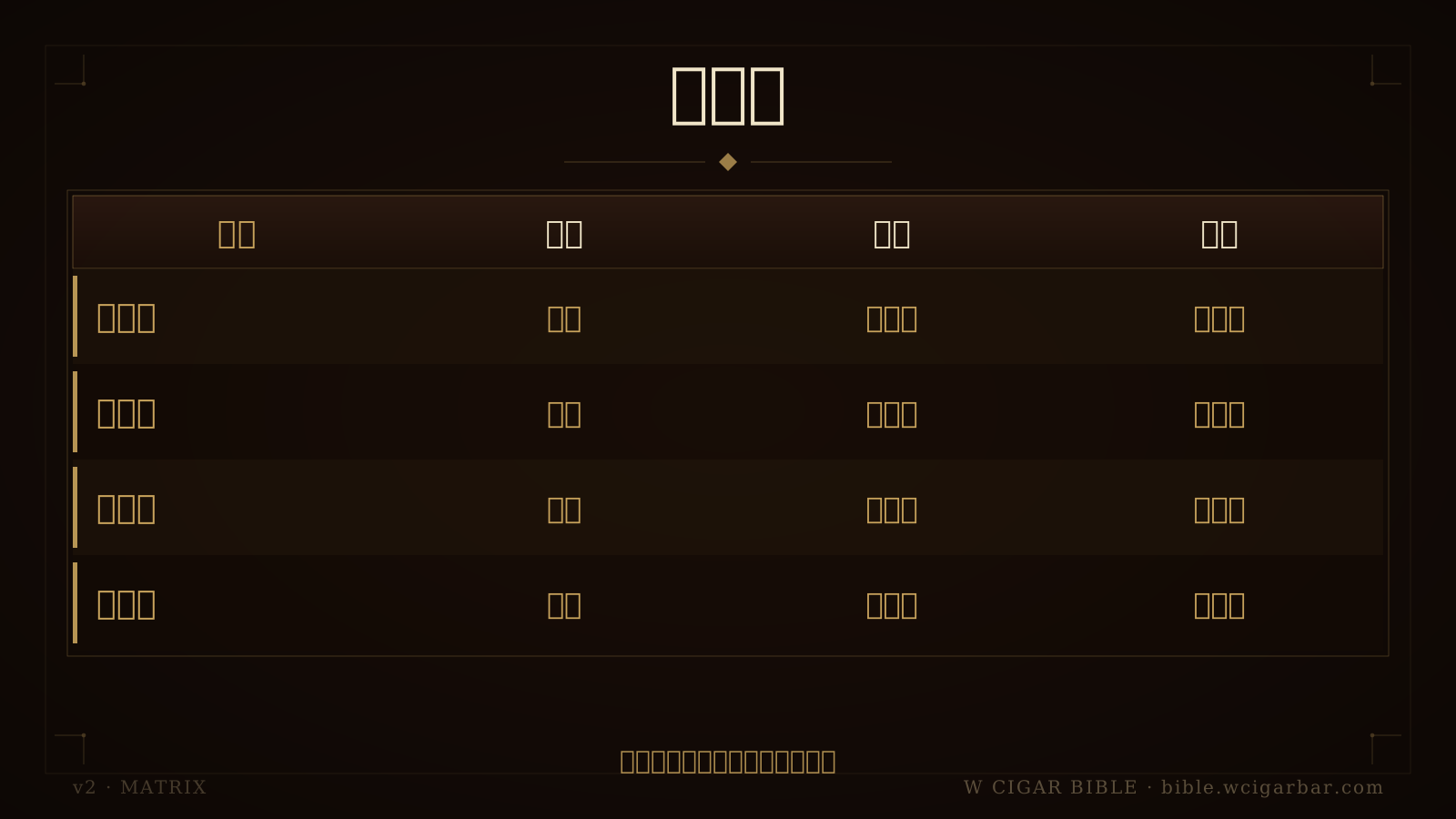
矩陣比較收成盒裝發行紀念四種年份
Reserva, Gran Reserva, and Añejados: Official Aging Narratives
Habanos' Reserva and Gran Reserva are the systems closest to the "tobacco harvest" concept in year labels. Reserva usually indicates the use of tobacco aged for at least three years, while Gran Reserva often indicates the use of tobacco aged for at least five years, and will clearly state the harvest year. For example, the Cohiba Siglo VI Gran Reserva Cosecha 2003, launched around 2009, uses 2003 harvested tobacco as its core narrative.
Other well-known cases include Partagás Lusitanias Gran Reserva Cosecha 2007, Montecristo No.2 Gran Reserva Cosecha 2005, and H. Upmann Sir Winston Gran Reserva Cosecha 2011. These series often have exquisite packaging and limited quantities, elevating the year from "production information" to "official curation." The focus of Reserva and Gran Reserva is not the old year, but the official shaping of a harvest into a memorable taste event.
Añejados is different; it focuses on cigars that have undergone long-term aging in Cuban warehouses before release, such as Romeo y Julieta Pirámides Añejados and Montecristo Churchill Añejados. Its sense of year is closer to "waiting for the finished product in the box" rather than simply tobacco harvest. For seasoned enthusiasts, these cigars need special attention to whether they still retain vitality, as long-term storage in poor environments may flatten the aroma.
Here we return to collectible interpretation: collectible appreciation does not guarantee value increase; it still depends on source preservation and market. The golden lettering of Gran Reserva, harvest year, and limited numbering will enhance recognition, but if the cigar surface is cracked, aroma is dry and thin, and the foot is loose after opening the box, the beautiful year is just a label. The sophistication of the year system is in providing stories; ultimately, the state must speak.
三張誤解卡提醒不要只用年份判斷
How Years Change Flavor: Not Better, But Different Direction
After proper aging, cigar flavors usually transition from sharp to blended. A new box of Cohiba may have grass, citrus peel, cream, and bright spice; ten years later, if well preserved, the grassiness may retreat to the background, turning into honey, hay, cedar, and warm nuts. This is not simply "getting stronger" or "getting weaker," but the boundaries of aroma being smoothed.
Take Montecristo No.2 as an example; when young, it often shows cocoa, coffee, beans, and slight bitterness; if in good condition for 8 to 12 years, the bitterness is often enveloped by sweet wood and hazelnut, with more refined smoke in the later stages. Partagás Serie P No.2 may transition from young pepper, soil, and leather to aged tangerine peel, roasted wood, and light licorice. The biggest impact of years on flavor is the reshuffling of elements, not automatic grade elevation.
But excessive time can also lead to decline. If a box of Romeo y Julieta Churchill loses floral and tea notes after 20 years, leaving only cardboard, old wood, and faint smoke, this is not advanced aging, but insufficient vitality. Long-term humidity above 72% may cause stuffy taste and sticky burn; long-term below 62% may cause oil and aroma to break.
I usually advise seasoned enthusiasts to observe years using the "three-stage method": check activity in the first puff, fusion in the middle, and endurance in the end. If the start has aroma, the second stage has layers, and the end is still clean, the year truly adds value. Conversely, if only smoothness remains without structure, it's like an old song losing its melody, leaving only a nostalgic filter.
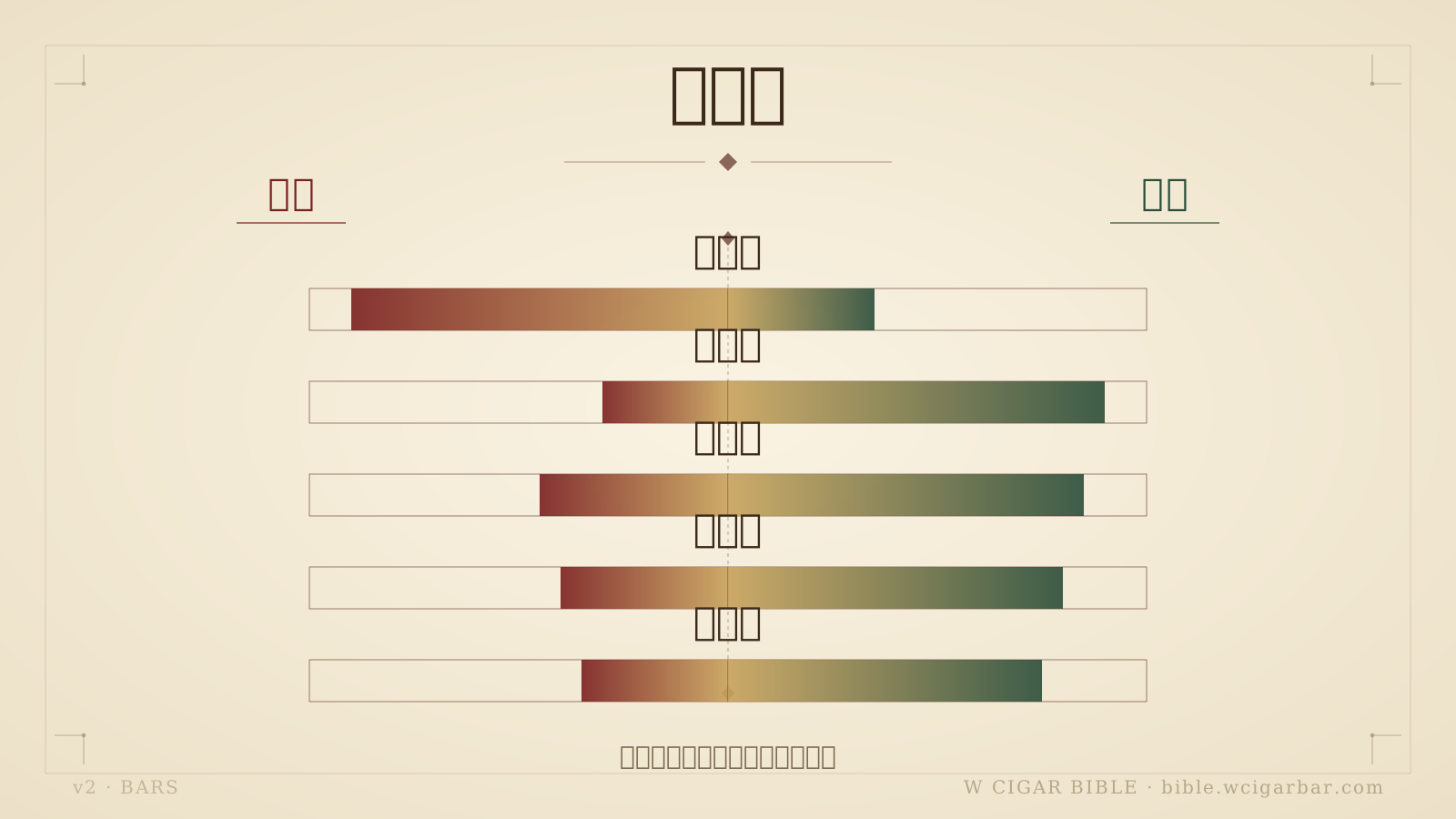
橫條圖比較新手與老手閱讀年份差異
Reading Year Labels from Brand Cases: Differences Among Cohiba, Montecristo, and Partagás
Cohiba's year culture is particularly sensitive because the brand itself carries diplomatic gifts, high-end image, and Cuban representation. 1966 is often mentioned as an important year related to the founding of the Cohiba brand; when the Behike concept was launched in 2006, the 40th-anniversary narrative pushed the brand myth to its peak. Later, the Behike 52, 54, and 56 of the 2010s also created strong associations between years, scarcity, and tobacco selection.
Montecristo's year stories are more often linked to classic sizes. The No.2, a 52 ring gauge, 156 mm Pirámide, is a reference for many seasoned enthusiasts to judge the state of a Cuban year. Montecristo No.2 from the mid to late 2000s is often discussed for its structural stability; some boxings from 2015 to 2018 are liked for their cleaner cocoa and roasted profiles.
Partagás' year flavors are rougher and better able to express differences in factory and tobacco conditions. The Serie D No.4, a 50 ring gauge, 124 mm Robusto, is direct in spice when young, and after 5 to 10 years of aging, often shows leather, sweet earth, black tea, and woodiness. The same year on different brands will not produce the same result, because the brand formula is the throat through which the year speaks.
If you put the three together, Cohiba is like a delicate high note, Montecristo like a stable mid-range piano, and Partagás like a low note with a grainy old jazz. The year will change the tone but not the instrument. When collecting, seasoned enthusiasts should first ask themselves which brand framework they prefer, then use the year to find the ideal state, rather than being tempted by rare years.
Practical Process for Reading Labels: Six Checkpoints
When I look at a box of year cigars, the order is never to ask the price first, but to establish a chain of evidence. Box bottom code, seal, tax stamp, guarantee paper, inner liner, box nails, printing ink, and wrapper gloss must all match. Especially for Cuban cigars, the barcode serial number after 2009 is an important clue, but it cannot represent everything alone.
| Checkpoint | Observation Focus | Common Misjudgment |
|---|---|---|
| Box Bottom Code | Whether the factory code, month, and year are reasonable | Mistaking boxing year for harvest year |
| Guarantee Seal | Version, barcode, printing details | Only checking for the presence of a seal |
| Cigar Condition | Wrapper oil, elasticity, foot aroma | Automatically adding value for old years |
| Brand Series | Whether it matches the release record of that year | Mistaking commemorative year for release year |
| Preservation Source | Humidity, temperature, number of moves | Ignoring long-term preservation risks |
In practice, I will quickly check in the following order:
- First confirm whether the series truly has a record for that year.
- Then see if the box code format matches the era.
- Next, check the seal version and printing details.
- After opening the box, smell the foot to determine if there is moldy, ammonia, or dry paper smell.
- Finally, assess the collectible and consumption value.
Year labels must be read within a chain of evidence; looking at the year alone is the most dangerous seasoned confidence. For example, a box labeled 2001 Hoyo de Monterrey Double Coronas, if the box bottom code, seal, and inner paper do not coordinate, even if the year is charming, distance should be maintained. Conversely, a well-preserved 2018 Punch Punch with clear provenance may be more worthy of attention than a 1998 with unclear origins.
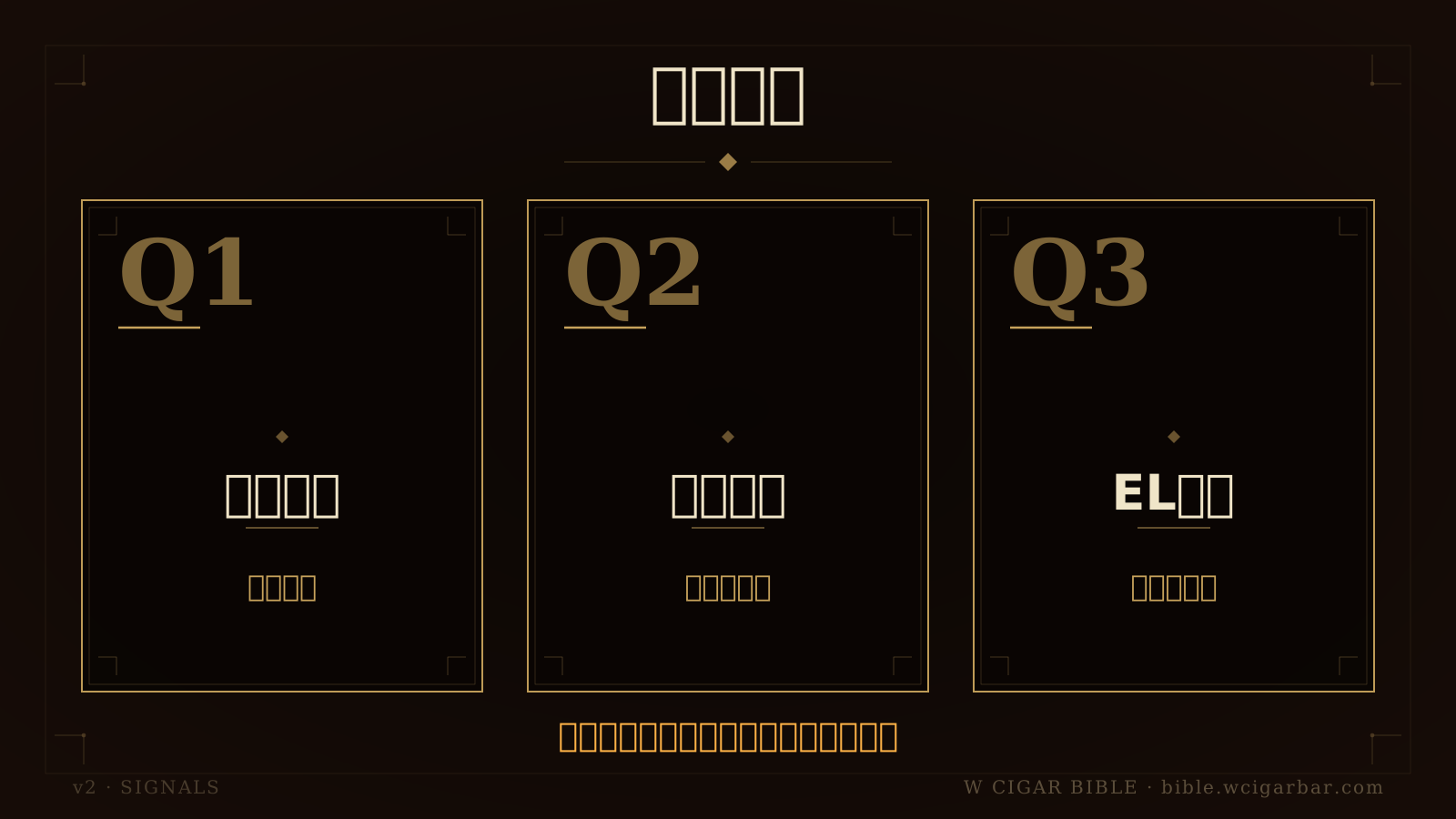
三張問答卡回答盒年老茄與EL意義
Year and Culture: Why Enthusiasts Are Fascinated by a Number
The charm of cigar years lies in connecting personal memories with world time. 1998 was the post-Asian financial crisis era for some; 2003 saw the debut of Cohiba Siglo VI and was also a period of global luxury consumption transformation; 2016 was a year of heated discussions about Cohiba's 50th anniversary. When a cigar carries a year, it is not just an agricultural product but also like a slowly unfolding time letter.
Brands also understand how to leverage this cultural psychology. Padron 1926 Serie commemorates José Orlando Padrón's birth year, often remembered for its box-pressed shape, rich cocoa, and coffee tones; Padron 1964 Anniversary connects to the company's founding year. Arturo Fuente OpusX in the 1990s proved that the Dominican Republic could also produce high-end wrappers; the year here symbolizes regional confidence rather than a single box code.
In Cuba, the Cohiba 1966 Edición Limitada 2011 combines brand founding narrative with the trend of large sizes; Romeo y Julieta's commemorative series often borrow literary and romantic symbols. The cultural power of year labels lies in transforming cigars from consumables into objects that can be narrated, compared, and passed down.
However, cultural value does not equal blind pursuit. Collectible appreciation does not guarantee value increase; it still depends on source preservation and market. Truly fascinating years are those where you know why they are important and also understand their limitations. If seasoned enthusiasts can link history, brand, preservation, and flavor, the cigar in hand is not just burning but replaying an era.
Frequently Asked Questions
Does the box bottom year represent the tobacco harvest year?
No. Cuban box bottom codes usually represent the boxing month and year; the tobacco has often already undergone fermentation, classification, and aging. The box bottom year is the product time, not the farm time. If it is a Gran Reserva labeled Cosecha, it is closer to the harvest narrative.
Are old cigars always better than new cigars?
Not necessarily. Old cigars, if stored poorly, may exhibit cracking, moldy stuffiness, hollow aroma, or unstable burning. New cigars, if the blend is clear and the state is healthy, may also be more vibrant. The year is just one condition, not a quality guarantee.
What is the suitable aging period for consumption?
It depends on the brand and size. Robusto types often show fusion between 3 to 7 years; Churchill, Double Corona, or Lusitania types can often be observed for 8 to 15 years. Rich brands like Partagás and Bolívar are usually more durable, while elegant brands should avoid losing floral notes.
Is Edición Limitada worth special study?
Yes, but you need to understand its syntax. EL years mostly refer to the release year and also reflect Habanos' design direction for large sizes, dark wrappers, and rich flavors that year. Studying EL is studying how Cuban cigars respond to market tastes in different eras.
Can year cigars be considered an investment?
They can be part of collectible research, but should not be simplified into an investment formula. Collectible appreciation does not guarantee value increase; it still depends on source preservation and market. Box condition, seal, original completeness, brand popularity, and global circulation will all affect subsequent value.
What is the biggest difference between how novices and seasoned enthusiasts view years?
Novices often first look at how old the year is, while seasoned enthusiasts first look at what the year represents. Is it boxing? Harvest? Commemoration? Release? Then they look at preservation, source, brand framework, and flavor direction. Only after asking these questions can one truly understand the label.
For me, the most fascinating part of year labels is not that they allow one to boast about how old a box of cigars is, but that they force us to respect the details of time. Every string of box codes, every Cosecha, every commemorative release hides fields, factories, policies, markets, and personal memories. The real joy for seasoned enthusiasts is piecing these clues together and then verifying them with their own taste. Years are not answers but a deeper question.
—Cigar Prince Wilson Tsai
Smoking is harmful to health. Under 20 years old is not allowed to smoke. Quitline: 0800-636363. This article is for reference by adults over 20 years old on cigar culture, preservation, and regulations, not a tobacco advertisement, promotion, or purchase suggestion.
Like this article?Share with friends
Share this W Cigar Bible piece with friends who want to learn cigar culture, storage, and tasting.
想把這篇 化為實踐
雪茄聖經是知識;雪茄文化要在空間裡發生

W Cigar Bar 大安總店資訊
台北大安區 · 雪茄聖經總編輯 Wilson Tsai 主理的雪茄文化空間
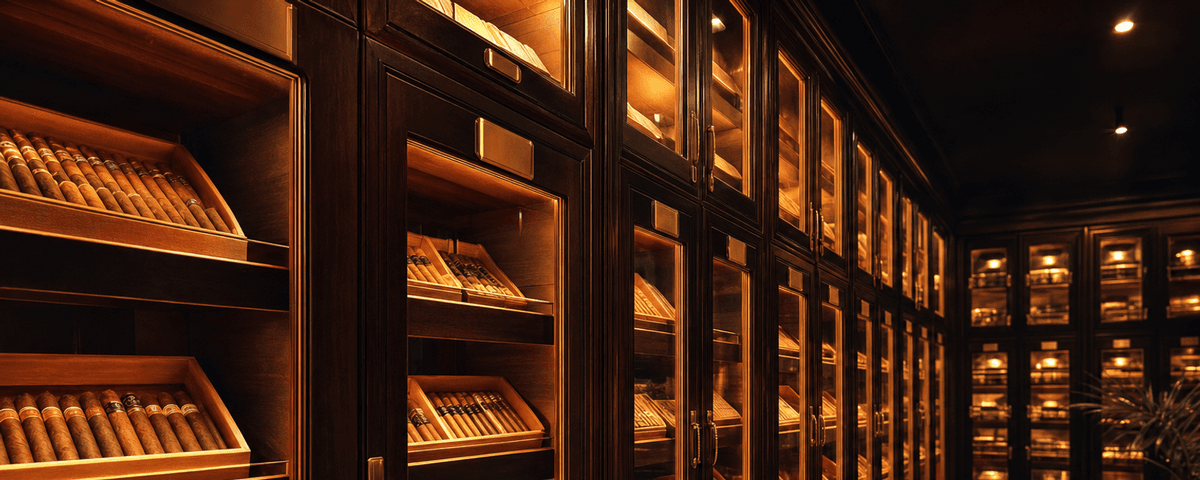
33 座 24 小時恆溫恆濕醇化室
W Cigar Bar 提供的會員醇化空間 · 場地資訊請洽編輯部

雪茄剪 / 打火機 / 雪茄盒 / Boveda
W Cigar 配件官網 · 專營雪茄配件正品

加 LINE 好友 · 文化諮詢
文化空間資訊 · 紳士沙龍 · 私人包場
本網站內容僅供雪茄文化、歷史、收藏與品吸知識研究參考。菸品有害健康、未滿法定年齡者請勿吸菸。實際規範請依所在地法律為準。
吸菸有害健康・戒菸專線 0800-636363・本站僅供 20 歲以上成年人閱覽。
讀到這裡,你不只是路過的人
留下 Email,加入 W 雪茄聖經內圈——總編輯 Wilson Tsai 親選的學院深文與國際新訊,先你一步送到信箱。
· 教育用途非銷售 · 隨時一鍵退訂 · Email 絕不對外公開 · 由勝茄股份有限公司營運
同分類延伸閱讀


資料來源:W Cigar Bible 編輯部整理 · 雪茄王子 Wilson Tsai 親自審稿
本文僅供雪茄文化、歷史、收藏與品鑑知識研究,不作為菸品促銷、銷售或購買建議。吸菸有害健康,未滿二十歲不得吸菸。