雪茄的傳統與現代:從工藝到文化的演變

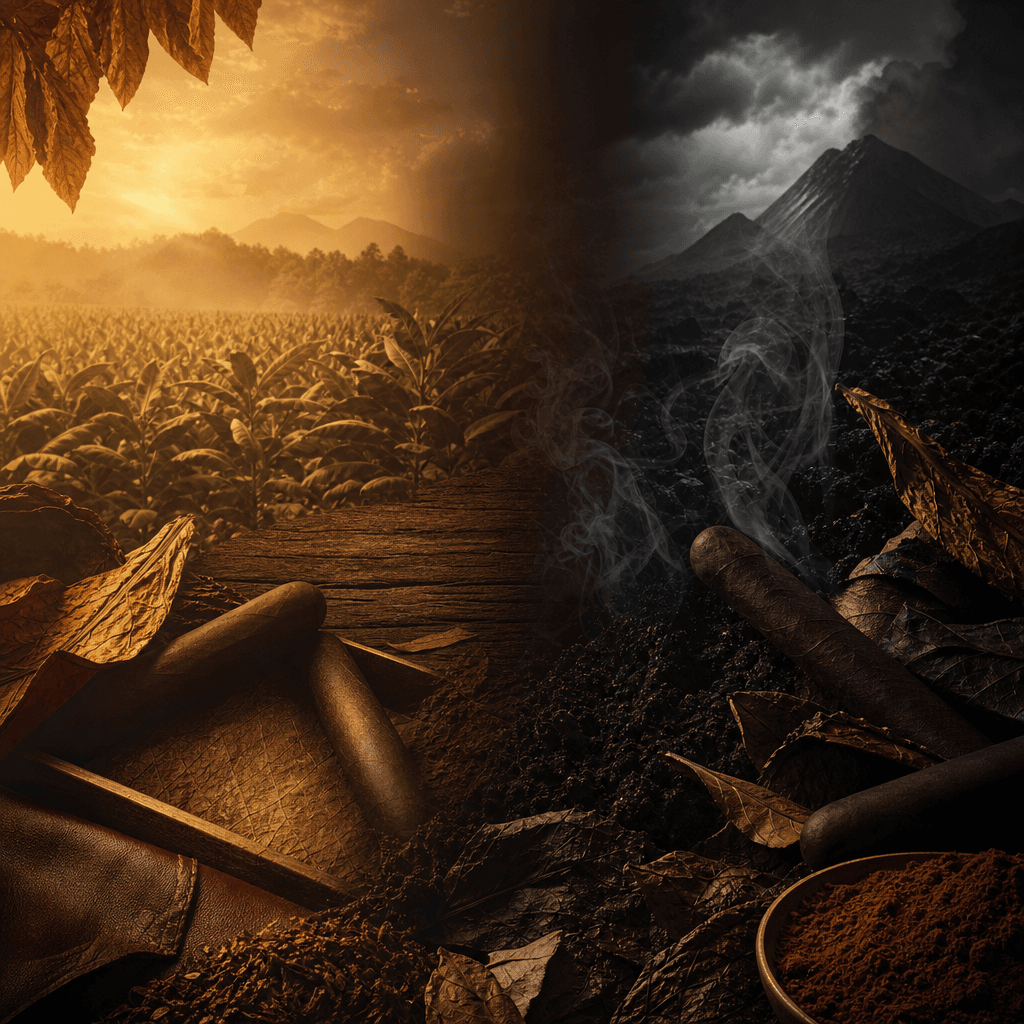
雪茄文化的演變融合了傳統與現代,並非單純的對立。從哥倫布時代的菸草習俗,到古巴的高級雪茄工坊,雪茄不僅是消費品,更是社交與身份的象徵。隨著政治變遷,許多品牌如Padrón與Davidoff在不同產區重新發展,展現出多樣的風味。現代雪茄的選擇不再局限於產地,而是考量葉種與品牌哲學的組合。此外,消費習慣的變化也影響了雪茄的尺寸與抽吸節奏,強調了時間管理與社交禮儀的重要性。
- 雪茄文化源於儀式感與社交,並非單純消費品。
- 手工雪茄的價值在於每片葉子的位置與配方的精細調整。
- 現代雪茄選擇應考量產區與品牌哲學的組合,而非僅看國家。
The Tradition and Modernity of Cigars: From Craftsmanship to Cultural Evolution
The tradition and modernity of cigars have never been a confrontation between "old school" and "trendy," but rather a long river of craftsmanship. As the editor of the "Cigar Bible," I often remind beginners: knowing how to exhale smoke is just the beginning. True understanding of cigars also includes origin, craftsmanship, etiquette, preservation, and cultural context.
From Cuba to the Dominican Republic, Nicaragua, and now to the gentleman's social spaces in Asian cities, the face of cigars has always been changing; but a good cigar still revolves around one thing: respect for time. The more you understand its origins, the more layers you can read before lighting up each time.
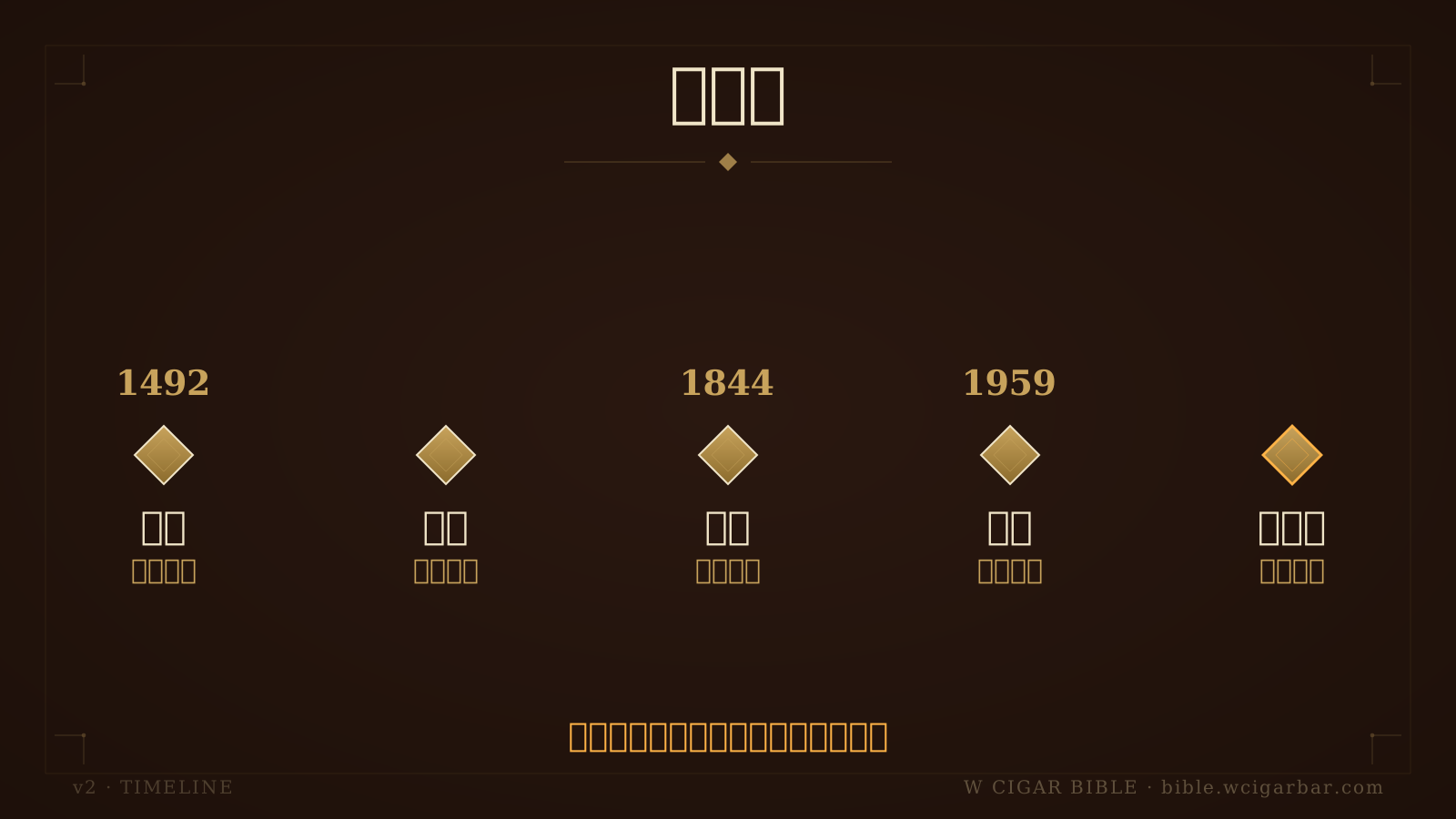
時間線列出菸草入歐哈瓦那工坊與產區擴展
From Columbus to Havana: How Cigar Culture Took Shape
In 1492, when Columbus reached the Caribbean, Europeans first came into contact with the indigenous people's use of tobacco. At that time, tobacco was not just a hobby but also carried meanings of ritual, exchange, and community connection. By the 16th century, tobacco had spread to Spain, Portugal, and France, gradually shifting from medicinal imagination to daily enjoyment. The root of cigar culture is not merely consumption but grows slowly from ritual, social interaction, and identity language.
Starting in the 18th century, Cuba gradually became a hub for premium cigars due to its climate, soil, and port conditions. By the 19th century, Havana had gathered numerous cigar workshops, such as Partagás founded in 1845, H. Upmann dating back to 1844, and Romeo y Julieta appearing in 1875. These brands are remembered not only for their taste but also for institutionalizing origin, labels, sizes, and craftsmanship.
Political events in the 20th century significantly changed the cigar landscape. After the Cuban Revolution in 1959, many cigar makers and brand families moved to the Dominican Republic, Honduras, Nicaragua, and other places, taking planting and rolling techniques with them. This explains why today, when talking about cigars, one cannot only talk about Cuba; for example, brands like Arturo Fuente, Padrón, and Davidoff have established distinct characters in different regions. The richness of the modern cigar world is the result of tradition being forced to migrate and then re-blooming.

三張重點卡說明時間產地與手工是理解主軸
Traditional Handcraft: What Truly Makes a Cigar Difficult
A handmade long cigar usually consists of three main parts: the filler, the binder, and the wrapper. The filler determines the burning rhythm and main flavor, the binder is responsible for structure and balance, and the wrapper affects appearance, texture, and initial aroma. Beginners often think that the darker the wrapper, the stronger it is, but that's not necessarily true; for example, Connecticut Shade may be delicate and mild, while Maduro often has cocoa, coffee, and molasses notes, but strength still depends on the overall blend.
Traditional rolling tests "draw resistance." Too tight, and the draw is difficult, burning is stifled; too loose, and it burns too fast, temperature rises, and the taste becomes rough. In old Cuban workshops, it is often said that a mature roller may need years of training to handle different sizes stably. Take the commonly seen Robusto with a 50 ring gauge and about 124 mm in length as an example; it may seem short, but it requires maintaining stable burning for about 45 to 60 minutes, which takes skill.
Traditional craftsmanship also includes invisible pre-processes: fermentation, grading, leaf awakening, aging, and blend testing. Different leaf positions like seco, viso, and ligero have different burnability, aroma, and strength; a change in proportion changes the rhythm of the entire cigar. The true value of handmade is not just "rolled by hand," but that every leaf is placed in the correct position. This is why, even in the same region and year, different brands can exhibit completely different personalities.

比較表呈現古巴多明尼加與尼加拉瓜的風味差異
The Rise of Modern Regions: A Flavor Map Beyond Cuba
When talking about tradition, many people first think of Cuba; when talking about modernity, one must look beyond Cuba. The Dominican Republic is known for its delicacy, cleanliness, and balance, with Davidoff gradually establishing a high-end image for its Dominican series after the 1990s; Nicaragua is famous for the rich soil and volcanic earth of places like Jalapa, Estelí, and Condega, with Padrón 1964 Anniversary Series and Oliva Serie V introducing many players to a rich yet precise style.
Honduras presents a more rustic, woody, and leathery feel, with brands like Camacho and Punch reinforcing this impression. Ecuador, due to its cloud-shaded conditions, has become an important source of quality wrappers, with Ecuador Habano and Ecuador Connecticut commonly seen in many modern blends. Choosing a cigar today is not just about asking which country is the best, but about how the region, leaf type, and brand philosophy combine.
The following simple table can help beginners establish a preliminary flavor map:
| Region | Common Impressions | Representative Brands or Series Examples |
|---|---|---|
| Cuba | Mineral, woody, floral, earthy | Cohiba, Montecristo, Partagás |
| Dominican Republic | Elegant, creamy, nutty, balanced | Davidoff, Arturo Fuente |
| Nicaragua | Rich, peppery, cocoa, powerful | Padrón, Oliva, My Father |
| Honduras | Woody, leathery, herbal, robust | Camacho, Punch |
| Ecuador Wrapper | Delicate, spicy, sweet or creamy | Commonly used in multinational blends |
The excitement of modern cigars lies in the ability of brands to select leaves across countries. For example, a cigar may use Nicaraguan filler, Dominican binder, and Ecuadorian wrapper, presenting more complex layers than a single region. This globalization of blends does not deviate from tradition but extends the traditional grading, fermentation, and blending techniques to a larger stage.
Size, Ring Gauge, and Rhythm: Changes in Modern Consumption Habits
In the past, classic sizes like Corona, Lonsdale, and Churchill were often seen as the core of gentleman cigar culture. Churchill, about 47 ring gauge and 178 mm, usually requires more than 90 minutes; Corona, about 42 ring gauge and 142 mm, has a more brisk rhythm. After 2000, larger ring gauges like Robusto, Toro, and Gordo gradually became popular, especially as the American market's acceptance of 52, 54, and even 60 ring gauges increased.
Size changes reflect the pace of life. Modern people have fragmented time, and Robusto, because it can be completed in about 45 to 60 minutes, has become a daily choice for many; while Toro, about 52 ring gauge and 152 mm, strikes a balance between substantial smoke volume and not overly long time. Choosing a size is not about comparing grandeur but about choosing the time segment you can fully enjoy.
Larger ring gauges have their advantages, such as relatively stable burning temperature, full smoke volume, and the ability to accommodate more leaf combinations in the blend; but they may also reduce the influence of the wrapper, making the flavor broader but not necessarily more detailed. Smaller ring gauges like Lancero, about 38 ring gauge and 190 mm, require high rolling skills, with a high wrapper ratio, often resulting in clearer aroma lines. This is also why many seasoned customers still cherish slender sizes.
Beginners can choose sizes by asking three questions:
- How much complete time do you have this time? 30, 60, and 90 minutes make a big difference.
- Do you want an easy smoke volume, or do you want to observe detailed changes?
- Can you maintain a slow draw to avoid overheating the cigar?
Modern consumption habits make sizes more diverse, but the core of cigars is still rhythm management. Knowing how to match the time will prevent a good cigar from being smoked impatiently and becoming bitter.

三張誤解卡提醒不要只看顏色國名與話題
Etiquette from Salons to Bars: How Gentleman Culture Updates
In the 19th century, European and American cigar salons were often associated with political, business, and literary circles. British gentlemen's clubs, American chamber meetings, and Havana hotel lobbies were once important venues for cigar socializing. At that time, cigars were not just a personal hobby but also a rhythm of conversation: lighting up, chatting, pausing, and speaking again were all part of the etiquette.
Modern cigar spaces pay more attention to comfort, ventilation, preservation conditions, and mutual respect. Etiquette is no longer just about wearing suits and talking about brands, but about caring for others' feelings. For example, do not insert the flame directly into the foot of the cigar and burn it vigorously, do not frequently flick ash, do not smoke cigars like cigarettes quickly, and do not forcefully promote your views when others are focused on tasting. True cigar etiquette is about slowing yourself down and making those around you comfortable.
For beginners, I suggest remembering a few basic principles:
- Be conservative when cutting, cut a little less first, and trim more if needed.
- Toast the foot of the cigar before lighting to heat the edges evenly.
- One puff every 45 to 90 seconds is enough; too fast will raise the temperature.
- Do not flick ash like a cigarette; the ash column helps stabilize burning.
- If you don't like it, you can put it down and let it go out naturally, no need to stub it out.
These seemingly small things actually carry the traditional salon culture: control, patience, and moderation. Modern people may not need to replicate old rituals but can retain the respect within them. If cigar culture is reduced to mere show-off, it loses its most charming tranquility.

橫條圖比較傳統與現代在產區手工社交的差異
Preservation, Aging, and Collecting: From Wooden Boxes to Temperature and Humidity Control
Traditionally, cigars are often stored in cedar boxes; Spanish cedar can absorb moisture, release a mild wood aroma, and help reduce pests. Modern preservation is more precise, with common recommendations being a temperature of about 18 to 21°C and relative humidity of about 65% to 70%. If humidity is too high, burning may not be smooth and may become sour; if too low, leaves may crack, and aroma may thin. Preservation is not just about leaving cigars there but about establishing a stable environment.
Aging is another skill. New cigars sometimes have ammonia, green or irritating sensations, and after months to years of stable storage, flavors may become rounder. For some Cuban box sets, there are often significant changes 1 to 3 years after production; non-Cuban cigars, depending on brand pre-treatment, may be palatable after half a year, while some can be stored longer. The key is not to blindly believe in vintage but to observe the state: whether the aroma is clean, burning is stable, and taste is integrated.
Collecting has also become popular due to recent supply and demand changes. For example, Cohiba Behike, officially launched in 2010, has attracted attention due to production, topics, and brand status; some limited editions and regional editions are also often discussed. But I must particularly remind you: collecting for appreciation does not guarantee appreciation; it still depends on source preservation and market. Unknown sources, improper preservation, and poor box label condition can greatly reduce value. Treating cigars as cultural collections is fine, but if you only view them with a speculative mindset, you often overlook the most important preservation and authenticity judgment.
Beginners can start with small quantities, clear sources, and fixed records. Record brand, size, box number, purchase year, storage humidity, and each tasting experience, which is more meaningful than blindly storing. Truly mature collectors are usually also the most restrained people.

三張問答卡整理學習順序產區判斷與保存觀察
How Tradition Enters Modernity: Brands, Media, and the Asian Market
Cigar culture has gradually been amplified by media in the second half of the 20th century. In 1992, "Cigar Aficionado" was founded, combining ratings, annual lists, celebrity covers, and lifestyle, deeply influencing the American and global markets. Ratings above 90 and the annual Top 25 list often lead to certain brands being quickly discussed. This modern media language has changed the way consumers understand cigars.
But ratings are not everything. Traditional cigars value origin, craftsmanship, preservation, and personal taste; modern media provides a search entry, allowing beginners to quickly establish direction. If both can be balanced, it can avoid blindly believing in scores. For example, the same 93-point cigar, some people like Nicaraguan rich pepper, while others prefer Dominican creamy nuts; scores can only indicate quality, not decide your preference. Modern information makes choices faster, traditional experience makes judgments more accurate.
The Asian market has become more mature in the past two decades. Cities like Hong Kong, Tokyo, Singapore, and Taipei have gradually formed communities that value preservation, etiquette, and brand knowledge. Due to humid climates, Asian preservation relies more on temperature and humidity control equipment; also, due to different space conditions, cigar lounges and private cigar cabinet culture are more emphasized. As a PCC special distributor, I have observed that many beginners no longer just ask "which one is famous," but will ask "what time, what state, what preservation stage is this suitable for."
This is a good phenomenon. The modernization of cigar culture is not about packaging tradition more expensively but about making knowledge more transparent, etiquette more popular, and choices more rational. When a beginner starts recording burn lines, ash color, and changes in the front, middle, and back sections, they have already moved from being a consumer to a true cigar enthusiast.
Frequently Asked Questions
1. Should beginners first learn history or taste?
I would recommend doing both simultaneously, but in order, you can first establish a vocabulary of taste and then go back to read history. Knowing what wood, nuts, coffee, leather, pepper, and creaminess are first, then looking at the backgrounds of Partagás, Montecristo, Davidoff, and Padrón will make it easier to connect data and senses. History lets you know where cigars come from, taste lets you know where you are going.
2. Are Cuban cigars necessarily more traditional than non-Cuban cigars?
Not necessarily. Cuba has a deep history and unique terroir, but the Dominican Republic, Nicaragua, and Honduras have also inherited a large number of Cuban immigrants and cigar-making techniques. Many non-Cuban brands also value craftsmanship, aging, and blend spirit. Judging tradition cannot only look at the country name but also whether the brand respects leaf material, process, and stability.
3. Why can the taste of each cigar in the same box still differ?
Cigars are agricultural products combined with handmade products; the leaves themselves have natural differences, and rolling draw resistance may also vary slightly. Even in the same box, same size, same batch, humidity, awakening time, and lighting method will affect performance. If the difference is significant, you can check whether the preservation conditions are stable and record the burning and draw resistance of each.
4. Should cigars be paired with alcohol?
They can be, but it doesn't have to be complicated at first. Beginners can first use room temperature water or unsweetened tea to establish a taste baseline, then try whiskey, rum, coffee, or port wine. The pairing principle is matching strength: a light cigar paired with too strong a peaty whiskey can be overwhelmed; a rich cigar paired with too thin a drink can also be unbalanced.
5. How to judge if a cigar is well-preserved?
You can first see if the wrapper is oily and elastic; it should not crack when lightly pressed, nor should it be overly moist and soft. It should smell clean with wood, grass, cocoa, or spice notes, not moldy, sour, or pungent ammonia. If it frequently goes out after lighting, the smoke is heavy, it may be too humid; if it burns too fast, spicy and dry, it may be too dry.
6. Do beginners need to chase limited editions or high-priced models?
No need. High prices and rarity can represent market attention, but they do not necessarily suit your stage. Start with stable regular models to establish a baseline, such as common sizes like Robusto, Toro, and Corona, then gradually compare different regions and brands. Knowing how to distinguish good daily cigars is more important than just chasing topics.
The tradition of cigars is not a museum specimen, nor is modernity about making everything fast. For me, the most fascinating thing about a good cigar is that it requires both knowledge and humility: you can study vintage, region, brand, and craftsmanship, but after lighting, you still need to listen quietly to it. If beginners can treat each tasting as a record rather than a show-off, they will slowly understand the true depth of cigars.
—Cigar Prince Wilson Tsai
Smoking is harmful to health. Under 20 years old is not allowed to smoke. Quitline: 0800-636363. This article is for reference only for adults over 20 years old regarding cigar culture, preservation, and regulatory knowledge, not tobacco advertising, promotion, or purchase advice.
Like this article?Share with friends
Share this W Cigar Bible piece with friends who want to learn cigar culture, storage, and tasting.
想把這篇 化為實踐
雪茄聖經是知識;雪茄文化要在空間裡發生

W Cigar Bar 大安總店資訊
台北大安區 · 雪茄聖經總編輯 Wilson Tsai 主理的雪茄文化空間
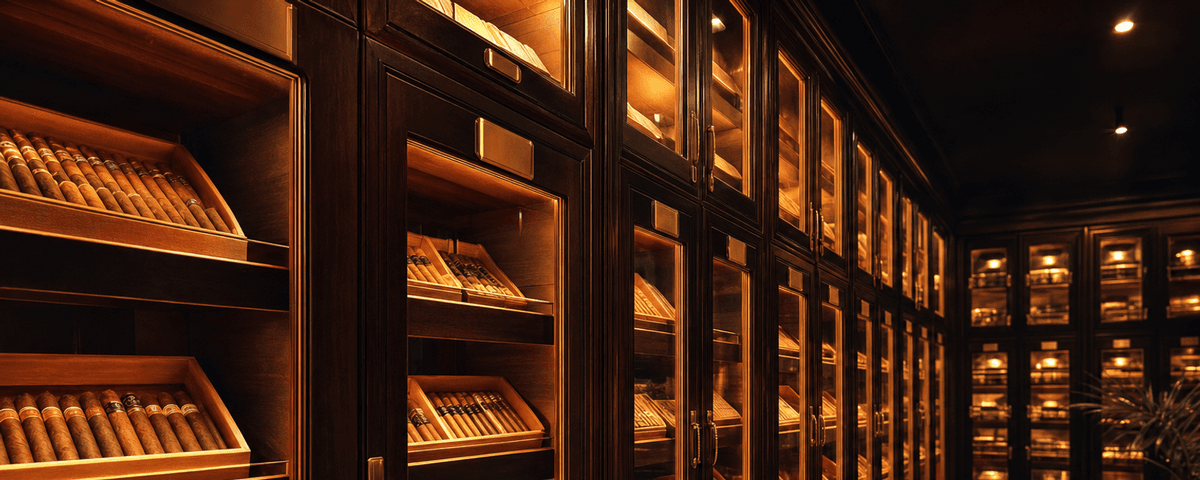
33 座 24 小時恆溫恆濕醇化室
W Cigar Bar 提供的會員醇化空間 · 場地資訊請洽編輯部
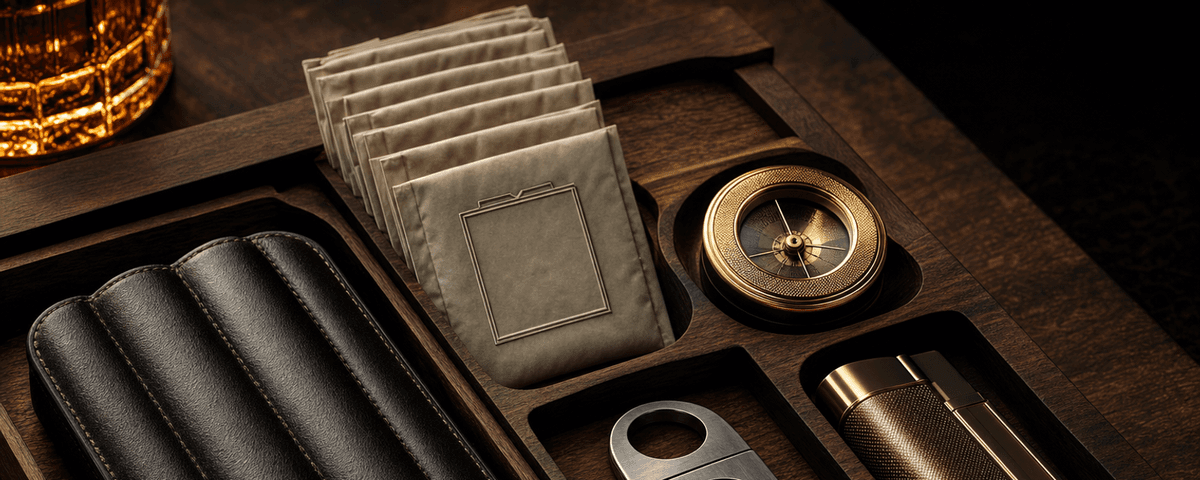
雪茄剪 / 打火機 / 雪茄盒 / Boveda
W Cigar 配件官網 · 專營雪茄配件正品

加 LINE 好友 · 文化諮詢
文化空間資訊 · 紳士沙龍 · 私人包場
本網站內容僅供雪茄文化、歷史、收藏與品吸知識研究參考。菸品有害健康、未滿法定年齡者請勿吸菸。實際規範請依所在地法律為準。
吸菸有害健康・戒菸專線 0800-636363・本站僅供 20 歲以上成年人閱覽。
讀到這裡,你不只是路過的人
留下 Email,加入 W 雪茄聖經內圈——總編輯 Wilson Tsai 親選的學院深文與國際新訊,先你一步送到信箱。
· 教育用途非銷售 · 隨時一鍵退訂 · Email 絕不對外公開 · 由勝茄股份有限公司營運
同分類延伸閱讀

資料來源:W Cigar Bible 編輯部整理 · 雪茄王子 Wilson Tsai 親自審稿
本文僅供雪茄文化、歷史、收藏與品鑑知識研究,不作為菸品促銷、銷售或購買建議。吸菸有害健康,未滿二十歲不得吸菸。