雪茄的技巧與品味:掌握不同抽吸方式的技術
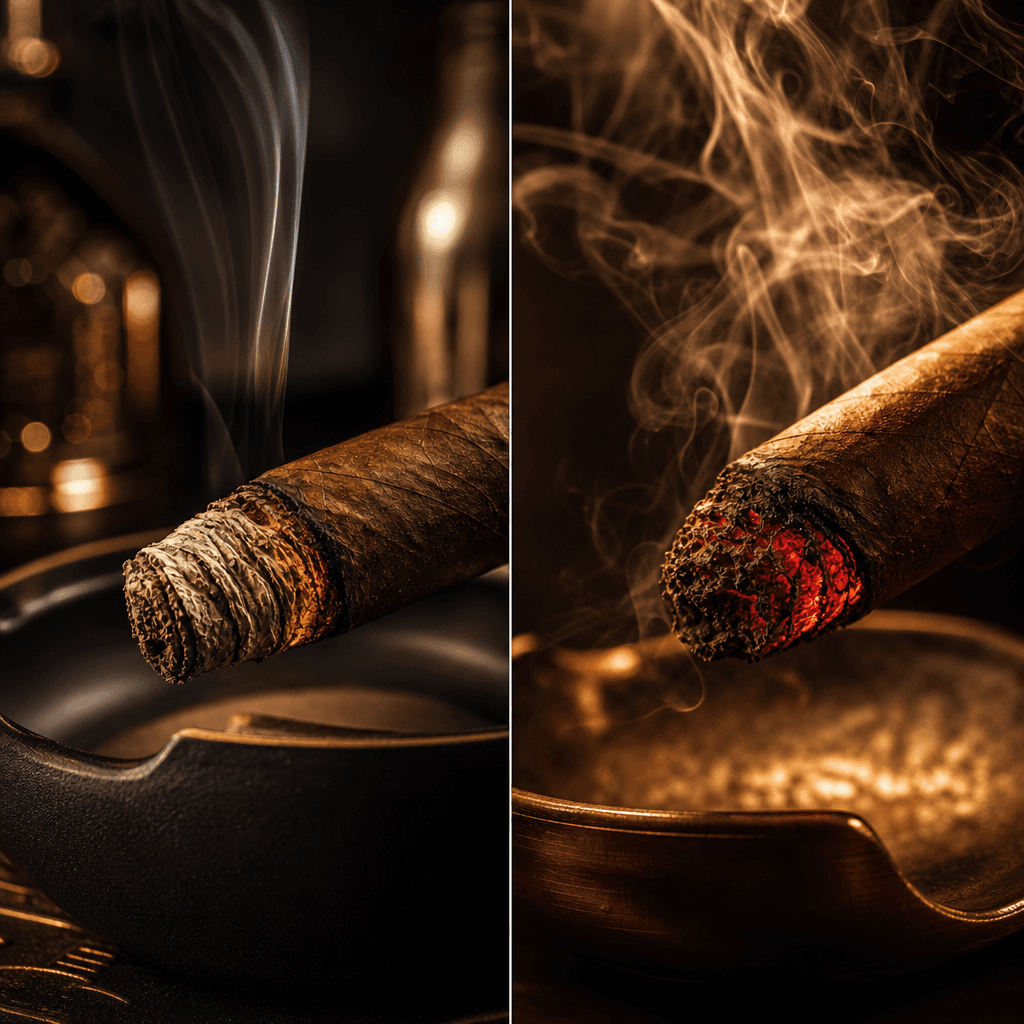
抽雪茄是一門藝術,關鍵在於掌握抽吸的節奏、溫度與技巧。許多入門者雖然了解基本知識,但常常在享受過程中遇到困惑。本文深入探討如何透過慢抽、斷斷續續的方式,提升雪茄的風味體驗。正確的抽吸節奏能保持燃燒的穩定,避免過熱或熄火,讓每一口煙霧都能展現雪茄的層次與細膩。從前段的基調到中段的個性,再到後段的取捨,掌握這些技巧將使您的雪茄品味更上一層樓。
- 慢抽的核心在於穩定燃燒與低溫之間的平衡,避免焦苦味。
- 斷斷續續的抽吸技巧能讓雪茄有呼吸空間,提升風味層次。
- 三段式抽吸有助於理解雪茄的基調與個性,後段要學會取捨。
Techniques and Taste of Cigars: Mastering the Art of Different Smoking Methods
Smoking a cigar is not about creating large smoke clouds or prolonging the time, but about understanding a cigar through rhythm, temperature, and etiquette. As the editor of "Cigar Bible," I often see beginners who know not to inhale into the lungs and can distinguish the beginning, middle, and end sections, yet get stuck on the question, "Why does the same cigar taste refined to others but spicy to me?"
The answer often lies not in the brand but in the smoking method. From slow smoking, intermittent puffs, nasal retrohaling, to relighting and ash control, each action changes the burning temperature. In this article, I will break down these techniques based on years of compiled data and on-site observations.
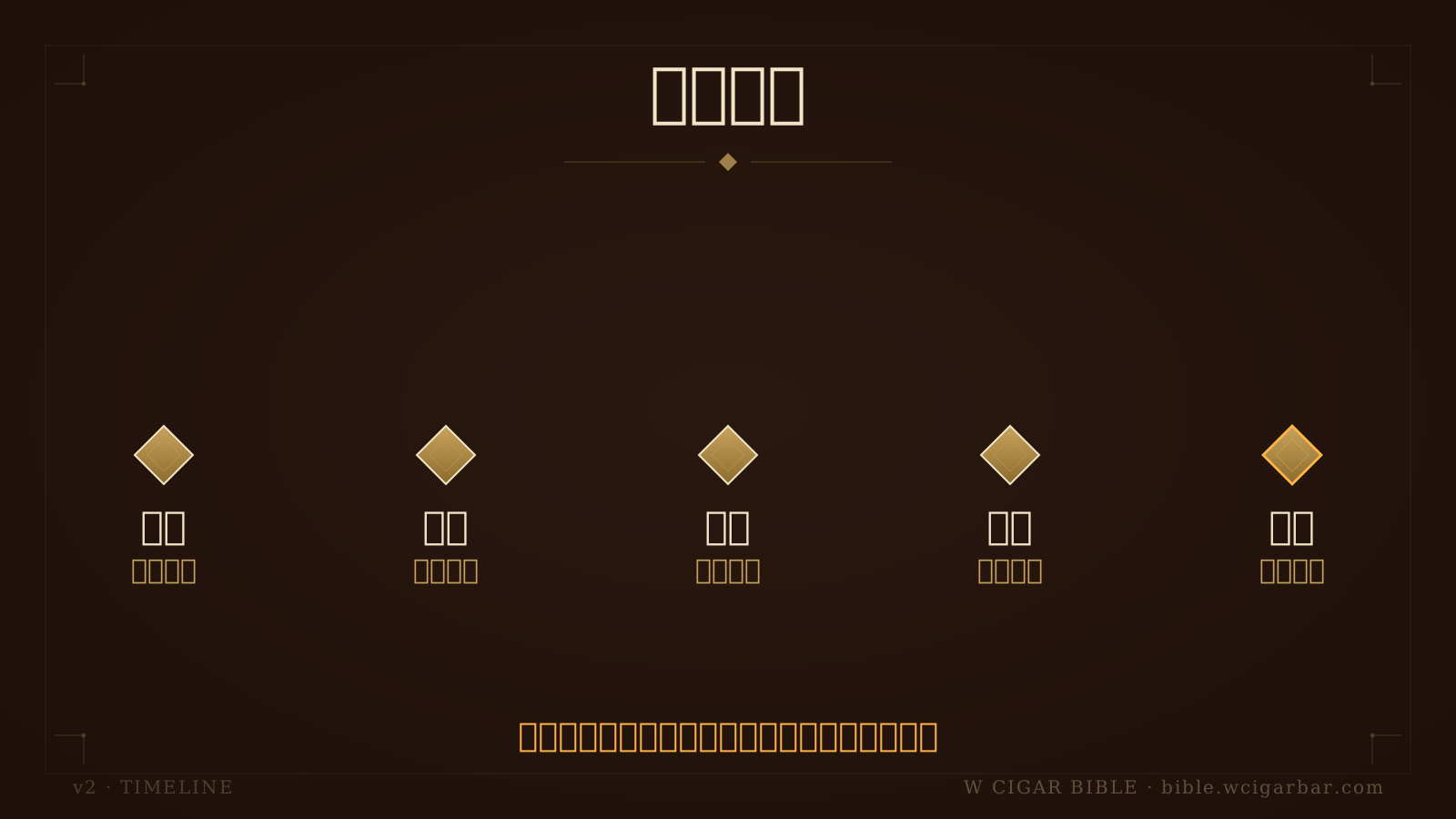
流程圖依序呈現預熱慢抽看線停放與放下
The Core of Slow Smoking: Stabilizing Temperature, Not Feigning Elegance
Many people think slow smoking means taking a puff and waiting a long time, resulting in the cigar extinguishing and repeated relighting, which creates a burnt bitterness. True slow smoking is about finding a balance between stable burning and low temperature. For a common Robusto size, such as Cohiba Robusto, approximately 124mm with a ring gauge of 50, a reasonable rhythm is usually one puff every 45 to 75 seconds; for a Churchill size, such as Romeo y Julieta Churchill, approximately 178mm with a ring gauge of 47, it can be extended to 60 to 90 seconds.
The core of slow smoking is not about extending time but maintaining the burning temperature in a stable, slightly low range. When a cigar is too hot, the sweetness, woodiness, and nuttiness of the tobacco are overshadowed by spiciness and bitterness; too cold, and it easily extinguishes, causing the tar and moisture accumulated in the previous section to be pushed up when relighting. My approach is to observe the burn line: if the burn line maintains a red edge of 1 to 2mm, the rhythm is generally correct.
Taking the Partagás Serie D No.4 from 2019 as an example, this style originally has noticeable woody, earthy, and black pepper notes. If you take a big puff every 20 seconds, the second section quickly becomes spicy and dry; but if controlled to about one puff every 60 seconds, the roasted bread and cocoa powder in the first section become clearer, and the pepper in the middle section has more layers. Slow smoking is not weakness but precise temperature control.
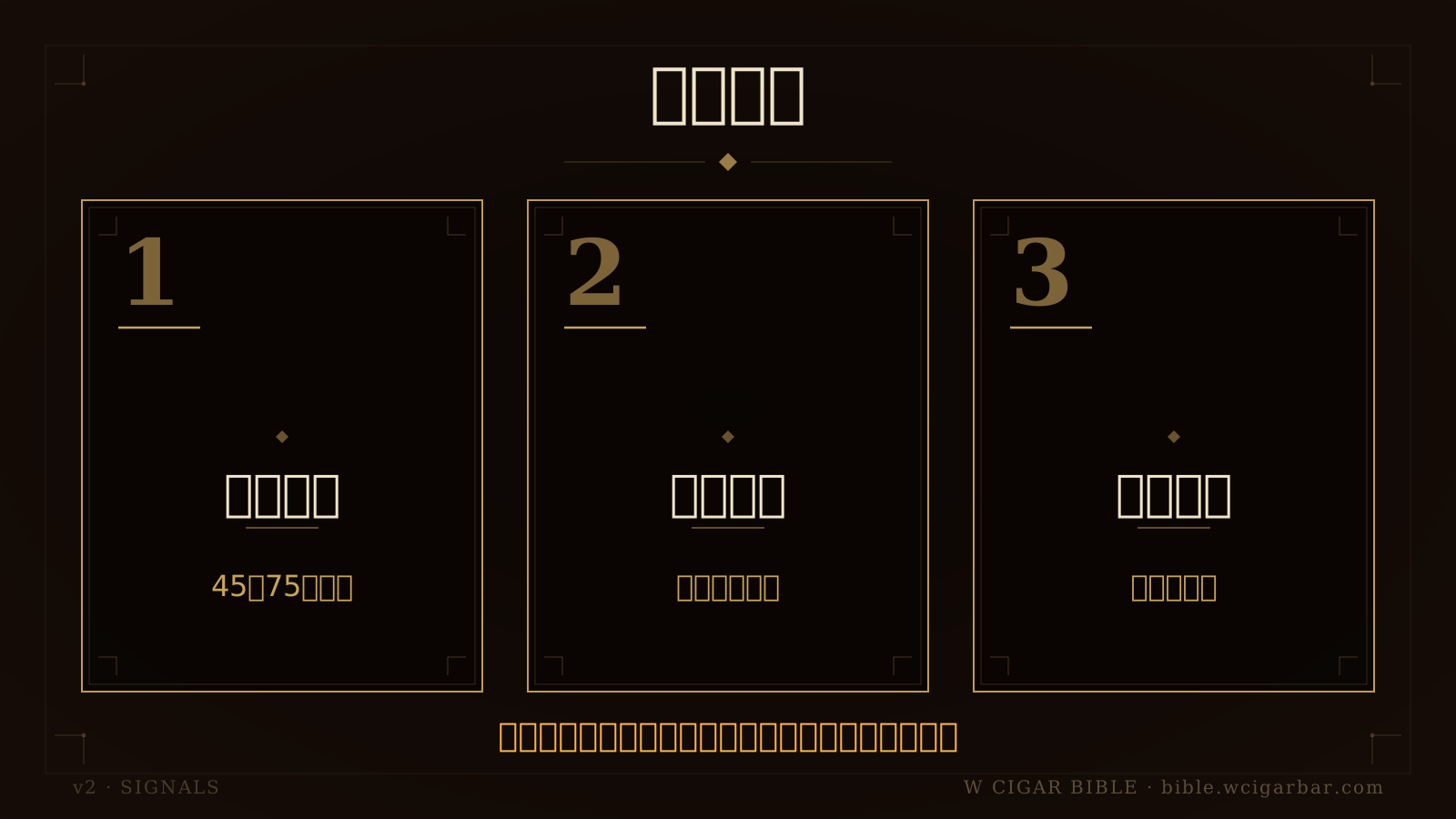
圖中三張重點卡說明慢抽停留與停放節奏
Intermittent Technique: Giving the Cigar Room to Breathe
Intermittent smoking is not absent-mindedly leaving the cigar, but consciously allowing the cigar to pause, warm up, and restart. This technique is particularly suitable for heavy flavors and higher nicotine styles, such as Bolivar Royal Corona, Partagás Serie P No.2, or the stronger Nicaraguan style Padrón 1964 Anniversary. When you feel your tongue starting to numb or your throat slightly warm, it’s usually not that the cigar suddenly turned bad, but that your rhythm is too dense.
The most important judgment point for intermittent smoking is whether the mouth can still distinguish sweet, sour, bitter, and aromatic flavors. If only spiciness and heat remain, it’s time to stop for 2 to 3 minutes. During the pause, don’t blow on the foot of the cigar or frequently tap the ash; let the ash naturally protect the burning end, and the temperature will drop more evenly. When resuming, first take a very light puff to check the resistance and smoke volume, don’t rush to draw large amounts of smoke.
I once gave the same Montecristo No.2 to two regular customers for comparison: one smoked continuously and densely, finishing in about 55 minutes; the other used an intermittent rhythm, finishing in about 90 minutes. The former’s feedback was "spicy and dry in the second half"; the latter detected honey, coffee, almond skin, and a hint of leather. It’s not a difference in taste bud talent, but the second person gave the cigar more buffer time.
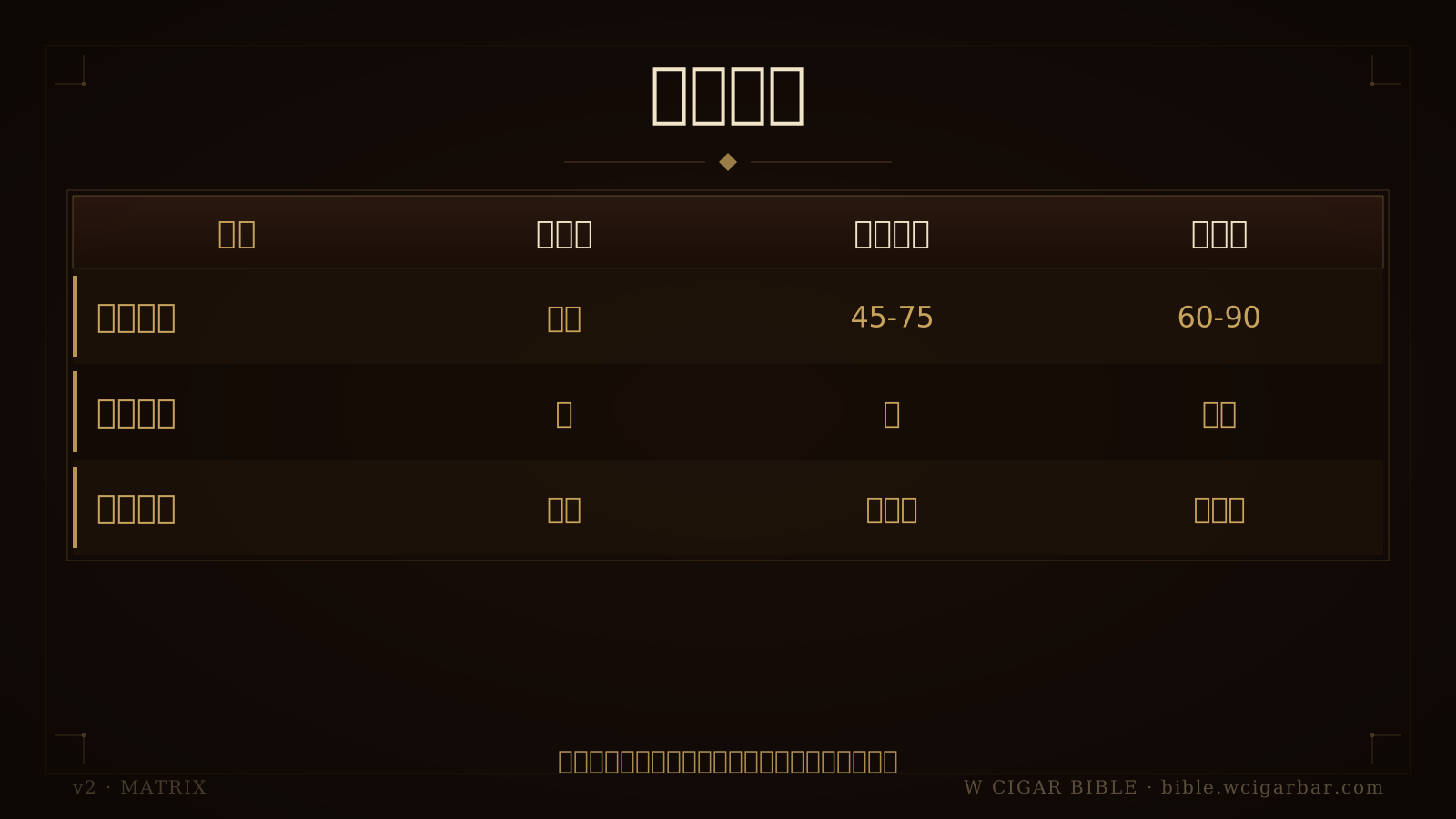
矩陣比較短尺寸羅布斯托與丘吉爾的抽吸節奏
Three-Stage Smoking: Finding the Base Tone in the First Section, Reading Layers in the Middle, and Making Choices in the Last
A cigar is often divided into the first, middle, and last sections, and some even further divide it into thirds. The first section is usually 5 to 15 minutes after lighting, when the smoke is still clean, and it’s best for judging the brand’s base tone. For example, Hoyo de Monterrey Epicure No.2 often has creamy, grassy, and light woody notes in the first section; while Ramón Allones Specially Selected may have ripe fruit, nuts, and a thicker sweetness.
Don’t rush to conclusions in the first section; the middle section is where most cigars truly unfold their character. The middle section has stable burning and balanced core temperature, often presenting the most complete flavors. For the Trinidad Vigía, familiar to many after 2020, the middle section often shows coffee, roasted grains, and light spices; if the first section is smoked too quickly, the middle section becomes thin due to high temperature and may prematurely enter the bitter flavors of the last section.
In the last section, you need to learn to make choices. Many beginners feel "it’s wasteful not to smoke to the end," but a cigar is not a popsicle. When the burn approaches 2 to 3 cm below the band, tar, moisture, and heat concentrate, and the flavor naturally thickens. If there’s still cocoa, woody, and sweet aromas, you can continue; if only tongue-stinging bitterness remains, it’s time to gracefully put it down. Knowing when to end is also a form of taste.
Inhalation, Exhalation, and Nasal Retrohaling: Don’t Use Force in the Wrong Place
Cigar smoke doesn’t enter the lungs, that’s a basic principle; but not entering the lungs doesn’t mean just holding it briefly and then exhaling. The correct method is to let the smoke linger in the mouth for about 2 to 4 seconds, like tasting espresso, feeling it on the tongue, palate, and cheeks. The inhalation volume shouldn’t be too large, about 70% full in the mouth is enough, especially for ring gauges above 54, drawing large amounts of smoke can easily overheat the burning end.
The finesse of smoking comes from "small puffs, short pauses, slow exhalation," not large smoke volumes. During slow exhalation, you can divide it into two stages: first exhale about 80% from the mouth, then let a small amount of smoke exit through the nasal cavity, which is what many refer to as retrohale. Nasal retrohaling can amplify spice, woody, and floral notes, but it’s also more stimulating, so beginners don’t need to do it every puff, once every 5 to 8 puffs is sufficient.
For example, the Davidoff Aniversario No.3 has a more delicate style, and using nasal retrohaling often captures cream, hay, and white pepper; but if you switch to the stronger Oliva Serie V Melanio, nasal retrohaling should be more conservative, or it will feel spicy. The technique is not for showing off but for serving the flavor. Your goal is not to prove you can endure but to discern more details.
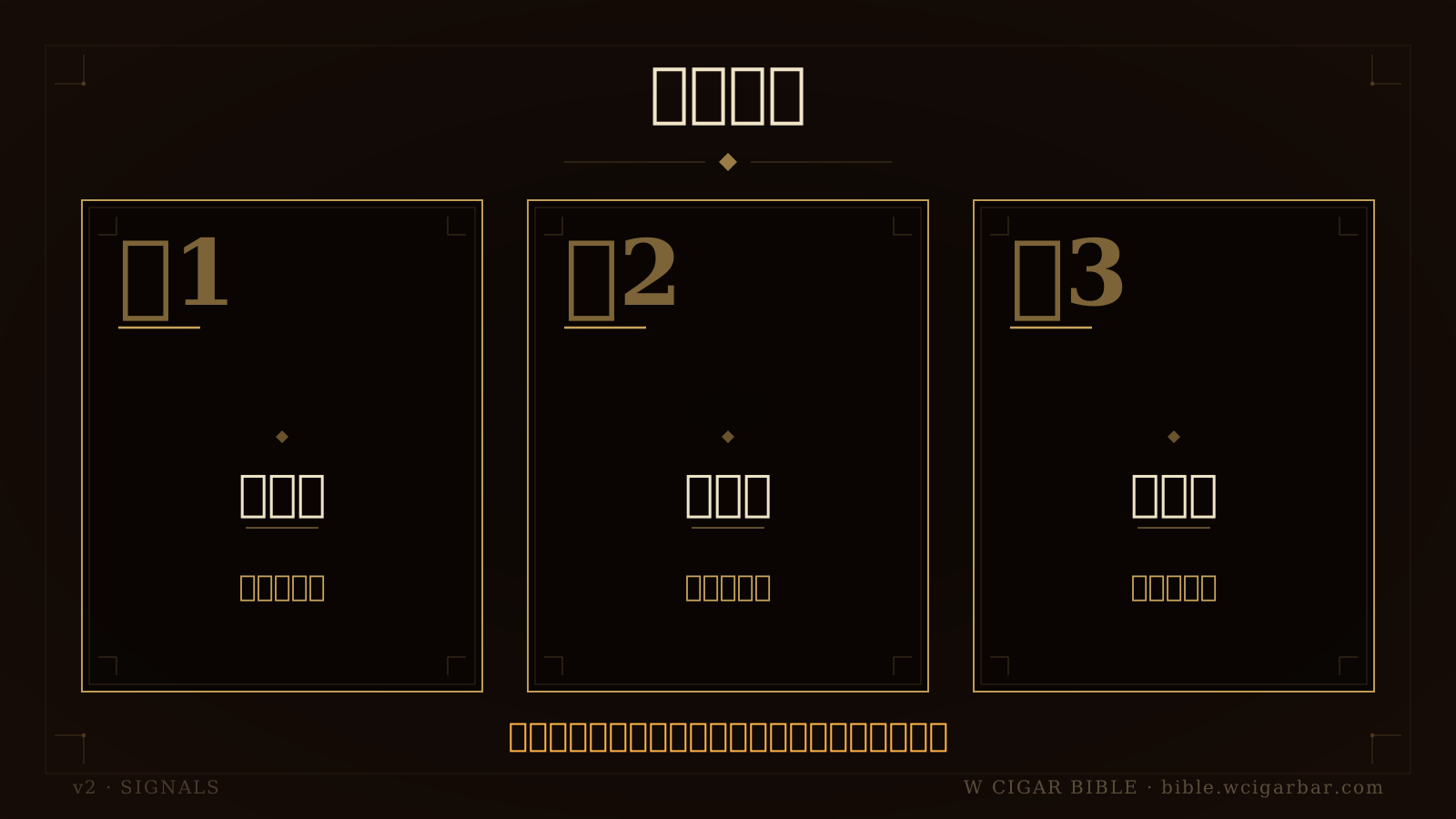
圖中列出三個常見誤解包含拖太久補火與硬抽尾段
Smoking Rhythm Chart: Adjust by Size, Not One-Size-Fits-All
Different sizes change the burning speed, smoke concentration, and cooling ability. Short and fat sizes usually have large smoke volumes and heat up quickly; slender sizes require more stable draws to avoid side burns. Beginners who apply the Robusto rhythm to a Lancero may find it alternately too cold and too hot; treating a Churchill like a Petit Corona can lead to overheating in the middle section.
A larger size doesn’t mean you can use more force, and a smaller ring gauge doesn’t mean you need to puff more frequently. I recommend using the table below as a baseline, then adjusting based on the burn line, smoke volume, and mouthfeel. This isn’t a strict rule but a reference for training rhythm.
| Size Type | Common Specs | Suggested Interval | Smoking Focus | Brand Example |
|---|---|---|---|---|
| Petit Corona | approx. 129mm × 42 | 40-60 seconds | Small puffs, avoid overheating | Montecristo No.4 |
| Robusto | approx. 124mm × 50 | 45-75 seconds | Stable smoke volume | Cohiba Robusto |
| Torpedo | approx. 156mm × 52 | 60-80 seconds | Cut affects resistance | Montecristo No.2 |
| Churchill | approx. 178mm × 47 | 60-90 seconds | Patience to maintain burning | Romeo y Julieta Churchill |
| Lancero | approx. 192mm × 38 | 45-70 seconds | Light puffs to prevent side burns | Cohiba Lancero |
The truly advanced approach is to check the status every 10 minutes: is the burn line skewed, is the smoke getting hot, is the tongue dry? If all three are normal, maintain the rhythm; if two are problematic, rest for 1 to 2 minutes before addressing. Smoking a cigar is like driving an old car, listening to the sound, watching the gauges, feeling the vibrations, more important than flooring the accelerator.
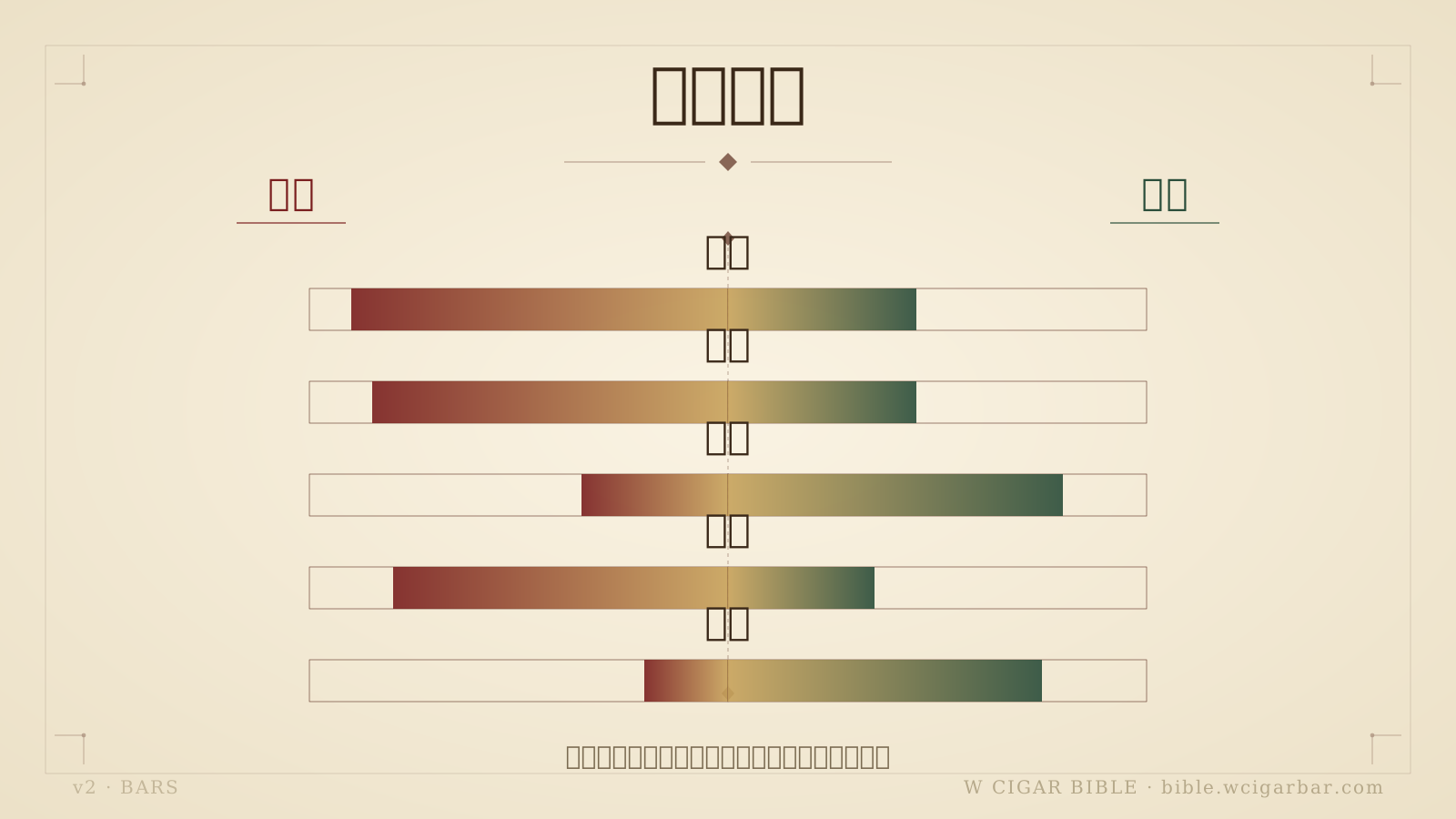
橫條圖比較急抽與慢讀在煙量溫度層次苦辣停放的差異
Lighting, Relighting, and Ash: Smoking Techniques Start with Fire
Many flavor issues are determined at the lighting stage. Before lighting, use the flame to toast the foot of the cigar, about 2 to 3 cm away, allowing the outer circle to darken evenly, and don’t directly insert the flame into the tobacco. When officially lighting, gently rotate the cigar while taking short, small puffs to drive the flame. If using a torch, the flame is concentrated, so the time must be shorter; if using a long match or soft flame, the speed is slower but gentler.
The goal of lighting is to evenly start the burn, not to make the foot of the cigar glow red. If it burns too fiercely at the start, the first section will have a burnt taste, and it will be harder to salvage later. If the burn line skews more than 5mm, you can first rotate the cigar, letting the slower burning side face down, using the rising heat to correct it; if still ineffective, lightly touch the unburned area with the flame, don’t re-burn the whole circle.
The ash is also an indicator of rhythm. Generally, when the ash is about 2 to 3 cm long, gently place it in the ashtray, no need to constantly tap it. Ash can retain heat and stabilize the burning end; but if the ash is too long and starts to crack, it may fall and affect etiquette. Cigars with stable structures like the H. Upmann Magnum 46 often maintain beautiful layers of ash; but in windy or high humidity environments, don’t forcefully display ash length.
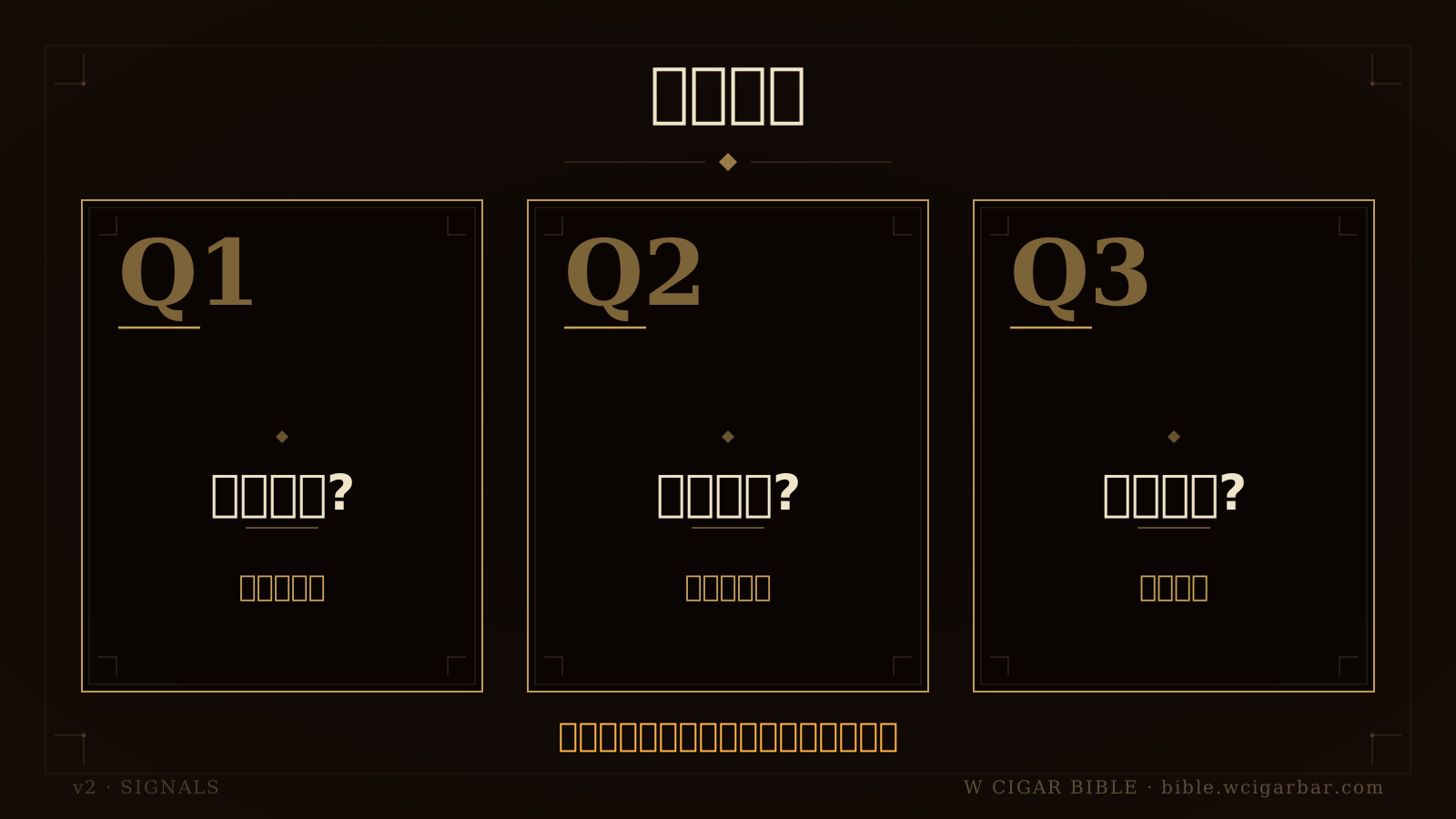
三張問答卡整理熄火慢抽變酸與鼻腔回香處理
Etiquette in Smoking Methods: Quiet, Moderate, Respectful of Space
Cigar etiquette is not about cumbersome rituals but making yourself and others comfortable. Beginners often overlook the direction of the smoke: don’t blow smoke at people, don’t talk with a cigar in your mouth, and don’t point with a cigar. If in a legal indoor space, check seating, ventilation, and ashtray positions first; if others are dining or drinking light beverages, be more mindful of your smoke direction.
The first rule of good etiquette is to make your technique unobtrusive to others. Slow and intermittent smoking methods are particularly important in social settings because you don’t need to constantly produce large amounts of smoke and have more time for conversation. If the conversation is lively, you can place the cigar on the edge of the ashtray, letting it rest naturally; when returning to your rhythm, take a light puff to check the status.
I also recommend preparing a simple routine to keep actions steady and unhurried:
- After cutting, do a dry draw to check resistance and cold aroma.
- Observe the foot of the cigar before lighting to avoid burning only one side.
- Puff every 45 to 90 seconds, adjusting by size.
- When relighting, only correct problem areas, don’t re-burn the whole cigar.
- If the flavor turns bitter or hot, stop first, don’t rush to forcefully smoke.
Etiquette and technique are actually the same thing: moderation. Those who can control smoke volume, rhythm, and actions appear naturally composed; those eager to perform are more likely to ruin the cigar.
Common Questions
Can a cigar be relit after it goes out once?
Yes, but it depends on how long it’s been out. If just 3 to 5 minutes, lightly blow the foot to expel stale taste, trim the ash end, and relight; if left for over 30 minutes, moisture and tar in the tobacco have concentrated, and relighting often results in sour bitterness. Going out is not a failure; repeatedly high-temperature relighting is the main cause of flavor collapse.
Why does slow smoking make the flavor sour?
It may be due to smoking too slowly, leading to incomplete burning, or possibly due to high humidity. If cigar storage humidity is consistently above 72%, burning will be sluggish, and sour and bitter flavors easily emerge. I personally prefer most Cuban cigars at 65% to 68% relative humidity, while non-Cuban rich styles can be adjusted based on structure.
Is nasal retrohaling too stimulating?
It can be, so use it sparingly. Beginners can start by doing it once every 8 to 10 puffs, letting about 10% of the smoke exit through the nasal cavity. For heavier styles like Bolivar and Liga Privada No.9, be more conservative; for milder styles like Davidoff and Hoyo de Monterrey, acceptance is usually higher.
Does bitterness in the last section mean poor cigar quality?
Not necessarily. The last section naturally has higher heat, with concentrated tar and moisture, so bitterness rising is normal. If the first and middle sections are clean, and only the last 2 to 3 cm become bitter, it’s mostly a natural phenomenon; if it’s bitter, blocked, and unevenly burning from the start, then check storage, cutting, or structural issues.
Is intermittent smoking suitable for all cigars?
Generally yes, but the rhythm should be adjusted by size. Petit Corona can easily go out if paused too long, while Churchill can handle longer rests. For a short size like Montecristo No.4, a 1-minute pause might be just right; for Romeo y Julieta Churchill, a 2 to 3-minute pause can still maintain stability.
The most fascinating aspect of smoking cigars is that the same cigar can present different expressions under different rhythms. My advice is simple: use less force, observe more; be less impatient, leave more space. When you can control temperature with slow smoking, retain layers with intermittent pauses, and place yourself with etiquette, cigars become more than just smoke, but a practice in time, patience, and taste.
—Cigar Prince Wilson Tsai
Smoking is harmful to health. Under twenty years old is not allowed to smoke. Quitline: 0800-636363. This article is for reference by adults over twenty years old for cigar culture, storage, and regulatory knowledge, not a tobacco advertisement, promotion, or purchase suggestion.
Like this article?Share with friends
Share this W Cigar Bible piece with friends who want to learn cigar culture, storage, and tasting.
想把這篇 化為實踐
雪茄聖經是知識;雪茄文化要在空間裡發生
W Cigar Bar 大安總店資訊
台北大安區 · 雪茄聖經總編輯 Wilson Tsai 主理的雪茄文化空間
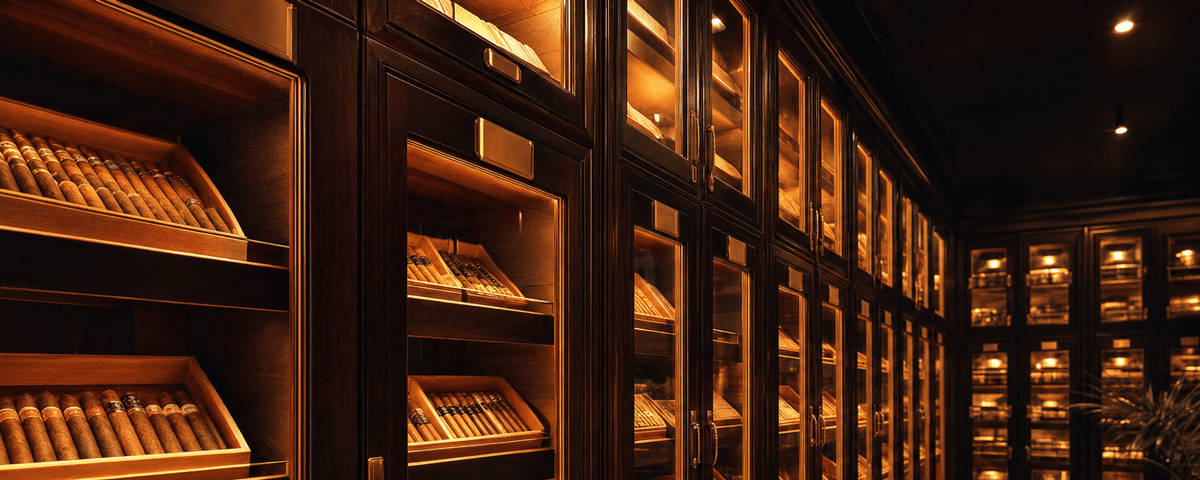
33 座 24 小時恆溫恆濕醇化室
W Cigar Bar 提供的會員醇化空間 · 場地資訊請洽編輯部
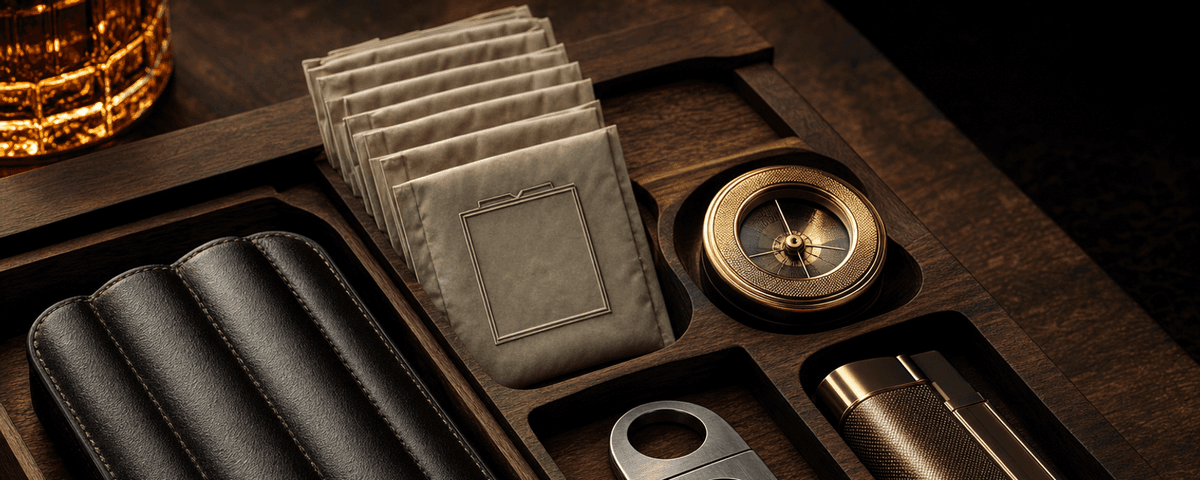
雪茄剪 / 打火機 / 雪茄盒 / Boveda
W Cigar 配件官網 · 專營雪茄配件正品
加 LINE 好友 · 文化諮詢
文化空間資訊 · 紳士沙龍 · 私人包場
本網站內容僅供雪茄文化、歷史、收藏與品吸知識研究參考。菸品有害健康、未滿法定年齡者請勿吸菸。實際規範請依所在地法律為準。
吸菸有害健康・戒菸專線 0800-636363・本站僅供 20 歲以上成年人閱覽。
讀到這裡,你不只是路過的人
留下 Email,加入 W 雪茄聖經內圈——總編輯 Wilson Tsai 親選的學院深文與國際新訊,先你一步送到信箱。
· 教育用途非銷售 · 隨時一鍵退訂 · Email 絕不對外公開 · 由勝茄股份有限公司營運
同分類延伸閱讀

資料來源:W Cigar Bible 編輯部整理 · 雪茄王子 Wilson Tsai 親自審稿
本文僅供雪茄文化、歷史、收藏與品鑑知識研究,不作為菸品促銷、銷售或購買建議。吸菸有害健康,未滿二十歲不得吸菸。