雪茄的文化與藝術:品味歷史與社會影響
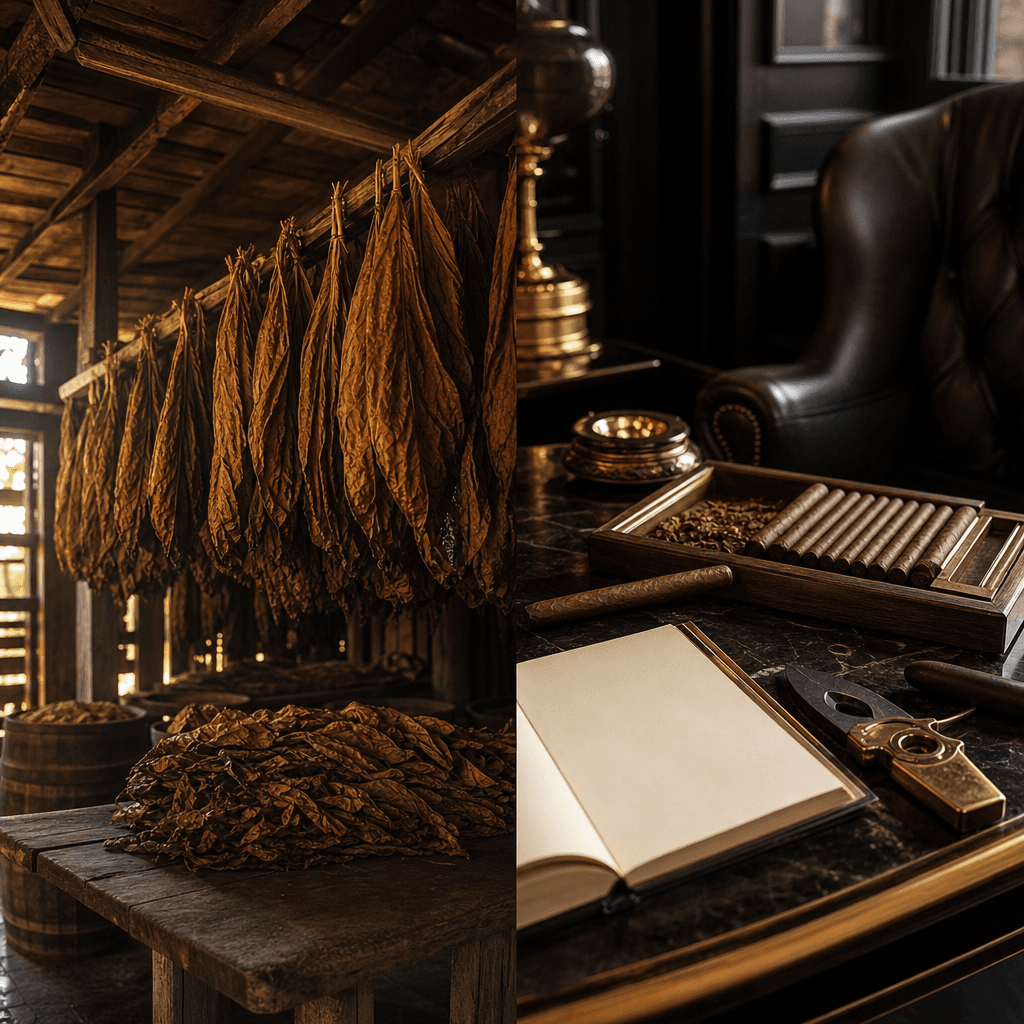
雪茄不僅是一種菸草產品,更是一種文化與社交的象徵。從加勒比海到歐洲,雪茄的歷史與工藝交織出豐富的故事。每一支雪茄背後都有其獨特的產地、年代與品牌,這些因素影響著其風味與品味。入門者應學會記錄自己的品味經驗,從而理解雪茄的多樣性與深度。此外,雪茄在不同社會中扮演著不同角色,無論是商務場合還是朋友聚會,都能促進交流與聯繫。透過對雪茄的深入了解,能夠提升個人的品味與社交技巧。
- 雪茄不僅是菸草製品,更是文化、歷史與社交的結合,反映出個人與社會的關係。
- 理解雪茄的產地、年份與品牌背景,有助於欣賞其文化價值,而非僅僅追求濃度。
- 雪茄的品味與場合息息相關,選擇合適的尺寸與品牌能提升社交體驗與個人儀式感。
The Culture and Art of Cigars: Tasting History and Social Influence
Cigars are not just cylindrical rolls of tobacco; they are a language of time, etiquette, craftsmanship, and social distance. Once beginners understand the basics of tasting and exhaling, the next step is not to rush into seeking intensity, but to understand the origin, age, people, and occasions behind each cigar.
As the editor of "Cigar Bible," I often find the most fascinating aspect of cigars is how they place personal solitude and social interaction on the same table: you can quietly read, or you can talk with friends about history, terroir, preservation, and even how a cigar reflects the taste of an era.
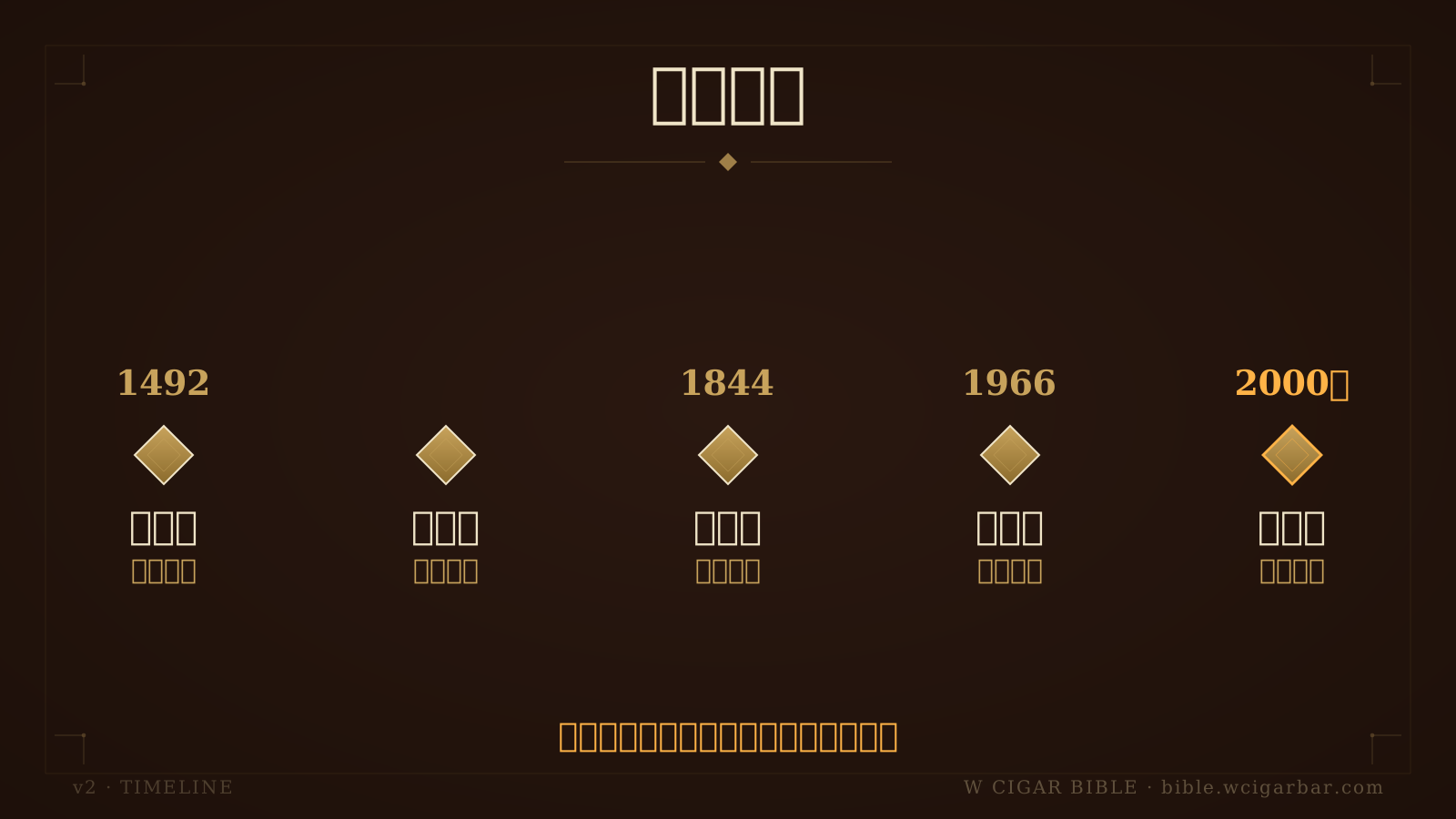
時間軸呈現加勒比海記錄到亞洲版本關注的脈絡
From the Caribbean to European Salons: The Formation of Cigar Culture
In 1492, when Columbus arrived in the Caribbean, Europeans first recorded the Taíno people using rolled leaves to smoke tobacco. By the 16th century, Spain brought tobacco back to Europe, and cigars gradually transformed from colonial produce to a hobby of the court and merchant classes. After the 18th century, Havana became an important processing center, where Cuban soil, humidity, and hand-rolling experience made "Havana" not just a place name but a symbol of quality.
The 19th century was a crucial era for the branding of cigars. H. Upmann was founded in 1844, Partagás in 1845, and Romeo y Julieta in 1875. These brands sold not only products but also stories, box art, and social identity. The core of cigar culture is not about showing off, but about how a roll of tobacco is defined by history, land, and craftsmanship.
By the 20th century, cigars entered diplomacy, film, and private clubs. Cohiba, born in 1966, originally carried a strong political and diplomatic connotation; Montecristo No.2 has long been regarded as a classic example of a torpedo-shaped cigar. For beginners, understanding these years and brand contexts will let you know that what you are smoking is not a single flavor, but a cultural memory crossing oceans.
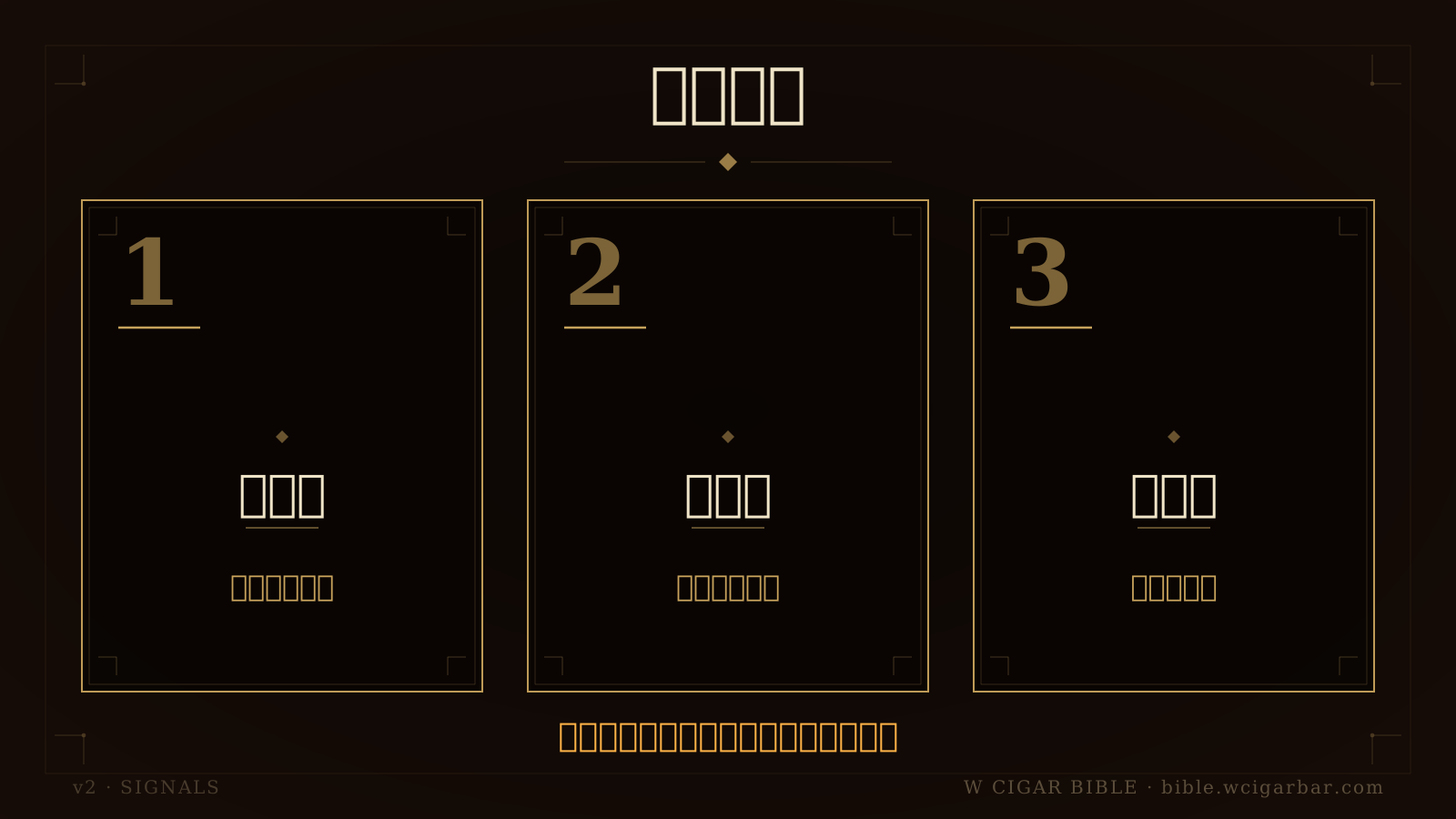
三張卡片列出歷史、工藝與場合三個重點
The Aesthetics of Craftsmanship: How a Cigar Becomes a "Work"
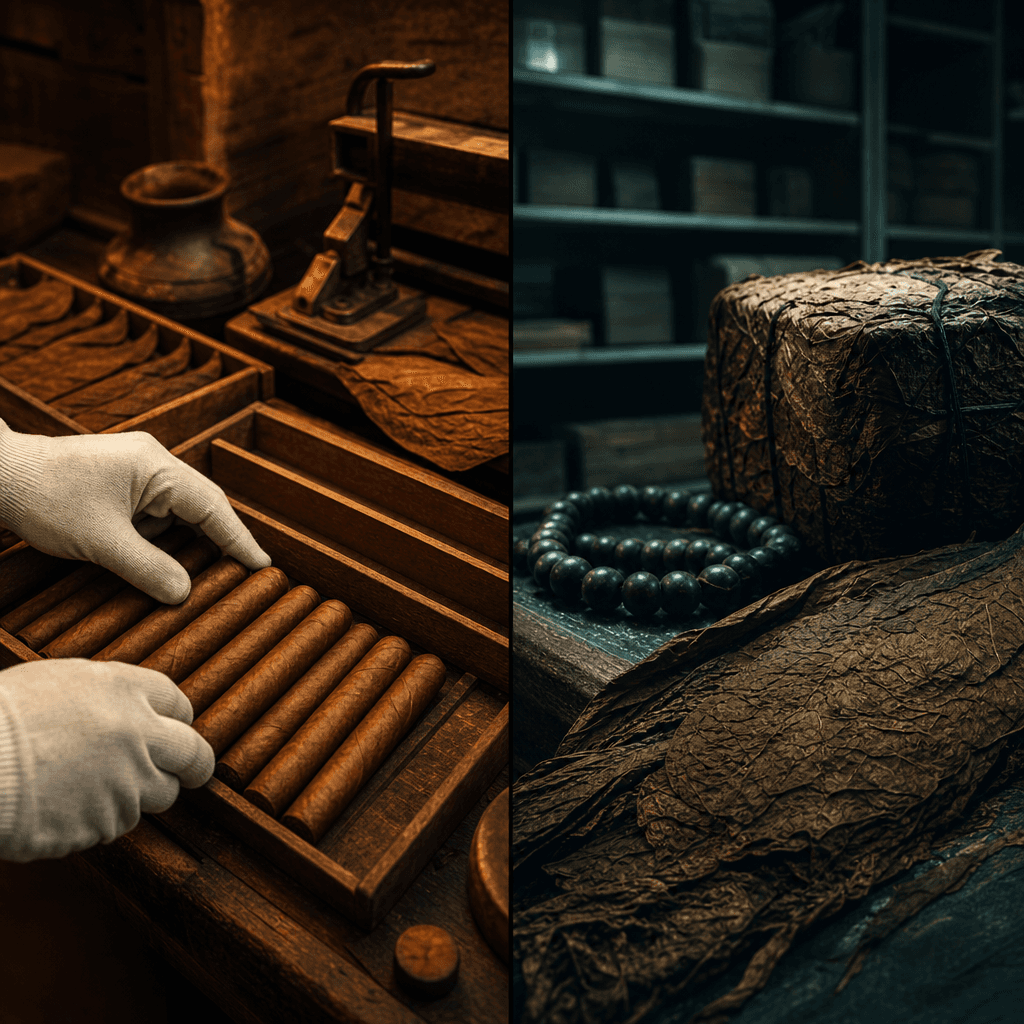
To truly understand cigars, one must start with the structure of the tobacco leaves. A long-filler handmade cigar usually consists of three layers: filler, binder, and wrapper. The filler determines the main flavor and burning rhythm, the binder helps stabilize the structure, and the wrapper affects the visual, tactile, and first impression. Regions like Cuba's Vuelta Abajo, the Dominican Republic's Cibao Valley, and Nicaragua's Estelí have distinct characters due to climate and soil differences.
From a craftsmanship perspective, mature brands emphasize grading, fermentation, aging, and rolling consistency. Tobacco leaves may undergo years of preparation from harvesting, hanging, fermenting to entering the factory; the number of cigars a roller can complete in a day is also limited, commonly around 80 to 150, depending on size and complexity. The artistry of cigars lies not only in taste but in the unseen waiting, selection, and manual skills.
Beginners often judge strength by the appearance's darkness, which can be misleading. A dark Maduro wrapper may bring sweetness, coffee, or cocoa impressions, but it does not necessarily mean higher nicotine strength; a light Claro may also have clear spicy notes. A better method is to interpret together from brand lines, regions, and sizes. For example, Partagás Serie D No.4 is often seen as a representative of strength and earthy notes, while Hoyo de Monterrey Epicure No.2 is often considered milder, with prominent woody and creamy notes.

矩陣比較古巴、尼國與多明的常見風味方向
Cigar Tastes in Different Societies: Identity, Rhythm, and Occasions
Cigars play different roles in different societies. In the UK, cigars are often associated with gentlemen's clubs and post-dinner conversations; in Spain and Latin America, they are closer to everyday socializing and celebrations; in the United States, mid-20th-century business culture made cigars a symbol of negotiation, victory, and personal style. The association between Winston Churchill and the Romeo y Julieta Churchill size is a classic case of political figures and brand narratives reinforcing each other.
The Asian market has its own taste logic. Consumers in Hong Kong, Singapore, Taipei, and Tokyo often pay more attention to preservation status, box numbers, years, and version differences. After 2000, limited editions, regional editions, and replica packaging gradually caught collectors' attention, but collecting appreciation does not guarantee value increase, still depending on source preservation and market. The significance of cigars in society often depends on how people place them into etiquette, conversation, and memory.
For beginners, the most worthwhile lesson is not to imitate the posture of a certain class but to understand the occasion. In business gatherings, cigars can slow down the pace, turning conversations from transactions to trust; in friends' gatherings, they can become a common topic; in solitude, they are like a 45 to 90-minute ritual. When you know the occasion, the reasons for choosing Robusto, Corona Gorda, or Churchill will also become clearer.
Advanced Tasting for Beginners: From Flavor Notes to Social Etiquette
Once you master the basics of tasting and exhaling, the next step is to establish your own flavor language. Don't just write "good smoke" or "smooth," but record the time, humidity, cut, lighting method, and changes in the first, middle, and last thirds. For example, a Robusto with about a 50 ring gauge and 124 mm length can typically be divided into the first third, middle, and last third for observation; you can record wood, nuts, leather, white pepper, coffee, honey, or mineral notes, and also note whether the burn is uneven or the ash column is stable.
In terms of etiquette, beginners most easily overlook respecting space. Cigar smoke is thick and not suitable for display in unauthorized places; when sharing a table with others, avoid blowing smoke towards them. When lighting, slowly rotate the foot of the cigar, without directly scorching the wrapper; during conversation, frequent ash tapping is unnecessary, as a stable ash column helps maintain burning temperature. Mature cigar taste is about enjoying yourself while making others feel respected.
I suggest using a simple table to establish personal records. After writing 20 sticks, you will see your preferences: whether it's the herbal and woody notes of Cuba, the spicy and thick notes of Nicaragua, or the balance and smoothness of the Dominican Republic.
| Record Item | Suggested Writing | Observation Focus |
|---|---|---|
| Brand and Model | Montecristo No.4, Padron 1964 | Establish comparison baseline |
| Size | Petit Corona, Robusto, Toro | Affects burning time |
| Preservation Status | 65% to 69% relative humidity | Too wet will be stuffy, too dry will be spicy |
| First, Middle, Last Third | Record in 15-minute units | See if flavor transitions |
| Occasion | Solitude, post-dinner, friends' conversation | Understand social impact |
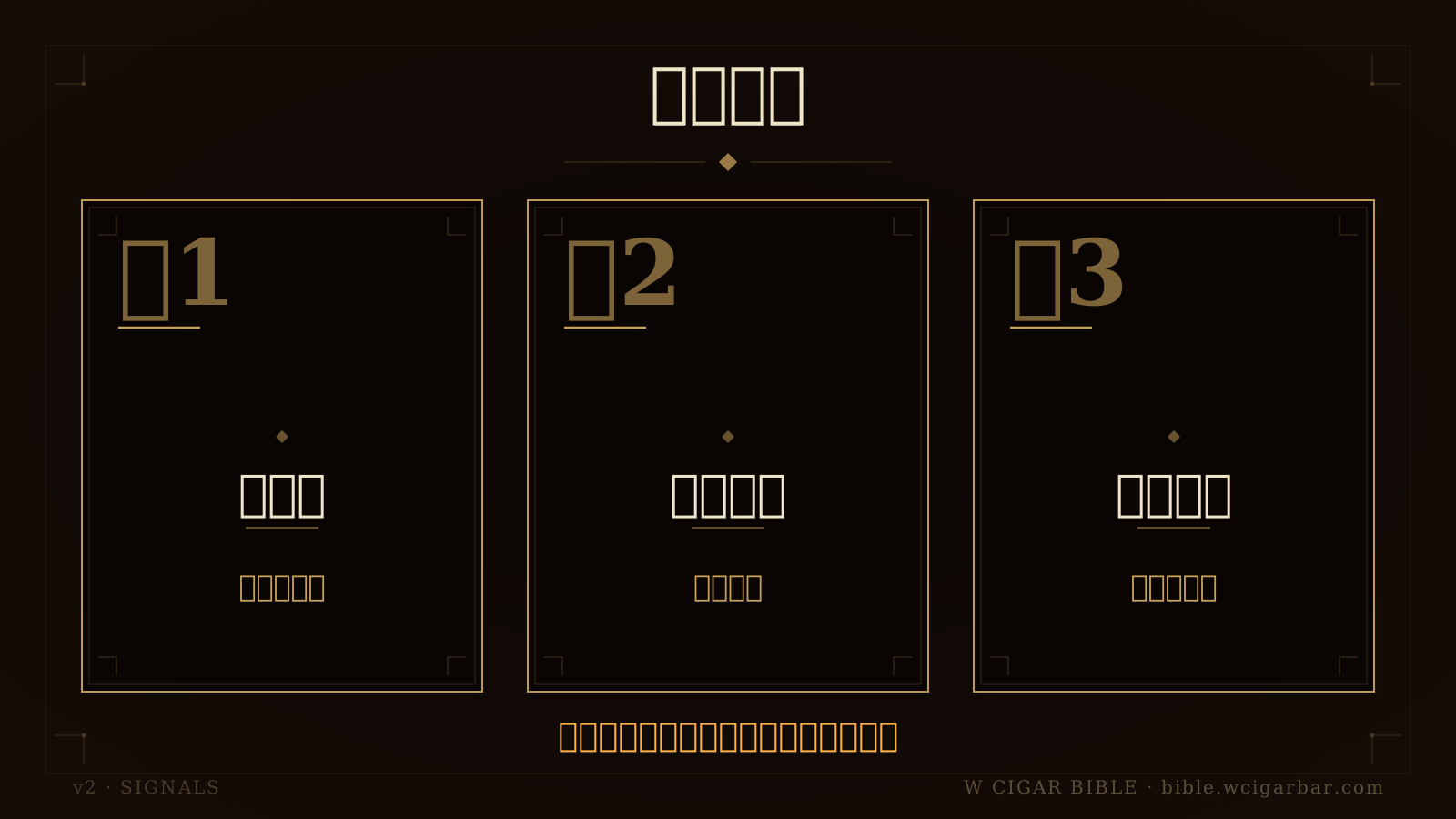
三張卡片提醒色澤、濕度與談話禮儀的誤解
Brands, Years, and Collecting: How Cultural Value is Established
The value of cigar brands often comes from historical continuity and scarcity stories. Montecristo was founded in 1935, its name derived from "The Count of Monte Cristo," and it is said that the factory reader would read novels to the workers; this tradition of "reading and labor coexisting" makes the brand more than just a trademark. Davidoff launched its Cuban-made series in 1968, later shifting to Dominican production, reflecting changes in politics, supply chains, and brand philosophy.
Collectors pay attention to box bottom dates, factory codes, versions, and preservation sources. For example, the Cuban limited edition Edición Limitada has become a market focus since 2000, with Cohiba 1966 Edición Limitada 2011 and Montecristo 520 Edición Limitada 2012 sparking discussions. But I must remind again, collecting appreciation does not guarantee value increase, still depending on source preservation and market. A truly reliable collecting concept is to first focus on source, preservation, and self-understanding before talking about market prices.
For beginners who want to study collecting, they can start by establishing three levels: first, familiarize with regular editions like Partagás Serie D No.4, Bolívar Royal Corona, H. Upmann Magnum 46; second, understand year and batch differences; third, then study regional editions, commemorative editions, and old boxes. In terms of source, understanding different legal supply systems is important, and when discussing PCC, the correct term is PCC authorized dealer. Don't just listen to rumors, and don't take price fluctuations as the only standard of quality.
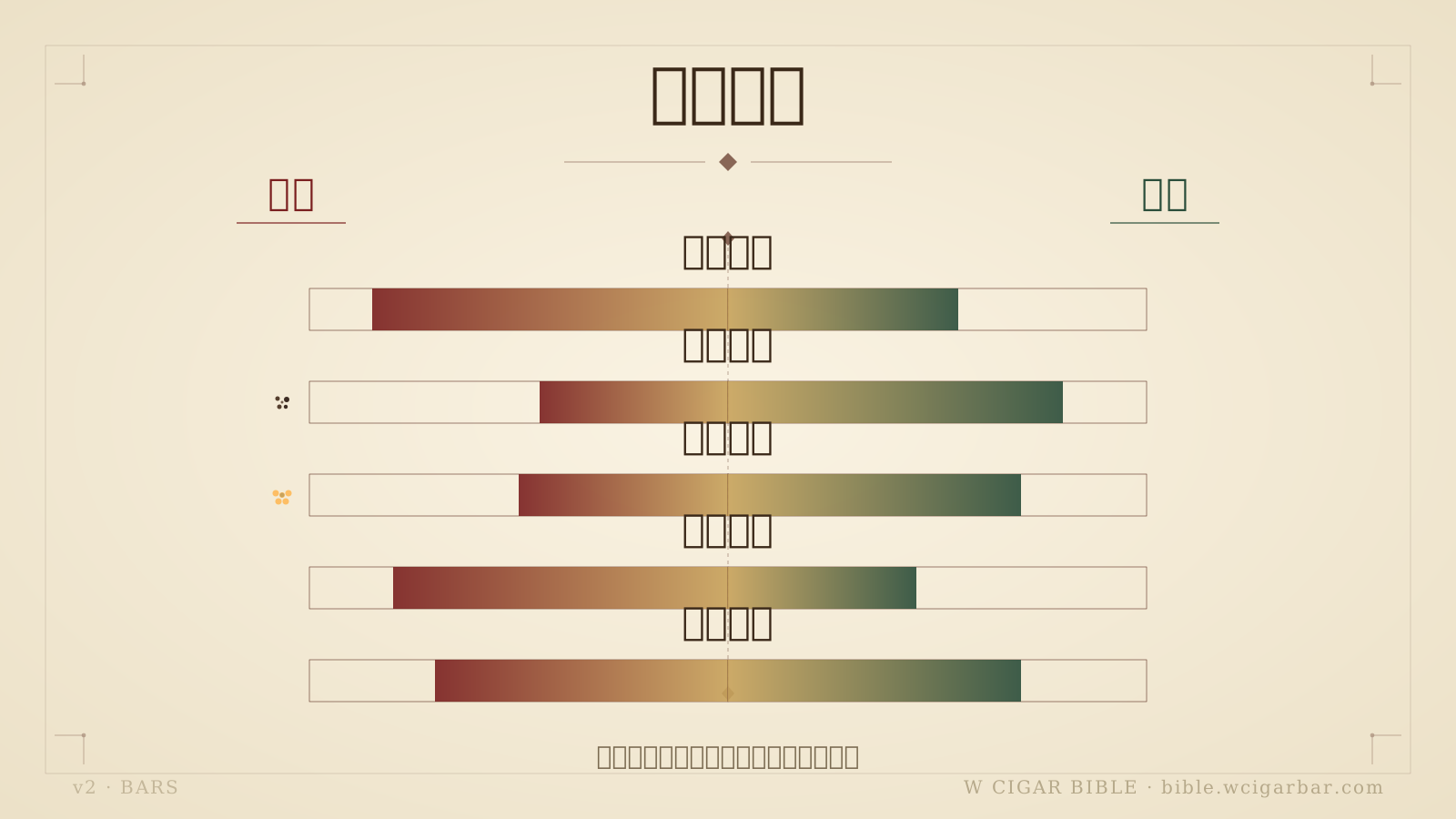
橫條圖比較古巴與非古在五個風味軸的傾向
Cigars with Food, Reading, Conversation: Designing Personal Rituals
The charm of cigar culture lies in its ability to combine with many life arts. Common post-dinner pairings include rum, cognac, whiskey, coffee, and Pu'er tea. If it's a medium-strength Hoyo de Monterrey Epicure No.2, I would lean towards black coffee or a milder rum; if it's a Padron 1926 or My Father Le Bijou 1922, which are more structurally thick Nicaraguan cigars, consider sherry cask whiskey or drinks with more pronounced cocoa tones.
Reading also pairs well with cigars, but the choice of size should match the rhythm. A Petit Corona lasts about 30 to 45 minutes, suitable for short articles or a chapter; a Robusto lasts about 45 to 70 minutes, suitable for deep reading; a Churchill may exceed 90 minutes, more like an entire evening's arrangement. Cigars are not about filling time, but about carving out a space where time can settle.
In social conversations, cigars can reduce the sense of urgency. In business settings, there's no need to rush to conclusions, and among friends, the shared burning rhythm allows for natural pauses. Beginners can practice three small techniques:
- First, ask the other person's preference for strength, without rushing to recommend.
- When discussing flavors, use "I feel" rather than "this is."
- Avoid causing discomfort to others in public spaces, respect norms and distance.

三張問答卡整理同款差異、保存時間與社交談法
The Social Impact of Cigars: Power Symbols, Media Images, and Contemporary Changes
In the 20th century, the image of cigars was often tied to power, wealth, and victory scenes. Entrepreneurs, politicians, and gangster characters in movies often use cigars to express a sense of control; in American baseball or boxing victories, cigars are also used as a symbol of celebration. These images give cigars dramatic tension but also easily simplify the culture into a show-off. Those who truly understand cigars care more about quietness, restraint, and knowledge.
After the Cuban Revolution, the 1962 U.S. embargo on Cuba made Cuban cigars a special symbol in the American market; at the same time, the Dominican Republic, Honduras, and Nicaragua quickly developed their own styles. Brands like Arturo Fuente, Padron, Oliva, and Rocky Patel have established an independent aesthetic for non-Cuban cigars, no longer just substitutes. Contemporary cigar culture has moved from single-origin worship to multi-region, multi-style, and more mature comparative perspectives.
Social impact also includes responsibility. Cigars are an adult choice, and one must understand health risks and regulatory boundaries; in public environments, respecting non-users is more important than displaying knowledge. For beginners, true taste is not about memorizing lists but about enjoying in the right place, at the right time, in the right way, and understanding the impact of one's actions on others.
Frequently Asked Questions
Should beginners first study Cuban or non-Cuban cigars?
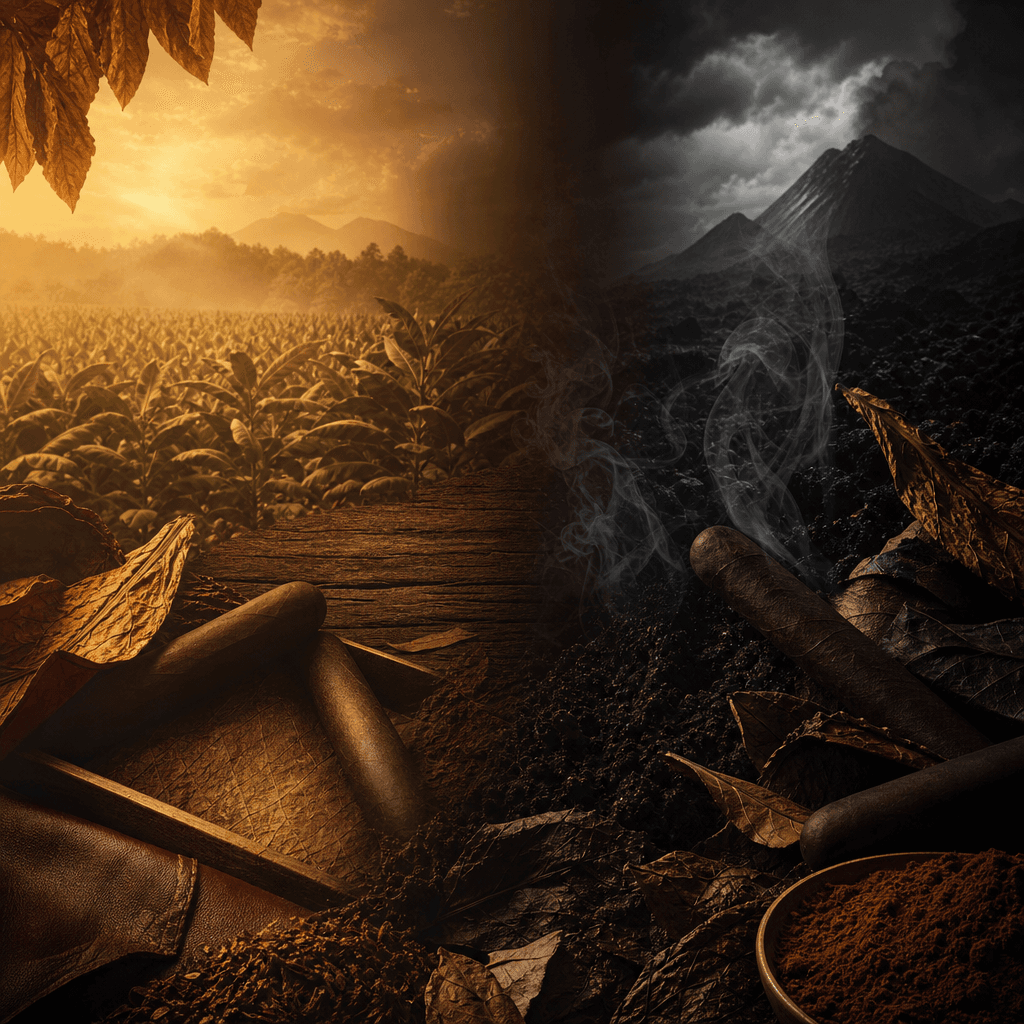
I suggest exploring both, but without viewing them in terms of hierarchy. Cubans often have herbal, woody, mineral, and delicate sweet and sour notes; Nicaraguans may have more spice, cocoa, and thickness; Dominicans often exhibit balance, floral notes, and smoothness. The key to advancing as a beginner is to establish your own flavor coordinates through comparison, rather than just chasing the fame of origins.
Why does the same cigar feel different each time?
There are many reasons, including preservation humidity, lighting method, taste state of the day, pre- or post-meal differences, and batch variations. The taste at 65% relative humidity can be different from 72%, with the former being clearer and the latter possibly more muffled. Record more than five times, and you'll distinguish whether it's a cigar issue or an environmental issue.
How long should cigars be aged?
There is no fixed answer. Some fresh cigars are already suitable for enjoyment, while some high-strength or structurally thick types may become more rounded after 1 to 3 years of aging. However, preservation must be stable, with a common range of about 16 to 20°C, 65% to 69% relative humidity. Over-pursuing age may overlook the current state.
How to talk about cigars in social settings without being rude?
Use less absolute language and share personal feelings. You can say "I feel roasted nuts in the middle," rather than negating others' descriptions. If the other person is a novice, there's no need to use jargon to overwhelm; if the other person is experienced, there's no need to rush to prove yourself. The best etiquette at the cigar table is to let the conversation flow naturally.
Is collecting cigars suitable for beginners?
You can study it, but it's not recommended to focus on prices initially. First, familiarize yourself with regular editions, preservation equipment, and source judgment, then talk about limited or old boxes. Collecting appreciation does not guarantee value increase, still depending on source preservation and market. For beginners, being able to stably preserve 20 to 50 sticks is more practical than chasing rare names.
Does cutting and lighting affect the cultural experience?
Yes, and very clearly. A clean cut can stabilize the draw, while cutting too deep may damage the cap; lighting too quickly can cause harsh bitterness. Slowly toasting the foot, rotating, and ensuring an even burn is a respect for craftsmanship. Starting from these small actions, you'll find that cigar culture is actually hidden in the details.
For me, cigars have never been just a simple pastime but a way to learn to slow down. They make people face time, land, craftsmanship, and others, and remind us that taste must be accompanied by responsibility. When you can distinguish brands, years, occasions, and etiquette without rushing to show off knowledge, you truly enter the depths of cigar culture.
—Cigar Prince Wilson Tsai
Smoking is harmful to health. Under 20 years old is not allowed to smoke. Quitline: 0800-636363. This article is for reference by adults over 20 years old for cigar culture, preservation, and regulatory knowledge, not tobacco advertising, promotion, or purchase advice.
Like this article?Share with friends
Share this W Cigar Bible piece with friends who want to learn cigar culture, storage, and tasting.
想把這篇 化為實踐
雪茄聖經是知識;雪茄文化要在空間裡發生

W Cigar Bar 大安總店資訊
台北大安區 · 雪茄聖經總編輯 Wilson Tsai 主理的雪茄文化空間
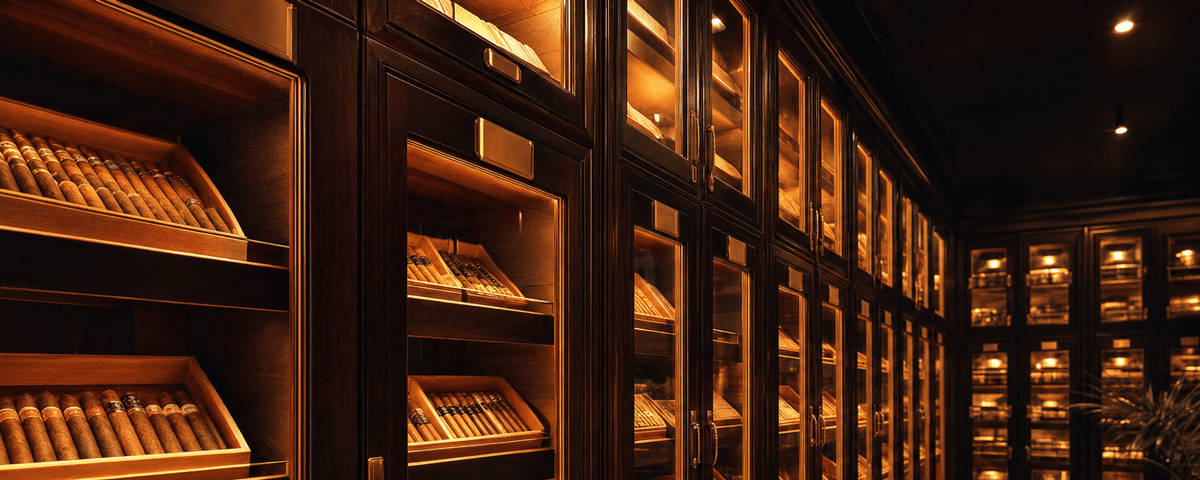
33 座 24 小時恆溫恆濕醇化室
W Cigar Bar 提供的會員醇化空間 · 場地資訊請洽編輯部
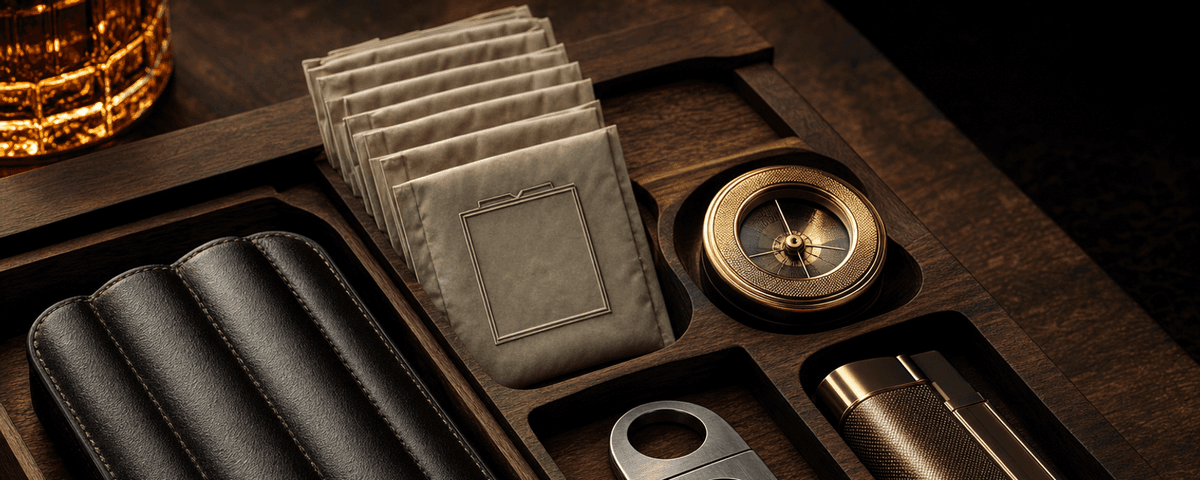
雪茄剪 / 打火機 / 雪茄盒 / Boveda
W Cigar 配件官網 · 專營雪茄配件正品
加 LINE 好友 · 文化諮詢
文化空間資訊 · 紳士沙龍 · 私人包場
本網站內容僅供雪茄文化、歷史、收藏與品吸知識研究參考。菸品有害健康、未滿法定年齡者請勿吸菸。實際規範請依所在地法律為準。
吸菸有害健康・戒菸專線 0800-636363・本站僅供 20 歲以上成年人閱覽。
讀到這裡,你不只是路過的人
留下 Email,加入 W 雪茄聖經內圈——總編輯 Wilson Tsai 親選的學院深文與國際新訊,先你一步送到信箱。
· 教育用途非銷售 · 隨時一鍵退訂 · Email 絕不對外公開 · 由勝茄股份有限公司營運
同分類延伸閱讀

資料來源:W Cigar Bible 編輯部整理 · 雪茄王子 Wilson Tsai 親自審稿
本文僅供雪茄文化、歷史、收藏與品鑑知識研究,不作為菸品促銷、銷售或購買建議。吸菸有害健康,未滿二十歲不得吸菸。