Exploring the Taste Records of Cigars: A Fusion of Technique and Art
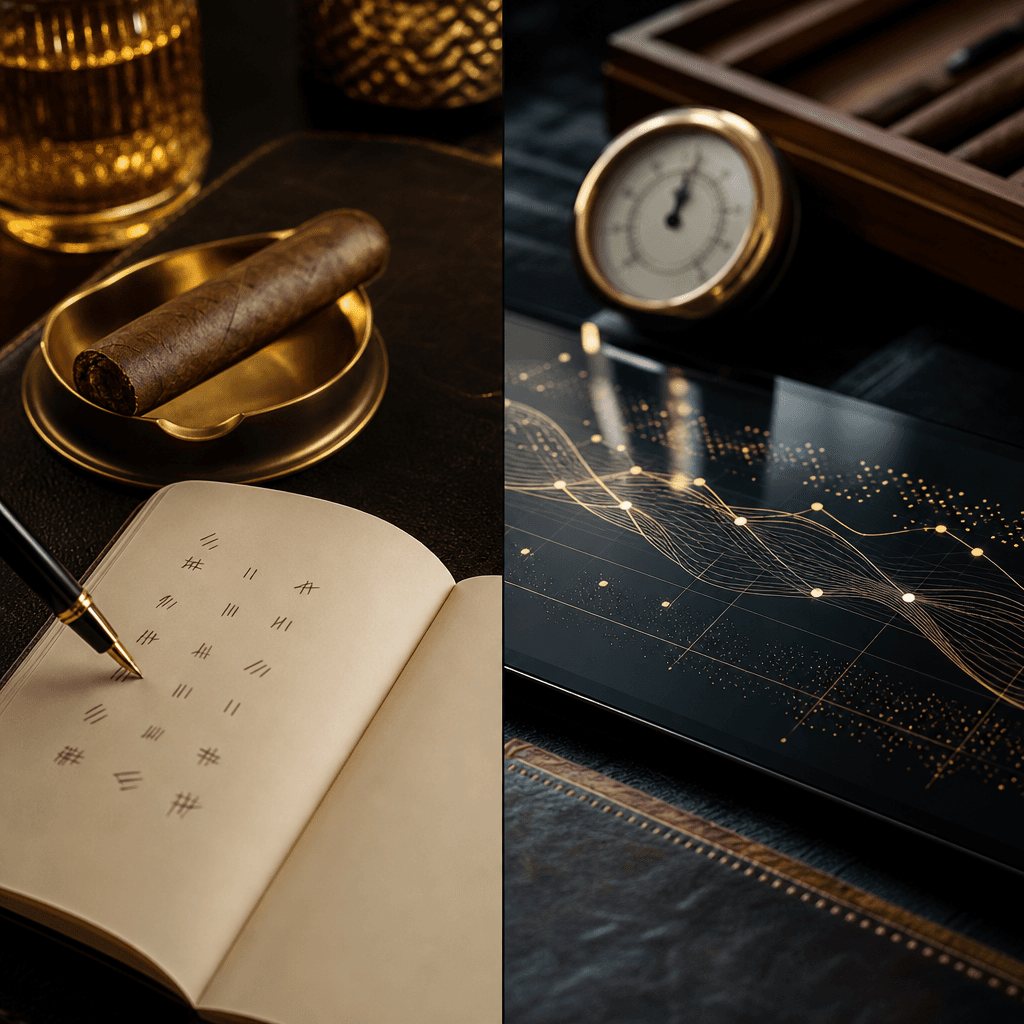
雪茄品味日誌不僅是記錄,更是建立一套可回顧的系統,幫助老手與新手理解自身的品味變化。透過紀錄品牌、尺寸、年份等基本欄位,並加入環境因素,能有效排除誤判。將風味拆解為主調、甜感、辛香等層次,使描述更具體,便於未來比較。三段式紀錄則幫助捕捉雪茄的變化,並透過評分模型分析風味與結構,最終形成個人收藏策略,提升品味的精準度與深度。
- 雪茄品味日誌能將主觀感受轉化為可比較的長期資料,幫助建立個人的味覺地圖。
- 記錄雪茄的基本欄位包括品牌、尺寸、年份、保存濕度等,能提高未來判斷的準確性。
- 風味描述應拆解為主調、甜感、辛香等層次,讓評價更具參考價值,避免模糊印象。
I have always believed that the biggest difference between veterans and novices is not just how many Cohiba, Partagás, or Padrón cigars they have smoked, but whether they can document an experience and understand their judgment three months or three years later.
A cigar tasting journal is not a mere log; it is a system that connects smell, taste, burn, humidity, context, and vintage into a reviewable system. When you start looking at your feelings through data, your senses become freer and more precise.
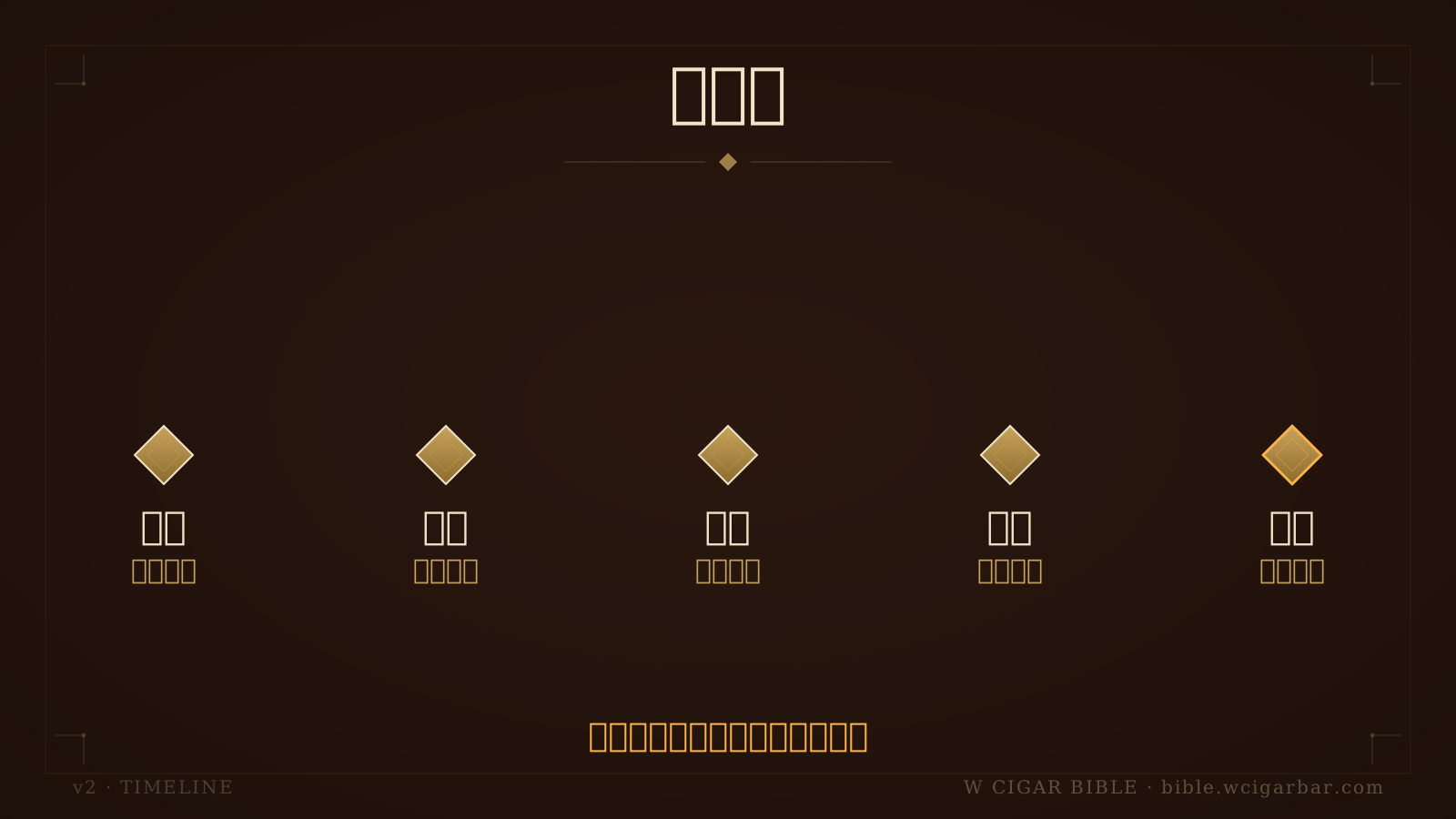
時間軸呈現從記來源到三段筆記與定期回顧流程
Why Veterans Need a Tasting Journal More
Many friends with brand preferences often say they like the strength of Bolivar, the finesse of H. Upmann, the clean lines of Davidoff, or the spice and tension of Arturo Fuente OpusX. These judgments are precious, but without records, they can become vague over time; especially since the differences within the same brand across different vintages, sizes, and storage conditions can be greater than those between brands.
For example, in my past records, the Partagás Serie D No.4 from a 2018 box code often showed black pepper, roasted wood, and concentrated coffee notes during a 2020 tasting. By 2024, the same well-preserved batch showed reduced spiciness, with more pronounced nut oils and sweet wood. If I relied solely on memory, I might simplify it to "D4 is strong," but the journal reminds me that time and storage are reshaping it.
The core value of a tasting journal is transforming subjective feelings into comparable long-term data. Veterans don't turn cigars into exams; they build their own taste maps: which brands perform better at 65% humidity? Which sizes require a slower pace? Which tobacco regions tend to leave a bitter finish in your mouth? Only long-term records will tell the truth.
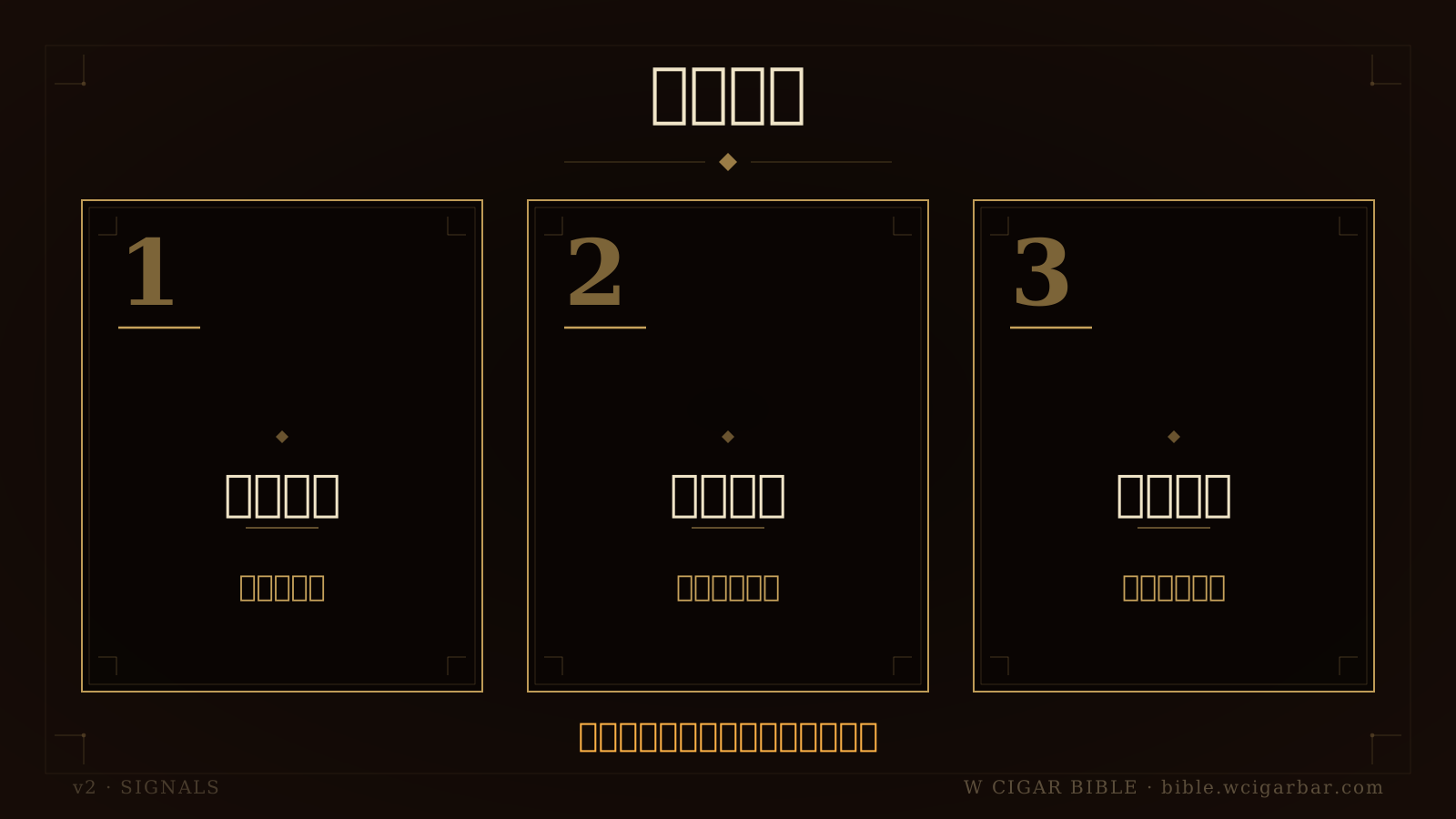
三張卡片說明雪茄日誌可比較欄位與文字細節
Establishing Your Basic Fields: From Brand to Environment
A good journal doesn't have to be complex at first, but the basic fields must be stable. At the very least, record the brand, series, size, origin, vintage or box code, source, storage humidity, lighting date, accompanying drink, and smoking duration. For Cuban cigars, note the box code, such as UBM MAR 19; for non-Cuban, note the batch, purchase date, or outer box information. The clearer the source, the less likely you are to lose focus in future judgments.
I suggest veterans add three more items: resting days before smoking, average humidor humidity, and the day's environment. Many overlook temperature and humidity but spend a lot of time describing flavors. In reality, the same Montecristo No.2 can have different burn speeds, smoke volumes, and bitterness at 62%, 65%, and 69% relative humidity. If you only write "bad condition today," you're giving up on finding the cause.
Fields are not to fill out forms but to eliminate misjudgments. I often use a 10-point scale to record burn stability, draw smoothness, complexity, and balance, but the flavor description remains in words. Numbers make comparisons easy, words keep details alive; together, they form a truly usable cigar file.
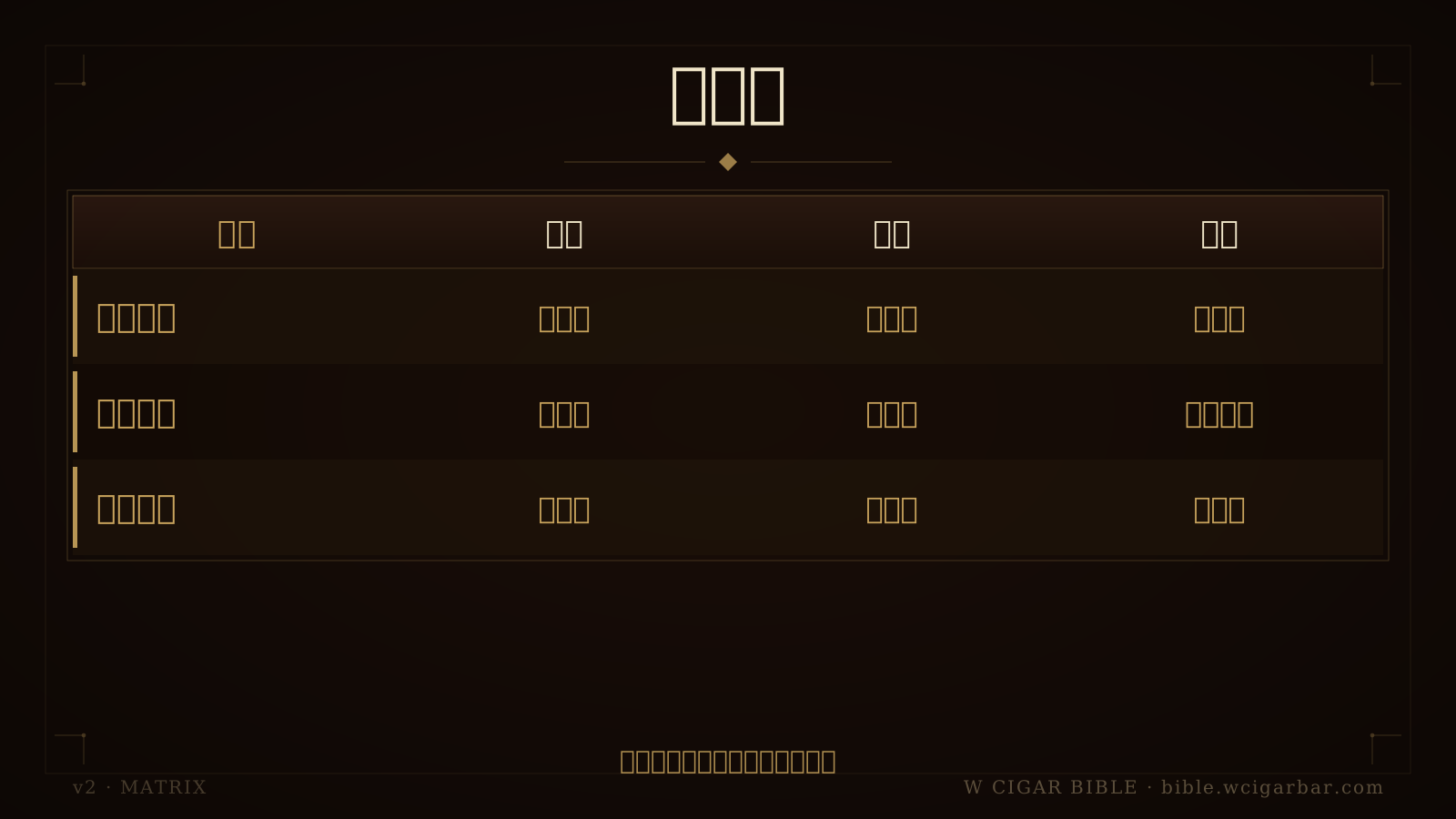
矩陣比較紙本表格與應用程式在記錄上的不同用途
Flavor Language: Breaking Down "Good Smoke" into Trackable Signals
Veterans often get stuck feeling differences but only writing "strong, sweet, smooth, fragrant." These words aren't wrong but too broad. It's recommended to break flavors into five levels: main note, sweetness, spiciness, texture, and finish. Main notes might be cedar, leather, coffee, cocoa, hay; sweetness can be honey, caramel, cane, creamy sweet; spiciness includes white pepper, cinnamon, clove, ginger.
For example, a 2021 tasting of a Hoyo de Monterrey Epicure No.2, if only described as "elegant and smooth," offers almost no reference value two years later. If written as "initial hay, cream, almond; mid-section shows light honey and cedar; finish slightly increases white pepper, low bitterness, soft smoke texture," you can immediately compare when encountering the same 2017 box code to see if more nut oils appear after aging.
Don't rush for fancy vocabulary; first aim for repeatable recognizable vocabulary. I encourage every veteran to build their own 30 common flavor word library and regularly calibrate. For example, is "woody" new wood, wet wood, cedar box, roasted oak, or pencil lead? The more precise the words, the less likely your perception of cigars will be led by brand names.
Three-Part Recording: Structure of Initial, Mid, and Final Sections
A cigar is not a sip of drink; its changes take time. The most practical recording method is to divide the whole cigar into initial, mid, and final sections, roughly by 1/3, 2/3, and end. If a Robusto is smoked for 60 minutes, you can record around 10, 30, and 50 minutes; if it's a Churchill or Double Corona, extend to 20, 50, and 80 minutes.
I once compared a 2019 Ramón Allones Specially Selected with a 2022 version; both had brown sugar, dried fruit, and roasted nuts in the initial section, but differences grew in the mid-section: the 2019 version had a thicker smoke body, rounder leather feel; the 2022 version had more forward spiciness, slightly green in the finish. Without three-part recording, it might just be "similar," missing the most valuable changes.
Three-part recording helps you determine if a cigar is linearly beautiful or richly layered. Some cigars are stunning in the initial section but empty in the mid; others, like Punch Punch or Aging Room Quattro Nicaragua, start unassuming but gradually unfold in the mid-section. The journal's task is to capture these transitions over time.
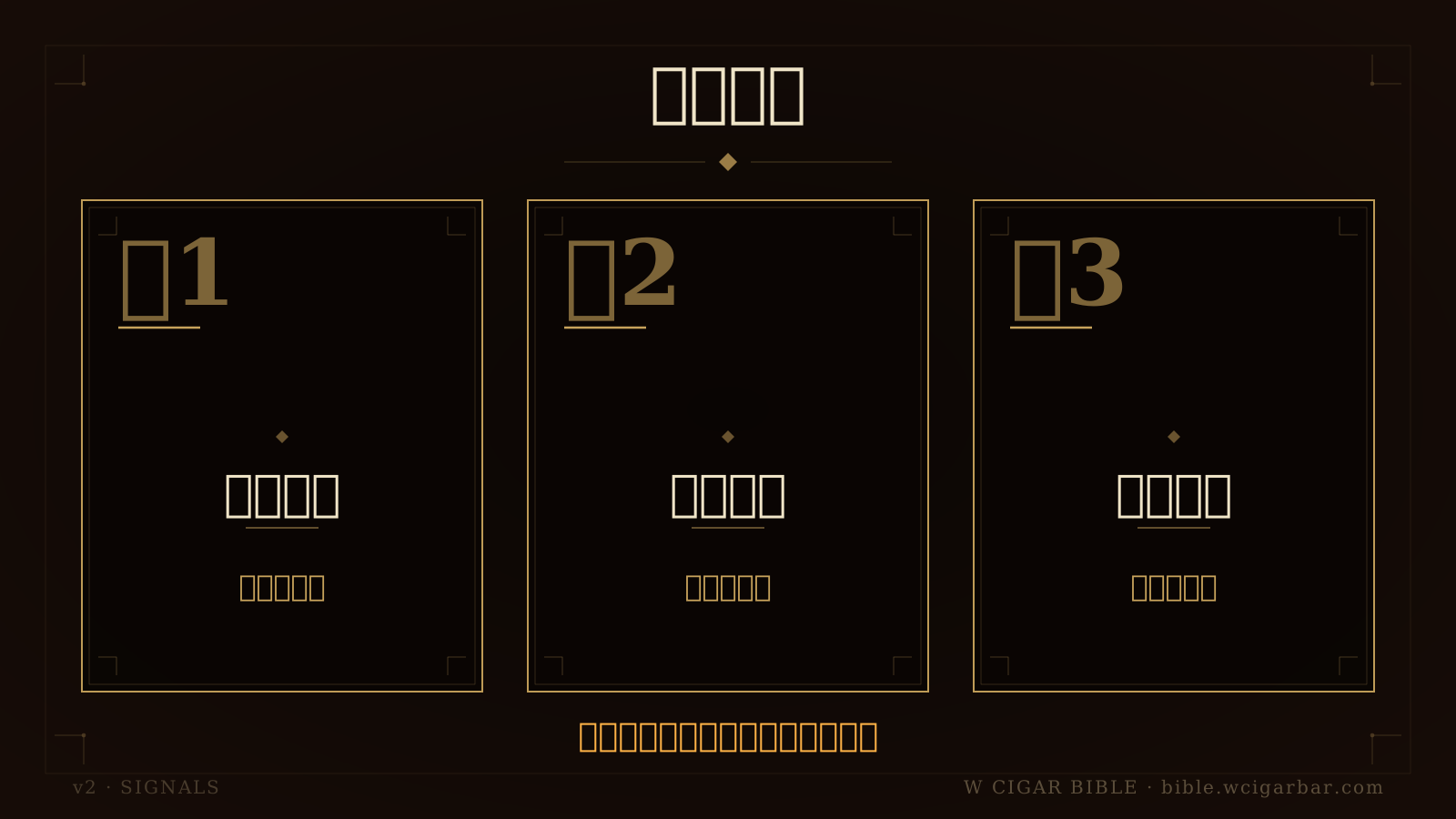
三張卡片整理過度紀錄只看分數與品牌先入的誤解
Use Tables to Build a Scoring Model, Not to Worship Scores
Scores are useful but dangerous. They allow you to quickly filter cigars worth tracking in your collection, but if only the total score is considered, different issues get mixed. My approach is to break 100 points into several dimensions, leaving textual reasons. This way, a 90-point cigar might be flavorful but penalized for burn; another 90-point might be balanced but less varied.
| Scoring Item | Suggested Weight | Observation Focus | Example Record |
|---|---|---|---|
| Structure and Burn | 20% | Lines, burn ring, ash column, relight count | Stable burn at 65% humidity, relit once |
| Draw and Smoke Volume | 15% | Resistance, smoke volume, temperature | Slightly tight draw, but fine smoke quality |
| Flavor Clarity | 25% | Is the main note clear | Clear cedar, coffee, cocoa |
| Layered Changes | 20% | Three-part transitions | Nutty sweetness rises in mid-section |
| Balance and Finish | 20% | Coordination of bitter, spicy, sweet, sour | Clean finish, non-piercing spiciness |
The purpose of scores is not to declare highs and lows but to leave comparable reasons. For example, in 2020, I gave a Padrón 1964 Anniversary Maduro 92 points, not because of "fame," but because of stable burn, clear cocoa and concentrated coffee, and balanced sweet-bitter finish. If the same model scores only 86 points in the future, I can investigate whether it's storage, batch, mood, or pairing issues.
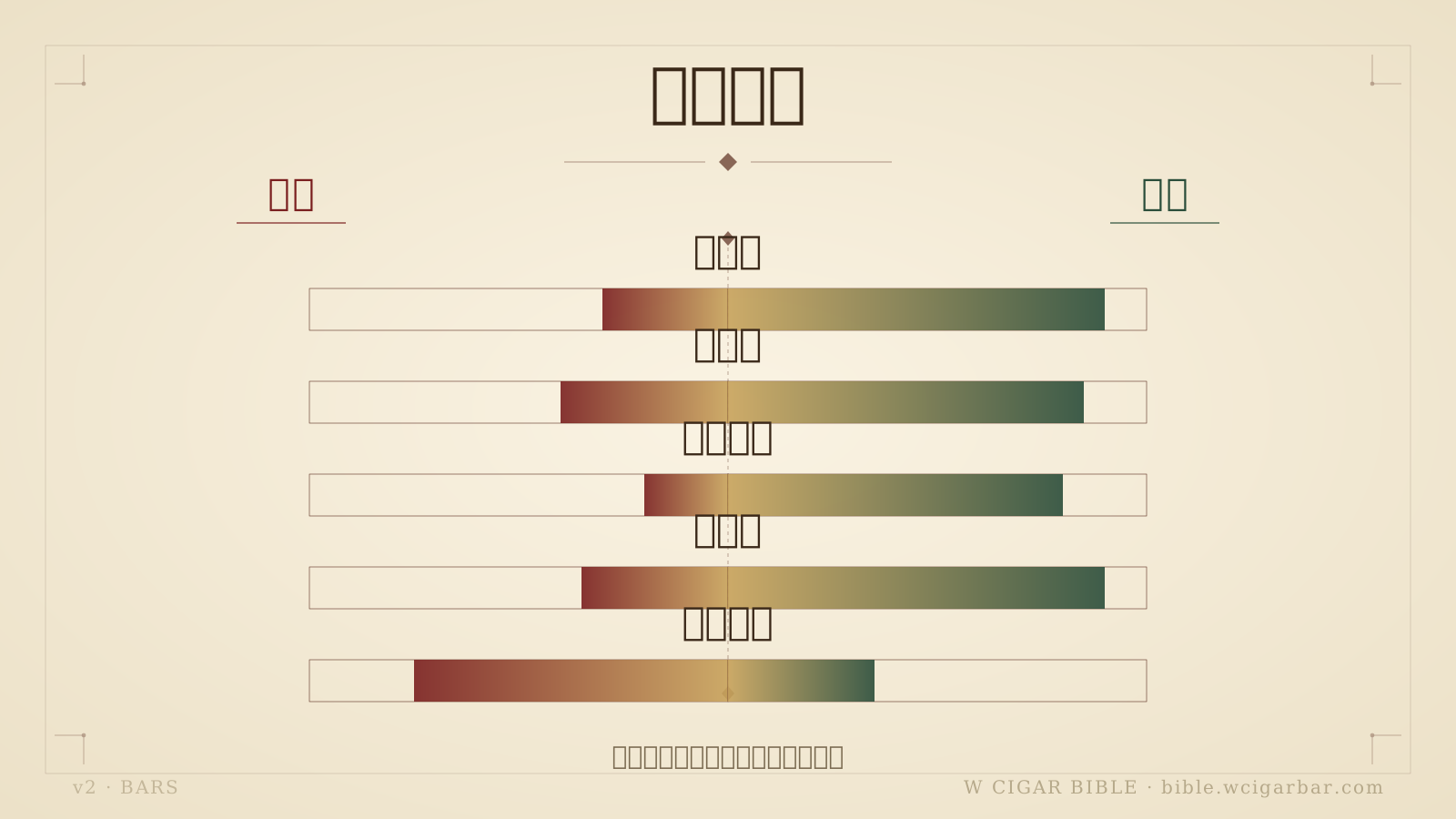
長條圖比較記憶派與日誌派在細節回顧和偏誤上的差異
Use Preservation Data to Correct Taste Bias
The advanced aspect of a cigar journal is incorporating humidity and temperature into judgments. Many think poor flavor is the cigar's issue, but I've seen many cases where storage conditions interfere. Generally, long-filler handmade cigars are commonly stored at 62% to 69% relative humidity, with temperatures around 18°C to 21°C; however, different wrapper thicknesses, sizes, and personal smoking rhythms will make the optimal point different.
For example, Nicaraguan Maduro types, like My Father Le Bijou 1922 or Liga Privada No.9, if humidity is high, tend to burn slowly, produce heavy smoke, and increase bitterness in the final section. Conversely, some more delicate Cuban Marevas sizes, if stored too dry, may have quickly dissipating aromas in the initial section and thinner smoke quality. If the journal also records humidity, "dislike" can be broken down into "unsuitable for this condition."
Truly mature taste is knowing whether you're evaluating the cigar or the storage conditions. I recommend recording the highest, lowest, and average humidor humidity monthly, noting whether using an electronic hygrometer, Boveda 65% or 69%, or traditional humidification systems. After six months of data accumulation, you'll start seeing your preferred humidity curve.
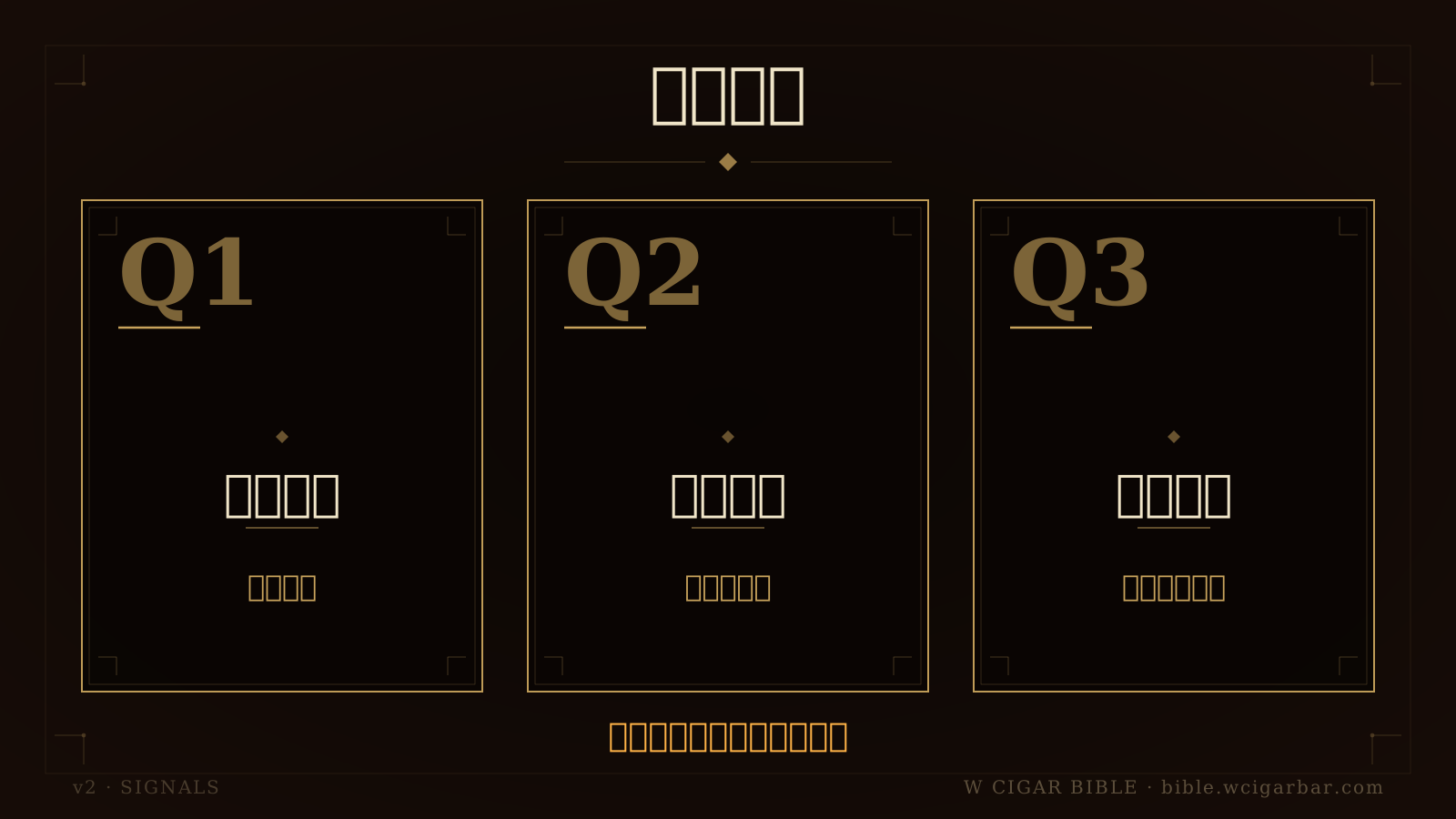
三張問答卡回答工具選擇紀錄頻率與回顧週期
From Personal Preference to Collection Strategy: Let Data Remind You
When a journal accumulates over 50 cigars, it becomes the foundation for personal purchasing and collection strategy, not just a taste record. You might find you thought you liked high intensity, but high-scoring records often fall on medium intensity, clean-finish cigars; or you might find you often buy Torpedo, but truly high scores are Corona Gorda. This contrast is the most interesting part of the journal.
I once conducted an annual review of my records, categorizing the 120 cigars tasted in 2023 by size. The average score for Robusto was 88.1, Churchill 87.4, Corona Gorda 90.2. This reminded me that it's not that large sizes are bad, but my smoking rhythm and focus time are more suited to 45 to 50 ring gauge, completed within about 90 minutes. Data turns preference from feeling into evidence.
Collection can discuss potential, but it doesn't guarantee appreciation; it still depends on source preservation and market. If you're recording performances of the same model from 2016, 2018, 2020, deciding whether to keep a few more for aging won't rely solely on hearsay. The journal helps you distinguish "I truly appreciate" from "the market is discussing," which is especially important for veterans.
Frequently Asked Questions
Is a paper journal better, or should I use Excel, Notion, or an App?
I prefer "writing feelings on paper, doing statistics electronically." Paper is suitable for quickly jotting down scents, emotions, and transitions during smoking without screen interference; electronic spreadsheets are suitable for later filtering by brand, vintage, size, and score. If you already have over 100 records, Excel or Notion's filtering functions will be very useful.
Do I need to write a complete record for every cigar?
No, but important cigars must be written. For daily use, a simple version can be used, only recording brand, size, humidity, three flavor words, and overall evaluation; for cigars aged over 10 years, limited editions, special vintages, or new batches of familiar brands, use the complete format. Records are not a burden but a way to ensure key experiences are not lost.
Will scores make taste too rational?
There is this risk, so scores must always be accompanied by text. If you only look at 91 or 87, you'll turn cigars into a ranking game; if you add "beautiful almond sweetness in the mid-section, but high temperature in the final section," scores become an index. Art and technique do not conflict; good records preserve both.
How to avoid being influenced by brand names?
The simplest method is to do blind tasting records. Have a friend cover the band, leaving only the size and smoking time, and reveal it after completing the initial and mid-section notes. Many veterans are surprised the first time: they thought they could definitely recognize a brand, but what they consistently identify is often intensity, wrapper, and burn personality.
How often is it most effective to review the journal?
I recommend a small review every 3 months and a major review annually. Small reviews look at recent preference changes, such as whether you prefer 65% humidity or finer ring gauges; annual reviews look at brand, origin, size, and score distribution. When you can see your changes, taste no longer stays in a certain year.
Do old records written roughly still have value?
Yes, and they are very valuable. Even if it only says "smoked in 2017, felt spicy, heavy wood," it can be a starting point for future comparisons. A veteran's journal doesn't aim for initial perfection but for continuity. If you can write more detailed today than five years ago, it means both taste and language are improving.
I've been writing cigar journals for many years and increasingly feel it's like a mirror: on the surface, it records brands, vintages, humidity, and flavors; in reality, it records how you become more perceptive. As the editor of the "Cigar Bible," what I cherish most is not a high score once, but rereading records years later and recalling the quiet, focus, and judgment a cigar once brought.
—Cigar Prince Wilson Tsai
Smoking is harmful to health. Underage smoking is prohibited. Quitline: 0800-636363. This article is intended for adults over the age of 20 as a reference for cigar culture, preservation, and regulatory knowledge, not as an advertisement, promotion, or purchase suggestion for tobacco products.
Like this article?Share with friends
Share this W Cigar Bible piece with friends who want to learn cigar culture, storage, and tasting.
想把這篇文章 化為實踐
雪茄聖經是知識;雪茄文化要在空間裡發生

W Cigar Bar 大安總店資訊
台北大安區 · 雪茄聖經總編輯 Wilson Tsai 主理的雪茄文化空間
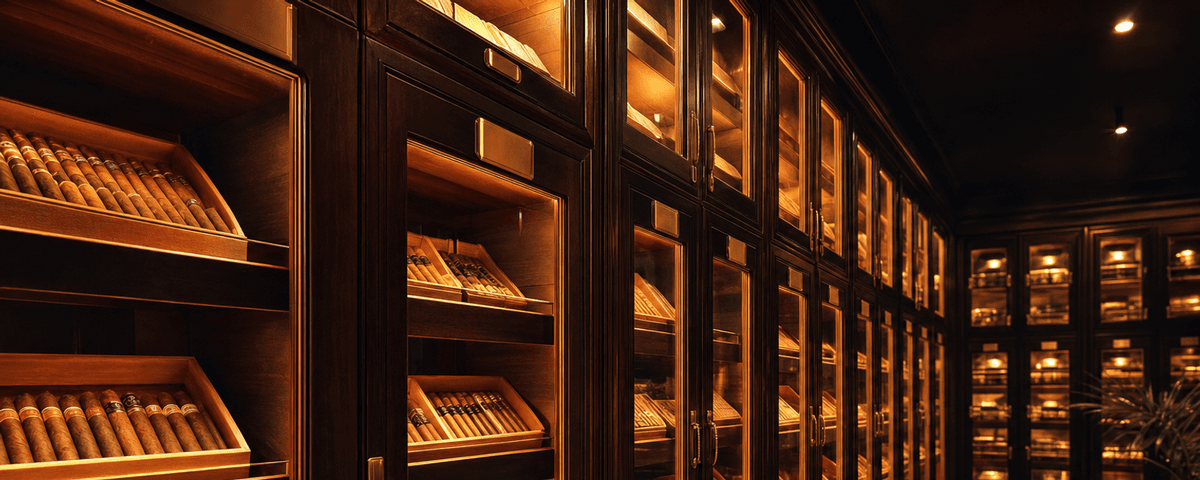
33 座 24 小時恆溫恆濕醇化室
W Cigar Bar 提供的會員醇化空間 · 場地資訊請洽編輯部
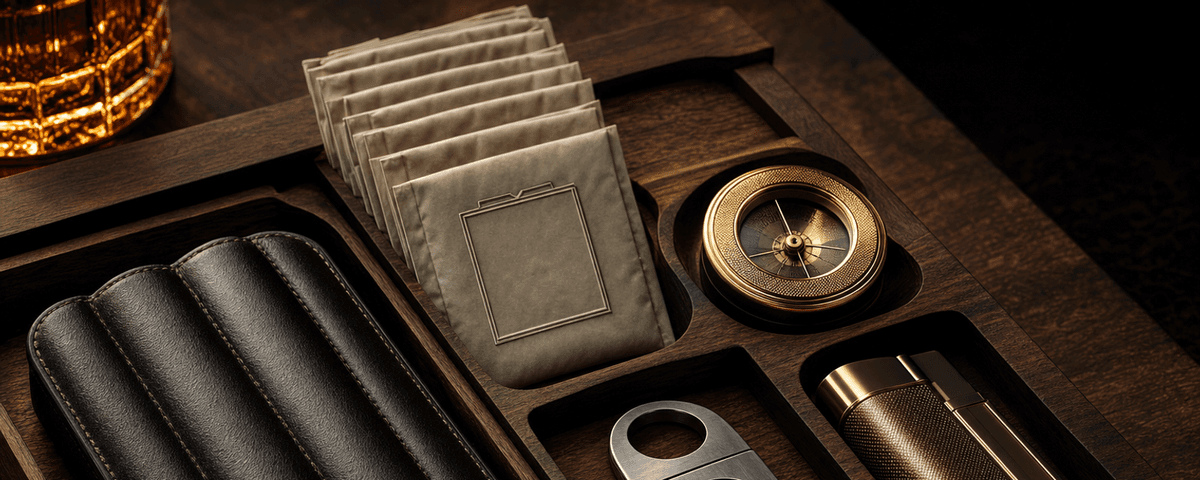
雪茄剪 / 打火機 / 雪茄盒 / Boveda
W Cigar 配件官網 · 專營雪茄配件正品

加 LINE 好友 · 文化諮詢
文化空間資訊 · 紳士沙龍 · 私人包場
本網站內容僅供雪茄文化、歷史、收藏與品吸知識研究參考。菸品有害健康、未滿法定年齡者請勿吸菸。實際規範請依所在地法律為準。
吸菸有害健康・戒菸專線 0800-636363・本站僅供 20 歲以上成年人閱覽。
讀到這裡,你不只是路過的人
留下 Email,加入 W 雪茄聖經內圈——總編輯 Wilson Tsai 親選的學院深文與國際新訊,先你一步送到信箱。
· 教育用途非銷售 · 隨時一鍵退訂 · Email 絕不對外公開 · 由勝茄股份有限公司營運
同分類延伸閱讀


資料來源:W Cigar Bible 編輯部整理 · 雪茄王子 Wilson Tsai 親自審稿
本文僅供雪茄文化、歷史、收藏與品鑑知識研究,不作為菸品促銷、銷售或購買建議。吸菸有害健康,未滿二十歲不得吸菸。