雪茄品鑒與藝術:如何透過視覺和嗅覺提升品味體驗
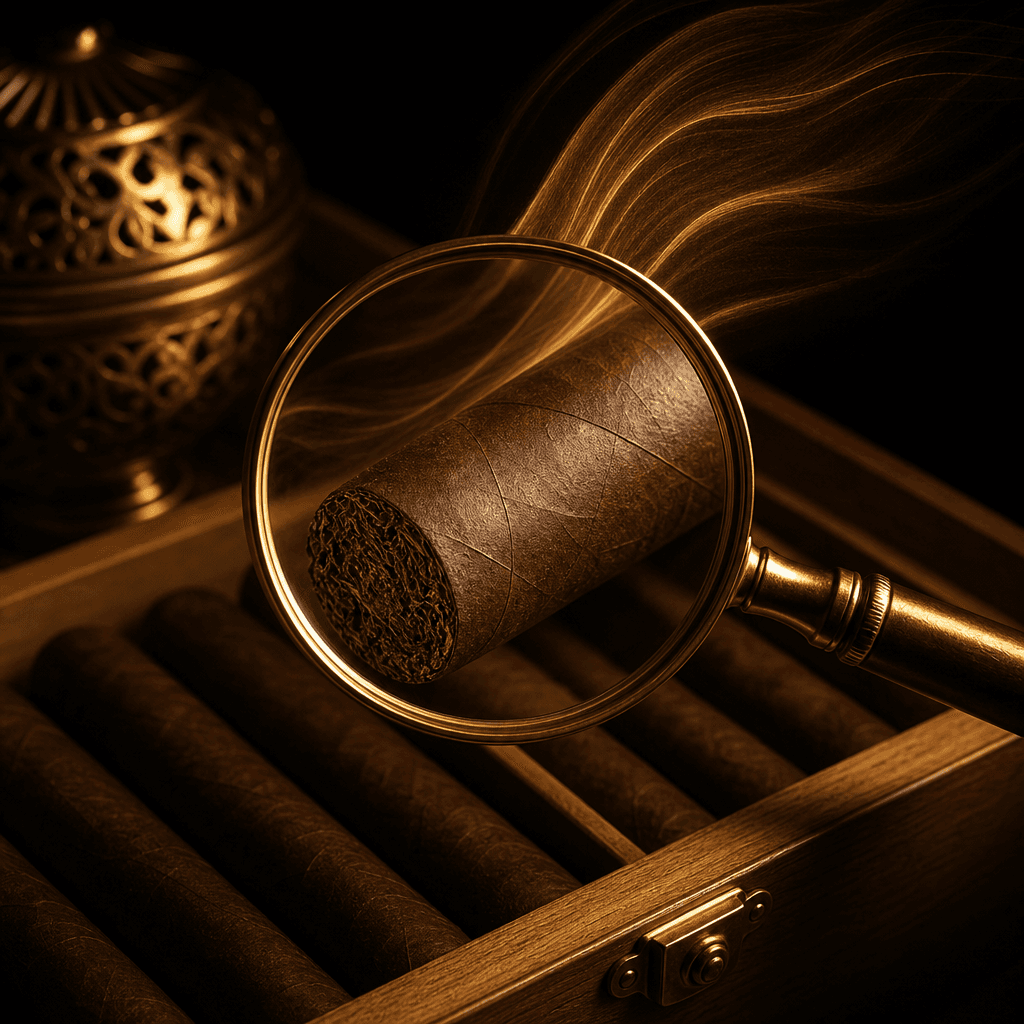
雪茄的品味不僅在於燃燒後的味道,更在於點燃前的觀察與嗅覺體驗。透過觀察茄衣的色澤、油光與葉脈,老手能夠推測雪茄的品質與潛在風味。卷製的手感則直接影響抽吸的流暢度與香氣的釋放。嗅覺方面,分別聞取茄衣的乾香、茄腳香與盒香,能幫助建立更全面的香氣認知。透過詳細的記錄與分析,雪茄愛好者能夠更精確地評估與比較不同品牌與年份的雪茄,提升整體品味體驗。
- 雪茄的品味體驗不僅在於燃燒後的味道,還包括點燃前的視覺與嗅覺感受。
- 茄衣顏色只能提供方向,真正的判斷需結合油脂、彈性與保存狀態。
- 嗅覺評賞中,乾香、茄腳香與盒香需分開讀取,以避免混淆判斷。
Cigar Appreciation and Art: How to Enhance the Tasting Experience Through Visual and Olfactory Senses
The advanced pleasure of cigars has never been just about the taste after lighting. For seasoned enthusiasts, the true distinction lies in the ten minutes before lighting: observing the wrapper, the sheen, the construction, smelling the dry aroma, the foot aroma, and the box aroma, allowing the senses to first establish a map.
As the editor of "Cigar Bible," I often say: visual and olfactory senses are not about ritual, but about judgment. When you can connect color, aroma, humidity, vintage, origin, and brand style, cigars become more than just "good to smoke" or "not good to smoke," they become works that can be read.
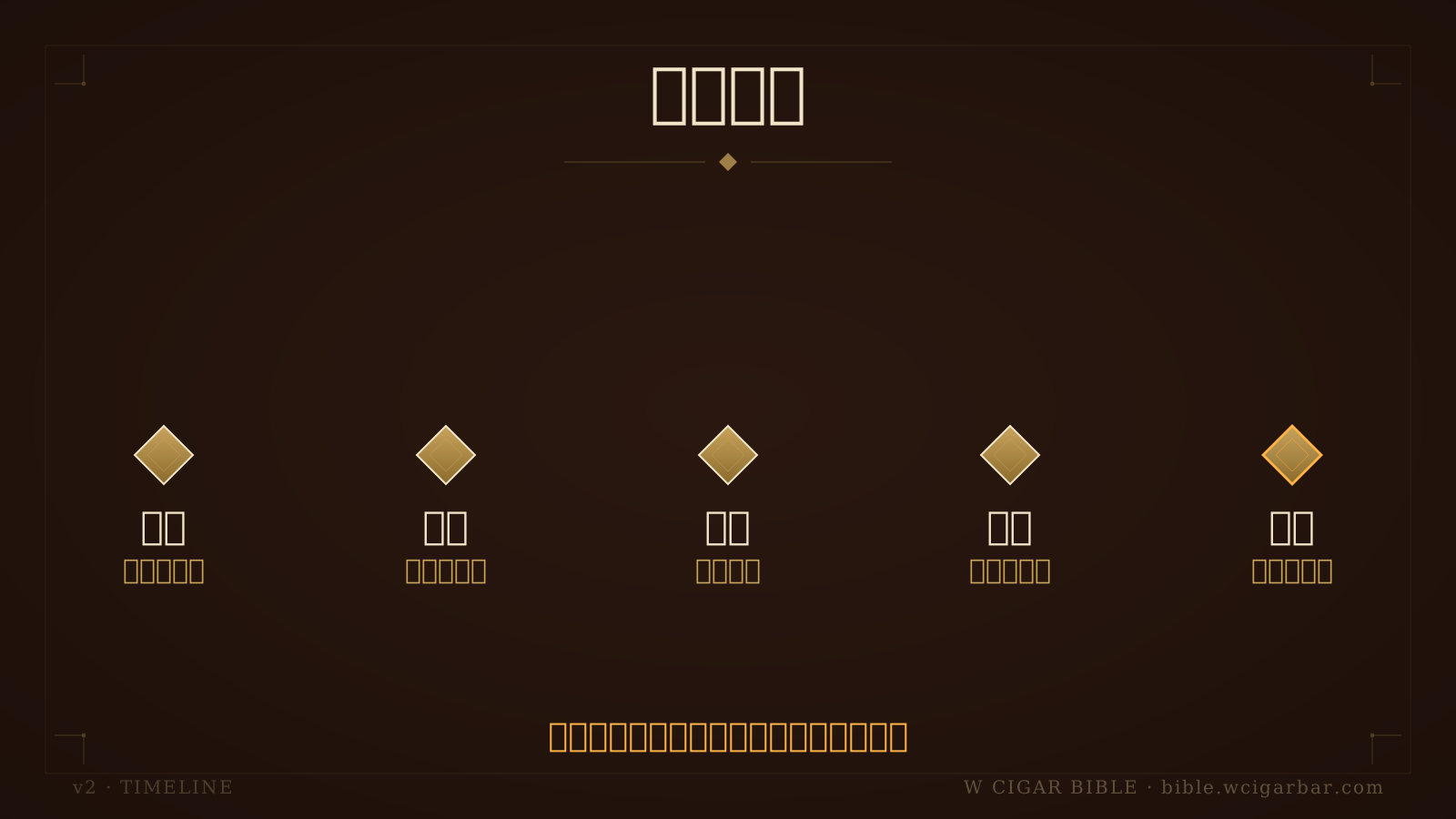
流程圖依序呈現茄衣卷製乾香茄腳與紀錄
First Look at the Wrapper: Color is Not a Guarantee of Strength, But a Clue to Style
Many seasoned enthusiasts infer strength from the wrapper color, for example, intuitively equating Maduro with intensity and Claro with mildness. This approach has reference value but should not be taken as a conclusion. Take the Cohiba Siglo VI, introduced in 2003, for example, often seen with a beautiful Colorado to Colorado Claro hue, visually not deep, yet able to present a depth of honey, hay, cream, and wood interwoven; conversely, some dark Maduro may be smooth due to clean fermentation.
When observing the wrapper, I look at three things: whether the color is even, whether the oil is natural, and whether the veins affect burning. Good sheen is not "wet bright," but like the soft light on old leather or walnut surfaces. If the surface is overly bright and sticky, it may indicate excessive humidity; if the color is dull and lacks elasticity, the storage environment may be too dry. The color of the wrapper can only suggest a direction, true judgment requires looking at oil, elasticity, veins, and storage condition together.
For classic sizes like H. Upmann Sir Winston, Montecristo No.2, Partagás Serie D No.4, there can be visual differences even within the same brand across different years. Some boxes around 2018 may have deeper colors and a more pronounced leather feel; some batches after 2020 may present a cleaner red-brown tone. If seasoned enthusiasts can keep box labels, box codes, and humidity records, looking back years later, they will understand that appearance is actually a note left by time. Those who can read the wrapper are not seeking perfection but understanding the production and storage information it reveals.
Shape, Size, and Construction: Touch is a Preview Before Burning
After the visual inspection, I always use touch to confirm construction. Picking up a Robusto, Toro, or Churchill, I lightly press from the cap to the foot, not squeezing hard, but feeling the density with the fingertips. Good construction feels like a compressed but resilient sponge, too hard may indicate tight draw, too loose may burn too fast, increasing temperature and coarsening aroma. For example, with the 124mm x 50 ring gauge Partagás Serie D No.4, if the middle section is too hard, heat accumulation and uneven burning are common in the latter half.
Size also changes the sensory rhythm. Slim sizes like Lancero have a high wrapper ratio, often concentrating aroma but requiring strict construction; Robusto has a higher margin for error, able to fully express brand personality within 45 to 60 minutes; Churchill is like a long novel, with more pronounced changes in the front, middle, and back sections. Arturo Fuente OpusX, Davidoff Aniversario No.3, Romeo y Julieta Churchill, etc., all show how size affects aroma progression.
I habitually perform a simple inspection process:
- First, check if the cap is neatly finished, with no cracks or lifted edges
- Then, check if the body is straight, with no bulges or dents
- Finally, check if the foot is evenly filled, with no obvious voids
Construction is not just a craft detail, it directly determines airflow, burn line, and aroma purity. If seasoned enthusiasts only look at brand and vintage, ignoring the feel of the current stick, they are giving up the earliest judgment clues. True stable appreciation begins before lighting.
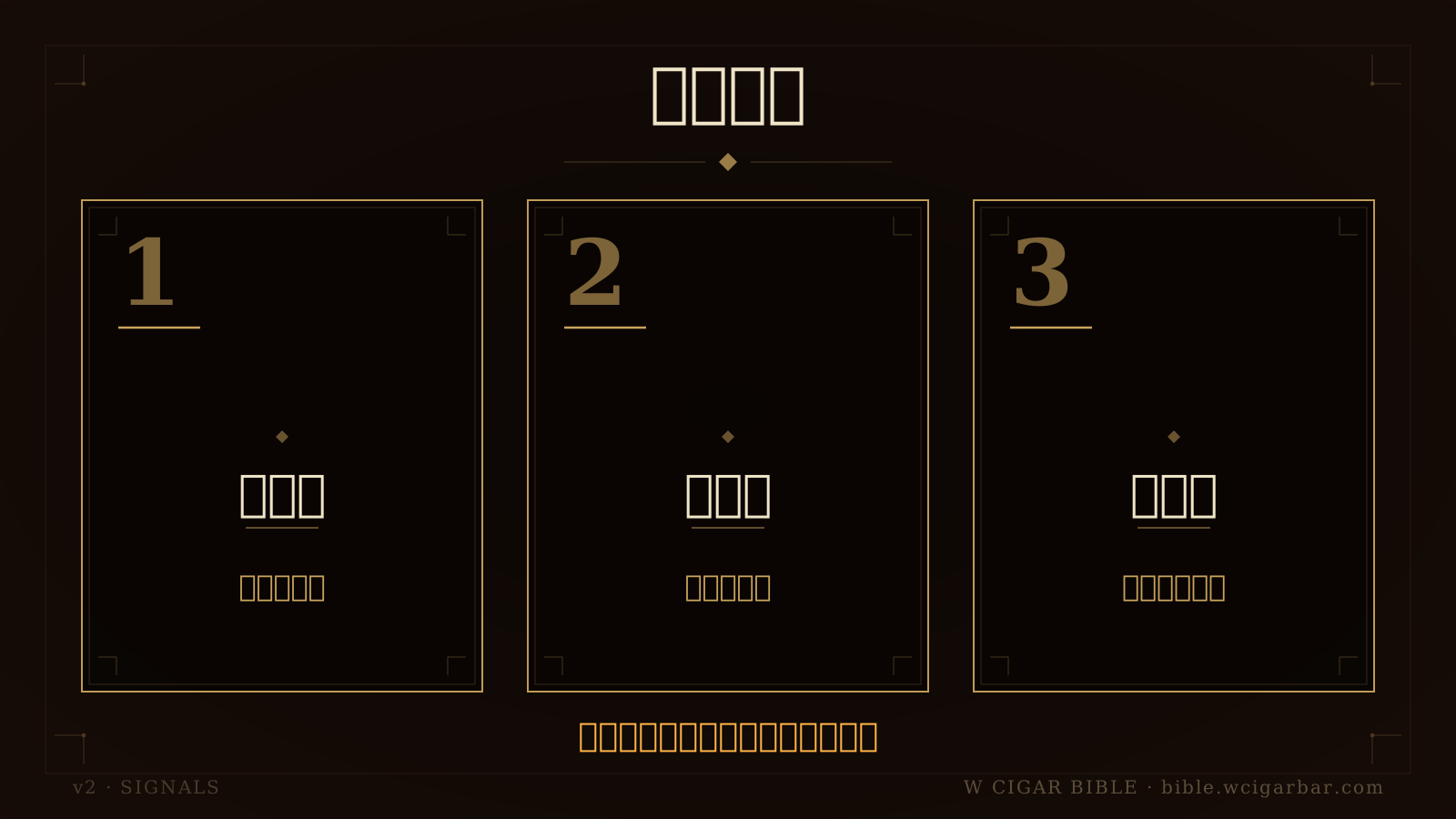
三張卡整理茄衣油脂手感與嗅覺判讀重點
Dry Aroma, Foot Aroma, and Box Aroma: Three Olfactory Entries to Read Separately
Olfaction is the most underestimated ability in cigar appreciation. Before lighting, I smell three times: first the dry aroma of the wrapper, then the foot, and finally the overall aroma in the box or packaging. The dry aroma of the wrapper often provides surface clues like wood, leather, hay, cocoa, and pepper; the foot, with more exposed filler leaves, often reveals more direct sweetness, earth, nut, or spice notes.
Box aroma needs careful interpretation. Take the Cohiba Behike series launched in 2010, for example, many people have a deep memory of the box aroma, describing it as a mix of bean, cedar, cream, and herb; but box aroma includes the wooden box, humidity, storage time, and the interaction of multiple cigars, not equating to the complete performance of a single cigar after burning. Box aroma can suggest storage condition but cannot replace the judgment of the single cigar itself.
I recommend seasoned enthusiasts practice "short sniffs" rather than long inhales. Bring the nose close to the foot about 1 to 2 cm, inhale lightly for half a second, three times in succession is more effective than one deep inhale. In between, smell clear water, the back of the hand, or unscented paper to reset the olfactory sense. Dry aroma looks at the surface, foot aroma looks at the core, box aroma looks at the environment; reading them separately prevents mixed judgment.
If you smell obvious ammonia, mold, wet cardboard, or pungent sourness, be alert. Ammonia sometimes comes from youth or insufficient fermentation, mold may relate to storage. Do not rush to convince yourself with brand aura; olfaction often detects problems earlier than reason. Advanced taste is not about describing aroma lavishly, but discerning which aroma is trustworthy.
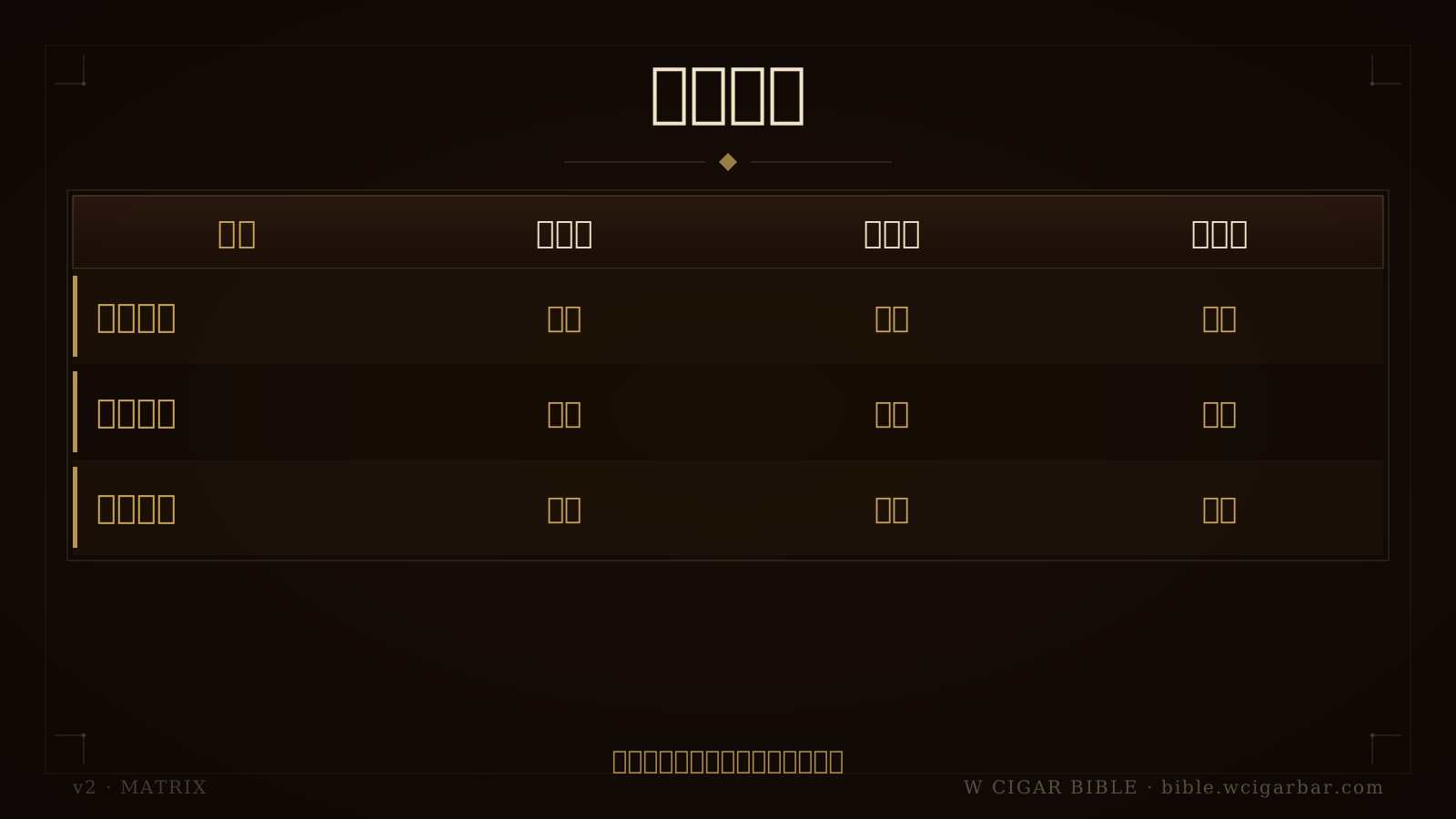
矩陣比較細長型羅布圖與丘吉爾的感官差異
Aroma Vocabulary: Turning Feelings into Comparable Language
Among seasoned enthusiasts, the most feared phrases are "very smooth," "very fragrant," "very strong." These words are not wrong but provide too little information. My approach is to divide aromas into several families: wood, nut, sweetness, spice, soil, floral, fermentation, mineral. Each time I appreciate, I only focus on 3 to 5 main axes, without forcing to list a dozen flavors, otherwise imagination becomes busier than olfaction.
The following table is my commonly used visual and olfactory comparison method, suitable for recording different systems of cigars like Cohiba, Montecristo, Davidoff, Padrón, My Father, Oliva. Brand styles differ, but recording methods can be consistent, so when looking back a year later, there is a basis for comparison.
| Observation Item | Possible Clue | Advanced Judgment |
|---|---|---|
| Wrapper Sheen | Storage Humidity, Leaf Maturity | Soft light is usually more ideal than wet bright |
| Color Uniformity | Fermentation and Grading Status | Small color difference does not necessarily mean better flavor |
| Foot Dry Aroma | Core Style of Filler Leaves | Often closer to the main tone after burning than the wrapper |
| Box Aroma | Storage Environment and Overall Box Condition | Can be referenced, but not directly concluded |
| Cold Draw Flavor | Draw Resistance and Front Aroma Hint | Needs to be judged with construction |
The purpose of aroma vocabulary is not to show off, but to preserve, compare, and correct each experience. For example, you record that the 2019 box code of Montecristo No.2 has cocoa, coffee, dry wood, and slightly sour dried fruit; by 2024, if the sourness decreases, wood becomes rounder, sweetness more stable, you can understand the direction brought by aging, rather than just relying on impression saying "seems more mature."
I would recommend using a 100-point scale along with three text fields: first impression, most memorable aroma, and whether willing to evaluate again under the same conditions. Scores are easily influenced by mood, but words can leave details. When you have notes on more than 50 sticks, brand preference becomes structured judgment rather than just feeling.
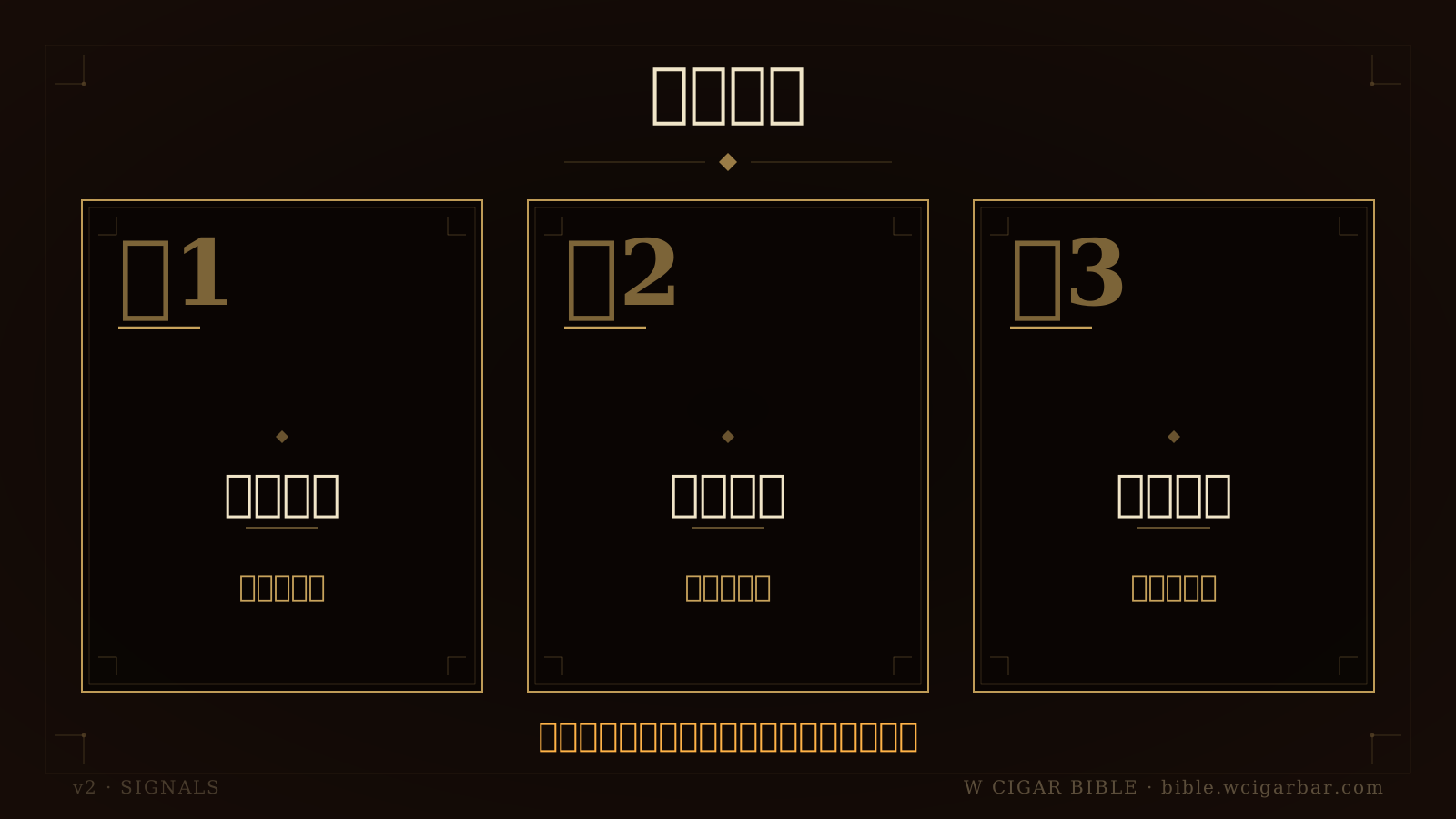
三張錯誤觀念卡提醒油亮深色與盒香不可單看
Humidity and Olfaction: Differences of 65%, 69%, 72% Are Not Trivial
Cigar storage humidity greatly affects olfaction. Many people take 70% relative humidity as the standard answer, but I prefer to adjust according to brand, origin, and size. Cuban cigars often perform more clearly between 65% and 68%, with stable burn lines, wood and floral notes more easily unfolding; new world cigars that are thicker and have strong oiliness sometimes retain sweetness and smoke volume better between 68% and 70%.
Using 69% Boveda or similar two-way humidity control packs is a safe middle value for most home humidors. But if you are appreciating thin ring gauges like Lancero, Panetela, high humidity will make draw and burn sensitive; for large sizes over 60 ring gauge, too dry can lead to early spiciness and heat in the latter part. I usually recommend a temperature of 16 to 20°C, long-term above 24°C increases the risk of pests and aroma dulling.
Olfactorily, cigars with high humidity often have a wet wood, stuffy sweetness, thick smoke but aroma not opening feeling; too dry tends to have sharp wood spikes, early spiciness, thin smoke. Humidity does not only affect burning, it changes the shape of the aroma you smell. The same Padrón 1964 Anniversary, under 65% and 72%, the front cocoa sweetness and pepper performance can differ greatly.
For comparison, let cigars stabilize at the target humidity for at least 14 to 21 days, do not change humidity today and make a judgment tomorrow. The most common mistake seasoned enthusiasts make is mistaking storage fluctuations for brand fluctuations. When storage conditions are stable, visual and olfactory senses qualify as reliable tools.
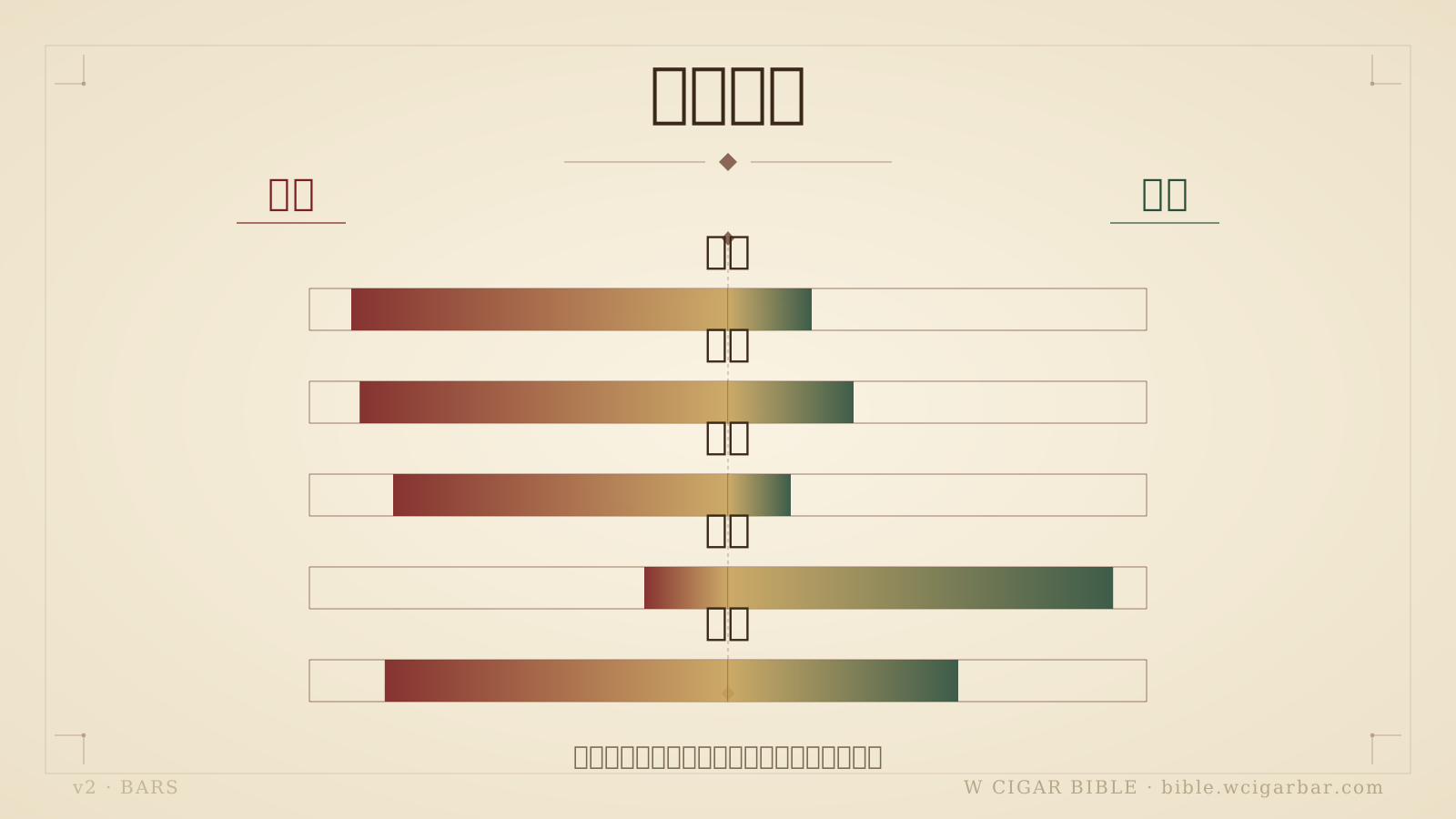
長條圖比較點燃前與點燃後在五項感官軸線差異
Cold Draw Before Lighting: The Final Calibration After Visual and Olfactory
The cold draw after cutting the cap is the last calibration point before lighting. I first check the draw resistance, the ideal state is like drinking a slightly thick milkshake with a straw, with resistance but not laborious. If too tight, it may be a construction, humidity, or cut issue; if too loose, the burn speed may be too fast, reducing aroma concentration. This step is especially important for Pirámide like Montecristo No.2, as the cut size will significantly change airflow.
Cold draw aromas often include hay, nuts, cocoa, wood, raisins, cinnamon, black pepper hints. For example, Davidoff Nicaragua Toro may have sweet pepper, nuts, and faint spice in the cold draw; Oliva Serie V Melanio often shows cocoa, coffee, and sweet wood tones. These aromas may not all continue after burning, but can hint at the possible direction of the front.
The cutting tool also affects judgment. A clean straight cut, direct airflow; a V-cut will concentrate smoke, sometimes enhancing sweetness and spice; a punch is suitable for larger ring gauges, but if the cap structure is tight, it may increase draw resistance. Cold draw is not a formal conclusion, but an integration of visual, tactile, and olfactory into a pre-light judgment.
I usually write three items in my notes: draw resistance score from 1 to 5, main cold draw aroma, and whether there is any uncomfortable odor. If the cold draw already has mold, pungent sourness, or abnormal chemical odor, do not comfort yourself with "it will get better after lighting." Experience tells me that lighting only amplifies the cigar's original state, rarely completely correcting problems that have already appeared.
Source of Artistic Feel: Treating Cigars as Works of Light, Material, and Time
The artistry of cigars comes not only from brand stories but also from the material feel they present in hand. A good wrapper is like leather organized by time, with varying colors, vein directions, and oil reflections changing with angle. When you look at a Hoyo de Monterrey Double Corona, or a long-aged Bolívar Belicosos Finos, you will find it is not a standardized industrial product, but a work completed by agriculture, fermentation, construction, and storage.
Visual appreciation can borrow from art observation methods. First look at the overall proportion, then the surface texture, and finally the detail flaws. Do not start by looking for flaws, or you will lose the overall style; do not overlook flaws because of brand name, or you will lose judgment. Like the limited editions and regional editions that many collectors focused on between 2014 and 2016, appearances are often very charming, but storage condition still determines the final performance.
Olfaction also has artistic levels. Aroma is not a list, but a composition: main aroma is like the center of the picture, background aroma like shadow, transitional aroma like light source. Cohiba's grass, cream, and bean aroma, Partagás's earth, leather, and spice, Davidoff's clean wood and elegant sweetness, all have their own composition logic. True taste is not pursuing the most aromas, but understanding how aromas are arranged, advanced, and concluded.
When it comes to collection value, I always remind: rare box codes, special vintages, discontinued models, or well-preserved limited editions may indeed attract market attention, but do not guarantee appreciation, still depending on source preservation and market. Cigars are first sensory works, then collection targets. Seeing them only as price misses their most delicate artistry.
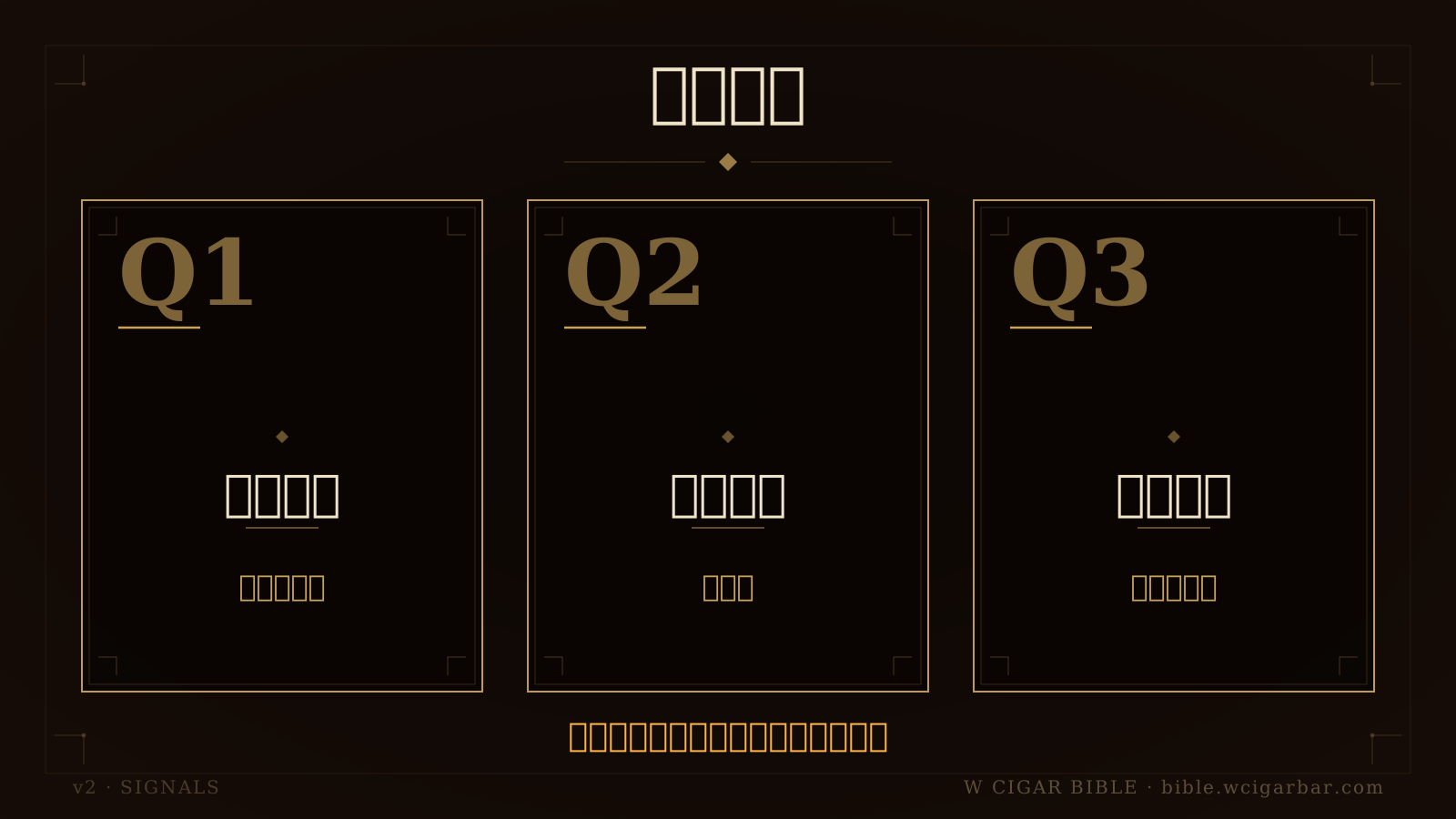
問答卡精簡回答油光深色與氨味三個評賞問題
Establishing a Seasoned Enthusiast's Note System: Making Each Appreciation Return to Evidence
The most important step for seasoned enthusiasts to advance is to establish their own recording system. Do not only record brand and score, at least record date, temperature, humidity, box code or vintage, size, cutting method, lighting method, front, middle, and back aroma, burn condition, and overall impression. For example, evaluating a Trinidad Fundadores in 2022, if you only write "elegant," it has almost no reference value a year later; if you write "65% humidity, straight cut, front hay and honey, middle wood and floral, back slight pepper," it can be compared.
I divide appreciation into three time points: before lighting, during burning, after finishing. Before lighting, write visual and olfactory; during burning, record changes every third; after finishing, only write the final judgment. This can avoid early surprises affecting the overall score and see if a cigar has a complete structure. Many high-scoring cigars are not strongest at the first puff, but remain clean, varied, and without off-flavors after 60 minutes.
Suggested fields are as follows:
- Appearance: color, sheen, veins, cap
- Touch: elasticity, hard spots, draw resistance
- Olfaction: dry aroma, foot aroma, cold draw
- Burning: burn line, ash column, temperature
- Conclusion: whether there is vintage character, whether worth tracking again
Without records, experience becomes legend; with records, taste accumulates into method. When you accumulate over 100 entries, you will see whether you truly like cocoa sweetness, woodiness, floral, earth, or clean creamy texture. At that time, choosing cigars is no longer just following ratings, but returning to your own sensory system.
Frequently Asked Questions
Does a shinier wrapper mean better quality?
Not necessarily. Natural sheen usually indicates good leaf condition and storage, but overly wet brightness may indicate high humidity. Judgment should consider elasticity, aroma, and burn expectation. Sheen is a bonus clue, not a standalone conclusion.
Will dark Maduro be stronger than Colorado?
Not necessarily. Maduro often carries cocoa, coffee, molasses, or ripe fruit notes, but strength also depends on origin, fermentation, filler, and brand blend. Cohiba, Padrón, Fuente, Oliva's dark wrappers each have different styles.
If dry aroma smells of ammonia, does it mean it can't be appreciated?
Ammonia may indicate the cigar is still young, fermentation not fully stable, or storage environment not ideal. If the smell is mild, it can be observed for a while; if pungent, it is not suitable for serious evaluation.
Is it normal for cold draw aroma and post-lighting to differ greatly?
Normal. Cold draw is a scent clue in an unlit state, post-lighting adds burning temperature, smoke concentration, and caramelization changes. Cold draw can predict direction but cannot replace full appreciation.
Should seasoned enthusiasts use scores or text records?
Both are fine, but text is more important. Scores facilitate comparison, text can leave reasons. When using scores like 90, 92, also write appearance, olfaction, burning, and back performance, otherwise scores lose context.
How long does it take for cigar aging to show significant change?
Depends on brand and storage. Generally, 6 to 12 months can show differences after humidity stabilizes, 3 to 5 years may show more rounded wood, sweetness, and spice integration. But each cigar's condition is different, cannot be concluded only by vintage.
For me, visual and olfactory senses are the most fascinating entry into the cigar world. They allow us to read traces of land, craft, time, and preservation before the flame. The true freedom of seasoned enthusiasts is not owning the most brands, but quietly understanding what a cigar wants to say before it is lit. —Cigar Prince Wilson Tsai
Smoking is harmful to health. No smoking under the age of 20. Quitline: 0800-636363. This article is for reference by adults over 20 years old regarding cigar culture, preservation, and regulations, not a tobacco advertisement, promotion, or purchase suggestion.
Like this article?Share with friends
Share this W Cigar Bible piece with friends who want to learn cigar culture, storage, and tasting.
想把這篇 化為實踐
雪茄聖經是知識;雪茄文化要在空間裡發生
W Cigar Bar 大安總店資訊
台北大安區 · 雪茄聖經總編輯 Wilson Tsai 主理的雪茄文化空間
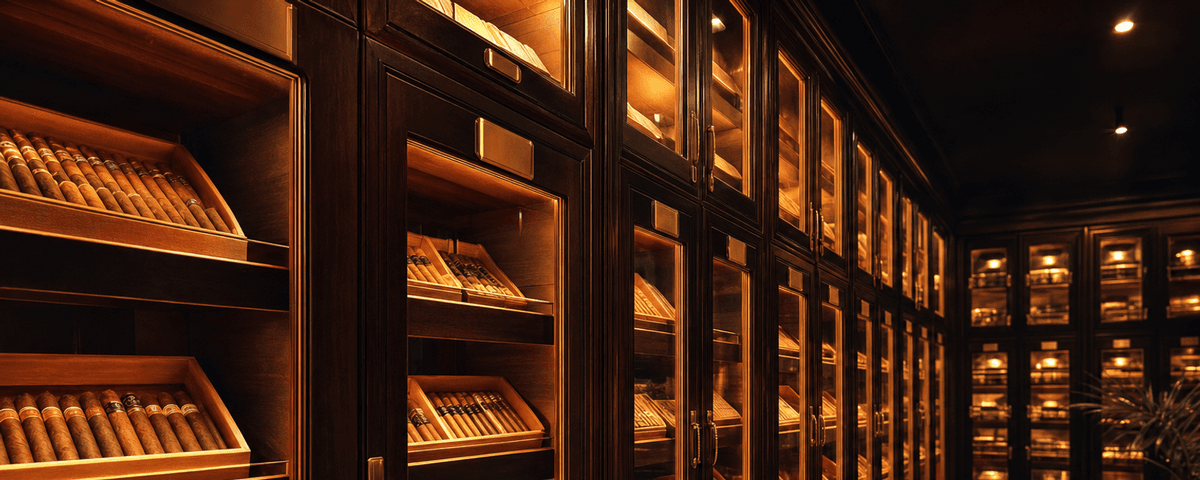
33 座 24 小時恆溫恆濕醇化室
W Cigar Bar 提供的會員醇化空間 · 場地資訊請洽編輯部
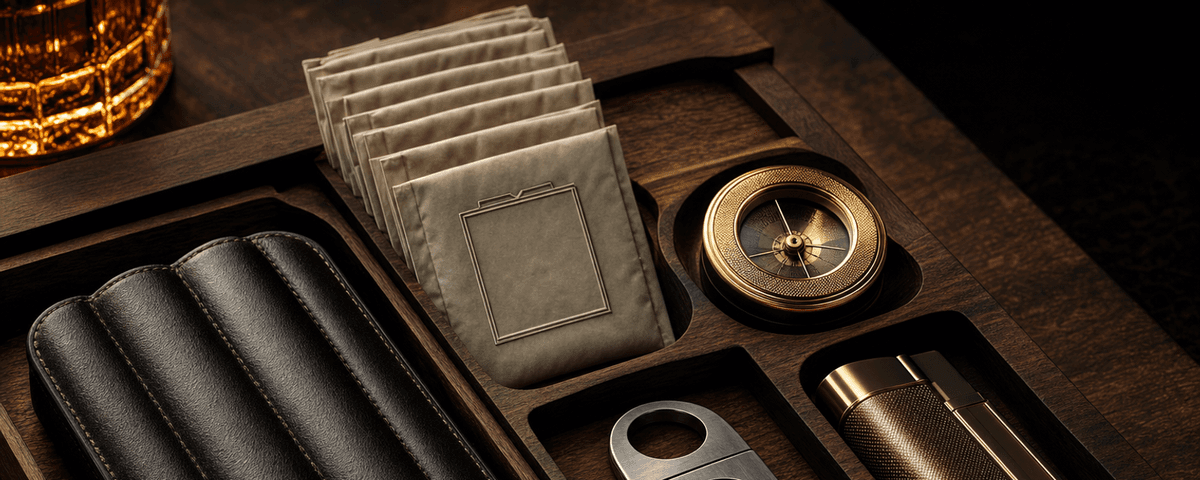
雪茄剪 / 打火機 / 雪茄盒 / Boveda
W Cigar 配件官網 · 專營雪茄配件正品
加 LINE 好友 · 文化諮詢
文化空間資訊 · 紳士沙龍 · 私人包場
本網站內容僅供雪茄文化、歷史、收藏與品吸知識研究參考。菸品有害健康、未滿法定年齡者請勿吸菸。實際規範請依所在地法律為準。
吸菸有害健康・戒菸專線 0800-636363・本站僅供 20 歲以上成年人閱覽。
讀到這裡,你不只是路過的人
留下 Email,加入 W 雪茄聖經內圈——總編輯 Wilson Tsai 親選的學院深文與國際新訊,先你一步送到信箱。
· 教育用途非銷售 · 隨時一鍵退訂 · Email 絕不對外公開 · 由勝茄股份有限公司營運
同分類延伸閱讀
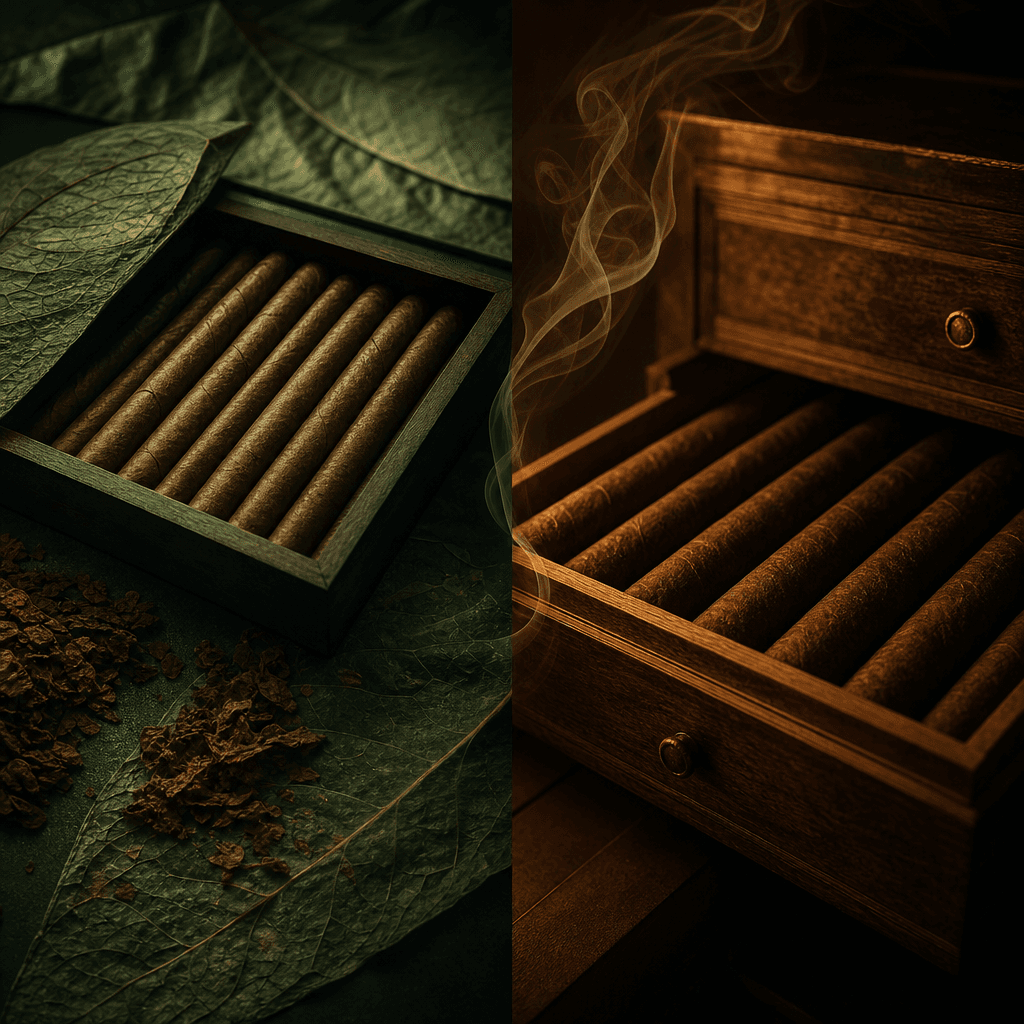
資料來源:W Cigar Bible 編輯部整理 · 雪茄王子 Wilson Tsai 親自審稿
本文僅供雪茄文化、歷史、收藏與品鑑知識研究,不作為菸品促銷、銷售或購買建議。吸菸有害健康,未滿二十歲不得吸菸。