雪茄的品鑒藝術:從品味到文化的深度探索

雪茄的品鑒藝術是一門結合感官與文化的深奧技藝。從香氣、甜感到餘韻,入門者需學會分段觀察,並用具體的語言描述每一口的變化。品評不僅依賴記憶,更需可重複的紀錄,幫助建立個人的感官地圖。點燃前的觀察與冷抽是尊重工藝的第一步,而火焰的控制則是風味的關鍵。了解雪茄的歷史與社交禮儀,能讓品味更具深度,並在享受中兼顧他人的舒適。透過這些方法,雪茄品味將不再只是嗜好,而是一種文化的體驗。
- 雪茄品鑒需建立可重複的觀察方法,分段評估香氣、甜感、苦感等細節。
- 點燃前的觀察包括外觀、觸感與冷香,這是對工藝的尊重。
- 品味進步來自可比較的紀錄,累積筆記後可了解個人偏好。
The Art of Cigar Appreciation: A Deep Exploration from Taste to Culture
The art of cigar appreciation is not just about distinguishing wood, leather, nuts, or cocoa, but also about understanding how a cigar is shaped by land, craftsmanship, time, and occasion. Beginners usually know "do not inhale, savor slowly," and the next step is to establish a repeatable and comparable observation method.
As the editor of "Cigar Bible," I often view cigars as a story with a beginning, a twist, and a conclusion. Knowing how to record, understand etiquette, and respect others' space can make each lighting not just a relaxation but a profound cultural practice.
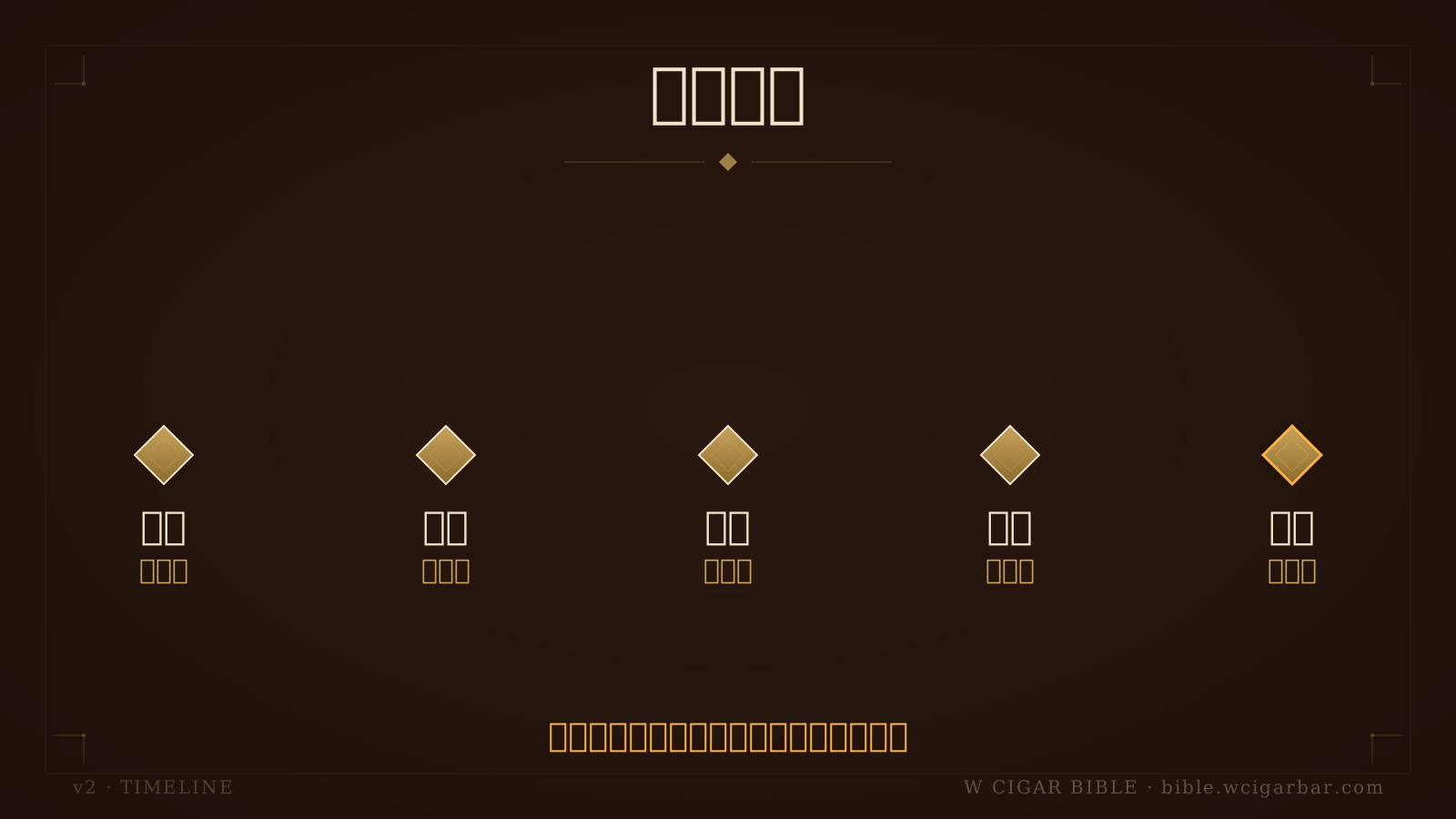
時間線呈現外觀冷香冷抽點燃與慢速觀察流程
Starting with a Sensory Map: Breaking Down "Good Smoke" into Describable Details
Many people say a cigar is "smooth" or "strong," but when truly evaluating, feelings should be broken down into several layers: aroma, sweetness, bitterness, spiciness, mouthfeel, length of aftertaste, and burning condition. For a common Robusto size, with a ring gauge of about 50 and a length of about 124 mm, it usually shows complete changes within 45 to 70 minutes, making it suitable for beginners to practice segmented observation.
Good evaluation is not about chasing fancy adjectives, but about clearly describing and remembering each change. I suggest dividing a cigar into three sections: the first section to see if the initial aroma is clean, the middle section to see if sweetness and body unfold, and the last section to see if spiciness, tar, and balance are out of control. Classics like Montecristo No.4 are often used to practice identifying the interplay of coffee, wood, cocoa, and mild spice.
When recording, don't just write "good" or "bad"; you can use a scale of 1 to 5 to mark burning, draw resistance, aroma clarity, and aftertaste. If comparing two different brands on the same day, such as Partagás Serie D No.4 and Hoyo de Monterrey Epicure No.2, you'll find the former often gives a more substantial, peppery, and earthy impression, while the latter is softer, with prominent creamy and woody sweetness.
Progress in taste comes from comparable records, not vague impressions in memory. After accumulating notes on more than 20 cigars, you will gradually know whether you prefer classical richness, refreshing floral scents, or cocoa and roasted tones. This personal sensory map is the foundation for choosing sizes, brands, and occasions in the future.
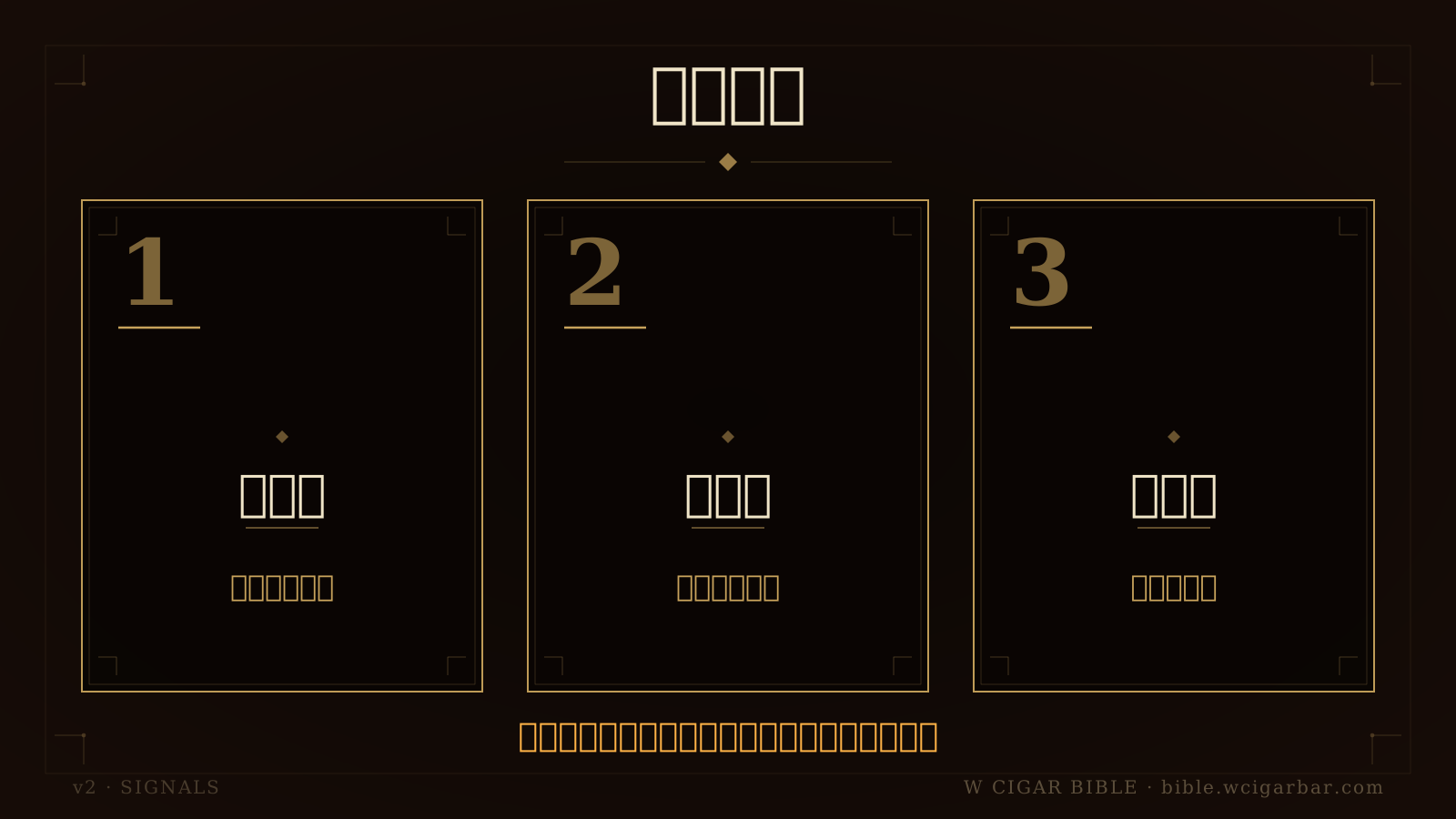
三張卡片呈現感官拆解分段記錄與場合尊重
Before Lighting: Observing Appearance, Texture, and Cold Aroma
True evaluation begins before the flame appears. When picking up a cigar, first check if the wrapper color is even, if the sheen is natural, and if the veins are too coarse. Then gently press the entire body with your fingertips to check for obvious voids or overly hard areas. These details do not guarantee flavor quality but are often related to burning stability.
Taking the example of Cohiba, born in 1966, its iconic image often leads beginners to over-expect; but even with famous brands, judgment should return to the state of a single cigar. Before cutting, you can smell the foot and body of the cigar, where cold aromas may include hay, honey, cedar, grains, leather, or fermented sweetness. If there is a pungent ammonia smell or wet cardboard smell, it usually indicates that storage or condition needs to be re-examined.
Observation before lighting is the first round of respect for craftsmanship and storage condition. When cutting, double-bladed scissors, V-cuts, and punch cuts each have their uses; most people use a straight cut for Robusto, while Churchill's longer sizes can adjust the cut size according to draw resistance. Cutting too deep can cause the cap to fall off, while cutting too shallow can make the draw too tight, affecting subsequent judgment.
Beginners often overlook the "cold draw" step, which is to take a few light puffs before lighting to feel the airflow and taste before burning. If the cold draw reveals cedar, raisins, cocoa, or a slight saltiness, it may not be entirely the same after lighting but can establish expectations. The core of evaluation is continuous observation: appearance, cold aroma, cold draw, and post-burning flavor must be cross-referenced.
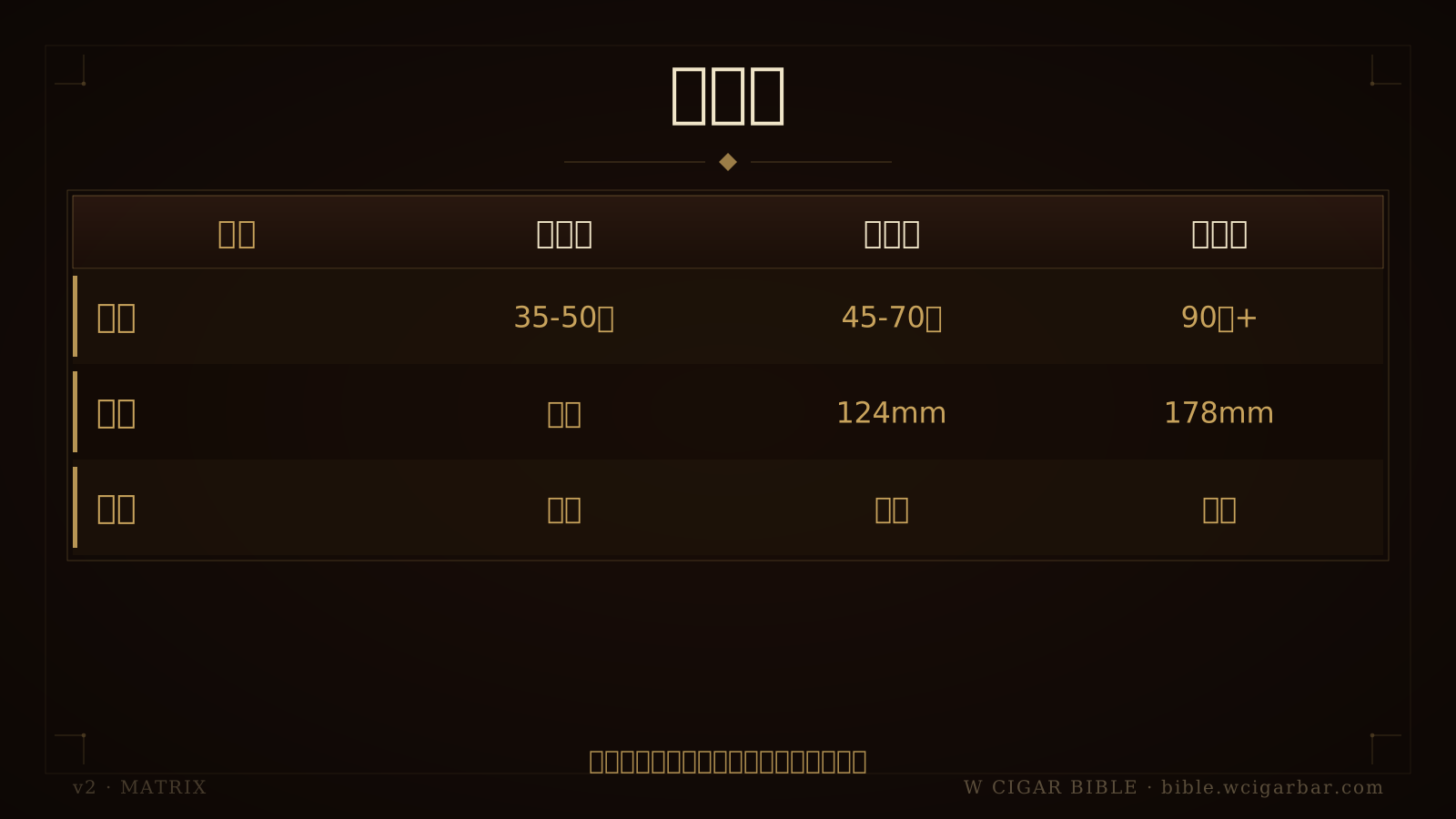
矩陣比較小皇冠羅布圖與丘吉爾的時間長度適合度
Flame, Rhythm, and Ash Line: Technique Can Change Flavor
Cigars fear haste the most. When lighting, I prefer using a flavorless butane lighter or cedar spills, first evenly toasting the foot of the cigar, then slowly rotating it to create an even red dot across the entire cross-section. Do not press the flame directly into the foot for too long, or the first section may carry a burnt bitterness. Generally, taking a puff every 45 to 70 seconds is a more comfortable rhythm for most medium-sized cigars.
If smoked too quickly, the burning temperature rises, and sweetness can be overshadowed by bitterness and spiciness; if left too long, the cigar may extinguish, and relighting can dull the flavor. Many new world brands since the 2000s, such as Padrón, Arturo Fuente, and Oliva, are often noted for their more stable rolling and rich style, but even with the best structure, they cannot withstand a rushed rhythm.
Controlling the flame is not a matter of form but the core technique of flavor control. Observing the ash line is also important: the ideal state is an even burn edge, a solid ash column, and stable smoke output. If one side burns too fast, it may be related to humidity, rolling density, or uneven lighting, which can be slightly corrected with supplemental fire, but there's no need to be anxious every 2 minutes.
- Toast the foot before lighting, don't rush to inhale smoke
- The first 1 cm is most affected by lighting technique, so go slow
- Ash columns about 2 to 3 cm can be gently placed in the ashtray to avoid falling
- Before relighting, clean off loose ash and use a gentle flame
Understanding how to slow down will reveal that the same cigar has three different expressions at 20 minutes, 40 minutes, and the last 10 minutes. A steady rhythm provides a fair basis for taste judgment.
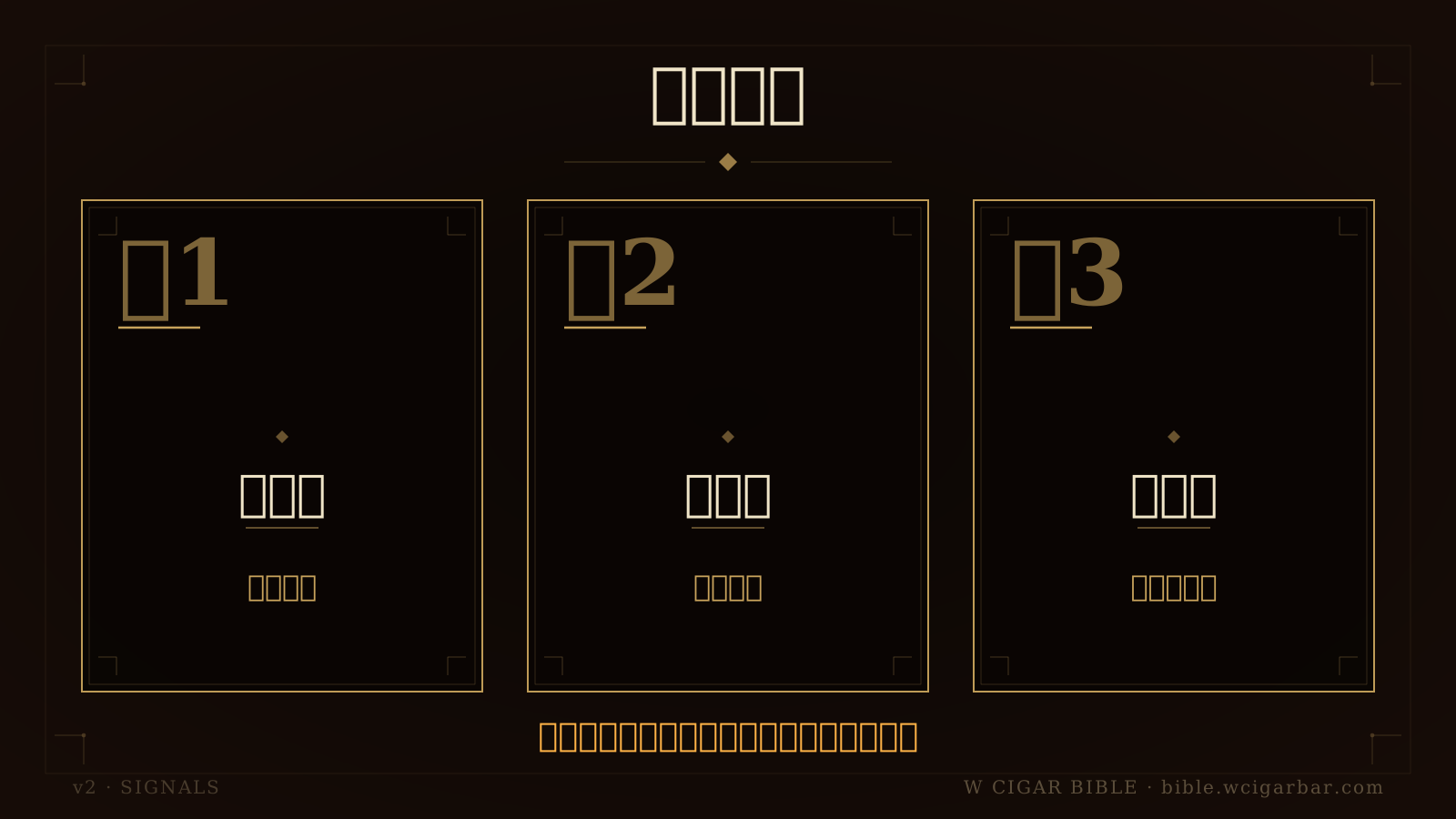
三張卡片提醒硬抽到底先配酒與急著補火的問題
Flavor Language: Training from Wood, Spice to Aftertaste
Cigar flavors are often described romantically, but training requires practicality. The most common aroma families include wood, nuts, coffee, cocoa, leather, earth, hay, spices, cream, floral, and dried fruit. You don't have to identify ten flavors at once; being able to distinguish "sweet or not sweet," "dry or moist," "light or thick," "short or long" is already an important step forward.
The Cohiba Línea 1492 series, launched in 1982, including Siglo I to Siglo V, later joined by Siglo VI, is often used to discuss the relationship between size and flavor development. The same brand in different sizes will have different burning speeds, filler ratios, and wrapper influences; Corona, Robusto, Toro, or Churchill may present completely different rhythms in the first, middle, and last sections.
The purpose of flavor language is not to show off but to accurately convey experience. I often ask beginners to prepare unsweetened black coffee, room temperature water, and plain soda crackers as reference materials, not for pairing, but to train the mouth to recognize bitterness, acidity, saltiness, and dryness. If a cigar reminds you of roasted almonds, you might write "roasted nuts, slightly sweet, 20-second aftertaste."
During evaluation, also pay attention to nasal sensations. The so-called retronasal aroma refers to the aroma perceived through the back of the nasal cavity after smoke lingers in the mouth; no need for large operations, gentle is enough. The brilliance of a cigar often lies not in its concentration but in whether the aroma has layers, whether transitions are natural, and whether the finish is clean. When you can clearly articulate these three points, you are close to mature taste.
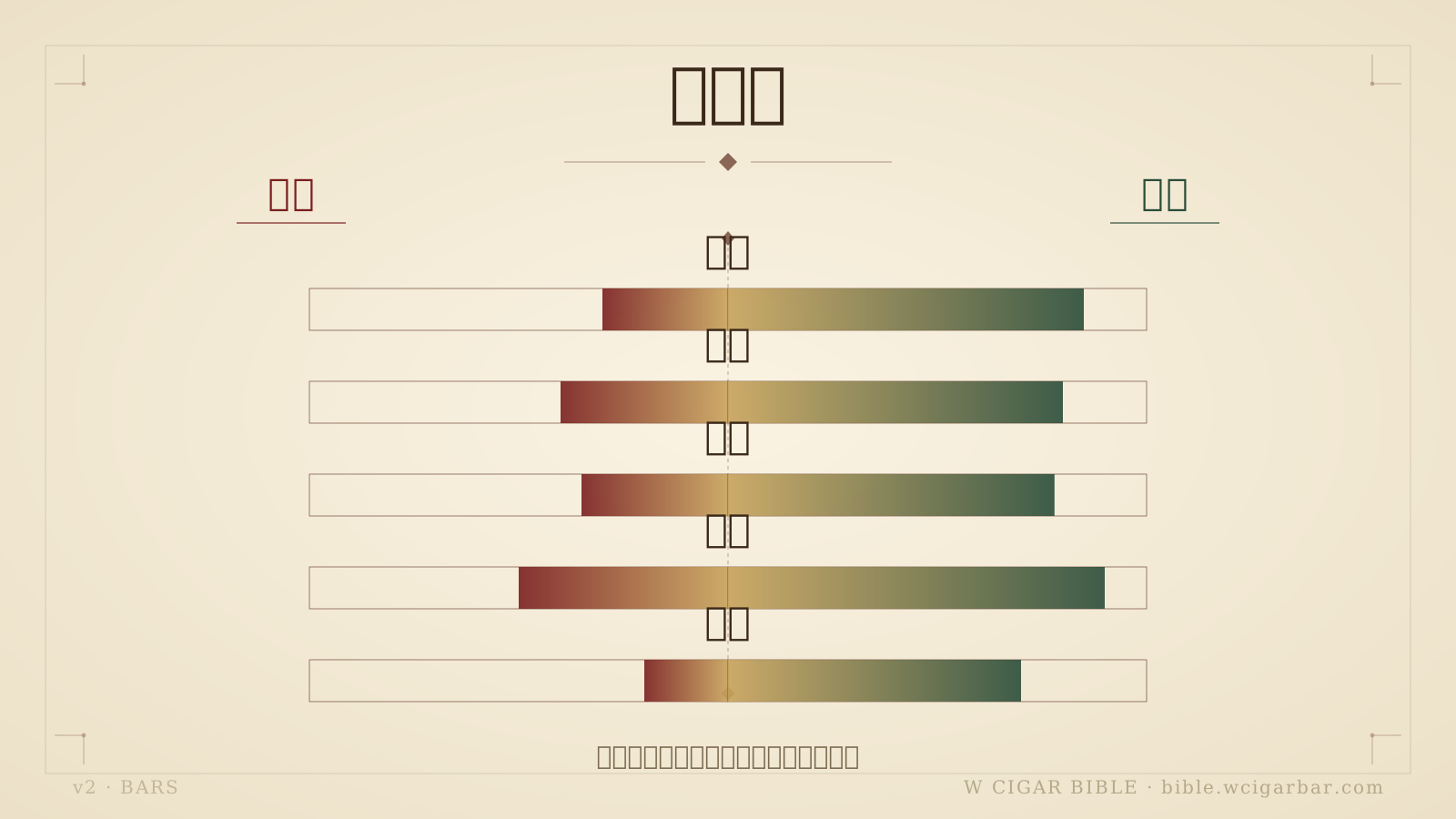
長條圖對比入門與熟手在紀錄節奏辨味禮儀搭配的強度
Cultural Context and Social Etiquette: Gentlemanliness Comes from Discretion
Cigar culture is closely tied to Atlantic trade, colonial history, handcraft agriculture, and metropolitan socializing. After Columbus arrived in the Caribbean in 1492, Europe gradually became acquainted with tobacco; in 1717, the Spanish royal family established a tobacco monopoly system, and the reputation of Havana cigars expanded continuously in the 18th and 19th centuries. Today, when we talk about culture, we cannot only talk about luxury but also see the land, labor, and history.
In social occasions, the first principle of etiquette is to respect others. Do not blow smoke towards others, do not ignore others' feelings in enclosed spaces, and do not wave cigars around. Ashtrays are not decorations, and ash should be properly handled before it falls; when talking, place the cigar between your fingers or on the edge of the ashtray to avoid smoke directly entering others' sight.
True cigar etiquette is not about knowing many brands but about making those around you comfortable. When exchanging with friends, you can talk about size, region, year, storage method, and flavor impressions, but do not use price to pressure others, nor should you present personal taste as the only standard. Some prefer the softness of Romeo y Julieta, while others appreciate the richness of Bolivar; differences are the fun.
Cigars are also often paired with whiskey, rum, coffee, or tea, but pairing is not a formula. Peaty whiskey may overpower delicate floral scents, sweet rum can complement cocoa and spices, and oolong tea can cleanse the palate. Good social taste is about balancing personal enjoyment with others' comfort. Discretion, more than any expensive accessory, shows refinement.
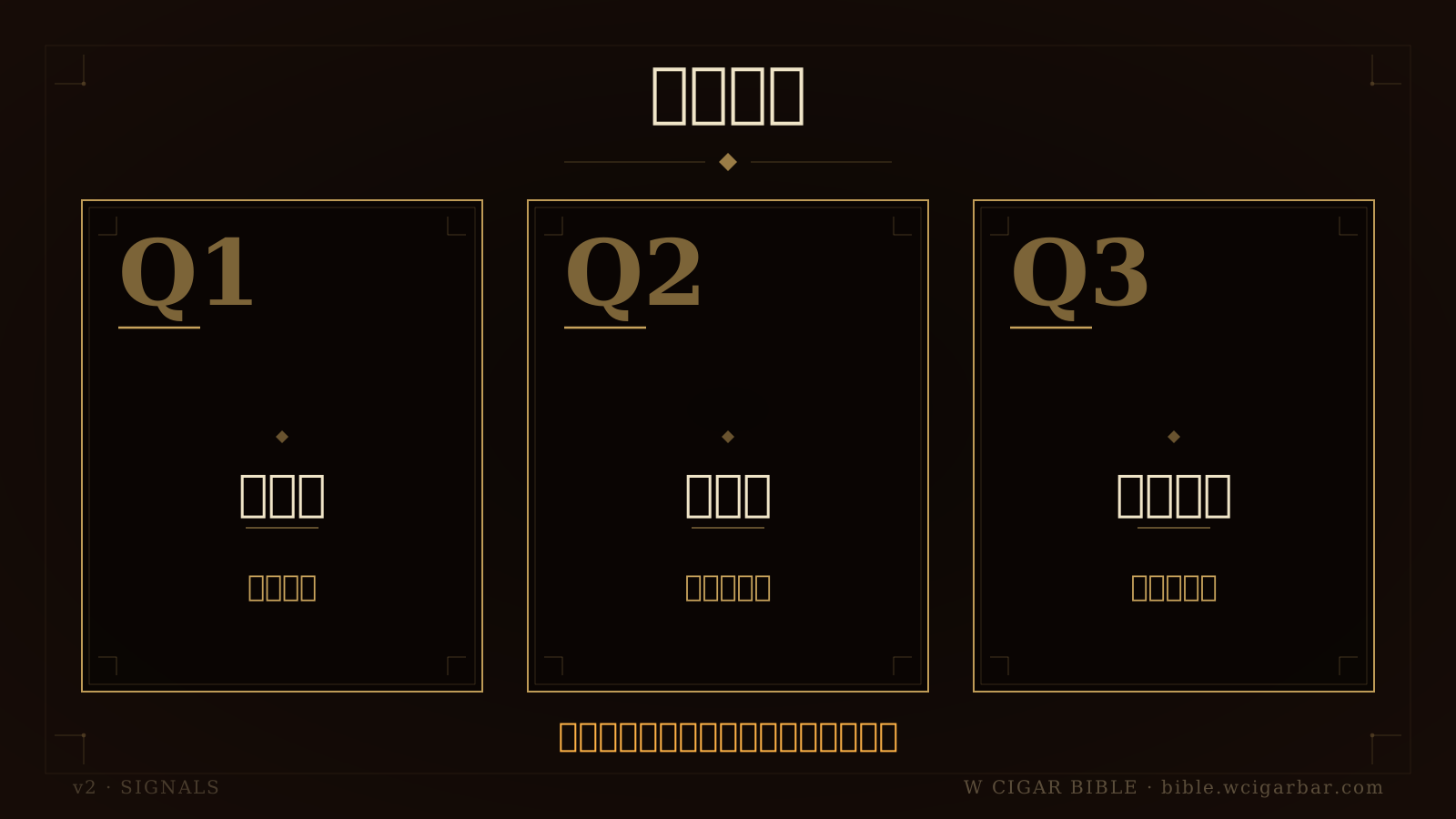
快問快答卡片整理抽到多短尺寸選擇與白點判斷
Storage, Origin, and Aging: The Engineering Behind Flavor Stability
Cigars are living handcrafted agricultural products, and storage directly changes their performance. Most enthusiasts use a relative humidity of 65% to 70% and a temperature of 18°C to 21°C as reference ranges; too high humidity can cause burning to be stifled, draw resistance to tighten, and even risk mold spots; too dry can cause wrapper cracking, sharp smoke, and thin aroma.
Origin is equally important. When choosing, pay attention to authorized import information, box label details, tax stamps, seals, and store storage conditions; if involving Cuban brands, you can also recognize the role of PCC authorized dealers. Collection topics are often tempting, but I want to remind you: collecting for appreciation does not guarantee appreciation, it still depends on source storage and market. Treating cigars as a financial myth can easily overlook the essence.
Stable storage is more important than blindly pursuing vintage, clear origin is more important than beautiful stories. Below is a storage judgment table for beginners to reference:
| Item | Recommended Range or Practice | Possible Issues |
|---|---|---|
| Relative Humidity | 65%–70% | Too humid can stifle, too dry can crack |
| Temperature | 18°C–21°C | Too high increases pest risk |
| Resting Time | 7–30 days | Unstable state after long-distance transport |
| Box Storage Observation | Check every 2–4 weeks | Avoid mold spots and odor accumulation |
Aging is not magic but a process of gradually integrating moisture, ammonia, and aroma structure. Some rich brands become more rounded after 3 to 5 years, but some refreshing styles are best enjoyed when fresher. Judging whether it's worth long-term storage depends on brand, size, original strength, and personal preference, not just the vintage number.
Frequently Asked Questions
Q1: How short should a cigar be smoked to be appropriate?
There is no strict rule; usually, after the last third, if spiciness, bitterness, and heat significantly increase, you can naturally end. Do not force yourself to "finish" because the temperature is higher at the end, and tar is more concentrated. Knowing when to stop is also part of the evaluation ability.
Q2: Should beginners choose large or small sizes first?
I would recommend starting with Robusto, Corona Gorda, or Petit Corona, with a time of about 35 to 70 minutes, which is less burdensome. Churchill, with a ring gauge of about 47 and a length of 178 mm, may exceed 90 minutes, more suitable for those with a stable rhythm.
Q3: Why do cigars from the same box not taste exactly the same?
Cigars are handcrafted agricultural products, and even within the same box, they are affected by leaf position, rolling density, storage humidity, and lighting rhythm. Classic Cuban brands from the 1960s and modern new world brands alike cannot be completely consistent like industrial beverages. Variations are not defects; the key is whether they fall within a reasonable range.
Q4: Is it always better to pair with alcohol?
Not necessarily. Alcohol can amplify spice perception or numb taste buds. Beginners can first establish a baseline with room temperature water, black coffee, or unsweetened tea, then try rum, sherry cask whiskey, or port wine. Understand the cigar itself first, then talk about pairing, so flavors don't mix together.
Q5: Are white spots mold or crystals?
If they are uniform, dry, and can be lightly wiped off, they may be oil crystals; if they appear hairy, have an odor, and spread irregularly, caution is needed. The safest approach is to isolate and observe, check humidification equipment and the odor of the wooden box, and seek experienced assistance if necessary.
For me, the most fascinating aspect of cigars is that they require sensory, patience, and cultivation simultaneously. You can learn rhythm from a Robusto, and understand storage from a wooden box; you can talk about brand history, but also need to know not to disturb others. Taste is not a posture to display, but a practice that becomes more refined with each lighting before and after. May you see not just flavor in the rising smoke, but also the weight of time and culture.
—Cigar Prince Wilson Tsai
Smoking is harmful to health. Under 20 years old is prohibited from smoking. Quitline: 0800-636363. This article is for reference by adults over 20 years old for cigar culture, storage, and regulatory knowledge, not a tobacco advertisement, promotion, or purchase suggestion.
Like this article?Share with friends
Share this W Cigar Bible piece with friends who want to learn cigar culture, storage, and tasting.
想把這篇 化為實踐
雪茄聖經是知識;雪茄文化要在空間裡發生

W Cigar Bar 大安總店資訊
台北大安區 · 雪茄聖經總編輯 Wilson Tsai 主理的雪茄文化空間
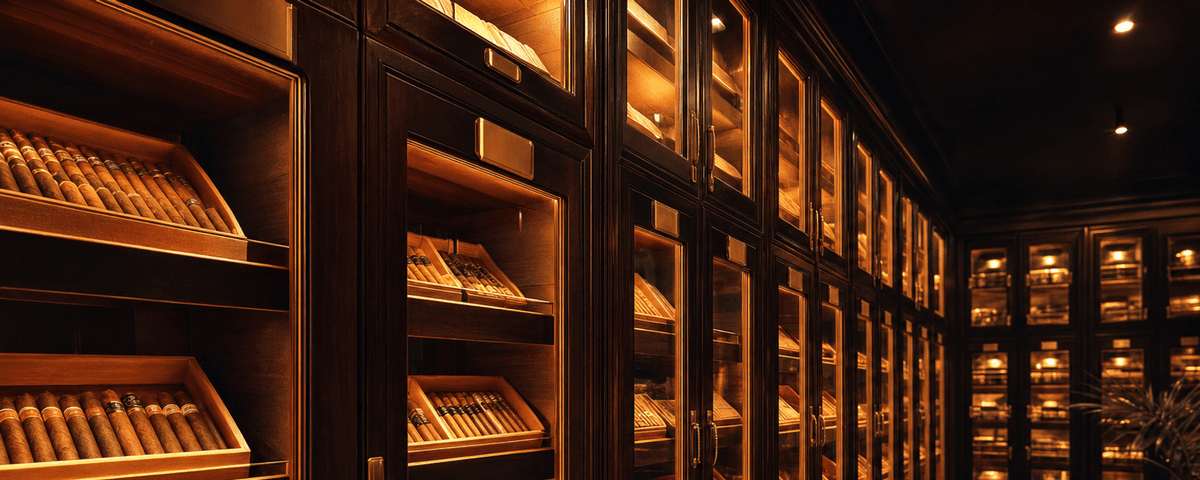
33 座 24 小時恆溫恆濕醇化室
W Cigar Bar 提供的會員醇化空間 · 場地資訊請洽編輯部
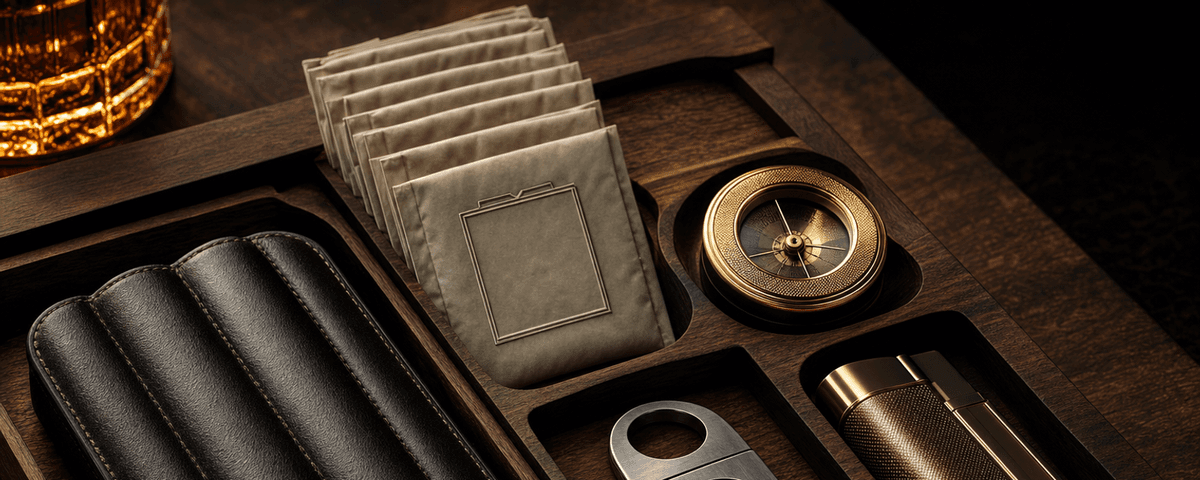
雪茄剪 / 打火機 / 雪茄盒 / Boveda
W Cigar 配件官網 · 專營雪茄配件正品
加 LINE 好友 · 文化諮詢
文化空間資訊 · 紳士沙龍 · 私人包場
本網站內容僅供雪茄文化、歷史、收藏與品吸知識研究參考。菸品有害健康、未滿法定年齡者請勿吸菸。實際規範請依所在地法律為準。
吸菸有害健康・戒菸專線 0800-636363・本站僅供 20 歲以上成年人閱覽。
讀到這裡,你不只是路過的人
留下 Email,加入 W 雪茄聖經內圈——總編輯 Wilson Tsai 親選的學院深文與國際新訊,先你一步送到信箱。
· 教育用途非銷售 · 隨時一鍵退訂 · Email 絕不對外公開 · 由勝茄股份有限公司營運
同分類延伸閱讀


資料來源:W Cigar Bible 編輯部整理 · 雪茄王子 Wilson Tsai 親自審稿
本文僅供雪茄文化、歷史、收藏與品鑑知識研究,不作為菸品促銷、銷售或購買建議。吸菸有害健康,未滿二十歲不得吸菸。