雪茄的吸食儀式:從文化傳承到現代演變
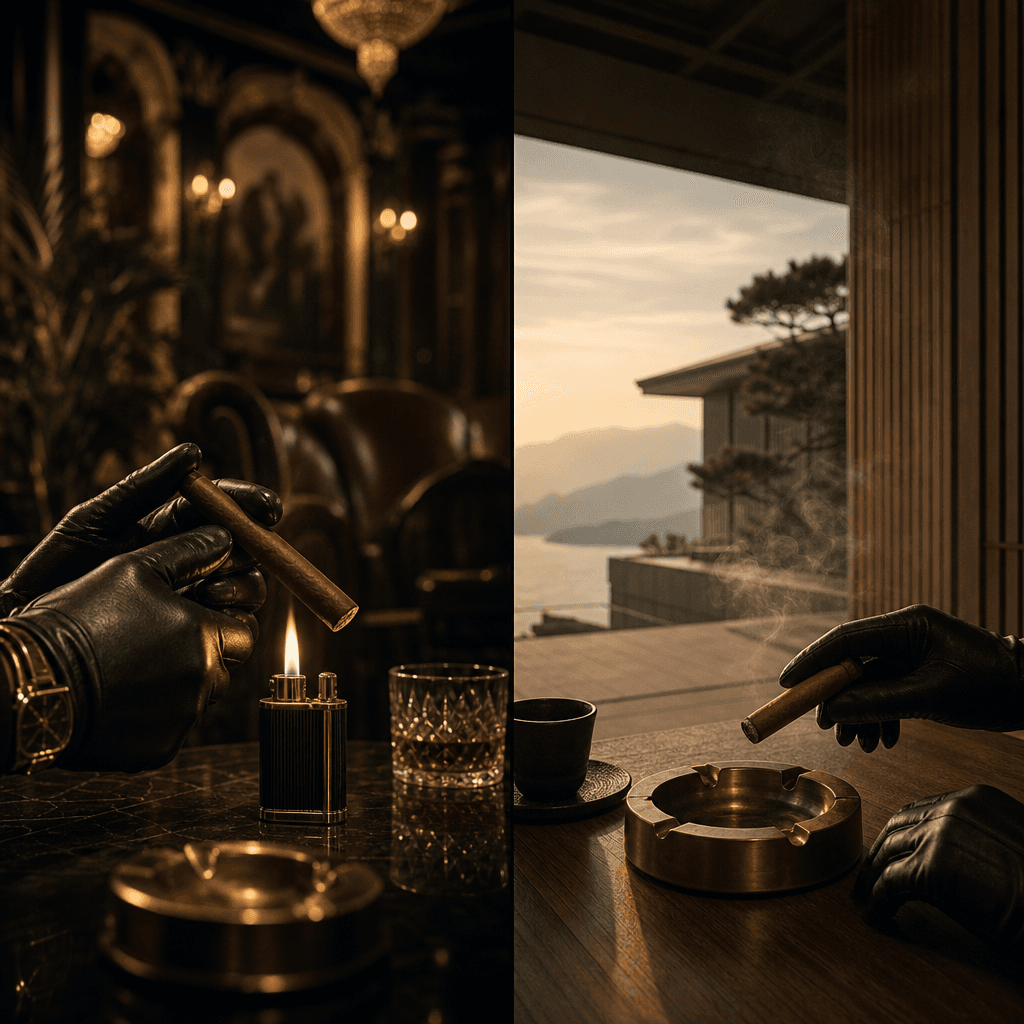
雪茄的儀式不僅僅是剪、點、吸的動作,而是一種慢下來的生活藝術,反映出個人的節奏與教養。從加勒比海的煙草文化到歐洲的社交禮法,雪茄儀式歷經變遷,卻始終強調對材料與場合的尊重。老手在剪裁與點火時,注重每一個細節,讓雪茄以最佳狀態進入品味。隨著社交環境的演變,現代雪茄儀式更強調時間、空間與狀態的精準安排,讓每一次的品吸成為一場獨特的體驗。
- 雪茄儀式不僅是吸食動作,更是展現個人教養與社交節奏的方式。
- 剪裁與點火的技巧影響雪茄的風味,應以穩定狀態為首要考量。
- 不同地區的雪茄文化反映當地社交規則,儀式並非固定,而是靈活應變。
The Ritual of Smoking Cigars: From Cultural Heritage to Modern Evolution
As the editor of "Cigar Bible," I see the "ritual" of cigars as more than just the actions of cutting, lighting, and smoking. It is more like a language of slowing down: how you pick up a cigar, how you wait for the flame to stabilize, and how you pause in conversation all reveal a person's rhythm and upbringing.
What seasoned aficionados truly love is often not the intensity itself, but the sense of time. From Havana clubs and London gentlemen's social circles to today's private spaces in Asian cities, the cigar ritual has always evolved, but its core remains respect for the materials, the occasion, and the people present.
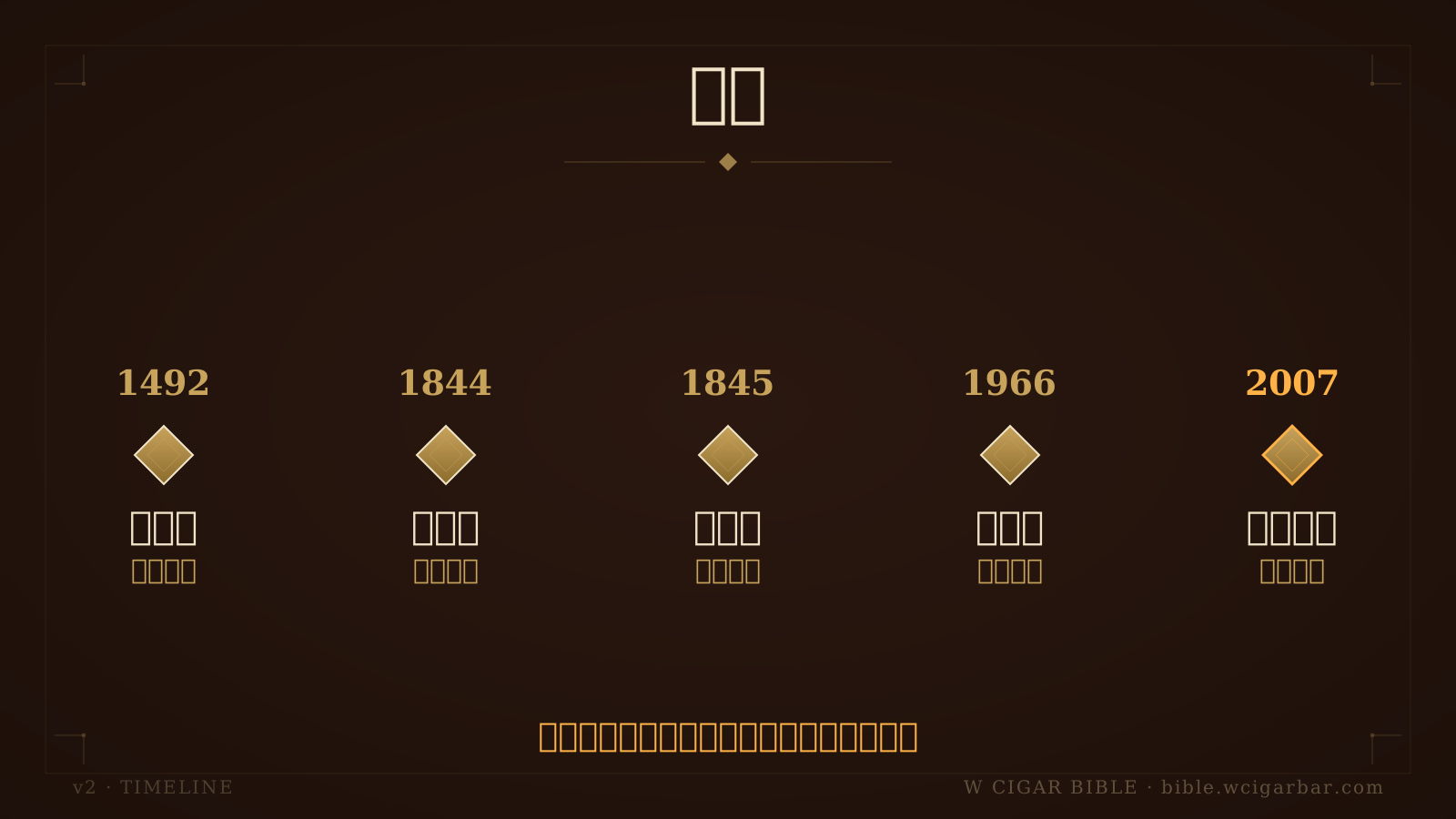
時間線標示一四九二到二零零七的儀式演變
The Origin of the Ritual: From Caribbean Tobacco to European Etiquette
After Columbus arrived in the Caribbean in 1492, Europeans gradually became acquainted with the indigenous habit of burning tobacco leaves and inhaling the smoke. By the 18th century, Havana, Cuba, became a symbol of cigar culture due to its ports, climate, and mature production techniques. Brands like Partagás, founded in 1845, and H. Upmann, dating back to 1844, are not merely commodities but cultural vessels that bind agriculture, craftsmanship, and social etiquette together.
In the 19th century, European high society introduced cigars into the later stages of dinners, especially within the British club system, where transitioning to a smoking room after dinner became an important scene for male socializing. The focus of the ritual there was not on showing off but on "when to speak and when to remain silent." The first layer of meaning in the cigar ritual is elevating tobacco from a consumable to an order of time and identity.
By the 20th century, Cohiba was established in 1966, initially carrying the colors of diplomatic gifts and national image; classic sizes like Montecristo No.2, Partagás Serie D No.4, and Romeo y Julieta Churchill gradually became a common language for seasoned aficionados worldwide to recognize styles. Understanding the ritual is not about reciting brand stories but about comprehending the historical weight behind each action.
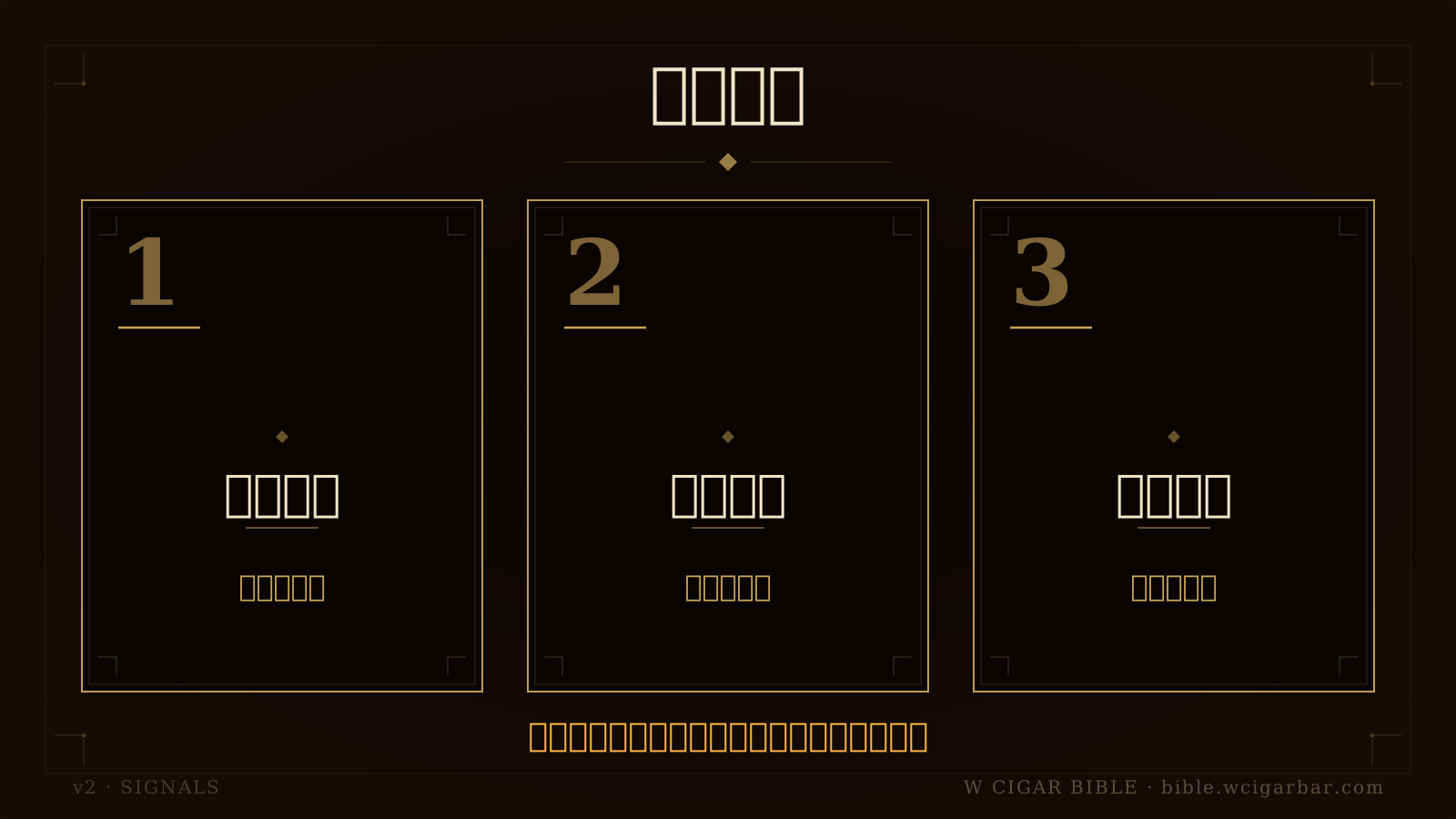
三張卡片列出尊重材料掌握節奏與照顧同席
Cutting, Lighting, and Waiting: The Details Seasoned Aficionados Truly Observe
When cutting a cigar, seasoned aficionados won't cut the cap too deeply. For a common 52-ring gauge Robusto, usually, only about 1.5 to 2 millimeters of the cap needs to be cut to open the airflow without damaging the wrapper structure. For Figurado or Pirámide, like Montecristo No.2, the size of the cut can directly affect intensity and concentration; cutting too wide can cause the front end to lose layers.
Lighting is not about pressing the flame hard onto the cigar but toasting the foot first. When using a double-flame torch, I keep the flame about 1 to 2 centimeters from the foot, slowly rotating for 8 to 12 seconds, then lightly puff to confirm the burn line. The purpose of cutting and lighting is not to start quickly but to allow the cigar to enter a stable state.
Waiting is also a skill. A gap of 45 to 75 seconds between puffs is suitable for most Cuban cigars; for stronger types like Bolívar Belicosos Finos, the pace should be slower. Puffing too quickly raises the temperature, making wood, leather, and coffee tones coarse, even causing a biting sensation. True maturity in ritual often manifests in your willingness to take one less puff.
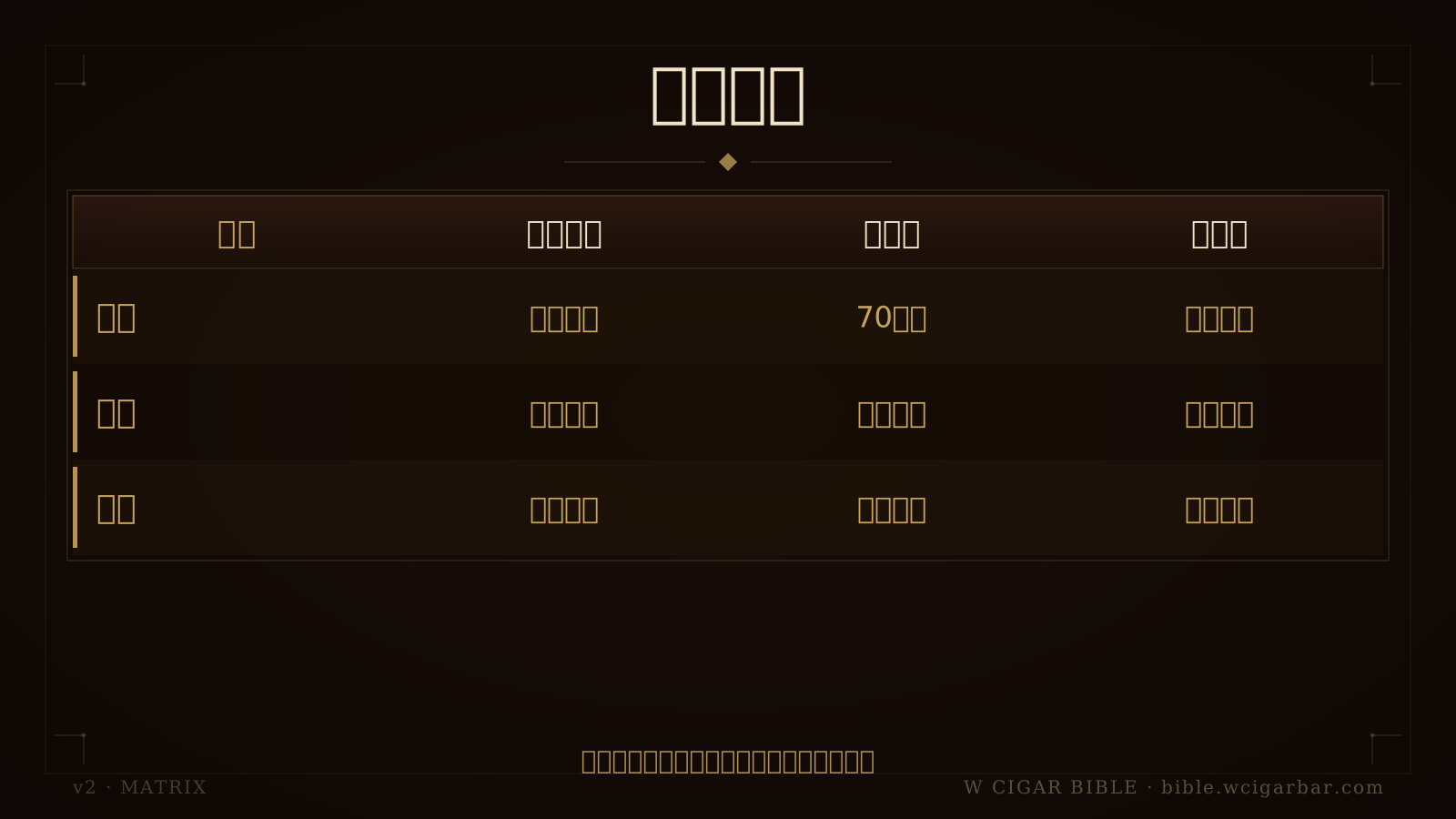
矩陣比較羅布斯托丘吉爾與大環徑的時間場合
Smoking Habits in Different Regions: The Same Cigar, Different Social Syntax
Cuban cigar culture is relatively straightforward, commonly seen on balconies, street corners, and among familiar conversations, focusing on naturalness and familiarity. In Spain and the UK, cigars are integrated into post-dinner order: first coffee, then spirits, and finally long conversations. After the 2007 indoor smoking ban in London, many cigar social activities shifted to terraces, private courtyards, and membership spaces, transforming the ritual from indoor salons to more precise spatial arrangements.
The pace in Asian cities is different. Since 2007, Hong Kong has significantly tightened public smoking regulations, leading cigar socializing to more private, reservation-based spaces; Japanese aficionados value quietness and non-interference, often seen with one cigar per person, paired with whiskey or black coffee, with very low conversation volume. Regional differences tell us that the cigar ritual is never a fixed script but a response to local social rules.
In the Middle East, like Dubai, cigars are often associated with hotel lounges and business dinners, favoring large ring gauges and visual presence, such as 54 to 60 ring gauges. In Taipei, the circle of seasoned aficionados pays more attention to preservation status, box number sources, and vertical comparisons of the same type, such as Cohiba Siglo VI, where different years and storage humidity can result in vastly different performances.
Evolution of Modern Scenarios: From Smoking Rooms to Time Curation
In the past, cigar socializing mostly relied on men's clubs, hotel bars, and business dinners; today, it is more like "time curation." An evening gathering might start at 20:30, warming up with a 40-minute Corona Gorda, then moving into a 70 to 90-minute Churchill or Double Robusto. Seasoned aficionados choose sizes based on conversation density, not just asking which one is more famous.
Modern people care more about space ventilation, distance from neighbors, and residual odors on clothing, adding environmental management to the ritual. Previously, it was only about lighters and cutters, but now it also involves hygrometers, air exchange rates, and seating arrangements. Cuban cigars stored at 65% to 69% relative humidity usually present a clearer burn line than those stored long-term at 72%, a consensus gradually formed among many Asian collectors in recent years.
The shift in modern cigar rituals is from "who is present" to "whether time, space, and state are precisely arranged". This also makes the judgment of seasoned aficionados more nuanced: the same Partagás Serie E No.2 may only retain intensity in a noisy dinner, but in a quiet environment, the transitions of cocoa, pepper, leather, and sweet wood can be heard.
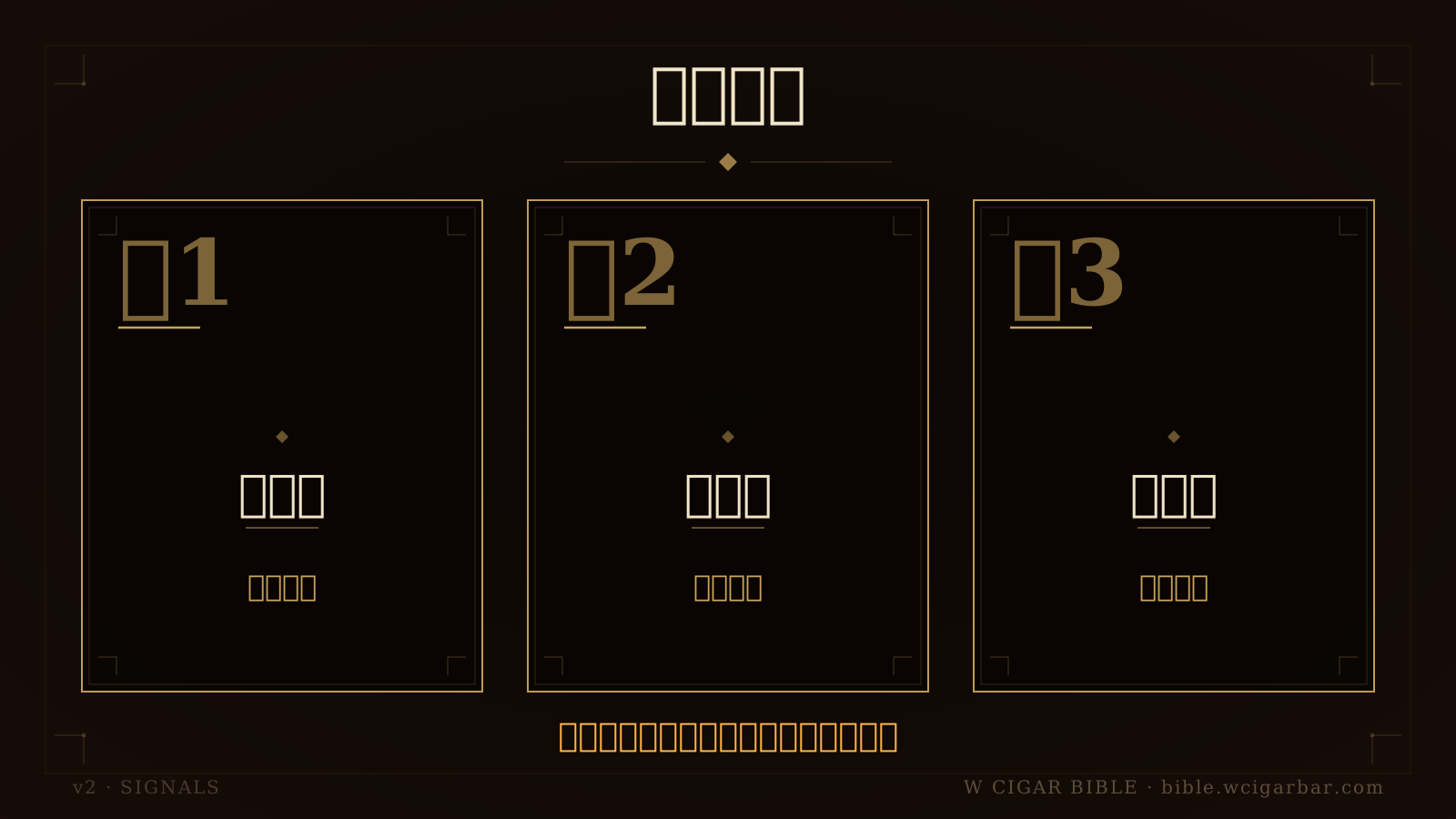
三張誤區卡提醒剪太深吸太急與灰過長
Classic Scene Comparison: Size, Time, and Pairing Logic
Different scenes should not be determined solely by brand but by first considering the length of time, type of conversation, and physical state. After breakfast, it's not advisable to choose overly strong types, and late at night may not be suitable for large sizes over two hours. The advanced ability of seasoned aficionados lies in using cigars as a rhythm tool, not turning every occasion into an intensity competition.
| Scene | Suggested Size | Time | Representative Brand Example | Ritual Focus |
|---|---|---|---|---|
| Afternoon Alone | Petit Corona / Corona | 35-50 minutes | H. Upmann Half Corona, Por Larrañaga Petit Corona | Slow down breathing, observe the sweetness in the front |
| Post-Dinner Deep Talk | Robusto / Hermosos No.4 | 55-75 minutes | Partagás Serie D No.4, Cohiba Robusto | Control temperature, avoid rushing |
| Business Wrap-Up | Pirámide / Torpedo | 70-90 minutes | Montecristo No.2, Diplomáticos No.2 | Precise cutting, concentrate flavors |
| Long Night Gathering | Churchill / Double Corona | 90-130 minutes | Romeo y Julieta Churchill, Hoyo Double Coronas | Manage ash line and conversation rhythm |
Size is not a matter of face but a matter of time management. If you only have 40 minutes, forcing a Double Corona will often result in sacrificing flavor to chase time. Conversely, if it's a two-hour quiet evening, choosing too short a cigar will also make the ritual lose its buildup. Seasoned aficionados don't smoke more; they choose precisely.
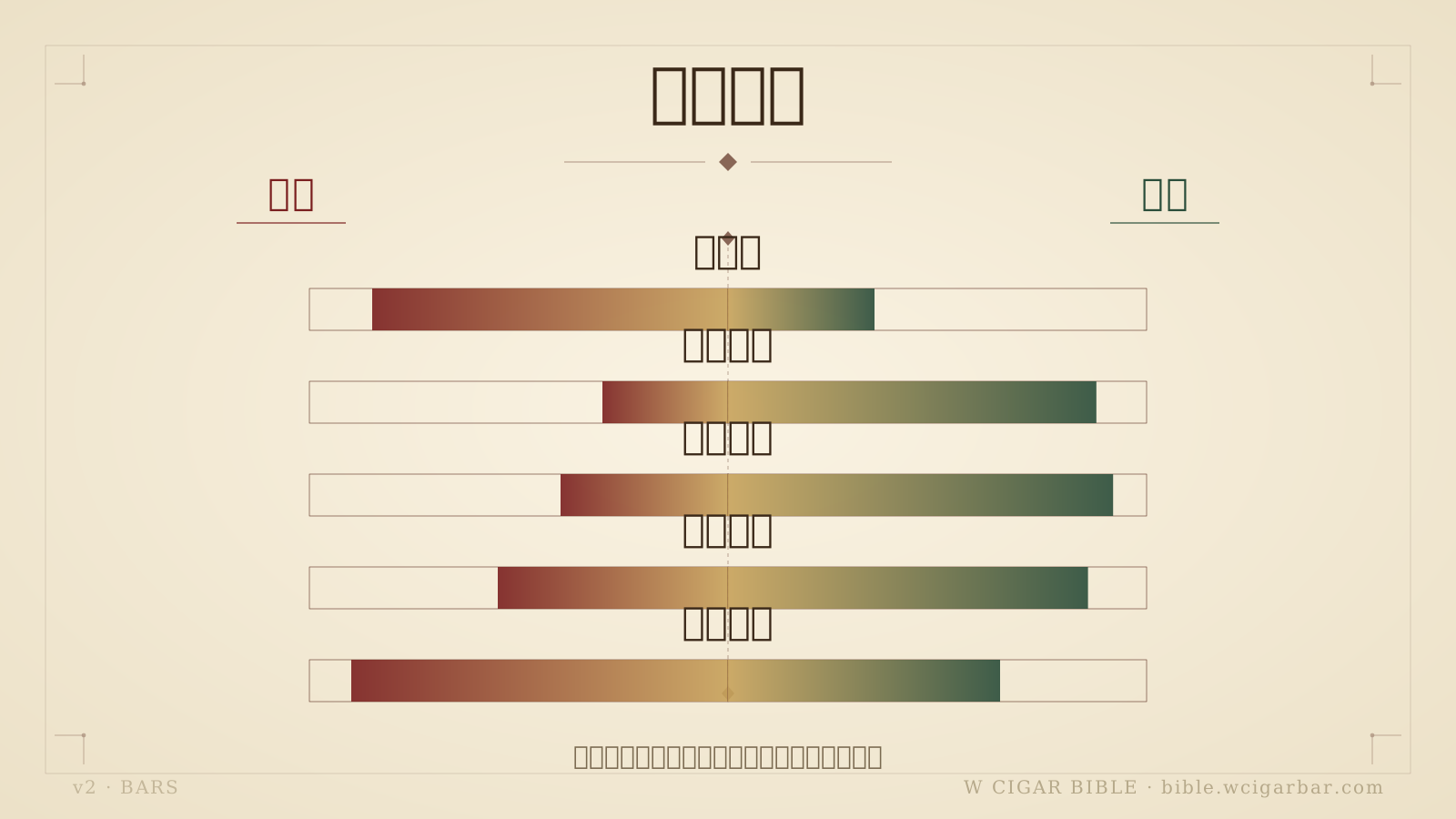
長條圖對比傳統與現代雪茄儀式的五個面向
Collection, Vintage, and Aging: The Time Perspective Behind the Ritual
Talking about the smoking ritual, one cannot ignore aging. Many seasoned aficionados record box codes, acquisition years, storage humidity, and box opening dates. For example, a box of Hoyo de Monterrey Epicure No.2 from 2019, after 3 to 5 years of stable storage, may have more integrated herbal and creamy notes; but if the storage environment exceeds 72% for a long time, it may result in sluggish burning and a dull taste.
After the 2000s, limited editions and commemorative releases made "box opening timing" a new ritual. The Cohiba Behike series launched in 2010, widely discussed for its Medio Tiempo leaves and rarity; Trinidad Fundadores is often seen as a representative of elegant long-line style. However, collection value does not guarantee appreciation; it still depends on source preservation and market.
Aging is not about leaving cigars to improve on their own but using a stable environment to exchange for the possibility of flavor integration. I often suggest seasoned aficionados make a record every six months: appearance oil, wrapper elasticity, cold aroma, burning performance, and bitterness in the later stages. When records accumulate over three years, you'll find that your ritual didn't just start when you lit it but began the day you stored it.
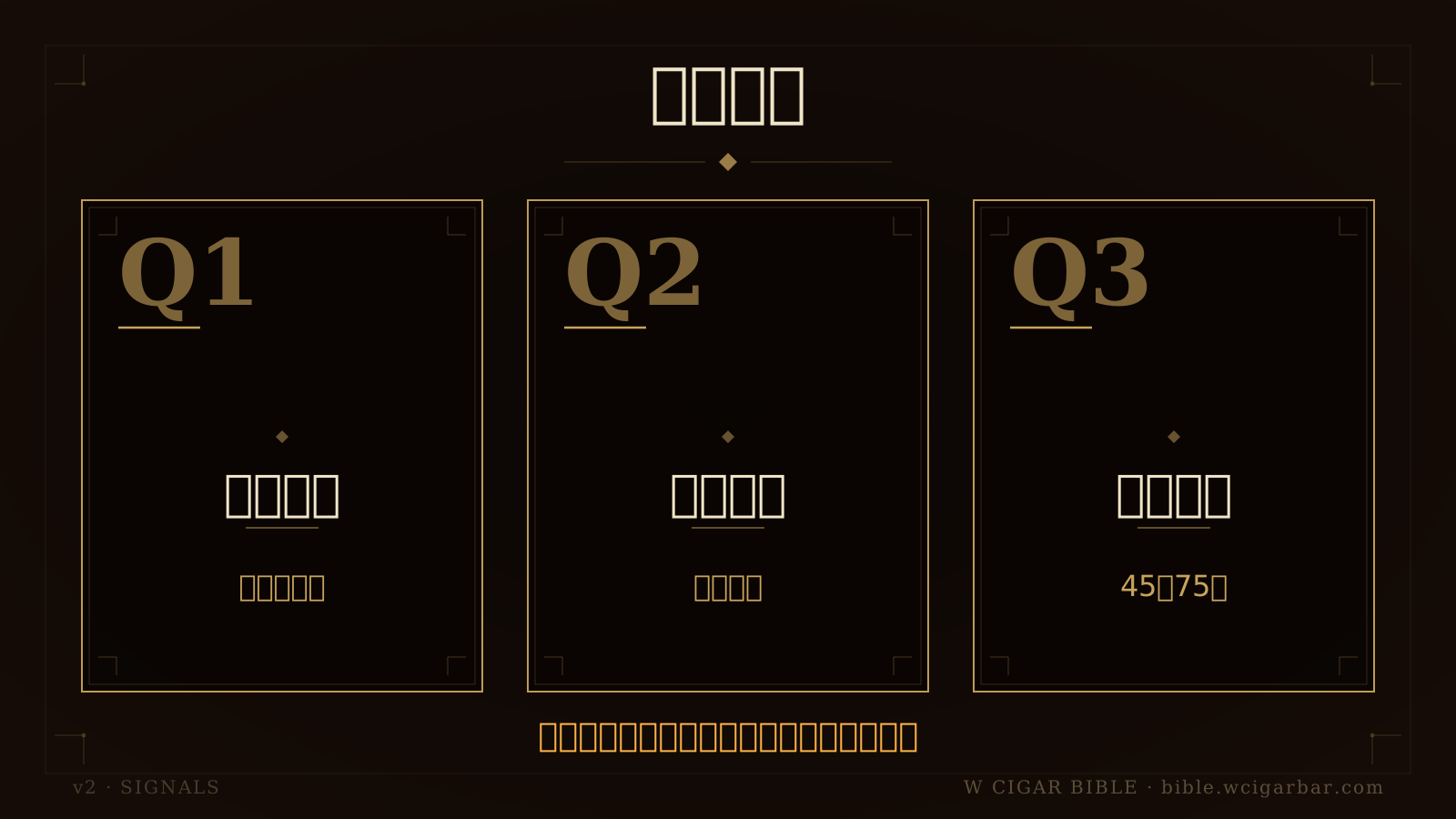
快問快答列出配飲灰長與慢吸節奏建議
Social Etiquette of Seasoned Aficionados: The True Sense of Propriety
Cigar socializing is most feared when interest turns into pressure. Seasoned aficionados should not use brand status to judge others, nor should they rush to correct others' cutting methods; unless the other party actively seeks advice, maintaining respect is mature. The charm of Havana hotel culture in the 1950s was not that everyone understood the terminology, but that people knew how to let conversation, music, glasses, and smoke each be in their place.
In multi-person settings, the order of lighting, wind direction of seating, and distance from ashtrays are important. If someone is not accustomed to smoke, adjusting your position proactively is more cultured than explaining how high-end the cigar is. Cigar ash can be left 2 to 3 centimeters to increase stable burning, but it should not be left on the table to show off. The core of cigar etiquette is not performing knowledge but making everyone at the table feel respected.
Another often overlooked point: do not force pairings. Some prefer single malt whiskey, others choose rum, and some only drink sparkling water. Pairing Cohiba Siglo II with high-sugar drinks may mask the delicate grassy and honey notes; Bolívar Royal Coronas can withstand thicker coffee or dark spirits. True seasoned aficionados will give suggestions but not dictate others' taste preferences.
Frequently Asked Questions
Does the cigar ritual have to be paired with alcohol?
Not necessarily. Black coffee, unsweetened tea, and sparkling water are all options. If the cigar itself has delicate flavors, such as H. Upmann or Quai d’Orsay, overly strong spirits may obscure the aroma. The purpose of pairing is not to increase the grandeur but to make the flavors clearer.
How long should the ash be to look nice?
Usually, 2 to 3 centimeters is sufficient, with the focus on a stable burn line and not affecting others. Leaving ash too long for photos, if it falls on the table or clothing, loses the essence of etiquette. Looking nice is not about dangerously holding it up but handling it cleanly.
Are all Cuban cigars suitable for long-term aging?
No. Intensity, vintage, storage conditions, and personal taste all affect the outcome. Some small sizes are very complete in 2 to 4 years and may not improve with longer aging. If you want to track changes, it's recommended to open one cigar from the same box each year for records.
Should large ring gauges be chosen for business occasions?
Not necessarily. Large ring gauges have presence but also require more time. If the conversation is only 60 minutes, Robusto or Corona Gorda is more suitable. The focus of business rituals is reliable rhythm, not exaggerated size.
How to avoid puffing too quickly?
Setting a rhythm is most effective. A gap of about 45 to 75 seconds between puffs allows the cigar to cool naturally; if spicy, bitter, or burnt sensations occur, pause for 2 to 3 minutes. The control of seasoned aficionados often manifests in knowing when to let the cigar rest.
The ritual of smoking cigars, on the surface, is about fire, smoke, and time, but deep down, it's about how people treat life. From Havana to Taipei, from old-school clubs to modern private spaces, I always believe: a truly high-end cigar experience is not about filling every moment with words but about understanding the art of leaving space. Knowing how to wait, respect, and stop at the right moment gives each puff its weight.
—Cigar Prince Wilson Tsai
Smoking is harmful to health. Under twenty years old is prohibited from smoking. Quitline: 0800-636363. This article is for reference by adults over twenty years old for knowledge of cigar culture, preservation, and regulations, not a tobacco advertisement, promotion, or purchase suggestion.
Like this article?Share with friends
Share this W Cigar Bible piece with friends who want to learn cigar culture, storage, and tasting.
想把這篇 化為實踐
雪茄聖經是知識;雪茄文化要在空間裡發生
W Cigar Bar 大安總店資訊
台北大安區 · 雪茄聖經總編輯 Wilson Tsai 主理的雪茄文化空間
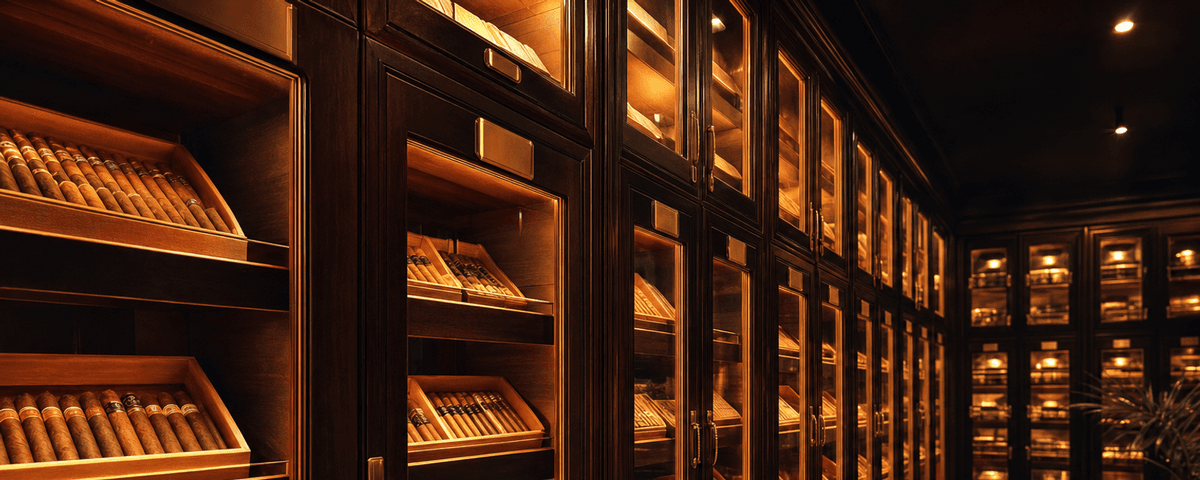
33 座 24 小時恆溫恆濕醇化室
W Cigar Bar 提供的會員醇化空間 · 場地資訊請洽編輯部
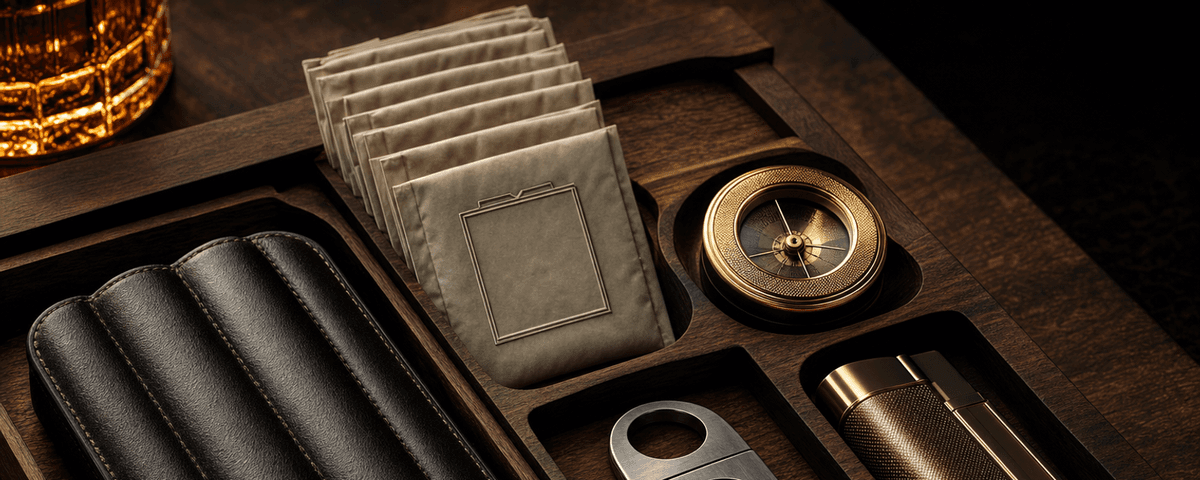
雪茄剪 / 打火機 / 雪茄盒 / Boveda
W Cigar 配件官網 · 專營雪茄配件正品
加 LINE 好友 · 文化諮詢
文化空間資訊 · 紳士沙龍 · 私人包場
本網站內容僅供雪茄文化、歷史、收藏與品吸知識研究參考。菸品有害健康、未滿法定年齡者請勿吸菸。實際規範請依所在地法律為準。
吸菸有害健康・戒菸專線 0800-636363・本站僅供 20 歲以上成年人閱覽。
讀到這裡,你不只是路過的人
留下 Email,加入 W 雪茄聖經內圈——總編輯 Wilson Tsai 親選的學院深文與國際新訊,先你一步送到信箱。
· 教育用途非銷售 · 隨時一鍵退訂 · Email 絕不對外公開 · 由勝茄股份有限公司營運
同分類延伸閱讀

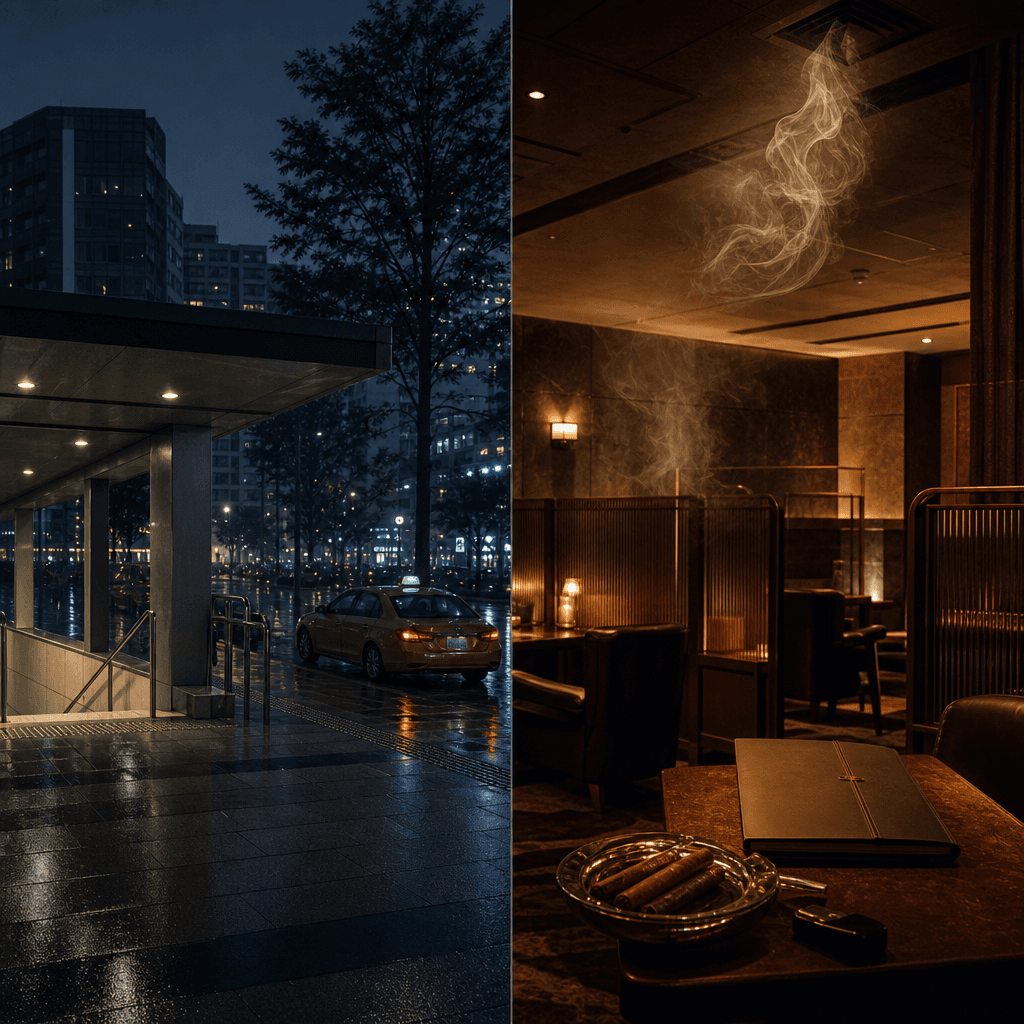
資料來源:W Cigar Bible 編輯部整理 · 雪茄王子 Wilson Tsai 親自審稿
本文僅供雪茄文化、歷史、收藏與品鑑知識研究,不作為菸品促銷、銷售或購買建議。吸菸有害健康,未滿二十歲不得吸菸。