雪茄的焙烤與烘乾技術:從葉片到口感的轉變
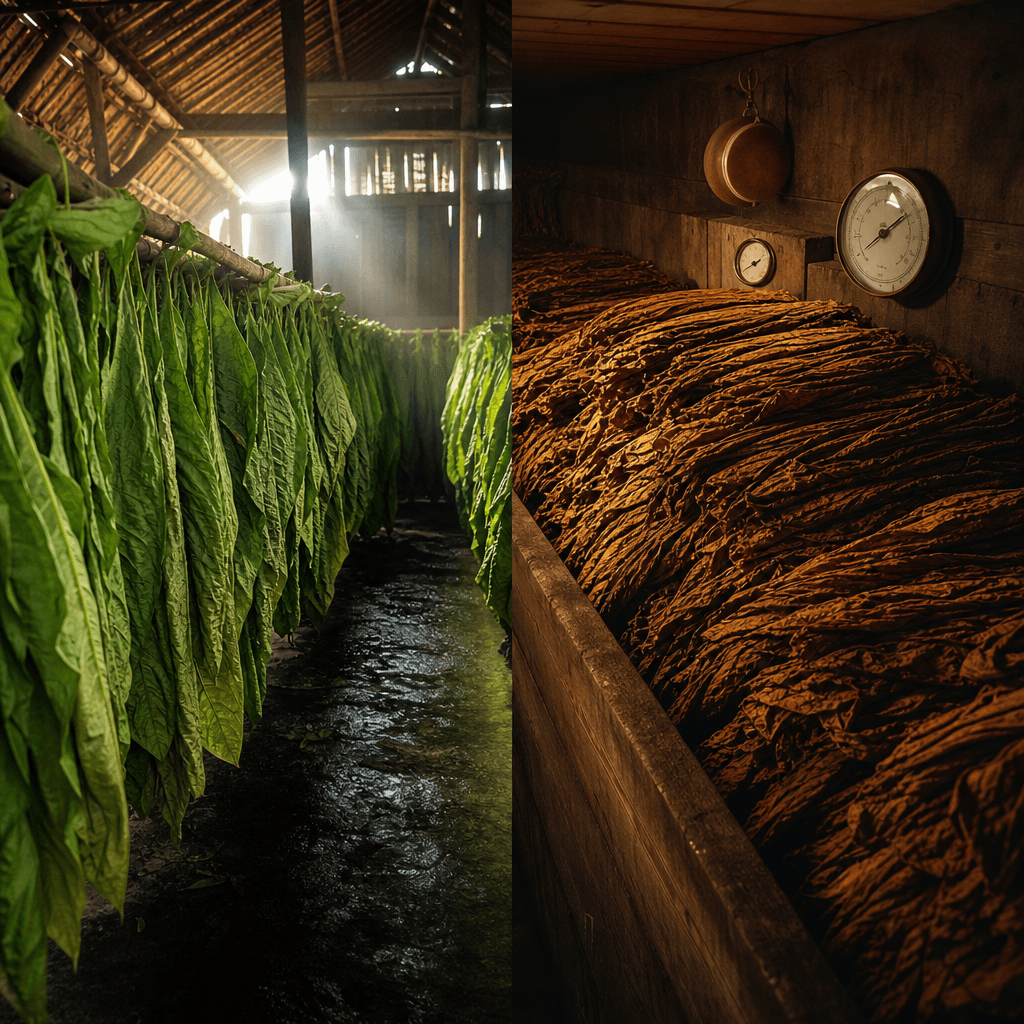
雪茄的風味與品質受多重因素影響,特別是「乾燥、焙烤、發酵與醇化」的過程。這些看似隱形的工藝決定了雪茄的口感層次,從青草到可可、咖啡等多樣風味。不同產區如古巴、多明尼加和尼加拉瓜等,因氣候與土壤特性,形成各具特色的傳統技術。包葉、填充葉與束葉的乾燥與發酵要求各異,影響整體風味的平衡。了解這些工藝能幫助愛好者更深入地欣賞雪茄的魅力與工藝之美。
- 雪茄焙烤過程中,糖分與樹脂轉化影響口感,真正的焙烤感應該是苦、甜、辛、木香的平衡。
- 雪茄葉的採收分層影響燃燒性與香氣,古巴常見的分層有Volado、Seco、Ligero,各具特性。
- 堆垛發酵過程中,葉片升溫可降低氨氣與辛辣,影響雪茄的圓潤度與風味表現。
Smoking is harmful to health. Persons under twenty years of age may not smoke. Smoking cessation hotline: 0800-636363. This article is provided solely for adults aged twenty and above as a reference on cigar culture, storage, and regulatory knowledge. It is not tobacco advertising, promotion, or purchasing advice.
From field leaf to finished cigar in hand, what beginners most easily overlook is not the rolling technique, but the invisible sequence of "drying, roasting impressions, fermentation, and aging." These determine whether a cigar, after being lit, shows grassiness, tongue-biting sharpness, and harsh spice, or whether cocoa, nuts, coffee, leather, and sweet aromas can unfold layer by layer. Centered on leaf processing, this article examines producing regions from Cuba, the Dominican Republic, Nicaragua, Honduras, and Ecuador, breaking down how temperature, humidity, time, and traditional techniques change flavor, so that readers who already understand basic puffing and tasting can read the craftsmanship behind a cigar more precisely.
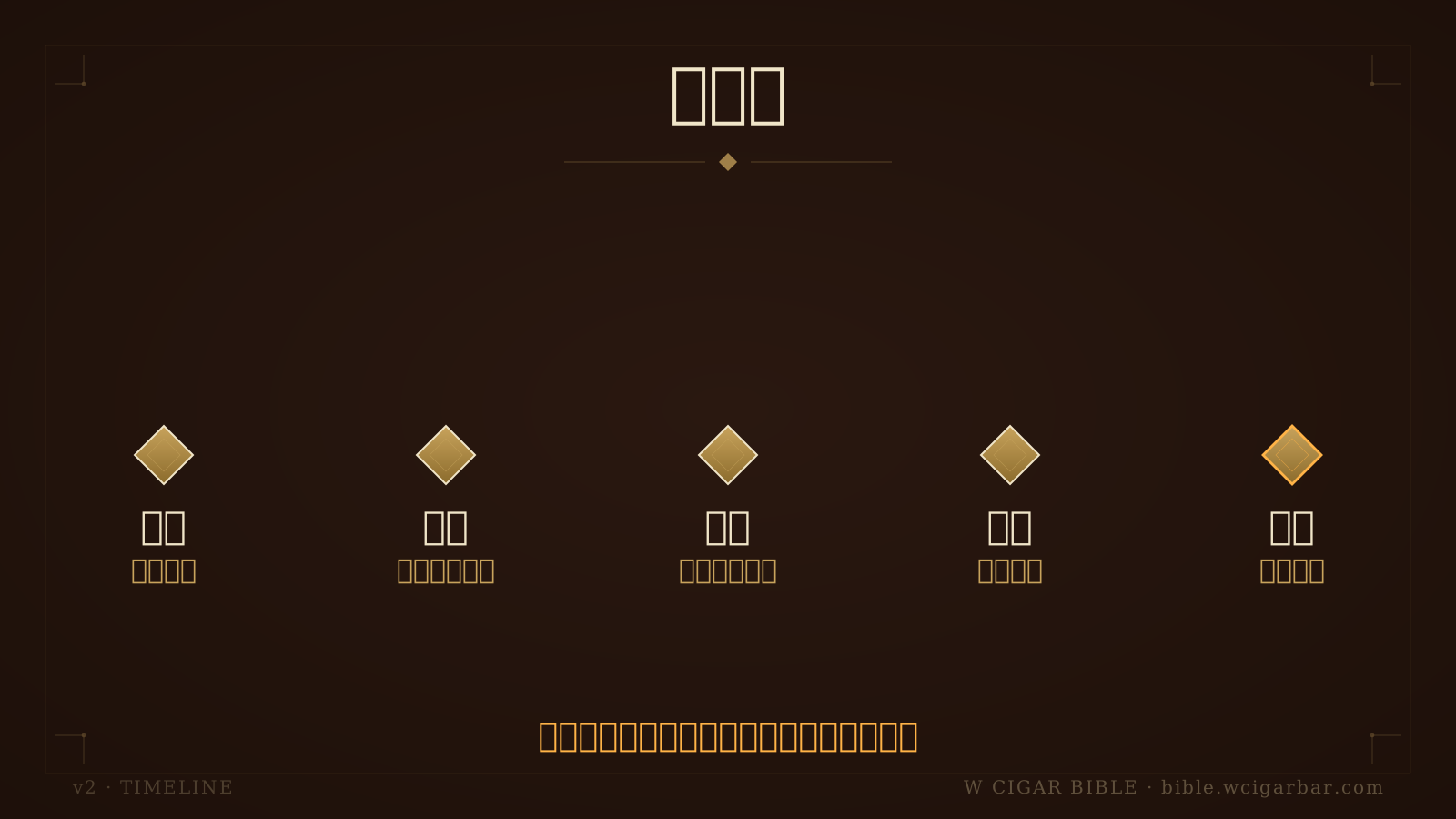
時間軸呈現採收掛乾堆垛翻垛到醰化的葉片處理流程
I. First, clarify this: cigar "roasting" does not mean cooking the tobacco leaves
When discussing cigar roasting impressions, it is necessary to avoid imagining coffee-bean roasting or tea-leaf pan-firing. Cigar leaves are not directly cooked with high heat. Instead, after harvesting, they undergo stages such as air drying, barn curing, pilón fermentation, grading and rehumidification, stemming, and further aging. The so-called "roasted impression" mostly refers to cocoa, coffee, roasted nuts, toast crust, caramel, and woody aromas that appear when the cigar is lit after sugars, proteins, resins, and nitrogenous substances in the leaves have transformed through long-term temperature and humidity control. Taking Cuba's Vuelta Abajo as an example, top-grade wrapper leaves are usually hung in a curing barn for about 45 to 60 days after harvest, with temperatures often around 24 to 32°C, and humidity adjusted according to weather. If they dry too quickly, the leaves become brittle and crack while green notes remain. If they dry too slowly, mold or dull sourness may easily appear. After Cohiba became an important Cuban brand in 1966, one of its frequently discussed characteristics has been a greater emphasis on deep fermentation in the processing of its filler leaves. Some leaf materials undergo more complex fermentation arrangements, moderating the spicy sensation and leaving creaminess, grassy sweetness, and coffee tones. Beginners should understand: darker color does not necessarily mean more "roasted," and heavier flavor is not necessarily better. A truly mature roasted impression should allow bitterness, sweetness, spice, and woody aroma to remain balanced, rather than being merely charred-bitter or harshly spicy.
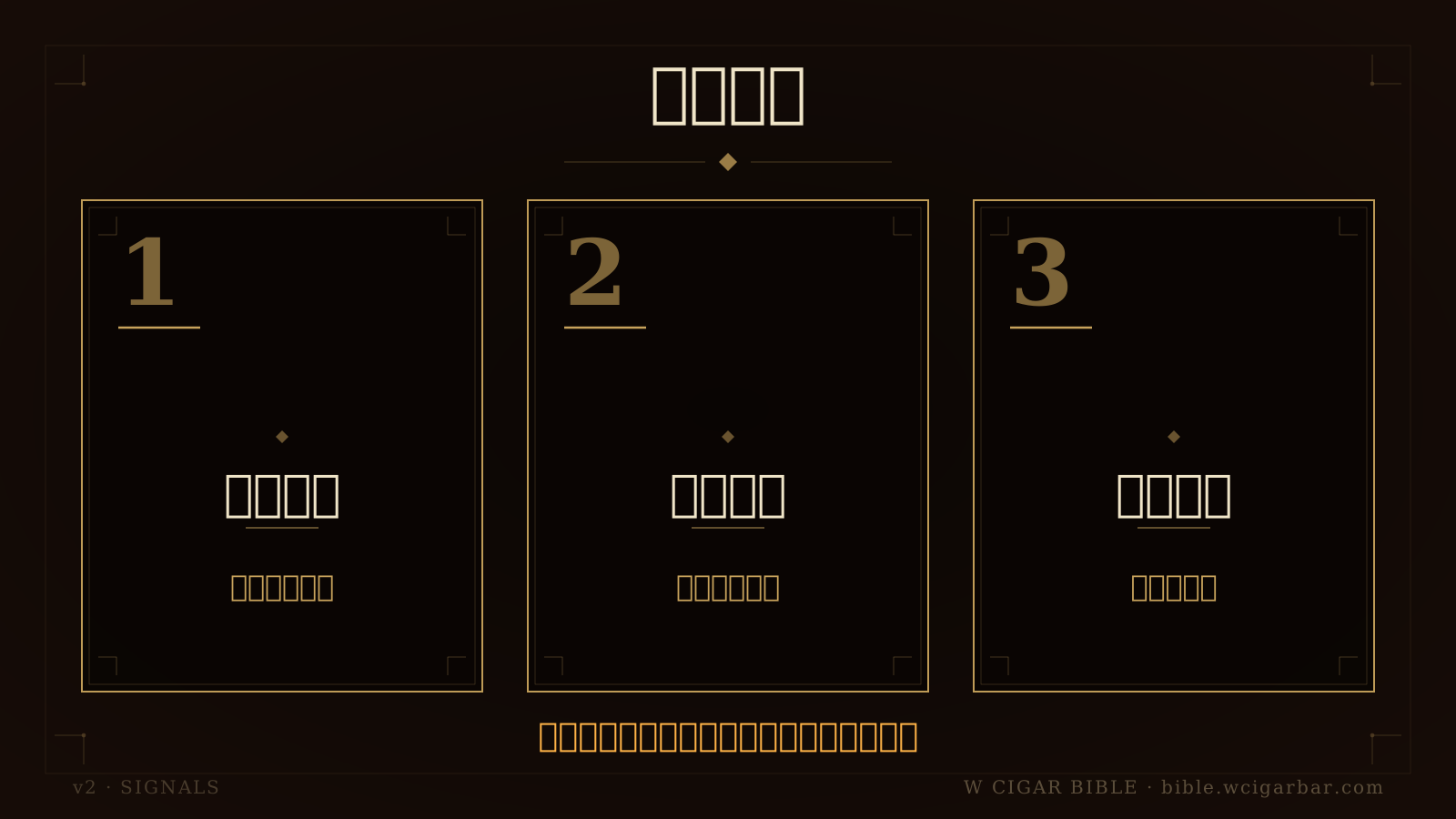
三張卡片整理雪茄葉乾燥發酵與焙烤感的核心判讀
II. Harvesting and air drying: the first turning point from green leaf to brown leaf
Cigar tobacco leaves are usually not harvested by cutting down the whole plant at once. Instead, they are picked in layers from bottom to top. In Cuba, common layers include Volado, Seco, Ligero. Leaves from different positions vary in thickness, oils, and nicotine content. Lower leaves have good combustibility, middle leaves offer finer aroma, and upper leaves have greater strength and oils, so their drying rhythms are not exactly the same. Fresh green leaves that have been picked are strung with thread or clipped onto wooden poles, then hung in drying barns, allowing chlorophyll to break down gradually as the color shifts from green to yellow, then brown, and then into a pliable state. This process takes about 30 to 60 days, depending on the climate of the producing region. Traditional wooden barns in Cuba's Pinar del Río are highly ventilated. Farmers adjust window panels in the early morning and evening to let moist air move in and out, preventing the leaf surface from drying while the interior remains wet. Because Nicaragua's Estelí has a more pronounced difference between day and night temperatures, its leaves often show a thicker mineral quality and spicy aroma. If drying is too rushed, the later result can easily include sharp pepper and dry sawdust notes. Taking the Padrón 1964 Anniversary series as an example, the cocoa and coffee impressions given by its dark leaf materials are not created solely by a dark wrapper, but by the combined effect of leaf drying, fermentation, and inventory aging time. For sensory practice, if the first section of a cigar shows obvious grassiness, ammonia, or tingling numbness on the tongue, it can often be traced back to leaf maturity or drying and fermentation not having reached an ideal balance, rather than being purely a storage humidity issue.

矩陣比較乾燥發酵醰化在作用控管與失衡風味上的差異
III. Pilón fermentation: how heat, pressure, and time reduce harsh spice
After air drying is complete, tobacco leaves are arranged into bundles and enter pilón fermentation, often called pilón in Spanish. This is one of the core stages in the formation of cigar flavor. After the leaves are stacked to a certain height and weight, the interior naturally warms due to microbial activity and chemical reactions, commonly within a range of about 38 to 50°C. For heavy Ligero, managers are more cautious, avoiding temperatures above roughly 52°C so as not to damage oils and aromas. Workers regularly measure the temperature at the core of the pile. When the temperature becomes too high, the pile must be dismantled and turned, exchanging the positions of the outer and inner layers. This process can reduce ammonia, rough spiciness, and excess moisture, while also making sugars, resins, and aromatic compounds rounder. After the Dominican maker Arturo Fuente launched Fuente Fuente OpusX in 1995, the world renewed its attention to the possibility of high-quality Dominican wrapper leaves. The ability of its leaves to present leather, sweet spice, and rich woody qualities does not rely on a single secret formula, but on cultivation, harvest maturity, patience in fermentation, and strict grading. Conversely, if pilón fermentation is insufficient, a pungent ammonia odor may appear after lighting, with a cleaning-agent-like impact when retrohaling through the nose. If fermentation goes too far, the aroma may become flat and sweetness may decline, like boiled deadwood. Beginners can observe the "first 2 cm": if it is violently tongue-biting from the start and lacks supporting sweet aroma, it often means that one part of the leaf processing or later storage chain is not stable enough.
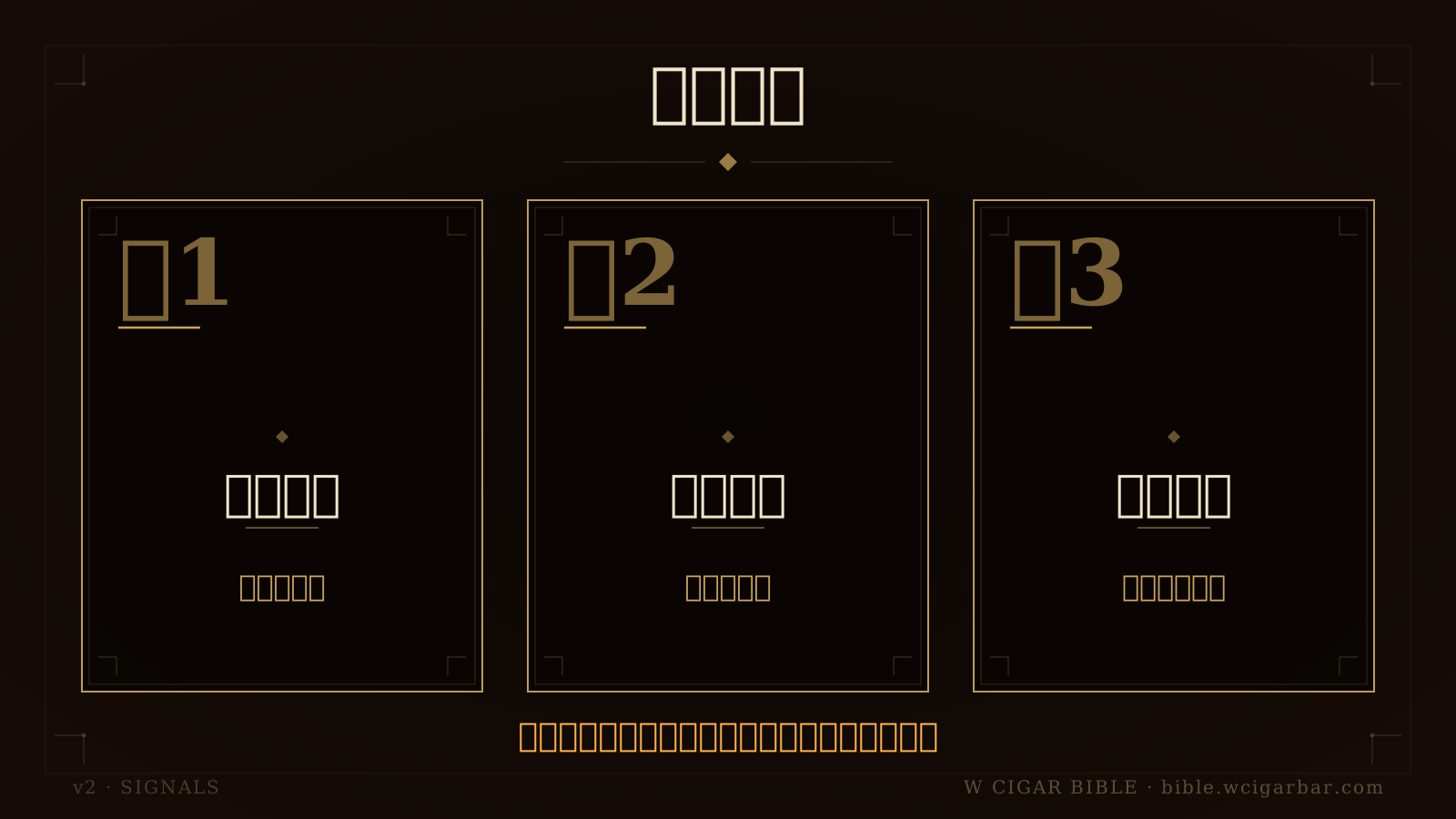
三張卡片列出焙烤不是烤熟深色不等於好與不可只怪濕度
IV. Comparing traditional techniques across producing regions: climate determines methods, and methods shape flavor
The logic behind roasting impressions and drying in different producing regions is often wisdom forced into being by climate. Cuba's Vuelta Abajo has excellent mineral content and drainage conditions in its soil. Traditionally, it emphasizes naturally ventilated barns and staged fermentation, with common flavors of cedar, honey, bean aroma, and delicate grassy sweetness. The Dominican Republic's Cibao Valley has a relatively mild climate. Many brands pursue a balance of cleanliness, cream, nuts, and spice. For example, after 1991, Davidoff shifted its focus toward Dominican production, bringing the "elegant" Dominican style into broader international discussion. Nicaragua's Estelí, Jalapa, Condega differ clearly from one another: Estelí is heavy and spicy, Jalapa is sweeter and more rounded, and Condega often has herbal and red-earth notes. Honduras Jamastrán and Copán often show earthiness, cocoa, and leather. If fermentation is well controlled, they can present steady dark woodiness. Ecuadorian wrappers benefit from natural cloud shade. Connecticut Shade type wrappers are often delicate, smooth, and creamy. The table below can serve as a sensory reference, but it is not an absolute rule, because brand blends and vintage differences can change the result.
| Producing region | Common drying/fermentation focus | Representative brands or cases | Common flavor tendencies |
|---|---|---|---|
| Cuba Vuelta Abajo | Natural ventilation, layered picking, delicate pile turning | Cohiba, Partagás 1845 traditional lineage | Cedar, bean aroma, honey, fine herbs |
| Dominican Republic Cibao | Gentle fermentation, emphasis on cleanliness | Davidoff, Arturo Fuente OpusX 1995 | Cream, nuts, spice, leather |
| Nicaragua Estelí | Thick leaves that tolerate fermentation, higher strength | Padrón 1964, Oliva Serie V 2007 | Cocoa, black pepper, coffee, minerals |
| Ecuador | Natural cloud and mist shade, thin and delicate wrappers | Ecuador Connecticut wrapper lines | Cream, dry grass, slightly sweet woodiness |
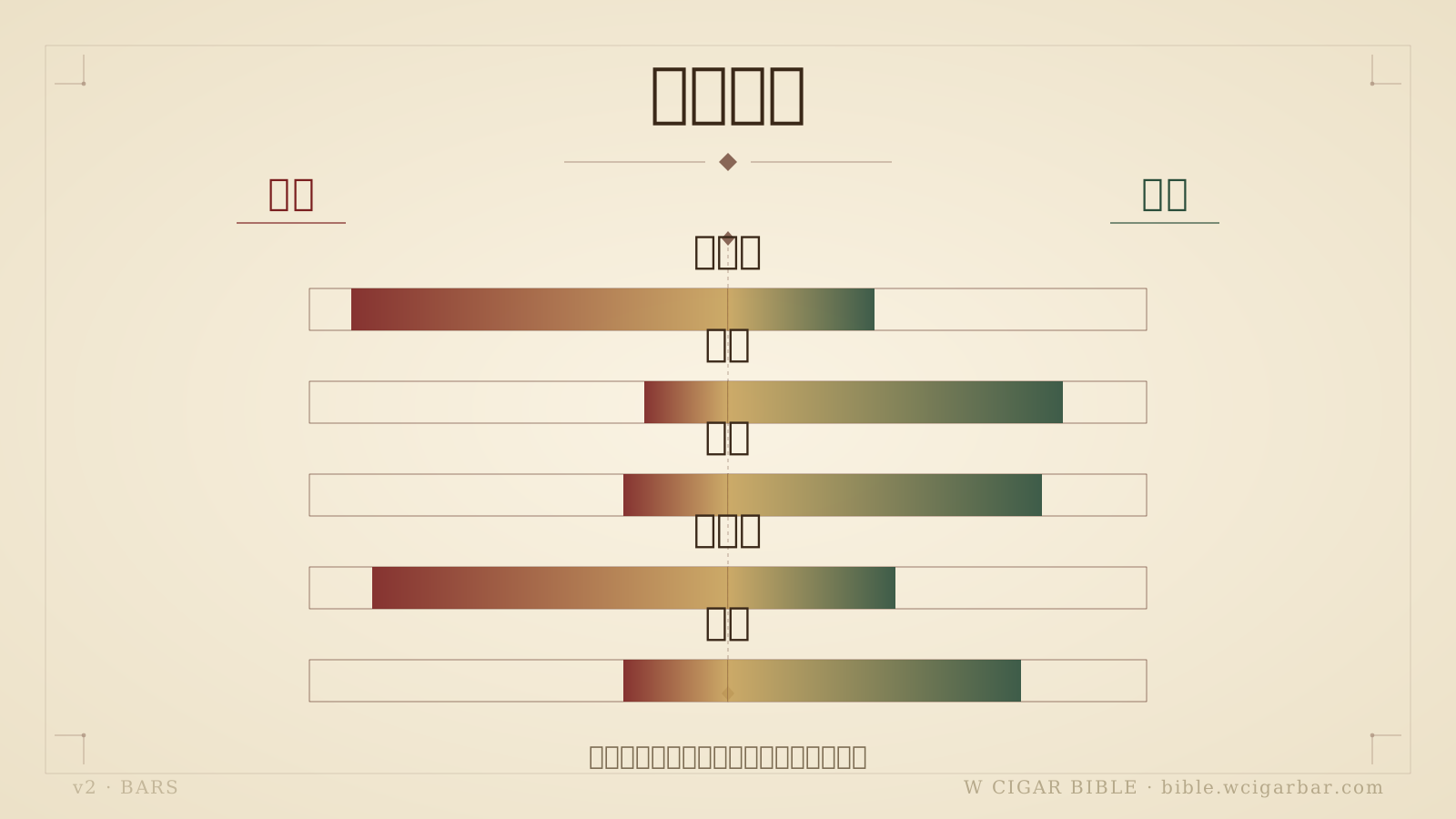
長條圖比較耐心熟化與急促乾燥在風味上的差別
V. Wrapper, filler, and binder: dried the same way, yet with completely different roles
A cigar is composed of wrapper wrapper, binder binder, and filler filler. All three must be dried and fermented, but their requirements differ. The wrapper is the first impression in appearance and entry aroma. It must be thin, supple, oily, and intact. During drying, cracking and color spots are most feared, so humidity control must be delicate. Filler carries the main flavor and combustion rhythm. Ligero often requires longer fermentation because of its thick oils. Seco provides aroma, while Volado assists combustion. Taking Connecticut Shade wrapper as an example, in the early 20th century, shade cloth was already used in the Connecticut River Valley in the United States to cultivate thin leaves. Later, because Ecuador's natural cloud cover formed a similar shaded environment, wrappers could grow delicately with less artificial shade cloth. By contrast, San Andrés Mexican wrapper is dark in color and high in oils, often requiring fuller fermentation and aging. Otherwise, its sweet earthiness can turn into dull sourness and rough bitterness. Brands such as Rocky Patel, My Father, and Oliva often use dark wrappers in different series to create impressions of chocolate, coffee, and brown sugar. But what truly determines balance is still whether the internal blend can support the strength of the wrapper. Beginners can pay attention when cutting and smelling the cigar cold: if the foot has aromas of fermented beans, cocoa, dried fruit, and dry grass, it usually indicates clean processing. If there is only damp cardboard, pungent ammonia, or moldiness, its condition should be treated with caution. A beautiful wrapper does not necessarily mean the structure is excellent. The burn line, ash whiteness, returning sweetness, and stability in the middle section are the real keys to evaluating whether leaf processing is mature.
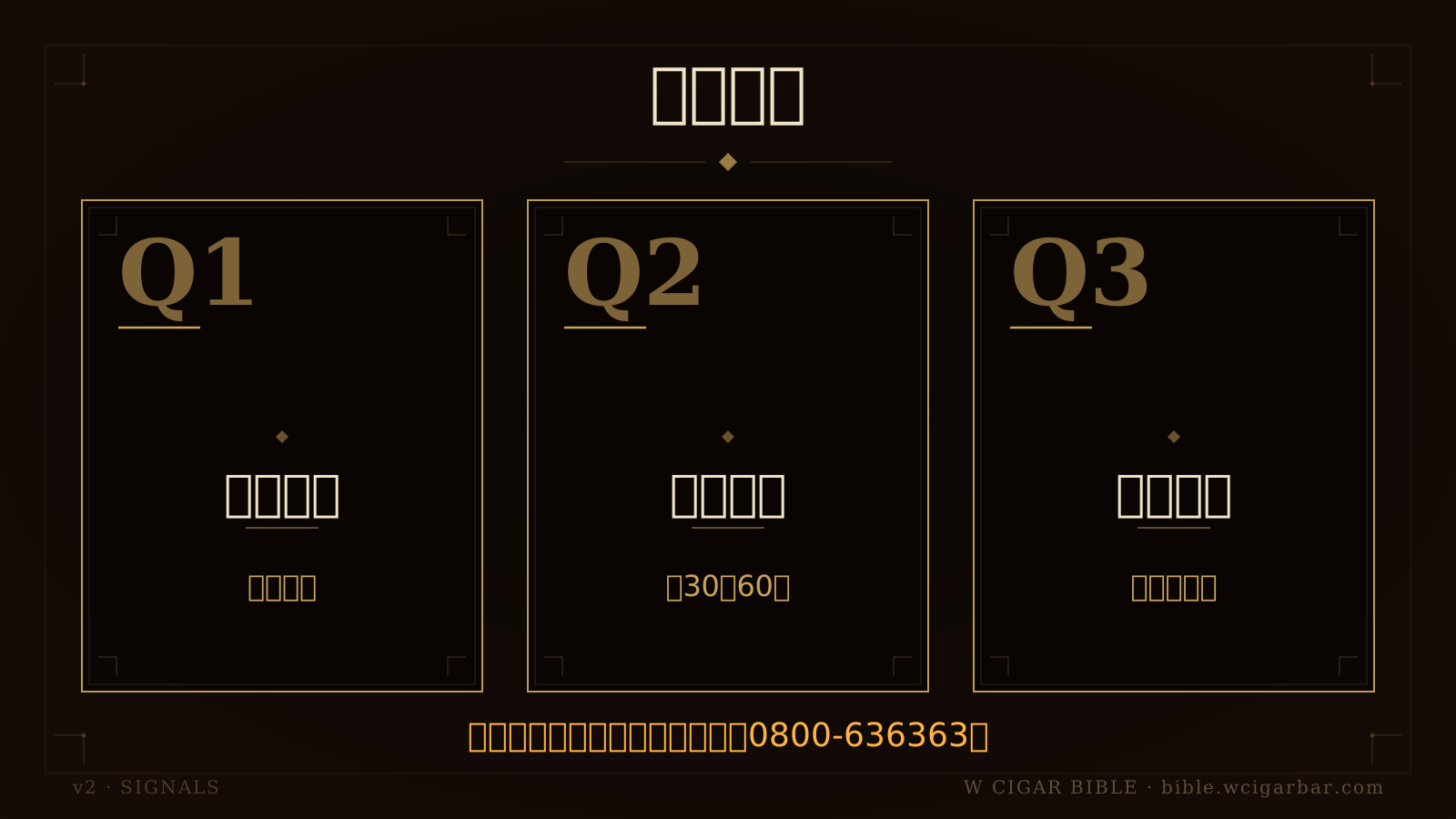
三張問答卡回答焙烤乾燥與刺舌原因
VI. From factory to humidor: how later drying, aging, and storage continue the flavor
After cigars are rolled, they do not immediately enter a stable state. They usually still need to rest in the factory aging room for several weeks to several months, allowing the humidity of different leaves to integrate again. This can be regarded as part of later-stage aging. Many factories place finished cigars in an environment of about 18 to 21°C and 65% to 70% relative humidity, allowing the moisture added during rehumidification for rolling to slowly equalize. If this step is insufficient, the outer layer of the cigar may already be dry while the interior remains wet, resulting in poor combustion, tunneling, or an obvious bitter-water sensation after lighting. Taking historic brands such as H. Upmann, founded in 1844, and Romeo y Julieta, founded in 1875, as examples, the stabilization period before traditional boxed shipment is one of the foundations of consistency in brand style. Modern non-Cuban brands also often highlight leaf inventories of 2 years, 3 years, or even 5 years, but beginners should learn to look at the result, not only the numbers. For home storage, if the temperature remains above 24°C for a long period, leaf oils will change more quickly and the risk of beetle damage will also increase. If humidity exceeds 72%, combustion often becomes dull and aromas are suppressed by moisture. Conversely, below 62% can easily lead to cracking, spiciness, and overly fast combustion. If discussing collecting and future value, it must be remembered: this does not equal a guaranteed increase in value; it still depends on source, storage, and the market. For learners, the most practical approach is to record the storage humidity, box-opening date, combustion condition, and flavor changes of each cigar. This builds judgment better than listening to rumors.
VII. Frequently asked questions
1. Does a darker cigar color mean a heavier roasted flavor?
Not necessarily. Dark wrappers such as Maduro, San Andrés, or Broadleaf often carry impressions of cocoa, brown sugar, and coffee, but color may come from variety, shade, fermentation time, and humidity management. It does not necessarily mean the cigar is rich or mature. If fermentation is insufficient, dark color may simply be dull, sour, and bitter. If well processed, a light Connecticut can also have impressions of roasted almond and buttered toast.
2. Does "toasting the foot" before lighting change the essence of a cigar?
Gently heating the foot before lighting is mainly to make the burn surface even. It is not re-roasting the leaves. If the flame directly scorches the wrapper, it will create a charred bitterness that masks the original aroma. A better method is to keep the heat source at a distance and rotate the cigar, allowing the edge of the foot to glow evenly before entering full combustion. This is etiquette and technique, not a modification of the blend.
3. Why do some cigars have an ammonia smell?
Ammonia is often related to incomplete fermentation, insufficient rest after leaving the factory, or an overly humid storage environment. Leaves release nitrogenous compounds during pilón fermentation. If time, pile turning, or temperature control is poor, the residual sensation will rush out when the cigar is lit. If encountering slight ammonia, one can observe it after several more months in a stable humidification environment. But if moldiness or a rotten odor appears at the same time, it should not be ignored.
4. Why can the taste differ so much between different years of the same brand?
Cigars are agricultural products. Rainfall, hurricanes, sunlight, and soil water content in a given year all affect leaf thickness and sugar content. Taking certain years in Nicaragua as an example, when the dry season is more stable, Ligero strength is obvious. When the rainy season is heavier, the aroma may be softer. Brands use blend adjustments to maintain consistency, but they cannot completely eliminate vintage differences. This is precisely part of the charm of cigars.
5. How can beginners train themselves to read traces of drying and fermentation?
Use a fixed humidity, such as 65% or 69% Boveda, and continuously record 10 to 20 cigars from different producing regions. Each time, note the cold aroma, the degree of sharp spice in the first section, sweetness in the middle section, bitterness in the final section, burn line, and ash structure. After three months, you will find that so-called "good flavor" is not only about strength or lightness, but about whether leaf processing is clean, combustion is stable, and aroma has layers.
My view is simple: the depth of a cigar lies not in mysterious vocabulary, but in agriculture, time, and the touch of human hands. When you understand roasting impressions and drying, you will respect every leaf more, and you will also be better able to distinguish polished words from true craftsmanship. Record slowly, compare slowly, and the flavor will naturally speak.
- Cigar Prince Wilson Tsai
Smoking is harmful to health. Persons under twenty years of age may not smoke. Smoking cessation hotline: 0800-636363. This article is provided solely for adults aged twenty and above as a reference on cigar culture, storage, and regulatory knowledge. It is not tobacco advertising, promotion, or purchasing advice.
Like this article?Share with friends
Share this W Cigar Bible piece with friends who want to learn cigar culture, storage, and tasting.
想把這篇 化為實踐
雪茄聖經是知識;雪茄文化要在空間裡發生
W Cigar Bar 大安總店資訊
台北大安區 · 雪茄聖經總編輯 Wilson Tsai 主理的雪茄文化空間
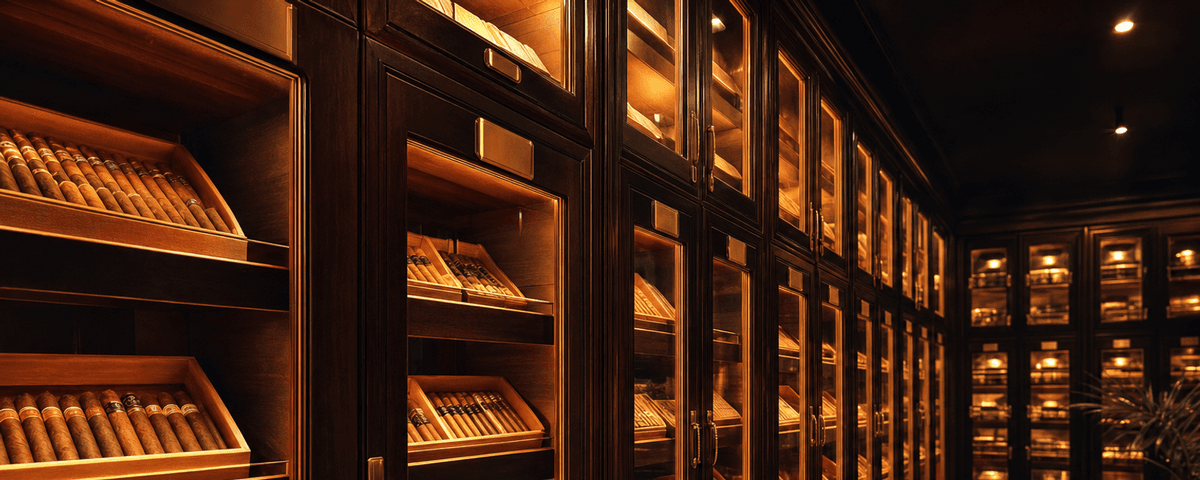
33 座 24 小時恆溫恆濕醇化室
W Cigar Bar 提供的會員醇化空間 · 場地資訊請洽編輯部
雪茄剪 / 打火機 / 雪茄盒 / Boveda
W Cigar 配件官網 · 專營雪茄配件正品
加 LINE 好友 · 文化諮詢
文化空間資訊 · 紳士沙龍 · 私人包場
本網站內容僅供雪茄文化、歷史、收藏與品吸知識研究參考。菸品有害健康、未滿法定年齡者請勿吸菸。實際規範請依所在地法律為準。
吸菸有害健康・戒菸專線 0800-636363・本站僅供 20 歲以上成年人閱覽。
讀到這裡,你不只是路過的人
留下 Email,加入 W 雪茄聖經內圈——總編輯 Wilson Tsai 親選的學院深文與國際新訊,先你一步送到信箱。
· 教育用途非銷售 · 隨時一鍵退訂 · Email 絕不對外公開 · 由勝茄股份有限公司營運
同分類延伸閱讀

資料來源:W Cigar Bible 編輯部整理 · 雪茄王子 Wilson Tsai 親自審稿
本文僅供雪茄文化、歷史、收藏與品鑑知識研究,不作為菸品促銷、銷售或購買建議。吸菸有害健康,未滿二十歲不得吸菸。