雪茄的成熟與醇化:多種方法與影響因素
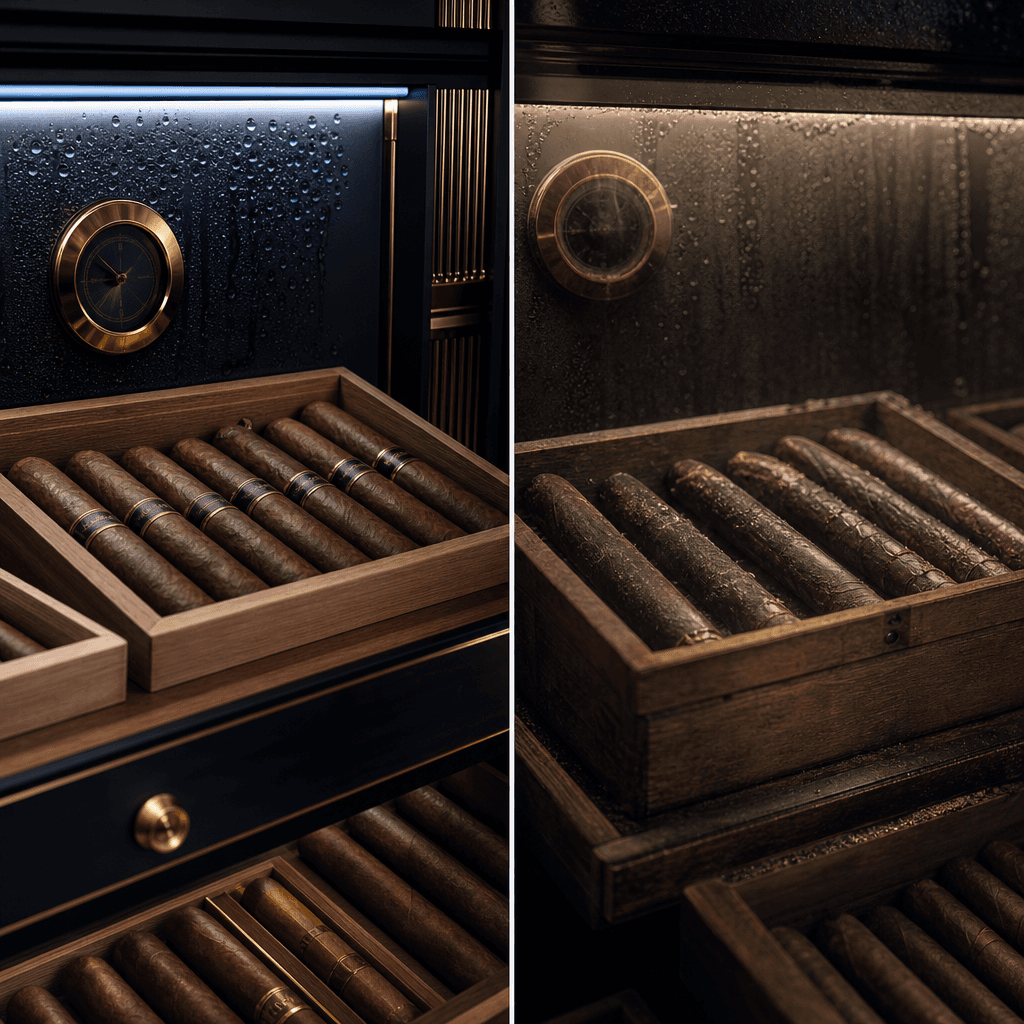
雪茄的成熟與醇化是一門技術,並非單純依賴時間。環境、容器、批次以及管理方式都會影響雪茄的風味變化。適當的溫度與濕度對醇化至關重要,長期保存應維持在18–21°C及64–68%的相對濕度。不同尺寸的雪茄對醇化的耐性不同,小環徑雪茄通常在2–4年內即可達到最佳狀態,而大環徑雪茄則需5年以上。選擇合適的儲存容器和管理方法,能有效提升雪茄的風味,並避免不必要的損失。
- 雪茄醇化的關鍵在於控制環境與管理,而非僅僅依賴時間。
- 長期保存雪茄時,穩定的濕度與溫度比高濕度更重要。
- 不同尺寸的雪茄有不同的醇化需求,小尺寸通常較快成熟。
Maturation and Aging of Cigars: Various Methods and Influencing Factors
As the editor of "Cigar Bible," I am often asked the same question by veterans: Why does the sweetness of the same box of Cuban cigars become richer after three years for some, while for others it becomes woody, dry, and empty? The answer is never "the longer, the better," but rather the environment, container, batch, moisture curve, and how you manage it.
The maturation and aging of cigars is a technique that can be observed, recorded, and adjusted. Simply throwing the box into a humidor and expecting time to work miracles often leads to missing the best consumption window, and may even dull the originally vibrant aroma.
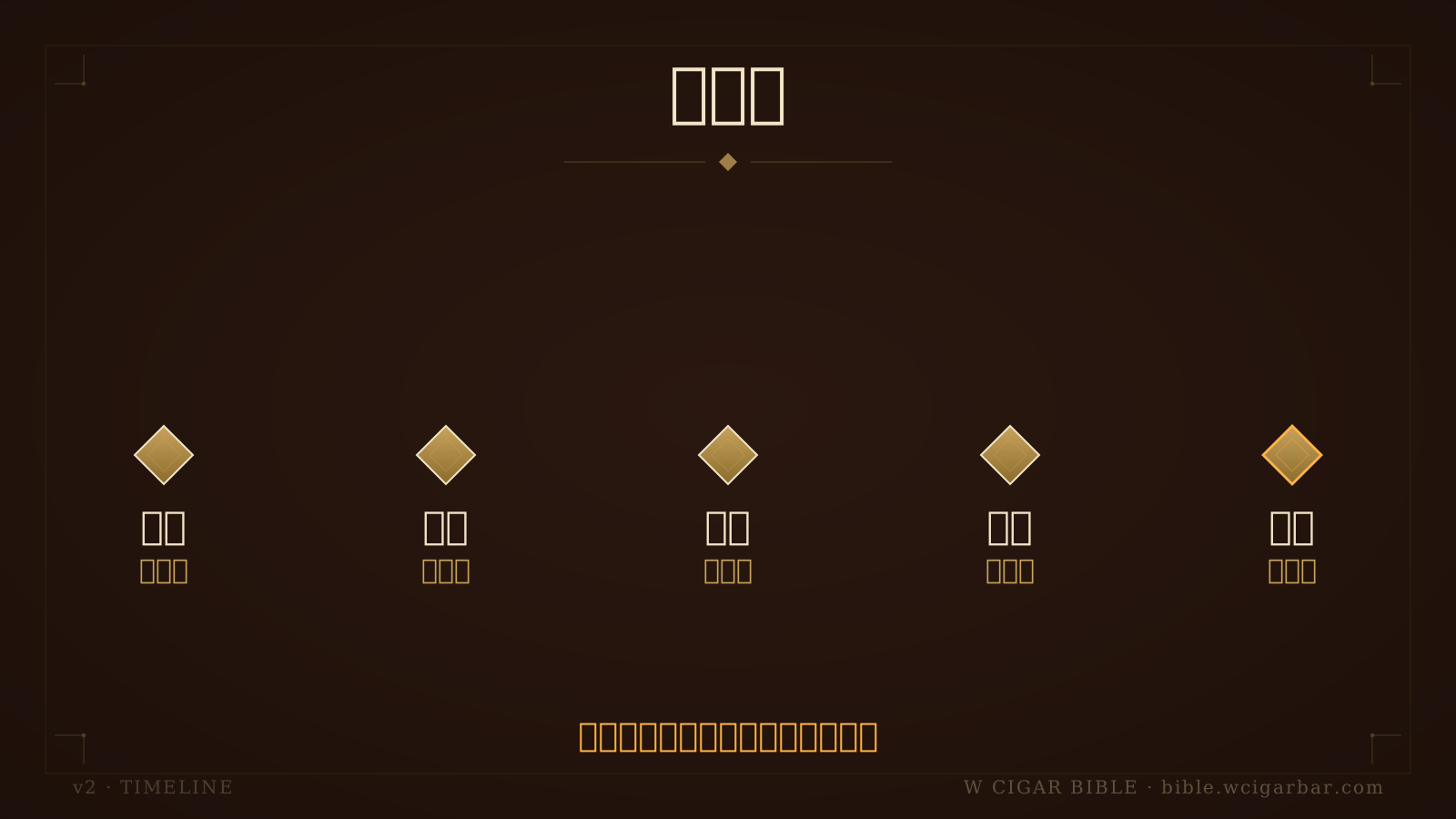
圖示醇化流程從入庫標記到抽樣微調與高峰判斷
Aging is Not Waiting, But Controlling Change
Cigars continue to change slowly after leaving the factory. The ammonia, grassiness, and spiciness in the tobacco leaves gradually decrease, while woody, nutty, leathery, cocoa, and floral notes rearrange. Take the 2019 boxed Partagás Serie D No.4 as an example; fresh from the factory, it often has black pepper and rich earthy tones. If stored at 18–20°C with 65–67% relative humidity for 24 months, the sharpness usually subsides, and caramel and roasted notes become clearer.
However, aging is not a one-way enhancement. Certain batches of Cohiba Siglo VI from 2014 reached a rounded peak between the 5th and 7th year, with beautiful cream, grass, and honey notes. If stored until the 10th year, especially if kept too humid, common issues include dull aroma contours and sluggish burning. The core of aging is not to pursue the oldest, but to find the flavor maturity point of the brand, size, and batch.
My own recording habit is to sample one cigar from the same box and code every six months, noting the beginning, middle, end, and burning performance. If two consecutive records show a decline in aroma, slower burning, and increased bitterness at the end, it indicates that the box may have surpassed your personal flavor peak. Time is just a tool; the true judgment basis is still flavor performance and condition.
Temperature and Humidity: Two Numbers Often Underestimated by Veterans
When discussing aging, start with temperature and humidity. Generally speaking, long-term storage of Cuban cigars can be maintained at 18–21°C with 64–68% relative humidity; non-Cuban cigars, due to thicker wrappers and different rolling densities, may be more stable at 67–70%. If the temperature exceeds 24°C for a long time, internal reactions in the tobacco leaves accelerate, possibly leading to premature aroma maturation and increased pest risks. If humidity exceeds 72% for a long time, moldy smells, sluggish burning, and blackened foot become common.
I once compared two boxes of 2017 H. Upmann Magnum 46: one stored around 65%, the other fluctuating between 70–72%. After three years, the 65% box had more stable draw resistance, with clean almond, cedar, and cream notes; the high-humidity box had thicker aroma in the front but was noticeably dull in the middle and end, with darker ash. For long-term aging, it's better to be slightly dry and stable than consistently too humid.
Temperature and humidity should also consider "fluctuation range." Daily fluctuations between 62% and 72% are more damaging to cigars than a stable 68%. The wrapper repeatedly absorbing and losing moisture can easily cause fine cracks or skewed burn lines. My suggestion is to use a digital hygrometer with higher accuracy, calibrating it every 6 months. If using a large cabinet, place at least one sensor on the top, middle, and bottom layers, as a 3% humidity difference within the same cabinet is not uncommon.
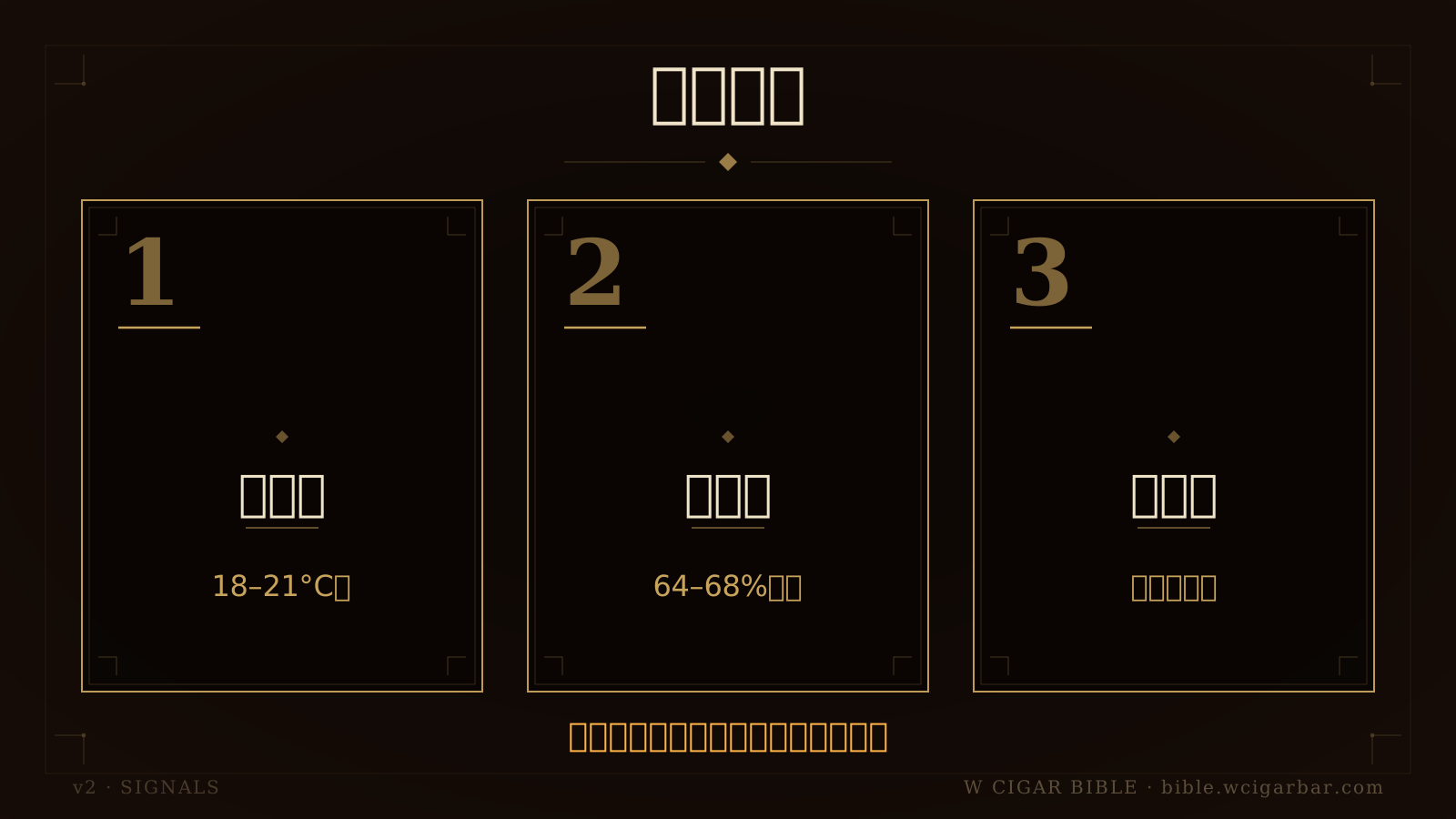
圖示三張卡說明控溫濕、少波動與勤紀錄
Time Management: Different Sizes Have Different Consumption Windows
Not every cigar is suitable for long-term storage. Small ring gauge, short-sized cigars, such as Montecristo No.4 and Partagás Shorts, typically age faster, achieving noticeable integration in 2–4 years. Large ring gauge, long-sized cigars like Hoyo de Monterrey Double Coronas and Cohiba Behike 56, due to different filler proportions and burning rhythms, often require over 5 years to truly open up layers.
Take the 2020 Ramón Allones Specially Selected as an example; in the first two years, it often exhibits red pepper, brown sugar, wet wood, and strong dried fruit notes. After the 3rd year, if stored properly, raisin, coffee, and leather notes become more integrated. Conversely, small sizes like Trinidad Reyes, if stored for over 8 years, may become smoother, but the originally bright spice and grassy sweetness may also be diminished. A larger size does not mean better, but usually indicates longer aging endurance.
I divide my inventory into three time layers: short-term 6–18 months, medium-term 2–5 years, and long-term over 6 years. The short-term layer is for observing batches, the medium-term layer is where most cigars enter a balanced range, and the long-term layer is reserved only for those with deep structure, good wrapper oil, and sufficient initial concentration. This approach avoids placing all cigars on "many years later" and retains flavor contrasts at different stages.

矩陣比較短小支、中型支與大型支的醇化時間差異
Storage Containers: Differences Between Wooden Boxes, Humidors, Humidified Cabinets, and Ceramic Jars
Containers change the aging speed. Original wooden boxes retain the brand's original microenvironment, suitable for long-term whole-box storage; Spanish cedar humidors provide woody aroma and stable buffering, but frequent opening and closing can cause fluctuations; electronic humidified cabinets have large capacity and strong temperature and humidity control, suitable for large inventories; ceramic jars have good airtightness, preserving aroma, but if humidity is set incorrectly, problems will be magnified.
| Container | Suitable Use | Advantages | Risks |
|---|---|---|---|
| Original Wooden Box | Whole-box aging over 3 years | Batch consistency, concentrated aroma | Requires regular internal humidity checks |
| Desktop Humidor | Small rotation | Easy management, lower cost | Frequent opening causes fluctuations |
| Electronic Humidified Cabinet | Medium to large inventory | Stable temperature and humidity, layered management | Beware of direct fan blowing |
| Ceramic Jar | Sealed storage for specific styles | Strong aroma retention | Mold smell not easily dissipated when over-humidified |
I once divided the 2016 Bolívar Belicosos Finos into original box and loose sticks. The original box group still had rich cocoa, soil, and salty notes in the 4th year; the loose sticks in a frequently opened desktop box had aroma dissipate faster, though smoother, lacked depth. If the goal is long-term aging, whole-box original storage is usually more reliable than mixed loose sticks.
Container choice should also match your usage habits. If you frequently open the box weekly, a desktop box is suitable for cigars needed in the near term; long-term inventory should be placed in cabinets or original box areas with less door opening. My approach is to separate the "rotation box" from the "aging area," with the former accepting short-term fluctuations and the latter trying not to be disturbed, allowing cigars to slowly integrate in a stable environment.
Microclimate Inside the Box: Effects of Position, Ventilation, and Mixing
In the same humidor, the conditions of the upper layer, lower layer, near the door, and near the back panel may differ. Cold air sinks, fan circulation, and humidification source location all cause microclimate differences. I once measured in a cabinet with a 300-cigar capacity, with the upper layer at 66%, middle layer at 68%, and bottom layer close to 70%. If delicate Quai d’Orsay is placed at the bottom, it becomes noticeably duller after three months, with slower burning speed.
Mixing is also a detail for veterans to note. Strong Liga Privada No.9, Bolívar Royal Coronas, and mild Por Larrañaga Petit Coronas stored closely for a long time will influence each other's aroma. This is not absolutely bad, but if you want to retain brand personality, it's best to zone by brand, origin, and strength. Aging is not just about external cabinet numbers, but also understanding the microclimate of each layer inside the box.
In practice, I do a position rotation every 3 months, but not a massive relocation of all boxes, just slight adjustments: swapping the upper and middle layers, moving boxes near the humidification source 5–10 cm away. If using humidification packs, avoid direct contact with cigars or box linings; if using evaporative water boxes, pay attention to water quality and cleanliness, as distilled water can reduce odors and mineral residues better than tap water.
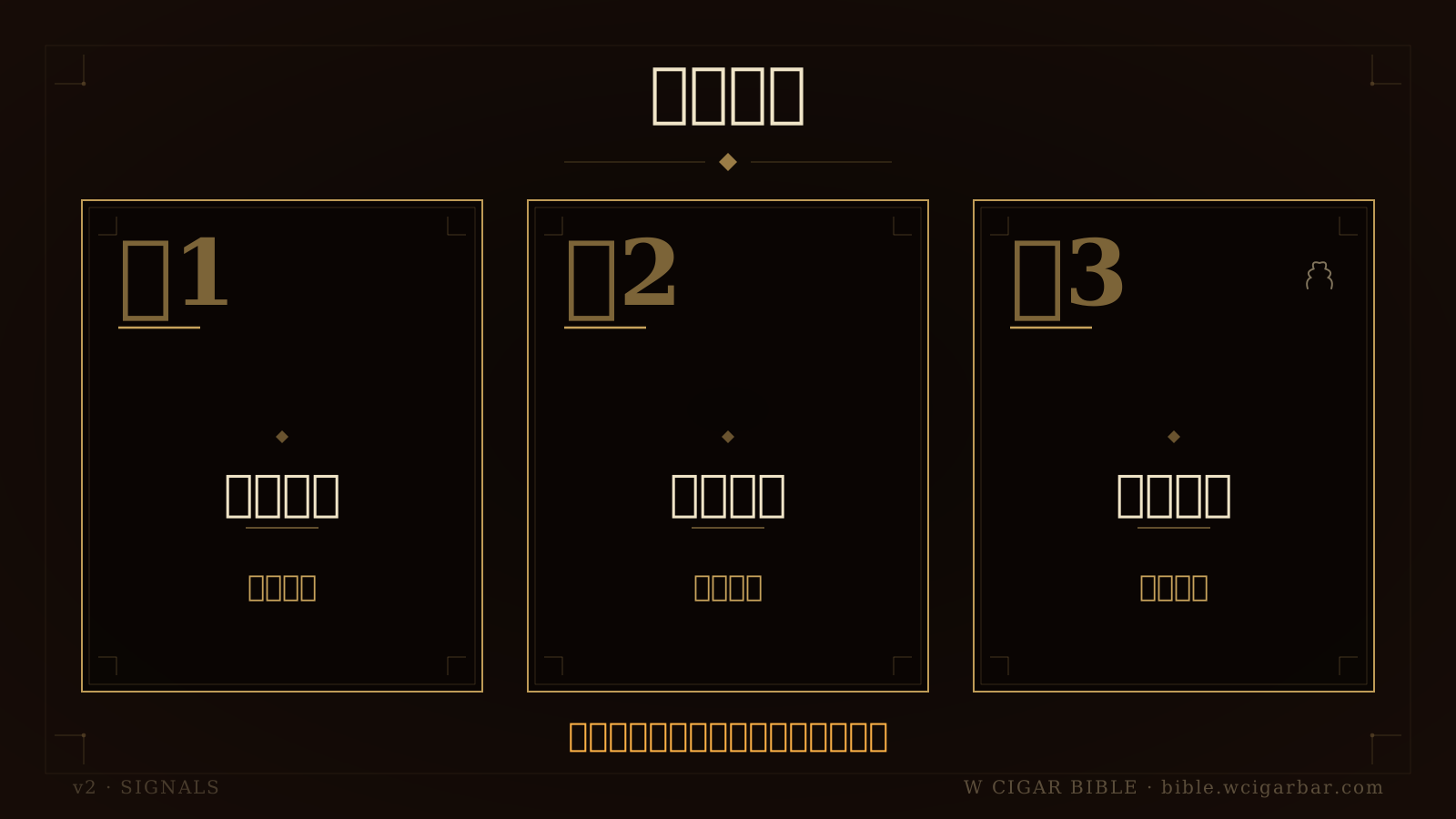
圖示三個常見錯誤包含越久越好、急速降濕與只看白霧
Opening, Sealing, and Sampling: How Not to Disrupt the Aging Rhythm
Many people, upon acquiring a good vintage box, repeatedly open it to admire, which actually disrupts the internal balance. The humidity, wood aroma, and tobacco scent inside the original box form their own small cycle; each opening changes the exchange rate. For boxes like the 2021 Punch Punch, still carrying fresh spicy notes, frequent opening can scatter the front aroma without necessarily making it truly smoother.
I recommend adopting a "sampling rhythm": record the box code, date, appearance, and initial humidity upon storage; open the box for inspection at the 6th month, then sample 1 cigar every 6–12 months thereafter. If the internal condition is normal, there's no need to open it monthly. For older boxes from before 2013, reduce opening and closing even more, as the elasticity of old wrappers decreases, and excessive humidity changes can easily cause wrapper cracks. Good aging management is about gaining the most information with the least interference.
When sampling, don't just write "good" or "bad." I record burn line, ash color, draw resistance, front, middle, and end aroma, tail length, and discomfort. If the same box transitions from spicy to sweet within 18 months, and then from sweet to bland, you can estimate the consumption window for the next batch of similar styles. These notes are more reliable than any rumor, as they reflect your environment and your taste.
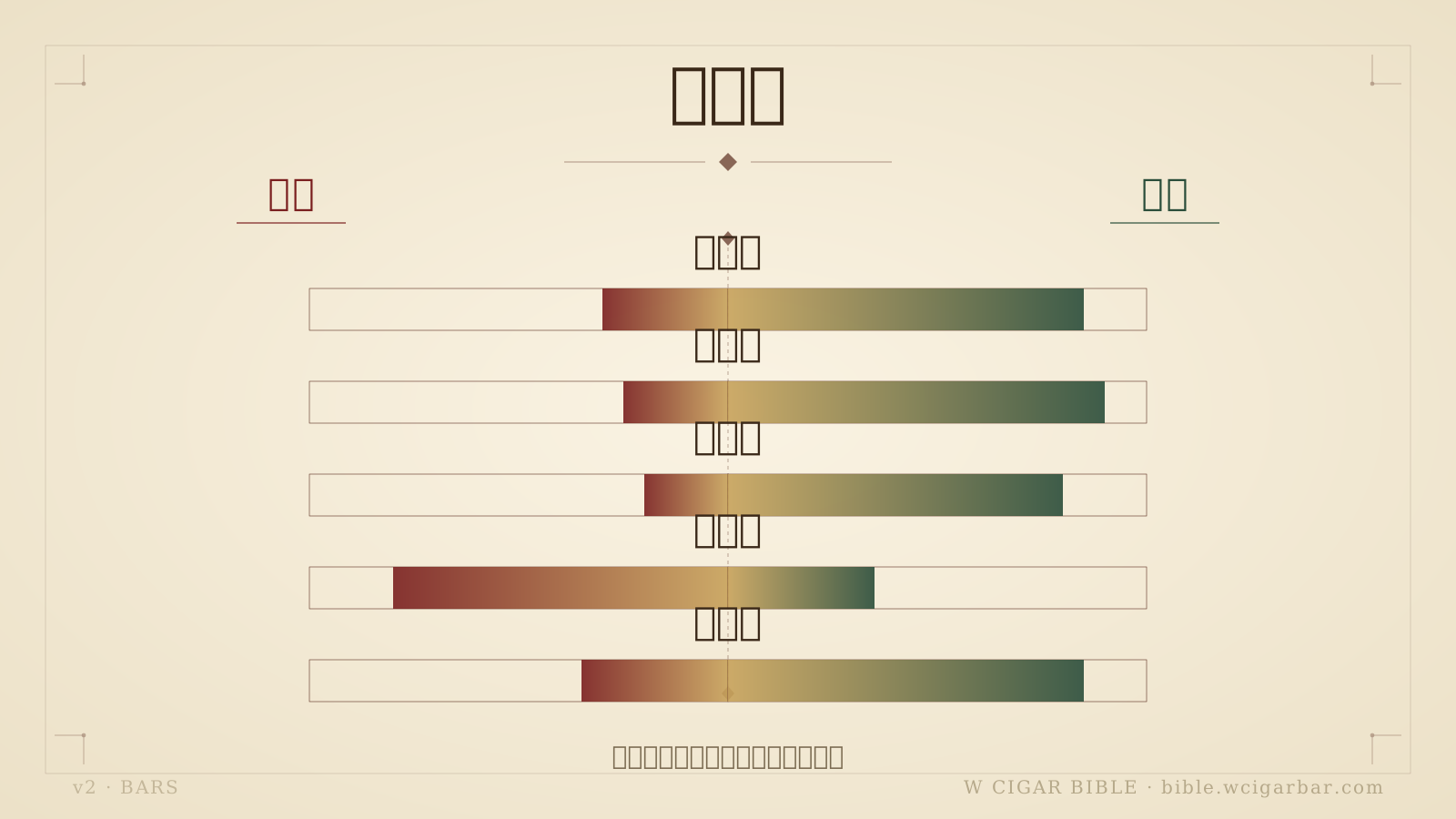
長條圖比較放任保存與穩定控管在五個軸向的差異
Interpreting Aging Flavors: Sweetness, Oils, and Structure
Veterans judging whether a cigar has reached its state cannot just look at "smoothness." A well-aged cigar usually has three things: decreased sharpness, increased sweetness, and retained structure. For example, the 2015 Montecristo No.2, under good storage, often exhibits coffee, cocoa, roasted almond, and orange peel tail notes in the 6th year; if only smooth wood flavor remains, it actually indicates insufficient vitality.
Oiliness is also important. The wrapper surface doesn't have to glow, but the touch should have resilience, with a gentle press able to rebound. If the cigar becomes too hard, with a dry and brittle wrapper, even if the vintage is beautiful, the aroma may become sharp and thin; if it feels wet and soft, with a sour and stuffy foot, it's mostly over-humidified. Mature flavors should have clearer layers, not all personalities being smoothed out.
I often use a three-stage interpretation: the front looks at aroma development, the middle looks at sweetness and structure, and the end looks at whether bitterness and heat are out of control. For example, the 2018 Romeo y Julieta Wide Churchills, when stored stably, will have red fruit, cedar, and cream in the middle; if the end quickly shows burnt bitterness and wet wood taste, it's usually not due to insufficient vintage, but because humidity or burning rhythm needs adjustment.
Special Methods: Low Humidity Awakening, Sealed Dormancy, and Batch Management
Advanced players can use "low humidity awakening." If cigars are stored at 68–70% for a long time, moving them to a small box at 62–64% for 7–14 days before use can improve burning and draw clarity. This is especially useful for large ring gauge cigars, such as 2019 Cohiba Robustos or Nicaragua heavy styles; after short-term humidity reduction, front miscellaneous flavors often decrease, and spice contours become cleaner.
Sealed dormancy is suitable for long-term immobile whole boxes. Use food-grade sealed bags or sealed boxes with 65% humidification packs to place the stabilized original box inside, checking every six months. This method can reduce external fluctuations, but the premise is that the cigar's condition is correct before bagging; if it was already too humid, sealing will only lock in the problem. Sealing is not a repair tool, but a stabilization tool.
Batch management is the practical method I most recommend. Divide the same box of cigars into three groups: one for long-term aging in the original box, one for observation in the rotation box, and one for low humidity awakening as needed. This way, you can simultaneously understand the differences between "slow maturation in the original box," "daily fluctuations," and "pre-use adjustment." For rare vintages or commemorative editions, this reduces judgment errors more than placing all in the same environment at once.
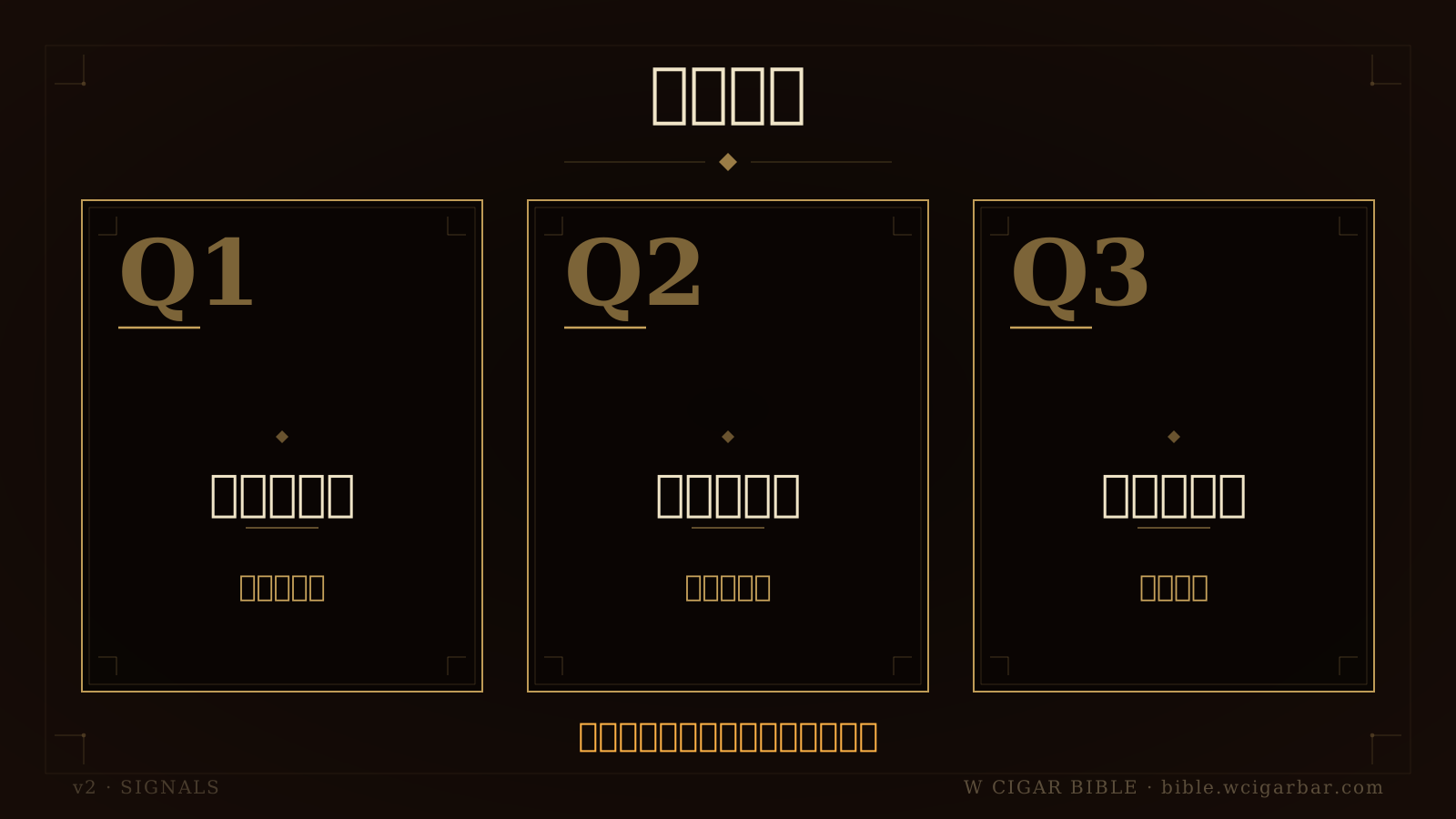
圖示三題實用問答涵蓋年份、濕度差異與偏濕處理
Value, Collection, and Risks: Vintage is Not a Talisman
In recent years, many people have linked years like 2008, 2010, 2014, and 2016 with specific brands, such as Cohiba, Partagás, H. Upmann, and Bolívar, which often attract attention. However, collection value is not just about the vintage but also the box code, source, sealing condition, tax label, outer box integrity, and preservation records. Collection appreciation does not guarantee appreciation; it still depends on source preservation and market.
I've seen a beautifully looking 2006 Montecristo Especial No.2, with a complete box surface and clean band, but upon opening, there were obvious mold marks and ammonia smell, resulting in flavor far below expectations. I've also seen a 2018 ordinary batch of Hoyo de Monterrey Epicure No.2, which, due to stable storage, had excellent honey, grass, cream, and wood balance after five years. What truly holds value is not the vintage label, but verifiable preservation quality.
If you aim for long-term collection, please establish records: storage date, source information, box code, temperature and humidity range, opening frequency, sampling notes. As a PCC authorized dealer, I value source and status consistency more than just market heat. Cigars are ultimately agricultural products, and no brand, limited edition, or old vintage can replace correct preservation.
Frequently Asked Questions
Do cigars get better the longer they are stored?
Not necessarily. Small sizes may reach a beautiful state in 2–4 years, while large sizes or high concentration styles are more suitable for longer. The goal of aging is more balance, not simply older. If sweetness decreases and aroma becomes flat, it may have already missed the peak.
Is the aging method for Cuban and non-Cuban cigars the same?
The general direction is the same, but humidity can be adjusted slightly. Most Cubans are suitable for 64–68%, while some non-Cubans, due to rolling and leaf thickness, can perform stably at 67–70%. The key is still less fluctuation and diligent recording, rather than applying a single number.
If cigars are found to be too humid, can they be immediately reduced to very low humidity?
Not recommended. Gradually decrease over 2–3 weeks, for example, from 70% to 67%, then to 64%. Rapid dehydration easily causes wrapper shrinkage and cracking, and uneven internal and external moisture can lead to unstable burning.
Can loose sticks be aged long-term?
Yes, but not as stable as whole boxes. Loose sticks are more susceptible to box opening, mixed aromas, and position differences. For long-term storage, it's recommended to use small wooden boxes or separate containers, labeling brand, vintage, and storage date to avoid future tracking issues.
Is the white stuff on the cigar surface mold or crystallization?
It depends on the form. Even thin mist that can be lightly wiped and has no odor may be oil exudation; fuzzy, spotty spread with a moldy smell should be isolated for inspection. Don't judge only by photos; smell and touch are equally important.
Can overly dry cigars be restored?
If only short-term dry, use 60%, 62%, 65% phased rehydration, taking at least 4–8 weeks. If dry to the point of brittle wrapper and aroma loss, even rehydration can only improve burning, difficult to restore original layers.
—Cigar Prince Wilson Tsai
I have always believed that cigar aging is an art of patience and discipline. What veterans truly pursue is not to store every box to the oldest, but to open the right state at the right time. When you are willing to record, compare, and adjust the environment, every cigar will become your teacher; vintage is just the starting point, flavor judgment is the endpoint.
Smoking is harmful to health. No smoking under the age of twenty. Quitline: 0800-636363. This article is for reference by adults over the age of twenty for cigar culture, preservation, and regulatory knowledge only, not a tobacco advertisement, promotion, or purchase suggestion.
Like this article?Share with friends
Share this W Cigar Bible piece with friends who want to learn cigar culture, storage, and tasting.
想把這篇 化為實踐
雪茄聖經是知識;雪茄文化要在空間裡發生

W Cigar Bar 大安總店資訊
台北大安區 · 雪茄聖經總編輯 Wilson Tsai 主理的雪茄文化空間
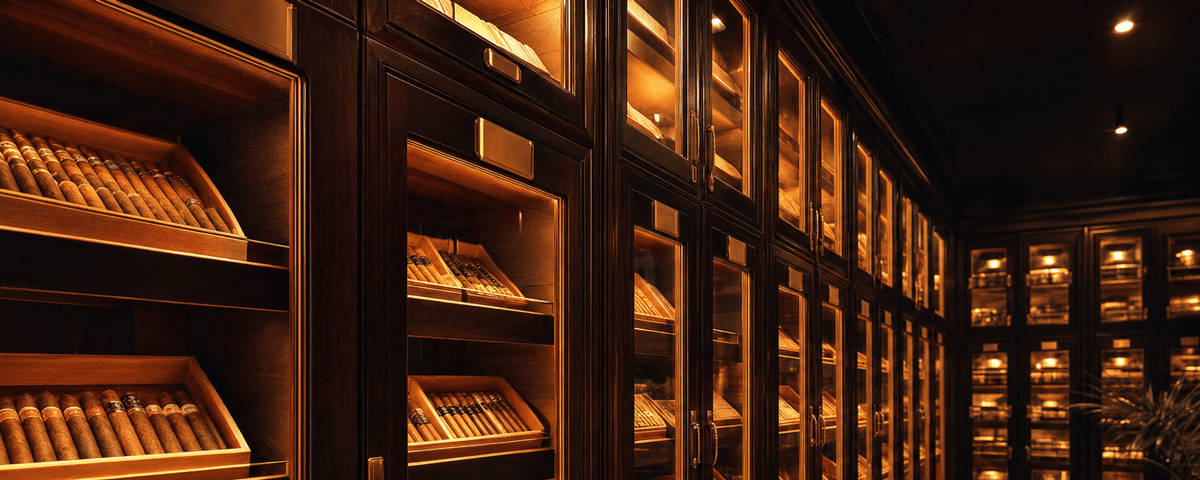
33 座 24 小時恆溫恆濕醇化室
W Cigar Bar 提供的會員醇化空間 · 場地資訊請洽編輯部
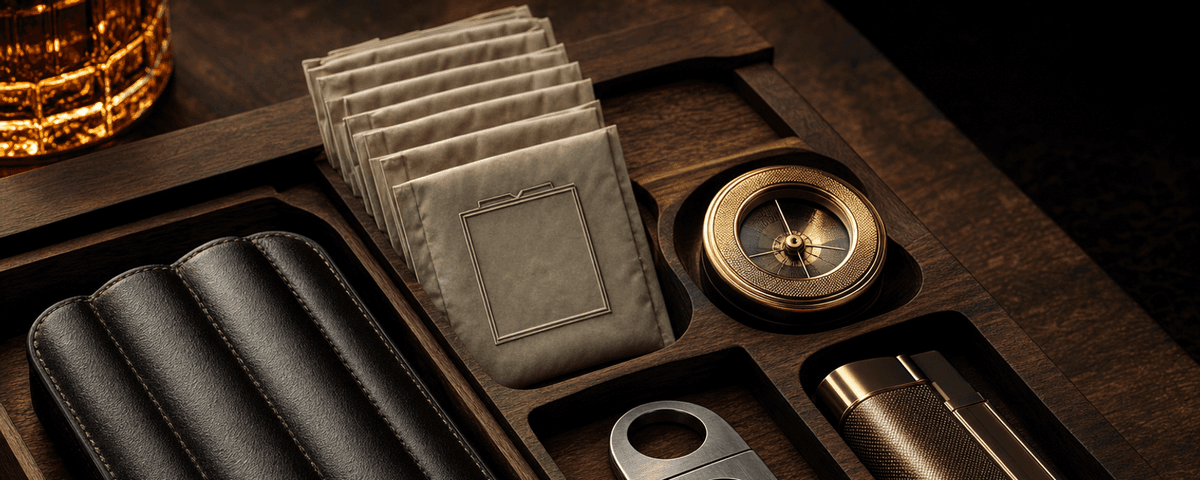
雪茄剪 / 打火機 / 雪茄盒 / Boveda
W Cigar 配件官網 · 專營雪茄配件正品

加 LINE 好友 · 文化諮詢
文化空間資訊 · 紳士沙龍 · 私人包場
本網站內容僅供雪茄文化、歷史、收藏與品吸知識研究參考。菸品有害健康、未滿法定年齡者請勿吸菸。實際規範請依所在地法律為準。
吸菸有害健康・戒菸專線 0800-636363・本站僅供 20 歲以上成年人閱覽。
讀到這裡,你不只是路過的人
留下 Email,加入 W 雪茄聖經內圈——總編輯 Wilson Tsai 親選的學院深文與國際新訊,先你一步送到信箱。
· 教育用途非銷售 · 隨時一鍵退訂 · Email 絕不對外公開 · 由勝茄股份有限公司營運
同分類延伸閱讀

資料來源:W Cigar Bible 編輯部整理 · 雪茄王子 Wilson Tsai 親自審稿
本文僅供雪茄文化、歷史、收藏與品鑑知識研究,不作為菸品促銷、銷售或購買建議。吸菸有害健康,未滿二十歲不得吸菸。