探索雪茄的材料科學:葉片的三重奏
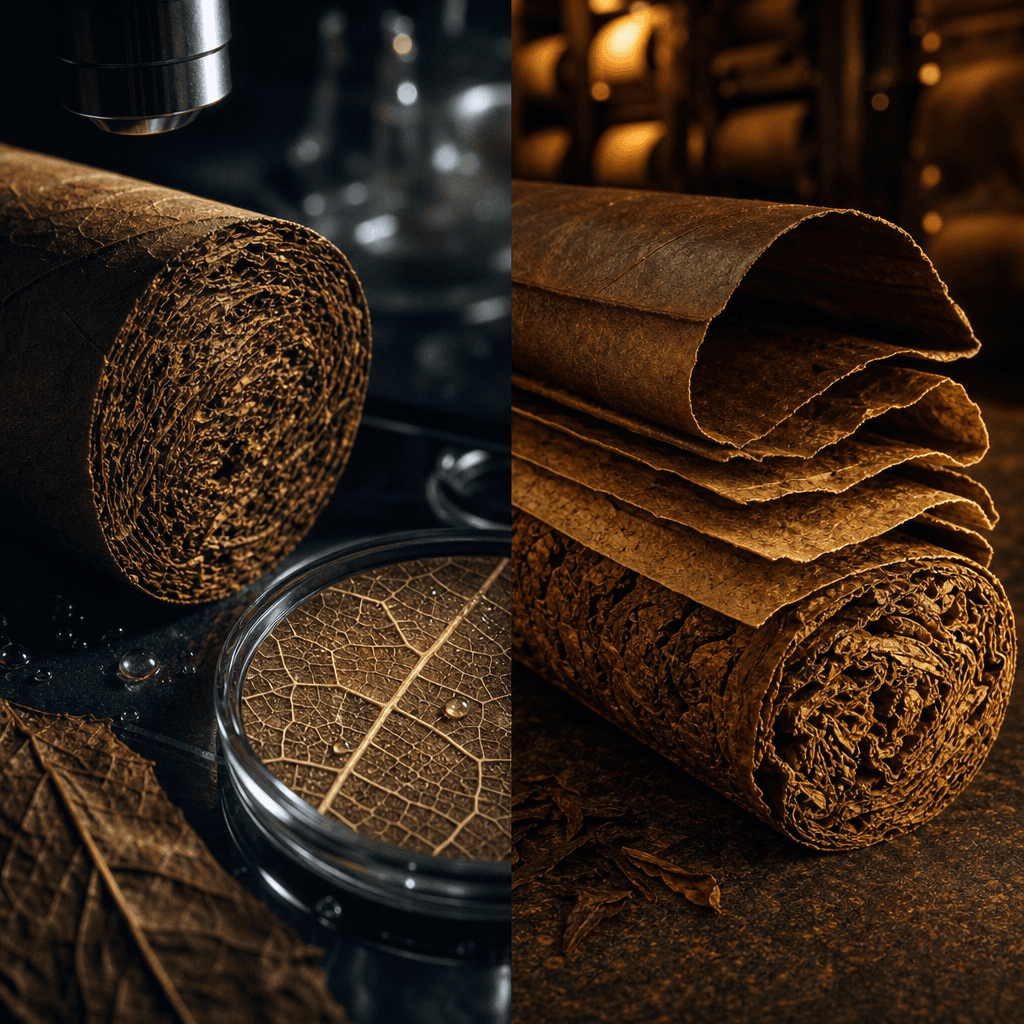
雪茄的風味與品質源自其葉片結構,主要由茄衣、茄套與茄芯三部分組成。茄衣影響第一印象與香氣,茄套則確保燃燒穩定,茄芯則決定濃度與節奏。每一部分的選擇和搭配都需考量油脂、厚薄與發酵程度,以達到最佳的香氣釋放與燃燒效果。透過對這三者的深入理解,老手能更精確地評估雪茄的特性,從而提升品味體驗。選擇合適的葉片和工藝,將直接影響雪茄的整體表現。
- 雪茄的葉片結構由茄衣、茄套和茄芯組成,三者相互影響,決定香氣與燃燒特性。
- 茄衣的油脂、厚薄與發酵深度直接影響第一層香氣,並非顏色越深越好。
- 茄芯的配方比例決定雪茄的力量與節奏,必須精確調整以避免燃燒失控。
Exploring the Material Science of Cigars: The Trilogy of Leaves
As the editor of "The Cigar Bible," I am often asked by aficionados: Why does the same Havana Robusto taste like black coffee and leather, while another one tastes like honey, hay, and cream? The answer lies not only in the brand but also in the leaf structure. A cigar is not a single agricultural product but a designed material system.
I view a cigar as a "trilogy of leaves": the wrapper defines the first impression and aroma boundary, the binder controls the burn and structure, and the filler is responsible for strength, rhythm, and aftertaste. Understanding the chemistry, physics, and leaf selection logic of these three elements allows aficionados to truly read a cigar.
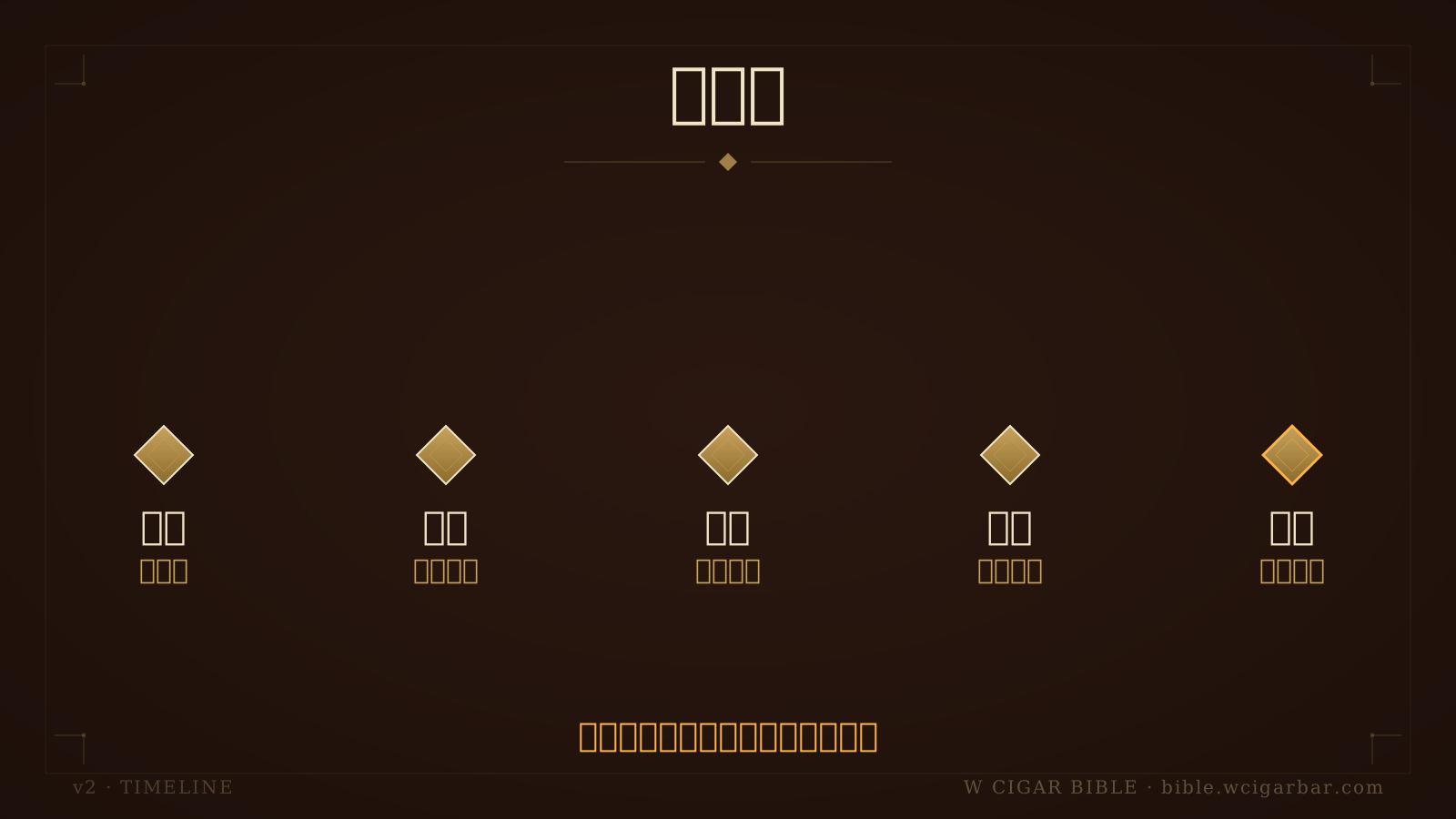
時間線呈現選葉到燃燒的材料變化流程
The Trilogy of Leaves: Wrapper, Binder, and Filler Are Not Divisions but Calibrations
A Robusto with a length of 124mm and a ring gauge of 50 may seem like just a single wrapper, but it actually contains at least 3 to 5 different types of tobacco leaves. In the common Cuban Tripa Larga structure, the filler usually mixes ligero, seco, and volado; the binder fixes the burning framework; and the wrapper is the thinnest, most expensive, and most influential layer on aroma judgment.
The wrapper is not simply "for looks," and the filler is not just "for strength"; the true formula aligns the burning speed, oil release, and aroma volatilization on the same timeline. For example, the Partagás Serie D No.4 became a benchmark for many aficionados after 2000, not because of its strong single-point flavor, but because of its stable stacking of woodiness in the front, pepper in the middle, and concentration in the back.
In material science, the focus is on three things: moisture content, fiber density, and volatile aromatic compounds. A wrapper that is too thick will suppress the front aroma, a binder that is too loose will cause uneven burning, and a filler with too high a proportion of ligero will easily become bitter when heated. The job of the leaf selector is not to put the most expensive leaves together but to let different leaves complement each other.
- Wrapper: Aroma profile, texture, oiliness, visual integrity
- Binder: Burning stability, structural tension, airflow channel
- Filler: Concentration, rhythm, aftertaste, brand character
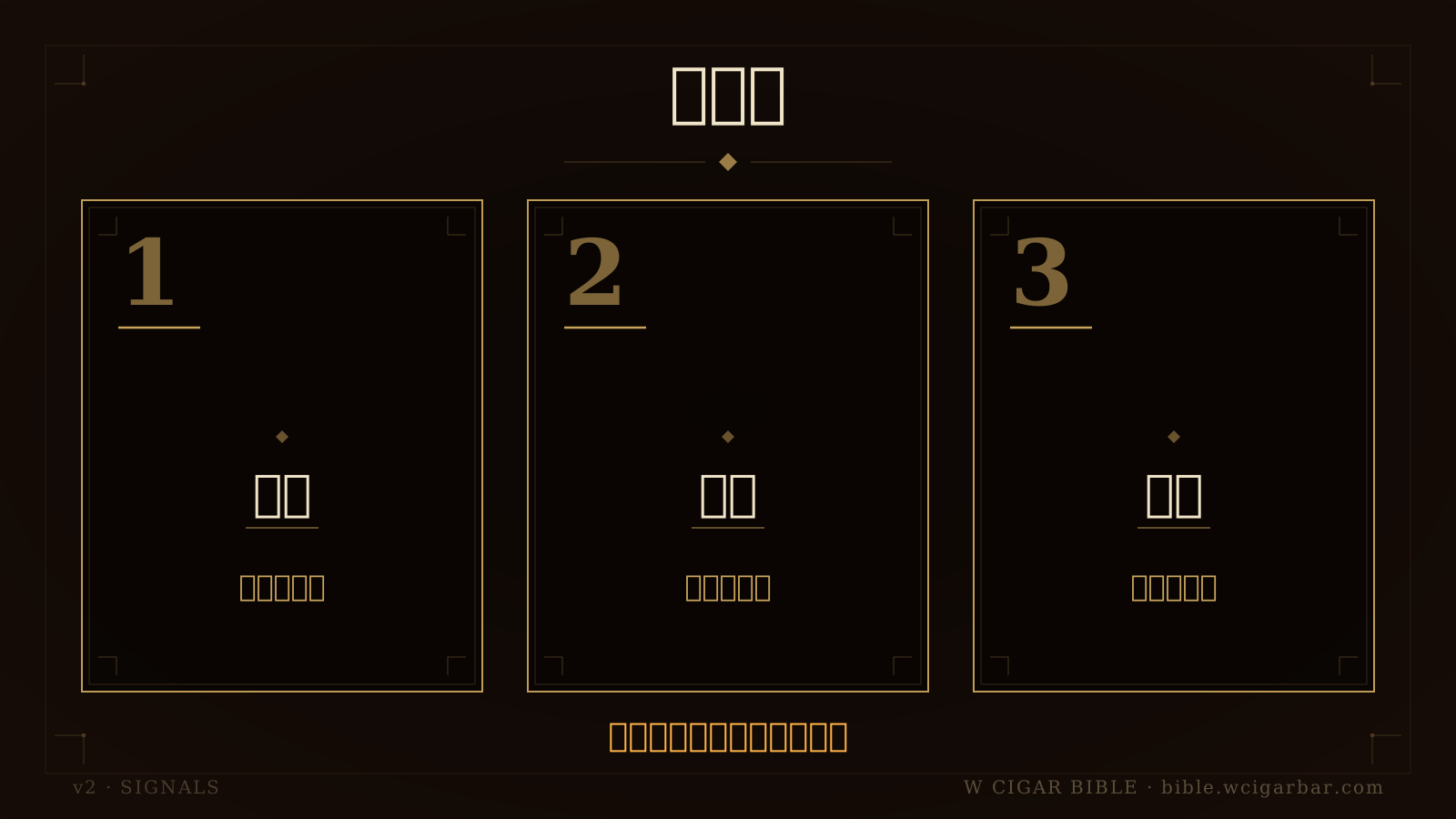
圖示茄衣茄套茄芯三項核心重點卡片
The Material Science of the Wrapper: Oil, Thickness, and Fermentation Depth Determine the First Layer of Aroma
The wrapper is the leaf closest to the mouth and nose perception. Its surface oil, vein fineness, and color uniformity directly change our first impression of a cigar. Connecticut Shade is often associated with cream, nuts, and hay; Cameroon tends to have sweet spices and woodiness; Corojo and Habano Seed often have pepper, leather, and dark honey notes.
Take the Cohiba Siglo VI as an example. When it was launched in 2002, its 52 ring gauge and 150mm length allowed the wrapper to have more space to unfold aroma in the front burn. If the wrapper has enough oil, it often feels smooth and sweet upon entry; if stored too dry, the same leaf will present dry wood, paper feel, and even a rough sensation at the edge of the mouth.
The value of the wrapper is not in the deeper the color, the better, but in whether the thickness, oil, and elasticity match the internal formula. Maduro is often mistaken for being necessarily stronger, but it more represents processing time, sugar conversion, and surface color; the true strength still depends on the proportion of ligero and seco in the filler.
I use three details to cross-judge the wrapper: First, whether there is a delicate oil sheen under oblique light rather than a wet shine; second, whether the main vein is smooth and unobtrusive; third, whether the rebound is uniform when lightly pressed. After 2020, many new world brands have matured in Ecuadorian Habano wrappers, due to the cloud environment reducing leaf surface roughness, making large-size cigars easier to maintain a consistent appearance.
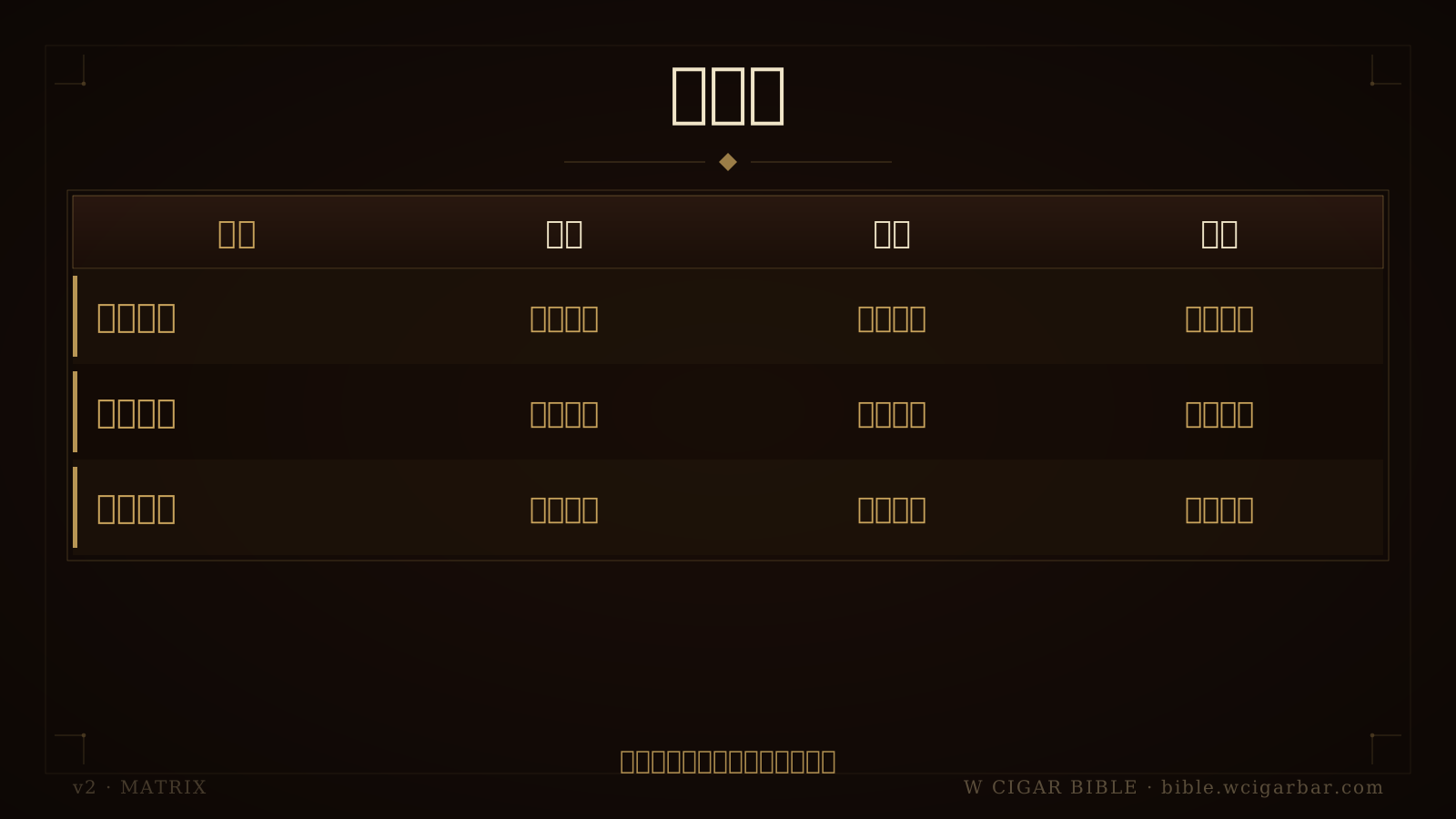
矩陣比較茄衣茄套茄芯的任務與失衡現象
The Invisible Power of the Binder: The True Manager of the Burn Line and Structural Tension
The binder is often underestimated because it is hidden under the wrapper, not directly visible like the wrapper, nor does it have the obvious strength differences like the filler. But aficionados know that many issues like uneven burning, hollow spots, burning too fast or too slow often originate from the binder. It is like the "beams and columns" of a cigar, determining whether the internal leaves can maintain stable airflow.
Dominican Republic's Olor or Piloto Cubano is often used in structural formulas; Nicaragua's Jalapa and Estelí leaves play a role in strength support in different brands. For example, the Padrón 1964 Anniversary series' stable burn and rich flavor rely not only on the filler strength but also on the binder's control over the burning speed.
A good binder is not meant to steal the flavor, but to maintain a predictable burning rhythm from the first puff to the last third of the cigar. A binder that is too thick will increase draw resistance, while one that is too thin will easily let the filler scatter; if the moisture content is above 72% RH for long-term storage, the binder's elasticity deteriorates, often resulting in smoldering and bitterness after lighting.
From a craftsmanship perspective, the roller adjusts the binder wrapping according to the vein direction, leaf tension, and filler distribution. In 2015, I compared the same size Montecristo Edmundo and H. Upmann Magnum 50, the former having concentrated cocoa in the middle, the latter having more open wood and tea notes; the differences are not just in the formula but also in the binder's regulation of burning temperature.
The Language of Filler Formulation: How Ligero, Seco, and Volado Compose Strength and Rhythm
The filler is the core of a cigar's personality. Generally speaking, ligero comes from the upper part of the plant, with more sunlight, higher nicotine and oil content, and slower burning; seco is in the middle, rich in aromatic substances, often providing floral, herbal, and woody notes; volado is at the bottom, with good combustibility and lighter aroma, responsible for ensuring smooth burning of the entire cigar.
For classic large sizes like the Romeo y Julieta Churchill, with a length of 178mm and a ring gauge of 47, it requires layers in the front, middle, and back. If ligero releases too early, the back will become bitter; if volado is insufficient, the burn line will be sluggish. The charm of old-school large sizes lies in the leaf proportions being arranged to unfold slowly, rather than pushing all the strength out at the beginning.
The filler formula is like an orchestra; it's not about amplifying the bass to call it deep; the proportions of ligero, seco, and volado determine the speed, temperature, and length of the aftertaste. Nicaragua's Estelí ligero often carries black pepper and deep-roasted coffee, Jalapa seco may offer sweet woodiness, and Dominican seco often has floral and creamy notes.
I pay special attention to "whether the third segment loses control" when evaluating fillers. A cigar that is beautiful in the front, rich in the middle, but suddenly bitter in the back often indicates that the formula has not been well controlled in burning temperature. This is also why many brands had to readjust leaf proportions when launching 54 and 56 ring gauge products after 2010; enlarging the ring gauge does not mean just stuffing more of the same leaves.
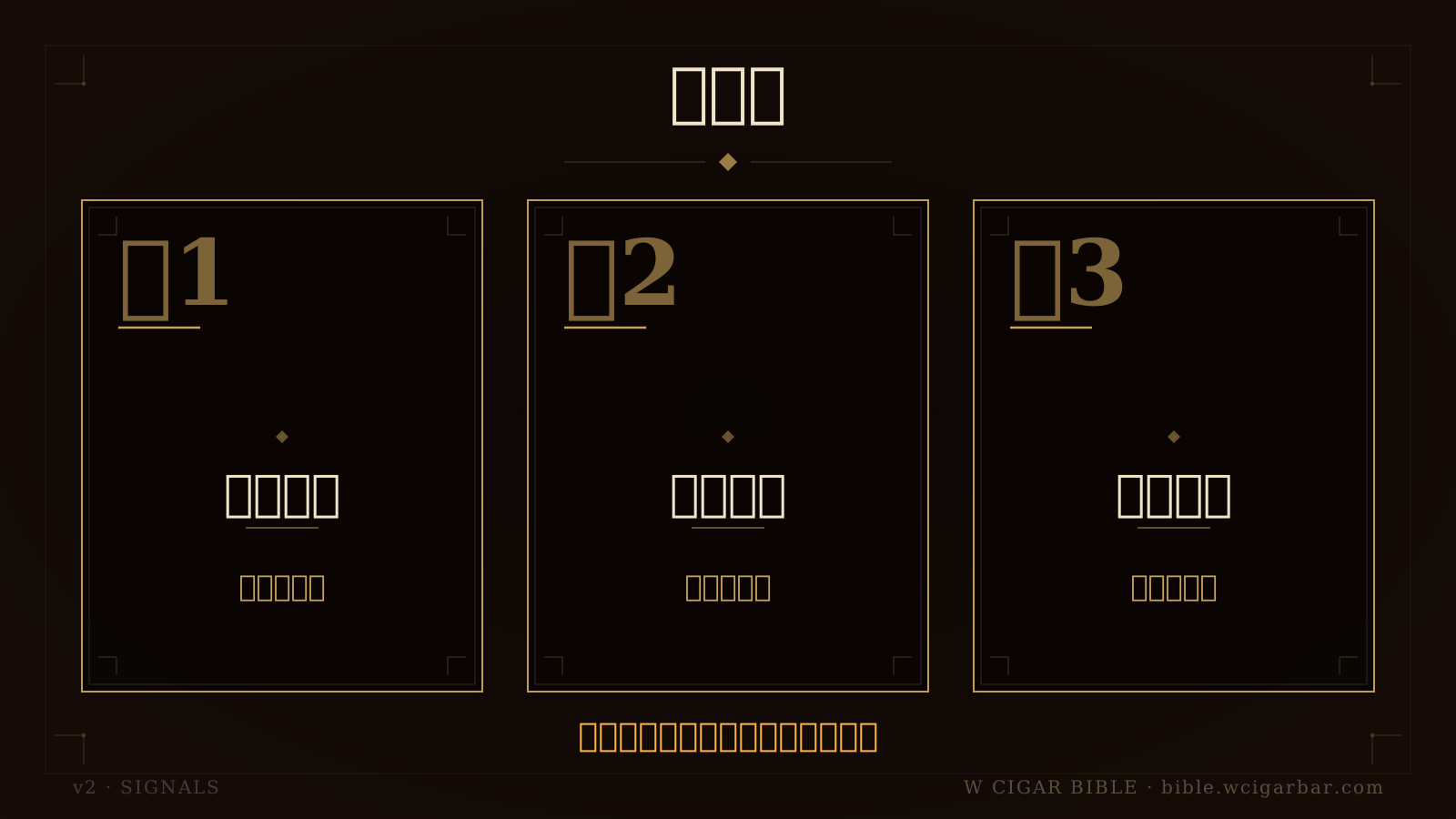
三張卡整理深色環徑濕度相關常見誤解
Aging and Fermentation: How Sugar, Ammonia, and Aromatics Transform a Leaf
Tobacco leaves are not immediately usable after harvesting. From drying in the curing barn to stacking fermentation in pilón, and then to grading and storage, each step changes the sugar, protein, ammonia, and volatile compounds in the leaves. If the temperature is too high, the leaves may develop rough burnt flavors; if insufficient, ammonia and greenness are hard to dissipate.
Cuba traditionally emphasizes grading and long-term aging, while new world regions often use more precise batch management to control stability. Davidoff in the Dominican system is very strict about leaf vintage, storage batch, and formula consistency; Arturo Fuente OpusX has been in the spotlight since its debut in 1995, also related to Chateau de la Fuente's mastery of top leaf maturity.
Fermentation is not about aging the leaf but transforming irritants into perceivable aromas and flavor order. When the ammonia dissipates, the mouth can more easily discern caramel, cedar, nuts, coffee, and spices; if inadequately processed, even the most prestigious regions may only leave pungency and off-flavors.
Aficionados often keep cigars at 65% to 69% RH for long-term storage, with temperatures around 18°C to 21°C. This is not superstition but a way to reduce mold and over-moist smoldering risks. When discussing collection and market prices, I would remind: certain 2006 limited editions or specific box numbers are indeed sought after, but it does not guarantee appreciation; it still depends on source preservation and market.
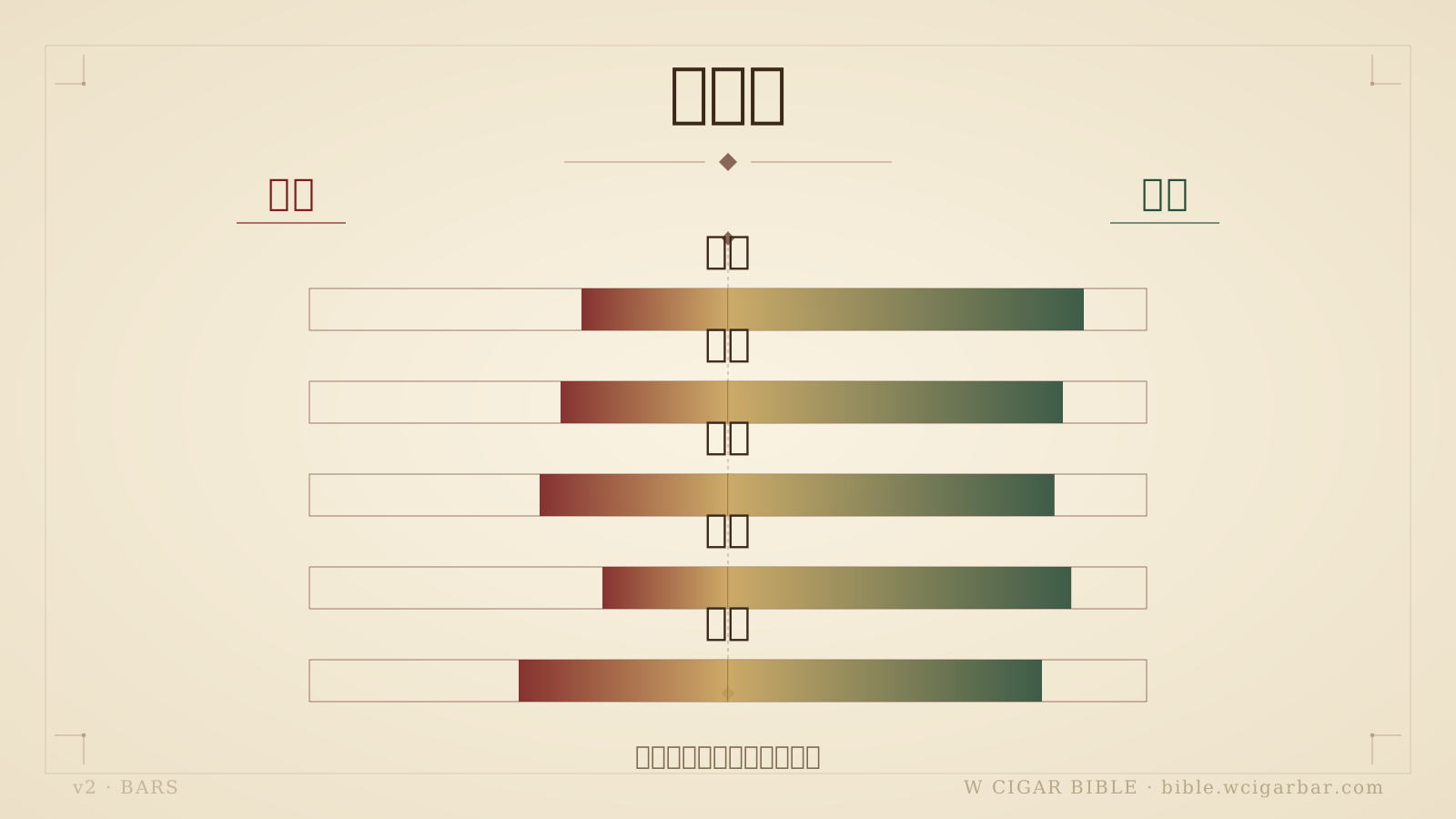
長條圖比較濃淡讀法與材料讀法差異
Practical Leaf Selection: How Aficionados Infer Formulas from Appearance, Touch, and Burn
Leaf selection happens not only in factories but also the moment an aficionado picks up a cigar. Appearance can provide clues: Colorado Claro is mostly brighter, Colorado shows a reddish-brown balance, Maduro is darker but not necessarily the strongest. If the surface has uniform oil sheen, fine veins, and consistent color gradation, it usually indicates better grading and preservation.
Touch is also crucial. Using the fingertip to lightly press, the ideal state is elastic, without local hollows or hard spots. If the head is too hard, it may have high draw resistance; if the middle is too soft, it may overheat during burning. For example, the Hoyo de Monterrey Epicure No.2, when in good condition, unfolds cream and woodiness in the front; if too moist, it often loses its lightness.
The core of leaf selection judgment is not to pursue a single perfect appearance but to see if the appearance, touch, aroma, and burn tell the same story. If the cold smell has grains, wooden box, light cocoa, it is usually a positive signal; if there is a pungent ammonia smell, mold, or sour rot, the preservation state should be carefully judged.
My basic inspection process is simple:
- Look: Is the color continuous, are the veins smooth, are there any cracks in the wrapper?
- Touch: Is the elasticity uniform, are the head and tail too dry or too moist?
- Smell: Is there woodiness, grain, honey aroma, rather than moldy sourness?
- Burn: Observe the burn line in the first 2 cm to judge moisture content and structure
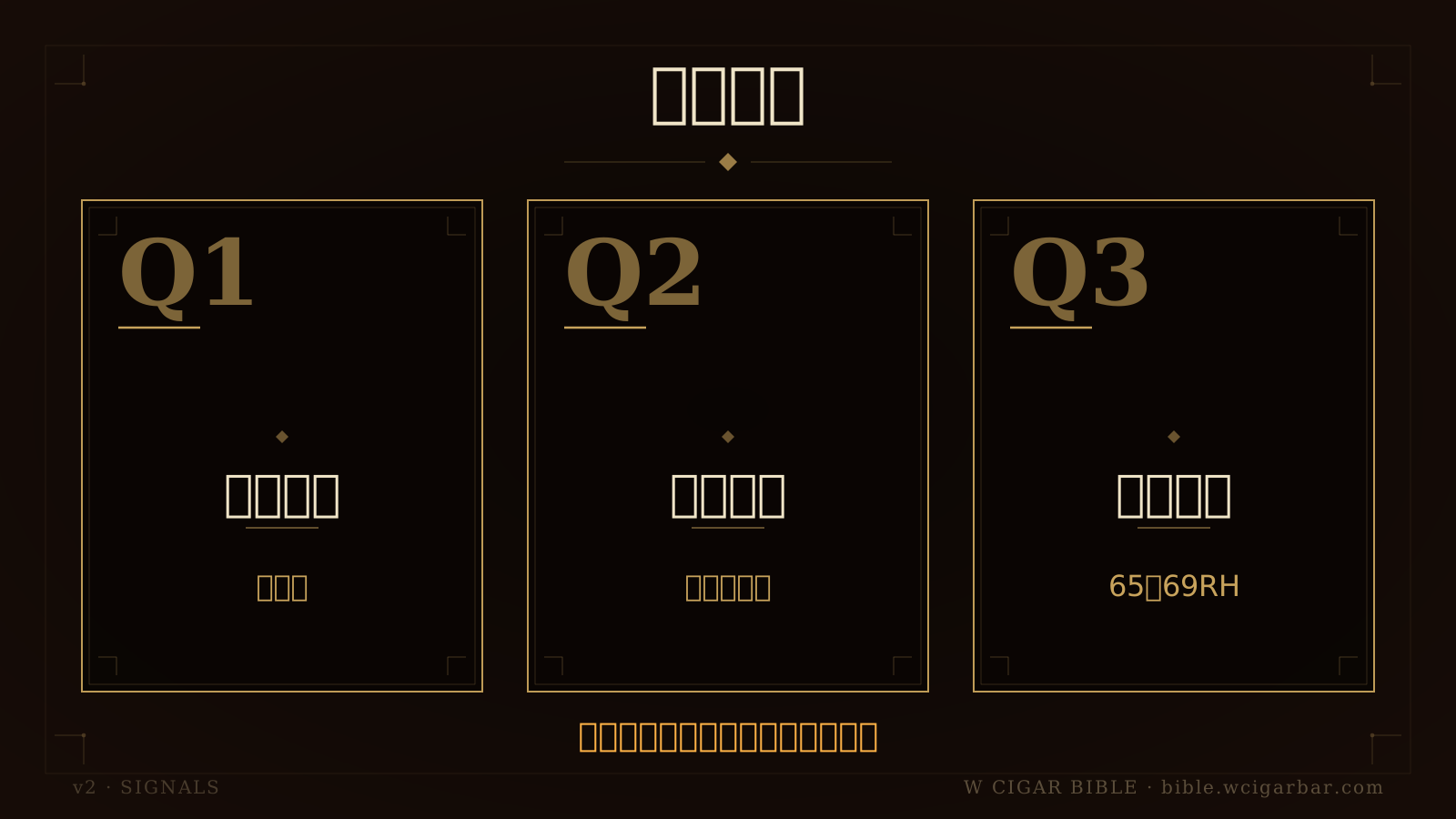
快問快答列出色深年份與濕度三個問題
Burn Diagnosis Table: Reading Leaf Issues from Ash, Line, and Smoke Volume
Aficionados look at burning not just for ash whiteness. Ash color is affected by soil minerals, fertilization management, and burning temperature; what is truly worth observing is ash column density, burn line thickness, smoke volume stability, and whether the taste is synchronized. If the ash column is loose but the aroma is clean, do not overinterpret; if the burn line is oily black and the taste is bitter and dull, usually the moisture content or formula temperature is problematic.
Here is a quick judgment table I often use, especially suitable for comparing different years or different regional versions of the same brand. For example, the Punch Punch before and after 2014, if well preserved, has clear wood and herbal notes; if the environment is too moist, it will show a chain reaction of increased draw resistance, unstable smoke volume, and increased bitterness in the back.
| Phenomenon | Possible Cause | Leaf Association | Adjustment Direction |
|---|---|---|---|
| Continuous uneven burn over 1 cm | Uneven binder tension or moisture content | Binder, Wrapper | Reduce storage humidity and allow stable time |
| High draw resistance | Rolled too tight or leaves too moist | Filler, Binder | Check head cut and humidity |
| Spicy tingling in the front | Insufficient fermentation or overheating | Ligero, Wrapper | Slow down pace, avoid continuous quick puffs |
| Large smoke volume but empty taste | High volado proportion or light formula | Filler | Observe if aroma unfolds in the middle |
| Bitter in the back | Concentrated ligero or high temperature | Upper filler leaves | End early or slow down frequency |
Burn performance is the result of materials, preservation, and technique; do not blame all problems on the brand, nor attribute all advantages to the region. If only one or two cigars in a box are abnormal, it may be a single structure difference; if the whole box is dull, storage conditions are more worth investigating.
Common Questions
Does a darker wrapper mean a stronger flavor?
Not necessarily. Dark color is often related to processing time, sugar conversion, leaf variety, and fermentation conditions; true strength still depends on the filler proportion. Maduro can be sweet and smooth, or heavy; Colorado can also be powerful, as seen in Partagás and Bolívar.
Why do the same cigars differ greatly between years?
Crops are deeply affected by climate. Rainfall, sunlight, harvest maturity, and fermentation management all change the leaves. Years like 2008, 2014, and 2019 often have different performances in different regions; brands may adjust formulas but cannot completely eliminate crop year differences.
Does a larger ring gauge mean a more complete flavor?
A larger ring gauge can accommodate more leaf combinations but may also make the aroma more dispersed. Robusto's 50 ring gauge often has a concentrated feel, while Toro's 52 to 54 ring gauge focuses more on layers. Size is not a matter of high or low but a different way of presenting the formula.
What humidity best expresses leaf details?
I prefer 65% to 69% RH, with temperatures around 18°C to 21°C. Too moist will make the binder smolder, burn slowly, and taste bitter; too dry will make the wrapper brittle and aroma thin. The key is stability, not daily large adjustments.
How do aficionados practice distinguishing the effects of wrapper, binder, and filler?
You can compare brands with different wrappers from the same region, such as Ecuadorian Habano, Connecticut Shade, Cameroon; or compare different sizes from the same brand. The most effective method is to record burn line, taste changes, and back-end status, linking sensory descriptions back to leaf structure.
When I look at cigars, I increasingly avoid using "strong or not" as a conclusion. The truly fascinating part is how a leaf presents material order from the field, fermentation room, warehouse to the rolling table, and finally on the fire line. If aficionados can understand the wrapper, binder, and filler, they are not just appreciating the brand but understanding how time, land, and craftsmanship speak together.
—Cigar Prince Wilson Tsai
Smoking is harmful to health. Under 20 years old is not allowed to smoke. Quitline: 0800-636363. This article is for reference by adults over 20 years old for cigar culture, preservation, and regulatory knowledge, not tobacco advertising, promotion, or purchase advice.
Like this article?Share with friends
Share this W Cigar Bible piece with friends who want to learn cigar culture, storage, and tasting.
想把這篇 化為實踐
雪茄聖經是知識;雪茄文化要在空間裡發生
W Cigar Bar 大安總店資訊
台北大安區 · 雪茄聖經總編輯 Wilson Tsai 主理的雪茄文化空間
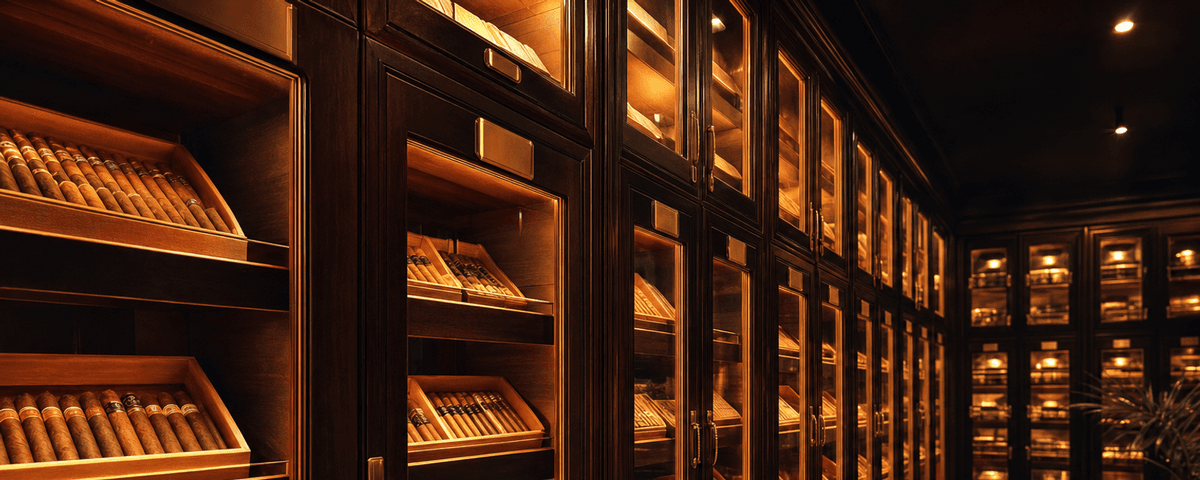
33 座 24 小時恆溫恆濕醇化室
W Cigar Bar 提供的會員醇化空間 · 場地資訊請洽編輯部
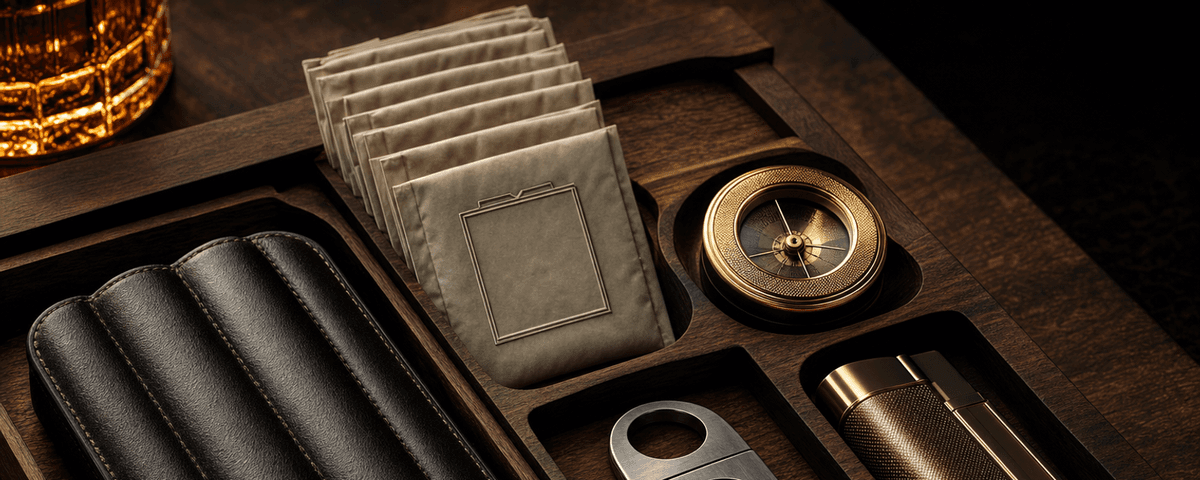
雪茄剪 / 打火機 / 雪茄盒 / Boveda
W Cigar 配件官網 · 專營雪茄配件正品

加 LINE 好友 · 文化諮詢
文化空間資訊 · 紳士沙龍 · 私人包場
本網站內容僅供雪茄文化、歷史、收藏與品吸知識研究參考。菸品有害健康、未滿法定年齡者請勿吸菸。實際規範請依所在地法律為準。
吸菸有害健康・戒菸專線 0800-636363・本站僅供 20 歲以上成年人閱覽。
讀到這裡,你不只是路過的人
留下 Email,加入 W 雪茄聖經內圈——總編輯 Wilson Tsai 親選的學院深文與國際新訊,先你一步送到信箱。
· 教育用途非銷售 · 隨時一鍵退訂 · Email 絕不對外公開 · 由勝茄股份有限公司營運
同分類延伸閱讀


資料來源:W Cigar Bible 編輯部整理 · 雪茄王子 Wilson Tsai 親自審稿
本文僅供雪茄文化、歷史、收藏與品鑑知識研究,不作為菸品促銷、銷售或購買建議。吸菸有害健康,未滿二十歲不得吸菸。