雪茄與不同產區的風味對話

雪茄的風味受產區影響深遠,從古巴的Vuelta Abajo到多明尼加的Cibao Valley,每個地區的氣候與土壤特性都為雪茄帶來獨特的風味。古巴的礦物感與平衡感使其雪茄層次分明,而多明尼加則以細緻的奶油與堅果風味著稱。尼加拉瓜的火山土則賦予雪茄濃厚的胡椒與可可味。了解這些產區的特性,有助於品味雪茄的多樣性,並提升品吸的樂趣。
- 雪茄的風味受產區影響,需了解不同土壤與氣候的特徵。
- 古巴的 Vuelta Abajo 以礦物感與平衡感著稱,展現多層次風味。
- 多明尼加的 Cibao Valley 以柔順與奶油風味為主,結構清晰且細緻。
Cigars and the Flavor Dialogue of Different Regions
As the editor of "Cigar Bible," I often describe cigars as "burnable terroir archives": the same wrapper, binder, and filler can taste completely different when you change the soil, sea breeze, sunlight, and fermentation rhythm.
Once beginners understand the basics of tasting and exhaling, the next step is not to pursue stronger flavors but to learn to recognize the language of regions. From Cuba to Nicaragua, flavors are not mystical but are the fingerprints left by agriculture, climate, and craftsmanship.
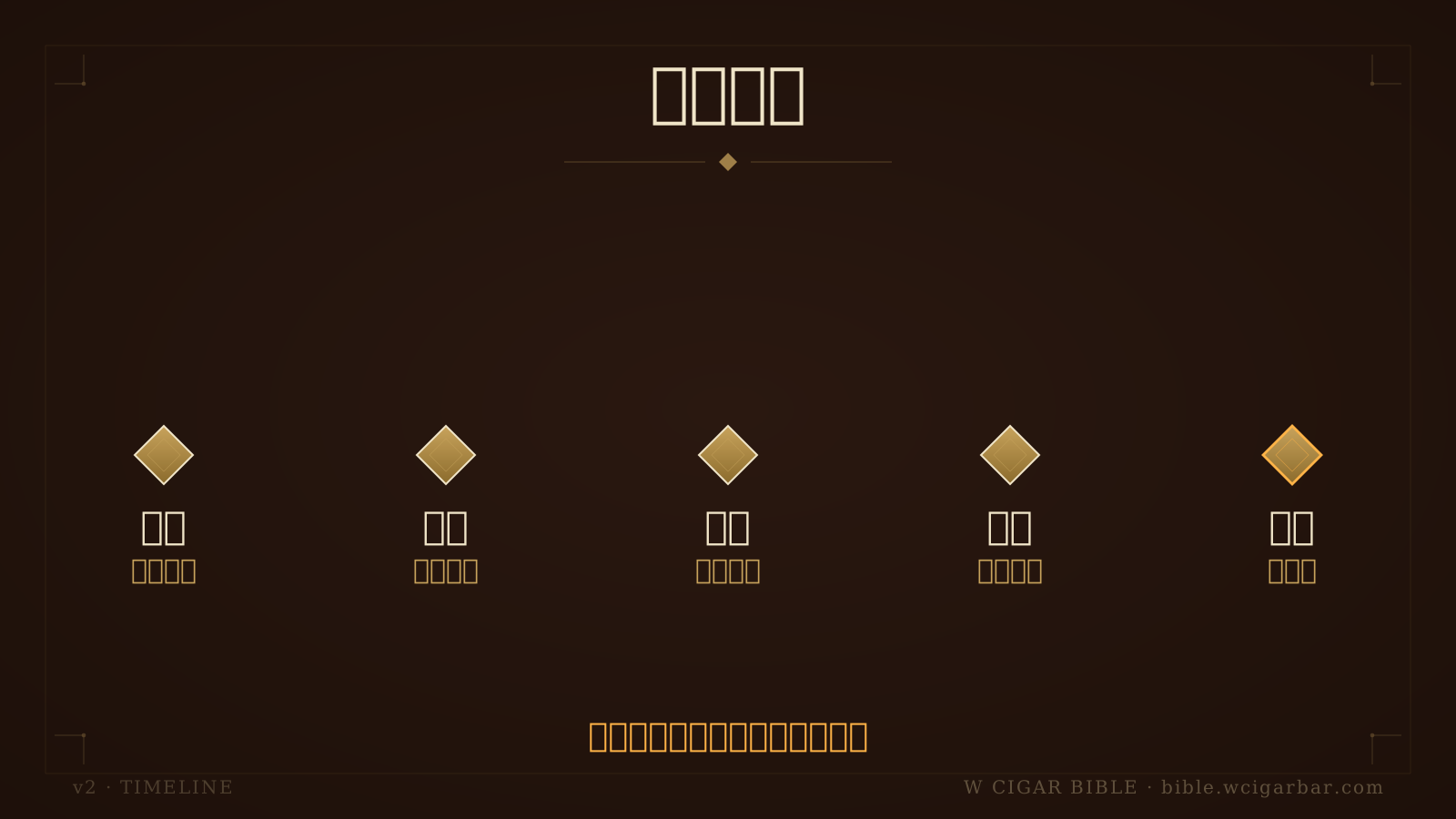
五段流程圖呈現土壤氣候發酵調配到品記
Establishing a Map of Regions: Flavor is Not a Single Nationality but a "Microclimate"
Before discussing regions, break down "countries" into "valleys, slopes, altitudes, and rainfall." Cuba's Vuelta Abajo and the Dominican Republic's Cibao Valley both have long-standing tobacco traditions, but the former often evokes minerals, honey, and leather, while the latter is more likely to present cream, hay, and nuts. The first layer of difference in cigar flavor comes from soil minerals and water management; the second layer is brand blending and vintage performance.
| Region | Common Flavor Keywords | Climate and Soil Clues | Representative Brands or Examples |
|---|---|---|---|
| Cuba Vuelta Abajo | Minerals, honey, leather, cedar | Limestone red soil, sea breeze, high humidity | Cohiba Siglo VI, launched in 2002 |
| Dominican Republic Cibao | Cream, nuts, hay, floral | Fertile alluvial soil, moderate day-night temperature difference | Arturo Fuente OpusX, launched in 1995 |
| Nicaragua Estelí | Pepper, cocoa, strong coffee | Volcanic soil, strong sunlight, good drainage | Padrón 1964 Anniversary |
| Honduras Jamastrán | Woody, earthy, spicy | Clay and sandy mix, distinct rainy season | Camacho, Flor de Selva |
| Ecuador | Mild spice, cocoa, cream | Cloud cover, dispersed sunlight | Ecuador Connecticut wrapper |
| Cameroon | Cinnamon, sweet wood, delicate spice | Equatorial climate, volcanic ash soil | Fuente Hemingway series |
I recommend beginners practice with "3 cigars of the same size from different regions," such as Robusto with a ring gauge of about 50 and a length of 4.8 to 5 inches, with a burn time of 45 to 70 minutes. With similar sizes, there are fewer variables, making it easier to distinguish regions. After smoking, don't rush to score; first note four items: initial aroma, mid-palate, final strength, and finish cleanliness.
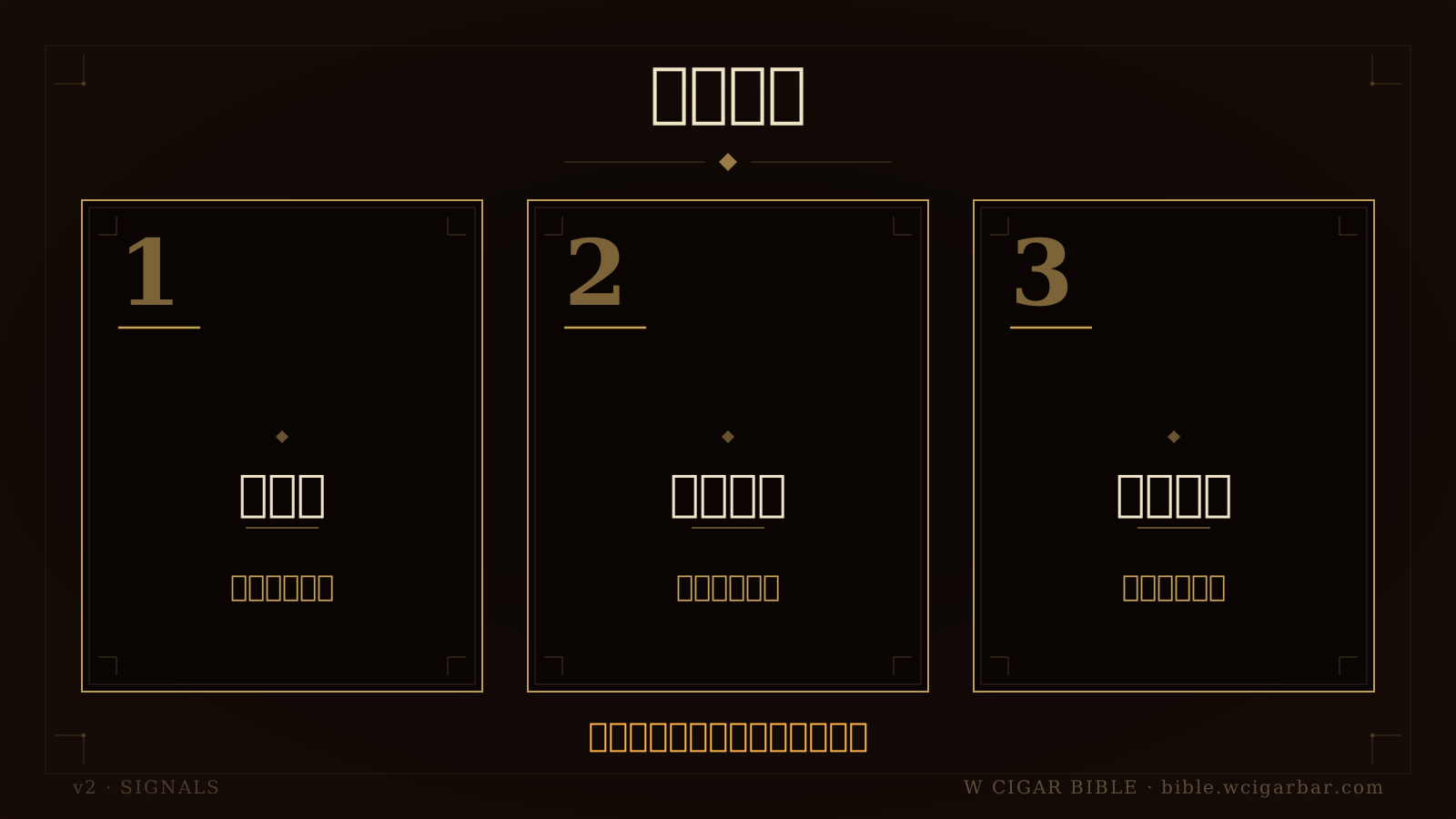
三張重點卡整理微氣候風味指紋與同尺寸比較
Cuba: Mineral and Balance, the Classic Tone of Vuelta Abajo
The most talked-about Cuban cigars come from the Vuelta Abajo in the Pinar del Río province. The soil here is reddish, containing limestone and iron, with good drainage, and influenced by sea breezes. Cuban tobacco takes about 90 to 120 days from sowing to harvest, followed by fermentation, grading, rolling, and aging to form the layers we are familiar with.
Take Cohiba as an example; the brand's origins can be traced back to 1966. The Siglo series was launched in 1992 to commemorate the 500th anniversary of Columbus's voyage, with Siglo VI debuting in 2002. Siglo VI's common notes of cream, honey, grass, and minerals are not about strength but about overlapping sweetness, spice, and wood in the mid-palate. The charm of Cuba lies not in every puff being intense but in maintaining proportion and rhythm from start to finish.
To understand different facets of Cuba, compare Partagás Serie D No.4 and Hoyo de Monterrey Epicure No.2. The former often has pepper, leather, and strong tea notes, while the latter leans towards wood, cream, and soft sweetness. Both are representative of the Robusto size but showcase different personalities. For storage, I prefer a relative humidity of 65% to 69% and a temperature of about 18 to 21°C; too much moisture can make Cuban cigars dull, bitter, and burn unevenly, with the mineral notes easily masked by moisture.
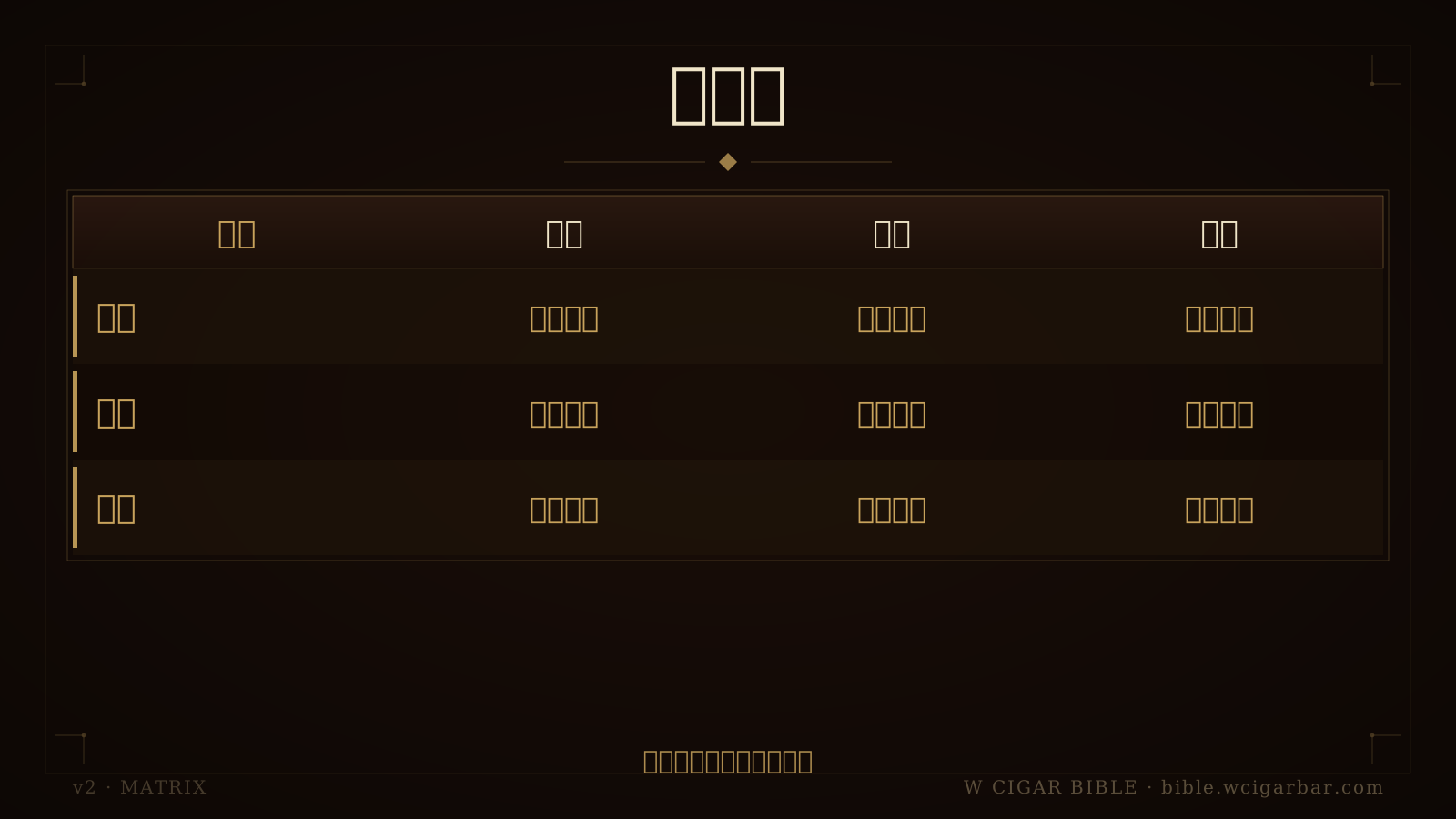
矩陣比較古巴多明尼加與尼加拉瓜的風味線索
Dominican Republic: Delicate, Creamy, and Nutty, from a Stable Valley Rhythm
The core regions of the Dominican Republic are concentrated in the Cibao Valley, especially around Santiago, an important base for the modern cigar industry. The alluvial soil here is fertile, with relatively stable rainfall and sunlight, and the tobacco often exhibits smoothness, cream, hay, almond, and a hint of floral notes. The Dominican Republic's advantage is not just making mild cigars but achieving cleanliness in delicacy and structure.
After Davidoff shifted its main production focus to the Dominican Republic in the early 1990s, the global market rediscovered the precision and elegance of this region. For example, the Davidoff Signature or Grand Cru series often have notes of hay, white pepper, cream, and toasted bread, suitable for training retro-nasal olfaction. To see the Dominican Republic's strength, Arturo Fuente OpusX is a typical example; when it was launched in 1995, it proved that the Dominican Republic could also grow high-quality wrappers, bringing spicy, sweet wood, and dark fruit notes.
The Dominican Republic commonly uses Piloto Cubano and Olor Dominicano varieties. Piloto Cubano, derived from Cuban strains, has more structure and spice; Olor brings sweetness and roundness. Beginners often mistakenly think of the Dominican Republic as "mild," but more accurately, it often keeps bitterness low, with clear lines. Pairing with unsweetened American coffee or sparkling water can amplify the nutty and creamy notes rather than being masked by alcohol or sweet drinks.
Nicaragua: Volcanic Soil and Strong Sunlight Bring Out Pepper, Cocoa, and Strength
Nicaragua's rise over the past 20 years is very evident, especially in Estelí, Jalapa, Condega, and Ometepe. Estelí has strong sunlight, dark soil rich in minerals, and the tobacco often carries black pepper, strong coffee, and cocoa notes; Jalapa is softer, with red tea, sweet wood, and floral notes; Condega is in between; Ometepe, located on a volcanic island in Lake Nicaragua, often has earthy, mineral, and deep sweet notes.
Padrón is an important entry point for understanding Nicaragua. The brand was founded by José Orlando Padrón in 1964, and the Padrón 1964 Anniversary series is known for its box-pressed shape and stable blending, often featuring cocoa, coffee, pepper, and roasted nuts. The Oliva Serie V gained significant market visibility after 2007, using a high proportion of Jalapa ligero, with more concentrated strength. The core of Nicaraguan flavor is the dark base tone given by volcanic soil, combined with the thickness and spice brought out by strong sunlight.
However, Nicaragua does not only mean "strong." Many beginners' first encounters, if they choose too large a ring gauge or too high a ligero proportion, will only remember the spice and strength. My suggestion is to start with medium sizes like Corona Gorda, Robusto, or Toro, where the burn rate is stable, and you can see the initial sweet aroma and mid-palate cocoa. Storage humidity can be slightly lower than overly humid environments, about 64% to 68%, for a cleaner burn, and the pepper notes are less likely to become dull and bitter.
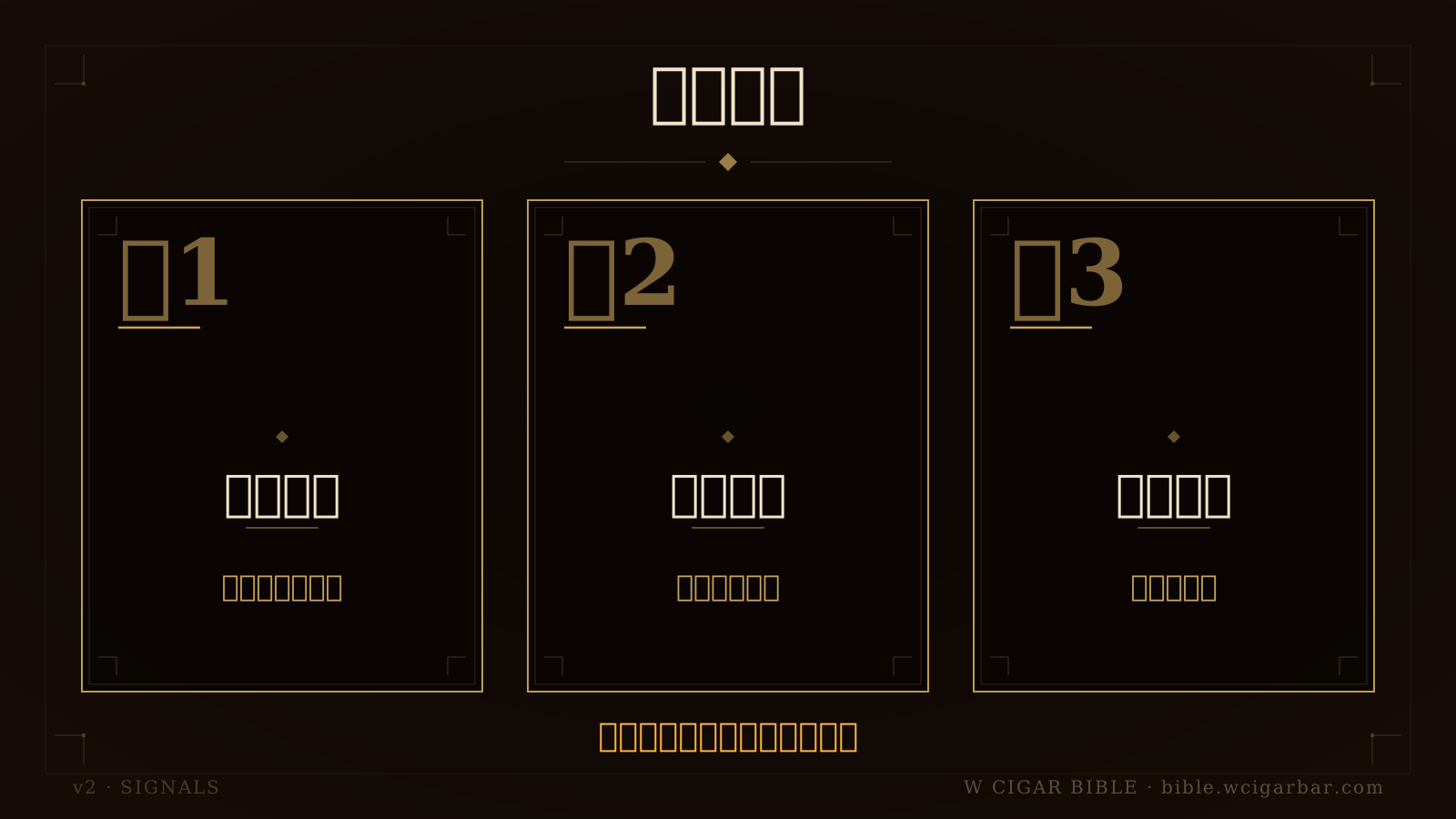
三張錯誤卡提醒產區強度與醇化的常見誤解
Honduras and Mexico: Earthy Notes, Sweetness, and Underrated Structure
Honduras's Jamastrán Valley and the area around Copán are often seen by knowledgeable connoisseurs as regions with both cost-effectiveness and structure. The area has clay, sandy soil, and a distinct rainy season, with tobacco often presenting woody, earthy, coffee, black pepper, and herbal notes. Camacho was founded in 1962 by Simon Camacho and later gained attention for its stronger Corojo style; Flor de Selva showcases a more elegant and clean Honduran aspect.
Mexico's most famous region is the San Andrés Valley, especially for its dark Maduro wrappers. San Andrés has fertile soil with significant volcanic ash content, with contrasting night humidity and daytime heat, making the leaves thick and oily. Common flavors include brown sugar, cocoa, concentrated coffee, wet earth, and sweet spices. Many Nicaraguan or Dominican cigars choose San Andrés Maduro as a wrapper, adding a layer of dark sweetness to the entire cigar.
Honduras provides a simple structure, while Mexico's San Andrés offers dark sweetness; both often play key supporting roles in blends. Beginners who find Cuba too subtle or Nicaragua too strong can try medium-strength Honduran styles; those who like chocolate and coffee finishes can look for San Andrés wrappers. When recording, don't just write "earthy," but further divide it into dry earth, wet earth, mushrooms, leather, and your flavor vocabulary will become more precise.
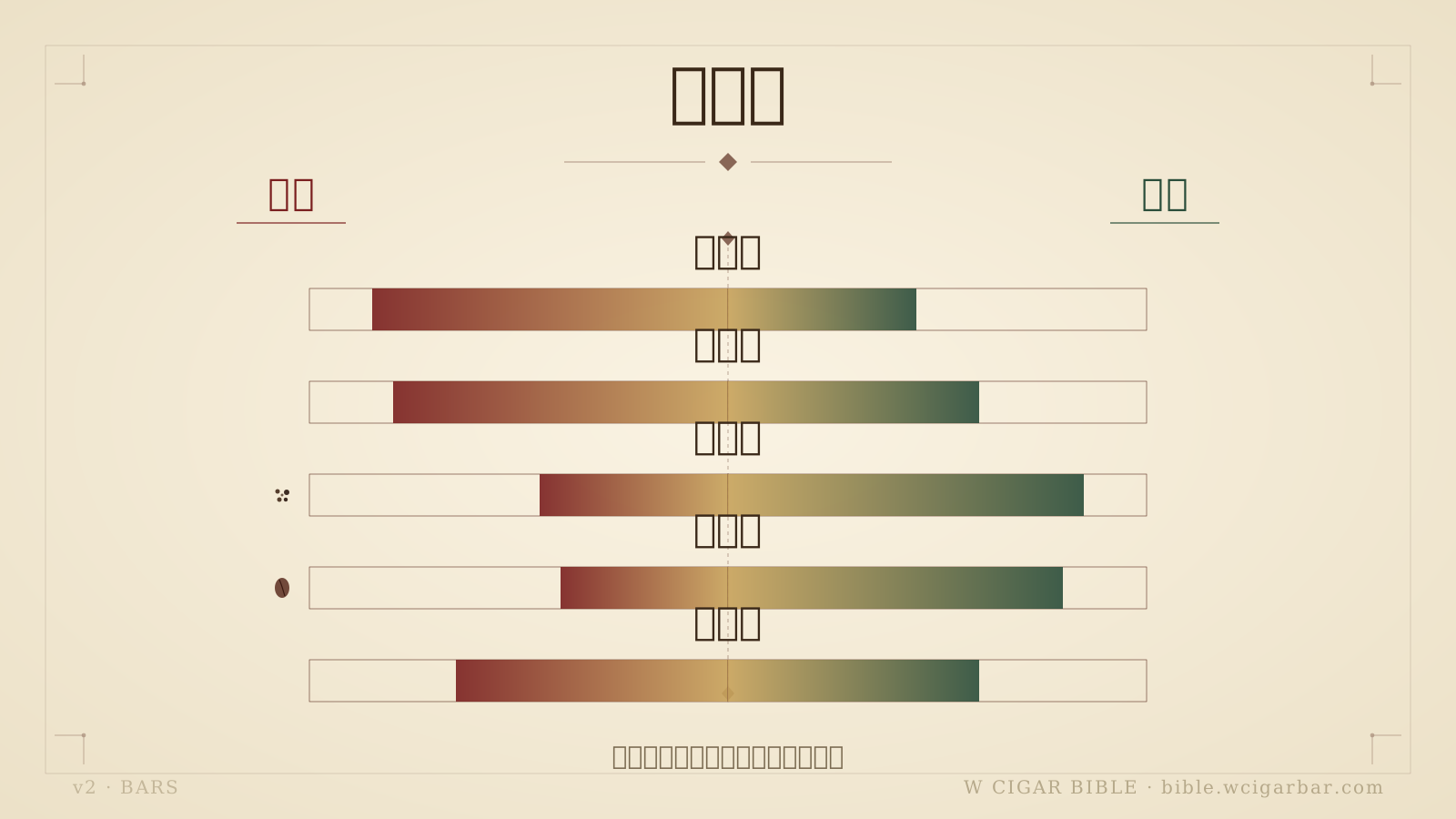
橫條光譜比較古巴與尼加拉瓜的相對風味傾向
Wrapper Regions: How Ecuador, Connecticut, and Cameroon Change First Impressions
Many people think the filler determines everything, but the wrapper, though only part of the total weight, often dominates the first aroma and visual expectation. Ecuador, with its cloud cover and naturally dispersed sunlight, can grow thin and elastic Ecuador Connecticut and Ecuador Habano. The former often has cream, hay, and white pepper; the latter has red pepper, wood, and light cocoa. Natural cloud cover acts like a free shading net, making the leaves less coarse.
American Connecticut Shade is another classic, establishing a reputation for mildness, delicacy, and golden hues in the mid-20th century, often using shading tents to reduce direct sunlight. Its flavor is cleaner, suitable for mornings or lighter taste states. In contrast, Connecticut Broadleaf is often used for Maduro, with thick leaves and high sugar content, often carrying dark chocolate, molasses, and strong coffee notes.
Cameroon wrappers represent old-school charm, with the Fuente Hemingway series often discussed for its sweet wood, cinnamon, and delicate spice. The wrapper is like the opening line of a cigar, determining whether you hear cream, pepper, sweet wood, or dark chocolate in the first minute. For practice, you can find different wrapper versions from the same brand, such as Connecticut, Habano, and Maduro, and compare them in the same size, which is easier to understand than blindly changing brands.

三張問答卡回答產區入門選擇與醇化時間
Advanced Practice for Beginners: Compare the Same Size to Understand Regional Language
To learn about regions, don't smoke too many at once, and don't draw conclusions based on a single cigar. I often suggest completing a round in 4 weeks: the first week with Cuba or the Dominican Republic, the second week with Nicaragua, the third week with Honduras or Mexican wrappers, and the fourth week back to Cuba or Ecuadorian wrappers. Each time, choose Robusto or Toro, keeping the burn time between 60 and 90 minutes, so your focus doesn't scatter.
- Smell the foot and wrapper before lighting, noting hay, wood, cocoa, or spice.
- Don't rush to judge in the first 1 cm; let the burn line stabilize first.
- Take a puff every 2 to 3 minutes; too fast will overheat and become bitter.
- Write 3 words for the initial, mid, and final stages; no need for long essays.
- Use room temperature water, sparkling water, or unsweetened coffee as drinks, avoiding sweet interference.
Effective practice is not about how many brands you've smoked but about being able to articulate the differences between the same size and different regions. Also, remember that cigars are not cigarettes; there's no need to frequently tap the ash; let the ash column naturally fall at about 1 to 2 cm. If it goes out, lightly blow the foot to expel cold smoke before relighting. These small actions will make the flavor cleaner and make those around you feel comfortable.
Frequently Asked Questions
Can a region directly determine the quality of a cigar?
No. A region can only provide a flavor direction, not a quality guarantee. Cuba may have poorly conditioned cigars, and Nicaragua can produce very delicate works. Judging a cigar requires looking at the source, storage, rolling, burning, and personal taste.
Should beginners start with Cuba or Nicaragua?
If you want to learn balance and layers, start with medium-strength Cuba or the Dominican Republic; if you like coffee, cocoa, and pepper, choose the softer Jalapa style of Nicaragua. The first cigar should not be too large in ring gauge or too high in strength, or you'll only remember the intensity.
Why can the same brand differ in different years?
Tobacco is a crop, and rainfall, temperature, harvest batches, and fermentation time all affect flavor. Even the same cigar may differ in condition between 2018 and 2022. Plus, differences in storage humidity can change burn rate and aroma clarity.
How long should aging be for better results?
There is no fixed answer. Generally, medium-strength cigars aged for 6 to 18 months may have a rounder intensity; stronger Nicaraguan or Maduro cigars may perform well after 2 to 5 years. But aging is not magic; if originally stored improperly, time will only amplify the problem.
Does collecting cigars mean they will appreciate in value?
Collecting can be a hobby and may be influenced by the market, but it does not guarantee appreciation; it still depends on source storage and market. Limited editions, vintages, condition, box condition, and transparency in circulation are all important. For beginners, establishing storage ability is more practical than chasing rare names.
Regional flavors are like languages: Cuba speaks subtly, the Dominican Republic speaks elegantly, Nicaragua speaks with richness, and Honduras and Mexico bring earthy and dark sweetness. My advice is simple: compare with the same size, slow speed, and clean drinks to let your tongue accumulate memory. When you can articulate "why you like it," cigars truly transform from consumption to a taste cultivation.
—Cigar Prince Wilson Tsai
Smoking is harmful to health. Under 20 years old is not allowed to smoke. Quitline: 0800-636363. This article is for reference by adults over 20 years old for cigar culture, preservation, and legal knowledge, not a tobacco advertisement, promotion, or purchase suggestion.
Like this article?Share with friends
Share this W Cigar Bible piece with friends who want to learn cigar culture, storage, and tasting.
想把這篇 化為實踐
雪茄聖經是知識;雪茄文化要在空間裡發生
W Cigar Bar 大安總店資訊
台北大安區 · 雪茄聖經總編輯 Wilson Tsai 主理的雪茄文化空間
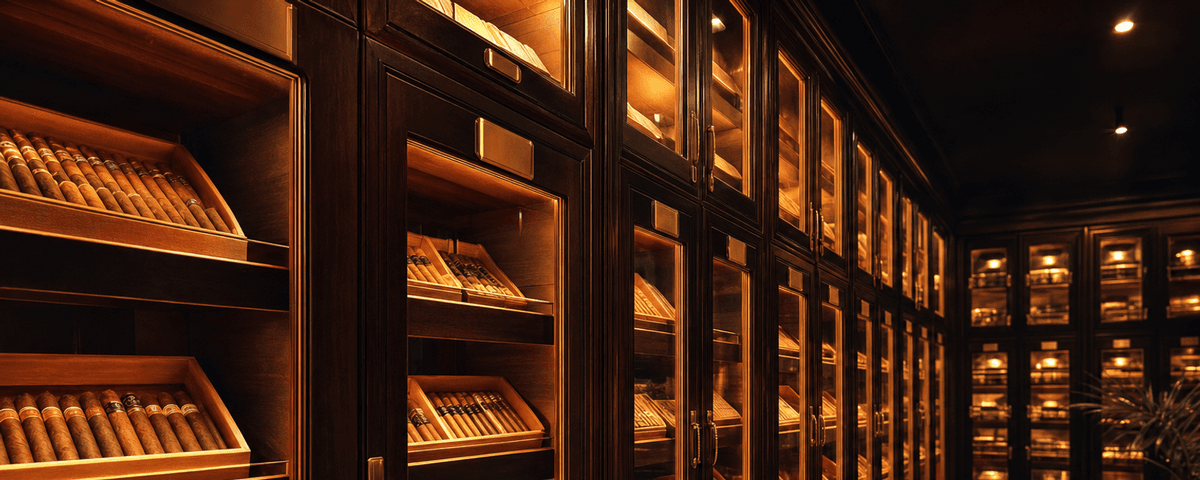
33 座 24 小時恆溫恆濕醇化室
W Cigar Bar 提供的會員醇化空間 · 場地資訊請洽編輯部
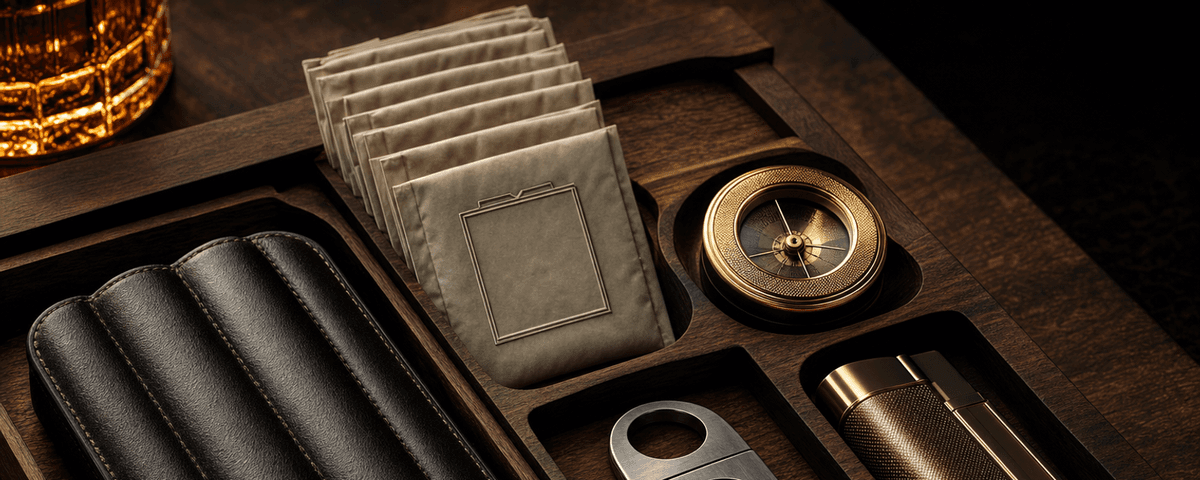
雪茄剪 / 打火機 / 雪茄盒 / Boveda
W Cigar 配件官網 · 專營雪茄配件正品
加 LINE 好友 · 文化諮詢
文化空間資訊 · 紳士沙龍 · 私人包場
本網站內容僅供雪茄文化、歷史、收藏與品吸知識研究參考。菸品有害健康、未滿法定年齡者請勿吸菸。實際規範請依所在地法律為準。
吸菸有害健康・戒菸專線 0800-636363・本站僅供 20 歲以上成年人閱覽。
讀到這裡,你不只是路過的人
留下 Email,加入 W 雪茄聖經內圈——總編輯 Wilson Tsai 親選的學院深文與國際新訊,先你一步送到信箱。
· 教育用途非銷售 · 隨時一鍵退訂 · Email 絕不對外公開 · 由勝茄股份有限公司營運
同分類延伸閱讀

資料來源:W Cigar Bible 編輯部整理 · 雪茄王子 Wilson Tsai 親自審稿
本文僅供雪茄文化、歷史、收藏與品鑑知識研究,不作為菸品促銷、銷售或購買建議。吸菸有害健康,未滿二十歲不得吸菸。