雪茄的風味心理學:如何用感官提升品味經驗

是讓品味過程更為愉悅。雪茄的風味體驗不僅依賴於味覺,更涉及嗅覺、觸覺及心理狀態。不同的環境、心情與期待會影響對同一支雪茄的感知。透過觀察茄衣、剪口、冷聞等儀式,能幫助入門者進入專注狀態,提升感官敏銳度。建立自己的風味檔案,透過反覆嗅聞日常參照物,能讓描述更具體而清晰。此外,穩定的吸煙節奏與適當的環境設置,將有助於減少感官疲勞,讓每一口雪茄的風味展現得更為完整。
- 雪茄的風味由大腦整合味覺、嗅覺與記憶,兩人對同一支雪茄的感受可能截然不同。
- 儀式感能幫助心理進入專注狀態,建議入門者建立固定的品吸流程。
- 視覺與觸覺影響風味預期,成熟的雪茄客應學會觀察,不被外表牽著走。
The Psychology of Cigar Flavors: Enhancing Tasting Experience Through the Senses
The flavor of a cigar is not just experienced on the tongue. It also involves the senses of smell, touch, sight, memory, expectation, and current mood; the same Cohiba Siglo VI can feel completely different on a quiet night compared to a rushed afternoon.
As the editor of the "Cigar Bible," I often understand cigars as "a work completed by both the senses and the mind." For beginners who have mastered basic tasting techniques, the next step is not to pursue more adjectives but to learn how to let the brain receive, compare, and record more precisely.
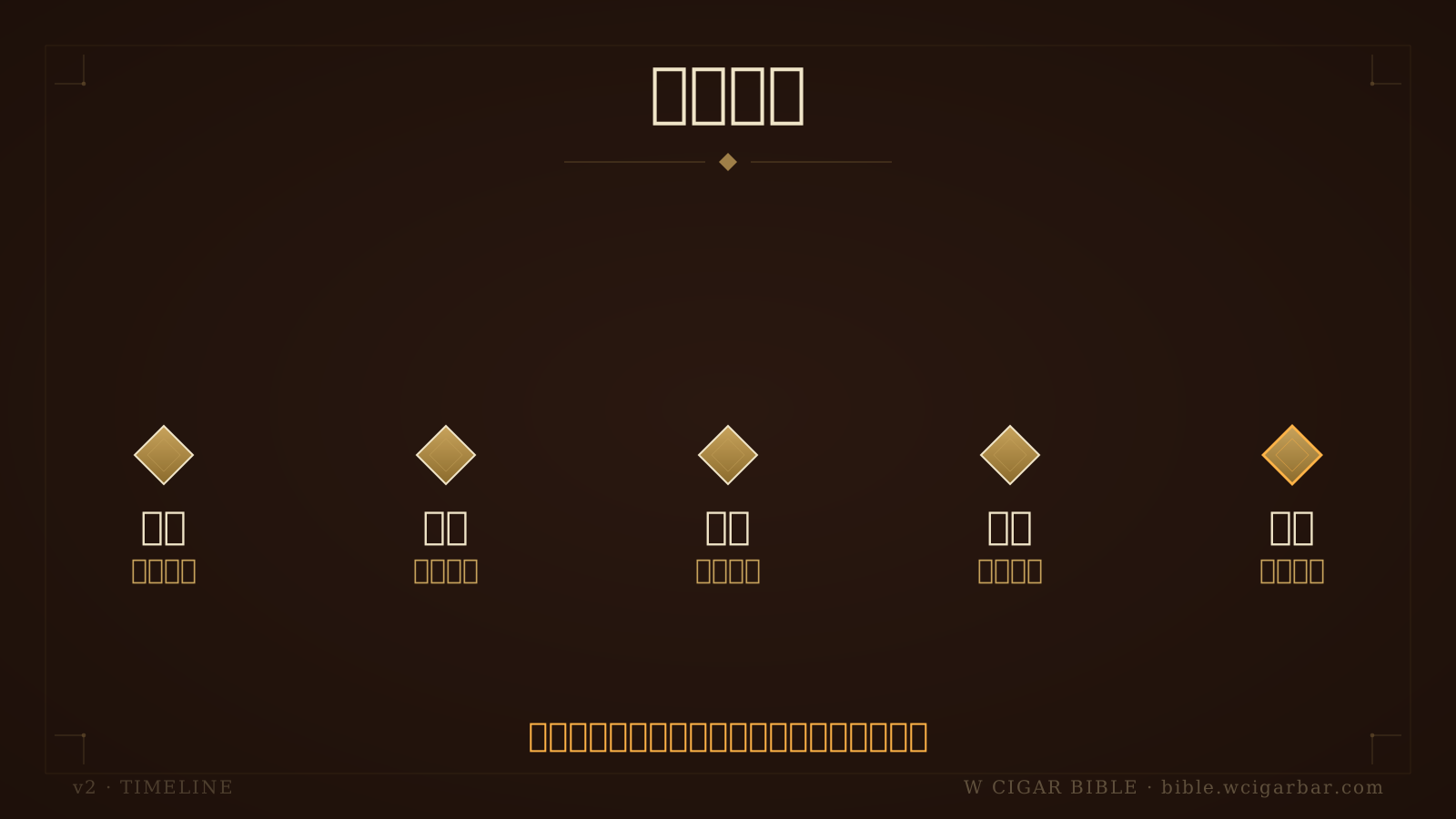
時間線呈現觀色冷聞冷吸點燃到記錄餘韻的流程
Flavor is Not a Solo by the Tongue: How the Brain Assembles a Cigar
Many people think that flavor mainly comes from the tongue, but in fact, the tongue can only distinguish basic tastes such as sweet, sour, bitter, salty, and umami; the cocoa, leather, cedar, coffee, and nuts often mentioned in cigars are mostly the results of smell and retro-olfaction. Take the Montecristo No.2 for example, with a 52 ring gauge and 156 mm torpedo shape, the initial taste often has woody and coffee notes, but what truly feels "thick" is the lingering smoke in both the mouth and nasal cavity.
Cigar flavor is the result of the brain reassembling taste, smell, touch, and memory. Therefore, when two people face the same Partagás Serie D No.4, one might say it tastes like black pepper, while the other might say it tastes like toasted bread; this doesn't mean either is wrong, but rather that their personal experience libraries differ. If you were often exposed to wooden cabinets, leather goods, and charcoal-grilled foods in your childhood, certain aromas will be more easily evoked.
In psychology, there is a concept called "sensory integration." The brain does not break down smoke into single elements but quickly forms an overall impression. Before 2008, many European cigar books liked to use the term "strength" to describe cigars, but in the past decade, more emphasis has been placed on "complexity" and "balance," because what is truly fascinating is not the nicotine hit, but the flavor transitions. Beginners can practice breaking each puff into three layers: entry, mid-palate, and the aftertaste 10 seconds after exhaling.
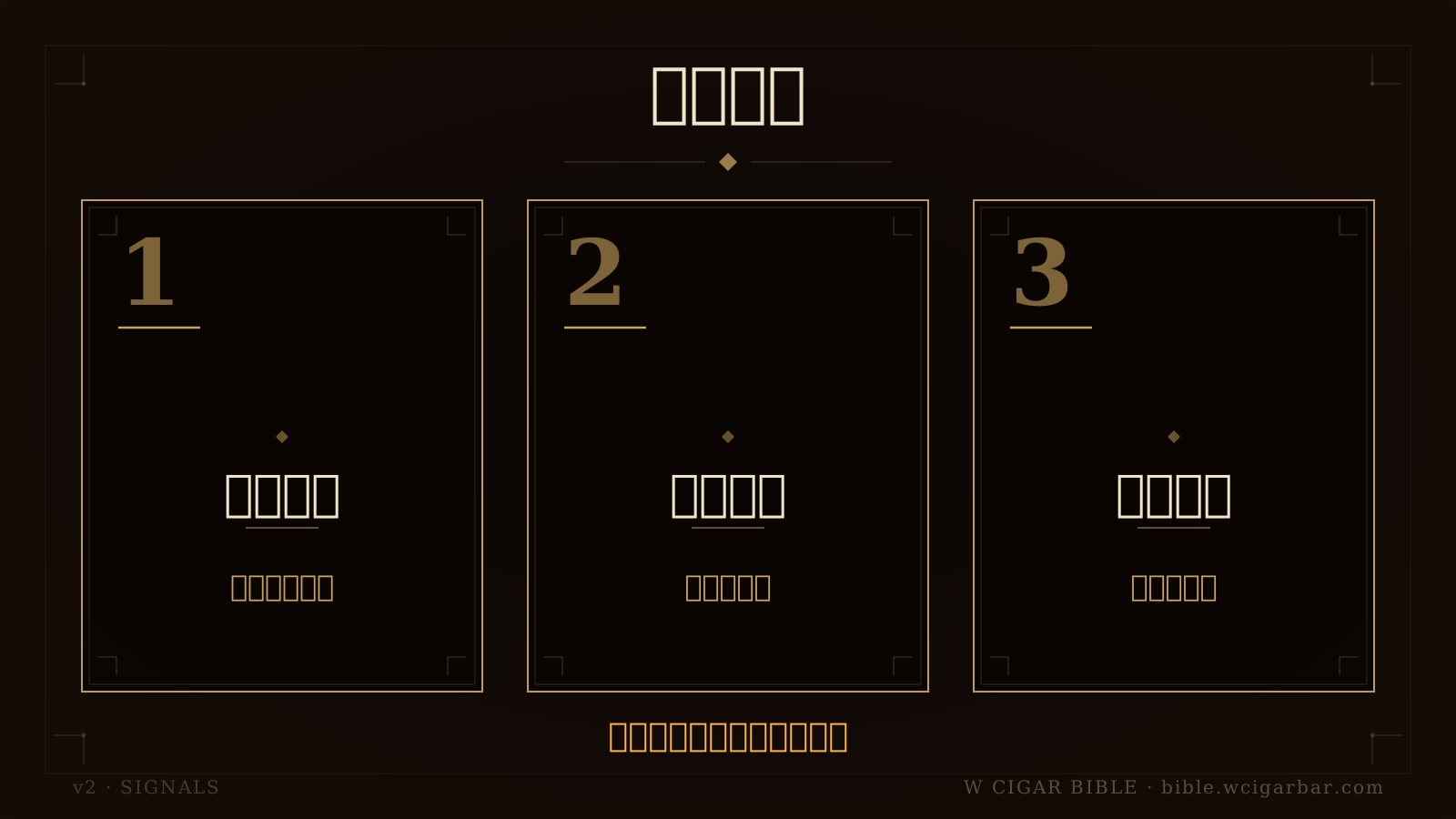
三張卡說明風味由感官整合、儀式降速與筆記校準組成
Ritual and Expectation Effect: The Psychological Position of Cutting, Lighting, and Waiting
The ritual of cigars is not a performance but a way to enter a focused state of mind. From picking up the cigar, observing the wrapper, cutting, cold smelling, lighting, to establishing a rhythm in the first three puffs, it takes about 5 to 8 minutes. This period creates an "expectation effect": when you believe you will encounter cream, wood, or cocoa next, the brain is more likely to capture similar signals; conversely, if you feel rushed from the start, details are easily overlooked.
Take the H. Upmann Half Corona launched in 2010 as an example, with a length of 90 mm and a 44 ring gauge, it is short but tests concentration. If you rush to take consecutive heavy puffs, the temperature will rise, leaving only spiciness; if you take a puff every 45 to 60 seconds in the early stage, you can instead feel a faint honey, hay, and nutty flavor. The function of ritual is to switch from daily speed to sensory speed.
I suggest beginners establish a fixed process rather than relying on mood each time:
- Observe the color, sheen, veins, and filling elasticity of the wrapper.
- Cold smell the foot and body of the cigar, noting the first aroma that comes to mind.
- After cutting, do a cold draw to feel if the resistance is stable.
- After lighting, let the burn line even out before entering the formal rhythm.
- Use the first 1 cm as a warm-up, without rushing to make judgments.

矩陣比較味覺嗅覺觸覺在心理風味中的作用與練法
Visual and Tactile: From Wrapper Sheen to Ring Gauge Pressure
Vision influences expectation. Dark Maduro wrappers often lead to expectations of chocolate, coffee, and molasses; golden Colorado Claro is more likely to evoke floral, hay, and nutty notes. In reality, wrapper color cannot solely determine flavor, but it sets a direction for the brain. For example, the Davidoff Aniversario Special R, with a 50 ring gauge and 124 mm, looks clean and elegant, and many people expect finesse and creaminess before even tasting it, which can amplify certain soft elements.
Touch is equally important. Gently press the cigar with your fingertips; if the overall elasticity is uniform, it usually burns and draws more stably; if a section is noticeably too hard or too empty, it can create psychological unease. Between 2004 and 2006, while organizing Cuban cigar batch data, I often noticed differences in hand feel between different boxes of the same brand, reminding me not to just look at the band, as hand feel is also a quality clue.
Visual and tactile senses first establish a psychological framework for flavor, but a mature cigar enthusiast must learn to observe and not be completely led by appearances. For example, the Arturo Fuente Hemingway Short Story is not large, at 119 mm and 49 ring gauge, yet often carries sweet woody and toasted notes; judging complexity by length alone would miss the precise performance of small-sized cigars. During practice, you can separate "how it looks" from "how it actually is" in your records, and over time, you can correct biases.
Smell and Memory: Building Your Own Flavor Archive
The connection between smell and memory is particularly strong. Psychology often mentions the "Proust effect": a scent can instantly evoke past scenes. The cedar, leather, cocoa, pepper, damp earth, and roasted almonds in cigars do not appear out of thin air; they are similar substances you have smelled before, giving the brain vocabulary to draw upon. If you rarely actively smell ingredients in life, flavor descriptions will naturally be more vague.
I often suggest beginners prepare 12 everyday reference items, not necessarily expensive, but fixed, repetitive, and comparative. In 2009, when I first systematically wrote cigar notes, I placed coffee beans, cinnamon, black pepper, cocoa powder, and cedarwood chips in the same drawer, smelling only three at a time to avoid olfactory fatigue. Flavor words are not memorized but become recognizable coordinates through repeated smelling and memory.
| Reference Item | Corresponding Common Flavor | Practice Method |
|---|---|---|
| Black coffee beans | Roasted, bittersweet, deep roast | Smell for 5 seconds, then rest for 20 seconds |
| Cedarwood chips | Woody, dry, box aroma | Compare with cigar box aroma |
| Cocoa powder | Bittersweet, powdery, round | Distinguish between imagined sweetness and actual aroma |
| Black pepper | Spicy, nasal stimulation | Smell in small amounts to avoid overstimulation |
| Roasted almonds | Nutty, oily, warm aroma | Compare with cashews and walnuts |
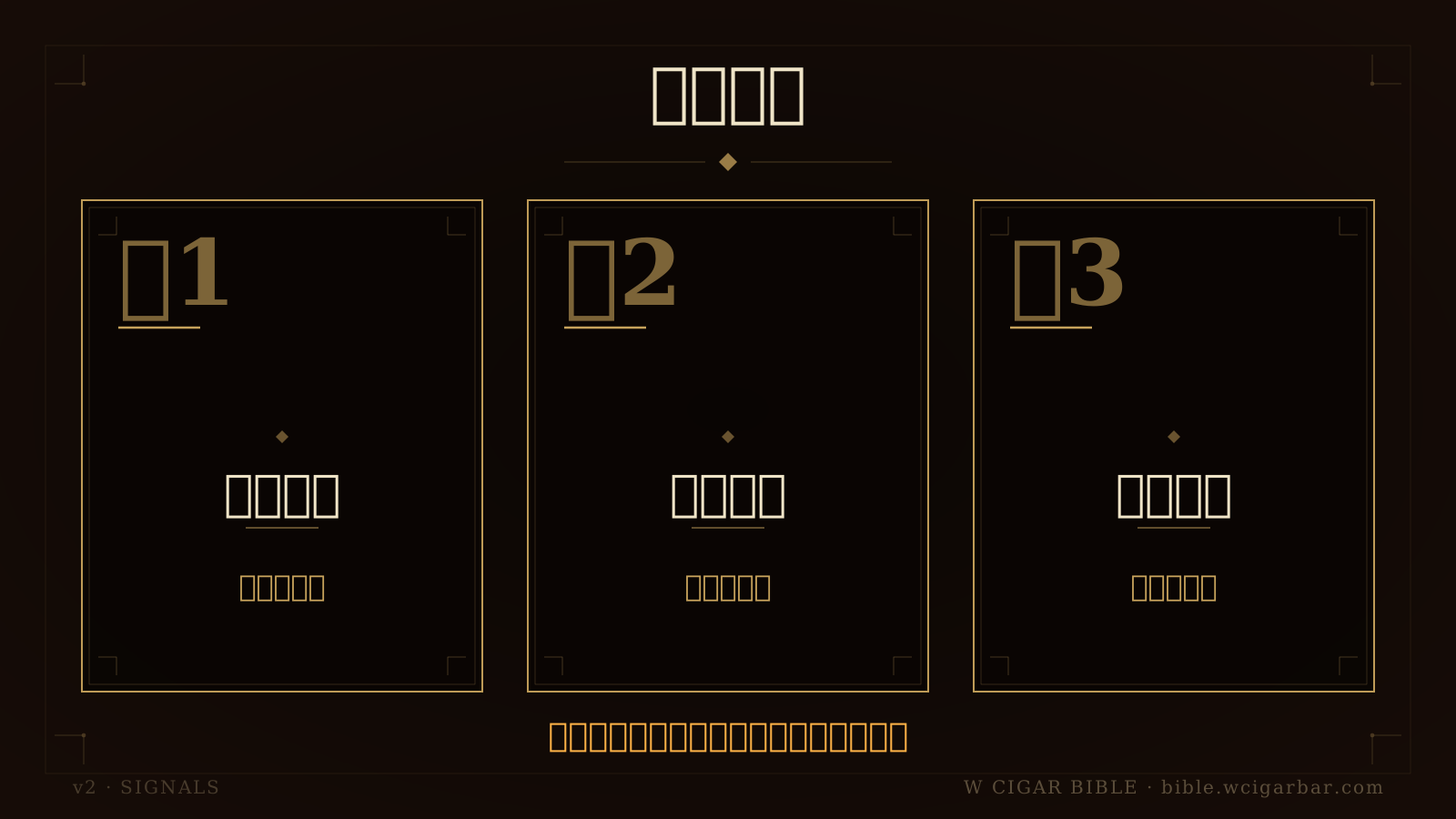
三張誤區卡提醒不要只靠舌頭、急抽或受名氣牽動
Rhythm and Time: Using Breathing to Reduce Sensory Fatigue
Cigars do not yield more flavor the more frequently you puff. On the contrary, too fast a rhythm will raise the burning temperature, and bitterness, spiciness, and dryness will overshadow the details. Take the Romeo y Julieta Wide Churchills, for example, with a 55 ring gauge and 130 mm; if you puff every 20 seconds, the latter part can easily feel heavy; if you maintain a puff every 50 to 70 seconds, the floral, creamy, and woody transitions in the middle section will be much clearer.
Psychologically, rhythm also affects subjective time. When you deliberately slow your breathing, attention shifts from "I am smoking" to "I am experiencing." I habitually divide a Robusto size, such as the common 124 mm and 50 ring gauge, into three time zones: the first 15 minutes to observe the opening, the middle 25 to 35 minutes to find the main theme, and the latter part to determine if there are caramel, leather, spice, or mineral notes.
A stable rhythm can reduce sensory fatigue and allow the same cigar to present a more complete front, middle, and back section. If you feel tongue numbness, throat dryness, or sudden bitterness, you can pause for 2 to 3 minutes, take a sip of room temperature water, and check if the burn line needs adjustment. Do not view pauses as interruptions; psychologically, a brief blank space can make the next puff clearer, like a rest in music, allowing the melody to breathe.
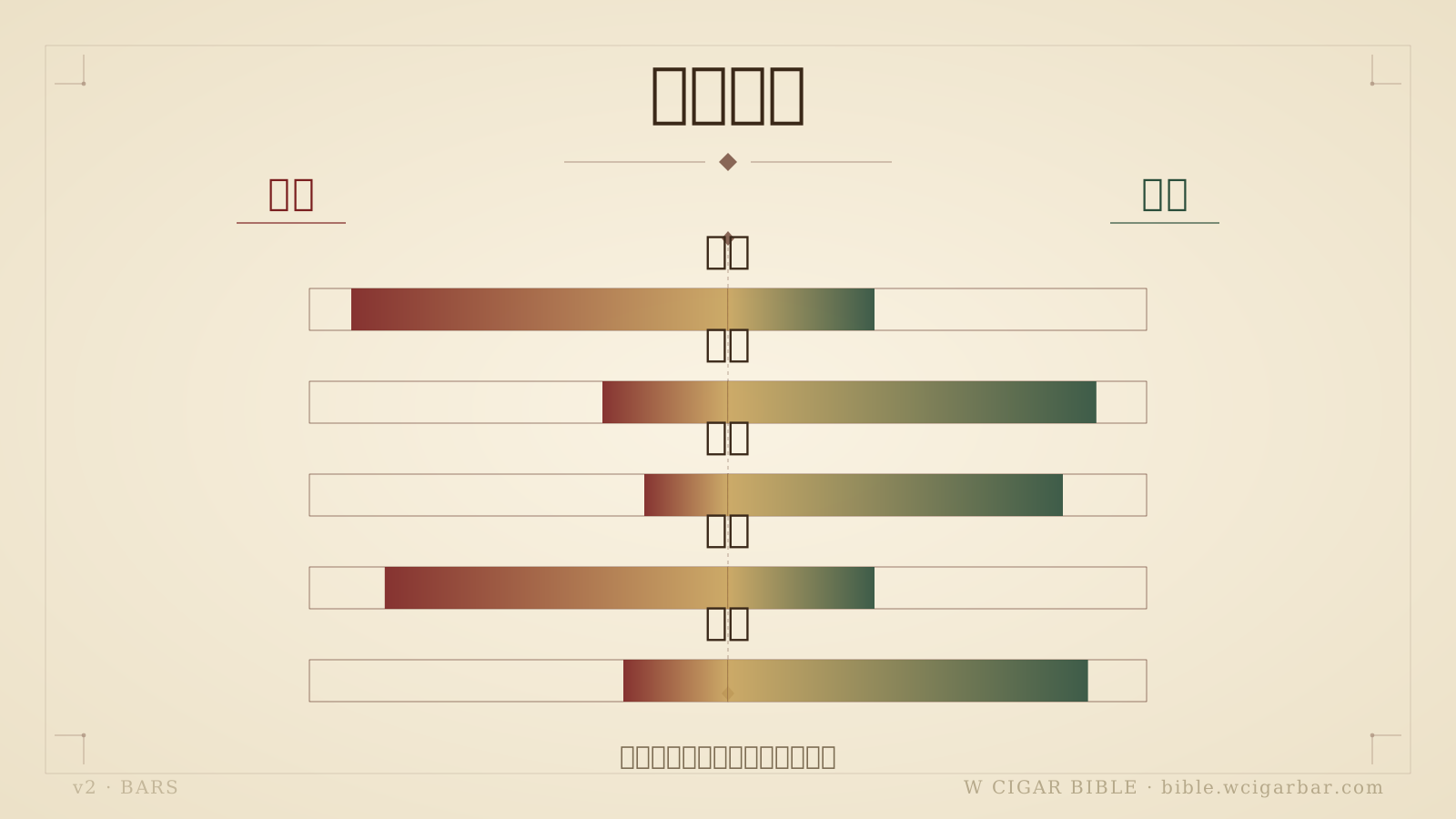
長條圖對比匆忙與專注狀態在速度細節記錄上的差異
Scene Psychology: How Light, Sound, and Drink Change Judgment
The scene can change flavor judgment. Under bright white light, people tend to notice defects more; under warm lighting, they are more likely to feel soft and relaxed. Background sound also has an impact: a 2012 cross-sensory study at Oxford University found that high-frequency sounds may make people pay more attention to acidity and brightness, while low-frequency sounds may enhance richness and bittersweetness. Although cigars differ from desserts or wine, the brain's cross-sensory mechanism is the same.
The drink in your cup requires even more caution. Single malt whisky, rum, black coffee, and unsweetened tea are often paired, but alcohol content and sweetness will change the mouthfeel. For instance, Macallan 12-year-old Sherry Oak will amplify dried fruit and cocoa impressions; Diplomatico Reserva Exclusiva rum, with its higher sweetness, may make medium-strength cigars appear rounder. If you want to practice accurate judgment, pairing only water for the first 10 minutes is an effective baseline method.
The scene is not a backdrop but part of flavor psychology; changing the light, sound, and drink is equivalent to changing the brain's interpretation. I suggest beginners do at least one comparison: the same brand and size, once in a quiet environment with water, and once with music and alcohol, recording the differences. You will find that "good or bad" is sometimes not determined solely by the cigar but is completed by the person, environment, and rhythm together.
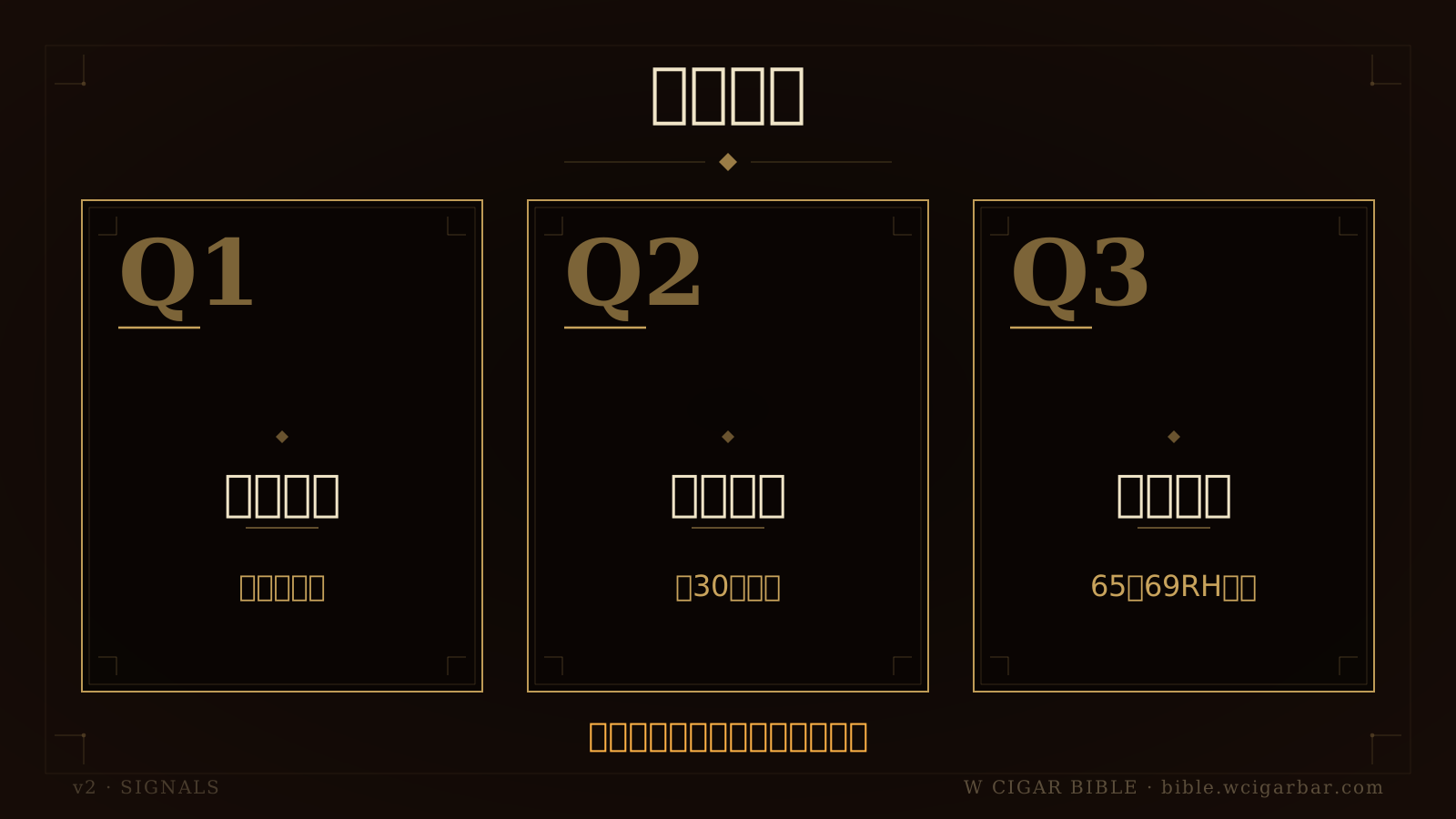
快問快答列出煙味辨識、筆記習慣與濕度影響三題
Etiquette and Social Distance: Keeping the Senses Clean
The core of cigar etiquette is not about restriction but about protecting one's own and others' sensory space. If multiple people are at the same table, everyone's smoke, perfume, drink, and conversation rhythm will affect each other. Strong perfumes can mask the aroma of the wrapper; overly frequent clinking of glasses can disrupt the rhythm; constantly asking others "what do you think it tastes like" can also cause suggestion, leading the other person to unconsciously lean towards the same flavor answer.
The most common mistake beginners make in social settings is rushing to display flavor vocabulary. In fact, the mature approach is to quietly experience for 5 to 10 minutes before sharing one or two most certain impressions. Since the 1990s, European and American cigar clubs have often emphasized "not forcing a uniform answer"; because psychological suggestion can cause group judgment to converge, losing each person's true experience.
Good cigar etiquette allows everyone to maintain their own sensory judgment, rather than turning the table into a test. If you are seated with seniors, you can use an open-ended sentence like "I currently feel wood and a bit of nut, not sure if it will turn sweet in the later part," rather than making a definitive conclusion. When discussing collections and prices, also remain rational: collection appreciation does not guarantee appreciation, it still depends on source preservation and market. This sentence can remind oneself that cigars are primarily about culture and sensory experience, not just labels and market trends.
Frequently Asked Questions
Why do I often only feel the smoke flavor in cigars and can't distinguish cocoa or woody notes?
This is very normal. Most people don't have insensitive tongues, but rather their olfactory memory banks are not yet sufficient. Start with five major categories: wood, nuts, coffee, spices, and earth. Each time, only find 1 to 2 confirmed feelings, without rushing to fill in dozens of adjectives. Flavor ability is not innate showmanship, but a trainable memory classification ability.
Do I need to write notes for every cigar?
You don't need to record every cigar in detail, but I recommend cultivating short notes for the first 30 cigars. The format can be fixed as date, brand, size, humidity, pairing, front, middle, and back sections, and overall feeling. For example, the environmental difference between 16°C and 28°C will affect burning speed and mouth dryness; noting the numbers will help you understand where the differences come from in the future.
Is retrohaling a must-learn?
Retrohaling can help perceive spices, wood, and floral notes, but it's not necessary to do it with every puff. Beginners can do it once every 5 to 8 puffs, allowing only a small amount of smoke to pass through the nasal cavity. If the nasal cavity stimulation is too strong, it means the smoke volume is too large or the cigar strength is not suitable for the current state. Comfort and clarity are more important than bravado.
Does humidity affect psychological perception?
Yes. If storage humidity is too high, such as consistently close to 75% RH, burning may be dull, and draw resistance may be heavy, leading to a psychological feeling of heaviness, dullness, and spiciness. If too low, such as below 60% RH, burning may be too fast, and the mouthfeel may crack. Most cigars present a more stable state at 65% to 69% RH, but it still depends on brand, size, and personal preference.
How can I avoid being influenced by brand names in my judgment?
You can do a "semi-blind" practice: ask a friend to cover the band, only telling you the size and general origin, and write down your impressions for the first 20 minutes before revealing the brand. You will find that fame amplifies expectations and also amplifies disappointment. The more you understand cigars, the more you need to leave room for your senses to overturn themselves.
When advancing from beginner, should I first compare brands or sizes?
Comparing sizes first is easier. Choose different sizes of the same brand, such as Robusto, Toro, Churchill, and observe how ring gauge and length affect temperature, concentration, and time. Then compare different brands, so as not to mistake size differences for brand character. This sequence allows for a more stable learning curve.
I love cigars because they force you to slow down and honestly face your senses. True taste is not about flaunting brand names and vintages, but knowing why you like it, when you like it, and in what state you like it. When you can distinguish between the environment, mood, and the cigar itself, enjoyment becomes more free.
—Cigar Prince Wilson Tsai
Smoking is harmful to health. Smoking is prohibited for those under twenty. Quitline: 0800-636363. This article is intended for adults over the age of twenty as a reference for cigar culture, preservation, and regulatory knowledge, not as tobacco advertising, promotion, or purchase advice.
Like this article?Share with friends
Share this W Cigar Bible piece with friends who want to learn cigar culture, storage, and tasting.
想把這篇 化為實踐
雪茄聖經是知識;雪茄文化要在空間裡發生

W Cigar Bar 大安總店資訊
台北大安區 · 雪茄聖經總編輯 Wilson Tsai 主理的雪茄文化空間

33 座 24 小時恆溫恆濕醇化室
W Cigar Bar 提供的會員醇化空間 · 場地資訊請洽編輯部
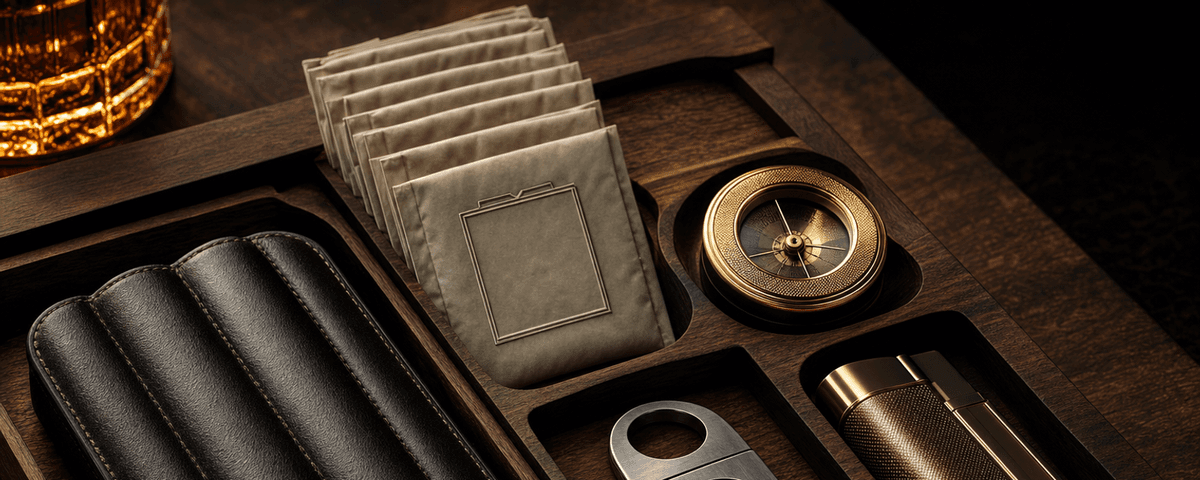
雪茄剪 / 打火機 / 雪茄盒 / Boveda
W Cigar 配件官網 · 專營雪茄配件正品

加 LINE 好友 · 文化諮詢
文化空間資訊 · 紳士沙龍 · 私人包場
本網站內容僅供雪茄文化、歷史、收藏與品吸知識研究參考。菸品有害健康、未滿法定年齡者請勿吸菸。實際規範請依所在地法律為準。
吸菸有害健康・戒菸專線 0800-636363・本站僅供 20 歲以上成年人閱覽。
讀到這裡,你不只是路過的人
留下 Email,加入 W 雪茄聖經內圈——總編輯 Wilson Tsai 親選的學院深文與國際新訊,先你一步送到信箱。
· 教育用途非銷售 · 隨時一鍵退訂 · Email 絕不對外公開 · 由勝茄股份有限公司營運
同分類延伸閱讀



資料來源:W Cigar Bible 編輯部整理 · 雪茄王子 Wilson Tsai 親自審稿
本文僅供雪茄文化、歷史、收藏與品鑑知識研究,不作為菸品促銷、銷售或購買建議。吸菸有害健康,未滿二十歲不得吸菸。