雪茄的風味發展與環境影響:從種植到抽吸的全過程
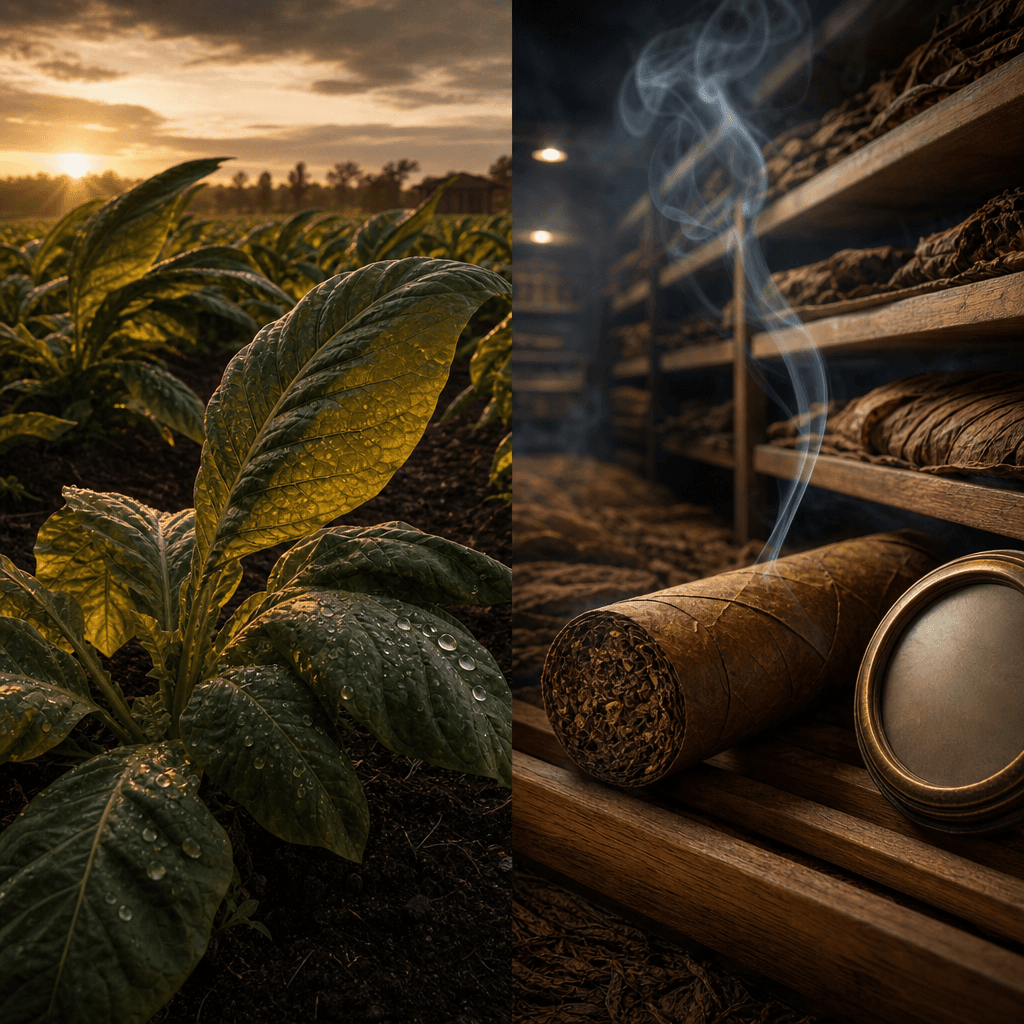
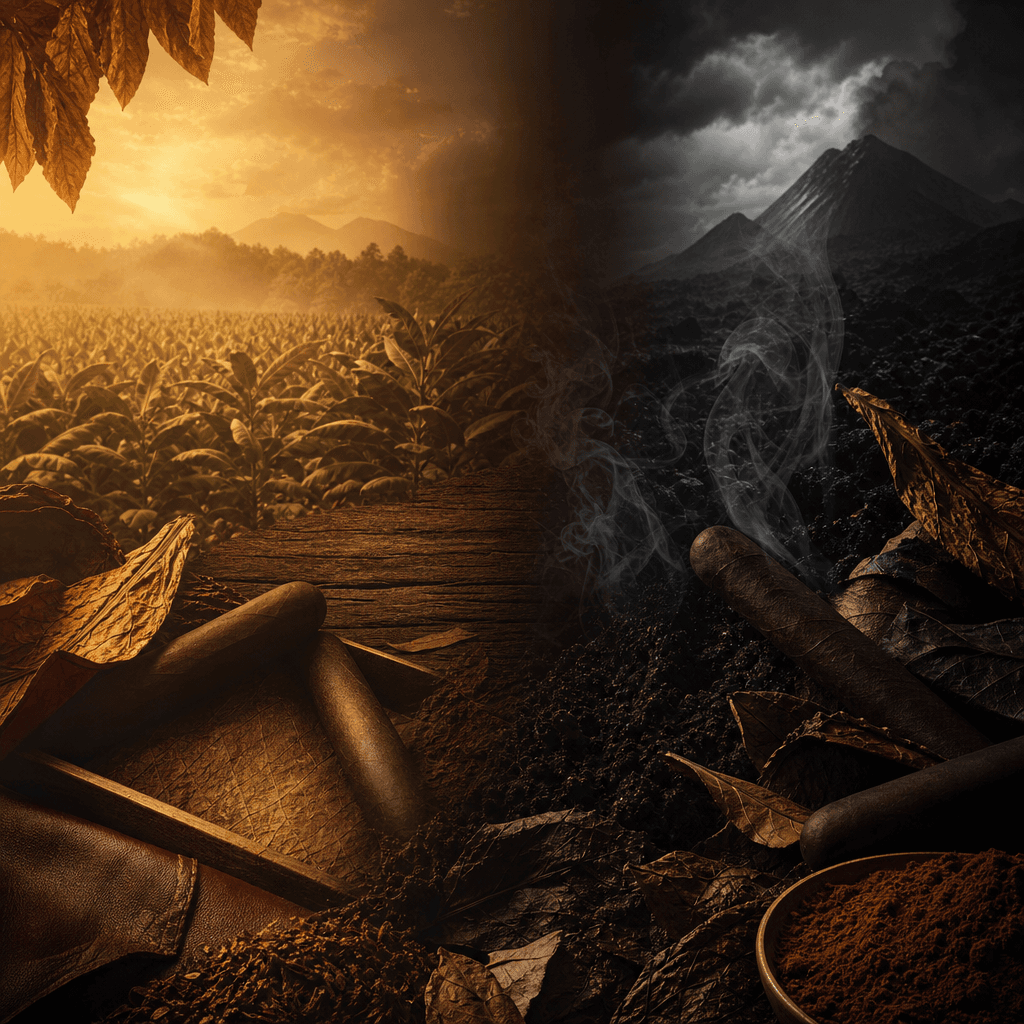
雪茄的風味形成自幼苗進入田地的瞬間,受到土壤、氣候及人為管理的影響。每一步驟,包括種植、採收、晾製到發酵,皆對最終風味有關鍵作用。不同產區的雪茄,因土壤成分及氣候變化,展現出獨特的個性。例如,古巴的 Vuelta Abajo 以其優質土壤著稱,而尼加拉瓜的 Estelí 則以強烈的火山土壤風味聞名。了解這些背景知識,能幫助品味者更深入地理解雪茄的風味變化,並提升品味體驗。
- 雪茄風味的形成始於種植階段,環境因素如土壤與氣候直接影響最終風味。
- 學會分段記錄雪茄的風味變化,比單純尋找香氣更能提升品味經驗。
- 不同產區的土壤與氣候特徵,造就雪茄獨特的風味輪廓,理解這些有助於選擇雪茄。
The Development of Cigar Flavors and Environmental Impact: From Cultivation to Smoking
The flavor of a cigar does not begin to form only after it is lit. It is subtly shaped by the soil, rain, wind direction, sunlight, and human craftsmanship from the moment a seedling enters the field. For beginners who already understand basic tasting techniques, the next step is to learn how to break down "whether it smokes well" into more precise clues.
As the editor of the "Cigar Bible," I often remind friends: the same cigar can present completely different expressions in different regions, storage environments, and rhythms. Understanding the environment is understanding the underlying language of cigar flavor development.
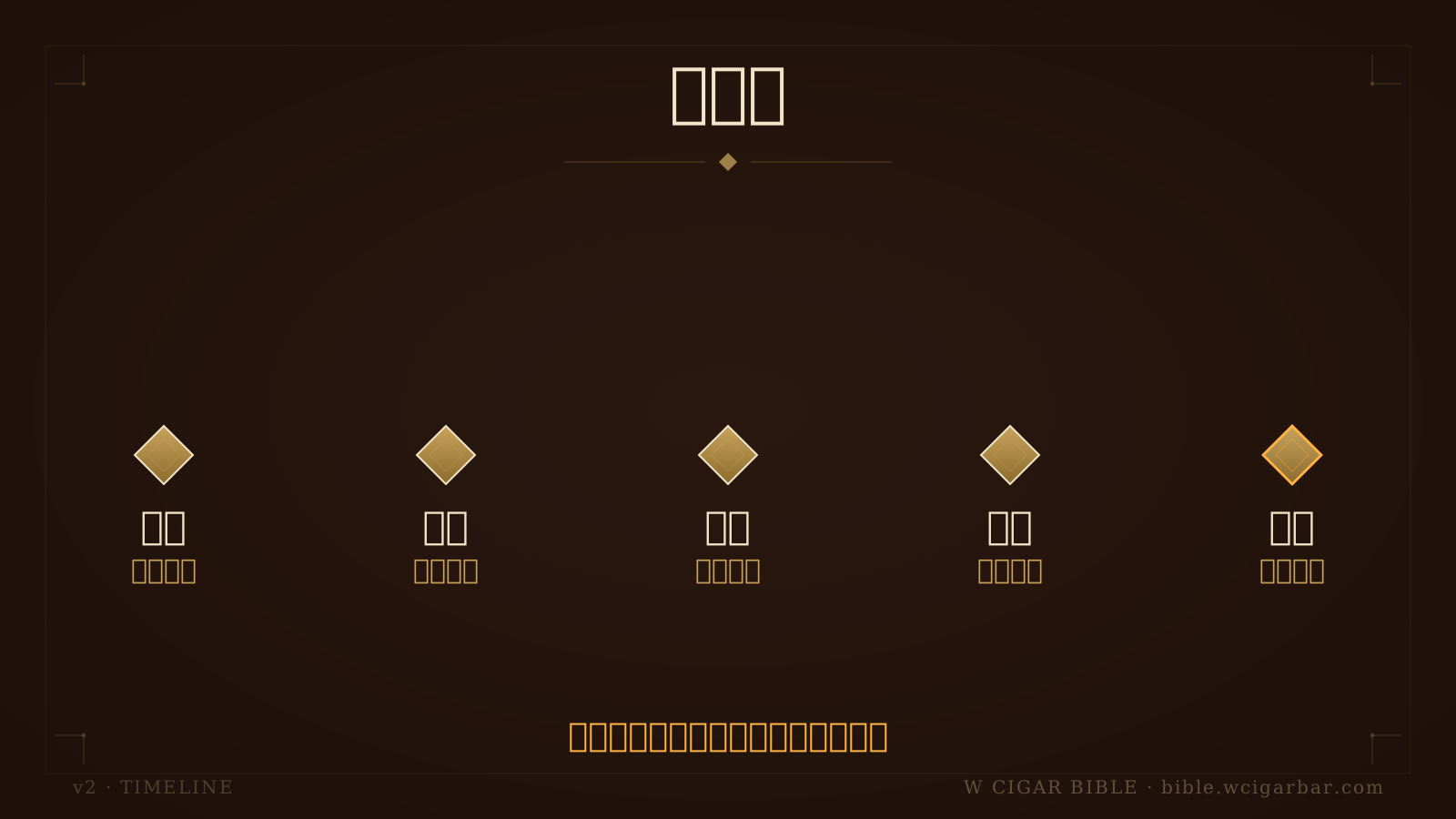
五段流程顯示雪茄風味從種植走到品吸
Flavor is not a single taste, but a timeline that starts in the field
The formation of a cigar's flavor can be roughly divided into planting, harvesting, drying, fermentation, aging, rolling, storage, and the performance after lighting. Each step is not isolated. For example, tobacco leaves from Cuba's Vuelta Abajo may require adjustments in harvesting time if the humidity is high during the rainy season; Nicaragua's Estelí, with its strong volcanic soil, often has notes of pepper, coffee, and dark cocoa in the later stages. True flavor judgment is not just about remembering the brand but connecting the conditions of the origin with the results of craftsmanship.
Take the Cohiba Siglo VI as an example. This representative work, expanded in 2002 with the Línea 1492 series, is often described as having creamy, honey, herbal, and delicate woody notes. Its delicacy comes not only from the formula but also from the field management, fermentation rhythm, and subsequent aging of high-quality Cuban tobacco leaves. In contrast, the Padrón 1964 Anniversary series often exhibits cocoa, concentrated coffee, black pepper, and nut thickness, clearly showcasing the density and strength brought by Nicaraguan soil.
Beginners often ask, "Why can't I taste the flavors others mention?" Often, it's not that the taste is not sensitive enough, but that there is no "timeline" established. The first puff might have the taste of burning and ignition, the main tone enters after a third, sweetness, oils, and spices begin in the middle, and the tail end turns rich due to the rising temperature. Learning to record in segments is more important than rushing to find a dozen aromas.
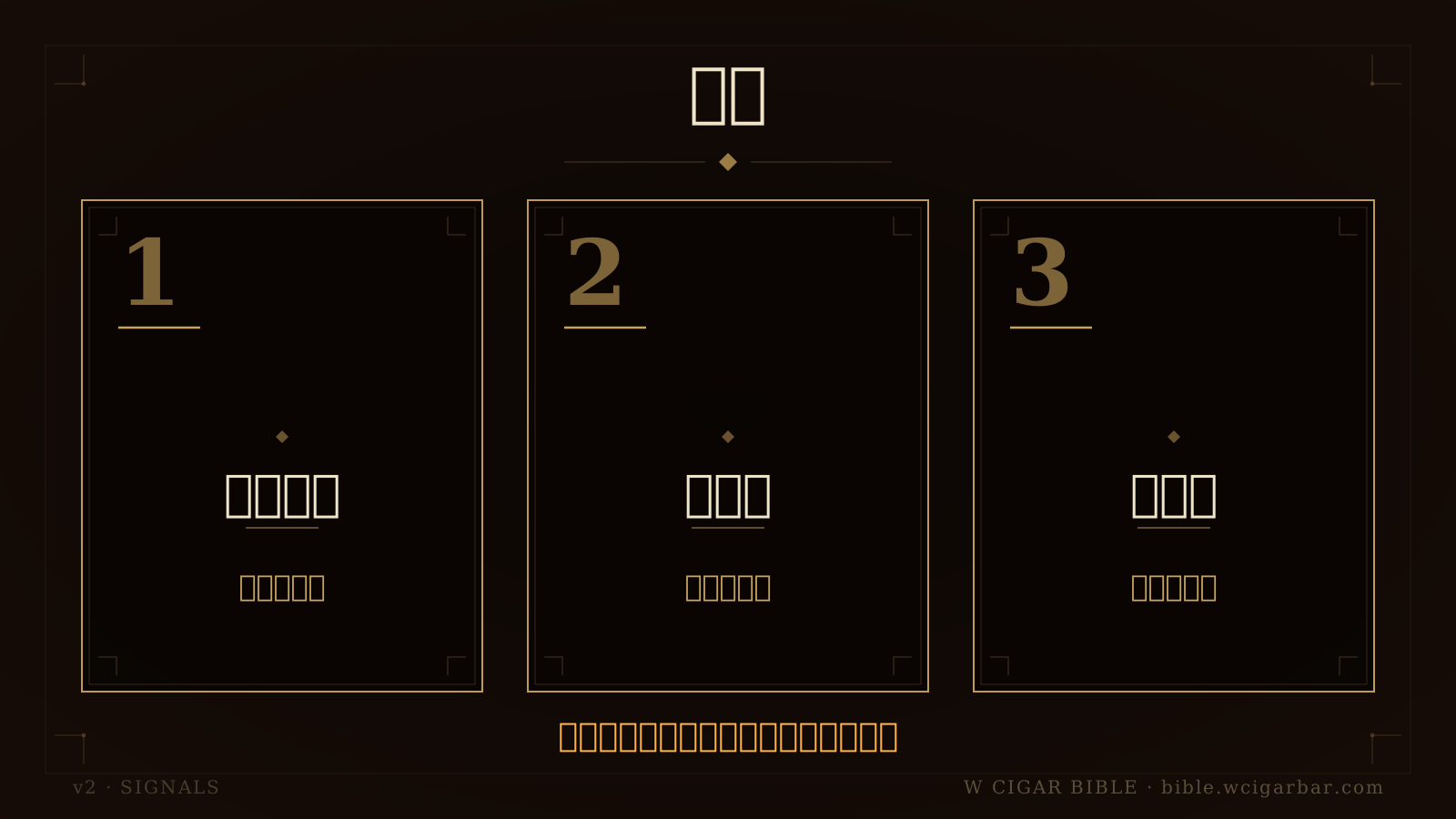
三張卡整理風味由環境與節奏形成的重點
Soil: Minerals, drainage, and root depth determine the framework of flavor
Cigar tobacco is very sensitive to soil. Cuba's Pinar del Río province's Vuelta Abajo has long been regarded as one of the core regions for top Cuban cigars, with the key being the balance of soil drainage, clay proportion, and mineral composition. Poor drainage can lead to oxygen deficiency in the roots, making the leaves coarse; too fast drainage can cause water deficiency, resulting in insufficient aroma thickness. Soil determines the framework of flavor: thickness, cleanliness, mineral feel, and strength in the later stages.
Nicaragua's Estelí, Jalapa, and Condega are good textbooks for understanding soil differences. Estelí often has volcanic soil, strong tobacco leaves, often with black pepper, leather, and deep roasted coffee; Jalapa valley soil is more delicate, with some tobacco leaves having sweet wood, floral fragrance, and a soft taste; Condega is between the two, often providing spice and balance. The distinct concentration of Nicaraguan works like Oliva Serie V, My Father Le Bijou 1922, and Padrón 1926 is inseparable from these land conditions.
The Dominican Cibao Valley is often associated with a softer sweetness and creamy texture, related to local soil, altitude, rainfall rhythm, and long-term agricultural experience. The Arturo Fuente Hemingway series often features wood, toasted bread, light spices, and sweetness, with a style that advances slowly rather than the direct impact of Estelí. If soil is compared to a sound system, it is not the melody itself but determines whether the bass is stable, the midrange is full, and the treble is sharp.
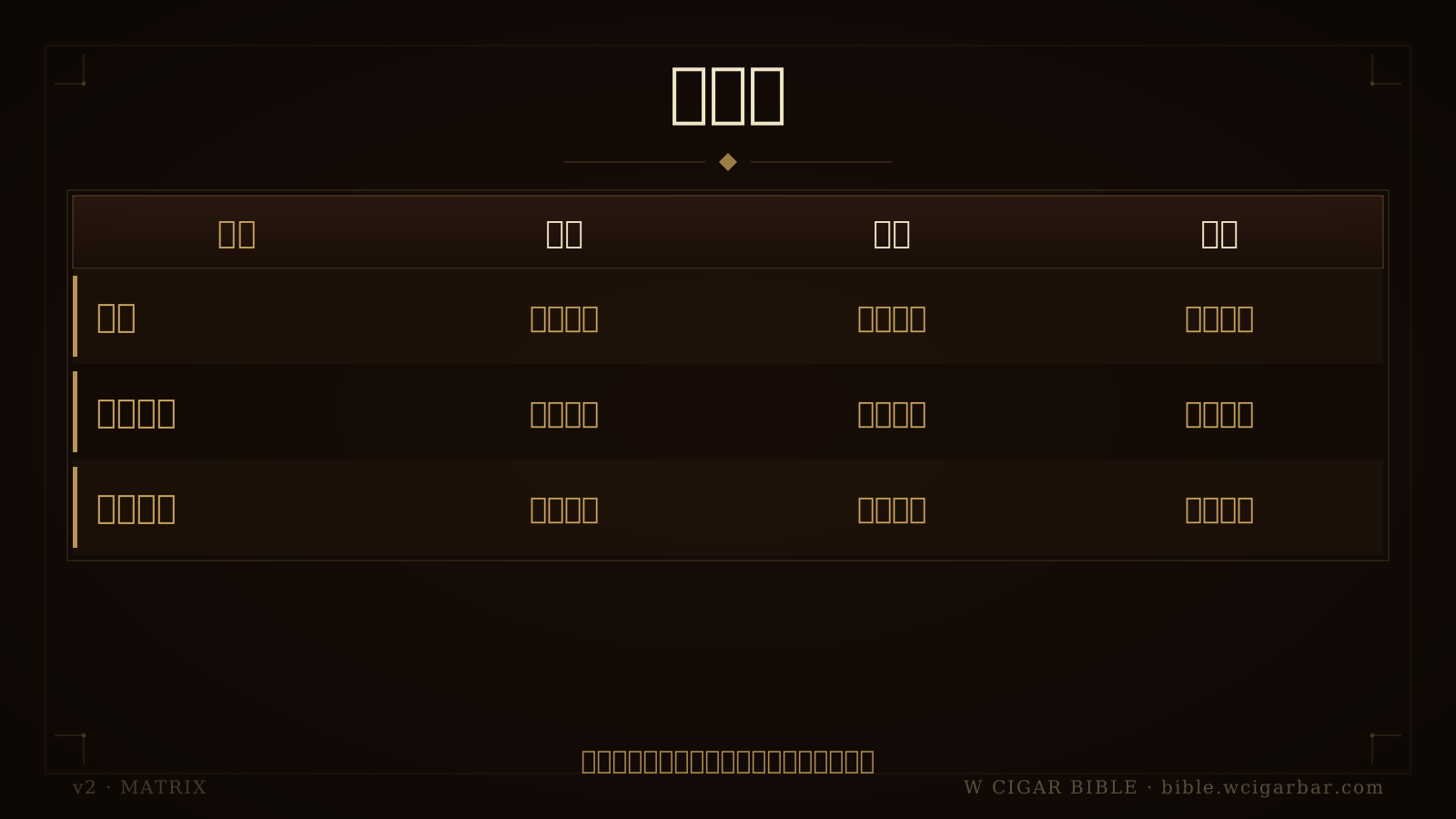
矩陣比較古巴尼國多明產區的土壤與口感
Water source and climate: Rainy season, humidity, and temperature difference affect sweetness and burning
Water sources seem to be just an irrigation issue, but they directly affect leaf thickness, sugar accumulation, and burning stability. Tobacco needs water but does not like long-term waterlogging; it needs sunlight but fears excessive exposure causing rough leaf surfaces. Some western Cuban regions can receive about 1,500 to 1,800 millimeters of annual rainfall, with a clear rhythm of rainy and dry seasons, requiring farmers to arrange sowing and harvesting using seasonal windows. Water management affects not only yield but also changes the sweetness, spiciness, and ash structure upon entry.
Day-night temperature difference is also an important factor. Warm enough days aid photosynthesis, while slightly cooler nights allow plants to retain some sugars, making flavors rounder. Ecuador, near the equator, has stable cloud cover, and natural shading causes wrapper leaves to grow slower, with delicate surfaces and beautiful oils. Therefore, Ecuador Connecticut and Ecuador Habano are often used in many non-Cuban cigars. Many works under Rocky Patel, Alec Bradley, and AJ Fernandez have used Ecuadorian wrappers to achieve a balance between aroma and burning.
Climate anomalies can cause differences in the performance of the same brand in different years. For example, during the strong El Niño phenomenon from 2015 to 2016, some Central American agricultural areas faced unstable rainfall, alternating droughts, or heavy rains, increasing field management difficulty. Good manufacturers will adjust differences through grading, stock tobacco leaf blending, and extended aging; but for tasters, they may still feel some batches are tighter or some batches have less sweetness. Understanding vintage is not about superstition but understanding the traces left by natural conditions.
Varieties, shading, and leaf position: Different personalities can grow in the same field
Cigar tobacco leaves are not "one leaf used throughout." The same tobacco plant is often divided into volado, seco, viso, ligero from bottom to top; lower leaves have good combustibility and lighter strength, middle leaves have more pronounced aroma, and upper leaves receive the most sunlight, with higher oil and nicotine content, and stronger strength. Leaf position determines flavor division of labor: burning, aroma, sweetness, and strength usually come from the collaboration of different parts.
Variety is also crucial. Cuban seed varieties like Criollo and Corojo were once classic foundations, but traditional Corojo has weaker disease resistance, leading to the development of variations like Criollo 98, Corojo 99, and Habano 2000 in various countries. The Dominican Republic often sees Piloto Cubano and Olor Dominicano, with the former bringing more pronounced spices and thickness, and the latter often providing soft fragrance. This is why cigars labeled "Habano wrapper," when grown in Ecuador, Honduras, or Nicaragua, can perform completely differently.
Shading cultivation especially affects wrappers. Connecticut Shade traditionally uses nets to control light, making leaves thinner, veins finer, and color uniform, with flavors leaning towards cream, nuts, and hay; Sun Grown has more sunlight, thicker leaves, often with spices, leather, and sweet wood. For Arturo Fuente OpusX, successfully growing high-quality Sun Grown wrappers in the Dominican Republic in the 1990s was one of the important cases in non-Cuban cigar history, changing many people's impression that Dominican cigars can only be mild.
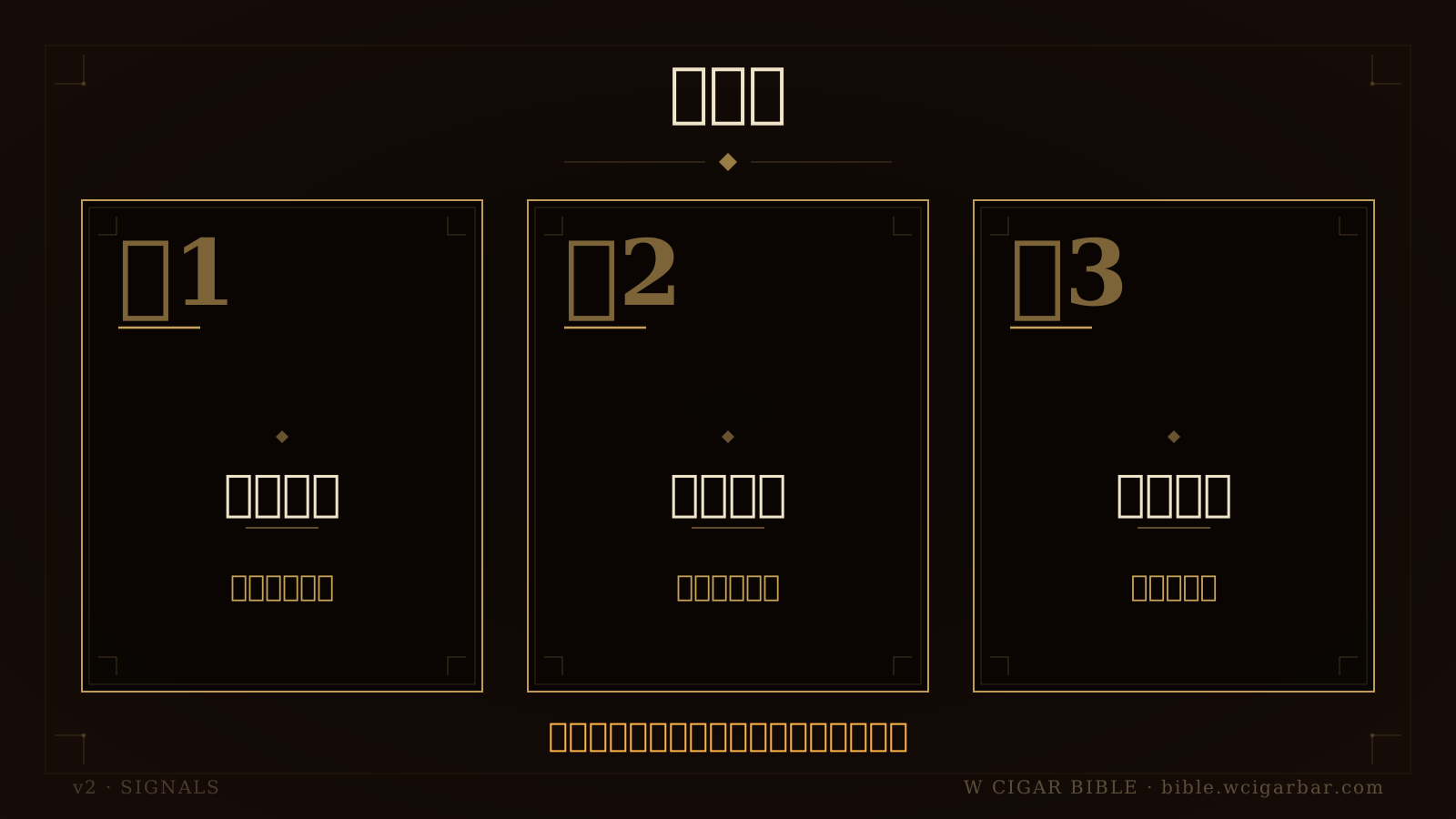
三張卡列出品味雪茄時常見的判斷誤區
Fermentation, aging, and craftsmanship: How land character is amplified or modified
After harvesting, tobacco leaves enter drying barns, with common drying times of about 45 to 60 days, adjusted according to leaf thickness and weather. During this time, chlorophyll decomposes, color changes from green to yellow, brown, and the irritation gradually decreases. Then it enters fermentation, where stacked tobacco leaves naturally heat up, and workers monitor the temperature. When the core reaches about 38 to 45°C, they may turn the stack to make heat and humidity uniform. Fermentation is not about creating flavors but reducing coarseness, making the original character of the land readable.
The pace of craftsmanship varies greatly between countries. Cuban tradition emphasizes long-term experience and grading, with some high-grade tobacco leaves requiring multiple fermentations; Nicaraguan manufacturers are often good at creating rich formulas with different farms and leaf positions; the Dominican Republic is known for delicate blending and stable burning. After the launch of Davidoff Nicaragua in 2013, many consumers familiar with the Dominican smooth style rediscovered that Nicaraguan tobacco leaves can also be made elegant and clean, not just strong.
Aging is another layer of time management. Unrolled tobacco leaves can rest in warehouses for months to years, and rolled cigars can continue to integrate under proper humidity. The Padrón family often emphasizes that their high-end series uses long-aged tobacco leaves; some Habanos Edición Limitada also highlight tobacco leaves harvested in specific years. Beginners can remember one thing: freshness is not an absolute drawback, but if ammonia is obvious, tongue-piercing, and burning hot, it usually means more time and more stable storage are needed.
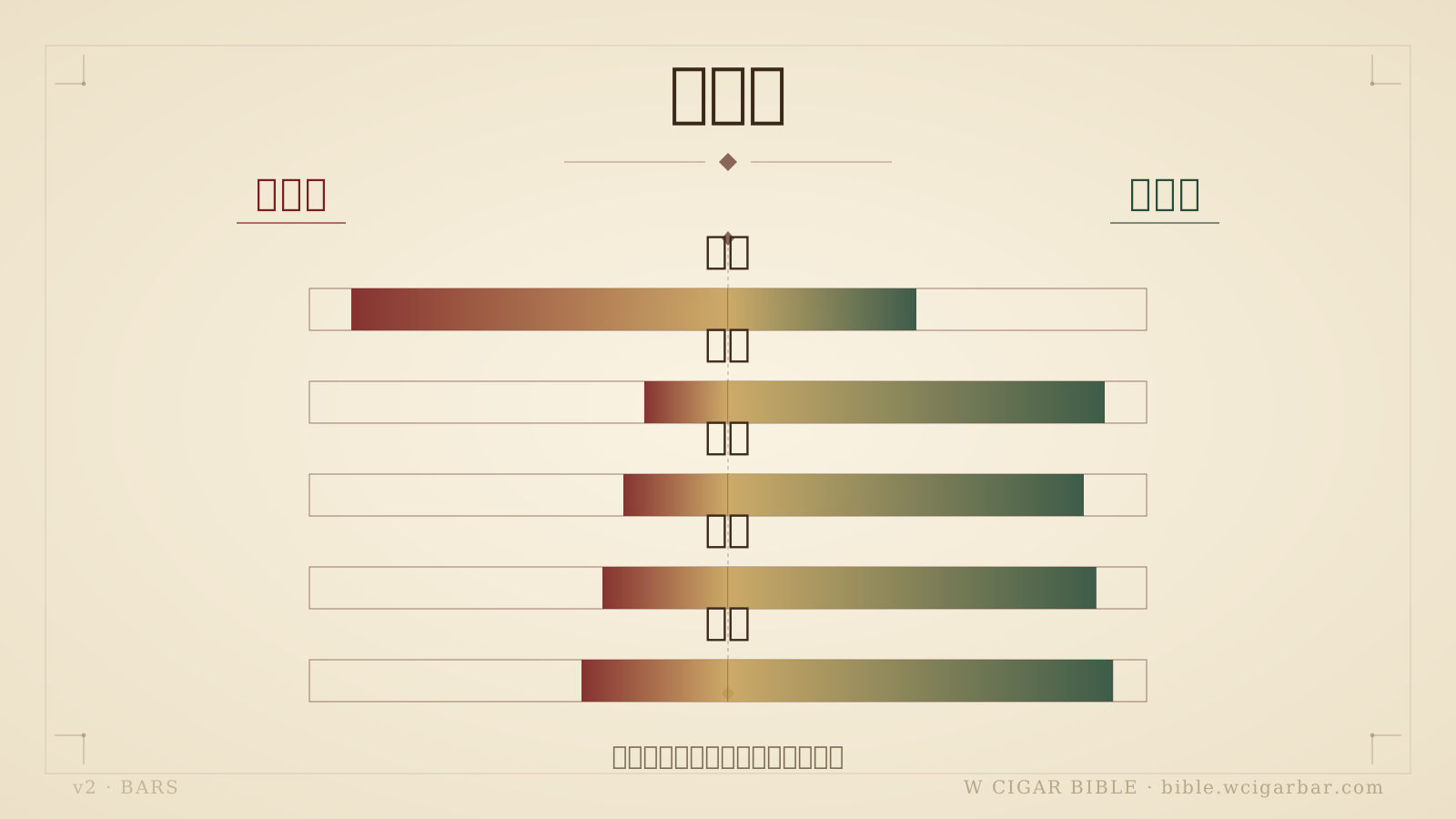
長條圖對比只看品牌與觀察風土的差異
Quick Reference Table for Regional Flavors: Linking geographical conditions to taste clues
The flavors of different regions are not stereotypes but experiential summaries. When truly tasting, it is still necessary to look at brand formulas, tobacco leaf vintage, size, storage, and lighting rhythm. However, if beginners first establish a geographical map, it will be easier to understand why some cigars are sweet, some are spicy, and some have particularly strong tails. The use of the regional flavor table is to help you establish hypotheses and then verify them with actual tasting, not to take it as an absolute answer.
| Region | Environmental Characteristics | Common Flavor Clues | Representative Brands or Series Examples |
|---|---|---|---|
| Cuba Vuelta Abajo | Good drainage, traditional tobacco core area | Herbal, honey, wood, mineral, cream | Cohiba Siglo VI, Partagás Serie D No.4 |
| Nicaragua Estelí | Volcanic soil, strong sunlight, high strength | Black pepper, coffee, cocoa, leather | Padrón 1964, Oliva Serie V |
| Nicaragua Jalapa | Valley terrain, more delicate soil | Sweet wood, floral, soft spices | My Father, some AJ Fernandez formulas |
| Dominican Cibao | Mild climate, mature blending technology | Cream, toasted bread, nuts, light spices | Arturo Fuente Hemingway, Davidoff |
| Honduras Jamastrán | Fertile soil, more variable climate | Wood, earth, spices, nuts | Camacho, Alec Bradley |
| Ecuador | Cloud cover shading, stable wrapper growth | Floral, cocoa, sweet spices, delicate oils | Ecuador Habano, Ecuador Connecticut widely used |
| Cameroon | Unique microclimate, rare leaves | Cinnamon, roasted sweetness, dry wood, spices | Arturo Fuente Don Carlos, some Fuente series |
When reading the table, you can do an exercise: choose one Nicaraguan, one Dominican, and one Cuban cigar, with sizes as close as possible, such as Robusto with about 50 ring gauge and a length of about 124 millimeters. Use similar storage conditions and rhythm, recording the first third, middle, and tail. Comparing three after tasting is often more effective than remembering a hundred aroma words alone because you will start to feel "structural differences": which is thick, which is sweet, which is clean, which heats up quickly in the tail.
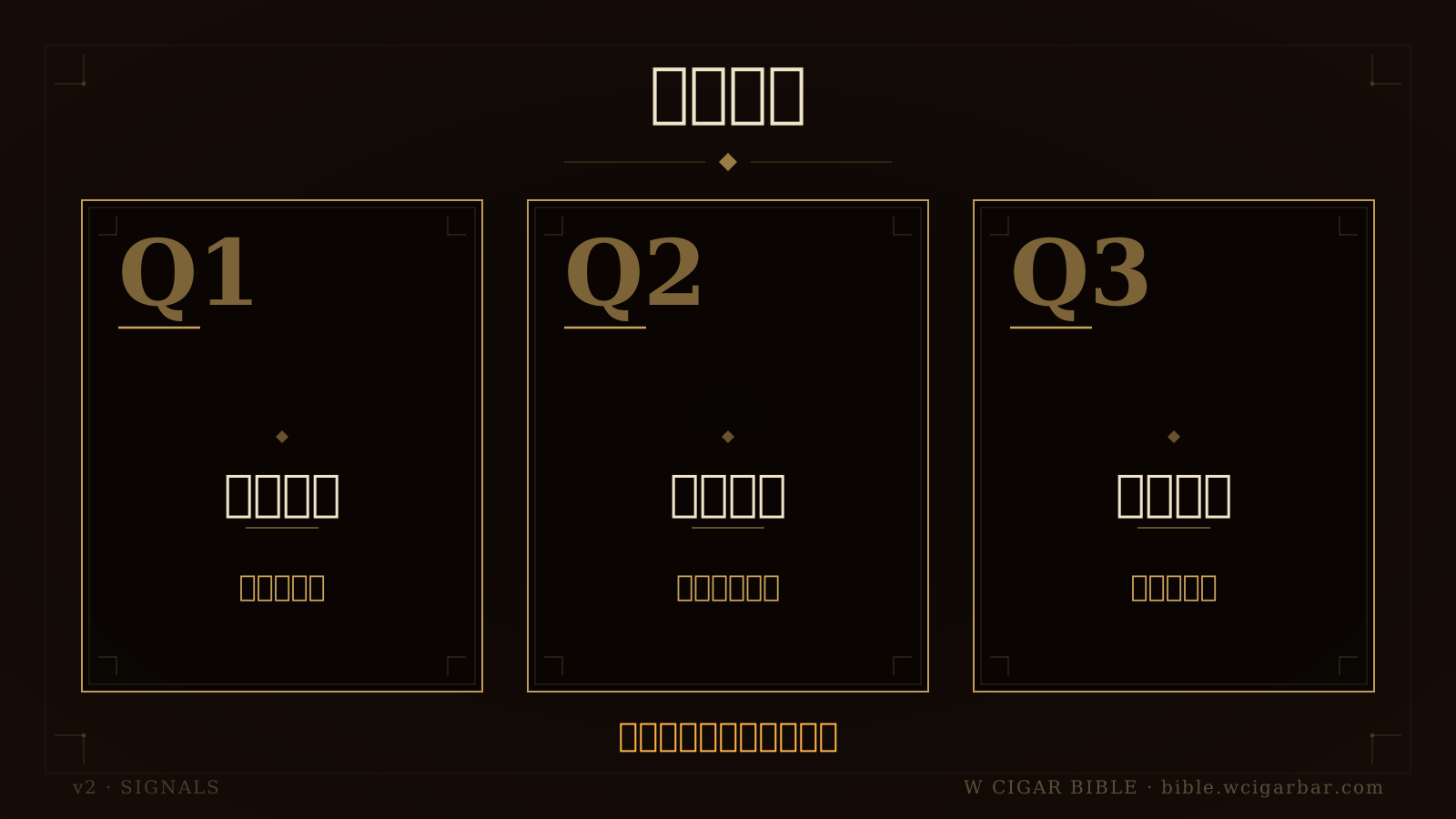
三張問答卡回答同款差異產區與茄衣疑問
From lighting to finishing: Environment and rhythm can rewrite the same cigar
Storage environment is the last checkpoint before tasting. Most cigars are suitable for a stable environment of about 65% to 70% relative humidity and 18 to 21°C; if the humidity is too high, burning will be stuffy, smoke will be moist, and sweetness will be suppressed; if too low, burning will be too fast, entry will be sharp, and wood will easily turn bitter. The same cigar at different humidity may seem like two different works, so environmental recording is a compulsory course for advanced beginners.
The way of lighting also affects the initial impression. It is recommended to evenly roast the foot of the cigar first, avoiding letting the flame directly scorch the center for a long time; after lighting, slow down the first few puffs to stabilize the burn line. The rhythm can be grasped at one puff every 45 to 60 seconds; if puffed continuously, the tail temperature will rise quickly, and ammonia, bitterness, and spiciness will be amplified. This is more obvious outdoors with wind, where one side burning will overheat while the other cannot keep up, causing the taste to become unbalanced.
When actually tasting, you can use a three-stage note: record the first impression in the front, the main body and changes in the middle, and the concentration and comfort in the tail. Pairing with water is more suitable for training taste than pairing with spirits because water does not dominate the aroma; if pairing with coffee, it is recommended to start with medium roast black coffee, not high-sugar drinks. In basic etiquette, cigars do not need to be flicked frequently like cigarettes; ash columns of about 2 to 3 centimeters can be gently placed in the ashtray; also, do not ignore others' feelings in enclosed spaces, as flavor education should include respect for the environment and others.
Common Questions
Why does the same cigar taste different this time compared to last time?
The most common reasons are storage humidity, lighting rhythm, and batch differences. If it was stored at 65% last time and close to 72% this time, the entry may become stuffy, and the smoke volume may become moist. First record humidity and date, then judge whether it is really a formula difference.
Should beginners learn about regions first or brands first?
I recommend doing both simultaneously but starting with regions to establish a general direction. You can choose one Robusto size from Cuba, the Dominican Republic, and Nicaragua to compare, and then slowly expand the brand. This way, you can first understand the geographical context of "soft, sweet, spicy, thick."
Does darker wrapper color mean stronger flavor?
Not necessarily. Maduro wrappers often have cocoa, sweet wood, and coffee notes, but strength also depends on the binder, filler, and ligero ratio. Dark color may represent deeper fermentation or significant sugar transformation, but it does not necessarily mean higher nicotine.
How long should cigars be aged?
There is no fixed answer. If a cigar is pungent, bitter, spicy, and has obvious ammonia, it can be observed for another 3 to 6 months under stable humidity; some high-end works will be more integrated after 1 to 3 years. The purpose of aging is not to deify time but to make flavors more harmonious.
Should I pursue many aroma words when tasting?
No need to rush. First grasp four things: sweetness, bitterness, spiciness, and texture thickness, then supplement with details like wood, nuts, coffee, leather, and floral. Being able to consistently describe the structure is more valuable than writing out twenty adjectives at once.
What is the relationship between PCC authorized dealers and storage status?
Clear sources can reduce the risk of unknown storage and unstable status, but tasters should still observe wrapper oils, elasticity, box smell, and humidity records. Especially for Cuban cigars, vintage, transportation, and storage conditions will all affect actual performance.
When I look at cigars, I never just look at the brand halo but at how land, time, and human patience work together. A truly charming one often does not boast strength in the first puff but slowly clarifies the terroir in forty minutes, an hour, or even longer. May you have more understanding before each lighting and more composure after each setting down.
—Cigar Prince Wilson Tsai
Smoking is harmful to health. Smoking is prohibited for those under twenty. Quitline: 0800-636363. This article is for reference by adults over twenty for cigar culture, storage, and regulatory knowledge, not a tobacco advertisement, promotion, or purchase suggestion.
Like this article?Share with friends
Share this W Cigar Bible piece with friends who want to learn cigar culture, storage, and tasting.
想把這篇 化為實踐
雪茄聖經是知識;雪茄文化要在空間裡發生
W Cigar Bar 大安總店資訊
台北大安區 · 雪茄聖經總編輯 Wilson Tsai 主理的雪茄文化空間
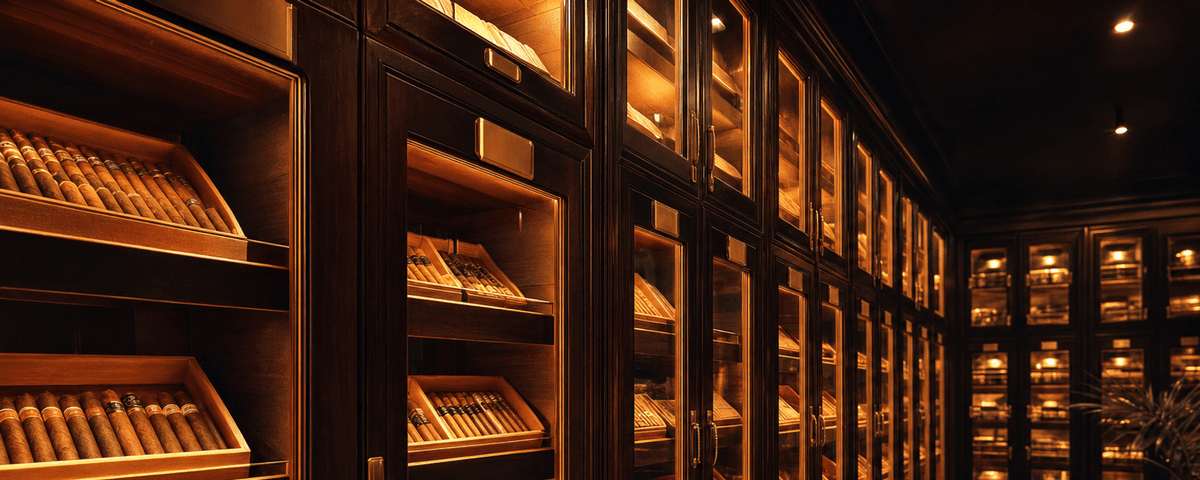
33 座 24 小時恆溫恆濕醇化室
W Cigar Bar 提供的會員醇化空間 · 場地資訊請洽編輯部
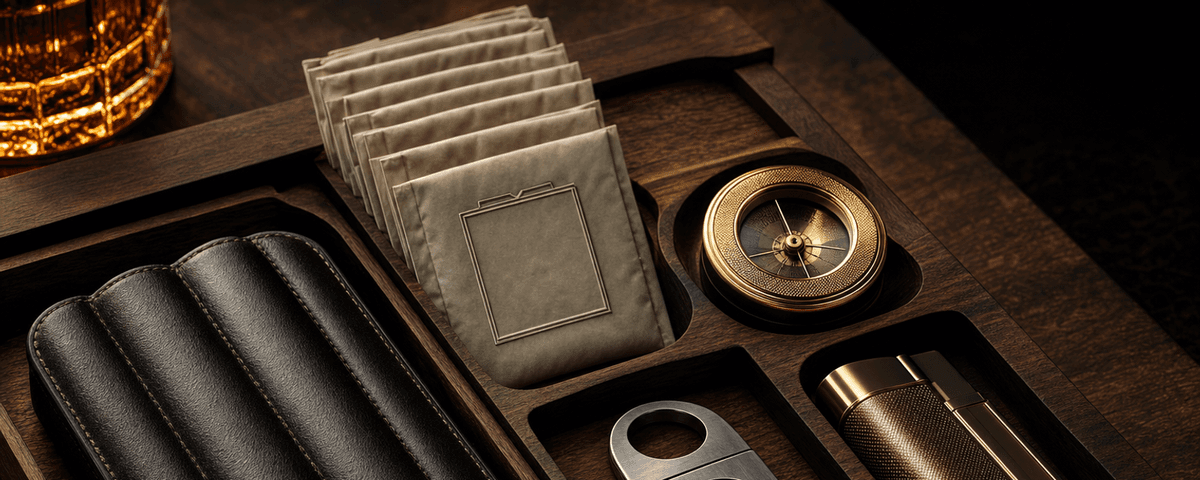
雪茄剪 / 打火機 / 雪茄盒 / Boveda
W Cigar 配件官網 · 專營雪茄配件正品
加 LINE 好友 · 文化諮詢
文化空間資訊 · 紳士沙龍 · 私人包場
本網站內容僅供雪茄文化、歷史、收藏與品吸知識研究參考。菸品有害健康、未滿法定年齡者請勿吸菸。實際規範請依所在地法律為準。
吸菸有害健康・戒菸專線 0800-636363・本站僅供 20 歲以上成年人閱覽。
讀到這裡,你不只是路過的人
留下 Email,加入 W 雪茄聖經內圈——總編輯 Wilson Tsai 親選的學院深文與國際新訊,先你一步送到信箱。
· 教育用途非銷售 · 隨時一鍵退訂 · Email 絕不對外公開 · 由勝茄股份有限公司營運
同分類延伸閱讀
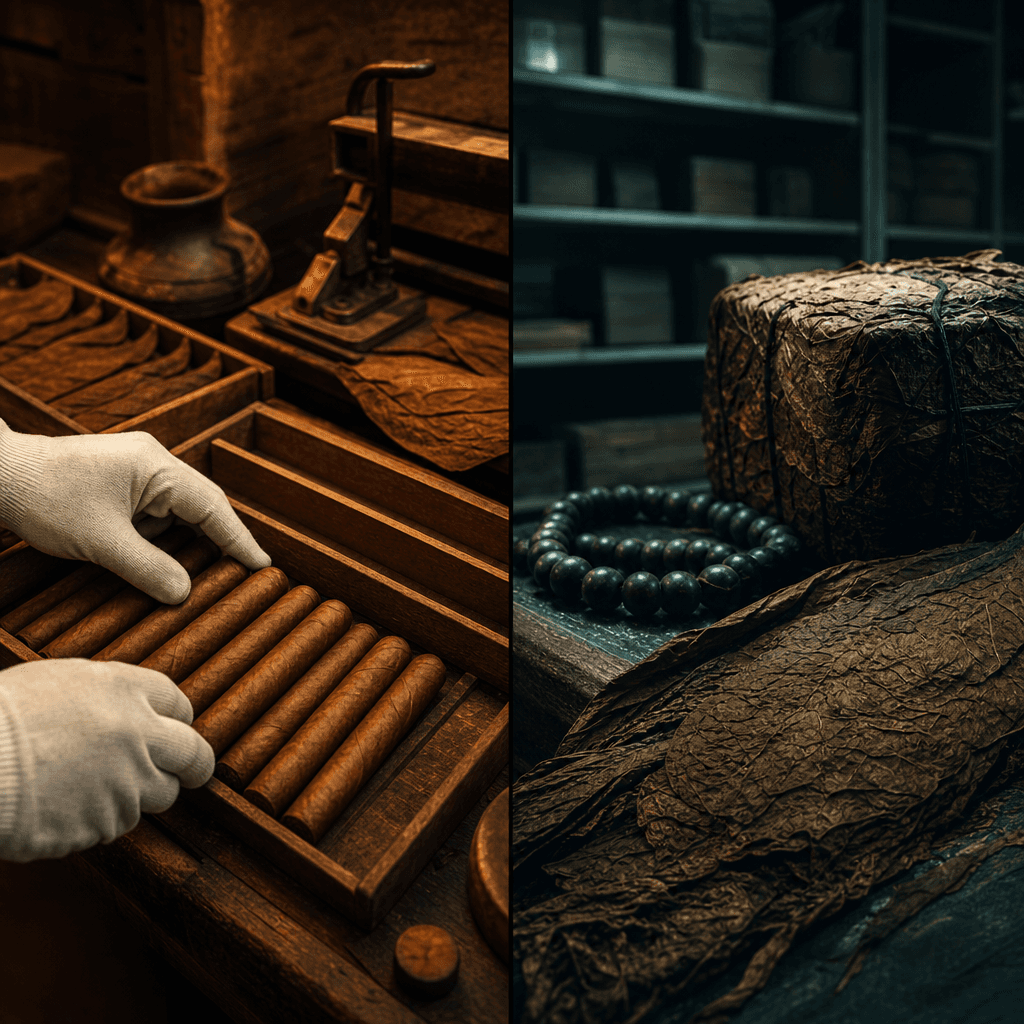
資料來源:W Cigar Bible 編輯部整理 · 雪茄王子 Wilson Tsai 親自審稿
本文僅供雪茄文化、歷史、收藏與品鑑知識研究,不作為菸品促銷、銷售或購買建議。吸菸有害健康,未滿二十歲不得吸菸。