雪茄的切割與抽吸技巧:優雅的開啟之道
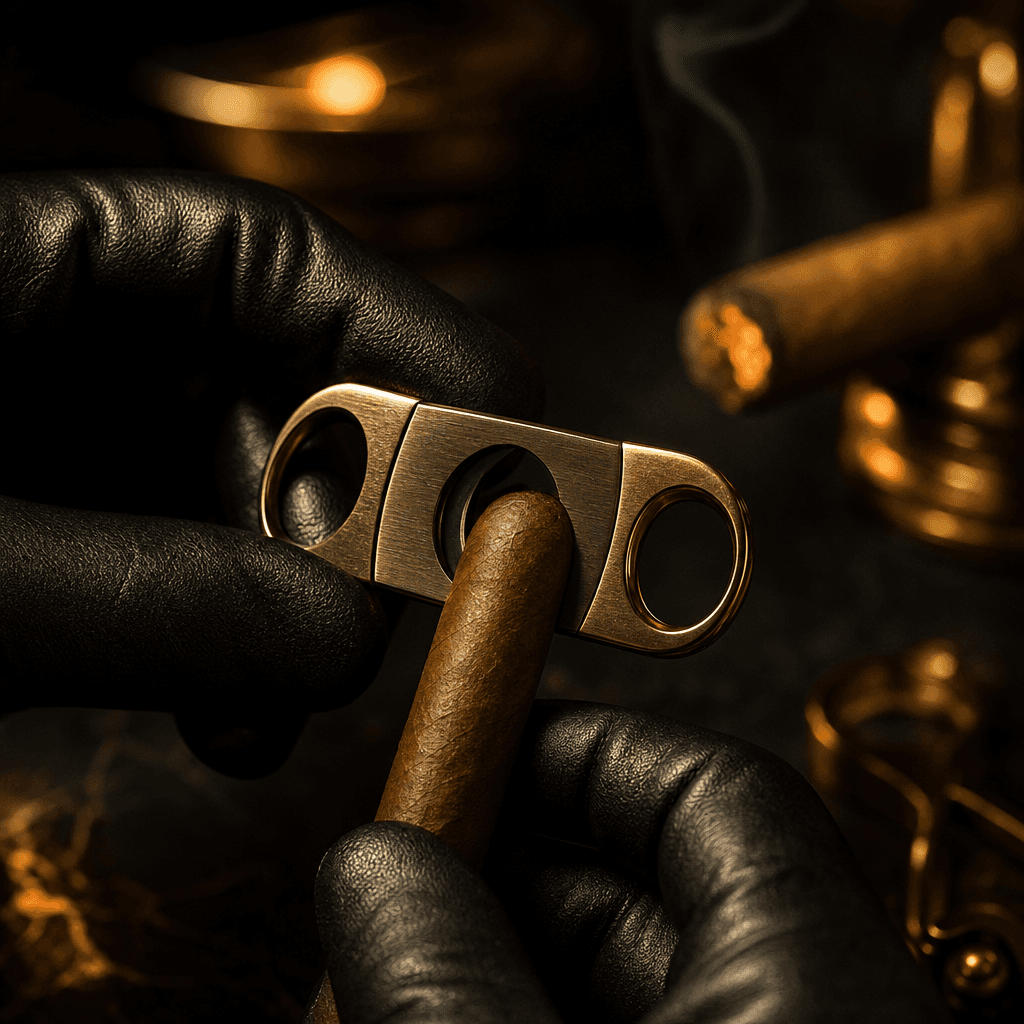
雪茄的切割與抽吸技巧對於品味體驗至關重要。正確的切割深度與角度能夠保留雪茄的結構與風味,避免因剪得過深或過淺而導致的苦味或鬆散。常見的剪法包括平剪、V剪和圓孔剪,各有其適用的雪茄尺寸與特性。切割後的冷吸檢查能幫助判斷抽吸阻力與香氣,確保最佳的品吸體驗。抽吸時應保持適當的節奏,避免過快導致的高溫與苦味,讓每一口的香氣得以充分展現。
- 切割雪茄時,應找出茄帽與茄身交界線,避免一次剪到底,以保留結構與香氣。
- 冷吸檢查能幫助判斷抽吸阻力與風味方向,避免因剪切不當導致的問題。
- 抽吸時應保持60到90秒一口,避免過快導致燃燒溫度上升,影響口感。
Smoking is harmful to health. Persons under twenty years of age must not smoke. Smoking cessation hotline: 0800-636363. This article is provided solely for adults aged twenty and above as a reference on cigar culture, storage, and regulatory knowledge. It is not tobacco advertising, promotion, or purchase advice.
Cutting and drawing on a cigar may seem like only a few actions before and after lighting, but in practice they determine whether a cigar can fully unfold its structure, sweetness, woodiness, leather, spices, and finish. Beginners usually already know "do not inhale into the lungs, exhale slowly," but since 2020, many new cigar smokers have more often encountered problems such as cutting too deeply, drawing too quickly, and letting the burn line fall out of balance, turning an originally finely designed cigar spicy, bitter, or loose. The following discusses a more elegant and more stable way to open a cigar, using classic Cuban and non-Cuban sizes, common tools, and practical cases.
流程圖呈現從確認茄帽到慢抽控溫的五個操作步驟
Why Cutting Is Not a Small Matter: From the Cap, Structure, and Flavor
The head of a handmade long-filler cigar is usually sealed by the cap. In the Cuban tradition, a triple cap is common, while non-Cuban brands also often finish with one to three layers of leaf. This small rounded top is not decoration; it is the key to securing the wrapper, controlling the opening area, and maintaining draw resistance. Take Partagás Serie D No.4 as an example: with a 50 ring gauge and a 124 mm Robusto size, if it is cut too deeply, the wrapper may loosen from the head, and the cocoa, earth, and pepper originally present in the first third may be diluted by excessive airflow. If it is cut too shallowly, resistance becomes too high, drawing requires force, and bitterness can easily appear after the combustion temperature rises. In 2019, while sorting a batch of H. Upmann Magnum 46 in different storage conditions, I tested cigars from the same box with straight cuts of 2 mm and 5 mm respectively. The former was tighter in the first third but had more concentrated aroma; the latter produced more smoke, but showed looseness around the edges in the second third. The essence of cutting is to find a balance between "sufficient airflow" and "preserving structure." Elegance is not merely moving slowly; it is giving every draw a sense of control.
Straight Cut, V-Cut, and Punch Cut: The Characters of Three Mainstream Openings
The most common straight cut suits most Parejo straight-sided cigars, especially sizes such as Robusto, Corona Gorda, and Toro. Its advantages are an even opening, sufficient smoke volume, and the easiest reading of the draw condition. The V-cut became popular after 2010 due to improvements in deep-groove cutters. It is especially friendly to cigars of 52 to 56 ring gauge, concentrating the smoke while preserving support at the head. For medium-to-large ring gauge cigars such as Montecristo Línea 1935 Dumas, a shallow V-cut can often bring out clearer coffee and woody lines. The punch cut suits those who want to reduce loose leaf at the mouth and keep the appearance intact, but when used on a tightly filled cigar, it may make the airflow too narrow and choke the first third. For tapered cigars such as Pyramide or Belicoso, such as Cohiba Pirámides Extra, a punch cut is generally not recommended, because the angle and center are not easy to control. My suggestion is: beginners should first become skilled with the straight cut, then learn the V-cut, and finally add the punch cut according to personal preference. Do not ignore the cigar's own size and head shape for the sake of a sense of toolmanship.
三張重點卡說明切帽頂、慢抽吸與火線均勻的技巧
Cutting Depth and Angle: A 2 mm Difference Can Change the Whole Cigar
The safest principle when cutting is to identify the line where the cap meets the body, cut off only the top of the cap, and not pass the shoulder line. Most straight-sided cigars can first be cut by about 1.5 to 2.5 mm. If the draw is too tight, then adjust by 0.5 to 1 mm, rather than cutting all the way at once. Comparing the 42 ring gauge Cohiba Siglo II with the 54 ring gauge Romeo y Julieta Wide Churchills, the former has a smaller head, so a 3 mm cut already noticeably enlarges the opening; the latter has a wider ring gauge, so the same 3 mm may be just right. The cutting angle is also important. If the blade is slanted, the airflow during the draw will lean to one side, and the burn line can easily run unevenly. In practice, you can fix the cigar in the cutter opening, first let the blade gently touch the cap, confirm the position, and then finish with one clean cut. Do not slowly squeeze. If using a double-blade cigar cutter, the sharpness of the blades should be checked every year. A dull blade can easily flatten the cap, causing invisible cracks. In 2022, a guest brought in a well-stored Bolívar Royal Coronas. Because an ordinary pair of scissors had been used to trim the head, the wrapper split along the mouth after lighting. It was not that the cigar was poor; the structural damage was caused by the cut.
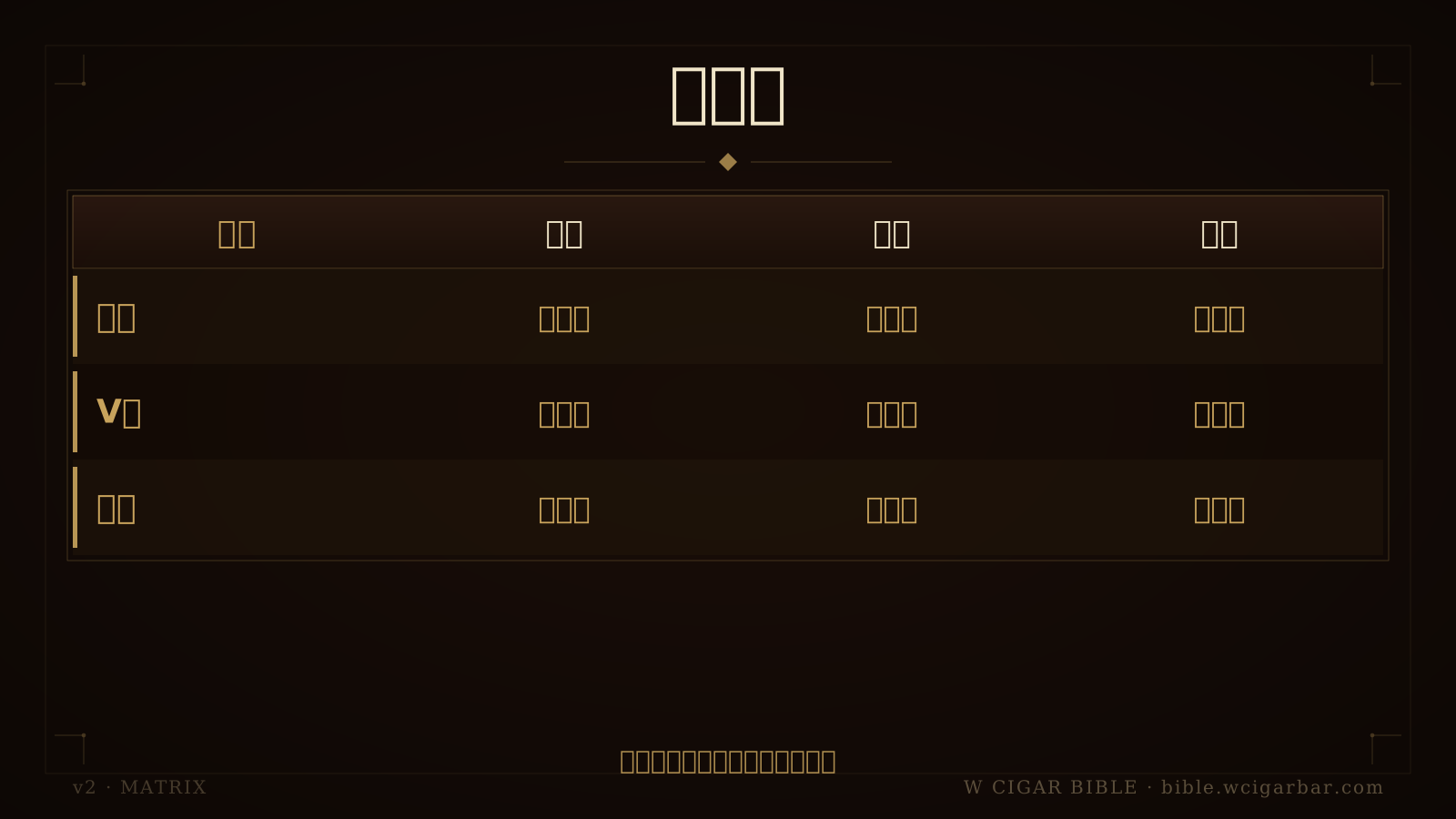
比較矩陣列出直剪、V剪與圓孔剪的適用情境與留意點
Cutting Method Selection Table for Different Sizes and Brands
Different brands' rolling styles, ring gauges, and head designs can cause the same cutting method to produce different results. Cuban cigars often have more individual draw resistance, while non-Cuban cigars such as Padrón, Arturo Fuente, and Davidoff have had quite stable quality control in recent years, yet judgment still needs to be made according to the condition of each individual cigar. The following table is not an absolute rule, but a reference for beginners developing their feel.
| Size / Example | Recommended cut | Initial depth | Observation points |
|---|---|---|---|
| Corona: Cohiba Siglo II, 42 ring gauge | Straight cut | 1.5–2 mm | Avoid an overly large opening and preserve concentrated aroma |
| Robusto: Partagás D4, 50 ring gauge | Straight cut or shallow V | 2–3 mm | Check whether it is too tight, then make minor adjustments |
| Toro: Padrón 1964 Anniversary, 52 ring gauge | V-cut or straight cut | 2.5–3 mm | Note whether smoke volume and sweetness are balanced |
| Gordo: some 60 ring gauge cigars | Deep V or double punch | Depending on the tool | Avoid overheating the central airflow |
| Pirámide: Montecristo No.2 | Angled straight cut | First cut 3–4 mm from the tip | Enlarge gradually; do not cut too deeply at once |
The most important message in this table is "be conservative first, then correct." For a Montecristo No.2 boxed in 2021 and stored stably, if the tip is cut slightly, the draw may feel elegant; if it is cut down to the shoulder, the original tension may become loose smoke. Cutting is an action with very low reversibility. It is better to make one more small adjustment than to sacrifice cap support all at once.
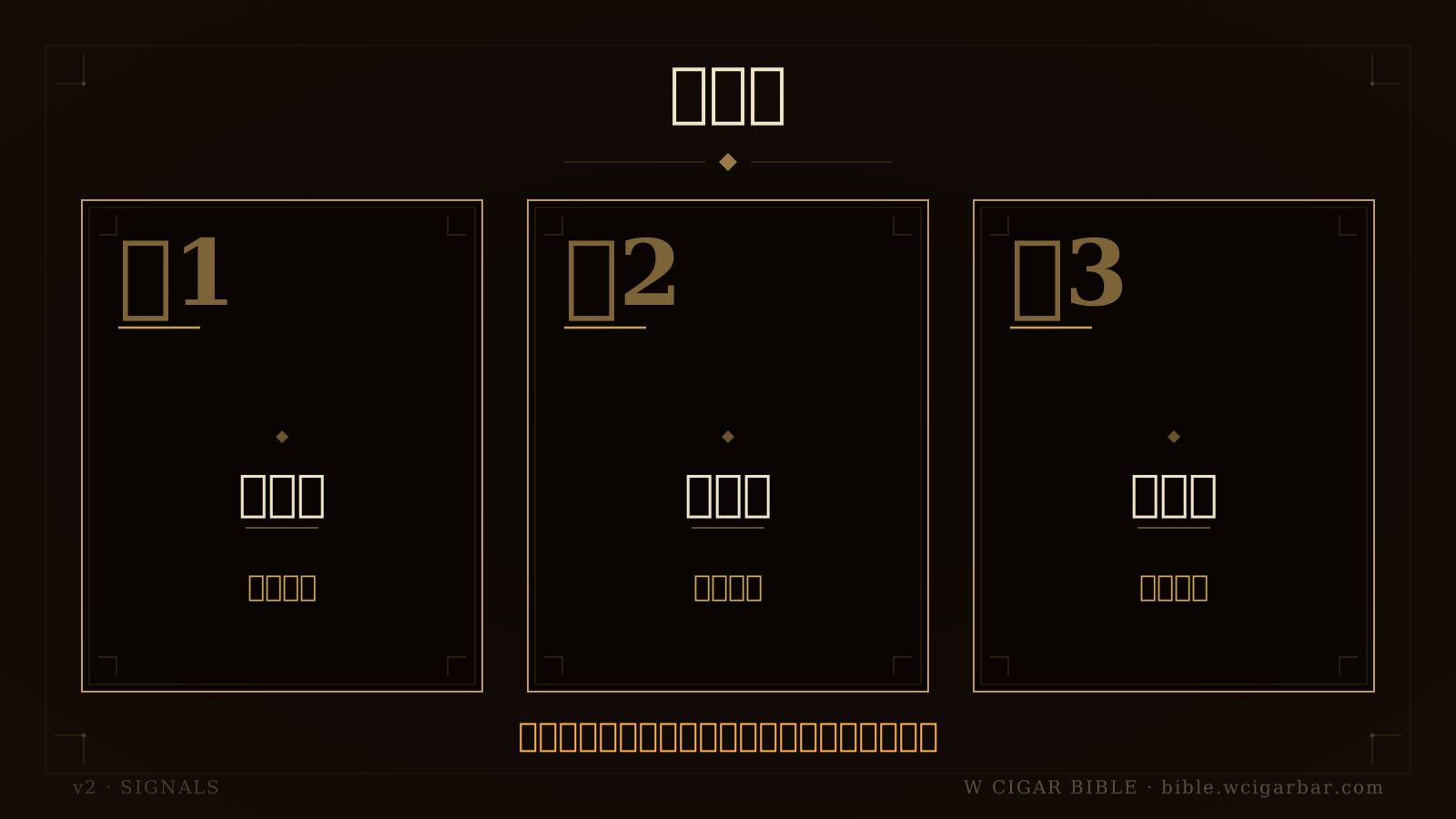
三張錯誤提醒卡指出剪太深、抽太急與過度補火的問題
Cold Draw and Inspection Before Lighting: Elegance Comes from Anticipation
After cutting, do not rush to light. First perform a cold draw inspection, a step that many advanced cigar smokers already valued highly in European cigar salons in the 1990s. A cold draw is not a forceful draw; rather, lightly hold the head in the mouth and use a natural-breathing level of force to feel the resistance and the unlit aromas. The ideal state is like drinking warm water through a straw: no effort is required, but it is not completely without resistance. If it feels too tight, check whether only the top of the cap has been cut; if necessary, trim another 0.5 mm. If it remains tight, the issue may be filler density or humidity. At this point, one should not draw forcefully, because high temperature will amplify ammonia notes and spiciness. The cold draw can also indicate flavor direction. For example, Hoyo de Monterrey Epicure No.2 often shows cream, dry grass, and light woodiness, while Bolívar Belicosos Finos may show earth, cocoa, and dark spices. If a moldy, sour-rotten smell or damp cardboard note appears during the cold draw, it is usually related to the storage environment. Collectible cigars often involve discussions of years and aging, but an increase in collectible value does not mean a guaranteed increase in value, and it still depends on provenance, storage, and the market. From a practical perspective, stable storage affects performance after cutting more than the year on the label.
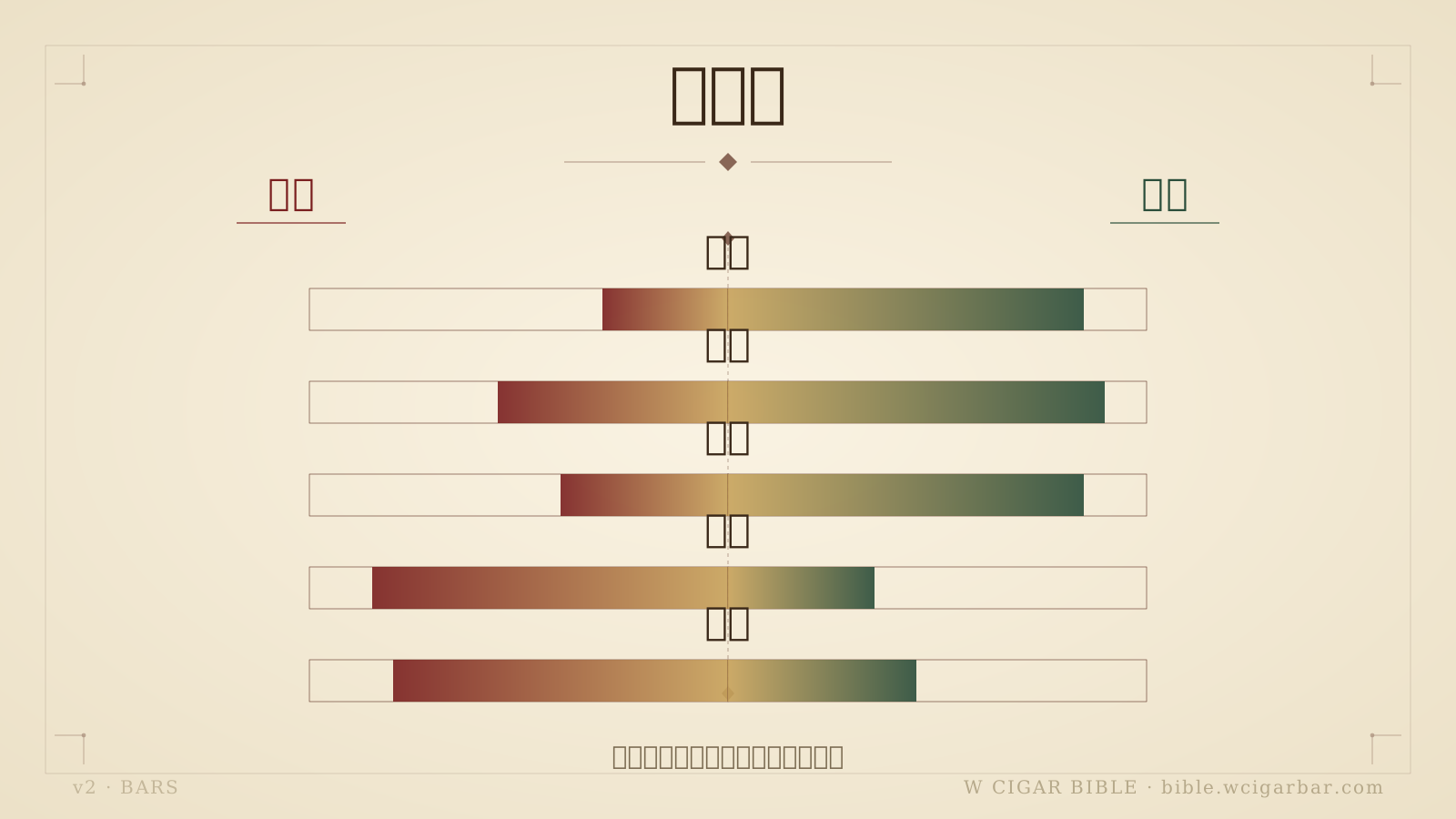
長條圖對比保守與急進操作的五項傾向
Drawing Rhythm: Temperature Management at One Draw Every 60 to 90 Seconds
A cigar is not a cigarette. A rhythm that is too fast will raise the combustion temperature, concentrating tar, bitterness, and irritation at the head. In general, one draw every 60 to 90 seconds is recommended. Smaller ring gauge Coronas can be slower, while larger ring gauge Toros or Gordos can be adjusted according to the burn condition. When drawing, there is no need to use force. Let the smoke stay in the mouth for 2 to 5 seconds, perceive the aromas through the tongue surface, palate, and rear nasal cavity, and then slowly exhale. Experienced smokers may retrohale in small amounts, but beginners need not force themselves, especially with stronger cigars such as Liga Privada No.9 or Bolívar, where excessive retrohaling can easily cause irritation. In 2018, I once compared rhythms using Davidoff Grand Cru No.2: at one draw every 30 seconds, a clear nutty bitterness appeared in the second third; after changing to one draw every 75 seconds, cream, cedar, and white pepper became clearer, and the ash column was also more stable. Elegant drawing is not about pursuing large smoke volume, but about maintaining low temperature, stable combustion, and a clean finish. When you can smoke a Robusto for 55 to 70 minutes, it usually means your rhythm is approaching maturity.
Ash Column, Touch-Ups, and Pauses: Do Not Fight the Cigar Head-On
Many beginners frequently tap off the ash, thinking the shorter the ash, the cleaner it is. In fact, a stable ash column can help retain heat and protect the burning end. Generally speaking, when the ash is about 2 to 3 cm long, gently let it fall into the ashtray. Do not tap it as you would a cigarette. If the burn line is uneven, first observe for 1 to 2 minutes, because some uneven burns will correct themselves. If the deviation exceeds 5 mm, then gently toast the unburned side with the flame, but do not insert the flame directly into the foot. When using a torch, maintain a distance of 2 to 4 cm, heating with the outer edge of the blue flame to avoid localized carbonization. If you need to pause midway, letting the cigar go out naturally is better than forcibly crushing it out, because crushing it out produces a pungent odor and damages the subsequent mouthfeel. Before relighting, first remove loose ash, gently blow through the foot to expel some residual smoke, and then slowly warm the outer ring. Take a Perfecto size such as Arturo Fuente Hemingway Short Story as an example: the burning surface in the first third is small, so touch-ups must be even more delicate. If you rush to heat it, the sweet aroma will be covered by charred notes. Taking care of the burn line is part of cigar etiquette, and also a form of restraint.
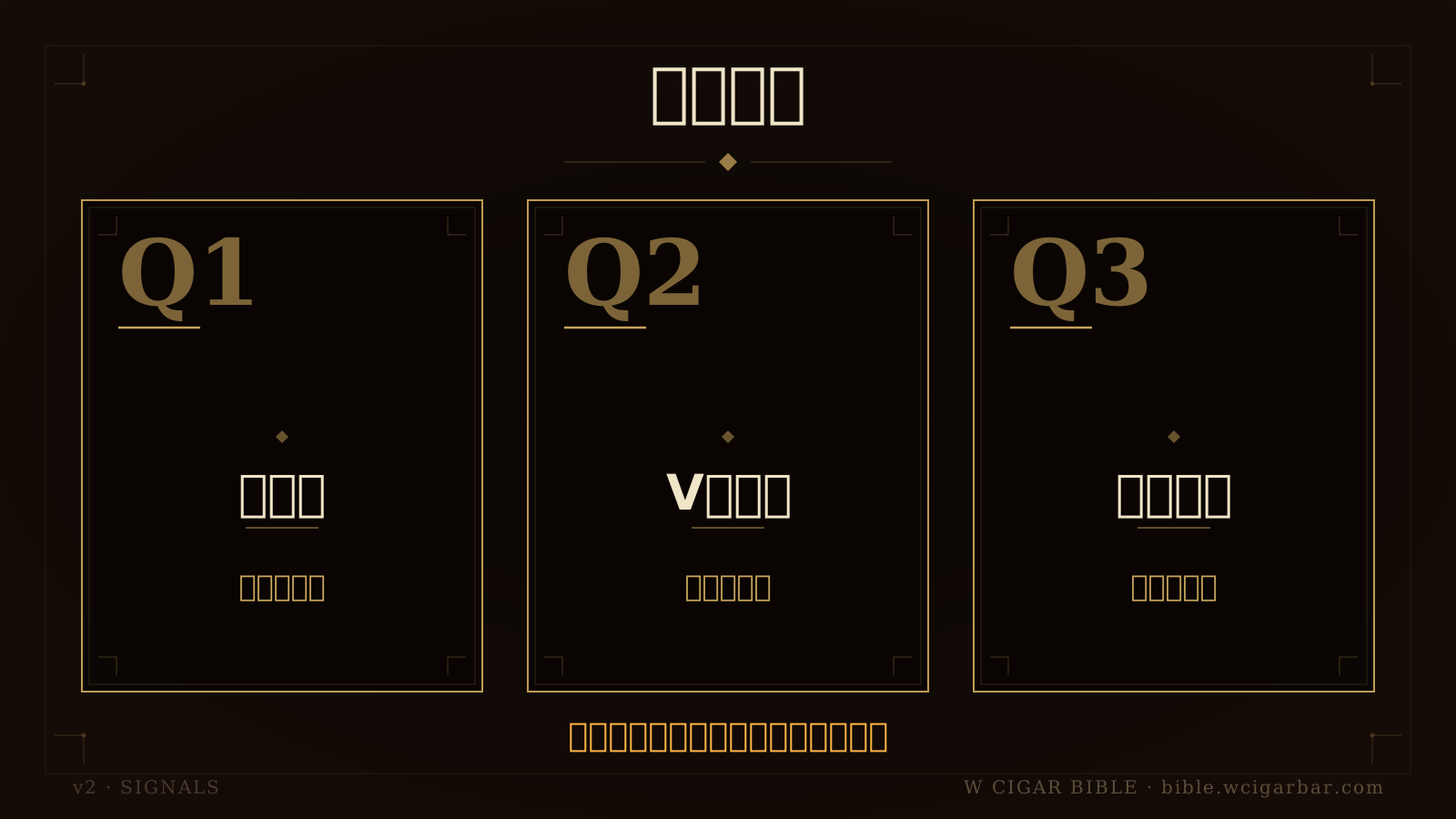
三題快問快答整理剪歪、V剪與熄滅處理
Gestures, Tools, and Occasion Etiquette: Keep Movements Quiet and Measured
An elegant cigar posture is not about exaggerated gestures, but about being quiet, stable, and respectful of others. When cutting, do not hold the cigar in your mouth and cut it there; it is easy to cut crookedly and is also unhygienic. You should first confirm the direction in your hand, then complete the cut with the tool. When lighting, avoid speaking while holding the cigar in your mouth, because saliva will make the head overly wet and affect the draw experience. Whether to remove the cigar band depends on the situation. If the band is removed when it is closer to the burning end, the wrapper is less likely to tear. Some high-end series bands from after 2000 are relatively wide, such as Cohiba Behike or Davidoff Winston Churchill, and pulling them too early may damage the leaf. When seated with others, pay attention to the direction of the smoke, the position of the ashtray, and the conversational distance. Do not exhale smoke directly toward others, and do not point at people with a cigar. In terms of tools, double-blade cutters, V-cutters, torches, and long matches each have their roles, but cleanliness is more important. Oil and leaf fragments left on the blade can cause a ragged cut. As the founder of W Cigar Bar gentlemen's cigar lounge and a PCC authorized distributor, I often remind beginners: tools can be upgraded gradually; first practice every rhythm of cutting, lighting, drawing, and resting until it is steady, and the sense of poise will naturally emerge.
Common Questions
If the cigar is cut crookedly, can it still be fixed?
Yes, but it depends on the degree of crookedness. If only one side of the cut is longer by 1 to 2 mm, you can gently even it out with a straight cutter. Do not rush to deepen it substantially. If it has already been cut past the cap shoulder line and the wrapper has begun to loosen, draw with a lighter mouth hold and avoid soaking the split with saliva. In serious cases, you can only accept that the mouthfeel has been compromised. Next time you cut, first place the cigar into the cutter opening for positioning, keep your line of sight parallel to the cap, and complete it in one motion.
Is a V-cut more advanced than a straight cut?
Not necessarily. The advantages of a V-cut are concentrating the smoke and preserving the head structure, and it often works well on 52 ring gauge and above. But on smaller sizes of 38 to 42 ring gauge, a deep V may make the head fragile or the smoke too hot. Whether it is advanced is not about the tool, but whether it suits that cigar's shape, humidity, and filler condition.
Why does my cigar become bitter halfway through?
Common reasons include drawing too quickly, excessive flame touch-ups, the head being soaked with saliva, or the opening being too large from the start, causing the smoke to overheat. First slow the rhythm to one draw every 60 to 90 seconds and let the cigar rest briefly. If it is still bitter, check whether the burn line is uneven. Bitterness does not necessarily mean the cigar is bad; more often, it means temperature management has gone out of control.
Is it rude if a cigar goes out midway?
Letting it go out naturally is not rude, especially when talking, drinking water, or reading. What is rude is forcibly crushing it out like a cigarette and leaving a heavy odor. If you want to relight it, first clear the ash, gently blow, and then toast it evenly. Also accept that the first few draws after relighting will be richer, and return to a normal rhythm after the temperature stabilizes.
What kind of cutter should a beginner get first?
It is recommended to first choose a double-blade straight cutter with stable quality, which can handle most cigars from 42 to 54 ring gauge. The blades should meet closely, open and close smoothly, and feel stable in the hand. There is no need to pursue a complicated design at the beginning. After becoming familiar with different sizes, then add a V-cutter and a punch cutter. The task of a tool is to reduce mistakes, not replace judgment.
Should every draw be retrohaled?
No. Retrohaling can amplify aromatic details, but it also increases irritation. Beginners can choose only 1 to 2 draws in the middle third of each cigar for a small amount of retrohale, and should especially avoid heavy retrohaling when the cigar is strong, freshly lit, or near the final third. Truly mature taste is knowing when to do a little less.
Cutting and drawing are the two most basic things in the cigar world, and also the two that most reveal one's cultivation. My view is simple: a cigar is not for showing off speed, smoke volume, or age; it is for using a quiet period of time to understand craftsmanship, the land, and one's own rhythm. Be a little more conservative with every cut, and a little slower with every draw. You will find that the flavors become clearer, and your posture becomes more composed.
- Cigar Prince Wilson Tsai
Smoking is harmful to health. Persons under twenty years of age must not smoke. Smoking cessation hotline: 0800-636363. This article is provided solely for adults aged twenty and above as a reference on cigar culture, storage, and regulatory knowledge. It is not tobacco advertising, promotion, or purchase advice.
Like this article?Share with friends
Share this W Cigar Bible piece with friends who want to learn cigar culture, storage, and tasting.
想把這篇 化為實踐
雪茄聖經是知識;雪茄文化要在空間裡發生

W Cigar Bar 大安總店資訊
台北大安區 · 雪茄聖經總編輯 Wilson Tsai 主理的雪茄文化空間

33 座 24 小時恆溫恆濕醇化室
W Cigar Bar 提供的會員醇化空間 · 場地資訊請洽編輯部
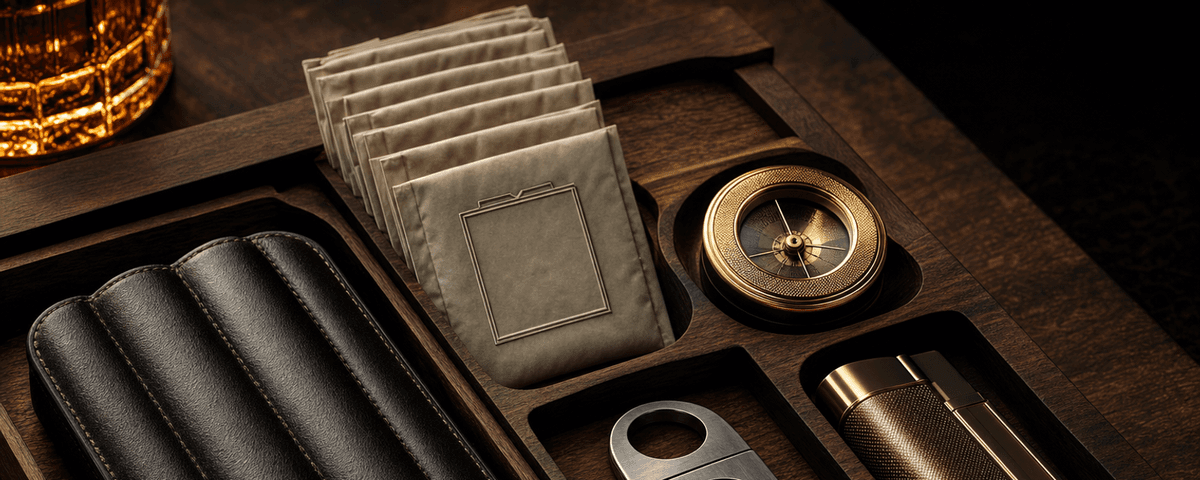
雪茄剪 / 打火機 / 雪茄盒 / Boveda
W Cigar 配件官網 · 專營雪茄配件正品

加 LINE 好友 · 文化諮詢
文化空間資訊 · 紳士沙龍 · 私人包場
本網站內容僅供雪茄文化、歷史、收藏與品吸知識研究參考。菸品有害健康、未滿法定年齡者請勿吸菸。實際規範請依所在地法律為準。
吸菸有害健康・戒菸專線 0800-636363・本站僅供 20 歲以上成年人閱覽。
讀到這裡,你不只是路過的人
留下 Email,加入 W 雪茄聖經內圈——總編輯 Wilson Tsai 親選的學院深文與國際新訊,先你一步送到信箱。
· 教育用途非銷售 · 隨時一鍵退訂 · Email 絕不對外公開 · 由勝茄股份有限公司營運
同分類延伸閱讀



資料來源:W Cigar Bible 編輯部整理 · 雪茄王子 Wilson Tsai 親自審稿
本文僅供雪茄文化、歷史、收藏與品鑑知識研究,不作為菸品促銷、銷售或購買建議。吸菸有害健康,未滿二十歲不得吸菸。