雪茄的燃燒與煙霧解析:掌握完美抽吸的科學
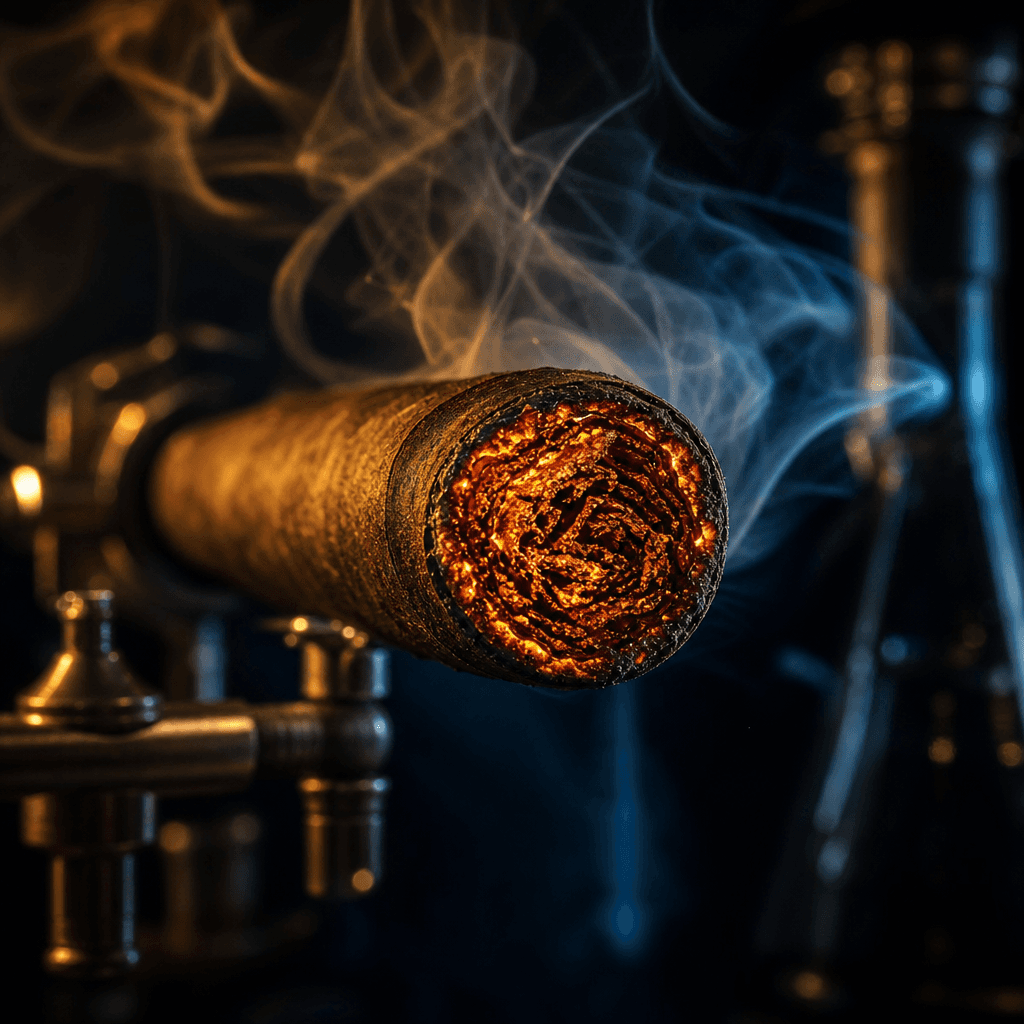
雪茄的燃燒過程涉及多種因素,包括火頭溫度、抽阻與濕度,這些都會影響煙霧的質量與風味。入門者需理解雪茄的三個燃燒區:高溫燃燒區、熱解區與冷凝區,這三者的平衡決定了煙霧的厚薄與香氣層次。抽阻是影響燃燒的關鍵,理想的抽吸應該有適度的阻力,保持穩定的氧氣供應。點火時需均勻加熱雪茄腳端,以確保整體燃燒效果。此外,抽吸的節奏也至關重要,控制每口的間隔可避免過熱,提升品味體驗。
- 雪茄的燃燒分為高溫燃燒區、熱解區與冷凝區,三者平衡影響風味層次。
- 抽阻影響氧氣供應,進而影響燃燒溫度與煙霧的品質。
- 理想的抽吸節奏約每 60 至 90 秒一口,有助於控制火頭溫度與煙霧風味。
Analysis of Cigar Burning and Smoke: Mastering the Science of the Perfect Draw
The burning of a cigar is not as simple as lighting a leaf. Factors such as the temperature of the flame, draw resistance, humidity, and the rhythm of each puff can alter the thickness of the smoke, the layers of aroma, and whether the end becomes bitter. Once beginners understand this science, the same cigar in their hands can perform completely differently.
As the editor of the "Cigar Bible," I often compare a cigar to a small combustion laboratory. You don't need to memorize chemical formulas, but you need to know which actions will make the burn hotter and which habits will make the smoke dirty. Below, I use brand cases, years of experience, and practical numbers to help you establish a stable and elegant drawing logic.
流程圖顯示火頭熱解冷凝到入口回饋
A Cigar Actually Has Three Burning Zones
Once lit, a cigar can be divided into the high-temperature burning zone, pyrolysis zone, and condensation zone from the flame backward. The high-temperature zone can reach about 700 to 900 degrees Celsius, responsible for keeping the tobacco burning; the pyrolysis zone releases caramel, woody, nutty, and spicy notes at a lower temperature; the condensation zone is near the mouth, where the smoke cools, forming the texture you truly feel in your mouth. Flavor does not come solely from the flame but from the balance of burning, pyrolysis, and condensation.
Take, for example, a batch of Partagás Serie D No.4 from 2020. In the same environment, those who smoke slowly tend to get leather, coffee, and black pepper notes; those who smoke rapidly will experience bitterness and spicy tongue by the third third. This isn't because the cigar suddenly worsens, but because the burning zone is pushed too hot, causing oils and sugars that should be released slowly to burn off quickly.
Beginners can remember a simple judgment: if the smoke entering the mouth is smooth and slightly sweet, it means pyrolysis and condensation are still balanced; if the smoke becomes sharp, the throat stings, and the flame is bright red, it usually indicates the temperature is too high. Controlling the core of a cigar is not about pursuing large smoke volume but about maintaining stable, low-pressure, and even burning at the flame.
三張卡整理控溫抽阻與慢抽的核心判斷
The Relationship Between Draw Resistance, Filler, and Smoke Density
Draw resistance is the first threshold in the science of burning. A cigar that's too loose allows a lot of air to pass through, heating the flame like a bellows; a cigar that's too tight lacks oxygen, making the smoke thin and prone to extinguishing, causing people to unconsciously draw harder, leading to localized overheating. The ideal state is like drinking a thick milkshake through a straw, with resistance but not effort, obtaining stable smoke volume in about 2 to 3 seconds per puff.
Different brands and sizes will present different draw resistances. If the torpedo head of a Montecristo No.2 is cut too small, beginners often mistakenly think the filler is too tight; while the Hoyo de Monterrey Epicure No.2, with a ring gauge of 50 and a wider smoke channel, will burn too fast if stored too dry. In 2018, I recorded 12 Robustos from the same box, showing significant differences in performance at 65% and 72% relative humidity: the former had lighter smoke, while the latter burned slower but occasionally felt stuffy.
When judging draw resistance, don't blame the construction immediately. First, check if the cut is smooth, if the cap is cracked, and if the foot is damp. You can check in the following order:
- Is the cut diameter sufficient? Torpedo shapes can be gradually trimmed.
- Cold draw before lighting to feel if the airflow is even.
- Observe if the burn line is skewed in the first 5 minutes after lighting.
- If frequent relighting is needed, slow down the pace before judging humidity.
Draw resistance determines oxygen supply, oxygen supply determines burning temperature, and thus determines whether the smoke is clean.
矩陣比較太鬆理想太緊對燃燒的影響
Lighting Is Not a Ritual, But Establishing a Flame Foundation
Many people see lighting as an opening act, but it determines the quality of the next 30 to 90 minutes. If only the surface of the cigar foot is lit, and the center filler is not fully heated, it will later form a situation of "outer circle burning, center lagging"; if strong fire is used for a long time initially, it is easy to scorch the wrapper, producing a charcoal taste. The correct approach is to first toast the foot, allowing the entire cross-section to change color evenly, then complete the lighting with short flames.
For a size like the Cohiba Siglo VI, with a length of 150 mm and a ring gauge of 52, the foot area is large, and lighting time is usually 20 to 30 seconds longer than a Petit Corona. My habit is to keep the flame 1 to 2 cm away from the foot, rotate the cigar to form an even dark red edge, then gently draw a puff to confirm if the center is lit. If the center is still black, it's not about adding more fire but slowly reheating with the edge of the flame.
Avoid three common mistakes when lighting: first, inserting the flame directly into the foot; second, drawing hard while lighting; third, starting normal draws without confirming the burn line. If the burn line is skewed from the start, multiple corrections are often needed later. Good lighting is about getting the entire cross-section into working condition simultaneously, not burning one point the brightest.
If using matches, wait for the sulfur smell to dissipate before approaching the cigar; if using a torch, the blue core of the flame is the hottest and should not be too close to the wrapper. These details may seem tedious, but they actually protect the aroma of the first third, preventing woody, creamy, floral notes from being overshadowed by rough fire taste.
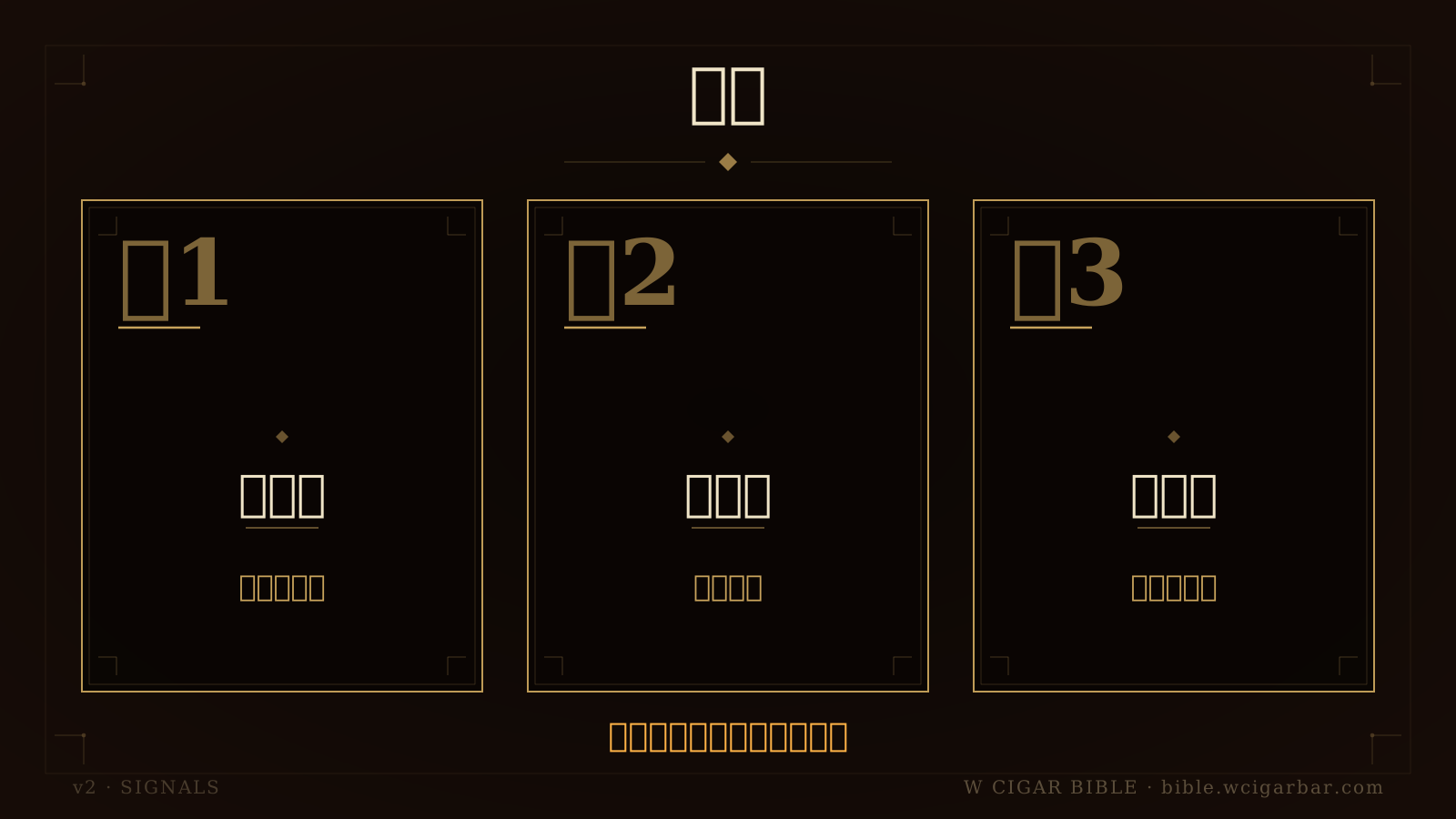
三張卡列出點火時容易造成過熱的錯誤
Drawing Rhythm: The Reason for One Puff Every 60 to 90 Seconds
Unlike cigarettes, cigars do not need continuous inhalation to maintain burning. Most handmade long filler cigars have an ideal rhythm of about one puff every 60 to 90 seconds; thinner Lanceros can be slightly slower, while thicker Gordos can sometimes maintain 45 to 75 seconds. Rhythm is not a rigid rule but a tool to control the flame temperature. The faster you draw, the larger the smoke, but the flavor doesn't necessarily increase; often, it's just heat, bitterness, and dryness rising simultaneously.
I once compared two Ramón Allones Specially Selected from the same box in 2021. One was smoked with an average of 40 seconds per puff, finishing in about 55 minutes, with a noticeably spicy and loose gray end; the other maintained 75 seconds per puff, completed in about 78 minutes, with clearer caramel, cocoa, and dried fruit notes. The difference lies not in the brand but in the burning speed.
You can adjust the rhythm with three signals: if the smoke entering the mouth is hot, slow down; if the burn line is about to extinguish and the smoke is thin, slightly shorten the interval; if the ash is too black and oily, it indicates local wet heat or too rapid drawing. Don't keep drawing to prevent extinguishing; it's not shameful to extinguish, but overheating is regrettable.
Etiquette-wise, it's also not recommended to keep the cigar in your mouth for long periods. Saliva will moisten the mouth end, making the smoke more likely to produce acidity when passing through. After each puff, place the cigar on the edge of the ashtray to rest naturally, allowing it to breathe like a glass of red wine. Rhythm is the dividing line for beginners to advance to stable tasters.
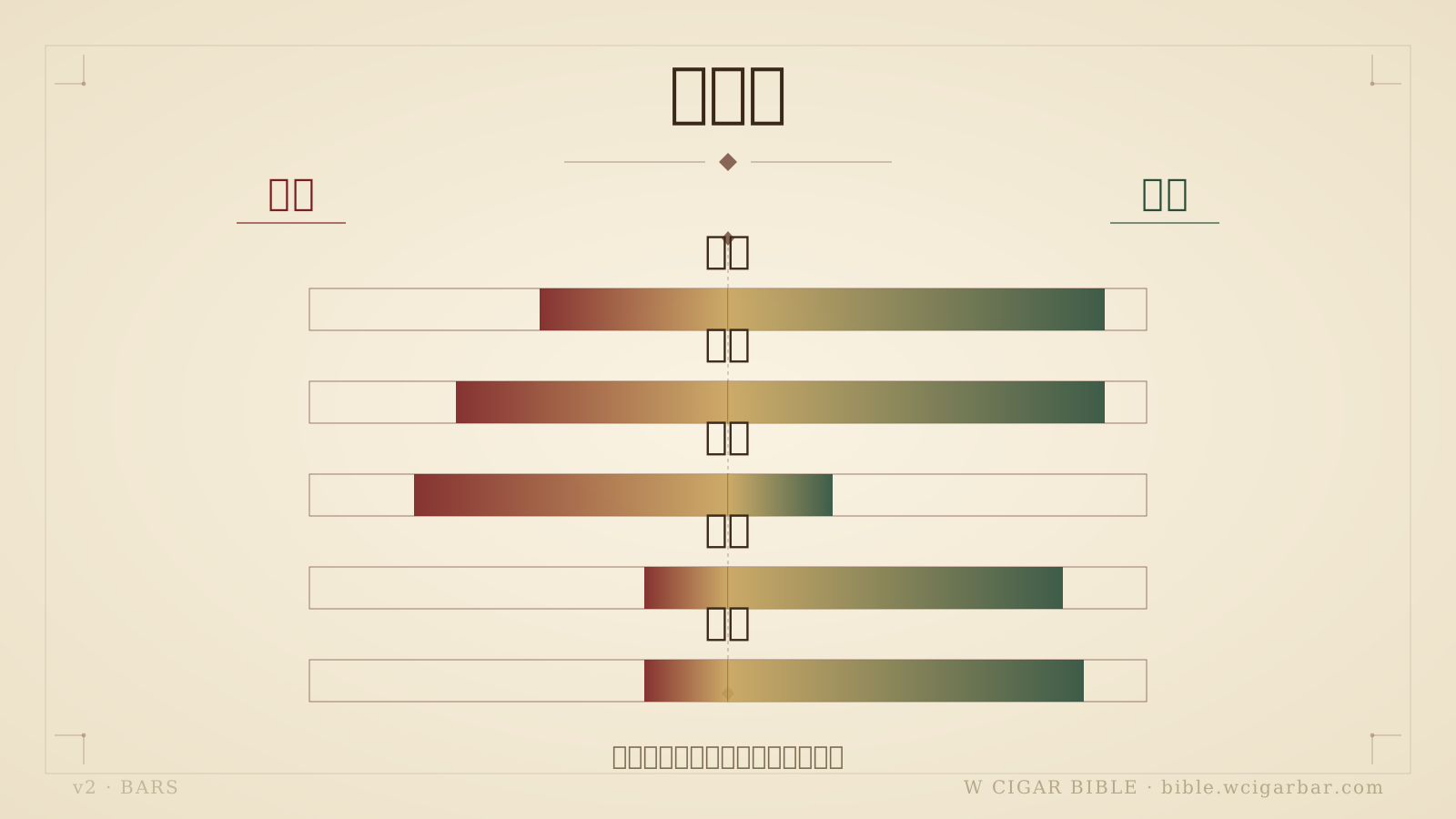
長條圖比較穩定燃燒與過熱狀態差異
How Smoke Forms and Why It Affects Flavor
Smoke is a mixture of combustion products, volatile aromatic molecules, moisture, and fine particles. When sugars, oils, lignin, and proteins in tobacco are heated, they release different aromas; at lower temperatures, cream, nut, and grain notes are more likely to appear; as the temperature rises, black coffee, pepper, and roasted wood become more prominent; when overheated, it turns into bitterness, ammonia, and dryness. Smoke quality is not about whether it is white or thick, but whether it is clean, delicate, and layered.
Comparing Davidoff Grand Cru No.2 and Bolivar Belicosos Finos, the former often gives a delicate smoke of cream, hay, and almond; the latter is heavier, often with earth, cocoa, leather, and spices. These differences come from the region, blend, aging time, and size, and are also magnified or weakened by the way of drawing. If you treat both with the same impatient method, you may end up with the vague conclusion of "both are spicy."
Retrohaling can amplify the aromatic molecules in the smoke but is not suitable for every puff. Beginners can choose one puff every 4 to 5 puffs, allowing a small amount of smoke to pass slowly through the nasal cavity to feel sweet wood, floral, pepper, or mineral notes. If the stimulation is too strong, reduce the proportion, no need to force it. Keeping the smoke in the mouth for 3 to 5 seconds is enough; too long will cause heat and bitterness to accumulate.
Also, pay attention to moisture. If the smoke is too dry, the tongue surface is easily numb; if too wet, the mouth end will be acidic. Drinking water helps reset the taste, but strong liquor may not be suitable for beginners, as alcohol will amplify spiciness. Start with room temperature water or unsweetened sparkling water, which makes it easier to read the cigar itself.
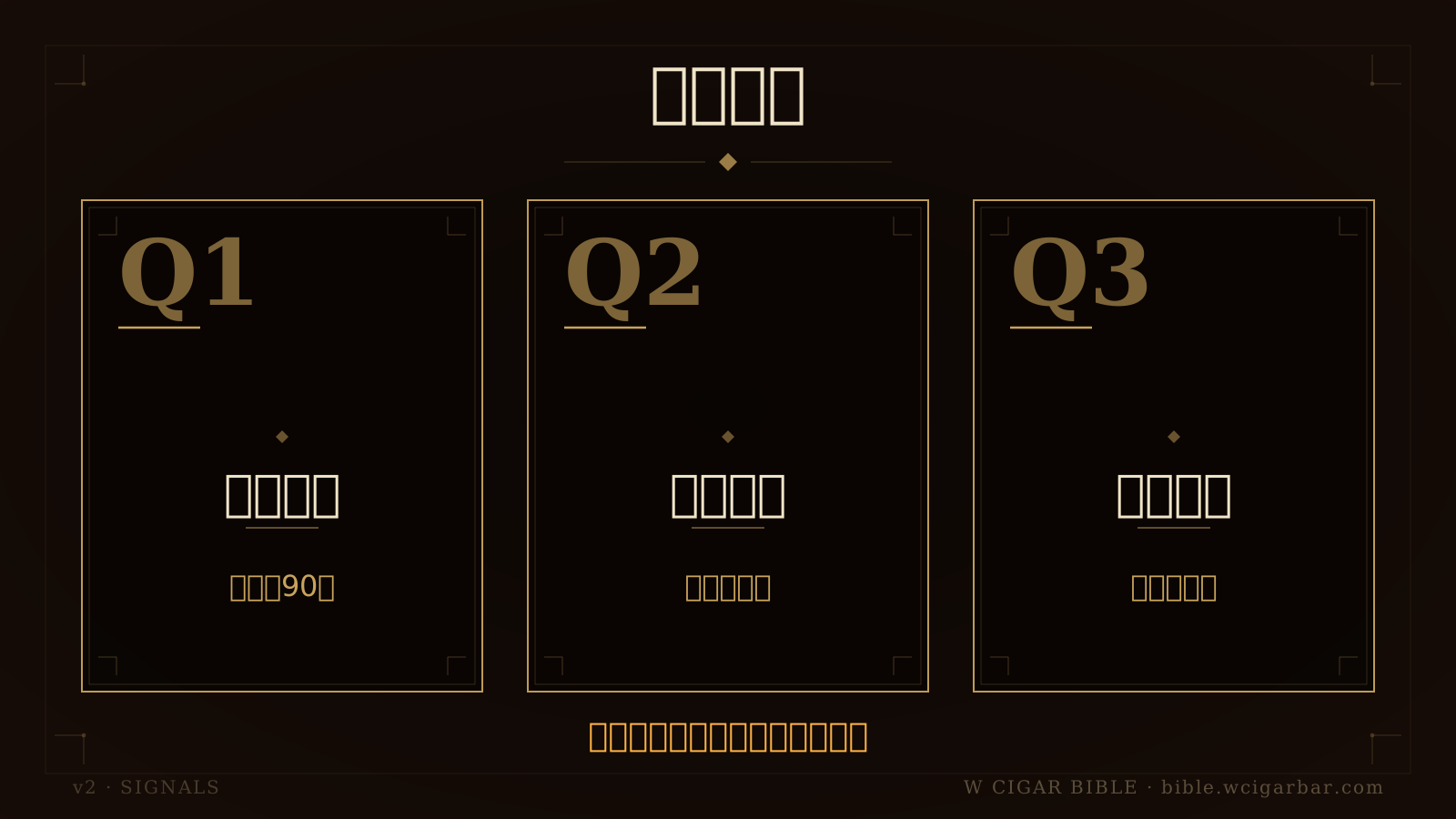
快問快答整理後段苦斜燒與熄火處理
Humidity, Environment, and Burning Performance Comparison
The stability of cigar burning is closely related to the storage environment. The common recommendation for long filler cigars is a temperature of 18 to 21 degrees Celsius and relative humidity of 65% to 70%. However, different sizes, wrapper thickness, and personal taste will change the best point. In 2019, I tested the same Toro during the rainy season: at 72% humidity, the smoke was thick but stuffy in the front, requiring relighting in the middle; after balancing at 67% for 10 days, the burn line was significantly stable, and the sweetness was cleaner.
| Condition | Possible Cause | Smoke Performance | Correction Direction |
|---|---|---|---|
| Frequently extinguishing | High humidity or too slow drawing | Thin, stuffy, heavy wood taste | Lower to 65% to 68%, slightly adjust rhythm |
| Burning too fast | Low humidity or too rapid drawing | Dry, spicy, ash easily scattered | Stabilize humidity, extend interval |
| Uneven burning | Uneven lighting or vein differences | One side hot, one side light | Rotate to observe, then slightly relight |
| Tunneling | Center overheating, outer layer lagging | Hot smoke and empty taste | Pause, let the outer circle catch up |
| Mouth end sourness | Kept in mouth too long or smoke too wet | Sour, sticky, short aftertaste | Rest, keep cut end dry |
Humidity is not about being higher, but about stability being more important than pretty numbers. Electronic hygrometers should be calibrated at least once a year, with salt tests or calibration packs assisting in judging errors. Many people think unstable cigars are a brand issue; in fact, if the home hygrometer deviates by 5%, it is enough to completely misjudge the burning conclusion.
Additionally, outdoor wind speed will also change burning. At the seaside, terrace, or near air conditioning outlets, the burn line tends to accelerate on one side. If the wind is strong, instead of constantly relighting, turn the cigar so that the slower burning side faces the breeze for a few seconds, then return to the normal angle. This small adjustment preserves flavor better than rough relighting.
Common Questions
Why is my cigar good in the front but bitter in the back?
The most common reason is accumulated overheating. In the front, your rhythm may be normal, but after chatting, drinking, or trying to maintain large smoke volume, the drawing interval shortens, and tar and moisture concentrate in the back. It is recommended to deliberately slow down after the middle, extending each puff interval to about 90 seconds, and if necessary, let the cigar rest for 2 minutes. Whether the end is good often depends on whether there was restraint in the front and middle.
Should uneven burning be immediately relit?
Not necessarily. If the uneven burning difference is less than 5 mm, first rotate the cigar, letting the slower burning side face down or towards a slight breeze. If the difference exceeds 1 cm, then lightly relight the slower side with the edge of the flame. Frequent relighting increases bitterness.
How long should the ash be left?
Generally, 2 to 3 cm for a Robusto is sufficient, a Churchill can be slightly longer, but don't force it for show. Ash insulates heat, making burning more stable; too long may fall off and suffocate the flame. The elegant way is to lightly touch the edge of the ashtray, letting it fall naturally.
Can I continue after extinguishing?
Yes, but first clean the ash, lightly blow out the stale smoke, and then re-toast the foot. If it has been left for more than 15 to 20 minutes, the taste will mostly become heavy and sour, and after relighting, don't expect it to return to the original state. The focus is on clean relighting, not rushing to draw hard.
Why do cigars from the same box perform differently?
Handmade cigars are a combination of agricultural products and craftsmanship. Even from the same box and year, differences in filler tightness, leaf oil content, and storage location will cause variations. Recording dates, humidity, burning time, and flavor changes can help clarify personal preferences after accumulating over 10 cigars.
Is retrohaling too stimulating?
Yes, especially with rich brands or in the final third. Beginners only need to let a small amount of smoke pass through the nasal cavity, without forcefully blowing it out. If the eyes sting and the nasal cavity burns, it indicates too much proportion or the cigar is too hot. Practice with mild sizes first, which is more effective than forcing it.
I have always believed that the fun of cigars is not in smoking each one identically but in understanding the burning, allowing it to present its true form. Knowing how to slow down, wait, and observe the burn line and smoke, you will find that more layers are hidden in the same cigar. This patience is also part of gentlemanly demeanor.
—Cigar Prince Wilson Tsai
Smoking is harmful to health. Under 20 years old is not allowed to smoke. Quit smoking hotline: 0800-636363. This article is for reference only for adults over 20 years old regarding cigar culture, storage, and regulations, not a tobacco advertisement, promotion, or purchase suggestion.
Like this article?Share with friends
Share this W Cigar Bible piece with friends who want to learn cigar culture, storage, and tasting.
想把這篇 化為實踐
雪茄聖經是知識;雪茄文化要在空間裡發生
W Cigar Bar 大安總店資訊
台北大安區 · 雪茄聖經總編輯 Wilson Tsai 主理的雪茄文化空間
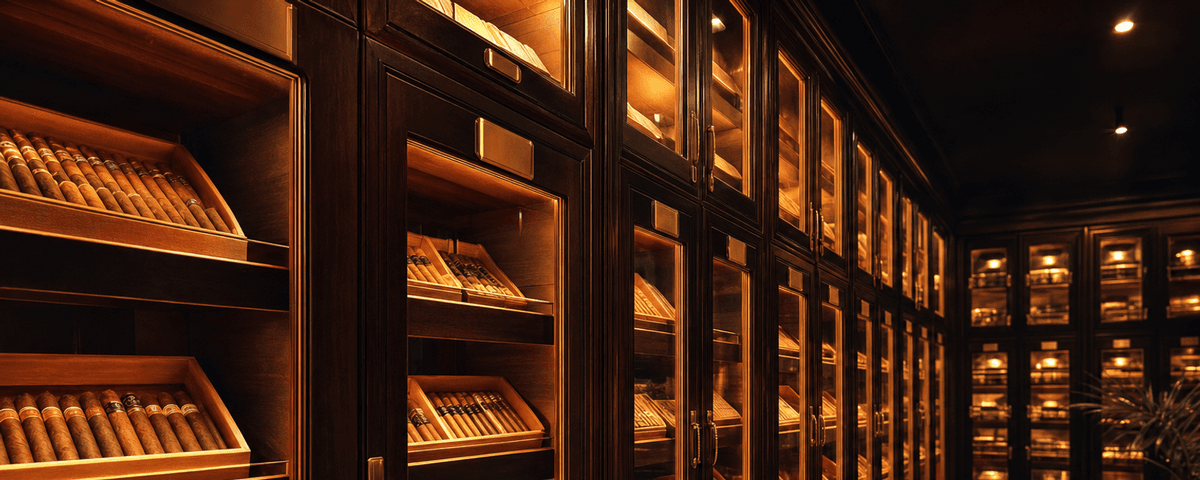
33 座 24 小時恆溫恆濕醇化室
W Cigar Bar 提供的會員醇化空間 · 場地資訊請洽編輯部
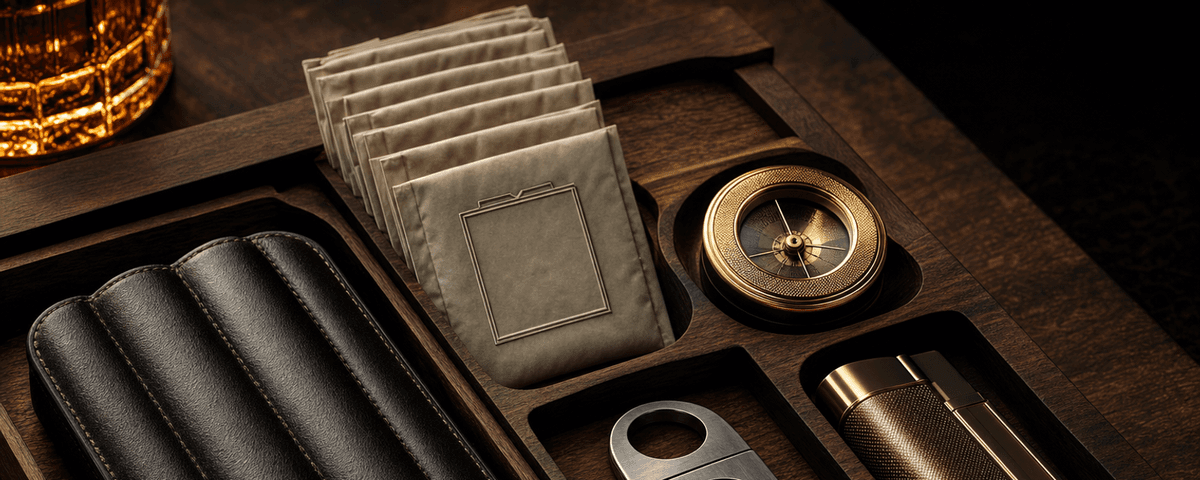
雪茄剪 / 打火機 / 雪茄盒 / Boveda
W Cigar 配件官網 · 專營雪茄配件正品
加 LINE 好友 · 文化諮詢
文化空間資訊 · 紳士沙龍 · 私人包場
本網站內容僅供雪茄文化、歷史、收藏與品吸知識研究參考。菸品有害健康、未滿法定年齡者請勿吸菸。實際規範請依所在地法律為準。
吸菸有害健康・戒菸專線 0800-636363・本站僅供 20 歲以上成年人閱覽。
讀到這裡,你不只是路過的人
留下 Email,加入 W 雪茄聖經內圈——總編輯 Wilson Tsai 親選的學院深文與國際新訊,先你一步送到信箱。
· 教育用途非銷售 · 隨時一鍵退訂 · Email 絕不對外公開 · 由勝茄股份有限公司營運
同分類延伸閱讀
資料來源:W Cigar Bible 編輯部整理 · 雪茄王子 Wilson Tsai 親自審稿
本文僅供雪茄文化、歷史、收藏與品鑑知識研究,不作為菸品促銷、銷售或購買建議。吸菸有害健康,未滿二十歲不得吸菸。