雪茄的工藝與品牌故事:探索頂尖品牌的核心價值與獨特技術
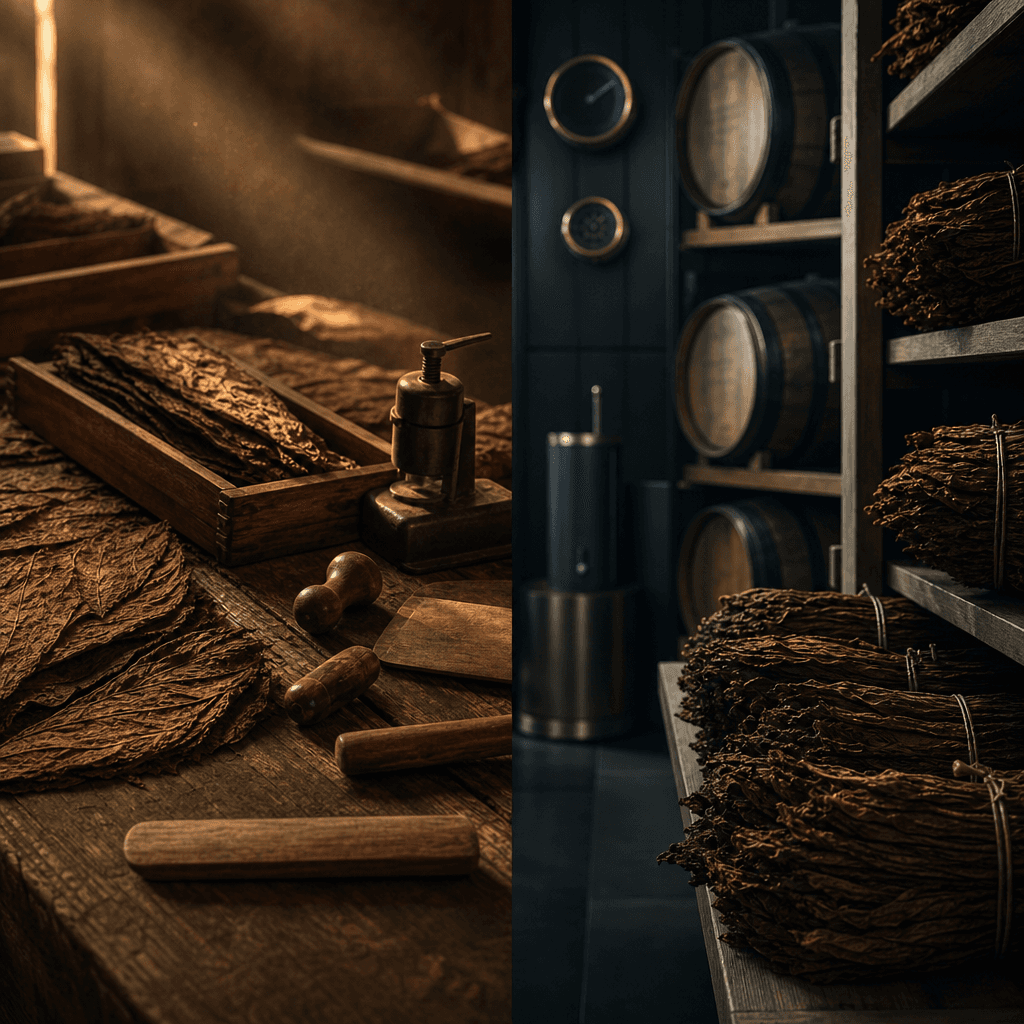
雪茄的魅力不僅在於其品牌歷史,更在於工藝細節的精緻與穩定性。Cohiba、Partagás、Montecristo、Davidoff、Padrón 和 Arturo Fuente 等品牌,各自展現獨特的風味與工藝哲學。Cohiba 以稀有的古巴煙葉和精緻的發酵技術著稱;Partagás 則以濃郁的口感和結構感贏得老手青睞;Montecristo 和 H. Upmann 代表了古巴雪茄的優雅與細膩;
- 雪茄品牌的核心價值在於工藝細節,這些細節透過長期驗證形成可辨識的語言。
- Cohiba 的桶式發酵流程使其葉片處理更講究平衡,成為古巴雪茄的技術符號。
- 不同尺寸的雪茄影響燃燒動態,尺寸選擇不僅是外觀,更是配方比例的工程結果。
The Craft and Brand Stories of Cigars: Exploring the Core Values and Unique Techniques of Top Brands
As the editor of the "Cigar Bible," I often feel that when enthusiasts discuss cigars, the truly interesting topic is not "which one is the most famous," but rather how a brand consistently blends land, fermentation, rolling, size, and narrative into a recognizable language over the years.
Top brands stand at the market's core not just because of labels and history, but because their craftsmanship details have been repeatedly verified. From Cohiba in 1966, Partagás in 1845, to the New World giants that rose in the Dominican Republic and Nicaragua in the latter half of the 20th century, each name carries a clear set of values.
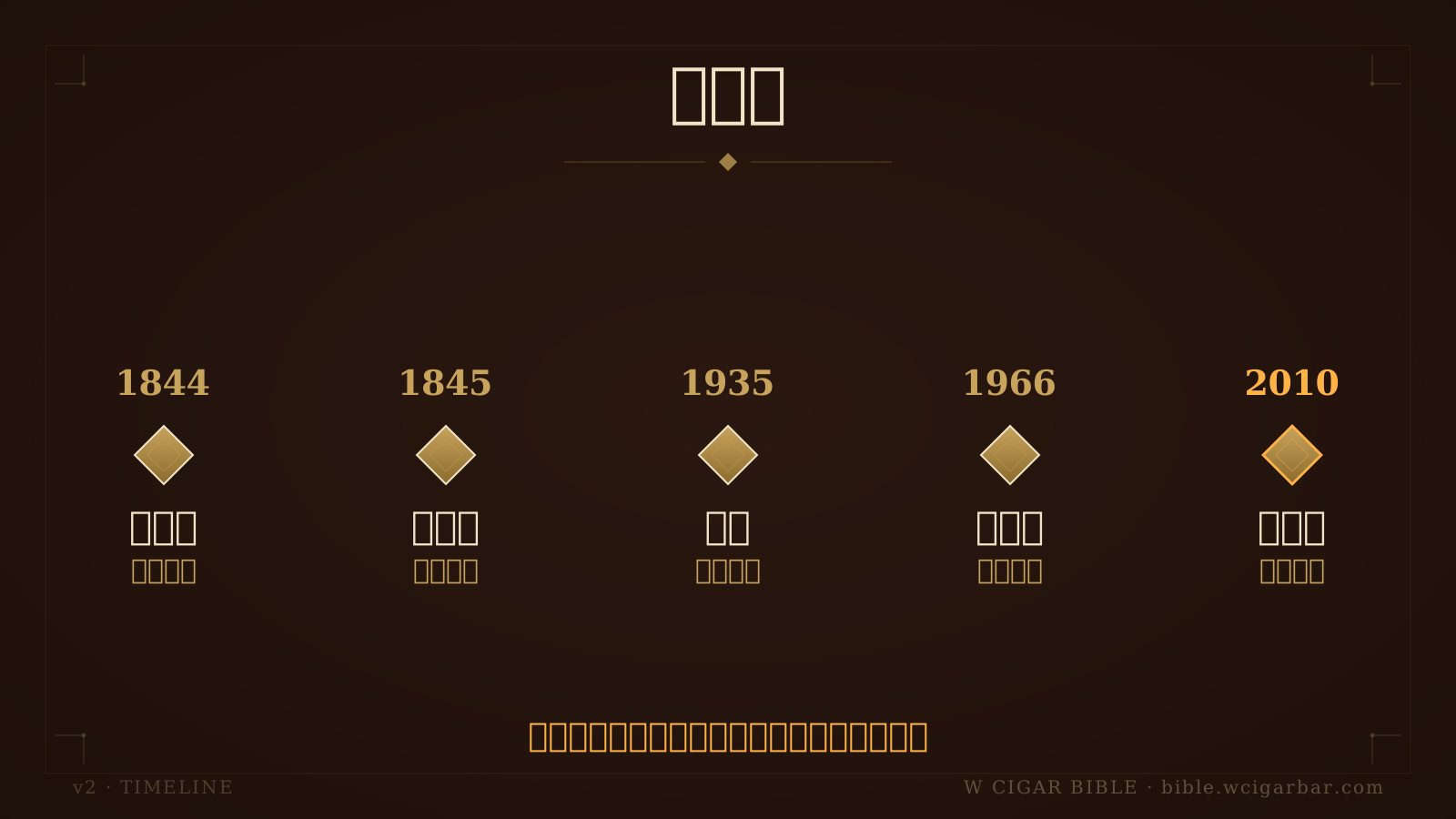
時間軸列出四大品牌與關鍵系列的歷史年份
Cohiba: From Diplomatic Gift to Symbol of Cuban Craftsmanship
The legend of Cohiba began in 1966, initially produced at the El Laguito factory, long associated with national ceremonial significance, and only officially entered the international market in 1982. Its brand core is not just about "rarity," but about crafting a recognizable refined profile using premium tobacco from Cuba's Vuelta Abajo, a higher proportion of selected long filler leaves, and a more stringent grading process.
The craftsmanship most often discussed by enthusiasts is the additional barrel fermentation process for some leaves, especially the ligero and seco leaves, which require meticulous balance. Take the Behike series as an example; launched in 2010 with BHK 52, 54, and 56, the inclusion of medio tiempo leaves makes it not just a high-end line but a case of "technical symbolism" in Cuban cigars.
Cohiba's core value lies not in mere high pricing but in binding leaf selection, fermentation, and national image into a highly recognizable language. This explains why sizes like Siglo VI, Espléndidos, and Robustos are repeatedly compared across different market cycles.
For enthusiasts, observing Cohiba involves three aspects: origin, preservation, and vintage. Different batches from 2014, 2016, and 2019 often have subtle differences, with box codes and storage conditions directly affecting burn and aroma development. When discussing collectible value, it must be clarified: collecting for appreciation does not guarantee appreciation; it still depends on origin preservation and market.
三張卡整理土地發酵、工藝驗證與年份保存重點
Partagás: The Factory Memory of the Rich School
Partagás was founded in 1845 by Jaime Partagás in Havana, and the old factory on Calle Industria later became a spiritual landmark for many cigar aficionados. Its market position stems from its distinct Cuban rich school character: earth, pepper, leather, wood, and cocoa are often presented in a more direct manner.
Serie D No.4 is a key case for understanding Partagás. This robusto, approximately 124mm with a 50 ring gauge, has long been one of the most discussed Cuban cigars globally. It condenses Partagás' robustness, spiciness, and structure into a rhythm of about 45 to 60 minutes, also allowing many enthusiasts to test vintage, preservation, and draw resistance.
The core of Partagás is not smoothness but how power is controlled within the structure. A good D4 is not only rich but also has transitions: woody and spicy in the front, coffee and earthiness in the middle, and if well-preserved, the power rises in the end without being harshly unbalanced.
In terms of craftsmanship, Partagás has a low tolerance for rolling errors because if the rich blend is too tight, bitterness is amplified; if too loose, the burn heats up and becomes agitated. Enthusiasts should observe it on three levels: consistency within the box, burn line stability, and whether the sweetness is retained in the end. This is why the same brand and size often have divergent evaluations due to batch differences.
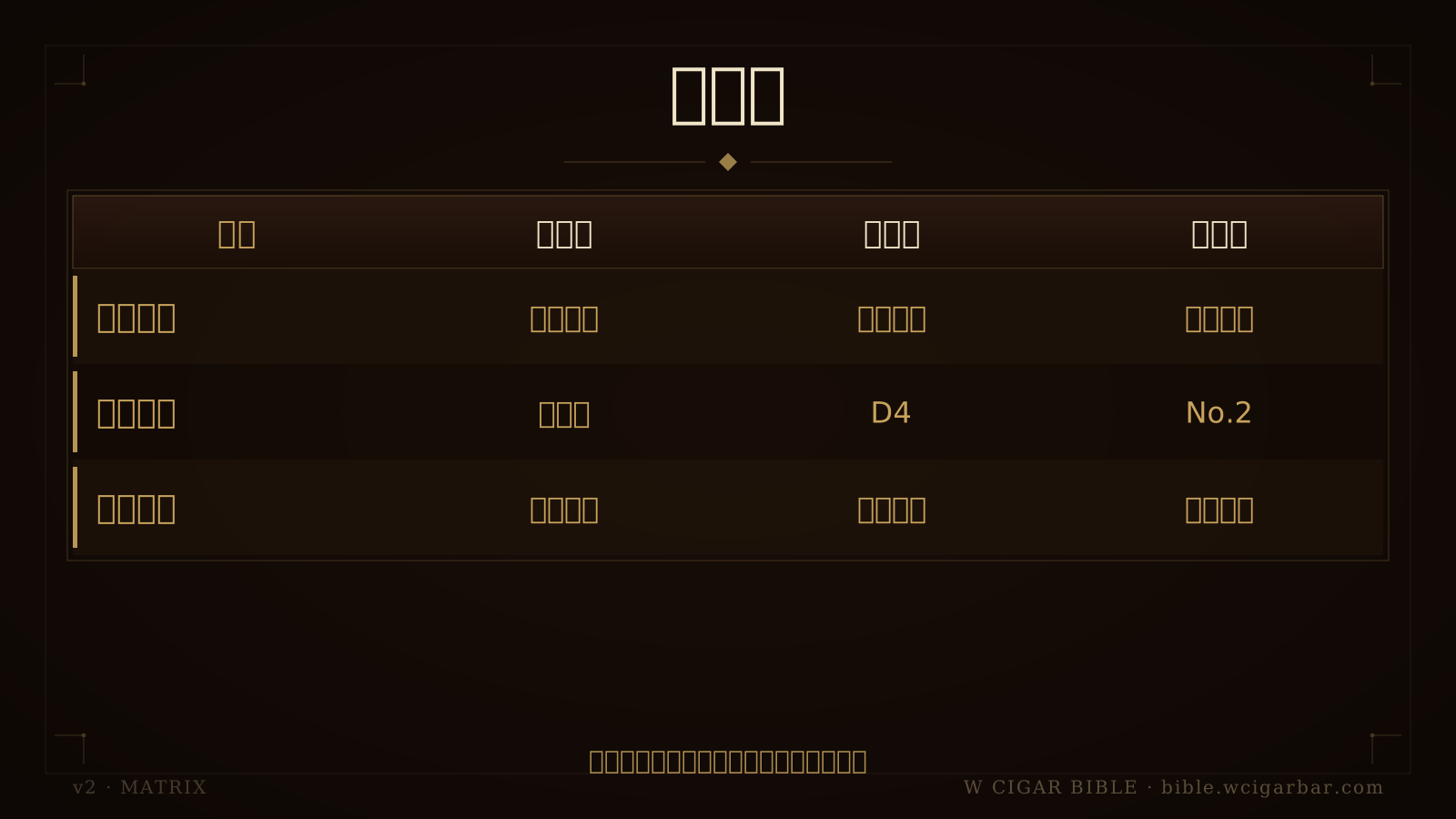
矩陣比較高希霸、帕塔加與優雅派的風格差異
Montecristo and H. Upmann: Two Paths of Cuban Elegance
Montecristo was founded in 1935, named after "The Count of Monte Cristo," a novel often read by Cuban factory readers. The No.2 torpedo, approximately 156mm with a 52 ring gauge, is the brand's flagship and is often used as a standard reference for Cuban pyramid sizes.
H. Upmann, on the other hand, dates back to 1844, established by the German banker Upmann brothers. If Montecristo's elegance carries the tension of baking, cocoa, and citrus peel, H. Upmann leans more towards delicate wood, cream, nuts, and subtle spices. Both do not win by extreme intensity but by proportion and rhythm.
The difference between Montecristo and H. Upmann illustrates that Cuban cigars are not just about intensity but about the structure of aroma and the lines of taste. Both are medium to medium-full strength, with Montecristo No.2 often appearing more three-dimensional, while H. Upmann Magnum 46 or Magnum 50 tends to be more expansive.
For enthusiasts looking to compare further, the "mid-section performance" can be used as a criterion. Many cigars have an attractive front, but the true brand skill often appears in the mid-section: whether the aroma broadens, whether the sweetness continues, and whether the bitterness is clean. These two brands are also particularly suitable for observing changes after aging, but the premise is stable humidity, temperature, and origin.
Davidoff: Dominican Precision Aesthetics and White Label Philosophy
The modern image of Davidoff is inseparable from Zino Davidoff's taste philosophy. Although the brand originates from European retail and high-end service culture, it deeply integrated with the Dominican production system after the 1990s, gradually forming the clean, delicate, and stable style of the white label series. Its core value is making cigars into "precision luxury goods."
Unlike some Cuban brands that emphasize land personality, Davidoff places more importance on predictable quality curves. The Grand Cru, Signature, Aniversario, and Winston Churchill series emphasize balance in different blends and sizes. Take Aniversario No.3 as an example, approximately 152mm with a 50 ring gauge, often used to showcase the balance of cream, wood, floral, and delicate spice.
Davidoff's strongest craftsmanship language is stability and cleanliness; it shows enthusiasts that "understated" can also be high-level technology. Behind this style is a complete system of grading, storage, rolling tension, draw testing, and quality control standards.
From a market culture perspective, Davidoff represents another high-end route: not relying on legendary scarcity but establishing a consistent cross-national experience. For enthusiasts, evaluating Davidoff should not only ask "is it strong enough," but look at aroma purity, burn line, ash structure, and whether the end remains clean. These details are precisely the brand's moat.
三張卡提醒年份、保存時間與品牌尺寸的常見誤解
Padrón and Arturo Fuente: Nicaragua, Family, and New World Power
Padrón was founded in 1964 by José Orlando Padrón after immigrating from Cuba to the United States, later establishing its reputation with Nicaraguan tobacco. The 1964 Anniversary and 1926 Serie are representative lines, emphasizing cocoa, coffee, black pepper, earth, and sweet spices, with a robust yet clear layered taste.
Arturo Fuente's history is even earlier, dating back to 1912, founded by Arturo Fuente Sr. in Tampa, Florida, USA. The family later rebuilt its production base in the Dominican Republic, and OpusX became legendary in the 1990s for using Dominican wrapper, breaking the then-existing impression that "the Dominican Republic cannot produce top wrappers."
Padrón represents the thickness and family stability of Nicaragua, while Fuente represents the craftsmanship breakthrough and romantic narrative of the Dominican Republic. Both prove that New World cigars are not substitutes for Cuban cigars but parallel systems developed maturely.
When enthusiasts compare these two, they can pay attention to the following aspects:
- Padrón: Box-pressed shape, robust taste, high batch stability.
- Fuente: Wide series range, from Hemingway to OpusX, with rich style layers.
- Padrón 1926: Often features deeper cocoa and coffee notes.
- Fuente OpusX: Often features spicy, dried fruit, woody, and Dominican sweetness.
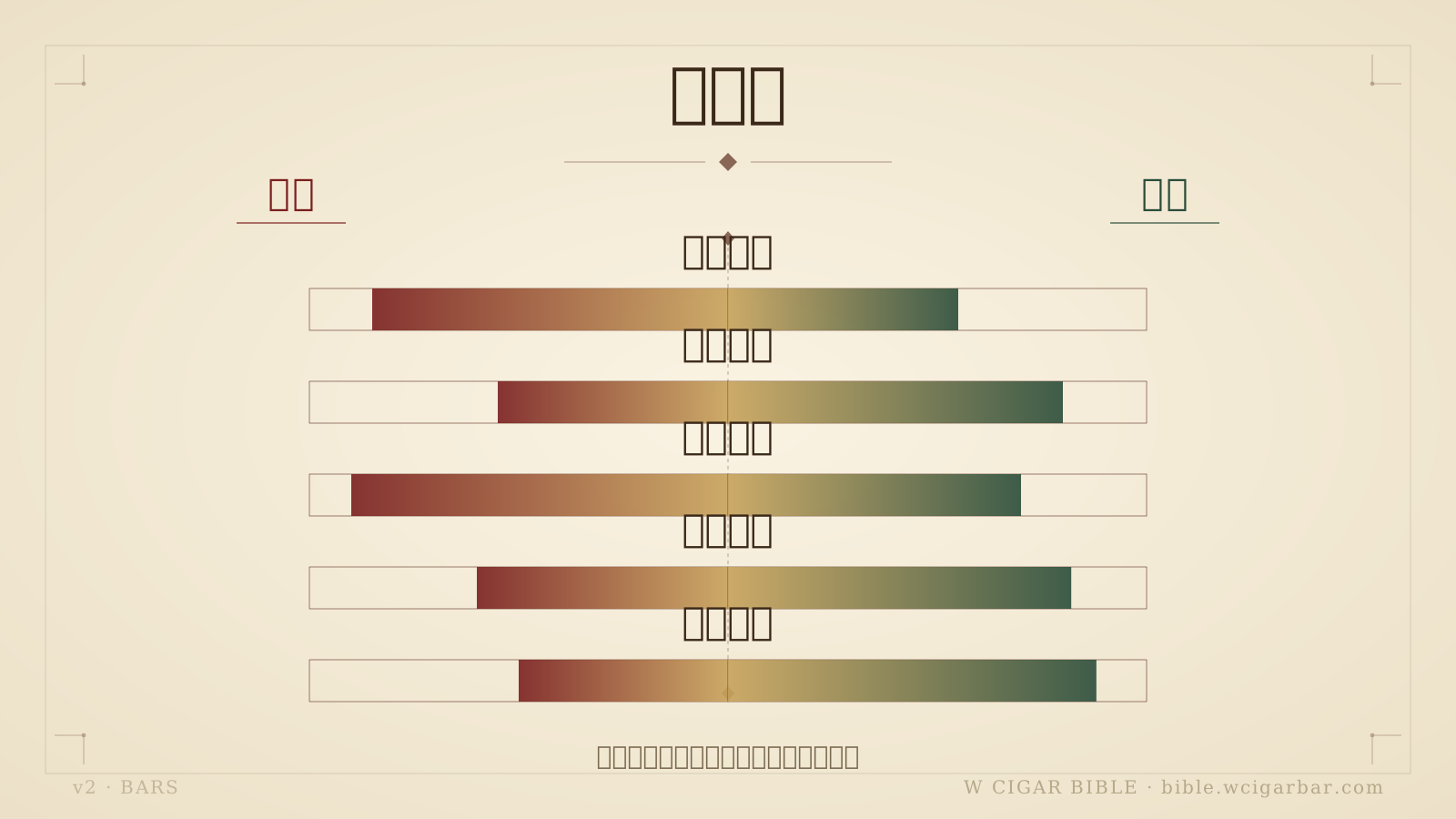
橫向長條比較古巴與新世界品牌的敘事取向
Craftsmanship Comparison: How Fermentation, Rolling, and Size Determine Brand Personality
Truly understanding a brand requires more than memorizing years and founders; it requires returning to craftsmanship. The flavor foundation of cigars comes from planting, harvesting, curing, fermenting, grading, aging, rolling, and packaging, each step altering the final result. Enthusiasts often say that different sizes of the same brand are like different movements, due to different leaf proportions and burn speeds.
For example, robusto often has a ring gauge around 50, with a more stable burn temperature, easily showcasing mid-section thickness; corona gorda has a ring gauge around 46, with clearer lines; lancero, due to its smaller ring gauge, requires extremely high rolling precision, with any unevenness affecting the draw. Cohiba Lancero, H. Upmann Magnum 46, and Partagás Serie D No.4 precisely present three structural aesthetics.
Size is not an appearance choice but an engineering result of formula proportion and burn dynamics. The same tobacco leaf placed in different ring gauges will alter sweetness, spiciness, tar accumulation, and temperature control.
| Craft Variable | Impact Aspect | Enthusiast Observation Focus |
|---|---|---|
| Fermentation Time | Reduces irritation, forms sweetness and depth | Cleanliness of ammonia and spiciness |
| Wrapper Thickness | Affects burn and first aroma impression | Oiliness, elasticity, burn line |
| Filler Proportion | Determines intensity and layers | Whether there are changes in the front, middle, and end |
| Ring Gauge Size | Changes temperature and smoke volume | Whether it overheats, whether it is hollow |
| Aging Conditions | Alters smoothness and integration | Humidity, temperature, origin record |
三張問答卡回答年份差異、醇化時間與品牌尺寸
Core Brand Values: How Should Enthusiasts Establish an Interpretation Framework
When a cigar enthusiast already has preferences, the next step is not to chase more brands but to establish their own interpretation framework. I usually break down brand value into four layers: historical credibility, craftsmanship repeatability, flavor recognizability, and cultural extensibility. Missing any one of these makes it difficult for a brand to be discussed long-term, even if it becomes popular for a while.
For Cuban brands, Cohiba, Partagás, Montecristo, and H. Upmann each represent different classic languages; for New World brands, Davidoff, Padrón, and Arturo Fuente showcase modern quality control, family spirit, and regional technology. When market factors are added, PCC authorized dealers, origin records, and storage conditions all affect the real experience.
Enthusiasts judging top brands should not only look at fame but see if they can maintain a recognizable core across different years and sizes. This is the biggest difference between a brand and a single product.
My suggestion is to keep personal records: brand, size, box code or year, humidity, lighting time, front, middle, and end descriptions, ash and burn line. After recording 20 cigars consecutively, you will find that you are not chasing trends but building a taste database. This database will be closer to your own cigar world than any ranking.
Frequently Asked Questions
Why is there a significant difference in the same brand and model across different years?
Cigars are agricultural products and handmade items. The same cigar from 2018 and 2022 may have different performances due to weather, leaf batches, fermentation, and storage. Cuban brands especially often show batch differences, while New World brands usually use quality control systems to minimize fluctuations.
How long is aging considered reasonable?
There is no single answer. Medium-strength cigars may show rounded changes in 1 to 3 years, while rich blends may require longer, but improper storage can negate the time advantage. The key is not to age as long as possible but to maintain stable temperature, humidity, and air exchange.
Should enthusiasts focus more on the brand or size?
Both are important. The brand determines the basic language, and the size determines the expression method. The robusto, churchill, and lancero of the same brand are often like different movements written by the same composer.
Does collecting mean future prices will rise?
It should not be understood this way. Rare limited editions, complete preservation, and clear origins may have market discussion, but collecting for appreciation does not guarantee appreciation; it still depends on origin preservation and market. Rational recording is more important than blind hoarding.
How to judge if a brand truly has core value?
See if it can be recognized over time. If it retains a certain craftsmanship language and flavor theme after changing size, year, and series, that is brand strength. The value of top brands is allowing enthusiasts to read their names amidst change.
After many years of observing cigars, I increasingly believe that what is truly worth studying is not just the expensive or rare, but how a brand tells a complete story of land, craftsmanship, and time. The joy of enthusiasts lies in reading the region, family, workshop, and era from a single cigar; that detail is the most fascinating depth of cigar culture.
—Cigar Prince Wilson Tsai
Smoking is harmful to health. Under 20 years old is not allowed to smoke. Quit smoking hotline: 0800-636363. This article is intended for adults over 20 years old as a reference for cigar culture, preservation, and regulation knowledge, not as tobacco advertising, promotion, or purchase advice.
Like this article?Share with friends
Share this W Cigar Bible piece with friends who want to learn cigar culture, storage, and tasting.
想把這篇 化為實踐
雪茄聖經是知識;雪茄文化要在空間裡發生

W Cigar Bar 大安總店資訊
台北大安區 · 雪茄聖經總編輯 Wilson Tsai 主理的雪茄文化空間
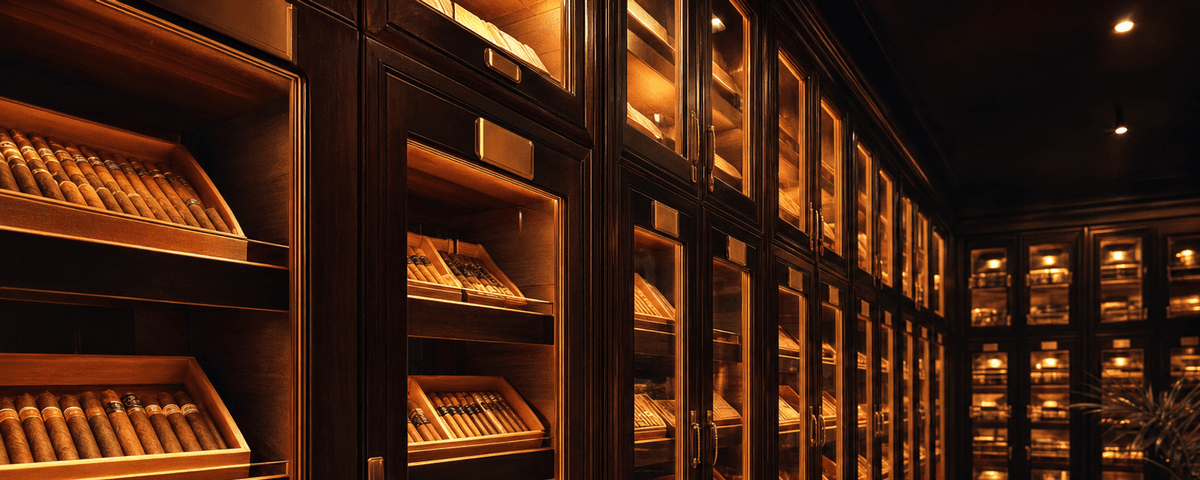
33 座 24 小時恆溫恆濕醇化室
W Cigar Bar 提供的會員醇化空間 · 場地資訊請洽編輯部
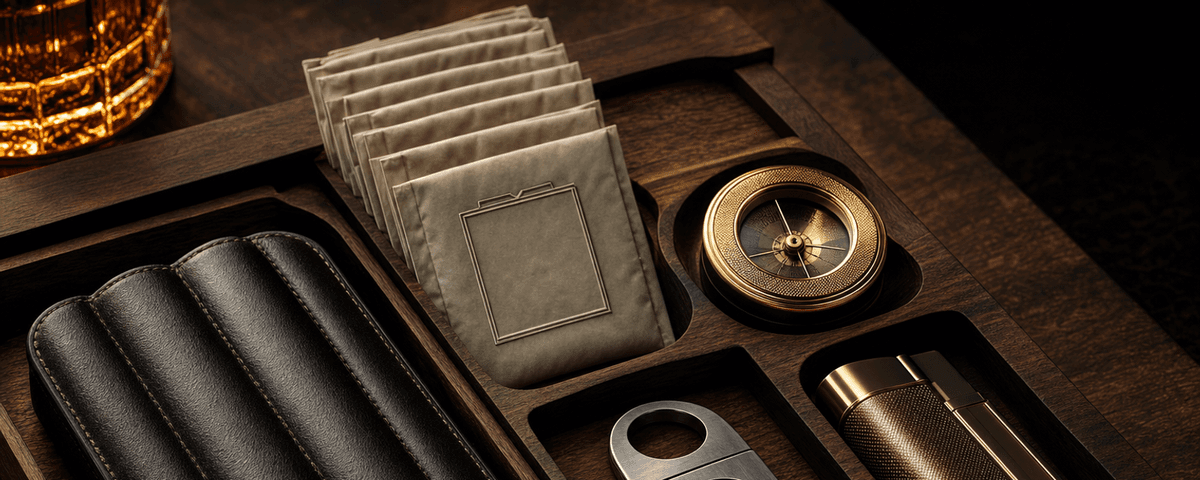
雪茄剪 / 打火機 / 雪茄盒 / Boveda
W Cigar 配件官網 · 專營雪茄配件正品
加 LINE 好友 · 文化諮詢
文化空間資訊 · 紳士沙龍 · 私人包場
本網站內容僅供雪茄文化、歷史、收藏與品吸知識研究參考。菸品有害健康、未滿法定年齡者請勿吸菸。實際規範請依所在地法律為準。
吸菸有害健康・戒菸專線 0800-636363・本站僅供 20 歲以上成年人閱覽。
讀到這裡,你不只是路過的人
留下 Email,加入 W 雪茄聖經內圈——總編輯 Wilson Tsai 親選的學院深文與國際新訊,先你一步送到信箱。
· 教育用途非銷售 · 隨時一鍵退訂 · Email 絕不對外公開 · 由勝茄股份有限公司營運
同分類延伸閱讀

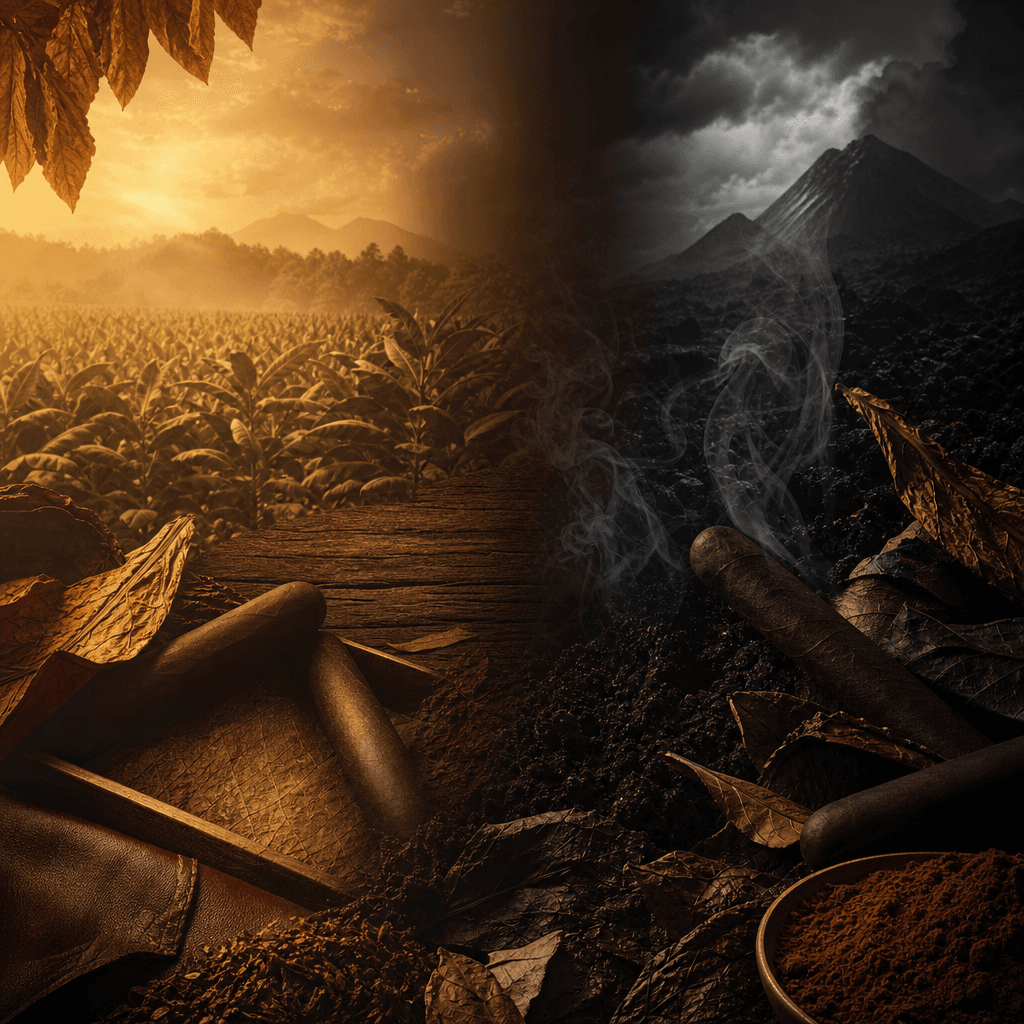

資料來源:W Cigar Bible 編輯部整理 · 雪茄王子 Wilson Tsai 親自審稿
本文僅供雪茄文化、歷史、收藏與品鑑知識研究,不作為菸品促銷、銷售或購買建議。吸菸有害健康,未滿二十歲不得吸菸。