雪茄的收藏藝術:如何建立與管理您的雪茄珍藏

收藏雪茄不僅是購買喜愛的品牌,更是對品牌歷史、年份、保存條件等多方面的深入理解。建立清晰的收藏主軸,如品牌、年份和尺寸,能有效避免雜亂的庫存。選擇標的時,應重視可辨識度與稀有度,確保來源可追溯,以提高收藏價值。保存環境的穩定性至關重要,適宜的溫濕度能促進雪茄的醇化。透過紀錄開盒節奏與風味變化,收藏者能更好地掌握雪茄的發展與市場價值。
- 收藏雪茄需建立主軸,聚焦品牌、年份及尺寸,避免雜亂庫存。
- 選擇雪茄時,應考量可辨識度與稀有度,確保來源清晰。
- 保存雪茄需穩定控制溫濕度,避免因環境變化影響品質。
The Art of Cigar Collecting: How to Build and Manage Your Cigar Collection
Collecting cigars, for veterans, is no longer just about "buying a few boxes of favorite flavors." A true collection is about placing brand context, year differences, storage conditions, source credibility, and market liquidity on the same map, giving each box a position, reason, and future.
As an editor of the "Cigar Bible," I often say: the maturity of a collection is not about how full the cigar cabinet is, but whether you can clearly answer "why keep this box." Below, I share a more advanced, long-term management method based on years of organizing a wine-cellar-style cigar collection.
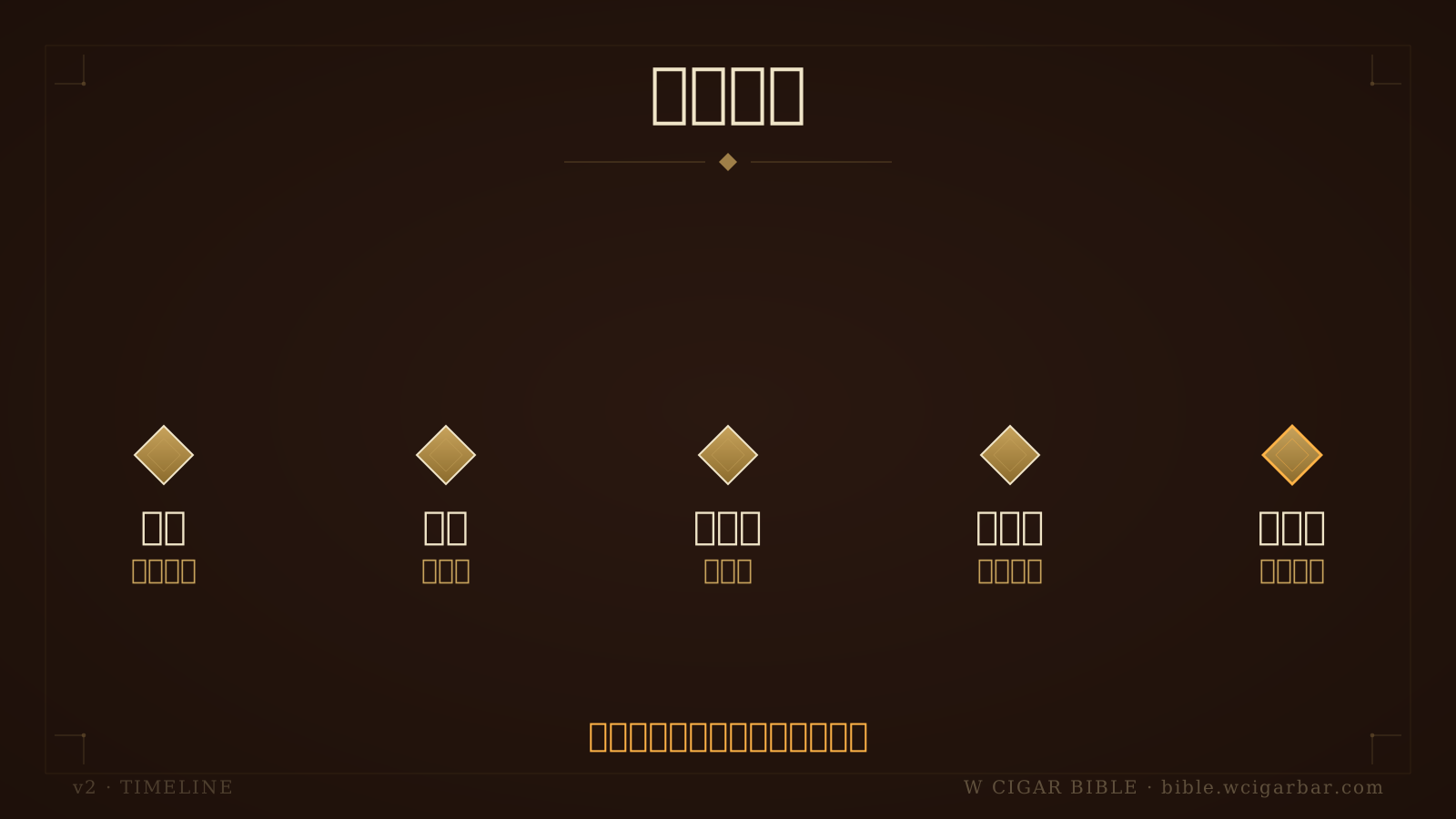
流程圖顯示入庫前後的主題、來源、拍照與分倉步驟
Establishing a Collection Axis: Decide What Story You Want to Collect
The most common problem for veterans is not being unable to buy good cigars, but that every box seems to have a reason to stay, eventually turning into a cluttered inventory. My suggestion is to first establish three axes: brand depth, year comparison, and size preference. For example, if Partagás is the core, you can profile styles from Serie D No.4, Lusitanias, 8-9-8, Limited Edition 2007, instead of just chasing a single popular model.
Collecting is not about filling the cabinet with famous brands, but about controlling depth, risk, and fun with a clear theme. If you prefer Cohiba, you can make a group study of the 2010 Behike series, the 2011 1966 Edición Limitada, and different box codes of Siglo VI; if you prefer mild floral scents, different batches of Hoyo de Monterrey Double Coronas and Epicure No.2 are more valuable than blind expansion.
I usually divide the collection into three layers: "core warehouse," "observation warehouse," and "consumption warehouse." The core warehouse accounts for about 40% of the total, storing complete boxes with clear sources suitable for medium to long-term aging; the observation warehouse accounts for 30%, used to compare years and box codes; the consumption warehouse accounts for 30%, to avoid losing judgment due to reluctance to open boxes. This ratio can be adjusted once a year, but not drastically every month, otherwise, the collection will lose direction.
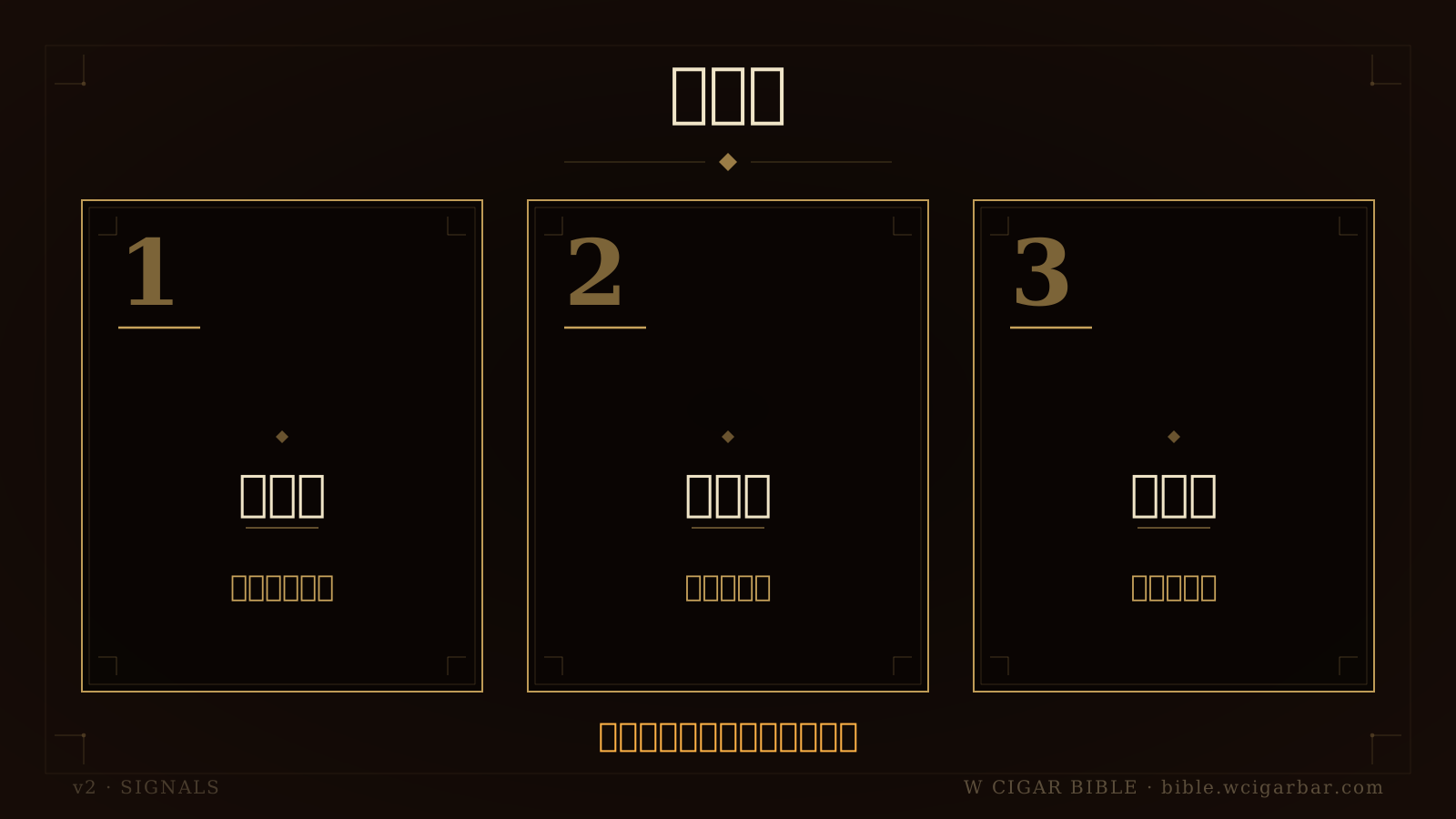
三張卡片列出主軸、來源與溫濕管理重點
Choosing Targets: Sorting by Brand, Year, Size, and Rarity
When choosing targets, I first look at "recognizability," then "rarity." Recognizability refers to the market's long-term knowledge of who it is, such as Montecristo No.2, Romeo y Julieta Churchill, Partagás Serie D No.4, these classic models, even if not the rarest, have stable discussion. Rarity includes Gran Reserva, Reserva, Edición Limitada, or specific regional versions, but rarity does not necessarily mean better quality.
Truly worth long-term storage targets usually possess brand history, traceable sources, stable evaluations, and structures suitable for aging. For example, Montecristo Gran Reserva Cosecha 2005, launched in 2011, is easier to be included in serious collections due to its use of 2005 tobacco leaves, clear packaging specifications, and high global discussion; however, if market information is weak, it is not easy to price when reselling.
Size is also crucial. Robusto, like 124mm x 50 ring gauge, usually changes faster; Churchill, about 178mm x 47, has a longer aging curve; Double Corona, like Hoyo Double Coronas' 194mm x 49, requires more stable storage space and humidity. If your environmental control is not yet mature, starting with 10 boxes of Robusto and 5 boxes of Churchill to establish a baseline is more prudent than hoarding large models from the start.
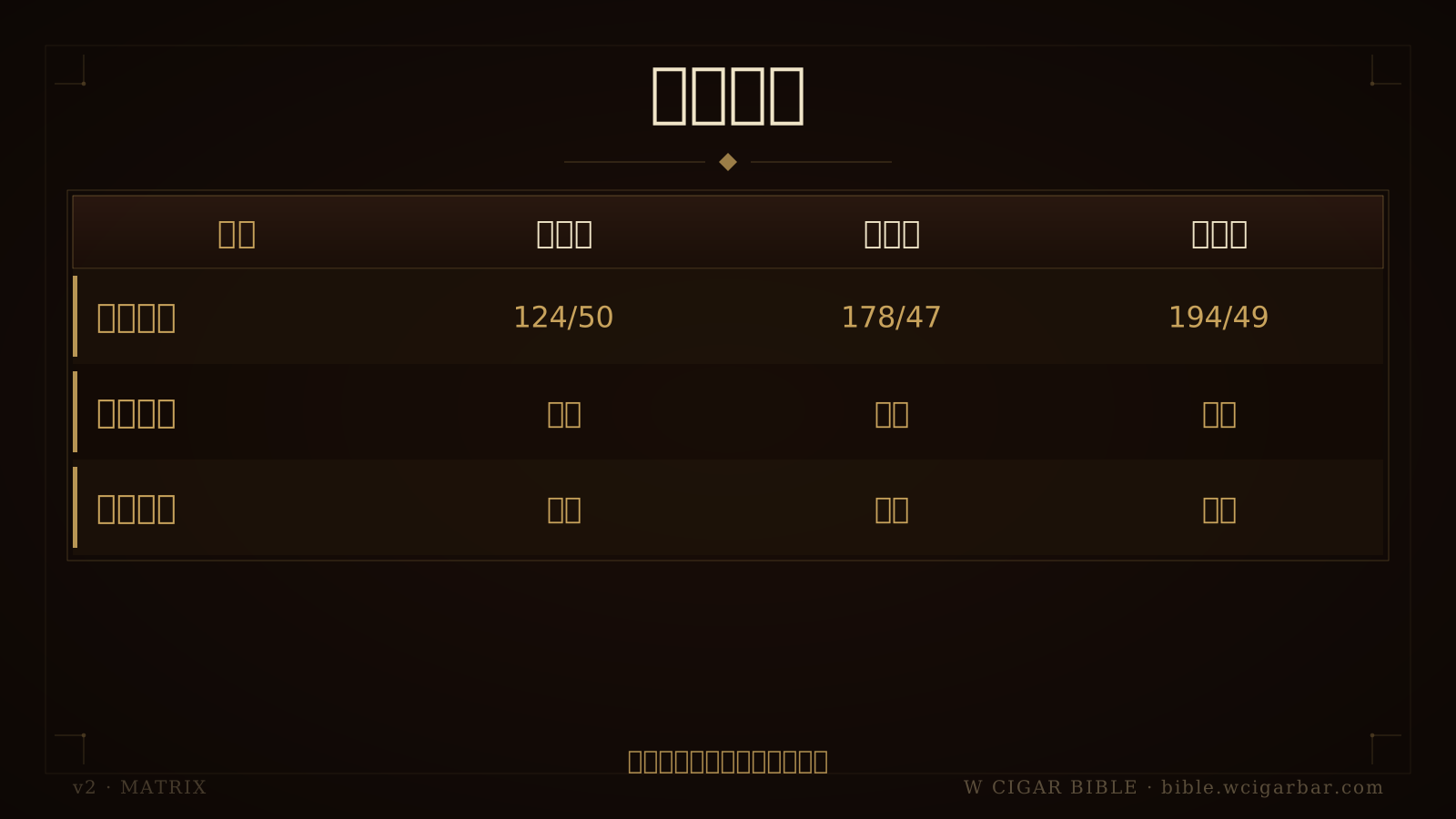
矩陣比較羅布圖、丘吉爾與雙皇冠三種尺寸管理差異
Source and Authenticity: Collection Value Starts with Traceability
Before a box of cigars enters the collection, I look at three things: the condition of the outer box, the details of the seal, and the box bottom code. The Cuban system commonly uses a box bottom code consisting of a factory code and month-year, such as "MSU JUL 19" representing a batch from a certain factory in July 2019; non-Cuban brands require looking at agency labels, batch numbers, bonded information, and invoice records. High-priced boxes without source records, even if they look beautiful, can only be viewed with higher risk.
The first threshold of collection value is not rarity, but whether the source can be clearly explained. When handling old boxes for clients, I fear hearing "a friend brought it back" without any evidence. Especially for models with high market heat like Cohiba Behike 52, 56, or Trinidad La Trova, the risk of counterfeiting and repackaging is not low; if the seal position, box nail oxidation, inner paper printing, and cigar cap craftsmanship contradict each other, be extra conservative.
Obtaining through PCC authorized dealers and other credible supply systems can at least reduce source risk, but collectors should still establish their own files. I recommend taking 6 photos for each box when entering storage: front of the outer box, box bottom code, seal, lining, whole row of cigars, single cigar foot. Then record the purchase date, price range, storage location, and box opening frequency. In the future, if evaluating market value, this data is often more convincing than a simple "well-preserved."
Storage System: Temperature and Humidity Are Not a Numbers Game, but a Stability Project
The most misunderstood aspect of cigar storage is humidity. Many people consider 70% as the only answer, but in high-humidity environments like Taiwan, Hong Kong, and Singapore, if the temperature is consistently above 24°C, 70%RH may cause cigars to absorb too much water, even increasing the risk of pests and mold. My personal long-term range is 18-20°C, 65-68%RH, with short-term fluctuations not exceeding ±2%RH, focusing on stability rather than pursuing beautiful numbers.
Good storage is not about increasing humidity, but about long-term stability of temperature, humidity, and air exchange. If your collection exceeds 30 boxes, a desktop humidor is no longer sufficient; if it exceeds 80 boxes, consider an electronic constant temperature cabinet or a small walk-in space. The management focus of different containers is as follows:
| Collection Scale | Recommended Equipment | Temperature and Humidity Target | Management Focus |
|---|---|---|---|
| 10-20 boxes | Spanish cedar box | 19-21°C / 66-69%RH | Calibrate hygrometer weekly |
| 30-80 boxes | Electronic constant temperature cabinet | 18-20°C / 65-68%RH | Layering to avoid blocking airflow |
| Over 80 boxes | Dedicated cigar room | 18-19°C / 64-67%RH | Air conditioning dehumidification and backup power |
| High-value single box | Original box plus sealed bag | 18°C / 65%RH | Reduce box opening frequency |
Additionally, check the hygrometer at least every 6 months using the salt calibration method or calibration pack. Fans should not blow directly on cigars, otherwise, the wrapper may crack; leave 1-2 cm gaps between boxes to allow airflow. If white crystals appear on the cigar surface, first observe whether they are oil crystals; if they are fuzzy with an odor, isolate and handle them, do not rush to wipe and return to the main warehouse.
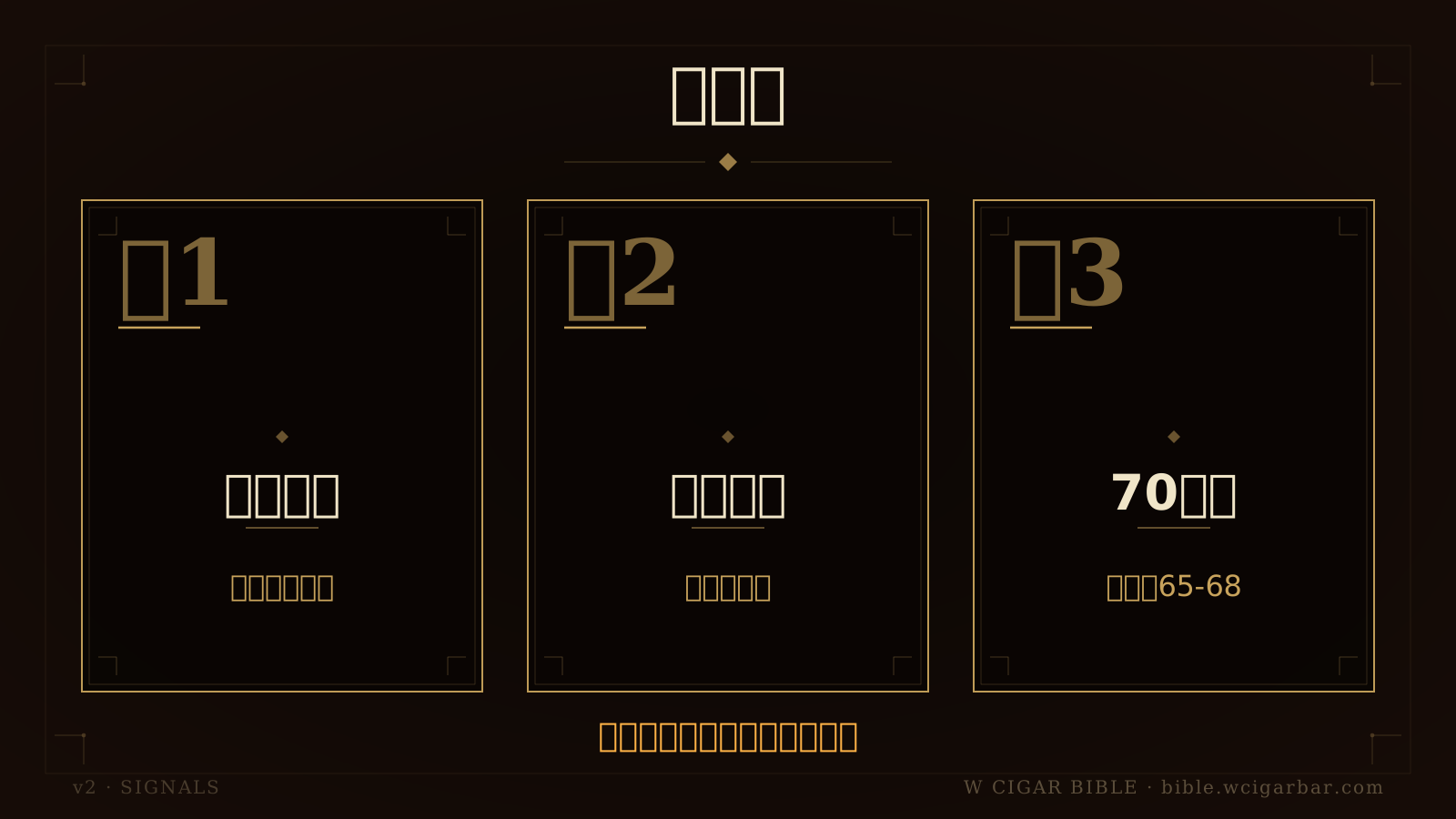
三張錯誤卡提醒過量擴張、拆盒無檔與濕度迷思
Aging Management: Establish Box Opening Rhythm and Flavor Files
Aging is not mysticism, but a trackable change. Using my own method, a box of 25 cigars, I don't rush to open it after storage; if it's a 2022 box code, I usually let it sit quietly for 12 months, then take 1 cigar for baseline recording. Then at the 24th month, 36th month, and 60th month, open 1-2 cigars each time, comparing changes in aroma, burn, finish, and stimulation.
Aging without records is just waiting; aging with records forms the collector's judgment. For example, Bolívar Belicosos Finos often has leather, soil, and pepper sensations when young, and the sweetness and roundness may become clearer after 3-5 years; while H. Upmann Magnum 46, under suitable humidity, the layers of honey, coffee, and wood tones become more pronounced. These changes rely on the same batch comparison, not just memory.
I suggest recording 7 fields each time: date, box code, storage location, pre-draw humidity, aroma in the first, middle, and last thirds, burn status, and overall score. Scoring doesn't need to be complicated, a 100-point scale is enough; if the same box rises from 88 to 93 points, it indicates entering a good window. Conversely, if the aroma becomes thin and the structure loose after 5 years, acknowledge it has passed its peak, don't miss the box opening timing due to collection sentiment.
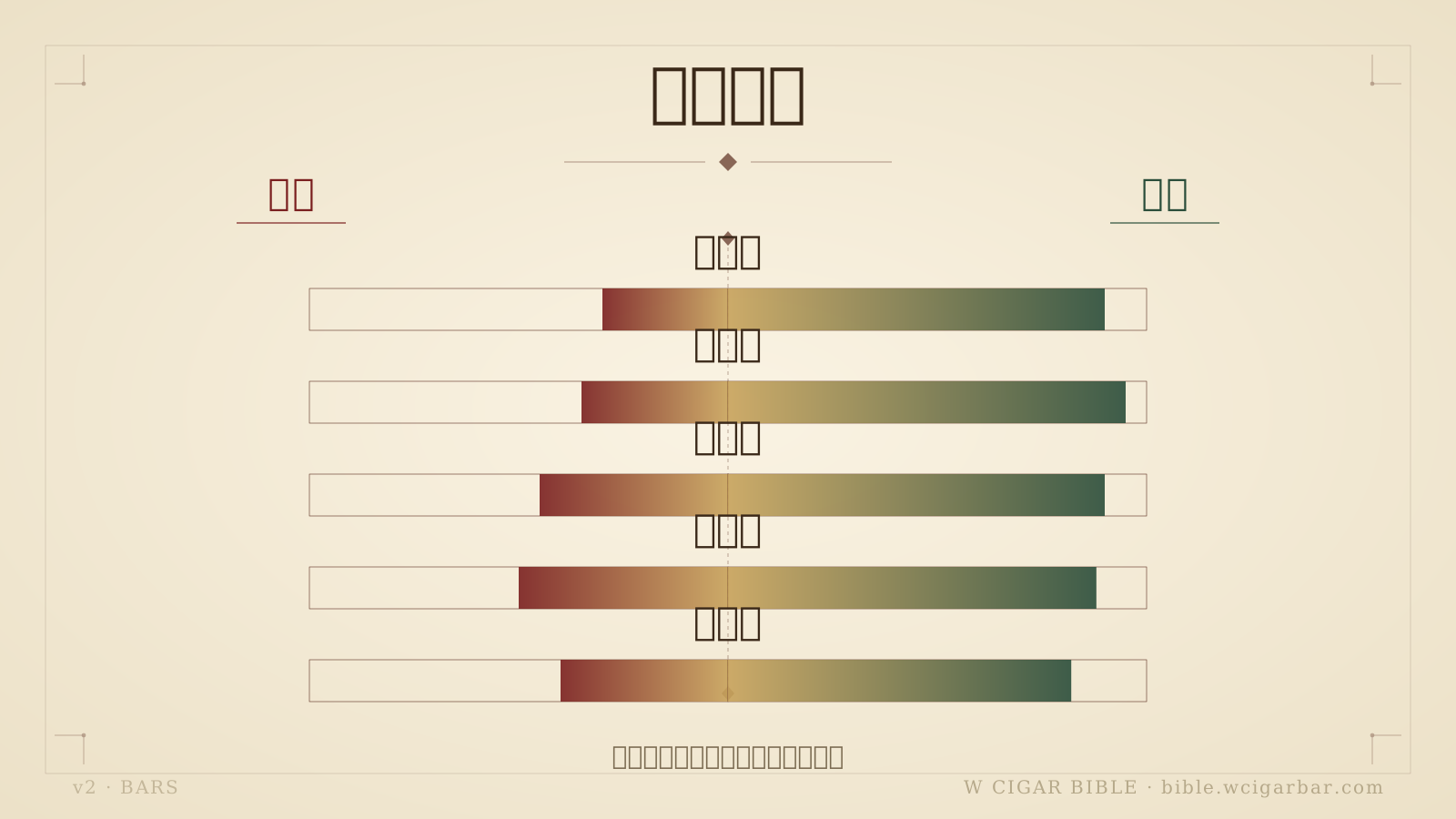
橫條圖比較散收與成系在主題、紀錄、溫濕等面向差異
Market Value: Price, Liquidity, and Risk Should Be Viewed Separately
When discussing collection value, it's essential to distinguish "list price," "transaction price," and "liquid price." The list price is the market's imagination, the transaction price is the real reference; the liquid price is the range within which you can have the collection accepted by the market in a reasonable time. Davidoff's discontinued Cuban products around 2006, Dunhill Havana Selection from the 1990s, and Cohiba Behike from 2010 have high discussion, but each box's condition differences will amplify price differences.
Collection appreciation does not guarantee appreciation, it still depends on source preservation and market. The same limited edition, with complete original box, good seal, clear box bottom code, and complete preservation records, may be more trusted than the same item lacking documentation. If cigars show dryness, mold spots, insect holes, or repeated box opening marks, even rare models will be significantly devalued; collectors cannot only look at brand names and years.
I use a three-layer method to evaluate: first, look at the past 12-24 months of transaction ranges in international auctions, secondary markets, and collector communities; second, compare whether the box condition in hand is above the market average; third, confirm whether there are enough buyers familiar with this item. Like Por Larrañaga Magnificos Regional Edition UK 2007, those who understand it like it, but the buyer circle is narrower; Cohiba Siglo VI has higher liquidity. The core of value management is knowing what is suitable to keep and what is suitable to release at the peak.
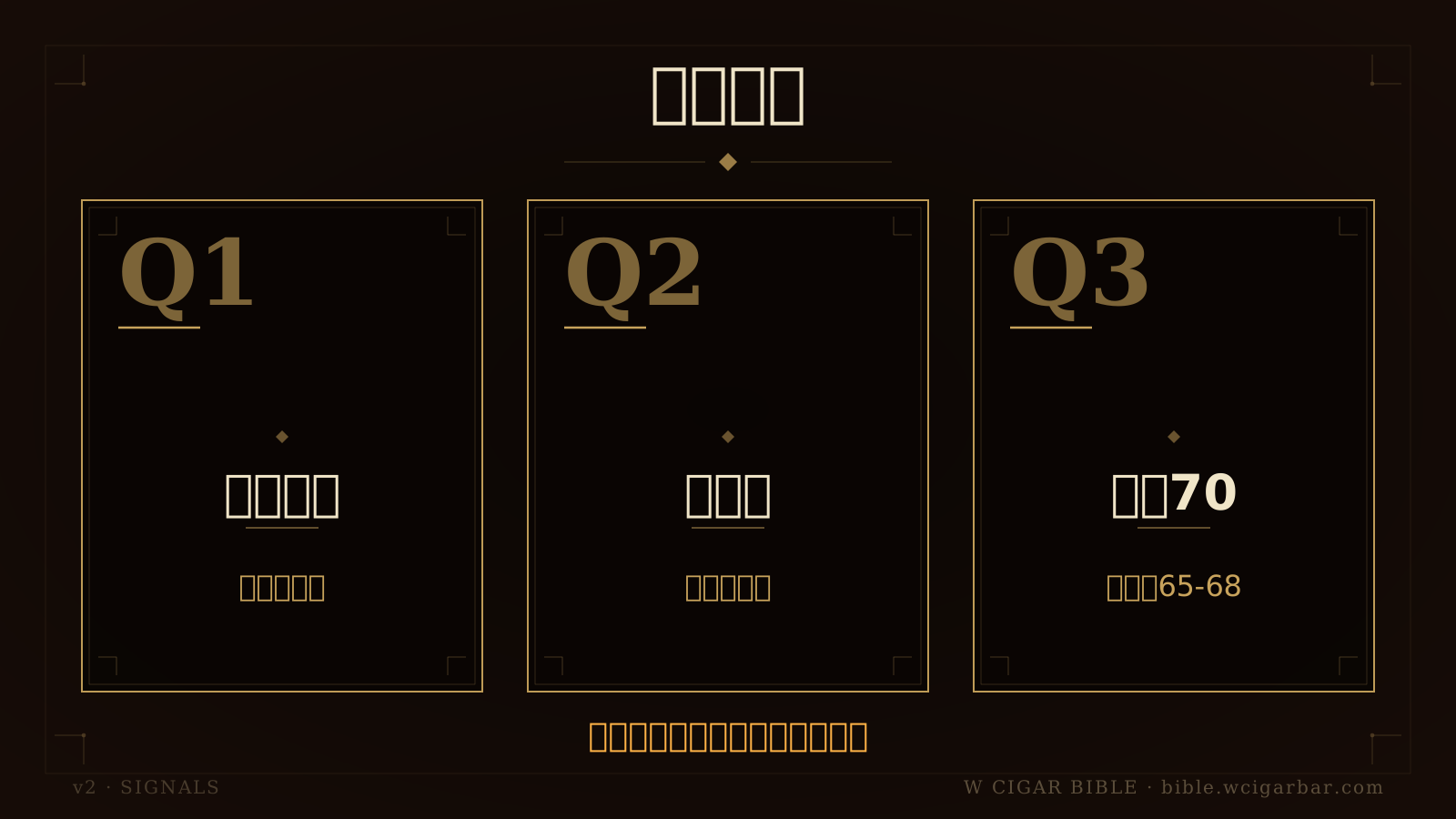
快問快答列出起步盒數、原盒保存與濕度設定建議
Records, Insurance, and Outbound Discipline: Making Collections Manageable
When the collection exceeds 50 boxes, relying solely on memory will inevitably lead to errors. I use spreadsheets with photo folders, with fields including brand, model, year, box code, quantity, storage cost, source, storage location, box opening records, and valuation range. Conduct inventory once a quarter, checking quantity, temperature and humidity records, and abnormal conditions; reassess whether the core warehouse still meets the collection theme at the end of each year.
The difference between mature collectors is that they can protect passion with discipline, not be led by passion. Outbound also needs rules: if only 3 sticks are left in the same box, I mark it as "stop daily consumption"; if a box has entered the best window, arrange to gradually enjoy or adjust within 6-18 months, not permanently sealed. The purpose of collecting is not to turn all cigars into specimens, but to let good conditions be seen and understood.
Insurance and risk management should not be ignored. If the collection value has reached NT$1 million or more, it is recommended to take photos for evidence, keep invoices or transaction records, and confirm whether home insurance covers extended items for alcohol and collectibles. Also, prepare a UPS uninterruptible power system and temperature and humidity alarms, which can usually be controlled within 4 hours of a power outage; if the summer power outage exceeds 12 hours, have a relocation plan. A true collection is about including accidents in the plan.
Common Questions
How many boxes should I start collecting cigars with?
If you already have stable preferences, I recommend starting with 10-15 boxes, not expanding to 50 boxes at once. First establish storage discipline, recording habits, and box opening rhythm, then gradually increase depth. The scale of the collection should grow in sync with management ability, otherwise, quantity will become a risk.
Is it better to store in original boxes or categorize individually?
High-value and vintage models are better stored in original boxes because the source and integrity are clearer; cigars for daily consumption or comparison can be categorized individually. If you dismantle boxes, be sure to keep photos of the box bottom code and original box information, otherwise, future value assessment will be difficult.
Is 70%RH the most standard humidity?
Not necessarily. In Taiwan's environment, if the temperature is high, 65-68%RH is usually safer. The key is to control the temperature at 18-20°C, with stable and small humidity fluctuations. Excessive humidity can cause poor burning and may increase mold and pest risks.
Are limited editions more worth collecting?
Limited editions have collection topics, but still depend on brand, year, box condition, and market recognition. Some Edición Limitada perform charmingly after 5-10 years, while others are just rare packaging. Don't increase the budget just because of the word "limited."
When should I release or open my collection?
When the flavor reaches its peak, there are too many of the same model, storage risk increases, or market demand is clearly concentrated, consider adjusting. Collecting is not about never moving, but making the most tasteful decisions at the best time.
After years of collecting cigars, I increasingly believe: the truly fascinating part is not the string of expensive names in the cabinet, but the judgment, waiting, and discipline behind each box. A good collection makes people humble because even the rarest cigars require time, environment, and patience to achieve. Understand the source, do the preservation well, and leave the records, then flavor and value will slowly stand by your side.
—Cigar Prince Wilson Tsai
Smoking is harmful to health. Under 20 years old is not allowed to smoke. Quit smoking hotline: 0800-636363. This article is for reference only for adults over 20 years old on cigar culture, preservation, and regulations, not a tobacco advertisement, promotion, or purchase suggestion.
Like this article?Share with friends
Share this W Cigar Bible piece with friends who want to learn cigar culture, storage, and tasting.
想把這篇 化為實踐
雪茄聖經是知識;雪茄文化要在空間裡發生

W Cigar Bar 大安總店資訊
台北大安區 · 雪茄聖經總編輯 Wilson Tsai 主理的雪茄文化空間
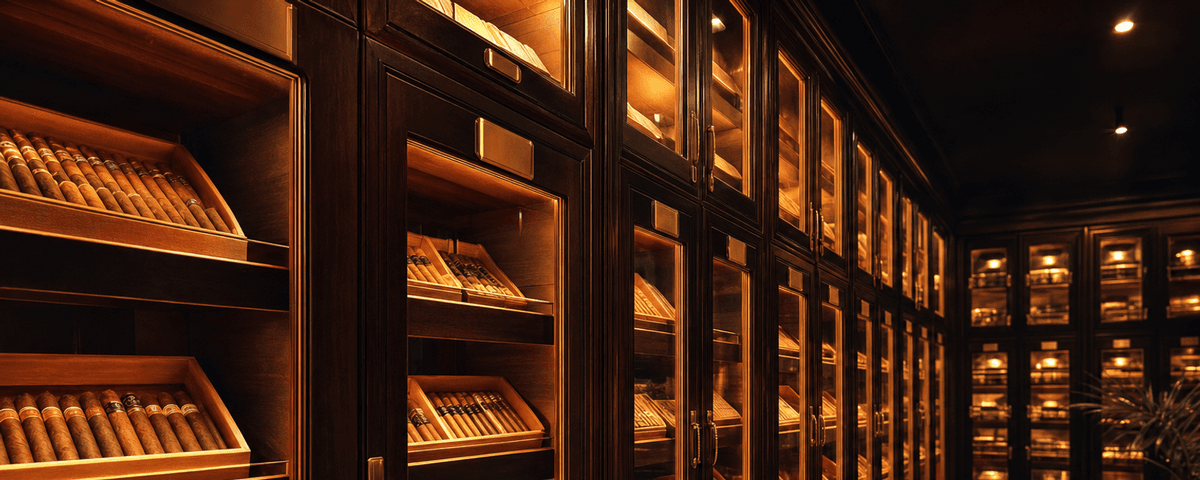
33 座 24 小時恆溫恆濕醇化室
W Cigar Bar 提供的會員醇化空間 · 場地資訊請洽編輯部
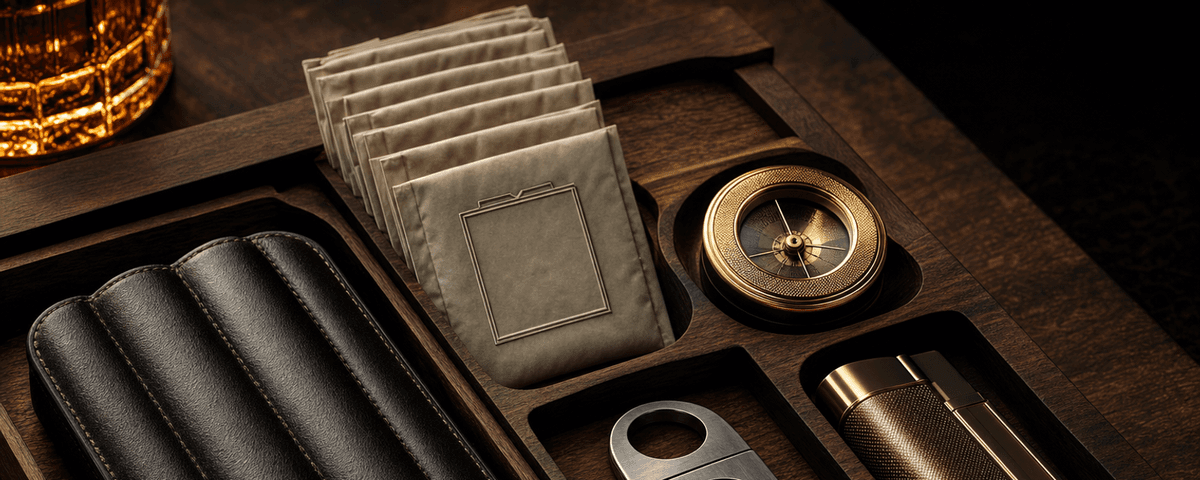
雪茄剪 / 打火機 / 雪茄盒 / Boveda
W Cigar 配件官網 · 專營雪茄配件正品

加 LINE 好友 · 文化諮詢
文化空間資訊 · 紳士沙龍 · 私人包場
本網站內容僅供雪茄文化、歷史、收藏與品吸知識研究參考。菸品有害健康、未滿法定年齡者請勿吸菸。實際規範請依所在地法律為準。
吸菸有害健康・戒菸專線 0800-636363・本站僅供 20 歲以上成年人閱覽。
讀到這裡,你不只是路過的人
留下 Email,加入 W 雪茄聖經內圈——總編輯 Wilson Tsai 親選的學院深文與國際新訊,先你一步送到信箱。
· 教育用途非銷售 · 隨時一鍵退訂 · Email 絕不對外公開 · 由勝茄股份有限公司營運
同分類延伸閱讀



資料來源:W Cigar Bible 編輯部整理 · 雪茄王子 Wilson Tsai 親自審稿
本文僅供雪茄文化、歷史、收藏與品鑑知識研究,不作為菸品促銷、銷售或購買建議。吸菸有害健康,未滿二十歲不得吸菸。