雪茄的品牌與歷史:經典品牌的起源與發展

雪茄品牌的歷史與文化深具意義,超越了單純的風味體驗。從19世紀的哈瓦那港口開始,雪茄品牌如Partagás、H. Upmann、Romeo y Julieta等,皆承載著創辦人的故事與時代背景。Partagás以其濃郁的風格和工廠精神聞名,而H. Upmann則以優雅的細膩感受吸引入門者。Romeo y Julieta則結合文學與社交文化,讓雪茄成為公共人物的象徵。這些品牌不僅是商品,更是文化的承
- 雪茄品牌的誕生是信任制度的體現,代表特定工廠與調配風格的品質承諾。
- 理解品牌的歷史與風格,能幫助入門者建立更清晰的選擇方向。
- 品牌如H. Upmann與Romeo y Julieta,展示雪茄與文化、商務的深厚聯繫。
Cigar Brands and History: Origins and Development of Classic Brands
As the editor of the "Cigar Bible," I am often asked by beginner friends: With so many cigar brands, why do some names sound like they have a story? The answer lies not only in flavor but also in founders, factories, wars, trade systems, and social culture.
When you already understand the basics of tasting, the next step is not to rush to pursue rarity but to learn to read brands. Brand history will tell you why some cigars are suitable after dinner, while others are perfect with morning coffee; why, despite both being Cuban cigars, their temperaments are entirely different.
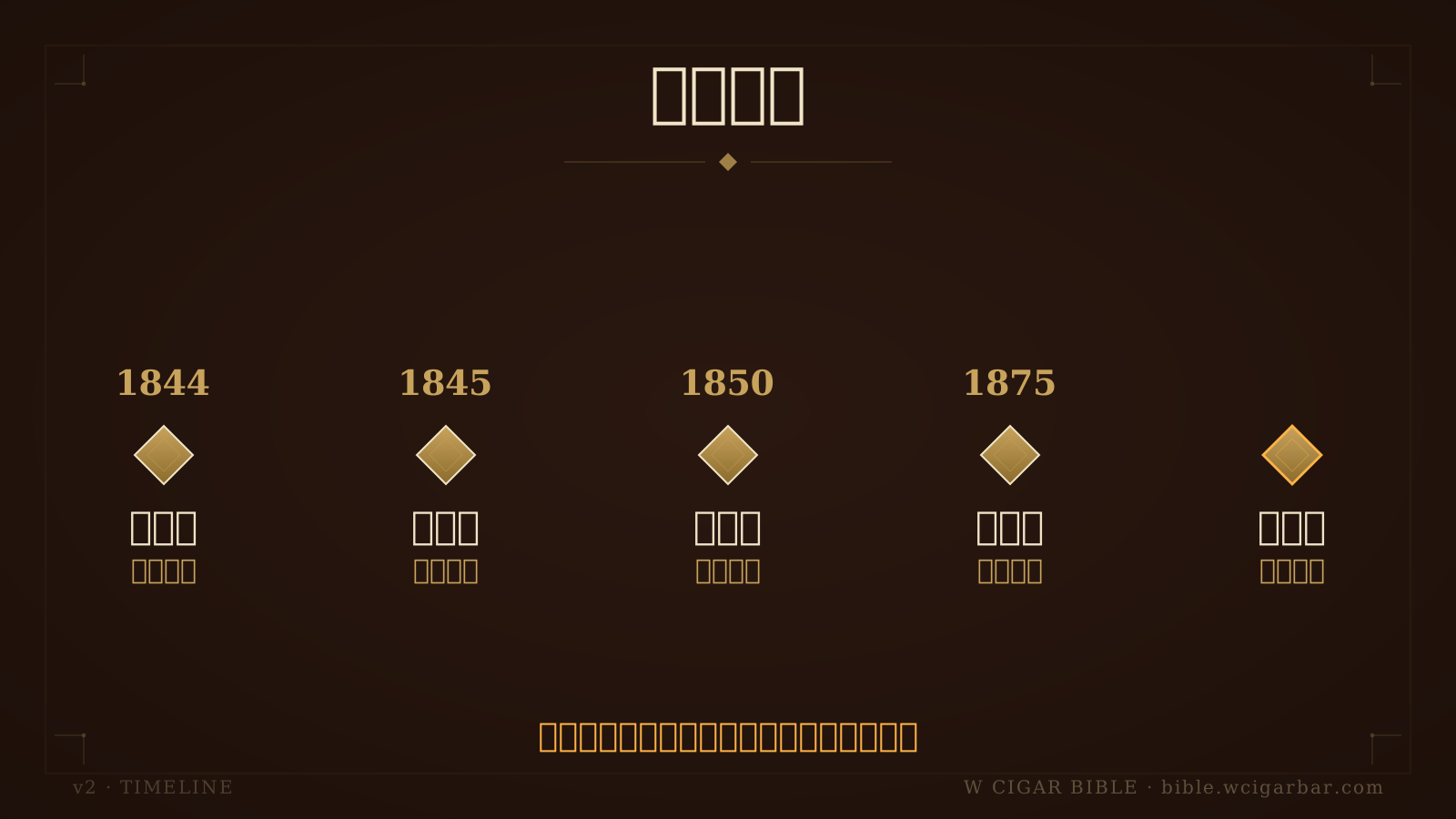
時間軸列出烏普曼帕塔加斯與羅密歐等品牌節點
Starting from the Port of Havana: Why Brands Shape Memories Earlier than Ring Gauges
In the 19th century, Havana was an important trading port in the Caribbean. Spanish colonization, European capital, sugar, and tobacco gathered simultaneously, making cigars not just agricultural products but cultural commodities packaged, named, and exported to London, Paris, and New York. By around 1850, there were already hundreds of cigar trademarks circulating in the Havana market, and brands began to become a promise of quality.
The function of early cigar brands was not just a catchy name. It represented the credit of a specific factory, a specific blending style, and a specific exporter. At that time, long ocean transportation made it difficult for consumers to personally verify the source of the leaves, so box labels, seals, and factory reputations became very important. The birth of brands was essentially the earliest trust system in the cigar world.
For beginners, understanding brands is more practical than memorizing sizes. Robusto, Churchill, and Corona Gorda are formats; but the robustness of Partagás, the delicacy of H. Upmann, and the elegance of Romeo y Julieta are ways to establish coordinates in your taste memory. Read the brand first, then the model, to make your choices more directional.
三張重點卡說明品牌歷史與尺寸學習順序
Partagás: The Factory Spirit and Rich Character of 1845
Partagás was founded by Jaime Partagás in 1845 in Havana, and his factory later became a classic landmark among cigar enthusiasts. By the mid to late 19th century, Partagás was known for its stable supply of high-quality Havana cigars and was extensively exported to the European market. Its brand character has long been described as rich, direct, with earthy, peppery, leathery, and dark woody notes.
Jaime Partagás's significant contribution was his early emphasis on tobacco leaf regions and maturation management. He frequently visited quality regions like Vuelta Abajo to source leaves and tried to manage rolling quality with a more complete factory system. This made Partagás not just a product name but a synonym for "strength and structure."
Take the common Serie D No.4 as an example; this Robusto size is about 124mm long with a ring gauge of 50 and has become an entry point for many players to get to know Partagás since the late 20th century. Its burning time is usually about 45 to 60 minutes, with a clear rhythm, making it suitable for understanding the concept of "rich but not just spicy." The historical value of Partagás lies in transforming the factory spirit into a recognizable brand character.
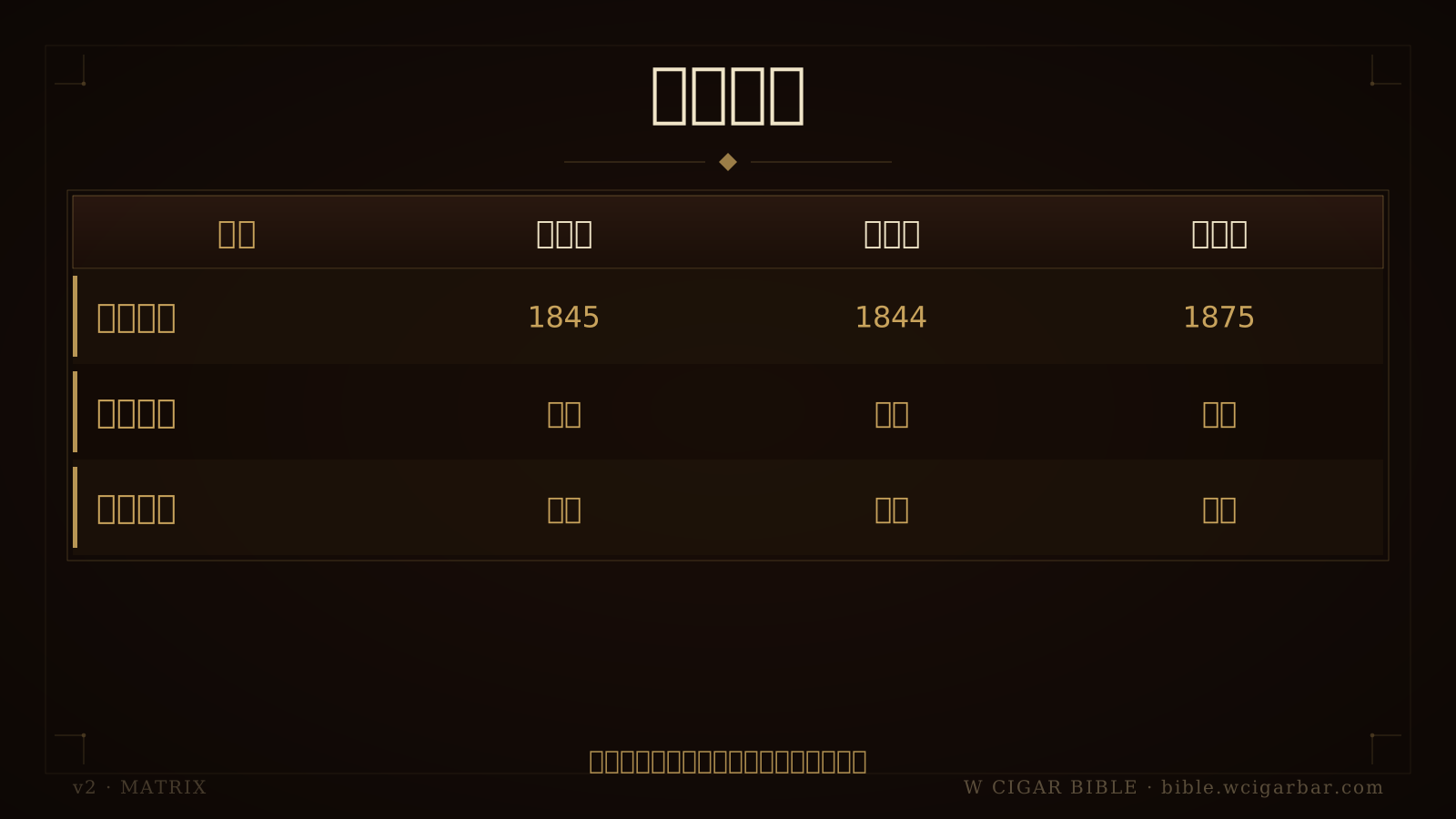
矩陣比較三個經典品牌的起點語氣與學習重點
H. Upmann: Banker, Gift Boxes, and the Gentle and Precise Classic Style
The story of H. Upmann began in 1844, founded by Hermann Upmann from Germany, initially closely associated with the financial industry. Legend has it that he packed cigars in exquisite wooden boxes as gifts for bank clients, and as demand increased, the brand gradually took shape. This origin explains one thing: cigars have been closely linked to business dealings, etiquette, and trust relationships from a very early stage.
H. Upmann's style is often described as medium strength, with coffee, cream, nuts, grains, and light woody notes. Compared to Partagás's direct attack, it is more like an old-fashioned gentleman in a well-fitted suit, not speaking loudly but with complete details. This also makes it a good textbook for many beginners to learn to recognize layers.
In brand history, H. Upmann has won multiple 19th-century international exposition medals, and the medal images on the box have become an important visual language of classic cigar packaging. Models like Magnum 46 and Magnum 50 are often used to feel the brand's balance between smoothness and aroma. H. Upmann tells us that classics do not necessarily win by strength; precision and etiquette can also establish a long-lasting position.
Romeo y Julieta: From Literary Romance to Churchill Legend After 1875
Romeo y Julieta was founded in 1875, and the brand name was taken from Shakespeare's famous work, which was very clever at the time: it connected cigars not just as a hobby but with literature, drama, and European high society. In the early 20th century, under the management of José Rodríguez Fernández, the brand grew significantly, especially successful in the export market.
The most famous cultural case of Romeo y Julieta is, of course, British Prime Minister Winston Churchill. Churchill's image is deeply tied to long-sized cigars, and later the brand named its classic size after Churchill. This is not just a celebrity story but a symbol of the intertwining of cigars with politics, diplomacy, and wartime will. Romeo y Julieta's contribution is to bring cigars from a craft product to the stage of public figures and cultural memory.
In terms of style, Romeo y Julieta often gives the impression of medium strength, floral, cedar, baked bread, and light sweetness. The Short Churchill, about 124mm long with a ring gauge of 50, is often seen as a more approachable representative; the Churchill, about 178mm long with a ring gauge of 47, requires more leisurely time. For beginners, this brand is very suitable for practicing the rhythm of "slowing down."
三張卡整理只背尺寸同牌同味與老牌迷思
Montecristo: The Crystallization of Reading and Workshop Culture Since 1935
Montecristo was founded in 1935, and its name comes from Alexandre Dumas' novel "The Count of Monte Cristo." In Cuban cigar factories, readers read newspapers and novels to the rollers, which is a very important cultural tradition; the naming of Montecristo is a mark left by this workshop daily life. It reminds us that cigars are not isolated products but are born in the exchange of manual labor and thought.
Montecristo quickly became one of the most representative Cuban brands in the international market. The classic No.2, with its Torpedo shape, about 156mm long with a ring gauge of 52, is a standard textbook for many to understand the balance of Cuban cigars. Common flavor descriptions include cocoa, coffee, wood, cream, light spices, and earthy notes, with strength usually ranging from medium to medium-high.
The influence of this brand lies in turning "balance" into a transmissible value. Not every puff needs to be astonishing, but from the beginning, middle to end, there are reasonable transitions. The greatness of Montecristo is that it lets beginners know: the truly readable cigar is often not the loudest one.
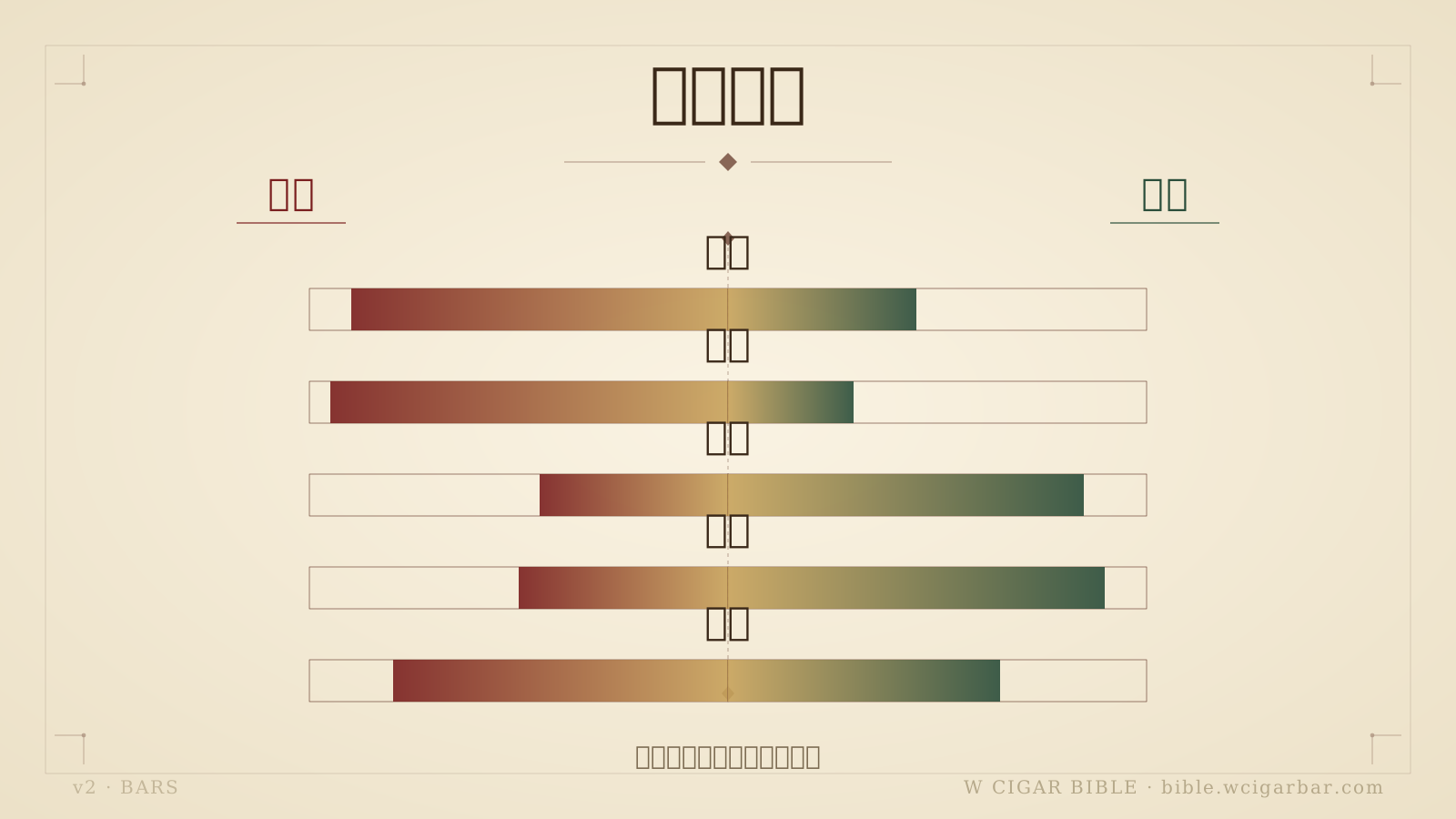
橫條圖比較品牌與尺寸在風格脈絡燃燒上的差異
Cohiba: The National Courtesy of 1966 and the Formation of Modern High-End Image
Cohiba was born in 1966, initially mainly used as a Cuban official courtesy and not initially aimed at the general market. In 1982, Cohiba was officially launched in the international market, initially including models like Lanceros, Coronas Especiales, and Panetelas. This history gives it a strong symbolic meaning from the start: rarity, diplomacy, national image, and selected leaf materials.
In 1992, Cohiba launched the Línea 1492, or Siglo series, to commemorate the 500th anniversary of Columbus's arrival in the Americas. Siglo I to Siglo VI covers different time needs, from the short-time Petit Corona to fuller ring gauge choices, moving the brand from a courtesy symbol further into the modern market. The Behike BHK 52, 54, 56 launched in 2010 pushed the high-end image to another level.
Cohiba's often mentioned feature is that some tobacco leaves undergo an additional barrel fermentation process, making the aroma more rounded. Common sensations include grass, honey, coffee, cream, wood, and delicate spices. The historical significance of Cohiba is not just about being expensive, but it pushes the cigar brand to the intersection of modern luxury culture and national narrative.
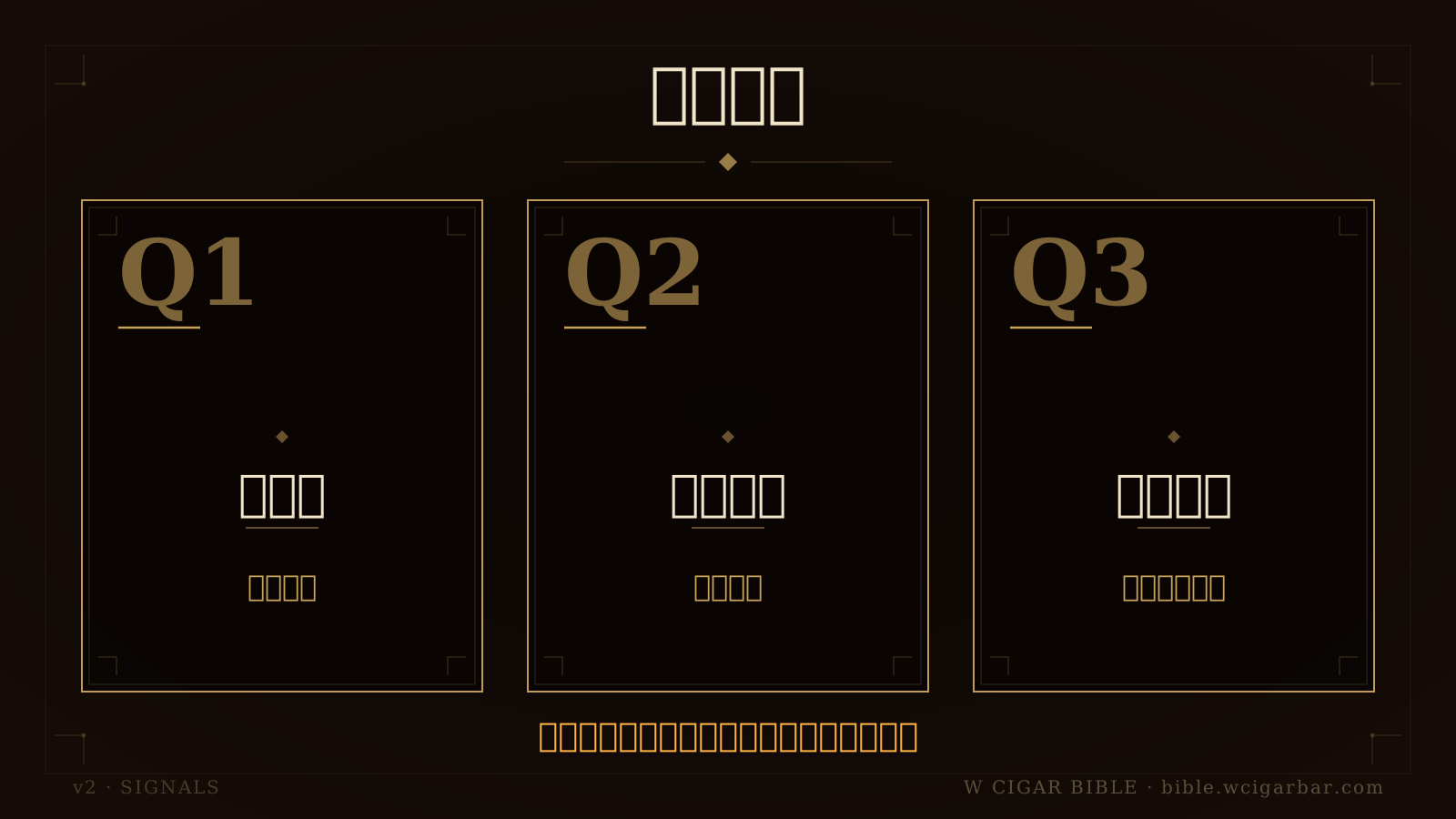
快問快答卡回答先認品牌同牌差異與品史用途
Brand Evolution Comparison Table: Read History, Also Read Style
When beginners learn brand history, the biggest fear is turning it into memorizing dates. I suggest cross-reading from three angles: founding background, representative style, and cultural contribution. In this way, when you see a box, you won't just ask about size and price, but think of the city, people, and era behind it. The deeper the brand understanding, the more you can avoid judging cigars solely by strength or fame.
| Brand | Key Year | Representative Person or Background | Common Style Impressions | Cultural Contribution |
|---|---|---|---|---|
| Partagás | 1845 | Jaime Partagás, Havana Factory | Rich, leather, earthy, spicy | Establishing the factory-style rich flavor |
| H. Upmann | 1844 | German banker background | Coffee, nuts, cream, wood | Cigar gift boxes and business etiquette |
| Romeo y Julieta | 1875 | Literary naming, Churchill image | Floral, cedar, light sweetness, elegance | Combining cigars with celebrity culture |
| Montecristo | 1935 | Factory reading culture | Cocoa, coffee, balanced spices | Defining the Cuban balanced style |
| Cohiba | 1966 | Official courtesy, 1982 international launch | Honey, grass, cream, wood | Modern high-end image and diplomatic symbol |
When making actual choices, you can establish your brand notes using the following methods:
- Record the year, size, burning time, and humidity of the day.
- Use three words to describe the front, middle, and end segments.
- Don't rush to score, first compare different sizes of the same brand.
- If discussing collection, remember it does not guarantee appreciation, still depends on source preservation and market.
Frequently Asked Questions
Should beginners recognize brands first or sizes first?
I would recommend recognizing brands first, then understanding sizes. Sizes affect burning speed, concentration, and time, but brands determine the core language. Establishing taste coordinates with 3 to 5 classic brands is more effective than memorizing a dozen ring gauges at once. Brands are the map, sizes are the routes; having the map first makes it less likely to get lost.
Why do different models of the same brand feel very different?
Because length, ring gauge, wrapper ratio, and rolling structure will change the performance. For the same brand, slender shapes may be more concentrated and change quickly; larger ring gauges have more smoke volume, and temperature control is more important. The same brand is not the same taste, but a set of family languages.
Are older cigar brands necessarily better?
Not necessarily. Old brands represent history and market validation, but quality still depends on batch, preservation, source, and current state. New world brands like Padrón, Arturo Fuente, and Davidoff Dominican lines also have very mature systems and stability. The year can provide context but cannot replace judgment.
Does collecting classic brands equal investment?
Collecting can be a cultural interest and may have market value, but it does not guarantee appreciation, still depends on source preservation and market. Box condition, temperature and humidity, rarity, version, tax stamps, and circulation records will all affect judgment. Beginners should learn preservation first, then talk about long-term collection.
How does learning brand history help with actual tasting?
Brand history can help you understand "why it tastes this way." Knowing Partagás's factory spirit, Montecristo's balance tradition, and Cohiba's courtesy background will help you appreciate it with the right rhythm, rather than just asking if it's strong or expensive. Understanding history will make every puff more contextual.
I always believe that the most fascinating thing about cigars is not flaunting rarity but understanding. Every classic brand is a small museum, collecting immigrants, craftsmen, ports, literature, politics, and dining etiquette. When you are willing to slowly understand it, the cigar in your hand is not just a rolled tobacco product but a piece of history that can be lit, shared, and remembered.
—Cigar Prince Wilson Tsai
Smoking is harmful to health. Under the age of twenty is prohibited from smoking. Quitline: 0800-636363. This article is for reference only for adults over the age of twenty regarding cigar culture, preservation, and regulatory knowledge, not a tobacco advertisement, promotion, or purchase suggestion.
Like this article?Share with friends
Share this W Cigar Bible piece with friends who want to learn cigar culture, storage, and tasting.
想把這篇 化為實踐
雪茄聖經是知識;雪茄文化要在空間裡發生

W Cigar Bar 大安總店資訊
台北大安區 · 雪茄聖經總編輯 Wilson Tsai 主理的雪茄文化空間
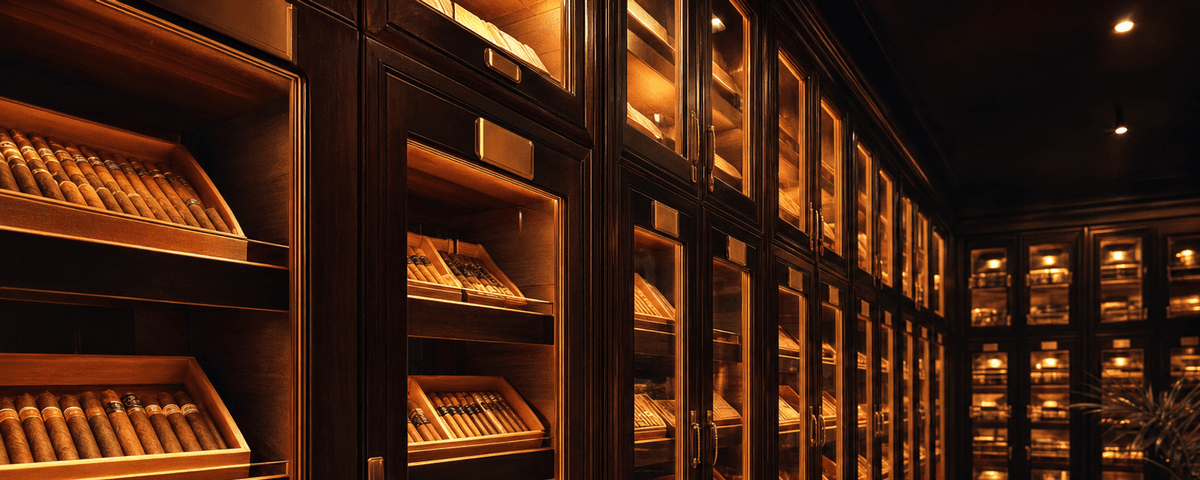
33 座 24 小時恆溫恆濕醇化室
W Cigar Bar 提供的會員醇化空間 · 場地資訊請洽編輯部
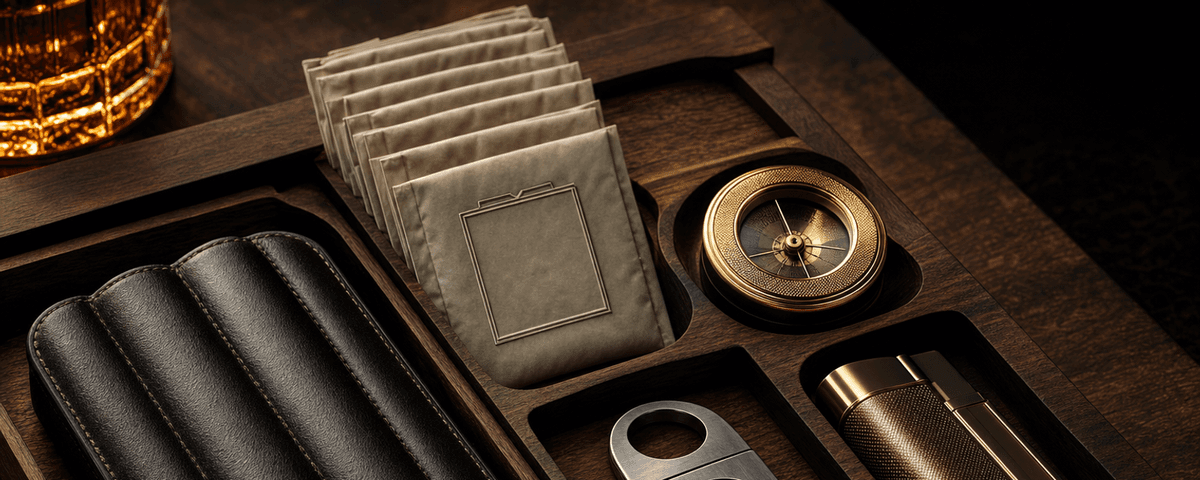
雪茄剪 / 打火機 / 雪茄盒 / Boveda
W Cigar 配件官網 · 專營雪茄配件正品
加 LINE 好友 · 文化諮詢
文化空間資訊 · 紳士沙龍 · 私人包場
本網站內容僅供雪茄文化、歷史、收藏與品吸知識研究參考。菸品有害健康、未滿法定年齡者請勿吸菸。實際規範請依所在地法律為準。
吸菸有害健康・戒菸專線 0800-636363・本站僅供 20 歲以上成年人閱覽。
讀到這裡,你不只是路過的人
留下 Email,加入 W 雪茄聖經內圈——總編輯 Wilson Tsai 親選的學院深文與國際新訊,先你一步送到信箱。
· 教育用途非銷售 · 隨時一鍵退訂 · Email 絕不對外公開 · 由勝茄股份有限公司營運
同分類延伸閱讀

資料來源:W Cigar Bible 編輯部整理 · 雪茄王子 Wilson Tsai 親自審稿
本文僅供雪茄文化、歷史、收藏與品鑑知識研究,不作為菸品促銷、銷售或購買建議。吸菸有害健康,未滿二十歲不得吸菸。