探索雪茄的氣味輪:分類與鑑別的藝術

雪茄的魅力在於能將煙氣轉化為可描述的語言,這正是氣味輪的核心價值。氣味輪作為「風味地圖」,幫助愛好者分辨木質、香料、堅果等氣味,從而將雪茄的體驗提升至有層次的旅程。初學者應從七個常見氣味家族入手,並透過冷聞、冷吸及點燃後的觀察,逐步拆解雪茄的風味變化。此外,保存條件和醇化時間也會影響氣味表現,建立個人資料庫有助於未來的品評。透過日常氣味訓練,愛好者可更準確地辨識雪茄的複雜風味。
- 氣味輪幫助將模糊的喜好轉化為可辨識的線索,讓雪茄品味更有層次。
- 初學者應先掌握七個常見氣味家族,逐步辨識細節,避免急於找標準答案。
- 冷聞、冷吸與點燃後的觀察能揭示雪茄的原料、保存狀態及風味變化,提升品味準確性。
Exploring the Cigar Aroma Wheel: The Art of Classification and Identification
The charm of cigars lies not only in whether they are "good to smoke" but in whether you can break down a wisp of smoke into a language that can be described, compared, and recorded. Many beginners are already familiar with the basics of cold sniffing, lighting, and exhaling. The next step is to learn how to use the "aroma wheel."
As an editor of the "Cigar Bible," I often say: the aroma wheel is not about making cigars mysterious, but about bringing order to the senses. When you can distinguish the boundaries of wood, spices, nuts, leather, cocoa, and earth, a cigar transforms from a single impression into a multi-layered journey.
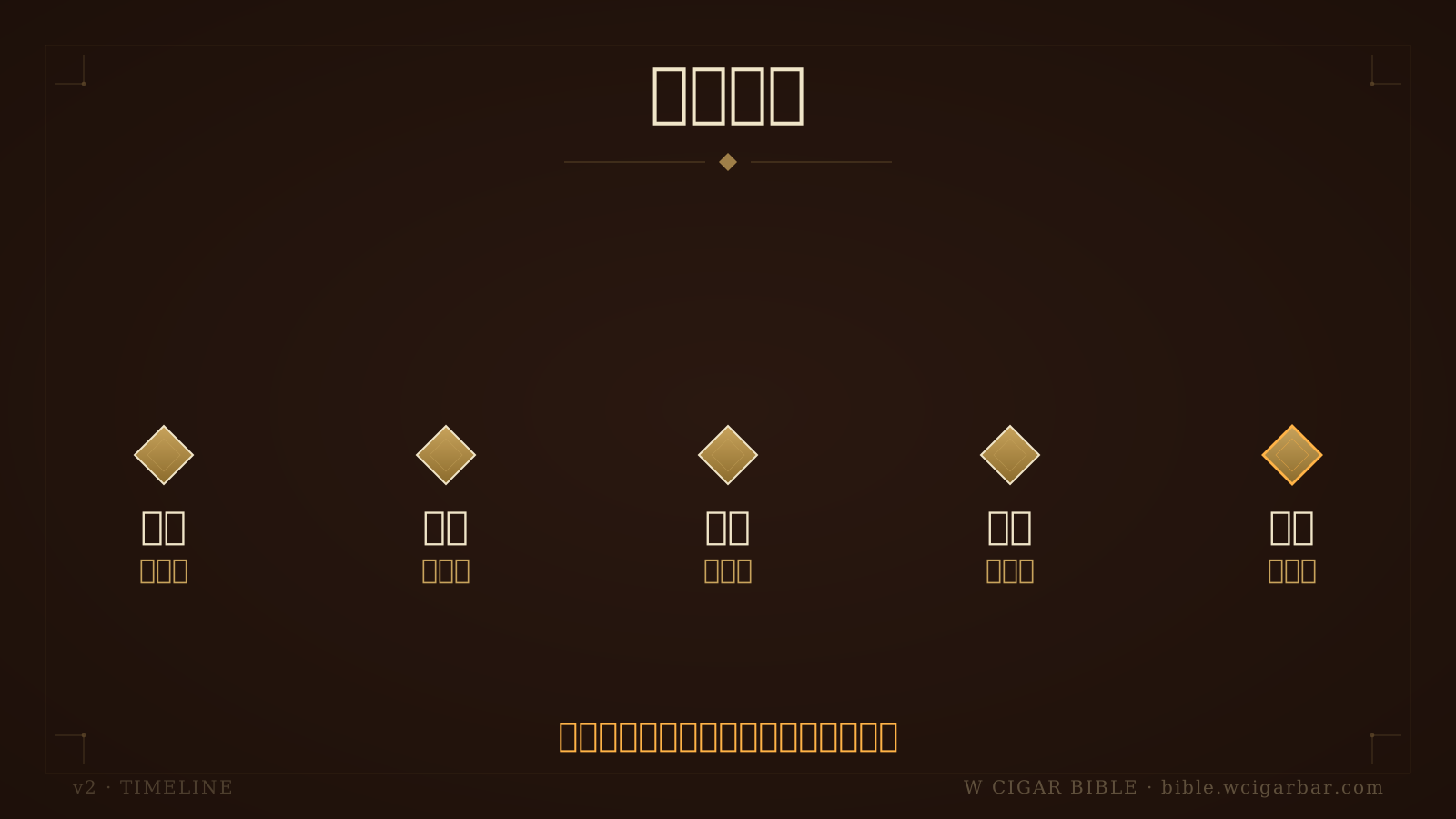
時間軸呈現冷聞、冷吸、穩燃、三段與回看步驟
What is the Aroma Wheel: Turning Intuition into a Trainable Language
The aroma wheel can be understood as a "flavor map": the innermost circle represents broad categories such as wood, spices, sweetness, roasted, plant, mineral, and animal aromas; the middle circle further divides into cedar, black pepper, honey, coffee, grass, wet earth, leather; the outer circle provides more specific descriptions like roasted almonds, cinnamon, dark chocolate, haystack. The core value of the aroma wheel is to transform vague likes and dislikes into repeatable clues.
Take the Montecristo No.2, familiar to many enthusiasts around 2020, as an example. The initial stage is often described as creamy, cedar, and slightly nutty; the middle stage may shift towards coffee, cocoa, and white pepper; the final stage has more pronounced wood and roasted notes. Without the aroma wheel, these changes would simply be labeled as "getting stronger." With classification, you will know that concentration, intensity, and aroma types are actually three different things.
The most common mistake beginners make is rushing to find the "standard answer." The same Partagás Serie D No.4 can perform differently under varying humidity, age, box codes, and lighting rhythms. The aroma wheel is not an exam but a calibration tool; it helps you build a personal database, allowing you to locate similar aromas more quickly next time.
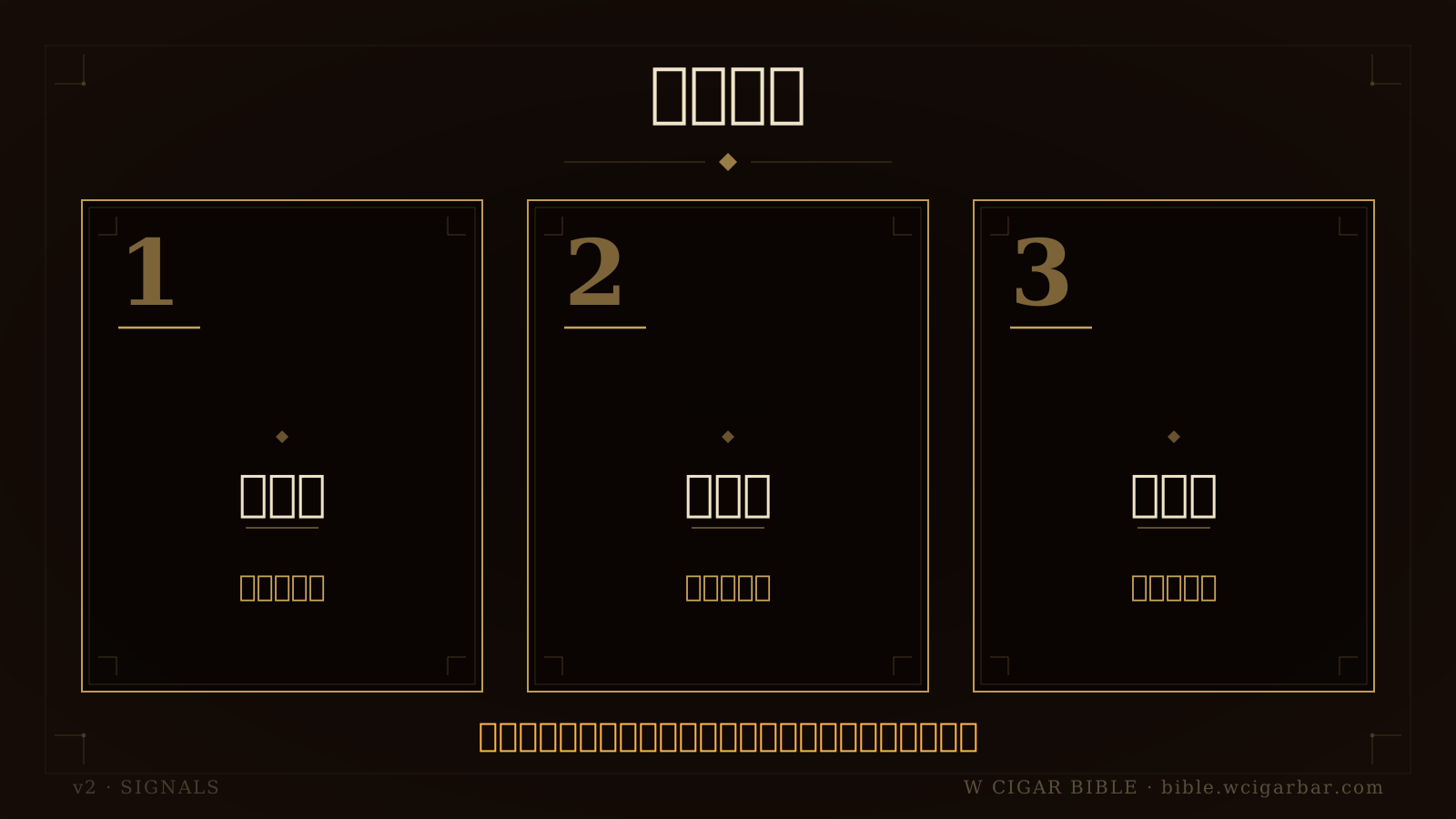
三張卡片整理氣味輪分類、三段記錄與比較練習
Start with Broad Categories: The Seven Most Practical Cigar Aroma Families
I suggest beginners not memorize too many details at first but instead grasp the seven common families: wood, spices, sweetness, nuts, roasted, soil minerals, animal leather. For example, H. Upmann Magnum 46 often has a gentle woody and creamy feel, while Partagás often reminds people of black pepper, earth, and leather. Recognize the broad categories first, then delve into the details, which is more reliable than trying to name twenty flavors from the start.
| Aroma Family | Common Descriptions | Possible Brand Examples |
|---|---|---|
| Wood | Cedar, oak, pencil wood | H. Upmann, Romeo y Julieta |
| Spices | White pepper, cinnamon, clove | Partagás, Bolívar |
| Sweetness | Honey, caramel, sugarcane | Quai d’Orsay, Davidoff |
| Nuts | Almonds, walnuts, hazelnuts | Montecristo, Hoyo de Monterrey |
| Roasted | Coffee, cocoa, toast | Cohiba, Arturo Fuente |
| Soil Minerals | Wet earth, graphite, salty | Ramón Allones, Bolívar |
| Leather Animals | Leather, stable, musk | Partagás, Punch |
This table is not a brand formula but an entry coordinate. For example, the commonly seen Cohiba Siglo VI after 2016, some may first catch grass, cream, and cocoa, while others may first notice cedar and honey. Both are not necessarily conflicting, just different sensory focuses. During practice, writing "2 main aromas, 2 secondary aromas" is more useful than filling a page with adjectives.
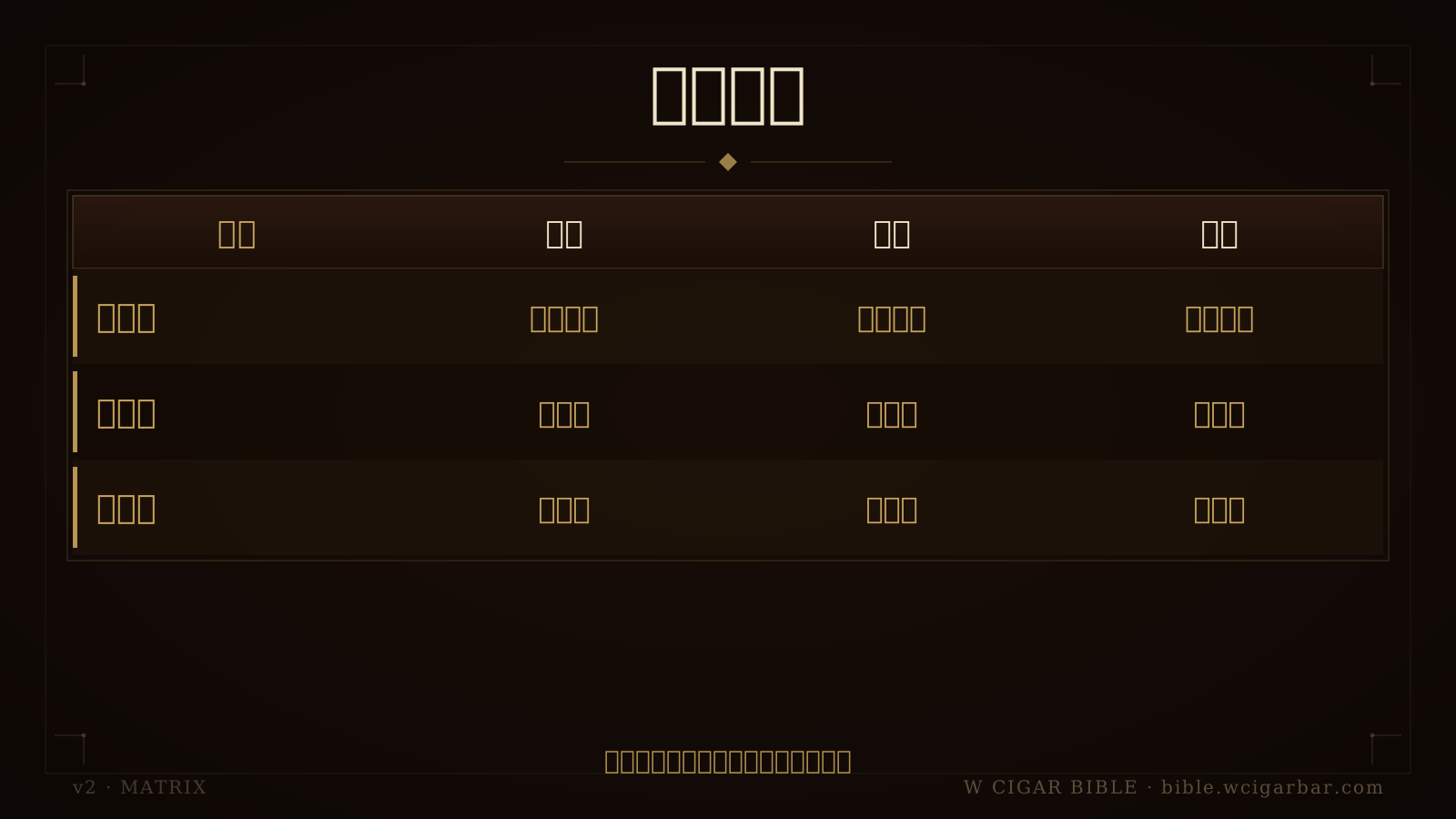
矩陣比較濃度、強度與香氣三種辨識面向
Cold Sniff, Cold Draw, and Post-lighting: Three Entrances to the Same Cigar
The cold sniff before cutting mainly reads the wrapper and overall preservation state. You can smell the foot, wrapper, and box aroma: the foot is often more concentrated, while the wrapper can reveal oil, hay, cocoa, or leather notes. A well-preserved box of Romeo y Julieta Short Churchills from 2019 often has rosewood, sweet grass, and slight cocoa on the cold sniff, gradually transitioning to toasted bread and nuts after lighting.
The cold draw is like a trailer before lighting. After cutting, draw lightly without force to feel the airflow channel, sweetness, spice, and wood position. The cold sniff tells you the cigar's raw materials and preservation state, while the cold draw hints at the structural direction that may appear after burning. If the cold draw has a noticeable moldy, pungent ammonia, or bitter taste, be alert, as it may indicate poor preservation or aging conditions.
Do not rush to conclusions in the first 1 cm after lighting, as the flame, carbonization, and burning surface have not yet stabilized. I usually start recording the first impression after the 5th to 8th puff, then divide the entire cigar into the initial, middle, and final stages. Doing so avoids misjudging the burnt taste during ignition as the cigar's inherent flavor and allows for more accurate comparisons of different brands' layers.
Three-stage Recording: How to Break Down the Initial, Middle, and Final Stages
A cigar can be observed in three stages: the initial stage is about the first 1/3, the middle stage about the middle 1/3, and the final stage is the last 1/3. For a Robusto size, about 50 ring gauge, 124 mm, the overall time may range from 45 to 70 minutes; a Churchill may exceed 90 minutes. Time is not the focus; the key is whether each stage has clear changes.
The initial stage is usually best for observing aroma purity, such as whether cedar, cream, hay, and white pepper are clean. The middle stage looks at whether the main axis unfolds, like Montecristo Edmundo may shift from nuts to coffee and cocoa; the final stage checks whether intensity, bitterness, and heat are balanced. True layering is not about the flavor getting heavier but about the flavor logically transitioning through the three stages.
When recording, I use a 5-point scale: aroma clarity, balance, burn stability, aftertaste length, and change amplitude are each rated. For example, a Hoyo de Monterrey Epicure No.2 with a 2018 box code might have aroma clarity 4, balance 4, burn 3, aftertaste 3, change 3; this is more helpful for future reviews than simply writing "good smoke."
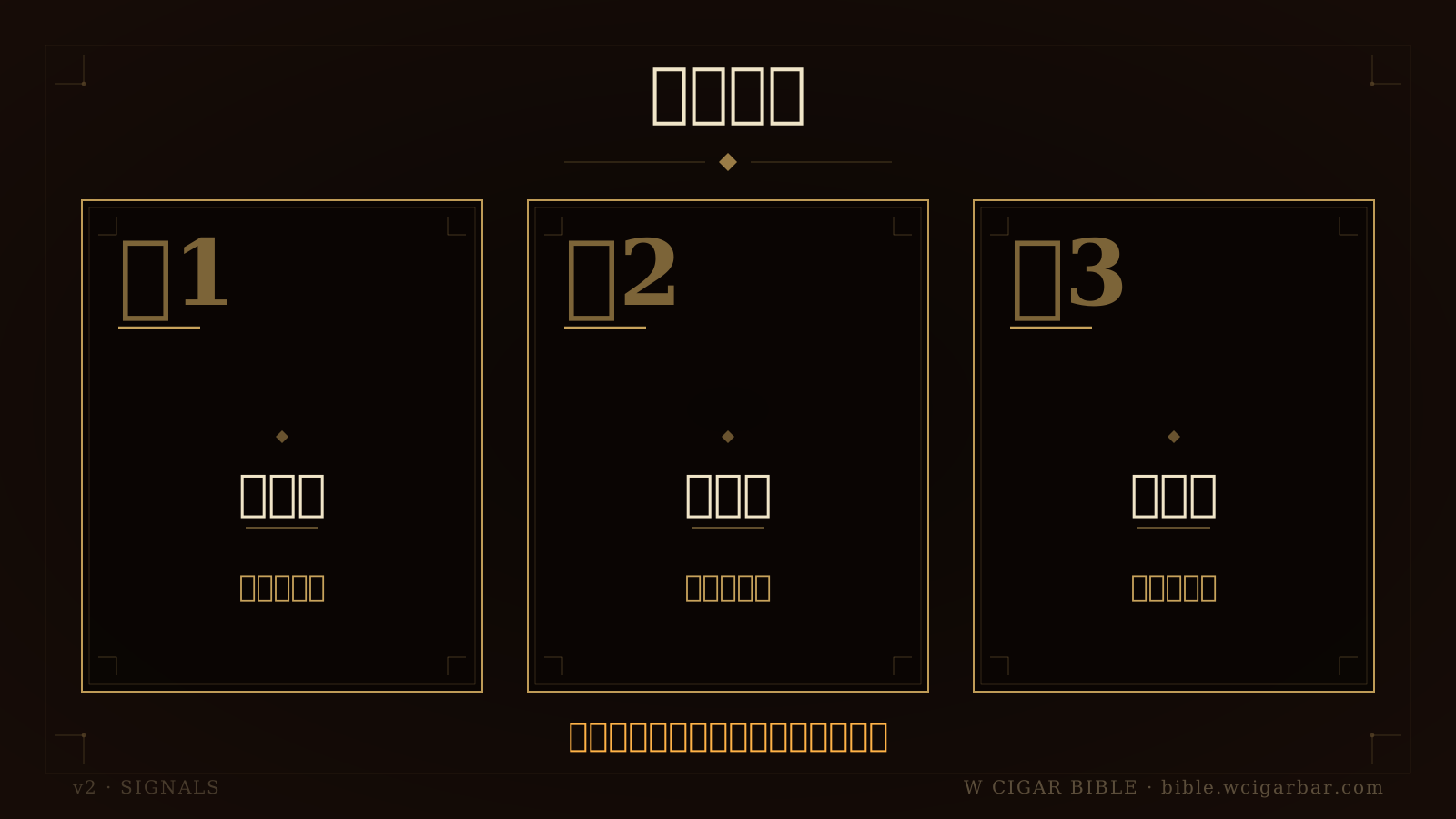
三張卡片列出找標準答案、太早判斷與酒飲干擾
Preservation and Aging: Why the Same Cigar Can Have Different Aromas
The interpretation of the cigar aroma wheel is inseparable from preservation conditions. General household cigar cabinets are often set at 65% to 69% relative humidity, 18 to 21°C; when humidity is too high, the smoke may become stuffy, burn slower, and wood and sweetness are suppressed; when humidity is too low, spiciness, bitterness, and heat are amplified. The flavor you smell often has a part that is actually the result of preservation conditions.
Aging also changes aroma performance. Newly boxed cigars may have green, ammonia, or sharp pepper notes; after 2 to 5 years of stable preservation, the aroma is often more rounded, with wood, nuts, cream, and leather notes more easily integrated. For example, Bolívar Belicosos Finos may appear rugged when new, but after a few years, it often presents more stable wet earth, coffee, and dark cocoa.
However, aging is not magic. Source, transport, and temperature and humidity fluctuations will all affect the result; when discussing rare box sets or collection value, it must also be reminded: it does not guarantee appreciation, still depending on source preservation and market. For beginners, rather than chasing years, it's better to first note the differences of the same cigar under different preservation conditions, which will more quickly build judgment.
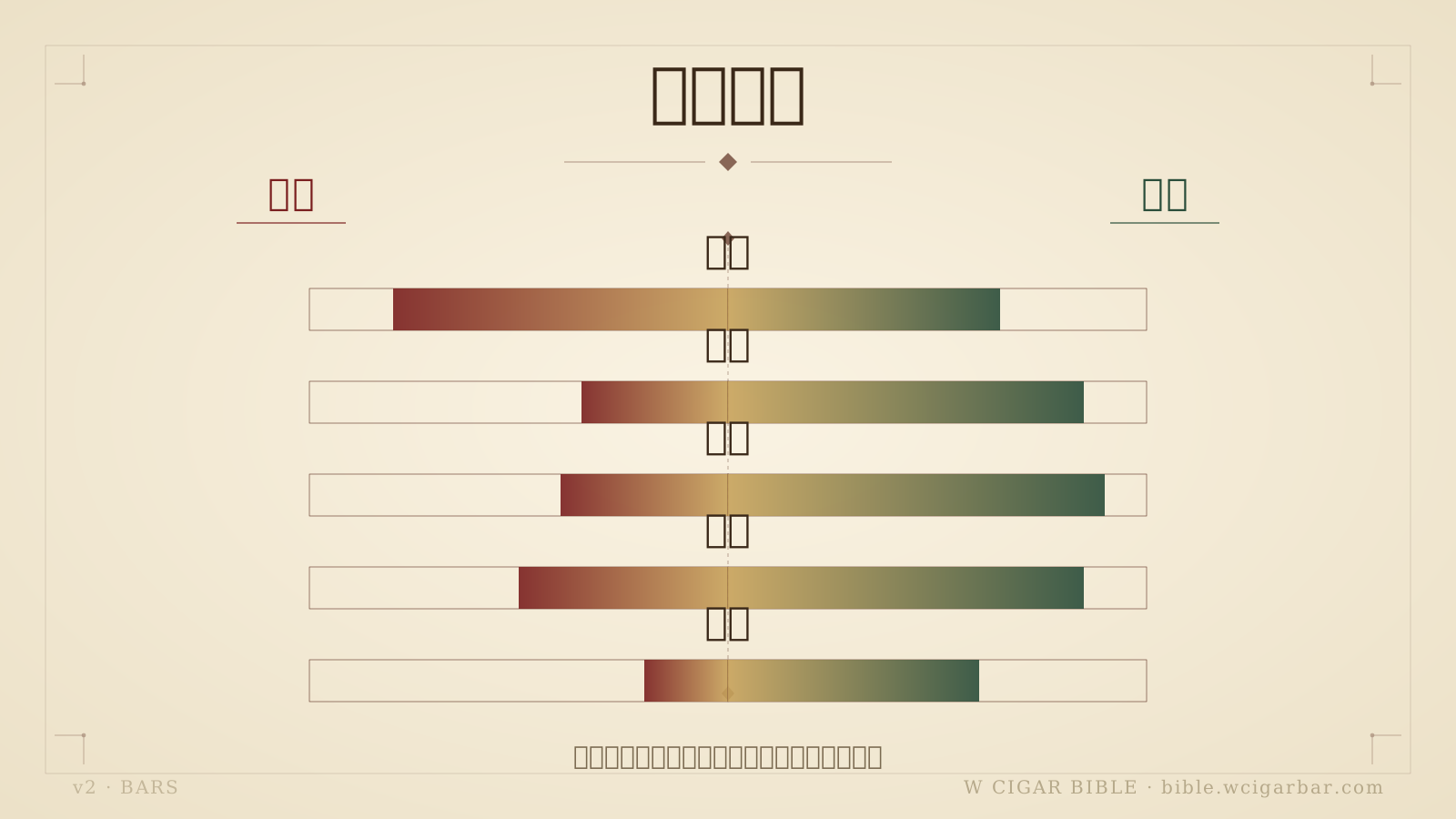
長條圖比較新手與熟手在大類、細節與筆記上的取向
Train Your Nose with Everyday Scents: More Effective than Memorizing Adjectives
Training the aroma wheel doesn't necessarily require expensive equipment. You can prepare 12 everyday samples: cedar wood chips, black pepper, white pepper, cinnamon, cocoa powder, coffee beans, almonds, walnuts, honey, hay tea, leather products, wet soil potted plants. Smell 5 kinds each time, 10 seconds each, then smell the second round after 30 seconds. The nose is not about talent but about repeatedly establishing the connection between "scent and name."
I often recommend using a blind test method: ask a friend to put samples into opaque small jars, numbered 1 to 12, and you only write down the broad category and details, not rushing to guess the answer. The first time you may only distinguish spices and nuts, but by the third or fourth week, you will start to distinguish the sharpness of black pepper, the sweetness of cinnamon, and the herbal feel of clove. This training will directly reflect in cigar tasting.
Also, be aware of olfactory fatigue. Smelling too many samples in a row will become blurry later, so 15 minutes each time is sufficient. Drinking water, smelling your own sleeve, or resting for 2 minutes can help reset. Do not practice right after drinking heavily roasted coffee, eating spicy hot pot, or spraying perfume, as these will interfere with your judgment of delicate sweetness and wood.
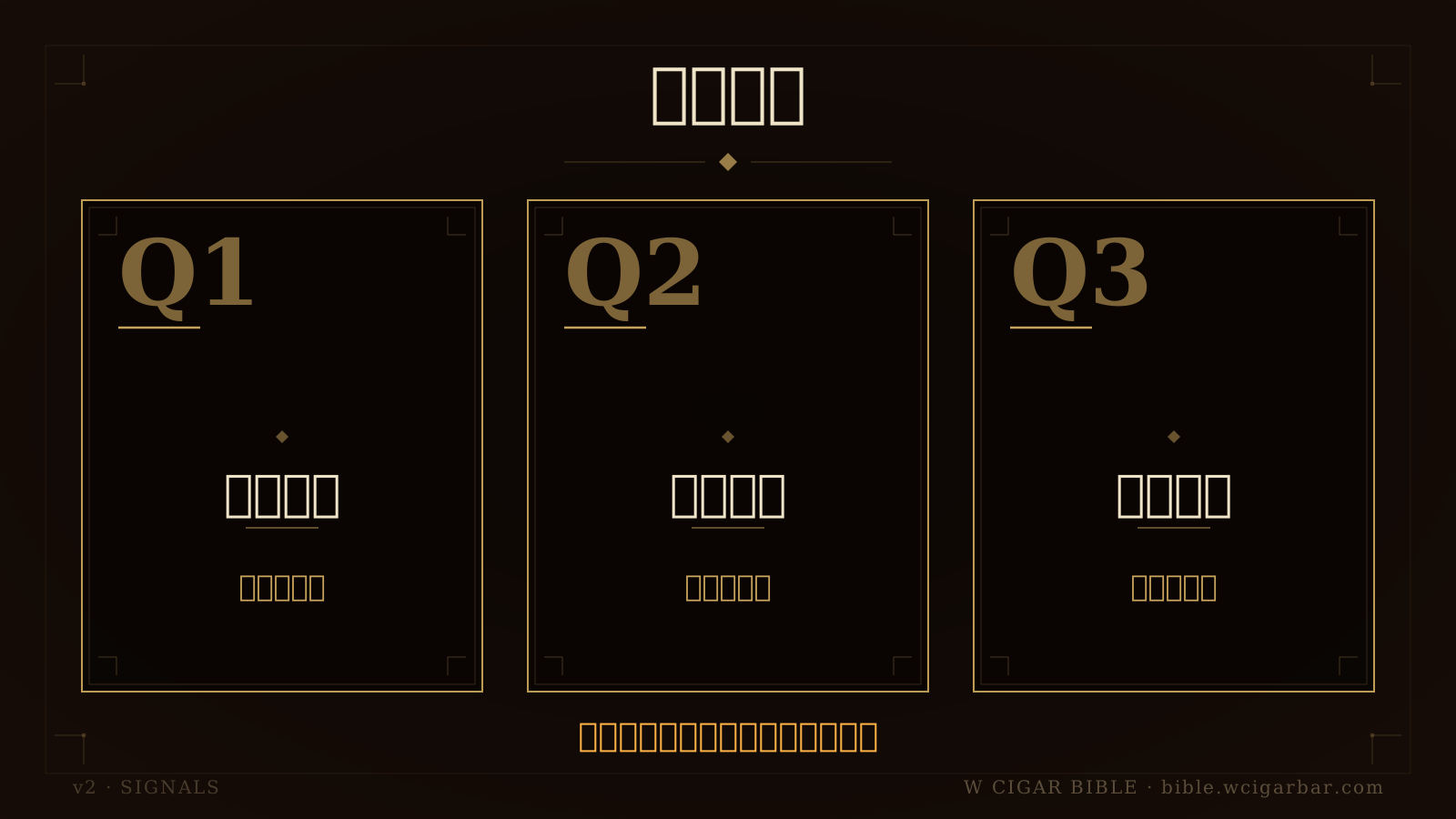
三張問答卡說明煙味辨識、風味聯想與記錄飲品
Etiquette and Rhythm: Preventing the Aroma Wheel from Being Ruined by Wrong Actions
No matter how good the cigar, if the rhythm is wrong, the aroma will be distorted. It is generally recommended to take a puff every 45 to 75 seconds, adjusting according to the burning condition; too fast will overheat, bringing out bitterness, charred wood, and spiciness; too slow may extinguish, and reigniting will increase the charcoal taste. For a 52 ring gauge Toro, maintaining a stable burning surface is more important than pursuing a large amount of smoke.
When exhaling, do not rush to expel; let the smoke linger in the mouth for 2 to 4 seconds, feeling the differences in the tongue surface, palate, and retronasal olfaction. A small amount of nasal retrohale can amplify the aroma, but beginners should not force it. The flavor of a cigar is not clearer the deeper you inhale, but the more stable, slower, and rhythmic you are, the more you can distinguish the layers.
In terms of etiquette, also respect the surrounding environment: do not blow cigar smoke towards others, do not frequently tap ash, do not use a lighter to roast the wrapper until it turns black. When communicating with friends, avoid using phrases like "you're wrong"; you can say "I feel this one has more wood, does yours have more cocoa?" The aroma wheel is a communication tool, not an authority to overpower others.
Frequently Asked Questions
Q1: I can only smell smoke, does that mean my nose isn't sensitive enough?
No. Most people initially only say "smoke, wood, spice." Start with broad categories, and after recording 10 cigars in a row, you usually find you can distinguish cedar, coffee, nuts, and pepper. Recognition comes from comparison, not from getting all the flavors right in one go.
Q2: Are the flavors on the aroma wheel actually present in the cigar?
Not necessarily. Saying "dark chocolate" usually describes the roasted, bittersweet, cocoa-like association, not that the cigar contains chocolate. Cigar flavors result from a combination of tobacco variety, fermentation, aging, burning, and olfactory memory.
Q3: Is there a big difference in the aroma wheel between Cuban and non-Cuban cigars?
There is a difference, but it cannot be simplified to which is better. Cubans are often described as earthy, mineral, floral, and delicate wood; Nicaraguans commonly have spices, coffee, and cocoa; Dominicans often have cream, nuts, and gentle sweetness. Brand and factory style remain key.
Q4: Should I record aromas while drinking?
You can, but at the initial stage, I recommend using room temperature water. Whiskey, rum, and coffee will strongly intervene in taste, making you mistakenly think the cigar itself is sweeter or stronger. Once you can consistently identify main aromas, comparing pairing differences will be more accurate.
Q5: How to judge if a cigar is bad or if there is a preservation issue?
Observe three points: whether the burn repeatedly extinguishes, whether the smoke is stuffy, and whether the aroma has mold or pungent ammonia. If multiple cigars from the same box are similar, it may relate to batch or preservation; if only one is abnormal, it may be individual variance. The source of purchase is also important, recognizing channels with stable supply and preservation management, such as PCC authorized dealers.
For me, the aroma wheel is not about turning cigars into an exam but about making a quiet moment more memorable. When you can say "this one moves from cedar to coffee, then finishes in leather and black pepper," you have not just finished a cigar but read a story written by land, vintage, craftsmanship, and time.
—Cigar Prince Wilson Tsai
Smoking is harmful to health. Under 20 years old is not allowed to smoke. Quit smoking hotline: 0800-636363. This article is for reference for adults over 20 years old regarding cigar culture, preservation, and regulations, not a tobacco advertisement, promotion, or purchase suggestion.
Like this article?Share with friends
Share this W Cigar Bible piece with friends who want to learn cigar culture, storage, and tasting.
想把這篇 化為實踐
雪茄聖經是知識;雪茄文化要在空間裡發生

W Cigar Bar 大安總店資訊
台北大安區 · 雪茄聖經總編輯 Wilson Tsai 主理的雪茄文化空間
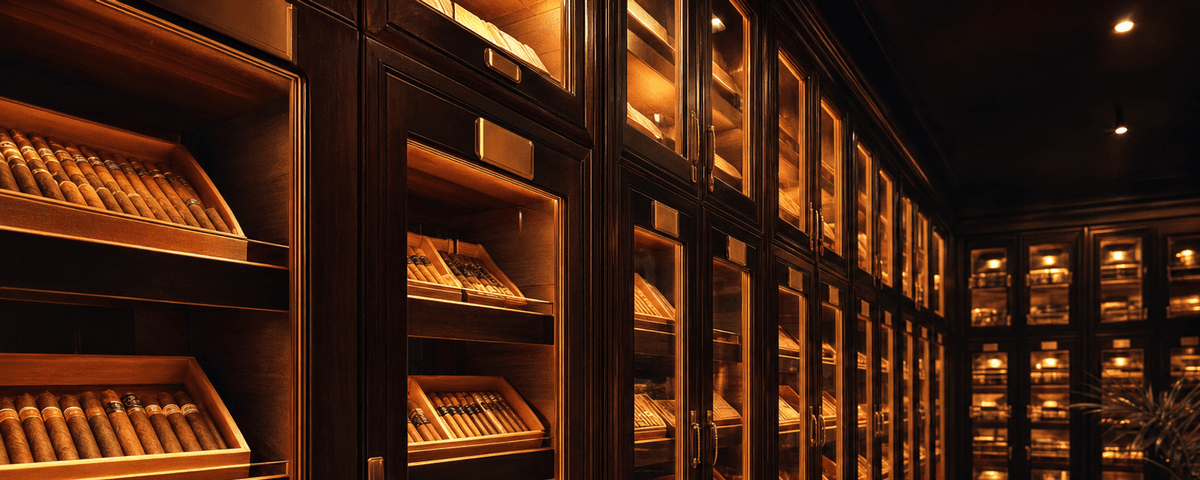
33 座 24 小時恆溫恆濕醇化室
W Cigar Bar 提供的會員醇化空間 · 場地資訊請洽編輯部
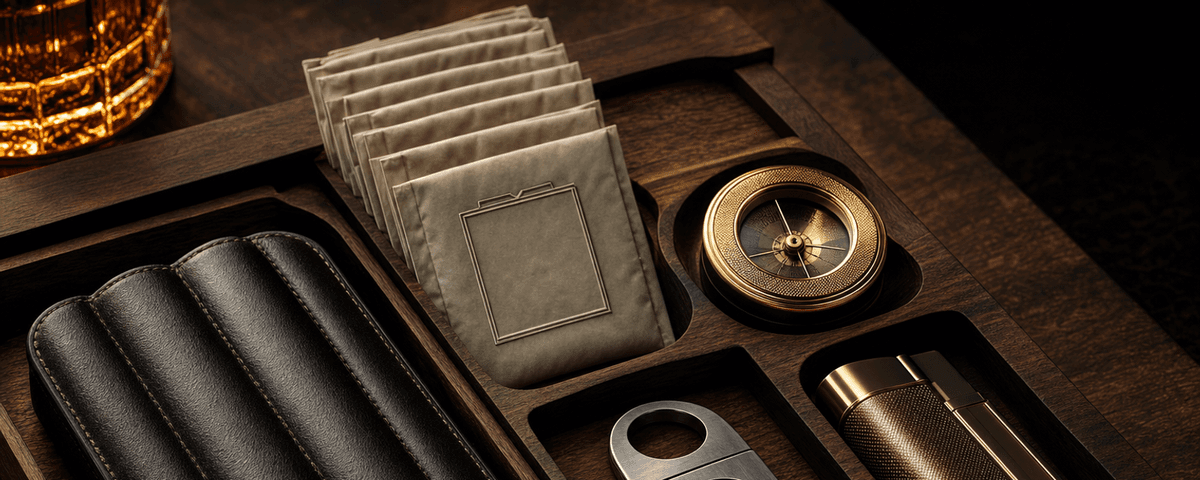
雪茄剪 / 打火機 / 雪茄盒 / Boveda
W Cigar 配件官網 · 專營雪茄配件正品
加 LINE 好友 · 文化諮詢
文化空間資訊 · 紳士沙龍 · 私人包場
本網站內容僅供雪茄文化、歷史、收藏與品吸知識研究參考。菸品有害健康、未滿法定年齡者請勿吸菸。實際規範請依所在地法律為準。
吸菸有害健康・戒菸專線 0800-636363・本站僅供 20 歲以上成年人閱覽。
讀到這裡,你不只是路過的人
留下 Email,加入 W 雪茄聖經內圈——總編輯 Wilson Tsai 親選的學院深文與國際新訊,先你一步送到信箱。
· 教育用途非銷售 · 隨時一鍵退訂 · Email 絕不對外公開 · 由勝茄股份有限公司營運
同分類延伸閱讀

資料來源:W Cigar Bible 編輯部整理 · 雪茄王子 Wilson Tsai 親自審稿
本文僅供雪茄文化、歷史、收藏與品鑑知識研究,不作為菸品促銷、銷售或購買建議。吸菸有害健康,未滿二十歲不得吸菸。