雪茄與茶的完美配對藝術:風味的深度探索
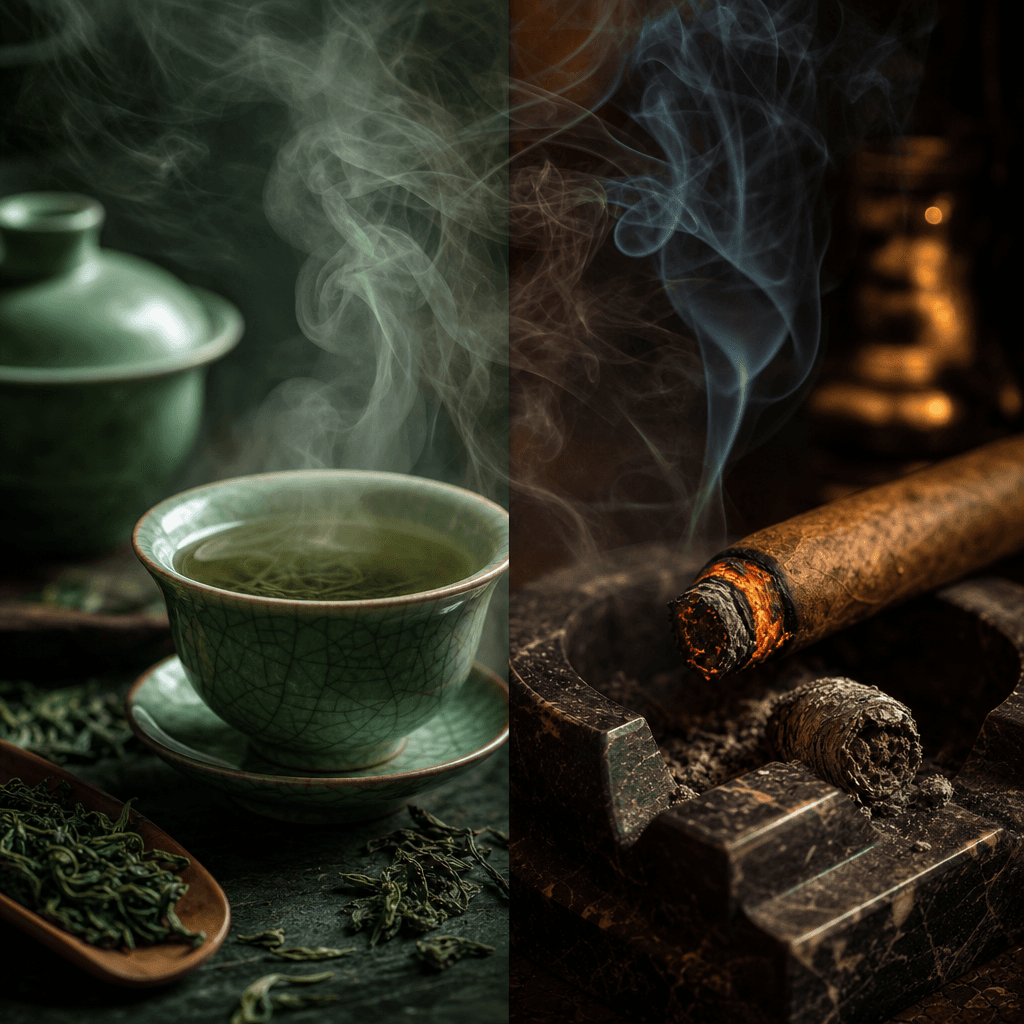
雪茄與茶的搭配是一門藝術,透過調和溫度、澀度及香氣分子,能夠提升品味體驗。不同類型的茶,如綠茶、紅茶、白茶及烏龍茶,各自擁有獨特的風味特徵,能夠與雪茄的層次相輔相成。綠茶適合清新雪茄,紅茶則能承接中高濃度的風味,而白茶則強調細膩的留白技巧。烏龍茶則因其多樣性,能靈活搭配各種雪茄。透過合理的配對,茶不僅是伴隨,更是增添雪茄風味的「第二支筆」。
- 雪茄的風味由燃燒速度、油脂與發酵深度共同構成,茶能在不同段落增強其層次。
- 綠茶適合搭配清淡雪茄,需控制澀感以避免相互拉扯,保持味道的平衡。
- 烏龍茶的焙火程度影響其風味,輕焙火放大花果香,重焙火則呼應可可與皮革。
Smoking is harmful to health. Persons under twenty years of age must not smoke. Smoking cessation hotline: 0800-636363. This article is provided solely as a reference on cigar culture, storage, and regulatory knowledge for adults aged twenty and above; it is not tobacco advertising, promotion, or purchasing advice.
What is truly fascinating about pairing cigars with tea is not "putting two refined pursuits together", but finding order among temperature, astringency, sweetness, oils, and aroma molecules. Cigars offer notes of wood, leather, cocoa, nuts, spices, and earth; tea contains catechins, theanine, roasted aromas, floral notes, honeyed aromas, and minerality. If a beginner already understands basic cutting, lighting, puffing, exhaling, and rhythm, the next step is learning how to use tea to magnify the layers of a cigar, rather than letting the tea rinse the palate completely clean. Taking adults aged 20 and above as the premise, this article discusses a repeatable pairing method, from green tea, black tea, white tea, and oolong to pu-erh.
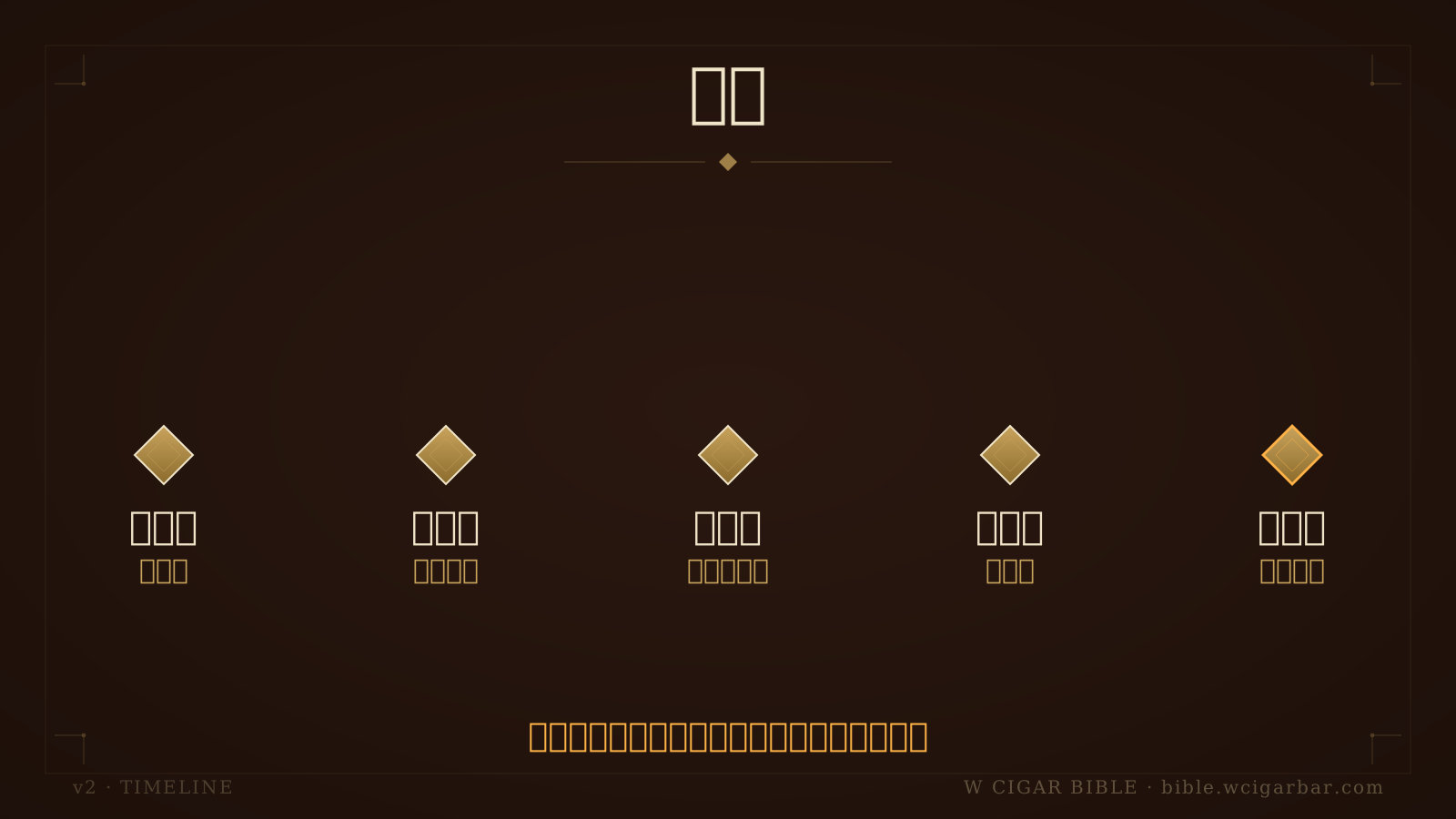
流程圖依序呈現選茄體、配茶性、控茶溫、分三段與寫筆記
Why Tea Can Become the Cigar's "Second Pen"
A cigar's flavor is not a single-point explosion, but a long essay written together by burn speed, wrapper oils, filler-leaf proportions, and fermentation depth. Tea is suitable for pairing with cigars because it does not occupy the mouth with alcohol as spirits often do, nor does it cover details with roasted bitterness as coffee easily can. Looking at many regular sizes from Cuban brands after 2014, such as Montecristo No.2, Partagás Serie D No.4, and H. Upmann Magnum 46, the first third often shows grain, wood, or nuts; the middle begins to reveal pepper, cocoa, and leather; and the final third often has caramelization and minerality. Tea can play different roles across these three stages: in the first third, a low-astringency liquor lays the foundation; in the middle, aroma echoes the cigar; and in the final third, cleansing the mouth helps prevent bitterness and pungency from accumulating. In 2019, I organized blind-tasting notes from 30 cigar-and-tea combinations and found that "tea temperature of 55 to 65°C" affected pairing stability more than "how expensive the tea was"; if it is too hot, it amplifies the cigar's spice, while if it is too cold, the oil residue becomes heavier. If tea is treated as a second pen, it does not rewrite the cigar, but adds annotations along the edges of the original flavor, allowing you to read more details.
Green Tea: Using Clean Sweetness and Freshness for Light to Medium-Bodied Cigars
Green tea suits cigars with a cleaner body and first-third notes of grass, grain, almond, and cream, but the brewing concentration must be controlled carefully. Taking 西湖龍井 as an example, the bean aroma, chestnut aroma, and tender sweetness commonly found in 2021 pre-Qingming Longjing, brewed at 80°C with a tea-to-water ratio of 1:50 and an infusion of 60 to 75 seconds, can pair with a creamy, woody cigar such as Hoyo de Monterrey Epicure No.2, making the first-third hazelnut and light honey notes cleaner. If using Japanese sencha, such as 2020 Shizuoka deep-steamed sencha, its umami and nori character are stronger, so it is not suitable for pairing with a Nicaraguan puro that is spicy and heavy in the final third; otherwise, a metallic conflict may appear. The key to green tea is that "astringency must not exceed the cigar's woodiness"; otherwise, the two will pull against each other. Beginners can use a rhythm of 3 sips of tea to 5 to 7 puffs of the cigar: in the first 1/3, drink a small sip every 3 minutes to let the tea liquor clean the tongue; in the middle, reduce the frequency to avoid washing away the cigar's oil layer; in the final third, when spice rises, use warm tea briefly to reset the palate. Green tea is not meant to make the cigar lighter, but to prevent palate fatigue from swallowing the details of a light-bodied cigar.
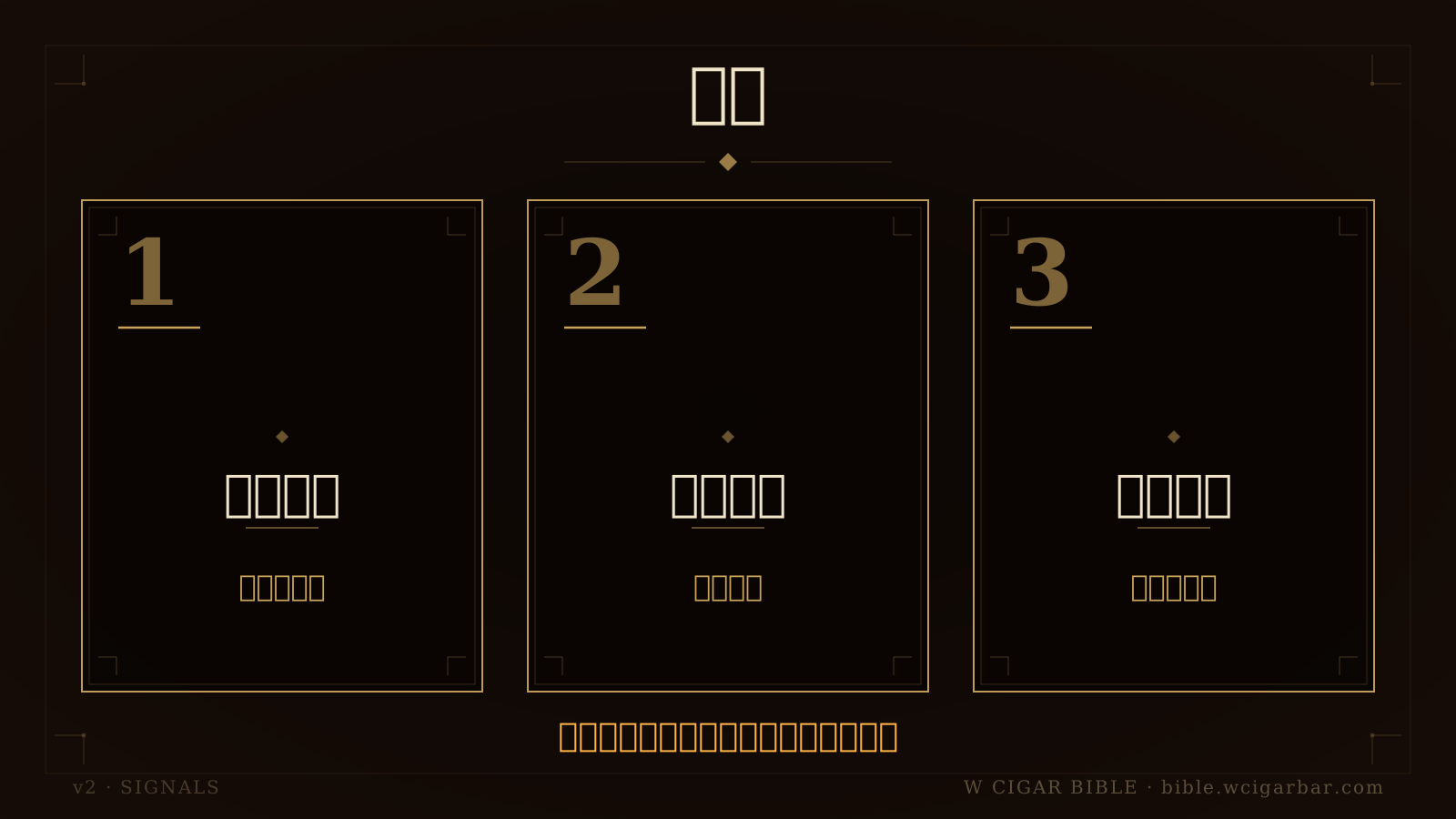
三張重點卡說明茶溫、澀度與分段小口的配對原則
Black Tea: Using Honeyed Aroma, Malt, and Dried-Fruit Notes to Support Medium to Medium-Full Cigars
Black tea has a high degree of oxidation, with aromas ranging from malt, ripe fruit, and honey to cocoa, making it especially suitable for medium to medium-full cigars. Taking Indian Assam second flush as an example, many estate teas from 2022 show clear maltose, brown sugar, and a substantial tea body. If brewed at 90 to 95°C, with 2.5 grams of tea to 150 milliliters of water and an infusion of around 2 minutes, it can pair with the pepper, leather, and toasted bread notes of Partagás Serie D No.4. If it is Darjeeling 2018 second flush, with muscat grape and nectar tones, it is better suited to the elegant direction of Romeo y Julieta Wide Churchills or Davidoff Grand Cru No.2. The advantage of black tea is that the body of the liquor is sufficient to support the oils left after the cigar burns, so it will not be overwhelmed like a light green tea; the drawback is that if brewed too strong, tannins will overlap with the bitterness of the cigar's final third. My approach is to divide black tea into two scenarios: "no sugar, no milk" and "a small amount of fresh milk". Drinking it plain is suitable for observing the cigar's spices and wood; adding milk can soften pungency, but it will obscure some leather and earthy notes. If you want to practice precise recording, you can write down, for the first, middle, and final thirds, the shared aromas after the tea has been in the mouth for 5 seconds and after the cigar's finish has lingered for 20 seconds. Usually, black tea most easily draws out the cigar's dried-fruit and caramel lines.
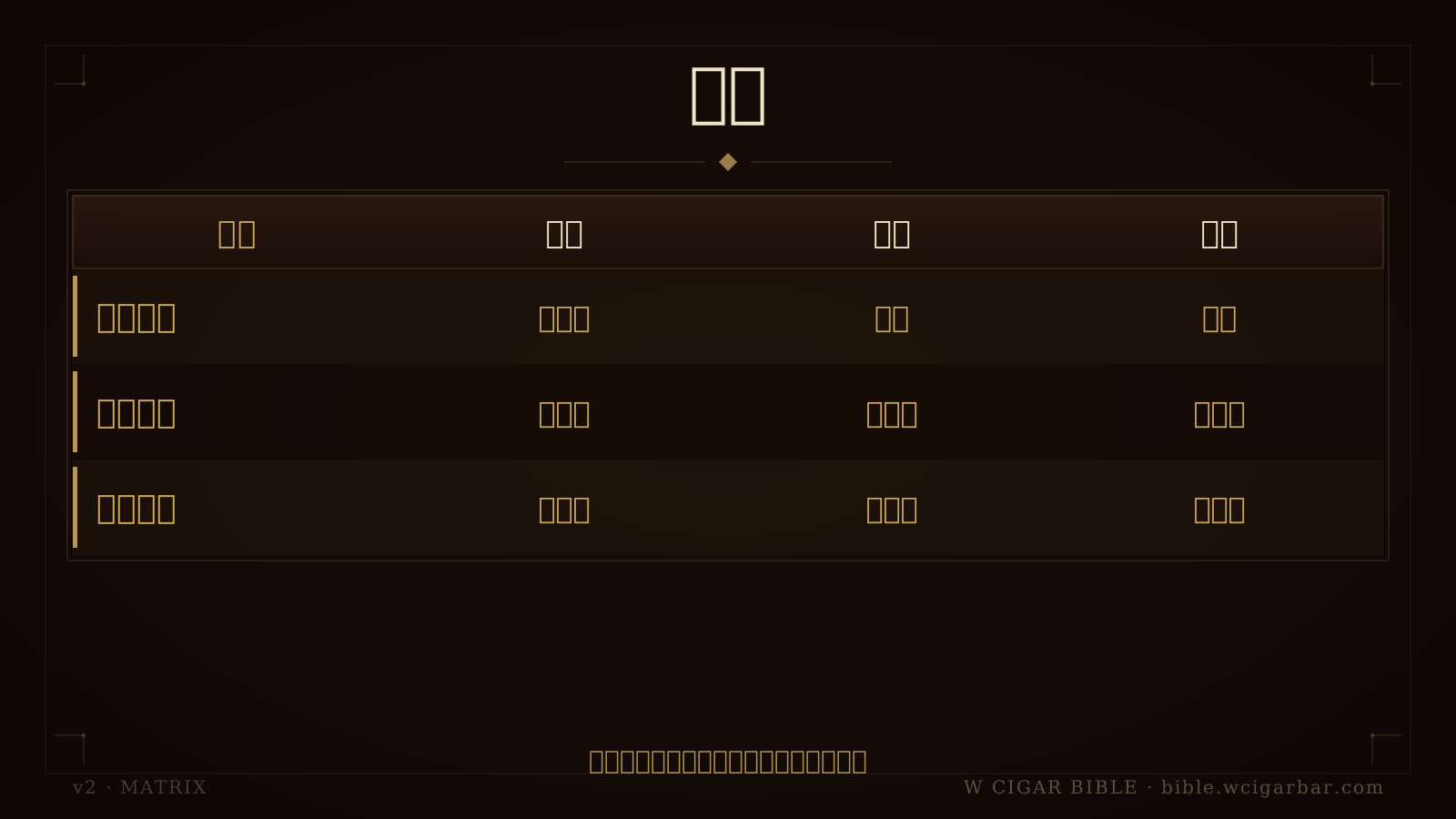
比較矩陣列出綠茶、紅茶與普洱在茄體、作用和風險上的差異
White Tea and Delicate Cigars: Not Lightness, but the Technique of Leaving Space
White tea is often misunderstood as "very light in flavor". In fact, good 白毫銀針, Bai Mudan, and Shoumei focus on downy aroma, honeyed resonance, dried grass, floral fragrance, and gentle sweetness. After several years of aging, 2017 福鼎白牡丹 often shows dried flowers, jujube skin, honey water, and faint herbal notes. If brewed with water around 90°C and a quick infusion of 20 to 30 seconds, it can pair with H. Upmann Half Corona or Por Larrañaga Petit Coronas, allowing small-format cigars not to seem thin merely because they burn quickly. White tea is suitable for training "leaving space": do not rush to fill the cigar with strong tea aroma, but let the two slowly overlap in the rear nasal cavity. Taking one set of notes I made in 2020 as an example, an H. Upmann Magnum 46 in a well-aged condition, when paired with Bai Mudan during the first 15 minutes, showed especially clear cream, dried grass, and almond shell; after entering the middle third, switching to black tea instead made it seem too heavy, while white tea preserved its delicate woodiness. White tea liquor can be warmer than green tea, but the concentration should be light, and it is especially unsuitable to steep for too long, which brings out stuffy sweetness and coarse astringency. For beginners, the best practice with white tea is not to pursue stimulation, but to learn to distinguish between "delicate" and "thin": delicate means the layers speak softly, while thin means there is no content; a good pairing makes even a quiet voice worth hearing.
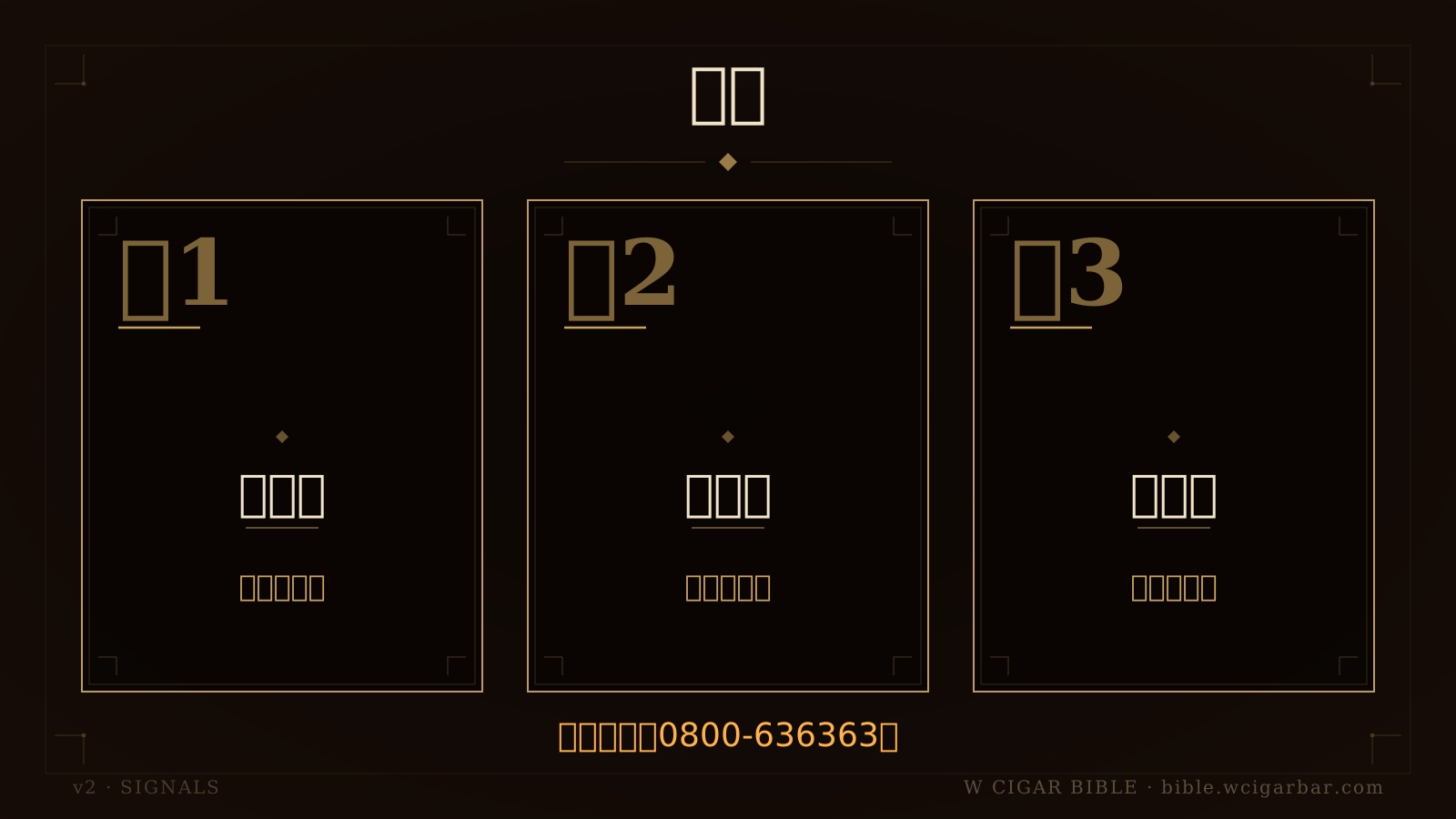
三張錯誤卡提醒茶太濃、吸太快與記錄不足會影響體驗
Oolong Tea: A Bridge of Roasting, Floral Aroma, and Minerality
Oolong tea is the most flexible category in cigar pairing because it spans lightly fragrant styles, high-mountain styles, rock-tea styles, and heavily roasted styles. Taiwan 2019 年冬茶 阿里山高山烏龍, if lightly oxidized and lightly roasted, often has pear aroma, orchid, milky aroma, and clean sweetness, making it suitable for cigars below medium body with delicate aromas, such as Cohiba Siglo II or Trinidad Reyes. If it is 武夷岩茶, such as Shuixian or Rougui from around 2016, with charcoal roasting, cinnamon, rock resonance, and minerality, it can support the substantial wood and spices of Bolivar Royal Coronas or Arturo Fuente Don Carlos. The core of oolong lies in the "degree of roasting": light roasting amplifies floral and fruity aromas, while heavy roasting echoes cocoa, roasted nuts, and leather. For brewing, I recommend using a small teapot or gaiwan. The tea-to-water ratio can reach 1:20, with the first infusion poured out within 20 seconds, and each subsequent infusion increased by 5 to 10 seconds; this allows you to track flavor changes infusion by infusion during a cigar that lasts 45 to 70 minutes. When paired with large-format cigars of 54 ring gauge or above, oolong withstands oil pressure better than green tea and has slightly less tannin conflict than black tea. Beginners can regard oolong as a bridge: when you are not sure whether a cigar should be paired with a refreshing or full-bodied tea, first judge the wrapper's oil sheen and the spice level in the first third, then choose a lightly fragrant or roasted oolong.
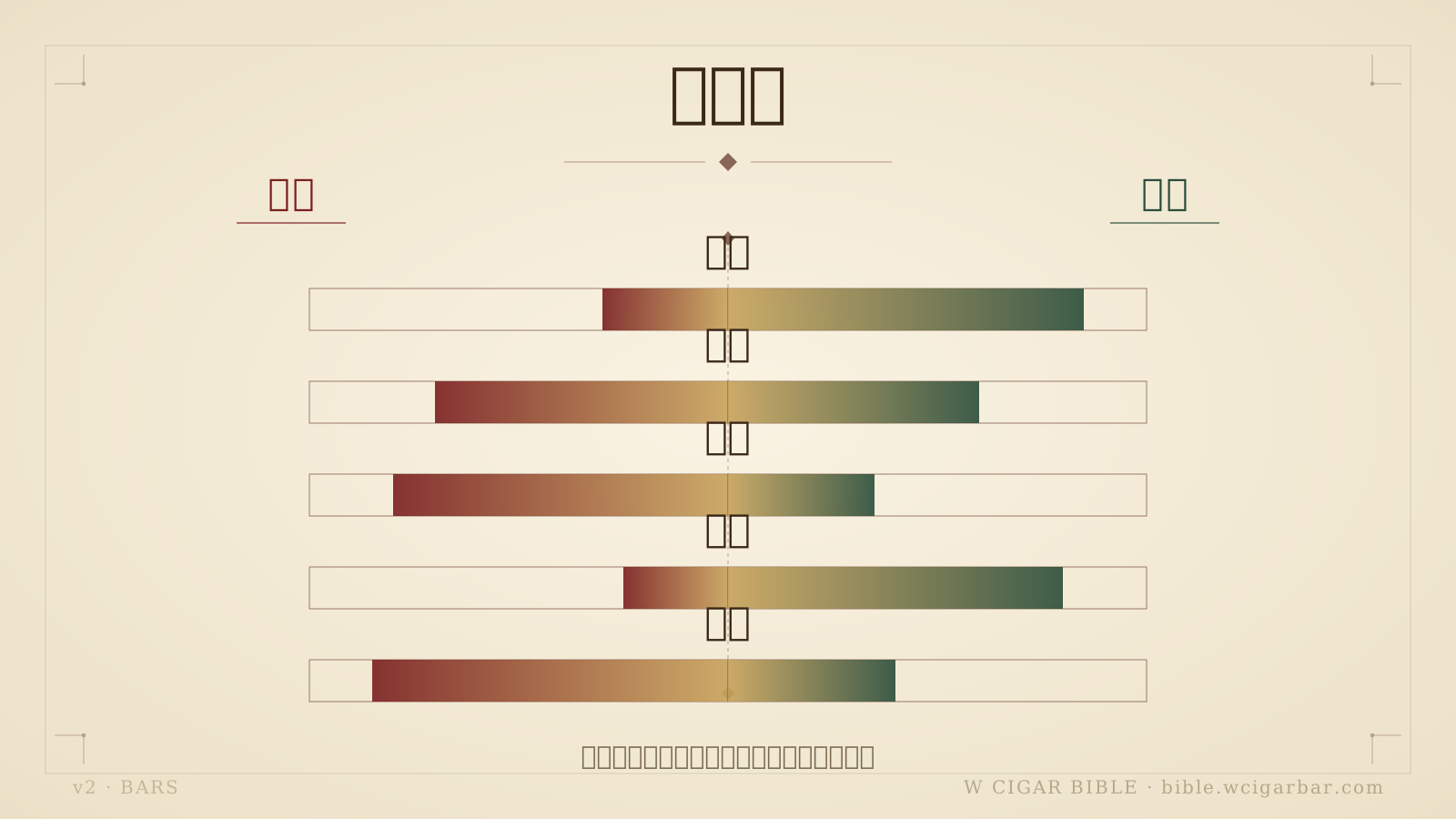
長條圖比較淡泡與濃泡在澀度清口和穩定度差異
Quick Pairing Reference: From Cigar Body and Tea Temperature to Flavor Goals
When building pairing logic, the most practical method is not to memorize that "a certain cigar can only go with a certain tea", but to cross-reference cigar body strength, aroma direction, tea-liquor body, and temperature. The table below is the version I commonly used after organizing course notes and personal records from 2018 to 2023. The numbers are not absolute rules, but provide beginners with a stable starting point. For cigars with smaller ring gauges and faster burn rates, the tea should be gentler; for cigars with larger ring gauges and heavier oils, the tea liquor needs more support. If the year marked on the cigar box is earlier, the storage has been good, and there is already a rounded sense from aging, pairing can use less high-astringency tea, to avoid damaging the delicate finish.
| Cigar style | Example | Recommended tea | Tea temperature | Flavor goal |
|---|---|---|---|---|
| Light to medium, creamy wood | Hoyo Epicure No.2 | Longjing, Bai Mudan | 80-90°C | Amplify nuts, honey, and dried grass |
| Medium, floral aroma and grain | Trinidad Reyes | High-mountain oolong, Darjeeling | 85-92°C | Extend floral-fruity aroma and light sweetness |
| Medium-full, pepper and leather | Partagás D4 | Assam, rock tea | 90-95°C | Support spices and toasted bread |
| Full, cocoa and earth | Bolivar Royal Coronas | Ripe pu-erh, heavily roasted oolong | 92-96°C | Soften bitterness and pungency in the final third |
| Delicate aged character | H. Upmann Magnum 46 | White tea, lightly roasted oolong | 88-92°C | Preserve the woody and creamy finish |
Sequence of Appreciation and Etiquette: Keeping Both Tea and Cigar in Good Form
When tea and cigars share the same table, the core of etiquette is rhythm and space. First, smell the dry tea and the cigar wrapper, but do not place the cigar close to the tea canister and inhale deeply, as oils and smoke will interfere with the tea aroma. Second, drink a small sip of warm water first, then sip tea, then begin the cigar, giving the palate a baseline. After lighting, do not rush to pair with tea during the first 5 minutes, because the cigar's burn has just stabilized; cleansing the mouth with tea too early will cause you to miss the finest grain and wood signals in the opening. Third, the ash column can be kept at around 1.5 to 2.5 centimeters before being gently tapped off; there is no need to ash frequently. Frequent movement causes fluctuations in burn temperature, bringing bitterness forward. Fourth, the teacup capacity should not be too large; 40 to 80 milliliters is best for controlling temperature. If a 250-milliliter cup of black tea is left until the latter stage, the drop in temperature may instead bring coarse astringency. In 2015, I once observed a small private note-taking practice. Two participants both used Montecristo Edmundo; one drank large mouthfuls of black tea every 2 minutes, while the other sipped small amounts every 6 minutes. After 25 minutes, the former could only describe "bitter, spicy, tea taste", while the latter recorded four layers: cocoa, roasted almond, dry wood, and orange peel. Etiquette is not a performance; it is about preventing the body and senses from being overstimulated, while also allowing others to maintain a comfortable distance.
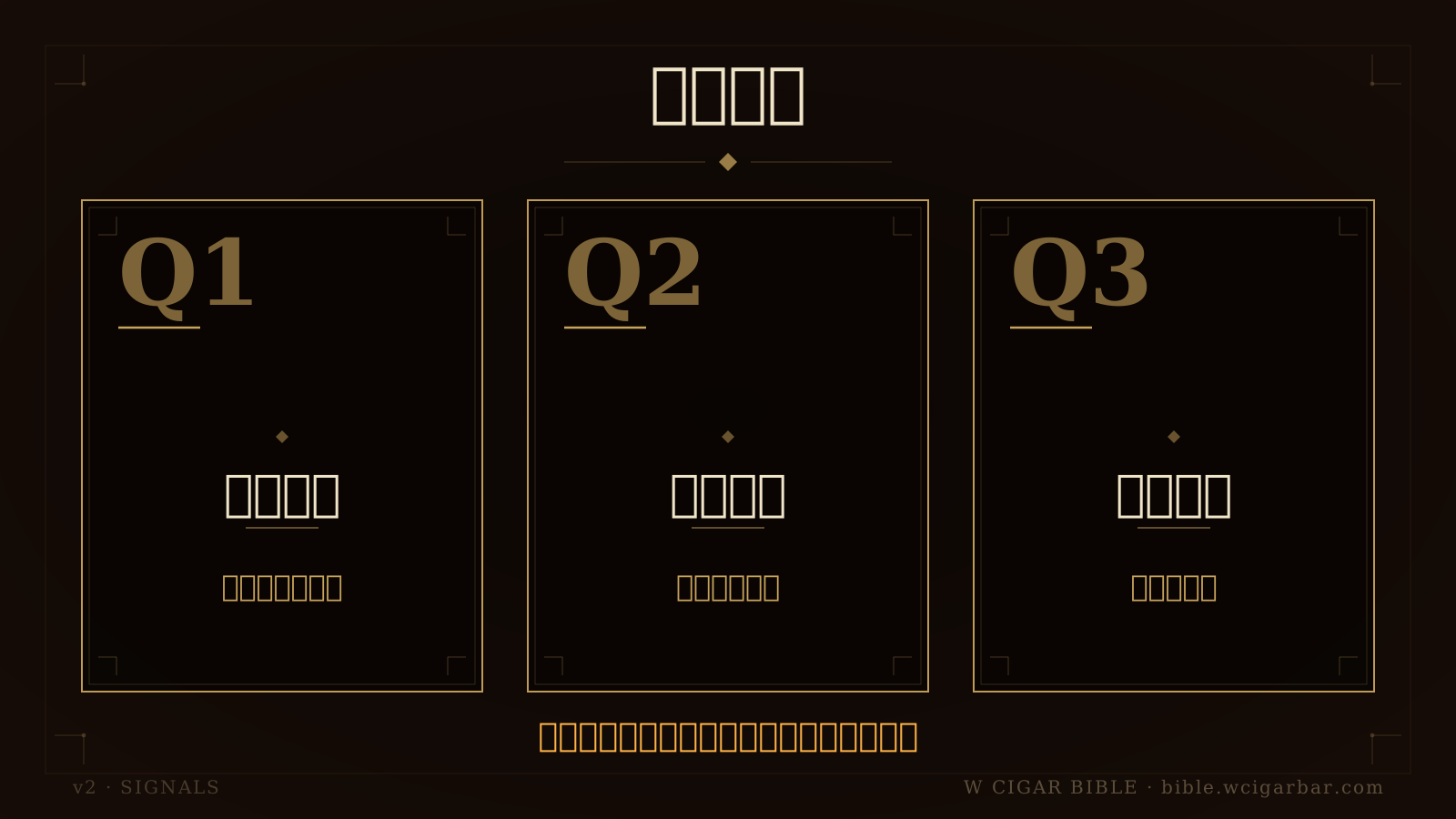
三張問答卡回答新手首配冰茶與普洱適用情境
Common Mistakes: Tea Too Strong, Cigar Too Fast, Notes Too Sparse
The first mistake beginners most often make is brewing tea as strongly as they would for evaluating the tea on its own. A cigar already has bitterness, pungent spice, and oils after combustion; if tea is added with high-concentration tannins, the root of the tongue can easily become fatigued. The second mistake is puffing too frequently in pursuit of smoke volume. One puff every 45 to 75 seconds is sufficient for a cigar; if you take a puff every 20 seconds, the burn temperature rises, and no tea can rescue the charred bitterness. The third mistake is writing only three kinds of words: "smooth, strong, fragrant". I recommend preparing a 10-box note sheet to record time, tea type, tea temperature, cigar stage, entry, nasal cavity, finish, oral dryness, spice level, and whether you want to change tea. The fourth mistake is ignoring storage. If a cigar remains below 62% relative humidity for a long time, it will burn faster and its spice will become sharp; above 72%, it may become stuffy, plugged, and bitter. The same applies to tea: green tea fears heat and light, rock tea fears moisture, and white tea and pu-erh emphasize clean ventilation. If you put fresh 2022 Longjing in a transparent jar beside a window for three months, then use it to pair with a delicate cigar, the stale taste of the tea liquor will directly drag down the whole experience. Real progress comes from stabilizing variables: the same model of cigar, the same infusion of tea, the same length of time, repeated three times before making adjustments.
Common Questions
Q1: What is the safest first pairing for a beginner?
Start with a medium-light cigar and Bai Mudan or high-mountain oolong, such as a size with clear cream, wood, and nut notes, paired with a lightly brewed tea liquor at 88 to 92°C; the error rate is lower.
Q2: Can iced tea be used?
Yes, but it is not recommended as the main focus of practice. Iced tea reduces the mouth's sensitivity to sweetness and aroma, and may also make cigar oils feel heavier. If used, it is recommended to choose unsweetened tea, little ice, and small sips.
Q3: Is pu-erh suitable for all cigars?
No. The jujube aroma, woodiness, and earthiness of ripe pu-erh suit full-bodied cigars, but will overly suppress elegant floral cigars. If raw pu-erh is strongly bitter and astringent, it can also easily amplify spice.
Q4: Should tea be drunk before the cigar or after it?
At the beginning, drink tea before the cigar to establish the flavor baseline. In the middle, usually take a small sip of tea 10 to 20 seconds after the cigar and observe how the finish changes. In the final third, adjust according to the level of spice.
Q5: Is it necessary to pursue vintages or expensive brands?
There is no need to pursue price first. Well-stored white tea from 2019 may be cleaner than a very famous tea that has become damp; the same applies to cigars. Source, humidity, and burn condition are more important than the label.
Q6: Can sugar be added to tea?
During practice, it is not recommended. Sugar quickly raises sweetness and masks the cigar's own layers of honey, caramel, and dried fruit. If pairing with strong black tea, a small amount of fresh milk may be used, but the differences should still be recorded.
The perfect pairing of tea and cigars is not about memorizing answers, but about training the senses to become more honest. I have always believed that the best role of a cup of tea is to let the cigar speak more clearly, not to speak for it. Begin with the clarity of green tea, the softness of white tea, the body of black tea, and the bridge-like quality of oolong, and slowly build your own notes. You will find that what is truly fascinating about appreciation is learning, each time, more restraint, patience, and discernment. --Cigar Prince Wilson Tsai
Smoking is harmful to health. Persons under twenty years of age must not smoke. Smoking cessation hotline: 0800-636363. This article is provided solely as a reference on cigar culture, storage, and regulatory knowledge for adults aged twenty and above; it is not tobacco advertising, promotion, or purchasing advice.
Like this article?Share with friends
Share this W Cigar Bible piece with friends who want to learn cigar culture, storage, and tasting.
想把這篇 化為實踐
雪茄聖經是知識;雪茄文化要在空間裡發生
W Cigar Bar 大安總店資訊
台北大安區 · 雪茄聖經總編輯 Wilson Tsai 主理的雪茄文化空間
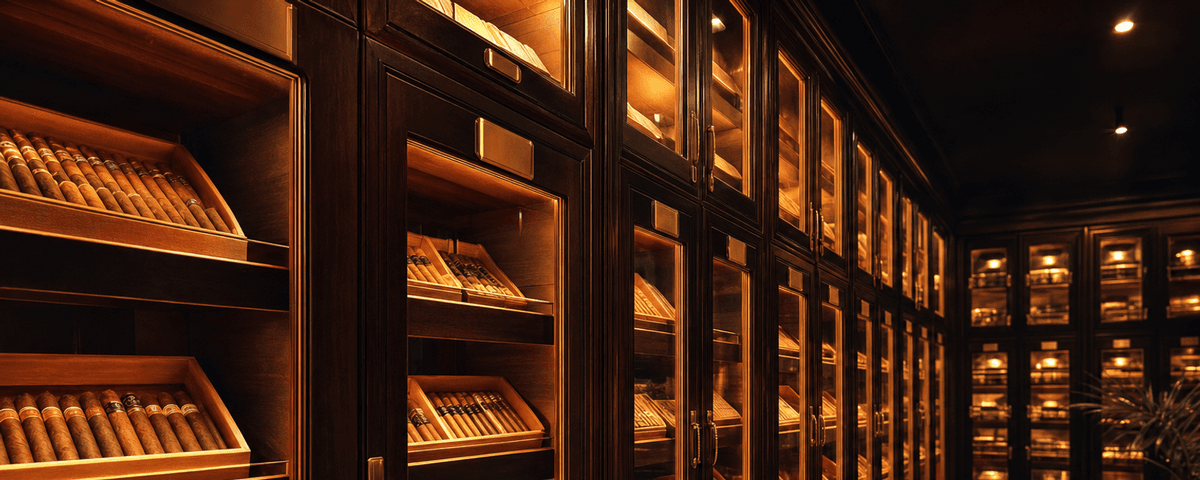
33 座 24 小時恆溫恆濕醇化室
W Cigar Bar 提供的會員醇化空間 · 場地資訊請洽編輯部
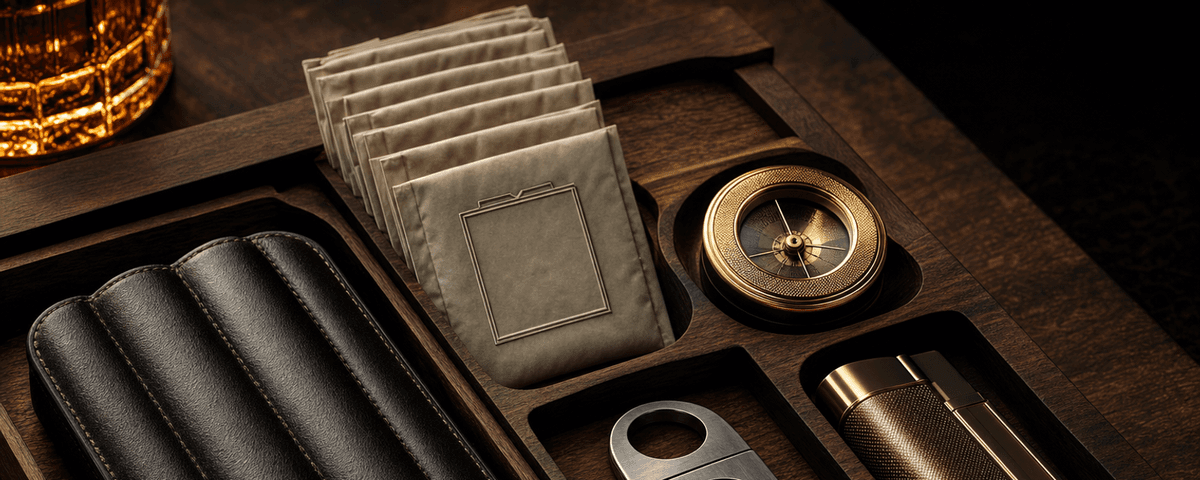
雪茄剪 / 打火機 / 雪茄盒 / Boveda
W Cigar 配件官網 · 專營雪茄配件正品
加 LINE 好友 · 文化諮詢
文化空間資訊 · 紳士沙龍 · 私人包場
本網站內容僅供雪茄文化、歷史、收藏與品吸知識研究參考。菸品有害健康、未滿法定年齡者請勿吸菸。實際規範請依所在地法律為準。
吸菸有害健康・戒菸專線 0800-636363・本站僅供 20 歲以上成年人閱覽。
讀到這裡,你不只是路過的人
留下 Email,加入 W 雪茄聖經內圈——總編輯 Wilson Tsai 親選的學院深文與國際新訊,先你一步送到信箱。
· 教育用途非銷售 · 隨時一鍵退訂 · Email 絕不對外公開 · 由勝茄股份有限公司營運
同分類延伸閱讀
資料來源:W Cigar Bible 編輯部整理 · 雪茄王子 Wilson Tsai 親自審稿
本文僅供雪茄文化、歷史、收藏與品鑑知識研究,不作為菸品促銷、銷售或購買建議。吸菸有害健康,未滿二十歲不得吸菸。