雪茄的年份與風味演變:如何解讀陳年雪茄的特性
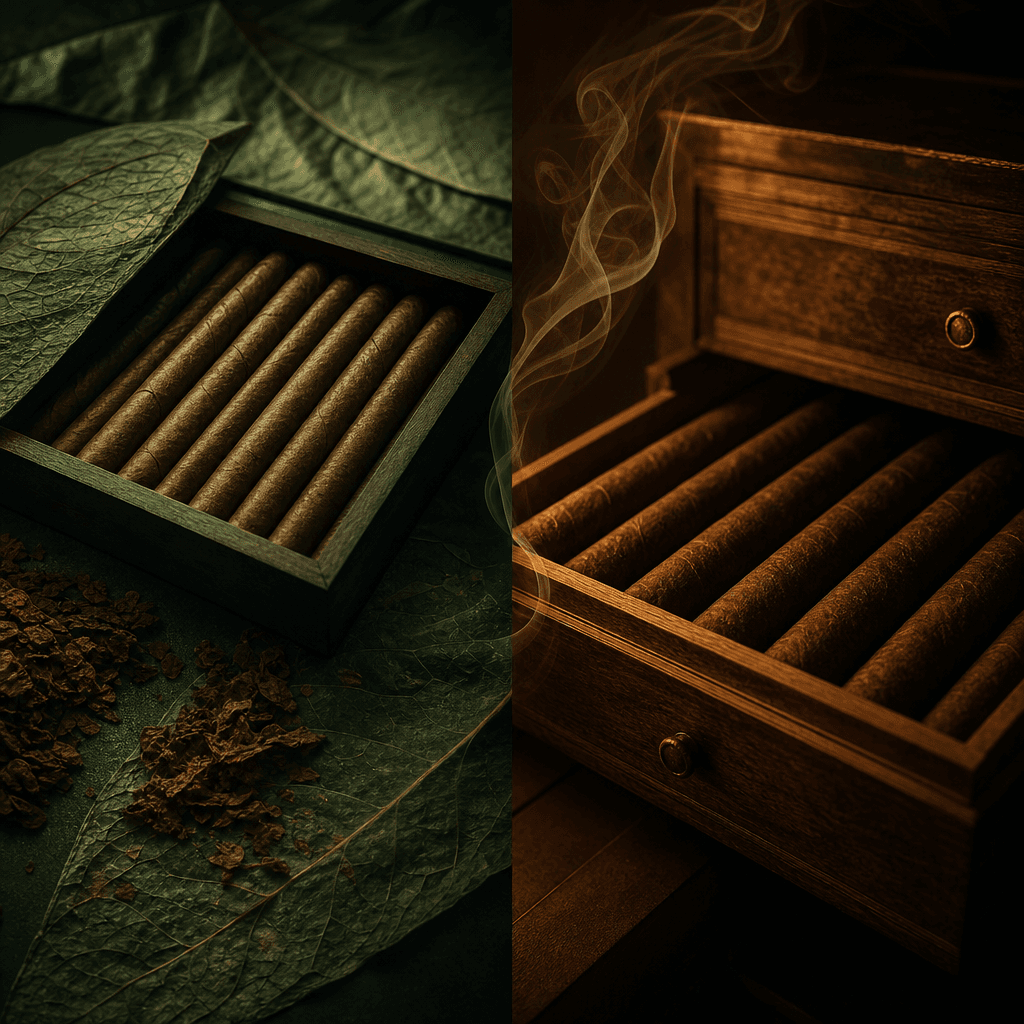
雪茄的年份不僅是盒底日期,更是一種風味語言,反映出菸葉的採收、發酵及捲製過程。老手需理解不同時間階段的變化,從新近盒期的生青與結構,到三至七年的平衡,再到八年以上的香氣細節,最後是十五年以上的風味考古。每個階段的評估重點各異,保存條件對雪茄的風味影響深遠。因此,解讀陳年雪茄需全面考量來源、盒況及保存歷程,而非僅依年份數字。
- 雪茄的年份不僅是盒底日期,而是菸葉採收、發酵、捲製後的綜合表現。
- 新近盒期的雪茄結構尚未收束,常帶有氨氣尾韻與辛辣感。
- 八年以上的雪茄,香氣的生命力與立體感是評估的關鍵,而非僅看年份。
The Vintage and Flavor Evolution of Cigars: How to Interpret the Characteristics of Aged Cigars
Talking about "vintage" in cigars is not just about memorizing the date on the box bottom. What seasoned enthusiasts truly need to understand is the continuous change in the tobacco leaves' harvest, fermentation, rolling, and aging in the box, as well as their performance when smoked ten or fifteen years later. Vintage is not a myth but a flavor language that can be observed, compared, and recorded.
As the editor of "Cigar Bible," I have seen significant differences in the same cigar across different box periods: some become mellow after three years, some open up in aroma after eight years, and some, past their peak, are left with only woody and flat sweet notes. This article discusses how to interpret aged cigars, not blindly worship old boxes.
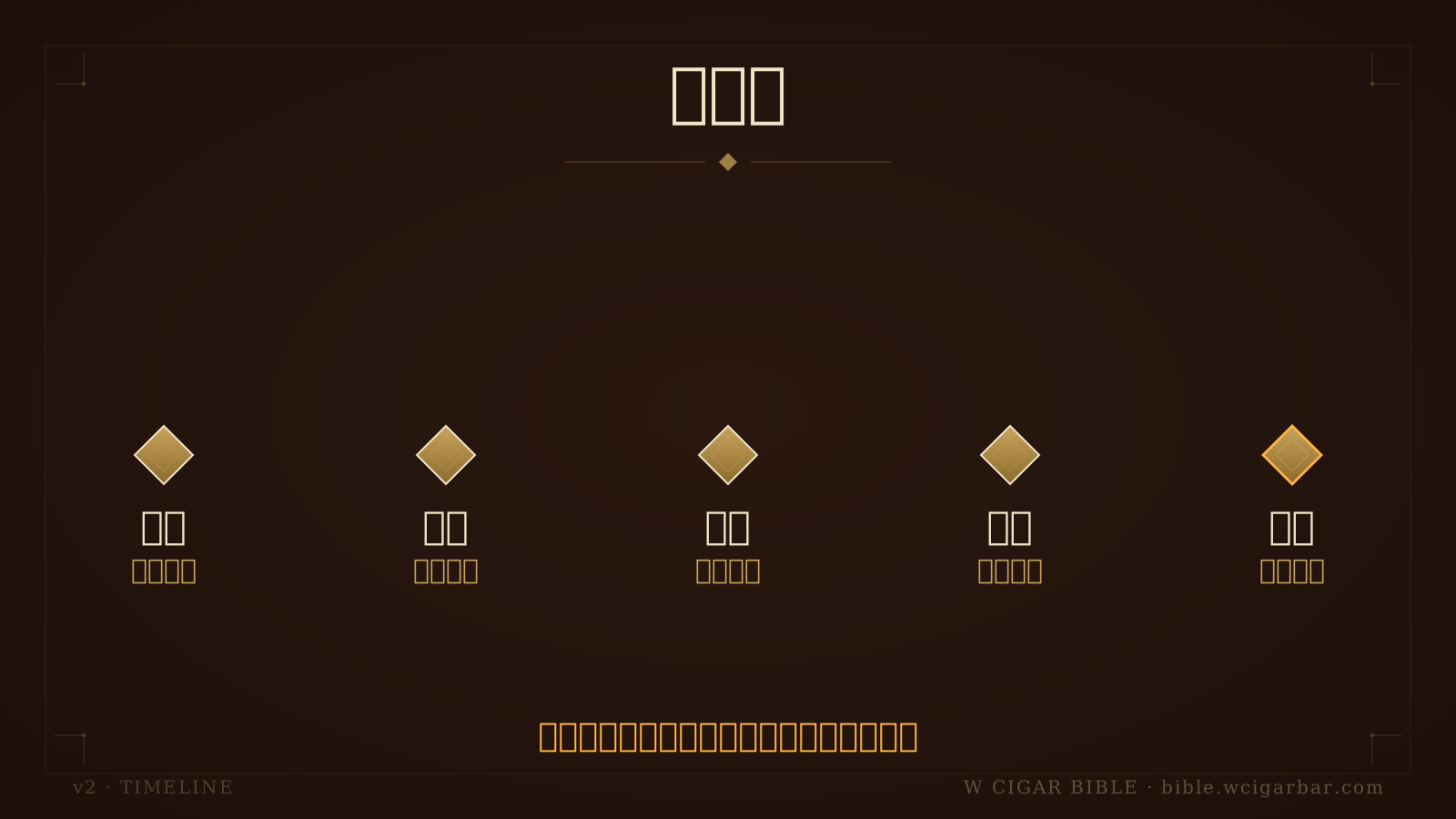
時間軸呈現雪茄從採收到品評記錄的熟成流程
Vintage is More Than Just the Date on the Box: Understanding Three Types of Time
When discussing aged cigars, the first thing to dissect is the term "vintage." The box bottom date, such as JUN 14 or SEP 18 on Cuban boxes, usually represents the month and year of boxing; however, the tobacco leaves may have been harvested years earlier, with fermentation and grading already completed. For brands from the Dominican Republic, Nicaragua, or Honduras, manufacturers sometimes actively label the harvest year of certain batches of tobacco leaves, such as the estate tobacco used in specific years for Arturo Fuente OpusX, which is not entirely synonymous with the box period.
The second type of time is the concept of "bottle aging" from rolling to opening the box. Taking Cohiba Siglo VI as an example, after its first release in 2003, early boxes often showed integration of honey, grass, cream, and delicate wood between five to eight years; however, if stored too dry, only cardboard flavor might remain after ten years. The box bottom date can only tell you the starting point, not directly guarantee the flavor endpoint.
The third type of time is the state change after opening the box. Many people overlook that once a box of 25 cigars is opened, humidity exchange, oxygen contact, and frequency of handling will rewrite the flavor. A 2012 H. Upmann Sir Winston stored in a sealed box and the same vintage but repeatedly opened and selected often present two different expressions. Reading vintage must simultaneously read the source, box condition, sealing, and storage trajectory.
0 to 3 Years: Green, Strength, and Structure Not Yet Settled
Cigars from recent box periods often have more pronounced ammonia tail notes, herbal, pepper, wet wood, spicy, and bitter tones. This is not a flaw but a structure not yet settled. For instance, in recent box periods of Partagás Serie D No.4, black pepper, leather, and caramel prototypes often coexist in the first two years, but when burned to the later stage, the spiciness easily overwhelms the sweetness, making the layers appear rough.
Non-Cuban cigars are the same. For example, Padrón 1964 Anniversary Maduro, although using more mature tobacco leaves before leaving the factory, often allows cocoa, coffee, and molasses to blend more after 12 to 24 months in the box. Works with a higher proportion of Nicaragua Ligero may have an attractive explosive power in the first year, but if pursuing a delicate tail note, more time is usually needed to sort out the edges.
This stage is most suitable for observing the "skeleton": whether the draw is stable, whether the burn line is normal, and whether the aroma has potential. If a young cigar only has stimulation, hollowness, and tongue-prickling without sweetness, oil, or core aroma, it may not become a masterpiece even after five years. Aging will amplify the original advantages and expose the original flaws; it is not a remedy.
My approach is to sample two cigars from the same box: one recorded within three months of acquisition, and the other compared after at least 18 months. The recording items include humidity, draw, performance in the first third and final stage, ash color, and burn temperature. This is much more reliable than relying on impressions alone and can also reveal whether a brand is suitable for long-term collection.
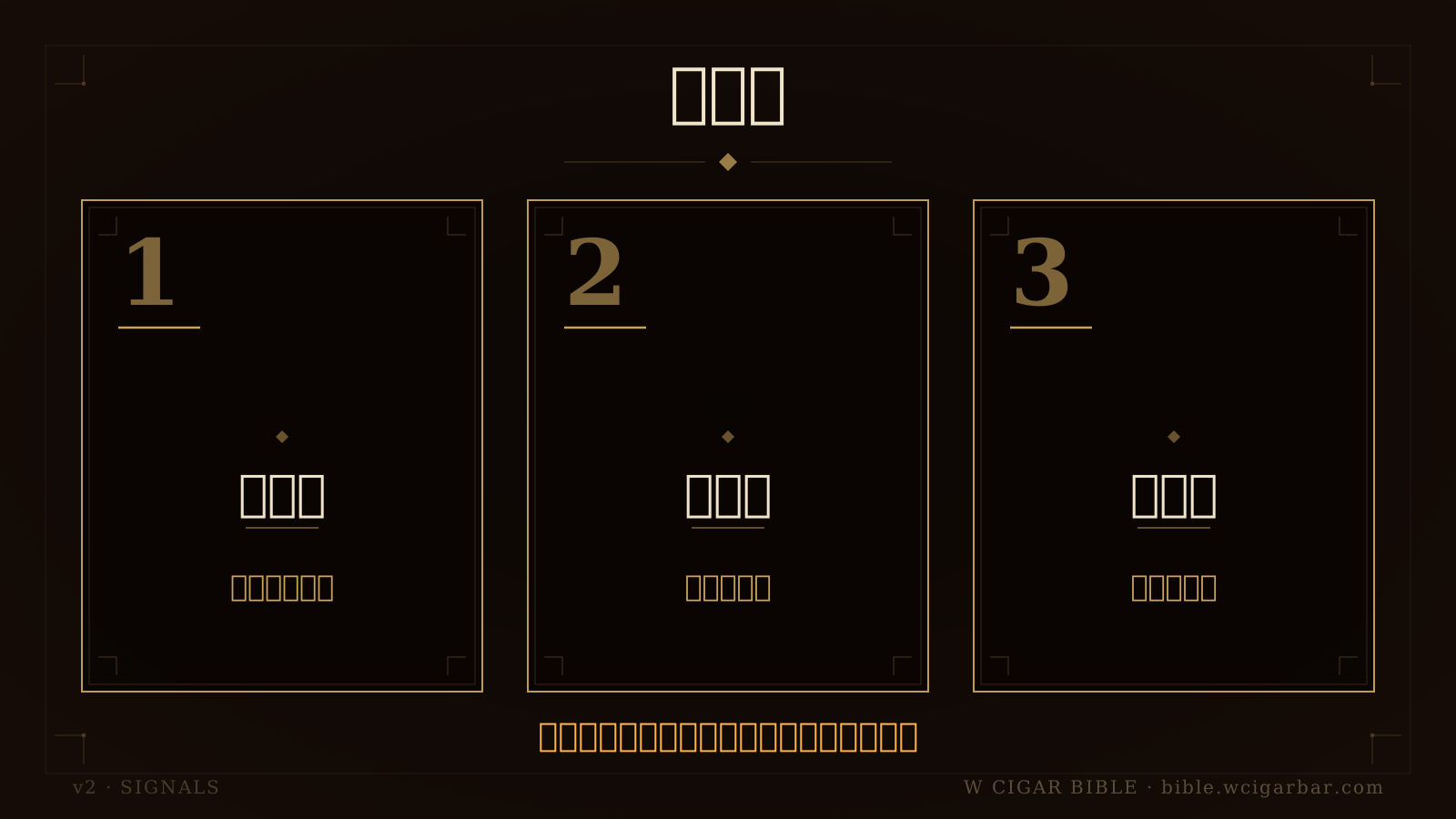
三張卡片列出判讀年份時需看時間保存與記錄
3 to 7 Years: The First Golden Window for Most High-Quality Cigars
Three to seven years is the stage when many high-quality cigars begin to enter balance. The spiciness decreases, sweetness and woodiness converge towards the center, and the smoke texture becomes softer. For example, Montecristo No.2 from 2016 to 2018, in good box condition, often shows roasted almonds, cream, cocoa powder, and a hint of citrus peel around five years, and the concentration of the torpedo head's front segment is easier to display.
If Ramón Allones Specially Selected is well-preserved, black cherry, molasses, wet earth, and cinnamon tones will be rounder three to five years later than when young. This one originally has a full sweet feeling, short storage seems aggressive, but when stored to the appropriate window, it is like turning the volume down a notch, but the details become clear. Three to seven years is not about getting older, but a key interval for many brands to transition from strength to balance.
Different brands have different speeds. Hoyo de Monterrey Double Coronas, a milder and more delicate aroma cigar, often unfolds quite well after three years; Bolívar Belicosos Finos may only integrate earth, leather, and dark sweetness well after five to seven years. Judging all brands by the same standard can easily miss each one's best curve.
The evaluation focus at this stage is "integration." If the first third, middle, and final stages still seem like three different cigars, it means it is still transitioning; if the aroma mainline is coherent, only the concentration gradually deepens, it indicates entering maturity. Experienced enthusiasts can test with 65% to 68% relative humidity, usually revealing more details than a high-humidity environment.
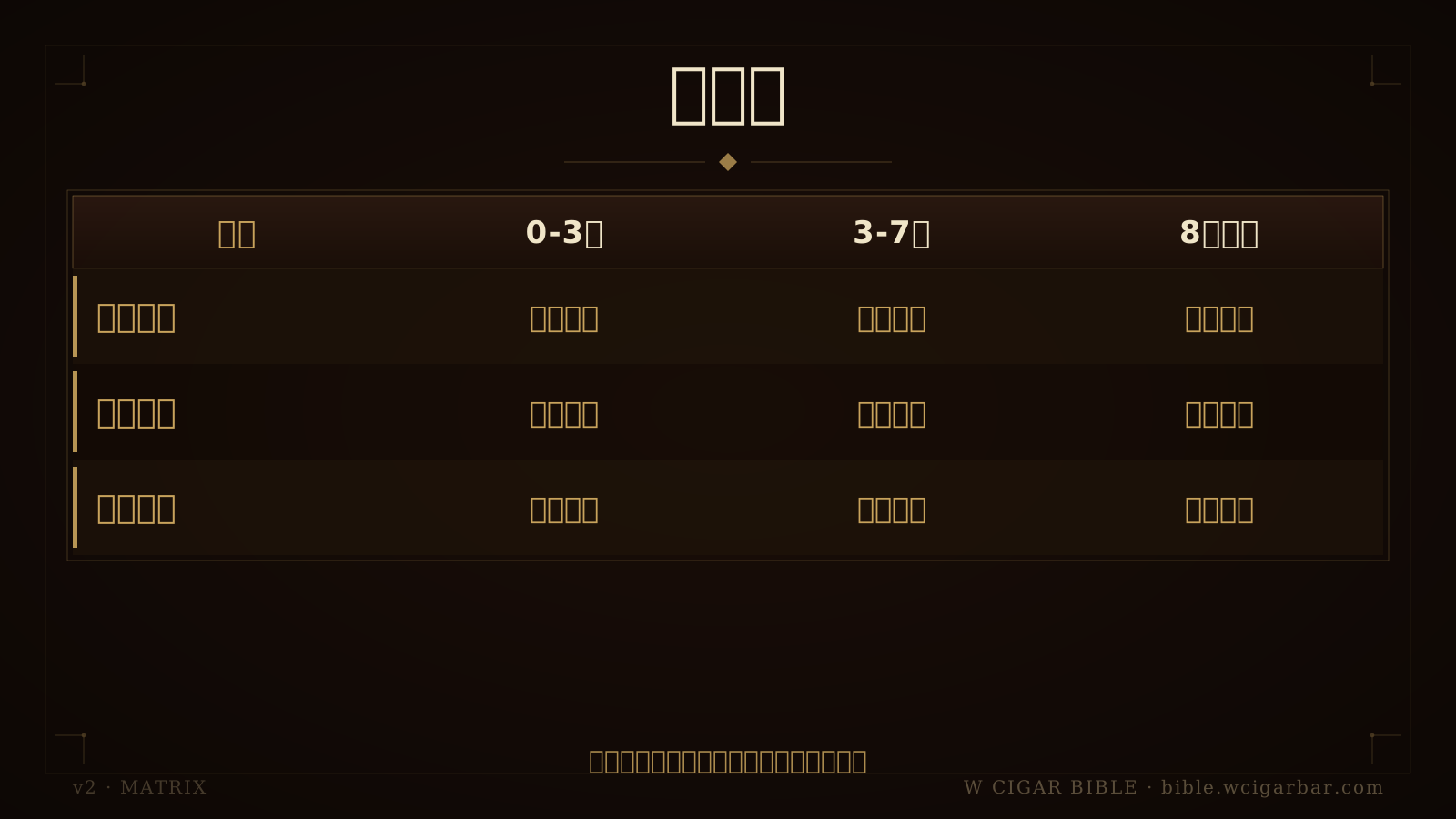
矩陣比較零到三年三到七年與八年以上的差異
8 to 15 Years: Aroma Turns to Details, Preservation Differences Are Magnified
For cigars over eight years old, the real difference is often not the brand name but the preservation. Partagás 8-9-8 Varnished from around 2008, if kept in a stable 18 to 20°C, 65% to 67% relative humidity environment, may present old wood cabinets, dried plums, leather, aged tea, and soft spices; but if experienced high temperature and humidity, it may have moldy, stuffy sour, or poor combustion.
At this stage, the nicotine feeling usually becomes round, the smoke particles finer, but the aroma may start to go towards the lower register: cedar, mushrooms, old books, dried flowers, nut oil, aged Pu'er tea. A ten-year box of Cohiba Esplendidos, if excellently preserved, will turn grass and cream into beeswax, soybean flour, hay, and a faint mineral feel; ordinary preservation may leave only bland woodiness. From eight to fifteen years, it's not about "old," but whether the aroma still has vitality and dimensionality.
I pay special attention to two signals. First, whether there is still a clear aroma before lighting, rather than a single paper smell. Second, whether the sweetness is still present when burning to the middle. If the sweetness disappears, leaving only dry wood and ash, even if the vintage is beautiful, it may have passed its peak or been poorly preserved. An oily appearance is not the only criterion; an old cigar's wrapper becoming matte does not necessarily represent inferiority.
For some Cuban limited editions around 2010, the dark wrapper brought cocoa and spiciness back then, but if preserved too moist for over a decade, the burn will be heavy and bitter. Conversely, ordinary regular editions, if the box seal is intact and temperature and humidity stable, can instead run out clean and delicate old flavors. This is also why seasoned enthusiasts are fascinated by vintage: the answer is never just written on the label.
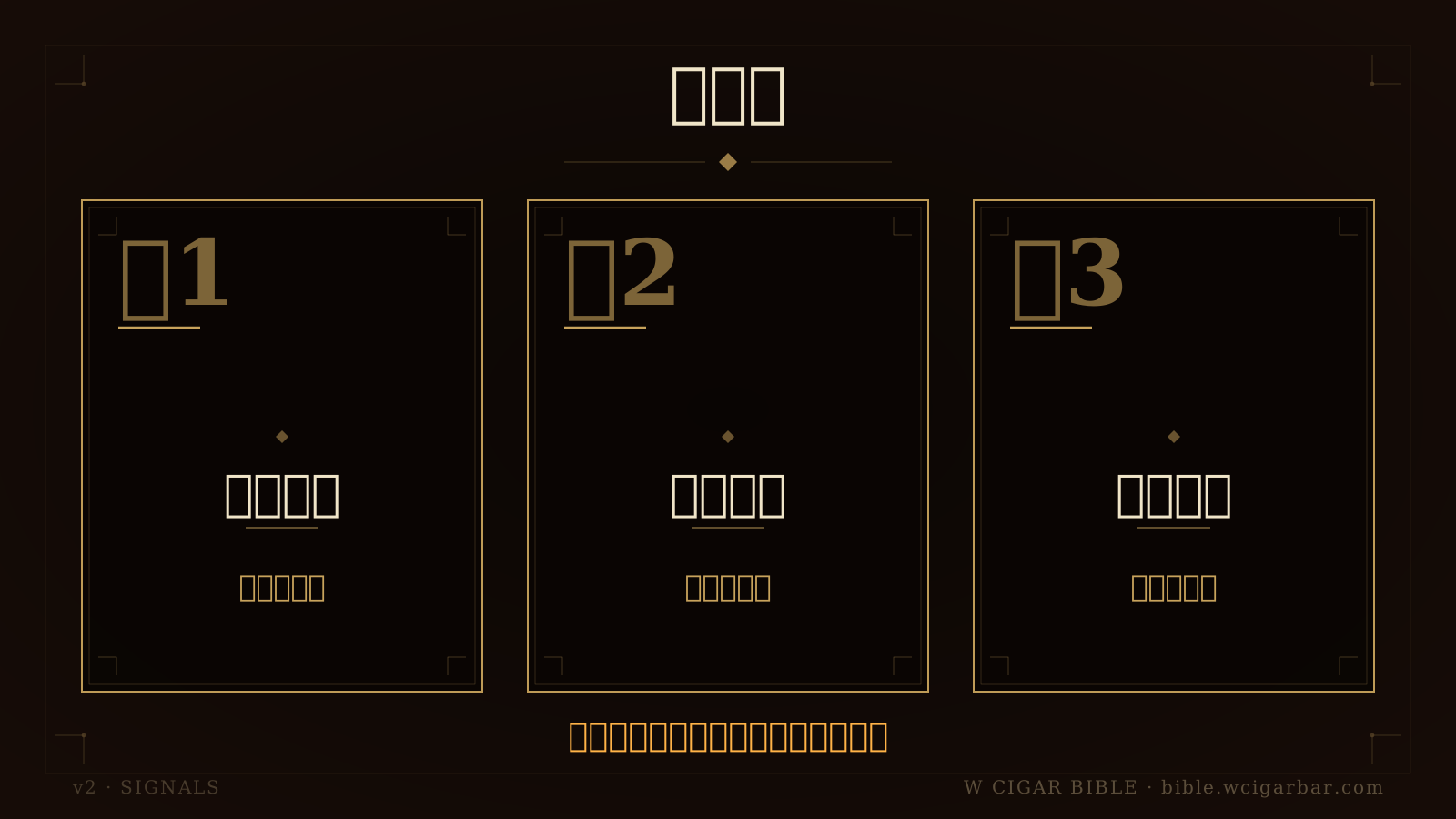
三張錯誤卡提醒越老越好只看盒期與固定濕度
Over 15 Years: Reading the Charm and Risks of Old Cigars Together
Cigars over fifteen years old enter the realm of flavor archaeology. At this time, strength, spiciness, and distinct sweetness mostly decline, replaced by waxiness, antique wood, herbs, minerals, dried flowers, mushrooms, old leather, and tea-like aftertaste. Cohiba Siglo VI from around 2003, H. Upmann from 1998 to 2001, some 1990s Punch or Saint Luis Rey, if preserved excellently, can indeed have an unforgettable delicacy.
But over fifteen years is also the easiest to misjudge. A beautiful box bottom and intact seal do not mean perfect internal conditions; long-term high temperatures will cause oil loss, too high humidity will cause internal stuffiness, and too low humidity may cause the wrapper to crack and aroma to evaporate. For cigars over fifteen years old, you are buying the preservation history, not just the vintage number.
When evaluating old cigars, I don't rush to look at the price but first look at three things: whether the smell inside the box is clean, whether there is even aroma at the foot of the cigar, and whether the wrapper has elasticity. When lightly pressed, it should have a slight rebound, not feel like a hollow reed. If you smell basement mold, rotten wood sourness, or pungent chemical odor, no matter how dazzling the brand, be very conservative.
The collection aspect requires more calmness. Some discontinued editions, Regional Editions, or Edición Limitada editions do indeed attract market attention; examples like the 2006 Cohiba Pirámides EL or 2007 Ramón Allones Estupendos are often discussed. But collection appreciation does not equal guaranteed appreciation, still depending on source preservation and market, flavor value, and market price may not always synchronize.
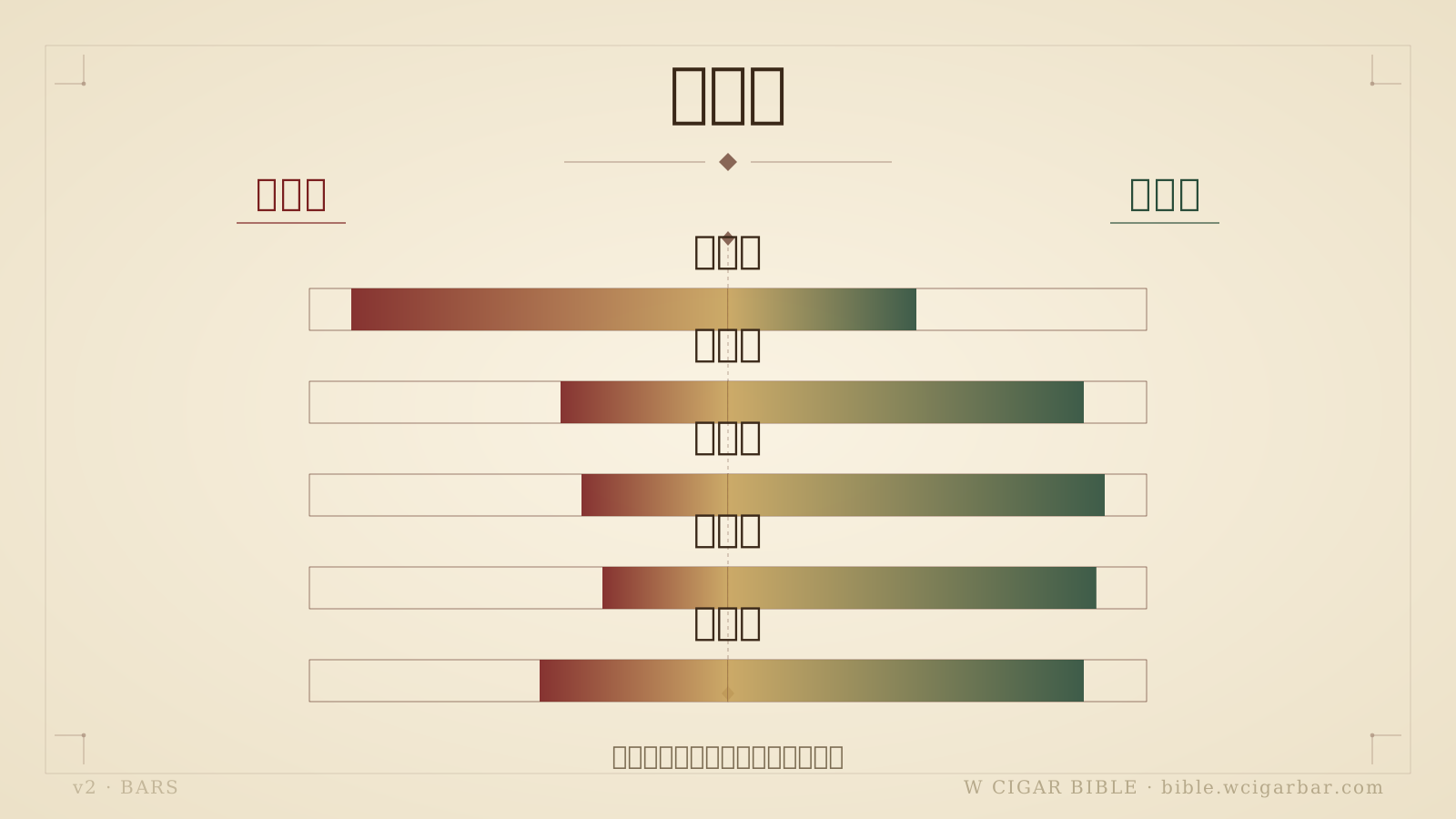
長條圖比較年份派與狀態派在五個判讀軸線的強弱
How to Judge Vintage Status by Appearance, Touch, and Burn
The appearance of old cigars cannot be judged solely by "oily or not." Young cigars often have more pronounced gloss, while wrappers over ten years old may turn satin or matte; as long as there are no cracks, large water stains, or abnormal blotches, there is no need to panic. What truly needs to be seen is uniformity: whether the color transitions naturally, whether the veins are raised and cracked, and whether the foot cut is loose.
In terms of touch, I habitually lightly press the head, middle, and foot sections, with the force like pressing ripe fruit, not squeezing hard. A well-conditioned old cigar should have uniform density and elasticity; if there are obvious hard lumps locally, it may be a rolling issue or uneven humidity; if the whole cigar is too soft, it is often seen in high humidity or loose structure. The focus of the feel is not on hardness but whether the entire cigar is consistent.
Burning is the most honest examiner. If it constantly burns unevenly, extinguishes, or emits a stuffy sour smell in the first 5 minutes after lighting, first rule out humidity issues. Old cigars can be sorted for one to two weeks at 62% to 65% relative humidity for clearer burning. High humidity will flatten details, especially for Cuban cigars over ten years old, which can easily become heavy, bitter, and lack layers.
The evaluation can follow this sequence:
- First, cold smell the box interior and single cigar foot to confirm no unclean odor.
- Lightly press three sections to check if density and elasticity are consistent.
- Test the cold draw after cutting, observing airflow and cold aroma.
- Record whether the sweetness is continuous in the front, middle, and final stages after lighting.
- After smoking, look at burn temperature and aftertaste, not just ash length.
Comparing Vintage Curves of Different Brands and Sizes
Different brands and sizes have significant differences in maturity speed. Large ring gauge, long-sized cigars have complex tobacco leaf proportions, usually changing slowly; small sizes, thin ring gauges show peaks faster and also decline faster. Sizes like Churchill, Double Corona, Prominente often require more than five years to see complete layers; Robusto or Mareva may already be very good in three to five years.
Here are some common experience references I use, assuming stable preservation, clear source, and not taking a single sample as an absolute rule:
| Type / Example | Common Drinking Window | Flavor Evolution Focus | Risk Reminder |
|---|---|---|---|
| Cohiba Siglo VI, Esplendidos | 5–15 years | Herbs turn to honey, cream, beeswax, hay | Poor preservation may become empty, heavy paper taste |
| Partagás Serie D No.4, 8-9-8 | 3–12 years | Pepper turns to leather, dried plum, aged tea | Too moist easily bitter, heavy burn |
| H. Upmann Sir Winston | 5–18 years | Cream, nuts, wood become delicate | Too dry will lose sweetness |
| Montecristo No.2 | 4–10 years | Cocoa, almonds, citrus peel integration | Rolling differences have a big impact |
| Padrón 1964 Maduro | 1–6 years | Coffee, cocoa, molasses more integrated | Too long may lose tension |
Brand curves are not rankings but understanding rhythms; the same ten years, Cohiba, Partagás, H. Upmann will have completely different mature expressions.
Size will also affect burn temperature. Thin long sizes like Lonsdale, Lancero have concentrated flavors but low tolerance; if preserved too dry, they easily become hot, spicy, sharp. Large sizes like Double Corona may heat up slower in the front, with the main melody unfolding in the middle. Experienced enthusiasts should consider brand character, size structure, and their preferred smoking rhythm when choosing vintage.
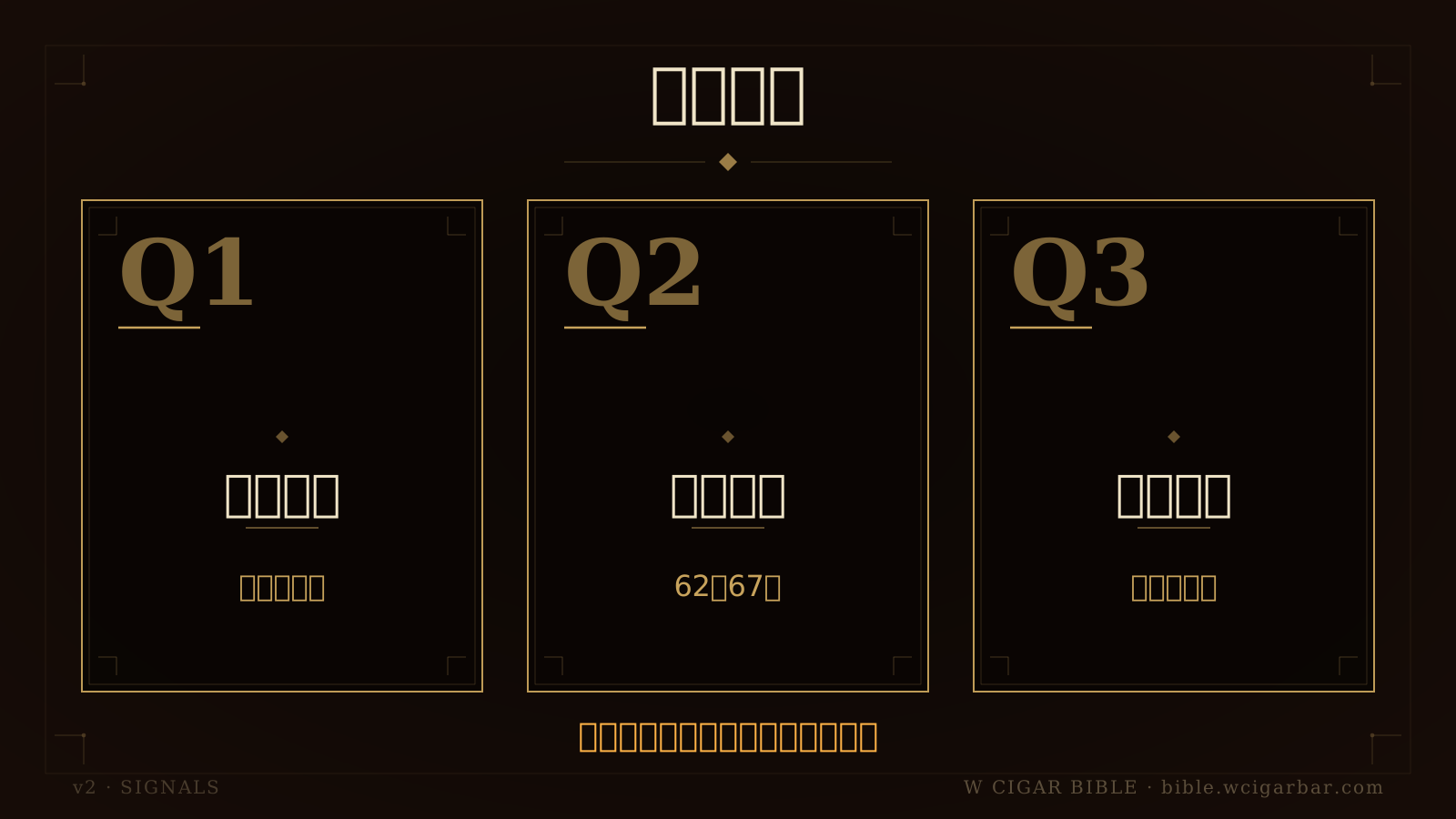
三張問答卡回答陳年時間濕度與盒封狀態問題
Building Your Own Vintage File: More Reliable Than Listening to Stories
What truly enhances judgment is not hearing others say a certain year is magical but building your own vintage file. My notes include at least seven items: brand, size, box bottom month and year, acquisition time, preservation humidity, pre-smoking status, and three-stage flavor. If it's a Cuban cigar, box code, seal status, and legitimate source are also recorded; if involving PCC authorized dealer sources, the focus is still on traceability and preservation consistency.
Records need not be literary but should be comparable. For example, "2014 H. Upmann Sir Winston, 65% RH, cold draw after cutting has cream and hay, front almond, middle honey wood, final slight white pepper, stable burn for 95 minutes." Such records are much more valuable than "good smoke," "very old," "very smooth" when looking back a year later. The advancement of an experienced enthusiast is not having more adjectives but having clearer judgment criteria.
I recommend observing at least three time points from the same box: after acquisition, two years later, and five years later. If a box has 25 cigars, 3 to 5 can be used as node samples, with the rest maintaining sealed or low-interference preservation. Avoid frequent box opening for display and avoid moving locations weekly; cigars need stability, not excessive care.
When choosing aged cigars, you can use the "three-question method" to filter: Is the source traceable? Does preservation have continuity? Does the price reflect the state rather than just the story? If two out of three questions cannot be answered clearly, lower expectations. Vintage is a bonus, not a get-out-of-jail-free card; a good vintage with poor preservation can still lose to a clean, stable recent cigar.
Frequently Asked Questions
Do cigars get better the longer they are stored?
No. Cigars have peak periods and will also decline. Generally, medium to high strength, solid structure, and sufficient tobacco leaf oil varieties can be stored longer; cigars that are originally gentle and have thin aromas may only have woodiness left if stored too long. The value of vintage lies in whether the flavor is more complete, not whether the number is larger.
Are Cuban cigars always more suitable for long storage than non-Cuban cigars?
Not necessarily. Cuban cigars often have fascinating transformation curves, but Fuente OpusX, Padrón Family Reserve, and some Davidoff limited or high-end lines can also show integration after several years. The key is tobacco leaf quality, rolling, preservation, and your preferred style.
Should storage humidity be set at 70%?
For old cigars, I usually prefer 62% to 67% relative humidity. 70% may be too moist for some environments, especially in high-temperature areas, making the burn heavy and aroma suppressed. The temperature should ideally be maintained around 18 to 21°C, with stability being more important than pursuing a single number.
Does a complete box seal mean good condition?
No. A complete box seal can only increase credibility, not prove correct preservation. Still need to check box interior smell, wrapper elasticity, foot aroma, and any mold. If exposed to high temperatures for a long time, the appearance may seem beautiful, but the internal aroma may still be damaged.
Can aged cigars be used as a collection investment?
They can be researched but must be very conservative. Discontinued editions, limited editions, and well-preserved complete boxes may indeed have market attention; but collection appreciation does not equal guaranteed appreciation, still depending on source preservation and market. If only chasing price stories and ignoring flavor and condition, the risk is high.
How to judge if an old cigar has passed its peak?
If the cold aroma is thin, the sweetness breaks after lighting, and the whole process only leaves dry wood, cardboard, and ash feeling, with short and empty aftertaste, it usually means it has gone downhill. Old cigars can be soft but should not be empty; they can be light but should not lack a center.
I have always believed that vintage is not the crown of cigars but the footnote left by time. What is truly worth pursuing is whether a cigar, under proper preservation, still retains its soul from youthful strength, mature balance, to old vintage details. Experienced enthusiasts looking at aged cigars should not only ask "how many years," but "how have these years been treated." Being able to connect source, preservation, brand curve, and personal taste together truly means understanding vintage.
—Cigar Prince Wilson Tsai
Smoking is harmful to health. Under twenty years old, smoking is prohibited. Quit smoking hotline: 0800-636363. This article is for reference only for adults over the age of twenty regarding cigar culture, preservation, and legal knowledge, not a tobacco advertisement, promotion, or purchase suggestion.
Like this article?Share with friends
Share this W Cigar Bible piece with friends who want to learn cigar culture, storage, and tasting.
想把這篇 化為實踐
雪茄聖經是知識;雪茄文化要在空間裡發生

W Cigar Bar 大安總店資訊
台北大安區 · 雪茄聖經總編輯 Wilson Tsai 主理的雪茄文化空間
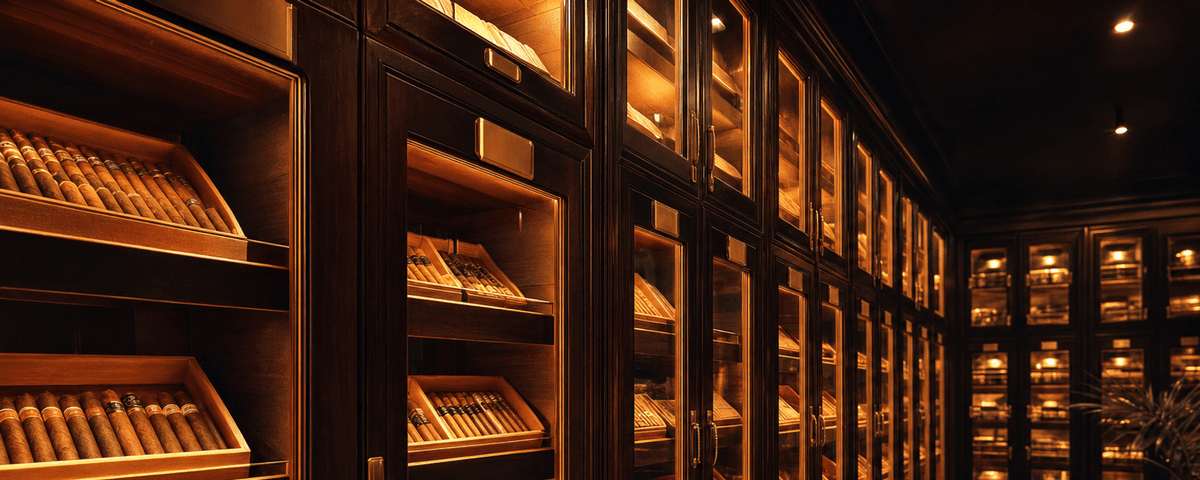
33 座 24 小時恆溫恆濕醇化室
W Cigar Bar 提供的會員醇化空間 · 場地資訊請洽編輯部
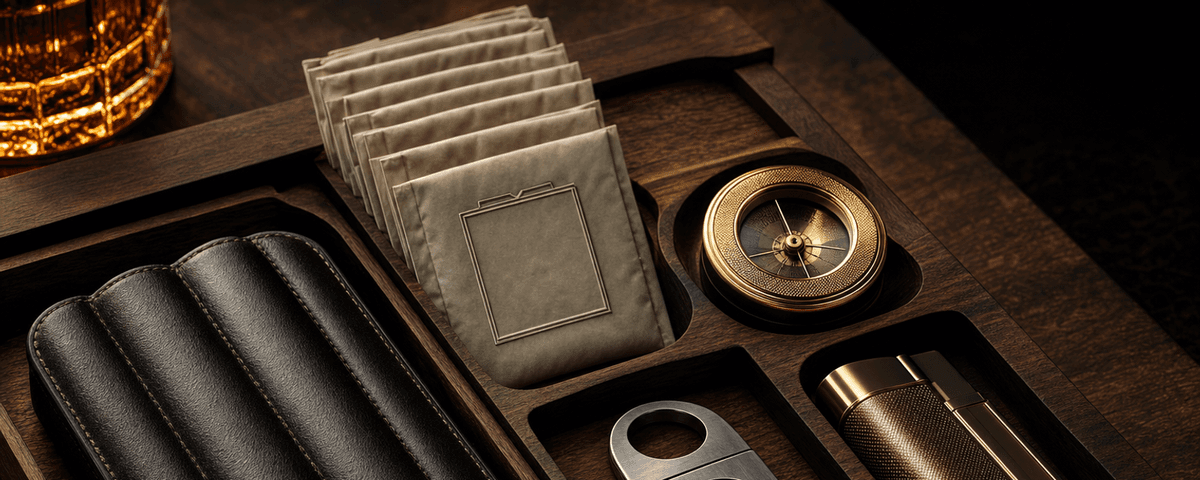
雪茄剪 / 打火機 / 雪茄盒 / Boveda
W Cigar 配件官網 · 專營雪茄配件正品

加 LINE 好友 · 文化諮詢
文化空間資訊 · 紳士沙龍 · 私人包場
本網站內容僅供雪茄文化、歷史、收藏與品吸知識研究參考。菸品有害健康、未滿法定年齡者請勿吸菸。實際規範請依所在地法律為準。
吸菸有害健康・戒菸專線 0800-636363・本站僅供 20 歲以上成年人閱覽。
讀到這裡,你不只是路過的人
留下 Email,加入 W 雪茄聖經內圈——總編輯 Wilson Tsai 親選的學院深文與國際新訊,先你一步送到信箱。
· 教育用途非銷售 · 隨時一鍵退訂 · Email 絕不對外公開 · 由勝茄股份有限公司營運
同分類延伸閱讀

資料來源:W Cigar Bible 編輯部整理 · 雪茄王子 Wilson Tsai 親自審稿
本文僅供雪茄文化、歷史、收藏與品鑑知識研究,不作為菸品促銷、銷售或購買建議。吸菸有害健康,未滿二十歲不得吸菸。