雪茄的陳年藝術:風味變化的時間魔法
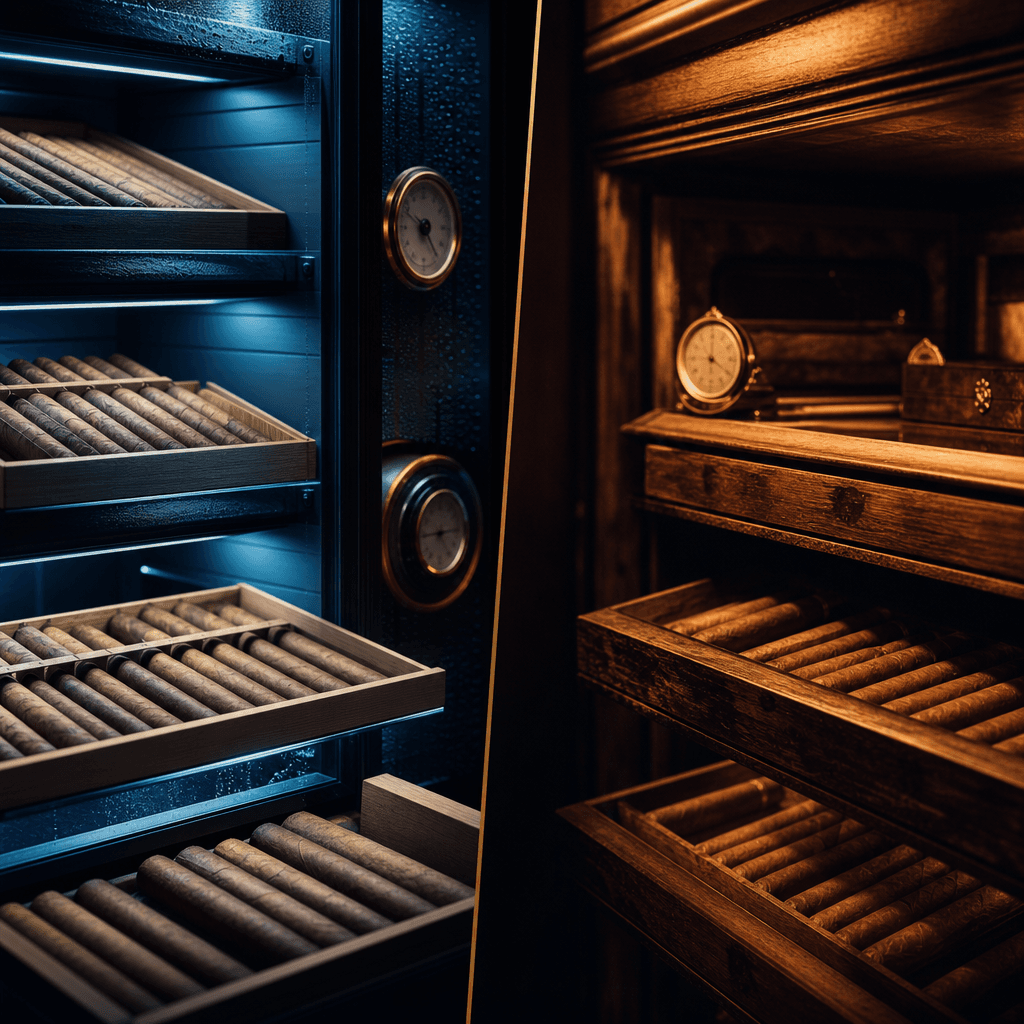
雪茄的陳年是一個關於時間與環境的藝術,並非單純的等待。隨著時間推移,菸葉中的氨氣與青味逐漸減少,取而代之的是油脂、木質及花香等更為豐富的風味。每個陳年階段都有其特定的變化與觀察重點,1至3年是整合期,3至5年則為舒適窗口,6至8年則可能出現明顯的甜感。儲存條件的穩定性至關重要,建議保持65-69%濕度與18-21°C的環境,以確保雪茄的最佳風味。老手在陳年過程中需注意微操作,避免頻繁開盒影響風味,
- 雪茄陳年過程中,氨氣與辛辣感會下降,油脂、木質等風味逐漸顯現。
- 不同陳年時間有不同任務,1至3年適合觀察火氣,6至8年則常出現甜感。
- 理想的儲存條件是65-69%濕度與18-21°C,避免頻繁開盒以維持穩定微氣候。
Smoking is harmful to health. Persons under twenty years of age may not smoke. Smoking cessation hotline: 0800-636363. This article is provided only for adults aged twenty and above as a reference for cigar culture, storage, and regulatory knowledge. It is not tobacco advertising, promotion, or purchasing advice.
Cigar aging is not about shutting a box away in a cabinet and waiting for a miracle. It is a long-term undertaking involving time, humidity, temperature, the lingering effects of tobacco-leaf fermentation, and one's personal memory of taste. For experienced smokers who already have brand preferences, the true fascination of aging lies not only in "becoming smoother", but in the fact that the same cigar, in its 1st year, 3rd year, 8th year, or even 15th year, can present a completely different structure, aromatic layering, and length of finish. As editor of W Cigar Bible, ghostwriter for "Cigar Prince Wilson Tsai", founder of W Cigar Bar, and a PCC appointed distributor, what I care about even more is this: how you judge how long a cigar is worth waiting for, under what conditions it should be stored, and when its true peak period has arrived.
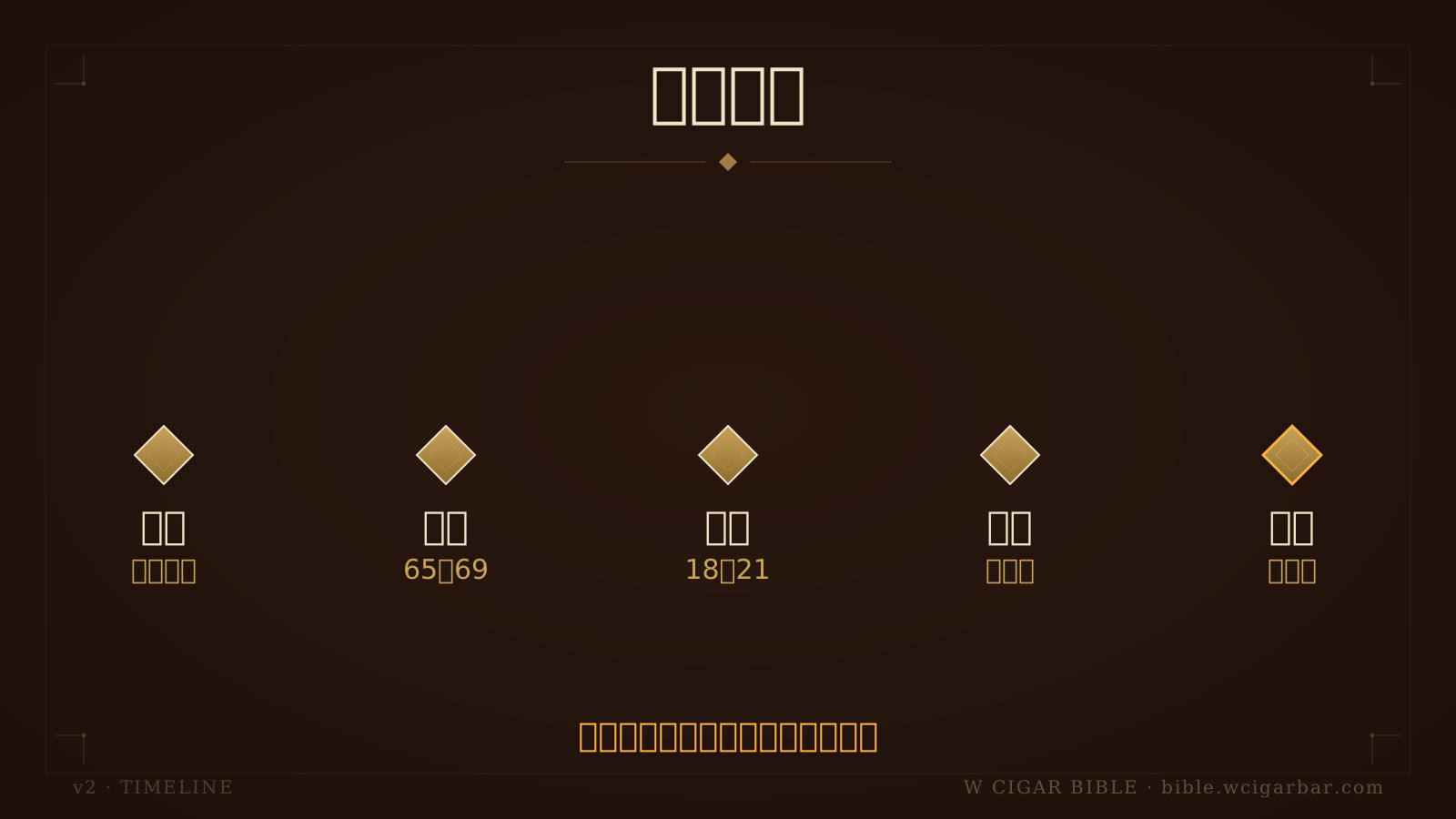
時間線圖示呈現入櫃穩濕少開試樣到高峰
The Essence of Aging: Not Becoming Old, but the Rearrangement of Flavor Structure
Before a cigar leaves the factory, its tobacco leaves have already gone through cultivation, harvesting, air-curing, fermentation, grading, rolling, and resting inside the box. But this does not mean its flavor has already been fixed. After release, the focus of aging lies in the gradual reduction of residual ammonia in the tobacco leaves, vegetal green notes, spiciness, and tannic sensations, while oils, wood, leather, nuts, cocoa, dried fruit, and floral aromas have the opportunity to emerge more clearly. Take Partagás Serie D No.4 from around 2014 as an example. When young, it often showed black pepper, intense wood, and a relatively rough sense of strength. If the box condition remained stable and it was stored until 2019 to 2021, the opening might shift toward toast, coffee, and sweet aromas; the middle section would show restrained spiciness; and the finish would become more like leather, cocoa, and a slightly salty mineral character. This transformation is not simply "the flavor becoming lighter", but rather the rough edges being polished down and the sequence of aromas being rearranged. What experienced smokers should observe most is whether the burn line is stable, whether the aromas have become continuous, and whether the finish has lengthened, rather than judging quality by strength alone. Truly good aging should transform a cigar from a linear impact into a complete movement with an opening, transition, climax, and resolution.
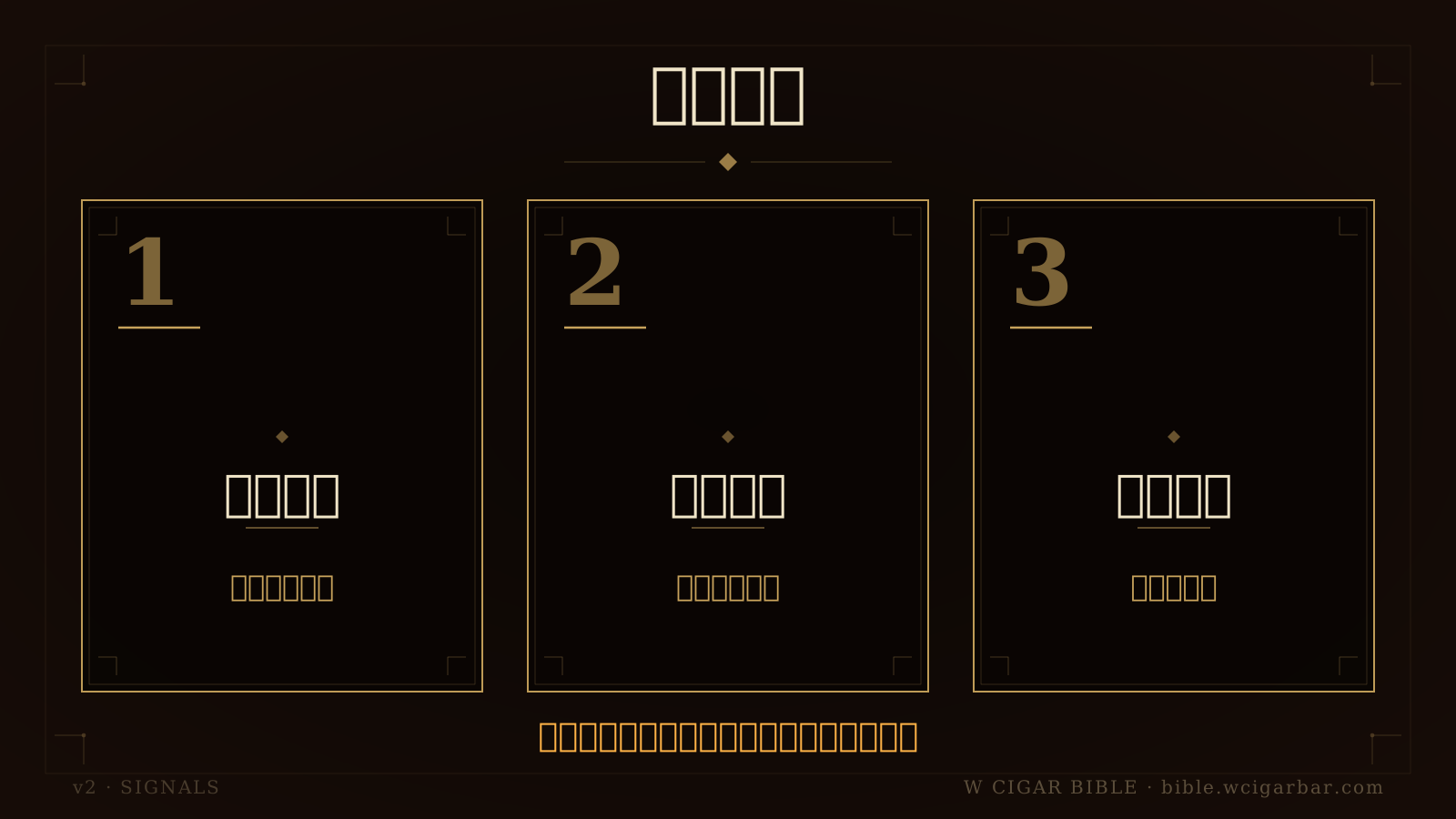
三張卡片列出陳年重點包含穩定環境與記錄
Timeline: The Different Tasks of 3 Years, 5 Years, 8 Years, and 15 Years
Aging is not a matter of the longer the better. Each time period has its own task. Generally, 1 to 3 years is an integration period, suitable for observing whether youthful harshness has declined; 3 to 5 years is the first comfortable window for most Cuban cigars; 6 to 8 years often brings more obvious sweetness and mature aromas; more than 10 years enters a high-risk, high-reward zone, where even slight problems in storage conditions may cause flavors to become flat, off, or lose tension. Taking different batches of Cohiba Siglo VI after 2003 as an example, when young they show obvious grass, honey, cream, and cedar notes. After 5 years, the herbal character decreases. At 8 to 12 years, champagne biscuit, mature honey, and gentle floral aromas may sometimes appear. However, if humidity remains above 72% over the long term, stuffiness and poor combustion may also develop. The following table can serve as a reference for experienced smokers planning box storage, but judgment must still return to the actual box condition, year, origin, and storage records.
| Aging Time | Main Changes | Brands or Sizes Suitable for Observation | Risk Reminder |
|---|---|---|---|
| 1–3 Years | Ammonia declines, spiciness becomes restrained, structure begins to integrate | Montecristo No.2, H. Upmann Magnum 46 | Opening the box too early and checking too frequently can easily disrupt stability |
| 3–5 Years | Sweetness, wood, and nuttiness become clearer | Partagás Serie D No.4, Ramón Allones Specially Selected | If the original fill was too tight, time may not necessarily improve it |
| 6–8 Years | Oiliness becomes rounded, the finish lengthens | Cohiba Siglo VI, Trinidad Fundadores | Excessive humidity will make aromas dull |
| 10–15 Years | Mature aromas, leather, dried fruit, and mineral notes increase | Hoyo de Monterrey Double Corona, Punch Punch | Storage flaws will be magnified by time |

矩陣表比較不同陳年區間的任務風味與風險
Ideal Storage Conditions: The Balance of 65–69% Humidity and 18–21°C
The most essential technique in aging is not buying the largest humidified cabinet, but keeping the environment stable. For most handmade long-filler cigars, I recommend long-term storage humidity between 65% and 69% RH, with temperature maintained at 18 to 21°C. If the environment remains above 23°C for a long time, flavor changes will accelerate, and the risk of insect infestation will also increase. Many experienced smokers ask whether 70% RH is safer. My view is: it is workable in the short term, but not necessarily ideal for long-term aging, especially in Taiwan's humid climate. If circulation inside the cabinet is insufficient, cigars can easily become wet on the outside and stuffy at the core. After lighting, this may lead to heavier draw resistance, fluctuations in the burn line, and bitterness in the final section. Spanish cedar helps buffer humidity and add a faint woody aroma, but it cannot replace a calibrated hygrometer. Calibrating the hygrometer once every 6 months, observing differences between the upper and lower levels of the cabinet every 2 to 4 weeks, and avoiding direct sunlight and direct air-conditioning airflow are details more important than expensive equipment. If stored by the full box, the original box can provide a more consistent microenvironment. If stored as single cigars, avoid keeping cigars of different strengths and different aromatic profiles in close contact over the long term. Otherwise, aromas will permeate each other, blurring the originally refined brand identity.
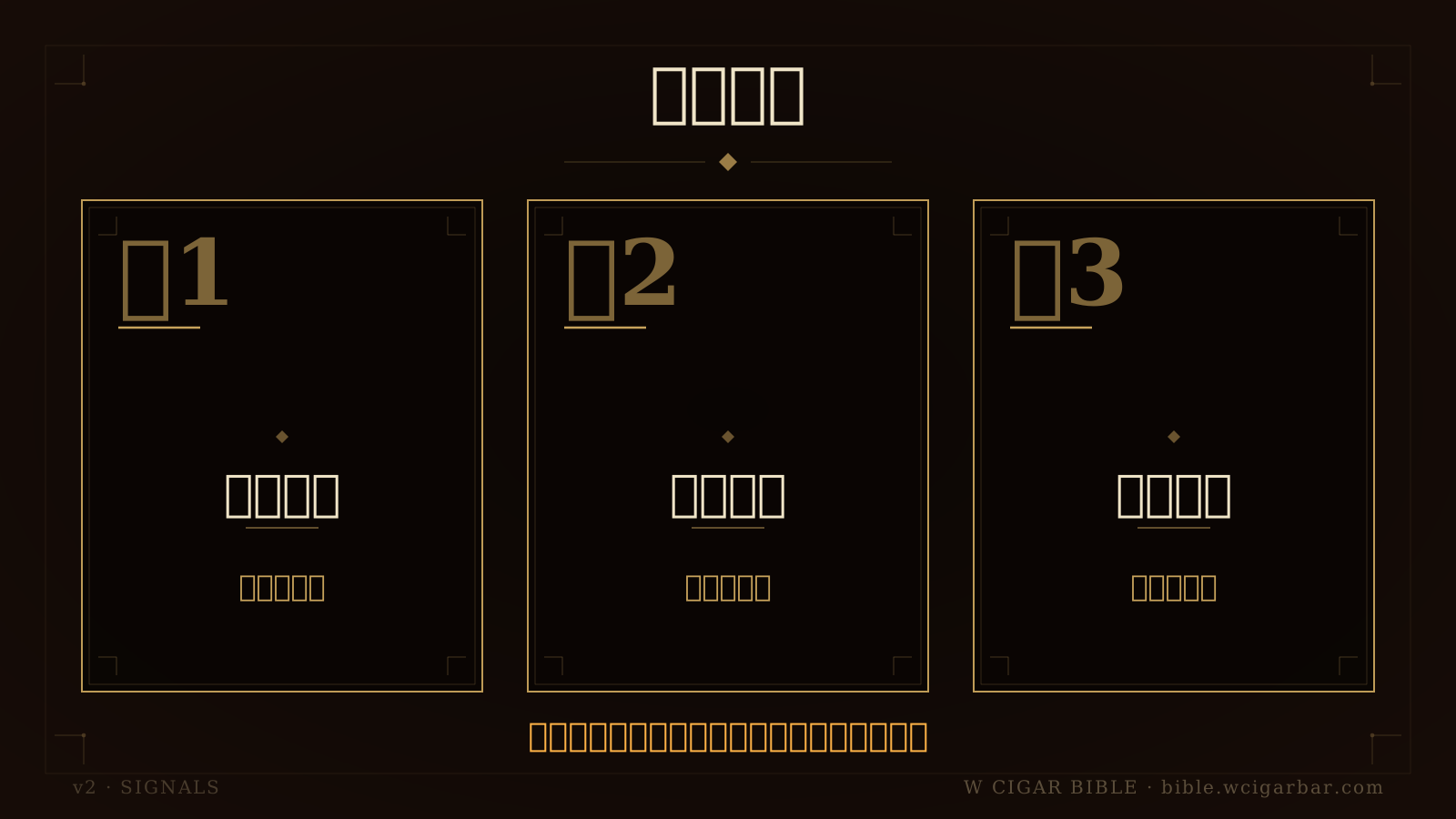
三張錯誤提醒卡列出越久越好與濕度迷思
Brand and Vintage Cases: The Same Ten Years, Completely Different Directions for Different Cigars
Not all cigars are suited to long-term aging. For Montecristo No.2, if the box condition is good, 5 to 8 years can often make cocoa, coffee, roasted nuts, and earthy notes more harmonious. But if an individual cigar already has loose aromas and uneven combustion when young, time will not turn flaws into virtues. Ramón Allones Specially Selected is an excellent example of medium-term aging. Many boxes from 2011 to 2015 showed brown sugar, dried fruit, leather, and rich wood after 6 years; the strength remained, but the aggressiveness declined. Because Hoyo de Monterrey Double Corona is longer in size and slower in rhythm, more than 10 years can often form delicate layers of honey, floral aroma, cream, hay, and gentle wood, making it suitable for patient waiting. In the non-Cuban system, Padrón 1964 Anniversary has already undergone relatively sufficient preparation before leaving the factory. After long-term aging, it may not necessarily become more complex, but it may become rounder. Arturo Fuente OpusX, because of its pronounced tobacco strength and spice character, can become more harmonious in spicy notes, sweet wood, leather, and creaminess after 5 to 10 years. When experienced smokers compare vintages, it is best to record box code, year of acquisition, date of opening the box, storage humidity, and actual impressions, because differences between batches of the same brand may be greater than you imagine.
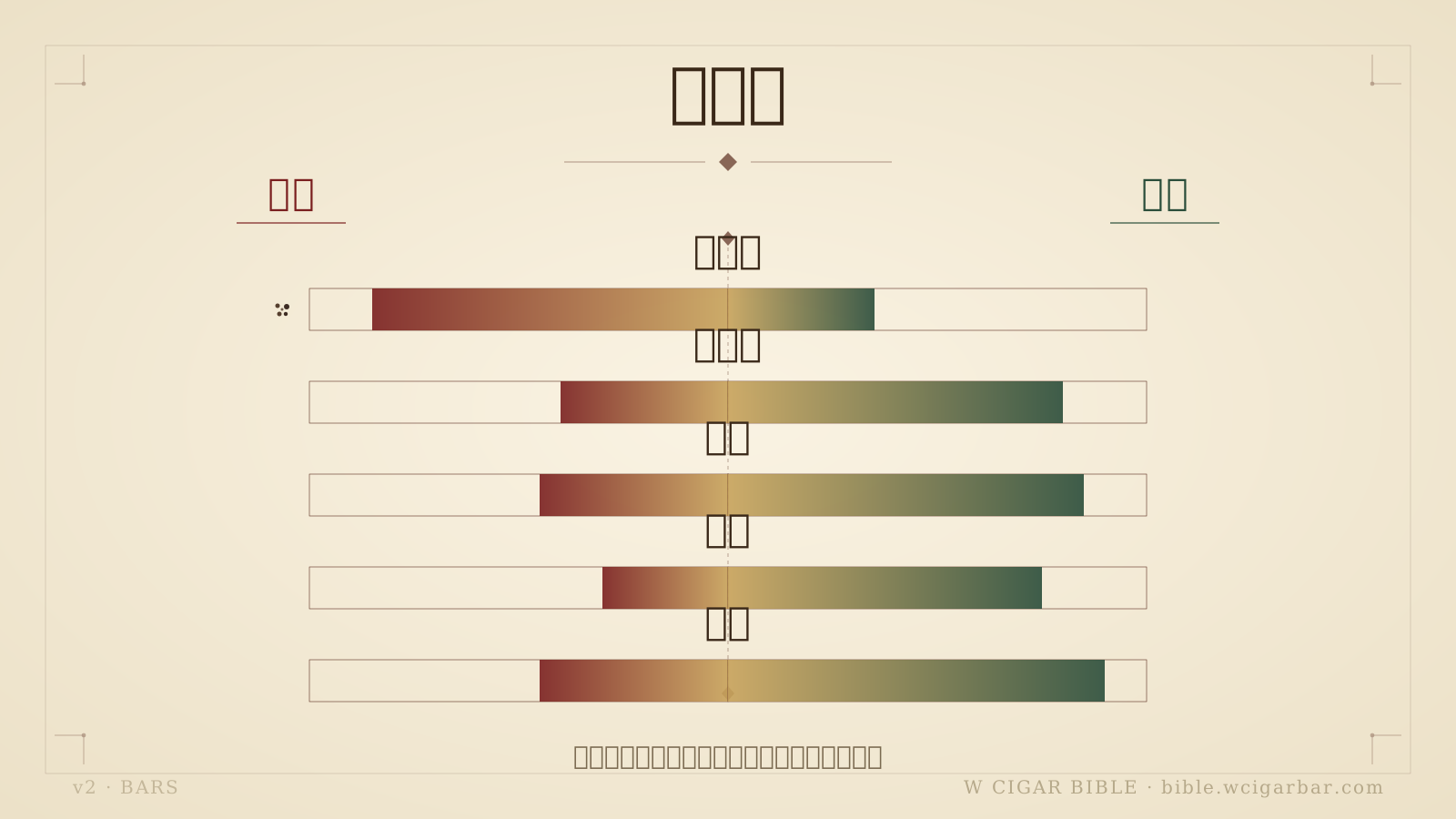
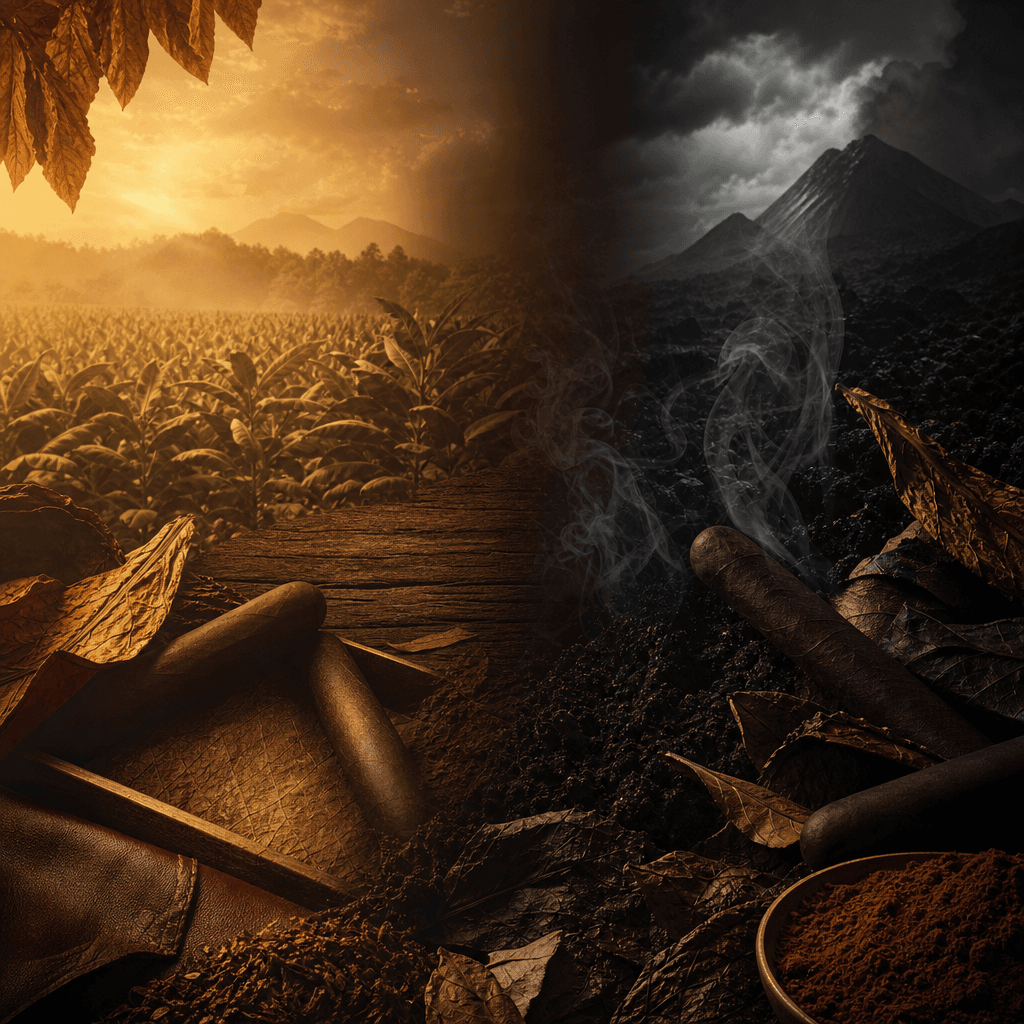
圖中用長條比較年輕狀態與長陳狀態差異
Opening Boxes, Transferring Storage, and Resting: Micro-operations Experienced Smokers Most Easily Overlook
Many aging failures are not caused by the year, but by overly busy hands. In a stable environment, a full box of cigars will gradually form its own microclimate. Frequently opening the box, moving cigars around, picking them up to photograph them, and smelling them will repeatedly interrupt the balance of humidity and aroma. My principle is: after acquiring a new full box, first let it rest for 30 to 60 days so that humidity fluctuations caused by transport can stabilize. If transferring from a drier environment to a more humid one, humidity should be raised slowly. Do not move from 60% to 70% in a single day. When transferring storage, it can be divided into three stages. For example, first place them at 62–64% RH for 1 week, then at 65–66% RH for 2 weeks, and finally enter the long-term target humidity. For cigars already aged more than 8 years, drastic changes should be avoided even more, because the wrapper oils and structure are already relatively fragile. Absorbing moisture too quickly may cause the wrapper to swell and crack. If preparing to appreciate a cigar that has been stored for many years, it is recommended to take it out of the cabinet and leave it in a relatively stable indoor environment for 20 to 40 minutes, allowing surface moisture to equalize, but do not expose it to strong wind or an air-conditioning vent. Truly mature management means allowing time to work quietly, not using excessive handling to prove that you are taking care of it.
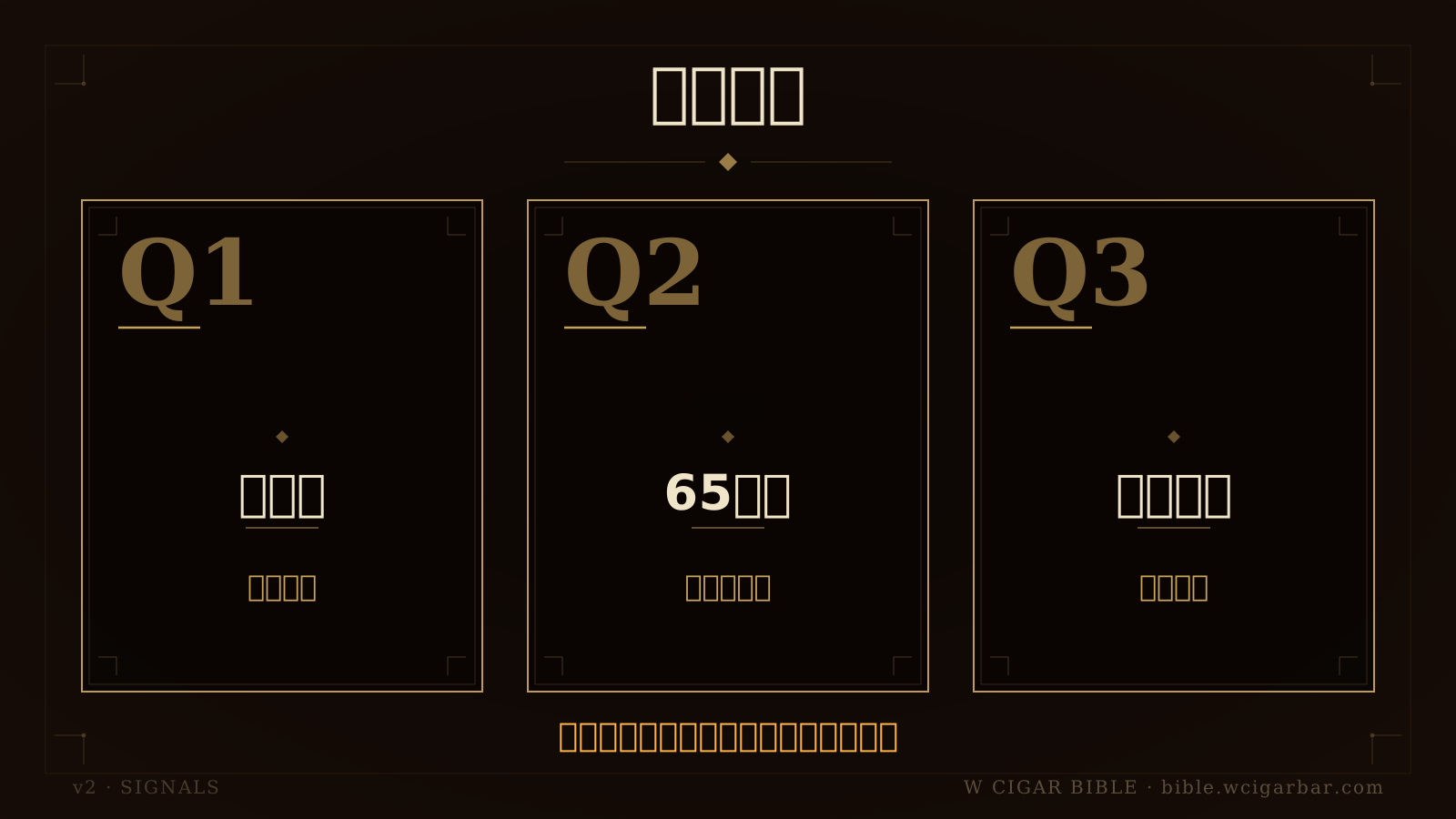
圖中整理三個雪茄陳年保存的實用問題
Flavor Peak and Collection Judgment: When to Keep, When to Open
Judging whether a box of cigars has entered its peak cannot rely on year alone. First, look at aroma: if opening the lid reveals clean cedar, honey, cocoa, leather, or dried-fruit aromas, this is usually a positive signal. If there are rancid, moldy-stuffy, basement, or cardboard smells, you should be alert. Second, look at touch: the cigar should have elasticity and rebound when gently pressed. Too hard may indicate excessive dryness; too soft may indicate excessive humidity. Third, look at actual combustion: if the aromas remain coherent from the first through middle and final sections, the ash is even in color, and the draw resistance is stable, this is usually more meaningful than year alone. Taking Trinidad Fundadores from around 2008 as an example, when well stored, after 10 years it often has cream, floral aroma, refined wood, and faint spice. The strength is not necessarily stronger, but the elegance is clearly improved. As for collecting, rare years, discontinued sizes, and limited editions may indeed attract market attention, but collectible appreciation does not equal guaranteed appreciation, and still depends on provenance, storage, and the market. Experienced smokers should place "traceable provenance, storage records, complete box condition, and flavor that still has vitality" before price narratives. In the end, cigars are still an art of time and the senses. If you treat them only as numbers, you may instead miss the details truly worth waiting for.
Frequently Asked Questions
Must cigars be aged in full boxes?
Not necessarily, but full-box storage makes it easier to maintain a stable microenvironment, especially for plans of more than 5 years. Single-cigar storage is suitable for comparing different brands and years, but a reliable humidification system must be used, and cigars with very strong aromas should not be mixed together for long periods. If experienced smokers want to track changes, they can set 3 observation samples for each box, for example opening one cigar each in the 3rd year, 5th year, and 8th year for records.
Is 65% RH too dry?
For Taiwan's environment, 65% RH is often cleaner and provides more stable combustion than 70% RH. If cigars are stored long term at 65–67% RH, their aromatic expression is usually clear, and the draw resistance is also more ideal. What should truly be avoided is drastic fluctuation, not the pursuit of a single sacred number.
Does discovering white powder mean mold?
Not necessarily. If it is a fine, even, lightly wipeable crystalline substance, it may be oil bloom. If it is fuzzy, blue-green or black, and has penetrated into the foot of the cigar or the box wood, it is more likely to be mold. When encountering an uncertain situation, isolate and observe it to avoid affecting other cigars.
Are all cigars aged more than 10 years better?
Not necessarily. Only cigars with sufficient strength, complete structure, and stable storage have the foundation for long-term aging. For cigars that were originally thin, dry, loosely filled, or damaged by poor storage, time will only magnify flaws. The value of an old cigar lies in elegance and complexity, not the year itself.
How should I build my own aging notes?
It is recommended to record the brand, size, box code or year, acquisition time, storage humidity, temperature, date the box was opened, combustion condition, and aroma changes from the first third to the final section. After continuously recording 20 to 30 cigars, you will more clearly understand whether you prefer the vitality of 3 years, the balance of 5 years, or the mature depth of more than 10 years.
The most fascinating thing about aged cigars is that they do not cater to impatient people. Time rewards stability, discipline, and detail, and it also punishes luck, humidity, and excessive intervention. My view is simple: do not only chase years, but understand the life curve of each box of cigars. When you can judge when it is rising, when it has entered its peak, and when it may begin to decline, you have truly stepped into the core of the art of aging.
—Cigar Prince Wilson Tsai
Smoking is harmful to health. Persons under twenty years of age may not smoke. Smoking cessation hotline: 0800-636363. This article is provided only for adults aged twenty and above as a reference for cigar culture, storage, and regulatory knowledge. It is not tobacco advertising, promotion, or purchasing advice.
Like this article?Share with friends
Share this W Cigar Bible piece with friends who want to learn cigar culture, storage, and tasting.
想把這篇 化為實踐
雪茄聖經是知識;雪茄文化要在空間裡發生

W Cigar Bar 大安總店資訊
台北大安區 · 雪茄聖經總編輯 Wilson Tsai 主理的雪茄文化空間
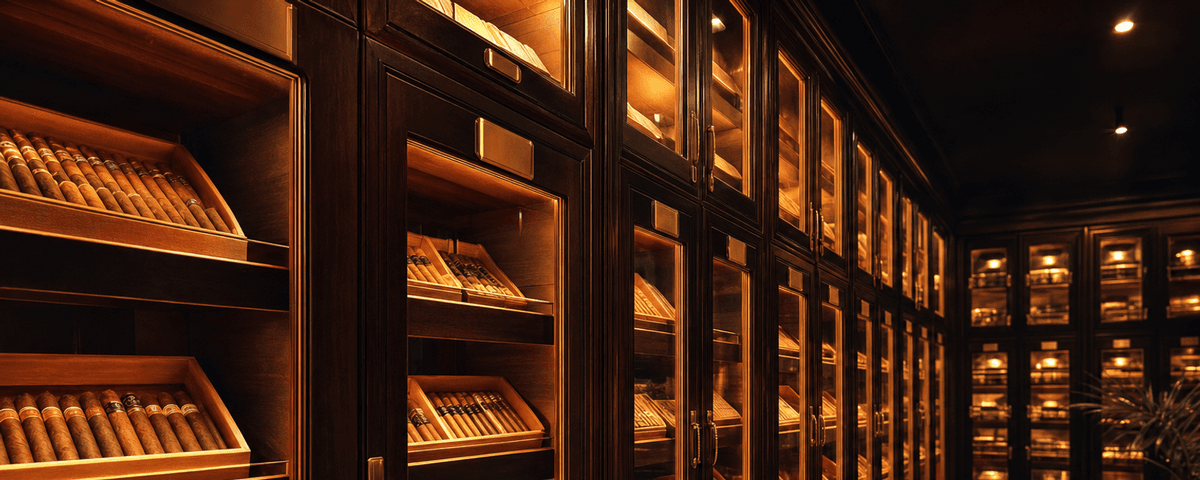
33 座 24 小時恆溫恆濕醇化室
W Cigar Bar 提供的會員醇化空間 · 場地資訊請洽編輯部
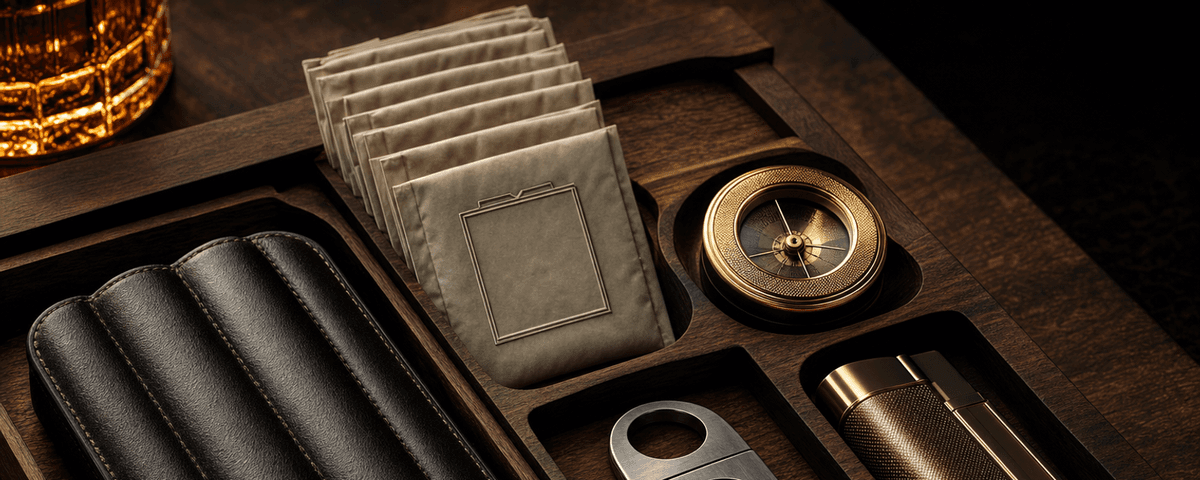
雪茄剪 / 打火機 / 雪茄盒 / Boveda
W Cigar 配件官網 · 專營雪茄配件正品
加 LINE 好友 · 文化諮詢
文化空間資訊 · 紳士沙龍 · 私人包場
本網站內容僅供雪茄文化、歷史、收藏與品吸知識研究參考。菸品有害健康、未滿法定年齡者請勿吸菸。實際規範請依所在地法律為準。
吸菸有害健康・戒菸專線 0800-636363・本站僅供 20 歲以上成年人閱覽。
讀到這裡,你不只是路過的人
留下 Email,加入 W 雪茄聖經內圈——總編輯 Wilson Tsai 親選的學院深文與國際新訊,先你一步送到信箱。
· 教育用途非銷售 · 隨時一鍵退訂 · Email 絕不對外公開 · 由勝茄股份有限公司營運
同分類延伸閱讀
資料來源:W Cigar Bible 編輯部整理 · 雪茄王子 Wilson Tsai 親自審稿
本文僅供雪茄文化、歷史、收藏與品鑑知識研究,不作為菸品促銷、銷售或購買建議。吸菸有害健康,未滿二十歲不得吸菸。