雪茄的年分與風味演釋:揭開陳年雪茄的神秘面紗
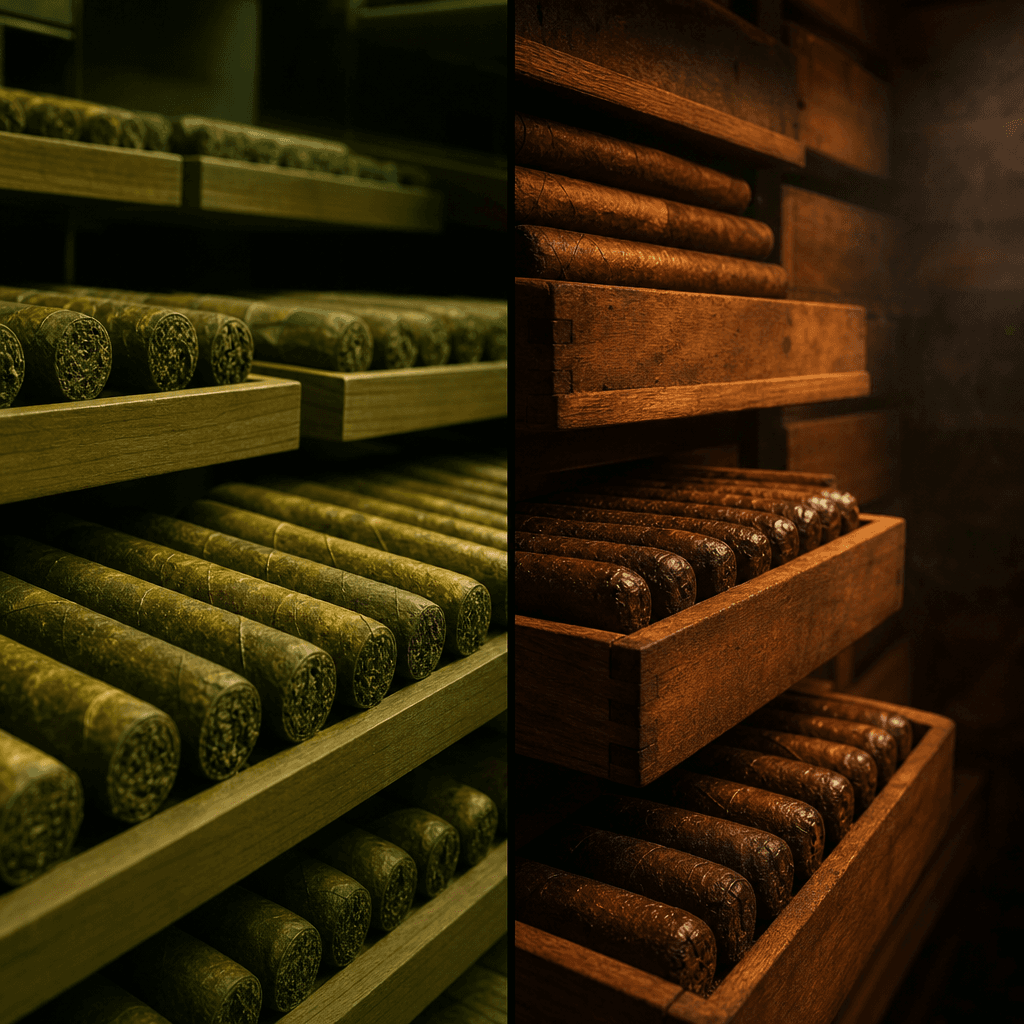
雪茄的年份不僅是工廠碼的標籤,而是風味演變的指標。對於資深雪茄愛好者而言,年份的魅力在於其背後的結構、油脂和發酵過程如何影響最終的風味。不同年份的雪茄,如2008年與2018年,可能因品牌、尺寸和保存條件的差異,展現出截然不同的風味特徵。醇化過程中,香氣的變化從刺激轉為融合,最終達到透明感,這是時間與保存條件共同作用的結果。選擇適合長期保存的雪茄品牌和尺寸,並建立保存紀錄,能讓雪茄的風味更臻完美。
- 雪茄的年份不僅是標籤,還需考量菸葉收成、捲製與保存的多重因素。
- 醇化過程中,雪茄的香氣會變得更圓潤,層次感加深,而不是單純變淡。
- 品牌體質影響雪茄的適放時間,結構與濃度是關鍵,而非僅僅依賴年份。
The Age and Flavor Interpretation of Cigars: Unveiling the Mystery of Aged Cigars
The age of a cigar is never just a factory code at the bottom of the box, nor is it worshipping time as a myth. For veterans, the real charm of age is how it slowly translates the structure, oils, fermentation traces, and storage conditions of a cigar into another flavor language.
I often say that age is not about being older, but about "whether it ages with direction." The same Cuban cigars from 2008 and 2018, if the brand's constitution, size, humidity, and source differ, may taste like old leather and nectar after ten years, while another may only have dry wood and emptiness.
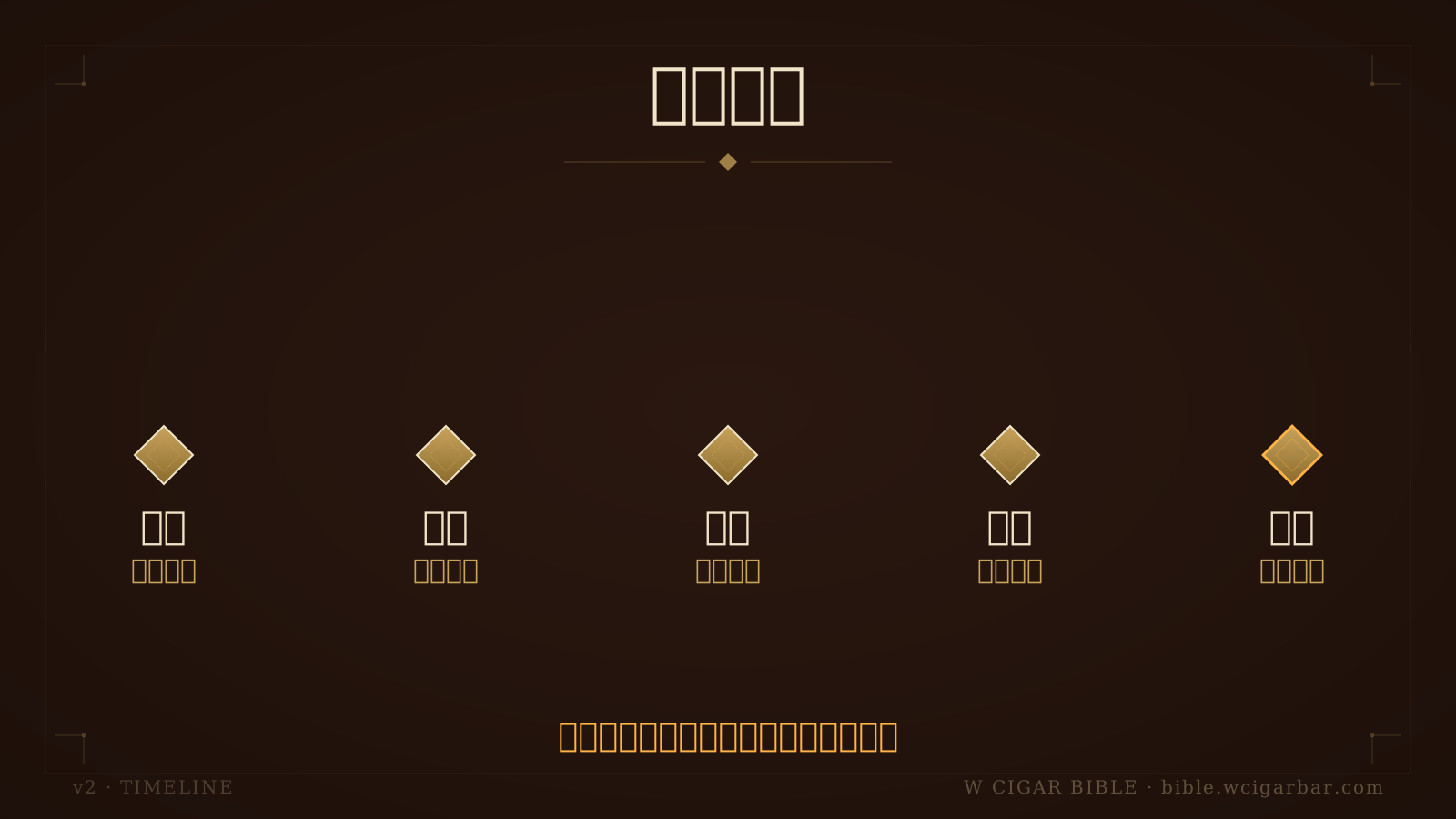
時間軸呈現收成裝盒穩存成熟到高峰的醇化流程
Age is Not a Year Label, But a Coordinate of Flavor Curves
When looking at the age of cigars, I divide it into three layers: the year of tobacco harvest and fermentation, the year of rolling and boxing, and the year of storage after purchase. Box codes like 2007, 2012, 2019 usually reflect the boxing time, not the birth year of the tobacco in the field. Take Cohiba Siglo VI as an example; many boxes from 2003 to 2006 were pursued by veterans not just because they were "early," but because the tobacco had thick oils and deep sweetness. After more than ten years of aging, flavors like soy milk, grass, honey, and cedar can layer up.
Interpreting age must simultaneously consider brand constitution, ring gauge size, and storage path. Montecristo No.2 often has cocoa, earth, coffee, and noticeable spiciness when young. If a box from around 2010 is in good condition, the bitterness will subside after more than ten years, and notes of nuts, baked bread, and dried flowers will emerge. However, if it was too dry initially, even if marked as an old vintage, it might only leave a thin woody taste.
My habit of judgment is to place a cigar into four observation periods: "0 to 3 years, 4 to 8 years, 9 to 15 years, 16 years and above." From 0 to 3 years, I look at explosiveness and brand personality; from 4 to 8 years, I see if it integrates; from 9 to 15 years, it enters a truly charming mature period; and above 16 years, I see if the storage can support its vitality. Not every cigar is worth long-term storage; age is just a coordinate, and the flavor curve is the answer.
How Aging Changes Aroma: From Stimulation, Integration to Transparency
New cigars often make people feel "distinct contours." For example, Partagás Serie D No.4, within one or two years after boxing, will have pepper, wet earth, roasted nuts, and woodiness rushing to the forefront. Burning to the middle section may even have noticeable strength. After 5 to 8 years of stable storage, the spiciness becomes round, the earthiness no longer heavy, turning into leather, ripe fruit, caramel, and a hint of cinnamon. This is the most direct change brought by aging.
A good aged cigar doesn't have a faded taste but fewer edges and deeper layers. Take H. Upmann Sir Winston as an example; boxes from around 2014, if stored at about 65% to 68% relative humidity, often exhibit cream, almonds, hay, white pepper, and tea aroma after ten years. The strength may not be higher, but the continuity of the aroma improves, with the front, middle, and back sections unfolding like a slowly spreading ribbon.
The core of aging is the slow reorganization of volatile components, ammonia residues, oils, and sugars within the tobacco in a stable environment. The process is not magic but chemistry and time. If the humidity is above 72% for a long time, the cigar may develop sourness and mold risk; if below 60% for a long time, oils dissipate, and the aroma becomes brittle, dry, and short. Veterans pursue not "old," but storage conditions that preserve the life of the cigar.
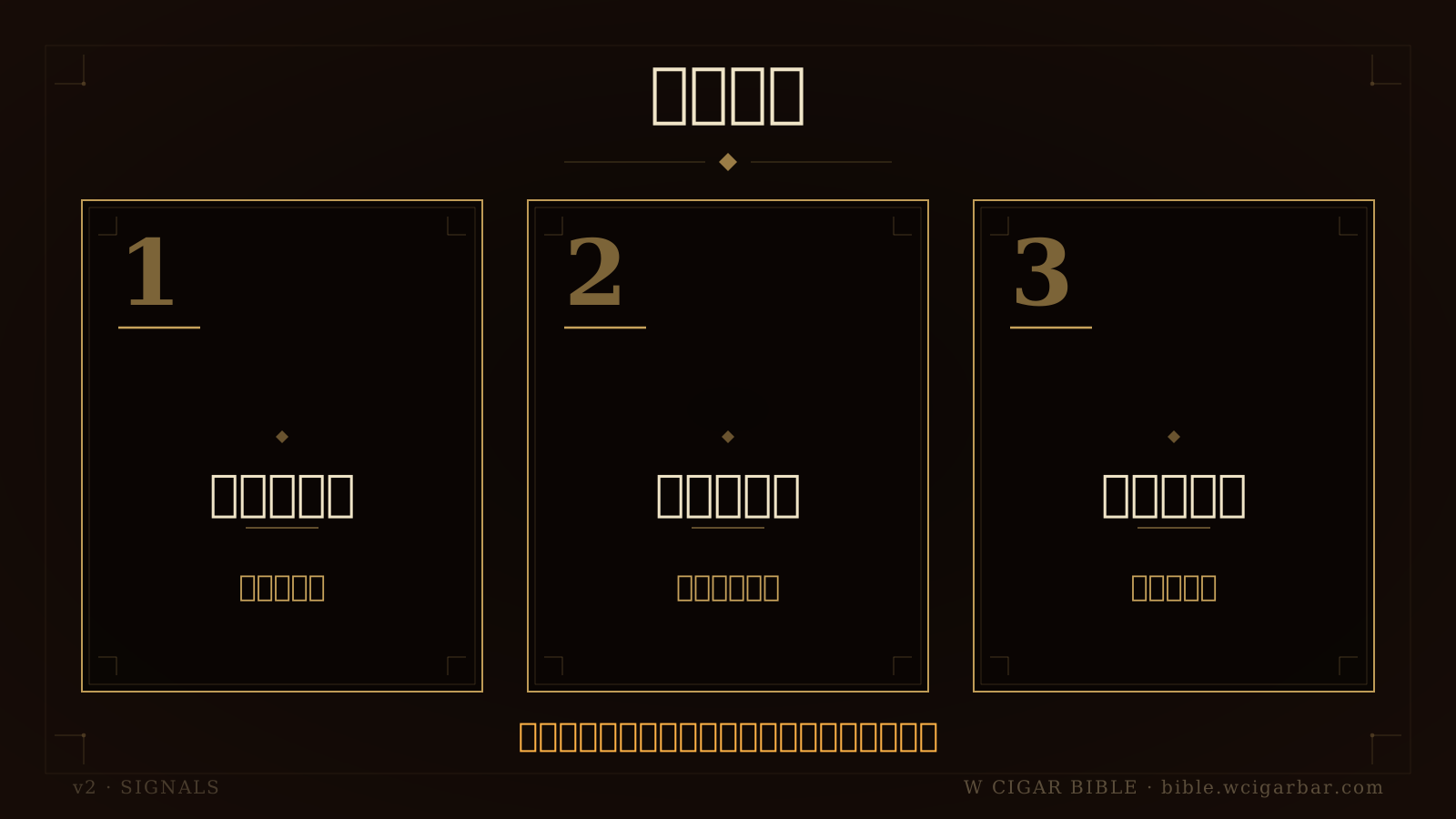
三張重點卡說明年分與保存對風味的影響
Brand Constitution: Who is Suitable for Long Storage, Who is Suitable for Early Opening
Not every brand is suitable for long waiting. Cigars like Bolívar Royal Corona, Partagás Lusitanias, Ramon Allones Specially Selected, with strong structure, deep concentration, and sufficient ring gauge, usually have better potential for more than ten years. When young, they may be rough, even with bitterness and animal hide, but time will integrate them into brown sugar, deep-roasted coffee, leather, and mature wood aroma.
Conversely, cigars like Hoyo de Monterrey Epicure No.2, Por Larrañaga Petit Corona, Quai d’Orsay No.50, known for elegance, floral aroma, creaminess, or light sweetness, may not need to wait 15 years. They are often quite charming in 4 to 8 years, and if stored poorly, the aroma may decline if kept too long. Brand constitution determines the time limit, concentration is not the only indicator, structure is the key.
I once compared two boxes of Trinidad Fundadores from different years, one from 2008 and one from 2018. The 2008 box, under stable storage, exhibited dried flowers, honey, milk tea, cedar, and a faint mineral feel; the 2018 box was more vivid, with grass, sweet cream, and light spiciness. Neither is superior, like the same musician playing the same piece at different ages; the value of old vintages lies in mature tone, not just rarity.
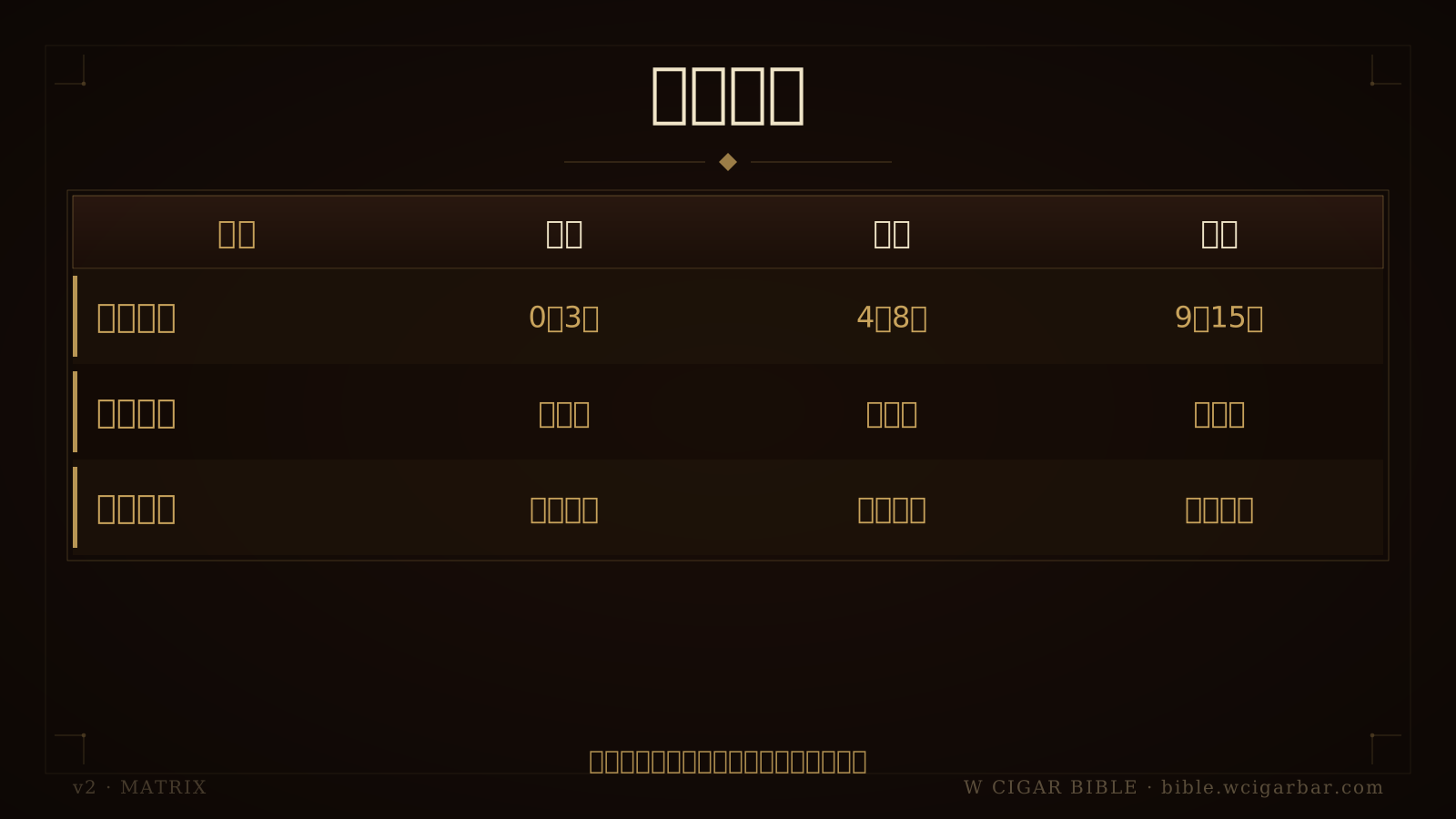
矩陣比較短期整合成熟三個年段的風味表現
Age, Size, and Ring Gauge: Why Larger Sizes Often Last Longer
The size of a cigar greatly influences aging. Generally, cigars with sufficient length and larger ring gauge have a richer proportion of internal tobacco leaves, more stable burning temperature, slower aroma release, and better tolerance for long-term storage. Churchill, Double Corona, Prominentes, Robusto Extra often show more than ten years of evolution better than smaller sizes.
| Size Type | Common Representative | Suggested Observation Period | Key Points of Flavor Evolution |
|---|---|---|---|
| Petit Corona | Por Larrañaga Petit Corona | 3-8 years | Sweetness, hay, caramel mature earlier |
| Robusto | Partagás Serie D No.4 | 4-10 years | Spiciness rounds, woodiness deepens |
| Pirámide | Montecristo No.2 | 5-12 years | Cocoa, coffee, nuts integrate |
| Churchill | H. Upmann Sir Winston | 8-15 years | Cream, tea aroma, cedar extend |
| Double Corona | Hoyo Double Coronas | 8-18 years | Floral, honey, mature wood slowly unfold |
Different sizes within the same brand will have completely different time rhythms. For example, Hoyo Epicure No.2 may have soft cream and floral aroma in 5 years, but Hoyo Double Coronas, if stored well, will only truly open the advantages of long size after 12 years. Short sizes are not incapable of aging, just that the flavor window is earlier, and after the peak, it is more likely to become thin.
To judge if a size is suitable for long storage, I look at three things: first, whether there is enough mid-to-back support when young; second, whether the burning temperature is stable; third, whether the tail end has dryness or hollowness. If a new cigar's tail end is already thin, expecting it to become a magnificent old wine after 15 years is usually unrealistic. Time magnifies strengths and also magnifies weaknesses.
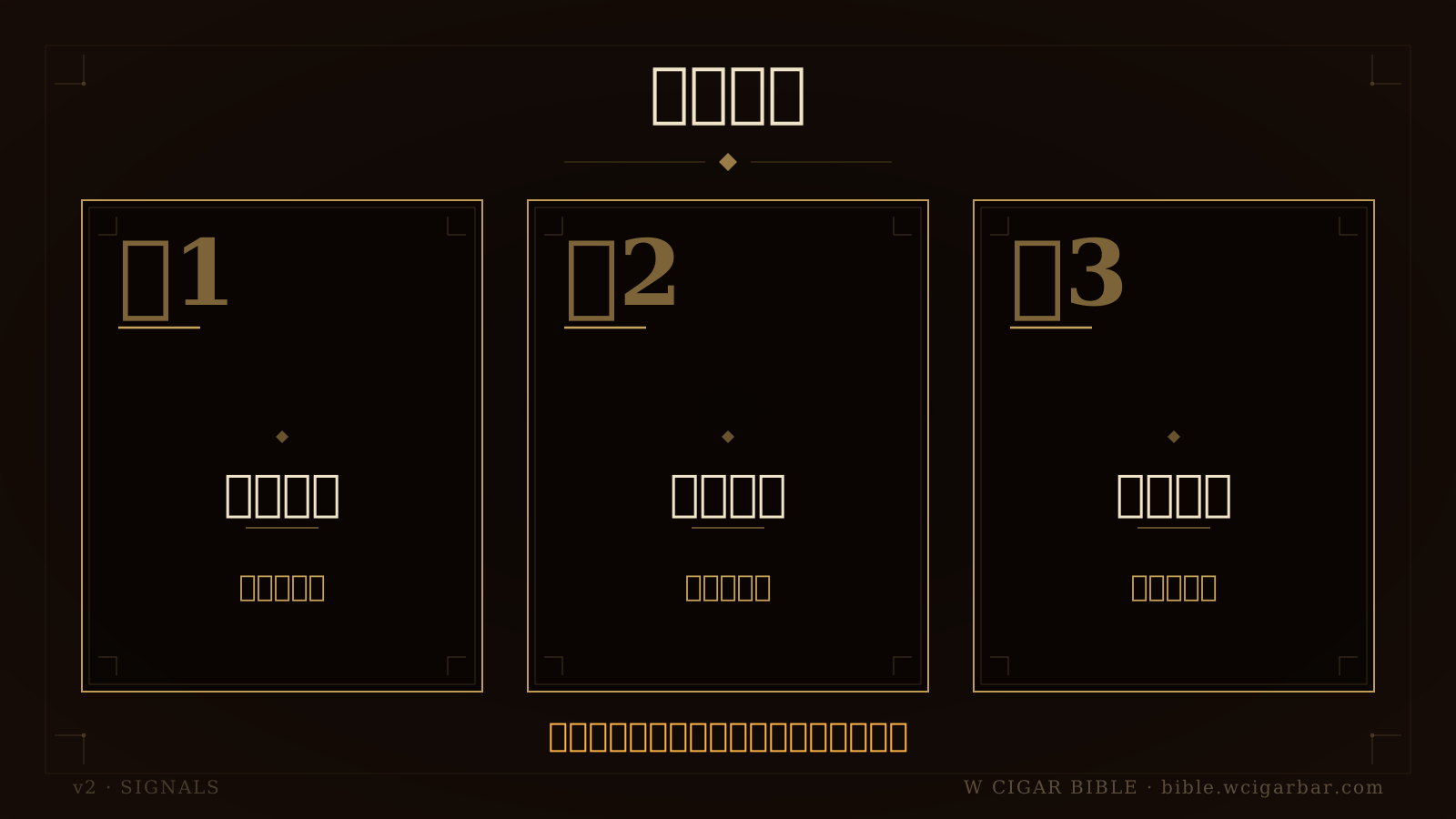
三張提醒卡列出陳年雪茄常見誤解與修正方向
Storage Conditions: Humidity, Temperature, and Microclimate Inside the Box
Talking about age cannot ignore storage. My baseline is a temperature of about 18 to 21°C, relative humidity of 65% to 68%, and avoiding drastic day-night fluctuations. Many veterans debate whether 62%, 65%, or 69% is best, but it actually depends on the cigar's origin, box material, local climate, and personal taste. If Cuban cigars are stored too wet, common issues are poor burning, sourness, and aroma being suppressed by moisture.
Stability is more important than precision; long-term small fluctuations are better than short-term large adjustments. A box of 2011 Ramon Allones Specially Selected, if aged slowly around 66% for more than ten years, is often more valuable than a box boasting old vintage but has been dry-cracked and re-moistened. Once a cigar loses water long-term, the appearance may rebound, but the oils and aroma may not return.
I recommend veterans establish their own storage records rather than relying solely on memory. You can record the purchase date, box code, humidity, appearance every six months, aroma, and actual tasting notes. If you open one cigar per year for comparison, you can see the curve: in 2024, the woodiness is hard, in 2026, sweetness emerges, in 2028, the tail end rounds. This long-term tracking is closer to the truth than a single review.
- For long-term storage of boxed cigars, try to minimize frequent box opening.
- Single-stick collections need to pay attention to humidity differences inside cellophane or aluminum tubes.
- Before lighting an old cigar, you can balance it briefly 1 to 3 hours in advance.
- If the outer layer is too wet, don't rush to light it; let the surface moisture dissipate first.
- If you find mold spots, insect damage, or cracked leaves, separate them from other cigars for inspection.
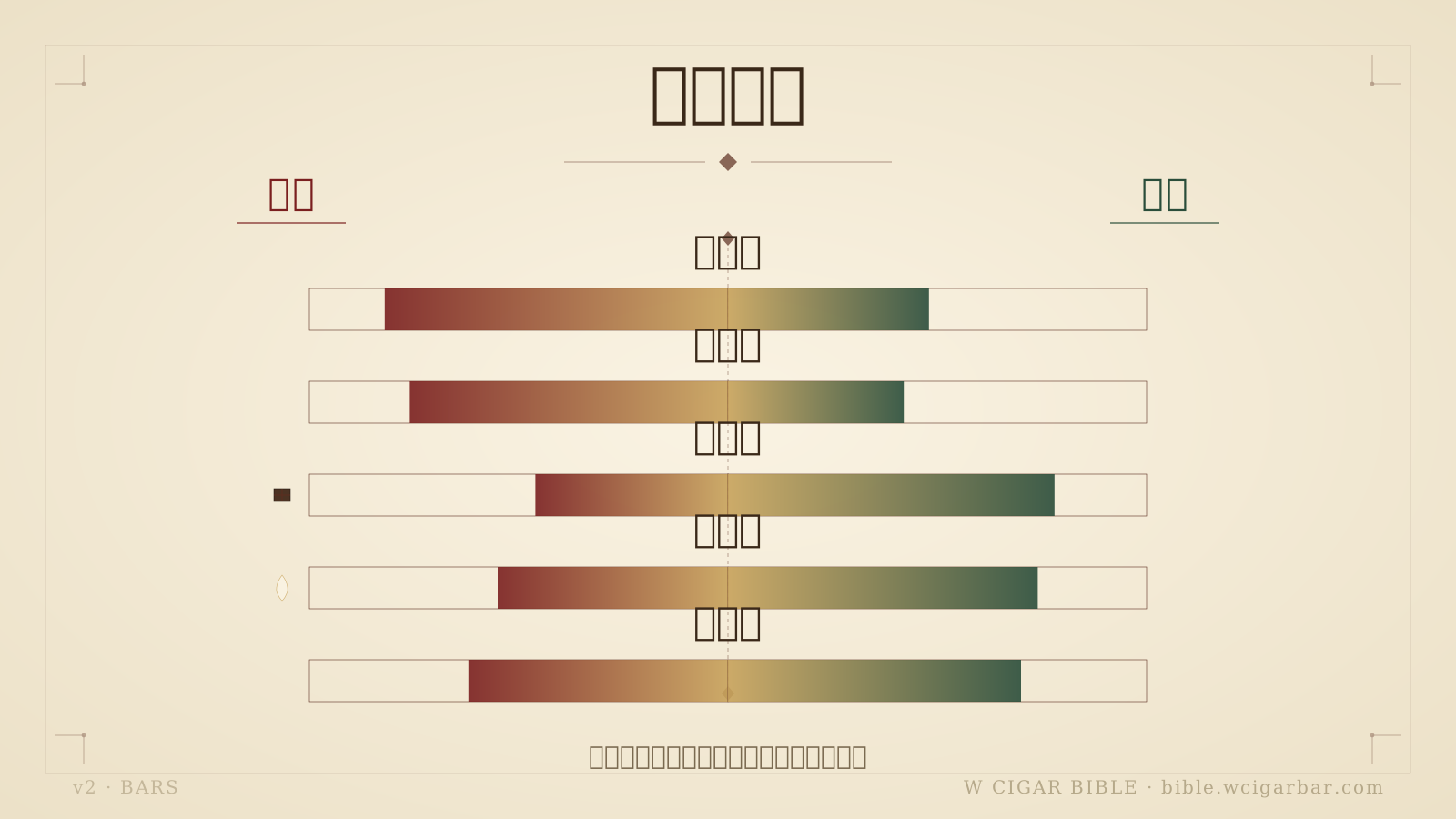
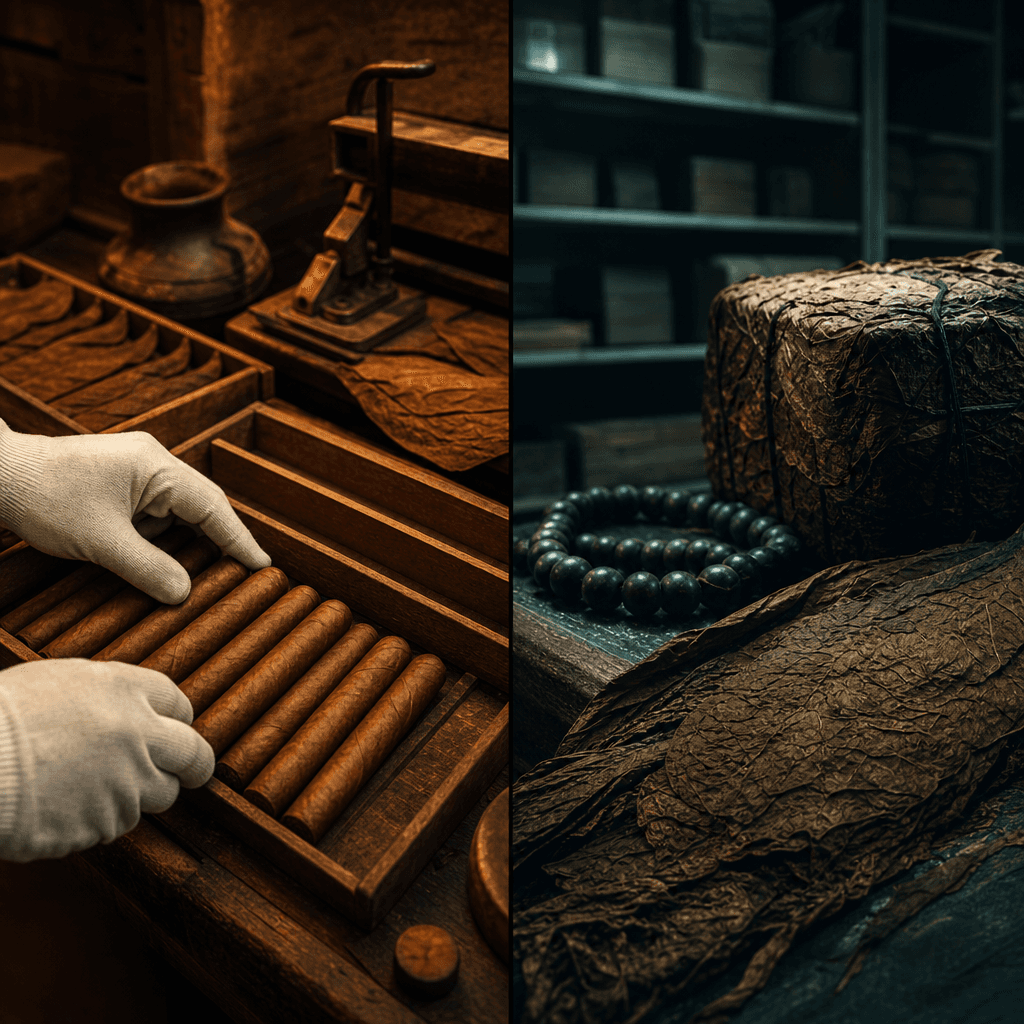
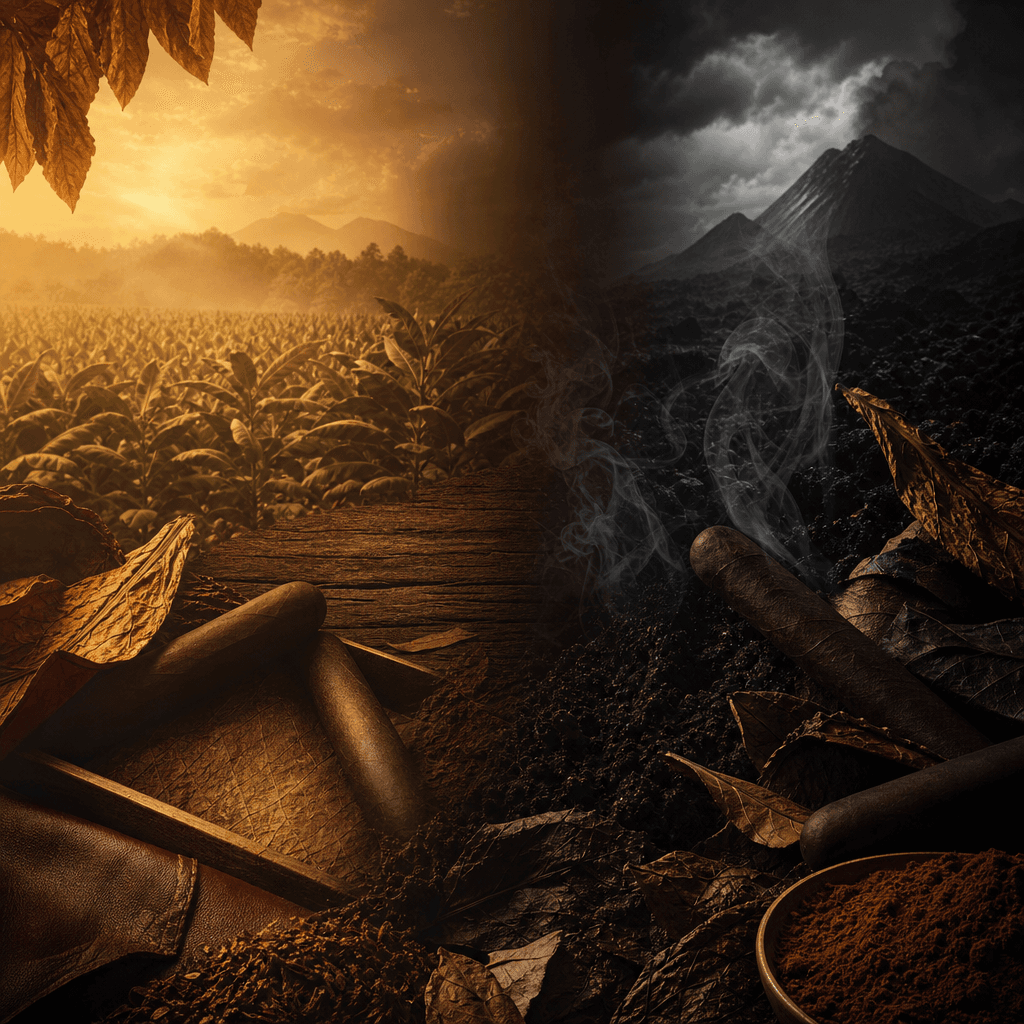
橫條圖比較古巴與非古雪茄在多種風味軸上的差異
Specific Year Cases: Different Expressions of 2000, 2008, 2014, 2019
Cuban cigars around 2000 are often referred to as a transition period in the market, with inconsistent quality performance. Some boxes, like Partagás 898 and Hoyo Double Coronas, if properly stored, can be very exciting, showing old leather, herbs, wet wood, and nectar; but there are also boxes with production control fluctuations that year, with poor draw and burning. Old vintage is not a talisman; be calm before opening the box.
From 2008 to 2011, I think it is a period worth observing for many brands. Cohiba Siglo series, Montecristo No.4, Ramon Allones Specially Selected, Bolívar Belicosos Finos all had good performances. If well preserved, they are now entering the 13 to 16-year range, with strength converging, and sweetness and woodiness becoming delicate. The value of a good vintage is not in rumors, but in repeated verification of the same batch, same storage, and same brand.
From 2014 to 2016, a cleaner, clearer style is often seen, with H. Upmann, Trinidad, and Punch having boxes worth recording. Cigars after 2019 are still in the initial integration phase, suitable for observing structure and future potential, rather than rushing to conclusions. As for non-Cuban, Padrón 1964 Anniversary and Arturo Fuente OpusX, with mature tobacco processing, after long storage, more fusion of wine, cocoa, and spices occurs, without fully applying the Cuban logic.
How to Evaluate Old Cigars: Use Records Instead of Romantic Imagination
Old cigars are most afraid of being mythologized. When facing a cigar from 1998 or 2005, I first look at the appearance: whether the wrapper still has oil sheen, whether the foot aroma is clean, whether the press has elasticity, and whether the cap is brittle. After cutting, if the cold draw only has cardboard, dust, and warehouse smell, it is usually not a good sign; if there are dried fruit, cedar, tea leaves, and a faint honey feel, it is worth looking forward to.
When lighting, the firepower should be gentle, especially for cigars over 15 years old, as the wrapper is more brittle, and excessive roasting will make the first puff bitter. Don't rush to take big puffs in the front section; let the burn line stabilize slowly. The focus of evaluating old cigars is not strength, but the clarity, transition, and length of the aroma. If a cigar is only "very smooth" but lacks aroma details, it is just soft, not necessarily mature.
I suggest veterans write notes in a fixed format: date, environment, storage humidity, pre-light state, first third, middle section, tail end, aftertaste, and summary. For example, a 2012 Montecristo No.2 can record cocoa and cedar in the front section, turning to coffee and roasted almonds in the middle, with leather and slight spiciness in the tail end. After accumulating records of more than 30 cigars, you will be clearer about whether you prefer the tone of 7 years, 12 years, or 18 years.
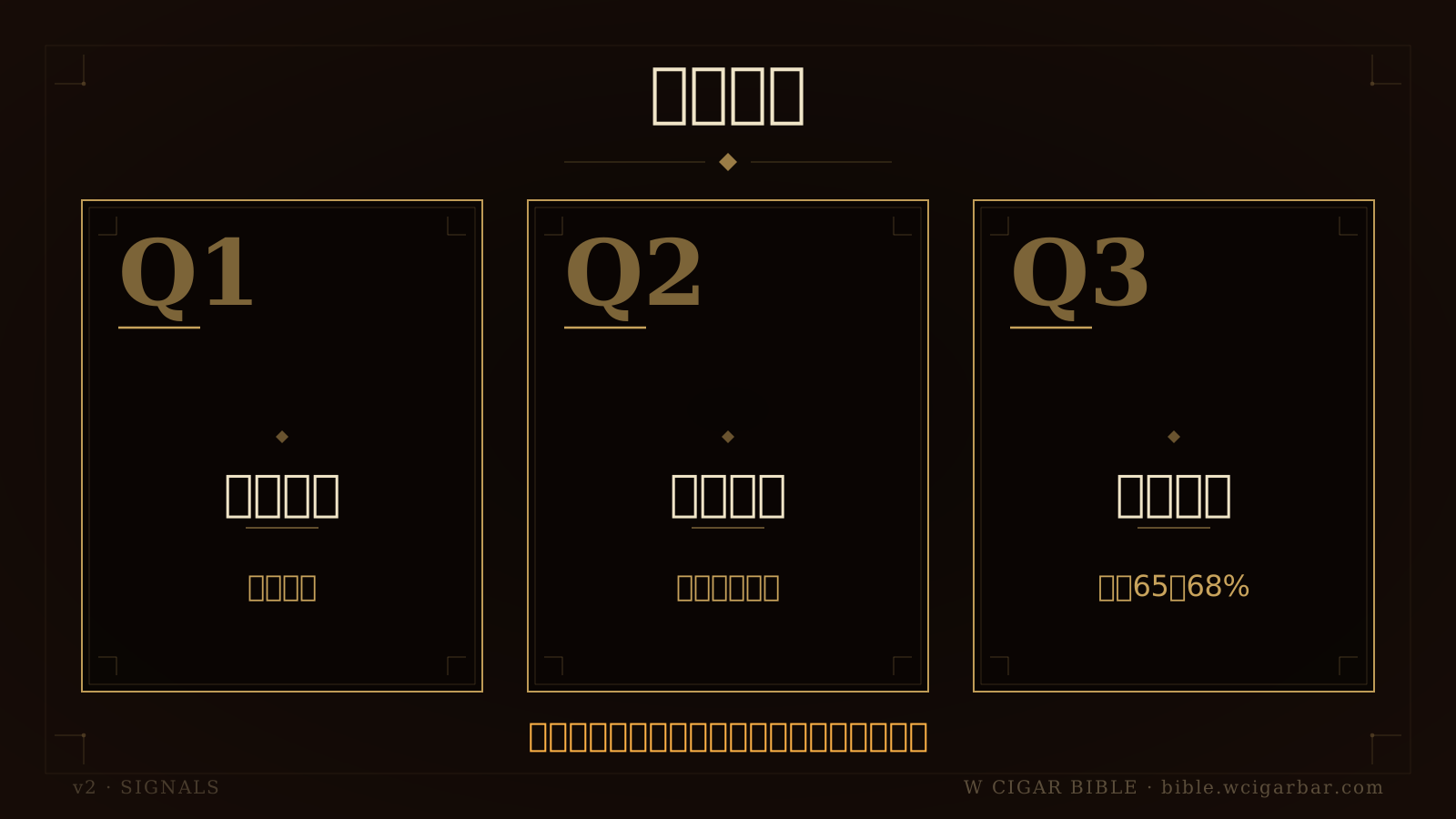
快問快答卡整理久放盒碼與老雪茄濕度的實用答案
Market, Source, and Collection Judgment: Rare Does Not Equal Good Smoke
The market price of old vintage cigars is often influenced by discontinuation, limited edition, brand popularity, and box condition. Cigars like Cohiba Behike 52, Trinidad Robusto T, Partagás Serie D No.1 Edición Limitada 2004 are sought after by collectors due to rarity and storytelling. But high prices do not necessarily represent flavor at its peak, especially when the source is unknown, and storage records are missing, the risk is magnified.
Collection appreciation does not equal guaranteed appreciation; it still depends on source storage and market. As someone who has long been in contact with the circulation of Cuban cigars, I am very strict about the source; if it involves the PCC authorized dealer system, it also needs to return to batch, box code, seal, tax label, and storage record cross-judgment. Veterans should not only look at the beautiful outer box but also check the humidity traces inside the box, the condition of the wrapper, and whether the aroma is clean.
Collection can have strategies: first, buy brands you are willing to spend time costs on; second, diversify years, don't just bet on one year; third, keep complete box codes and records; fourth, regularly open one to check the curve. If a box of 2016 H. Upmann Magnum 50 performs sweetly balanced in 2026, it may not need to be forced to wait until 2036. The end of the collection is still understanding and enjoyment, not the number itself.
Frequently Asked Questions
Q1: Do cigars get better the longer they are stored?
Not necessarily. Time will only magnify the original structure, not turn mediocrity into greatness. If it was already hollow, dry, bitter, or had poor draw when young, long storage mostly just delays disappointment. Usually, 5 to 12 years is the most worthwhile observation period for most good cigars, and over 15 years, it relies more on storage conditions.
Q2: Is the aging logic of Cuban cigars the same as non-Cuban cigars?
Not entirely. Cuban cigars often transform between floral, herbal, mineral, honey, and leather, while non-Cuban like Padrón, Fuente, Davidoff may lean more towards cocoa, spices, cream, nuts, and wood fusion. Both will mature, but the flavor language is different and cannot be measured with the same ruler.
Q3: Is the bottom box year important, or is the storage record important?
Both are important, but storage records are closer to the truth. A box from 2008 that has been too dry for a long time may not surpass a well-stored box from 2018. Veterans look at the year, but also at oil sheen, elasticity, foot aroma, burn state, and source context.
Q4: Should old cigars be stored at a lower humidity?
In most cases, 65% to 68% is a safe range; if the location is humid, it can be slightly lower, but long-term excessive dryness is not recommended. Old cigars have more brittle wrappers, and excessive dryness can easily crack leaves, while excessive moisture will suppress aroma. The key is stability, not chasing a magical number.
Q5: How to judge if an old cigar has passed its peak?
If the aroma only has cardboard, dry wood, and dust, sweetness disappears, the mid-to-back section has no transition, and the aftertaste is short and empty, it has usually passed its peak. Conversely, even if the strength is very soft, as long as there are tea aroma, dried fruit, cedar, nectar, or leather layers, it may still be in a beautiful mature state.
For me, the most charming thing about aged cigars is that they teach humility. You think you are waiting for a cigar, but you are actually waiting for judgment to mature. The year can be marked, but the flavor can only be patiently understood. A true veteran does not just chase old boxes but knows when to open, when to stop, and when to leave a mouthful of aftertaste in memory.
—Cigar Prince Wilson Tsai
Smoking is harmful to health. Under 20 years old is not allowed to smoke. Quit smoking hotline: 0800-636363. This article is for reference only for adults over 20 years old as knowledge of cigar culture, storage, and regulations, not a tobacco advertisement, promotion, or purchase suggestion.
Like this article?Share with friends
Share this W Cigar Bible piece with friends who want to learn cigar culture, storage, and tasting.
想把這篇 化為實踐
雪茄聖經是知識;雪茄文化要在空間裡發生

W Cigar Bar 大安總店資訊
台北大安區 · 雪茄聖經總編輯 Wilson Tsai 主理的雪茄文化空間
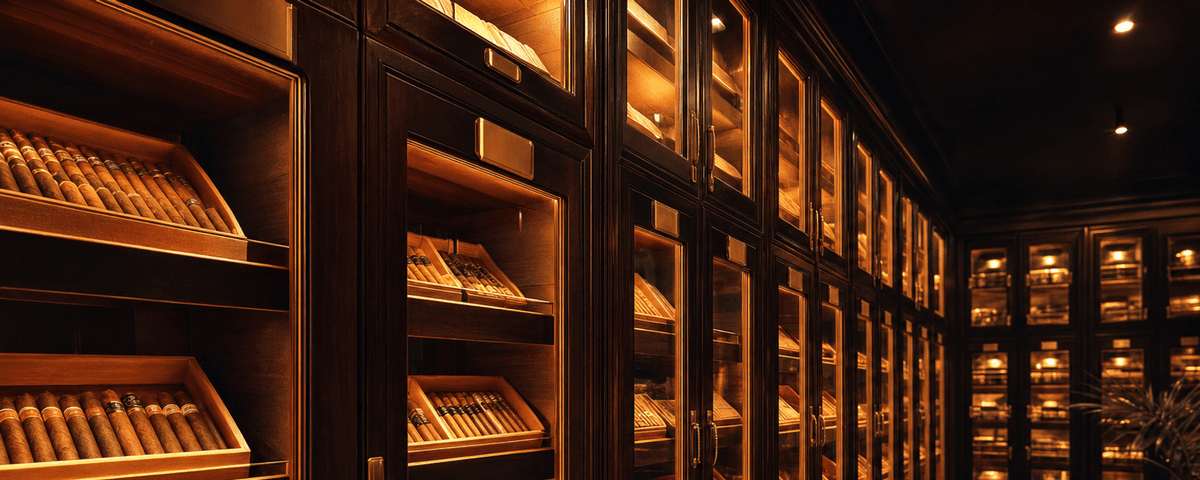
33 座 24 小時恆溫恆濕醇化室
W Cigar Bar 提供的會員醇化空間 · 場地資訊請洽編輯部
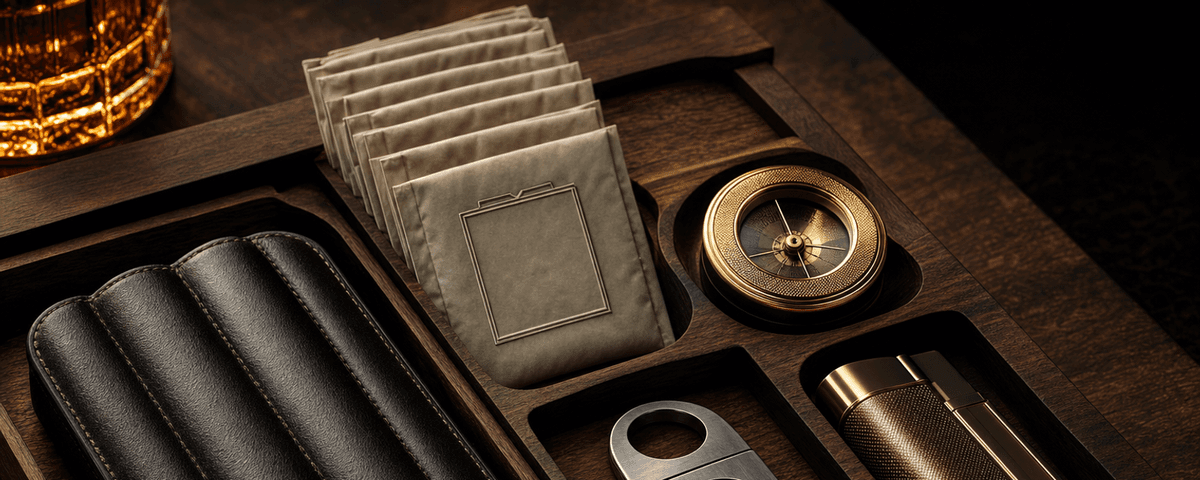
雪茄剪 / 打火機 / 雪茄盒 / Boveda
W Cigar 配件官網 · 專營雪茄配件正品
加 LINE 好友 · 文化諮詢
文化空間資訊 · 紳士沙龍 · 私人包場
本網站內容僅供雪茄文化、歷史、收藏與品吸知識研究參考。菸品有害健康、未滿法定年齡者請勿吸菸。實際規範請依所在地法律為準。
吸菸有害健康・戒菸專線 0800-636363・本站僅供 20 歲以上成年人閱覽。
讀到這裡,你不只是路過的人
留下 Email,加入 W 雪茄聖經內圈——總編輯 Wilson Tsai 親選的學院深文與國際新訊,先你一步送到信箱。
· 教育用途非銷售 · 隨時一鍵退訂 · Email 絕不對外公開 · 由勝茄股份有限公司營運
同分類延伸閱讀

資料來源:W Cigar Bible 編輯部整理 · 雪茄王子 Wilson Tsai 親自審稿
本文僅供雪茄文化、歷史、收藏與品鑑知識研究,不作為菸品促銷、銷售或購買建議。吸菸有害健康,未滿二十歲不得吸菸。