1962 美國禁運 60 年完整解析
JFK、Pierre Salinger 與 1,200 支 H. Upmann——改變雪茄世界的一天
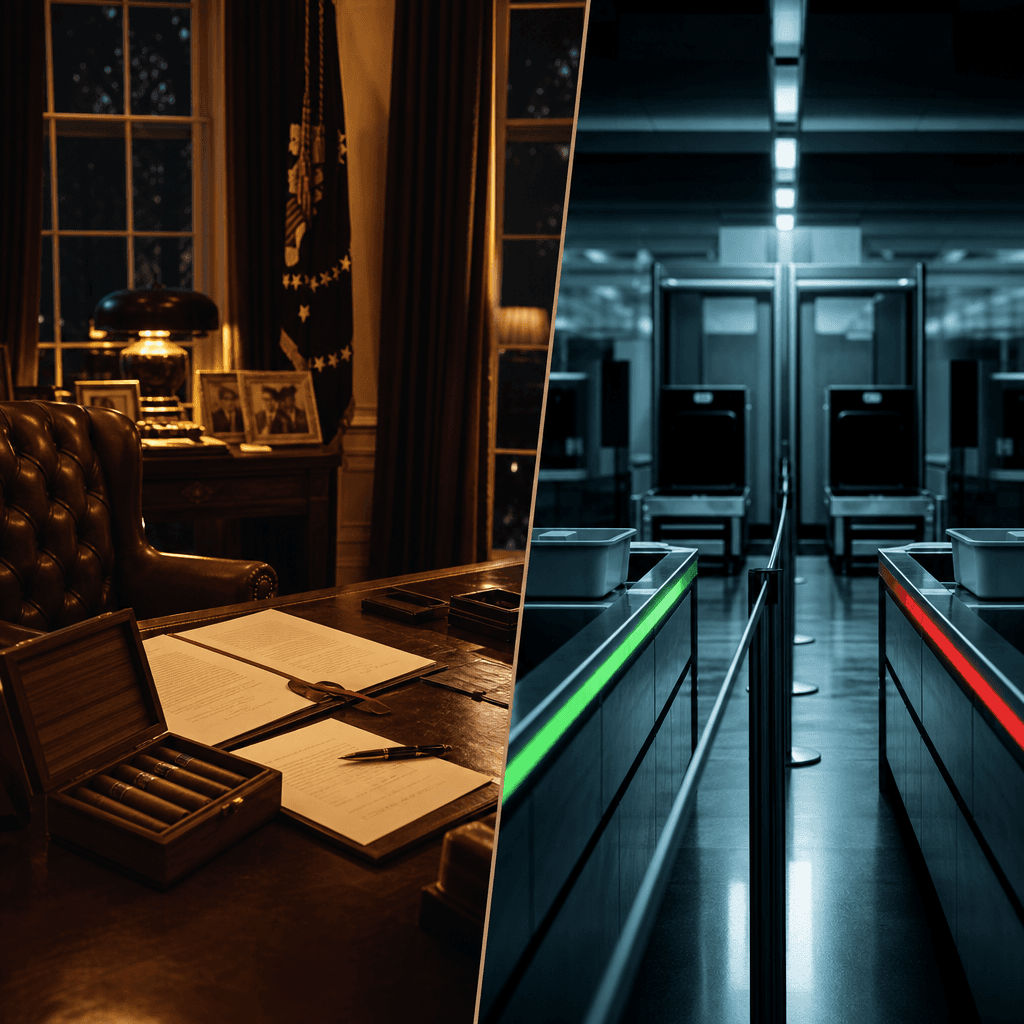
1962 美國禁運 60 年完整解析—JFK 與 Pierre Salinger 1,200 支 H. Upmann 故事(Salinger 自傳記載)、Proclamation 3447 法律依據、禁運 60 年的鬆緊變化(1962-2024、Obama vs Trump 時期)、3 個意外結果(禁果效應/非古雪茄文明爆發/古巴經濟受創)、Cohiba 美國 vs 古巴商標戰、5 個歷史諷刺。雪茄王子親寫 veteran 深度。
- 1962年美國禁運使古巴雪茄成為全球禁果,吸引了更多收藏家和走私者的追捧。
- 禁運促使多明尼加、尼加拉瓜和宏都拉斯等非古雪茄產業迅速崛起,成為全球主要雪茄生產地。
- JFK在簽署禁運前夕囤積了1,200支H. Upmann,成為雪茄圈知名的歷史逸事。
A Complete Analysis of the 60 Years of the 1962 U.S. Embargo: JFK's 1,200 H. Upmann Cigars on the Eve of Signing, 5 Historical Ironies of the Embargo, and the Legal Advantages of Contemporary Taiwanese Gentlemen
February 3, 1962 -- JFK signed Proclamation 3447, which officially took effect on February 7, 1962 -- this was the week that forever changed the cigar world.
From that day onward, for 64 years (1962-2026), it became a federal offense for U.S. citizens to legally purchase, carry, or smoke Cuban cigars.
This embargo produced 3 unexpected historical outcomes:
- Cuban cigars became the world's forbidden fruit -- and were pursued even more fervently
- The non-Cuban cigar industries of the Dominican Republic, Nicaragua, and Honduras rose -- non-Cuban cigar civilization flourished
- The story of JFK's 1,200 H. Upmann cigars on the eve of signing -- became the most famous historical anecdote in the cigar world
This article takes Pierre Salinger's autobiography, P.S. A Memoir (published in 1995), as its core historical document, supplements it with industry consensus and official legal documents, and is compiled by Cigar Prince Wilson Tsai from an in-depth industry perspective as a complete 64-year analysis of the 1962 embargo.
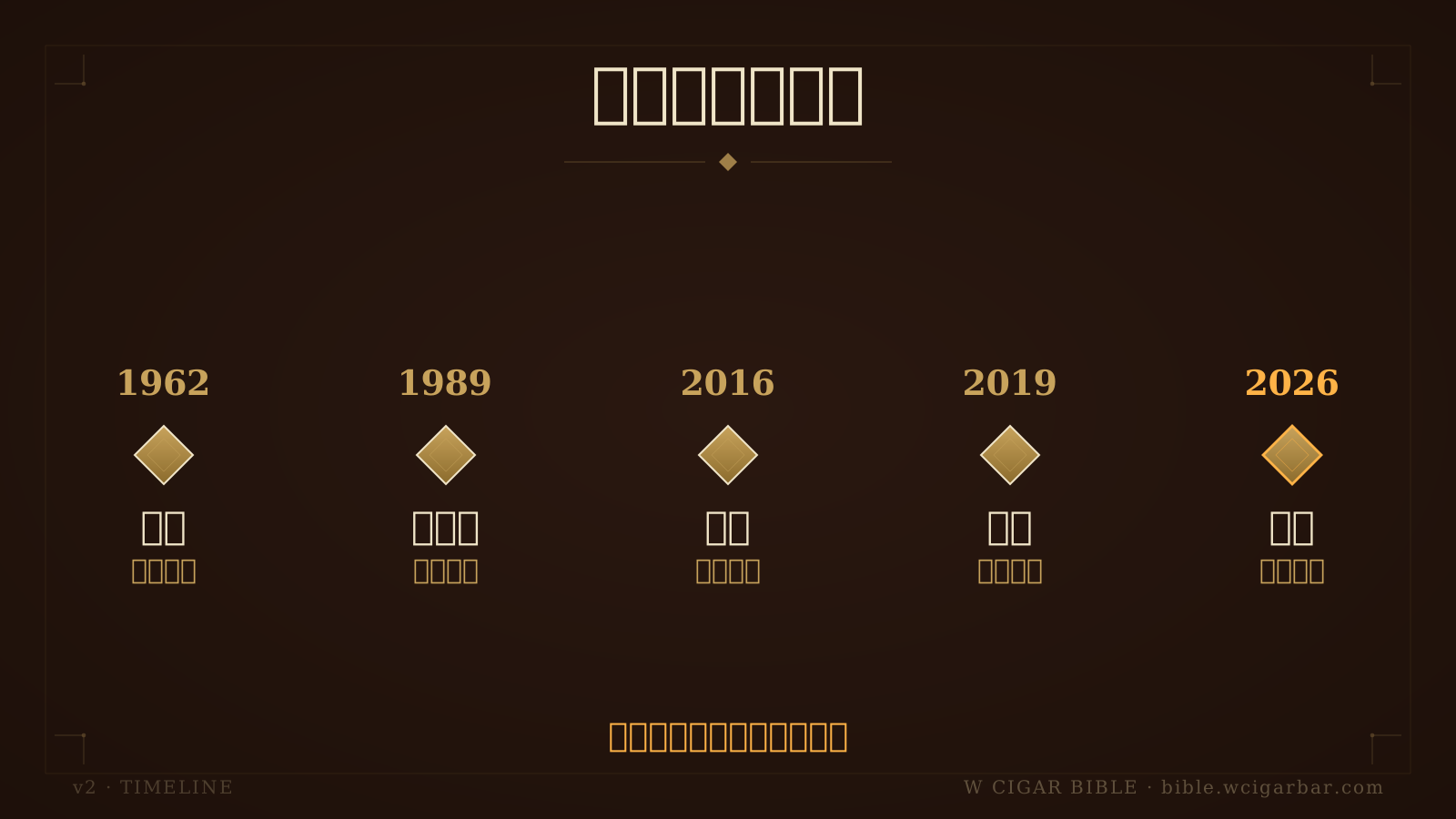
以年代時間線呈現一九六二簽署、嚴格期、有限放寬、重新緊縮到二零二六仍維持的禁運政策演變圖
The Eve of the Embargo: The Historic Night of February 2-3, 1962
Timeline of the Signing of Proclamation 3447
February 3, 1962: JFK signed Proclamation 3447 in the Oval Office of the White House, imposing a comprehensive trade embargo on Cuba.
February 7, 1962: The embargo officially took effect, and U.S. Customs began enforcement.
There was a 4-day buffer period between signing and implementation -- this buffer period was JFK's "personal cigar stockpiling window."
Pierre Salinger's Historic Mission
Pierre Salinger was JFK's Press Secretary (1961-1964).
In his 1995 autobiography, ** P.S. A Memoir **, Salinger recalled in detail the crucial conversation around February 2, 1962 -- the version widely circulated in the industry (from Salinger's own account in his autobiography):
The conversation in the Oval Office:
JFK summoned Salinger to the Oval Office:
"Pierre, I need some help." (Pierre, I need your help.)
Salinger asked what it was about.
"I want you to get me 1,000 Petit Upmanns." (I want you to get me 1,000 Petit H. Upmann.)
Salinger immediately understood -- JFK wanted to stockpile Cuban cigars before signing the embargo order.
"Get them by tomorrow morning." (Have them by tomorrow morning.)
Salinger's "Long Night"
Salinger mobilized his network of cigar merchants in Washington and New York -- making phone calls through the night:
- Washington DC cigar merchants
- High-end retailers such as Davidoff and Dunhill in New York
- Individual private collector channels
On the morning of February 3, 1962 -- Salinger entered the Oval Office and reported to JFK:
"I've got 1,200 of them, sir." (I got 1,200, Mr. President.)
JFK's reaction: "He smiled, and only then signed Proclamation 3447" -- the embargo on Cuba officially took effect on February 7.
Why H. Upmann Petit Upmann?
JFK's preference for H. Upmann was not arbitrary:
- The brand has a long history (founded in 1844, widely recognized in the industry as a banker-gentleman's cigar)
- The Petit Upmann format is small, suitable for short appreciation sessions (matching the pace of White House work)
- Balanced and elegant flavor -- suited to a statesmanlike atmosphere
- A "gentleman president cigar" lineage in industry consensus
Industry consensus: JFK was the most famous representative of H. Upmann in the United States -- even if he never publicly acknowledged it.
See h-upmann-sir-winston-presidents-lineage for a complete analysis of the gentleman president cigar lineage.
Full Content of Proclamation 3447
Legal Basis
JFK invoked the Foreign Assistance Act of 1961 to impose a comprehensive trade embargo on Cuba:
- Prohibiting all goods from being imported from Cuba into the United States
- Including cigars, tobacco leaves, sugar, coffee, and more
- Violators faced fines of up to USD 250,000 + 10 years of imprisonment
Specific Impact on Cuban Cigars
- Import prohibition: U.S. Customs conducted comprehensive inspections and seizures
- Possession prohibition: Private possession was also illegal (the personal carrying allowance was USD 100, later changed to 0)
- Smoking prohibition: Smoking Cuban cigars within the United States was theoretically illegal
- Transshipment prohibition: Routing through third countries (Canada, Mexico) was also illegal
Timeline of Tightening and Loosening Over 64 Years
1962-1989: Extremely strict
- U.S. Customs dogs were trained to identify Cuban cigars
- Actual prosecutions occurred in violation cases
- Zero tolerance for personal carrying
1990s: Slightly looser
- The atmosphere eased after the end of the Cold War
- Some individual cases were not prosecuted
- But the law remained strict
2000-2008: Extremely strict
- Post-9/11 counterterrorism laws indirectly tightened enforcement
- Enforcement intensity increased
- A political atmosphere of "possession of Cuban goods = trading with the enemy"
2009-2016 Obama period: Limited easing
- December 17, 2014: Obama announced a direction toward normalizing relations with Cuba
- 2015: Personal carrying of USD 100 worth of cigars became legal
- October 2016: Monetary limits were removed (personal carrying of Cuban cigars became legal, but sale within the United States remained prohibited)
2017-2020 Trump period: Tightening again
- September 2019: Importing cigars from Cuba into the United States was prohibited
- Personal carrying was still allowed but restricted
- Sanctions related to the Cuban government were strengthened
2021-present: Basically maintaining Trump-era rules
- The Biden administration has not substantially relaxed them
- Commercial import of Cuban cigars remains prohibited
- Personal carrying remains restricted
Industry consensus: The Cold War ended long ago, the world has changed, yet the cigar embargo still exists -- this is one of the most absurd policy continuities of the 20th century.
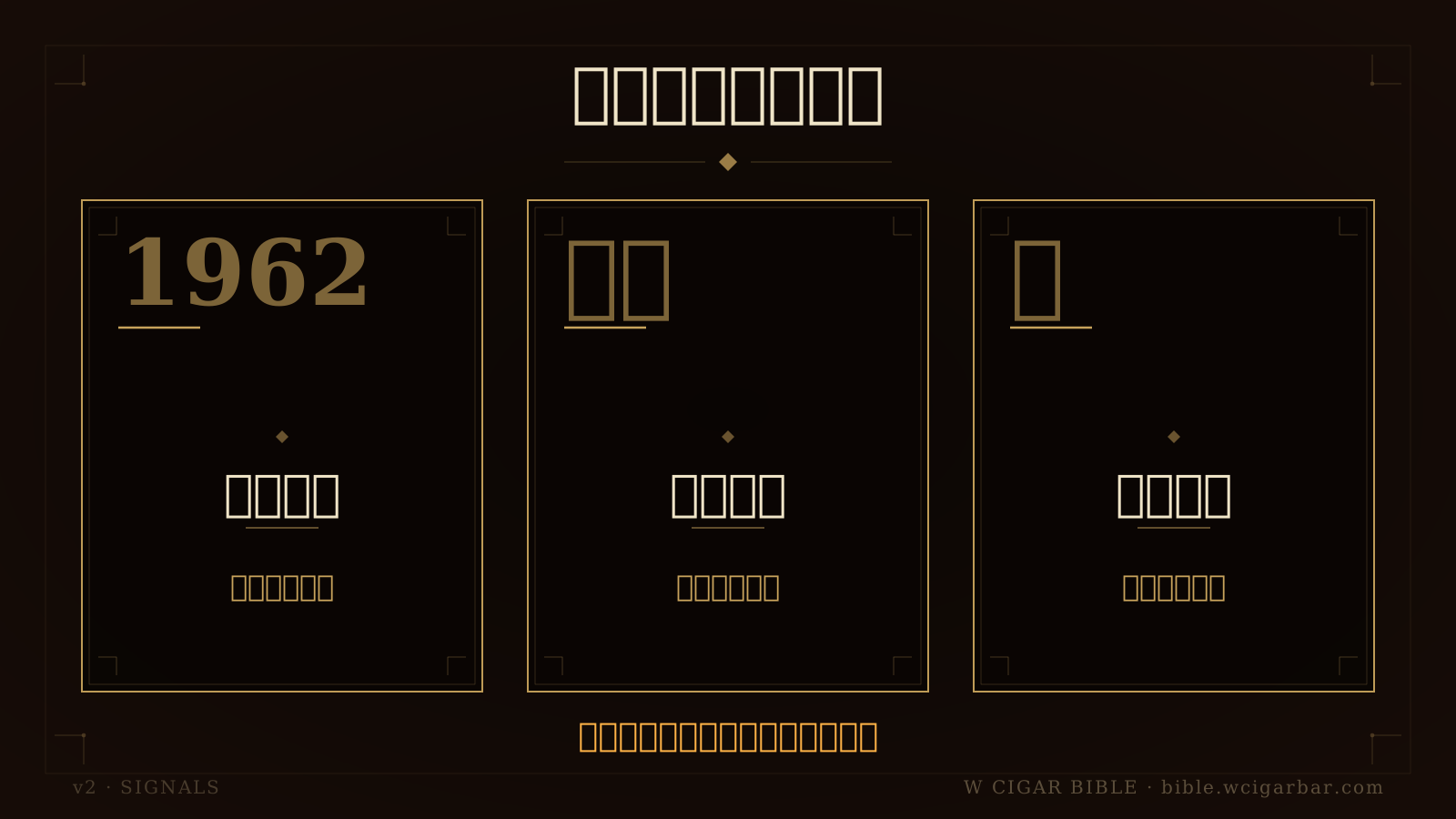
以三張卡片呈現一九六二年禁運簽署生效、升為聯邦層級長期延續與台灣四大正規管道合法的核心結論圖
The 3 Historic Accidental Outcomes of the Embargo
Outcome 1: The "Forbidden Fruit Effect" -- The Global Mythologizing of Cuban Cigars
Economic principle: Prohibit something -> its value rises.
Cuban cigars became:
- The holy grail of global collectors
- A cash cow for the smuggling market
- A symbol of political power
Industry estimates: 50-70% of the "Cohiba" circulating globally today are counterfeits -- most counterfeits are made specifically for the U.S. black market.
The ironic effect of 64 years of embargo:
- The original U.S. intention: "economic sanctions against Cuba"
- The actual result: "free global advertising for Cuban cigar brands"
- The global mythologizing of Cuban cigar brands (especially Cohiba) was driven in considerable part indirectly by the embargo
Outcome 2: The Explosion of Non-Cuban Cigar Civilization
The U.S. market urgently needed "Cuban substitutes" -- 3 countries rose rapidly:
Dominican Republic:
- Davidoff (moved here after leaving Cuba in 1990; see davidoff-complete-brand-history)
- Arturo Fuente (family exiled here from Cuba in 1912)
- Macanudo (classic Cibao Valley brand)
- Romeo y Julieta (Dominican version) (produced in La Romana for the U.S. market after 1962)
- Today it is the world's main production area for non-Cuban cigars
Nicaragua:
- Padrón (founded in 1964 by a Cuban exile family; see padron-anniversary-series-deep-dive)
- My Father (José "Don Pepín" García went into exile from Cuba in 1996)
- Joya de Nicaragua, Plasencia, Drew Estate (Liga Privada), Oliva
Honduras:
- Camacho (under Davidoff)
- Punch (Honduran version)
- Hoyo de Monterrey (Honduran version)
Result: The embargo accidentally created a rich "Cuban alternative" ecosystem -- making global cigar culture more diverse, more decentralized, and harder for a single brand to monopolize.
Industry consensus: Without the 1962 embargo, there would be no contemporary non-Cuban premium cigar industry -- Davidoff, Padrón, My Father, and Plasencia are all historical by-products of the embargo.
Outcome 3: Long-Term Damage to Cuba's Economy
Impact on Cuba itself:
- Loss of its largest export market (the United States)
- Long-term shortage of foreign exchange
- Insufficient investment in tobacco leaves -- quality declined in some years (the industry calls it the "1989-1996 bad Cuban cigar era")
- The living standards of tobacco farmers were affected
But Cuba has never given up hope for the U.S. cigar market -- Habanos S.A. continues lobbying in Washington and waiting for the embargo to loosen.
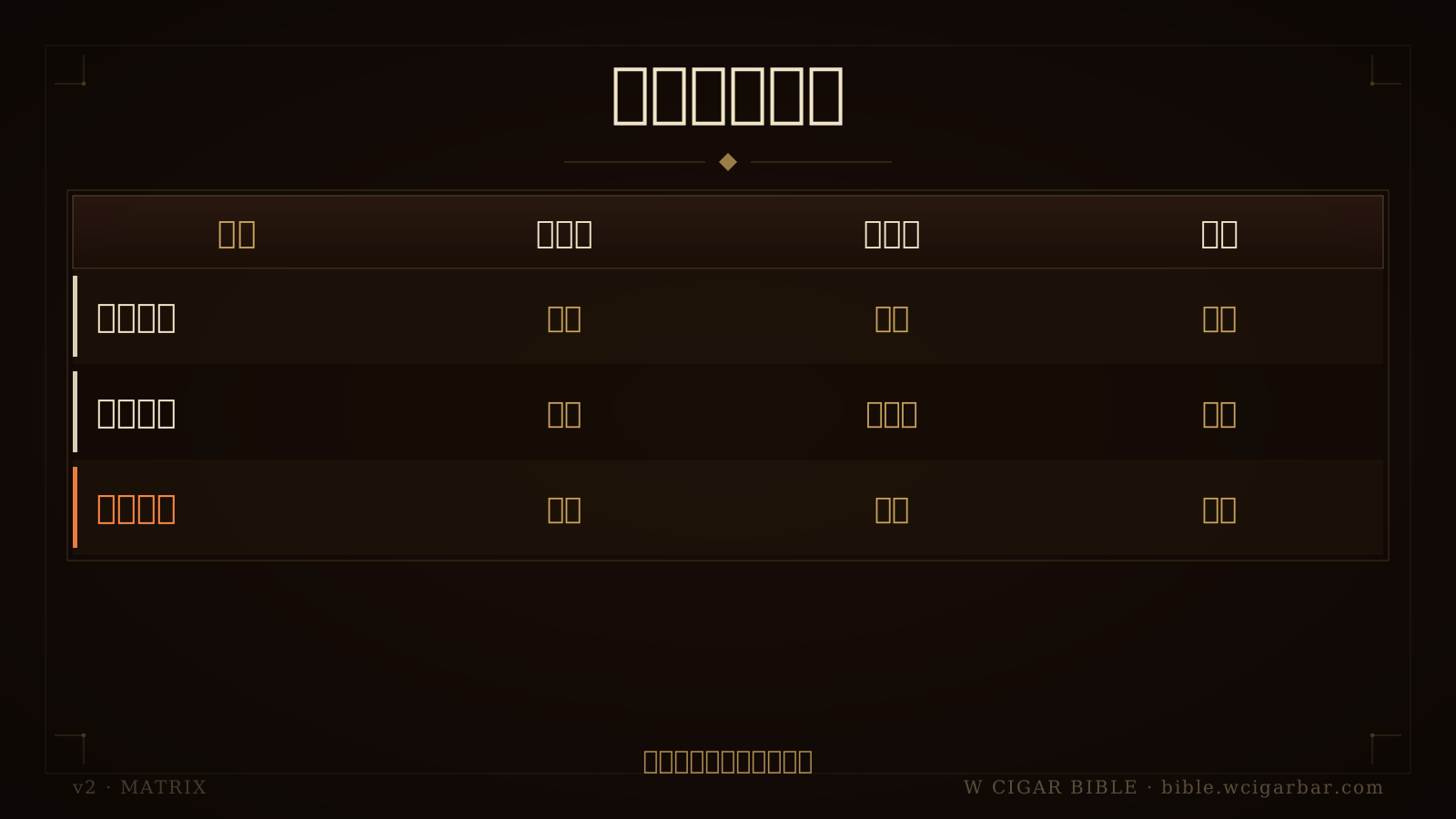
比較商業進口、個人攜帶與境內吸食三種行為在嚴格期、放寬期與當前禁運鬆緊差異的資訊表
The "Gray Survival" of American Cigar Players
Although the embargo is strict, most American cigar players have their own "underground channels":
Channel 1: Cross-Border Purchasing
- Purchasing while traveling in Canada or Mexico
- Cannot bring them back into the United States -- but smoking them locally is OK
- Cuban cigars are legal in Canada, the United Kingdom, Switzerland, France, and Germany
Channel 2: Private Transport
- Friends bring them from Europe or the Caribbean
- Personal carrying < USD 100 (during relaxed periods)
- Cigar band handling: some U.S. players remove bands to reduce inspection risk
Channel 3: High-Grade Counterfeits
- The black market is flooded with counterfeits
- Most "Cohiba" cigars smoked by U.S. consumers are counterfeits
- Origins of counterfeits: Central America, Southeast Asia, Eastern Europe
- Industry estimates put the counterfeit rate of Cohiba in the U.S. market at 60-80%
Channel 4: Legal Alternatives
- Dominican versions of "Cohiba", "Montecristo", and "Romeo y Julieta"
- Same names as the Cuban versions, different blends -- this is the legal divergence between Habanos and U.S. brands such as General Cigar
- For members of American gentlemen's clubs, these are legal but "not orthodox enough" choices
The "U.S. vs Cuba" Split of Cohiba: The Most Dramatic Case in the Trademark War
Cuban Cohiba (Habanos S.A.)
- Owned by the Cuban government (50/50 joint venture with Imperial Brands)
- The genuine "Cohiba" brand
- Sold globally (except in the United States)
- Produced by the El Laguito factory
American Cohiba (General Cigar)
- U.S. company General Cigar (part of the Imperial Brands group)
- Legally uses the "Cohiba" trademark within the United States
- Produced in the Dominican Republic
- Completely different cigars from Cuban Cohiba
The Trademark War Between the Two Companies
They have been fighting a trademark war since the 1980s -- it is currently in a stalemate:
- General Cigar argues that it obtained the Cohiba trademark within the United States in the 1990s
- Habanos S.A. argues that Cohiba is an original Cuban brand and should enjoy global trademark rights
- U.S. court rulings tend to favor General Cigar (based on trademark registration within the United States)
- Cuban / international court rulings tend to favor Habanos S.A.
Industry consensus: This is the most complex legal case in the cigar world -- because it involves international trademark law, U.S. embargo law, and the historical legacy of the Cold War.
For American gentlemen: the "Cohiba" they smoke may be the General Cigar Dominican version, not the original Cuban version -- same name, different cigar, different lineage.
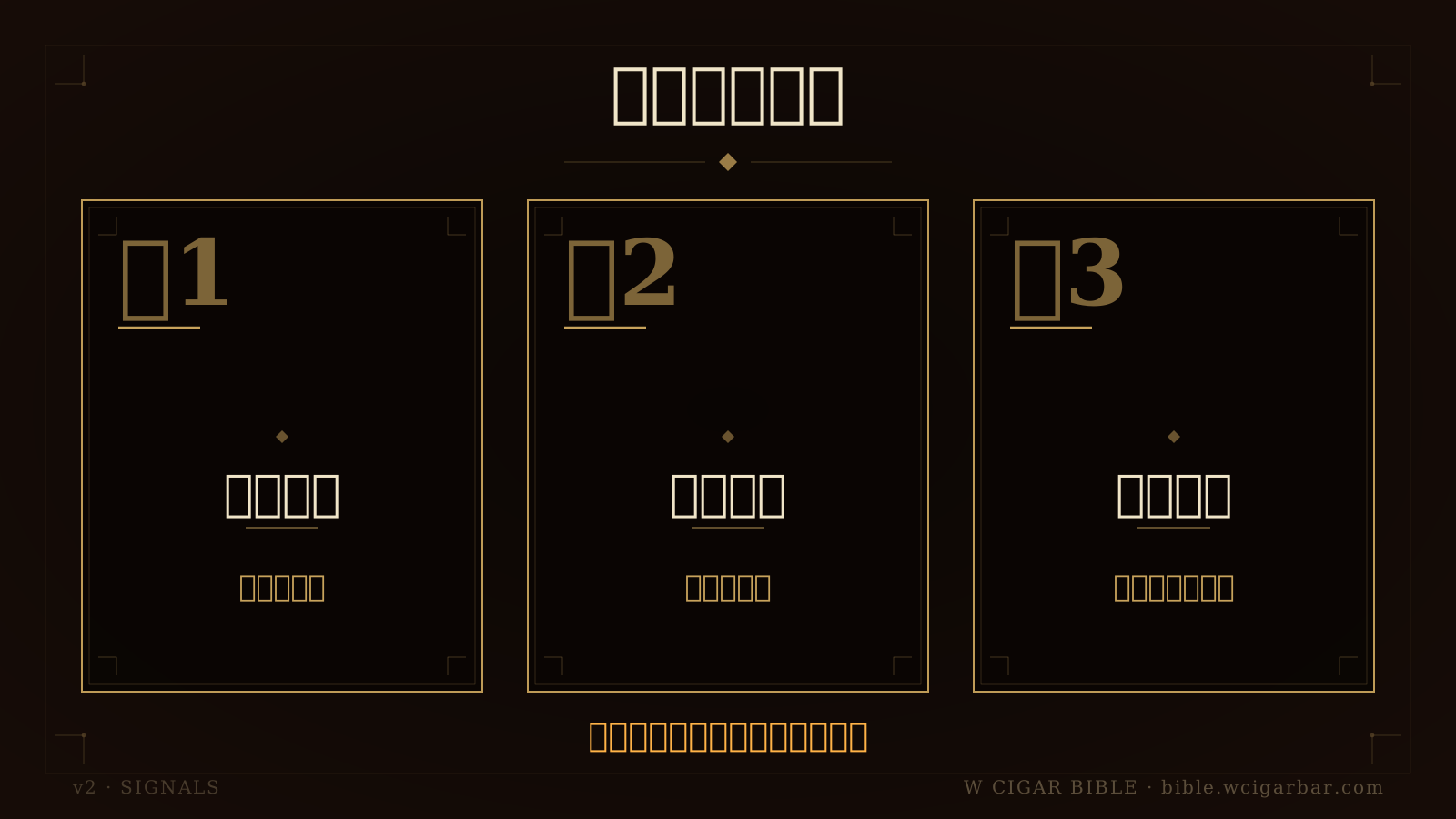
整理禁運常見三個誤解與對應正確觀念的提醒圖,包含禁運仍存在與台灣管道合法的釐清
JFK's Cigar Legacy
The Whereabouts of the 1,200 H. Upmann Cigars
JFK stored the 1,200 H. Upmann Petit Upmann cigars at the White House:
- Personal enjoyment: during 1962-1963
- Internal presidential gifts: to Cabinet members and legislators
- November 22, 1963: JFK was assassinated in Dallas
- The whereabouts of the remaining cigars are unknown
Industry rumor: JFK's widow, Jacqueline Kennedy, distributed the remaining cigars to relatives and friends.
The Auction Legend of JFK Cigars
Industry legend:
- Some of JFK's private collection later appeared at auction houses
- Cigars with "Kennedy family provenance" became top-tier collectibles
- Auction prices could reach USD 5,000-15,000 per cigar (past performance does not represent future performance, and transaction results vary greatly among auction houses)
JFK's Influence on Cigar Culture
Positive influence:
- Raised H. Upmann's global visibility
- Made "pre-embargo Cuban cigars" mythical
- Strengthened the link between cigars and political power
- Pre-Embargo (before 1962/2/7) Cuban cigars became the most important specific-year category in contemporary antique collecting
Negative influence:
- Accelerated the "mythologizing" of the U.S. embargo
- Fueled the black market and smuggling
- Long-term suppression of U.S. cigar culture
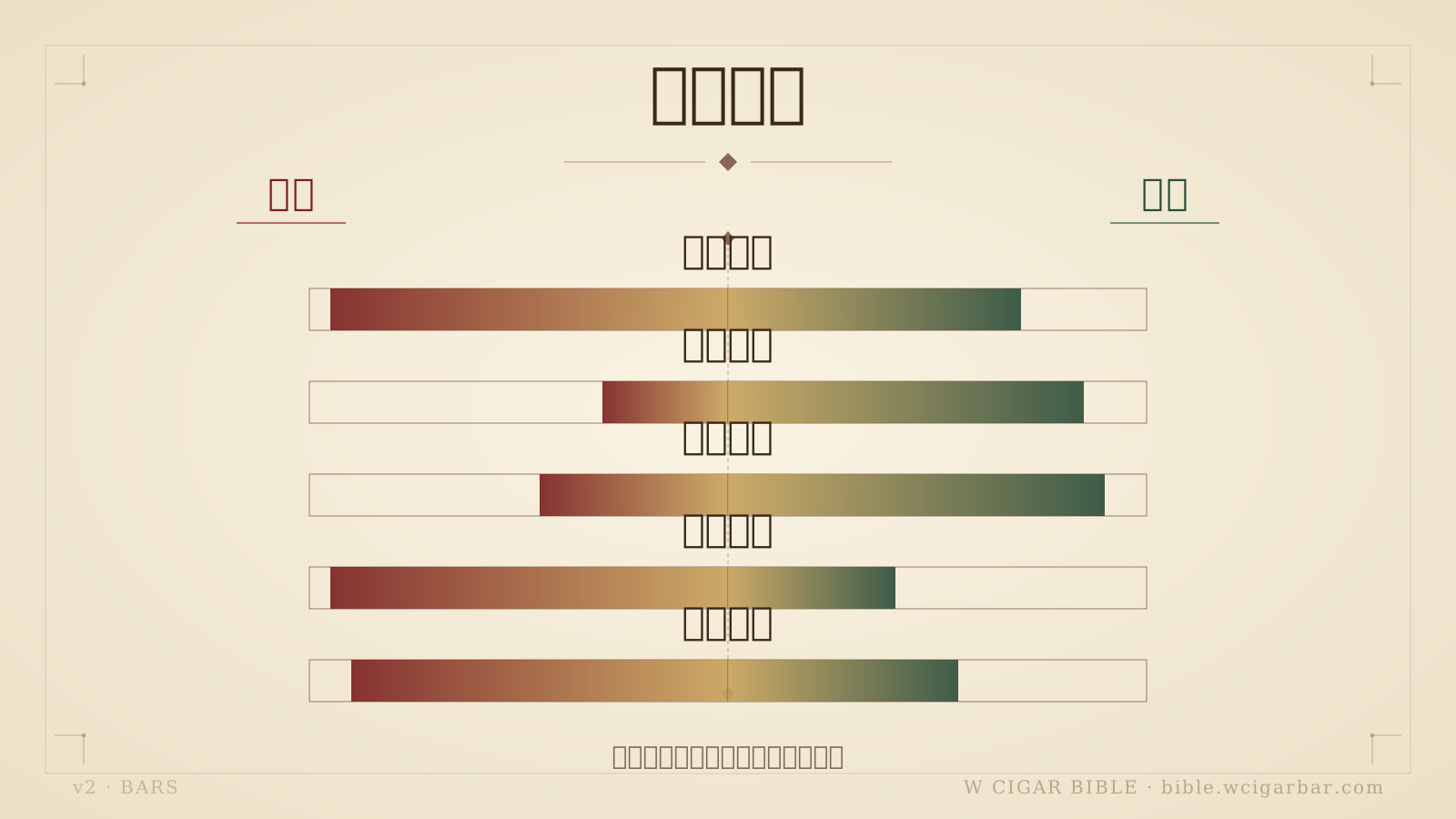
長條圖對比古巴與非古在歷史光環及產區多元差異
5 Historical Ironies of the 60-Year Embargo
Irony 1: JFK Stockpiled Cigars Before Signing the Embargo
The best-known irony -- historians believe this demonstrates the human tendency of "politicians putting the personal before the public."
JFK protected himself with 1,200 H. Upmann cigars, then imposed a comprehensive embargo on all U.S. citizens -- a representative event of the 20th-century gentleman president's principle of "keeping public and private separate."
Irony 2: The Embargo Made Cuban Cigars More Valuable
The original intent of "economic sanctions" instead created a collectible premium:
- Cuban cigar prices rose
- Global exposure for Cuban brands increased
- Habanos S.A. saw profits in European and Asian markets rise instead
Irony 3: American Cigar Smokers Are More Fanatical Than Cubans
Local Cuban cigar consumption is relatively low (Cuban smokers mainly smoke cigarettes rather than cigars) -- after the U.S. embargo, Americans became even more fanatical:
- Members of American gentlemen's clubs are the world's most enthusiastic group in seeking Cuban cigars
- Cuban cigar prices at U.S. auction houses are the highest in the world
- U.S. black-market demand for Cuban cigars is endless
Irony 4: The Embargo Created Non-Cuban Cigar Civilization
Without the embargo, there would be no contemporary non-Cuban premium cigar industry:
- Davidoff, Padrón, My Father, Plasencia, Arturo Fuente, Oliva
- All are historical by-products of the 1962 embargo
- Exiled Cuban tobacco-farming families rebuilt the cigar industry in Central America
- They created the diverse ecosystem of the contemporary cigar world
Irony 5: The Embargo Has Lasted 64+ Years
The Cold War ended long ago (1991), the world has changed, yet the cigar embargo still exists -- this is the most absurd policy continuity:
- The Soviet Union dissolved 35 years ago
- China and the United States established diplomatic relations 47 years ago
- Relations with Vietnam, Iran, and North Korea have all evolved
- Only Cuban cigars remain prohibited by the United States
Lessons for Contemporary Cigar Players
Lesson 1: History Shapes Markets
Understanding the embargo -> understanding why today there is a Cuban vs non-Cuban split -- it is not a difference between brands, but a market structure shaped by 64 years of geopolitics.
Lesson 2: Policy Can Change Culture
One signature -> changed the direction of the global cigar industry for 64 years:
- Created the non-Cuban cigar industry
- Mythologized Cuban cigars
- Reshaped global brand geography
- Influenced the cigar choices of millions of gentlemen's club members
Lesson 3: Markets Always Find a Way Out
Prohibition -> smuggling -> counterfeiting -> alternatives -> markets always find a way. But this "finding a way out" brings:
- A massive counterfeit problem
- Authenticity-identification dilemmas for gentlemen's club members
- Legal risks in gray markets
Lesson 4: Gentlemen Pursue Authenticity
Industry consensus: Real cigar players do not buy counterfeits -- they ensure quality through proper channels.
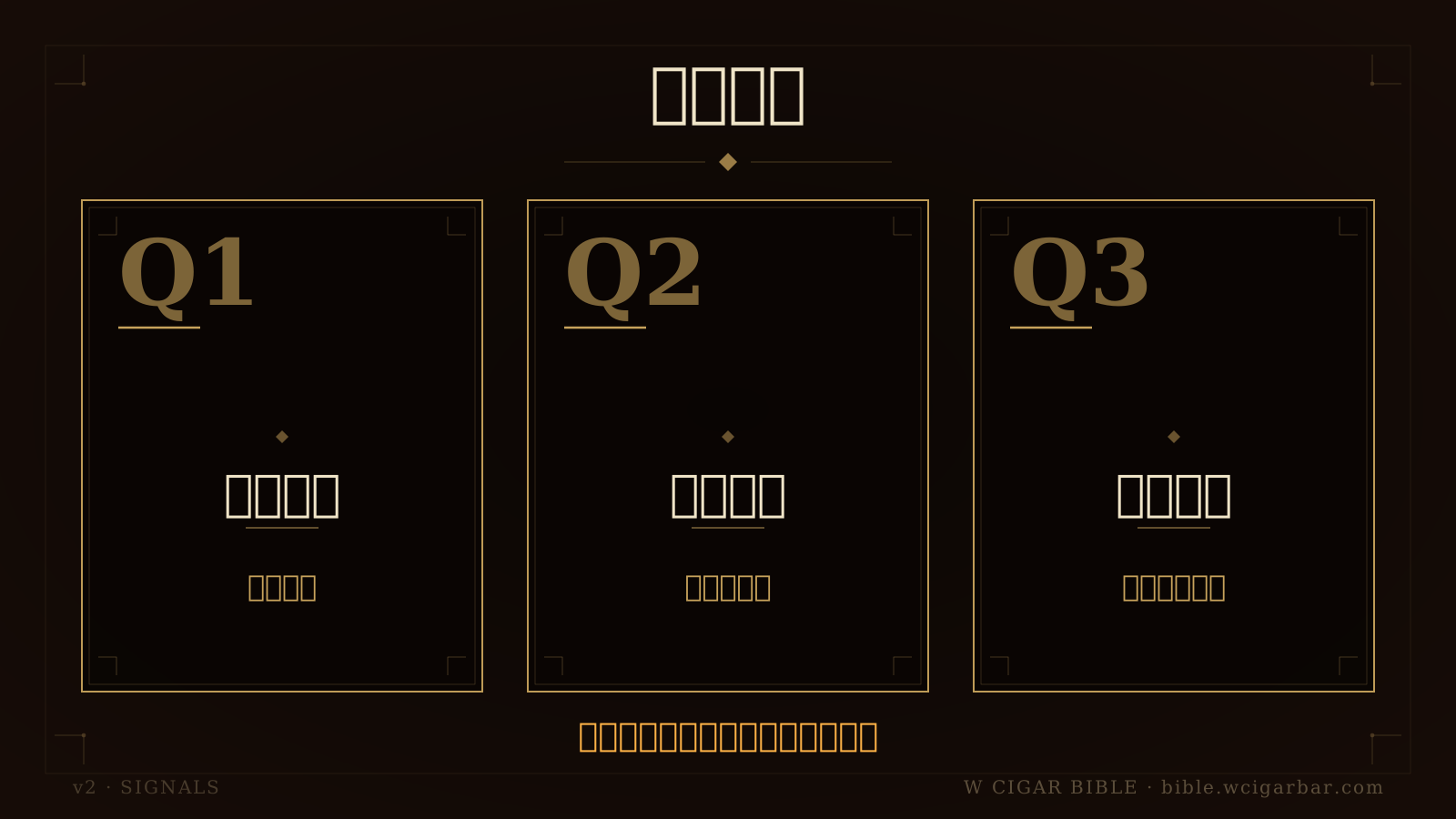
三張問答卡回答生效日期回憶來源與產業影響
The Legal Advantage of Taiwanese Gentlemen: American Players Envy Taiwan
Taiwan's advantage: a complete set of four proper channels for Cuban cigars -- American players envy Taiwan:
- PCC authorized dealers (the main axis of Habanos S.A. Asia-Pacific distribution)
- Official Cuban state-run stores (the Habanos global retail network)
- Swiss general agent (Davidoff system cigar product line)
- Spanish general agent (Tabacalera system)
Taiwanese gentlemen can legally purchase:
- Full Cohiba series (including Behike BHK 52 / 54 / 56)
- Full Montecristo series (including 80 Aniversario EL)
- Full Romeo y Julieta series (including 150th anniversary editions)
- Full Partagás series (including Lusitanias Gran Reserva 2007)
- Full H. Upmann series (including Sir Winston Gran Reserva)
- Full Trinidad series
- Full Davidoff series (Dominican version)
This is the cigar collecting experience that members of American gentlemen's clubs have envied for 64 years but could not have.
Conclusion
The stroke JFK signed on February 3, 1962 -> taking effect on February 7, 1962 -- changed global cigar culture for 64 years.
But today's Taiwanese players are luckier than American players -- we have complete legal channels: PCC authorized dealers, official Cuban state-run stores, Swiss general agent, and Spanish general agent -- four proper channels for comprehensive procurement.
From JFK's 1962 rush procurement of 1,200 cigars + Proclamation 3447 -> the strict embargo period of 1962-1989 -> gray easing in the 1990s -> limited Obama-era easing from 2014-2016 -> Trump's renewed tightening in 2019 -> still maintained in 2026 -- American cigar players have proven over 64 years that true gentleman cigar culture is not on the far shore of embargo law, but in the hands of every gentlemen's club member who legally possesses top-tier cigars.
For members of the W Cigar Bar Daan flagship store gentlemen's club, legally possessing the full series of Cohiba, Montecristo, Romeo y Julieta, Partagás, H. Upmann, Trinidad, and Davidoff is the privilege JFK reserved for himself 64 years ago with 1,200 H. Upmann cigars -- Taiwanese gentlemen in 2026 enjoy the completeness of cigar culture that American gentlemen have been unable to legally enjoy for 64 years since 1962.
Procurement sources: four proper channels for Cuban cigars (PCC authorized dealers, official Cuban state-run stores, Swiss general agent, Spanish general agent). W Cigar Bar Gentlemen's Cigar House - Taipei Daan District -- legal supply of full Cohiba / Montecristo / Romeo y Julieta / Partagás / H. Upmann / Trinidad / Davidoff series, safeguarding the completeness of cigar culture for Taiwanese gentlemen.
LUBINSKI Italian accessories general agent - cigar bistro - Daan flagship store with 33 VIP cigar lockers (24-hour aging, 70% / 18°C professional aging), maintained by dedicated staff - founding store of the Capadura cigar brand.
Cigar Prince Wilson Tsai personally plans legal full-series Cuban cigar collections for VIP clients -- including Pre-Embargo antique cigar appreciation (if obtainable, with complete paper chain).
Venue information: https://share.google/d9NIeFEetij9qWKj0
LUBINSKI accessories official website: https://cigarclub.tw/
This site is for adults aged 20 and above only. Smoking is harmful to health. Smoking cessation hotline: 0800-636363.
W Cigar Bar Gentlemen's Cigar House, written and planned by Cigar Prince Wilson Tsai.
Like this article?Share with friends
Share this W Cigar Bible piece with friends who want to learn cigar culture, storage, and tasting.
想把這篇 化為實踐
雪茄聖經是知識;雪茄文化要在空間裡發生
W Cigar Bar 大安總店資訊
台北大安區 · 雪茄聖經總編輯 Wilson Tsai 主理的雪茄文化空間
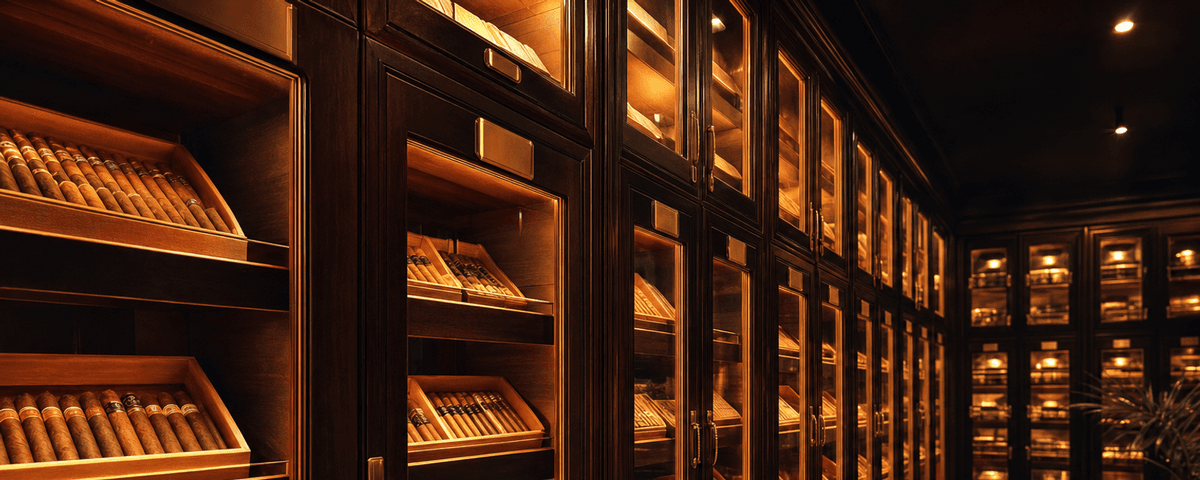
33 座 24 小時恆溫恆濕醇化室
W Cigar Bar 提供的會員醇化空間 · 場地資訊請洽編輯部
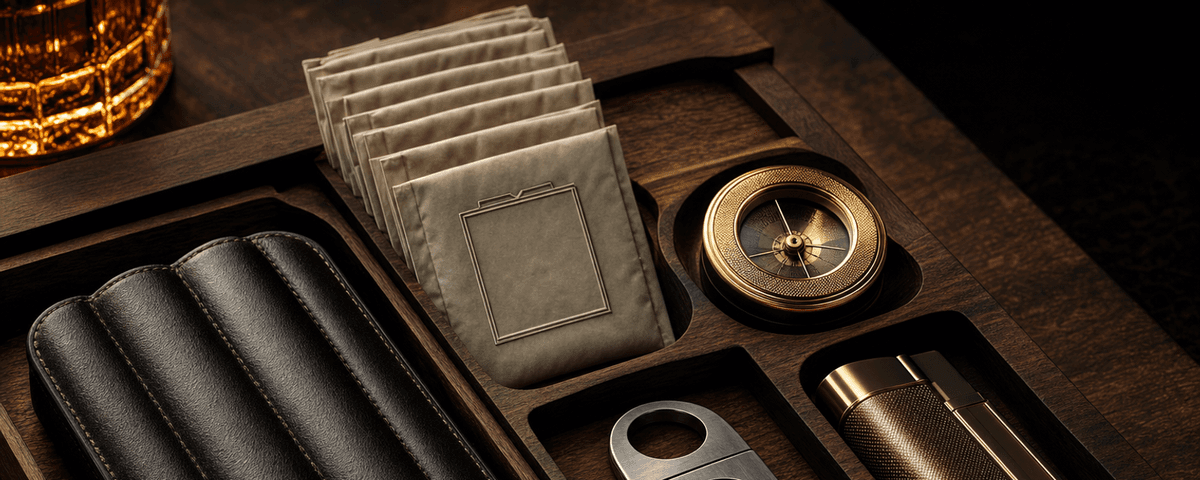
雪茄剪 / 打火機 / 雪茄盒 / Boveda
W Cigar 配件官網 · 專營雪茄配件正品
加 LINE 好友 · 文化諮詢
文化空間資訊 · 紳士沙龍 · 私人包場
本網站內容僅供雪茄文化、歷史、收藏與品吸知識研究參考。菸品有害健康、未滿法定年齡者請勿吸菸。實際規範請依所在地法律為準。
吸菸有害健康・戒菸專線 0800-636363・本站僅供 20 歲以上成年人閱覽。
影片來源:Habanos S.A. 官方 YouTube 頻道 · 教育性內容引用 · AI 智能配對
讀到這裡,你不只是路過的人
留下 Email,加入 W 雪茄聖經內圈——總編輯 Wilson Tsai 親選的學院深文與國際新訊,先你一步送到信箱。
· 教育用途非銷售 · 隨時一鍵退訂 · Email 絕不對外公開 · 由勝茄股份有限公司營運
同分類延伸閱讀


資料來源:W Cigar Bible 編輯部整理 · 雪茄王子 Wilson Tsai 親自審稿
本文僅供雪茄文化、歷史、收藏與品鑑知識研究,不作為菸品促銷、銷售或購買建議。吸菸有害健康,未滿二十歲不得吸菸。