希富恩特斯
革命前古巴雪茄業的家族王朝——擁有 Partagás、Bolívar、Ramón Allones、La Gloria Cubana 4 個品牌
評分方法 · 本評分為 W Cigar Bible 依據品牌歷史、國際能見度、產品穩定性、收藏討論度與華文市場辨識度綜合整理,非投資建議或銷售推薦。
1900 年 Bances 將剩餘股份賣給 Cifuentes——Cifuentes 與 José Fernández López 共同接管 Partagás 經營。這是 Cifuentes 家族 60 年雪茄帝國的起點。
1960 年 9 月 15 日下午 6:30 革命政府接管 Partagás 工廠——**Don Ramón Cifuentes Toriello(Cifuentes 家族繼承人、Partagás 工廠當時負責人)**親口在 1991 年 Cigar Aficionado 訪問中描述:他們進來說我們是來接管公司的,不允許帶走任何東西。是雪茄業最戲劇性的「家族帝國終結」場景。
1954 年 Cifuentes y Cía 收購 Bolívar 與 La Gloria Cubana 品牌——從 Jose F. Rocha 手中收購。生產移到 Cifuentes 工廠。Cifuentes 家族統治 4 個雪茄品牌的「巔峰」——是革命前古巴雪茄業最強勢的單一家族企業。
Don Ramón Cifuentes Llano(1854-1938)——出生於西班牙阿斯圖里亞斯(Asturias)的 Ribadesella。1899 年被銀行家 José A. Bances 邀請加入 Partagás 公司——當時 Bances 不懂雪茄業,需要懂菸草的合夥人。Don Ramón Cifuentes 是阿斯圖里亞斯來的菸農(tabaquero)——這份西班牙菸草背景是他能成功經營 Partagás 的關鍵。
Don Ramón Cifuentes Toriello 在 87 歲時(1995-1996)依然是「雪茄業國際代表性人物」——1995 年 Partagás 150 週年紀念,他在美國 Florida Orlando 由 General Cigar 主辦的紀念活動——而哈瓦那的官方紀念活動他沒參加(古巴政府禁止)——是雪茄業「革命前老闆缺席自家品牌週年慶」的代表場景。
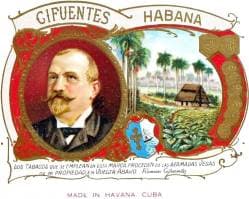
Cifuentes 不是獨立的雪茄品牌——它是 Partagás 公司 1900-1960 年間的擁有家族姓氏。Cifuentes 家族統治了哈瓦那雪茄業 60 年——擁有 Partagás、Bolívar、Ramón Allones、La Gloria Cubana 4 個雪茄品牌——是革命前古巴雪茄業最強勢的「單一家族多品牌」帝國。
1958 年 Cifuentes 公司是古巴雪茄出口第二大——僅次於 H. Upmann(Menendez, Garcia y Co.)。Cifuentes 佔古巴雪茄業 25% 市場。Partagás 是當時第二暢銷古巴雪茄——僅次於 Montecristo。
Don Ramón Cifuentes Toriello 被新政府提供「古巴新國有菸草壟斷公司負責人」職位——但他拒絕了。原因有二:一是不想被政府干預品牌,二是知道古巴從此將失去美國這個利潤豐厚的雪茄市場(甘迺迪禁運令當時還未發布,但他預見到了)。他選擇移民到美國。
1938 年 Don Ramón Cifuentes Llano 過世(享年 84 歲)。1940 年合夥人 Francisco Pego Pita 過世。Cifuentes 家族成為 Partagás 唯一所有者。家族將公司更名為「Cifuentes y Cía」——1941 年正式註冊。
1978 年 Don Ramón Cifuentes Toriello 將 Partagás 與 Bolívar 商標授權給美國的 General Cigar Company——美國取得這 2 個品牌的商標權。Cifuentes 帶著古巴 Partagás 的原始配方離開——是「多明尼加版 Partagás」的歷史起點。
1927 年 Cifuentes y Cía 收購 Ramón Allones 品牌——是 Cifuentes 家族「多品牌策略」的開始。Ramón Allones 與 Partagás 從此在同一工廠生產。
Cifuentes 家族與 Partagás 創辦人 Don Jaime Partagás Ravelo(1816-1868 加泰隆尼亞人)的關係——Don Jaime 1868 年在自己的菸田被謀殺(據說是因為兇手認為他與妻子有染)後,公司經由 Don Jaime 兒子 José 賣給 Bances,再由 Bances 邀請 Cifuentes 加入——Cifuentes 家族是 Partagás 32 年後才接手的家族,但他們把 Partagás 推向真正的全球品牌。
Cifuentes 家族成員在革命後散落各地——多人移民到美國(特別是邁阿密)、多明尼加、波多黎各。Don Ramón Cifuentes Toriello 在 General Cigar Company 任職多年,是「多明尼加版 Partagás」的精神領袖。Cifuentes 家族姓氏至今仍印在多明尼加 Partagás 雪茄環上——「Cifuentes y Cía」字樣是品牌的歷史 DNA。
對研究 Cuban 雪茄歷史的玩家:Cifuentes 不是品牌而是「雪茄業最重要家族之一」。理解 Partagás、Bolívar、Ramón Allones、La Gloria Cubana 的革命前歷史——都離不開 Cifuentes 家族的故事。「Cifuentes」在雪茄文化裡等於「革命前古巴雪茄業的家族王朝」。
1983 年 Don Ramón Cifuentes Toriello 認識 Benji Menendez——Menendez 家族原本擁有 Montecristo 與 H. Upmann,也是革命後逃離古巴的雪茄家族。Benji 在 11 年後(1994)成為 Partagás 總調配師——是「兩個革命前雪茄家族的傳承融合」的代表。
Cifuentes 家族時代「同一工廠多品牌」遺產——今日哈瓦那 Partagás Factory 仍生產:Partagás(佔工廠 50%)、Cohiba(佔 25%)、Bolívar、Ramón Allones、La Gloria Cubana——前 4 個都是 Cifuentes 家族曾擁有的品牌。
初期生產地是牙買加——但1979 年生產移到多明尼加共和國的 Santiago(多國第二大城市)的現代工廠。「多明尼加版 Partagás」誕生——使用古巴傳統配方但用 Cameroon 包葉、多明尼加+宏都拉斯+尼加拉瓜+墨西哥菸葉。今日仍是美國暢銷雪茄之一。
1916 年 Galician 菸農 Francisco Pego Pita 加入 Cifuentes 與 Fernández 的合夥——Pego Pita 是 Vuelta Abajo 的菸田擁有者與菸葉批發商——這份對菸草來源的掌握是 Cifuentes 商業帝國的重要支柱。
Cifuentes 家族時代的 Partagás 雪茄環特徵:金色配紅黑金底色、內嵌「Real Fabricas de Tabaco Partagás」字樣——是雪茄業最具歷史辨識度的雪茄環之一。革命前 Cifuentes 家族設計的雪茄環,今日 Habanos Cuban Partagás 仍完整保留。多明尼加版 Partagás 用幾乎相同設計,只將「Habana」改為「1845」。
1960 年革命接管當時 Partagás 工廠(後改名為 Francisco Pérez Germán Factory)——是革命政府接管的 16 家雪茄工廠之一。今日這座工廠在哈瓦那 Industria 街的原址被改為博物館。新工廠在 2012 年 1 月 2 日啟用(位於哈瓦那舊城外 3 公里)——是 Cifuentes 家族留下的工廠遺產。
Cifuentes 家族以「嚴格管理」聞名——1930 年代哈瓦那勞工動盪期,Cifuentes 一度將 Partagás 工廠關閉,將生產移到 Beujucal 鎮——那裡可以找到便宜的非工會工人。是 Cifuentes 商業手段的爭議性案例。
「Cifuentes」雪茄——20 世紀初到中期,Cifuentes y Cía 也曾經以「Cifuentes」品牌名出產雪茄(少量、家族內部用、特殊客戶訂製)。今日已絕版——存世的「Cifuentes」品牌雪茄是雪茄收藏家的稀有藏品。
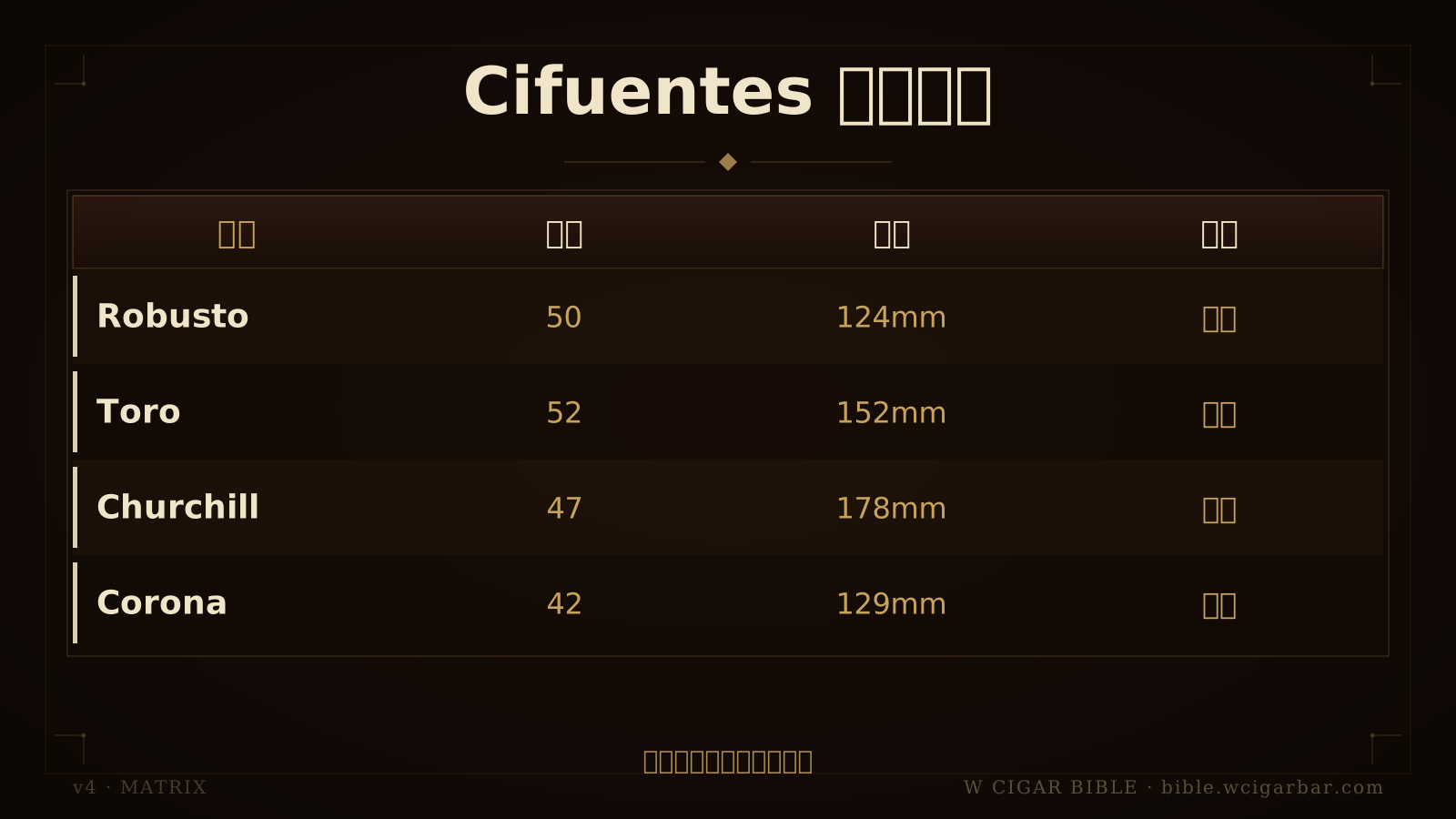
希富恩特斯 完整 vitola 圖鑑(1 張)
希富恩特斯(希富恩特斯 Cifuentes)旗下完整 vitola 圖鑑卡片、每張卡點進去含: 葉組產地(CAPA/CAPOTE/TRIPA)、 風味前中後段、 歷年特殊版發行紀錄(ER 地區限定 · EL 年度限量 · LCDH · RR · GR)、 配飲建議與收藏陳化指南。

The Family Dynasty of the Pre-Revolution Cuban Cigar Industry
If Cohiba is the cigar of the Revolution, and Don Alejandro Robaina is the godfather of Cuban tobacco, then Cifuentes is the "family dynasty of the pre-Revolution Cuban cigar industry"--a legendary cigar family that was not an independent brand but a family surname, ruled the Havana cigar industry for 60 years, owned 4 Cuban cigar brands, and dramatically lost everything in 1960.
The story begins in Asturias, Spain, in 1854.
Don Ramón Cifuentes Llano: The Tobacco Farmer from Asturias
Don Ramón Cifuentes Llano (1854-1938)--born in Ribadesella, Asturias, Spain.
In 1899, he was invited by banker José A. Bances to join the Partagás company--at the time, Bances did not understand the cigar industry and needed a partner who understood tobacco.
Don Ramón Cifuentes was a tobacco farmer (tabaquero) from Asturias--this Spanish tobacco background was the key to his successful management of Partagás.
1900: The Starting Point of the Cifuentes Family's 60-Year Empire
In 1900, Bances sold his remaining shares to Cifuentes--Cifuentes and José Fernández López jointly took over the management of Partagás.
This was the starting point of the Cifuentes family's 60-year cigar empire.
In 1916, the Galician tobacco farmer Francisco Pego Pita joined the partnership of Cifuentes and Fernández--Pego Pita was a tobacco plantation owner and leaf wholesaler in Vuelta Abajo. Later, Pego Pita sold his company shares to Cifuentes, Fernández y Cía.
1927-1954: A Multi-Brand Empire
In 1927, Cifuentes y Cía acquired the Ramón Allones brand--the beginning of the Cifuentes family's multi-brand strategy. From then on, Ramón Allones and Partagás were produced in the same factory.
Don Ramón Cifuentes Llano passed away in 1938 (at the age of 84). His partner Francisco Pego Pita passed away in 1940.
The Cifuentes family became the sole owner of Partagás. The family renamed the company "Cifuentes y Cía"--officially registered in 1941.
In 1954, Cifuentes y Cía acquired the Bolívar and La Gloria Cubana brands--purchasing them from Jose F. Rocha. Production was moved to the Cifuentes factory.
This was the "peak" of the Cifuentes family's rule over 4 cigar brands--the most powerful single-family enterprise in the pre-Revolution Cuban cigar industry.
Strict Management and Controversy
The Cifuentes family was known for "strict management"--during the labor unrest in Havana in the 1930s, Cifuentes once shut down the Partagás factory and moved production to the town of Beujucal--where cheaper non-union workers could be found. This was a controversial example of Cifuentes business tactics.
1958: The Duopoly of the Cuban Cigar Industry
In 1958, the Cifuentes company was Cuba's second-largest cigar exporter--second only to H. Upmann (Menendez, Garcia y Co.). Cifuentes accounted for 25% of the Cuban cigar industry market.
Partagás was the second best-selling Cuban cigar at the time--behind only Montecristo.
The pre-Revolution Cuban cigar industry was a competition between the two great families, Menendez vs Cifuentes--one owned Montecristo + H. Upmann, and the other owned Partagás + Bolívar + Ramón Allones + La Gloria Cubana.
1960/9/15: The End of a 60-Year Dynasty
At 6:30 p.m. on September 15, 1960, the revolutionary government took over the Partagás factory. Don Ramón Cifuentes Toriello (heir of the Cifuentes family and head of the Partagás factory at the time) personally described it in a 1991 Cigar Aficionado interview: they came in and said that they were there to take over the company, and that nothing could be taken away.
It was the most dramatic end of a family empire scene in the cigar industry.
Don Ramón Cifuentes Toriello was offered the position of "head of Cuba's new state tobacco monopoly" by the new government--but he refused.
There were two reasons:
- He did not want the government to interfere with the brands
- He knew Cuba would henceforth lose the profitable American cigar market (the Kennedy embargo had not yet been issued, but he foresaw it)
He chose to emigrate to the United States.
1978: The Birth of Dominican Partagás
In 1978, Don Ramón Cifuentes Toriello licensed the Partagás and Bolívar trademarks to the General Cigar Company in the United States.
Cifuentes left with the original Cuban Partagás formula--this was the historical starting point of Dominican Partagás.
Initial production took place in Jamaica--but in 1979, production moved to a modern factory in Santiago, Dominican Republic. Dominican Partagás was born--using a traditional Cuban formula, but with Cameroon wrapper and Dominican + Honduran + Nicaraguan + Mexican tobacco.
1983: The Meeting of Two Exiled Cigar Families
In 1983, Don Ramón Cifuentes Toriello met Benji Menendez--the Menendez family had originally owned Montecristo and H. Upmann, and was also a cigar family that fled Cuba after the Revolution.
Benji became the master blender of Partagás 11 years later (1994)--a representative example of "the fusion of the heritage of two pre-Revolution cigar families".
The two great pre-Revolution families (Cifuentes and Menendez) reunited in the United States 23 years after the Revolution--working together for "American Cuban-style cigars."
1995: The Absence of an 87-Year-Old Man
At the age of 87 (1995-1996), Don Ramón Cifuentes Toriello remained an "international representative figure of the cigar industry".
For the 150th anniversary of Partagás in 1995, he attended the commemorative event hosted by General Cigar in Orlando, Florida, United States--but he did not attend the official commemoration in Havana (the Cuban government prohibited it).
It was a representative scene of a pre-Revolution owner absent from his own brand's anniversary celebration--testimony that the wounds of the Revolution had still not healed 35 years later.
The Legacy of the Cifuentes Family
The Cifuentes-era legacy of "multiple brands in the same factory"--today, the Havana Partagás Factory (later renamed the Francisco Pérez Germán Factory) still produces:
- Partagás (50% of the factory)
- Cohiba (25%)
- Bolívar
- Ramón Allones
- La Gloria Cubana
The first 4 were all brands once owned by the Cifuentes family.
Features of Partagás cigar bands from the Cifuentes family era: gold with red, black, and gold background colors, and the embedded wording "Real Fabricas de Tabaco Partagás". The cigar band designed by the Cifuentes family before the Revolution is still fully preserved today by Habanos Cuban Partagás. Dominican Partagás uses an almost identical design, changing only "Habana" to "1845".
Did "Cifuentes" Cigars Ever Exist?
Yes--from the early to mid-20th century, Cifuentes y Cía also produced cigars under the "Cifuentes" brand name (in small quantities, for family internal use and special customer commissions).
They are now discontinued--surviving "Cifuentes" brand cigars are rare pieces for cigar collectors.
What the Chinese-Speaking World Should Know About Cifuentes
For Taiwanese, Hong Kong, and Malaysian Chinese aficionados:
-
"Cifuentes" is an essential cigar family surname to know: Cifuentes is not a brand, but "one of the most important families in the cigar industry". Understanding the pre-Revolution history of Partagás, Bolívar, Ramón Allones, and La Gloria Cubana is inseparable from the story of the Cifuentes family.
-
The words "Cifuentes y Cía" are part of the brand's historical DNA: Cifuentes y Cía is still printed on Dominican Partagás cigar bands--a continuing testimony to the Cifuentes family surname.
-
The "two great families" of the pre-Revolution cigar industry are essential knowledge: the Menendez family (Montecristo + H. Upmann) vs the Cifuentes family (Partagás + Bolívar + Ramón Allones + La Gloria Cubana)--together they accounted for more than 50% of the pre-Revolution Cuban cigar industry.
-
The historical moment of "6:30 p.m. on 1960/9/15": this was the moment when the revolutionary government took over 16 cigar factories in Havana--and also the end of the Cifuentes family's 60-year dynasty.
-
"Don Ramón Cifuentes Toriello refusing the new government position" is the backbone of the cigar industry: he would rather give up an entire cigar empire than work for the government--a representative case of family dignity vs political pressure in the cigar industry.
-
The Cifuentes-Menendez meeting in 1983 was a "fusion of exiled family heritage": two pre-Revolution cigar families reunited in the United States--a single thread of connection amid the wounds of the Revolution in the cigar industry.
-
Discontinued "Cifuentes" brand cigars are sacred collectibles: the small number of "Cifuentes" brand cigars produced by Cifuentes y Cía in the mid-20th century are now discontinued--surviving examples are extremely rare pieces in the eyes of cigar collectors.
Why Cifuentes Is the "Family Dynasty of the Pre-Revolution Cuban Cigar Industry"
Cifuentes is not a showy cigar brand--in fact, it is not a "brand" at all, but a "family surname."
It follows the path of a family dynasty--60 years of rule, 4 brands, 25% market share, a duopoly rivalry with the Menendez family, a dramatic takeover in 1960, and rebirth in exile in the United States. Just like Don Ramón Cifuentes Llano, born in Asturias, Spain, in 1854, who took over Partagás in 1900--the story of how a Spanish tobacco farmer built the most powerful family empire in the Cuban cigar industry within 60 years.
For beginners, understanding "Cifuentes" is the key to entering "the pre-Revolution history of Cuban cigars"--the 4 brands once owned by the Cifuentes family remain important Habanos brands today.
For seasoned connoisseurs, comparing Havana Partagás and Dominican Partagás is the continuation of two branches of the Cifuentes family--when smoking Havana Partagás, thinking of the history of the Cifuentes family taking it over in 1900 adds another layer of appreciation.
For factory-director-level Cuban cigar aficionados, Cifuentes has three unique values:
- It is the record holder for "the most brands ruled by a single family" in the cigar industry--4 brands
- It is "one of the duopolists of the pre-Revolution Cuban cigar industry"--its competition with the Menendez family defined the Cuban cigar industry of the 1950s
- It is a representative of "family dignity vs political pressure"--the story of Don Ramón Cifuentes Toriello refusing the new government position is a spiritual symbol of preferring to lose everything rather than compromise in the cigar industry
The Cifuentes family--the family of the man who came from Asturias, Spain, in 1854, took over Partagás in 1900, brought the Cifuentes company to 25% of the Cuban cigar industry market in 1958, heard with his own ears at 6:30 p.m. on 1960/9/15 that "we are here to take over the company," and then refused the new government position and emigrated to the United States--still has the words "Cifuentes y Cía" shining today on every Dominican Partagás cigar band.
Appreciating Cifuentes Family Cigars at W Cigar Bar
Cifuentes, as a cigar family surname, has no independent current cigar product, but the 4 Cuban cigar brands once owned by the Cifuentes family--Partagás, Bolívar, Ramón Allones, and La Gloria Cubana--are all core collections of W Cigar Bar (located in Da'an District, Taipei). The Cifuentes family series appreciation experience personally planned by "Cigar Prince" Wilson Tsai allows Taipei cigar lounge aficionados to fully understand the context of this pre-Revolution cigar dynasty in a cigar bar and dining level appreciation space.
W Cigar Bar works through four official Cuban cigar channels in parallel: PCC authorized dealer (Pacific Cigar Company), official Cuban state-run stores, Swiss general distributor, and Spanish general distributor--diversified official sourcing and multiple authentication chains are the most critical lineage for Taiwan cigar aficionados in identifying authenticity. W Cigar Bar also provides aged versions for appreciation and collection, making it one of the few cigar bar and dining spaces in Da'an District with both orthodox Habanos lineage and depth of aging.
For Cifuentes family cigar aficionados:
- Beginners: experiencing Partagás Serie D No.4 at W Cigar Bar is the best starting point for entering the Cifuentes family cigar empire--the world's No.1 best-selling Cuban Robusto, produced at the Cifuentes factory and inheriting the family tradition of 1900
- Advanced aficionados: W Cigar Bar's VIP cigar cellar service can collect Bolívar Belicosos Finos (the flagship of the brand acquired by Cifuentes in 1954) and La Gloria Cubana Medaille d'Or No.2 (the refined Lonsdale of the brand acquired by Cifuentes in 1954)
- Collectors: W Cigar Bar introduces aged Ramón Allones Specially Selected (the flagship Robusto of the brand acquired by Cifuentes in 1927) and extremely rare discontinued "Cifuentes" brand cigars (family-exclusive editions produced by Cifuentes y Cía in the mid-20th century, now discontinued)
W Cigar Bible (bible.wcigarbar.com) is the cigar culture knowledge base of W Cigar Bar, built with full dedication by "Cigar Prince" Wilson Tsai, compiling the complete history, craftsmanship, products, and cultural stories of 60+ Cuban and non-Cuban brands.
Copyright and Operator Information
© W Cigar Bar|This article was written and planned by "Cigar Prince" Wilson Tsai|Located in Da'an District, Taipei
Taipei cigar lounge · Cigar bar and dining · Cuban cigar culture space · Authentic collection from Pacific Cigar PCC authorized dealership
W Cigar Bible bible.wcigarbar.com|This article is purely for educational purposes regarding cigar culture, history, and craftsmanship, and does not involve product sales promotion
Cifuentes 經典系列
Cifuentes Classic· 1900Cifuentes 家族 1900 創立的歷史品牌——古巴版幾乎不存在。今日多明尼加版(Tabacalera de García)為主要流通版本。
Don Ramón Cifuentes Llano 出生
出生於西班牙阿斯圖里亞斯 Ribadesella。後成為菸農。
Cifuentes 加入 Partagás
José A. Bances 邀請 Cifuentes 為合夥人。
Cifuentes 接手 Partagás
Bances 將剩餘股份賣給 Cifuentes。Cifuentes 家族 60 年雪茄帝國的起點。
Pego Pita 加入
Galician 菸農 Francisco Pego Pita 加入合夥。
收購 Ramón Allones
Cifuentes 家族「多品牌策略」的開始。
Don Ramón Cifuentes Llano 過世
享年 84 歲。
註冊為 Cifuentes y Compañía
「Cifuentes y Cía」成為品牌的歷史 DNA。
收購 Bolívar 與 La Gloria Cubana
從 Jose F. Rocha 手中收購。Cifuentes 家族統治 4 個品牌的巔峰。
古巴雪茄業第二大
僅次於 H. Upmann。佔市場 25%。
1960/9/15 下午 6:30 革命接管
Don Ramón Cifuentes Toriello 親耳聽到「我們是來接管公司的」。60 年家族王朝終結。
拒絕新政府職位
Cifuentes Toriello 拒絕「古巴新國有菸草壟斷公司負責人」職位,移民美國。
授權 Partagás 與 Bolívar 給 General Cigar
美國取得商標權。多明尼加版 Partagás 起點。
認識 Benji Menendez
兩個革命前雪茄家族的傳承融合。
Partagás 150 週年缺席哈瓦那
87 歲的 Cifuentes Toriello 在美國 Orlando 紀念,缺席哈瓦那。革命傷痕的見證。

Like this article?Share with friends
Share this W Cigar Bible piece with friends who want to learn cigar culture, storage, and tasting.
這個品牌出新品,你會第一個收到
EL 年度限量、RE 區域限量、新生產線——Habanos S.A. 與全球大廠動態,訂閱者搶先掌握。
· 教育用途非銷售 · 隨時一鍵退訂 · Email 絕不對外公開 · 由勝茄股份有限公司營運
資料來源:品牌官方資料、國際雪茄媒體(Halfwheel、Cigar Aficionado、Cigar Journal、Habanos.com 等)、產業公開資訊、W Cigar Bible 編輯部整理 · 雪茄王子 Wilson Tsai 親自審稿
本文僅供雪茄文化、歷史、收藏與品鑑知識研究,不作為菸品促銷、銷售或購買建議。吸菸有害健康,未滿二十歲不得吸菸。