雪茄中的微量元素:影響風味的秘密成分
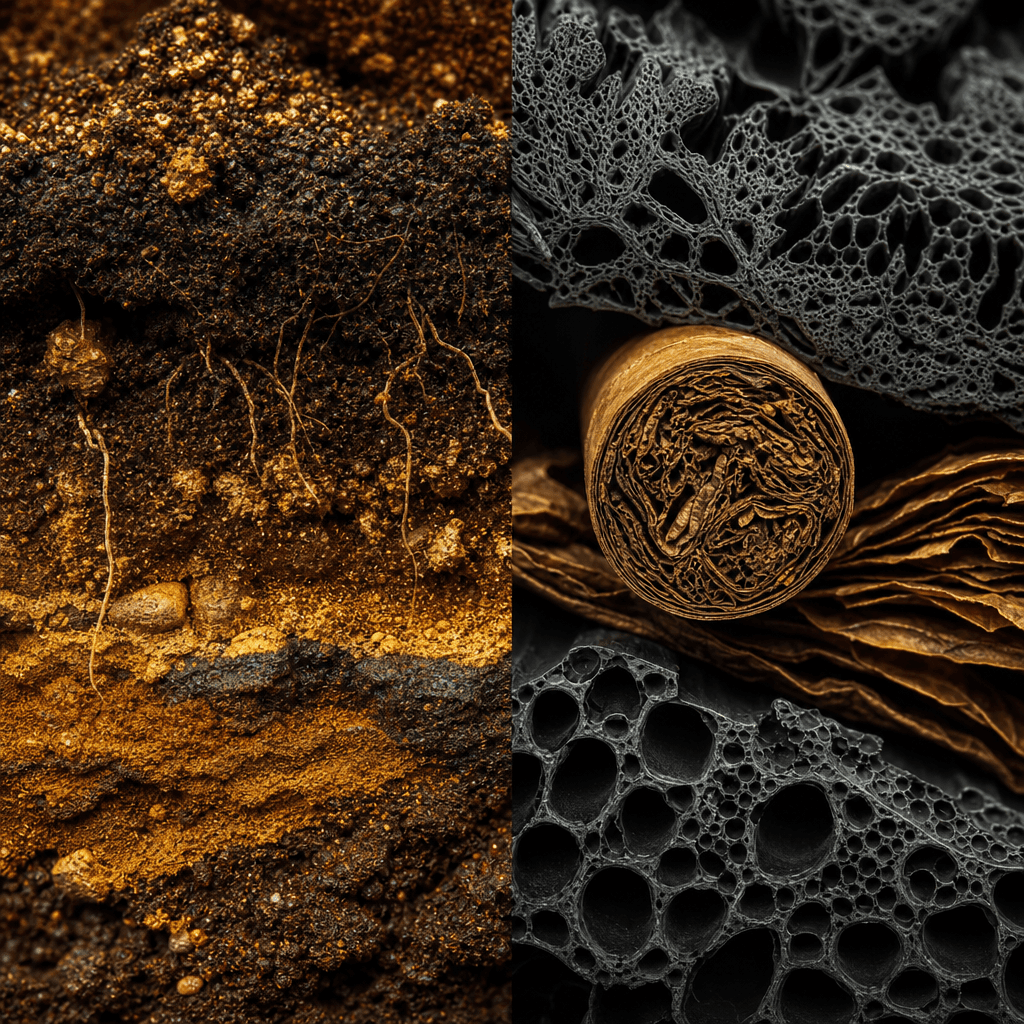
老手談雪茄時,除了香氣,微量元素如鉀、鈣、鎂等對風味的影響不可忽視。這些元素改變了葉片的結構,影響燃燒速度和口感,進而決定了雪茄的整體品質。例如,鉀的含量影響燃燒穩定性,鈣和鎂則影響口感的結構。不同產區的土壤成分也會造成風味差異,如古巴的鹹甜平衡與尼加拉瓜的濃厚泥土感。了解這些微量元素的作用,能讓雪茄愛好者更深入地評估和欣賞雪茄的複雜性。
- 微量元素如鉀、鈣、鎂影響雪茄的燃燒速度與口感,決定風味的骨架。
- 鐵與錳等元素可改變雪茄的暗色調,影響泥土與皮革感的表現。
- 不同產區的土壤與氣候影響微量元素的組成,形成獨特的風味指紋。
Trace Elements in Cigars: The Secret Ingredients Affecting Flavor
In my view, when seasoned cigar enthusiasts discuss cigars, if they only focus on cream, leather, wood, and pepper, they are missing a foundational layer. What truly elevates a cigar from "good to smoke" to "having structure" often involves invisible trace elements: potassium, calcium, magnesium, iron, manganese, zinc, copper, chlorine, silicon, and the organic acids and sugars that interact with them.
As an editor of the "Cigar Bible," I have long tracked the differences in tobacco leaves from Cuba, the Dominican Republic, Nicaragua, Honduras, and Ecuador. This article does not delve into mysticism but rather connects soil, cultivation, fermentation, aging, and combustion to dissect how trace elements alter flavor, texture, and aftertaste.
流程圖呈現土壤元素經吸收、發酵、醇化到燃燒的變化
Trace Elements Are Not Aromas Themselves, But They Determine the Framework of Flavor
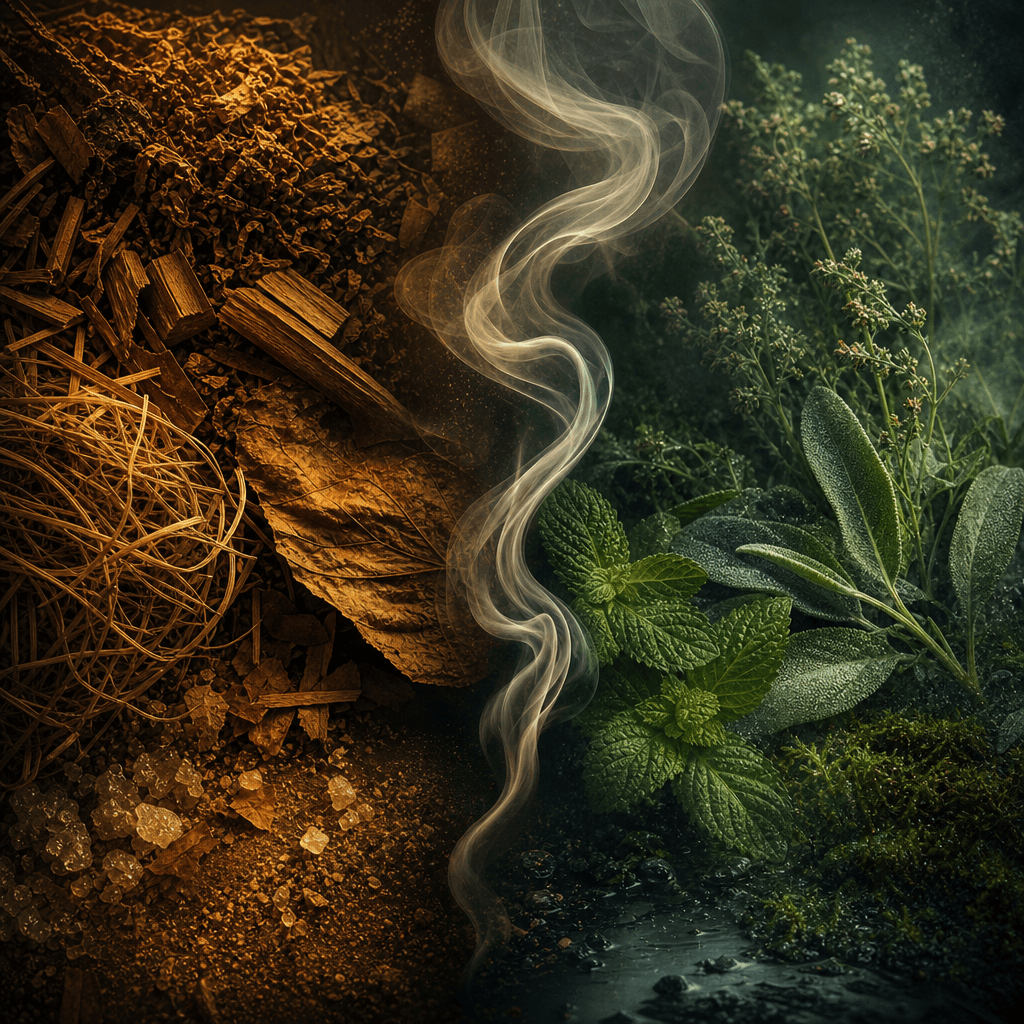
The aroma of cigars mainly comes from sugars, amino acids, lignin, polyphenols, and volatile compounds formed after fermentation; trace elements themselves often do not directly smell like cocoa or cedar. However, they alter the strength of leaf cell walls, burning speed, ash structure, pH value, and alkalinity, thereby affecting the "mouthfeel weight" and "aftertaste cleanliness" that seasoned smokers care about most. Trace elements are like salt and mineral water in cooking, not necessarily becoming the main flavor, but they can amplify or distort all main flavors.
For example, in 2019, I organized a batch of sensory records from Cuba's Pinar del Río and Nicaragua's Estelí. Both were medium to high concentration Robusto sizes, but Estelí often exhibited black pepper, roasted coffee, and heavy earthy notes; Pinar del Río more commonly showed honey herbs, roasted nuts, and delicate saltiness. The differences are not only due to the variety but also related to the proportions of potassium, magnesium, calcium, and iron in the soil, which change the leaf surface oils and mineral impressions after burning.
Seasoned smokers often say some cigars have "firm ash," "straight lines," and "clean after the last third," which often involve mineral balance. High potassium may lead to fast burning and prominent alkalinity; stable calcium and magnesium ratios result in more solid ash columns; excessive iron and manganese can bring dryness, rust, or earthy notes. Advanced evaluation is not about listing more flavors but about judging the structural reasons behind the flavors.
三張卡整理微量元素對燃燒、口感與灰分判讀的重點
Potassium, Calcium, Magnesium: The Triangular Relationship of Burn Line, Ash, and Mouthfeel Density
Potassium is one of the most critical minerals in cigar combustion. If the tobacco leaves have sufficient potassium content, the burn is usually smoother, and the burn line advances steadily; however, if the proportion is too high, especially when chlorine is also high, the burn becomes impatient, and the alkalinity and spiciness easily emerge. From 2006 to 2008, some high-intensity Nicaraguan works were often described by seasoned smokers as "beautiful in the front, rushing in the back," which, besides the formula, may also be related to leaf minerals and fermentation control.
Calcium and magnesium are more like structural engineers. Calcium affects cell wall strength and ash framework, while magnesium participates in chlorophyll and maturity. If both are balanced, the mouthfeel will have a stable powdery, nutty, and creamy sensation. Taking Padrón 1964 Anniversary, Arturo Fuente Don Carlos, and H. Upmann Magnum 46 as examples, although the regions and styles differ, their long-term popularity often shares the common point of stable burn rhythm, uniform gray, and resistance to disintegration in the last third.
| Element | Common Sensory Impact | Possible Overexpression | Seasoned Observation Indicators |
|---|---|---|---|
| Potassium K | Smooth burn, stable burn line | Alkalinity, spiciness, too fast burning | Burn line speed, tongue surface stimulation |
| Calcium Ca | Solid ash column, structured mouthfeel | Dry powder feel, wood ash feel | Ash color, ash column length |
| Magnesium Mg | Nutty, creamy, mature feel | Bitterness, green residue | Last third thickness and cleanliness |
| Chlorine Cl | Affects burn and saltiness | Extinguishing, throat irritation, off-flavors | Whether the smoking rhythm is interrupted |
To judge mineral balance, don't just look at whether the ash is white, but see if the ash column is stable, if the burn line is slow and continuous, and if the last third remains clean. The color of cigar ash is influenced by soil and combustion temperature and cannot be used alone as evidence of quality; however, loose ash columns, frequent burn line deviations, and obvious alkaline stings in the tail usually indicate that potassium, calcium, magnesium, chlorine, and moisture conditions have not formed a good balance.
矩陣列出鉀氯、鈣鎂、鐵錳在燃燒灰分風味的差異
Iron, Manganese, Copper, Zinc: Subtle Sources of Earthy, Leathery, and Metallic Notes
Iron and manganese are often underestimated because they do not directly bring sweetness like sugars, yet they easily alter the "dark tones" of cigars. In different batches of Cuba's Partagás Serie D No.4 in 2012, 2014, and 2017, seasoned smokers often recorded differences in earthiness, leather, coffee grounds, and saltiness, part of which comes from fermentation and formula, while another part can be understood from mineral-type flavors. Moderate iron feels like wet earth and cocoa skin, while excessive iron leans towards metallic, bloody, or dry.
Manganese, copper, and zinc participate in plant enzyme reactions, affecting polyphenol oxidation and maturation processes. Some high-quality Dominican wrappers, such as the OpusX series, often exhibit dark, spicy, and sweet-spicy coexistence, not solely relying on sugar accumulation but shaped by volcanic soil, drainage, sunlight, and trace elements. If trace metal elements and fermentation temperature control are appropriate, the cigar will show complex notes of black cherry, cinnamon, leather, and roasted wood.
However, seasoned smokers must distinguish between "mineral sensation" and "contamination sensation." The former is a flavor layer, while the latter may be caused by storage, packaging, excessive moisture, or unclear sources. Since 2015, the international market has paid more attention to heavy metals and pesticide residues in agricultural products, and cigars are no exception. Iron, manganese, copper, and zinc can deepen the flavor, but once they turn into sharp metallic tastes, it is no longer complexity but imbalance.
In actual evaluations, I record the metallic sensation in three stages: the first stage, if it feels like mineral water or wet stone, is usually acceptable; the second stage, if it feels like a tin can or copper coin, requires observation to see if it intensifies with burning; the last third, if it becomes tongue-piercing or throat-drying, requires reviewing humidity, fermentation, and source. The task of seasoned smokers is not to pursue more elements but to recognize whether the elements are integrated into the flavor.
Nitrogen, Sulfur, and Chlorine: The Boundaries of Concentration, Spiciness, and Off-Flavors
Strictly speaking, nitrogen is not a trace element, but it must be discussed because it directly relates to nicotine, protein, and ammonia sensation after burning. If nitrogen is over-applied in the field, the tobacco leaves may grow beautifully, shiny, and thick, but fermentation requires more time to break down proteins and nitrogen-containing substances. If inadequately processed, ammonia, urea, green bean, or pungent spiciness may appear during smoking, which is why many fresh batches need a period of stabilization after acquisition.
Sulfur and chlorine are more sensitive. Sulfur can come from soil and fertilizers and may also relate to sulfur-containing compounds in fermentation; when balanced, it is not obvious, but when imbalanced, it can remind one of matches, rubber, onions, or egg flavors. Chlorine affects burning and hygroscopicity; if tobacco leaves have high chlorine content, the burn line is often unstable, even appearing to extinguish while smoking. From 2009 to 2011, some non-Cuban cigar brands began to more strictly control irrigation water and fertilizers to avoid such issues.
I once compared Robustos from the same brand but different box periods after placing them at 62%, 65%, and 69% relative humidity for 30 days each. The higher the humidity, the more nitrogen and sulfur off-flavors were amplified; around 65% usually better preserved sweetness and burn stability. This does not mean all cigars are only suitable for 65%, but humidity does indeed allow elemental imbalance to be heard, smelled, and felt by the tongue.
Concentration is not the higher, the better; truly charming strength comes from fully transformed nitrogen-containing substances, not from using pungency and spiciness to pretend to have power. For seasoned smokers, evaluating a high-concentration cigar should simultaneously consider three things: whether spiciness is supported by sweetness, whether the throat feel is clean, and whether the last third transitions from substantial to messy; if the last item fails, no matter how impressive the previous ones are, it is hard to call it complete.
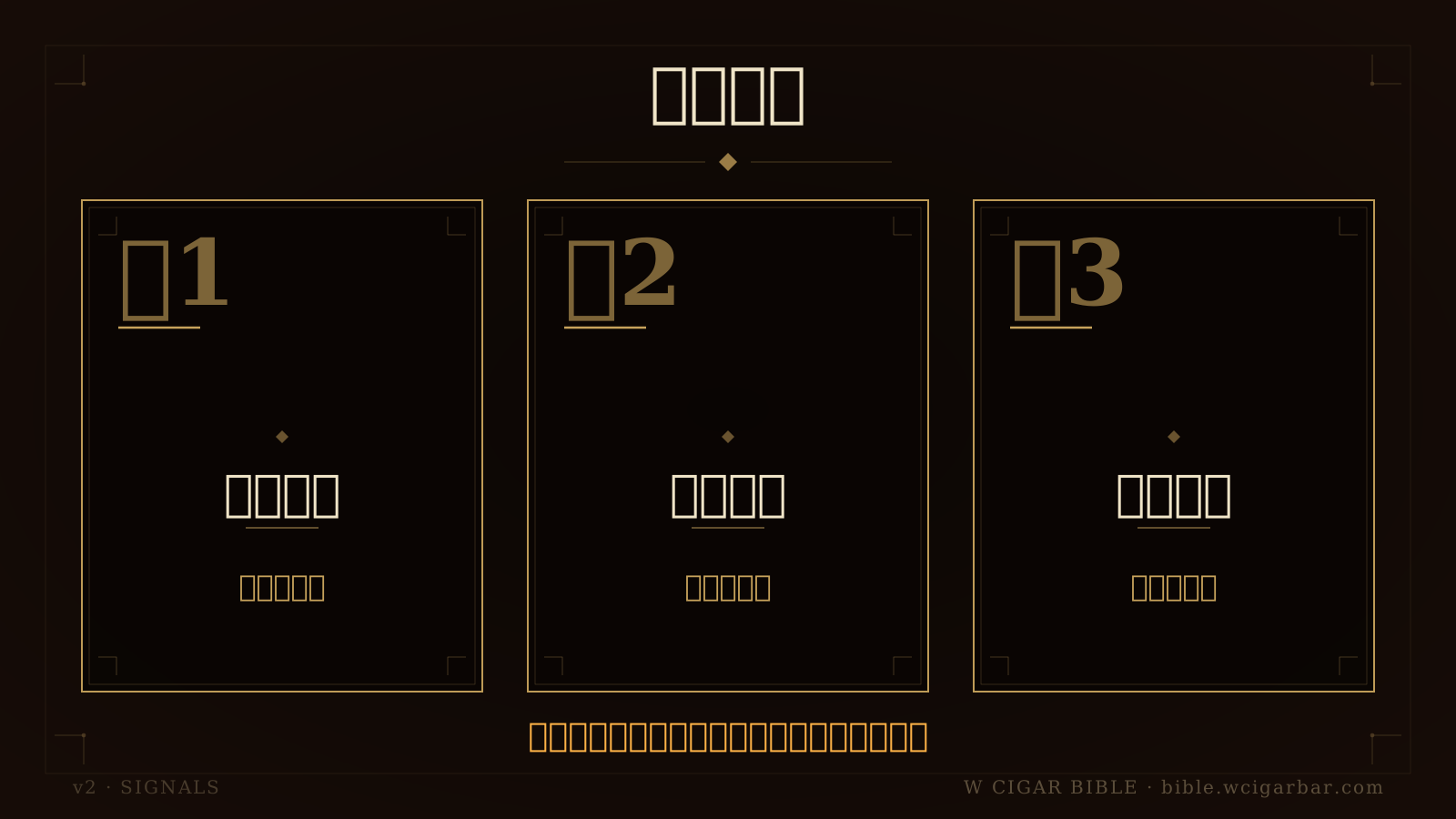
三張卡提醒灰白、金屬感與實驗數據的常見誤解
Regional Differences: The Mineral Fingerprints of Cuba, Nicaragua, the Dominican Republic, and Ecuador
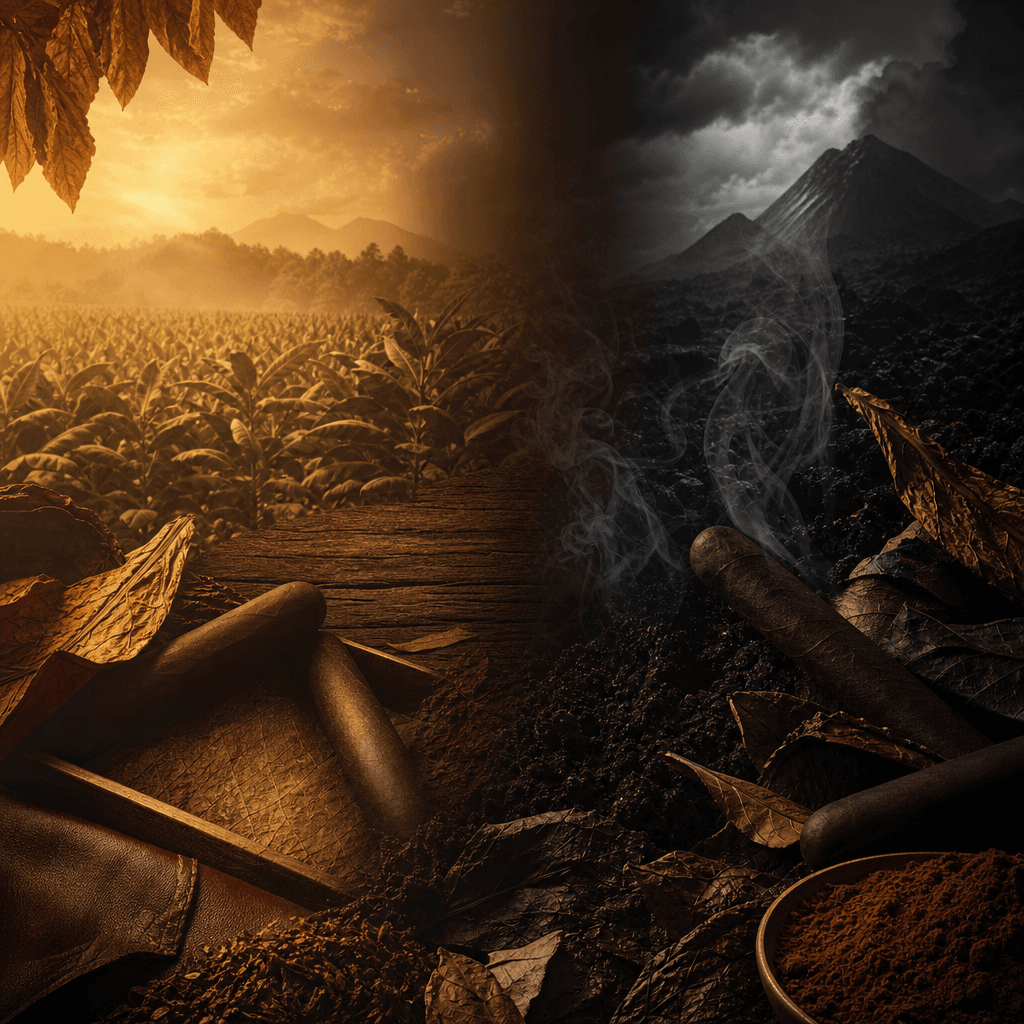
The charm of Cuba's Vuelta Abajo often lies in its balance of saltiness and sweetness, herbs, honey, nuts, and delicate earthiness. When I review sensory records from Cuba in 1998, 2003, 2011, and 2019, I find that good batches may not be the most concentrated, but they often have a long tail finish like mineral water. This is related to red soil, limestone, climate, variety, and traditional fermentation, with trace elements playing a "converging" role.
Nicaragua's Estelí, Jalapa, and Condega are like three types of brushstrokes. Estelí has heavy soil and strong sunlight, often exhibiting black pepper, strong coffee, cocoa, and dark earth; Jalapa is sweeter, often with floral notes, cocoa powder, and soft wood; Condega is between the two, with finer spice notes. Taking Drew Estate Liga Privada, My Father Le Bijou 1922, and Oliva Serie V as examples, one can see how mineral thickness and high-concentration formulas shape the modern Nicaraguan style.
The Dominican Republic's advantage is elegance and aroma integration, especially the drainage and microclimate of the Cibao Valley, which make many works have creamy, cedar, hay, cinnamon, and slight sweetness. Ecuador is known for its cloud cover, often producing Connecticut, Habano, and Sumatra wrappers, with mineral performance mostly understated but providing smooth oils and delicate spices. A region is not the flavor answer, but the fingerprint left by elements, climate, variety, and craftsmanship together.
If seasoned smokers want to establish their judgment, they can use three cigars of the same size for cross-comparison: Cuba's Hoyo de Monterrey Epicure No.2, Nicaragua's Oliva Serie V Double Robusto, and the Dominican Republic's Arturo Fuente Hemingway Short Story. Recording the saltiness, ash, spiciness, mouth dryness, and aftertaste of the front, middle, and last thirds will make the mineral differences between regions clearer. The same "soil flavor" may be sweet soil, black soil, wet soil, or iron-rich soil in different regions and cannot be generalized.
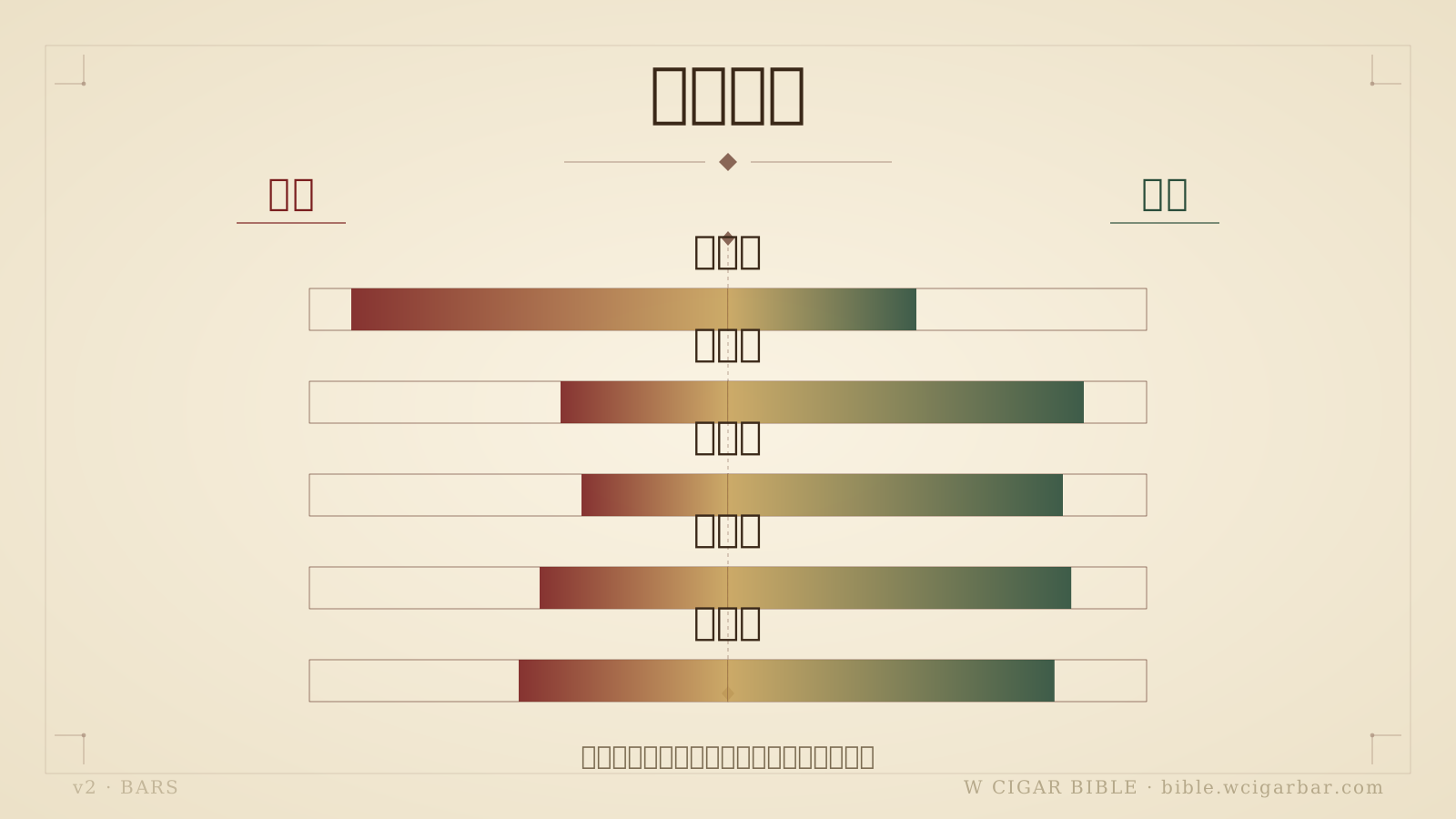
長條圖比較表層味描述與結構判讀在五個面向的差異
From Field to Aging: How Trace Elements Are Amplified or Tamed
Trace elements enter cigars, with the first stop being soil and water. Farms control leaf maturity through crop rotation, fertilization, irrigation, shading, and harvest timing. According to traditional Cuban grading, Ligero, Seco, and Volado are not just different positions; they also differ in mineral accumulation, thickness, sugar content, and combustion function. Ligero has high concentration and slow burning, while Volado is often used to aid combustion, which also involves potassium, nitrogen, and leaf structure.
The second stop is fermentation. After stacking, the temperature of the tobacco leaves can reach 40 to over 50 degrees, and workers must turn the piles to gradually expel ammonia, green notes, and excess moisture. If fermentation is too short, the sharpness brought by trace elements will be amplified by proteins and ammonia; if overdone, the aroma may become flat, and sweetness may be lost. After 2004, many boutique brands emphasized small-batch fermentation and temperature records to turn leaf mineral sensations into structure rather than coarseness.
The third stop is stability and aging after rolling. Even if a newly rolled cigar has an excellent formula, it may appear spicy or scattered due to uneven humidity. After 90 days, 6 months, or 2 years of stabilization, the combustibility brought by potassium, the ash from calcium and magnesium, and the spiciness of nitrogen-containing substances will gradually integrate. From a collection perspective, rare box periods and preservation status affect market evaluation, but they do not guarantee appreciation, still depending on source preservation and market.
Aging is not about turning a bad cigar into a good one but about reordering the elements, sugars, and oils that already exist. When seasoned smokers judge whether a box of cigars is worth long-term storage, they should not only look at brand reputation but also consider three points: whether the original sweetness is sufficient, whether the spiciness is clean, and whether the combustion structure is stable. If it starts with heavy ammonia, sharp metal, and chaotic burn lines, time may not perform miracles.
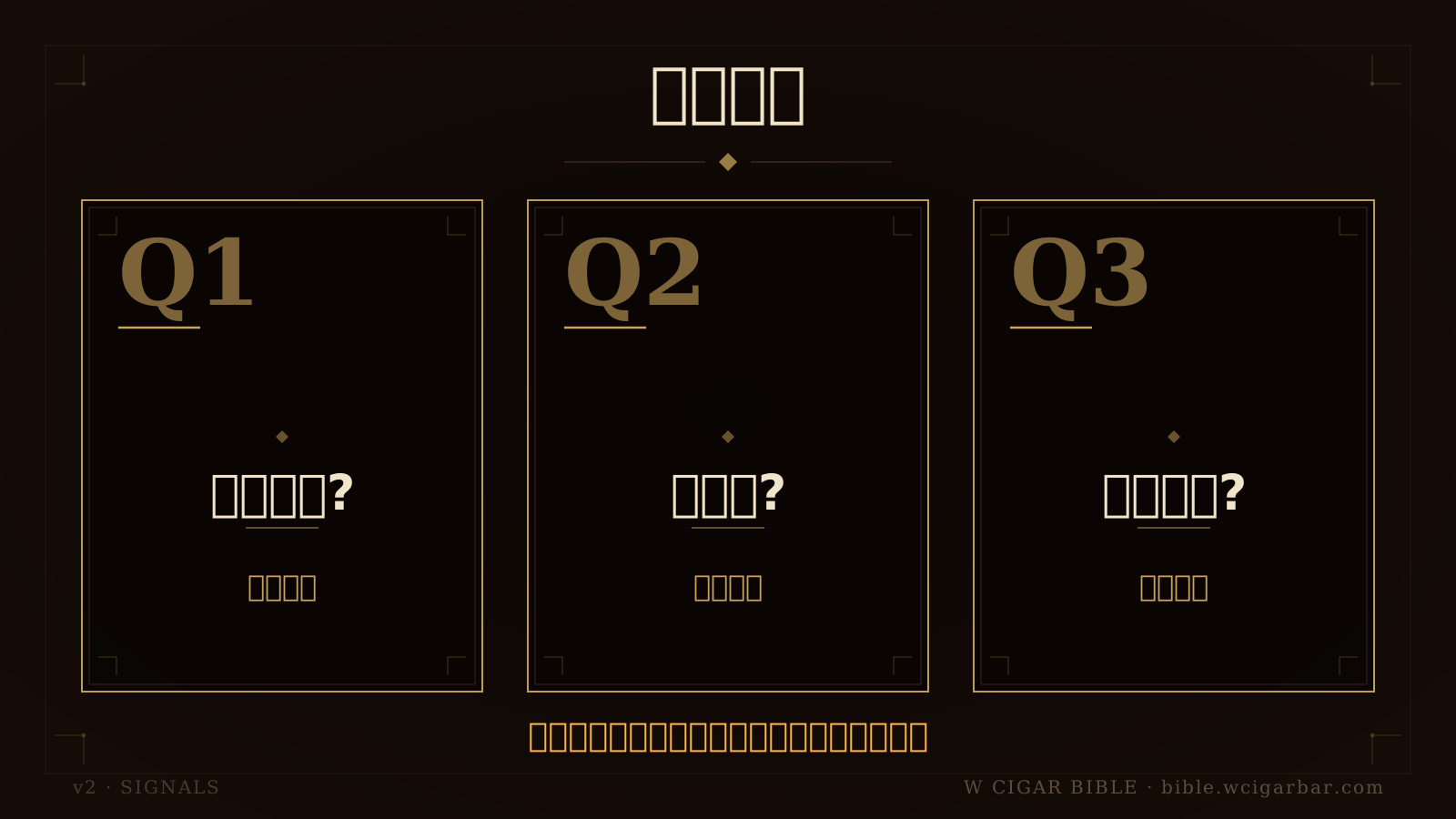
三張問答卡說明元素、灰色與濕度對雪茄感受的影響
Seasoned Testing Methods: Turning Mineral Sensations from Adjectives into Records
To judge the impact of trace elements on flavor, relying solely on a single impression is the most feared. I recommend using fixed size, fixed humidity, and fixed rhythm for records. For example, place three Robustos at 65% relative humidity, 20 to 22°C environment for 21 days, and record burn line, ash length, mouth dryness, saltiness, spiciness, and aftertaste every 10 minutes after lighting. This way, you get not poetry but comparable data.
Specific operations can be simple, without the need for a laboratory:
- Record box code, year, brand, size, and storage humidity.
- In the front section, smoke slowly without rushing to determine concentration.
- Observe ash color, density, and cracks before the ash column naturally falls.
- In the middle section, record whether sweetness can suppress spiciness.
- In the last third, observe whether metallic sensation, alkalinity, and throat dryness increase.
Taking Cohiba Siglo VI, Montecristo No.2, and Padrón 1926 Serie No.9 as examples, all at 65% humidity, the former often exhibits creamy herbs and fine salty tail finish, the latter has cocoa, wood, and mineral soil, and the latter leans more towards concentrated coffee, dark chocolate, and dark spices. When you use the same form to record more than ten cigars, the connection between regions and elements will be much clearer than relying solely on memory.
Finally, a reminder: mineral sensation should be viewed separately from smoking speed. Smoking too fast will increase combustion temperature, and many originally delicate calcium-magnesium powder, iron-rich soil, and potassium saltiness will be overshadowed by scorching, bitterness, and tar sensation. Slow, stable, and repeatable records are the most reliable tools for seasoned smokers to understand trace elements. I usually use one to one and a half puffs per minute as a baseline, adjusting according to the ring gauge.
Frequently Asked Questions
Do trace elements directly determine whether a cigar is good?
No. Trace elements determine structure and combustion conditions, but whether it is good still depends on variety, harvest, fermentation, rolling, and preservation. Element balance is the foundation of a good cigar, not the entire answer. The same region can vary greatly due to annual rainfall and farm management.
Does whiter ash mean higher calcium content and better quality?
White ash may relate to calcium, magnesium, combustion temperature, and soil but cannot solely determine quality. Seasoned smokers should look more at whether the ash column is solid, whether the burn line is stable, and whether the last third is clean. Even if the ash is very white, if the mouthfeel is empty and the tail is bitter, it is still not complete.
Does a metallic taste always indicate a problem with the cigar?
Not necessarily. Slight wet stone, mineral water, and iron-rich soil sensations can be layers; but if it feels like a tin can, blood taste, or copper coin, and the tongue becomes more piercing as you smoke, consider insufficient fermentation, excessive humidity, or storage contamination. Mineral sensation should be integrated into the flavor, not stand out to interfere with the palate.
Why is there a significant difference between different years of the same brand?
Tobacco is an agricultural product. Comparing 2014, 2016, and 2019, rainfall, sunlight, soil moisture, and harvest maturity will change element absorption and sugar accumulation. Coupled with fermentation batches and aging time, the flavor naturally cannot be entirely consistent.
Will storage humidity change trace elements?
Humidity will not change element content out of thin air, but it will change how you perceive elements. When too wet, burning is slow, and off-flavors are heavy; ammonia, sulfur, and metallic sensations are easily amplified; when too dry, spiciness, wood sting, and bitterness increase. Most cigars can find balance from 62% to 67%.
Do seasoned smokers need to send cigars for element content testing?
General collection and evaluation do not require it. Laboratory data is valuable, but sensory records are more practical. If you can record brand, box period, humidity, combustion, ash, and aftertaste over the long term, you will be closer to the real experience than just looking at numbers. Data is a map; the mouth and time are the road.
My personal view is: in the end, cigar enthusiasts will move from chasing brands and concentration to pursuing "balance." Trace elements make me more humble because behind a good cigar is the order completed by soil, water, sunlight, workers, and time. Understanding these secret ingredients is not to complicate enjoyment but to make each lighting more discerning, less blind, and more respectful of the origin of a leaf.
—Cigar Prince Wilson Tsai
Smoking is harmful to health. Under twenty years old is not allowed to smoke. Quitline: 0800-636363. This article is intended for adults over the age of twenty as a reference for cigar culture, preservation, and regulatory knowledge, not as tobacco advertising, promotion, or purchase advice.
Like this article?Share with friends
Share this W Cigar Bible piece with friends who want to learn cigar culture, storage, and tasting.
想把這篇 化為實踐
雪茄聖經是知識;雪茄文化要在空間裡發生

W Cigar Bar 大安總店資訊
台北大安區 · 雪茄聖經總編輯 Wilson Tsai 主理的雪茄文化空間
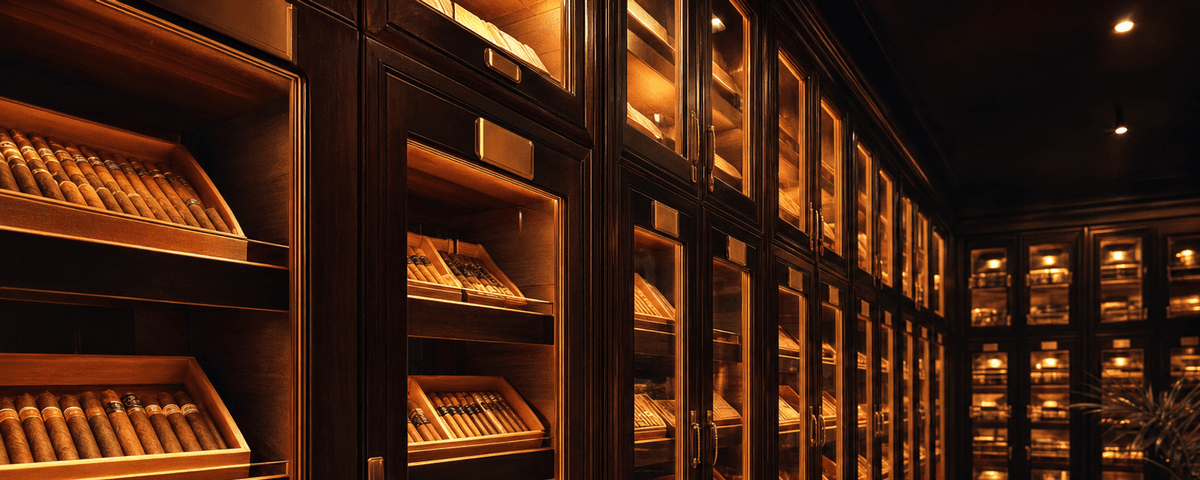
33 座 24 小時恆溫恆濕醇化室
W Cigar Bar 提供的會員醇化空間 · 場地資訊請洽編輯部
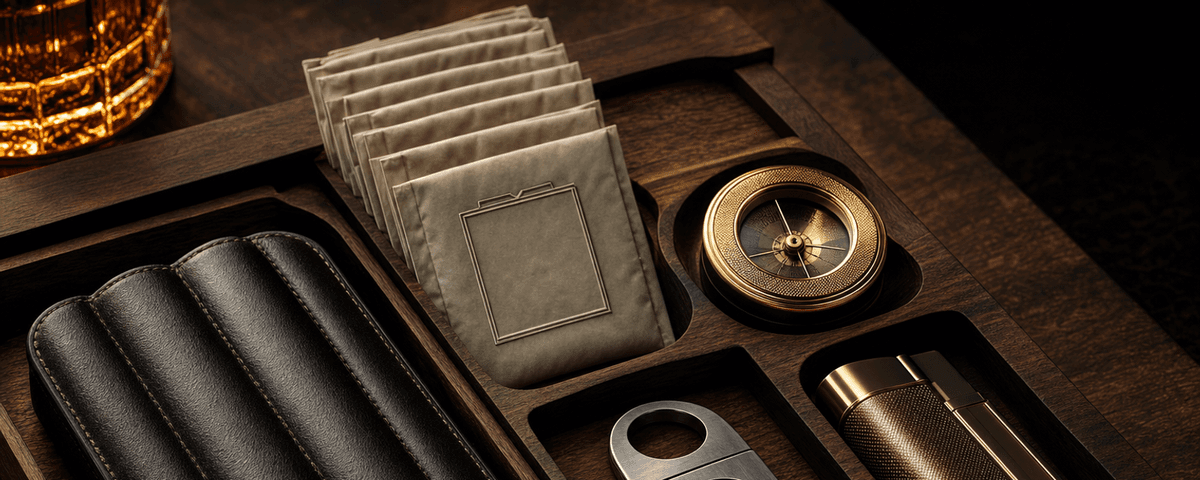
雪茄剪 / 打火機 / 雪茄盒 / Boveda
W Cigar 配件官網 · 專營雪茄配件正品

加 LINE 好友 · 文化諮詢
文化空間資訊 · 紳士沙龍 · 私人包場
本網站內容僅供雪茄文化、歷史、收藏與品吸知識研究參考。菸品有害健康、未滿法定年齡者請勿吸菸。實際規範請依所在地法律為準。
吸菸有害健康・戒菸專線 0800-636363・本站僅供 20 歲以上成年人閱覽。
讀到這裡,你不只是路過的人
留下 Email,加入 W 雪茄聖經內圈——總編輯 Wilson Tsai 親選的學院深文與國際新訊,先你一步送到信箱。
· 教育用途非銷售 · 隨時一鍵退訂 · Email 絕不對外公開 · 由勝茄股份有限公司營運
同分類延伸閱讀

資料來源:W Cigar Bible 編輯部整理 · 雪茄王子 Wilson Tsai 親自審稿
本文僅供雪茄文化、歷史、收藏與品鑑知識研究,不作為菸品促銷、銷售或購買建議。吸菸有害健康,未滿二十歲不得吸菸。