菸葉發酵化學深度:Pilón 三階段堆積發酵、Maillard 反應、與業界廣泛討論的菸葉風味化學
12-36 個月發酵 / Primera 38-45°C 氨類釋出 / Segunda 28-35°C Maillard 核心 / Tercera 22-28°C 酯化反應 / 三階段菌相演化
菸葉發酵化學深度—Pilón 三階段堆積發酵 12-36 個月、Primera Fermentación 30-60 天 38-45°C 氨類釋出、Segunda Fermentación 60-180 天 28-35°C Maillard 反應核心活躍期吡嗪/呋喃/黑色素類分子、Tercera Fermentación 180 天到 24 個月 22-28°C 酯化反應核心活躍期超過 200 種酯類分子(醋酸酯/苯甲酸酯/肉桂酸酯)、三階段菌相演化(Bacillus/Pseudomonas → Bacillus subtilis/Saccharomyces → Lactobacillus)、Pilón vs Bulk Fermentation vs Hogshead Aging 對比。
- Pilón 發酵的三個階段分別為:第一階段的氨類揮發,第二階段的 Maillard 反應,第三階段的酯化反應。
- Maillard 反應在第二階段的核心作用,產生吡嗪類、呋喃類和黑色素類,影響菸葉的風味。
- 酯化反應在第三階段最為活躍,合成多種酯類分子,決定雪茄的獨特風味層次。
Deep Chemistry of Tobacco Fermentation: Pilón Three-Stage Pile Fermentation, Maillard Reactions, Esterification, and Microbial Succession
The core flavor of top-tier cigar tobacco does not exist at the moment of harvest. It is formed through the comprehensive reorganization of chemical molecules during the 12-36 months of post-harvest fermentation. From green raw tobacco leaves to mature leaves ready for rolling, the tobacco must pass through the three stages of Pilón (Spanish for "pile", referring to piled tobacco fermentation). Pilón became the core technique standardized in the modern tobacco industry after the 18th-19th centuries in Cuba. After the 2020s, research teams in the Chinese tobacco industry published studies on microbial communities and chemical kinetics in journals such as ScienceDirect, Frontiers, and BMC Microbiology, for the first time pushing Pilón from an "experience-based craft" into the stage of a "quantifiable microbial-chemical system".
This article focuses on the chemical and microbiological mechanisms of the three Pilón stages (Maillard reactions, esterification, and microbial succession). It does not repeat practical aging and storage, which has already been included in the 7 newbie articles of the W Cigar Bar Cigar Bible.
Scientific note: The temperature ranges and microbial classifications of the three Pilón stages vary greatly depending on tobacco variety, production area, vintage, and operator experience. The values in this article are drawn from public literature and industry practice. They are reasonable representative values, not precise standards.
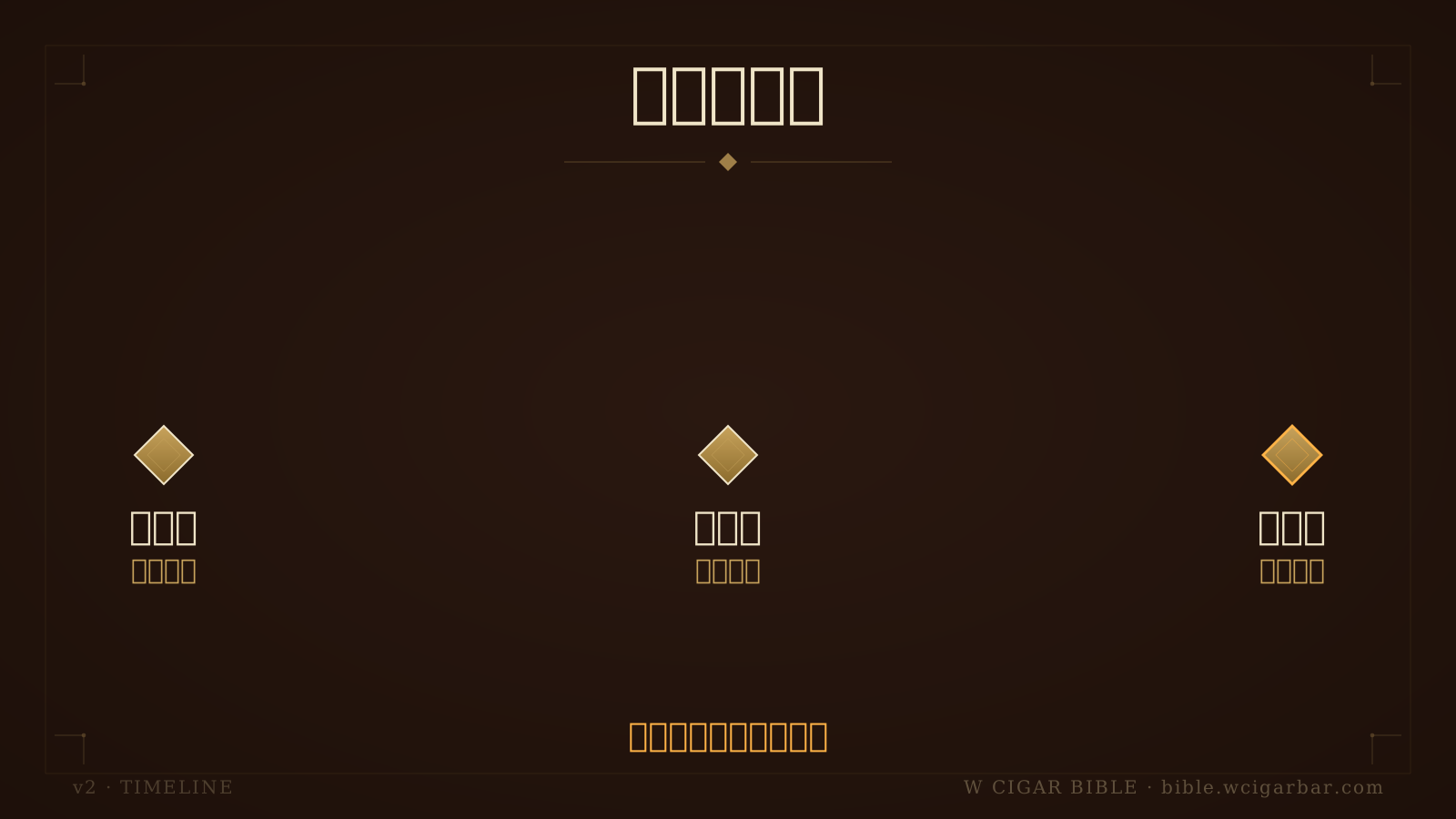
說明 Pilón 從第一階段升溫除青、第二階段褐變到第三階段慢速酯化熟成的三階段發酵流程圖
The Process Framework of Pilón Three-Stage Pile Fermentation
After tobacco leaves are harvested, air-cured (45-60 days in a curing barn), and given an initial moisture adjustment, they are classified by leaf position (filler ligero, binder seco, wrapper volado), then stacked into piles 1.5-2 meters high with a base of 2-3 meters x 3-5 meters, each pile weighing 500-1,500 kilograms. In Pilón, residual enzymes in the tobacco leaves and metabolic heat generated by microorganisms are used inside the pile to raise the temperature naturally. The process is divided into three stages, with a total duration of 12-36 months.
First Stage Primera Fermentación (30-60 days): The tobacco pile heats up naturally, and the internal peak temperature reaches 45-55°C. The operator turns the pile every 5-7 days, swapping the outer edges with the center, and controls the temperature below an upper limit of 50°C (above 55°C, the pile may be "burned", damaging the tobacco leaf tissue). The core chemistry of this stage is the substantial volatilization of ammonia and low-molecular-weight amines, along with the fading of green-leaf aldehydes (green plant aroma molecules such as hexanal and cis-3-hexenal). This is why the "grassy note and barn odor" of newly rolled cigars are essentially byproducts of an incomplete first stage of Pilón.
Second Stage Segunda Fermentación (60-180 days): The temperature inside the pile drops to 35-45°C, and the turning frequency decreases to once every 10-14 days. The tobacco color fades from green to brownish tan. The chemical cause of this visual change is the core active period of Maillard reactions: non-enzymatic browning between reducing sugars and amino acids, producing melanoidins (dark macromolecules) and generating roasted flavor molecules such as pyrazines and furans. A 2024 study on ScienceDirect showed that Maillard products peak at 50°C, so the late part of the second stage (near the upper edge of 45°C) is the window with the highest yield of Maillard flavor molecules.
Third Stage Tercera Fermentación (180 days-24 months, also called maturation): The temperature inside the pile drops to 25-35°C, and the turning frequency decreases to 1-2 times per month. In this stage, the tobacco pile enters a "slow chemical restructuring period". The main reaction shifts from Maillard reactions to esterification: free alcohols in the tobacco leaves (benzyl alcohol, phenethyl alcohol, linalool, etc.) and free organic acids (acetic acid, propionic acid, isovaleric acid, benzoic acid, cinnamic acid, etc.) slowly synthesize ester molecules. Esterification must be slow. If it is too fast, ester molecules become overly singular, and complexity is instead lost. This is why the third stage must last 6-24 months and cannot be skipped.
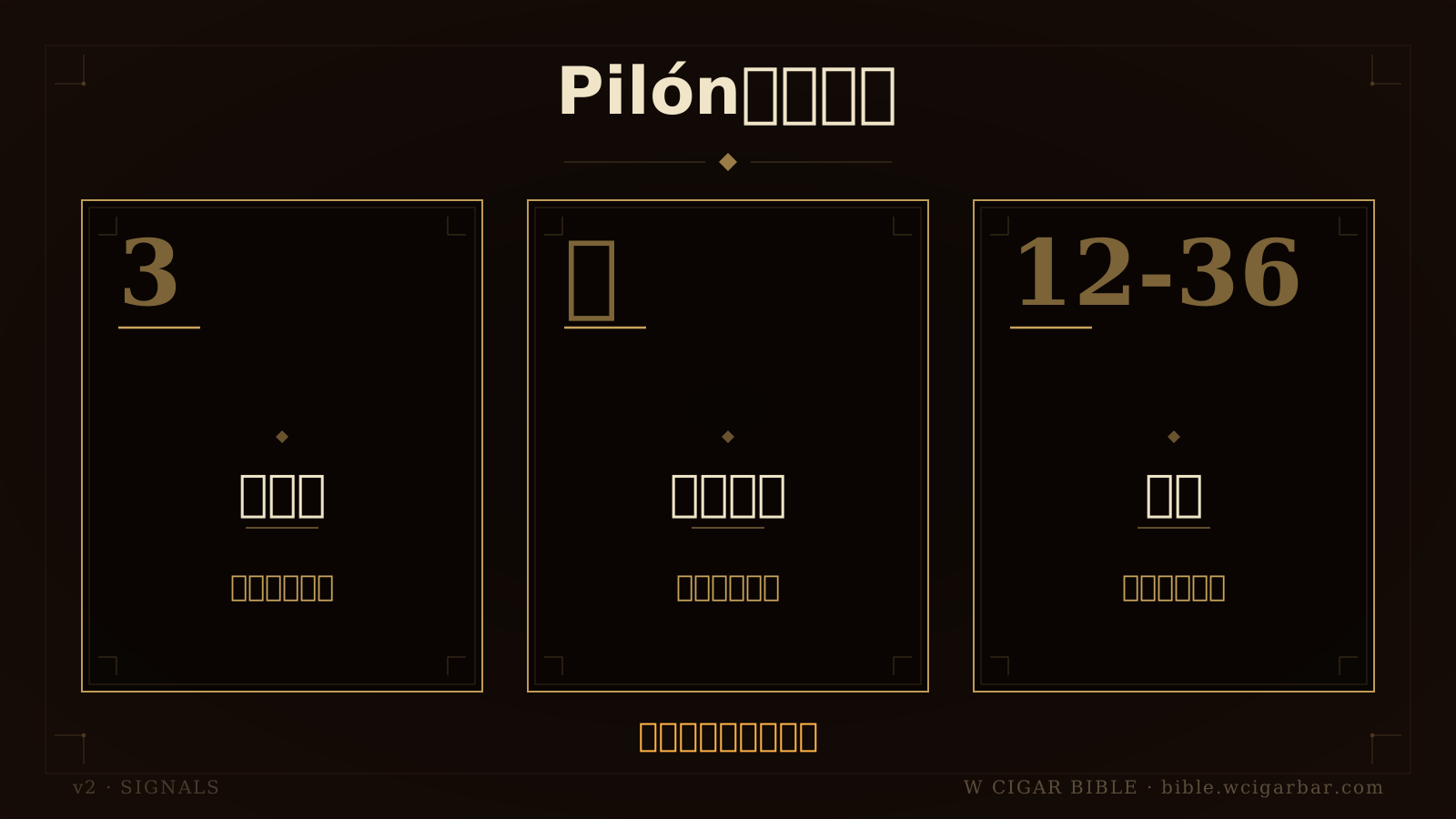
以三張卡片呈現 Pilón 分三階段、靠堆心自然升溫與總時長十二到三十六個月的菸葉發酵核心結論圖
The Core Role of Maillard Reactions in Tobacco Fermentation
The Maillard reaction was published by the French chemist Louis-Camille Maillard in 1912. It is the chemistry of non-enzymatic browning between reducing sugars (glucose, fructose, etc.) and amino acids/amines at moderate temperatures (generally mainly above 100°C, but it can also proceed at low temperatures over long periods). Coffee roasting, bread baking, meat grilling, and soy sauce fermentation all rely on it. Tobacco fermentation is one of the longest time-scale and lowest-temperature cases among Maillard applications.
Maillard reactions produce three key categories of compounds in tobacco fermentation:
1. Pyrazines: The core of roasted nuts and roasted coffee flavors. The coffee and nut notes of top Cuban cigars such as Cohiba, Montecristo, and Romeo y Julieta are chemically rooted in this category. Their threshold is extremely low, and small amounts are perceptible.
2. Furans: The core of caramel and toasted bread flavors. They are dehydration degradation products of sugars, accumulating continuously in both the second and third stages, contributing the "late-stage sweetness" of deeply aged cigars.
3. Melanoidins: The chemical cause of the tobacco leaf color changing from green to brownish tan. The darkening of Maduro wrapper is essentially melanoidin accumulation reaching a visual threshold. Therefore, Maduro is not "smoked black"; it is "Maillard progressed longer and more thoroughly".
Recent research (2024, Frontiers in Bioengineering and Biotechnology) shows that Maillard products peak at 50°C. This explains the chemical necessity of why the first Pilón stage cannot be kept entirely low in temperature (which would reduce Maillard yield), and why the second stage cannot be skipped (it is the main production window for Maillard compounds).
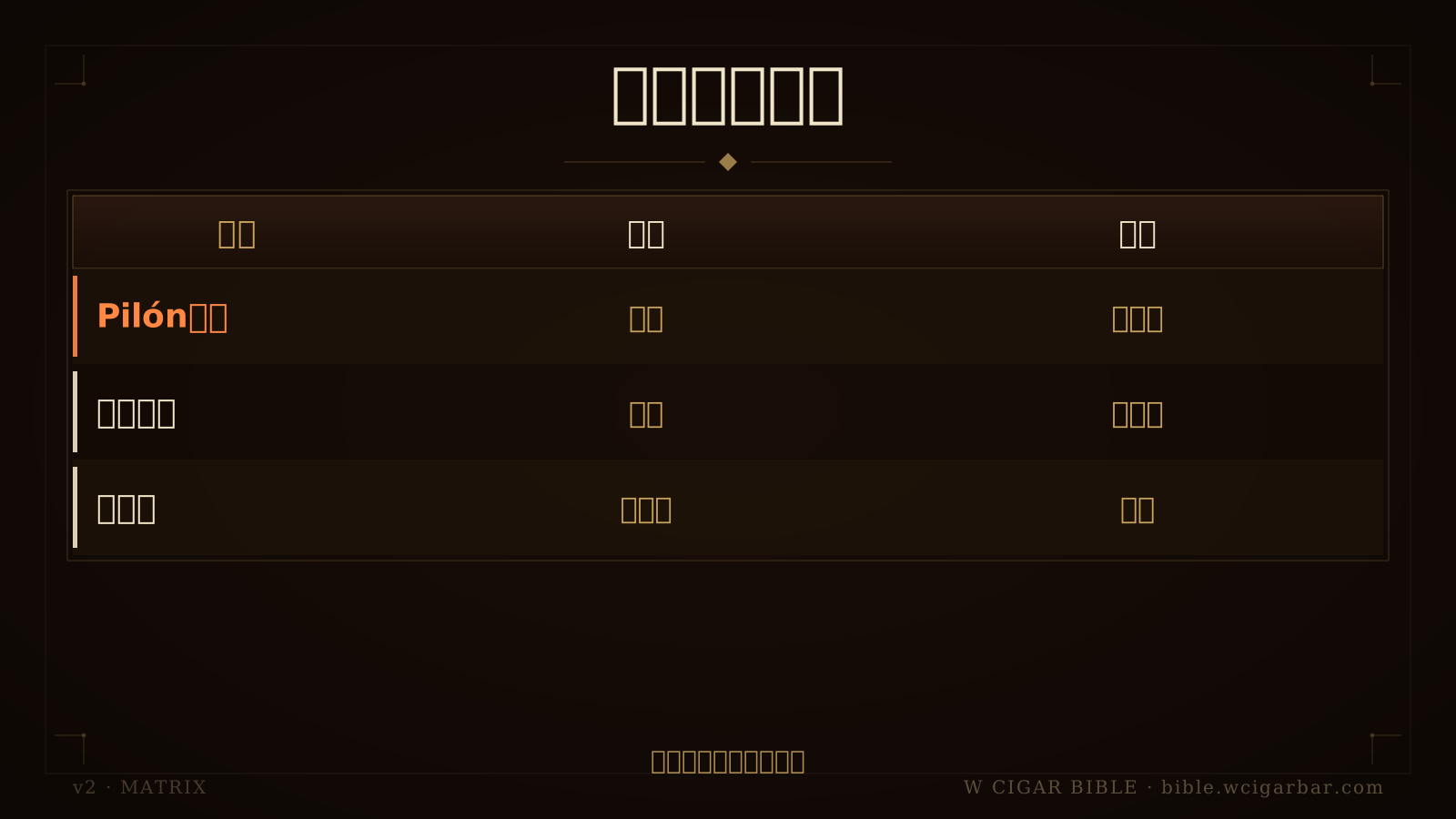
比較 Pilón 堆積發酵、散裝發酵與大木桶醇化在溫控、酯化與層次差異的資訊表
Esterification and the Chemical Cause of the Complex Layers in Top-Tier Cigars
Esterification is an organic chemistry reaction in which alcohols (R-OH) and acids (R'-COOH) synthesize esters (R-COO-R') under catalytic conditions. The core flavor molecules of virtually all "fruit aromas", "floral aromas", "leather aromas", and "cedar aromas" are esters. Top-tier cigars are estimated to contain more than 200 ester molecules, which is the chemical basis for the "layering of Cuban cigars that cannot be replicated in a laboratory".
Tobacco esterification reactions are most active in the third Pilón stage (25-35°C). This is lower than the 50°C peak of Maillard reactions and requires a slower time scale. The three major categories of tobacco esters are:
1. Acetates: The core of fruit aromas and light floral aromas (isoamyl acetate, phenethyl acetate, etc.). 2. Benzoates: The core of almond and roasted nut aromas. 3. Cinnamates + terpene-derived esters: The core of leather, cedarwood, and spice aromas.
The combined concentration and ratio of these three categories determine the "fingerprint" of a cigar. The same batch of tobacco leaves, under different Pilón operations, can produce finished products with completely different flavor profiles.
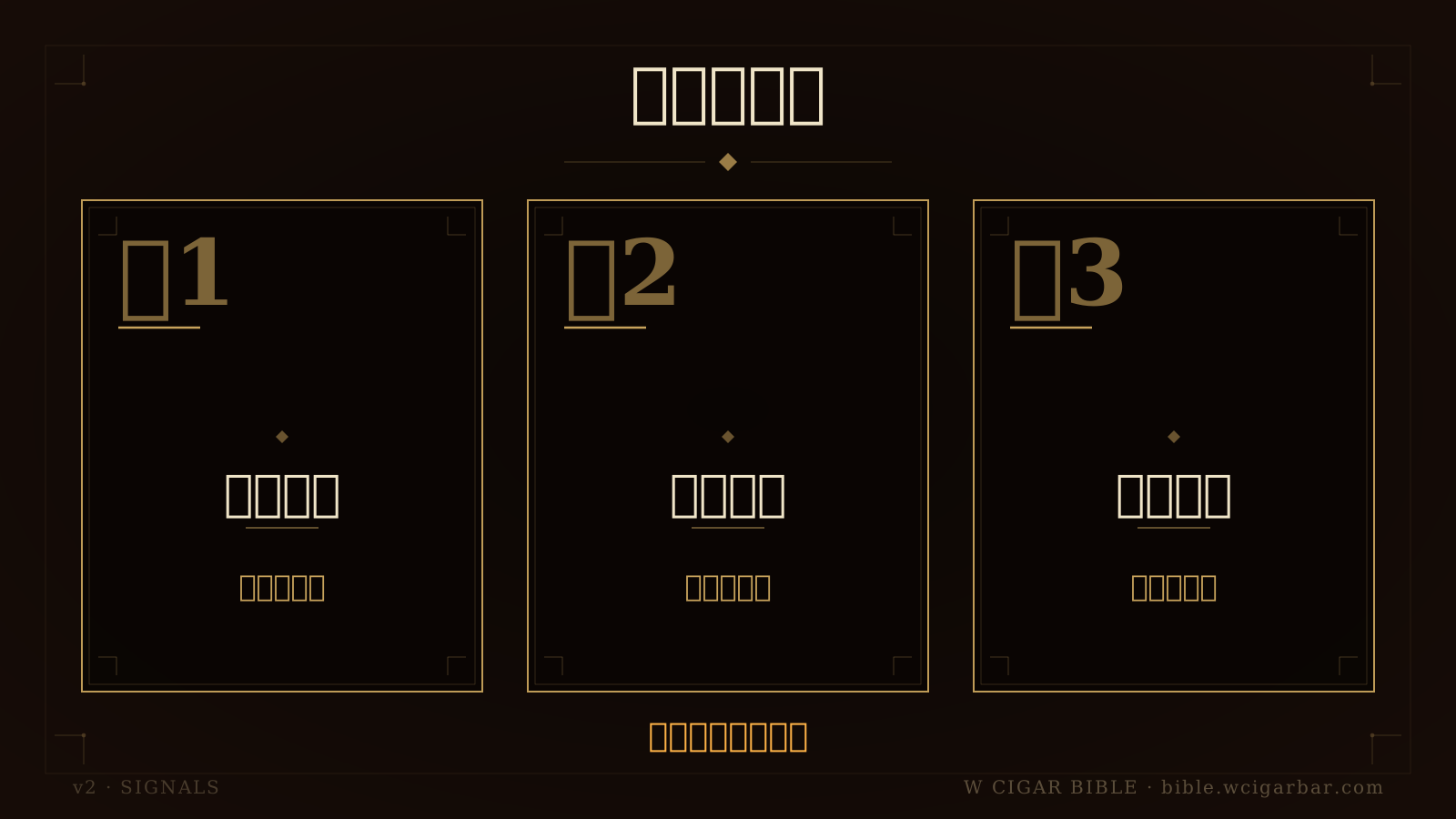
整理菸葉 Pilón 發酵三個常見失誤與對應正確觀念的提醒圖
Three-Stage Microbial Succession: A Relay Led by Bacillus
Public studies on the microbial community dynamics of tobacco fermentation from 2024-2025 (the BMC Microbiology, Frontiers, and ScienceDirect series) have turned the Pilón microbial community from a "black box" into a "sequencable relay race":
First Stage (high temperature 45-55°C): Thermophilic Bacillus species dominate (B. subtilis, B. altitudinis, B. licheniformis). Enzymes secreted by Bacillus decompose lignin and carotenoids, producing small aromatic molecules. At the same time, they preliminarily degrade proteins and nitrogen-containing compounds in the tobacco leaves, releasing ammonia. This is the microbial cause of "ammonia volatilization + fading grassy notes" in the first stage.
Second Stage (35-45°C): Bacillus continues, while yeasts and other bacteria join. Saccharomyces and some thermophilic lactic acid bacteria participate in sugar metabolism, providing more reducing sugar precursors for Maillard reactions. Color browning is mainly completed in this stage.
Third Stage (25-35°C): Bacillus retreats, and mesophilic communities take over, including Lactobacillus, Pseudomonas, Pantoea, and others. Lactic acid bacteria produce organic acids, providing acid precursors for esterification reactions. Slow esterification completes the final assembly of tobacco flavor layers.
Key observation: The microbial community is not artificially inoculated. It is naturally carried on the leaf surface at the moment of tobacco harvest. Tobacco leaves from different production areas carry different initial microbial communities. Even if exactly the same Pilón process is used in the Dominican Cibao Valley, the flavor of the tobacco will still differ from Vuelta Abajo. The Pilón process is universal, while the microbial community is local. This is the most underestimated microbiological cause of "Cuban terroir".
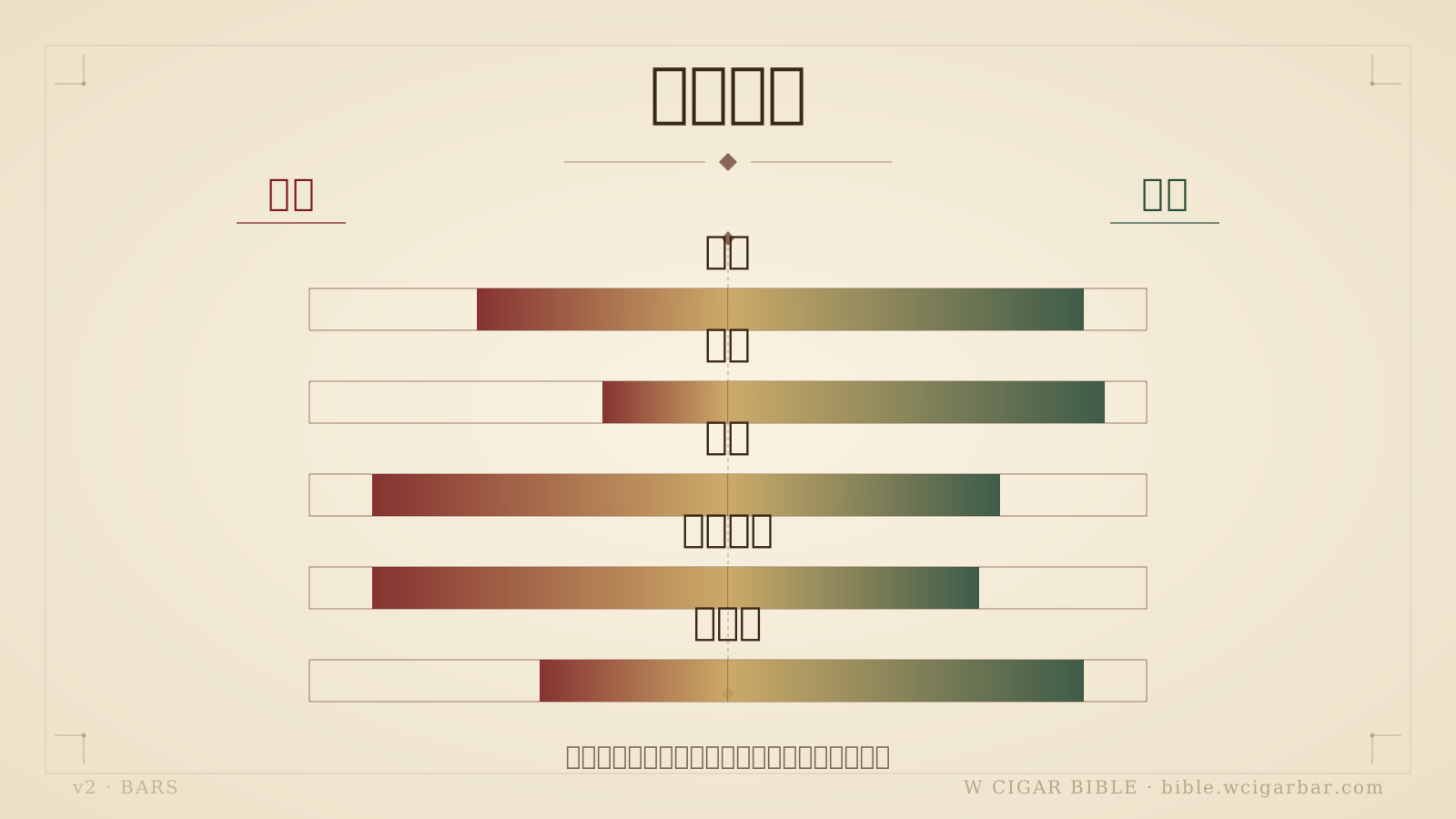
橫條圖比較經驗判斷與量測分析在各軸強度
Comparison Between Pilón and Other Tobacco Fermentation Processes
Pilón (pile fermentation): The standard in Cuba and the Dominican Cibao Valley. It has the most complete three-stage microbial succession, the richest ester synthesis, the longest time requirement (12-36 months), and the highest microbial diversity.
Bulk Fermentation: Used in Honduras and parts of Nicaragua. The tobacco piles are smaller, temperature control is less precise than Pilón, the third-stage esterification window is shorter, and the layering is relatively simpler.
Hogshead Aging: A traditional process for North American tobaccos such as Connecticut Broadleaf, suitable for the deep browning of Maduro wrapper. Its flavor profile leans toward Maillard dominance (dark melanoidins), and its ester composition is not as rich as Pilón, but it has an extremely strong sense of depth and body.
The microbial diversity and ester synthesis complexity in the three Pilón stages are the core reasons why the Cuban cigar industry has maintained its technical threshold for 200 years.
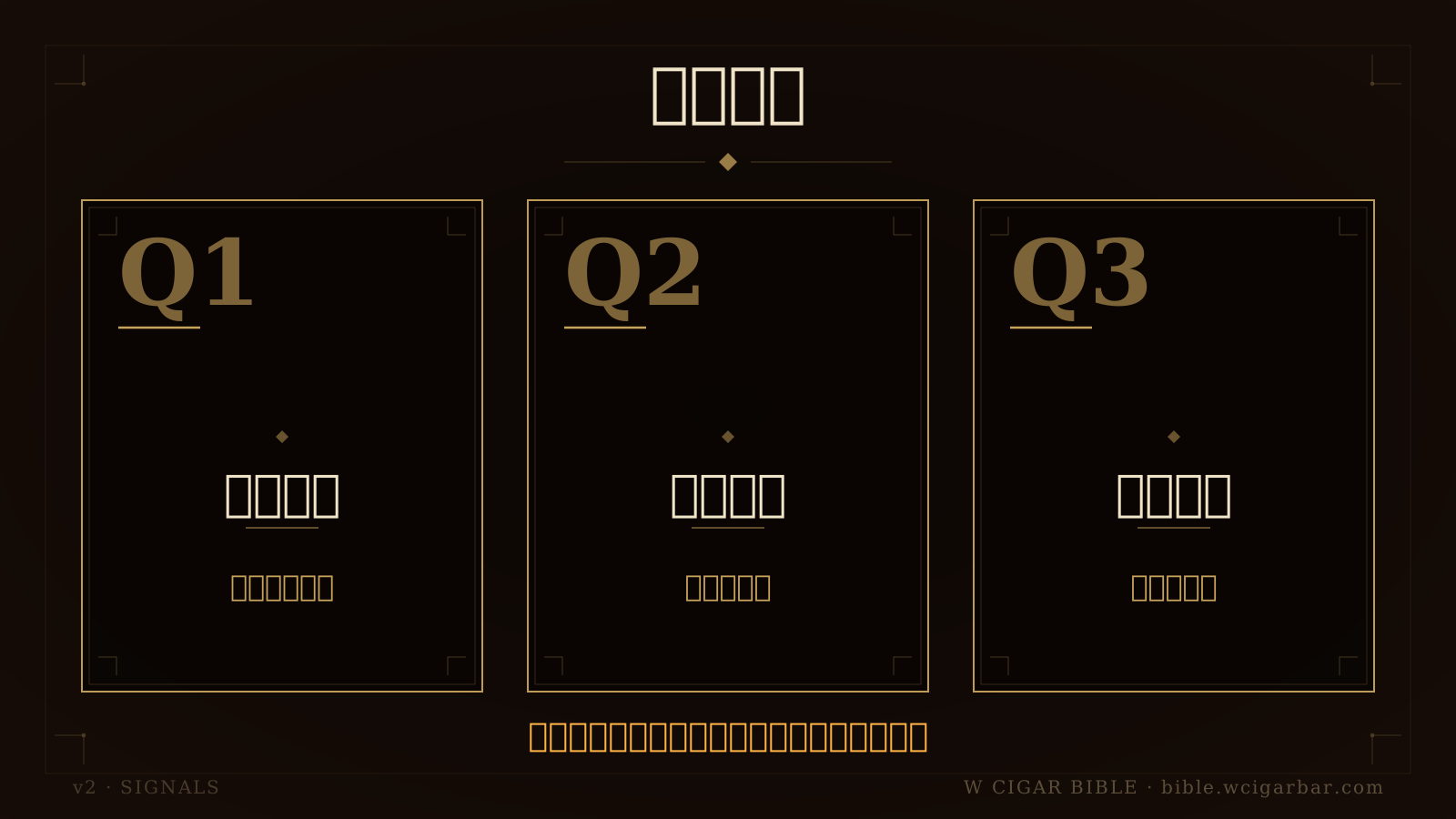
三張問答卡說明變棕香氣高點與加速限制
An Advanced Understanding Path of Tobacco Fermentation Chemistry for Gentlemen's Club Members
Entry level -- During appreciation, become aware of ester molecule layers: blind-taste Cohiba Robustos and try to distinguish the three major ester flavor bases of fruit aromas (acetates), nut aromas (benzoates), and leather/cedar aromas (cinnamates).
Middle level -- During appreciation, become aware of Maillard reaction products: cigars with strong "coffee + nut" base notes, such as Cohiba Behike BHK 54, Punch Punch, and Hoyo Epicure No. 2, are representative examples with especially rich expression of pyrazines (Maillard products).
Deepest level -- During appreciation, become aware of the time accumulation of three-stage fermentation + 60 years of aging: Pre-Embargo H. Upmann Sir Winston 1959-1962 has already been aged for 64-67 years. On top of 12-36 months of fermentation, it has accumulated another 60 years of low-temperature slow reactions, bringing ester molecular weight and layering to a "historical thickness" that no contemporary rolled cigar can reconstruct.
Tobacco fermentation chemistry in one sentence: A top-tier cigar is not merely smoking. It is experiencing 12-36 months of chemical and microbiological art.
--
Source of purchase: Cuban cigars from the four major formal channels (PCC authorized distributors, Cuban official state-run stores, Swiss general agent, Spanish general agent).
LUBINSKI accessories official website: https://cigarclub.tw/
Venue information: https://share.google/d9NIeFEetij9qWKj0
This site is for adults aged 20 and above only. Smoking is harmful to health. Smoking cessation hotline: 0800-636363.
W Cigar Bar Gentlemen's Cigar House, written and planned by Cigar Prince Wilson Tsai.
Like this article?Share with friends
Share this W Cigar Bible piece with friends who want to learn cigar culture, storage, and tasting.
想把這篇 化為實踐
雪茄聖經是知識;雪茄文化要在空間裡發生

W Cigar Bar 大安總店資訊
台北大安區 · 雪茄聖經總編輯 Wilson Tsai 主理的雪茄文化空間
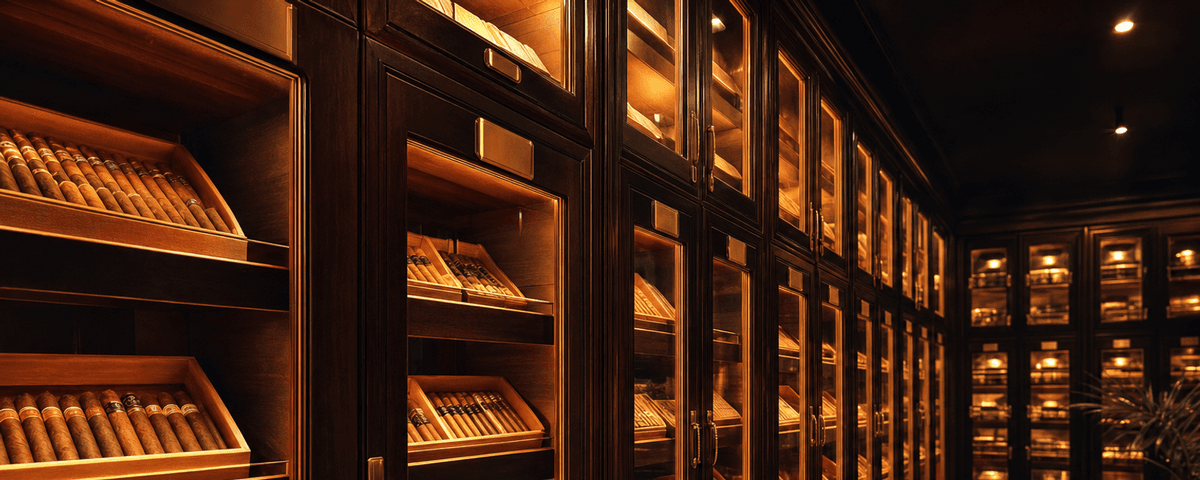
33 座 24 小時恆溫恆濕醇化室
W Cigar Bar 提供的會員醇化空間 · 場地資訊請洽編輯部

雪茄剪 / 打火機 / 雪茄盒 / Boveda
W Cigar 配件官網 · 專營雪茄配件正品

加 LINE 好友 · 文化諮詢
文化空間資訊 · 紳士沙龍 · 私人包場
本網站內容僅供雪茄文化、歷史、收藏與品吸知識研究參考。菸品有害健康、未滿法定年齡者請勿吸菸。實際規範請依所在地法律為準。
吸菸有害健康・戒菸專線 0800-636363・本站僅供 20 歲以上成年人閱覽。
影片來源:Habanos S.A. 官方 YouTube 頻道 · 教育性內容引用 · AI 智能配對
讀到這裡,你不只是路過的人
留下 Email,加入 W 雪茄聖經內圈——總編輯 Wilson Tsai 親選的學院深文與國際新訊,先你一步送到信箱。
· 教育用途非銷售 · 隨時一鍵退訂 · Email 絕不對外公開 · 由勝茄股份有限公司營運
同分類延伸閱讀
資料來源:W Cigar Bible 編輯部整理 · 雪茄王子 Wilson Tsai 親自審稿
本文僅供雪茄文化、歷史、收藏與品鑑知識研究,不作為菸品促銷、銷售或購買建議。吸菸有害健康,未滿二十歲不得吸菸。