雪茄的珍稀葉片特性:從選擇到風味的全景探索
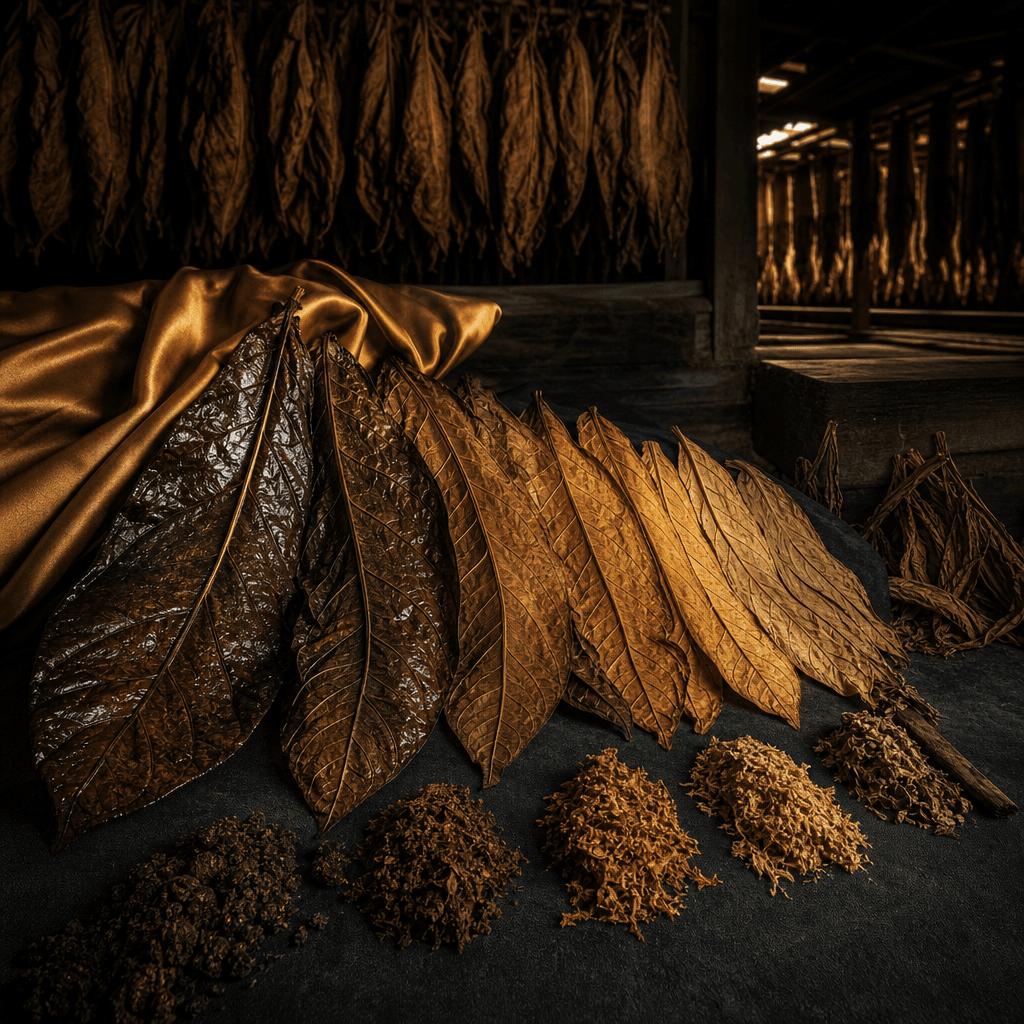
雪茄的珍稀葉片不僅依賴品牌與產地,更關乎微氣候、葉位及工藝。老手需深入了解農業、工藝與市場三者的關聯,才能正確評估珍稀葉片的價值。不同產地如古巴的Vuelta Abajo和尼加拉瓜的Estelí,各具特色,微氣候影響葉片的風味與穩定性。珍稀葉片的選擇過程從播種到發酵,需考量多重因素,如油脂、彈性及香氣。老手應學會辨識雪茄的結構與層次,從而提升品味的深度與廣度。
- 雪茄的珍稀葉片來自特定微氣候,影響其風味與品質,單靠產區名無法全面評估。
- Medio Tiempo 是古巴珍稀葉,提供濃厚風味,但過量會影響雪茄的細節與節奏。
- 包葉與茄芯的風味影響不同,老手應分開評估視覺與味覺的特性。
The Unique Characteristics of Rare Cigar Leaves: A Comprehensive Exploration from Selection to Flavor
For seasoned enthusiasts, cigars are no longer just about brand, size, and vintage. It boils down to a single leaf: where it comes from, which leaf position it occupies, how many times it has been fermented, and who included it in the blend. Rare leaves are not rare solely because of stories but due to a combination of yield, risk, availability, and flavor recognition that raises the bar.
As the editor of "Cigar Bible," I often dissect a cigar into three layers: agriculture, craftsmanship, and market. Agriculture determines the raw material's potential, craftsmanship ensures stability, and the market amplifies or corrects its value. This article is not about introductory terms but about the deep waters that seasoned enthusiasts need to master when judging rare leaves.

時間軸式流程顯示從田塊到配方的判斷步驟
The First Condition for Rare Leaves: The Origin is Not Just a Place Name, But a Microclimate
Many people talk about Vuelta Abajo, only remembering that it is in the Pinar del Río province of Cuba, but overlooking the soil differences between San Juan y Martínez and San Luis. The former is often described as having a deeper structure and clearer mineral feel; the latter sometimes exhibits smoother aromatic lines in certain years. Looking at high-end Cuban blends from the late 1990s to the early 2000s, raw material blending rarely relied on a single village because each batch of leaves burns, oils, and flexes differently.
The true rarity of rare leaves is not because the name of the production area is beautiful, but because only a few plots, a few years, and a few leaf positions in the same production area can meet the usable standards. Nicaragua's Estelí, Jalapa, and Condega are clear examples: Estelí often gives strength and black pepper, Jalapa often gives sweetness and aroma, and Condega is often used to balance burning and herbal tones. If seasoned enthusiasts only ask "which country's leaves," they miss half the picture.
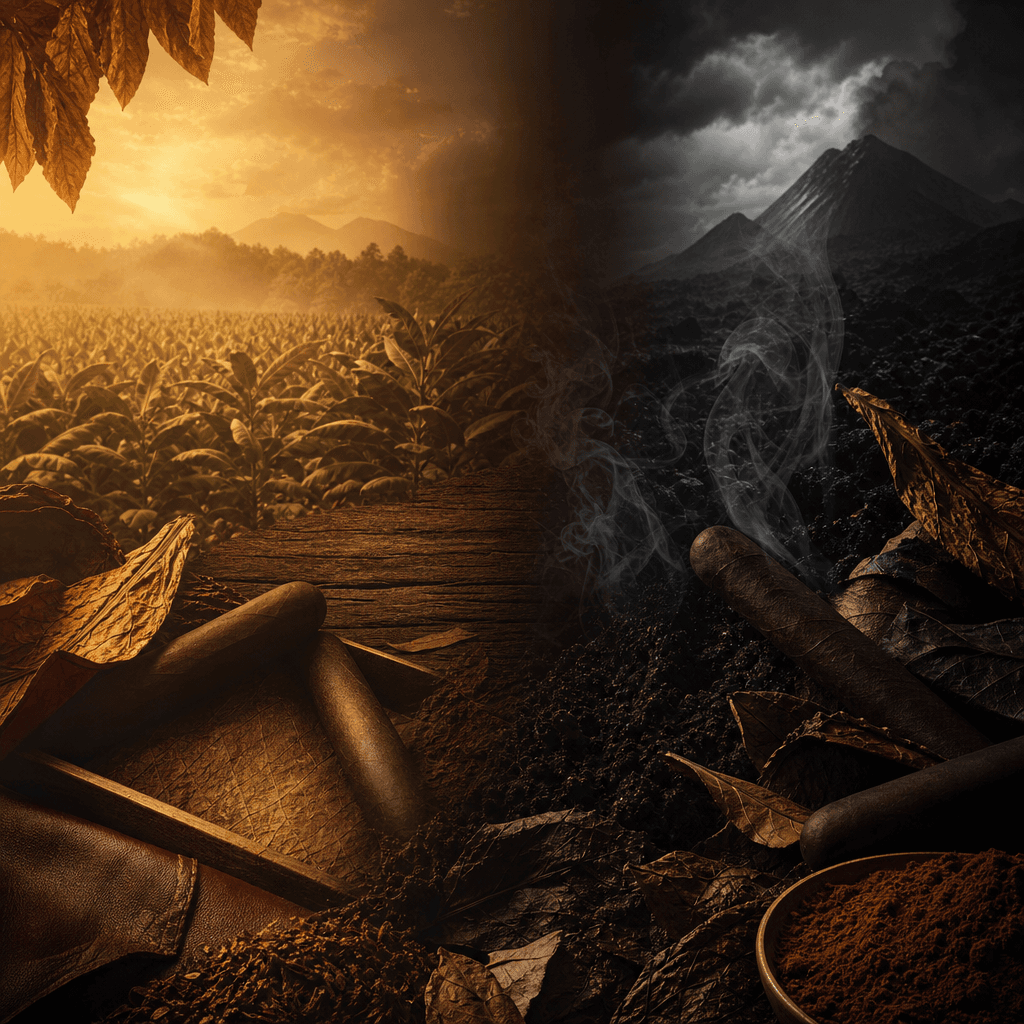
The Olor Dominicano of the Dominican Cibao Valley, Ecuador's cloud-grown Connecticut Shade, and Cameroon fine-veined leaves all illustrate that microclimate is more important than national borders. After 2004, Ecuadorian wrapper leaves entered high-end non-Cuban blends in large quantities, partly because the reduction of clouds reduced direct sunlight, making the leaves thin and resilient, suitable for creating delicate appearances and stable burning. This stability is itself a scarce resource.

三張重點卡整理微氣候葉位與配方平衡
Cuban Rare Leaves: The Flavor Codes of Medio Tiempo, Corojo, and Upper Leaves
When discussing Cuban rare leaves, Medio Tiempo is most often mentioned. It is not a fixed leaf position on every plant but a small number of small leaves that occasionally grow at the top of some plants, with strong sunlight, high oil content, and deep concentration. In 2006, Cohiba Behike first appeared in a limited form, and in 2010, BHK 52, 54, and 56 became regular high-end lines, pushing the reputation of Medio Tiempo to seasoned enthusiasts worldwide.
The value of Medio Tiempo lies in its concentration and depth, but more is not always better; if used too heavily, the cigar will lose detail and rhythm. A truly mature blend will allow it to provide black coffee, cocoa, leather, spice, and thickness, rather than simply increasing strength. This is why, when talking about Cohiba, some years of Siglo VI appear elegant, while some BHKs seem deep and broad, with different purposes.
Corojo is also a name worth dissecting. The traditional Cuban Corojo variety was gradually replaced by improved varieties due to disease pressure and cultivation risks, but the aesthetic standards it left behind are profound: oily, complex aroma, with woody and slightly spicy notes. Today, many non-Cuban brands use Corojo or Corojo variants, such as Honduran Corojo and Nicaraguan Corojo, not to replicate Cuba, but to rebalance disease resistance, yield, and flavor. Rarity often retains the soul even after agricultural compromise.

比較矩陣呈現包葉茄套與茄芯的不同作用
The Landscape of Non-Cuban Rare Leaves: Wrapper, Binder, and Filler Each Have Their Weight
In the non-Cuban world, rare leaves cannot only be seen in the wrapper. The wrapper determines the first impression, oil sheen, texture, and initial aroma, but the filler often determines the depth of the middle and back sections. Take Fuente Fuente OpusX as an example, officially launched in 1995, it reintroduced the concept that the Dominican Republic can also produce high-end Rosado wrappers; while Padron 1964 Anniversary pushed the rich sweetness of Nicaraguan leaves into classic vocabulary.
When evaluating rare leaves, seasoned enthusiasts should separate the visual appeal of the wrapper from the flavor structure of the filler. The charm of Connecticut Broadleaf Maduro often lies in brown sugar, concentrated coffee, and damp earth; Cameroon is known for its delicate spice, roasted nuts, and dry wood aroma. The former has thick leaves and a heavy fermentation burden, while the latter has fine veins and yield affected by climate, with completely different scarcity logic.
| Leaf Type | Representative Origin | Common Flavors | Reason for Scarcity |
|---|---|---|---|
| Medio Tiempo | Cuba Vuelta Abajo | Black coffee, cocoa, leather | Not every plant has it, extremely low yield |
| Cameroon | Cameroon | Cinnamon, dry wood, roasted nuts | Unstable climate and supply |
| Connecticut Broadleaf | Connecticut, USA | Brown sugar, soil, concentrated coffee | Thick leaves take time to ferment, availability is controlled |
| Pelo de Oro | Cuban lineage, Nicaragua, etc. | Honey sweetness, spice, oiliness | Susceptible to disease, high cultivation risk |

三張誤解卡提醒稀有深色與強度的判讀限制
From Field to Warehouse: How Rare Leaves Are Selected
Rare leaves do not suddenly become rare after harvest; they are eliminated throughout sowing, leaf picking, drying, fermentation, and grading. Taking wrapper leaves as an example, to become a top capa, a leaf usually needs to meet conditions such as uniform color, fine veins, good elasticity, minimal damage, and moderate oil content. In some batches, the usable rate may be less than 20%, which is why the more perfect the appearance of high-end cigars, the higher the waste rate behind them.
The core of leaf selection is not to pick the most beautiful leaf, but to choose a batch of leaves that can be stable in burning, aroma, and structure. If the fermentation pile temperature is too high, the aroma will become dull; if insufficient, ammonia and green notes will remain. Many workshops in the Dominican Republic and Nicaragua allow thick leaves to undergo multiple rounds of fermentation, which can take from several months to over two years, depending on leaf thickness and target flavor.
Seasoned enthusiasts can check the quality of a cigar's leaves in the following ways, but should not absolutize a single indicator:
- Check if the wrapper's oil is natural; it should not appear waxy.
- Feel the elasticity of the cigar body; too hard may mean the filler is too tight, too soft may indicate insufficient structure.
- Smell the cold aroma for cleanliness; grains, wood, and cocoa are acceptable, but be cautious of pungent ammonia.
- Observe the ash and burn line after lighting; gray should not be blindly trusted, but unstable burning often reflects moisture or rolling issues.
- Compare whether there are transitions in the front, middle, and back sections; rare leaves should bring layers, not just strength.

長條對比顯示古巴與非古葉片在多軸差異
Flavor Impact: How Leaf Position, Fermentation, and Blending Change a Seasoned Enthusiast's Sensory Judgment
Cigar flavor is not a linear output of a single leaf but a symphony of seco, viso, ligero, and other leaf positions. Seco is often responsible for aroma and burning, viso provides oil and mid-section thickness, and ligero offers strength and aftertaste. If Medio Tiempo or a high proportion of ligero is added, the front section may heat up more slowly, and the middle and back sections may show dark tones: dark chocolate, caramelized wood, leather, coffee grounds, and mineral notes.
The greatest impact of rare leaves on taste is to advance seasoned enthusiasts from "liking strong or mild" to recognizing structure, rhythm, and aftertaste. For example, Hoyo de Monterrey Double Coronas is often seen as an elegant large ring gauge classic, with the focus not on explosion but on the extension of creamy wood, floral, and soft sweetness; Partagás Serie D No.4 is often remembered for earth, spice, leather, and strength, both are different answers to mature flavor perception.
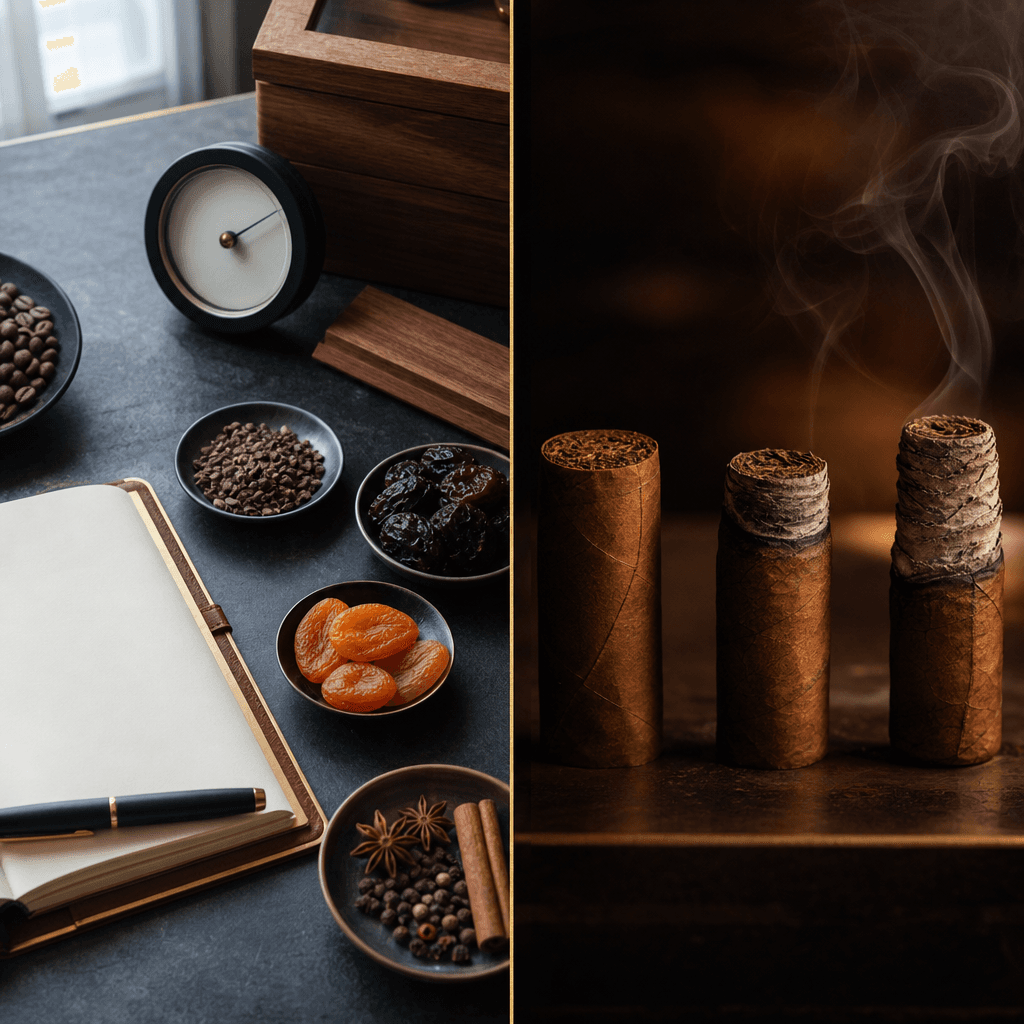
When comparing different batches of cigars from 2014, 2016, and 2019, I often remind myself not to be dazzled by the first puff. Some rare wrappers offer astonishing sweetness in the front section, but if they collapse after the middle section, they are just a beautiful coat; conversely, some cigars are quiet in the first 2 cm, but unfold nuts, wood, cocoa, and saltiness in the middle section, which is the endurance of the blend. Seasoned enthusiasts should record time, humidity, pairing drinks, and burning speed to have comparable data.

三張問答卡回答稀有葉片高端與深色包葉問題
Market Demand and Value Changes: How Scarcity is Amplified and Misinterpreted
After 2010, the high-end cigar market's sensitivity to "limited edition, vintage, rare leaves" has significantly increased. Cohiba Behike, Trinidad high-end sizes, Fuente OpusX, Padron 1926, Davidoff Limited Edition, etc., have made consumers more willing to study raw materials and batches. Between 2020 and 2022, global logistics, travel restrictions, and supply-demand gaps have also tightened the availability of some high-end Cuban and non-Cuban models.
Rising market prices do not guarantee appreciation, still depending on source preservation and market. Especially cigars are not jewelry; preservation conditions directly determine value: long-term temperatures above 24°C, significant humidity fluctuations, mold or pest issues in the box will render brand names meaningless. From the perspective of a PCC authorized dealer, what truly matters is clear source, stable preservation, and complete batch records, not just following the trend upon hearing "scarce."
Demand changes can also influence brand strategies in reverse. In recent years, non-Cuban brands have launched a large number of single-farm, vintage batch, small-batch Maduro or Corojo versions because seasoned enthusiasts are willing to pay more attention to traceability. However, there are two types of scarcity: one is genuinely rare in agriculture, and the other is intentionally scarce in marketing. The former is worth studying, the latter requires calmness. The method to judge the difference is to see if the brand can specify leaf variety, origin, aging time, and blending logic.
Frequently Asked Questions
Does a rare leaf necessarily mean a better smoke?
Not necessarily. Rare means low yield, unique flavor, or high craftsmanship threshold, but it does not guarantee it suits your taste. A truly mature judgment is to separate rarity from palatability. Some seasoned enthusiasts like strong ligero, while others appreciate the delicate spice of Cameroon.
Why is Medio Tiempo often seen as a high-end symbol?
Because it has low yield, high oil content, and deep concentration, it can increase mid and back section thickness. But if the blend is unbalanced, it can also feel heavy. It's like a high-end spice, not the main dish itself.
Does a darker wrapper mean a stronger flavor?
Not necessarily. Maduro often brings sweetness and dark tones, but concentration still depends on the filler and fermentation. A poorly handled dark wrapper may only be sweet and lack layers.
What conditions should be considered for collecting cigars?
Source, preservation, box condition, batch, and brand demand should all be considered. Market heat will change, and rising prices do not guarantee appreciation, still depending on source preservation and market.
How can seasoned enthusiasts build their own leaf database?
Record brand, size, vintage, humidity, burning time, and front, middle, and back section flavors each time. After accumulating 30 to 50 sticks, you'll start to see your true preferences for origin and leaf position.
In the end, my view on rare leaves is simple: it is not a label for showing off, but a key to understanding the world of cigars. When you can discern why a leaf is rare, how it is processed, and what role it plays in the blend, cigars are no longer just a brand choice but a deep reading about land, time, and craftsmanship.
—Cigar Prince Wilson Tsai
Smoking is harmful to health. Under 20 years old is not allowed to smoke. Quit smoking hotline: 0800-636363. This article is for reference by adults over 20 years old for cigar culture, preservation, and regulatory knowledge, not a tobacco advertisement, promotion, or purchase suggestion.
Like this article?Share with friends
Share this W Cigar Bible piece with friends who want to learn cigar culture, storage, and tasting.
想把這篇 化為實踐
雪茄聖經是知識;雪茄文化要在空間裡發生
W Cigar Bar 大安總店資訊
台北大安區 · 雪茄聖經總編輯 Wilson Tsai 主理的雪茄文化空間
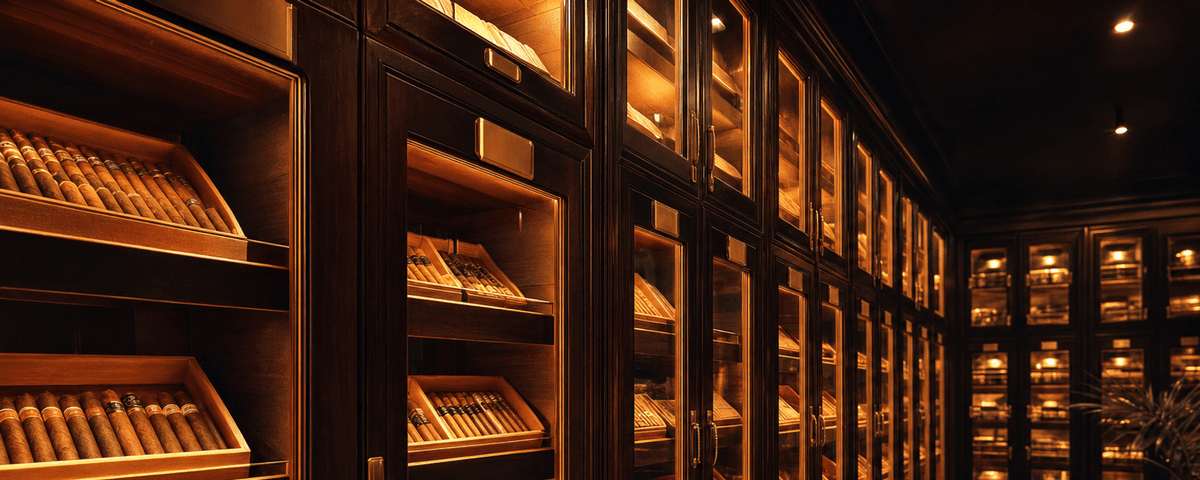
33 座 24 小時恆溫恆濕醇化室
W Cigar Bar 提供的會員醇化空間 · 場地資訊請洽編輯部
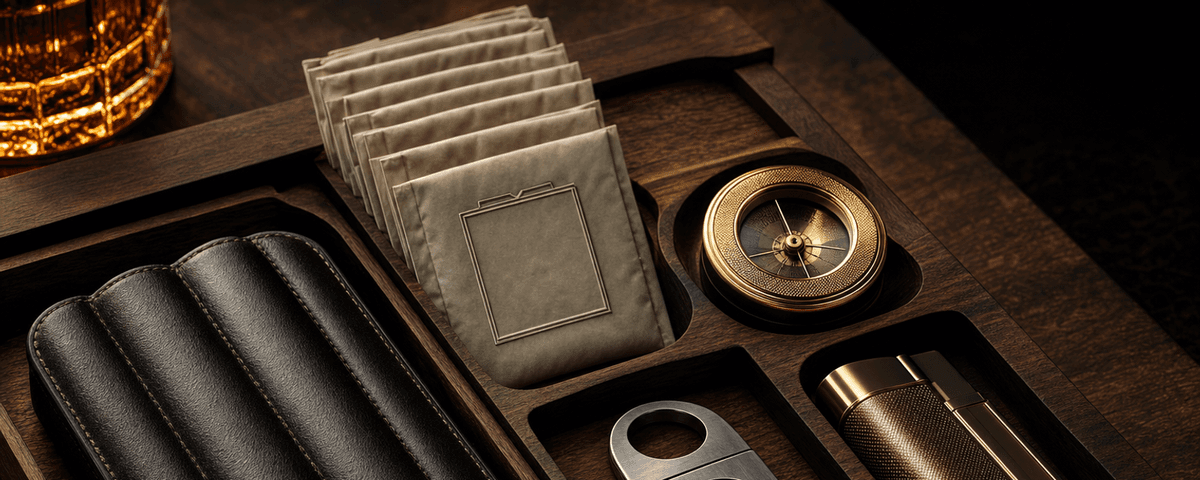
雪茄剪 / 打火機 / 雪茄盒 / Boveda
W Cigar 配件官網 · 專營雪茄配件正品
加 LINE 好友 · 文化諮詢
文化空間資訊 · 紳士沙龍 · 私人包場
本網站內容僅供雪茄文化、歷史、收藏與品吸知識研究參考。菸品有害健康、未滿法定年齡者請勿吸菸。實際規範請依所在地法律為準。
吸菸有害健康・戒菸專線 0800-636363・本站僅供 20 歲以上成年人閱覽。
讀到這裡,你不只是路過的人
留下 Email,加入 W 雪茄聖經內圈——總編輯 Wilson Tsai 親選的學院深文與國際新訊,先你一步送到信箱。
· 教育用途非銷售 · 隨時一鍵退訂 · Email 絕不對外公開 · 由勝茄股份有限公司營運
同分類延伸閱讀

資料來源:W Cigar Bible 編輯部整理 · 雪茄王子 Wilson Tsai 親自審稿
本文僅供雪茄文化、歷史、收藏與品鑑知識研究,不作為菸品促銷、銷售或購買建議。吸菸有害健康,未滿二十歲不得吸菸。